

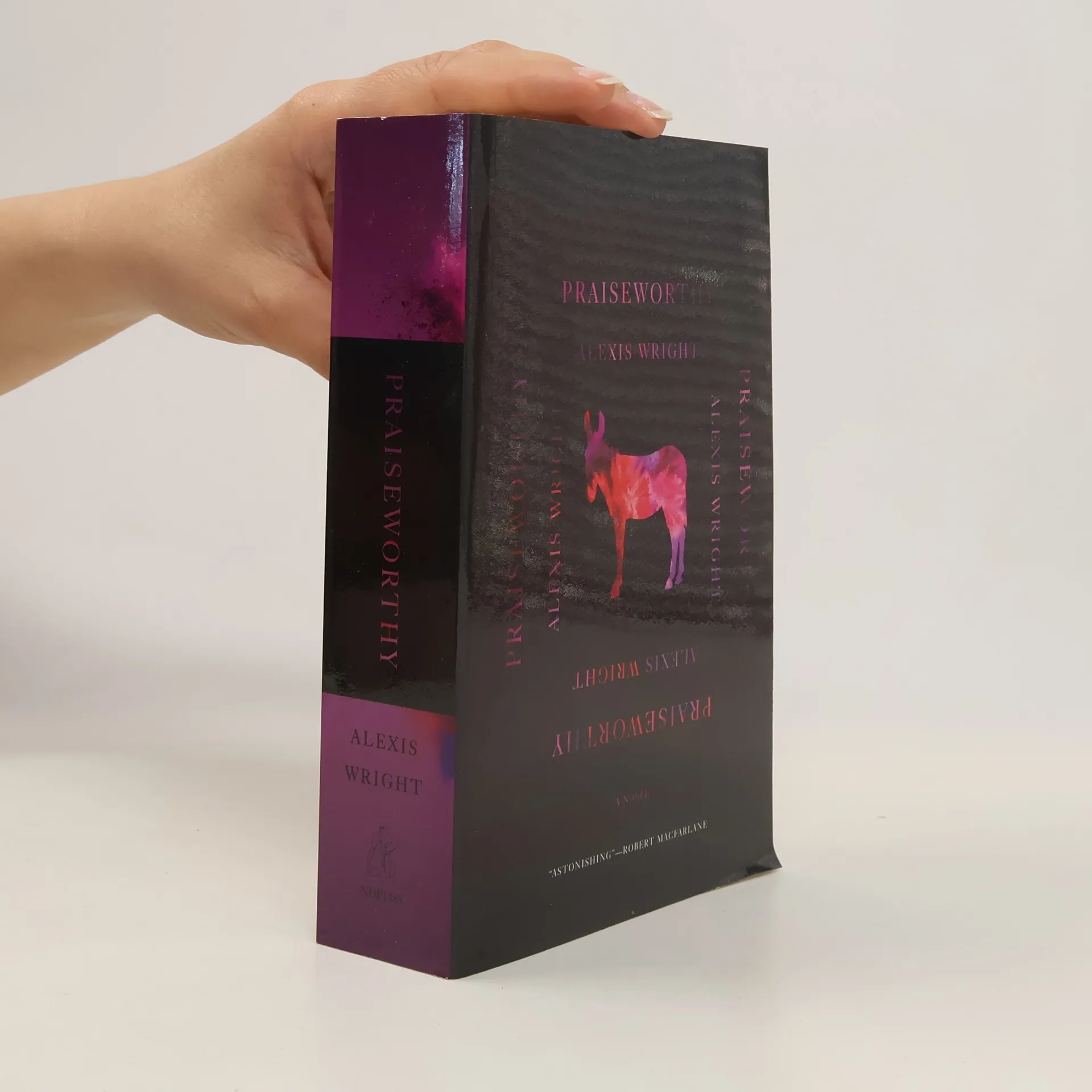
An astonishing and monumental masterpiece from the towering Australian writer Alexis Wright whose "words explode from the page" (The Monthly)
Alexis Wright Volgorde van de boeken (chronologisch)
Alexis Wright is een gevierde auteur van het Waanji-volk uit de zuidelijke Golf van Carpentaria. Haar werk verkent vaak het leven in het Golfgebied, waarbij het precaire bestaan en de complexe relaties binnen afgelegen kustgemeenschappen worden weergegeven. Wrights schrijven duikt dieper in de kracht van verhalen vertellen om culturele identiteit en collectief geheugen te weerspiegelen en te vormen. Haar proza is lyrisch en diep geworteld in traditionele verhaalvormen, en biedt lezers een diepe verbinding met het land en zijn volk.


Het boek van de zwaan
- 318bladzijden
- 12 uur lezen
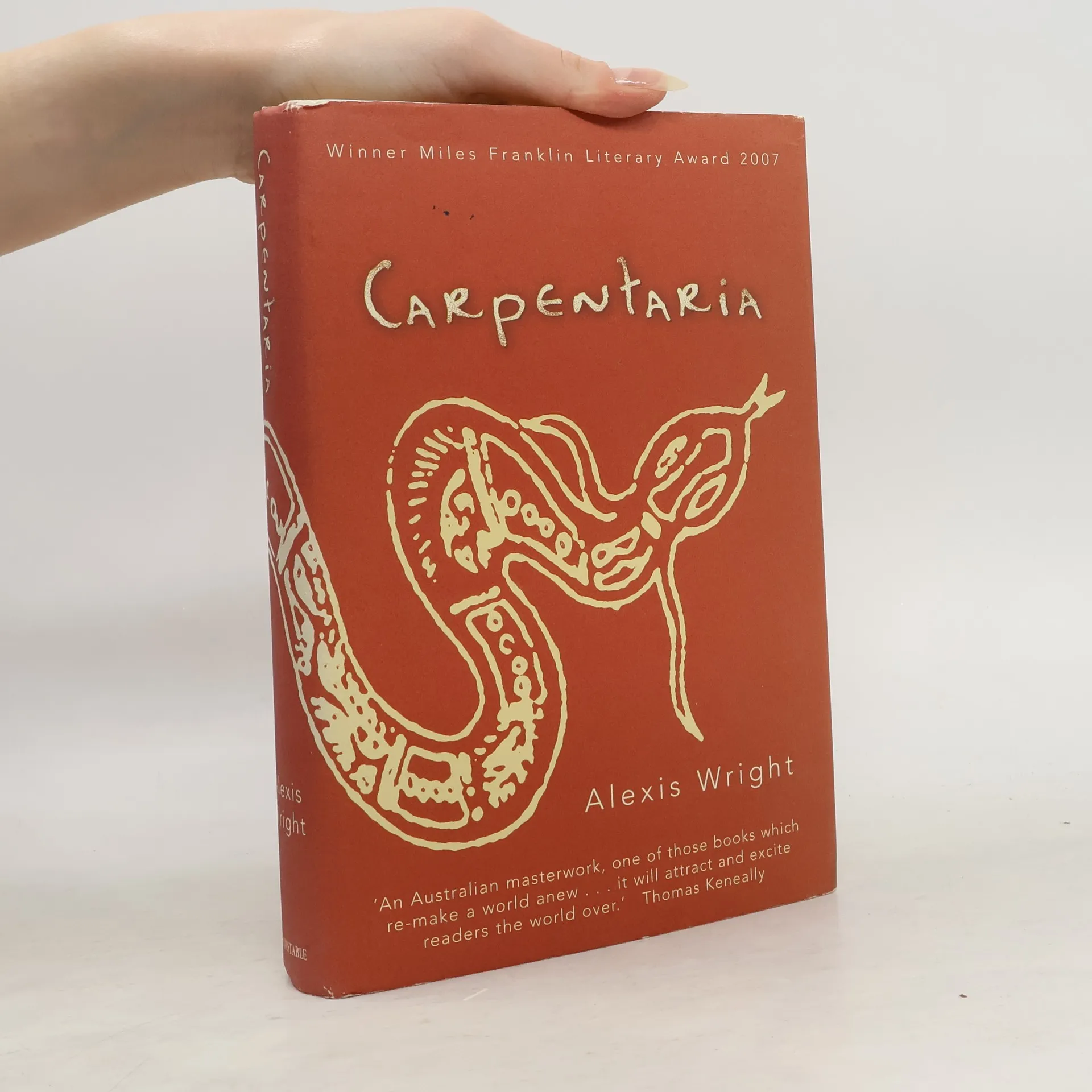
Carpentaria
- 439bladzijden
- 16 uur lezen
Set in the precariously settled coastal town of Desperance, this novel is the portrait of the powerful Phantom family, leader of the Westend Pricklebush people, and its battles with old Joseph Midnight's renegade Eastend mob on the one hand, and the white officials of Uptown and the neighbouring Gurfurrit mine on the other.
In this brilliant debut novel, Alexis Wright evokes city and outback, deepening our understanding of human ambition and failure, and making the timeless heart and soul of this country pulsate on the page. Black and white cultures collide in a thousand ways as Aboriginal spirituality clashes with the complex brutality of colonisation at St Dominic's mission. With her political awareness raised by work with the city-based Aboriginal Coalition, Mary visits the old mission in the northern Gulf country, place of her mother's and grand-mother's suffering. Mary's return re-ignites community anxieties, and the Council of Elders again turn to their spirit world.