
Bookbot

Henri Bosco

    16 november 1888 – 4 mei 1976

    Henri Bosco was een schrijver wiens werken diepgaande spirituele vragen en de zoektocht naar betekenis verkennen. Zijn kenmerkende stijl gebruikt poëtische proza die lezers meeneemt naar landschappen van zowel innerlijke als uiterlijke werelden. Bosco duikt vaak in thema's als identiteit, geheugen en transformatie, geïnspireerd door zijn rijke levenservaringen en spirituele zoektocht. Zijn schrijven weerspiegelt een voortdurende inspanning om harmonie te vinden tussen het menselijk bestaan en de natuurlijke wereld.

    Henri Bosco
    Le Trestoulas
    Malicroix
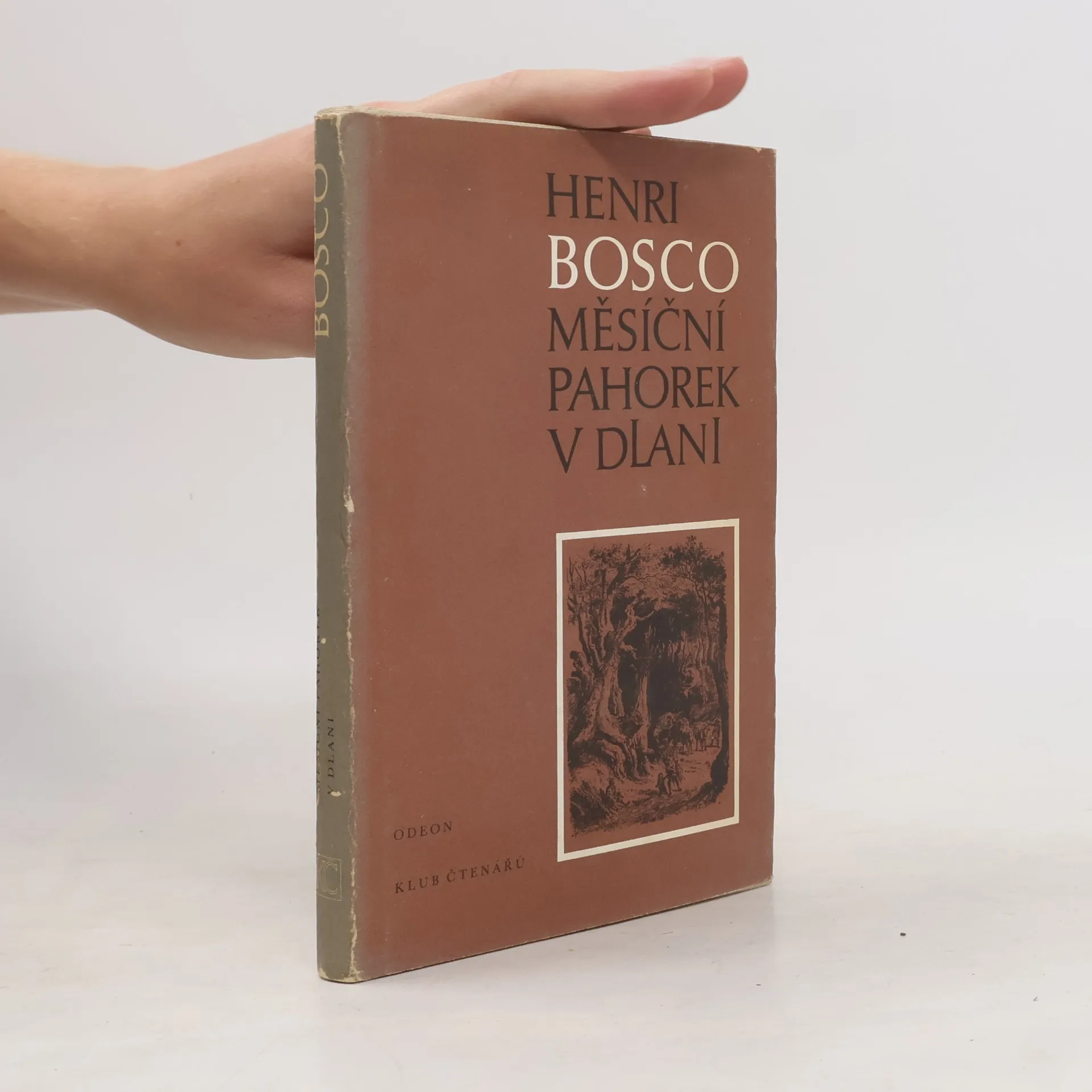
    Měsíční pahorek v dlani
    Teotimov Majer
    The Child and the River
    Malicroix
    • Malicroix

      • 286bladzijden
      • 11 uur lezen
      3,9(146)Tarief

      Fans of William Faulkner will appreciate the work of Henri Bosco, a four-time Nobel Prize nominee. For the first time in English, Malicroix explores the life of a recluse in the French countryside, revealing the journey to his solitude. Although lesser-known among English readers, Bosco (1888-1976) was a prolific and respected mid-twentieth-century French author, with over thirty works of fiction and poetry. He received prestigious awards like the Grand prix national des lettres and the Prix des Ambassadeurs. Malicroix is celebrated as Bosco's "finest achievement," noted for its "intimate blending of the real world and the world of myth," and is frequently referenced by Gaston Bachelard in his works, where he describes it as a "vast prose poem." Set in the early nineteenth century, the novel presents a first-person narrative of a timid young man who inherits a house on an island in the wild Camargue region. To claim his inheritance, he must live alone there for three months, confronting the turbulent river, fierce winds, and his own solitude. He must also complete a challenging task from his great-uncle while fending off others eager to seize the property. The story chronicles his journey toward self-discovery and ownership of both his inheritance and himself.
      Malicroix
    • This simple and moving tale is the story of Pascalet and his river. He was forbidden to go near it, but once or twice every year the flood waters ran swiftly over the low fields to Pascalet's door. From time to time the river called to him in the shape of Bargabot the fisherman, who told Pascalet of its fish and beaches and lonely islands. This lovely tale, which catches the magic of untamed nature, speaks to young and adult alike.

      The Child and the River
    • Ústredným záujmom všetkých Boscových literárnych diel sú tajomné a záhadné sily prírody, ktoré determinujú konanie človeka. Mocnou intuíciou objavuje tieto sily a podáva skôr sugestívne pohľady na ne, než sa ich snaží vysvetliť. Pritom dar intuitívneho prenikania do tajomstiev prírody spája sa u neho s darom hlbokého pohľadu do psychologickej ústrojnosti človeka. Bosco patrí medzi najväčších majstrov francúzskeho románového štýlu.

      Teotimov Majer
    • Poetický román jež se odehrává v jihofrancouzské Provence, v době kdy Martial Malicroix opouští své bydliště a rodiště, přichází na venkov se ujmout svého dědictví – domu, statku, sídla i pozemků. V novém a dosud neznámém prostředí se dostává do střetu s vlastními životními zvyklostmi a s lidmi, kteří ho jen většinou neradi přijímají mezi sebe.

      Měsíční pahorek v dlani
    • Malicroix

      • 384bladzijden
      • 14 uur lezen

      Henri Bosco, like his contemporary Jean Giono, is one of the regional masters of modern French literature, a writer who dwells above all on the grandeur, beauty, and ferocious unpredictability of the natural world. Malicroix, set in the early nineteenth century, is widely considered to be Bosco’s greatest book. Here he invests a classic coming-of-age story with a wild, mythic glamour. A nice young man, of stolidly unimaginative, good bourgeois stock, is surprised to inherit a house on an island in the Rhône, in the famously desolate and untamed region of the Camargue. The terms of his great-uncle’s will are even more surprising: the young man must take up solitary residence in the house for a full three months before he will be permitted to take possession of it. With only a taciturn shepherd and his dog for occasional company, he finds himself surrounded by the huge and turbulent river (always threatening to flood the island and surrounding countryside) and the wind, battering at his all-too-fragile house, shrieking from on high. And there is another condition of the will, a challenging task he must perform, even as others scheme to make his house their own. Only under threat can the young man come to terms with both his strange inheritance and himself.

      Malicroix
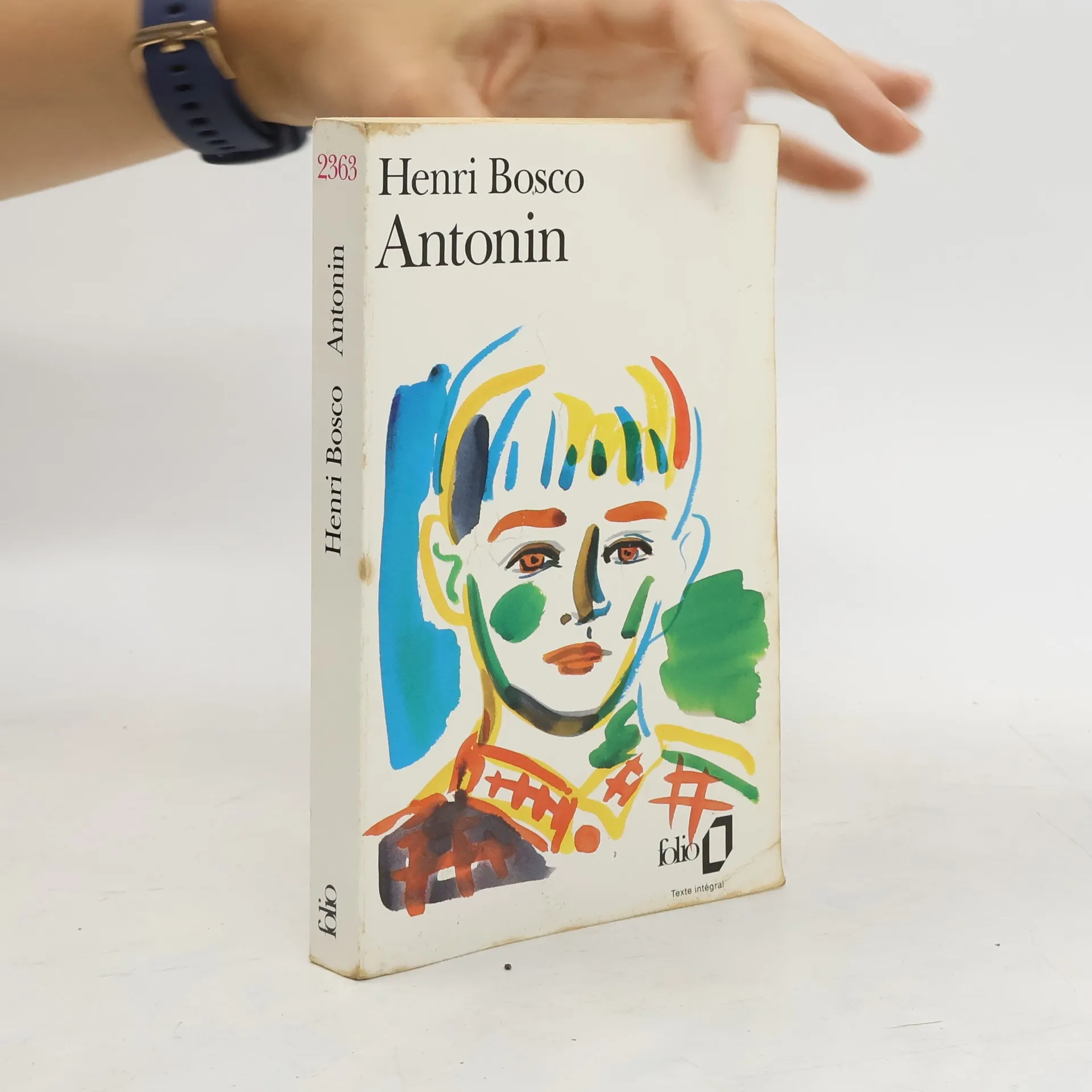
    • Il a huit ans, l'âge de raison, mais encore l'âge des songes. Ses parents, obligés à de longues absences, le confient à des étrangers, qui demeurent très loin de sa maison des champs, dans une banlieue d'Avignon, banlieue sans grâce ; mais il y a une grâce pour les enfants et les jeux de leurs rêveries. Antonin est d'abord, un temps, en pension, chez les Bénichat. Ce sont de pauvres gens. Le mari, bon colosse, est chef de train. Il emmène souvent Antonin en promenade. Il lui fait faire un réveillon de neige, en pleine campagne, dans la baraque de son ami l'aiguilleur, cependant que grondent, tout près, les rapides de nuit, merveilleux et terribles. Antonin aura d'autres joies et aussi des peines. Il découvrira, puis perdra, la tendre et mystérieuse Marie. Antonin apprendra à connaître ce qu'on peut connaître à son âge, des hommes, des arbres, des oiseaux, du ciel - et aussi de la vie et de la mort. Antonin est l'oeuvre d'amour d'un grand écrivain, d'un magicien aussi, dont la magie reste invisible.

      Antonin
    • Il passa en faisant claquer ses petits pas d'âne léger sur les dalles du pont. Les couffins, qui bringuebalaient sur son dos, étaient pleins jusqu'aux bords de branches d'argélas en fleur. Cette plante, qui fleurit en février, est une sorte de genêt épineux. Le chargement de l'âne m'étonna. De loin je le suivis. Il se dirigea tout droit vers le presbytère. Sans doute y était-il attendu, car l'abbé Chichambre en sortit aussitôt et transporta l'argélas dans l'église. Après quoi il dit quelques bonnes paroles à l'âne Culotte et lui donna une tape sur la croupe. L'âne vira de bord et repartit vers la montagne.

      L'âne culotte