For each chapter in "A Concise History, this companion sourcebook features three or four important political, social, or cultural documents that amplify discussion in the book, where they are cross-referenced for easy access and encourage students to make the connection between narrative history and primary sources. Chapter introductions and headnotes further contextualize the wide array of sources and perspectives represented in the documents, while discussion questions guide students' reading and promote historical thinking skills.
Lynn Hunt Boeken
16 november 1945
Lynn Hunt is een historicus wiens werk zich verdiept in de Europese cultuurgeschiedenis, met een bijzondere focus op de Franse Revolutie en de geschiedenis van mensenrechten. Haar wetenschappelijk werk onderzoekt hoe opvattingen over mensenrechten in de loop van de tijd zijn gevormd en geëvolueerd, waarbij de culturele en historische contexten worden benadrukt. Ze analyseert cruciale momenten en intellectuele stromingen die hebben bijgedragen aan het moderne begrip van mensenrechten. Haar benadering benadrukt een diepe betrokkenheid bij historische processen en hun maatschappelijke impact.





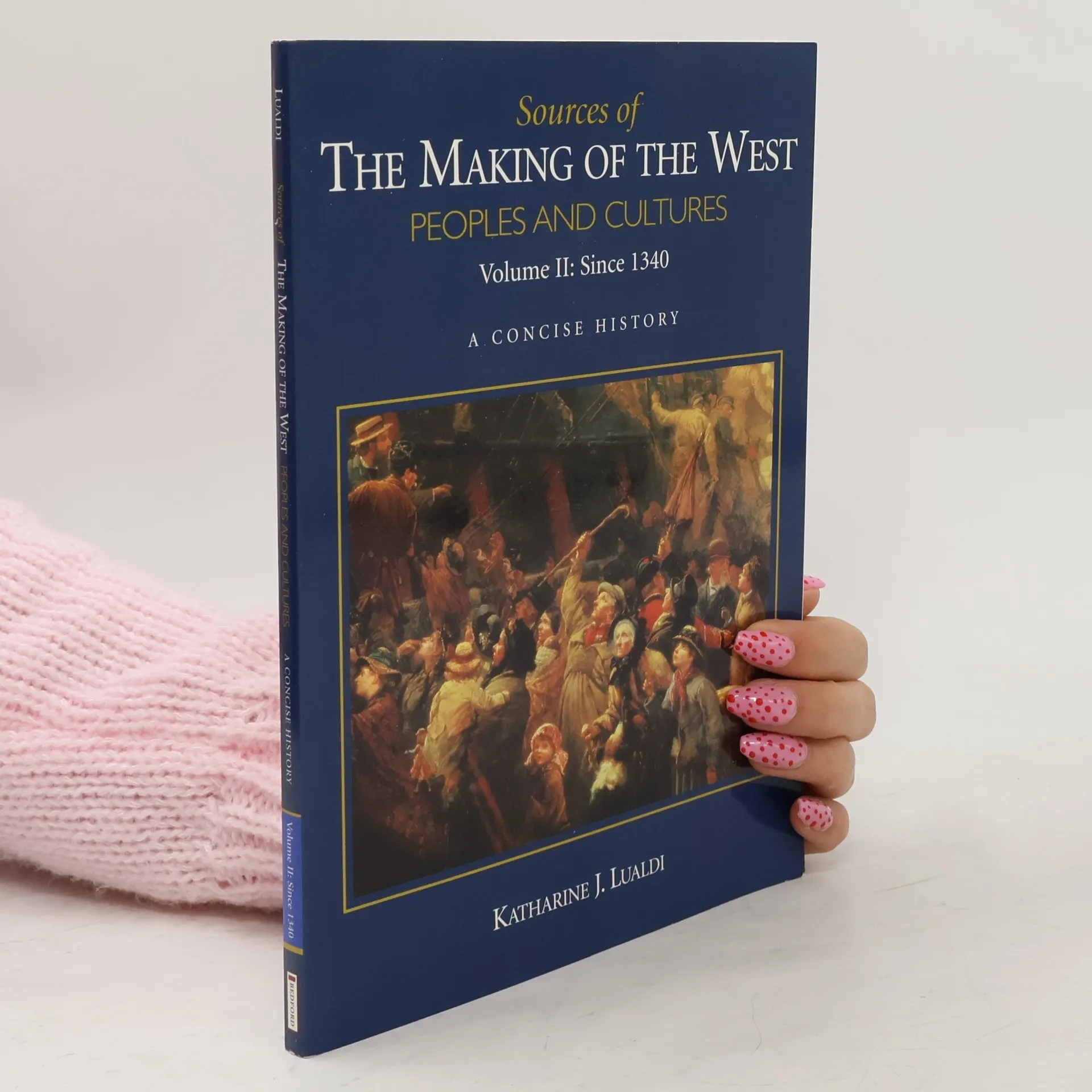
The Making of the West
Peoples and Cultures- A Concise History - Third Edition
- 752bladzijden
- 27 uur lezen
The Making of the West is a story of interactions — cross-cultural exchanges that span the globe, as well as the ongoing interactions between societies, cultures, governments, economies, religions, and ideas. To highlight these interactions and help students grasp the vital connections between political, social, and cultural events, The Making of the West: A Concise History presents a comprehensive picture of each historical era within a brief chronological narrative. The book also situates Europe within a truly global context, facilitating students’ understanding of the events that have shaped their own times. A full-color map and art program deepen students’ understanding of the narrative.
The Invention of Pornography
- 412bladzijden
- 15 uur lezen
In this groundbreaking collection of essays, historians and literary theorists examine how, between 1500 and 1800, pornography emerged as a literary practice and a category of knowledge intimately linked to the formative moments of Western modernity and the democratization of culture. The first modern writers and engravers of pornography were part of the demimonde of heretics, freethinkers, and libertines who constituted the dark underside of the Renaissance, the Scientific Revolution, the Enlightenment, and the French Revolution. From the start, early modern European pornography used the shock of sex to test the boundaries and regulation of obscene behavior and expression in the public and private sphere. As such, pornography criticized and even subverted political authorities as well as social and sexual relations.
Inventing Human Rights
- 272bladzijden
- 10 uur lezen
A tour de force.-Gordon S. Wood, New York Times Book Review
The Making of the West, Vol. 2
Peoples and Cultures, a Concise History, Volume II: Since 1340
- 639bladzijden
- 23 uur lezen
Based on the widely acclaimed survey text, The Making of the West: Peoples and Cultures, and condensed by the authors themselves, A Concise History retains the unique chronological synthesis, broad coverage, and geographic inclusion of the original work while providing an even sharper, more focused treatment of the historical development of the West. A tradebook format, full-color design, the richest map and art programs available in a brief edition, and a thoroughly integrated source collection combine with the clear, compelling narrative for a textbook that will spark the historical imagination as it captures student interest.
Francouzská revoluce. Politika, kultura, třída
- 269bladzijden
- 10 uur lezen
Originální výklad Velké francouzské revoluce známé americké historičky, která navazuje na francouzskou interpretační tradici, ale současně přináší zcela nový a svérázný pohled. Zabývá se rétorikou významných revolučních osobností, symbolickými formami politické praxe, politickým zeměpisem revoluce, novými politickými subjekty a lidmi na okraji. V centru jejího zájmu je tudíž to, co sama autorka nazývá "poetikou moci" a "sociologií politiky". Publikace je brilantním historickým esejem, který se pohybuje na rozmezí politických, sociálních a kulturních dějin a ukazuje novou podobu politiky, která vznikla na konci 18. století a je určující dodnes.
Alternative worlds in fantasy fiction
- 176bladzijden
- 7 uur lezen
A guide to children's literature about alternative worlds, focusing on the work of Ursula Le Guin, Terry Pratchett and Philip Pulman.
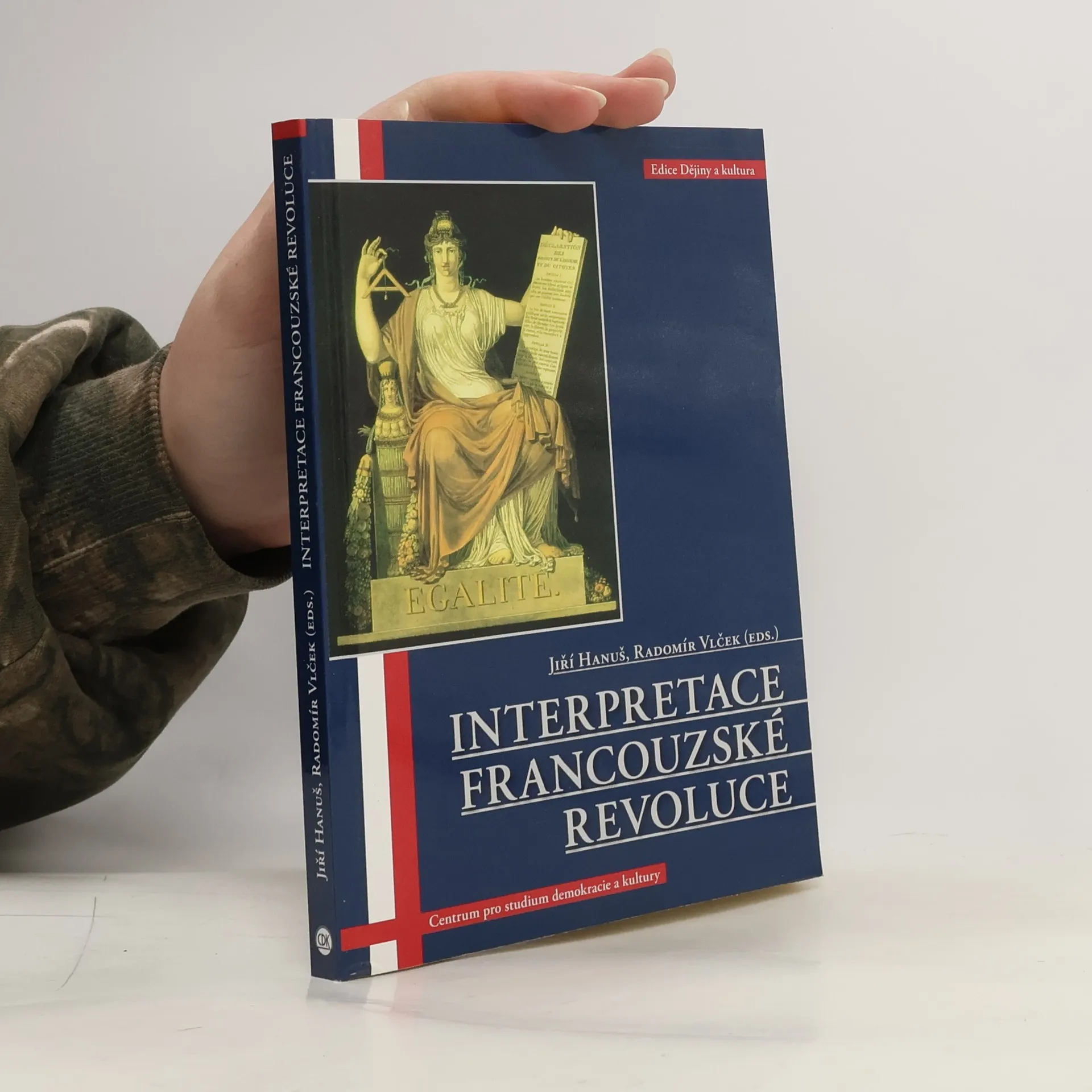
Interpretace Francouzské revoluce
- 160bladzijden
- 6 uur lezen
Reprezentativní sborník příspěvků ze dvou konferencí pořádaných Historickým ústavem FF MU, Historickým ústavem AV ČR a CDK. Publikace shrnuje vývoj poznání o fenoménu revoluce v západní i východní Evropě prostřednictvím rozboru děl významných autorů (E. Burke, J. Michelet, A. Tocqueville, F. Furet, M. Ozouf, L. Hunt a další), ale také prostřednictvím rozboru základních výkladových paradigmat (romantismus, pozitivismus, marxismus, „nová historie“ aj.). Autoři příspěvků jsou předními odborníky na danou problematiku (D. Tinková, R. Slabáková, J. Válka, R. Vlček, M. Hlavačka, F. Holeček, M. Řepa a další) a přinášejí do českého prostředí nové interpretační akcenty.
Symbole der Macht, Macht der Symbole
- 351bladzijden
- 13 uur lezen
Für Lynn Hunt ist die Französische Revolution nicht nur Zeichen sich wandelnder ökonomischer und sozialer Strukturen, noch lediglich ein singuläres politisches Ereignis; sie ist vielmehr die Geburtsstunde der »politischen Kultur« in Europa und der »Kaste der Politiker«.ln einer ebenso differenzierten wie ungewöhnlichen Analyse der genuin revolutionären Symbole (Kleider, Feste usw.) erschließt Lynn Hunt die »Sprachen der Macht« und damit das politische Selbstverständnis, das sich in diesen Symbolen bekundet. Es wird dargestellt, wie sich die Symbole im Laufe der Französischen Revolution veränderten; daß sie bald nicht mehr Ausdruck eines Aufbruchs waren, sondern selber zum Instrument der Disziplinierung wurden.Mit der Entstehung der »revolutionären Symbolwelt« und einer »revolutionären Rhetorik« bildete sich eine politische Kultur heraus, die bis auf den heutigen Tag wirksam geblieben ist.Im zweiten Teil wird untersucht, wer diejenigen waren, die diese neue Rhetorik und Symbolik entwarfen, sich durch sie definierten.(Dieser Text bezieht sich auf eine frühere Ausgabe.)