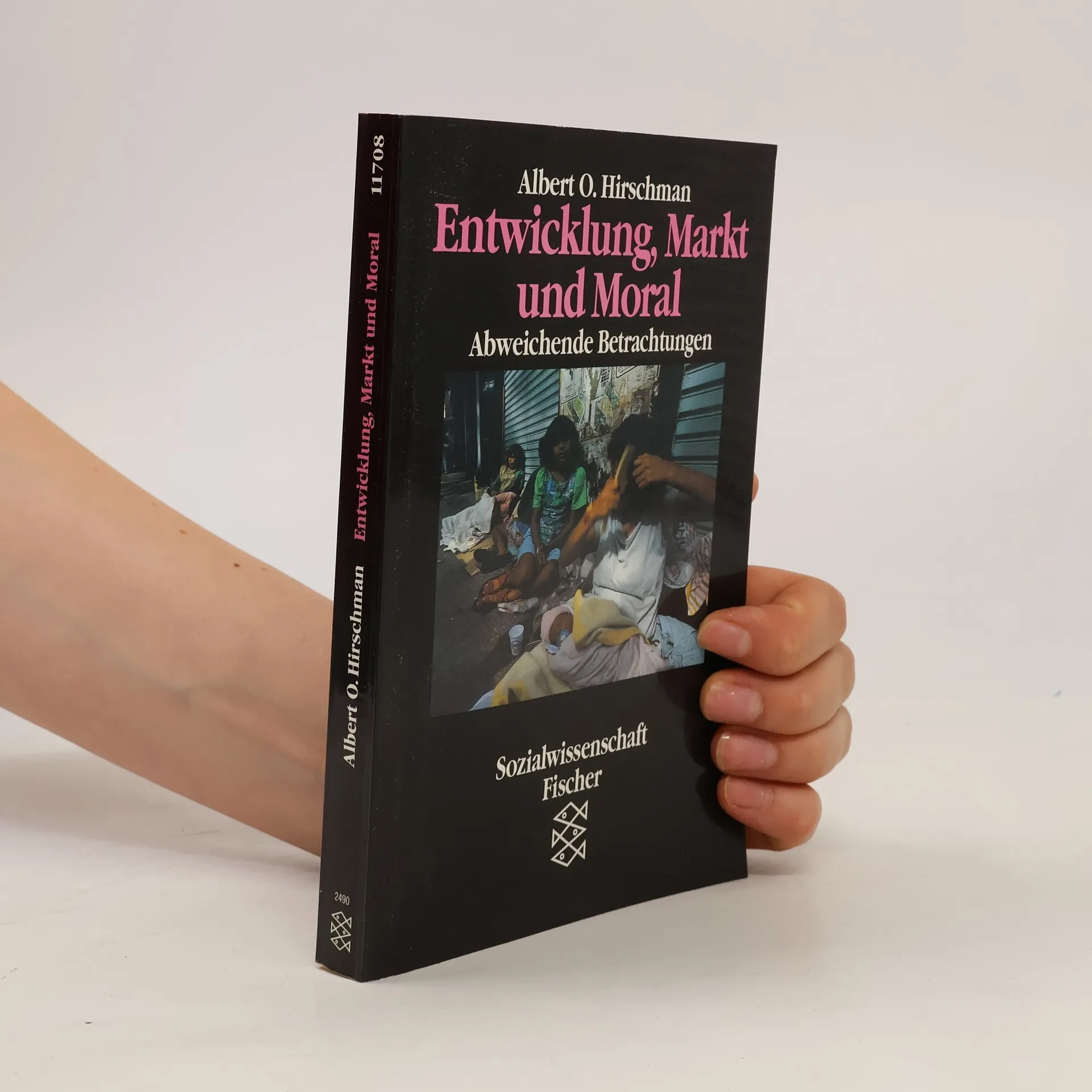
A collection of fourteen insightful articles and papers by Albert O. Hirschman, this book showcases his influential thoughts on economics, development, and social change. It highlights his unique perspectives on the complexities of human behavior and the interplay between economic theories and real-world applications. Hirschman's work challenges conventional wisdom, making it a valuable resource for anyone interested in the intersections of economics, politics, and sociology.
Albert O. Hirschman Volgorde van de boeken (chronologisch)
7 april 1915 – 10 december 2012
Albert Otto Hirschman was een econoom en auteur wiens bijdragen zich uitstrekten over politieke economie en ideologie. Zijn vroege werk op het gebied van ontwikkelingseconomie verdedigde het concept van ongebalanceerde groei, met het argument dat onevenwichtigheden moeten worden aangemoedigd om de mobilisatie van hulpbronnen te stimuleren, vooral in ontwikkelingslanden die een gebrek aan besluitvormingsdeskundigheid hebben. Hij pleitte voor het bevorderen van industrieën met sterke onderlinge verbanden. Later onderzocht hij de politieke economie via twee invloedrijke schema's: het eerste, gepresenteerd in "Exit, Voice, and Loyalty", schetste de fundamentele reacties op neergang (stoppen, protesteren of loyaal blijven); het tweede, in "The Rhetoric of Reaction", ontleedde de gebruikelijke argumenten van conservatieven tegen sociale vooruitgang.



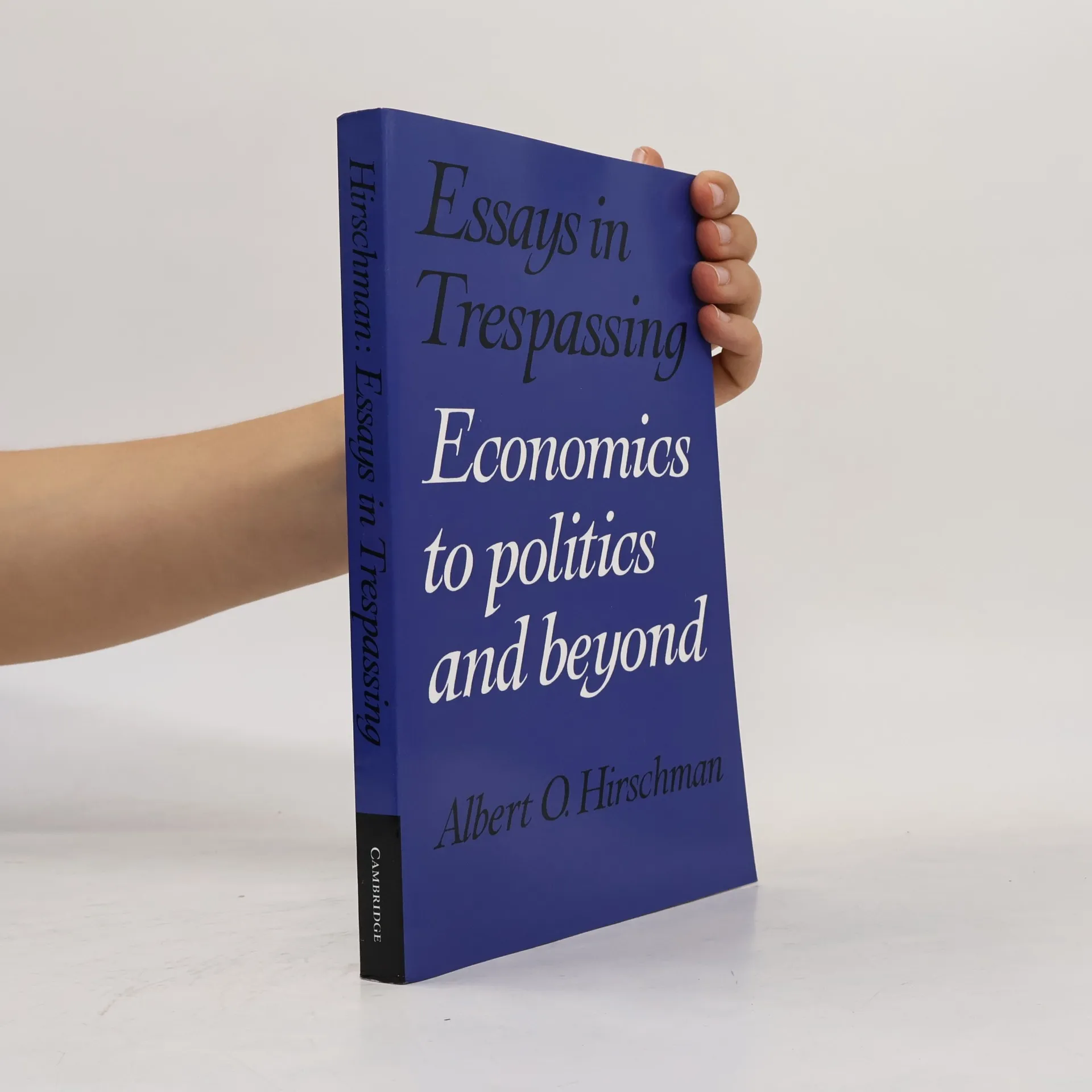

Entwicklung, Markt und Moral
- 304bladzijden
- 11 uur lezen
Denken gegen die Zukunft
- 194bladzijden
- 7 uur lezen
Anschaulich und präzise deckt der international angesehene Wirtschaftstheoretiker Albert O. Hirschman die drei Grundfiguren reaktionären Argumentierens gestern und heute auf. Die erste besagt, daß jeder Versuch, bestimmte Gegebenheiten zu verbessern, nur die Lage verschlimmere. Die zweite These beharrt darauf, daß jede Veränderung vergeblich sei und am Lauf der Geschichte nichts ändern könne. Das dritte Argument schließlich unterstellt, daß eine Veränderung zwar wünschenswert, aber leider unbezahlbar sei. Hirschman überzeugt davon, daß nur ein beständiger Kommunikationsprozeß diese Form des Argumentierens überwinden kann.
Exit, Voice and Loyalty
- 176bladzijden
- 7 uur lezen
An innovator in contemporary thought on economic and political development looks here at decline rather than growth. Albert O. Hirschman makes a basic distinction between alternative ways of reacting to deterioration in business firms and, in general, to dissatisfaction with organizations: one, "exit," is for the member to quit the organization or for the customer to switch to the competing product, and the other, "voice," is for members or customers to agitate and exert influence for change "from within." The efficiency of the competitive mechanism, with its total reliance on exit, is questioned for certain important situations. As exit often undercuts voice while being unable to counteract decline, loyalty is seen in the function of retarding exit and of permitting voice to play its proper role. The interplay of the three concepts turns out to illuminate a wide range of economic, social, and political phenomena. As the author states in the preface, "having found my own unifying way of looking at issues as diverse as competition and the two-party system, divorce and the American character, black power and the failure of 'unhappy' top officials to resign over Vietnam, I decided to let myself go a little."
Engagement und Enttäuschung
- 169bladzijden
- 6 uur lezen
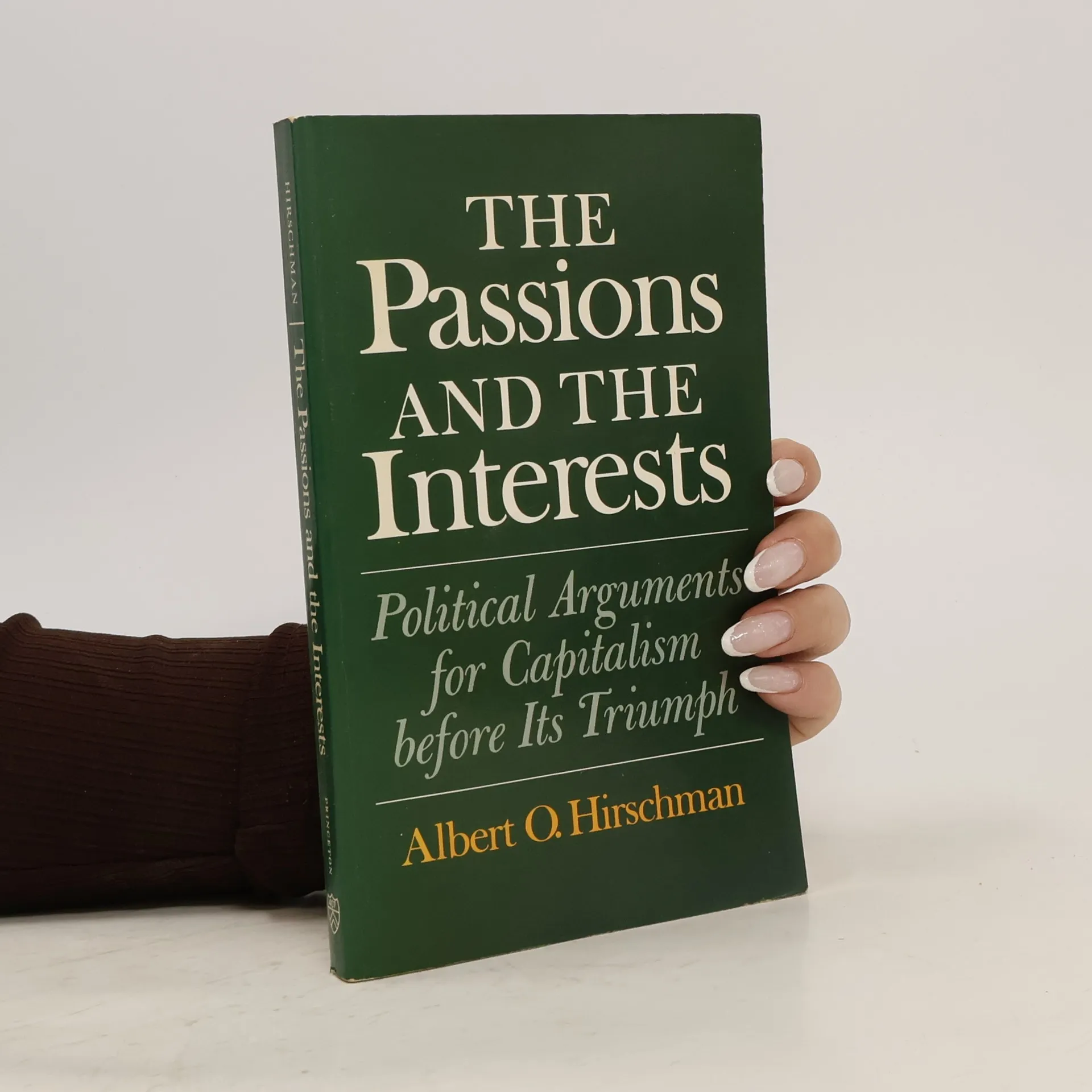
The Passions and the Interests
- 161bladzijden
- 6 uur lezen
Reconstructs the intellectual climate of the seventeenth and eighteenth centuries to illuminate the intricate ideological transformation that occurred, wherein the pursuit of material interests - so long condemned as the deadly sin of avarice - was assigned the role of containing the unruly and destructive passions of man.
Abwanderung und Widerspruch
- 130bladzijden
- 5 uur lezen