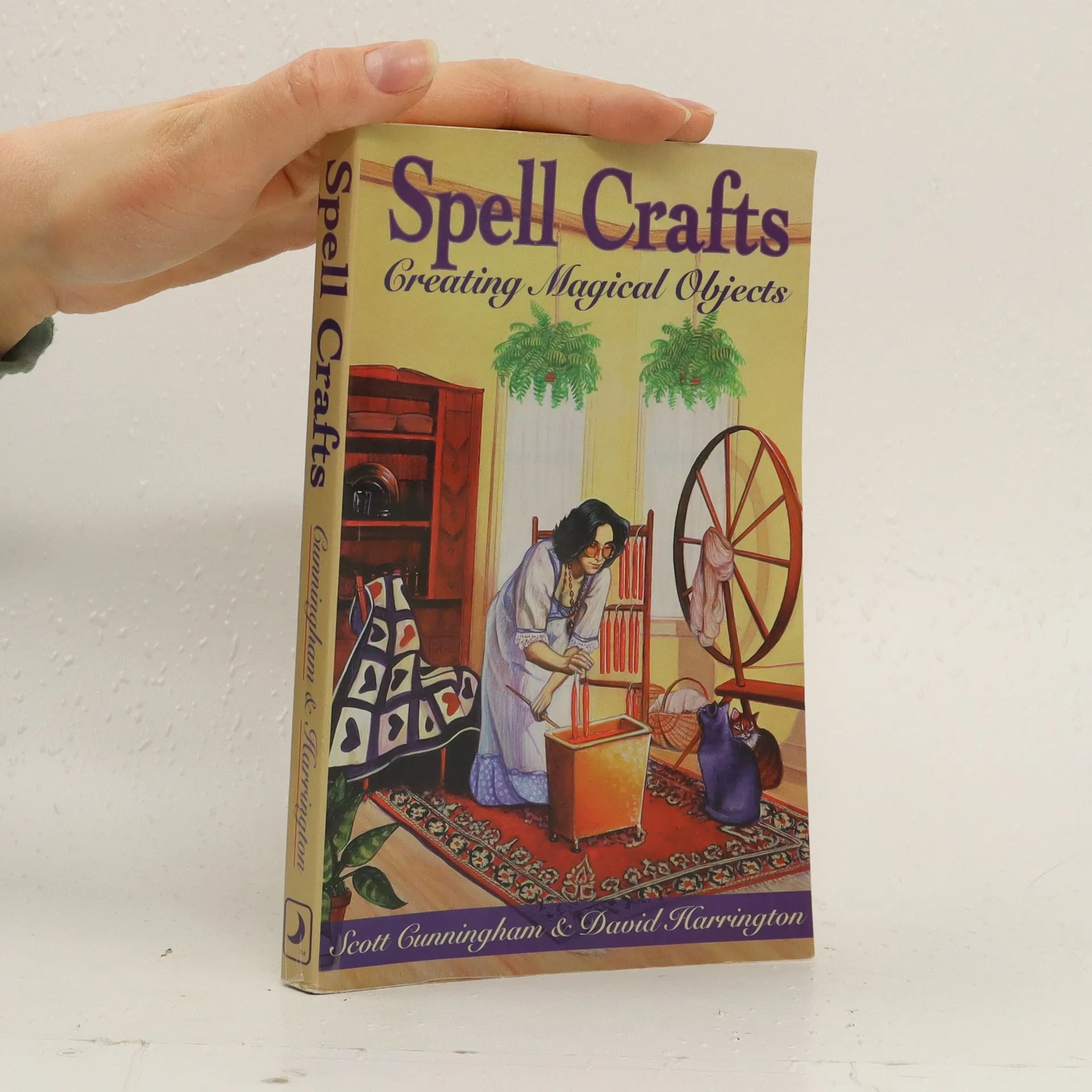
Spell Crafts Take a look at your hands. See them as wondrous vehicles of power. Feel the energy that flows through everything you do. Tap into that power! Carve a symbol, dip a candle, mix fragrant herbs, sculpt clay, and make your life all that you want it to be. When crafts are used to create objects intended for ritual or to symbolize the divine, the connection between the craftsperson and divinity grows more intense. This second edition of "Spell Crafts, the much-loved and oft-read guide to magical handwork, features new illustrations and a new preface by David Harrington. Learn how to create and use all of the following: - magical simmering potpourris - a beaded psychic mandala - clay pentacles, plaques, and runic dice - a shaman''''s arrow - sand paintings - Corn Mother - a magical spell broom - protective hex sign - Witch bottles - flower garlands - spell banner - magic mirror - prosperity trivet - wheat weaving
Examining the FBI's infamous counterintelligence programs (COINTELPROs)
against suspected communists, civil rights and black power advocates, and
antiwar activists, the author questions whether such actions were aberrations
or are evidence of the bureau's ongoing mission to restrict citizens' right to
engage in legal forms of political dissent.
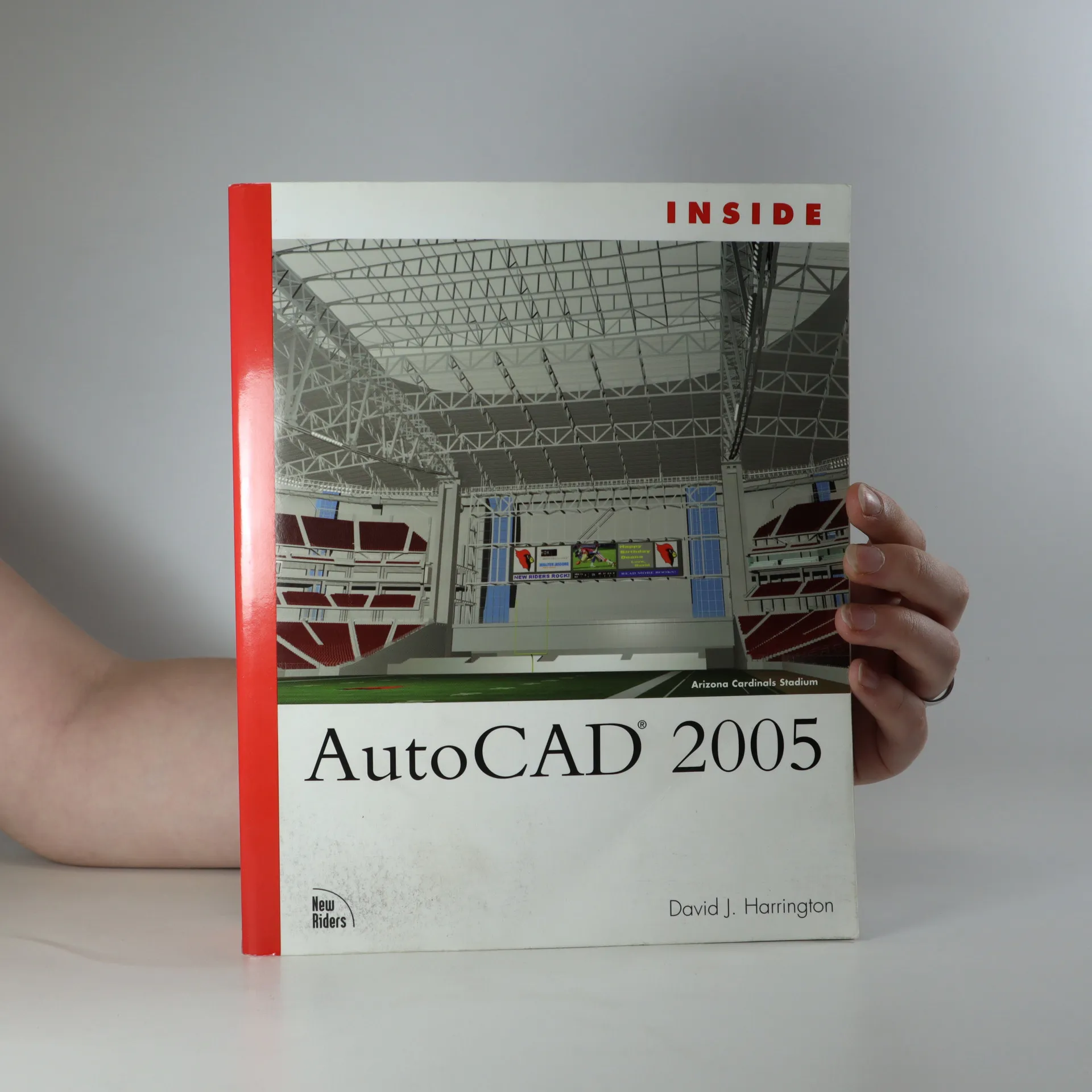
With the release of AutoCAD 2005, you can combine multiple pages (and multiple drawings) in a single file. This book includes topics like the ability to convey markup and review information. It also covers various phases of the AutoCAD workflow. It is also useful for nondrafters.
Introduction to Statistics for the Life and Biomedical Sciences has been written to be used in conjunction with a set of self-paced learning labs. These labs guide students through learning how to apply statistical ideas and concepts discussed in the text with the R computing language.The text discusses the important ideas used to support an interpretation (such as the notion of a confidence interval), rather than the process of generating such material from data (such as computing a confidence interval for a particular subset of individuals in a study). This allows students whose main focus is understanding statistical concepts to not be distracted by the details of a particular software package. In our experience, however, we have found that many students enter a research setting after only a single course in statistics. These students benefit from a practical introduction to data analysis that incorporates the use of a statistical computing language.In a classroom setting, we have found it beneficial for students to start working through the labs after having been exposed to the corresponding material in the text, either from self-reading or through an instructor presenting the main ideas. The labs are organized by chapter, and each lab corresponds to a particular section or set of sections in the text.There are traditional exercises at the end of each chapter that do not require the use of computing. In the current posting, Chapters 1 - 5 have end-of-chapter exercises. More complicated methods, such as multiple regression, do not lend themselves to hand calculation and computing is necessary for gaining practical experience with these methods. The lab exercises for these later chapters become an increasingly important part of mastering the material.An essential component of the learning labs are the "Lab Notes" accompanying each chapter. The lab notes are a detailed reference guide to the R functions that appear in the labs, written to be accessible to a first-time user of a computing language. They provide more explanation than available in the R help documentation, with examples specific to what is demonstrated in the labs. The notes cover topics such as constructing histograms, writing loops, and running regression models.