

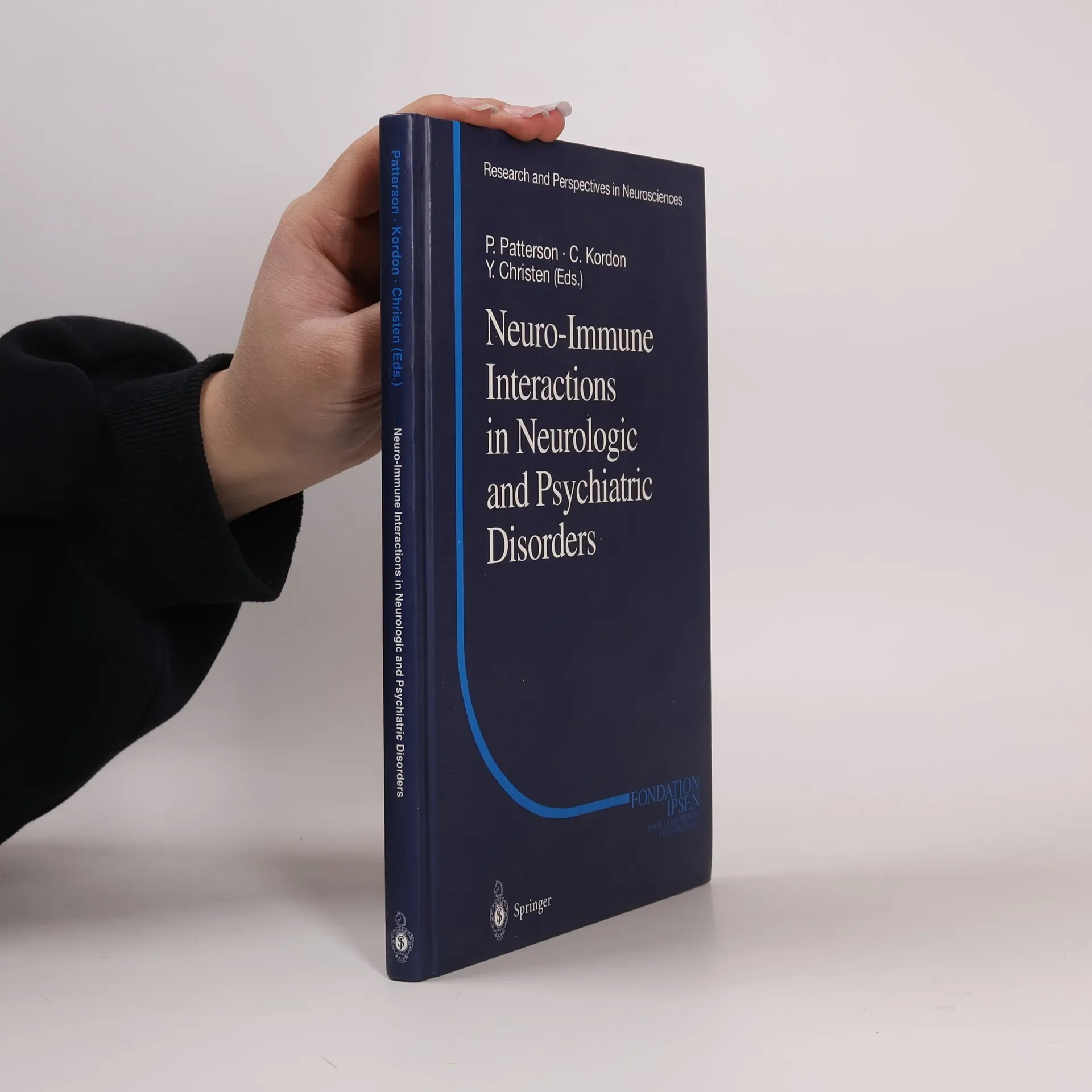
The idea that the brain is an „immune-privileged site“ has perhaps served to slow our realization that the intact brain can generate its own inflammatory reactions. These responses can be to peripheral infection, or they can arise from local, internal causes, for instance as a response to stress or to the se vere changes in neuronal activity in seizure or the loss of oxygen in stroke. We are also becoming increasingly aware of the contribution of local inflam matory reactions to certain neurodegenerative diseases such as Alzheimer's In fact, evidence is accumulating that inflammatory processes disease (AD). contribute to the progression of AD, suggesting the possibility of using cur rently available or novel anti-inflammatory agents to interfere with this terri ble disease. Correlations are also being made between inflammatory signs and mental illness, which is a new frontier of research. This book presents the current state of knowledge in a variety of areas relevant to neuro-immune interactions, with particular attention to AD.
Yves Christen Boeken

Diagnosis and Classification of Mental Disorders in Relation to Molecular Research.- Genetic Epidemiology Strategies in Psychiatric Diseases.- Genetic Linkage in Perspectives from Genetic Epidemiology.- New Genetic Strategies in Neuropsychiatric Disorders.- Strategies for Understanding the Role of Gene Defects in the Pathogenesis of Mental Disorders.- The Identification of Genes which Cause or Predispose to Mental Illness.- Molecular Approaches Toward the Isolation of the Huntington's Disease Gene.- Impact of Environmental Mutagens on Mental Health.- Development of an Infrastructure for Molecular Genetic Analysis in Psychiatry.- Status of Human Genetics and Genetic Psychiatric Research in India.- Ethical Issues in the Application of Knowledge from Molecular Genetics to Mental Disorders.- The Potential and the Pitfalls of Molecular Genetics for An Overview.
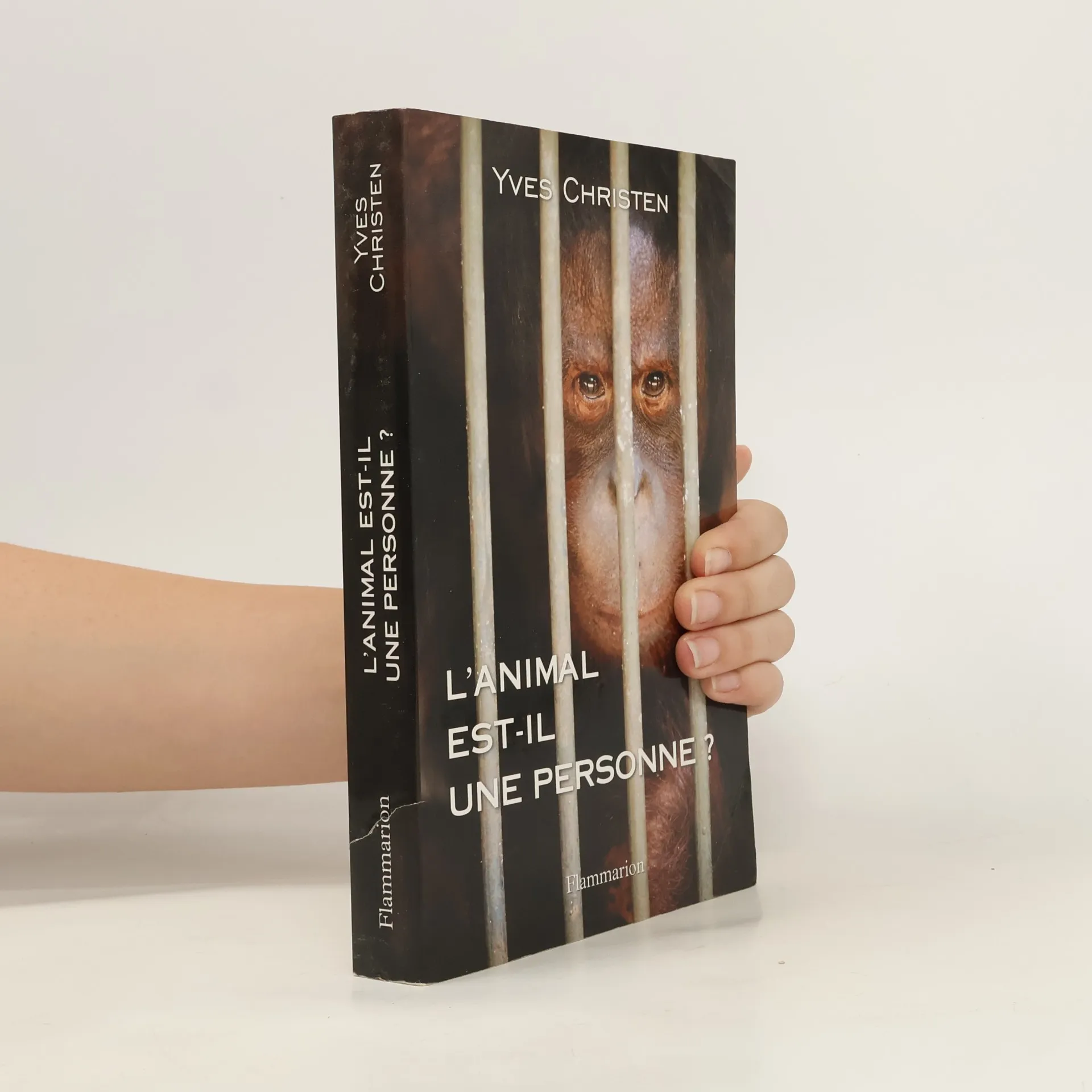
L'animal est-il une personne?
- 544bladzijden
- 20 uur lezen
Longtemps, les animaux ont été perçus comme dépourvus des qualités humaines telles que la raison, l'apprentissage et la communication. Cependant, les recherches scientifiques récentes ont bouleversé cette perception. Qui sont vraiment les animaux ? Ils se révèlent non seulement joueurs et parfois féroces, mais aussi capables de tromperie, d'amour, de mélancolie et d'émotion. Ils montrent des comportements stratégiques, une sensibilité aux intentions d'autrui, et peuvent respecter une morale ou développer une culture. Grâce à des tests ingénieux et à une diversité d'observations en éthologie, génétique, psychologie, zoologie, primatologie et neurosciences, nous découvrons l'intelligence et l'identité des animaux, prouvant l'absurdité de réduire leurs compétences à l'instinct. Chaque animal, bien que membre d'une espèce, est un individu social unique et complexe, méritant d'être considéré comme un sujet de droit. Des singes aux léopards, des éléphants aux antilopes, des baleines aux dauphins, l'auteur propose une réflexion sur l'altérité qui enrichit le débat sur l'exploitation animale. Un plaidoyer bien documenté en faveur de la reconnaissance de la personne animale.