Recognized as the Book of the Year at the Irish CAP Awards 2023, this work stands out for its compelling narrative and rich character development. It explores profound themes that resonate with readers, offering a unique perspective on contemporary issues. The author’s masterful storytelling weaves together emotion and insight, making it a must-read for anyone seeking a thought-provoking literary experience.
Alan Ryan Volgorde van de boeken (chronologisch)


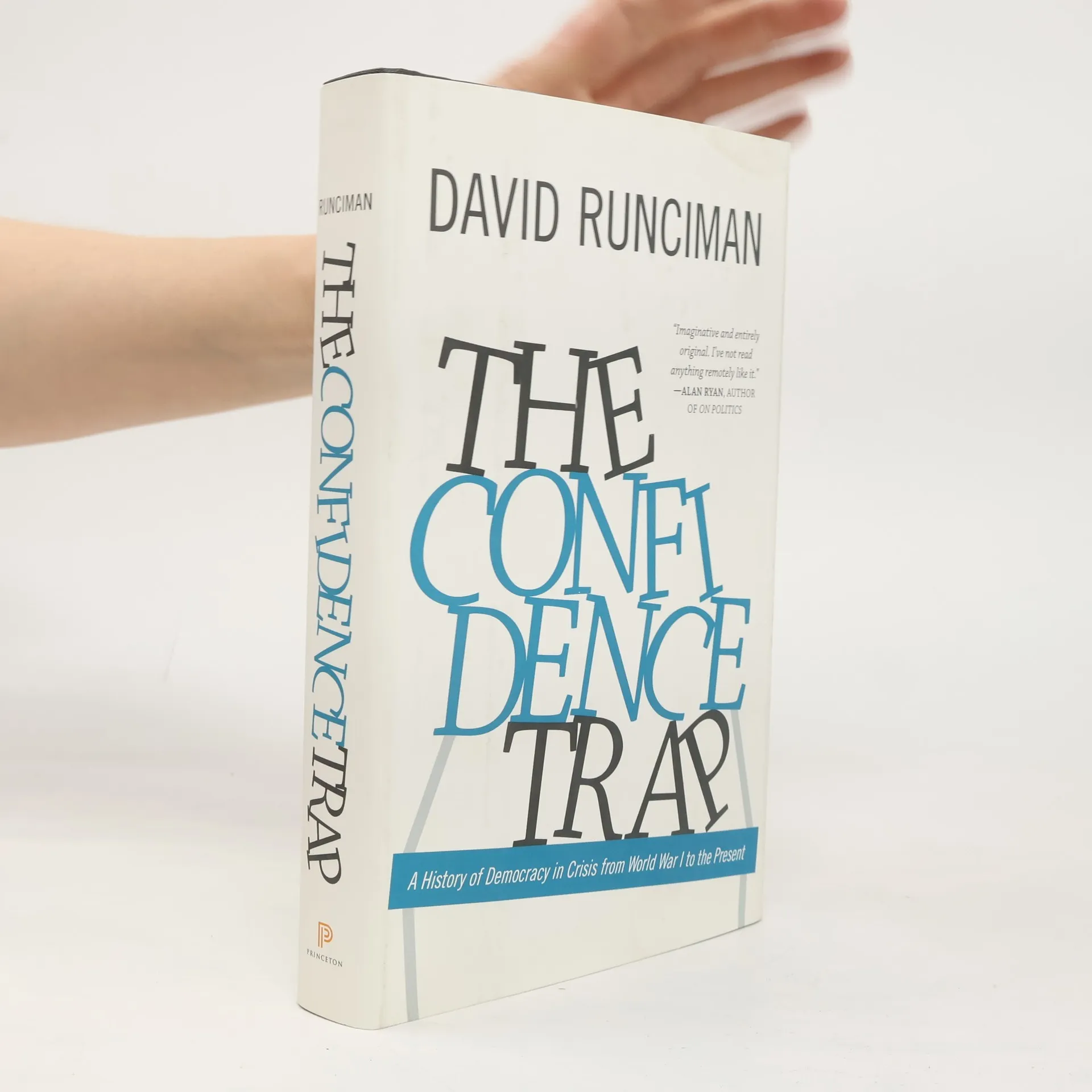
The Confidence Trap
A History of Democracy in Crisis from World War I to the Present - Updated Edition
- 416bladzijden
- 15 uur lezen
Why do democracies oscillate between success and failure? The current financial crisis exemplifies how things can go awry just when they seem to be improving. In this compelling exploration, David Runciman chronicles modern democracy through key moments of crisis, from World War I to the 2008 economic crash. With a global perspective, particularly on the United States, the narrative examines how democracy has endured various threats, including the Great Depression, the Cuban missile crisis, Watergate, and the Lehman Brothers collapse. It also delves into the confusion stemming from unexpected victories, such as the fall of German autocracy in 1918 and the end of communism in 1989. The book highlights the politicians and thinkers who faced these challenges, including Woodrow Wilson, Nehru, Adenauer, Fukuyama, and Obama. Runciman argues that while democracies are adept at recovering from emergencies, they struggle to prevent them. The recurring lesson learned is that democracies can survive crises, leading to complacency rather than wisdom. This confidence trap fosters the dangerous notion that democracies can navigate any challenge, potentially setting the stage for an insurmountable crisis.
Making of Modern Liberalism - skladem, lehce poškozený kus
- 680bladzijden
- 24 uur lezen
The Making of Modern Liberalism is a deep and wide-ranging exploration of the origins and nature of liberalism from the Enlightenment through its triumphs and setbacks in the twentieth century and beyond. The book is the fruit of the more than four decades during which Alan Ryan, one of the world's leading political thinkers, reflected on the past of the liberal tradition--and worried about its future.This is essential reading for anyone interested in political theory or the history of liberalism.-- "Choice"
On Tocqueville
- 272bladzijden
- 10 uur lezen
Tocqueville's gifts as an observer and commentator on American life and democracy are brought to vivid life in this splendid volume.
This comprehensive history of political thought spans from Herodotus to the present, examining how historians, philosophers, theologians, politicians, and revolutionaries have approached the question of self-governance. It explores numerous related inquiries, such as whether we can manage our own affairs and if we should even attempt it. Throughout history, some have believed that only select individuals—like Greeks over Persians or men over women—were fit for self-governance, while others have argued that governance is best left to a competent elite managing a passive populace. The text also questions the modern understanding of 'freedom' and whether it aligns with historical aspirations. While contemporary thought largely endorses democracy, it contrasts sharply with ancient practices and raises doubts about whether our current systems truly reflect democratic ideals. Alan Ryan engages with the great thinkers of the past, presenting their ideas with clarity and relevance, reminding readers that historical perspectives often resonate more profoundly than modern views. In an era where global challenges seem insurmountable, this work serves as an invaluable guide to understanding the enduring complexities of political thought and governance.
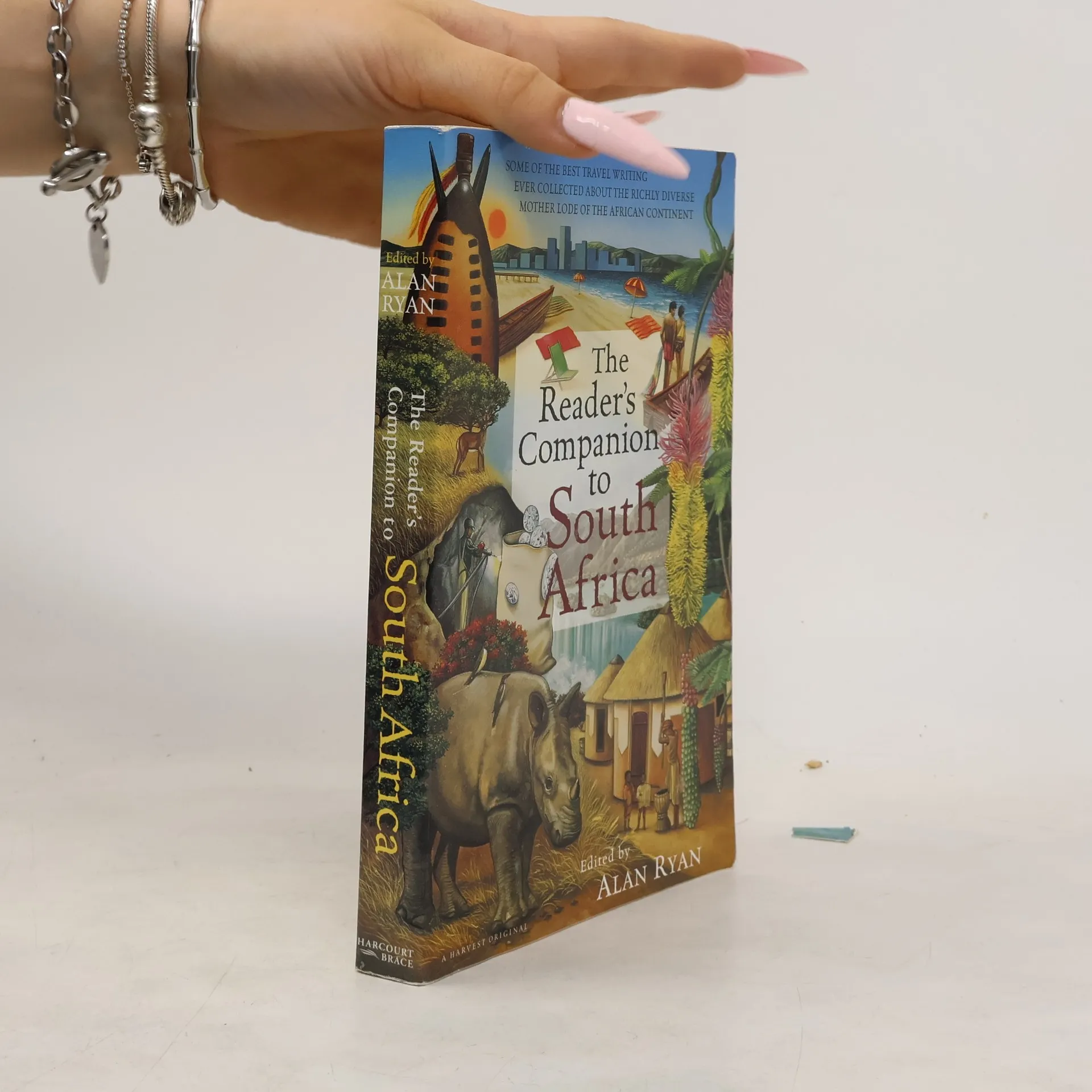
Mark Twain, Jan Morris, P. J. O’Rourke, and Michael Palin are just a few of the contributors to this provocative armchair tour of South Africa, which takes us from Capetown to Soweto, from 1850 to the present. Introduction by the Editor. Map.
The Philosophy of John Stuart Mill
- 304bladzijden
- 11 uur lezen
The Philosophy of John Stuart Mill demonstrates that Mill both saw his views as part of a systematic defense of empiricist epistemology and utilitarian ethics, and was to a large extent successful in offering a coherent and connected defense of this system. At the time Alan Ryan's highly acclaimed study was first published, it was unusual in insisting on the systematic character of Mill's philosophy. Since 1970, however, many writers have contributed to a more systematic understanding of Mill's program for philosophy, ethics and social science, and Alan Ryan's new preface to the second edition assesses the way Mill appears in this new climate of opinion.
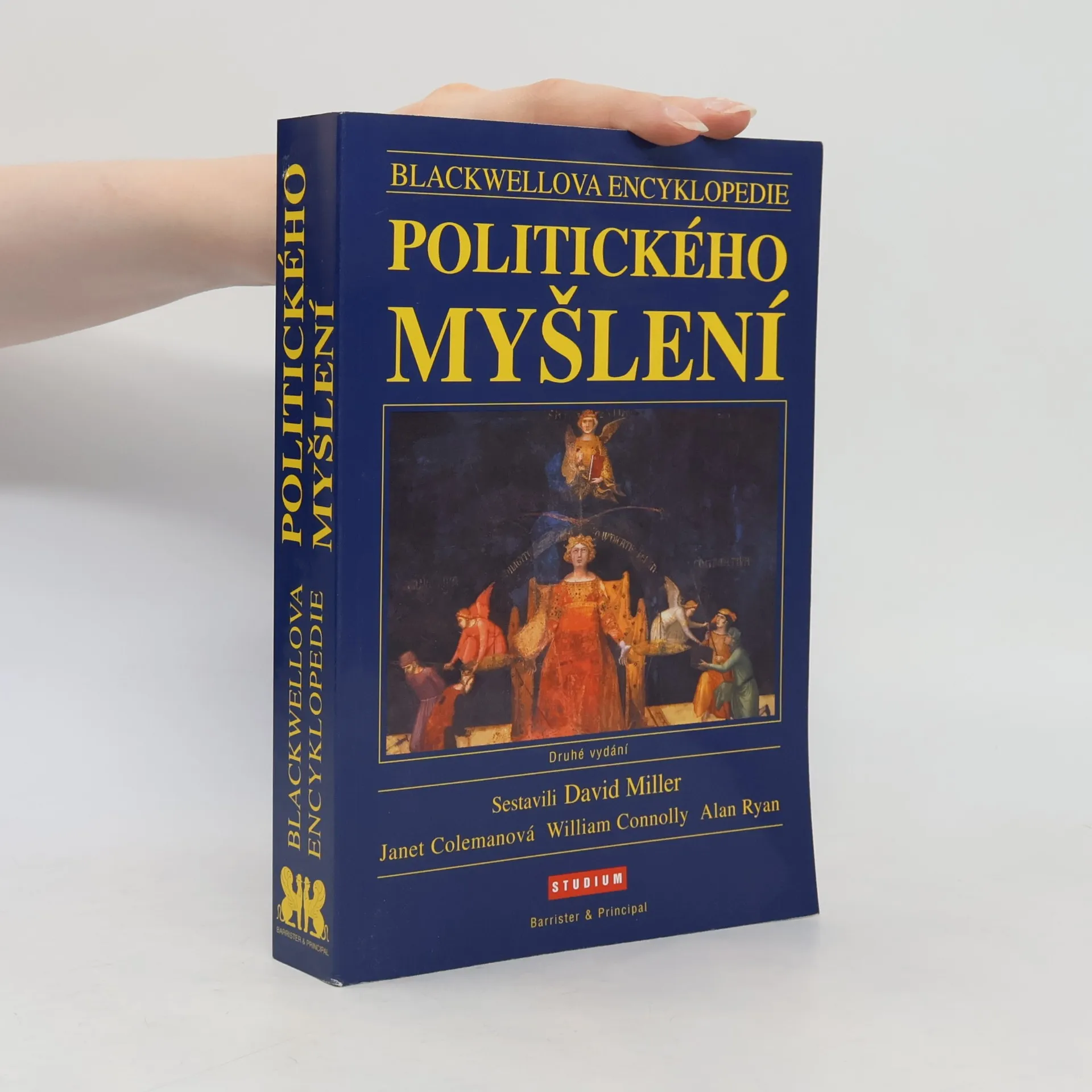
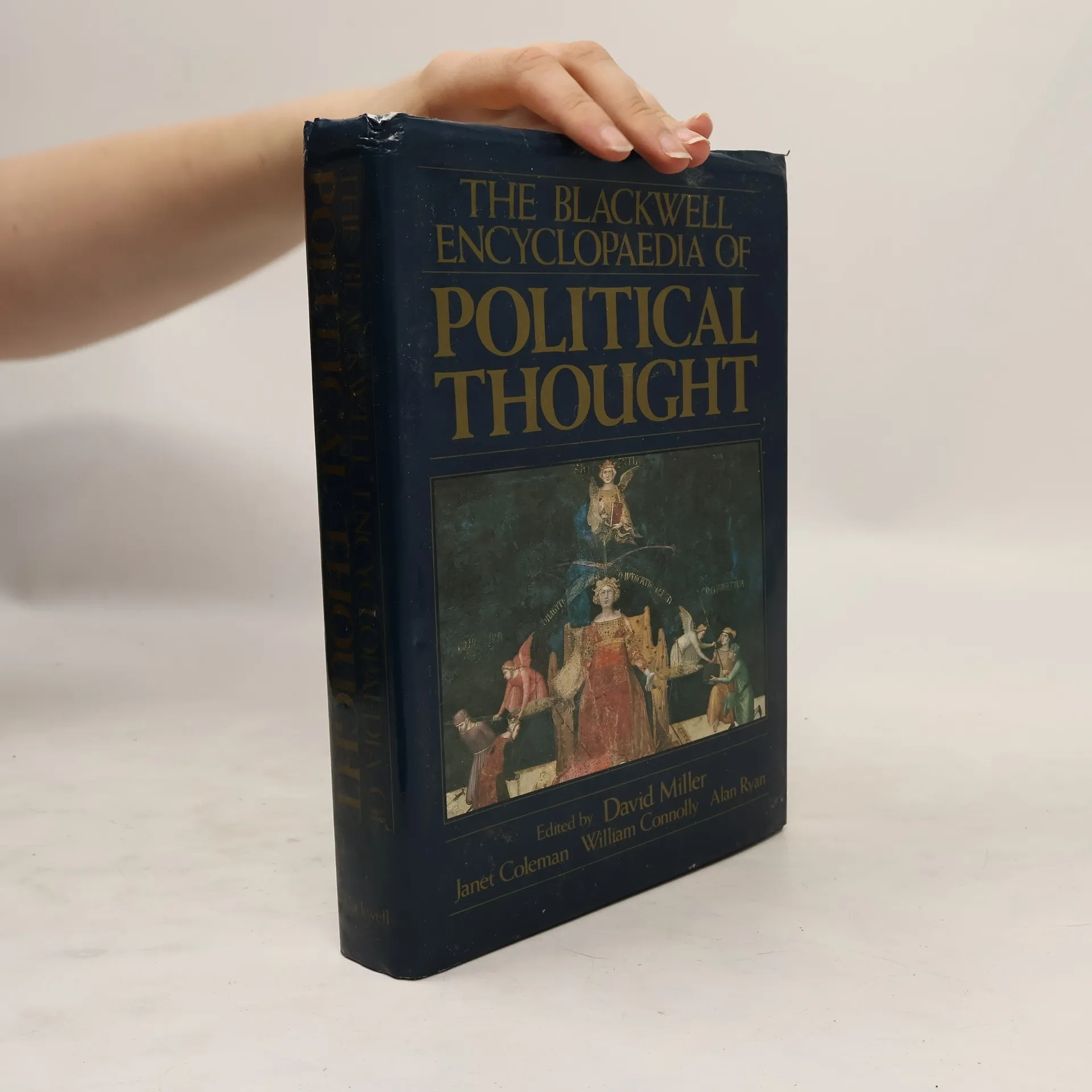
Blackwellova encyklopedie politického myšlení
- 581bladzijden
- 21 uur lezen
Kniha obsahuje jednak samostatná hesla o filosofech, historicích, právnících, sociolozích a ekonomech, kteří zásadním způsobem přispěli k politické teorii, jednak rozsáhlá souhrnná hesla o hlavních obdobích politického myšlení (řecké politické myšlení, renesanční politické myšlení atd.) a o hlavních ideově politických proudech (liberalismus, konzervatismus, marxismus atd.). Encyklopedie je určena jak vysokoškolským a středoškolským studentům, tak široké laické veřejnosti se zájmem o politické dění.... celý text
Democracy in America
- 778bladzijden
- 28 uur lezen
The classic commentary on the influence of democracy on the intellect, feelings, and actions of Americans
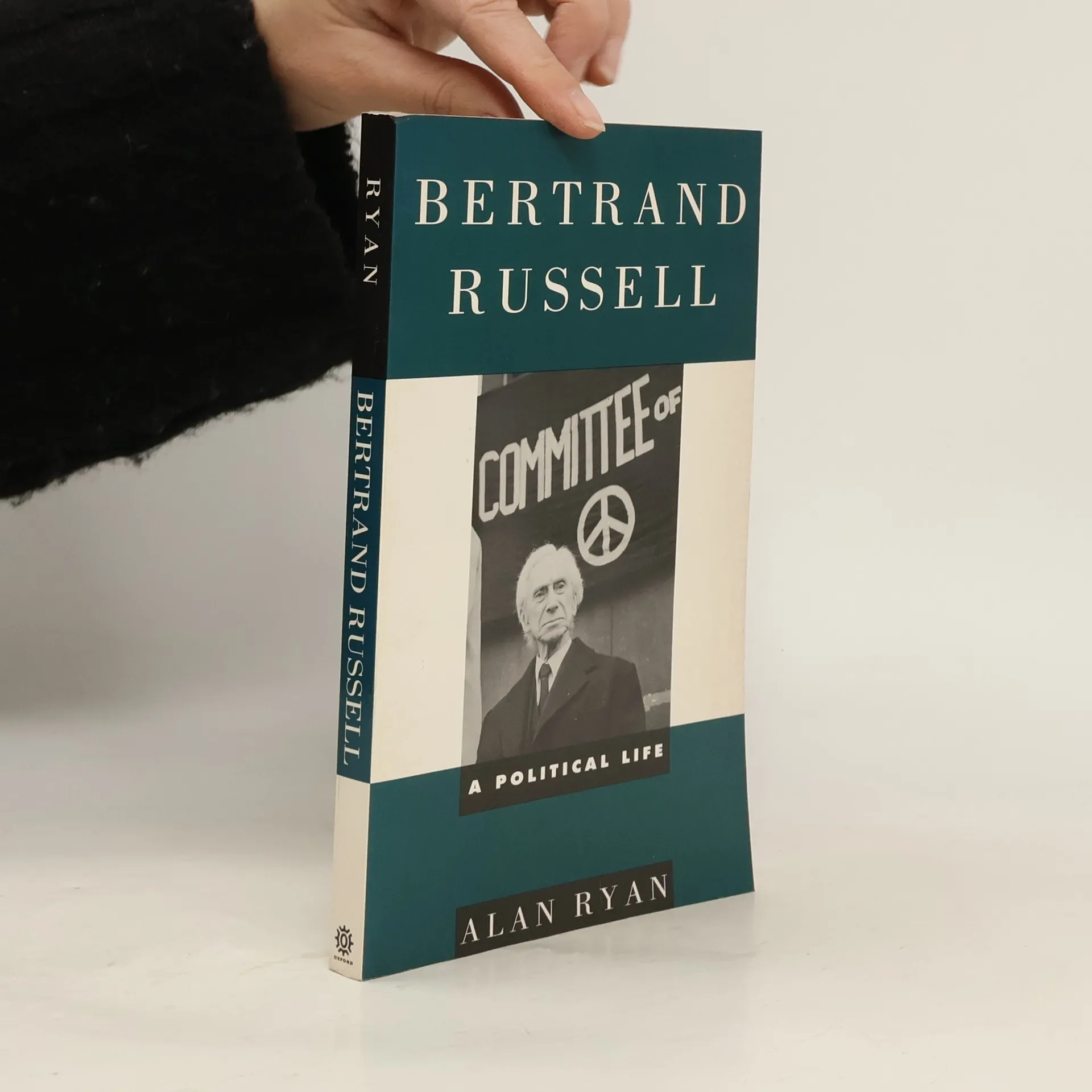
Bertrand Russell was one of the greatest logicians since Aristotle, and one of the most important philosophers of the past two hundred years. In this thorough examination, Alan Ryan tells the story of Russell's "other life" as social critic, polemical journalist, antiwar activist, sage andgadfly, dissenting from Russell's insistence that there was no connection between his philosophical interests and his political allegiances. Taking readers on an entertaining journey through a career that included two spells in jail, Ryan discusses Russell's most visible campaigns--againsttraditional religion, against the First World War, against nuclear weapons, and against the Vietnam War, as well as his lifelong defence of liberalism in education, politics, and relations between the sexes. Throughout he emphasizes the high spirits, the aristocratic fearlessness, and the wonderfulcombination of wit and intelligence that Russell brought to his political writing and actions. The result is a stimulating reconsideration of one of the great intellectual radicals of our time, a remarkable man who refused to grow old, calm down, and become respectable.