

This IBM® RedpaperTM publication provides guidance on building an enterprise-grade data lake by using IBM SpectrumTM Scale and Hortonworks Data Platform for performing in-place Hadoop or Spark-based analytics. It covers the benefits of the integrated solution, and gives guidance about the types of deployment models and considerations during the implementation of these models. Hortonworks Data Platform (HDP) is a leading Hadoop and Spark distribution. HDP addresses the complete needs of data-at-rest, powers real-time customer applications, and delivers robust analytics that accelerate decision making and innovation. IBM Spectrum ScaleTM is flexible and scalable software-defined file storage for analytics workloads. Enterprises around the globe have deployed IBM Spectrum Scale to form large data lakes and content repositories to perform high-performance computing (HPC) and analytics workloads. It can scale performance and capacity both without bottlenecks.
Ibm Redbooks Volgorde van de boeken (chronologisch)


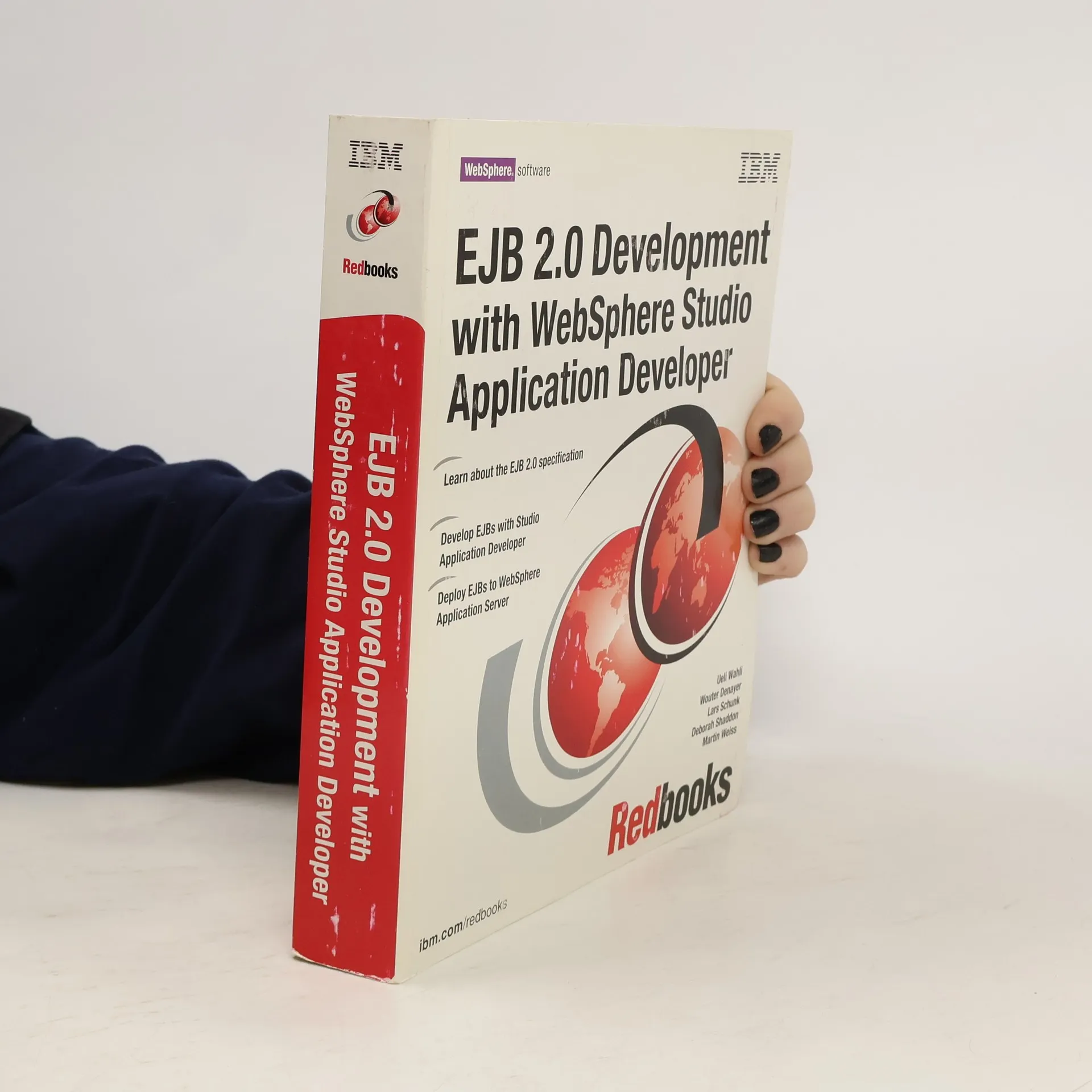
Redbooks: EJB 2.0 Development with WebSphere Studio Application Developer
- 750bladzijden
- 27 uur lezen
IBM Redbooks
Understanding LDAP
- 192bladzijden
- 7 uur lezen
Lightweight Directory Access Protocol (LDAP) is a fast-growing technology for accessing common directory information. LDAP has been embraced and implemented in most network-oriented middleware. As an open, vendor-neutral standard, LDAP provides an extendable architecture for centralized storage and management of information that needs to be available for today's distributed systems and services. After a fast start, it can be assumed that LDAP has become the de facto access method for directory information, much the same as the Domain Name System (DNS) is used for IP address look-up on almost any system on an intranet and on the Internet. LDAP is currently supported in most network operating systems, groupware and even shrink-wrapped network applications. This redbook was written for those readers who need to understand the basic principles and concepts of LDAP. Some background knowledge about heterogeneous, distributed systems is assumed and is highly beneficial when reading this book. Because this book is not meant to be an LDAP implementation guide, it does not contain product-related or vendor-specific information other than that used in examples.