

Help your students master the principles of administrative law in an era of change with this renowned casebook, "Administrative Law and Regulatory Policy": Problems, Text, and Cases, Fourth Edition. The book correlates issues of regulatory policy with doctrinal problems to explore the relationship between administrative government and democratic goals. Their extensively revised casebook now offers more explanatory materials, more concise text, many new cases, and reorganized material for greater accessibility. New co-authors Cass Sunstein and Matthew Spitzer join administrative law authorities Stephen Breyer and Richard Stewart to offer a matchless view of administrative law, including: -- how agencies promote -- or compromise -- political legitimacy -- how different understandings of democracy bear on evaluation of administrative government -- the multiple purposes of administrative agencies
Cass R. Sunstein Boeken
Cass R. Sunstein is een Amerikaanse rechtsgeleerde wiens werk zich verdiept in constitutioneel recht, bestuursrecht, milieurecht en recht en gedragseconomie. Hij onderzoekt nauwgezet hoe menselijk gedrag juridische kaders kruist en beïnvloedt. Sunsteins onderscheidende aanpak verbindt vaak rechtstheorie met psychologische inzichten, en biedt zo een uniek perspectief op maatschappelijk functioneren en regulering. Zijn analyses bieden een diepgaand inzicht in de mechanismen die onze wetgeving en sociale normen vormgeven.


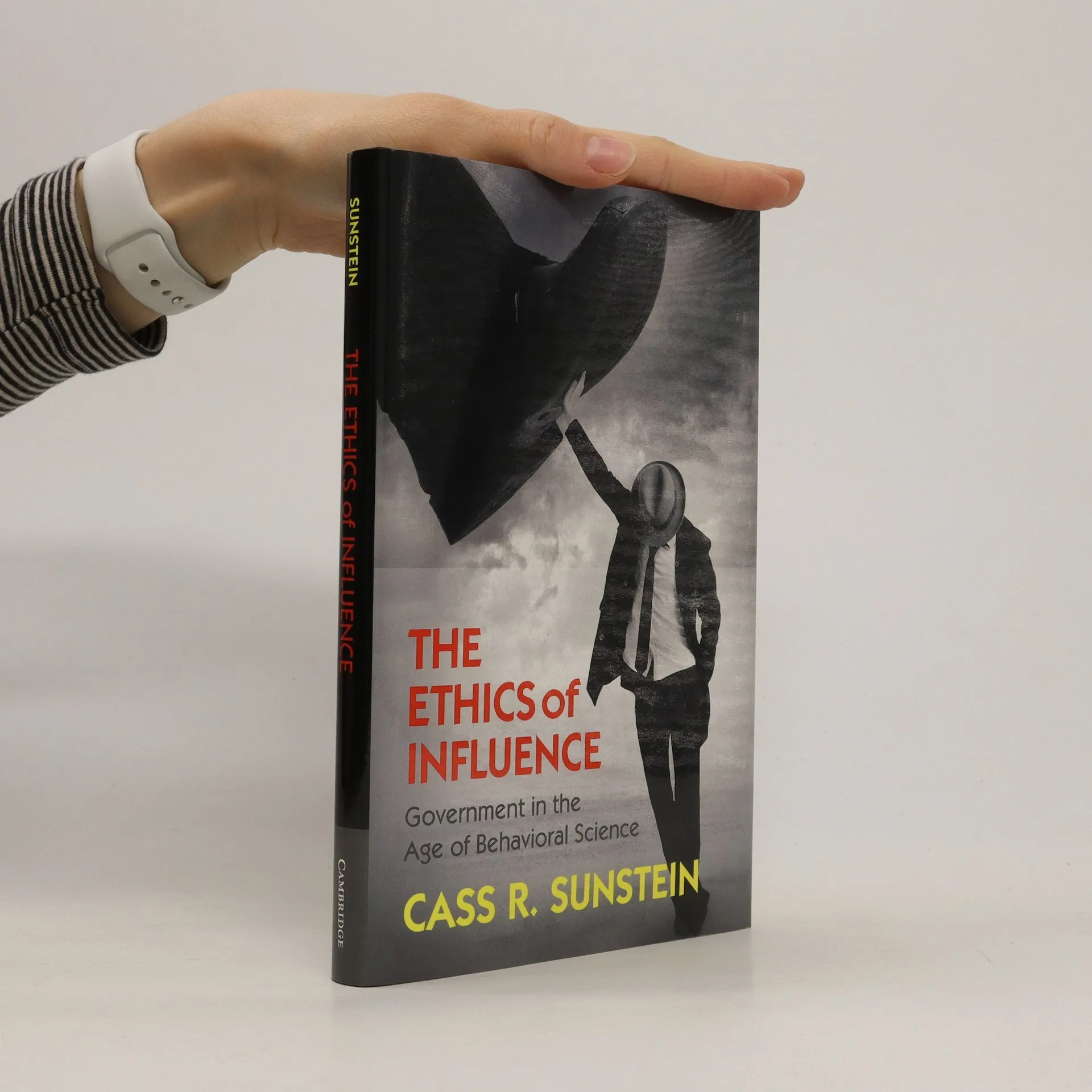
The authors address concerns about the influence of unaccountable bureaucrats, referred to as the deep state, by advocating for a moral framework that promotes transparency and accountability in government. They argue that while the administrative state can appear daunting, it has the potential to operate on principled grounds, ensuring that rulemakers act ethically and do not misuse their power.
This book offers a comprehensive overview of contemporary perspectives on rationality within economics and social sciences. It presents a clear and self-contained exploration of how rationality is conceptualized and applied in these fields, making complex ideas accessible to a broad audience. By examining various theories and their implications, the text encourages readers to engage critically with the notion of rationality and its relevance in understanding human behavior and decision-making.
The book explores the phenomenon of human blindspots, examining why people often overlook critical issues such as pollution, dishonesty, and bias. It delves into the adaptive nature of humans that, while beneficial, can also result in a lack of awareness. The authors provide insights and strategies to help readers recognize and overcome these blindspots, fostering a greater understanding of the world around them.
Conformity
- 192bladzijden
- 7 uur lezen
"We live in an era of tribalism, polarization, and intense social division--separating people along lines of religion, political conviction, race, ethnicity, and sometimes gender. How did this happen? In Conformity, Cass R. Sunstein argues that the key to making sense of living in this fractured world lies in understanding the idea of conformity--what it is and how it works--as well as the countervailing force of dissent."--Publisher
How to Interpret the Constitution
- 208bladzijden
- 8 uur lezen
Cover -- Table of Contents -- Introduction -- 1. Theories of Interpretation -- 2. The Inevitability of Choice -- 3. The Oath of Office -- 4. How to Choose -- 5. Traditions: "Athwart History, Yelling Stop" -- 6. Where to Stand -- Acknowledgments -- Index -- The Constitution of the United States.
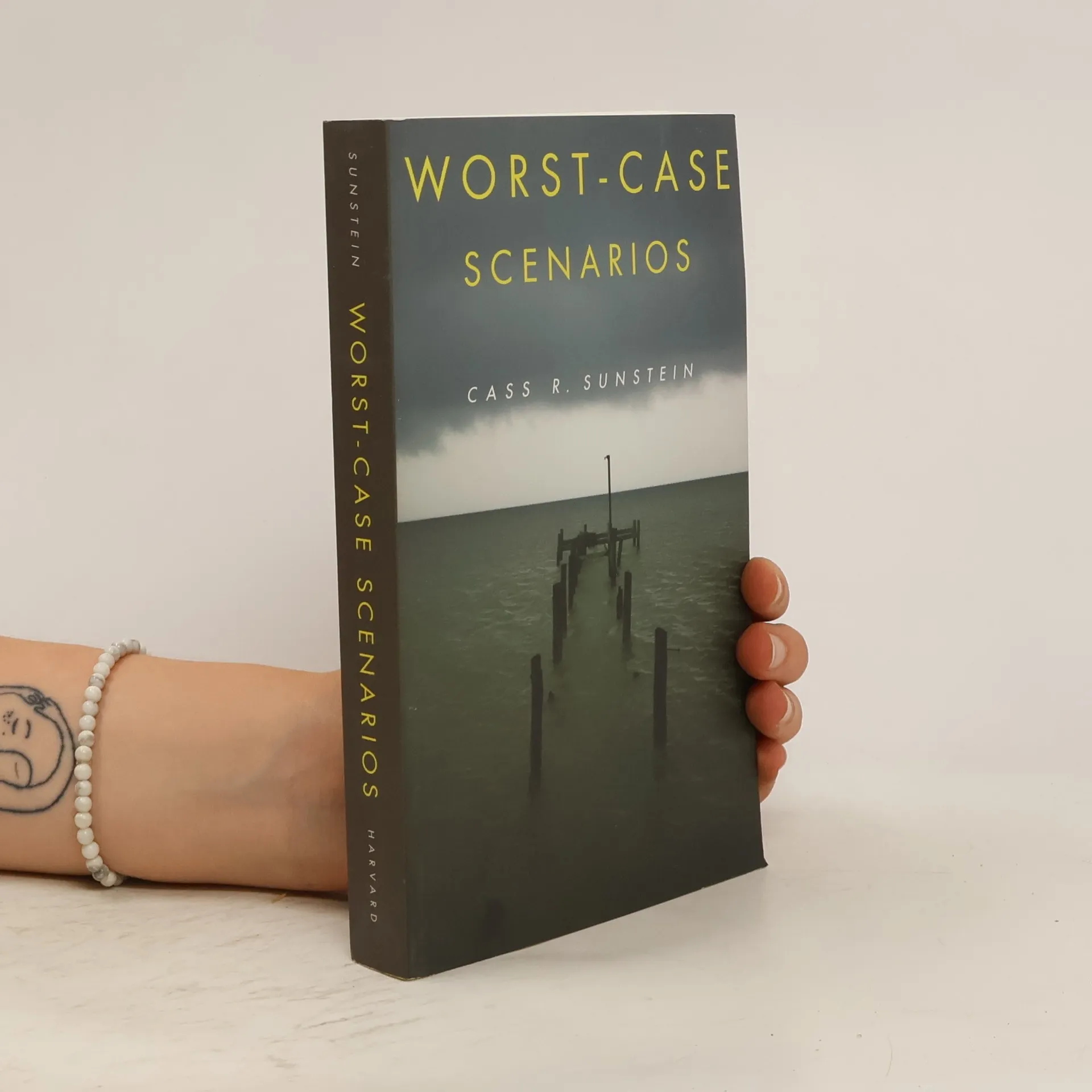
Worst-Case Scenarios
- 352bladzijden
- 13 uur lezen
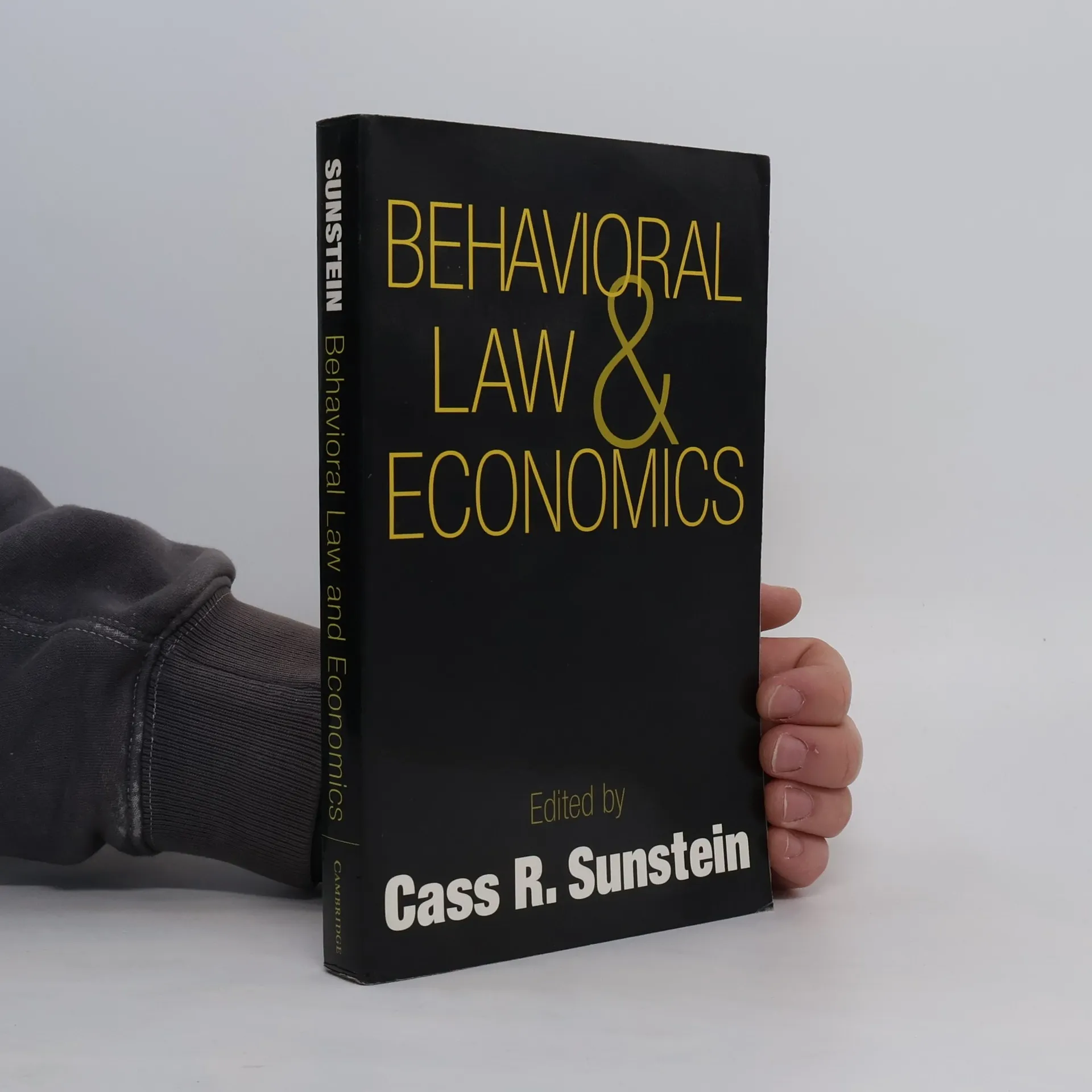
Exploring theory and practice, this Element attempts to provide one-stop shopping for those who are new to then intersection between behavioral science and public policy, and for those who are familiar with it. With reference to nudges, taxes, mandates, and bans, it offers concrete examples of behaviorally informed policies.
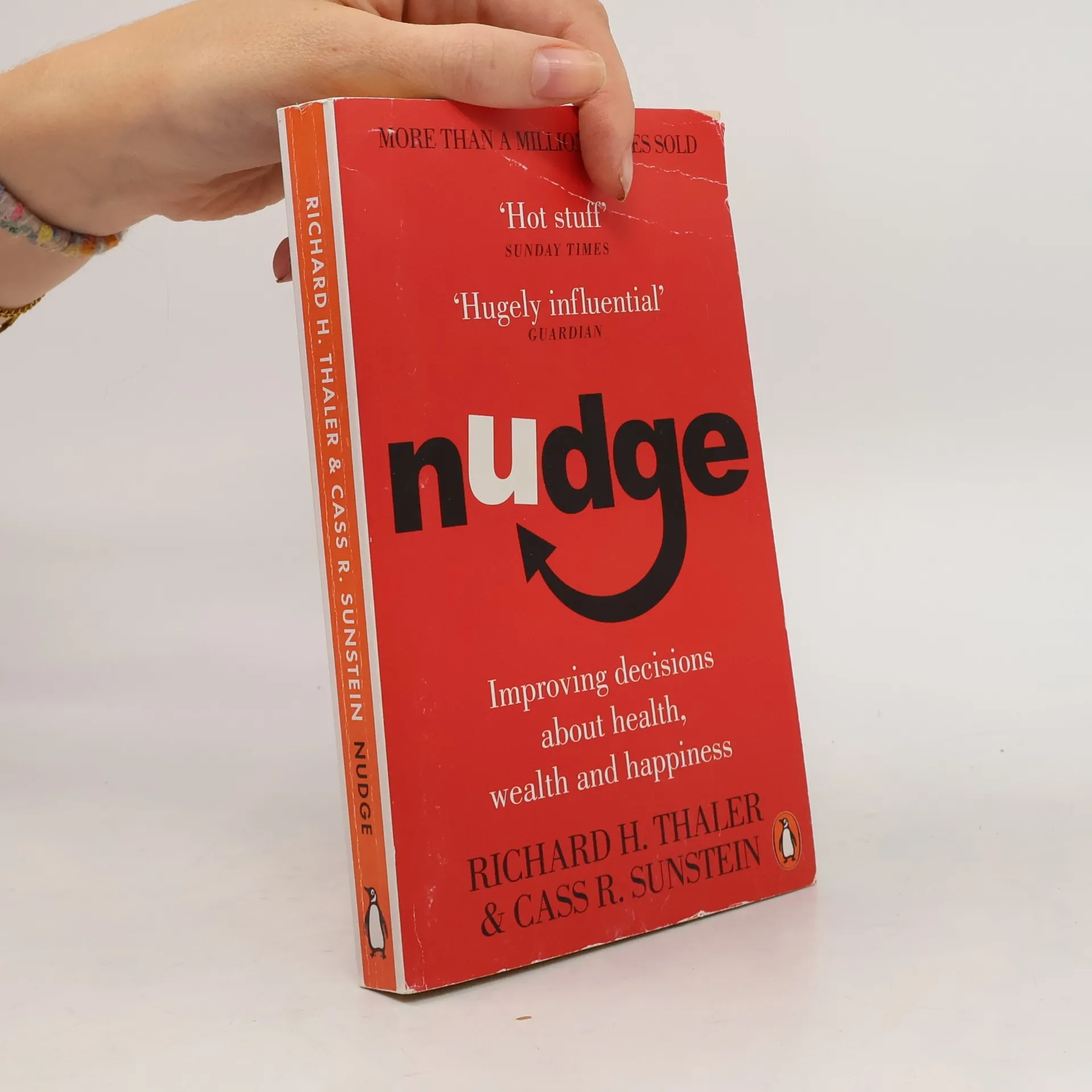
Nudge
- 324bladzijden
- 12 uur lezen
Every day we make decisions: about the things that we buy or the meals we eat; about the investments we make or our children's health and education; even the causes that we champion or the planet itself. Unfortunately, we often choose poorly. We are all susceptible to biases that can lead us to make bad decisions that make us poorer, less healthy and less happy. And, as Thaler and Sunstein show, no choice is ever presented to us in a neutral way. By knowing how people think, we can make it easier for them to choose what is best for them, their families and society. Using dozens of eye-opening examples the authors demonstrate how to nudge us in the right directions, without restricting our freedom of choice. Nudge offers a unique new way of looking at the world for individuals and governments alike.This is one of the most engaging, provocative and important books you will ever read.
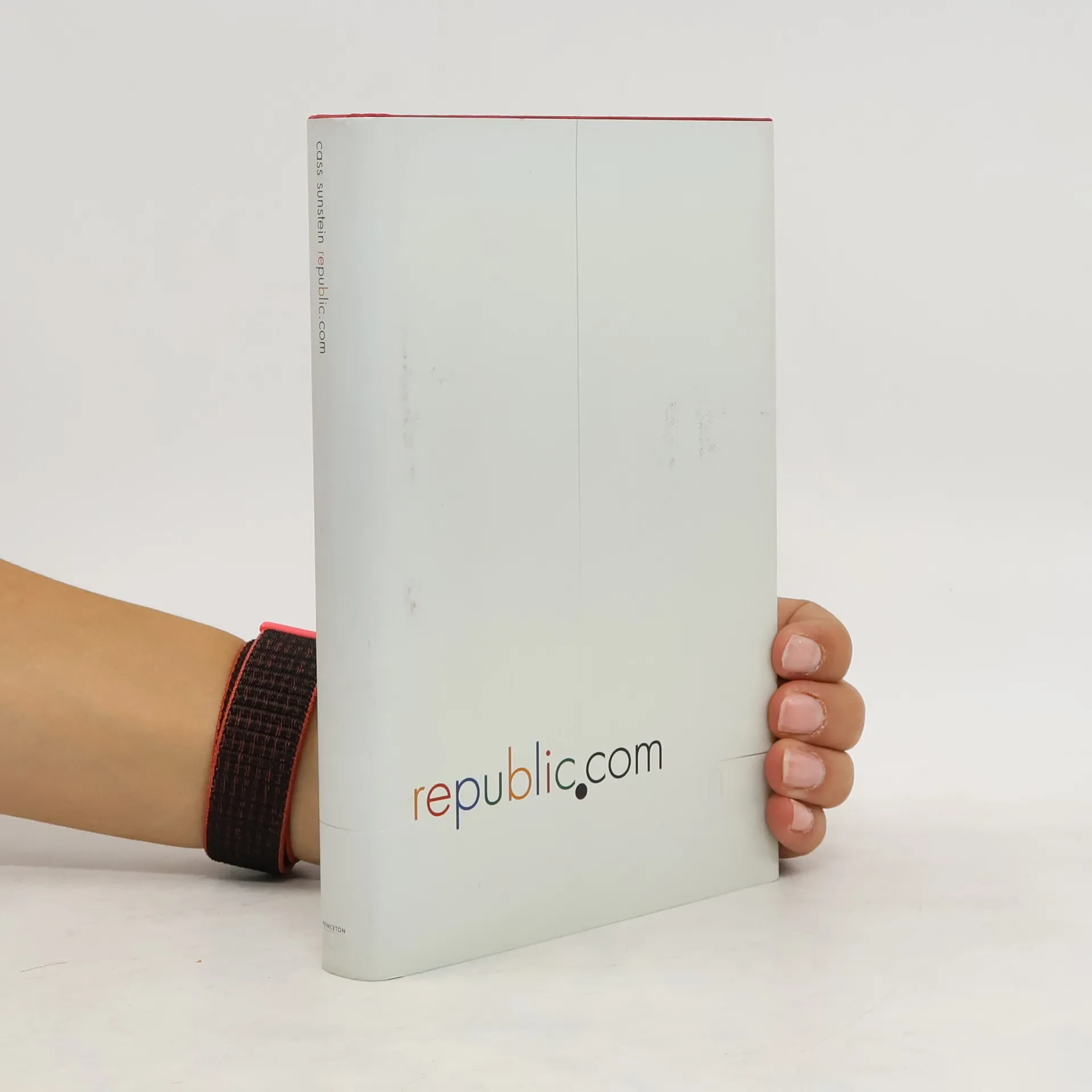
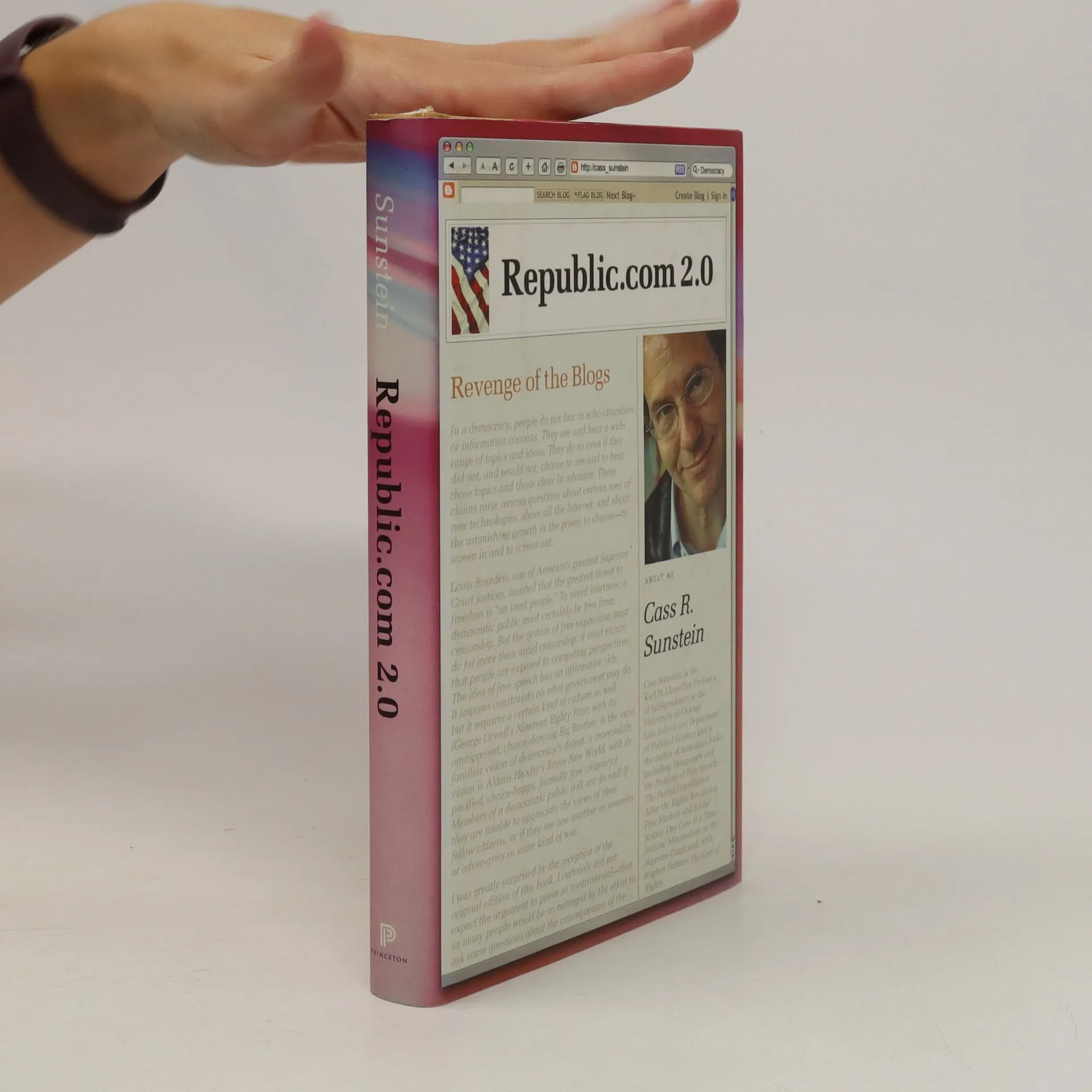
Republic.com
- 240bladzijden
- 9 uur lezen
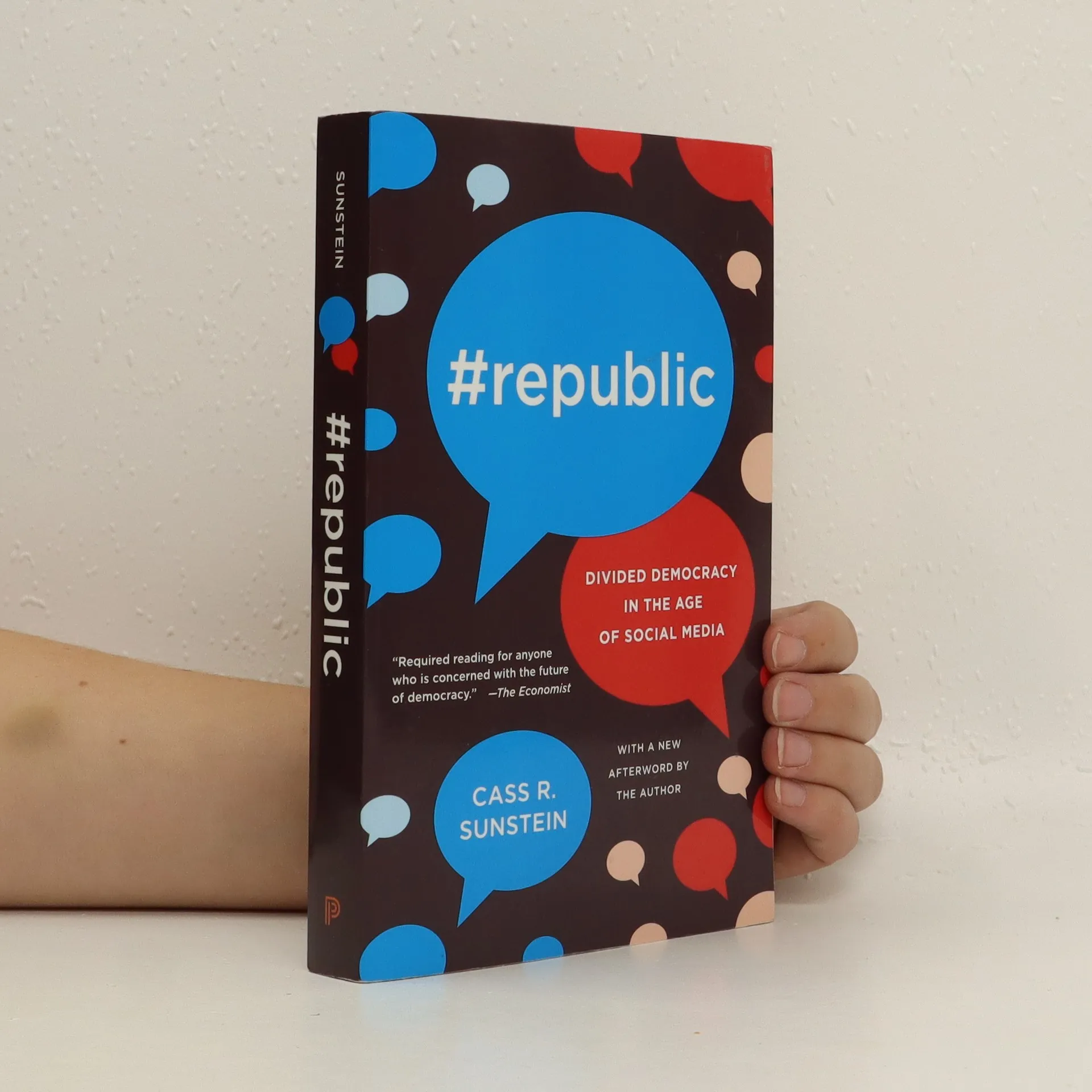
Exposing the drawbacks of egocentric Internet use, this text shows us how to approach the Internet as responsible citizens. Democracy, it maintains, depends on shared experiences and requires citizens to be exposed to topics and ideas that they would not have chosen in advance.