

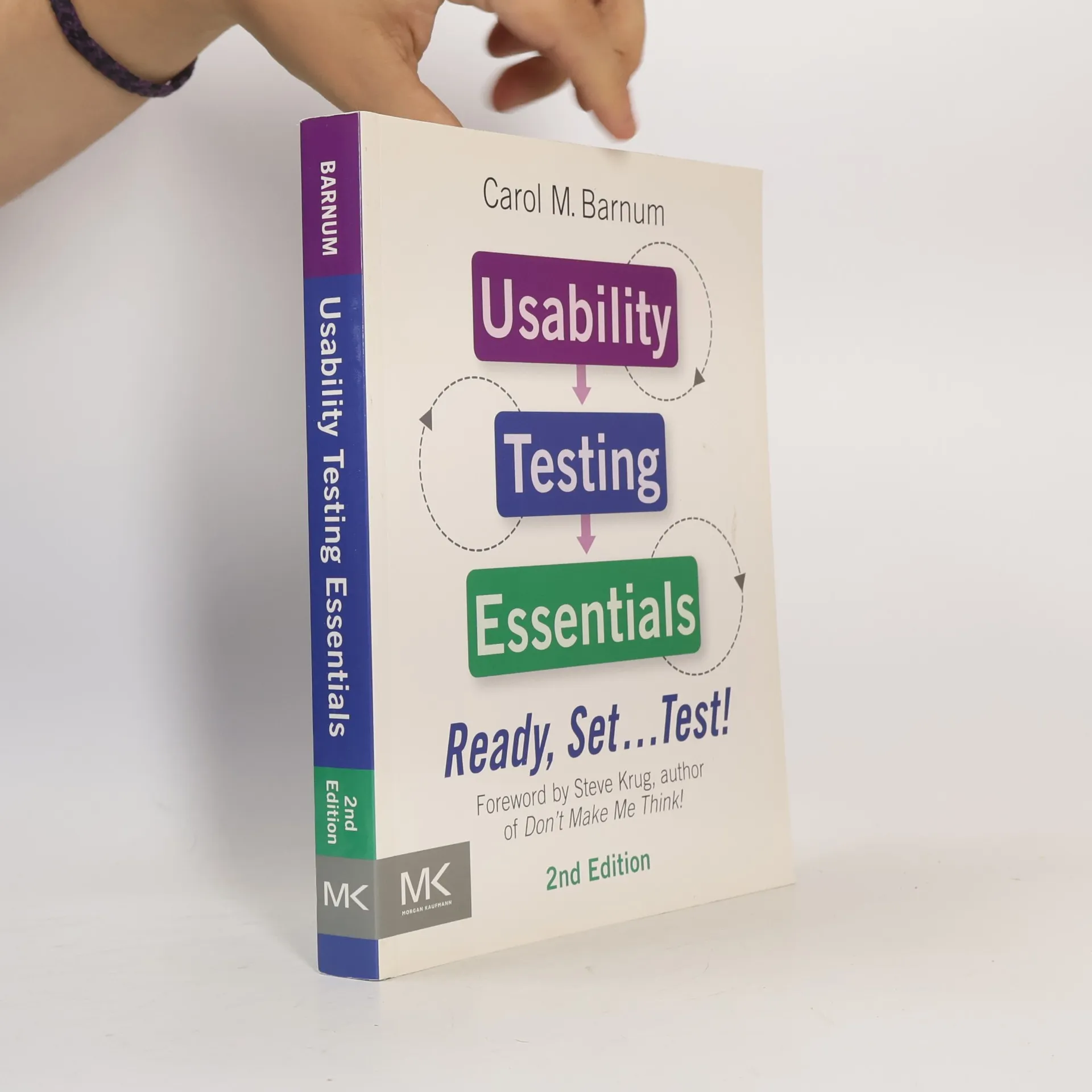
Usability Testing Essentials presents a practical, step-by-step approach to learning the entire process of planning and conducting a usability test. It explains how to analyze and apply the results and what to do when confronted with budgetary and time restrictions. This is the ideal book for anyone involved in usability or user-centered design--from students to seasoned professionals. Filled with new examples and case studies , Usability Testing Essentials, 2nd Edition is completely updated to reflect the latest approaches, tools and techniques needed to begin usability testing or to advance in this area.
Steve Krug Volgorde van de boeken (chronologisch)
1 januari 1950
Steve Krug staat vooral bekend om zijn invloedrijke boeken over web usability. Zijn ontwerpfilosofie is geworteld in meer dan twintig jaar ervaring als usability-consultant, waarin hij een breed scala aan klanten begeleidde naar intuïtievere online ervaringen. Krug pleit voor een directe, gezond-verstandige aanpak, waardoor lezers effectieve principes voor webdesign kunnen begrijpen en toepassen. Zijn werk wordt zeer gewaardeerd om zijn praktische inzichten en heldere communicatie.


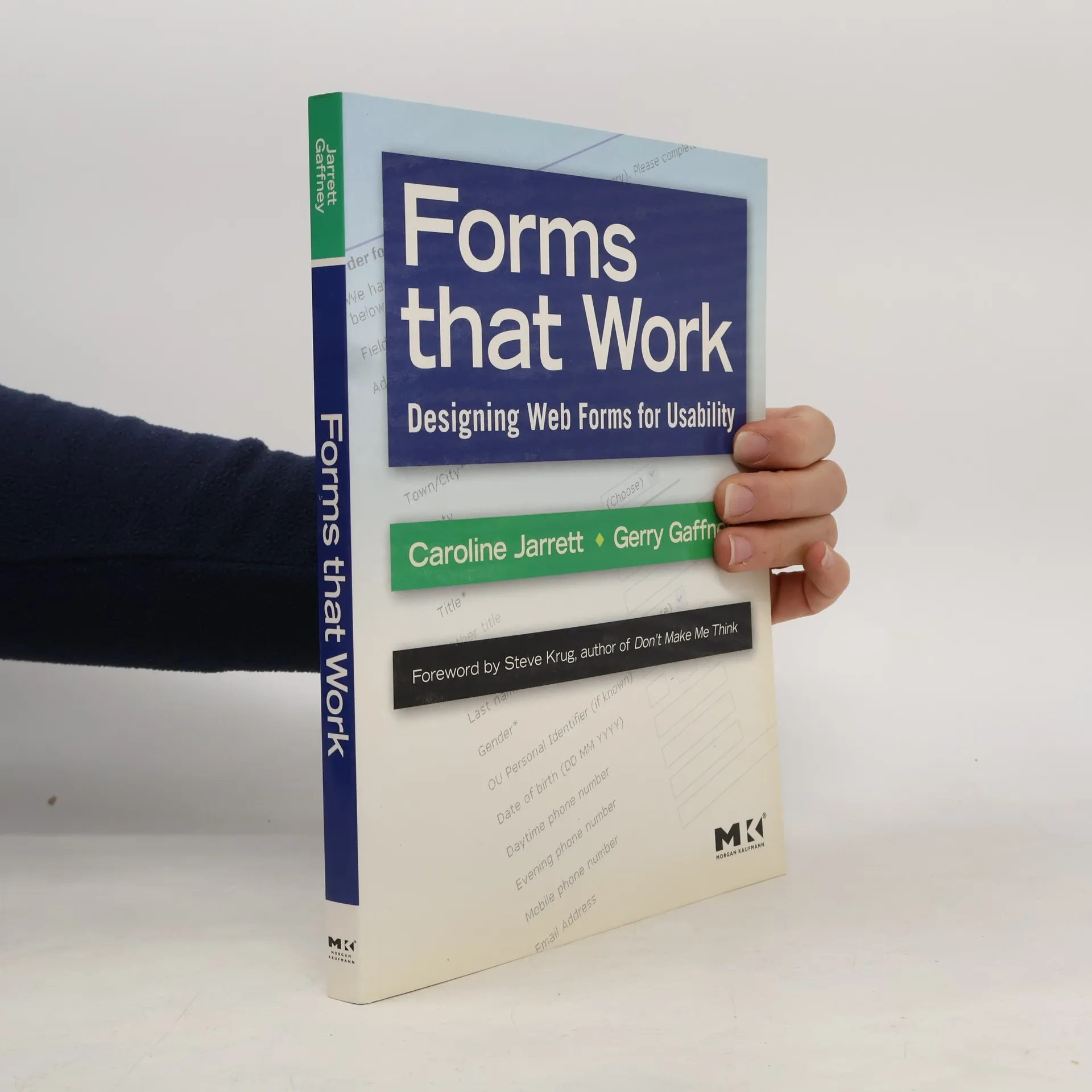
This book clearly explains how to design effective web forms, offering practical advice to avoid common pitfalls and create aesthetically pleasing, efficient, and cost-effective forms. It includes invaluable design methods, tips, and tricks to ensure accurate data collection and customer satisfaction, featuring numerous examples that cover everything from label alignment and mandatory fields to visual design elements like grids and color usage. The focus extends beyond technical details to encompass the entire process of crafting good forms, emphasizing the importance of asking the right questions in a user-friendly manner. Presented in an easy-to-read format, the authors introduce a three-layer model—relationship, conversation, and appearance—essential for successful forms that engage users. The book is richly illustrated with full-color examples, guiding readers on defining requirements, writing clear questions, and managing instructions, progress indicators, and errors. It is a vital resource for HCI professionals, web designers, software developers, user interface designers, academics, students, market researchers, and financial professionals.
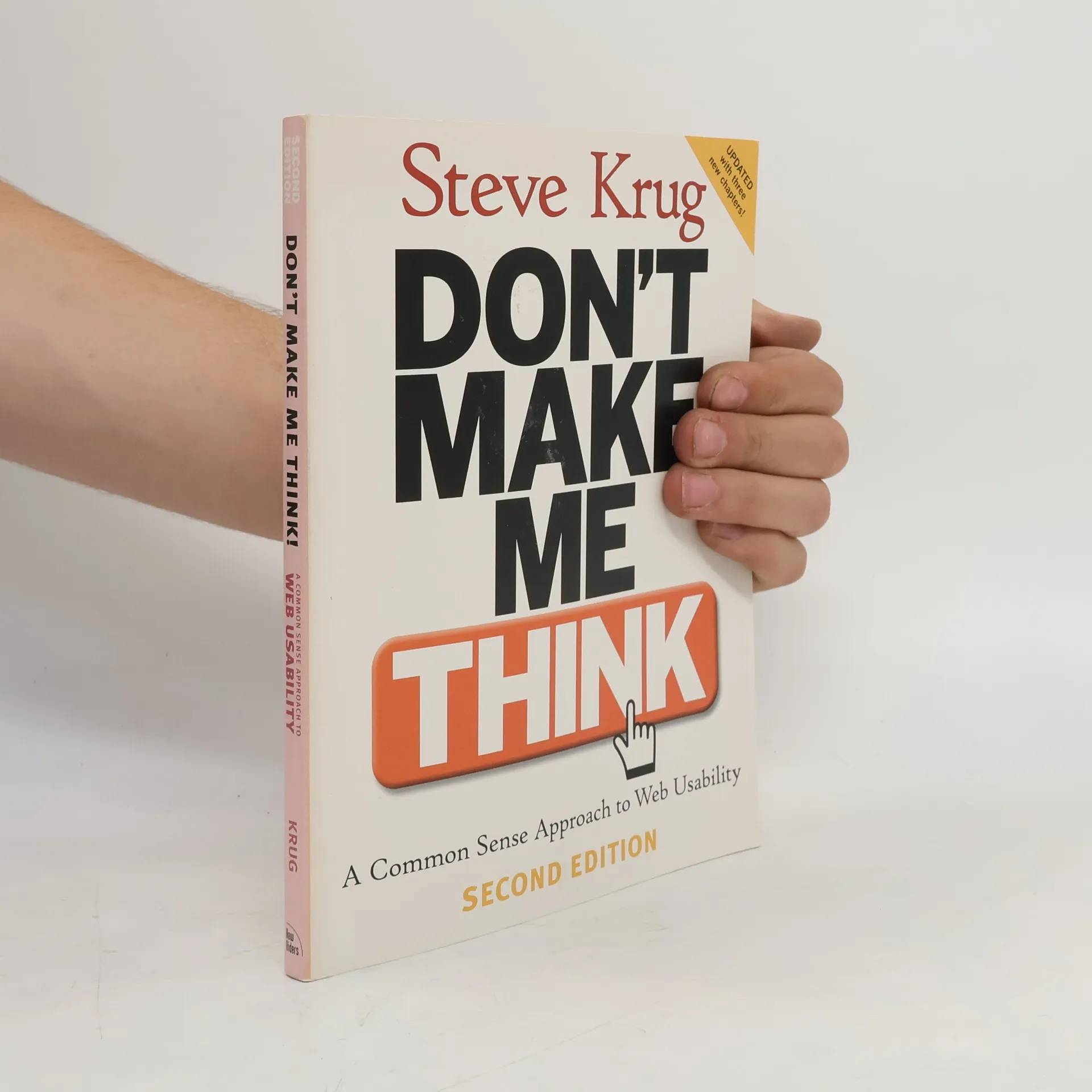
Five years and more than 100,000 copies after it was first published, it's hard to imagine anyone working in Web design who hasn't read Steve Krug's "instant classic" on Web usability, but people are still discovering it every day. In this second edition, Steve adds three new chapters in the same style as the wry and entertaining, yet loaded with insights and practical advice for novice and veteran alike. Don't be surprised if it completely changes the way you think about Web design. With these three new "I thought usability was the enemy of design until I read the first edition of this book. Don't Make Me Think! showed me how to put myself in the position of the person who uses my site. After reading it over a couple of hours and putting its ideas to work for the past five years, I can say it has done more to improve my abilities as a Web designer than any other book.In this second edition, Steve Krug adds essential ammunition for those whose bosses, clients, stakeholders, and marketing managers insist on doing the wrong thing. If you design, write, program, own, or manage Web sites, you must read this book." -- Jeffrey Zeldman, author of Designing with Web Standards
Rocket Surgery Made Easy
- 161bladzijden
- 6 uur lezen
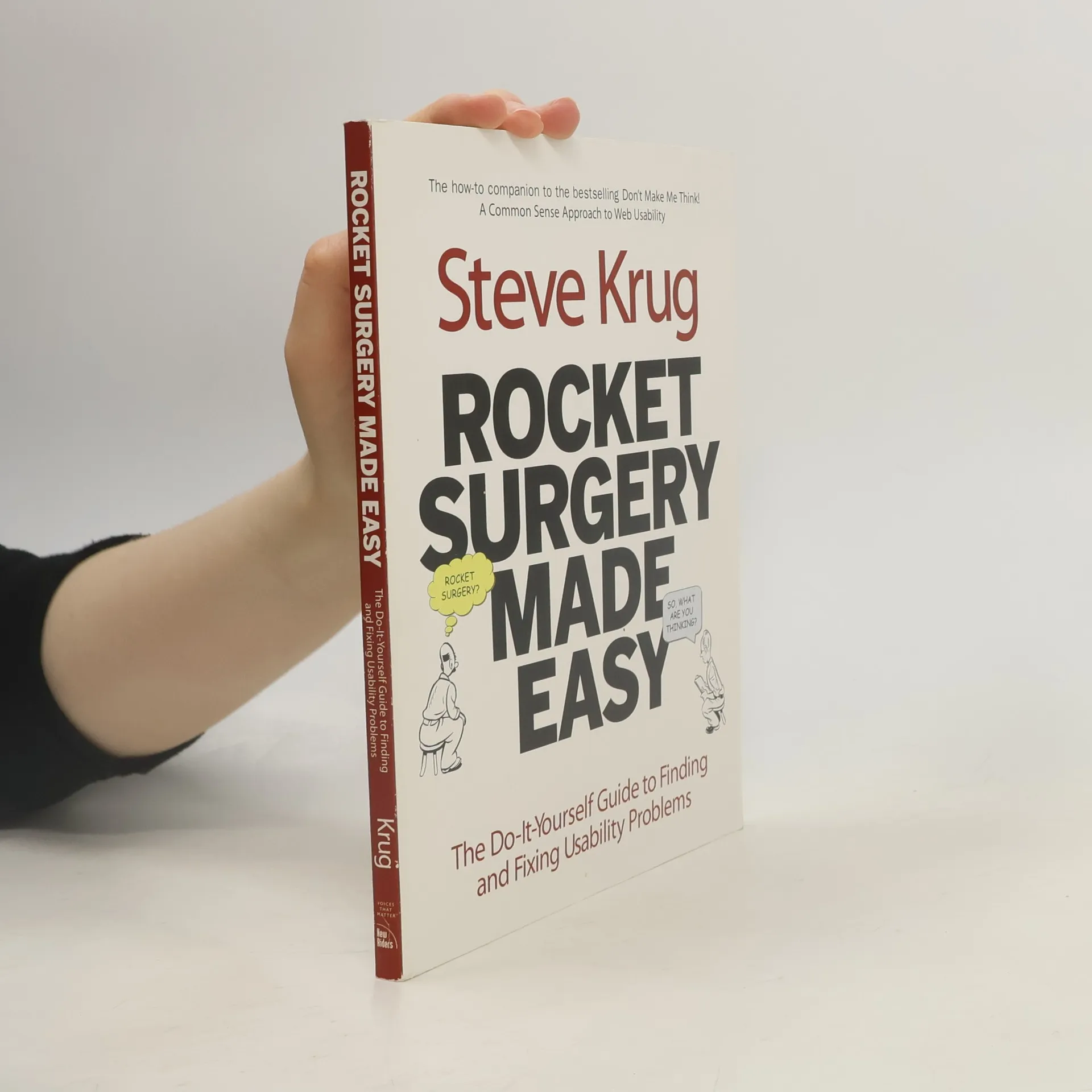
Spells out an approach to usability testing that anyone can easily apply to his or her own website, application or other product, in a book that explains how to test any design, keep one's focus on finding the most important problems and fix the problems one finds using the author's "the least you can do" approach. Original.