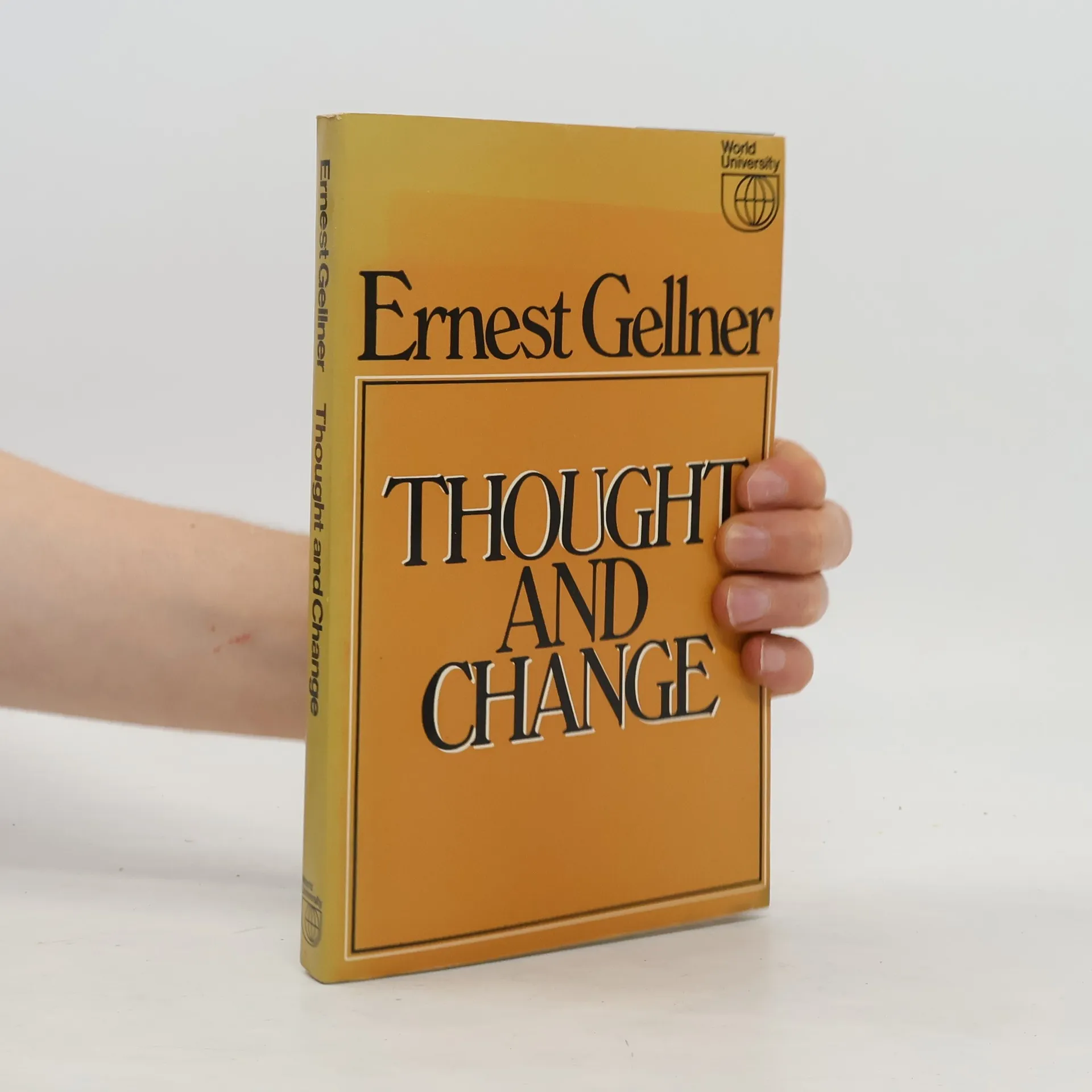
The author argues against the idea that history is bunk and suggests that today is only possible because of the changes that took place yesterday. His philosophy of history is supported by examples drawn from a wide variety of disciplines. From the author of the Psychoanalytic Movement.
Ernest André Gellner Boeken
9 december 1925 – 5 november 1995
Ernest Gellner was een vooraanstaand Brits-Tsjechisch filosoof, sociaal antropoloog en schrijver over nationalisme. Zijn werk duikt diep in de aard van moderne samenlevingen en het ontstaan en functioneren van nationalisme. Gellners analytische aanpak en zijn vermogen om filosofie, sociologie en geschiedenis te overbruggen, stelden hem in staat unieke inzichten te bieden in de complexiteit van menselijke cultuur en politiek. Zijn geschriften blijven essentieel voor het begrijpen van de vorming van naties en de moderne staat.


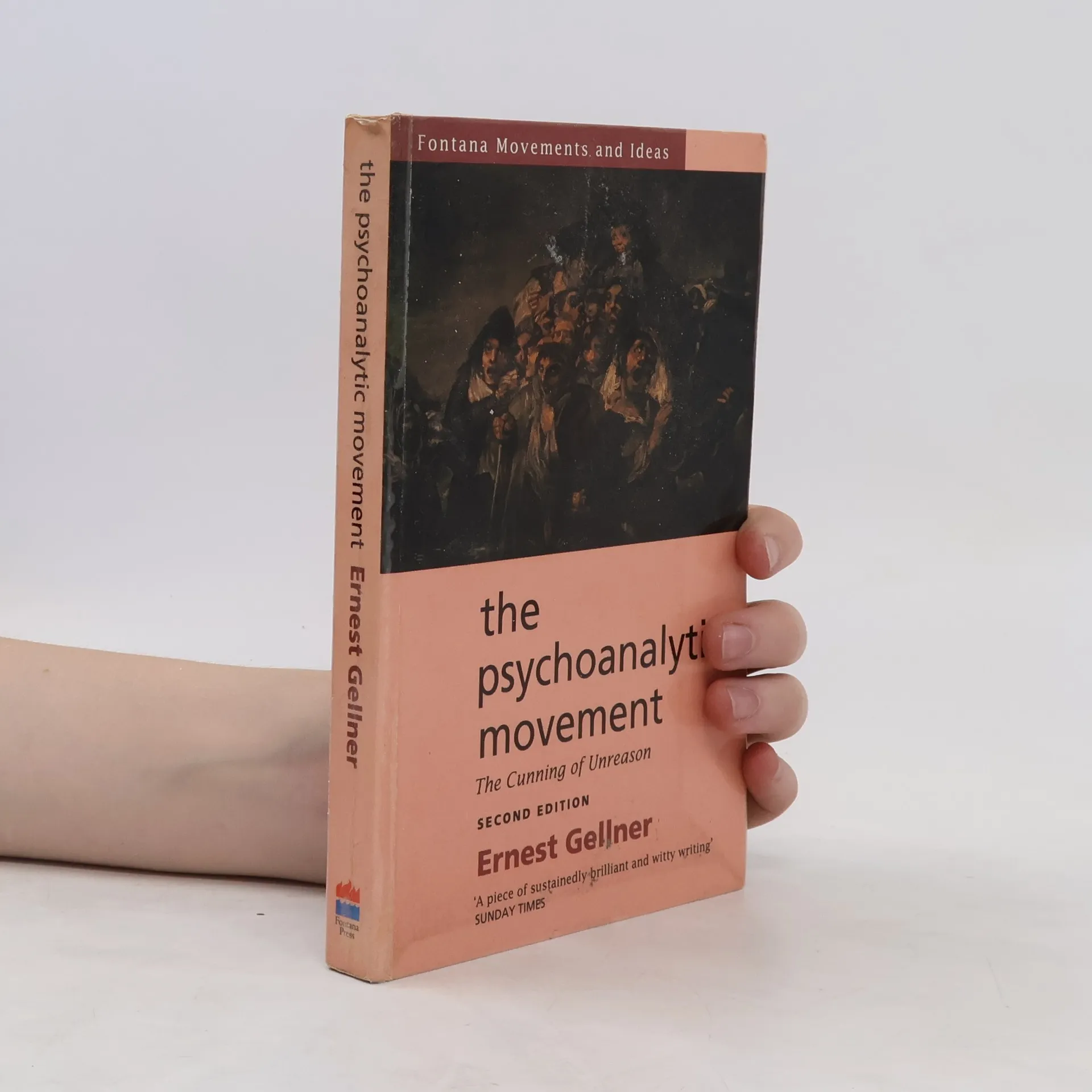

The Psychoanalytic Movement
The Cunning of Unreason
Part of the "Paladin Movements and Ideas" series, this book is an exploration of the latter half of the 19th century, explaining where Sigmund Freud came from and why he happened when he did. The psychoanalytic movement went on to become one of the major movements in the 20th century.
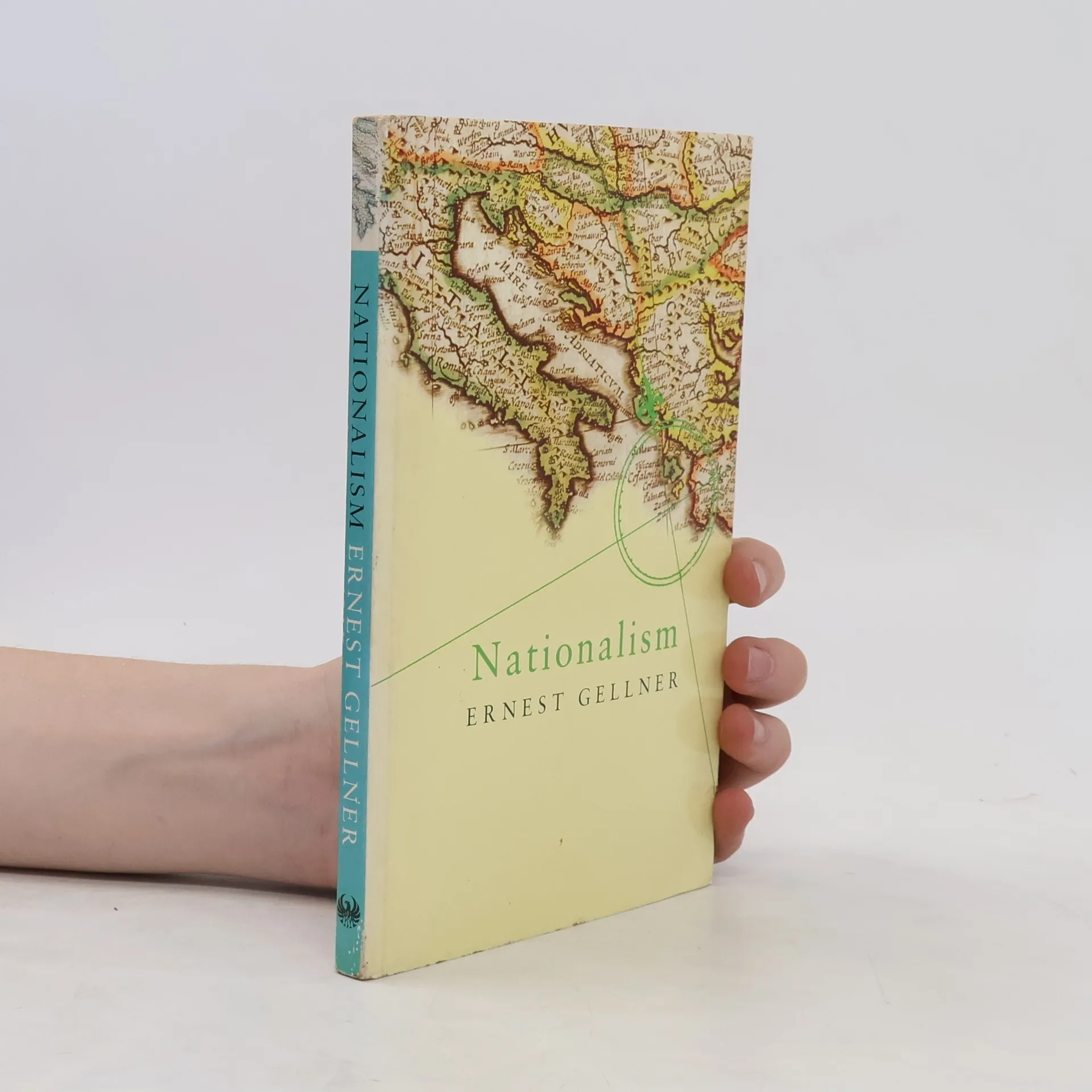
Nationalism
- 128bladzijden
- 5 uur lezen
A provocative essay on a subject that, since the collapse of the Soviet empire, has become once again, a central subject of contemporary politics. Lucid, witty and brilliant, Gellner's essay combines the perspectives of politics, history, philosophy and anthropology with the multidisciplinary flair for which he is renowned
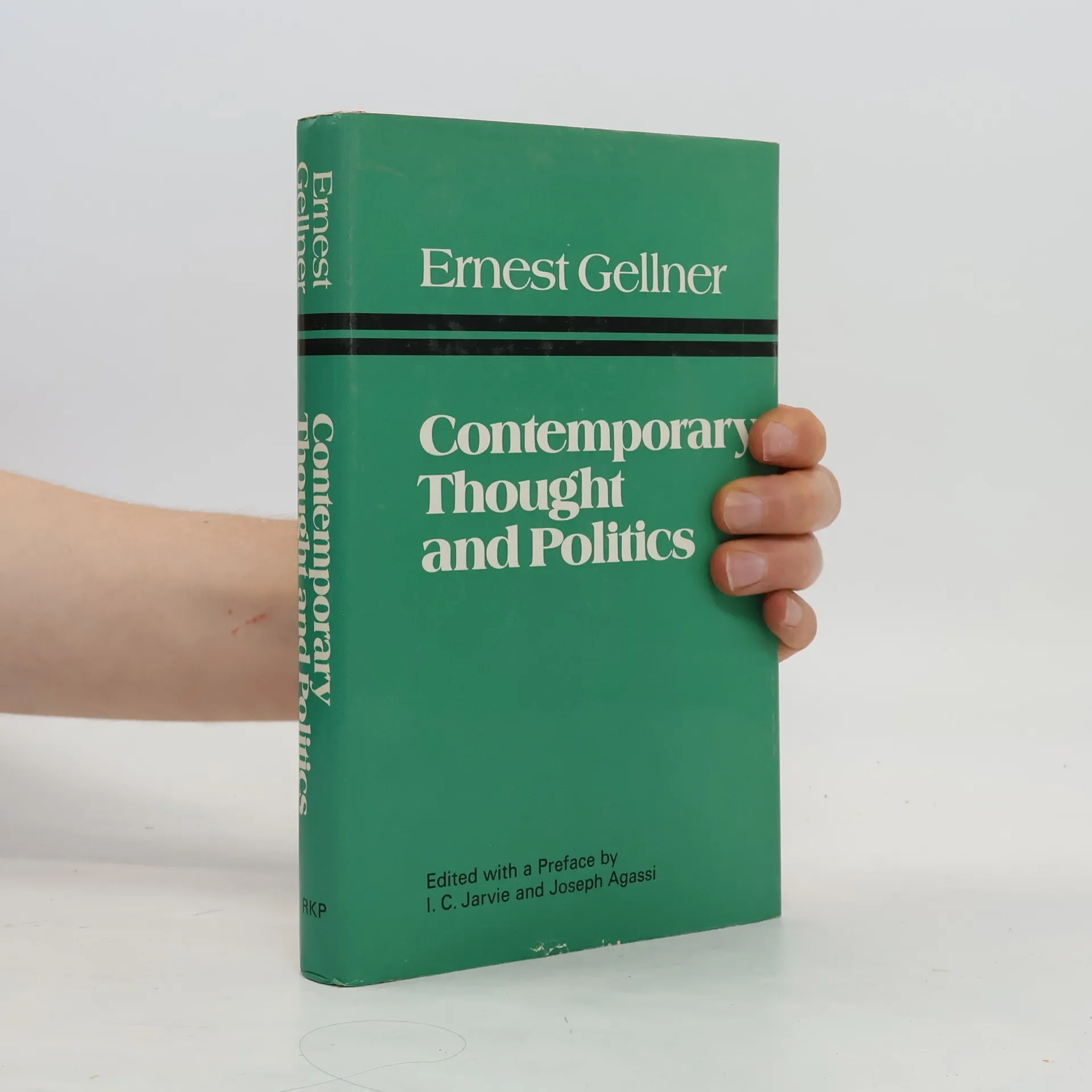
This collection of essays addresses critical issues within philosophy, politics, and society, offering insightful analysis and perspectives. It explores fundamental questions and challenges, encouraging readers to reflect on the interplay between these disciplines. Each essay contributes to a deeper understanding of contemporary societal problems, making it a valuable resource for those interested in the complexities of human thought and governance.
Words and Things
- 416bladzijden
- 15 uur lezen
First published in 1959, this classic challenge to the prevailing philosophical orthodoxy of the day, remains the most devastating attack on a conventional wisdom in philosophy to this day.
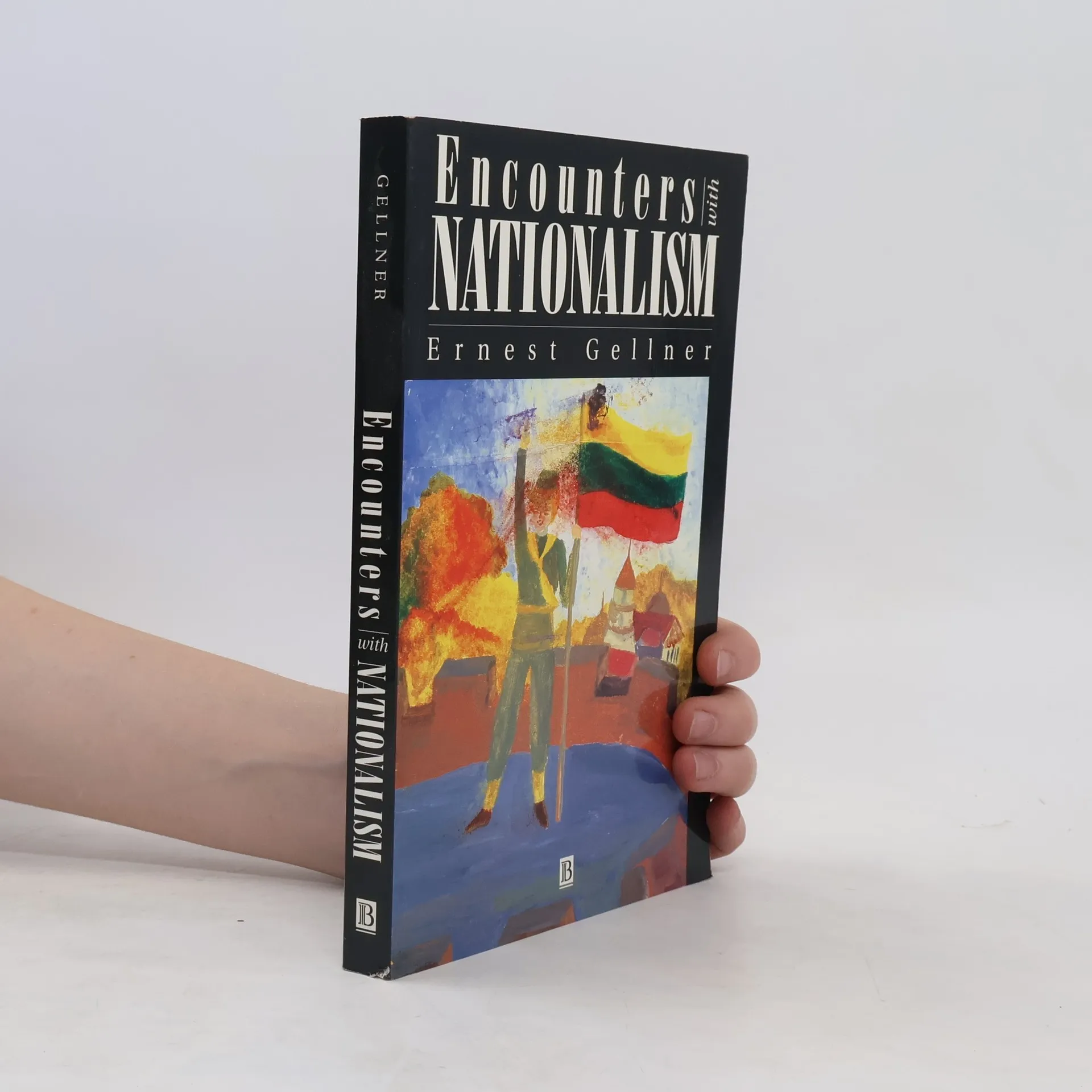
Encounters With Nationalism
- 208bladzijden
- 8 uur lezen
Ernest Gellner's theoretical classic Nationalism is, in a sense, a practical and contemporary complement to Looking at Nationalism. In this book, Gellner evaluates a range of concepts from international order to ethnicity, from Marxism to the universal, as well as various thinkers and political figures from List to Malinowski, Heidegger to Havel, and Edward Said. He also examines numerous local examples of nationalism from Poland to Czechoslovakia and Ireland, and includes a chapter titled "Kemalism" that addresses Turkey. Looking at Nationalism is an undeniably important book on nationalism, which, regardless of one's perspective on Gellner's stance, will evidently continue to exist and exert influence in human history in various forms and reflections for a long time. It is highly likely to affect, if not change, your thoughts or at least your questions.
The Devil in Modern Philosophy
- 272bladzijden
- 10 uur lezen
The collection of essays explores the intricate relationship between philosophy and life, drawing on the insights of notable figures such as Chomsky, Piaget, and Eysenck. Gellner examines various perspectives on this connection, offering a multifaceted analysis that engages with both philosophical concepts and practical implications in everyday life. Through these discussions, the essays illuminate the ways in which philosophical thought influences our understanding of human behavior and societal dynamics.
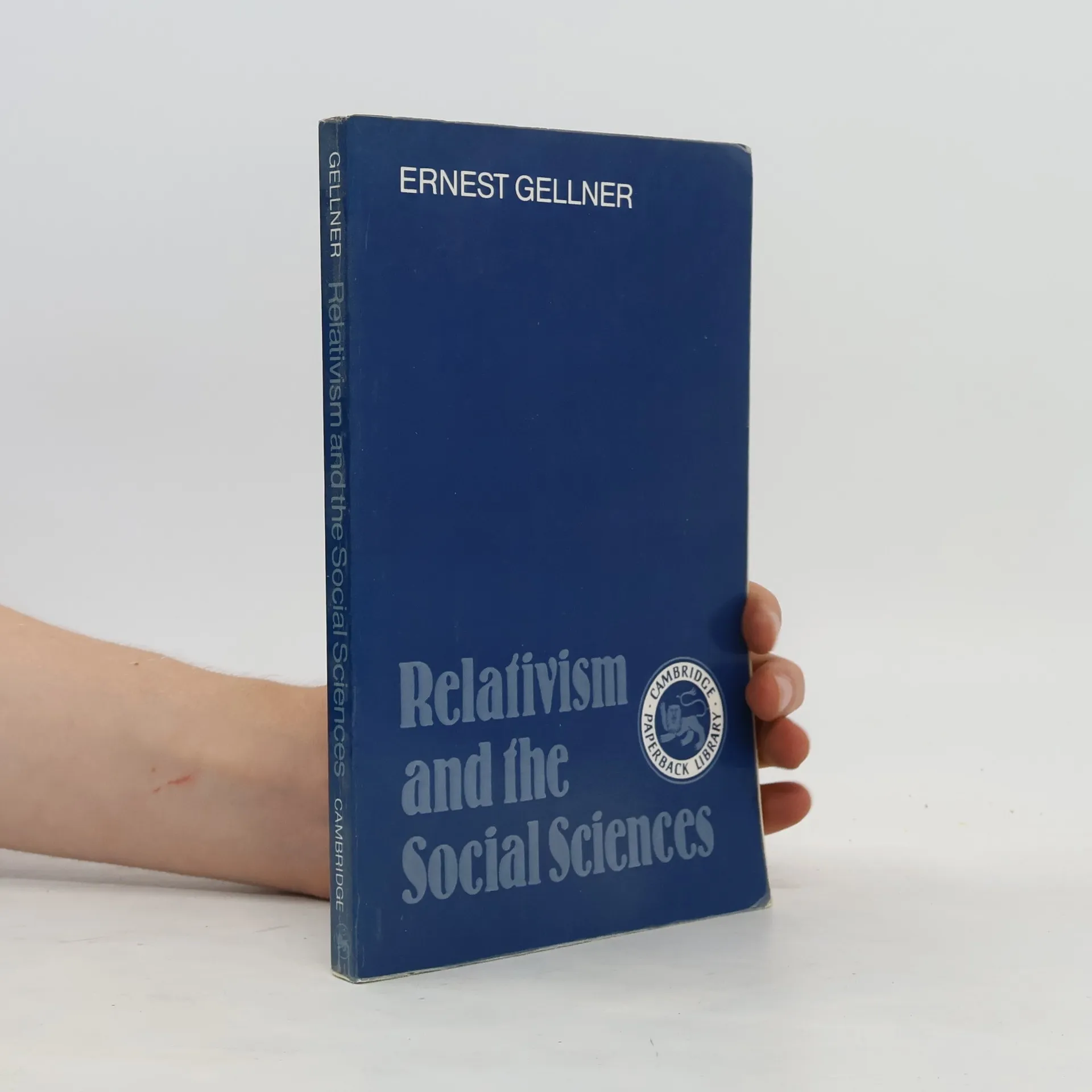
Relativism and the Social Sciences
- 212bladzijden
- 8 uur lezen
This volume of essays deals with the problem of relativism, in particular cultural relativism. If our society knows better than other societies, how do we know that it knows better? There is a profound irony in the fact that this self-doubt has become most acute in the one civilisation that has persuaded the rest of the world to emulate it. The claim to cognitive superiority is often restricted, of course, to the limited sphere of natural science and technology; and that immediately raises the second main theme of this volume - the differences between the human and natural sciences. These essays reach towards a new style and mode of enquiry - a mixture of philosophy, history and anthropology - that promises to prove more revealing and fruitful.
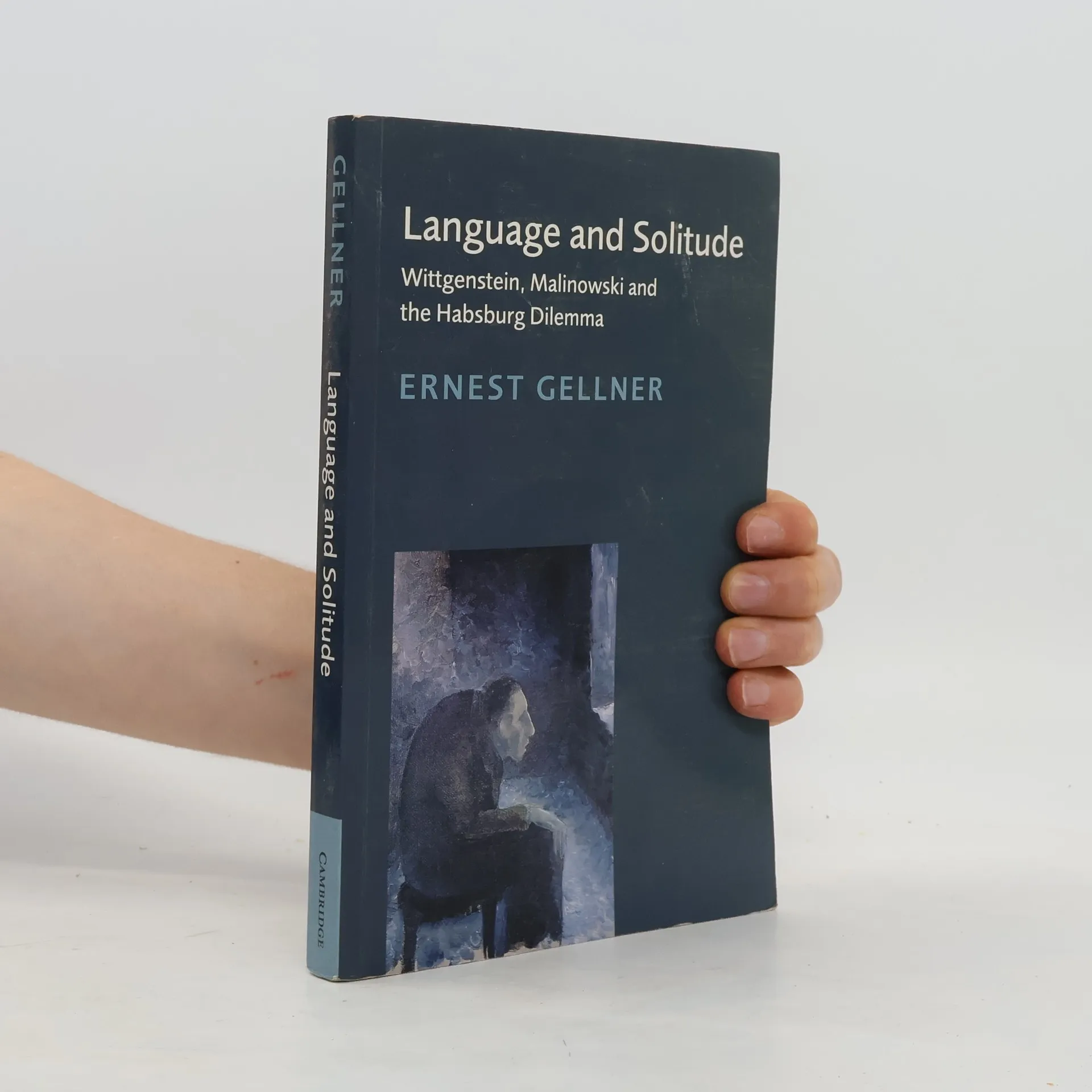
Focusing on the philosophical contributions of Wittgenstein and the anthropological insights of Malinowski, this final work by Gellner offers a comprehensive analysis of their ideas. It explores the intersections of language, culture, and human understanding, presenting a unique synthesis that highlights the significance of both thinkers in contemporary thought. Through this lens, Gellner aims to illuminate the broader implications of their theories for social science and philosophy.
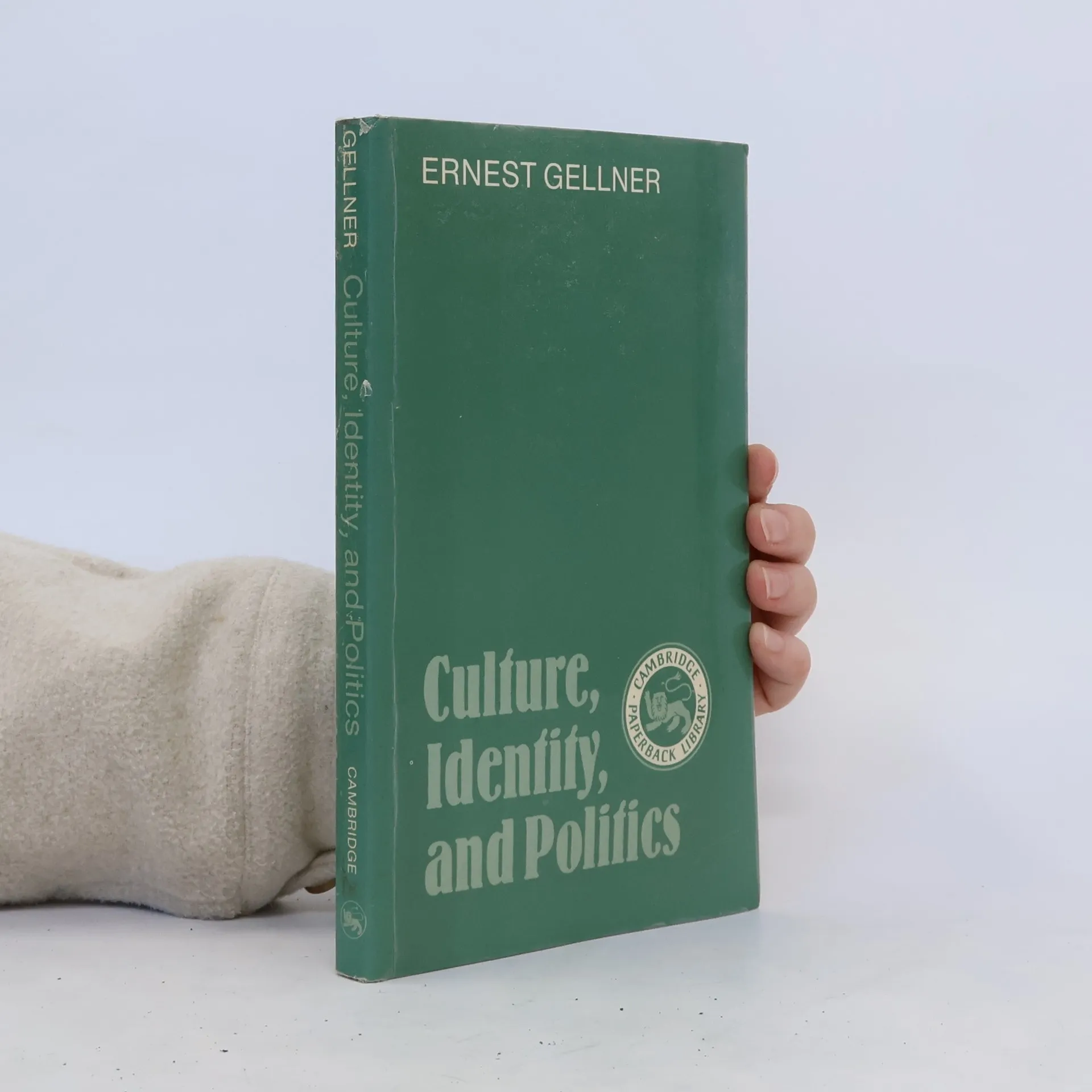
Culture, Identity, and Politics
- 204bladzijden
- 8 uur lezen
An exploration of the relationship between culture and politics in the modern world through essays on such varied topics as the Ayatollah Khomeni, Czech dissidents, and Malinowski.
This thoughtful and penetrating book, addressed to political scientists, sociologists, historians, and anthropologists, interprets nationalism in terms of its social roots, which it locates in industrial social organization. Professor Gellner asserts here that a society's affluence and economic growth depend on innovation, occupational mobility, the effectiveness of the mass media, universal literacy, and an all-embracing educational system based on a shared, standard idiom. These factors, taken together, govern the relationship between culture and the state. Political units that do not conform to the principle, one state, one culture feel the strain in the form of nationalistic activity.
A distinguished scholar's provocative analysis of the political forces transforming post-Communist Eastern Europe. What is filling the void left by the fall of Communism in the ex-Soviet Union and Eastern Europe? In this groundbreaking book, one of Europe's most distinguished social anthropologists addresses this question through an examination of the idea of the civil society, which is rooted in the Enlightenment's belief that society can be organized rationally.
Saints of the Atlas
- 354bladzijden
- 13 uur lezen
A discussion of the social and political organization of Berber tribes in the Middle East and North Africa.
The Concept of Kinship
And Other Essays on Anthropological Method and Explanation
Previously published under the title "Cause and Meaning in the Social Sciences", this collection of essays ranges widely in philosophy, sociology and social anthropology, and the relationships and interaction between the three.
The premature death in 1991 of the Brazilian essayist, thinker and diplomat José G. Merquior robbed the international intellectual community of a gifted "friend of reason and a defender of modernity". Several essays in this volume, directly or indirectly, broadly or personally, pay tribute tothe life and work of this "politically engaged0 intellectual". Part I examines Merquiorian thought itself and--aptly enough--begins with his own incisive review of the rebirth of the liberal idea. Part II ranges more here, such distinguished contributors as John Hall, Ernest Gellner andNorberto Bobbio develop some of Merquior's favourite themes--liberalism as it relates to social cohesion, political stability, morality, republicanism and democracy, and the relativism and scepticism that characterize postmodern thinking.The book's application to two regions of the world is direct and to Merquior's own Latin America and to Central and Eastern Europe, where rapid political change and economic transition have brought debates on liberalism to the forefront. But in Merquior's thought there are also lessonsfor Western Europe and the United States, where the very familiarity of the liberal tradition can lead to a certain sterility of ideas. If this book can help to introduce a new perspective into Western political intellectual circles, then this alone would constitute a fitting memorial to José G.Merquior.
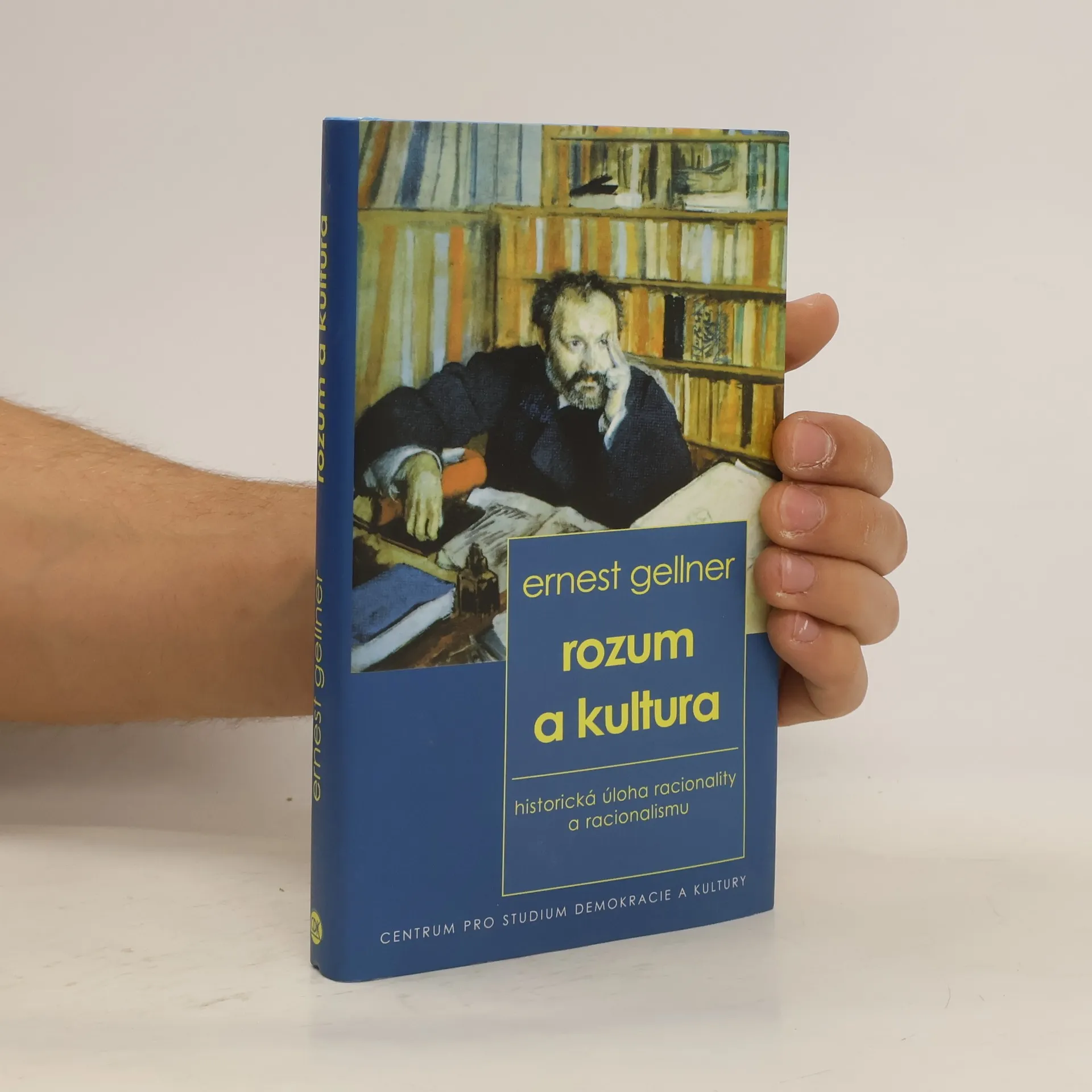
Práce je jedním z nejpozoruhodnějších výkladů dějin moderní evropské filozofie od Descarta po současnost. Nejde však o tradiční akademické dějiny filozofie, chápané pouze jako vnitřní vývoj logiky, ontologie, gnoseologie, etiky a dalších součástí této disciplíny. Gellner vytrvale poukazuje na to, že filozofie je součástí mnohem širších i hlubších posunů v lidském vědění, chápání a jednání.
Co vyplní vakuum vzniklé po dramatickém pádu komunismu v bývalém Sovětském svazu a východní Evropě? Jak ukazuje ve své knize nedávno zesnulý filozof E. Gellner, jedním z nejdůležitějších rozdílů mezi komunismem a západním liberalismem spočívá v jejich chápání občanské společnosti.
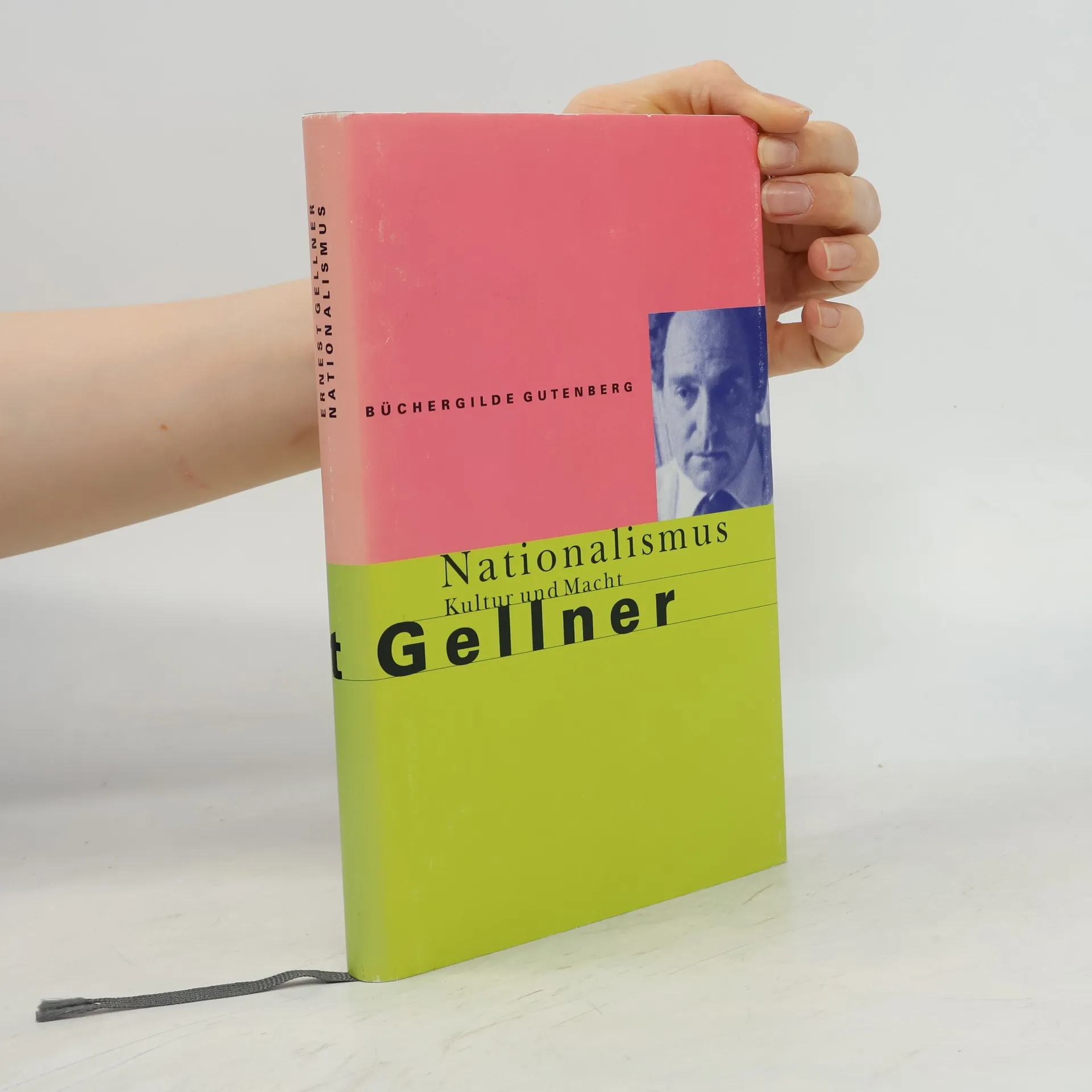
Aus der Geschichte lernt man für die Gegenwart, dies aber muß man in größeren Zusammenhängen tun: Die richtigen Schlüsse aus der Ereignisgeschichte lassen sich nur ziehen, wenn wir jene geschichtsphilosophisch begründen, ordnen, werten. Und dazu liefert Ernest Gellner die notwendige Grundlage.§In scharfen Konturen umreißt er ein Phasenbild von der menschlichen Geschichte, wie es sich in neuerer Zeit allmählich herausgebildet hat: agrarische Produktion - politische Zentralisierung und Arbeitsteilung - Schrift, Wissenschaft und geistige Liberalisierung. Für die entscheidenden Faktoren, die die Phasenübergänge markieren, stehen Pflug, Schwert und Buch.§Keinesfalls erhebt Gelner den Anspruch, im Besitz des einzig richtigen Geschichtsbildes zu sein, vielmehr entwirft er seines in der Hoffnung, daß jeder Leser die Möglichkeiten erhält, seine eingene Variante einer kritischen Überprüfung zu unterziehen.§
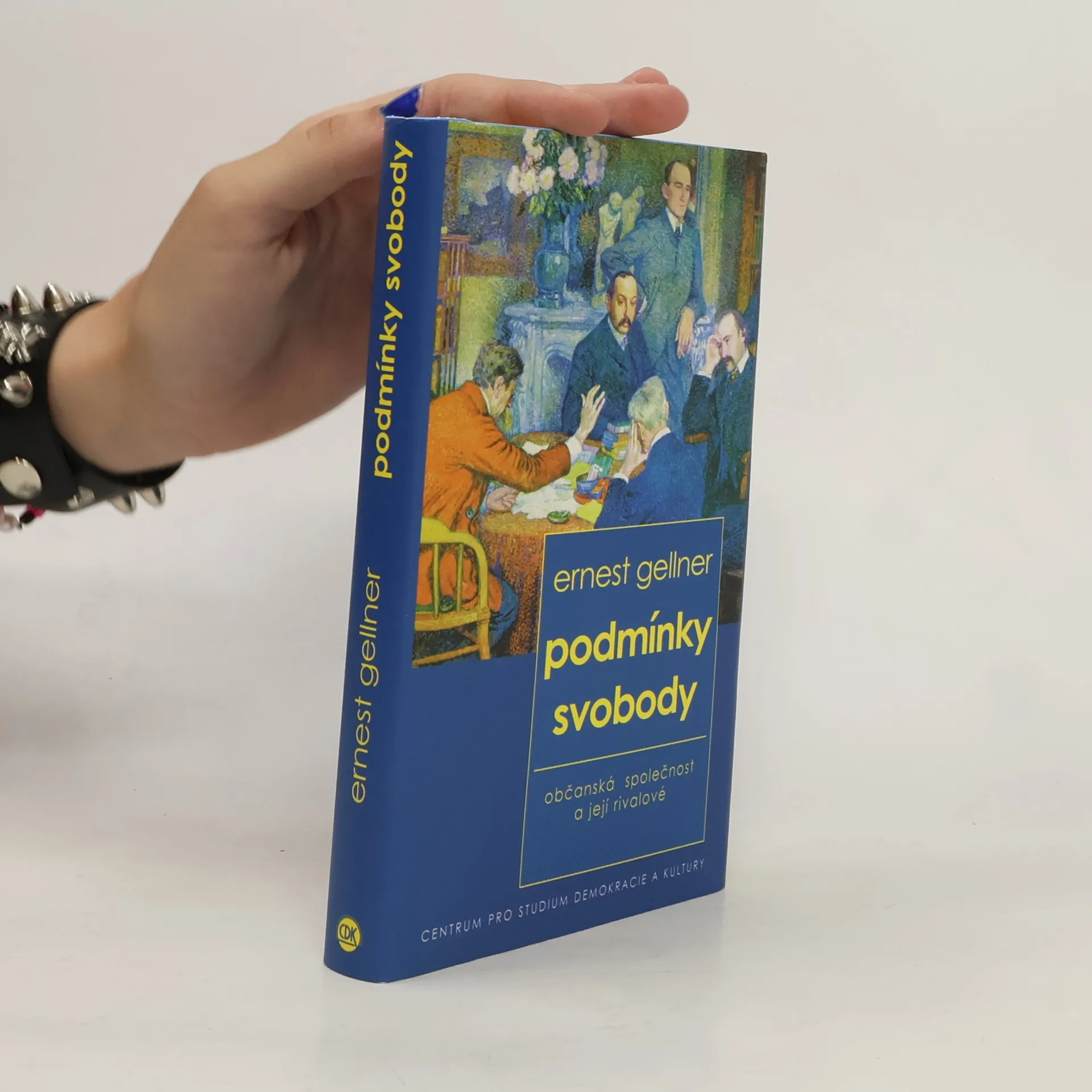
Poslední kniha Ernesta Gellnera, vydaná až po jeho smrti, se zabývá soupeřením dvou základních forem moderního myšlení, způsobu života a politiky. Zaměřuje se tedy na napětí mezi tím, co autor označuje na jedné straně jako atomistický individualismus a na druhé straně jako romantický organicismus. Konflikt těchto dvou koncepcí života i myšlení byl a je neobyčejně ostrý zejména ve střední Evropě a tvoří jakési podloží četných dalších střetů ať již v oblasti politiky nebo ekonomie. Byl nejvíce reflektován v Habsburské říši, ale dodnes ho pociťujeme v celém našem prostoru. Je to zároveň konflikt mezi rozumem a kulturou. Gellner jeho podstatu objasňuje analýzou myšlení R. Wittgensteina a B. Malinowského.
Národy a nacionalizmus
- 280bladzijden
- 10 uur lezen
Kniha Národy a nacionalizmus, ktorá prvýkrát vyšla v roku 1983, je jedným z najkomplexnejších a najvplyvnejších vysvetlení vzniku nacionalizmu, aké boli kedy napísané. Gellner, opierajúc sa o celý rad disciplín vrátane filozofie, antropológie, sociológie, politológie a histórie, tvrdí, že nacionalizmus je nevyhnutným dôsledkom modernity. Nie je podľa neho prejavom zmyslených dávnych identít, ale reakciou na potreby moderného priemyselného sveta, ktorý vyžaduje jednotný jazyk, kultúru a štát. Kniha patrí k základným textom štúdia nacionalizmu a ponúka analytický rámec na pochopenie jeho vzniku a pretrvávajúceho významu aj v súčasnom svete. Aktualizované vydanie obsahuje doslov Johna Breuillyho z London School of Economics and Political Science, ktorý ju doplnil o reakcie na knihu, pozitívnu aj negatívnu odozvu, odpoveď autora, a zahrnul do nej aj rozsiahlu bibliografiu dôležitých prác o nacionalizme.
Leben im Islam
- 387bladzijden
- 14 uur lezen
Der Islam als Gesellschaftsordnung
- 207bladzijden
- 8 uur lezen
Descartes & Co.
- 226bladzijden
- 8 uur lezen