
Bookbot

Arnold Pomerans

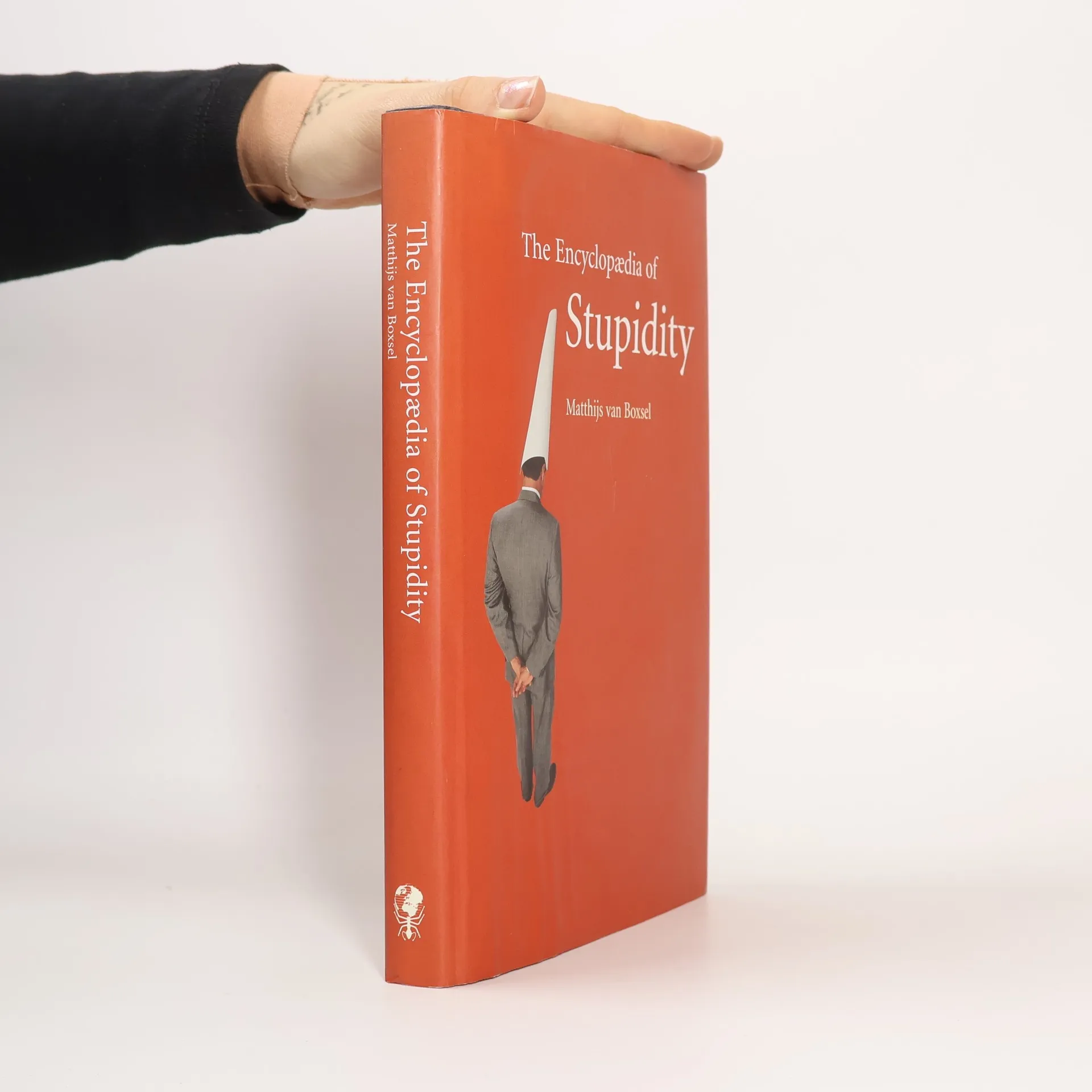
    The Encyclopedia of Stupidity
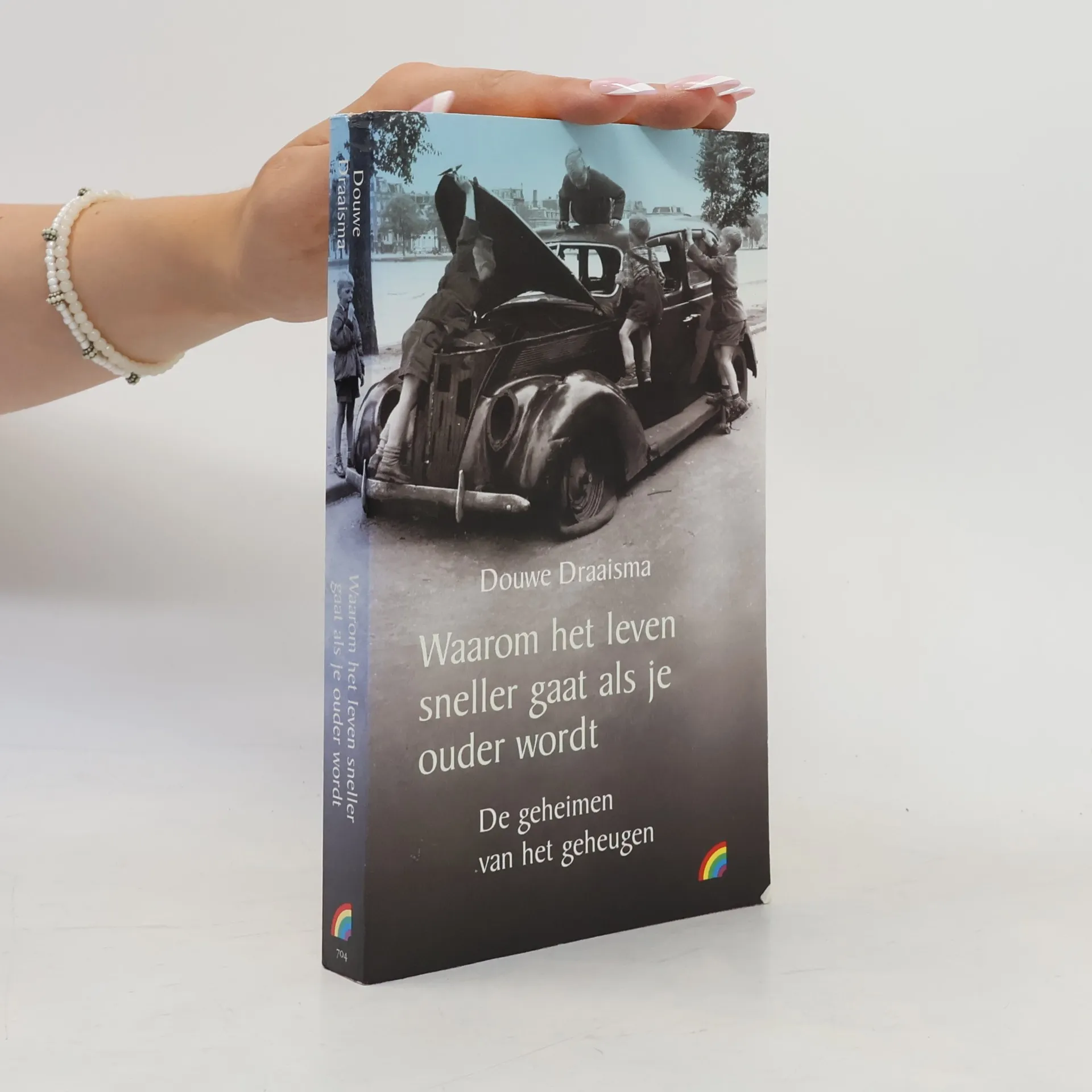
    Waarom het leven sneller gaat als je ouder wordt
    • Waarom het leven sneller gaat als je ouder wordt

      De geheimen van het geheugen - druk 2

      • 329bladzijden
      • 12 uur lezen

      In ons autobiografische geheugen registreren we onze persoonlijke ervaringen. Het dient als een bron voor onze vroegste herinneringen, het huis van onze kindertijd en recent gelezen boeken. Dit geheugen ontwikkelt zich met ons mee en is onze meest intieme metgezel, maar roept ook vragen op. Waarom negeert het soms onze verzoeken, verliest het wat we willen bewaren, of brengt het terug wat we juist wilden vergeten? Waarom vergeten we bijna alles van voor ons derde of vierde levensjaar? Wat maakt dat geuren zulke krachtige herinneringen oproepen? Waarom onthouden we kwetsuren zo goed? Waarom lijkt de tijd sneller te verstrijken naarmate we ouder worden? Dit zijn slechts enkele van de alledaagse vragen. Psychologisch onderzoek naar autobiografisch geheugen probeert ook te verklaren waarom we ons precies herinneren waar we waren toen prinses Diana overleed, hoe déjà vu's ontstaan, en waarom onze herinneringen altijd vooruitgaan. Hoe kunnen schakers blind tientallen partijen tegelijk spelen? Waarom zien stervenden soms hun leven 'als een film' voorbijflitsen? De antwoorden komen uit de psychologie en zijn geworteld in de nieuwsgierigheid naar het geheugen dat ons verleden en onze identiteit vormt.

      Waarom het leven sneller gaat als je ouder wordt
      3,8
    • The Encyclopedia of Stupidity

      • 248bladzijden
      • 9 uur lezen

      Matthijs van Boxsel believes that no one is intelligent enough to understand their own stupidity. In The Encyclopædia of Stupidity he shows how stupidity manifests itself in all areas, in everyone, at all times, proposing that stupidity is the foundation of our civilization. In short sections with such titles as ‘The Blunderers’ Club’, ‘Fools in Hell’, ‘Genealogy of Idiots’, and ‘The Aesthetics of the Empty Gesture’, stupidity is analysed on the basis of fairy tales, cartoons, triumphal arches, garden architecture, Baroque ceilings, jokes, flimsy excuses and science fiction. But Van Boxsel wants to do more than just assemble a ‘shadow cabinet’ of wisdom; he tries to fathom the logic of this opposite world. Where do understanding and intelligence begin and end? He examines mythic fools such as Cyclops and King Midas, cities such as Gotham, archetypes including the dumb blonde, and traditionally stupid animals such as the goose, the donkey and the headless chicken. Van Boxsel posits that stupidity is a condition for intelligence, that blunders stimulate progress, that failure is the basis for success. In this erudite and witty book he maintains that our culture is the product of a series of failed attempts to comprehend stupidity.

      The Encyclopedia of Stupidity
      3,1