Richard Howard Volgorde van de boeken (chronologisch)

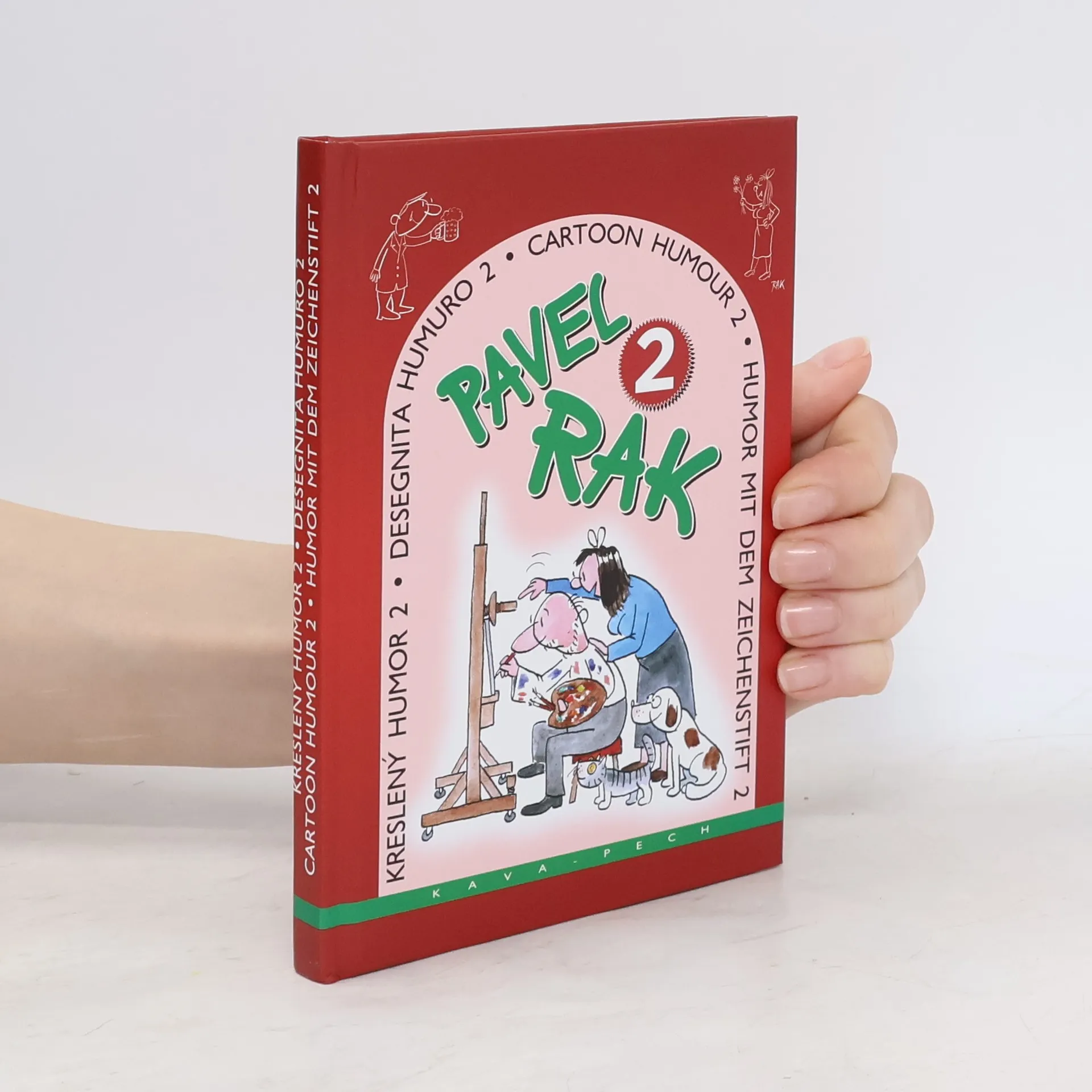
Pavel Rak : kreslený humor 2
- 117bladzijden
- 5 uur lezen
Druhá sbírka kreslených vtipů pražského kreslíře Pavla Raka. Stejně jako v první publikaci jsou všechny vtipy s českým textem opatřeny třemi překlady: do angličtiny, němčiny a esperanta.
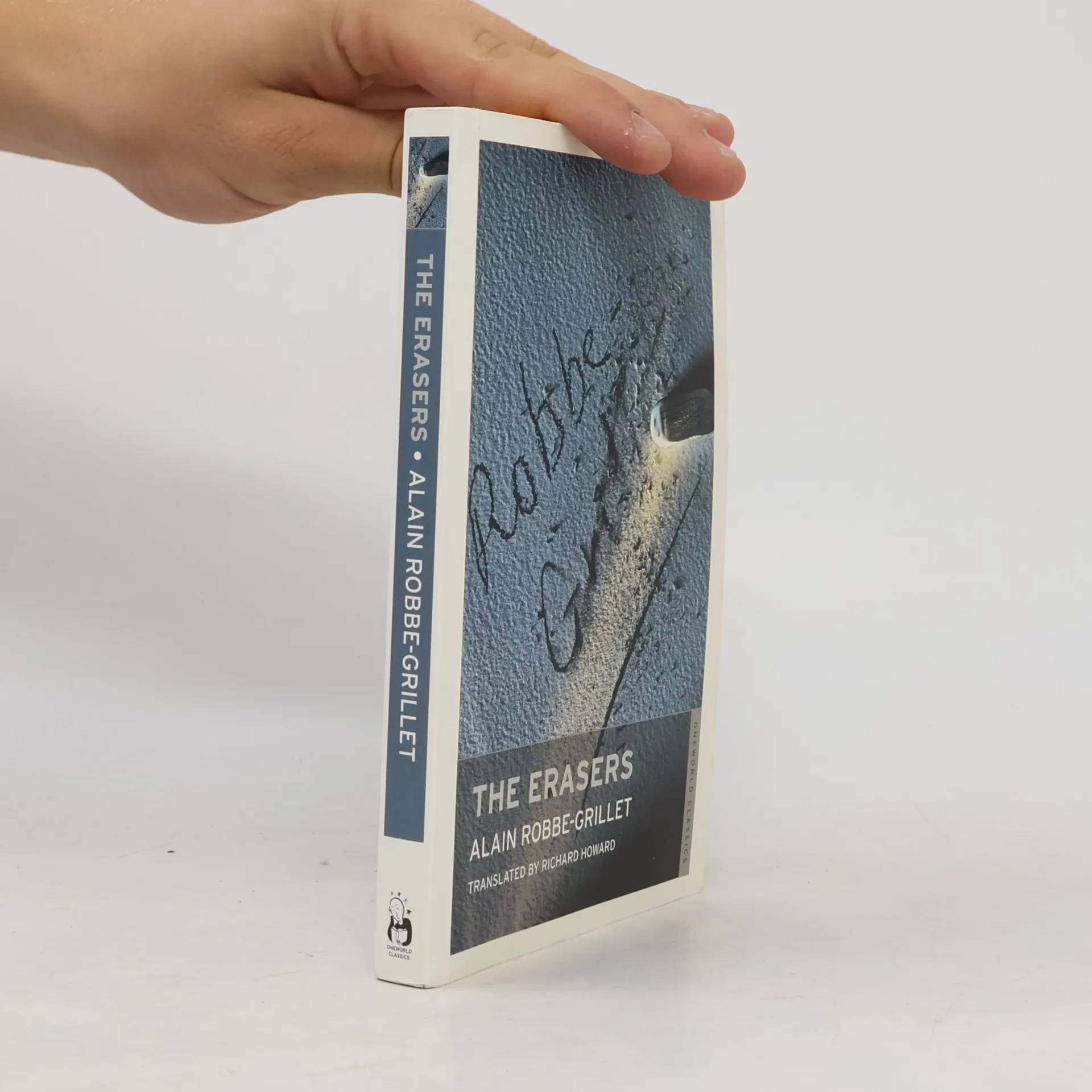
Erasers
- 256bladzijden
- 9 uur lezen
After a failed assassination attempt, Professor Daniel Dupont fakes his own death with Doctor Juard's help. Meanwhile, special investigator Wallas is sent from Paris to the provincial town of the crime, which he coincidentally visited in his childhood.
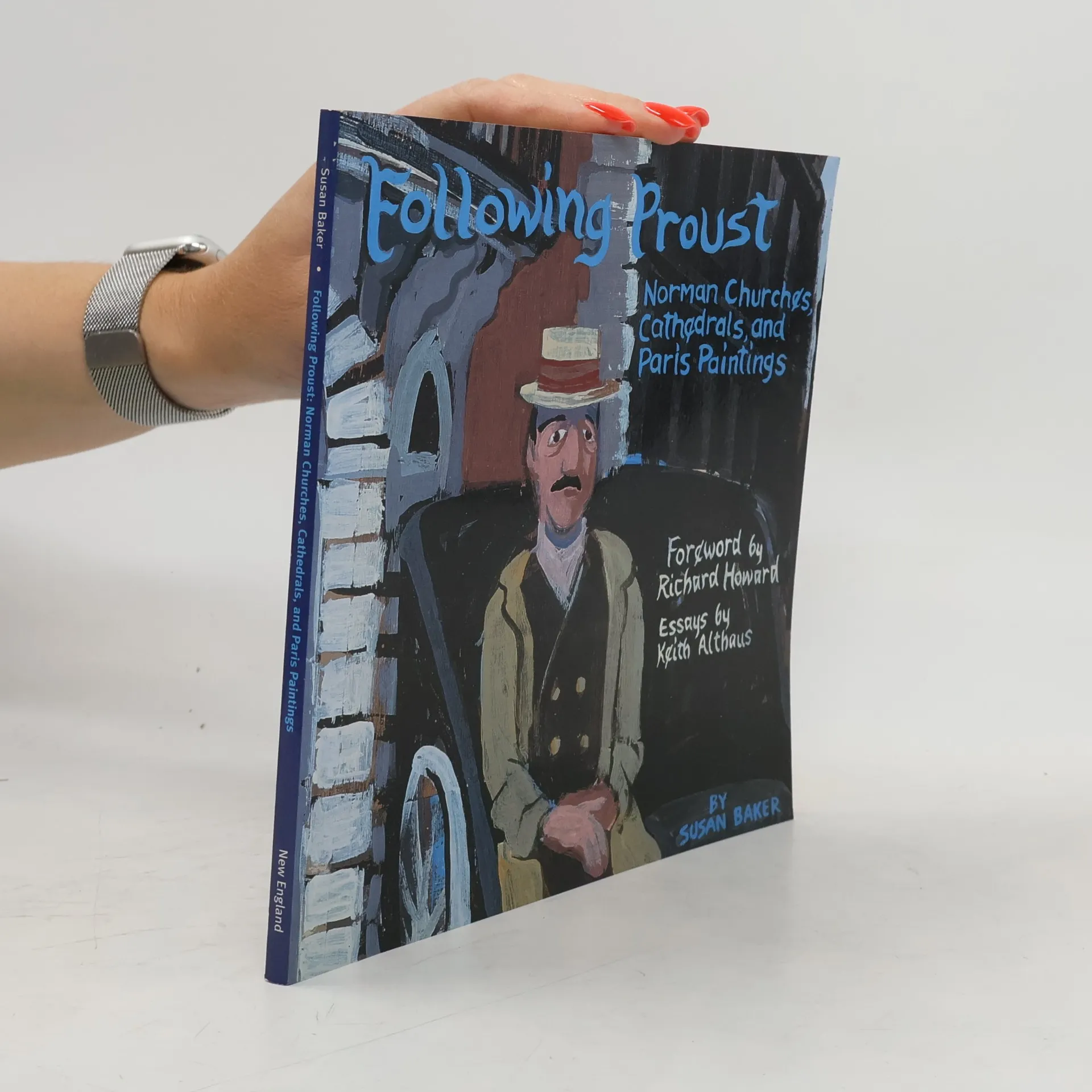
Provincetown artist Susan Baker dramatically shifts her venue to follow and visually reproduce the trail of Marcel Proust through the areas of France that he lived in, loved, and made the site of the major segments of Remembrance of Things Past. In areas well known to generations of readers through that great novel -- for example, Combray, Balbec, and Guermantes, as well as the home of Monsieur Swann -- and also the areas in which Proust lived and vacationed such as Trouville, Deauville, Rouen, Amiens, and Illiers, not to mention Paris, Baker brilliantly captures the ambiance, buildings, and cathedrals that mark the beauty and the uniqueness of these locations. "Drawn in initially by the humor, then dazzled by the description, and finally obsessed by the genius, I decided to follow Proust -- just to stand where he stood," writes Baker. The colorful outcome of her quest is this rare gift to the world's legions of Francophiles, Proustians, art lovers, and travelers.
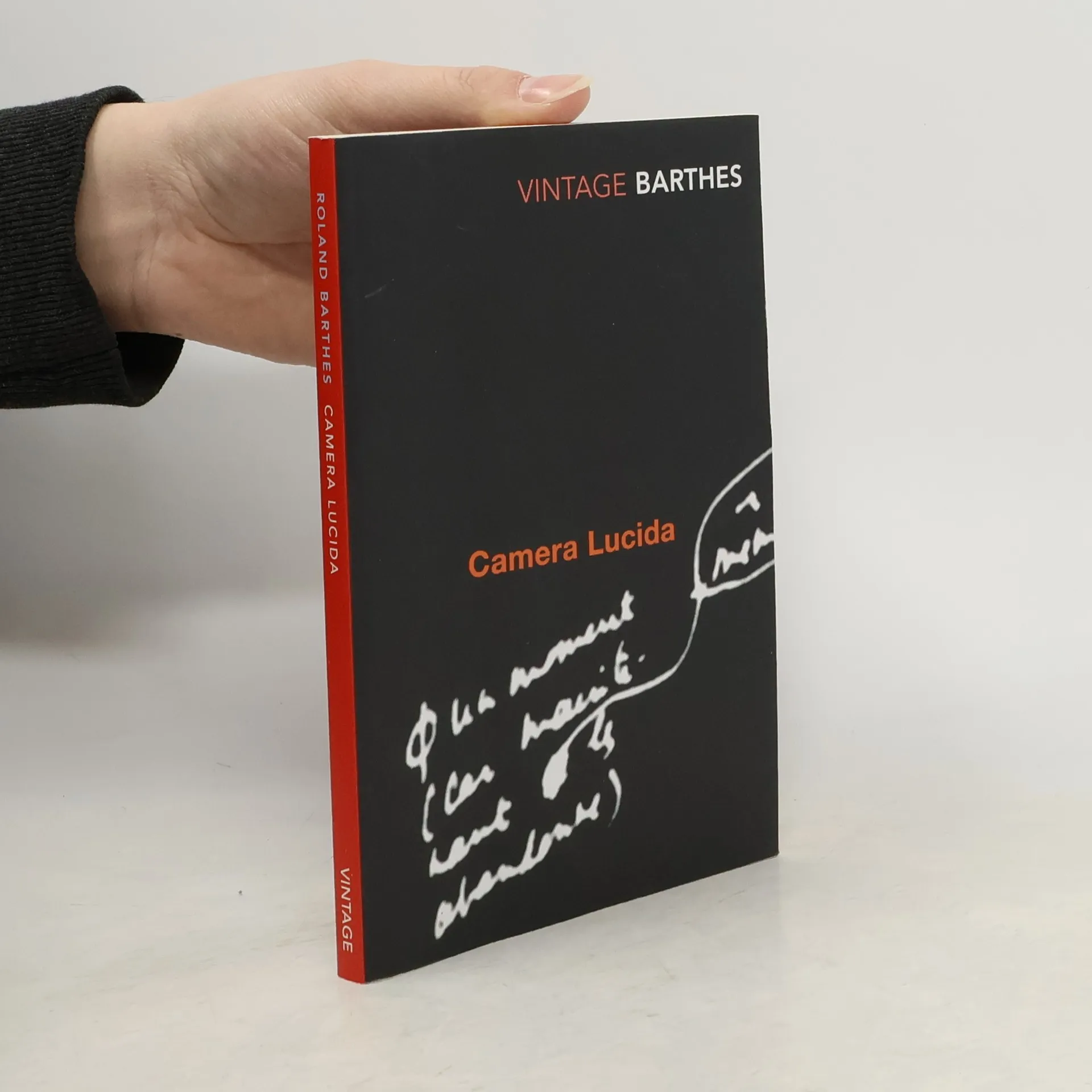
Camera lucida : reflections on photography
- 128bladzijden
- 5 uur lezen
Examining the themes of presence and absence, the relationship between photography and theatre, history and death, these 'reflections on photography' begin as an investigation into the nature of photographs. Then, as Barthes contemplates a photograph of his mother as a child, the book becomes an exposition of his own mind.
The Little Prince = De Kleine Prins
- 118bladzijden
- 5 uur lezen
Der kleine Prinz ist ein modernes Kunstmärchen, das oft als Plädoyer für Freundschaft und Menschlichkeit interpretiert wird. Diese zweisprachige Ausgabe bietet eine vollständige englische und niederländische Übersetzung, die satzweise nebeneinander angeordnet ist. Die farbigen Zeichnungen des Autors begleiten den Text und machen das Lesen besonders ansprechend. Die Geschichte bleibt auch nach mehrmaligem Lesen fesselnd. Die Vorteile dieser Ausgabe sind vielfältig: Leser können sofort überprüfen, ob sie etwas verstanden haben, ohne lange suchen zu müssen. Dies ermöglicht ein flüssiges Lesen, ohne den Lesefluss zu unterbrechen. Die sinngemäße Übersetzung orientiert sich eng am Original, was die Zuordnung zwischen den Sprachen erleichtert. Das Buch eignet sich hervorragend zum Verbessern oder Auffrischen von Englisch oder Niederländisch und bietet einen umfangreichen Wortschatz. Es ist auch ideal zum Vorlesen, da man zwischen den Sprachen wechseln oder einzelne englische Wörter einstreuen kann. Wichtige Wörter werden durch häufige Wiederholung im Text verankert, wodurch langweiliges Auswendiglernen entfällt. Zusätzlich enthält das Buch eine Schlusswort-Erzählung von Wirton Arvott und persönliche Zeichnungen des Autors. Extensives Lesen, das hier im Vordergrund steht, fördert das Verständnis der Handlung und macht das Lernen einer Fremdsprache unterhaltsam. Der amerikanische Linguist Stephen Krashen bezeichnet dieses Vorgehe
Bonapartovi synové
- 294bladzijden
- 11 uur lezen
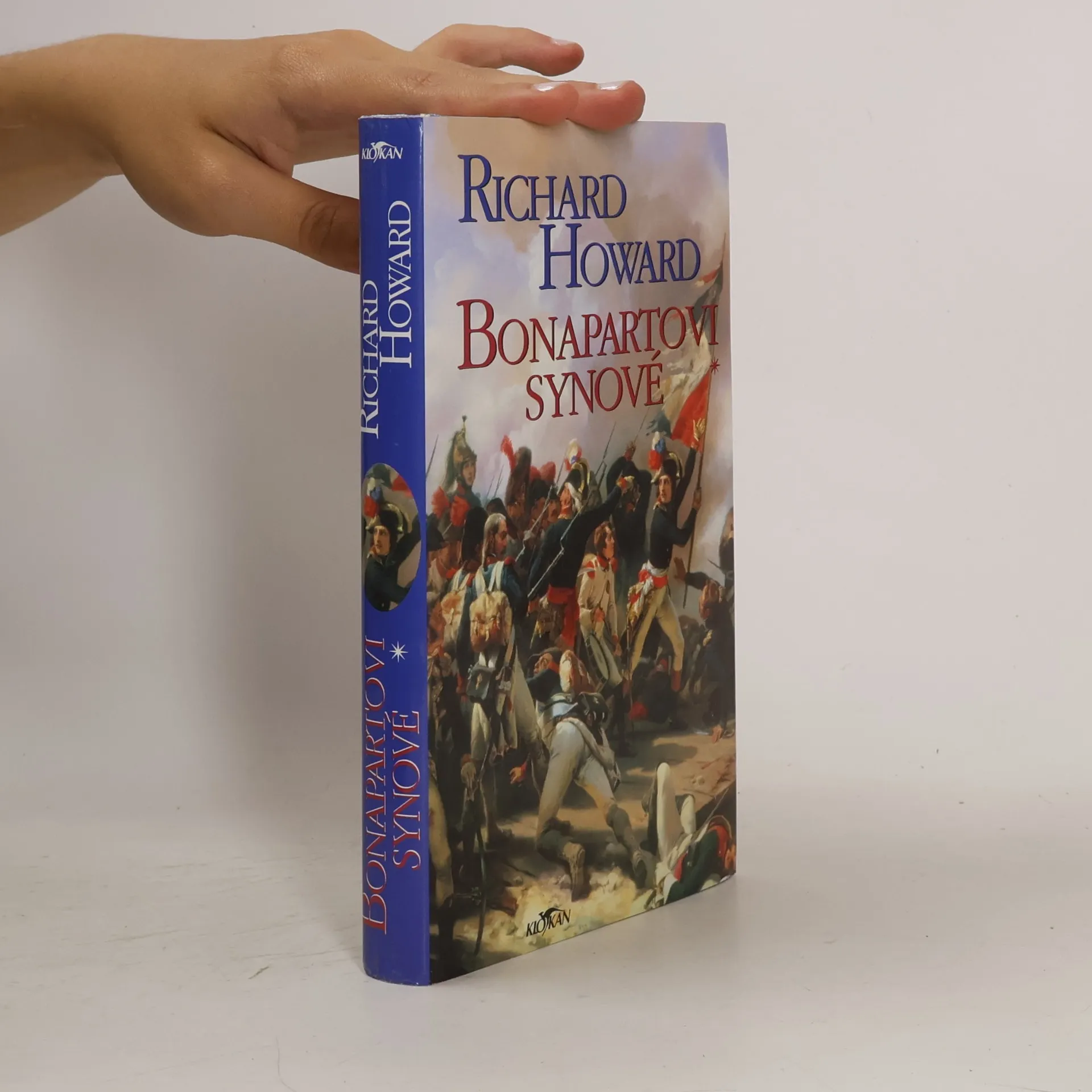
Bouřlivá léta Francouzské revoluce 1795. Oklamaná pařížská lůza vyhrála válku slov s Radou, novým orgánem moci, ale šestiletá válka o chléb a demokracii končí na ulici a pod gilotinou. V zoufalé snaze zachránit italské tažení se Rada, ovlivňována mladým Napoleonem Bonapartem, rozhodne odvést do armády i odsouzené zločince. V bezedných hloubkách pařížských věznic - mezi vrahy, zloději a násilníky - trpí rovněž muži jako Alain Lausard. Tento šlechtic, donucený po masakru své rodiny žít jako rolník, se podobně jako tisíce jiných ocitne během revoluční hysterie ve vězení. Pro muže odsouzené na smrt je příchod svobody nečekaným, ale zrádným lákadlem. Lausard však pojímá vidinu svobody jinak. Jako absolvent vojenské školy si u svých svěřenců postupně získá respekt, který mu umožní přeměnit otrhanou masu darebáků v nemilosrdnou kavalérii, ta se stane hlavní zbraní v Napoleonově tažení do Piemontu a severní Itálie. Série překvapivých vítězství vede k porážce rakouské armády a Lausard se stane hrdinou. Přesto uvnitř jeho jednotky stále vře skrytá zloba a neposlušnost. Když se oddíl dostane pod vedení despotického Cezara, nebezpečná výprava za nepřátelské linie hrozí zvrátit křehkou rovnováhu až na pokraj anarchie ...
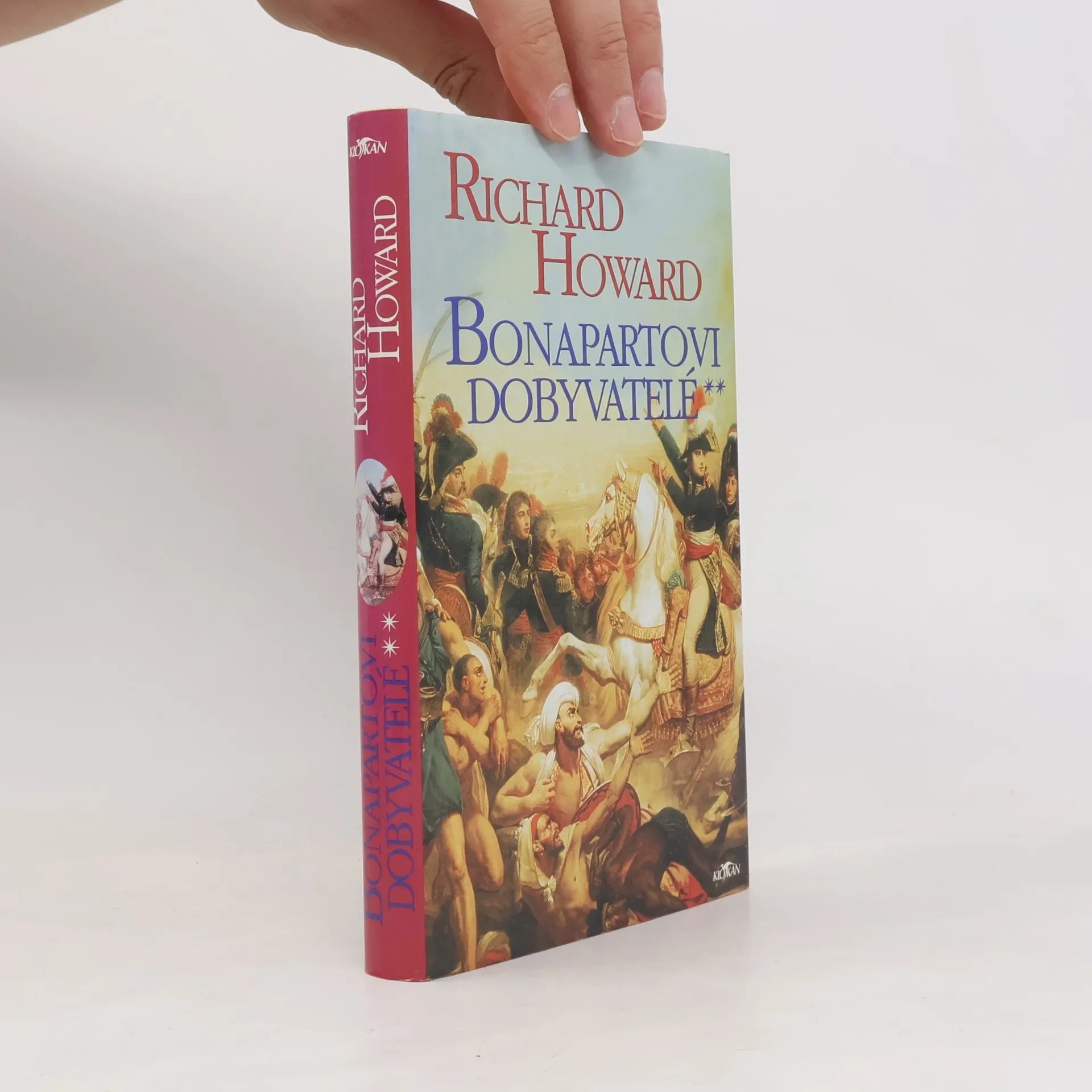
Bonapartovi dobyvatelé
- 293bladzijden
- 11 uur lezen
Sedmnáct tisíc francouzských vojáků opustilo v květnu 1798 přístav Toulon, aniž by tušili, k jakému cíli směřuje jejich cesta. Sotva tři měsíce po dobytí Říma odměnil Bonaparte nejlepší oddíly tohoto tažení zařazením do Orientální armády, elitních invazních jednotek, určených k útoku na Egypt. Pro muže, kteří nastoupili na palubu lodi, však první bitva začala již bojem s útrapami pobytu na moři. Když nespokojení příslušníci jednotky Alaina Lausarda - jednotky jízdy, která byla před třemi lety vytvořena z trestanců odsouzených k smrti - obrátí svoji frustraci proti posádce fregaty L´Esperance a pěšákům, drsná pouť si začíná vybírat své první oběti. Než se hladoví a vyčerpaní vypotácejí na břehy Egypta, musí Lausardovi dragouni bojovat za víc než slávu a vítězství. Zubožení vojáci se trmácejí rozpálenou pouští a Bonaparte může jen přihlížet, jak se jeho taktická hra hroutí jako domek z karet. Sežehlí žhnoucím sluncem dokážou ještě zoufale odolávat nájezdům Arabů, bránících jim v přístupu k Nilu, ale jak jsou vtahováni stále hloub a hloub do neznámých končin, jejich řad se zmocňuje beznaděj. Šíří se jako nemoc. Mamelukova armáda sice podlehne v boji ve stínu pyramid, ale Nelson drtivě poráží Bonapartovu flotilu. A Bonapartova posedlost válkou ... Lausard už ztratil naději, že ještě někdy uvidí Paříž.
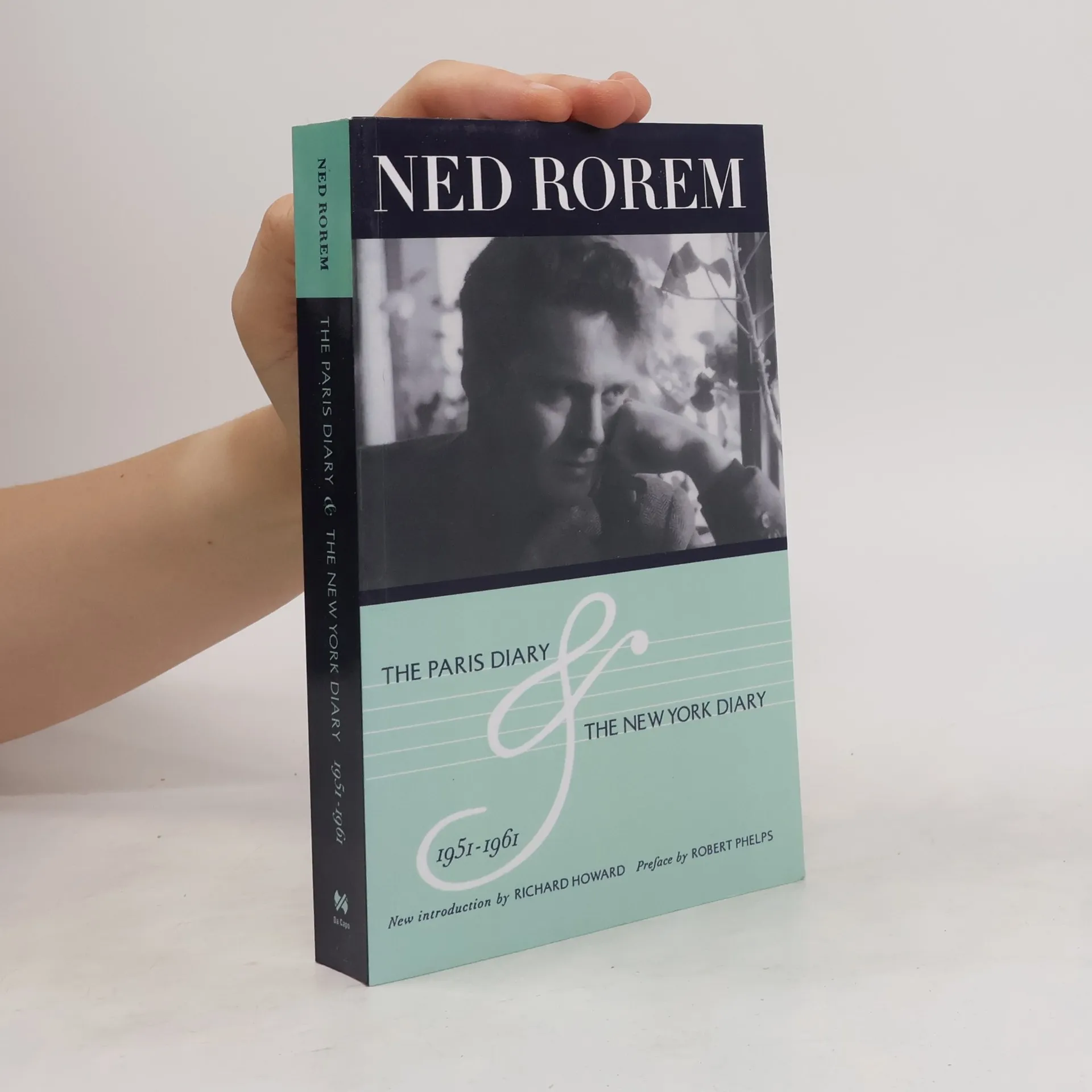
The Paris Diary & The New York Diary 1951-1961
- 440bladzijden
- 16 uur lezen
These diaries by Ned Rorem, written in Paris and New York, marked the beginnings of Gay Liberation, not because he made a special issue of his sexuality, but because he did not. Rather, he wrote of his affairs frankly and unashamedly.
A Complete Checklist of the Birds of the World
- 656bladzijden
- 23 uur lezen
This book represents a complete revision of the authors' previous authoritative work. It incorporates all the significant changes to bird taxonomy that have occurred over the past six years and remains the only single-volume work to list subspecies.
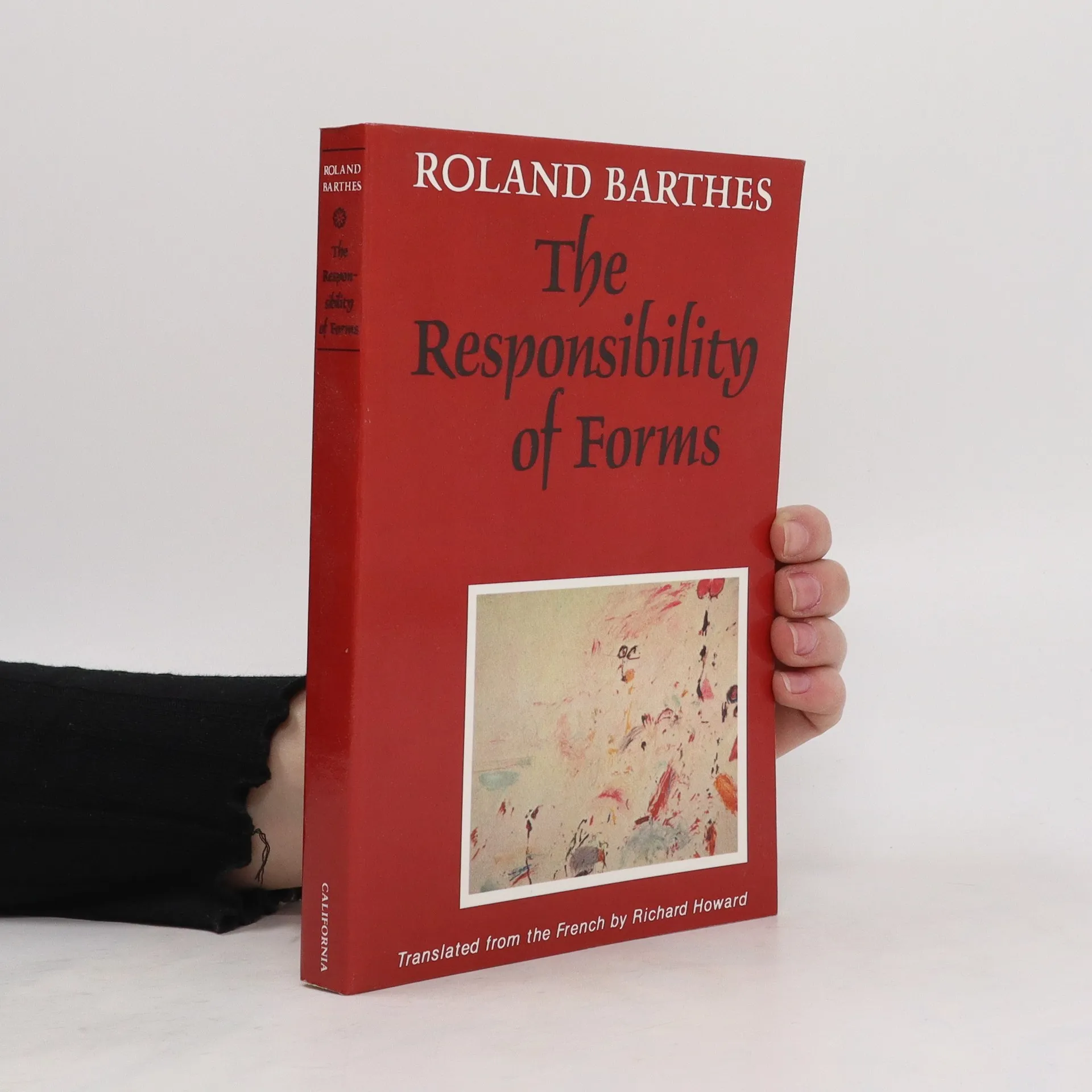
These late essays of Roland Barthes's are concerned with the visible and the audible, and here the preoccupations are particularly intense and rewarding, in part because Barthes was himself, by predilection, an artist and a musician, and in part because he was of two minds about the very possibility of attaching to art and to music a written text, a criticism.
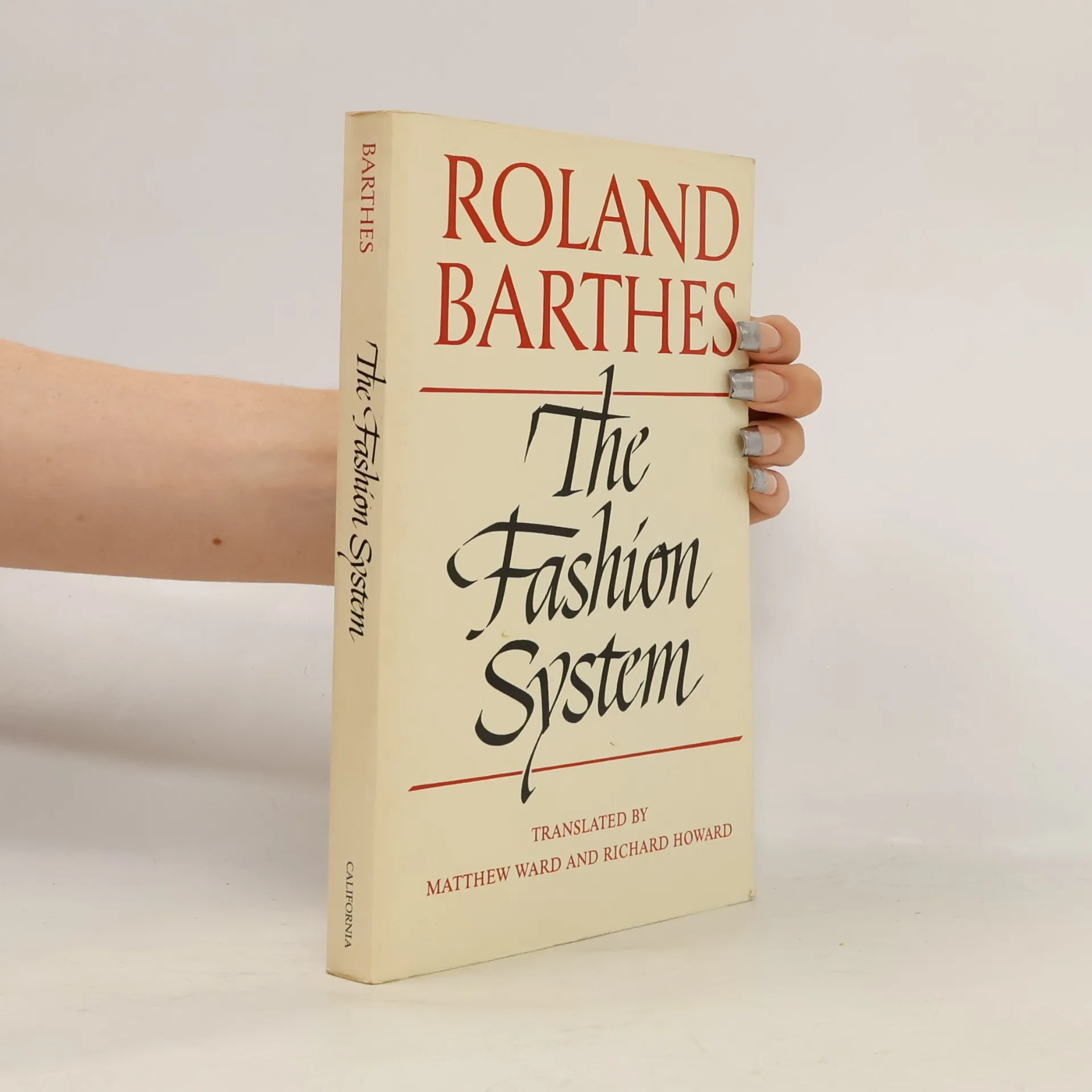
In his consideration of the language of the fashion magazine―the structural analysis of descriptions of women's clothing by writers about fashion―Barthes gives us a brief history of semiology. At the same time, he identifies economics as the underlying reason for the luxuriant prose of the fashion "Calculating, industrial society is obliged to form consumers who don't calculate; if clothing's producers and consumers had the same consciousness, clothing would be bought (and produced) only at the very slow rate of its dilapidation."
The Fantastic
- 180bladzijden
- 7 uur lezen
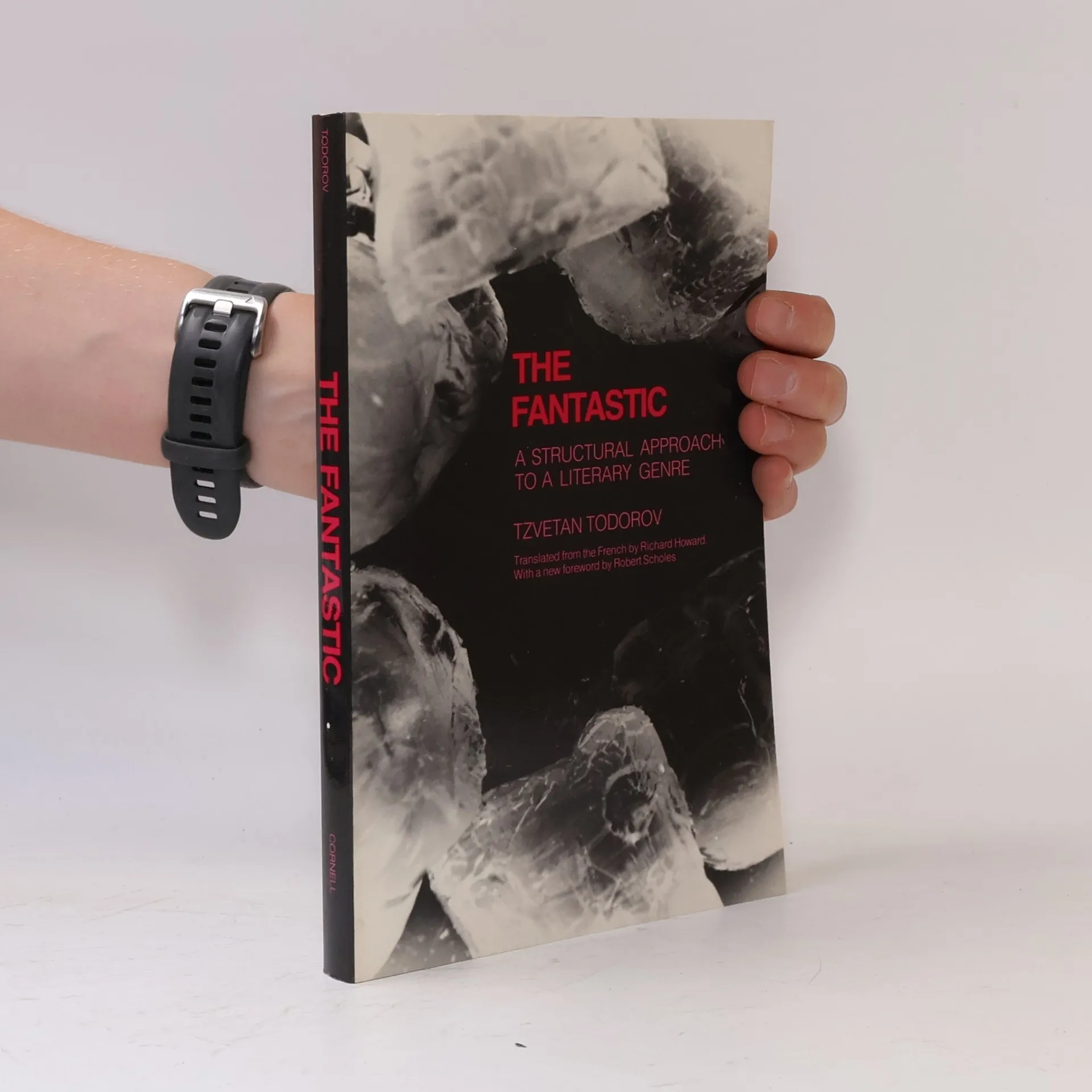
In The Fantastic, Tzvetan Todorov seeks to examine both generic theory and a particular genre, moving back and forth between a poetics of the fantastic itself and a metapoetics or theory of theorizing, even as he suggest that one must, as a critic, move back and forth between theory and history, between idea and fact. His work on the fantastic is indeed about a historical phenomenon that we recognize, about specific works that we may read, but it is also about the use and abuse of generic theory.As an essay in fictional poetics, The Fantastic is consciously structuralist in its approach to the generic subject. Todorov seeks linguistic bases for the structural features he notes in a variety of fantastic texts, including Potocki's The Sargasso Manuscript, Nerval's Aur lia, Balzac's The Magic Skin, the Arabian Nights, Cazotte's Le Diable Amoureux, Kafka's The Metamorphosis, and tales by E. T. A. Hoffman, Charles Perrault, Guy de Maupassant, Nicolai Gogol, and Edgar A. Poe.
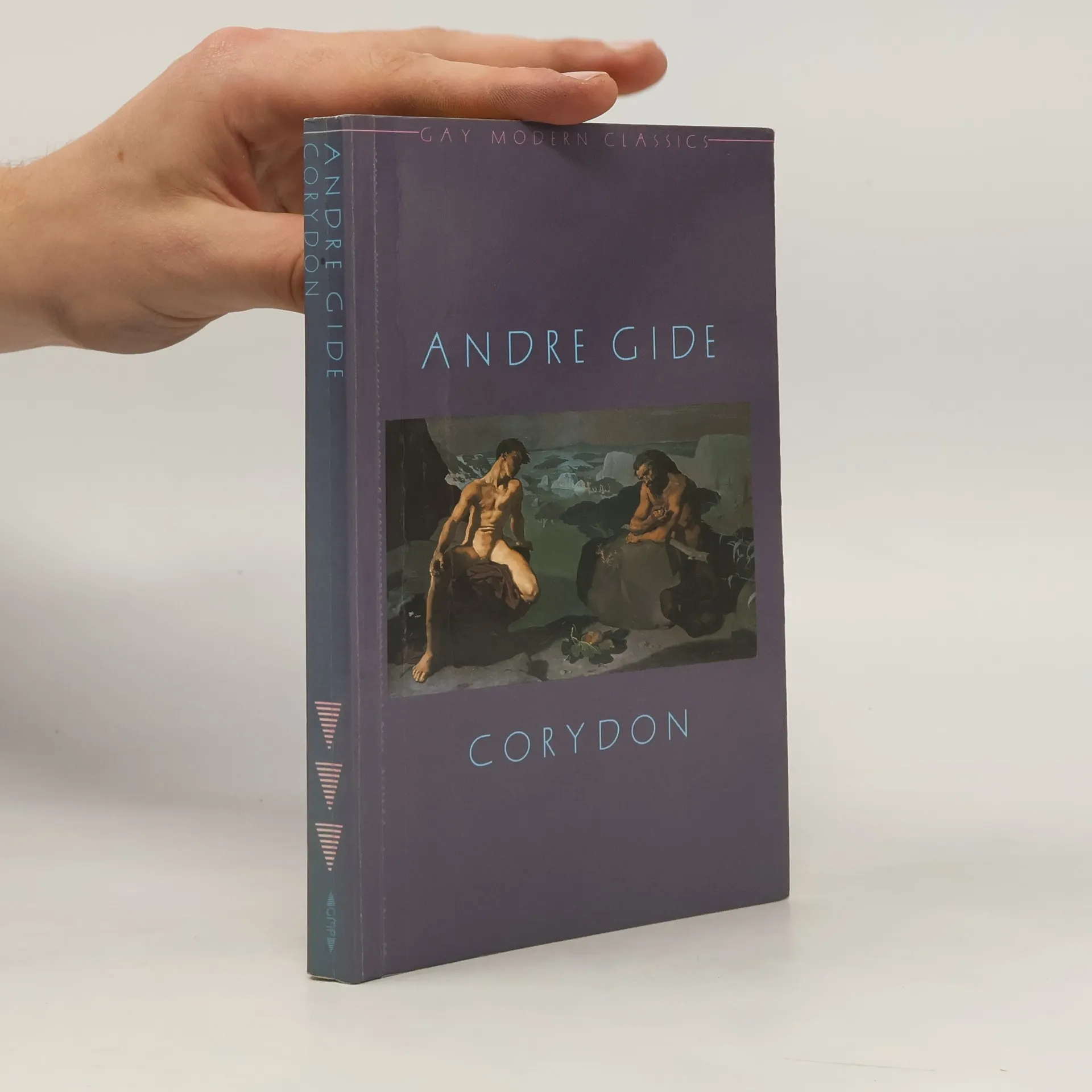
Gay Modern Classics: Corydon
- 160bladzijden
- 6 uur lezen
Considered by Gide as his most significant work, this elegantly crafted volume comprises four dialogues exploring homosexuality and its societal implications. Initially published anonymously in parts between 1911 and 1920, it appeared in a signed edition in France in 1924 and in the U.S. in 1950, shortly before Gide's death. This edition features a masterful translation by Pulitzer Prize-winning poet Richard Howard. Engaging in spirited dialogue with a prejudiced interviewer, the protagonist, Corydon, presents evidence from naturalists, historians, poets, and philosophers to argue that homosexuality has been integral to the most culturally advanced societies, from ancient Greece to Renaissance Italy and England. Despite later critical obscurity, literature and art from Homer to Titian reveal the true nature of relationships among figures like Achilles and Patroclus, as well as Virgil's Corydon and his shepherd, Alexis. Corydon posits that heterosexuality is a socially constructed union, while the more fundamental and natural connection is homosexual. Gide noted that his friends believed this work could harm his reputation. In these pages, modern readers will discover a bold and insightful examination of a topic that remains contentious today.
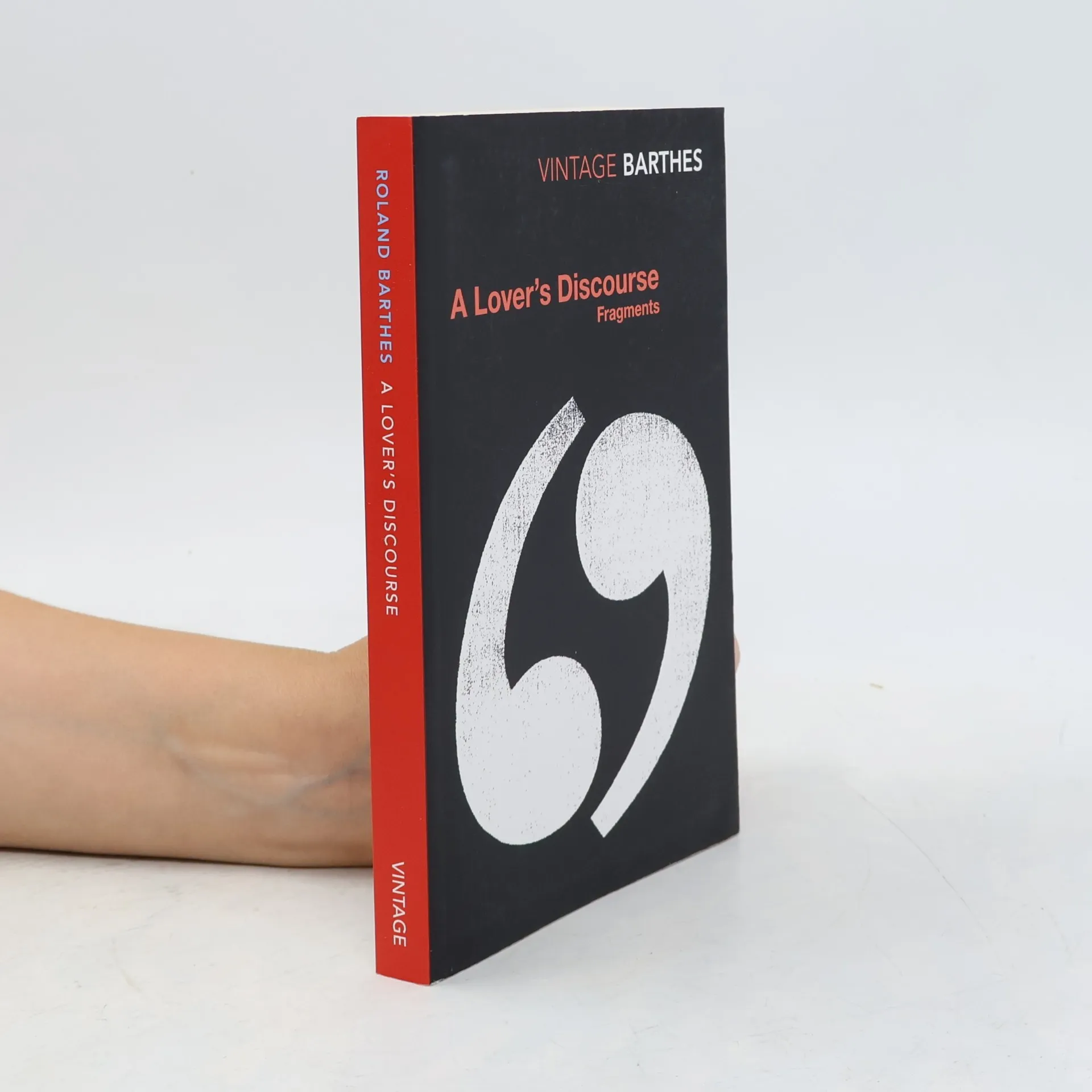
A Lover's Discourse
- 240bladzijden
- 9 uur lezen
'May be the most detailed, painstaking anatomy of desire that we are ever likely to see or need again... An ecstatic celebration of love and language' Washington Post The language we use when we are in love is not a language we speak. It is a language addressed to ourselves and to our imaginary beloved. It is a language of solitude, of mythology, of what Barthes calls an 'image repertoire'. Reviving the notion of the amorous subject beyond psychological or clinical enterprises, Barthes' A Lover's Discourse is a book for everyone who has ever been in love, or indeed, thought themselves to be immune to its power.
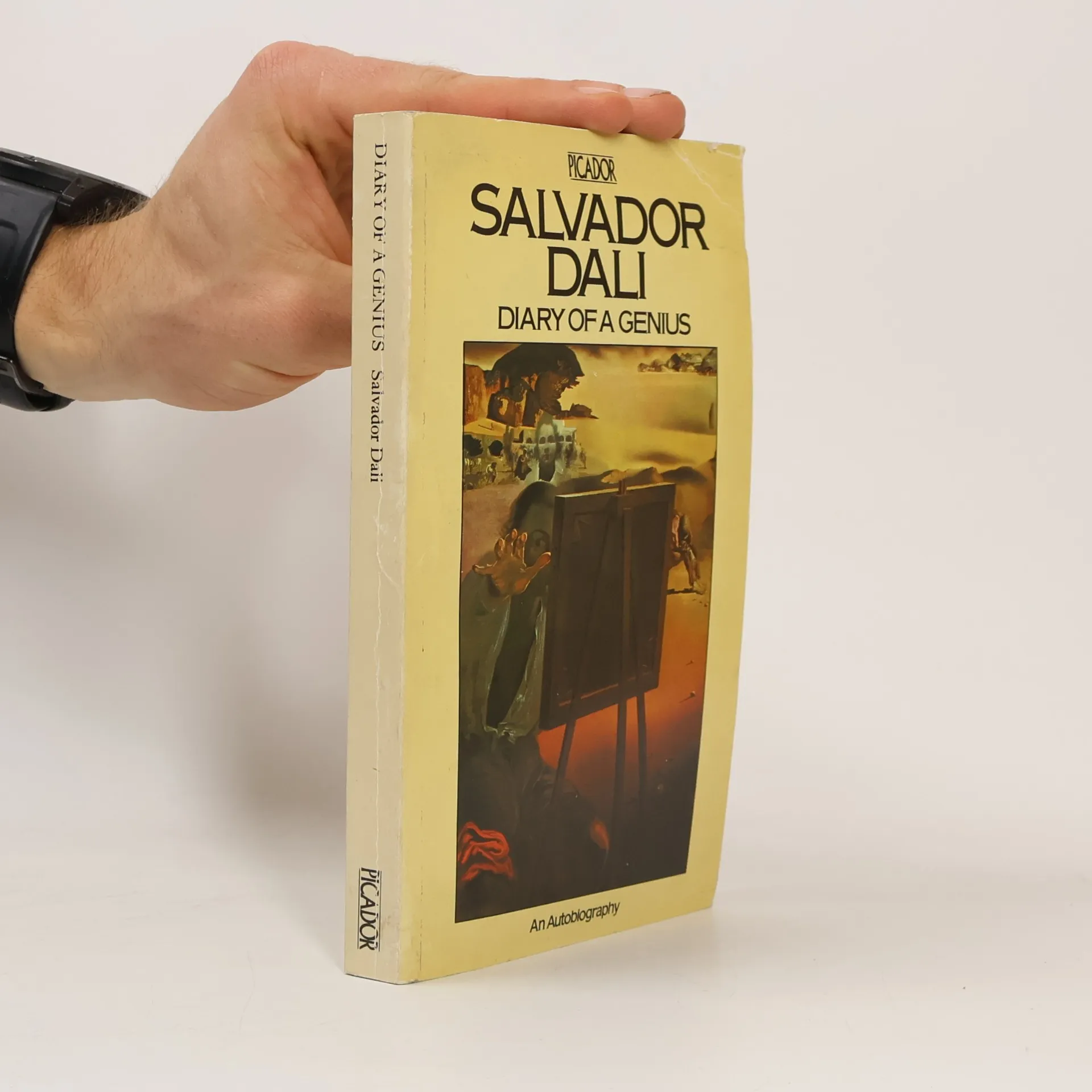
Diary of a Genius
- 251bladzijden
- 9 uur lezen
Diary of a Genius stands as one of the seminal texts of Surrealism, revealing the most astonishing and intimate workings of the mind of Salvador Dalí, the eccentric polymath genius who became the living embodiment of Surrealism, the 20th century's most intensely subversive,disturbing and influential art movement. Dalí's second volume of autobiography, Diary of a Genius covers his life from 1952 to 1963, during which years we learn of his amour fou for his wife Gala, and their relationship both at home in Cadaqués and during bizarre world travels. We also learn how Dalí draws inspiration from excrement, rotten fish and Vermeer's Lacemaker to enter his "rhinocerontic" period, preaching his post-holocaustal gospels of nuclear mysticism and cosmogenic atavism; and we follow the labyrinthine mental journeys that lead to the creation of such paintings as the Assumption , and his film script The Flesh Wheelbarrow . This new expanded edition includes a brilliant and revelatory essay on Salvador Dalí, and the importance of his art to the 20th century, by the author J. G. Ballard.