
Bookbot

Pramoedya Ananta Toer

    6 februari 1925 – 30 april 2006

    Pramoedya Ananta Toer was een vooraanstaand Indonesisch auteur wiens werken varieerden van romans en korte verhalen tot essays en historische verslagen. Zijn schrijven, vaak politiek geladen, werd geconfronteerd met censuur in zijn geboorteland. Ondanks vervolging en gevangenschap werd hij een internationaal symbool voor vrijheid van meningsuiting en mensenrechten. Zijn literaire nalatenschap ligt in zijn diepgaande weergave van de Indonesische samenleving en geschiedenis.

    Pramoedya Ananta Toer
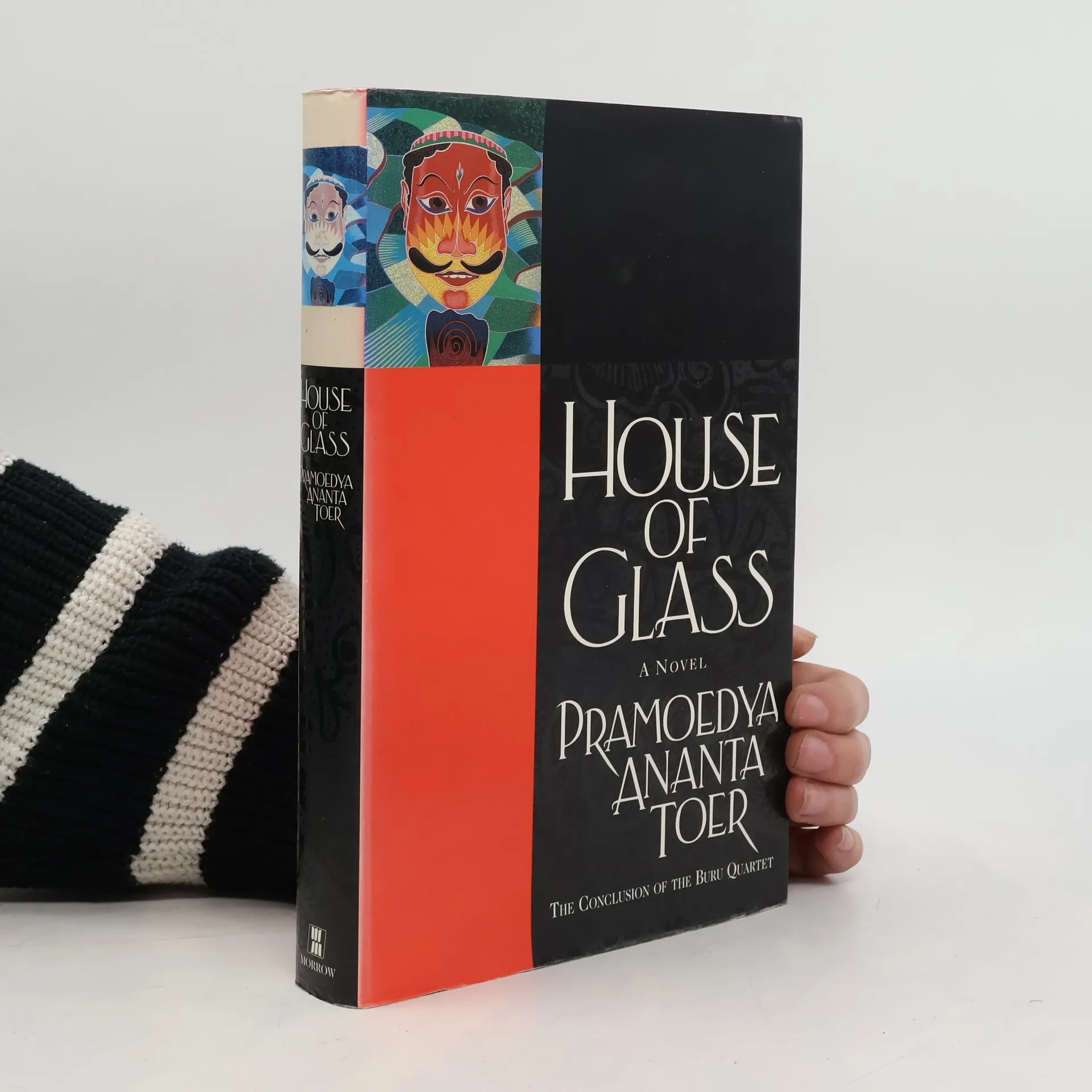
    House of Glass
    Child of All Nations
    Footsteps
    Wat verdwenen is. Verhalen uit Blora.
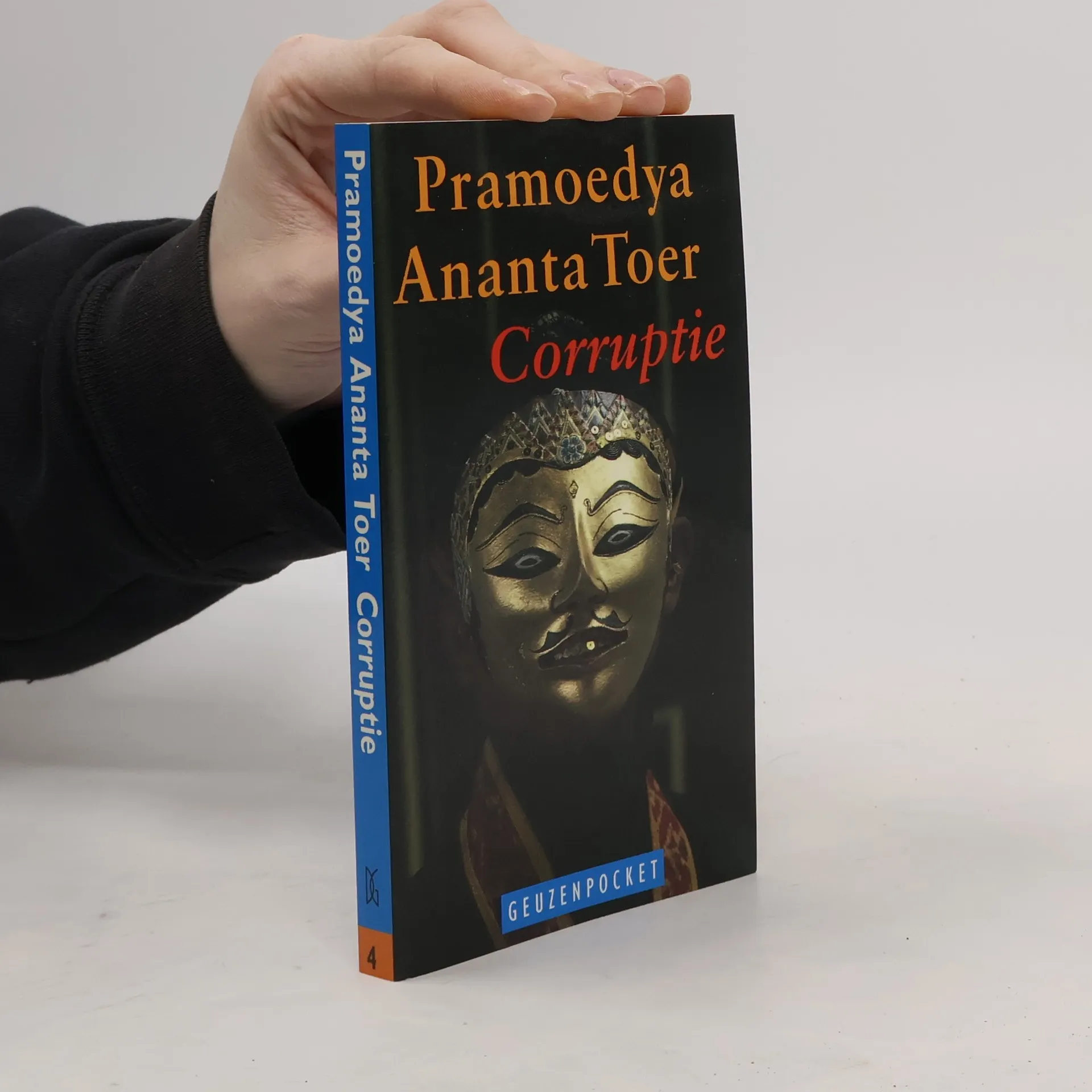
    Geuzenpocket - 4: Corruptie
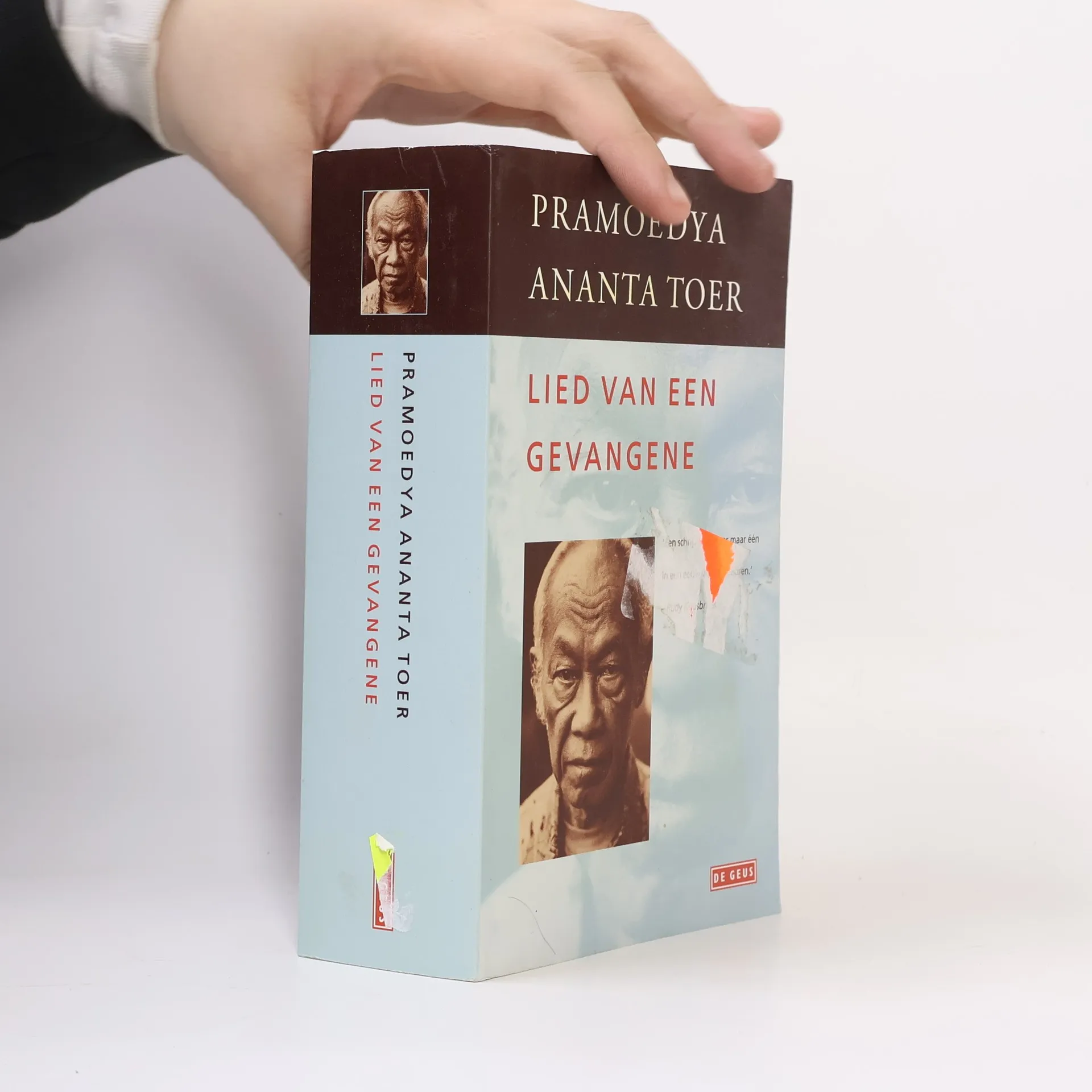
    Lied van een gevangene
    • Lied van een gevangene

      • 762bladzijden
      • 27 uur lezen

      In het eerste deel, Gevangene op Buru, beschrijft Pramoedya het gevangenisleven op het eiland Buru. Hierin zijn essays en verslagen opgenomen die direct betrekking hebben op het leven in het werkkamp Buru. In het tweede deel, Brieven van Buru, geeft Pramoedya aan zijn kinderen rekenschap van zijn schrijversverleden, Nadrukkelijk plaatst hij zijn kindertijd, huwelijksperikelen en vaderschap binnen het kader van de Indonesische politieke ontwikkeling,


      Lied van een gevangene
      4,4
    • Geuzenpocket - 4: Corruptie

      • 157bladzijden
      • 6 uur lezen

      Door corruptie verandert het leven van een hoge Indische ambtenaar totaal.

      Geuzenpocket - 4: Corruptie
      4,2
    • Wat verdwenen is. Verhalen uit Blora.

      • 315bladzijden
      • 12 uur lezen

      Elf verhalen over het geboortedorp van de auteur, het Javaanse Blora. De verhalen - waarvan enkele autobiografisch en in de ik-vorm - spelen deels in het koloniale tijdperk, deels in de roerige periode erna, waarbij Toer alle nadruk legt op de ervaringswereld van de gewone man. Niet zonder bitterheid beschrijft hij de domheid en bekrompenheid waaronder de inwoners van 'onze kleine stad Blora' te lijden hebben. Schrijnend zijn de wantoestanden in dit Midden-Javaanse stadje waar een landarbeider anderhalve cent per dag verdient, waar de armoede mensen ertoe brengt anderen voor een paar gulden de hersenen in te slaan, waar vrouwen zich langs de weg prostitueren en ouders, om het geld, hun achtjarige dochtertje uithuwelijken. Toer beschrijft de in zijn verhalen optredende personen met een grote persoonlijke betrokkenheid. Het is zijn eigen moeder, voor wie de hopeloze liefde van het kind beschreven wordt; het is zijn eigen vader, die als gefrusteerd nationalistisch schoolhoofd tot gokken vervalt.

      Wat verdwenen is. Verhalen uit Blora.
      4,0
    • As the world moves into the twentieth century, Minke, one of the few European-educated Javanese, optimistically starts a new life in a new Betawi. With his enrollment in medical school and the opportunity to meet new people, there is every reason to believe that he can leave behind the tragedies of the past. But Minke can no more escape his past than he can escape his situation as part of an oppressed people under a foreign power. As his world begins to fall apart, Minke draws a small but fervent group around him to fight back against colonial exploitation. During the struggle, Minke finds love, friendship, and betrayal—with tragic consequences. And he goes from wanting to understand his world to wanting to change it. Pramoedya's full literary genius is again evident in the remarkable characters that populate the novel—and in his depiction of a people's painful emergence from colonial domination and the shackles of tradition.

      Footsteps
      4,4
    • Child of All Nations

      • 352bladzijden
      • 13 uur lezen

      In Child of All Nations, the reader is immediately swept up by a story that is profoundly feminist, devastatingly anticolonialist—and full of heartbreak, suspense, love, and fury. Pramoedya immerses the reader in a world that is astonishing in its vividness: the cultural whirlpool that was the Dutch East Indies of the 1890s. A story of awakening, it follows Minke, the main character of This Earth of Mankind, as he struggles to overcome the injustice all around him. Pramoedya’s full literary genius is evident in the brilliant characters that populate this world: Minke’s fragile Mixed-Race wife; a young Chinese revolutionary; an embattled Javanese peasant and his impoverished family; the French painter Jean Marais, to name just a few.

      Child of All Nations
      4,4
    • House of Glass

      • 388bladzijden
      • 14 uur lezen

      This is the 4th, and final novel about Minke, but this one is narrated by Pangemanann, a native policeman assigned to monitor Minke and his followers.

      House of Glass
      4,3
    • This Earth of Mankind

      • 368bladzijden
      • 13 uur lezen

      Minke is a young Javanese student of great intelligence and ambition. Living equally among the colonists and colonized of 19th-century Java, he battles against the confines of colonial strictures. It is his love for Annelies that enables him to find the strength to embrace his world.

      This Earth of Mankind
      4,2
    • The Fugitive

      • 171bladzijden
      • 6 uur lezen

      The Fugitive is a vividly evocative story of remarkable characters caught in the last days of the Japanese occupation in Indonesia during World War II. The main character narrowly escapes capture and execution, his fiancee killed by a stray bullet from a Japanese officer.

      The Fugitive
      3,7
    • Tales from Djakarta

      • 288bladzijden
      • 11 uur lezen

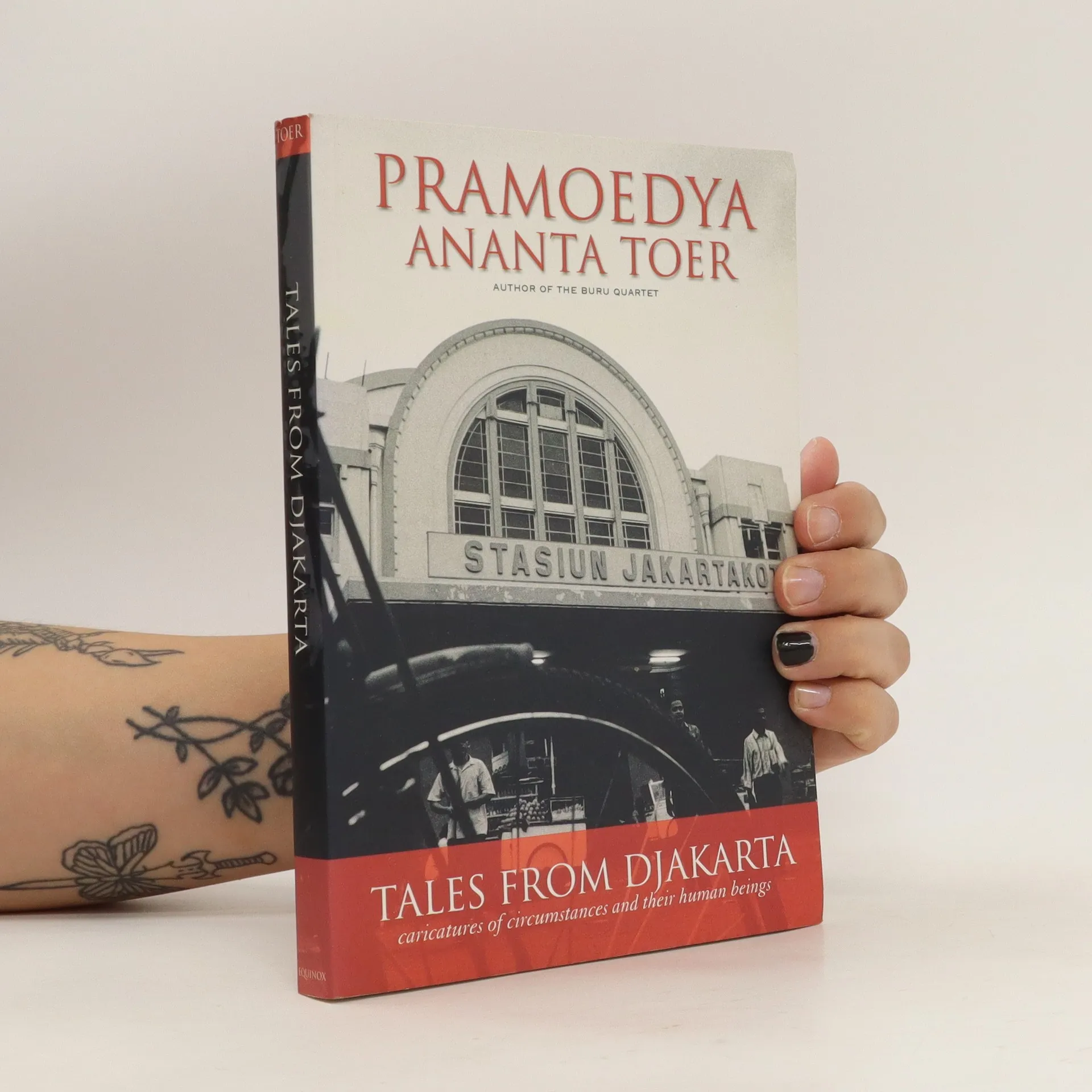
      Tales from Djakarta is a collection of thirteen short stories written between 1948 and 1956 - a period of bitter transition from the revolutionary era to the beginnings of military rule in Indonesia. These stories not only give us a taste of Pramoedya's earlier writings, but also lead us on a tragic tour through mid-century Jakarta with her downtrodden residents as our guides.

      Tales from Djakarta
      4,0
    • The girl from the coast

      • 288bladzijden
      • 11 uur lezen

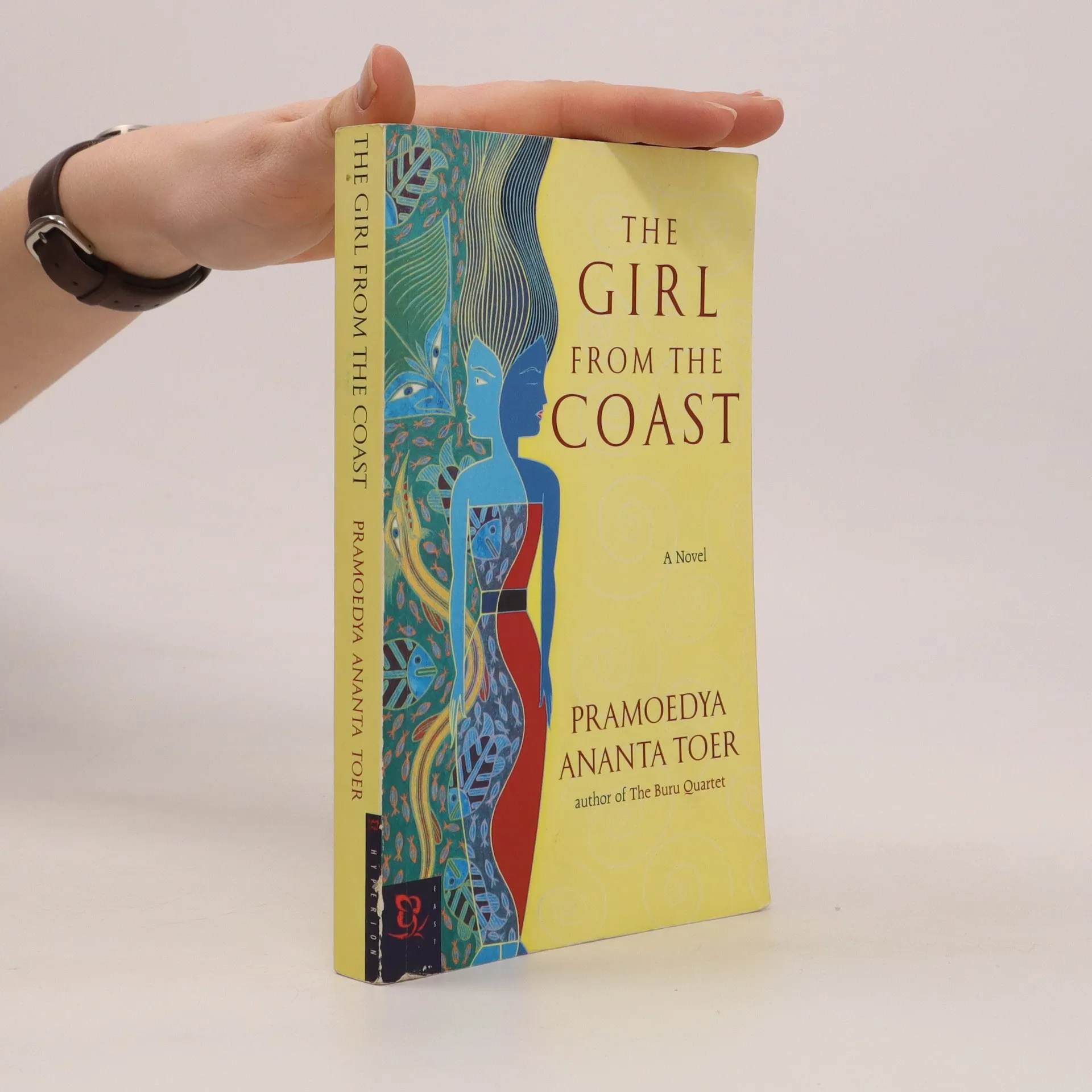
      ramoedya's The Girl from the Coast tells the story of a beautiful young woman from a fishing village who finds herself in an arranged marriage with a wealthy aristocrat. Forced to leave her parents and home behind, she moves to the city to become the 'lady' of her husband's house. Pramoedya's breathtaking literary skill is evident in every word of this book, one of his classic works of fiction made especially poignant because it is based on the life of his own grandmother.

      The girl from the coast
      3,9
    • The King, the Witch, and the Priest

      • 128bladzijden
      • 5 uur lezen

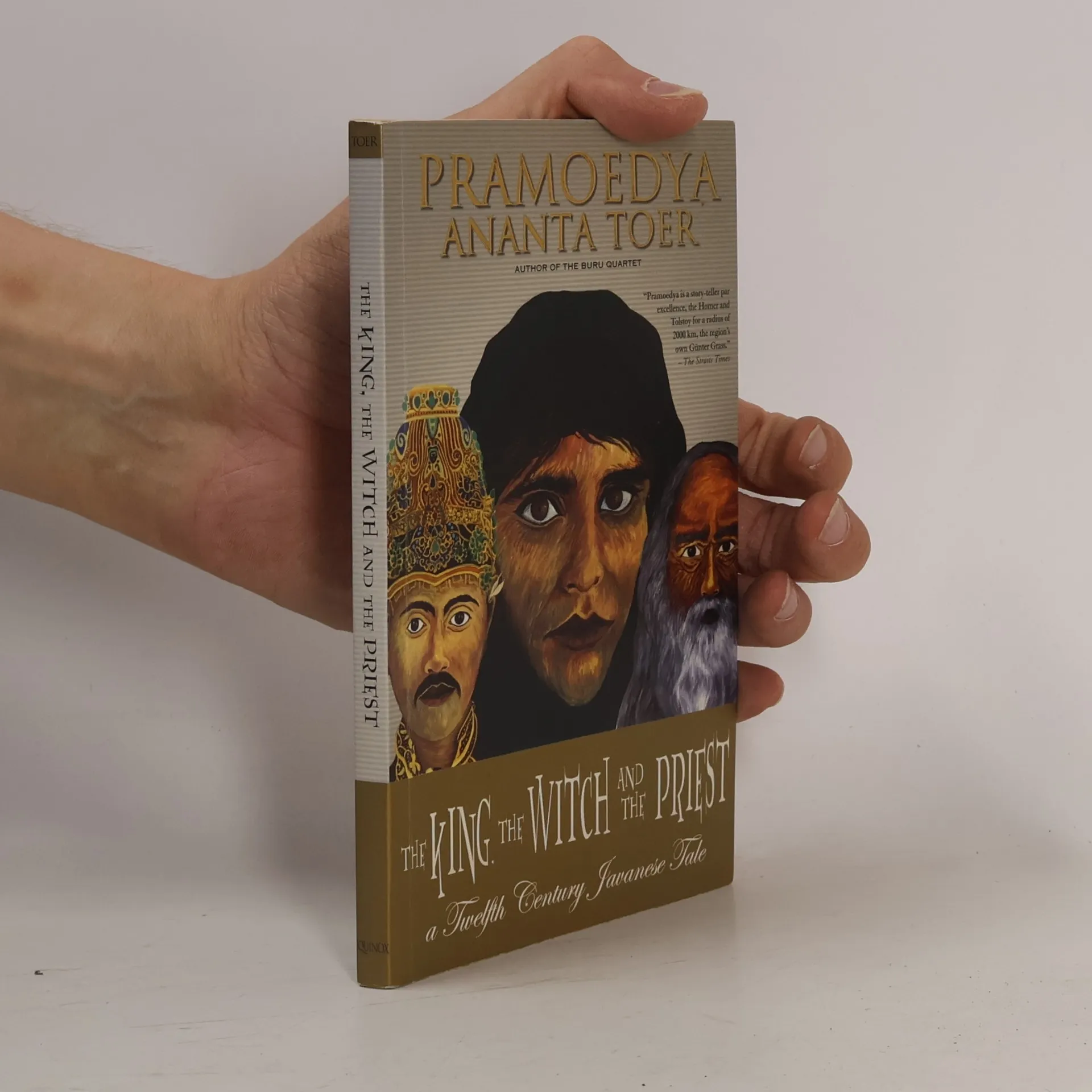
      "Centuries ago, there was, in the eastern part of the island of Java, a kingdom by the name of Daha..." So begins The King, the Witch and the Priest, a fable with contemporary allure that is based on the story of Calon Arang, a Javanese legend dating from the twelfth century. As tradition tells it, Calon Arang was a powerful witch from the village of Girah who had a beautiful daughter named Ratna Manggali who could find no husband. No man would have her for fear of her mother. Calon Arang became so angered by her daughter's plight that she spread pestilence throughout the kingdom. To deal with the problem, King Erlangga ordered his most respected priest, Empu Baradah, to get rid of Calon Arang. This proved to be no easy task as Calon Arang owned a book containing all the secrets of sorcery.

      The King, the Witch, and the Priest
      3,6
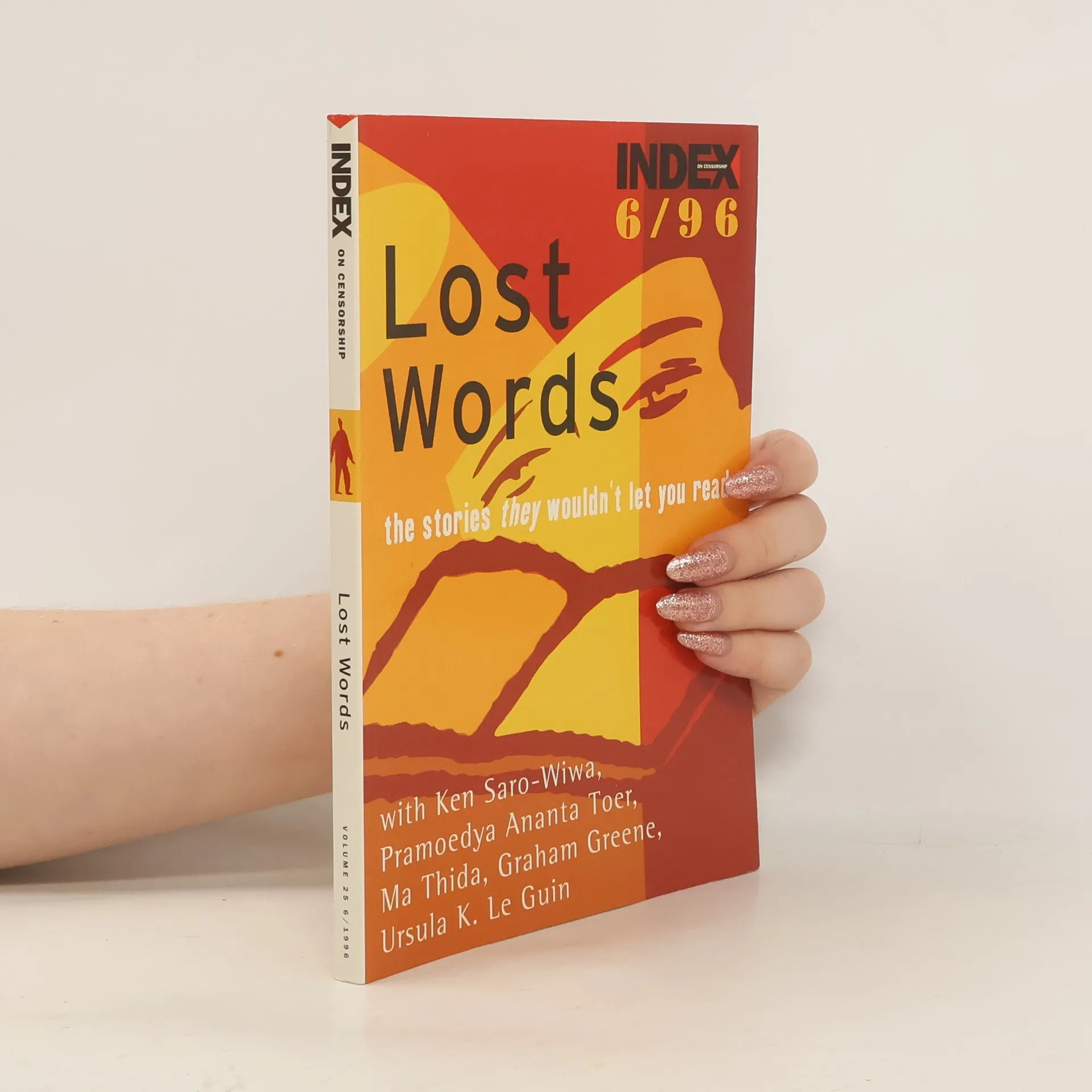
    • Index on Censorship - 25: Lost Words

      The Stories They Wouldn't Let You Read

      • 192bladzijden
      • 7 uur lezen

      This collection of fiction from around the world is concerned with censorship taboos and includes work from writers who remain censored, exiled or imprisoned. It includes writing by Willaim Trevor, Ken Saro-Wiwa, Aicha Lemsing and Breyten Breytenbach.

      Index on Censorship - 25: Lost Words
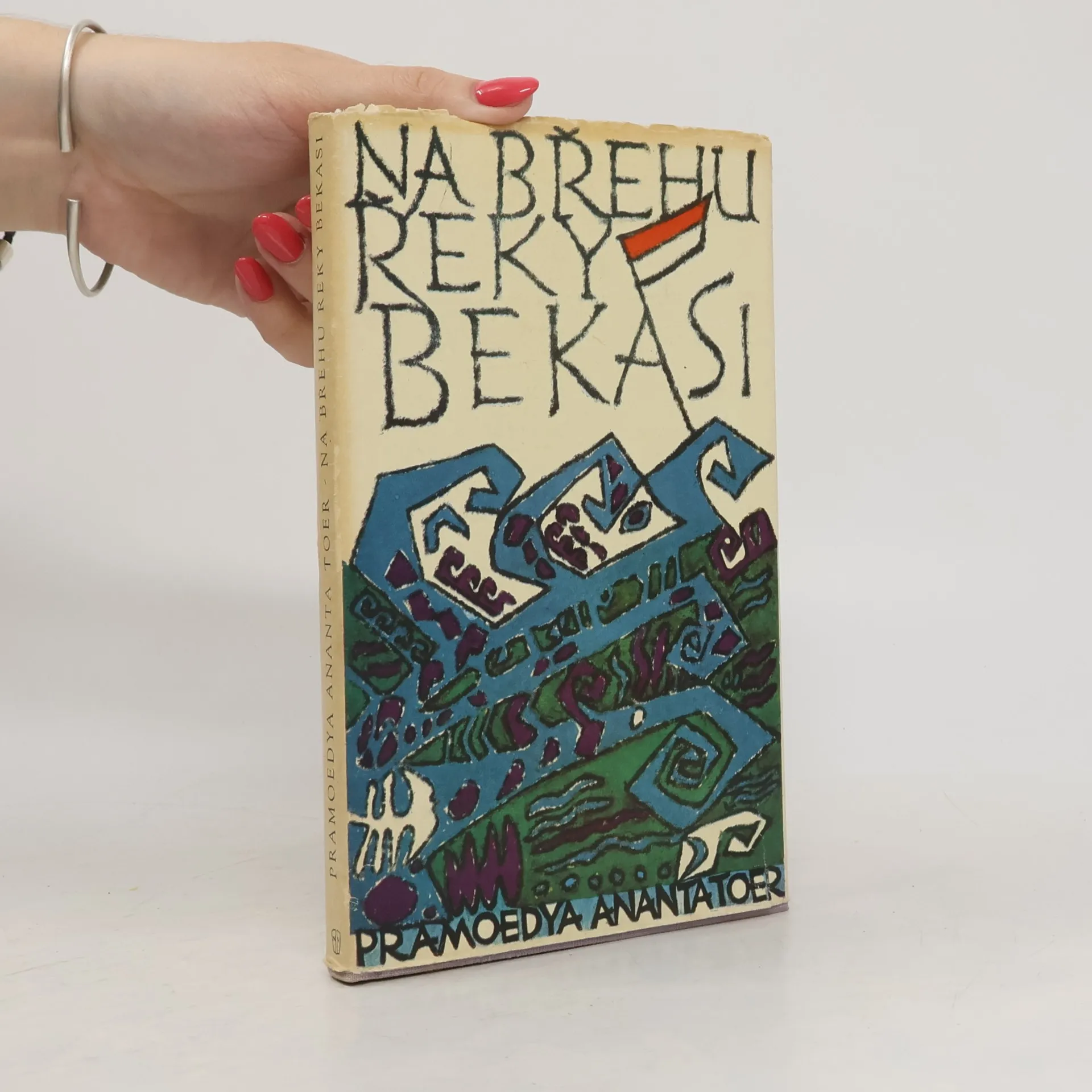
    • Novela indonéského spisovatele vypráví o počátcích organizovaného boje indonéského lidu proti Holanďanům a západním spojencům, kteří se v roce 1945 vylodili v Indonésii a chtěli obnovit svou koloniální nadvládu.

      Na břehu řeky Bekasi