BIOGRAPHY: SCIENCE, TECHNOLOGY & MEDICINE. Alexander von Humboldt (1769-1859) is the great lost scientist: more things are named after him than anyone else. There are towns, rivers, mountain ranges, the ocean current that runs along the South American coast, there's a penguin, a giant squid - even the Mare Humboldtianum on the moon. His colourful adventures read like something out of a Boy's Own story: Humboldt explored deep into the rainforest, climbed the world's highest volcanoes and inspired princes and presidents, scientists and poets alike. Napoleon was jealous of him; Simon Bolivar's revolution was fuelled by his ideas; Darwin set sail on the Beagle because of Humboldt; and Jules Verne's Captain Nemo owned all his many books. He simply was, as one contemporary put it, 'the greatest man since the Deluge'.
Andrea Wulf Boeken
Andrea Wulf is een veelgeprezen auteur die met levendige vaardigheid de geschiedenis en wetenschap induikt. Door haar gedetailleerde werk onthult ze de onderlinge verbondenheid van natuur, kunst en menselijke vindingrijkheid. Haar schrijven moedigt lezers aan om de wereld om hen heen met een frisse en verrijkte perspectief te bekijken, waarbij de blijvende impact van wetenschappelijke ontdekkingen en creatieve geest wordt benadrukt.


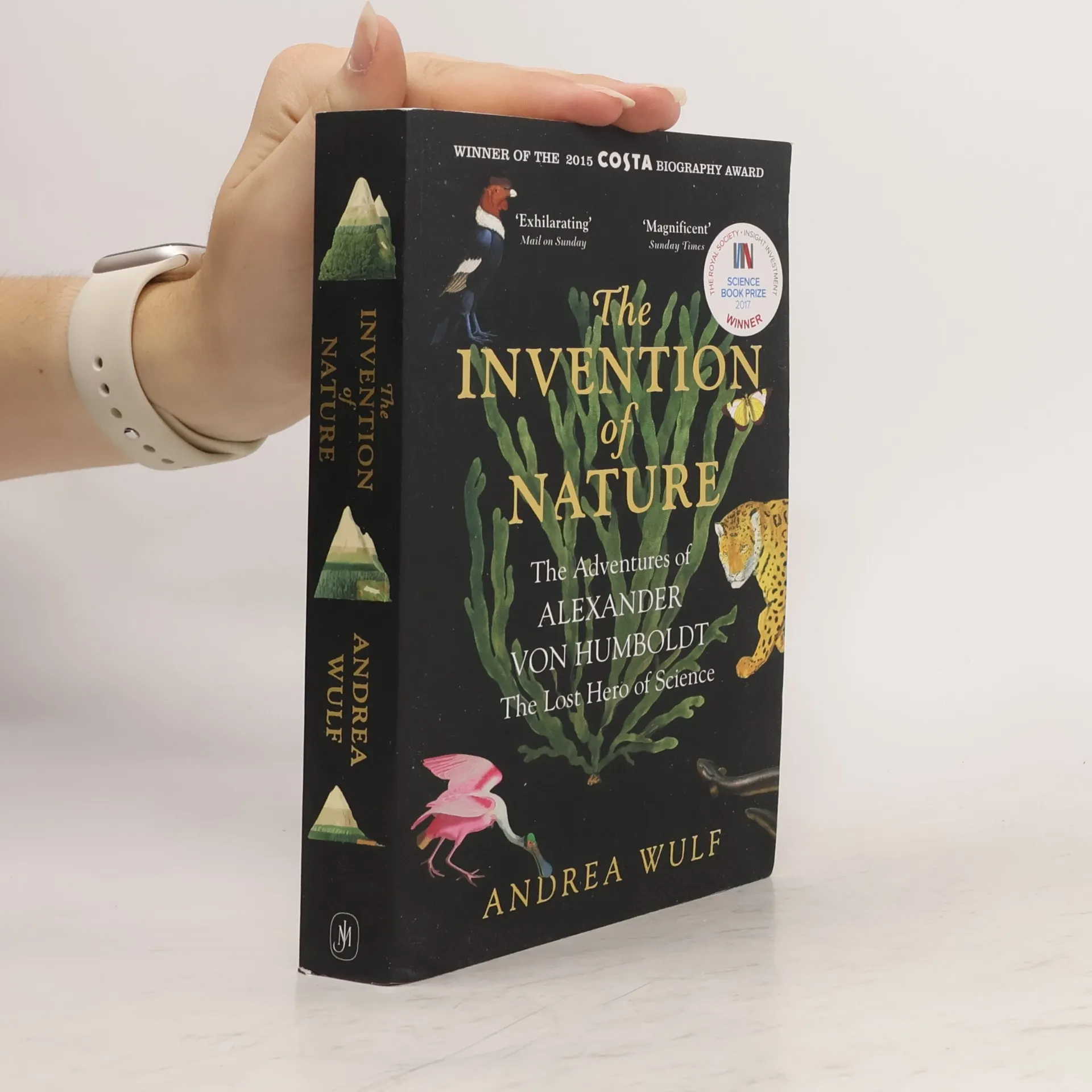
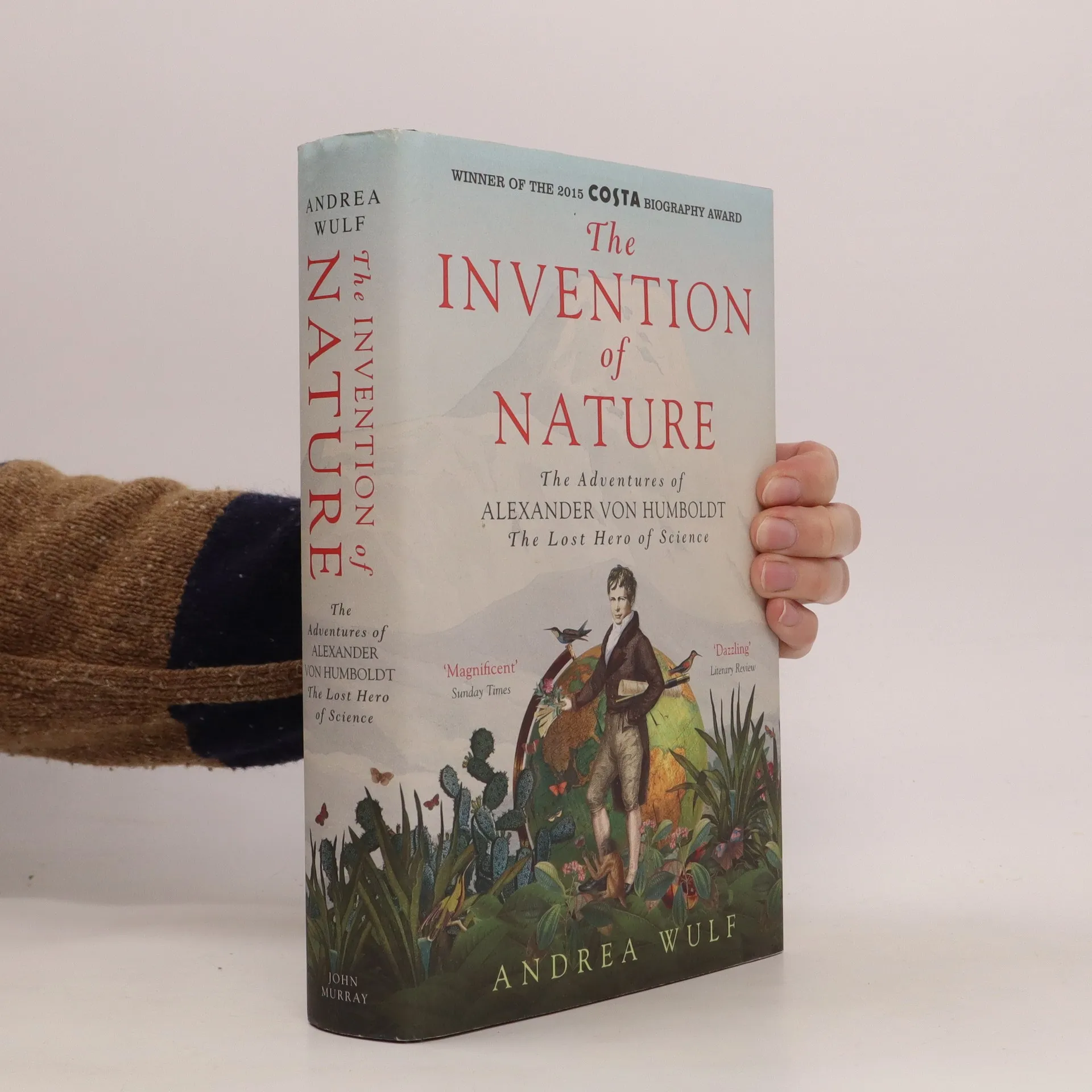
The Invention of Nature
- 496bladzijden
- 18 uur lezen
Before Longitude no one remembered John Harrison. The Invention of Nature does the same for Alexander von Humboldt
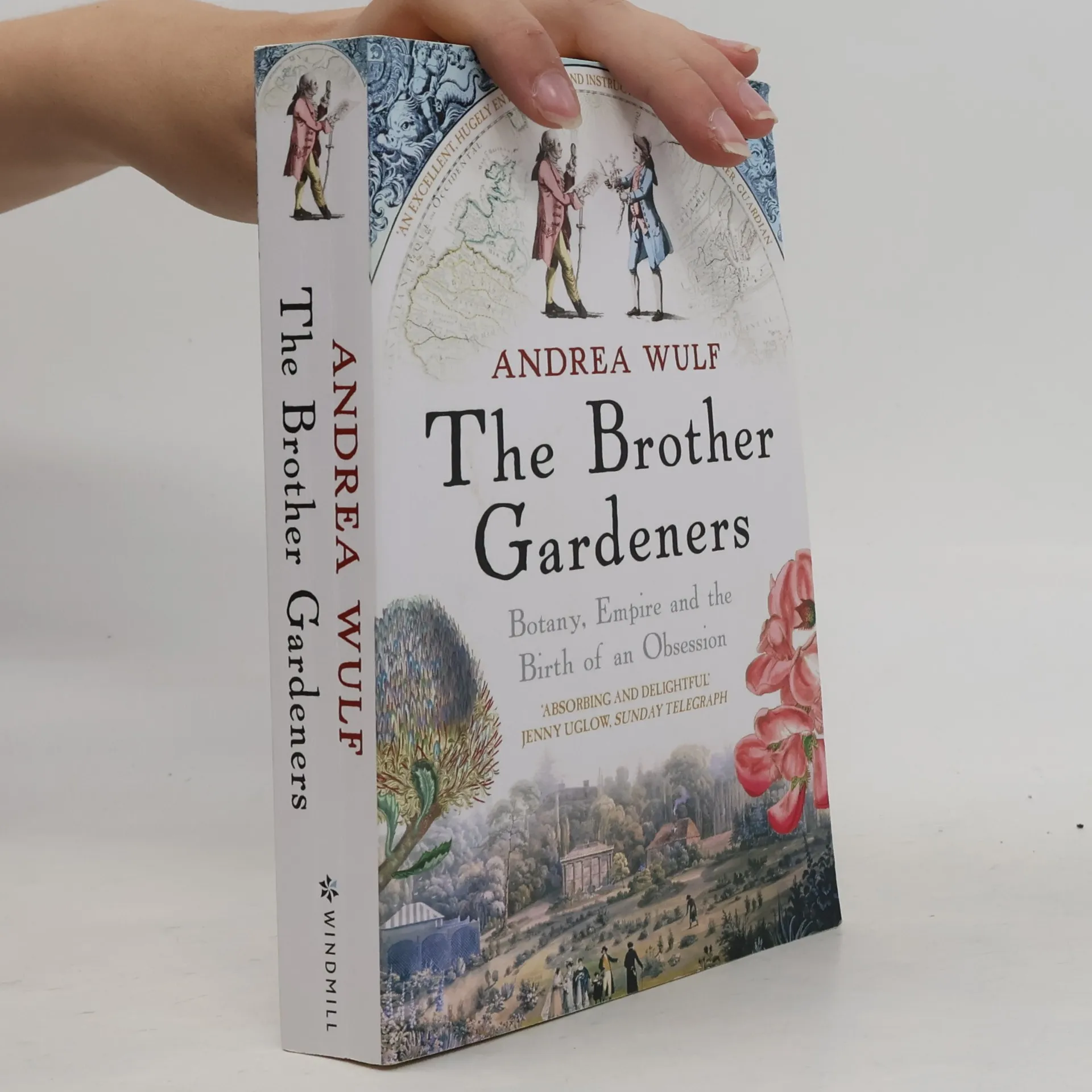
One January morning in 1734, cloth merchant Peter Collinson hurried down to the docks at London's Custom House to collect cargo just arrived from John Bartram in the American colonies. But it was not bales of cotton that awaited him, but plants and seeds... Over the next forty years, Bartram would send hundreds of American species to England, where Collinson was one of a handful of men who would foster a national obsession and change the gardens of Britain forever: Philip Miller, author of the bestselling Gardeners Dictionary ; the Swede Carl Linnaeus, whose standardised botanical nomenclature popularised botany; the botanist-adventurer Joseph Banks and his colleague Daniel Solander who both explored the strange flora of Tahiti and Australia on Captain Cook's Endeavou r. This is the story of these men - friends, rivals, enemies, united by a passion for plants. Set against the backdrop of the emerging empire and the uncharted world beyond, The Brother Gardeners tells the story how Britain became a nation of gardeners.
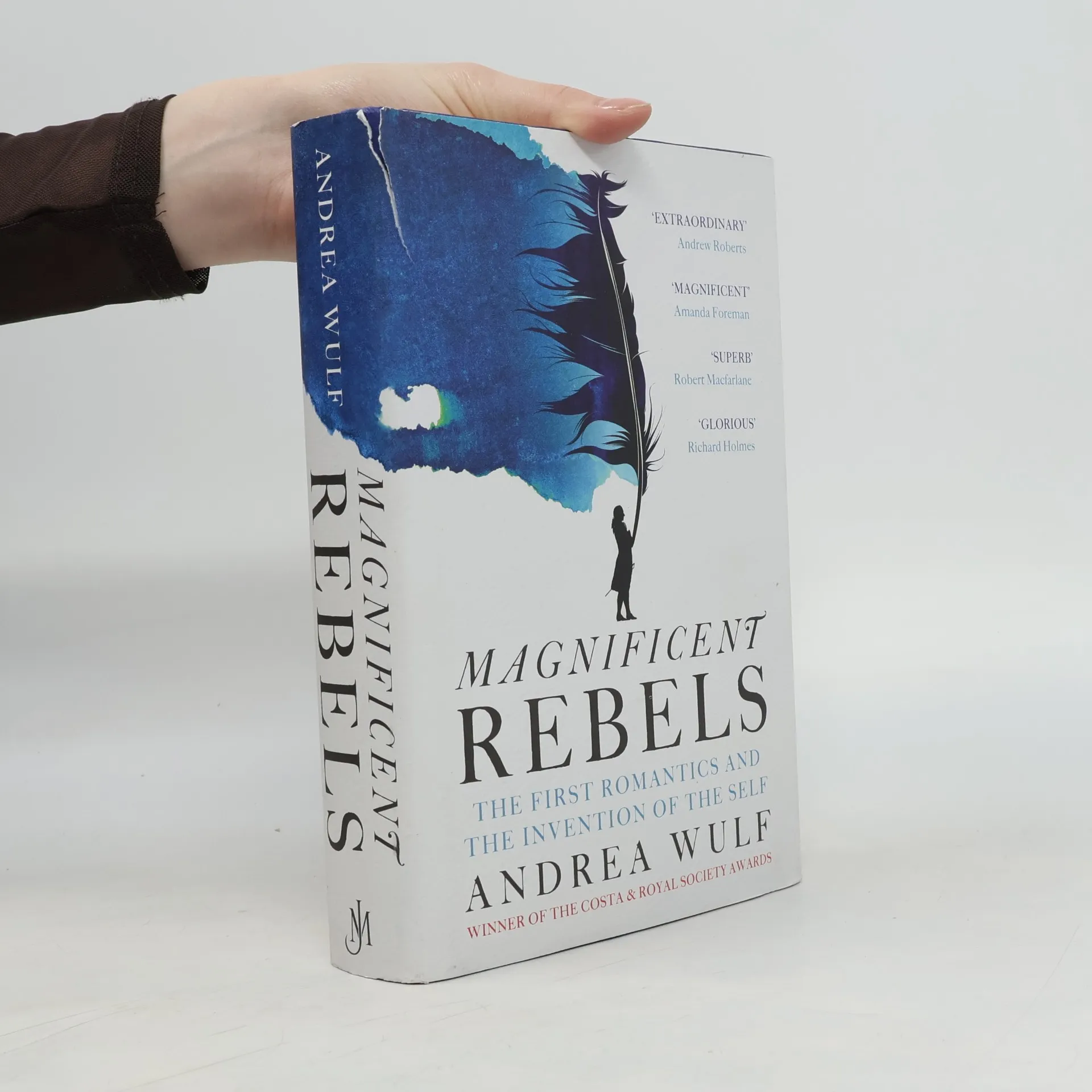
Magnificent Rebels
- 512bladzijden
- 18 uur lezen
From the Costa Prize-winning author of The Invention of Nature, Magnificent Rebels is a riveting, eye-opening biography of the first Romantics: a revolutionary group of friends based in the small German town of Jena whose modern ideas transformed society and the way we lead our lives today
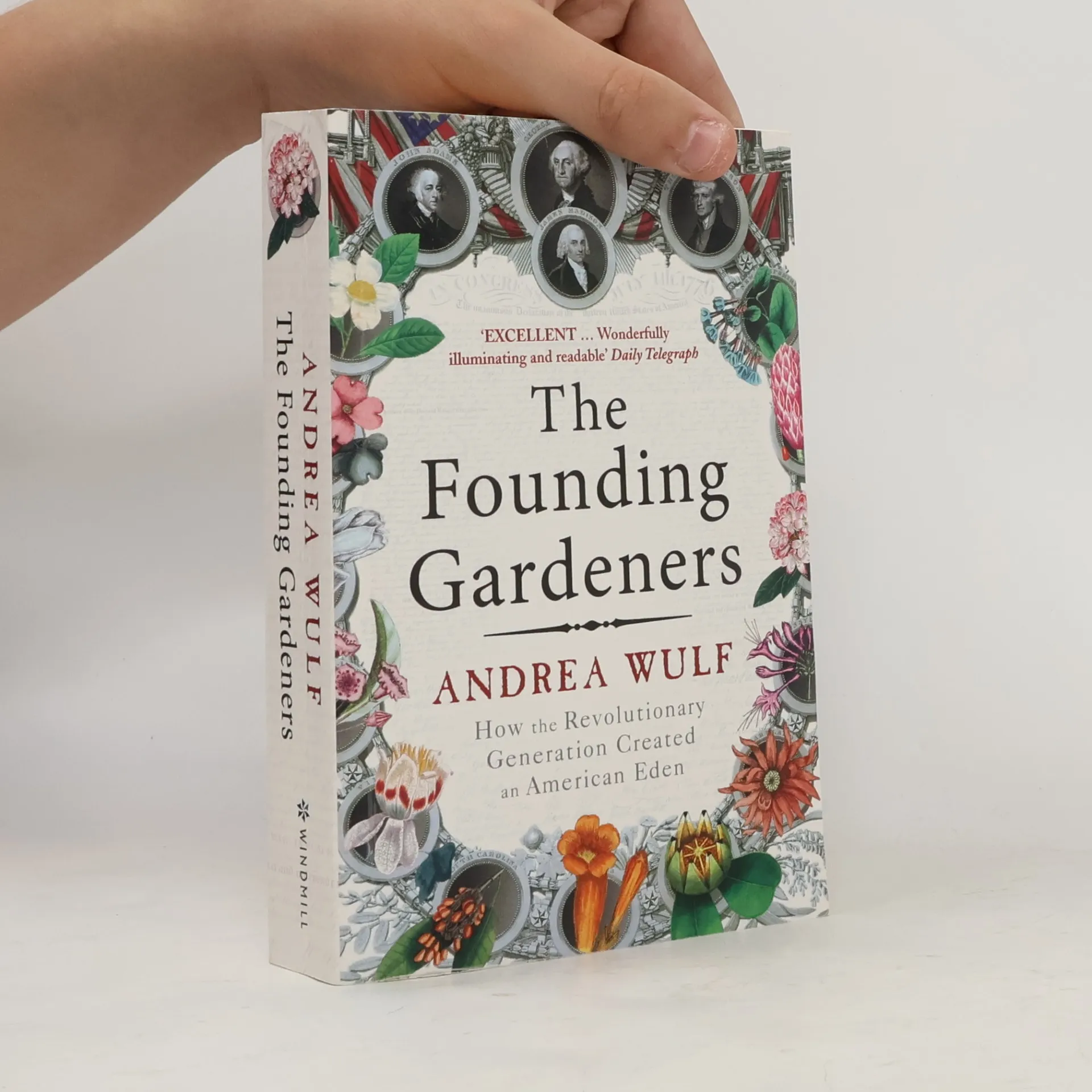
The founding gardeners: how the revolutionary generation created an American Eden
- 400bladzijden
- 14 uur lezen
"A follow-up to the award-winning Andrea Wulf's critically acclaimed history of British gardening, The Founding Gardeners is the story of how George Washington, Thomas Jefferson, John Adams and James Madison's passion for nature, plants, agriculture and gardens shaped the birth of America"--OCLC
Chasing Venus
- 352bladzijden
- 13 uur lezen
On two days in 1761 and 1769 hundreds of astronomers pointed their telescopes towards the skies to observe a rare astronomical event: the transit of Venus across the face of the sun. United by this momentous occasion, scientists from around the globe came together to answer the essential question: how can the universe be measured? In Chasing Venus Andrea Wulf paints a vivid portrait of the rivalries, triumphs and misfortunes that befell these men, along with their passion and determination to succeed. This extraordinary book tells their story and how one single event prompted the first international scientific collaboration.
Fabelhafte Rebellen
Die frühen Romantiker und die Erfindung des Ich - Reich bebildert, mit vielen farbigen Abbildungen und Karten - Der SPIEGEL-Bestseller jetzt im Paperback
- 528bladzijden
- 19 uur lezen
In "Fabelhafte Rebellen" beleuchtet Andrea Wulf die Denkbewegungen um 1800 in Jena, wo Dichter und Philosophen wie Goethe und Hegel das Individuum in den Mittelpunkt stellten. Sie schildert eine Zeit voller leidenschaftlicher Ideen und Skandale, die auch heute noch relevant sind. Das Buch enthält 30 farbige Abbildungen und 2 Karten.
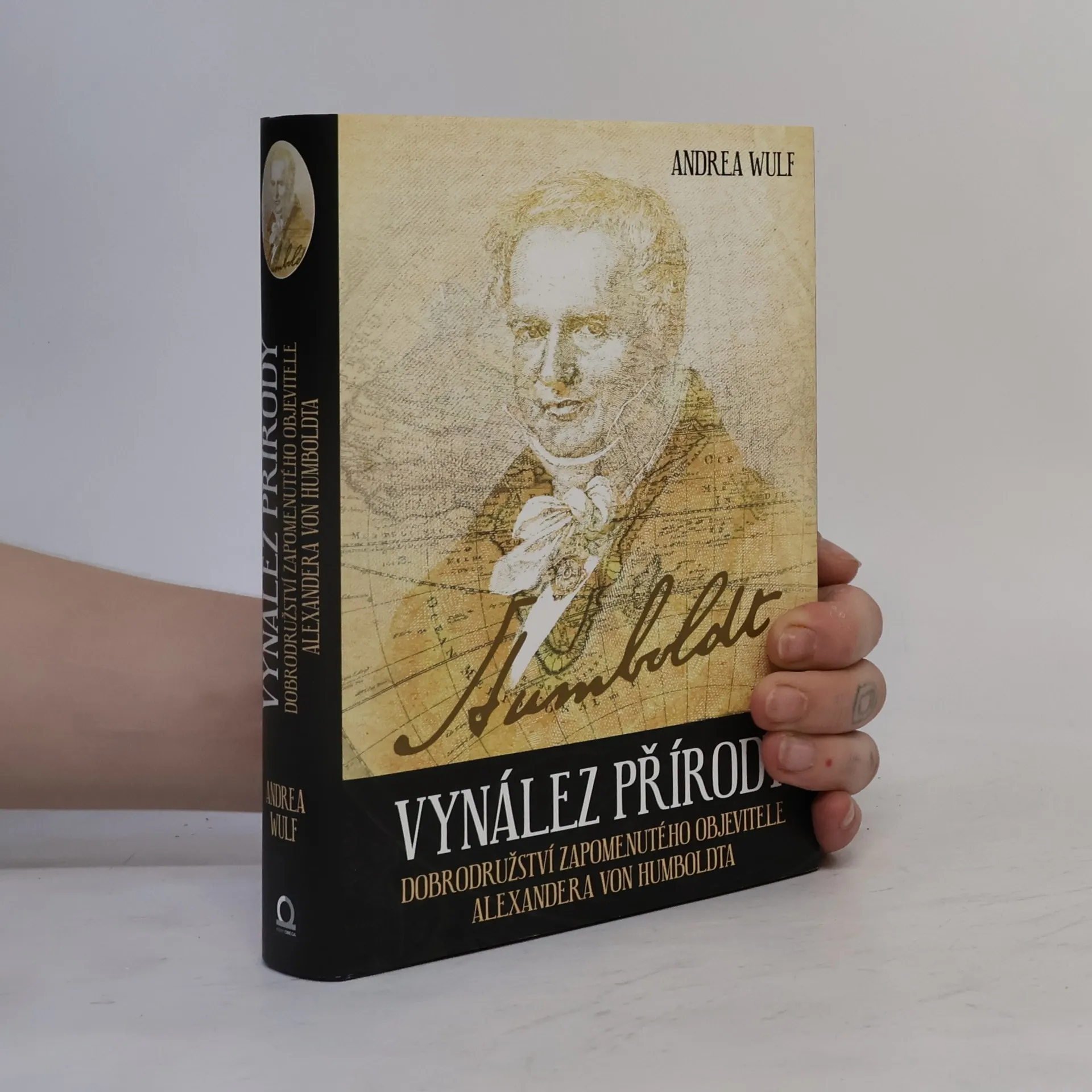
Vynález přírody. Dobrodružství zapomenutého objevitele Alexandera von Humboldta
- 534bladzijden
- 19 uur lezen
Alexander von Humboldt (1769–1859) je velký zapomenutý vědec – je po něm pojmenováno více věci, než po komkoli jiném. Existují města, řeky, pohoří, oceánský proud, který se táhne podél pobřeží Jižní Ameriky, pak je tu tučňák, obří chobotnice – dokonce i Humboldtovo moře na Měsíci. Jeho dobrodružství a objevitelské výpravy byly úžasné: Humboldt pronikl hluboko do deštného pralesa, vylezl na nejvyšší sopku na světě a inspiroval šlechtice, prezidenty, vědce i básníky. Žárlil na něj sám Napoleon. Inspiroval i Darwina k plavbě na Beagle. Jules Verne vlastnil mnoho jeho knih. Byl prostě úžasný. Nyní máte příležitost užít si fantastickou cestu po jeho stopách – závody napříč Ruskem nebo mapování tropické řeky plné krokodýlů. Andrea Wulf poukazuje na důležitost jeho myšlenek, a že jsou aktuální i dnes. Humboldt předpověděl změnu klimatu vlivem činnosti člověka již v roce 1800 a jeho objevy a nápady dodnes využívají vědci, ochránci přírody, spisovatelé, politici i umělci. Chtěl znát a rozumět všemu a jeho způsob myšlení překonal dobu.
Der Reisende
Georg Forster und die Entdeckung der Menschlichkeit - Das neue, packende Buch der SPIEGEL-Bestsellerautorin
- 512bladzijden
- 18 uur lezen
Naturforscher, Entdecker, Revolutionär: das neue Buch der Bestsellerautorin Andrea Wulf über das außergewöhnliche Leben und die faszinierenden Reisen Georg Forsters Georg Forster drang in die entferntesten Regionen der bekannten Welt vor und stellte mit seinen radikalen Ideen zu Menschlichkeit, Gleichheit und Freiheit die Denkweisen des 18. Jahrhunderts infrage. Andrea Wulf zeichnet das Porträt eines brillanten, unerschrockenen jungen Mannes, der mit siebzehn Jahren an Cooks zweiter Weltumsegelung teilnahm – einer Reise zwischen der eisigen Antarktis und den üppigen Inselwelten des Südpazifiks. Dort erforschte er Natur, Menschen und Kulturen und brachte einen tiefen Glauben an die Gleichheit der Menschen zurück, der seiner Zeit weit voraus war. Nach seiner Rückkehr gefeiert in England, Frankreich, Deutschland und Polen, nutzte Forster seinen Ruhm, um für Freiheit und Gleichberechtigung einzutreten und sich gegen Imperialismus, Rassismus und Sklaverei zu stellen. Schließlich wurde er in den Strudel der Französischen Revolution hineingezogen und zu einem Anführer der kurzlebigen Mainzer Republik. Mitreißend erzählt und gestützt auf Forsters umfangreiche Korrespondenz, eröffnet dieses Buch den Blick auf ein außergewöhnliches, leidenschaftliches Leben. Reich bebildert, mit vielen farbigen Abbildungen und Karten. Ausstattung: 2 x 16 Seiten Farbbildteil sowie Karten und zahlreiche s/w-Abbildungen im Text