Gendered Innovations
How Gender Analysis Contributes to Research: Report of the Expert Group "Innovation Through Gender"
- 137bladzijden
- 5 uur lezen


Londa Schiebinger is een vooraanstaande wetenschapshistorica wiens werk de complexe wisselwerking tussen wetenschappelijke vooruitgang en maatschappelijke krachten onderzoekt. Ze onderzoekt hoe imperia de koers van wetenschappelijke ontdekkingen hebben beïnvloed en hoe wetenschappelijke kennis op haar beurt cruciaal is geweest voor het stimuleren van koloniale expansie en het gebruik van hulpbronnen. Haar onderzoek benadrukt de cruciale rol van plantenontdekking bij het vormgeven van de wereldwijde handel en het begrip.
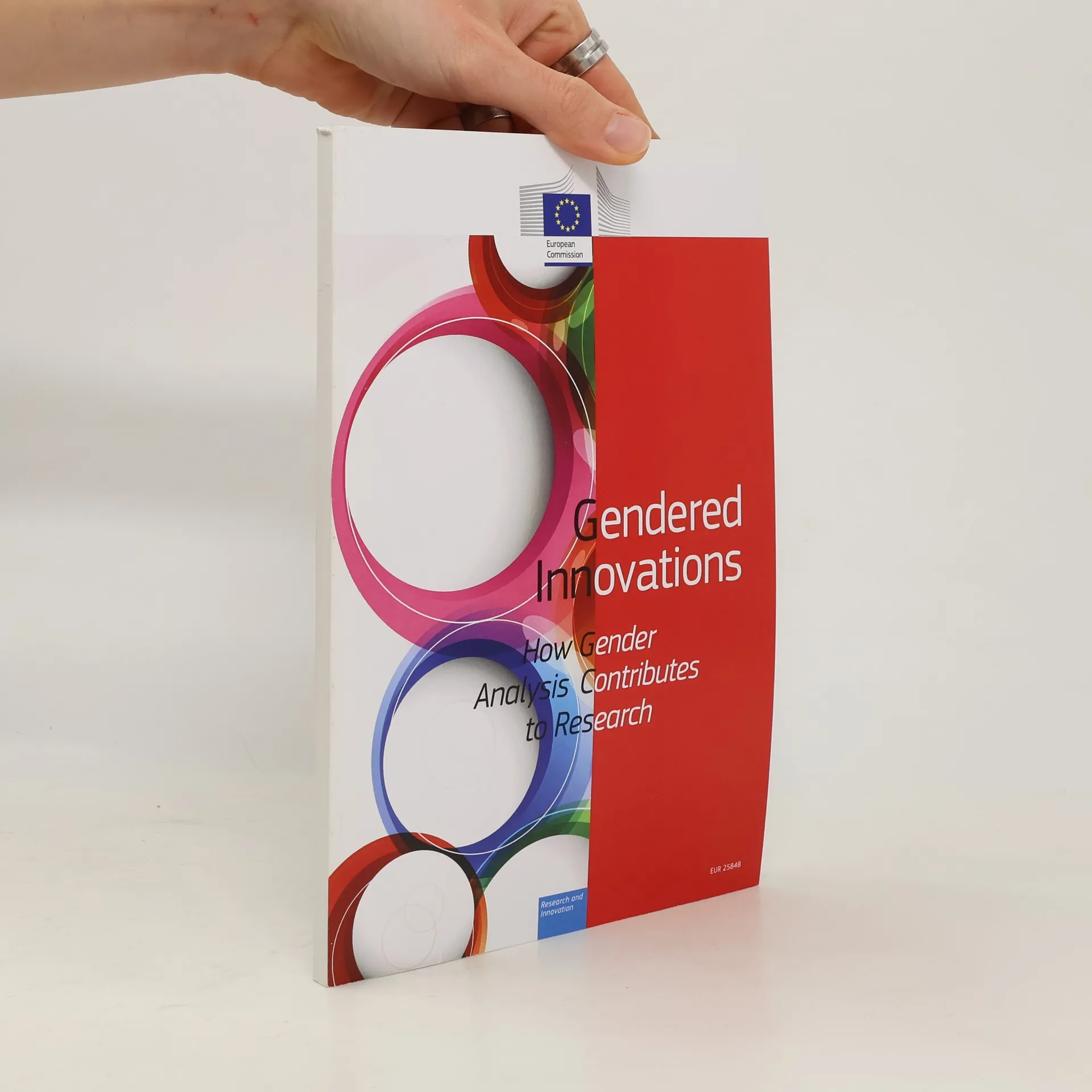

How Gender Analysis Contributes to Research: Report of the Expert Group "Innovation Through Gender"
Eighteenth-century natural historians created a peculiar, and peculiarly durable, vision of nature--one that embodied the sexual and racial tensions of that era. When plants were found to reproduce sexually, eighteenth-century botanists ascribed to them passionate relations, polyandrous marriages, and suicidal incest, and accounts of steamy plant sex began to infiltrate the botanical literature of the day. Naturalists also turned their attention to the great apes just becoming known to eighteenth-century Europeans, clothing the females in silk vestments and training them to sip tea with the modest demeanor of English matrons, while imagining the males of the species fully capable of ravishing women.
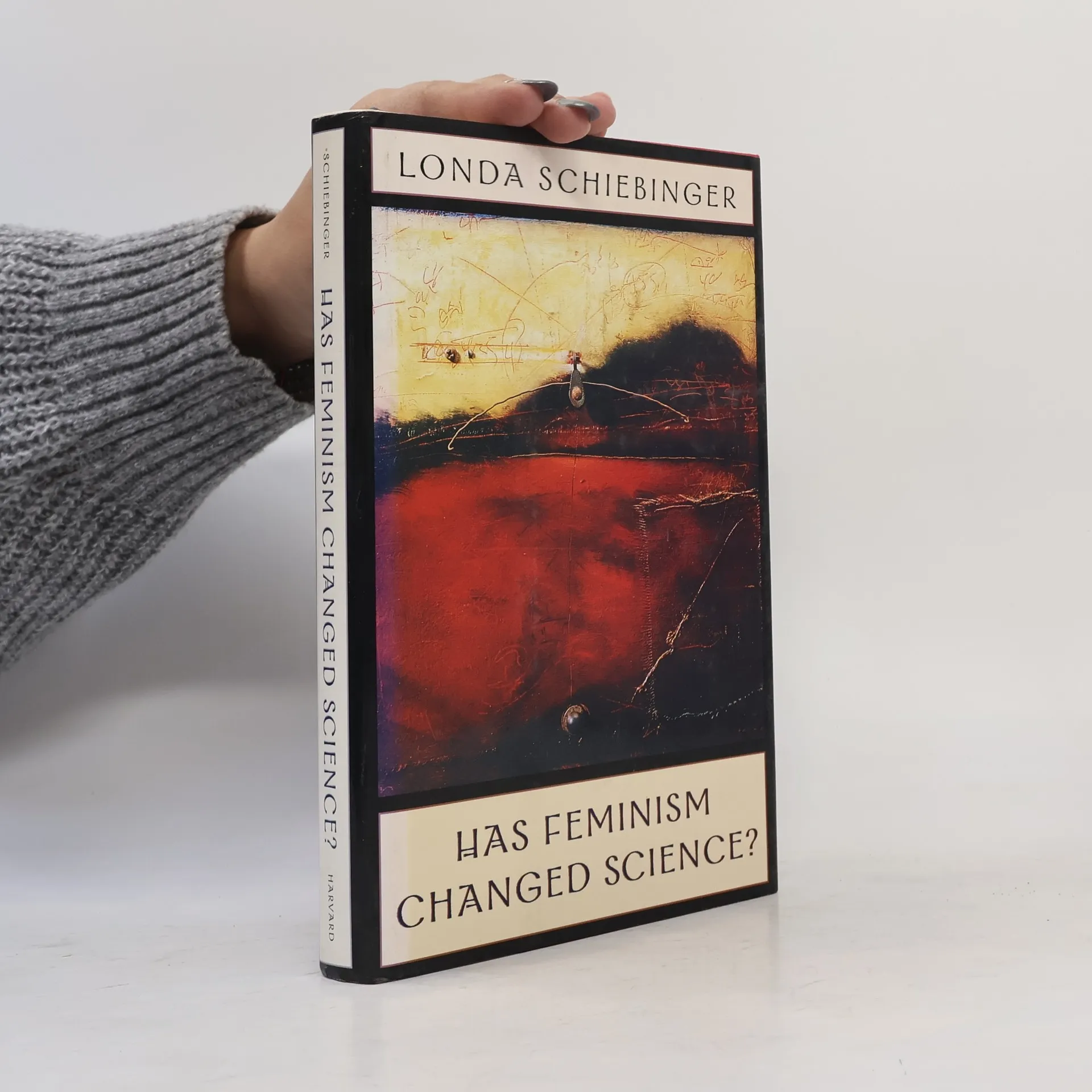
Do women do science differently? This provocative book explores this question, examining the history of women in science and the impact of gender on scientific knowledge. It assesses women's experiences in the profession and their contributions to various fields. The author investigates the number of women scientists, their chosen disciplines, and the gendered culture within science. She challenges the stereotype that women scientists are inherently more holistic and collaborative, while also highlighting the significant challenges they face, such as balancing careers with domestic responsibilities. The book delves into whether feminist perspectives have positively influenced scientific content, offering a nuanced gender analysis across disciplines like physical sciences, medicine, archaeology, and biology. It reveals how feminist scientists have introduced new theories, posed innovative questions, and expanded fields of study, ultimately contributing to a richer understanding of science.