Bookbot

Jón Kalman Stefánsson

    17 december 1963

    Jón Kalman Stefánsson duikt in de diepten van de menselijke psyche, waarbij hij thema's als herinnering, tijd en identiteit verkent met een opmerkelijke lyrische precisie. Zijn schrijven wordt gekenmerkt door een dromerige sfeer en een poëtische taal die lezers meeneemt in de intieme ervaringen van zijn personages. Stefánsson richt zich op het uitbeelden van complexe interpersoonlijke relaties en de kwetsbaarheid van het menselijk bestaan, vaak tegen de achtergrond van ruige Noordse landschappen. Zijn romans zijn meditaties over leven, dood en de constante zoektocht naar betekenis in een onherbergzame, maar mooie wereld.

    Jón Kalman Stefánsson
    Summer Light, And Then Comes the Night
    Your Absence is Darkness
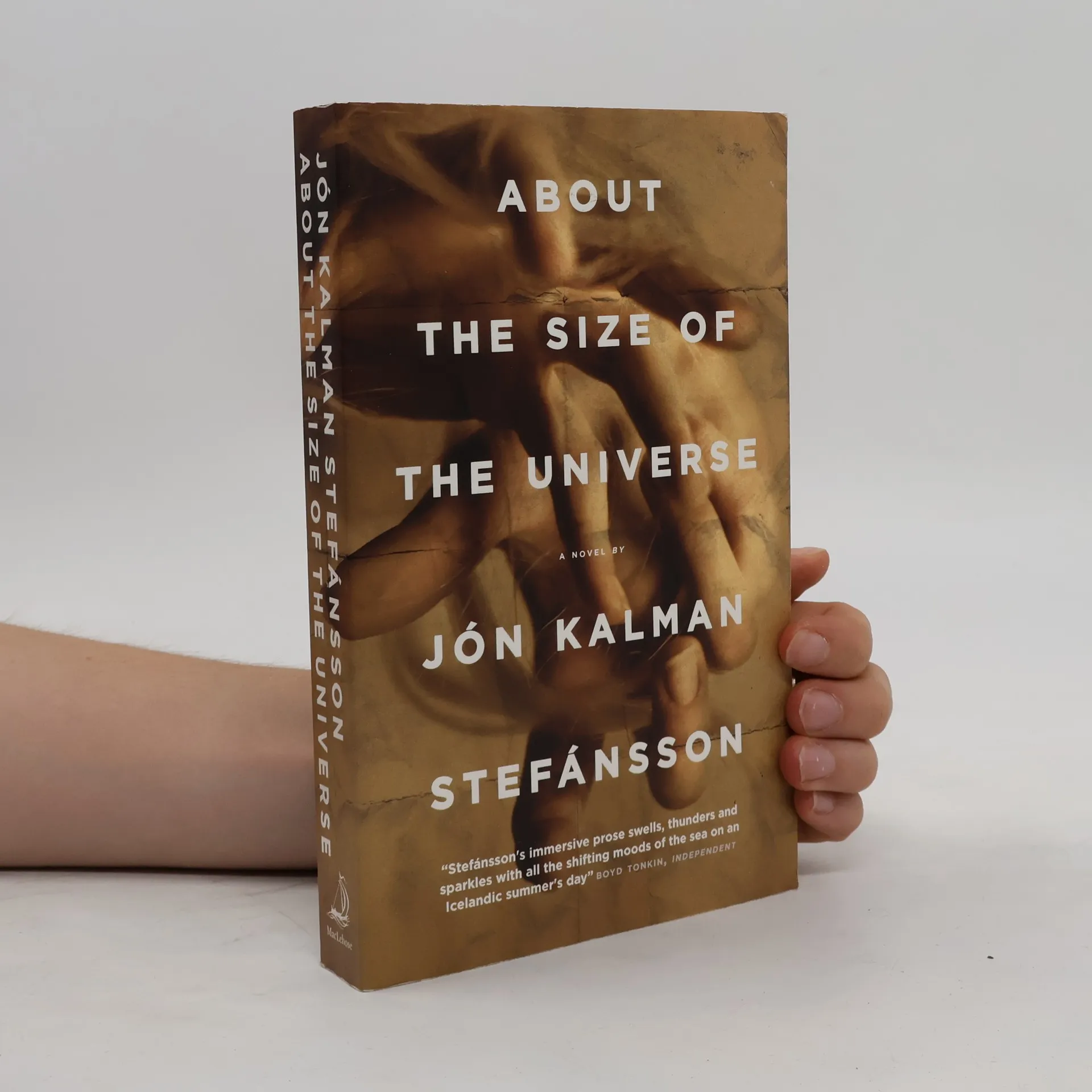
    About the Size of the Universe
    The Sorrow of Angels
    Fish Have No Feet
    The Heart of Man
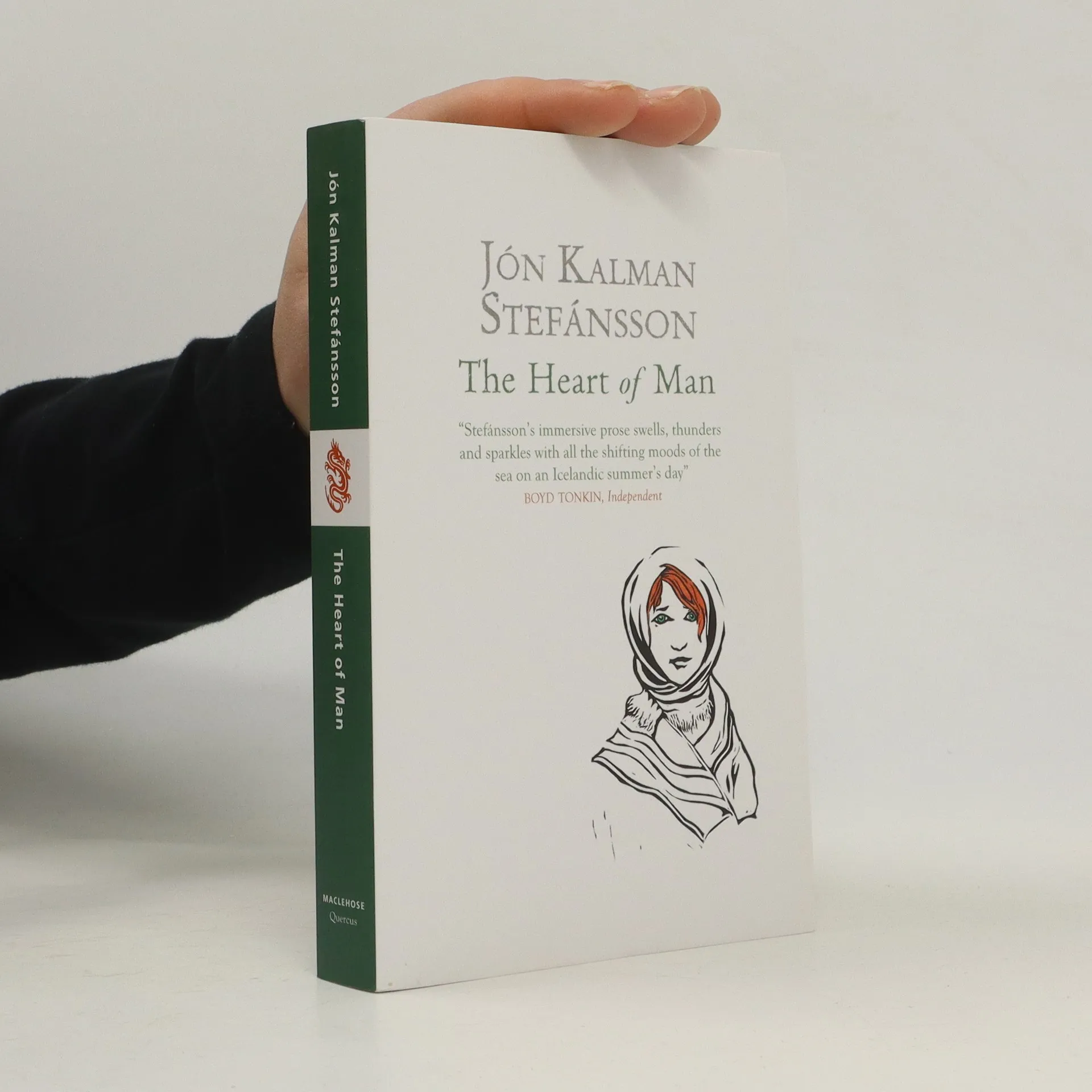
    • After coming through the blizzard that almost cost them everything, Jens and the boy are far from home, in a fishing community at the edge of the world. Taken in by the village doctor, the boy once again has the sense of being brought back from the grave. But this is a strange place, with otherworldly inhabitants, including flame-haired lfhei ur, who makes him wonder whether it is possible to love two women at once; he had believed his heart was lost to Ragnhei ur, the daughter of the wealthy merchant in the village to which he must now inexorably return. Set in the awe-inspiring wilderness of the extreme north, The Heart of Man is a profound exploration of life, love and desire, written with a sublime simplicity. In this conclusion to an audacious trilogy, Stefansson brings a poet's eye and a philosopher's insight to a tale worthy of the sagasmiths of old
      The Heart of Man
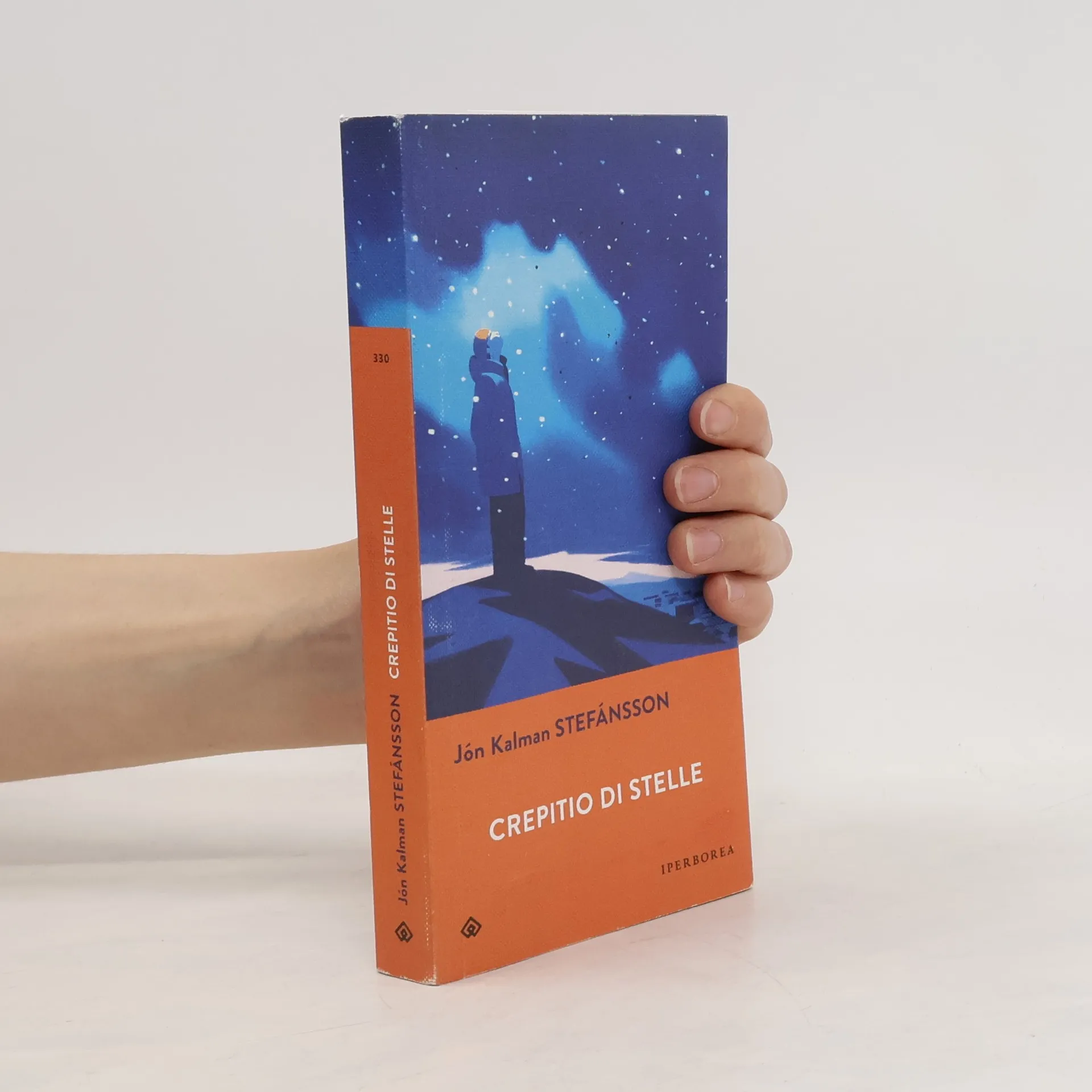
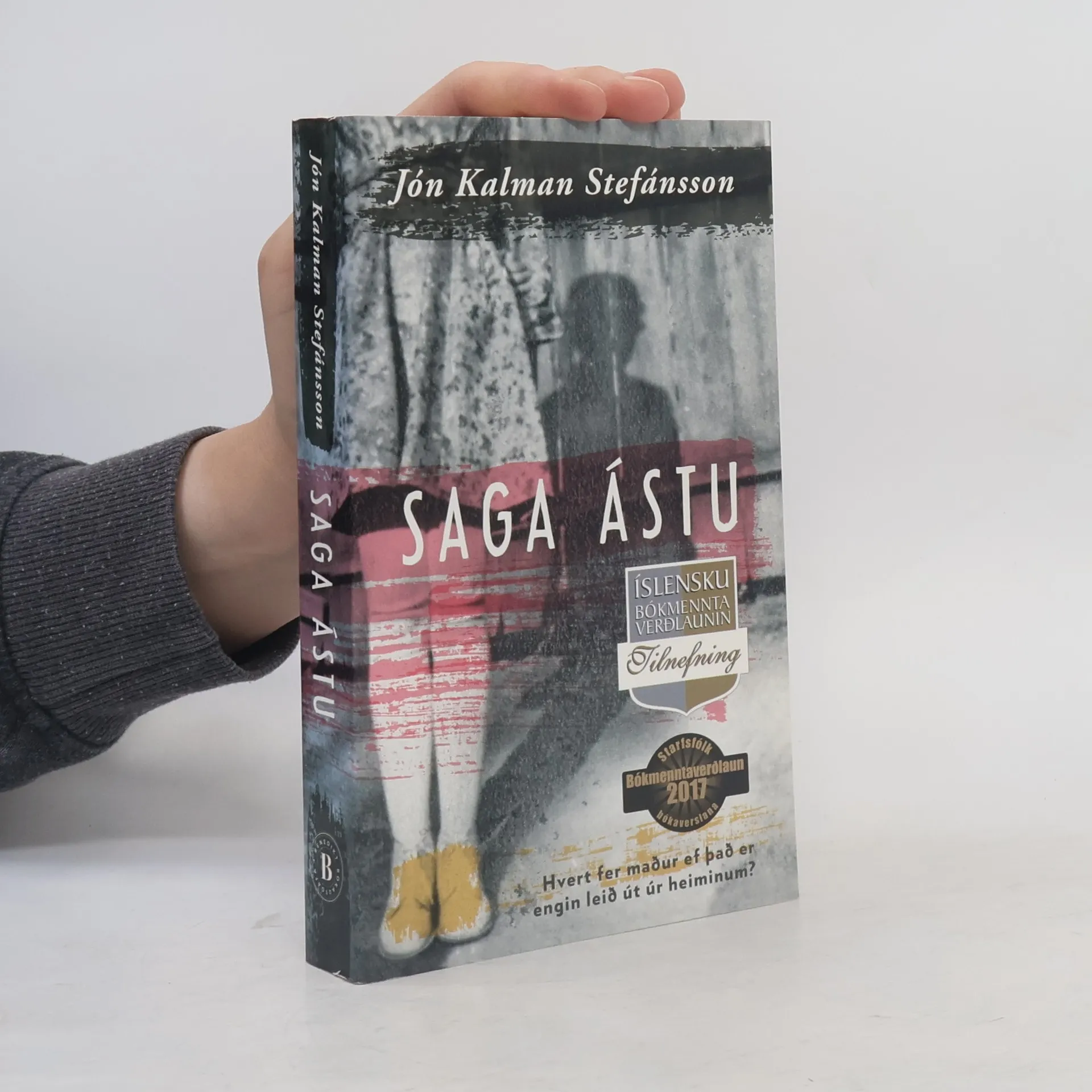
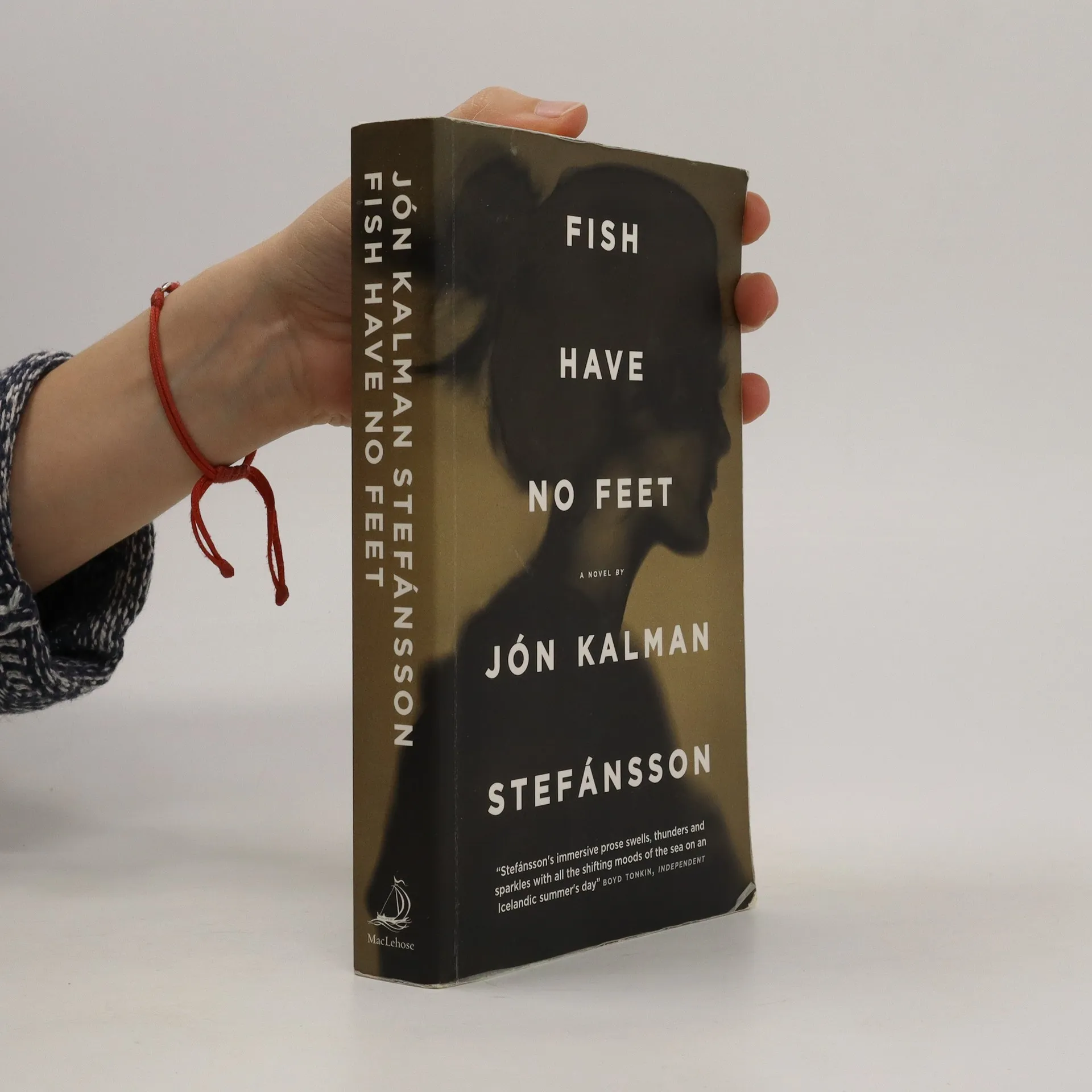
    • Keflavik: a town that has been called the darkest place in Iceland, surrounded by black lava fields, hemmed in by a sea that may not be fished. Its livelihood depends entirely on a U.S. military base, a conduit for American influences that shaped Icelandic culture and ethics from the 1950s to the dawning of the new millennium. It is to Keflavik that Ari - a writer and publisher - returns from Copenhagen at the behest of his dying father, two years after walking out on his wife and children. He is beset by memories of his youth, spent or misspent listening to Pink Floyd and the Beatles, fraternising with American servicemen - who are regarded by the locals with a mixture of admiration and contempt - and discovering girls. There is one girl in particular he could never forget - her fate has stayed with him all his life. Lost in grief and nostalgia, he is also caught up in the story of how his grandparents fell in love in Nordfjordur on the eastern coast, a fishing village a world away from modern Keflavik, at time when the old ways still held sway. Their tragic love affair unfolded against the backdrop of Iceland's harsh nature and unforgiving elements.

      Fish Have No Feet
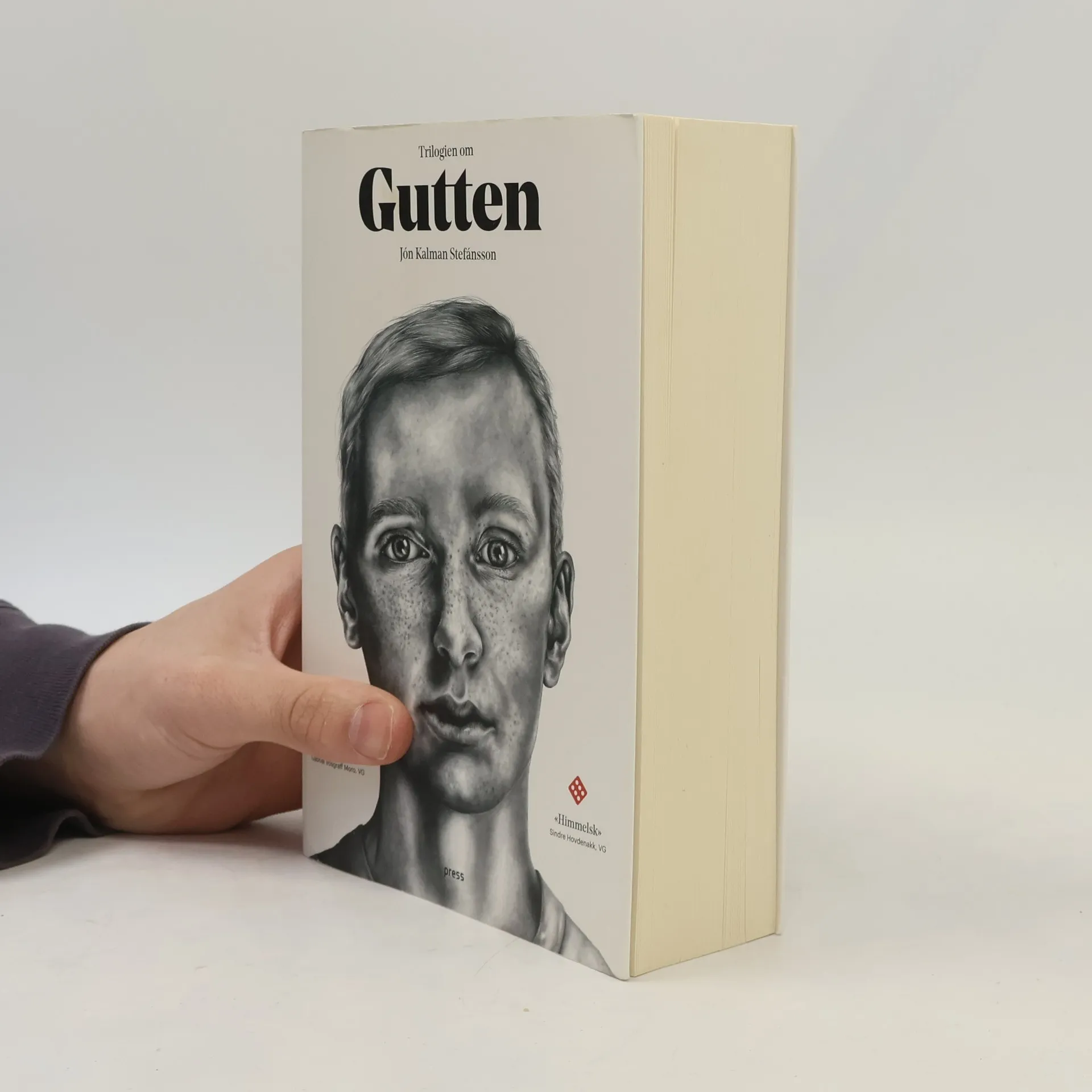
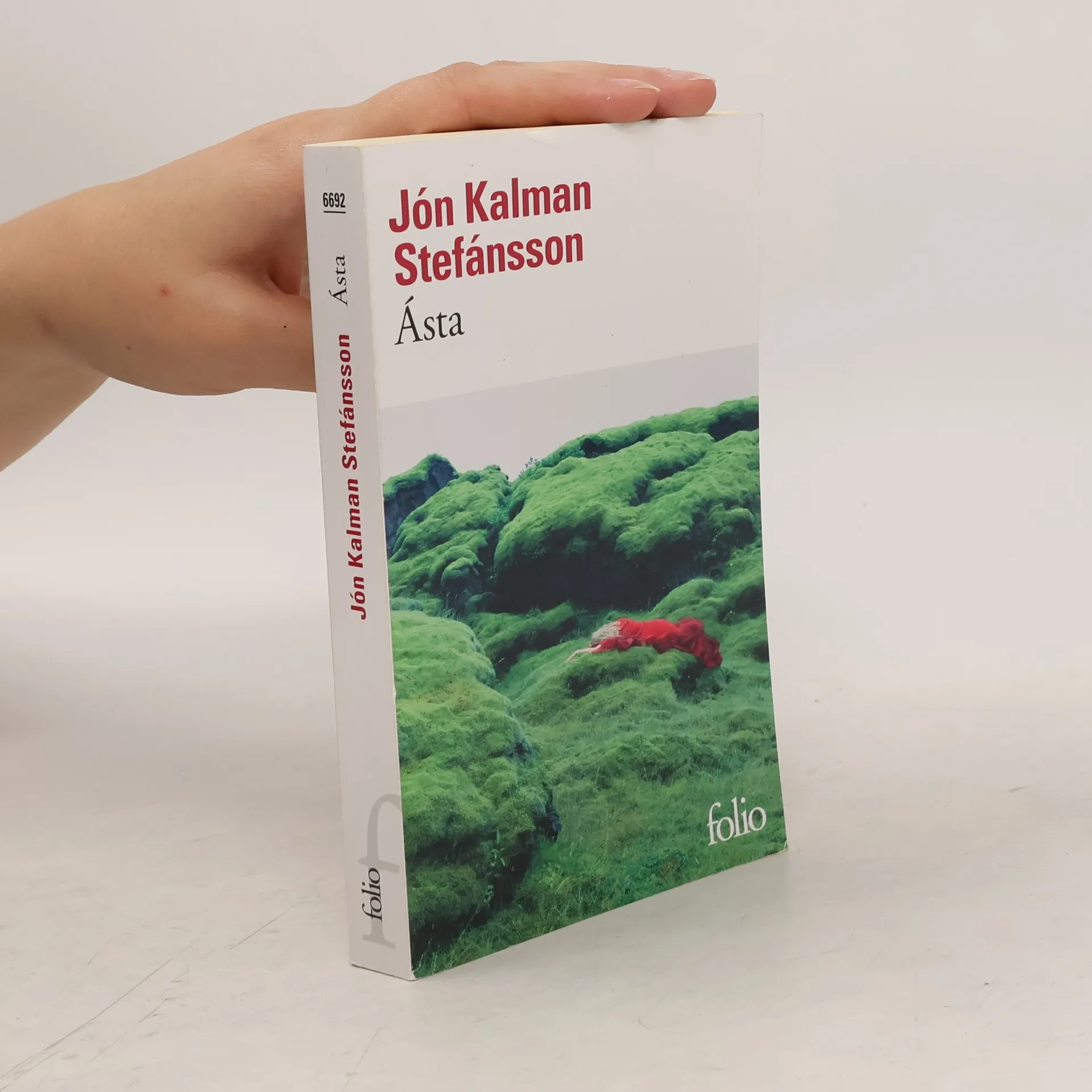
    • The Sorrow of Angels

      • 331bladzijden
      • 12 uur lezen
      4,3(191)Tarief

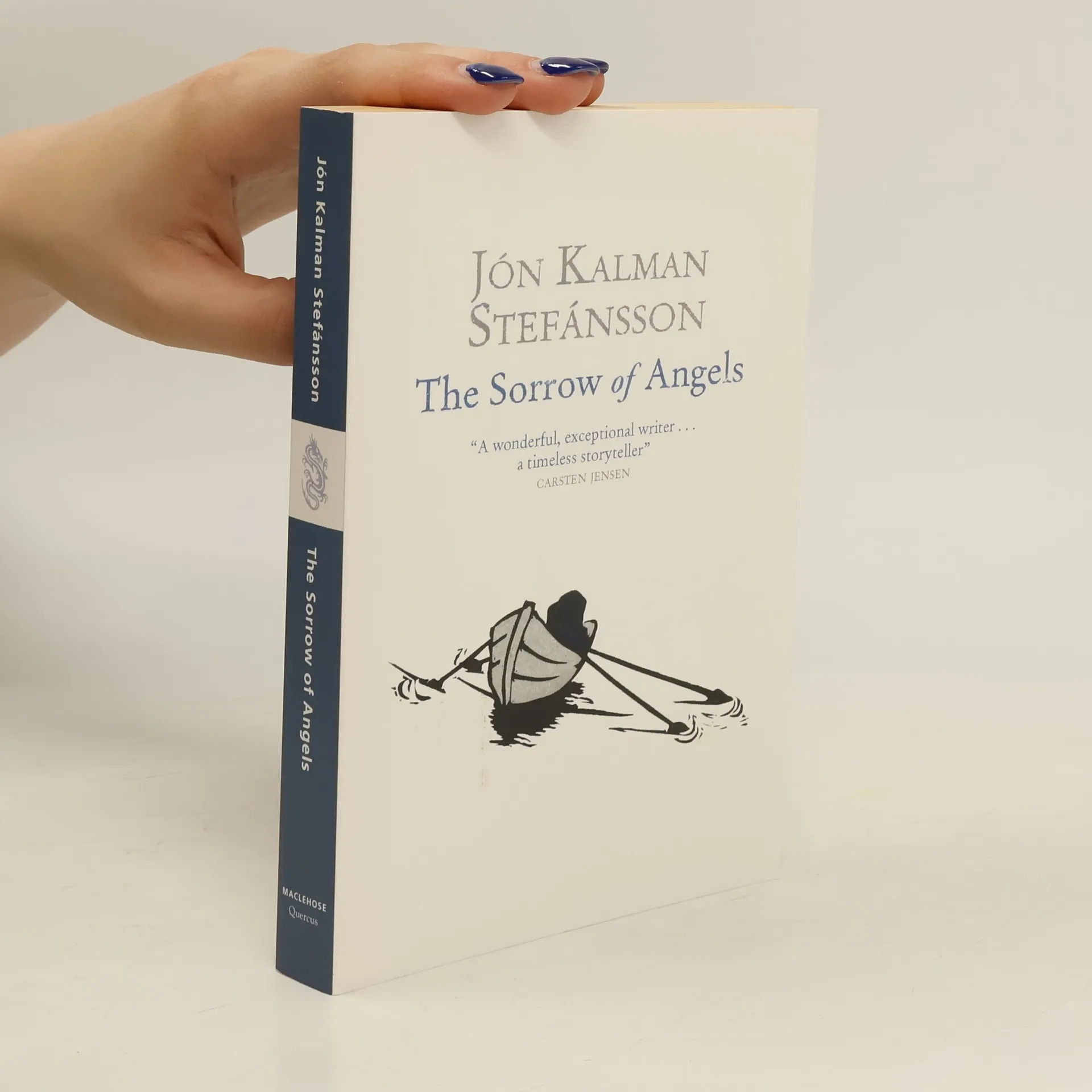
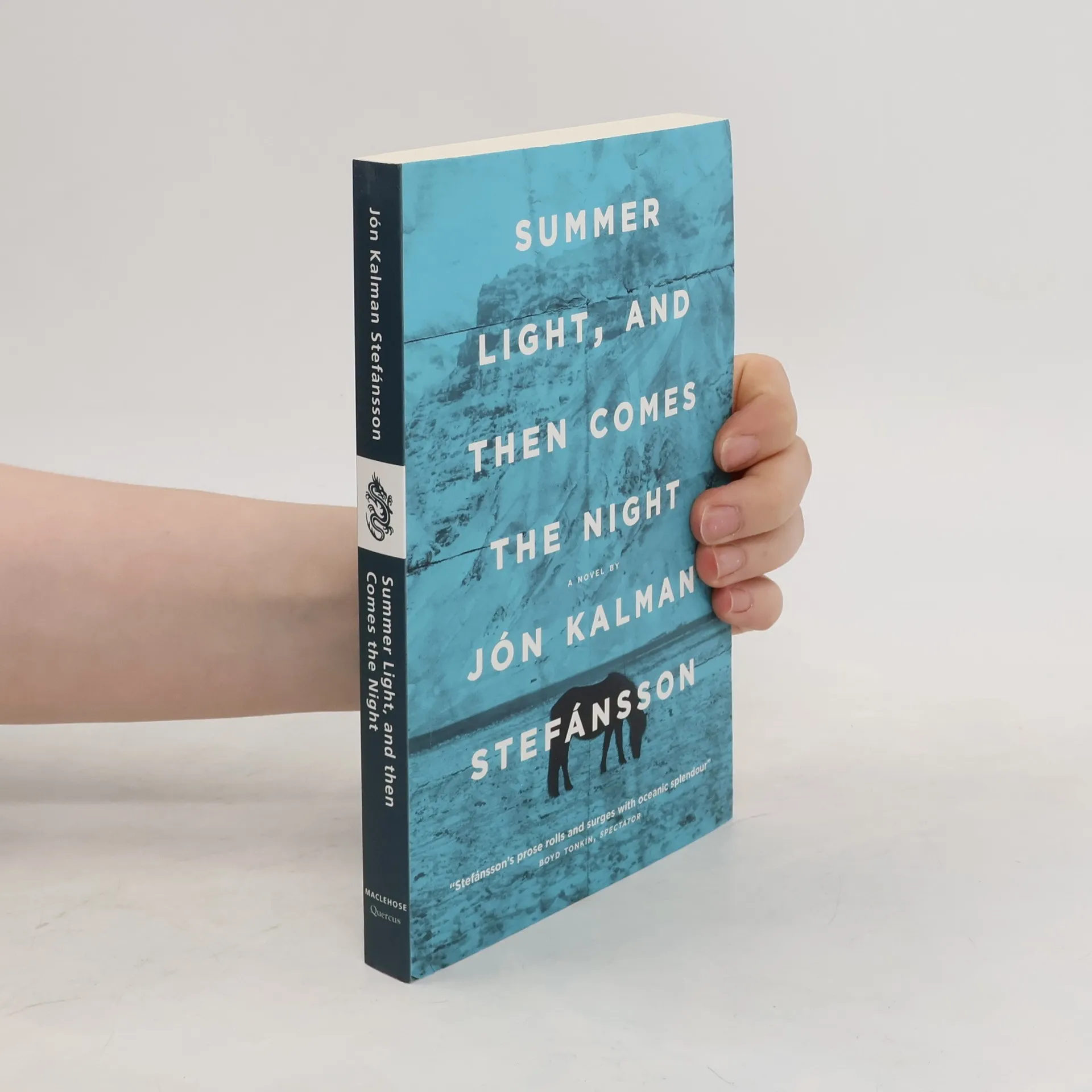
      The winter nights are dark and still, you can almost hear the fish breathe on the sea bed. Snow is falling so heavily that it binds heaven and earth together. As the villagers gather in the inn to drink schnapps and coffee while the boy reads to them from 'Hamlet', Jens the postman stumbles in half dead, having almost frozen solid on his horse. On his next journey across the wide open fjord and the icy landscape beyond he is accompanied by the boy. Both will risk their lives for each other, and for an unusual delivery.

      The Sorrow of Angels
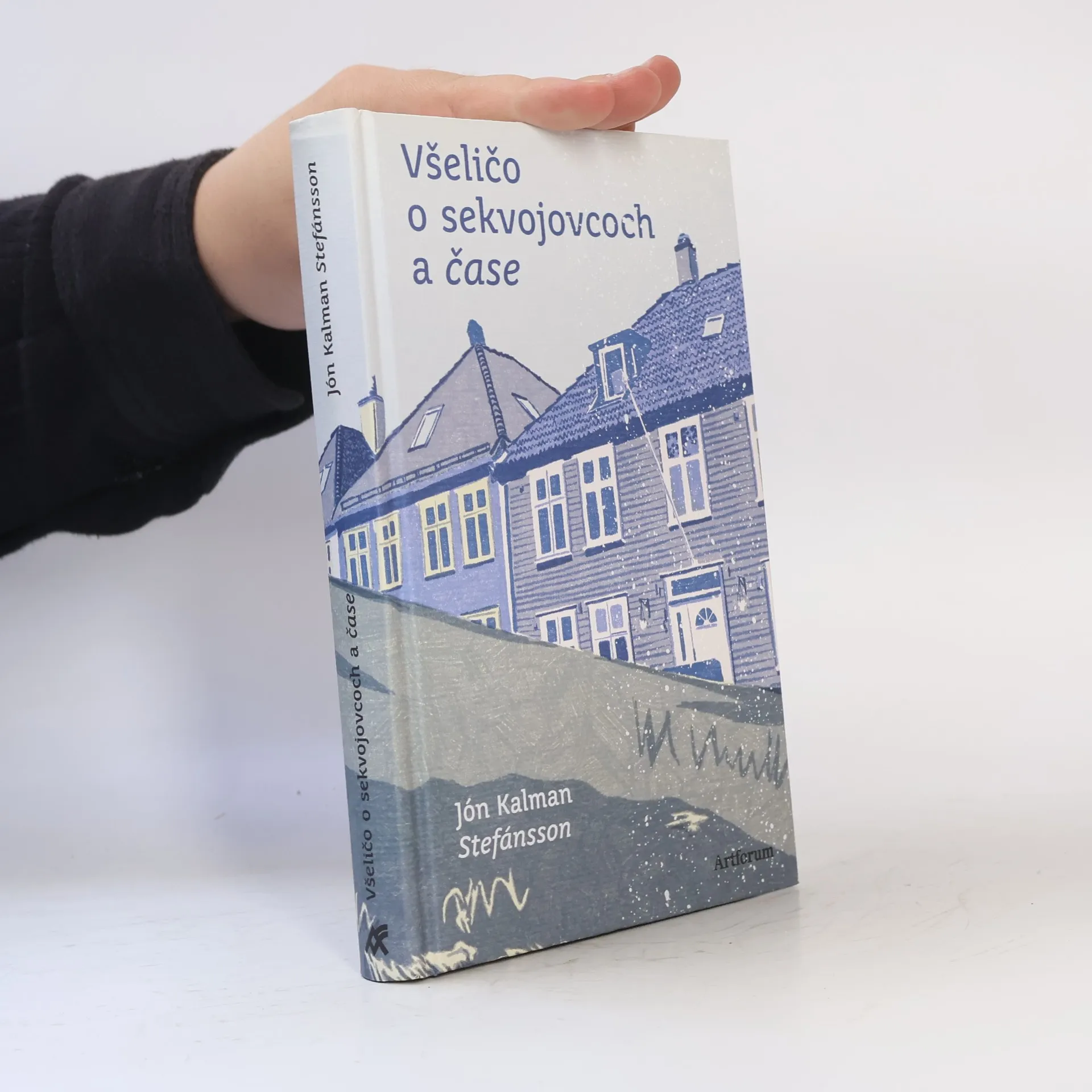
    • An extraordinary and ambitious mosaic of a novel of a family over centuries, from Iceland's most exceptional contemporary storyteller.

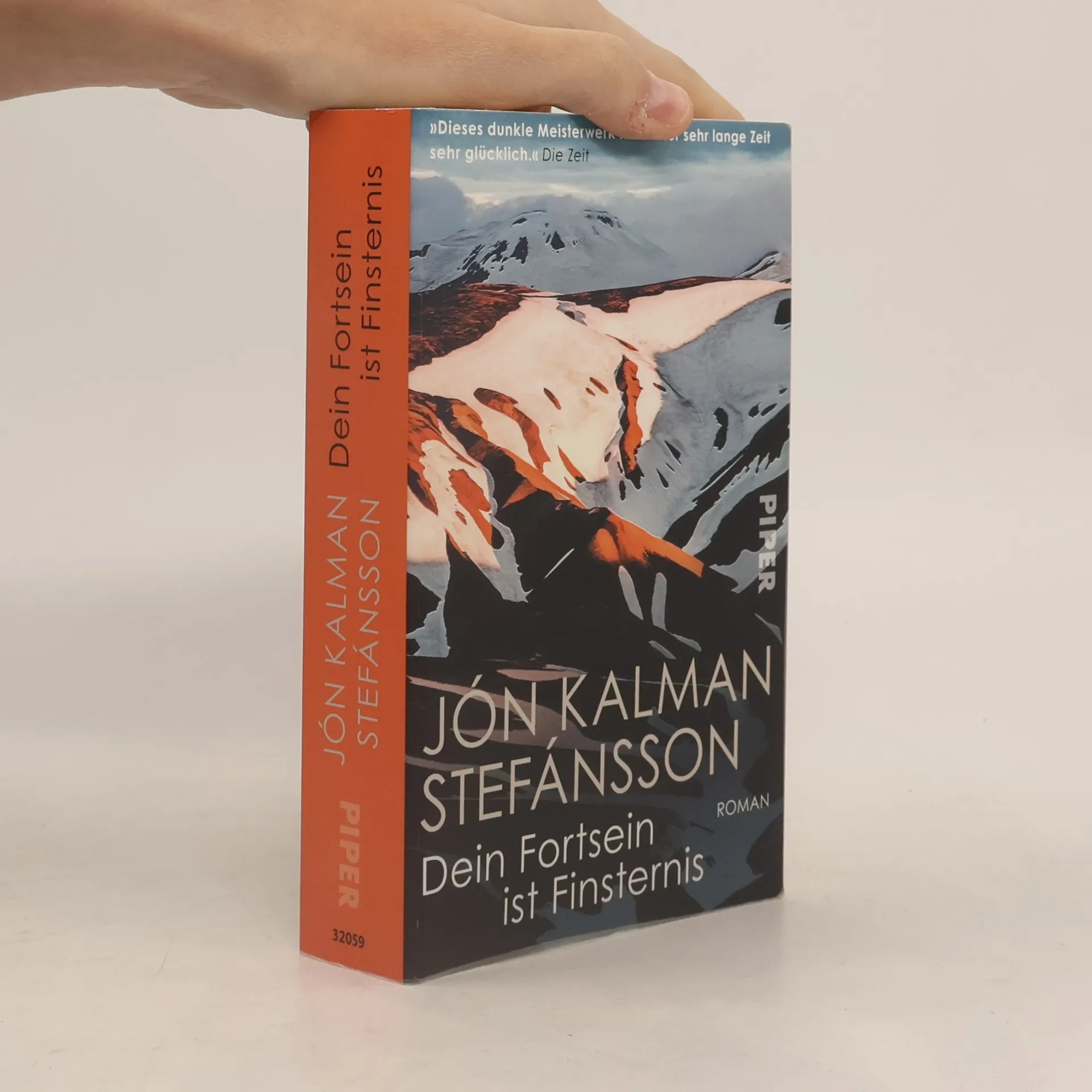
      Your Absence is Darkness
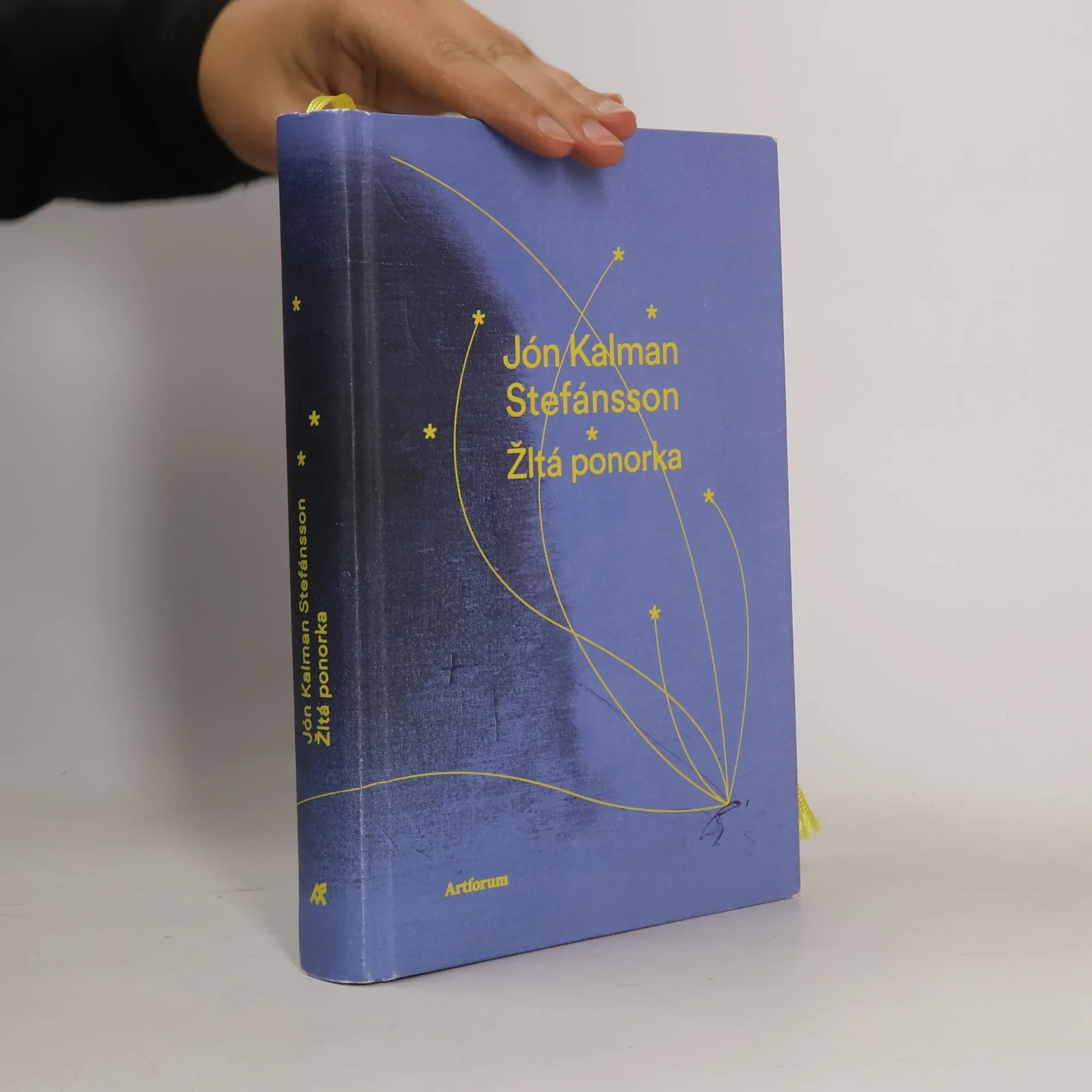
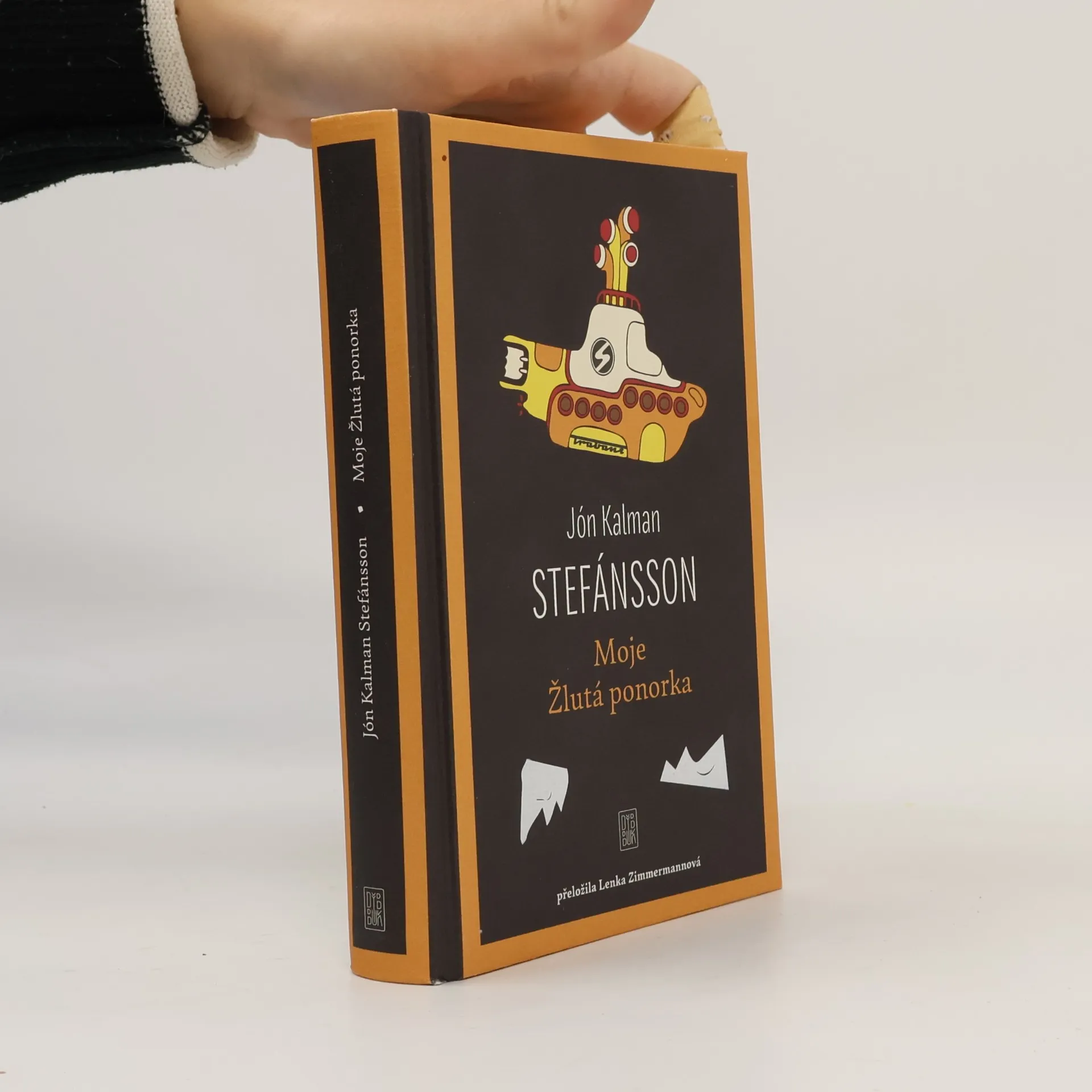
    • Románová trilogie Ráj a peklo / Smutek andělů / Lidské srdce od Jóna Kalmana Stefánssona zachycuje život rybářské obce v severním fjordu. Obyvatelé se živí rybolovem, čelí neustálým bouřím a mrazům, a boj o přežití se stává metaforou pro odolávání zlu. Starý pastorův překlad Miltonova Ztraceného ráje, jediný náznak naděje, se ukazuje jako prokletí, když Bárdur zapomene na vhodné oblečení a umrzne na moři. Čtení poezie se stává nebezpečným, neboť drsné podmínky omezují lidskou mysl a zplošťují dimenze. Těžký život nutí lidi k alkoholu a intenzivním emocím. Otázka „Bije ti ještě stále srdce?“ se stává klíčovou, neboť naděje, symbolizovaná lodí, je pro obyvatele zásadní. Přestože čelí mnoha těžkostem, nikdy se nevzdávají, protože smrt znamená ztrátu ráje, i když ten často představuje jen krátké chvíle štěstí mezi temnými dny. Slzy nelze jednoduše zachytit a vytáhnout ty, kteří odešli, a světlo života zhasne, když přestaneme žasnout a brát život jako samozřejmost.

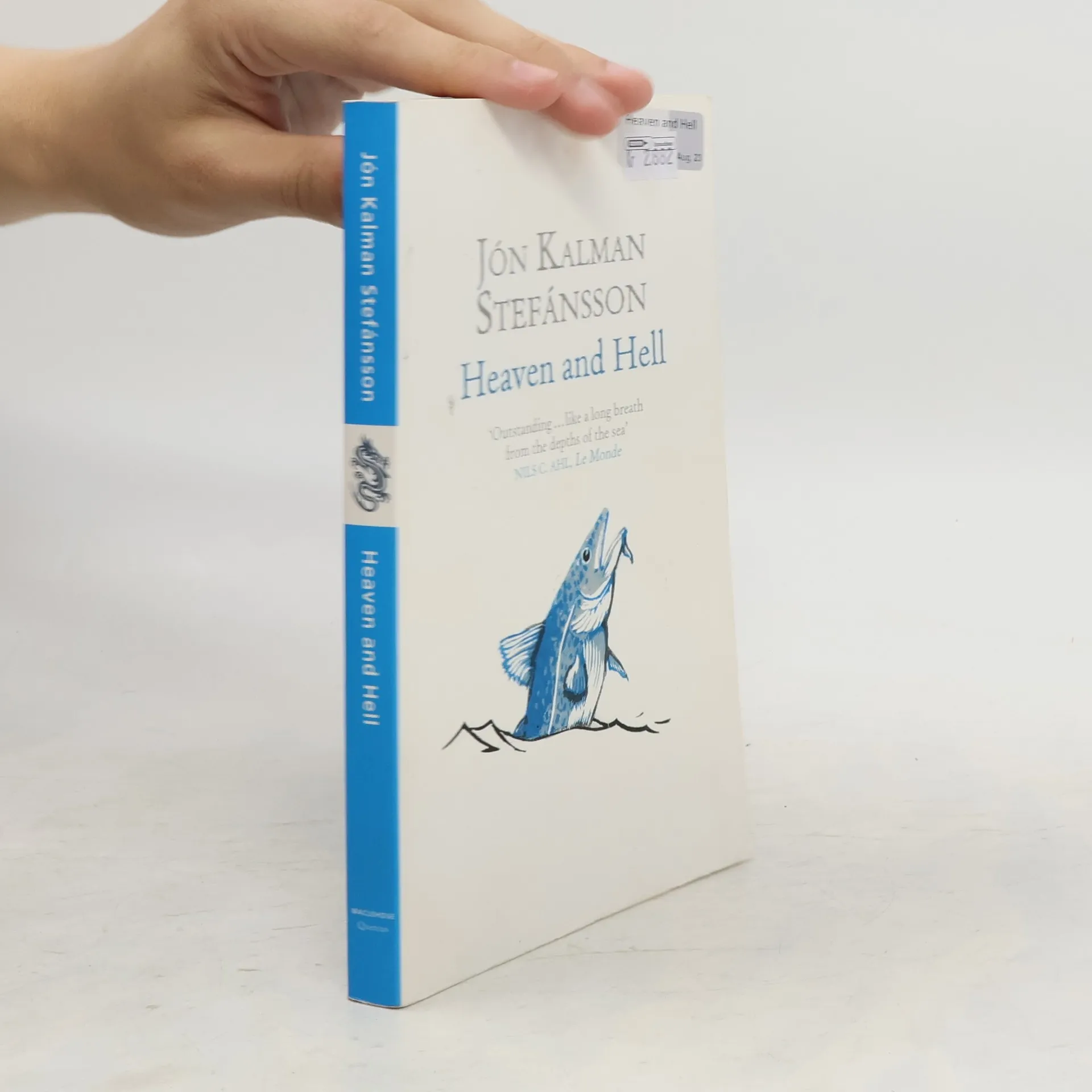
      Ráj a peklo / Smutek andělů / Lidské srdce
    • Sága z Keflavíku

      • 500bladzijden
      • 18 uur lezen
      4,8(10)Tarief

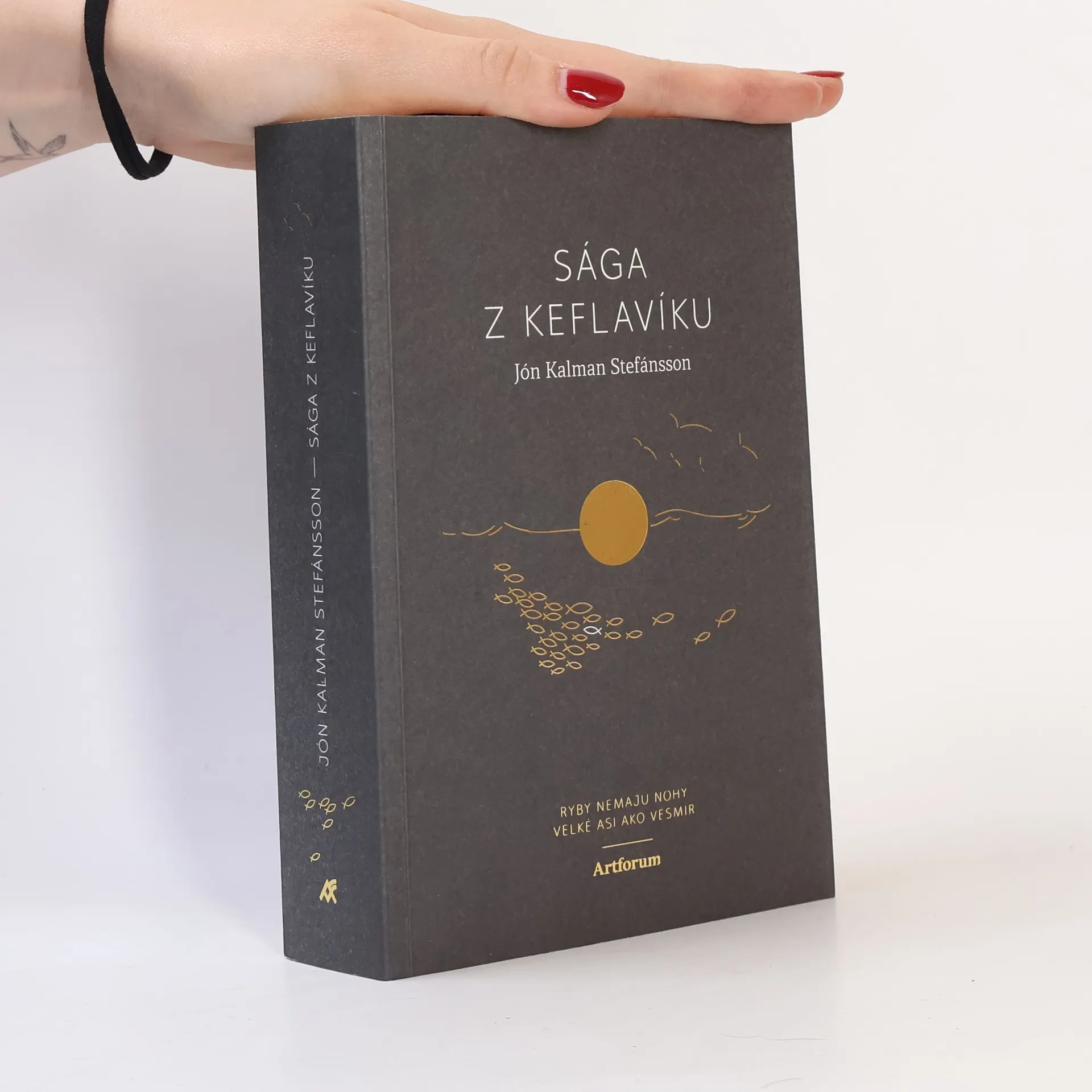
      Sága z Keflavíku Jóna Kalmana Stefánssona sleduje príbeh Ariho, muža v strednom veku, a niekoľkých generácií jeho rodiny. Je poetická aj živelná. Pulzuje v rytme prílivu a odlivu a sprevádza čitateľov islandskou históriou 20. storočia. Tvoria ju romány Ryby nemajú nohy a Veľké asi ako vesmír. „Okrem rozprávania príbehov sa usilujem nájsť odpovede na základné otázky: Existuje Boh? Je nejaky´ život po smrti? Z čoho máme radosť? Čo je lepšie ako dobrá voňavá káva skoro ráno, keď sa nebo ešte len prebúdza? Alebo single malt whisky s dobry´m priateľom? A kde je život, ak nie v bozku?” hovorí o svojich knihách Stefánsson. „Je nesmierne fascinujúce, že aj ťažké životné momenty dokáže Stefánsson zaobaliť do nežny´ch šiat. A tie „šaty“ sú tu presne na to, aby ste ich postupne vyzliekli a prenikli tak až pod povrch ľudskej duše, ktorá sa už tisícročia musí vyrovnávať s krvavy´m slnkom, studeny´m vetrom a speneny´mi vlnami.”

      Sága z Keflavíku
    • Il pastore d'Islanda

      • 140bladzijden
      • 5 uur lezen
      4,4(149)Tarief

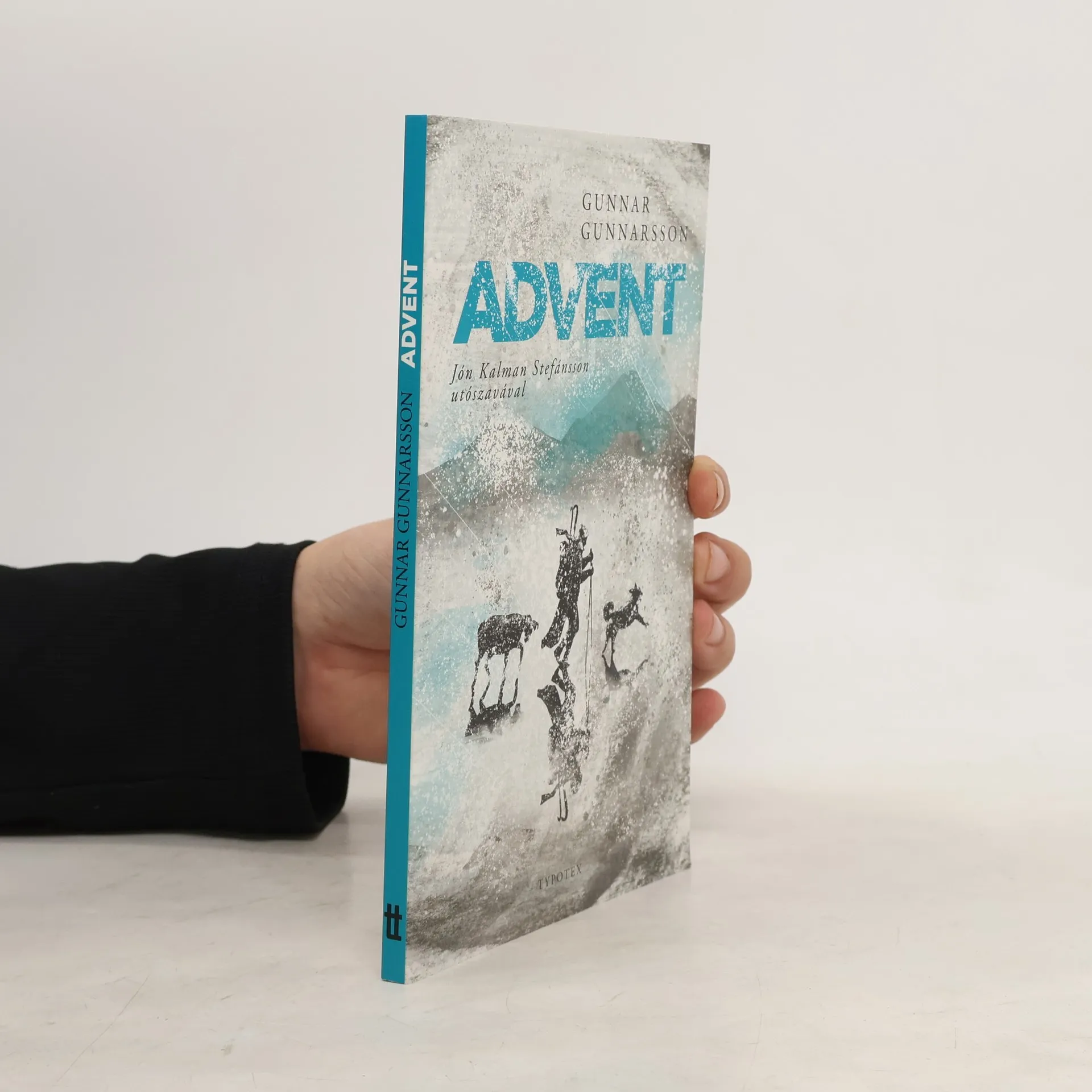
      Il Natale può essere festeggiato in tanti modi, ma Benedikt ne ha uno tutto suo: ogni anno la prima domenica d’Avvento si mette in cammino per portare in salvo le pecore smarrite tra i monti, sfuggite ai raduni autunnali delle greggi. Nessuno osa sfidare il buio e il gelo dell’inverno islandese per accompagnarlo nella rischiosa missione, o meglio nessun uomo, perché Benedikt può sempre contare sull’aiuto dei suoi due amici più fedeli: il cane Leó e il montone Roccia. Comincia così il viaggio dell’inseparabile terzetto, la «santa trinità», come li chiamano in paese, attraverso l’immenso deserto bianco, contro la furia della tormenta che morde le membra e inghiotte i contorni del mondo, cancellando ogni certezza e ogni confine tra la terra e il cielo. È qui che Benedikt si sente al suo posto, tra i monti dove col tempo ha sepolto i suoi sogni insieme alla paura della morte e della vita, nella solitudine che è in realtà «la condizione stessa dell’esistenza», con il compito cui non può sottrarsi e che porta avanti fiducioso, costi quel costi, in un continuo confronto con gli elementi e con se stesso, per riconquistare un senso alla dimensione umana. Nella sua semplicità evocativa, Il pastore d’Islanda è il racconto di un’avventura che diventa parabola universale, un gioiello poetico che si interroga sui valori essenziali dell’uomo, un inno alla comunione tra tutti gli esseri viventi. Esce per la prima volta in Italia un classico della letteratura nordica che ha fatto il giro del mondo e sembra aver ispirato Hemingway per Il vecchio e il mare, considerato in Islanda il vero canto di Natale.

      Il pastore d'Islanda
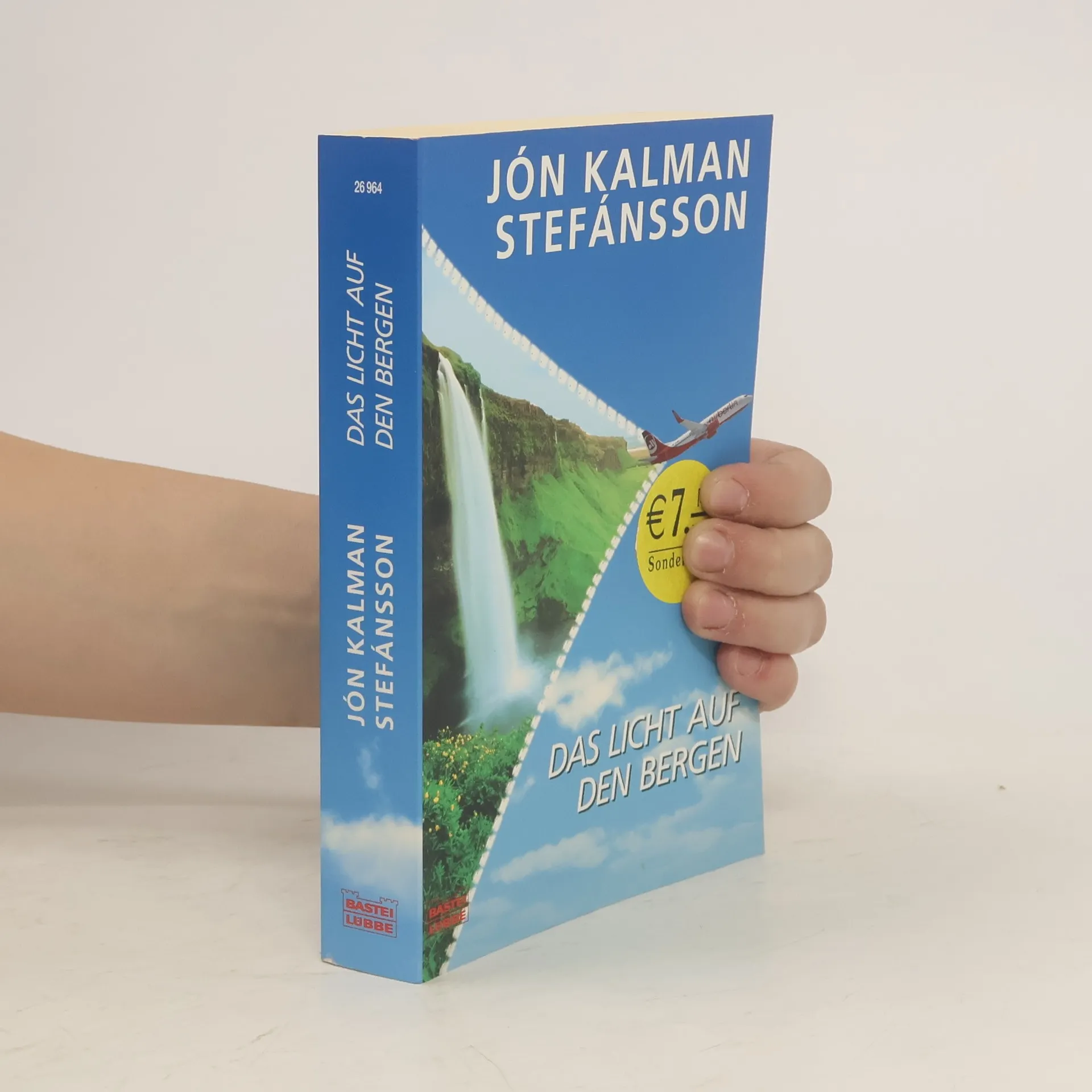
    • Fernab von Reykjavik, gewissermaßen hinter den sieben Bergen, ist Island bisher vom Fortschritt verschont geblieben. Es gibt keine Autobahnen, keine Straßenbeleuchtung und ═ noch ═ keine Touristen. Doch das soll sich bald ändern: Zuerst hat Björn auf Hnúkar eine ausländische Zeitschrift abonniert, dann verirrt sich das erste deutsche Touristenehepaar in der ländlichen Idylle, und plötzlich ist die Gemeinde in zwei Lager gespalten: Devisen und Globalisierung, Milchwirtschaft und Schrottlager oder Esoterik und Biokost? Eine etwas andere Gretchenfrage, lauter skurrile Gestalten voll sprühendem Witz: Das ist Island at its best!

      Das Licht auf den Bergen