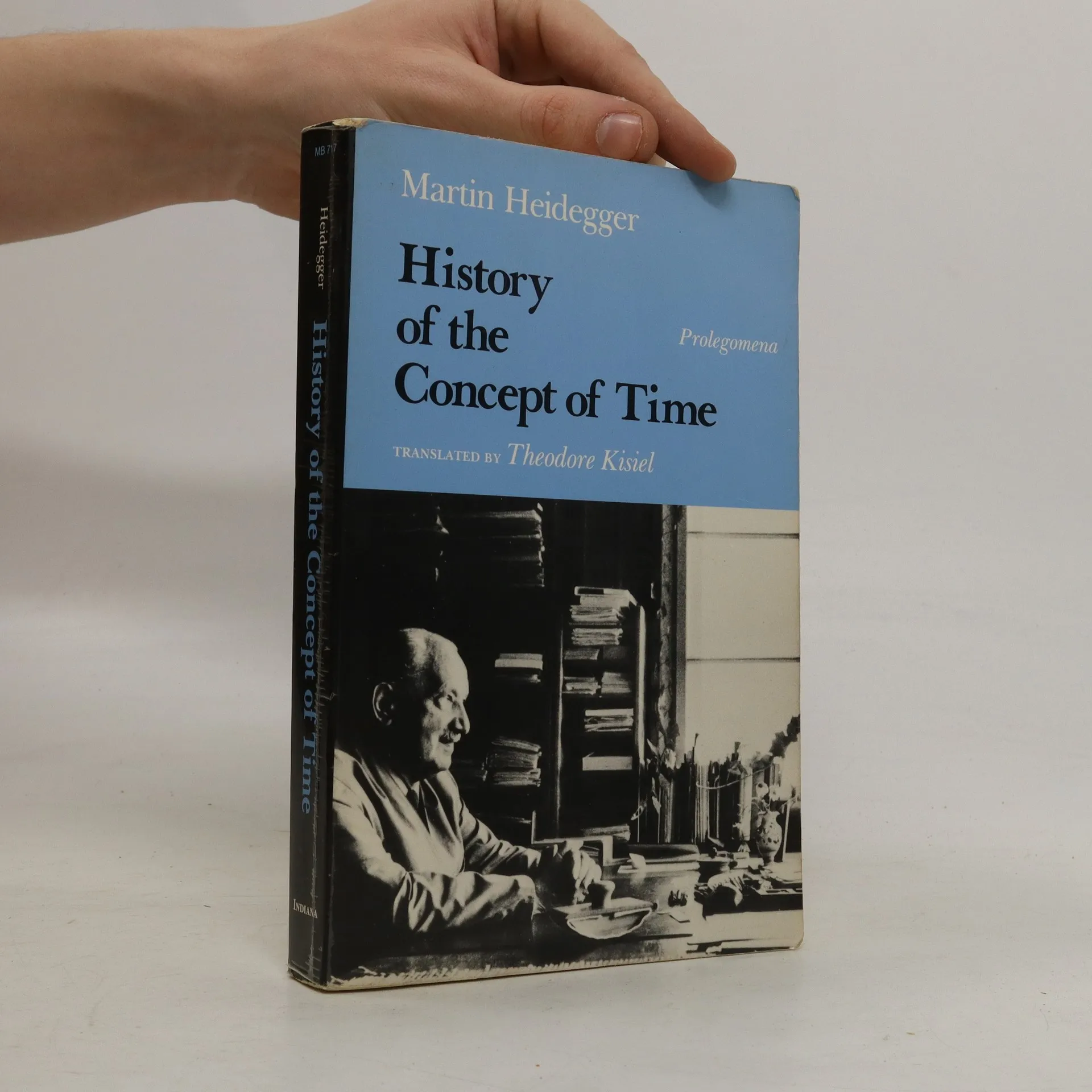
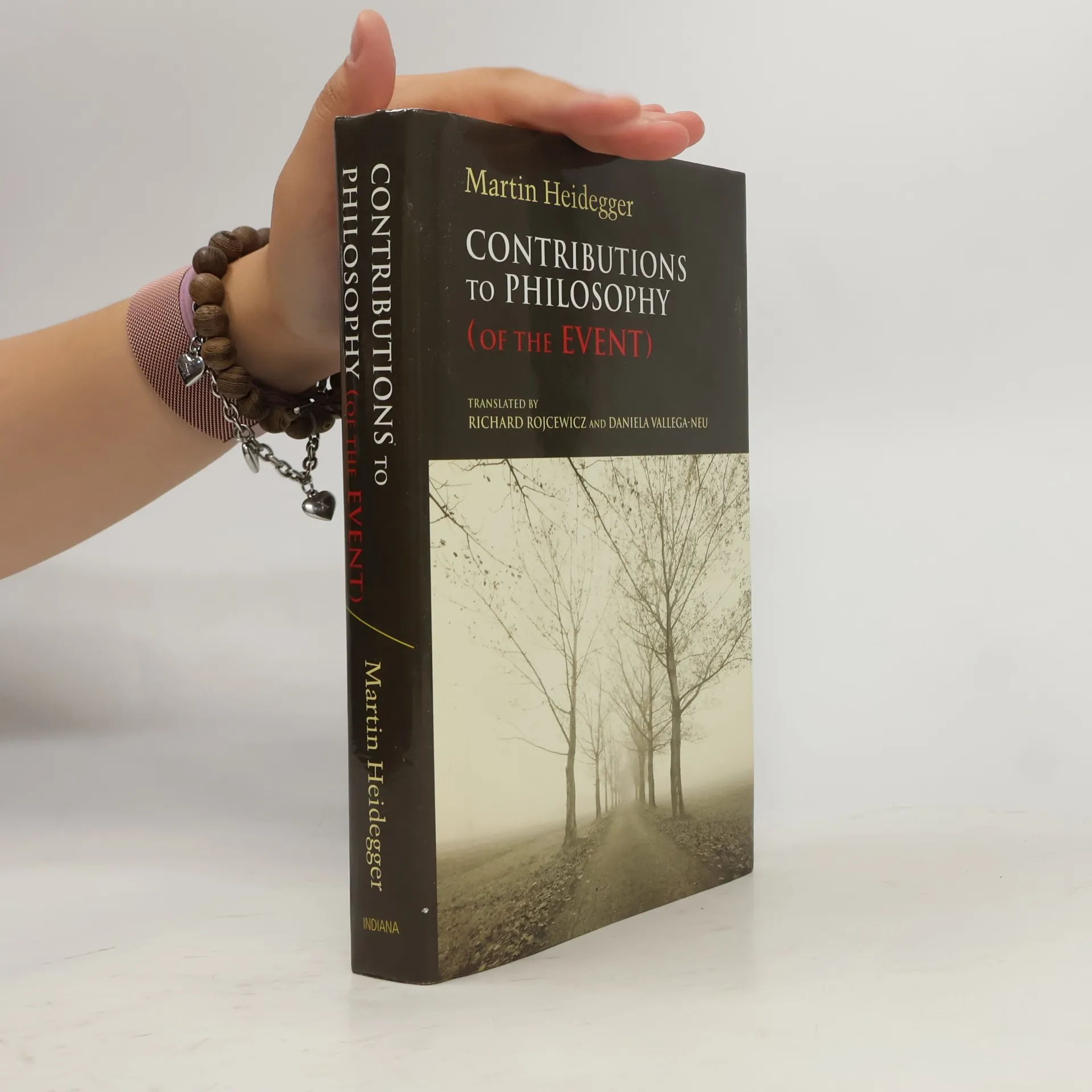
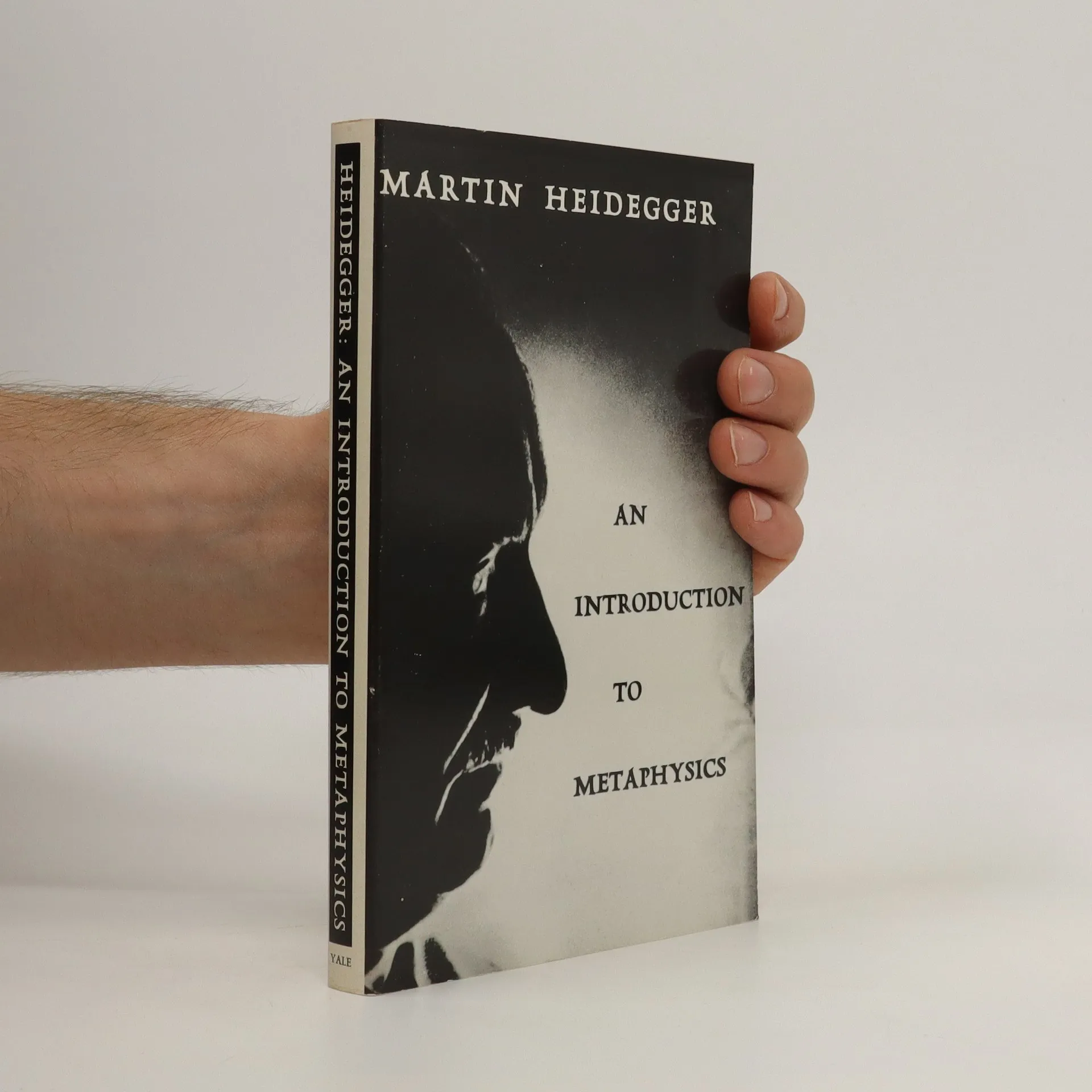
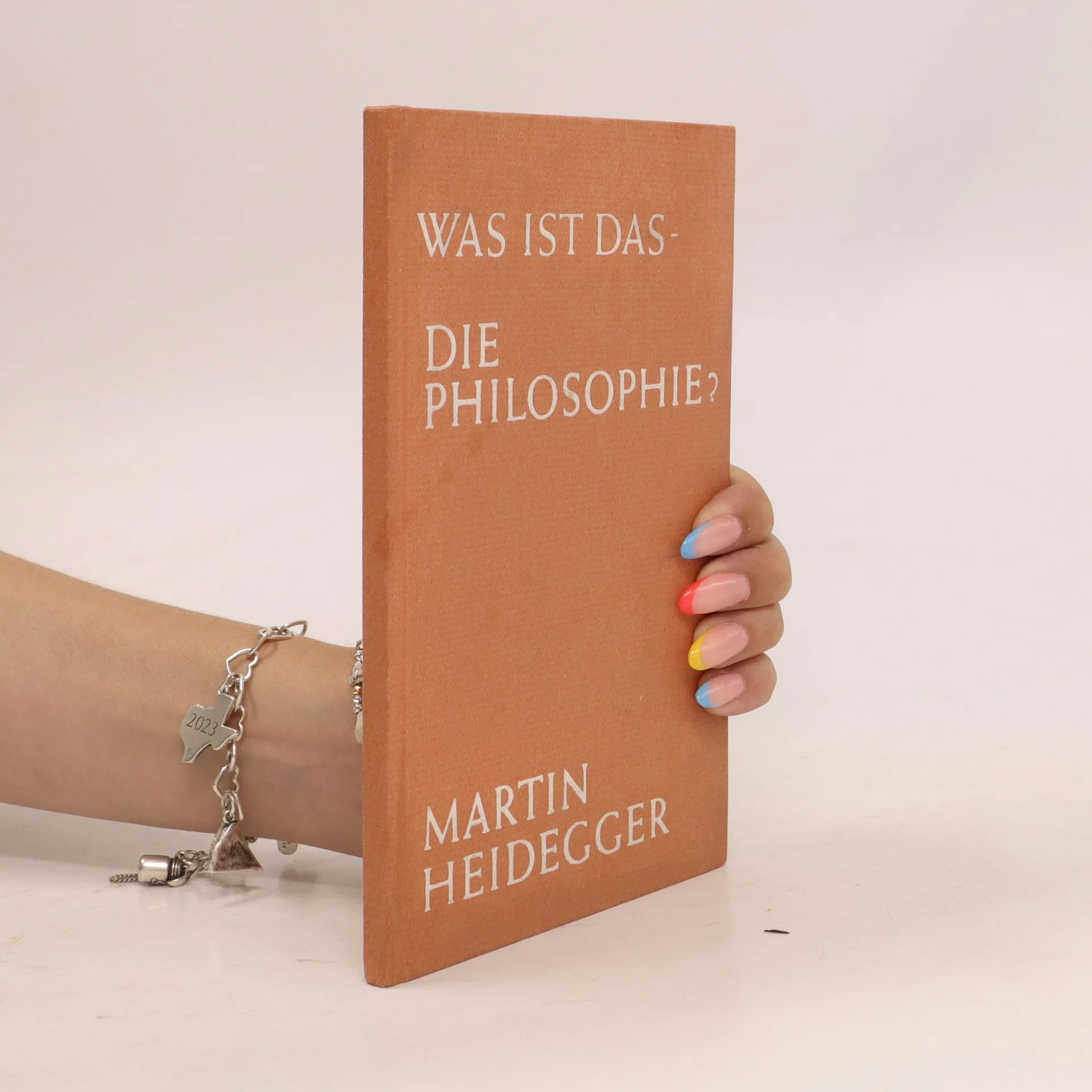
Martin Heidegger Boeken
Martin Heidegger was een Duitse filosoof wiens werk vaak geassocieerd wordt met fenomenologie en existentialisme, hoewel zijn denken slechts met grote voorzichtigheid met dergelijke stromingen geïdentificeerd moet worden. Zijn ideeën hebben de ontwikkeling van de hedendaagse Europese filosofie diepgaand beïnvloed en hun impact reikt veel verder dan de traditionele grenzen ervan. Het bewijs van zijn reikwijdte is te vinden op gebieden als architectuurtheorie, literaire kritiek, theologie, psychotherapie en cognitieve wetenschappen, wat getuigt van de breedte en diepte van zijn filosofische bijdragen.




Kant and the Problem of Metaphysics
- 288bladzijden
- 11 uur lezen
Offers an assessment of Kant's thought. This title talks about the problem of how the author proposed to enact his destruction of the metaphysical tradition and the role that his reading of Kant would play therein.
Highlights the contrast between Greek and Roman thought and the reflection of that contrast in language. The author analyzes the decline in the primordial understanding of truth - and, just as importantly, of untruth - that began in later Greek philosophy and that continues by virtue of the Latinization of the West.
Reconstructs Martin Heidegger's lecture course at the University of Marburg, devoted to an interpretation of Plato's "Sophist" and Aristotle. The lectures approach Plato through a detailed reading of the "Nichomachean Ethics", providing one of Heidegger's major interpretations of Aristotle.
Introduction to Phenomenological Research , volume 17 of Martin Heidegger's Gesamtausgabe, contains his first lectures given at Marburg in the winter semester of 1923–1924. In these lectures, Heidegger introduces the notion of phenomenology by tracing it back to Aristotle's treatments of phainomenon and logos . This extensive commentary on Aristotle is an important addition to Heidegger's ongoing interpretations which accompany his thinking during the period leading up to Being and Time. Additionally, these lectures develop critical differences between Heidegger's phenomenology and that of Descartes and Husserl and elaborate questions of facticity, everydayness, and flight from existence that are central in his later work. Here, Heidegger dismantles the history of ontology and charts a new course for phenomenology by defining and distinguishing his own methods.
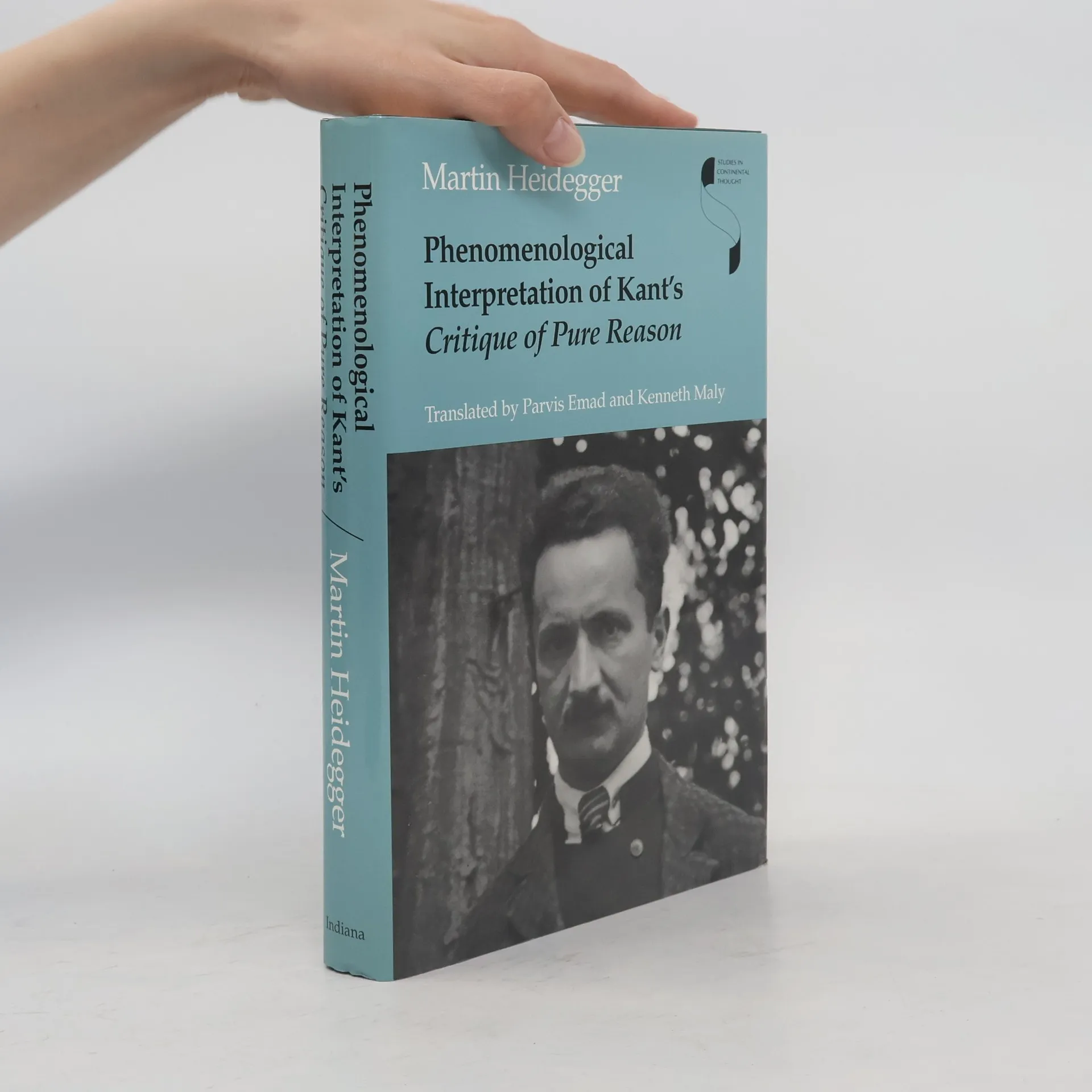
The text of Martin Heidegger's 1927--28 university lecture course on Immanuel Kant's Critique of Pure Reason presents a close interpretive reading of the first two parts of this masterpiece of modern philosophy. In this course, Heidegger continues the task he enunciated in Being and Time as the problem of dismatling the history of ontology, using temporality as a clue. Within this context the relation between philosophy, ontology, and fundamental ontology is shown to be rooted in the genesis of the modern mathematical sciences. Heidegger demonstrates that objectification of beings as beings is inseparable from knowledge a priori, the central problem of Kant's Critique. He concludes that objectification rests on the productive power of imagination, a process that involves temporality, which is the basic constitution of humans as beings.
The fundamental concepts of metaphysics
- 512bladzijden
- 18 uur lezen
Includes a treatment of the history of metaphysics and an elaboration of a philosophy of life and nature. This work defines and develops Heidegger's concepts of organism, animal behaviour, and environment.
Martin Heidegger's reading of Aristotle was one of the pivotal influences in the development of his philosophy. First published in German in 1981 as volume 33 of Heidegger's Collected Works, this book translates a lecture course he presented at the University of Freiburg in 1931. Heidegger's careful translation and his probing commentary on the first three chapters of Book IX of Metaphysics show the close correlation between his phenomenological interpretation of the Greeks (especially of Aristotle) and his critique of metaphysics. Additionally, Heidegger's confrontation with Aristotle's Greek text makes a significant contribution to contemporary scholarship on Aristotle, particularly the understanding of potentiality in Aristotle's thought. Finally, the book exemplifies Heidegger's gift for teaching students how to read a philosophical text and how to question that text in a philosophical way.
When they first met in 1925, Martin Heidegger was a star of German intellectual life and Hannah Arendt was his earnest young student. What happened between them then will never be known, but both would cherish their brief intimacy for the rest of their lives. The ravages of history would soon take them in quite different directions. After Hitler took power in Germany in 1933, Heidegger became rector of the university in Freiburg, delivering a notorious pro-Nazi address that has been the subject of considerable controversy. Arendt, a Jew, fled Germany the same year, heading first to Paris and then to New York. In the decades to come, Heidegger would be recognized as perhaps the most significant philosopher of the twentieth century, while Arendtwould establish herself as a voice of conscience in a century of tyranny and war. Illuminating, revealing, and tender throughout, this correspondence offers a glimpse into the inner lives of two major philosophers.
Basic concepts of Aristotelian philosophy
- 296bladzijden
- 11 uur lezen
Presents Martin Heidegger's important 1924 Marburg lectures that anticipate much of the revolutionary thinking which he subsequently articulated in "Being and Time". This book interprets Aristotle's "Rhetoric" and looks at the Greek notion of pathos.
Heidegger's lecture course at the University of Marburg in the summer of 1925, an early version of Being and Time (1927), offers a unique glimpse into the motivations that prompted the writing of this great philosopher's master work and the presuppositions that gave shape to it. The book embarks upon a provisional description of what Heidegger calls "Dasein," the field in which both being and time become manifest. Heidegger analyzes Dasein in its everydayness in a deepening sequence of terms: being-in-the-world, worldhood, and care as the being of Dasein. The course ends by sketching the themes of death and conscience and their relevance to an ontology that makes the phenomenon of time central. Theodore Kisiel's outstanding translation premits English-speaking readers to appreciate the central importance of this text in the development of Heidegger's thought.--
Martin Heidegger's 1942 lecture course interprets Friedrich Hölderlin's hymn "The Ister" within the context of Hölderlin's poetic and philosophical work, with particular emphasis on Hölderlin's dialogue with Greek tragedy. Delivered in summer 1942 at the University of Freiburg, this course was first published in German in 1984 as volume 53 of Heidegger's Collected Works. Revealing for Heidegger's thought of the period are his discussions of the meaning of "the political" and "the national," in which he emphasizes the difficulty and the necessity of finding "one's own" in and through a dialogue with "the foreign." In this context Heidegger reflects on the nature of translation and interpretation. A detailed reading of the famous chorus from Sophocles' Antigone, known as the "ode to man," is a key feature of the course.
Being and Time
- 592bladzijden
- 21 uur lezen
"What is the meaning of being?" This is the central question of Martin Heidegger's profoundly important work, in which the great philosopher seeks to explain the basic problems of existence. A central influence on later philosophy, literature, art, and criticism—as well as existentialism and much of postmodern thought—Being and Time forever changed the intellectual map of the modern world. As Richard Rorty wrote in the New York Times Book Review, "You cannot read most of the important thinkers of recent times without taking Heidegger's thought into account." This first paperback edition of John Macquarrie and Edward Robinson's definitive translation also features a new foreword by Heidegger scholar Taylor Carman.
Being and Truth
- 256bladzijden
- 9 uur lezen
Gregory Fried, a prominent philosopher and chair of the Philosophy Department at Suffolk University, explores the intersections of Heidegger's thought in his works. His notable publication, "Heidegger's Polemos: From Being to Politics," delves into the philosophical implications of Heidegger's ideas, while he also contributes as an editor to "A Companion to Heidegger's Introduction to Metaphysics," collaborating with Richard Polt to provide insights into this foundational text.
Martin Heidegger's Contributions to Philosophy reflects his famous philosophical "turning." In this work, Heidegger returns to the question of being from its inception in Being and Time to a new questioning of being as event. Heidegger opens up the essential dimensions of his thinking on the historicality of being that underlies all of his later writings. Contributions was composed as a series of private ponderings that were not originally intended for publication. They are nonlinear and radically at odds with the traditional understanding of thinking. This translation presents Heidegger in plain and straightforward terms, allowing surer access to this new turn in Heidegger's conception of being.
What Is Called Thinking?
- 272bladzijden
- 10 uur lezen
The book presents a systematic exploration of Heidegger's late philosophy, making it a crucial resource for understanding his thoughts. Renowned thinker Hannah Arendt highlights its significance, suggesting that it rivals even Heidegger's seminal work, Being and Time. The text delves into the nature of thinking and its implications, offering readers an engaging and profound insight into Heidegger's philosophical evolution.
Joan Stambaugh's translations of the works of Heidegger, accomplished with his guidance, have made key aspects of his thought and philosophy accessible to readers of English for many years. This collection, writes Stambaugh, contains Heidegger's attempt "to show the history of Being as metaphysics," combining three chapters from the philosopher's Nietzsche ("Metaphysics as a History of Being," "Sketches for a History of Being as Metaphysics," and "Recollection in Metaphysics") with a selection from Vorträge und Aufsätze ("Overcoming Metaphysics").
The phenomenology of religious life
- 304bladzijden
- 11 uur lezen
One of Heidegger's most important early lecture texts
Interpretation of Nietzsche's second untimely meditation
- 328bladzijden
- 12 uur lezen
Martin Heidegger's Nietzsche's Second Untimely Meditation presents crucial elements for understanding Heidegger's thinking from 1936 to 1940. Heidegger offers a radically different reading of a text that he had read decades earlier, showing how his relationship with Nietzche's has changed, as well as how his understandings of the differences between animals and humans, temporality and history, and the Western philosophical tradition developed. With his new reading, Heidegger delineates three Nietzschean modes of history, which should be understood as grounded in the structure of temporality or historicity and also offers a metaphysical determination of life and the essence of humankind. Ullrich Hasse and Mark Sinclair offer a clear and accessible translation despite the fragmentary and disjointed quality of the original lecture notes that comprise this text.
"Basic Concepts of Ancient Philosophy" presents a lecture course given by Martin Heidegger in 1926 at the University of Marburg. First published in German as volume 22 of the "Collected Works", the book provides Heidegger's most systematic history of Ancient philosophy beginning with Thales and ending with Aristotle. In this lecture, which coincides with the completion of his most important work, "Being and Time", Heidegger is working out a way to sharply differentiate between beings and Being. Richard Rojcewicz's clear and accurate translation offers English-speaking readers valuable insight into Heidegger's views on Ancient thought and concepts such as principle, cause, nature, unity, multiplicity, Logos, truth, science, soul, category and motion
The Principle of Reason
- 176bladzijden
- 7 uur lezen
Focussing on Leibniz's principle: 'nothing is without reason', this book shows that the principle of reason is in fact a principle of being. It also contains discussions of language, translation, reason, objectivity, and technology - as well as readings of Leibniz, Kant, Aristotle, and Goethe.
First Published in German in 1981 as Grundbegriffe (volume 51 of Heidegger's collected works), this translation of Martin Heidegger's lecture course at the University of Freiburg in the winter semester of 1941 offers a concise introduction to new directions in the philosopher's later thought. Shifts in Heidegger's thought from the problem of the meaning of being to the question of the truth of being are evident in this outstanding translation.
The German existentialist delineates his theories concerning the nature, problems, and limitations of man's being
Supplements
- 224bladzijden
- 8 uur lezen
A comprehensive anthology of Heidegger's early essays.
Ontology - the hermeneutics of facticity
- 138bladzijden
- 5 uur lezen
Ontology - The Hermeneutics of Facticity, first published in 1988 as volume 63 of Martin Heidegger's Collected Works, is the first English translation of a lecture course given during his legendary early Freiburg period (1915-1923). Anticipating both the phenomenological hermeneutical analysis of factical Dasein in Being and Time (1927) and the poetic thinking in Heidegger's writings after 1930, the experimental theme of these renowned lecture course notes from the summer semester of 1923 is the "be-ing there" of facticity in "the awhileness of its temporal particularity." The 33-year-old Heidegger illustrates this theme with an ingenious interpretation of the table in his home and the activities of his young family around it.
"Heidegger is widely regarded as the Twentieth Century's most original philosopher. This volume brings together the two seminal lecture courses of 1918 - The Idea of Philosophy and The Problem of Worldview and Phenomenology and Transcendental Philosophy of Value - as well as the lecture, On the Nature of the University and Academic Study."--Jacket
This revised and expanded edition of Martin Heidegger's BASIC WRITINGS includes ten key essays plus the Introduction to BEING AND TIME. An essential collection, BASIC WRITINGS provides a concise introduction to the thought of this controversial and important 20th-century philosopher.
Phenomenological Interpretations of Aristotle
- 184bladzijden
- 7 uur lezen
An early articulation of Heidegger's philosophical method
Correspondence 1949-1975
- 120bladzijden
- 5 uur lezen
A complete English translation of the correspondence between the philosopher Martin Heidegger and the novelist and essayist Ernst Jünger, together with a translation of Jünger's essay Across the Line.
This thoroughly revised commentary uses the most recent insights in Heidegger studies to lead the reader through the sometimes difficult text of Being and Time. The clearly marked section-by-section analysis explains the structure of Being and Time, illuminates obscure passages, and presents examples of human experience to elucidate Heidegger's points. So that the reader does not lose sight of the main argument, Gelven summarizes the relevant concepts of Heidegger's chapters prior to his explicit interpretation of each section. Even though Gelven's commentary is primarily intended to be used as a supplement to Being and Time, the text also serves as an articulate study in Heideggerian philosophy.
Four seminars
- 120bladzijden
- 5 uur lezen
In Four Seminars, Heidegger reviews the entire trajectory of his thought and offers unique perspectives on fundamental aspects of his work. First published in French in 1976, these seminars were translated into German with Heidegger's approval and reissued in 1986 as part of his Gesamtausgabe , volume 15. Topics considered include the Greek understanding of presence, the ontological difference, the notion of system in German Idealism, the power of naming, the problem of technology, danger, and the event. Heidegger's engagements with his philosophical forebears―Parmenides, Heraclitus, Kant, and Hegel―continue in surprising dialogues with his contemporaries―Husserl, Marx, and Wittgenstein. While providing important insights into how Heidegger conducted his lectures, these seminars show him in his maturity reflecting back on his philosophical path. An important text for understanding contemporary philosophical debates, Four Seminars provides extraordinarily rich material for students and scholars of Heidegger.
Exploring the nature of thought, this work delves into how shifting perspectives can transform our understanding of familiar situations. It challenges readers to engage with profound questions that arise when we encounter the ordinary in new and unexpected ways. The text invites introspection and encourages a deeper examination of our perceptions, ultimately fostering a more nuanced approach to everyday experiences.
Poetry, language and thought
- 256bladzijden
- 9 uur lezen
Essential reading for students and anyone interested in the great philosophers, this book opened up appreciation of Martin Heidegger beyond the confines of philosophy to the reaches of poetry. In Heidegger's thinking, poetry is not a mere amusement or form of culture but a force that opens up the realm of truth and brings man to the measure of his being and his world.
The book offers a comprehensive collection of the correspondence between philosopher Martin Heidegger and his student Karl Löwith, shedding light on their intellectual exchanges and personal relationship. This unprecedented compilation enhances the understanding of German intellectual and cultural history, providing insights into Heidegger's philosophical development and the influence he had on Löwith.
Early Greek Thinking
- 129bladzijden
- 5 uur lezen
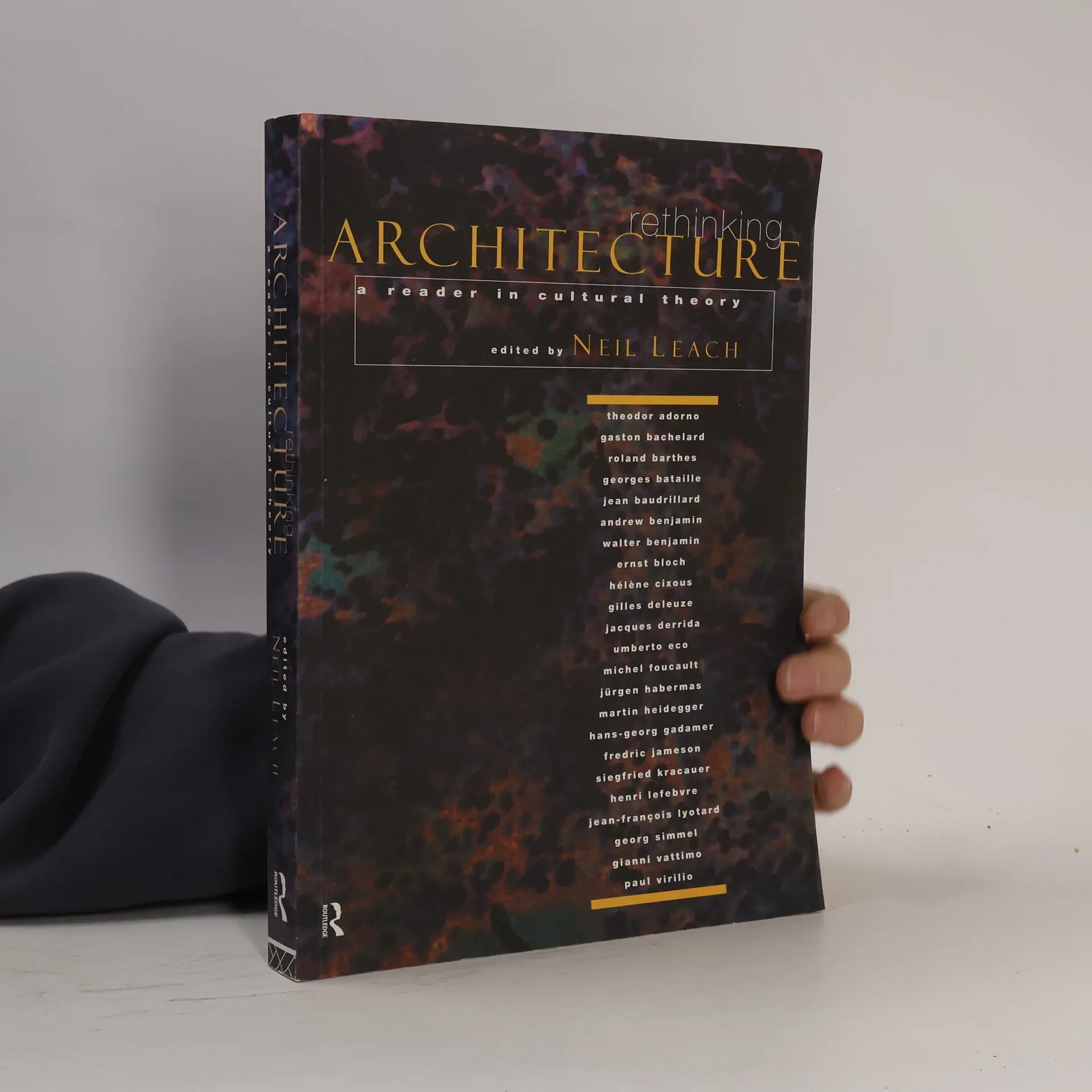
The collection features essential writings from influential philosophers and cultural theorists of the twentieth century, exploring the foundational ideas that have shaped urban environments and architectural experiences. It delves into the theoretical frameworks that underpin contemporary architecture, offering insights into the cultural and philosophical contexts that inform our understanding of space and design. This compilation serves as a critical resource for those interested in the intersection of architecture, philosophy, and urban theory.
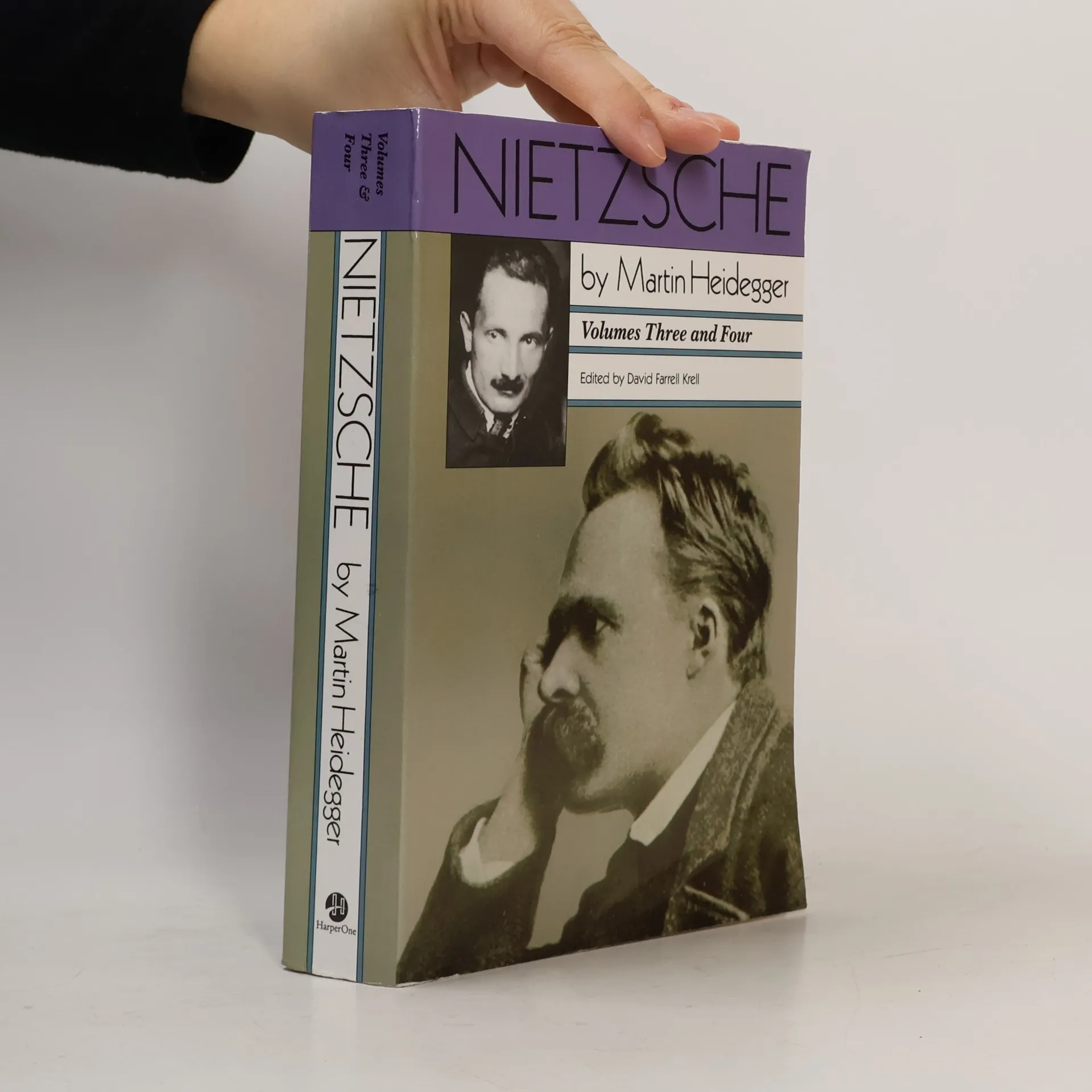
Nietzsche Volumes 3 & 4
- 608bladzijden
- 22 uur lezen
Part of a series of lectures, this work analyzes the philosophies of both Nietzsche and Heidegger.
Heideggers Schrift über Nietzsche ist eine tiefgehende Auseinandersetzung mit einem der bedeutendsten Denker der modernen Philosophie. Nietzsche wird von Heidegger als der letzte Metaphysiker des Abendlandes gewürdigt, was ihm den höchsten Respekt zollt. Heidegger untersucht Nietzsches Gedanken und Ideen, die oft als zeitlos und herausfordernd empfunden werden. Während Nietzsche sich klar von seinen Kritikern abgrenzt, so tut es auch Heidegger, der sich nicht mit den gängigen Vorurteilen und Missverständnissen über Nietzsche auseinandersetzt. Stattdessen bietet er eine einzigartige Perspektive, die Nietzsches Werk in einem neuen Licht erscheinen lässt und dessen philosophische Relevanz für die Gegenwart unterstreicht. Diese Analyse eröffnet dem Leser ein vertieftes Verständnis von Nietzsches Einfluss auf die Philosophie und die westliche Denktradition.
Die "Beiträge zur Philosophie (Vom Ereignis)" gelten als Heideggers zweites Hauptwerk nach "Sein und Zeit". Sie bieten eine neue Perspektive auf die Seinsfrage, indem sie das Wesen des Seins im Kontext des ereigneten Entwurfs untersuchen. Diese Arbeit markiert den Übergang von der Metaphysik zur Wahrheit des Seins und vollzieht die "Kehre" im Denken.
Bauen Wohnen Denken
Vorträge und Aufsätze
Heideggers Erörterungen haben in ihrer Vielfalt der Philosophie des 20. Jahrhunderts ungeahnte Perspektiven eröffnet, nachhaltig ist besonders sein Einfluss auf die Theologie.
Die 1949/50 erstmals veröffentlichte Sammlung von sechs Abhandlungen aus dem Zeitraum von 1936 bis 1946 vereinigt so Entscheidendes wie Heideggers Frage nach dem Wesen der Kunst („Der Ursprung des Kunstwerkes“, 1935/36), den Aufweis der Grundlegung des neuzeitlichen Weltbildes durch die Metaphysik („Die Zeit des Weltbildes“, 1938), eine Auslegung von Hegels spekulativem Begriff der Erfahrung in der Phänomenologie des Geistes („Hegels Begriff der Erfahrung“, 1942/43), die Zusammenfassung seiner großen Nietzsche-Interpretationen („Nietzsches Wort Gott ist tot“, 1943), sein Gespräch mit der Dichtung Rilkes („Wozu Dichter“, 1946) und seine Deutung des Vorsokratikers Anaximander („Der Spruch des Anaximander“, 1946). In den in diesem Band versammelten sechs Abhandlungen werden von Heidegger einzelne Fragen aus dem Gefüge des seinsgeschichtlichen Denkens, dessen erste Durchgestaltung in den „Beiträgen zur Philosophie (Vom Ereignis)“ (1936-38) als Band 65 der Gesamtausgabe vorliegt, herausgehoben und entfaltet. Die Einzelausgabe der „Holzwege“ gibt seit der siebten Auflage den vollständigen Text der Gesamtausgabe einschließlich der Marginalien Heideggers wieder. Der Band ist somit wort- und seitengleich mit Band 5 der Gesamtausgabe.
Nač básníci?
- 95bladzijden
- 4 uur lezen
Přednáška Nač básníci? byla proslovena v nejužším kruhu přátel u příležitosti 20. výročí úmrtí R. M. Rilkeho, který zemřel 29. prosince 1926. Analyzuje básnické dílo R. M. Rilkeho a odkazuje i na několik básní F. Hölderlina. Heideggerovi přátelé, pro které přednášku napsal, byli jistě podobně jako on sám důvěrně obeznámeni s tvorbou obou těchto velkých německých básníků. Takovou obeznámenost nelze předpokládat u českého publika, a proto překladatel svými překlady většinu zmiňovaných děl doplnil. Přeložil Ivan Chvatík.
Zur Sache des Denkens
- 91bladzijden
- 4 uur lezen
Der Band, erschienen zum 80. Geburtstag von Martin Heidegger (1889--1976), vereinigt vier Stücke: den 1962 im Rahmen des Freiburger Studium Generale gehaltenen Vortrag "Zeit und Sein", das Protokoll eines Seminars zu diesem Vortrag, die deutsche Erstveröffentlichung des Vortrags "Das Ende der Philosophie und die Aufgabe des Denkens" aus dem Jahr 1964 sowie den Beitrag "Mein Weg in die Phänomenologie", 1963 zuerst als Privatdruck erschienen in der Festgabe für den Verleger Hermann Niemeyer zum 80. Geburtstag.
Soubor přednášek významného německého myslitele, představitele filozofie existence, se zaměřuje na vymezení podstaty filozofie.
Die Grundprobleme der Phänomenologie
- 474bladzijden
- 17 uur lezen
In der Vorlesung des Sommersemesters 1927 unter dem Titel "Die Grundprobleme der Phänomenologie" nimmt Martin Heidegger eine "Neue Ausarbeitung des 3. Abschnitts des I. Teiles von 'Sein und Zeit'" in Angriff. Der "Gesamtbestand der Grundprobleme der Phänomenologie in ihrer Systematik und Begründung" besteht in der "Diskussion der Grundfrage nach dem Sinn von Sein überhaupt und der aus ihr entspringenden Probleme". Die so gekennzeichnete Thematik von "Zeit und Sein" wird auf dem "Umweg" einer phänomenologischen Erörterung von vier geschichtlichen Thesen über das Sein behandelt. Die phänomenologisch-kritische Diskussion dieser Thesen führt zu der Einsicht, dass allem zuvor die Grundfrage nach dem Sinn von Sein überhaupt beantwortet sein muss, um die aus den vier geschichtlichen Thesen herausgeschälten vier Grundprobleme in zureichender Weise systematisch ausarbeiten zu können. Wer "Sein und Zeit" als einen Weg zur Ausarbeitung der Seinsfrage überhaupt als dem Ziel studiert, bleibt auf "Die Grundprobleme der Phänomenologie" verwiesen.
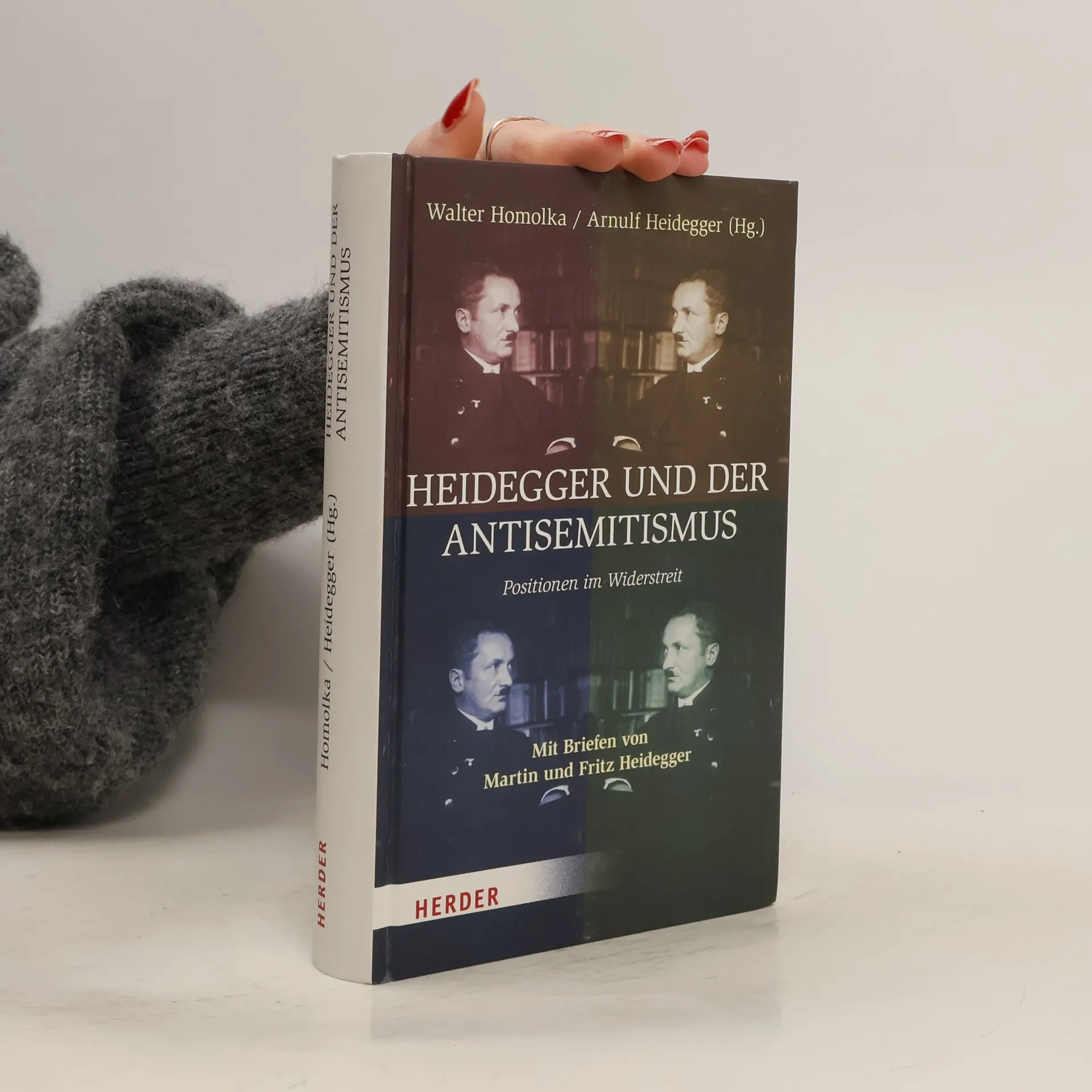
Wie konnte sich einer der größten Denker des 20. Jahrhunderts im Nationalsozialismus engagieren, wie nah oder fern steht er zum Antisemitismus? Darüber gab es in den letzten beiden Jahren heftige öffentliche Auseinandersetzungen. Dieses Buch dokumentiert den entstandenen Widerstreit: Führende Heidegger-Forscher und andere Protagonisten des Diskurses stellen kurz und prägnant ihre Sicht zu Heideggers politischen Verirrungen dar. Außerdem werden aus der Korrespondenz zwischen Martin und Fritz Heidegger diejenigen Briefe veröffentlicht, in denen sich die Brüder in den 30er und 40er Jahren über gesellschaftliche und politische Themen austauschen.
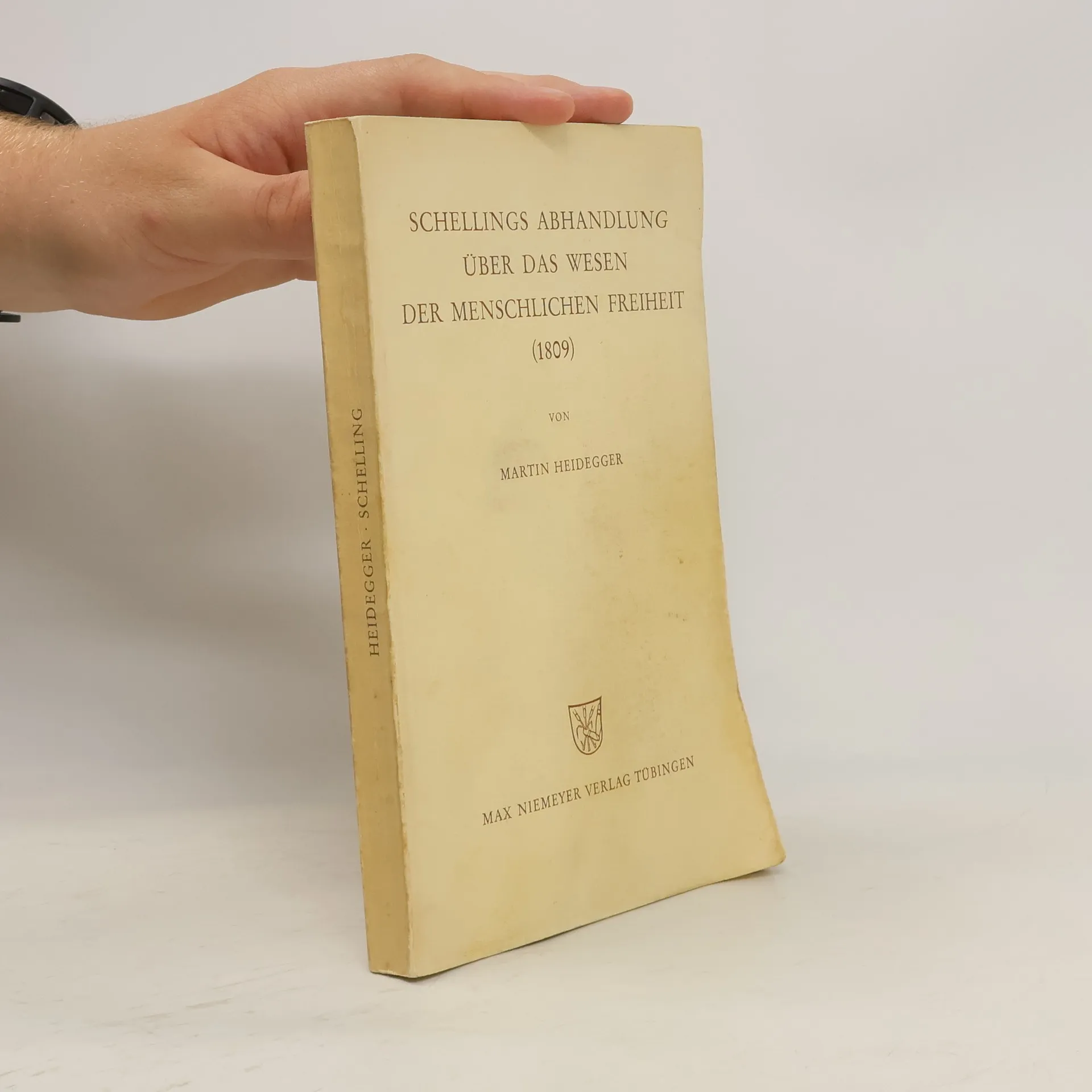
Im Jahr 1809 erschien die Abhandlung „Über das Wesen der menschlichen Freiheit“. Sie ist das größte Werk Schellings und zugleich eines der tiefgründigsten Werke der deutschen Philosophie. Zwei Jahre vor Schellings Abhandlung über die Freiheit erschien 1807 Hegels erstes und größtes Werk, die „Phänomenologie des Geistes“. Die Vorrede zu diesem Werk, die eine entschieden ablehnende Haltung Schellings enthielt, führte zum endgültigen Bruch der beiden Freunde aus Jugendtagen. Der dritte im Bunde der jugendlichen Freundschaft der drei Schwaben, Hölderlin, wurde von seinen Göttern in den Wahnsinn gehüllt.
Myslet veršem
- 100bladzijden
- 4 uur lezen
Nejvýznačnější filosof 20. století Martin Heidegger jako básník? I pro ty, kdo se zabývají Heideggerovou filosofií to bude zřejmě překvapivé. Sám autor píše: „Mé „návrhy“ se ostře odlišují od každého druhu poezie: od poetické básně, avšak především od básně „naučné“, protože žádnou „nauku“ do veršů nevnášejí. To už jsou spíše spřízněny s výroky raných myslitelů, příbuzné snad raným počátkům myšlení, a přesto z jiného „vrhu“ bytí. „Návrhy“ jsou vzkazy bytí, jež se vyřklo do jazyka, a zároveň platí, že jazyk toto sycené ticho chová jako chvění uvnitř svobodného klidu.“
Nietzsche: Seminare 1937 und 1944. 1. Nietzsches metaphysische Grundstellung (Sein und Schein) 2. Sk
1. Nietzsches metaphysische Grundstellung (Sein und Schein). 2. Skizzen zu Grundbegriffe des Denkens. Übungen Sommersemester 1937 und 1944
- 324bladzijden
- 12 uur lezen
Im Seminar von 1937 analysiert Heidegger die Entwicklung der Frage nach dem Sein im Kontext von Nietzsches Philosophie, insbesondere in Bezug auf den Willen zur Macht. Er argumentiert, dass das metaphysische Denken des Abendlandes in die Seinsvergessenheit des Nihilismus mündet, was sich in der ewigen Wiederkehr des Gleichen manifestiert. Diese Konzepte führen zur Erkenntnis eines "Anfangs vom Ende her" und der Notwendigkeit eines neuen Anfangs. Die Verbindung zu späteren Arbeiten, wie den "Beiträgen zur Philosophie", wird durch eine vertiefte Auseinandersetzung mit Nietzsches Wertedenken und Texten aus dem "Willen zur Macht" deutlich.
Der Spruch des Anaximander / Gesamtausgabe 78
- 351bladzijden
- 13 uur lezen
In diesem Band wird Heideggers Manuskript "Der Spruch des Anaximander" veröffentlicht, das als Vorlesung aus 1942 konzipiert wurde. Es eröffnet eine Reihe von Vorlesungen über die griechischen Denker und zielt darauf ab, verborgene Möglichkeiten des abendländischen Denkens zu erschließen, besonders im Kontext der metaphysischen Krise.
Von 1931 bis in die frühen siebziger Jahre dokumentiert Heidegger in seinen "Schwarzen Heften" Gedanken und philosophische Experimente. Die 'Anmerkungen I-V' (1942-1948) bieten Einblicke in seine schmerzhafte Neuorientierung und thematisieren den intellektuellen Niedergang Deutschlands sowie seine gescheiterten universitätspolitischen Ambitionen.
Der Band 11 der Gesamtausgabe vereinigt in seinem ersten Teil drei gedankentiefe Vortragstexte aus der Mitte und der zweiten Halfte der funfziger Jahre: Was ist das - die Philosophie? (1955), der die Frage nach dem kunftigen Wesen der Philosophie in die Notwendigkeit einer Erorterung des Verhaltnisses von Denken und Dichten einmunden lasst; Der Satz der Identitat (1957), in dem die Identitat aus dem Ereignis als dem Zusammengehoren von Sein und Mensch gedacht wird; Die onto-theo-logische Verfassung der Metaphysik (1957), deren Wesensherkunft aus der Differenz als dem Austrag von entbergender Uberkommnis und sich bergender Ankunft bestimmt wird. Der zweite und der dritte Text wurden von Heidegger unter dem Buchtitel Identitat und Differenz veroffentlicht, den er auch als Titel fur den Sammelband 11 der Gesamtausgabe festgelegt hat. Der zweite Teil enthalt die Erstveroffentlichung (1962) des vierten Vortrags Die Kehre aus den Bremer Vortragen von 1949 sowie die Erstveroffentlichung (1958) des ersten Vortrags der Freiburger Vortragsreihe von 1957 Grundsatze des Denkens, deren Mitte der Vortrag Der Satz der Identitat ist. Die fur die Veroffentlichung in Briefform verfassten Texte fur Pater W.J. Richardson (1962) zur Kehre und fur den Japaner Takehiko Kojima (1963) zum Wesen der neuzeitlichen Technik gelangen im dritten Teil zum Wiederabdruck.
Martin Heideggers Vier Hefte I und II, entstanden zwischen 1947 und 1950, erscheinen als der sechste Band der Schwarzen Hefte. Heidegger hat ihnen eine so grosse Bedeutung beigemessen, dass er sie sogar als den vielverlangten 'II. Teil von Sein und Zeit' (GA 98, 61) bezeichnet. Bereits in den Anmerkungen - anderen Schwarzen Heften, die parallel zu den Vier Heften verfasst wurden - weist Heidegger immer wieder auf sie hin. Der Band 99 der Gesamtausgabe enthalt zwei Hefte, die allerdings keineswegs die eigentlichen Vier Hefte darstellen. Vielmehr wird in diesen beiden Heften das Projekt der Vier Hefte ausfuhrlich thematisiert. Zudem ist in ihnen von einem Manuskript der Vier Hefte die Rede. Mit der durchaus fur Heidegger ungewohnlichen Betonung der Vier erhalt Heideggers Gedanke des Gevierts einen neuen, unerwarteten Kontext.
Die "Winke I und II" als der Band 101 der Gesamtausgabe gehören zu Heideggers sogenannten Schwarzen Heften. Ende der Fünfzigerjahre entstanden, setzen sie das Projekt eines sich immer mehr in sich selbst verdichtenden Denkens fort. Seine wichtigste Suche gilt einer Sprache, die dem seit Jahrzehnten verfolgten und oft variierten Gedanken des "Ereignisses" zu entsprechen vermag. Wiederholt werden diese Versuche von Spuren aus dem Leben des Philosophen bereichert und die vermeintliche Grenze von Leben und Denken überschritten. Die beiden Hefte bezeugen so die enorme Kraft eines Denkens, das sich nirgendwo auf einmal erreichten Erkenntnissen ausruht. So wird die Radikalität eines Philosophierens deutlicher, das das Motto der Gesamtausgabe "Wege, nicht Werke" uneingeschränkt verwirklicht.
Der Band 102 der Gesamtausgabe ist der letzte der Schwarzen Hefte, deren erstes Heidegger 1931 angefertigt hat. Die vier letzten Hefte, die den bemerkenswerten Titel Vorlaufiges tragen, sind - was Datierungen in den Heften betrifft - ungefahr zwischen 1963 und 1970 entstanden, wobei man davon ausgehen kann, dass die letzten Aufzeichnungen noch weiter in die Siebzigerjahre hineinreichen. Ihr Ton hat sich beruhigt und vereinfacht. Gibt es im ersten Heft noch verletzte Bemerkungen zu Gunter Grass und Theodor W. Adorno, verschwindet im Verlauf der Uberlegungen alle personliche Polemik. Dafur taucht uberraschend eine Beschaftigung mit der Kybernetik, der Industriegesellschaft und sogar dem Computer auf. Die in schwer lesbarer Handschrift verfasste vorletzte Aufzeichnung der Hefte bestimmt das Denken als ein unhorbares Gesprach mit den entflohenen Gottern.
Úvahy II–VI (Černé sešity 1931–1938)
- 528bladzijden
- 19 uur lezen
Od roku 1931 do začátku 70. let si Martin Heidegger zaznamenával své myšlenky do sešitů vázaných v černém voskovaném plátně. Záznamy nejsou datovány, ale představují svérázný myslitelský deník, který nechává čtenáře nahlédnout hluboko do autorovy mysli, ať už jde o jeho filosofické dílo, či o to, jak si představoval obrodu Německa nacionálním socialismem po 1. světové válce a jak byly jeho představy faktickým vývojem zklamávány. V rámci obsáhlého Heideggerova díla, které sám na sklonku života uspořádal a rovněž určil, v jakém pořadí mají jednotlivé svazky vycházet, bylo 34 „černých sešitů“ zařazeno až na úplný konec jako svazky 94–102. První sešit (Úvahy I) se nedochoval. Až do zveřejnění v předchozím desetiletí nesměli mít k těmto zápiskům přístup ani specializovaní badatelé. MARTIN HEIDEGGER (1889–1976), od roku 1919 asistent E. Husserla, se stal r. 1928 jeho nástupcem na univerzitě ve Freiburgu a v letech 1933–1934 jejím rektorem. Vyšel z Husserlovy fenomenologie a v dialogu se svými antickými i novověkými předchůdci celoživotně rozvíjel otázku po bytí.
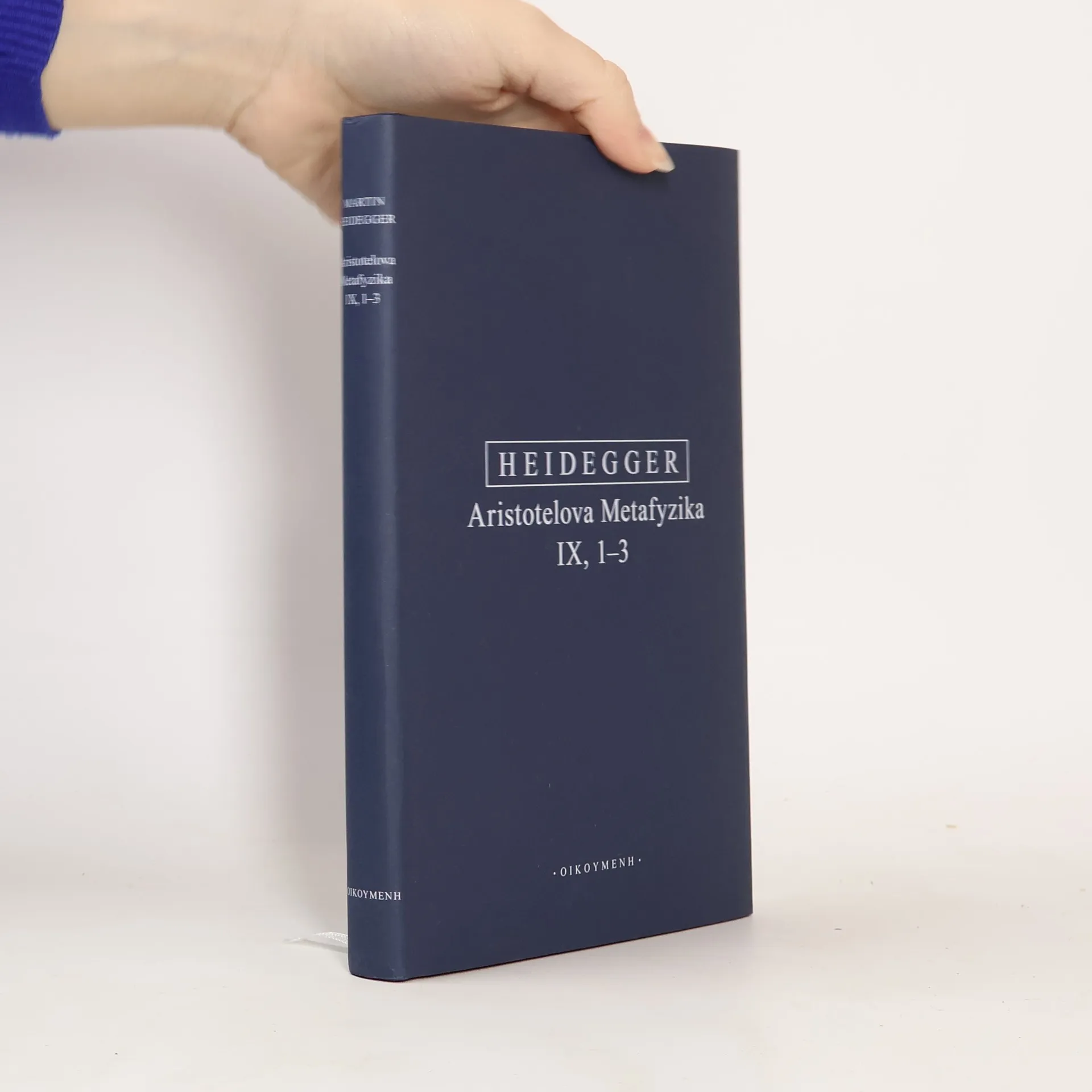
Aristotelova Metafyzika IX, 1-3
- 214bladzijden
- 8 uur lezen
Im Wintersemester 1966/67 fand an der Universität Freiburg i. Br. auf Anregung von Eugen Fink ein von Martin Heidegger und Eugen Fink gemeinsam veranstaltetes Heraklit-Seminar statt. Das Heraklit-Seminar ist die letzte Lehrveranstaltung, die Martin Heidegger an der Universität Freiburg abgehalten hat. In 13 Sitzungen erörterten Heidegger und Fink Fragen vorsokratischer Philosophie an Hand des Textes von Heraklit in Rede und Antwort. Dieser Band gibt den genauen Wortlaut wieder und ist ein lehrreiches Exercitium zum Nachdenken über die Anfänge der griechischen Philosophie.
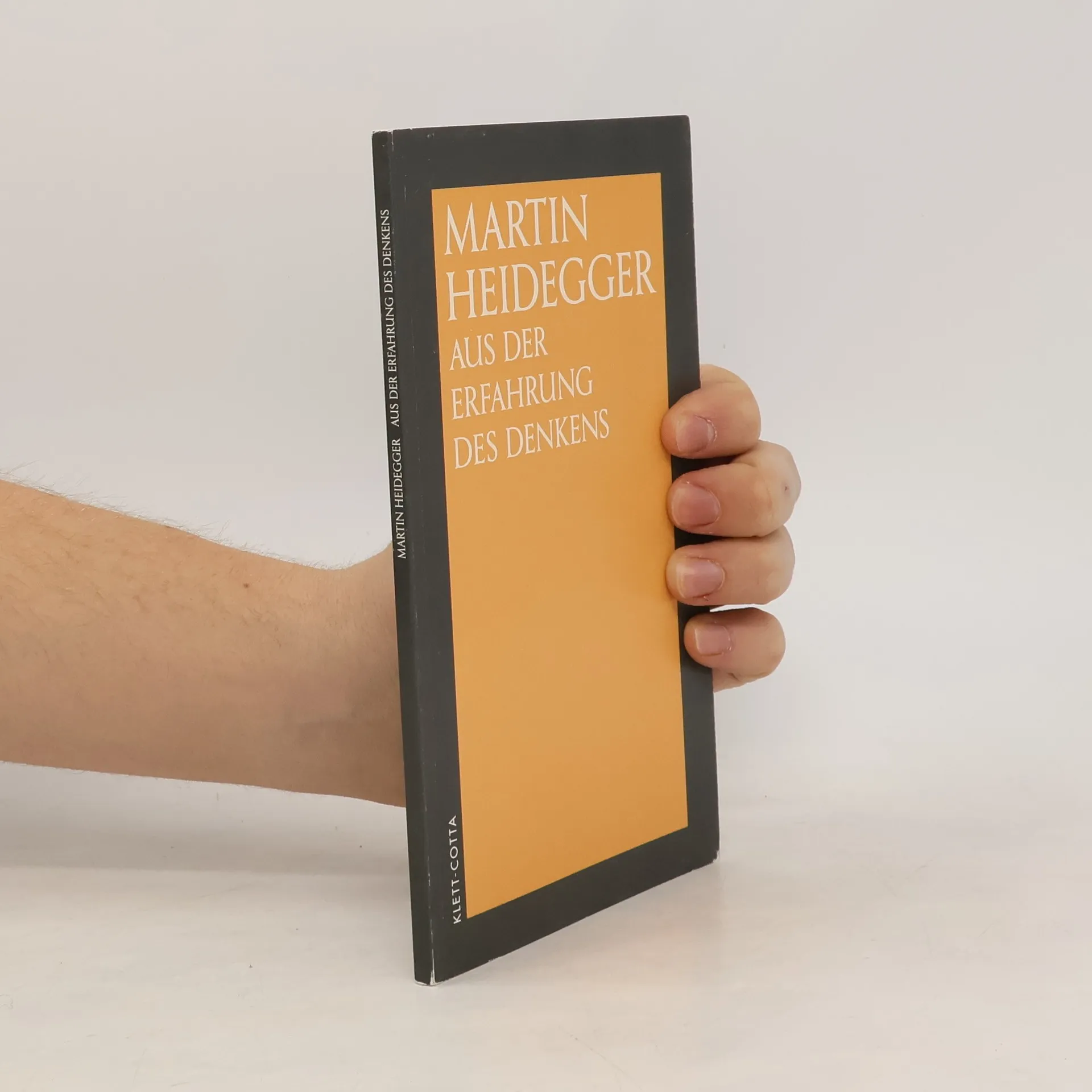
Aus der Erfahrung des Denkens
- 27bladzijden
- 1 uur lezen
Der Band enthält die Schriften: - Identität und Differenz - Gelassenheit - Hebel - der Hausfreund - Aus der Erfahrung des Denkens - Was ist das - die Philosophie?
Překlad dvou významných přednášek z roku 1953 (Otázka techniky. Věda a zamyšlení), které reprezentují Heideggerovo definitivní stanovisko k novověké vědě a moderní technice.
Filosofie se rodí v dialogu a pouze v něm zůstává nadále živá. Klást otázky patří k základnímu étosu opravdové filosofické práce, která se nesmí zastavit před žádnou autoritou. Klást filosofické otázky Martinu Heideggerovi se často však redukuje na (vposled oprávněné) morální a politické ostouzení, obviňování a odmítání bez samotného zabývání se záležitostí jeho myšlení. Nicméně politické pohoršení tak při vší legitimnosti mnohdy slouží pouze jako alibismus maskující skutečnou neochotu či neschopnost zabývat se jeho náročným, a přeci přínosným filosofováním. Když je Heideggerovo myšlení poctivě a kriticky dotazováno „sine ira et studio“, ukazuje se jako produktivní a inspirativní. Mezinárodní kolektiv autorů představuje nové perspektivy, ze kterých recentní badatelský zájem pohlíží na konkrétní aspekty Heideggerova myšlení. Autory jednotlivých kapitol uvádějících Heideggerovo myšlení do konkrétních forem dialogu jednak s jinými dějinnými autoritami, jednak speciálně s novověkou (přírodo)vědou, jsou Ladislav Benyovszky, Jana Kružíková, Jakub Marek, Aleš Novák, Peter Trawny a Holger Zaborowski.
Gesamtausgabe. 4 Abteilungen / Überlegungen II-VI
- 536bladzijden
- 19 uur lezen
Von 1931 bis in die frühen siebziger Jahre dokumentiert Heidegger in den "Schwarzen Heften" seine Gedanken und philosophischen Experimente. Besonders im Band 94 wird seine Auseinandersetzung mit der Rektorenzeit in Freiburg und seine kritischen Bedenken gegenüber den Nationalsozialisten deutlich. Diese Hefte bieten einen einzigartigen Einblick in sein Denken.
Gesamtausgabe Abt. 1 Veröffentlichte Schriften Bd. 9. Wegmarken
- 487bladzijden
- 18 uur lezen
Die "Wegmarken" bieten einen umfassenden Einblick in Martin Heideggers Denken von 1919 bis 1961. Die Sammlung enthält wichtige Randbemerkungen aus seinen Handexemplaren und bereichert zentrale Texte wie "Was ist Metaphysik?", "Vom Wesen des Grundes" und "Brief über den Humanismus".
Gesamtausgabe Abt. 1 Veröffentlichte Schriften Bd. 13. Aus der Erfahrung des Denkens
- 254bladzijden
- 9 uur lezen
Anaximandrův výrok
- 87bladzijden
- 4 uur lezen
Sv. 11: Studie z roku 1946 pochází ze sbírky textů vydané autorem v roce 1950 pod názvem Holzwege. Studie promýšlí jeden z nejstarších filosofických výroků, podává jeho výklad a zdůvodňuje jeho svérázný překlad. Autor se snaží ukázat, jaký význam má promýšlení Anaximandrova výroku pro porozumění rozdílu mezi celkem jsoucího a bytím. Osvětlení tohoto rozdílu pak má přispět k odstranění zapomenutosti na bytí a zásadním způsobem pomoci překonat zmatek, v němž se nachází dnešní člověk, posedlý světovládou a bezmezným ovládnutím přírody. Přeložil I. Chvatík.
Aristotelova Metafyzika IX, 1-3 O bytí a skutečnosti síly
- 196bladzijden
- 7 uur lezen
Cyklus přednášek z letního semestru r. 1931 na universitě ve Freiburku s podtitulem „Bytnost a skutečnost mohoucnosti“, v nichž autor analyzuje Aristotelovy pojmy dynamis a energeia.
Nietzscheho výrok "Bůh je mrtev"
- 55bladzijden
- 2 uur lezen
Heideggerova studie, jejíž provokativní titul již na první pohled upoutává čtenářskou pozornost, si klade za úkol vyložit Nietzscheho myšlení jako geniální dovršení dějin evropské metafysiky. Zároveň však odmítá Nietzscheho přesvědčení, že kritickou analýzou novověkého „nihilismu“ a rozvrhem „nadčlověka“ budoucnosti, který by byl schopen pozitivním způsobem uplat-ňovat „vůli k moci“, tuto metafysiku překonal a opustil. Heidegger podává výsledky svého uvažování o „dějinách bytí“, které předestřel v pěti semestrech přednáškového cyklu na toto téma na universitě ve Freiburku v letech 1936–1940. Nihilismus, jehož zkratkovitým vyjádřením je věta citovaná v titulu, je podle Nietzscheho „vnitřní logikou“ dvou tisíciletí dějin Evropy, která se marně snaží vymanit z pojetí hierarchicky uspořádaného jsoucna tradovaného theologickým hellénisticko-židovským výkladem světa, jehož základní strukturu vytyčil na počátku evropské metafysiky Platón. Podle Heideggerovy pozdní filosofie, která se zde začíná rýsovat, nezachrání lidstvo Nietzschem hlásané „přehodnocení“ všech metafysikou „znehodnocených“ hodnot, nýbrž dosud nikdy nezahájené vážné a hluboké zamyšlení nad tím, jak rozumíme bytí.
Gesamtausgabe - 65: Beiträge zur Philosophie
Vom Ereignis - III. Abteilung: Unveröffentlichte Abhandlungen
- 521bladzijden
- 19 uur lezen
"[Heidegger's] greatest work... essential for all collections." --Choice ..". students of Heidegger will surely find this book indispensable." --Library Journal Contributions to Philosophy (From Enowning), written in 1936-38 and first published in 1989 as Beitrage zur Philosophie (Vom Ereignis), is Heidegger's most ground-breaking work after the publication of Being and Time in 1927. If Being and Time is perceived as undermining modern metaphysics, Contributions undertakes to reshape the very project of thinking.
Logik als die Frage nach dem Wesen der Sprache
Freiburger Vorlesung Sommersemester 1934 auf der Grundlage des Originalmanuskripts
- 200bladzijden
- 7 uur lezen
Das lange verschollene Manuskript von Heideggers Vorlesung Logik als die Frage nach dem Wesen der Sprache, bereits 1998 auf Grundlage einer Nachschrift als Band 38 der Gesamtausgabe veröffentlicht, erscheint hier neu als Band 38A. In der Vorlesung arbeitet Heidegger an einer "Erschütterung der Logik", aus der ein gewandeltes Verhältnis zur Sprache entspringen soll. Diese Verwandlung der Logik soll zugleich die Selbstauffassung des Menschen verändern. Die mit Descartes anbrechende Neuzeit soll durch eine "Umwälzung" einem neuen Zeitalter weichen. Die Vorlesung reagiert auf die nationalsozialistische Machtergreifung im Jahr 1933, um ausdrücklich darauf hinzuweisen, dass sie nicht "zum eifrigen Mittun" auffordern will. Sie bietet ein Beispiel dafür, wie unnachahmlich Heidegger seine Hörer in seine Revolution des Denkens
Věc myšlení
- 163bladzijden
- 6 uur lezen
Kniha Věc myšlení, kterou si Martin Heidegger věnoval ke svým osmdesátým narozeninám v roce 1969, představuje jakési jeho filosofické memento. Tento soubor textů z první poloviny 60. let obsahuje kromě jiného dva z Heideggerových nejdůležitějších textů vůbec. Ve freiburgské přednášce Čas a bytí se autor po pětatřiceti letech vrací z pozice svého pozdního myšlení k problematice třetího - nikdy nedokončeného a údajně spáleného - oddílu svého hlavního díla Bytí a čas. Proslule obtížný text, který poprvé vychází v českém překladu, předvádí, že když bez předsudků přemýšlíme o bytí toho, co jest, jsme nevyhnutelně přivedeni před otázku po čase, a když následně přemýšlíme o čase, jsme nevyhnutelně dovedeni zpět k otázce po bytí. Věcný vztah obojího - bytí a času, času a bytí - pak Heidegger uchopuje v ústředním pojmu svého pozdního díla: události uvlastnění (Ereignis). Pařížská přednáška Konec filosofie a úkol myšlení, jejíž klasický překlad byl pro přítomné vydání znovu přehlédnut, formuluje tezi, že filosofie jako nauka o jsoucím jakožto jsoucím v naší epoše končí, protože jednotlivé vědy si již celek jsoucího bezezbytku rozebraly mezi sebou. Úkolem myšlení, které je dědicem filosofie, je poté podle Heideggera promýšlet věcné vztahy ukryté ve světlině bytí, která se rozevírá spolu s časem a ve které se veškeré jsoucí teprve stává zjevným a uchopitelným, - tedy promýšlet právě to, o co se autor sám pokusil v přednášce Čas a bytí.
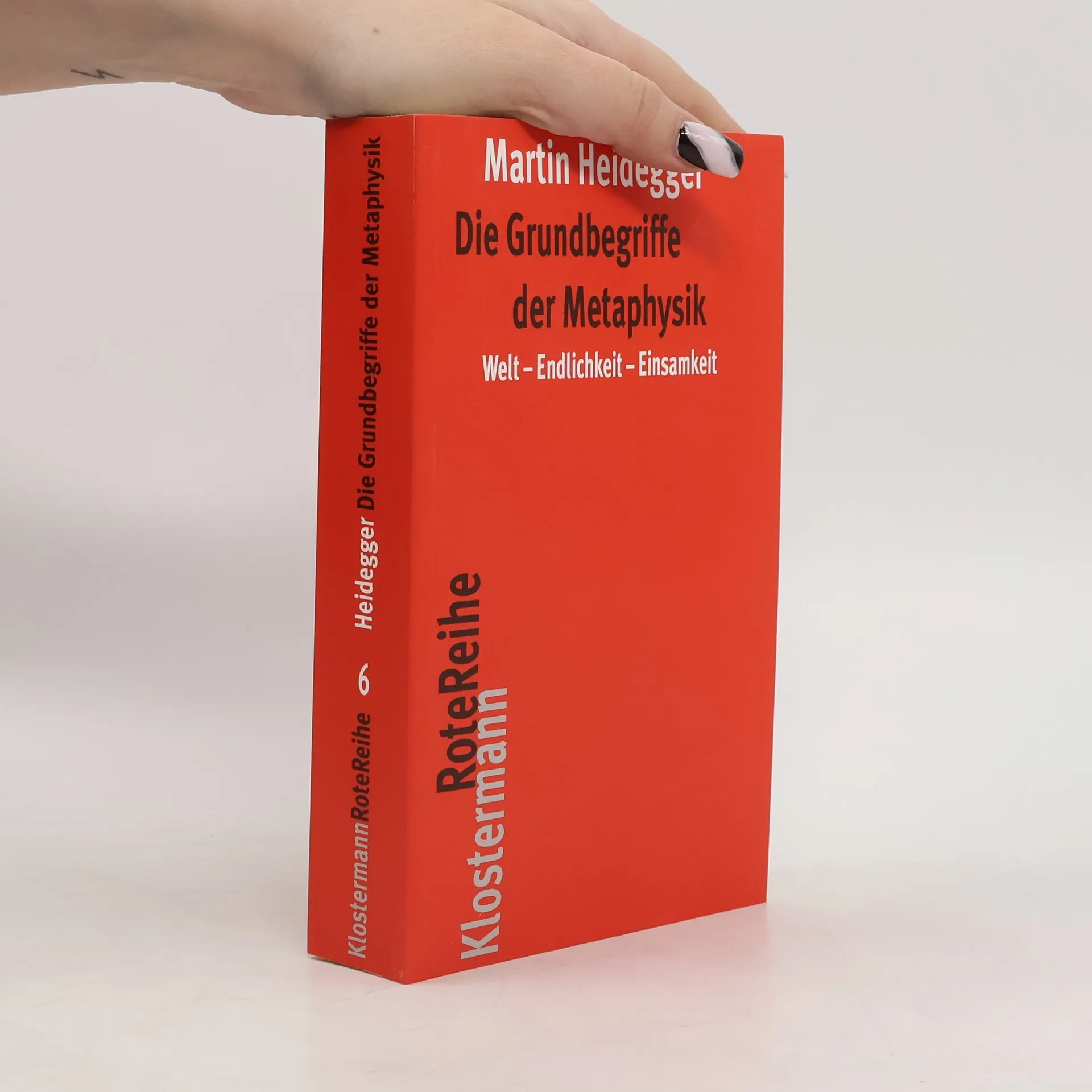
Die im Wintersemester 1929/30 an der Freiburger Universität gehaltene Vorlesung ist in zweierlei Hinsicht bedeutend. Sie bietet eine umfassende Analyse der in der Freiburger Antrittsvorlesung „Was ist Metaphysik?“ nur angedeuteten Langeweile und eine detaillierte Wesensbestimmung des Organismus und des Lebens – Themen, die in „Sein und Zeit“ nur erwähnt werden. Die Vorlesung beginnt mit einer Erörterung des Begriffs der Metaphysik und kommt zu dem Schluss, dass die drei metaphysischen Fragen nach Welt, Endlichkeit und Vereinzelung aus einer Grundstimmung heraus gestellt werden müssen. Der erste Teil hat die Aufgabe, die tiefe Langeweile als Grundstimmung des Philosophierens zu wecken, wobei drei Grundformen der Langeweile aufgezeigt werden. Im zweiten Teil werden die drei metaphysischen Fragen weiter ausgearbeitet. Die Frage nach der Welt erfolgt durch den Vergleich dreier Thesen: ‚der Stein ist weltlos‘, ‚das Tier ist weltarm‘, ‚der Mensch ist weltbildend‘, beginnend mit der mittleren These. Die Untersuchung der Weltarmut des Tieres führt zur Wesensbestimmung der Tierheit, des Organismus und des Lebens. Der Übergang zur These ‚der Mensch ist weltbildend‘ beinhaltet eine Wesensanalyse der Welt und der Weltbildung des Menschen. Diese Vorlesung gilt als eine der bedeutendsten von Heidegger und fast als ein zweites Hauptwerk.
Die Schrift bringt den Text einer Vorlesung, die im Wintersemester 1935/36 unter dem Titel »Grundfragen der Metaphysik« an der Universität Freiburg/Br. gehalten wurde. Sie ist zu einem wesentlichen Teil Auslegung der Lehre Kants vom 'System aller Grundsätze des reinen Verstandes' in der »Kritik der reinen Vernunft« und führt fort, was in der Abhandlung »Kant und das Problem der Metaphysik« (1929) begonnen wurde.
Logica
- 280bladzijden
- 10 uur lezen
Martin Heidegger impartì la materia di Logica nel semestre invernale del 1925-1926 a Marburgo. In questo corso, contrappone alla logica tradizionale una logica filosofante in cui si interroga sul logos, una logica della verità. Nella prima parte, Heidegger si rifà all'interpretazione aristotelica della verità, mentre nella seconda sviluppa la domanda radicale sulla verità nell'orizzonte dell'analitica dell'esistenza, dove il peso principale ricade sulla tematica del tempo. La sua interpretazione della Critica della ragion pura mostra il significato della problematica del tempo per Kant. Questo corso è imprescindibile per comprendere la genesi del pensiero di Heidegger.
Für die hier vorgelegte sechste Auflage der Einzelausgabe der „Erläuterungen zu Hölderlins Dichtung“ wurde die Textgestalt des Bandes 4 (1981) der Gesamtausgabe zugrundegelegt, so daß von jetzt ab der Text der Einzelausgabe wort- und seitengleich mit dem Band 4 ist. Mit der Textangleichung ist die sechste Auflage gegenüber der fünften (1981) erweitert durch einen Anhang, durch die Randbemerkungen aus Heideggers Handexemplaren sowie durch einen Brief Heideggers an Detlev Lüders aus dem Jahre 1953. Die „Erläuterungen zu Hölderlins Dichtung“ stammen aus der Zeit von 1936 bis 1968. Im Vorwort zur zweiten Auflage der Einzelausgabe schreibt Heidegger: „Die Erläuterungen gehören in das Gespräch eines Denkens mit einem Dichten, dessen geschichtliche Einzigkeit niemals literarhistorisch bewiesen, in die jedoch durch das denkende Gespräch gewiesen werden kann.“ Dieses denkende Gespräch mit der Dichtung Hölderlins setzte Anfang der dreißiger Jahre mit dem Beginn von Heideggers seinsgeschichtlichem Denken ein, auf dessen Ausarbeitungsweg Hölderlin zum unablässigen Begleiter wurde. Die „Erläuterungen zu Hölderlins Dichtung“ finden ihre Ergänzung in den inzwischen erschienenen drei großen Hölderlin-Vorlesungen aus dem Wintersemester 1934/35, dem Wintersemester 1941/42 und dem Sommersemester 1942.
Heidegger. Selhání Já
- 140bladzijden
- 5 uur lezen
Filozofie Martina Heideggera (1889-1976) ilustruje originální dvojznačnost přítomnou v celém jeho díle: završení filozofické tradice, která začíná u Aristotela a Platóna a končí u Hegela a Nietzscheho, a současně dosažení jejího zničení. V jeho nejvýznačnějším díle Bytí a čas (1927)se na scéně a rétoricky naposledy objevuje otázka bytí (ontologie), ale jen proto, aby odhalila své vlastní selhání. Smysl bytí se vymyká jakékoliv teorii, a proto s ním nelze nakládat jako s objektem, neboť předchází jakékoliv tematizaci. Filozofii tudíž přísluší dvojí úkol. Rozebrat dějiny ontologie a vnímat bytí výhradně v souvislosti s tím, jak se projevuje a interpretuje. Filozofie se tak stává fenomenologií a hermeneutikou.
Rozhovor s Martinem Heideggerem pro německý časopis Der Spiegel / V roce 1966 napsal M. Heidegger čtenářský dopis časopisu Spiegel, v němž projevil nesouhlas s některými údaji o svém chování za třetí říše kolportovanými v literatuře. Po dvaceti letech jeho mlčení k tomuto tématu byl tento krok něčím senzačním. Redaktoři R. Augstein a G. Wolff uskutečnili ještě téhož roku s Heideggerem rozhovor, který dalekosáhle přesáhl problematiku jeho postojů za vlády nacismu a zachytil jeho názory na současný stav světa. Na Heideggerovo přání byl rozhovor uveřejněn až po jeho smrti roku 1976, tedy 10 let poté, co k němu došlo. Dodnes nicméně neztratil na zajímavosti. Přeložil I. Chvatík.
Die Abhandlung „Vom Wesen des Grundes“ (1929) bedenkt die „ontologische Differenz“ als „das Nicht zwischen Seiendem und Sein“. Wenn das „Wesen des Grundes“ aus der „Differenz“ erfahren wird, dann weil dieses Wesen in der Endlichkeit der Freiheit des Daseins selbst gründet. Das Dasein ist, so Heidegger, „als freies Seinkönnen unter das Seiende geworfen“. Das Dasein muss sich im weltentwerfenden Entwurf auf seine Möglichkeiten hin selbst übersteigen. Es ist diese menschliche Transzendenz, die das Begründen ermöglicht, und diese ist wiederum als „Freiheit zum Grunde“ zu verstehen.
Identität und Differenz
- 69bladzijden
- 3 uur lezen
»Die Zusammengehörigkeit von Identität und Differenz wird in der vorliegenden Veröffentlichung als das zu Denkende gezeigt. Inwiefern die Differenz dem Wesen der Identität entstammt, soll der Leser selbst finden, indem er auf den Einklang hört, der zwischen Ereignis und Austrag waltet. Beweisen läßt sich in diesem Bereich nichts, aber weisen manches.« Todtnauberg, am 9. September 1957