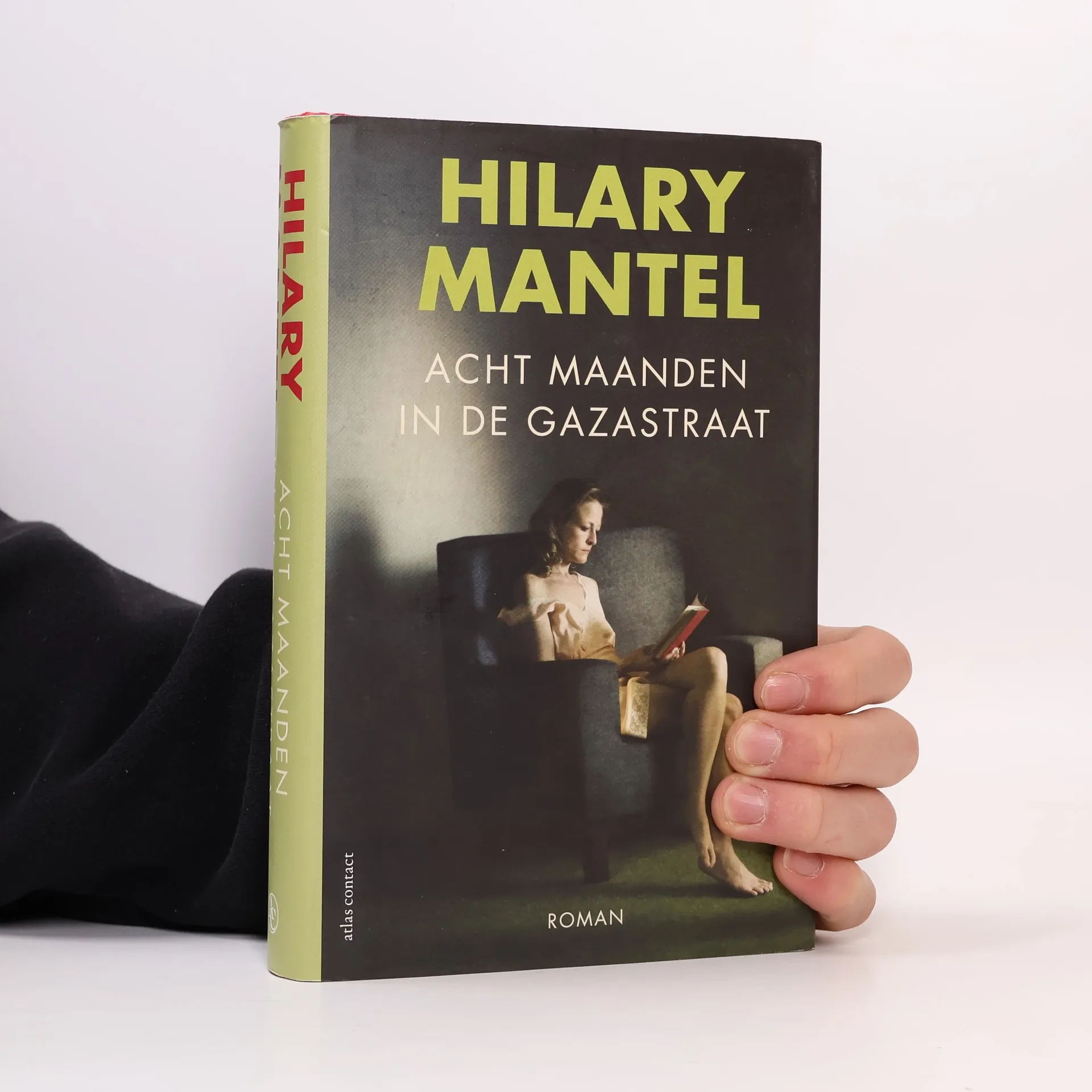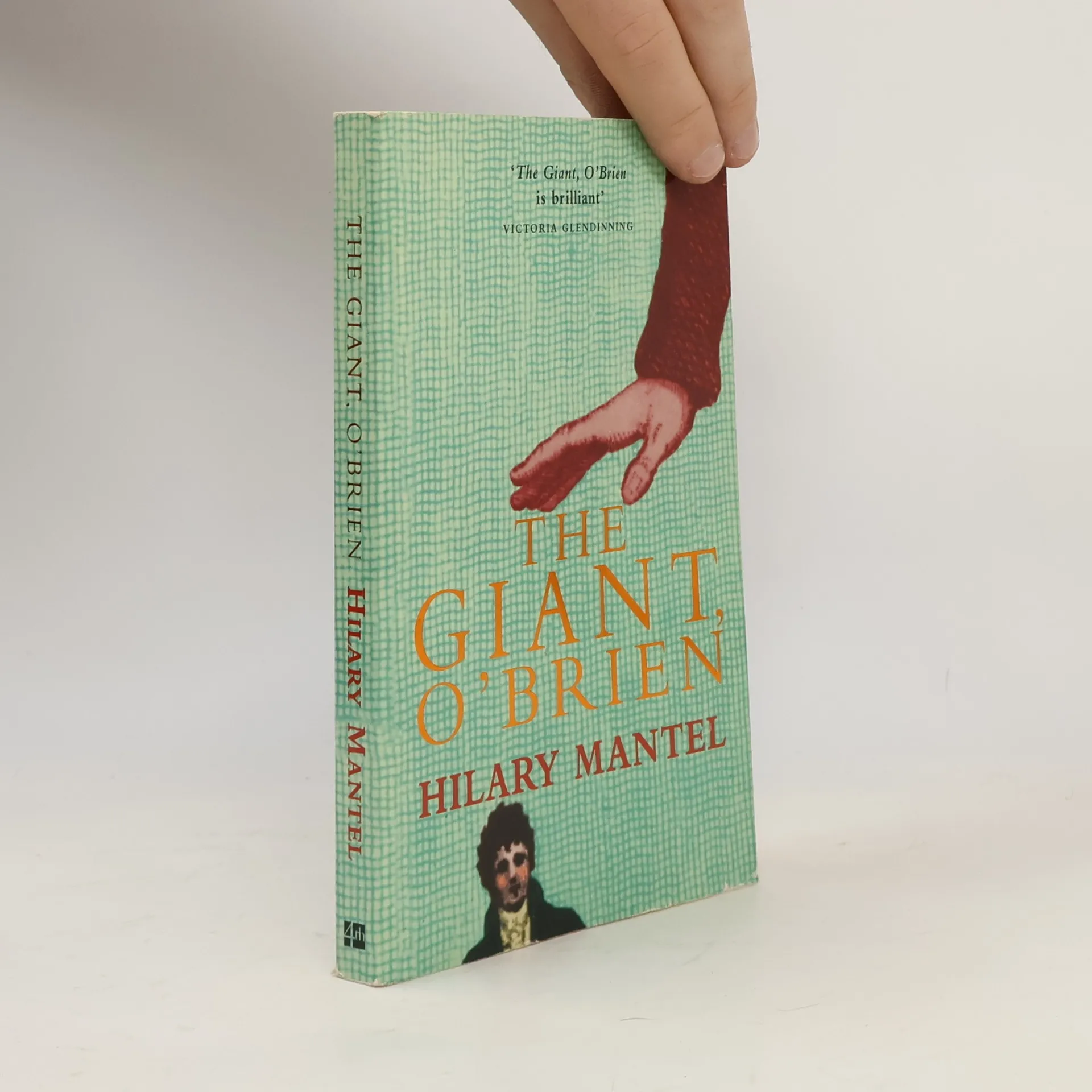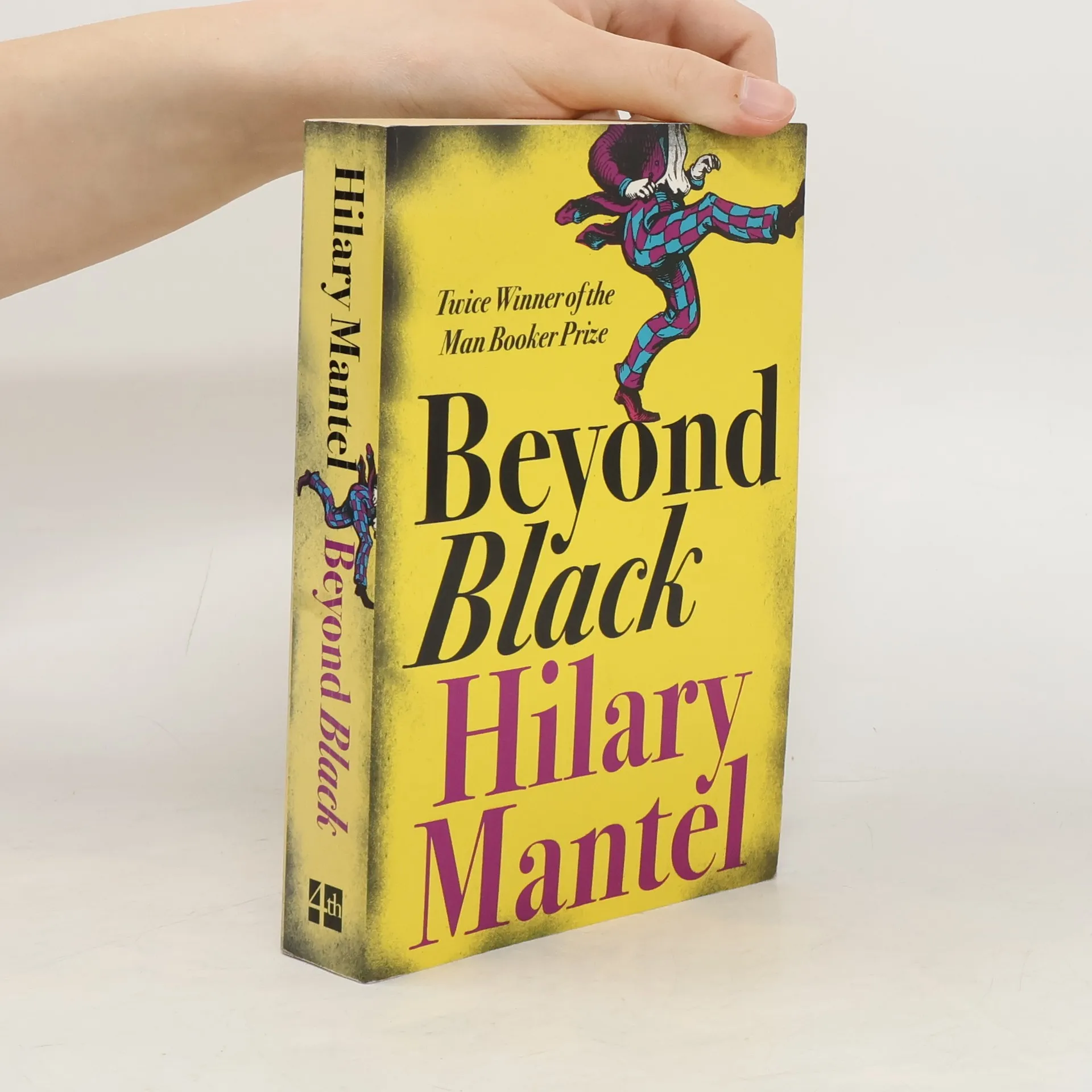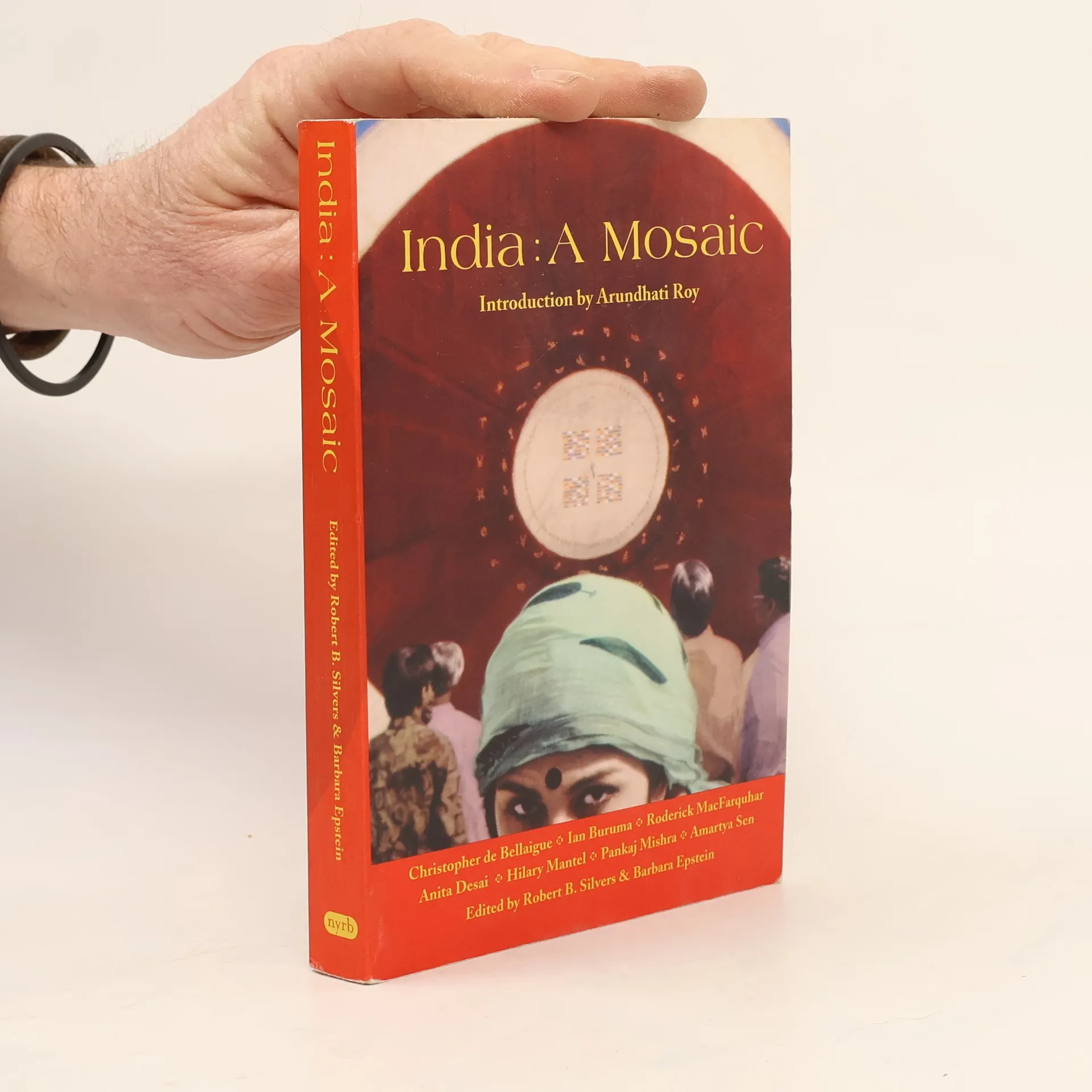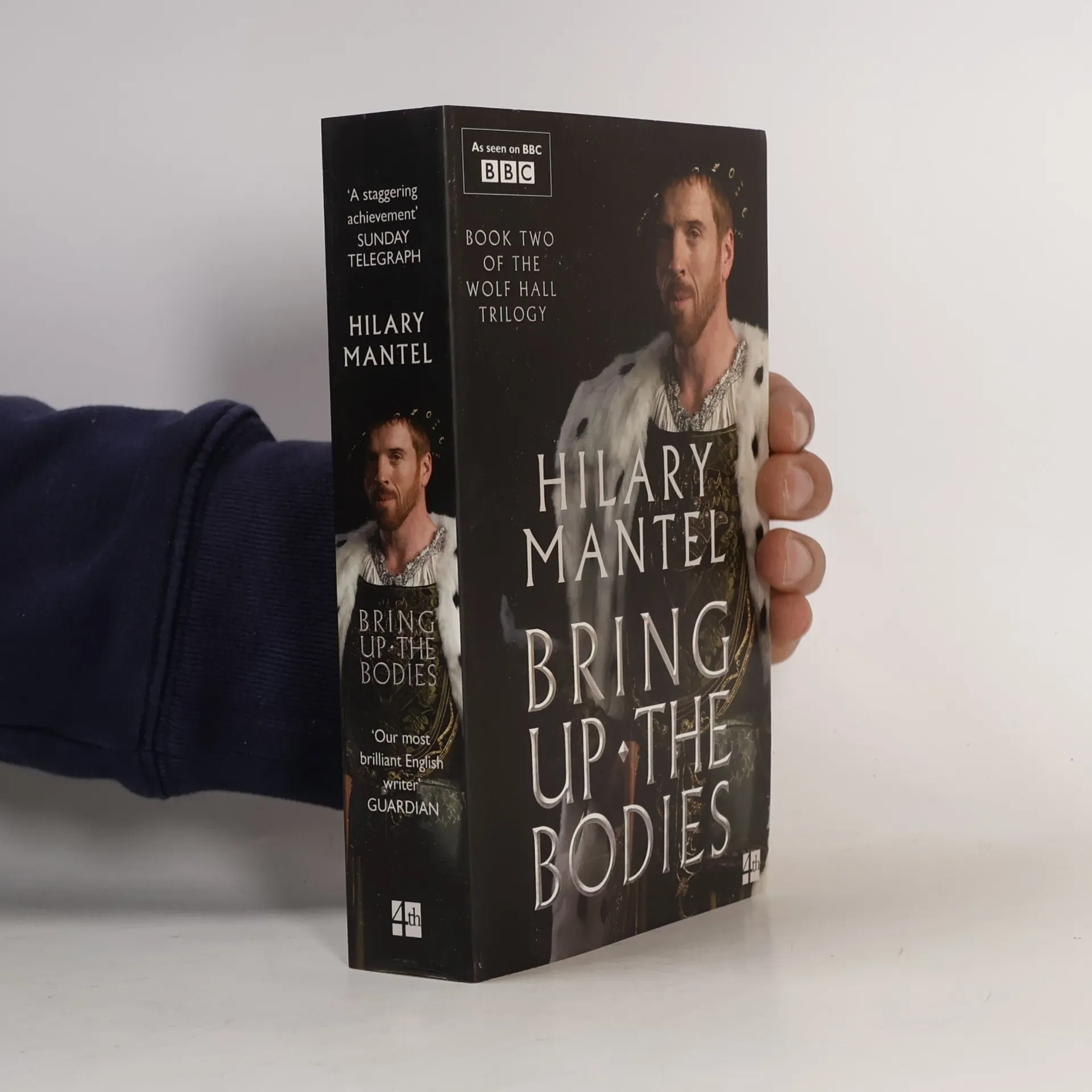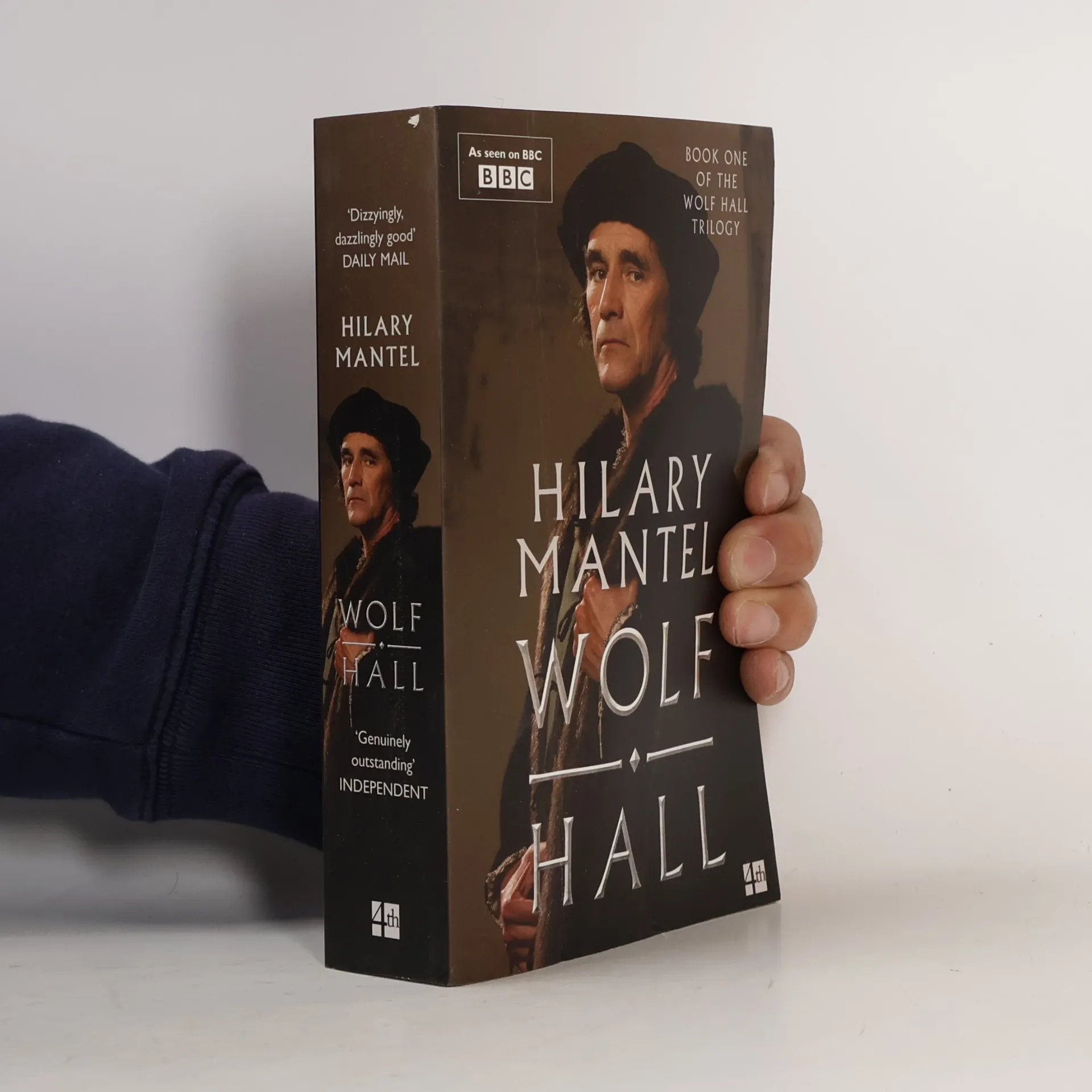

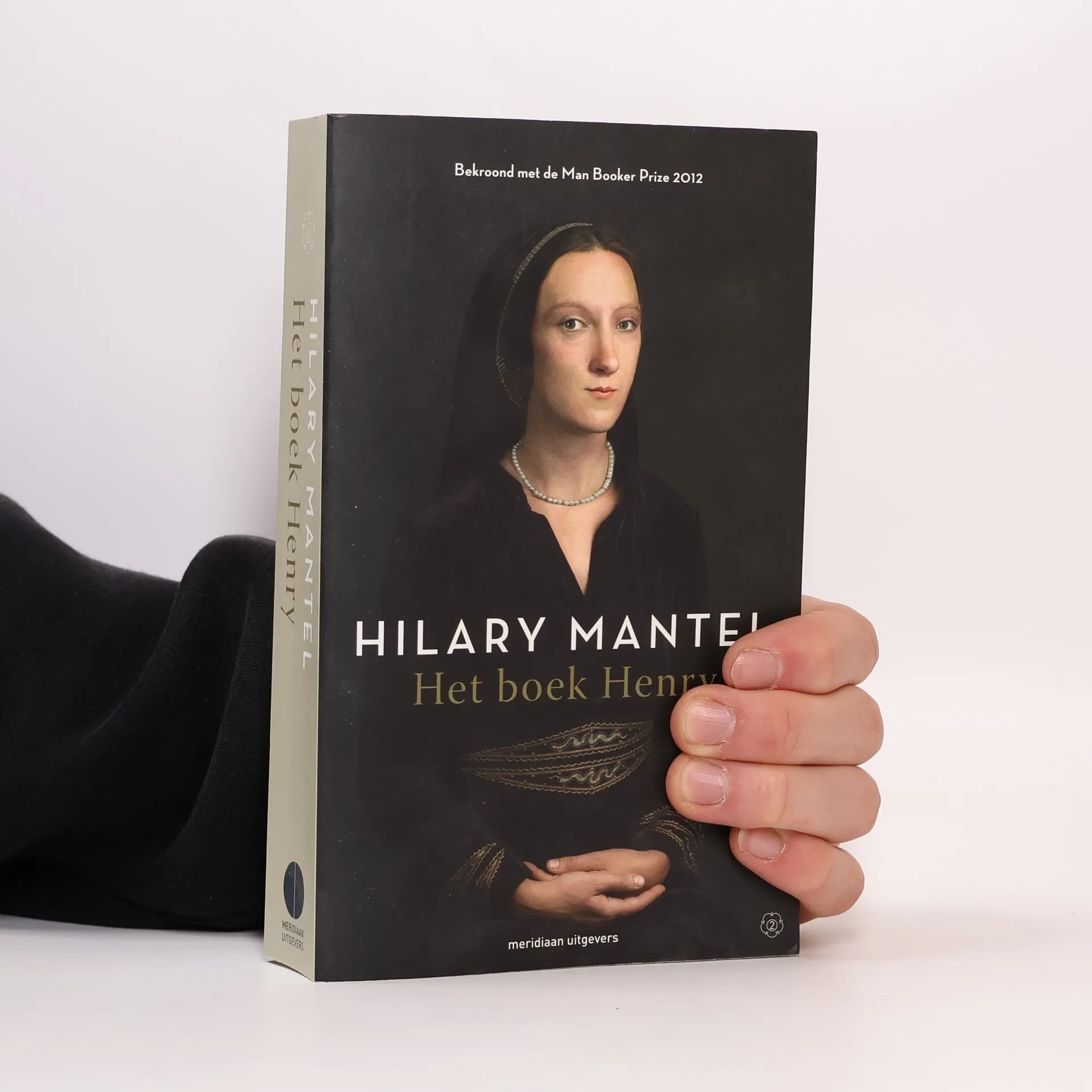
Na te hebben gebroken met de roomskatholieke kerk om met Anne Boleyn te kunnen trouwen, lijkt Henry ook net zo snel zijn interesse in haar weer te verliezen als er maar geen sprake is van een mannelijke troonopvolger. In mei 1536 wordt ze opgesloten in de Tower op beschuldiging van overspel met meerdere mannen en veroordeeld tot de dood door onthoofding. Cromwell is oppermachtig, maar is zelf de eerste die beseft hoezeer ook zijn macht afhangt van Henry's humeuren, wensen en verlangens.
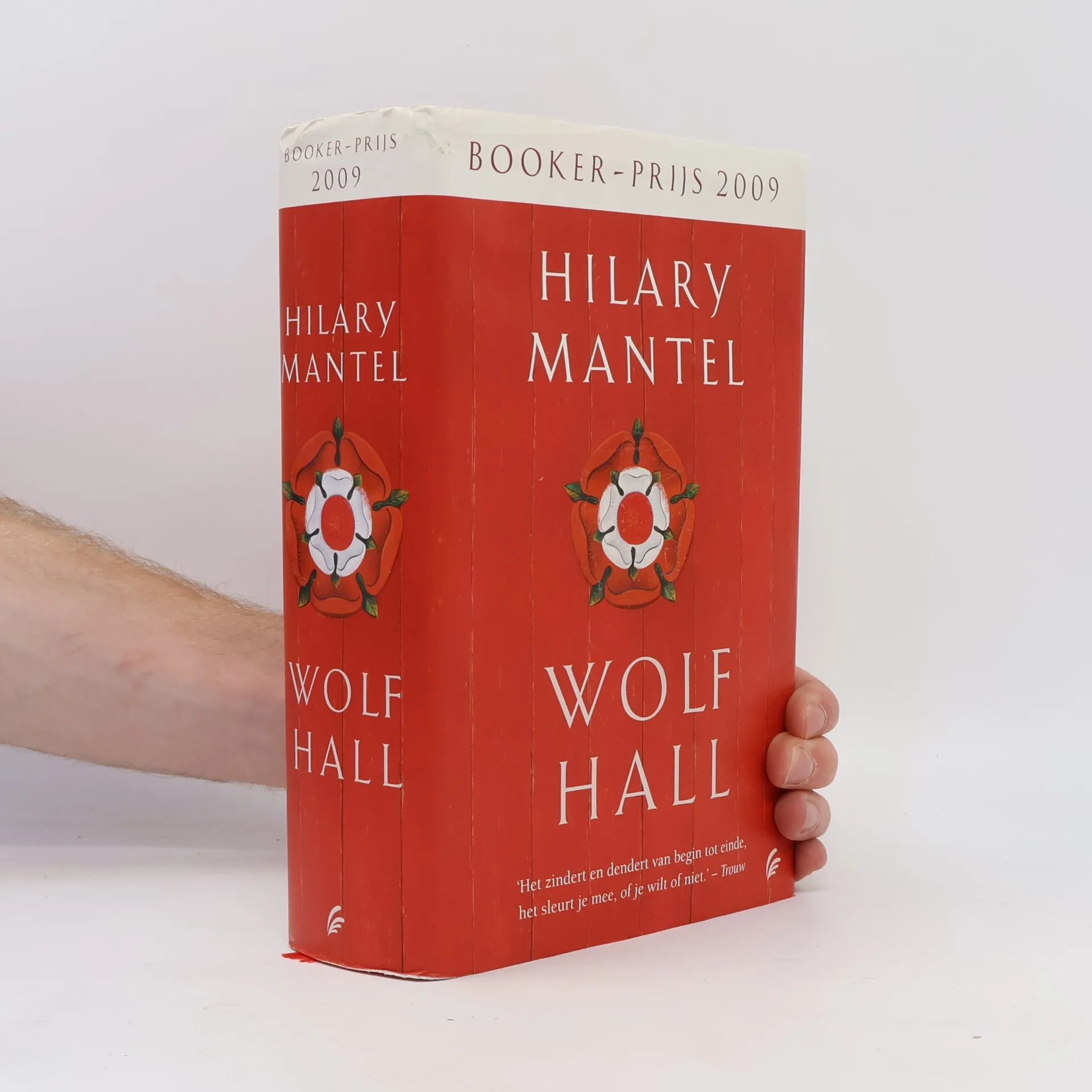
Zoon van een brute smid, mannetjesputter, familieman, charmeur en een politiek genie: Thomas Cromwell. De vele regels van de rigide klassenmaatschappij van de zestiende eeuw lijken voor hem niet te gelden en behendig vindt hij zijn weg naar en door het koninklijk hof, waar 'man is wolf to man'. Hij moet opstaan uit de puinhopen van persoonlijke rampspoed – het verlies van zijn jonge gezin en van kardinaal Wolsey, zijn geliefde leermeester – maar hij is tegen alles en iedereen in bereid Engeland te hervormen naar de wensen van Henry VIII. Een superieure roman waarin Cromwell en zijn tijdgenoten worden geportretteerd op een manier die de tijd waarin het zich afspeelt volledig ontstijgt.
Met de Rozenoorlogen vers in het geheugen staat Engeland rond 1520 op het randje van anarchie. Als de koning komt te overlijden zonder mannelijke troonopvolger, zou dat opnieuw burgeroorlog betekenen. Henry VIII wil daarom zijn huwelijk met Katherine van Aragon ongeldig verklaren en met Anne Boleyn trouwen. De paus en het grootste deel van Europa zijn ertegen. Uiteindelijk betekent deze kwestie zelfs de ondergang van Henry's adviseur, kardinaal Wolsey. Er ontstaat een machtsvacuüm en een impasse. Zoon van een brute smid, politiek genie, omkoper, mannetjesputter en charmeur: het is Thomas Cromwell die in deze impasse stapt. In zijn niet te stuiten opmars naar de macht heeft hij al heel wat regels van een rigide klassenmaatschappij gebroken, en als het moet breekt hij er nog wat meer. Cromwell staat op uit de puinhopen van persoonlijke rampspoed - het verlies van zijn jonge gezin en van Wolsey, zijn geliefde baas - en behendig vindt hij zijn weg naar en door het koninklijk hof waar man is wolf to man . Tegen alles en iedereen in is hij bereid Engeland te hervormen naar zijn en Henry's wensen.
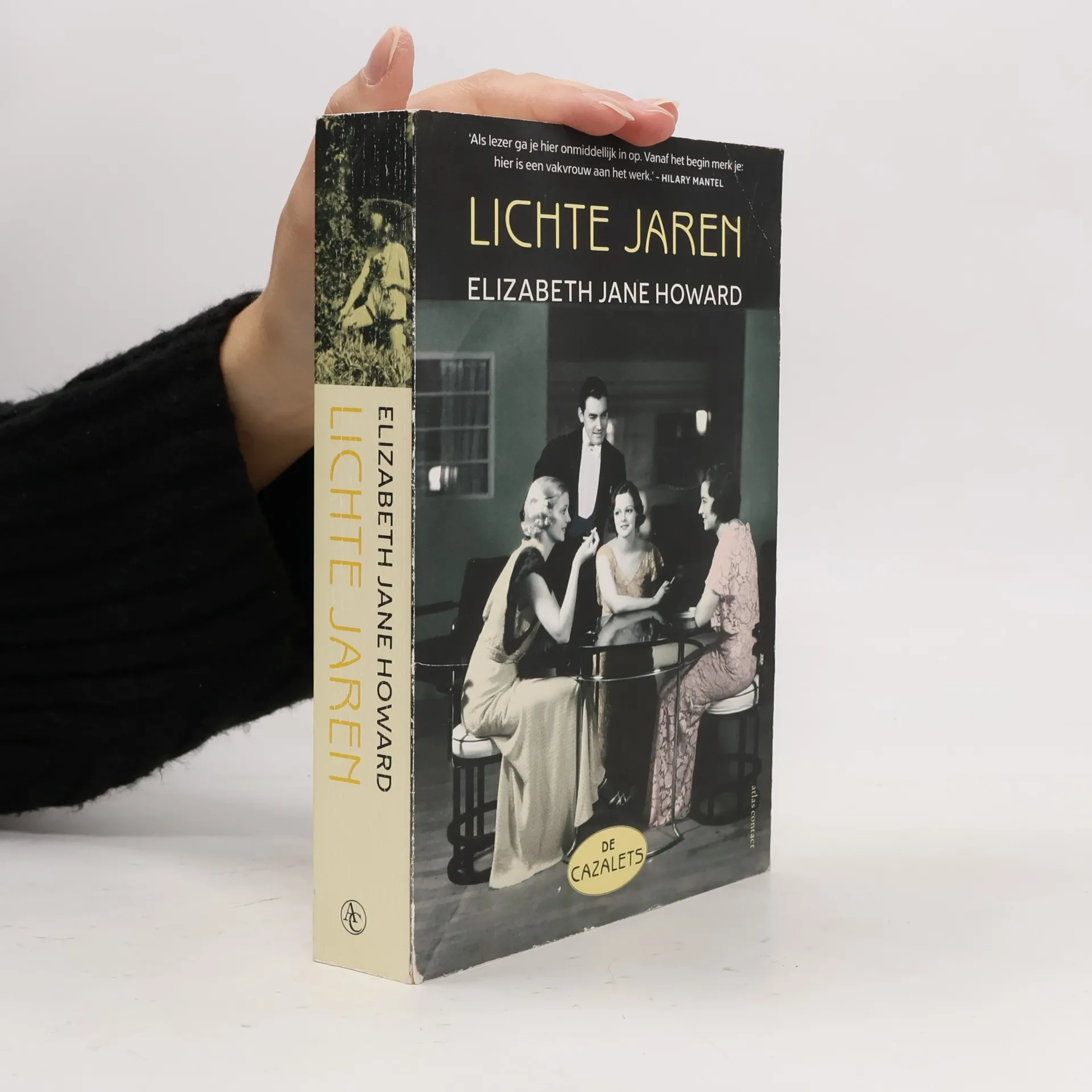
De nadagen van het victoriaanse Engeland en de eerste onzekere jaren na het einde van de oorlog vormen de achtergrond van de vierdelige 'Cazalet-kronieken' van Elizabeth Jane Howard, die de periode 1937-1947 omspannen. Deel 1, 'Lichte jaren', begint eind jaren dertig, in de laatste gouden jaren voor het uitbreken van de Tweede Wereldoorlog. In de zomermaanden komen drie generaties van de familie Cazalet bij elkaar op hun familielandgoed vlak buiten Londen. Ze vullen hun dagen met kinderspelletjes in het bos, picknicken op het strand, gin-tonics in de tuin, feestmalen in de eetkamer. Het is een zonovergoten, onbekommerde tijd - maar onder de idyllische oppervlakte broeien er affaires en gefnuikte ambities; en de oorlog werpt zijn schaduw vooruit.
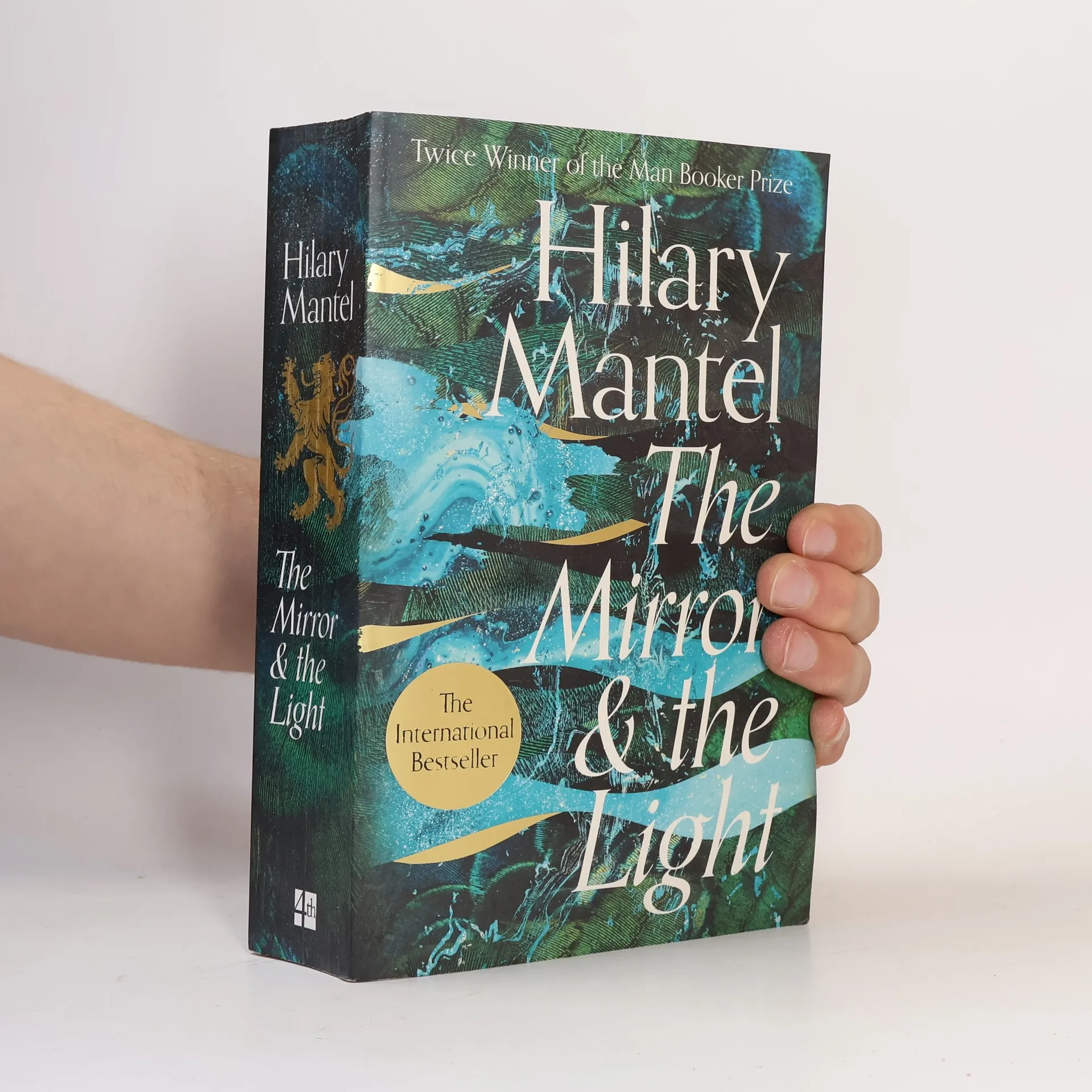
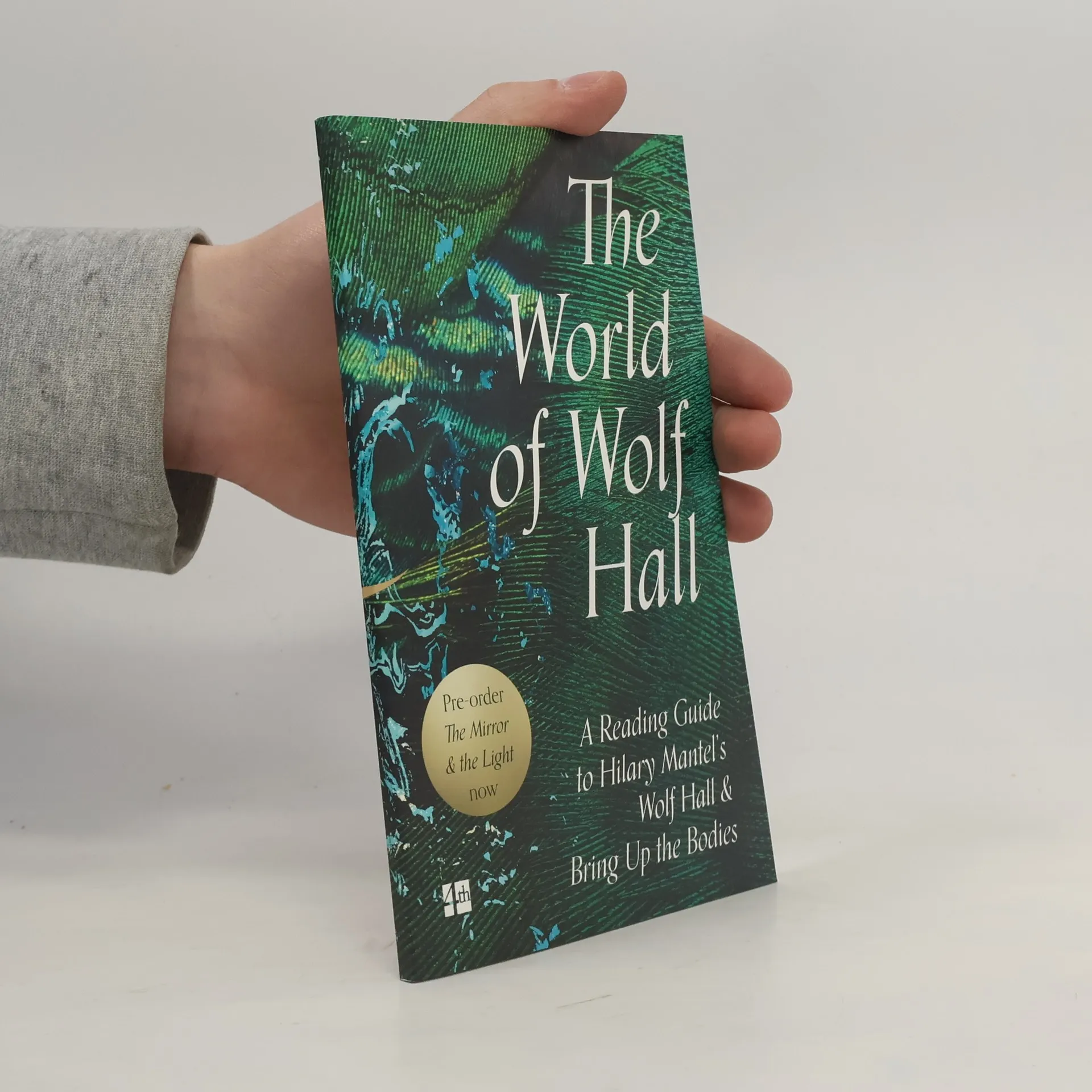
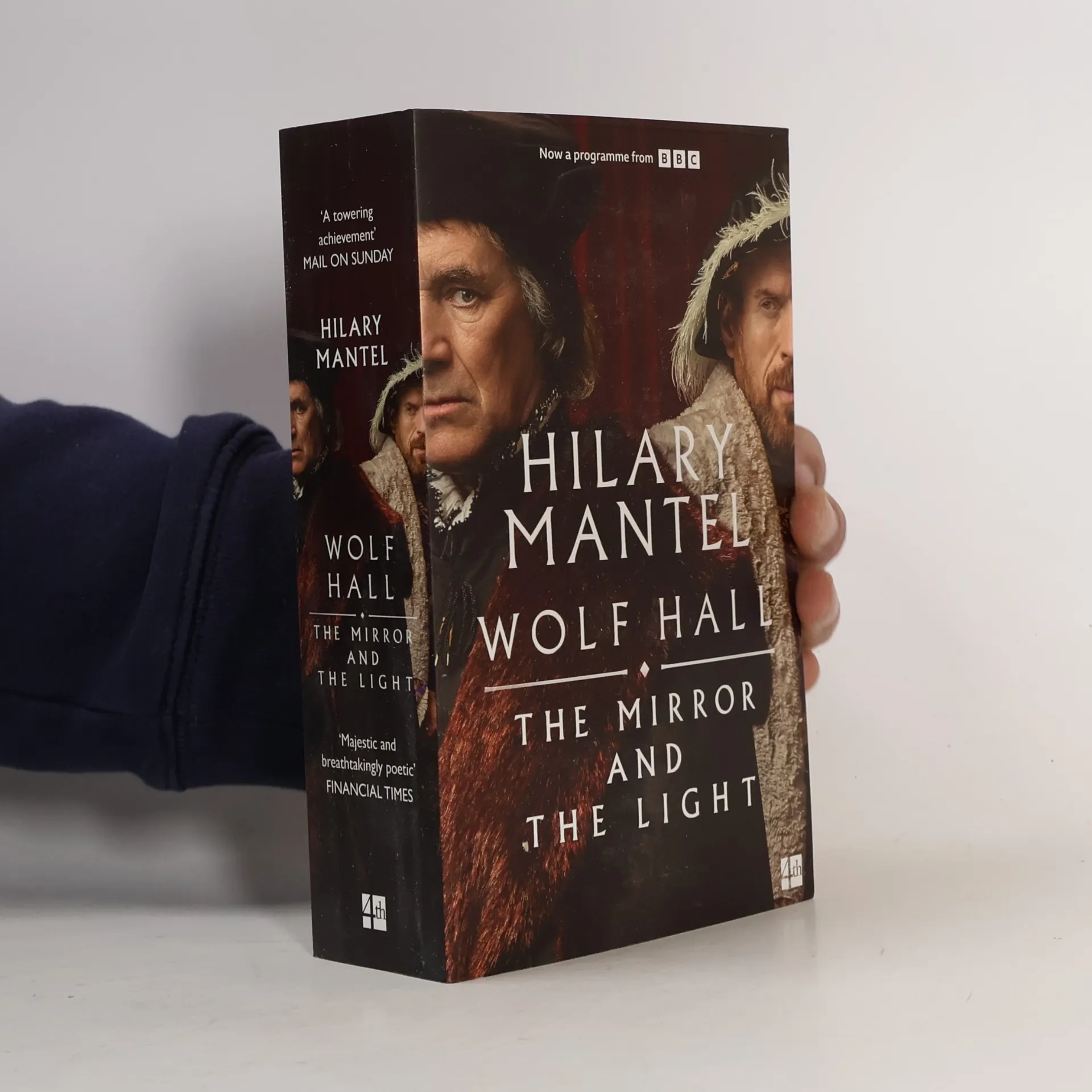
Shortlisted for The Women's Prize for Fiction 2020 The long-awaited sequel to Wolf Hall and Bring Up the Bodies, the stunning conclusion to Hilary Mantel's Man Booker Prize-winning Wolf Hall trilogy. 'A masterpiece' Guardian 'It is a book not read, but lived' Telegraph 'Her Cromwell novels are, for my money, the greatest English novels of this century' Observer 'If you cannot speak truth at a beheading, when can you speak it?' England, May 1536. Anne Boleyn is dead, decapitated in the space of a heartbeat by a hired French executioner. As her remains are bundled into oblivion, Thomas Cromwell breakfasts with the victors. The blacksmith's son from Putney emerges from the spring's bloodbath to continue his climb to power and wealth, while his formidable master, Henry VIII, settles to short-lived happiness with his third queen, Jane Seymour. Cromwell is a man with only his wits to rely on; he has no great family to back him, no private army. Despite rebellion at home, traitors plotting abroad and the threat of invasion testing Henry's regime to breaking point, Cromwell's robust imagination sees a new country in the mirror of the future. But can a nation, or a person, shed the past like a skin? Do the dead continually unbury themselves? What will you do, the Spanish ambassador asks Cromwell, when the king turns on you, as sooner or later he turns on everyone close to him? With The Mirror and the Light, Hilary Mantel brings to a triumphant close the trilogy she began with Wolf Hall and Bring Up the Bodies. She traces the final years of Thomas Cromwell, the boy from nowhere who climbs to the heights of power, offering a defining portrait of predator and prey, of a ferocious contest between present and past, between royal will and a common man's vision: of a modern nation making itself through conflict, passion and courage.
An extraordinary work of historical imagination - this is Hilary Mantel's epic novel of the French Revolution. One of the ten books - novels, memoirs and one very unusual biography - that make up the 4th Estate Matchbook Classics' series, a stunningly redesigned collection of some of the best loved titles on our backlist.
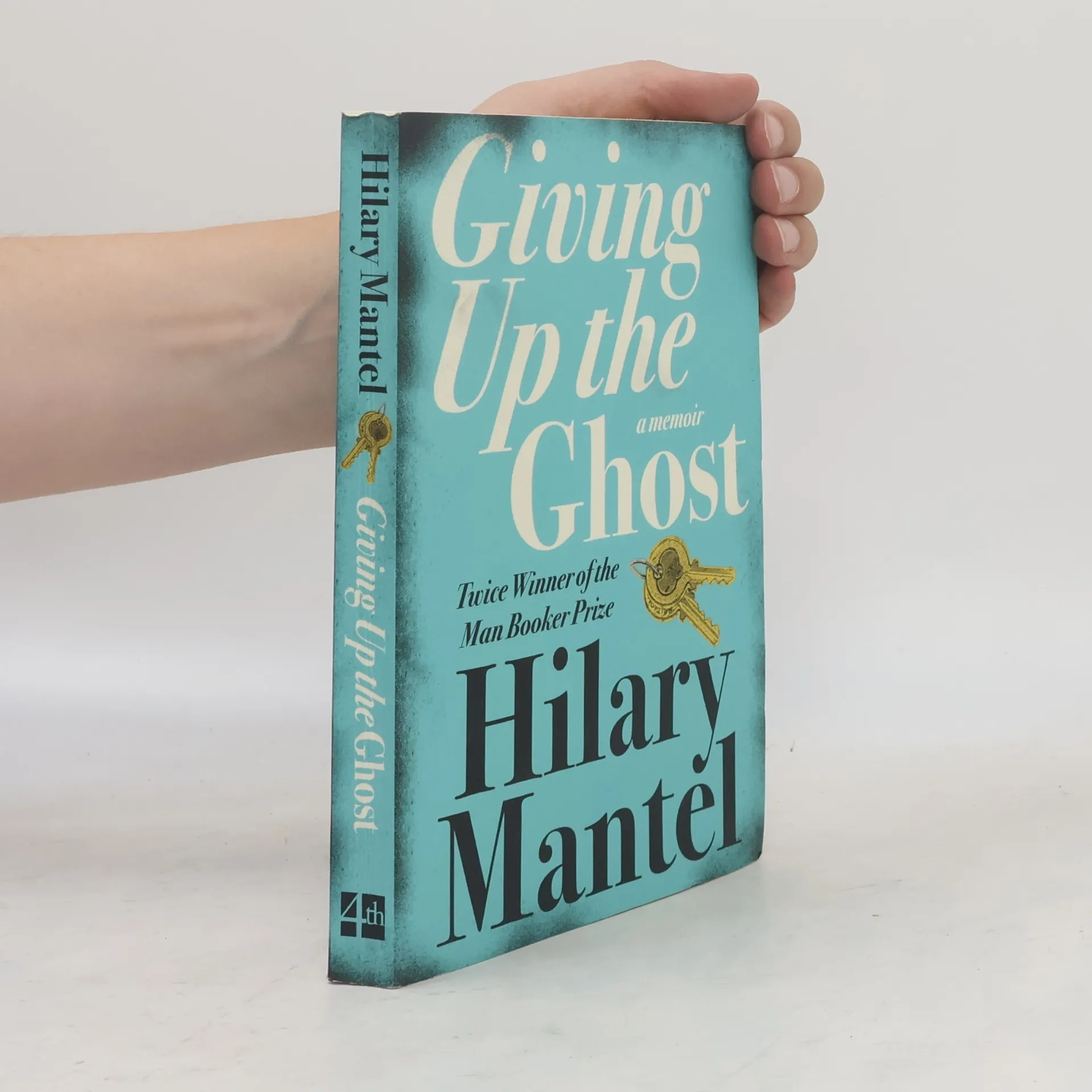
'Like Lorna Sage's Bad Blood ... A masterpiece.' Rachel Cusk Giving Up the Ghost is the shocking and beautiful memoir, from the author of Wolf Hall, Bring Up the Bodies and The Mirror & the Light 'Giving up the Ghost' is award-winning novelist Hilary Mantel's uniquely unusual five-part autobiography. Opening in 1995 with 'A Second Home', Mantel describes the death of her stepfather which leaves her deeply troubled by the unresolved events of her childhood. In 'Now Geoffrey Don't Torment Her' Mantel takes the reader into the muffled consciousness of her early childhood, culminating in the birth of a younger brother and the strange candlelight ceremony of her mother's 'churching'. In 'Smile', an account of teenage perplexity, Mantel describes a household where the keeping of secrets has become a way of life. Finally, at the memoir's conclusion, Mantel explains how through a series of medical misunderstandings and neglect she came to be childless and how the ghosts of the unborn like chances missed or pages unturned, have come to haunt her life as a writer.
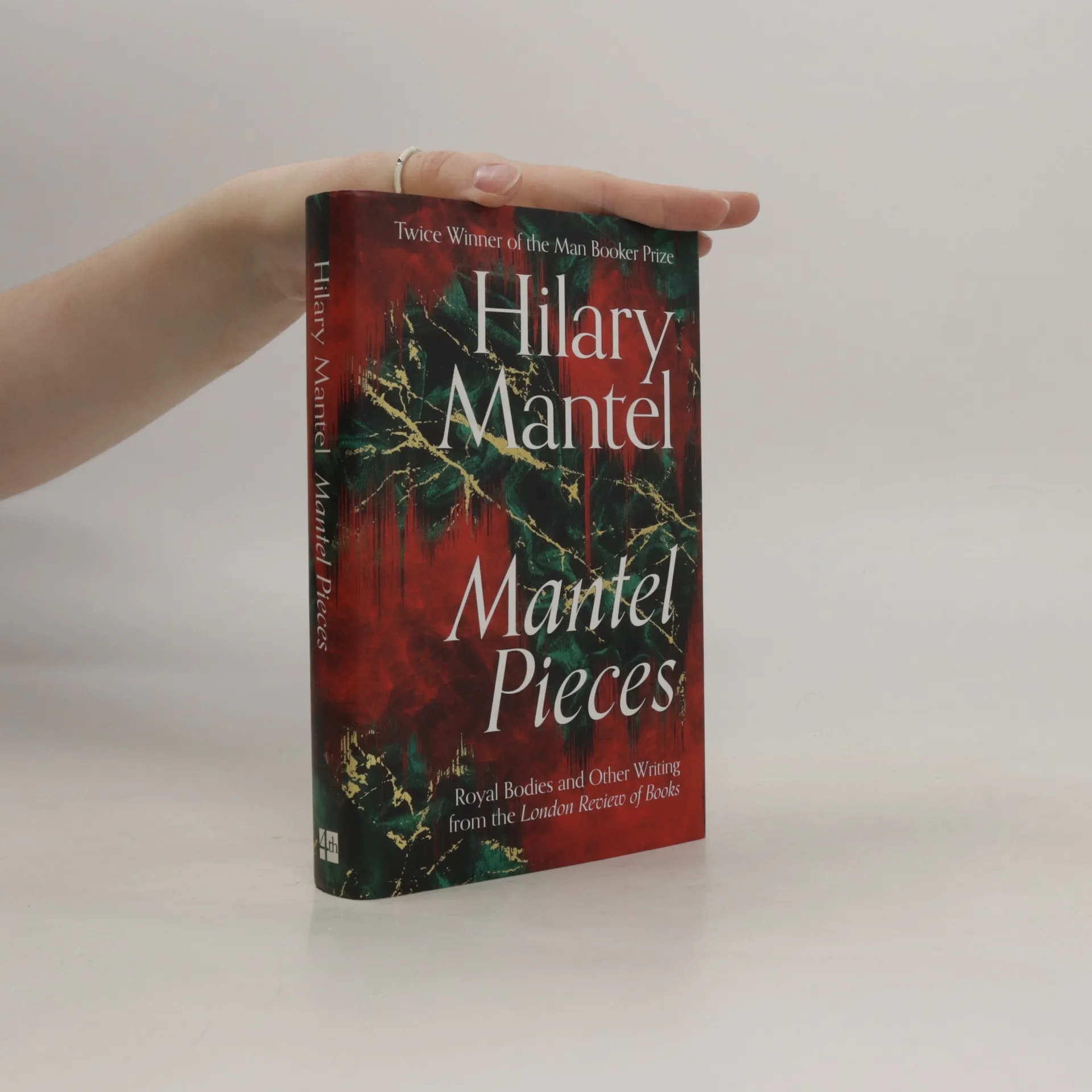
From the twice Booker Prize winner and internationally bestselling Hilary Mantel, a collection of writing essays, book reviews, memoir from over thirty years contributing to the London Review of Books In 1987, when Hilary Mantel was first published in the London Review of Books, she wrote to the editor, Karl Miller, I have no critical training whatsoever, so I am forced to be more brisk and breezy than scholarly. This collection of twenty reviews, essays and pieces of memoir from the next three decades, tells the story of what happened next. Her subjects range far and wide: Robespierre and Danton, the Hite report, Saudi Arabia where she lived for four years in the 1980s, the Bulger case, John Osborne, the Virgin Mary as well as the pop icon Madonna, a brilliant examination of Helen Duncan, Britains last witch. There are essays about Jane Boleyn, Charles Brandon, Christopher Marlowe and Margaret Pole, which display the astonishing insight into the Tudor mind we are familiar with from the bestselling Wolf Hall Trilogy. Her famous lecture, Royal Bodies, which caused a media frenzy, explores the place of royal women in society and our imagination. Here too are some of her LRB diaries, including her first meeting with her stepfather and a confrontation with a circus strongman. Constantly illuminating, always penetrating and often very funny, interleaved with letters and other ephemera gathered from the archive, Mantel Pieces is an irresistible selection from one of our greatest living writers
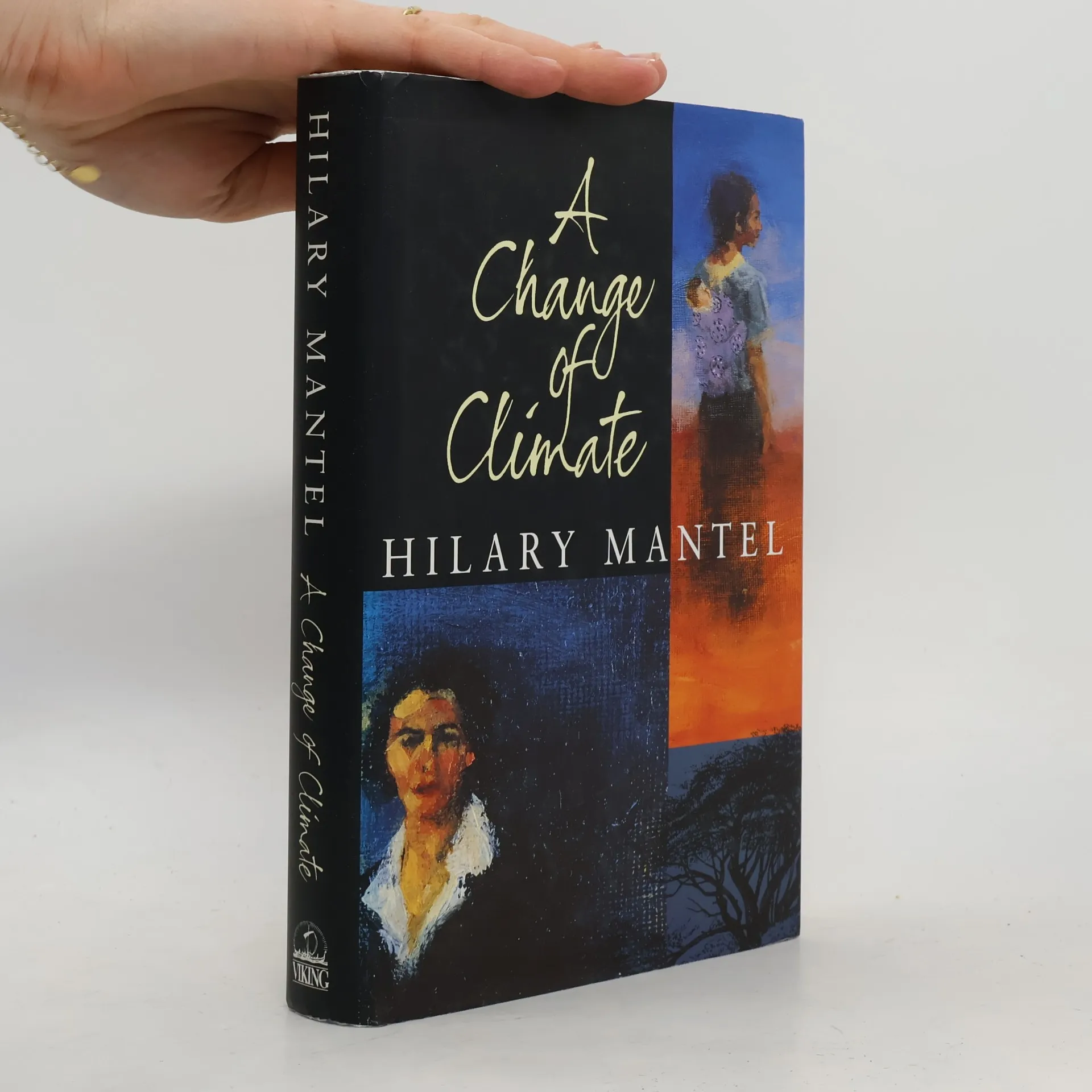
From the double Man Booker prize-winning author of 'Wolf Hall' and 'Bring Up
the Bodies', this is an epic yet subtle family saga about broken trusts and
buried secrets.
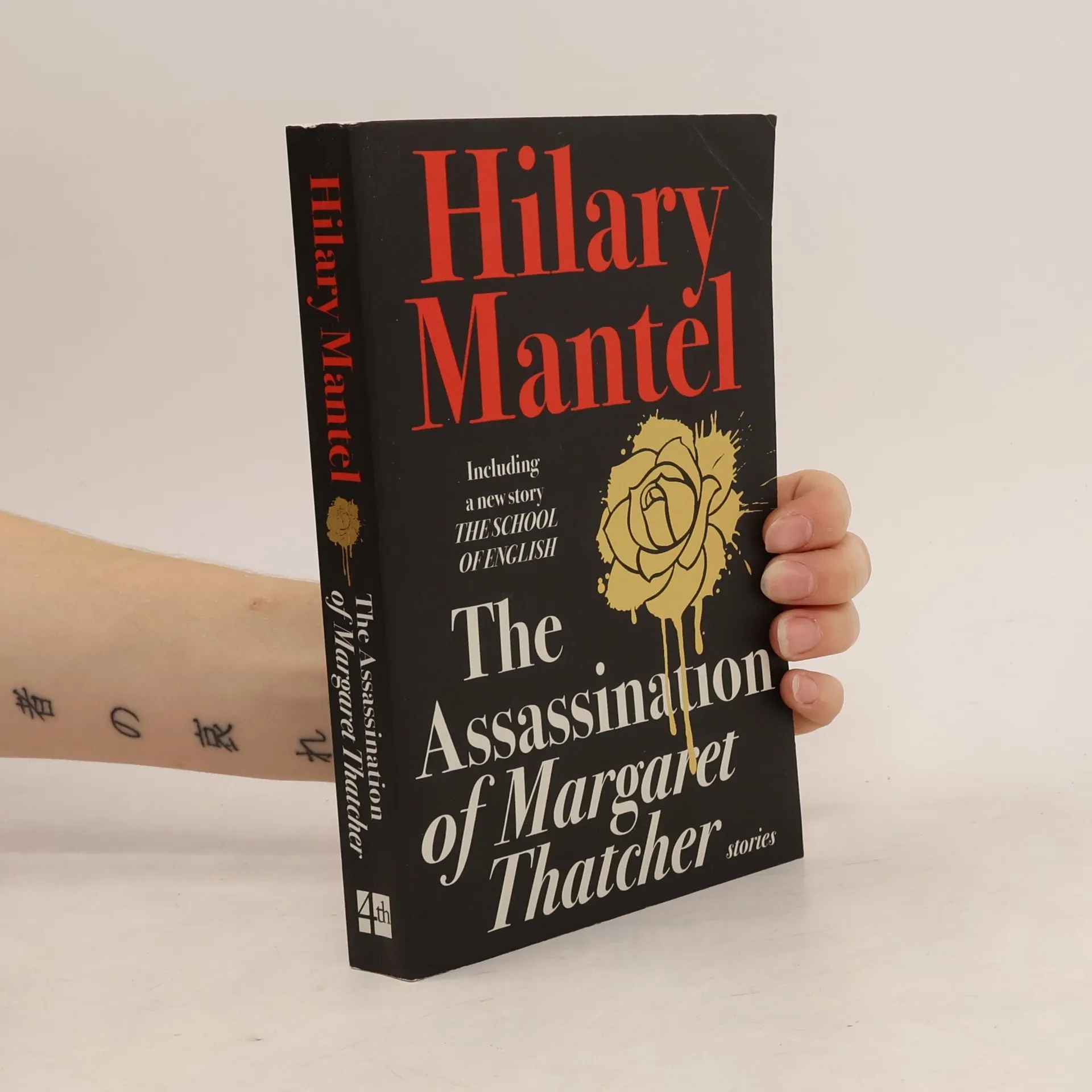
From one of Britain's most accomplished, acclaimed, and garlanded writers, Hilary Mantel delivers a brilliant collection of contemporary short stories that demonstrate what modern England has becomeIn The Assassination of Margaret Thatcher, Hilary Mantel's trademark gifts of penetrating characterization, unsparing eye, and rascally intelligence are once again fully on display.Her classic wicked humor in each story--which range from a ghost story to a vampire story to near-memoir to mini-sagas of family and social fracture--brilliantly unsettles the reader in that unmistakably Mantel way. Mantel brutally and acutely writes about gender, marriage, class, family, and sex, cutting to the core of human experience. Unpredictable, diverse, and even shockingly unexpected, each story grabs you by the throat within a couple of sentences. The Assassination of Margaret Thatcher displays a magnificent writer at the peak of her powers.