Reizen door de tijd - De Maya's, Inca's en Azteken
- 144bladzijden
- 6 uur lezen
De geschiedenis van de oude indiaanse beschavingen in Midden- en Zuid-Amerika. Met veel illustraties in kleur. Vanaf ca. 14 jaar.


Peter Ackroyd is een gevierd Engels romanschrijver en biograaf wiens werk diep geworteld is in de geschiedenis en cultuur van Londen. Ackroyd verkent meesterlijk de "geest van de plaats" in zijn schrijven, vaak via de levens van kunstenaars en met name schrijvers, waarbij hij hun lot en werken verbindt met het bruisende hart van de stad. Zijn romans en biografieën, die zich vaak verdiepen in de complexe wisselwerking van tijd en ruimte, portretteren Londen als een levende entiteit waarvan de veranderende aard opmerkelijk consistent blijft. Ackroyds fascinatie voor de stad en haar literaire figuren creëert een rijk en boeiend portret van de Engelse metropool.


De geschiedenis van de oude indiaanse beschavingen in Midden- en Zuid-Amerika. Met veel illustraties in kleur. Vanaf ca. 14 jaar.
Londen, eind achttiende eeuw. Mary Lamb voelt zich opgesloten in haar ouderlijk huis: met een vader die zijn verstand in rap tempo verliest en een moeder die haar nauwlettend in de gaten houdt. Het is dan ook niet verrassend dat Mary valt voor William Ireland, de zeventienjarige zoon van een antiquarisch boekhandelaar, van wie haar broer Charles een boek heeft aangeschaft. Geen gewoon boek: ooit behoorde het toe aan William Shakespeare zelf. William Ireland blijkt de hand te hebben gelegd op de nalatenschap die een ware schat aan niet-gepubliceerde manuscripten van Shakespeare bevat.
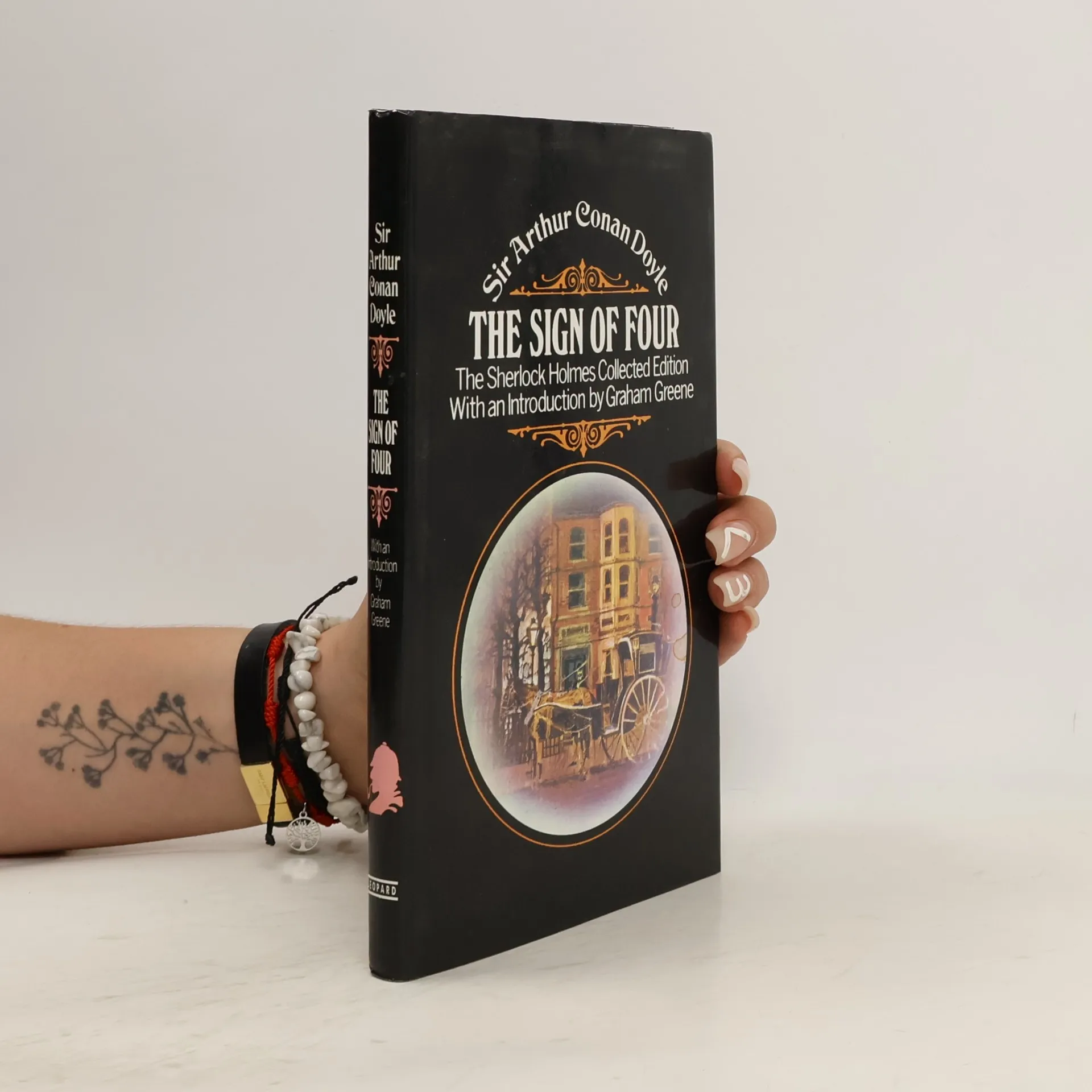
A secret pact between four convicts and two prison guards over the division of buried treasure can only lead to one thing: murder and another case for Sherlock Holmes and Dr Watson. The Sign of the Four is the second Sherlock Holmes novel and in many ways presents a more human side to the great detective. For instance the reader finds out about his drug habit and we discover that Holmes is not as omnipotent as we might imagine. And for the fortunate Dr Watson there is the opportunity to meet a person who will change his life forever. This edition includes An Introduction to Sherlock Holmes by J. S. Williams.
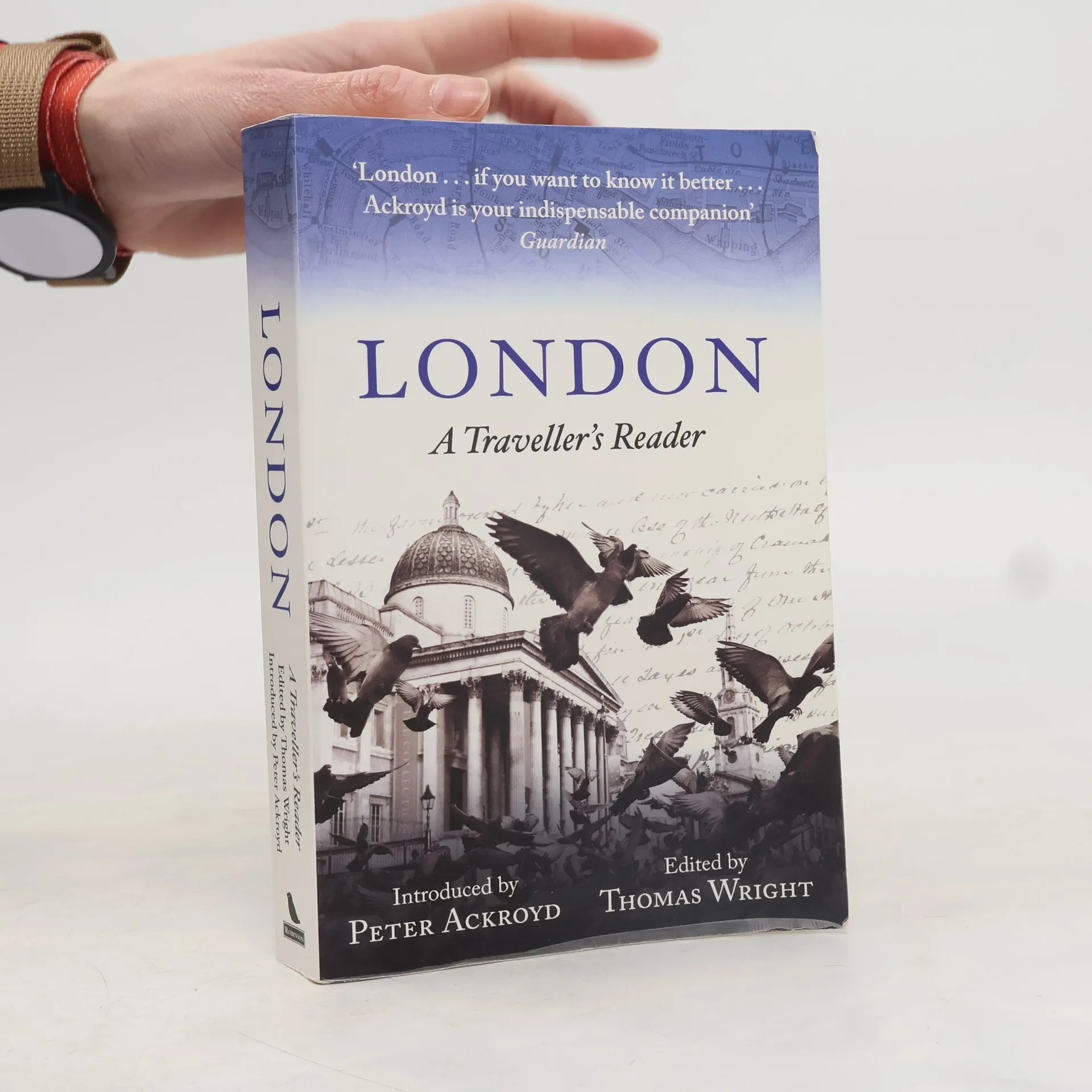
The rich and glorious past of one of the great cities of the world is brought vividly to life for today's reader in this collection of letters, diaries and memoirs of visitors to London and of Londoners themselves.
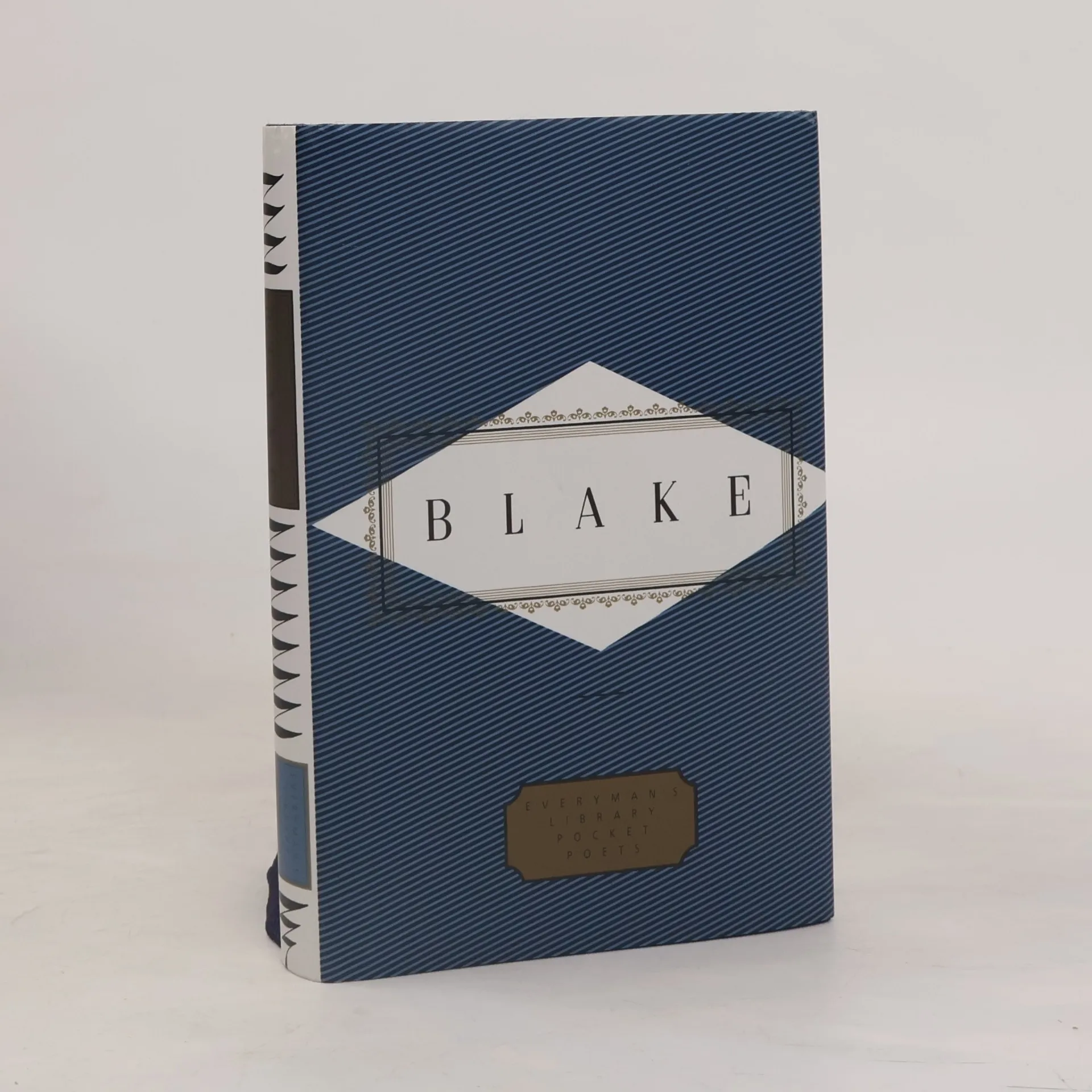
Blake's explosive lyrical genius is here represented by the full text of 'Songs of Innocence' and 'Songs of Experience', plus a wide range of marvellous short poems unpublished in his lifetime.
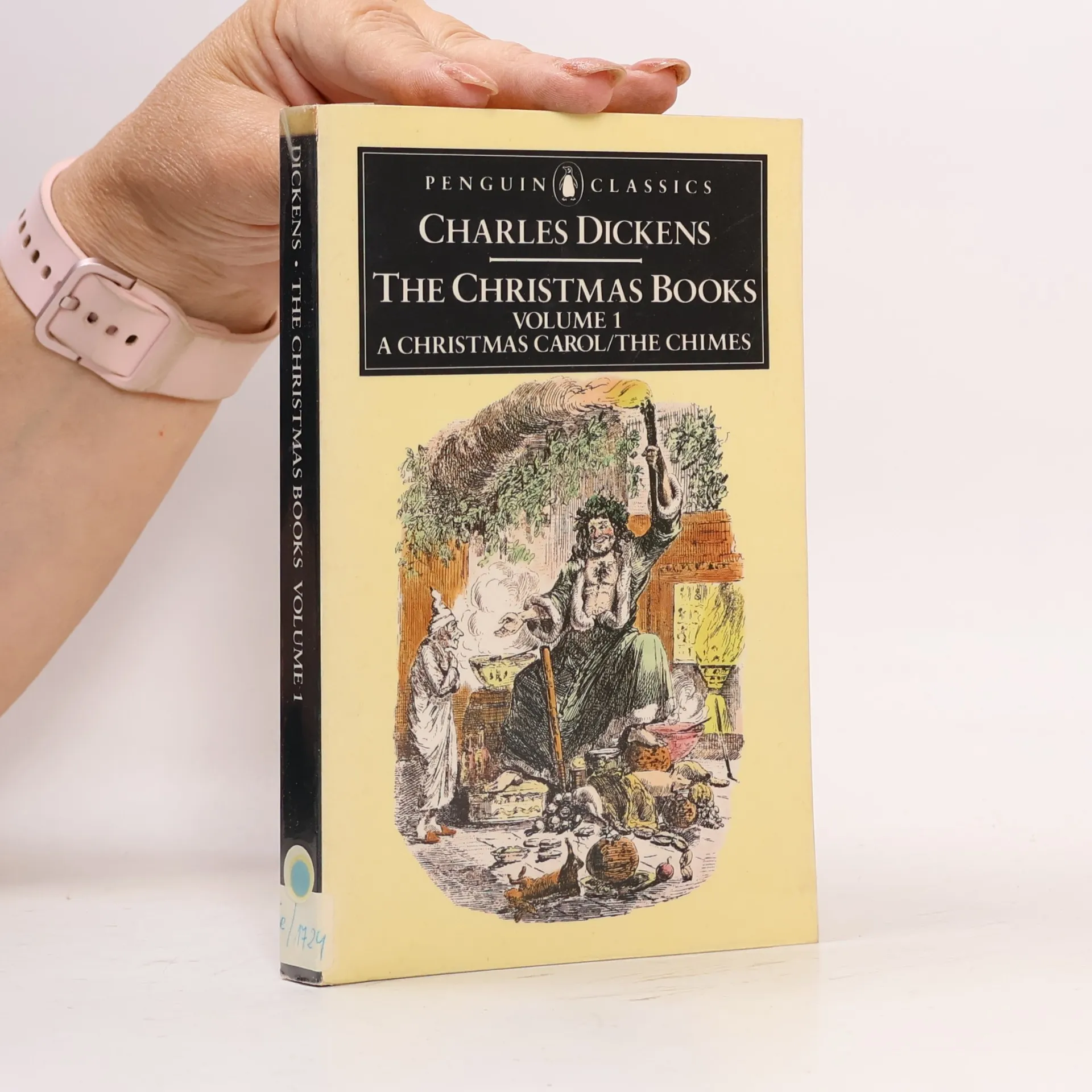
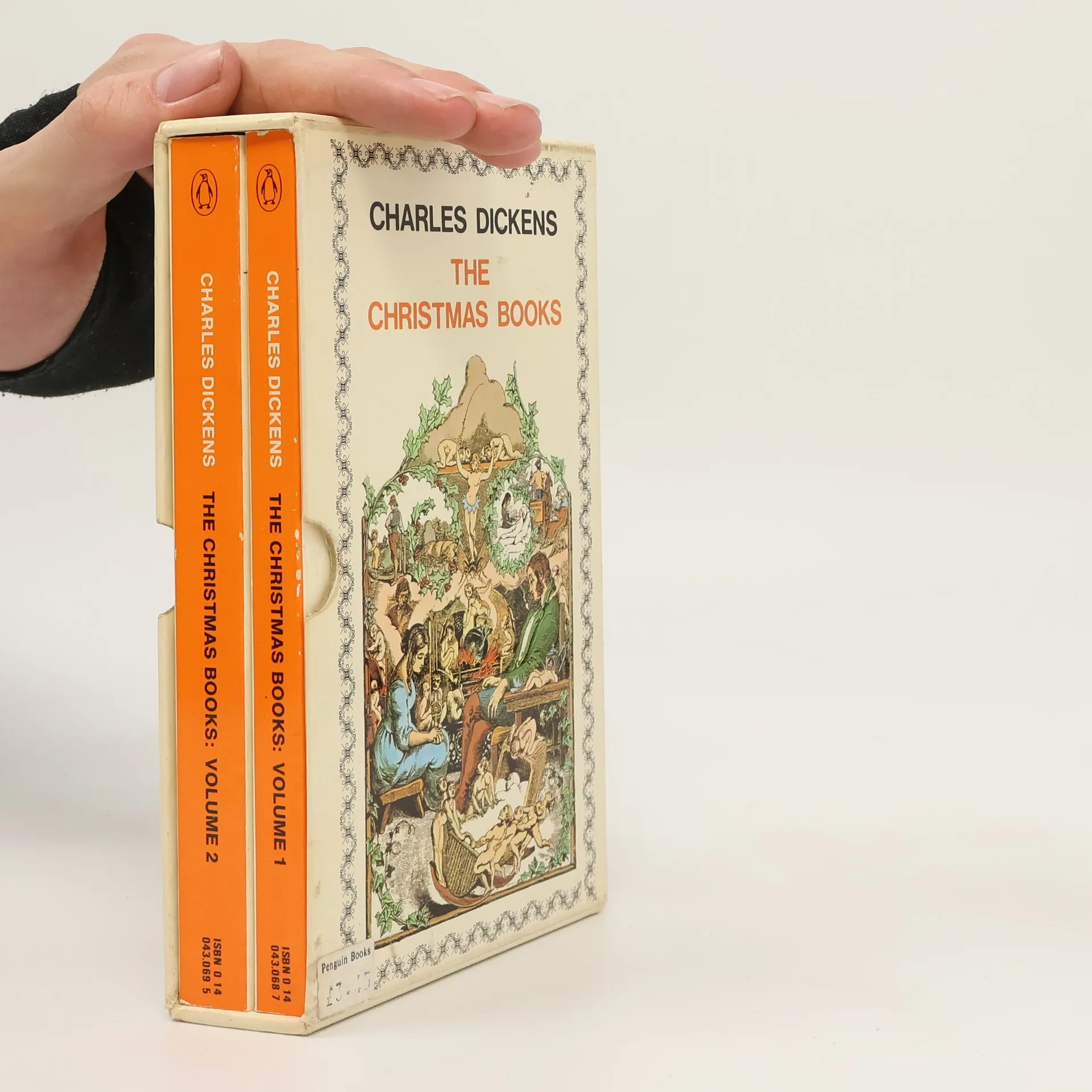
A Christmas carol: Seven years after the death of his business partner Jacob Marley, a miserable old man named Ebenezer Scrooge is working in his office. He hates happiness, love, family, generosity, Christmas, and probably also puppies. When his nephew Fred invites him over to Christmas dinner, Scrooge yells at him and refuses. Scrooge then tells off the people collecting charity donations, and grumbles and complains that the fact that his clerk Bob Cratchit gets a paid day off for Christmas is theft. The chimes: A goblin story of some bells that rang an old year out and a new year in is set during New Year's Eve in London. The story commences with a lengthy, haunting description of a churchyard at night. Dickens sets an evocative scene by stating in the opening paragraph: " ... there are not, I say, many people who would care to sleep in a church."
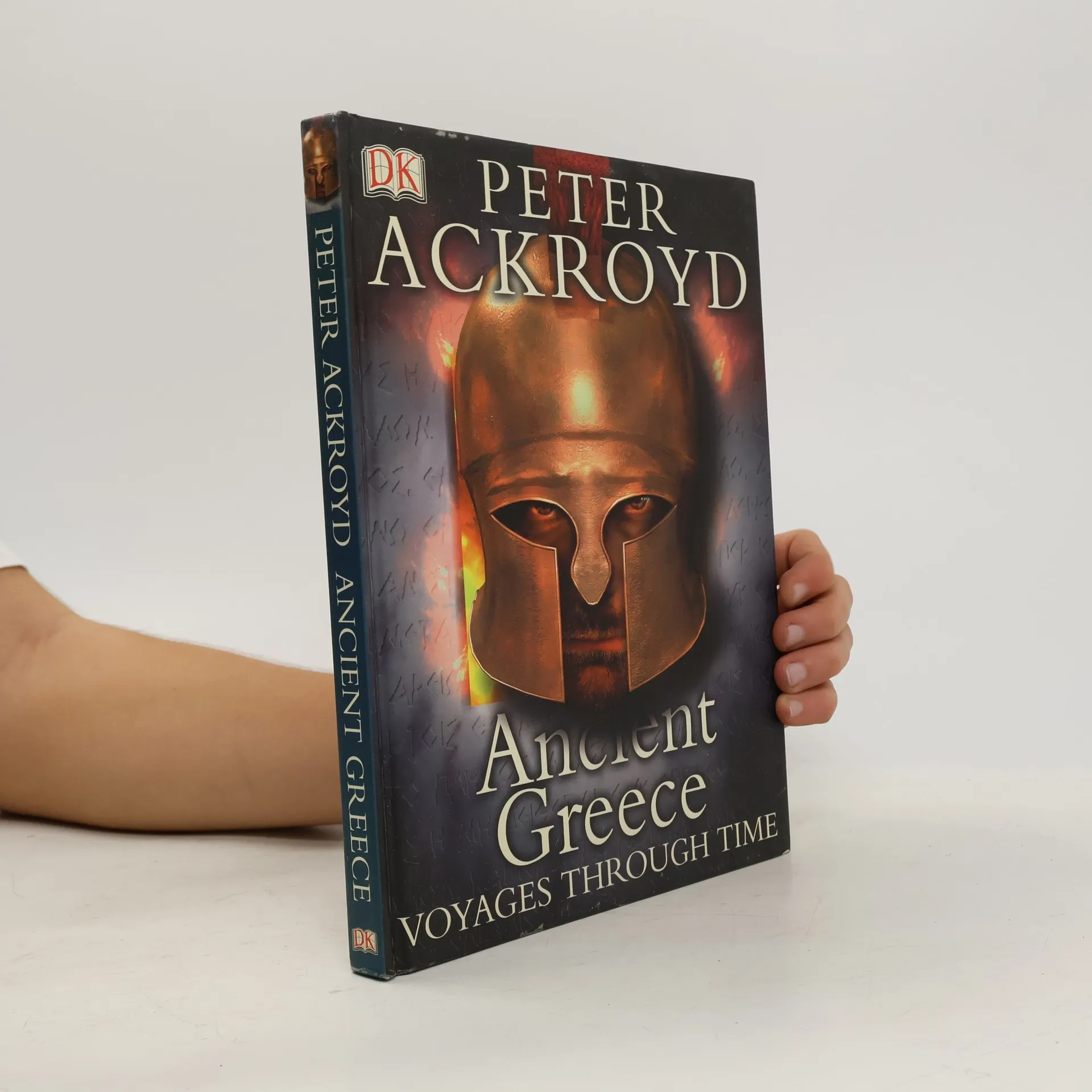
From athletes to academics, warriors to war horses - enter the realm of Ancient Greece. The cradle of Western civiliation, Greece was a land of innovation and supreme power. Statesmen, architects and heroes - uncover the secrets of this formidable land, if you dare... Peter Ackroyd brilliantly brings to life the wonder of the Ancient Greeks- it's history, but not as you know it!
"Alors, tu crois qu'il n'y a que Dieu qui voit les âmes, Basil ? Écarte le rideau et tu verras la mienne." Dorian Gray prononce ces mots avec une dureté cruelle. Hallward, le peintre, s'inquiète de la folie de Dorian. Ce dernier, dans un acte impulsif, arrache le rideau du tableau et révèle son propre portrait. L'horreur s'empare de Hallward en découvrant le visage hideux de Dorian sur la toile, bien que sa beauté stupéfiante ne soit pas encore entièrement altérée. Les reflets dorés de sa chevelure et la sensualité de sa bouche persistent, tandis que ses yeux, bien que bouffis, conservent une lueur de leur ancien éclat. Le tableau, signé par Hallward, soulève des questions troublantes sur l'identité et la beauté. Dorian est confronté à une idée monstrueuse, mêlant fascination et peur, alors qu'il réalise que son image est en train de se dégrader, tandis que lui-même reste inchangé.
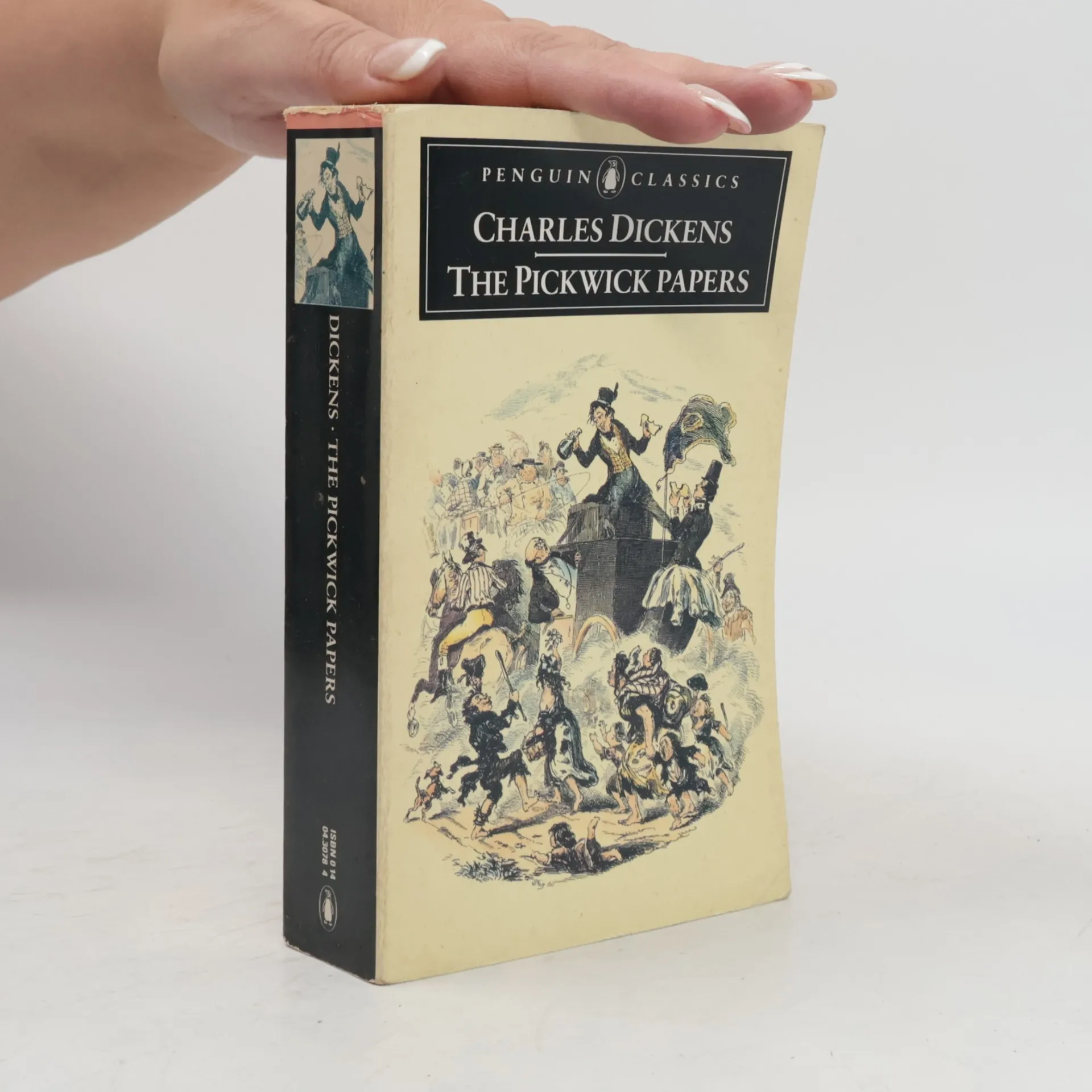
Charles Dickens's satirical masterpiece, "The Pickwick Papers," catapulted the young writer into literary fame when it was first serialized in 1836-37. It recounts the rollicking adventures of the members of the Pickwick Club as they travel about England getting into all sorts of mischief. Laugh-out-loud funny and endlessly entertaining, the book also reveals Dickens's burgeoning interest in the parliamentary system, lawyers, the Poor Laws, and the ills of debtors' prisons. As G. K. Chesterton noted, "Before ÝDickens ̈ wrote a single real story, he had a kind of vision . . . a map full of fantastic towns, thundering coaches, clamorous market-places, uproarious inns, strange and swaggering figures. That vision was Pickwick."
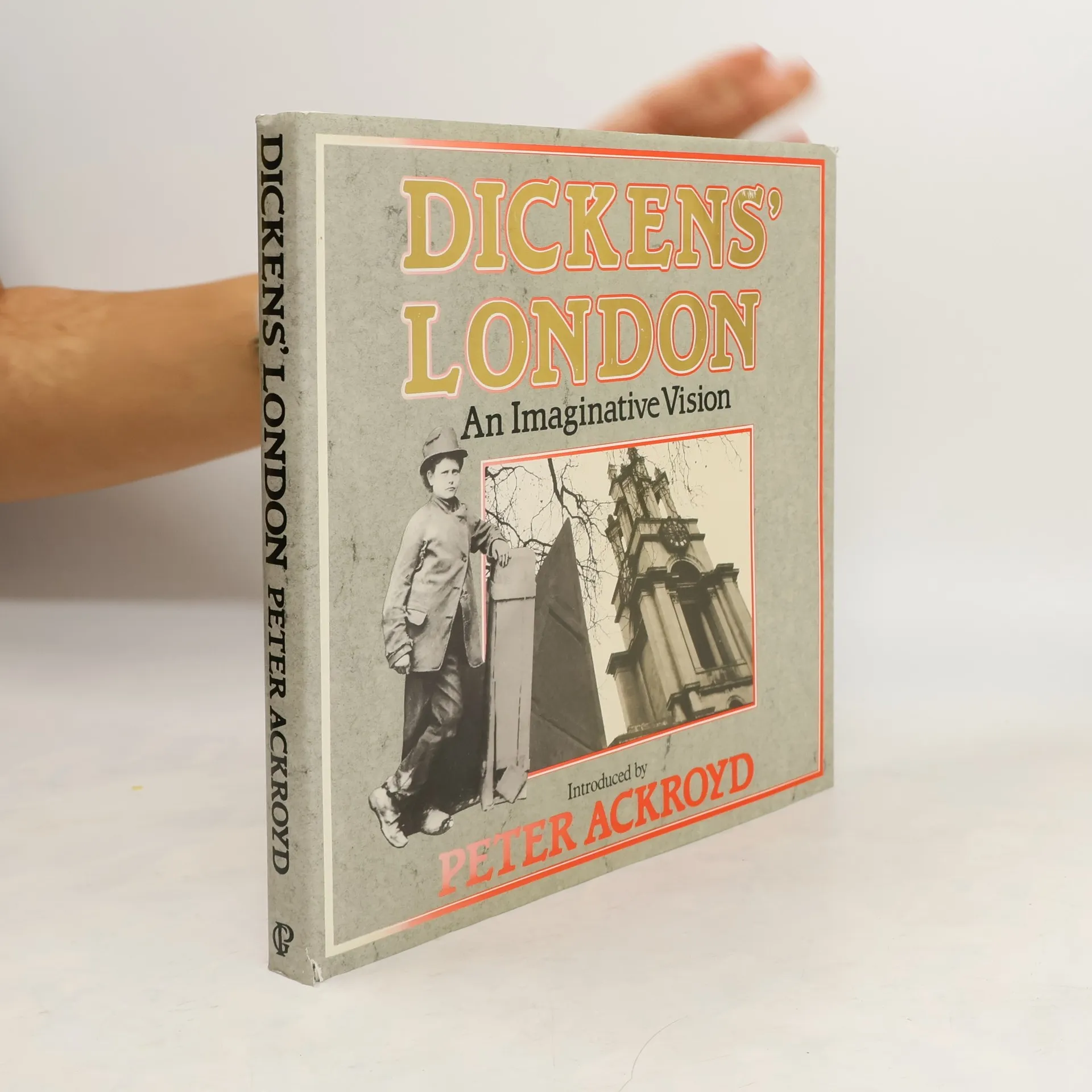
A visual interpretation of the nineteenth century London of Dickens' time.
The sixth and final volume in Peter Ackroyd's magnificent History of England series, taking us from the Boer War to the Millennium Dome almost a hundred years later.
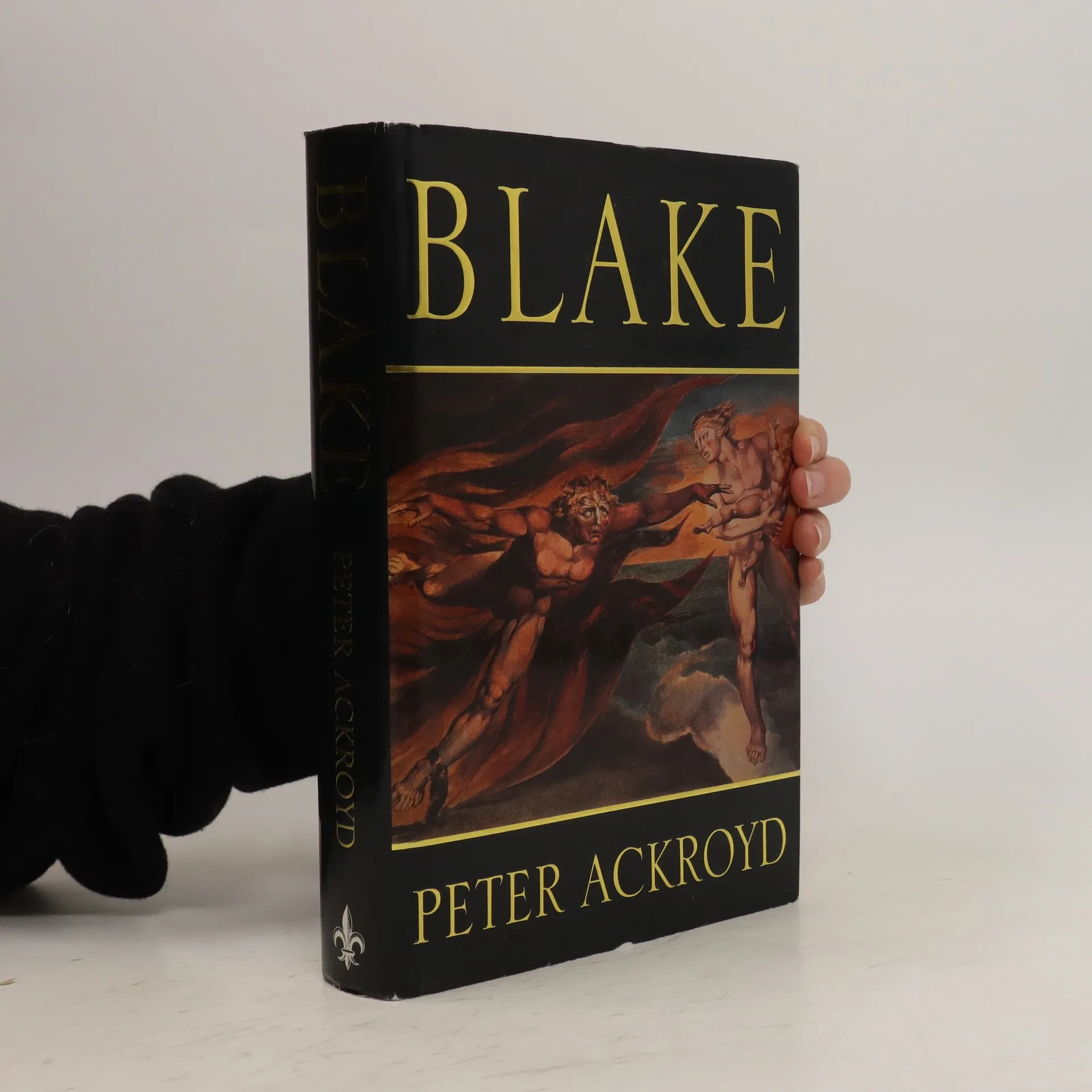
"Peter Ackroyd discloses the true nature of Blake's life and art. He traces his progression from early childhood in a Dissenting household, through his apprenticeship as an engraver and his studies at the newly formed Royal Academy Schools, to his full maturity when he produced the masterpieces upon which his reputation rests - works such as Jerusalem, Milton and Songs of Innocence and of Experience, works that were as neglected during his lifetime as they are celebrated today."--BOOK JACKET. "But we also see Blake in the context of his period; we see him caught up in the Gordon Riots, excited by the French Revolution, being tried for sedition during the Napoleonic wars, attracted to various forms of spiritual radicalism and sexual magic."--BOOK JACKET. "This is the first biography to reveal the true affinities between Blake's art and his poetry; in the magnificent biographical narrative we see Blake as a Cockney visionary and a London tradesman, as a prophet and an artisan."--Jacket
In Colours of London Peter Ackroyd tells the history of London through the lens of colour - with specially commissioned colorised photographs from Dynamichrome that bring a lost London back to life.
Een meeslepende weergave van de duistere criminele onderwereld van Londen, het verhaal volgt Oliver Twist, een wees die vanaf zijn geboorte geconfronteerd wordt met kwaad en tegenspoed. Na te zijn ontsnapt uit het werkhuis en de pompeuze Mr. Bumble, wordt Oliver in een bende van dieven getrokken, vol levendige personages zoals de sluwe Artful Dodger, de brute inbreker Bill Sikes, zijn hond Bull's Eye en de prostituee Nancy, allemaal onder het waakzame oog van meester-dief Fagin. Dickens mengt elementen van Gothic Romance, Newgate Novel en populair melodrama, en creëert een nieuwe soort fictie die een wrede samenleving bekritiseert, doordrenkt met een gevoel van bedreiging en mysterie. Dit verhaal biedt een kritische blik op de sociale ongelijkheid van de tijd en de strijd van de onschuldige tegen de onderdrukking van de maatschappij.
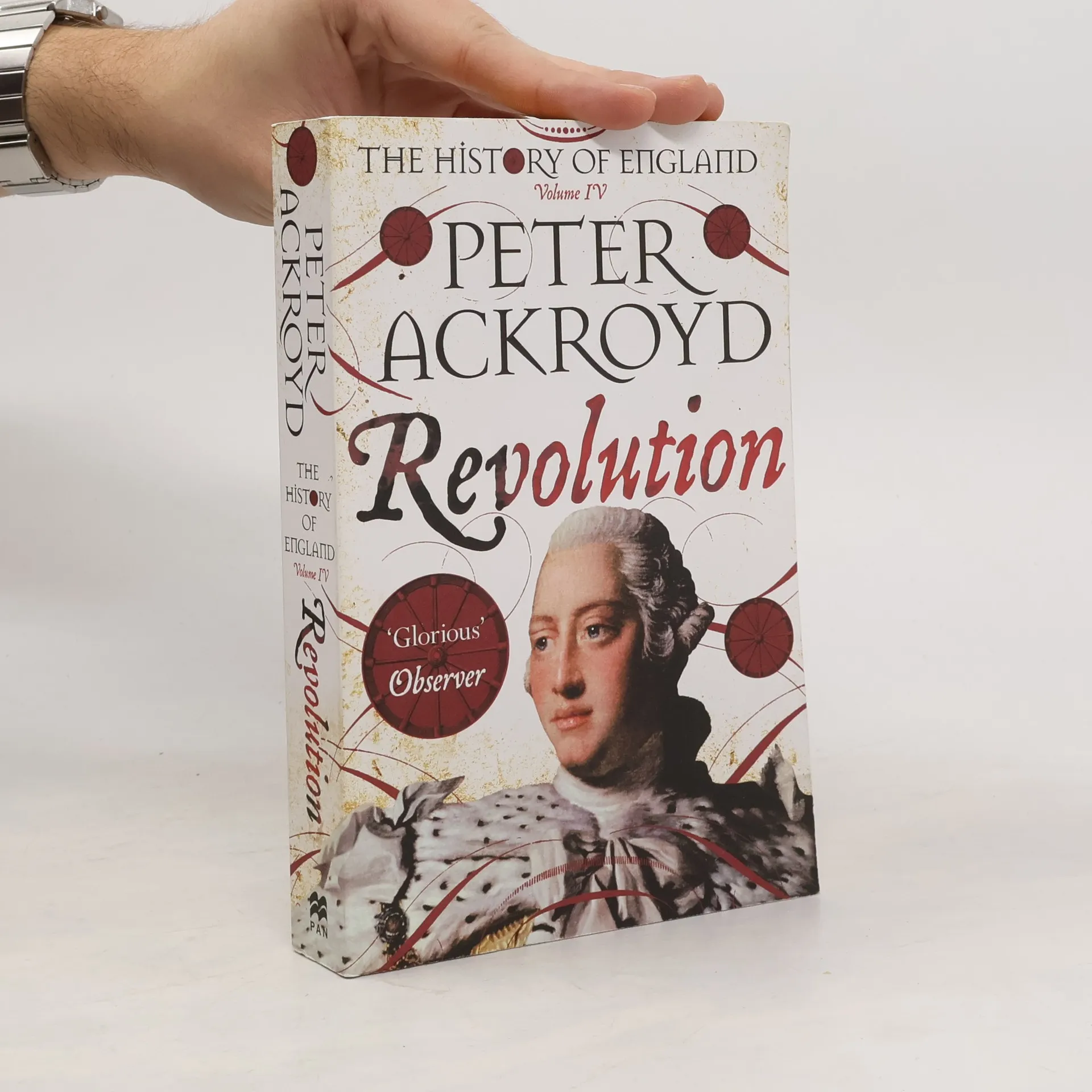
Revolution, the fourth volume of Peter Ackroyd's enthralling History of England begins in 1688 with a revolution and ends in 1815 with a famous victory. In it, Ackroyd takes readers from William of Orange's accession following the Glorious Revolution to the Regency, when the flamboyant Prince of Wales ruled in the stead of his mad father, George III, and England was - again - at war with France, a war that would end with the defeat of Napoleon at Waterloo.Late Stuart and Georgian England marked the creation of the great pillars of the English state. The Bank of England was founded, as was the stock exchange, the Church of England was fully established as the guardian of the spiritual life of the nation and parliament became the sovereign body of the nation with responsibilities and duties far beyond those of the monarch. It was a revolutionary era in English letters, too, a time in which newspapers first flourished and the English novel was born. It was an era in which coffee houses and playhouses boomed, gin flowed freely and in which shops, as we know them today, began to proliferate in our towns and villages. But it was also a time of extraordinary and unprecedented technological innovation, which saw England utterly and irrevocably transformed from a country of blue skies and farmland to one of soot and steel and coal.
Lavish, large format picture book about London, with Peter Ackroyd's inimitable text (taken from London: A Biography), new pictures and new captions. Divided into four parts: 1) In the beginning Roman and Medieval London, ending with the Black Death; 2) Red Contrasts the Great Fire of 1666 with the Blitz of 1944, and tells the story of both in gripping narrative; 3) Motley Theatrical London, including street fairs, street theatre, London as mob and crowd etc; 4) Black The industrial revolution, the London poor and homeless, London as centre of empire (including emigration), London prisons, huge expansion of the metropolis (including the London suburbs).
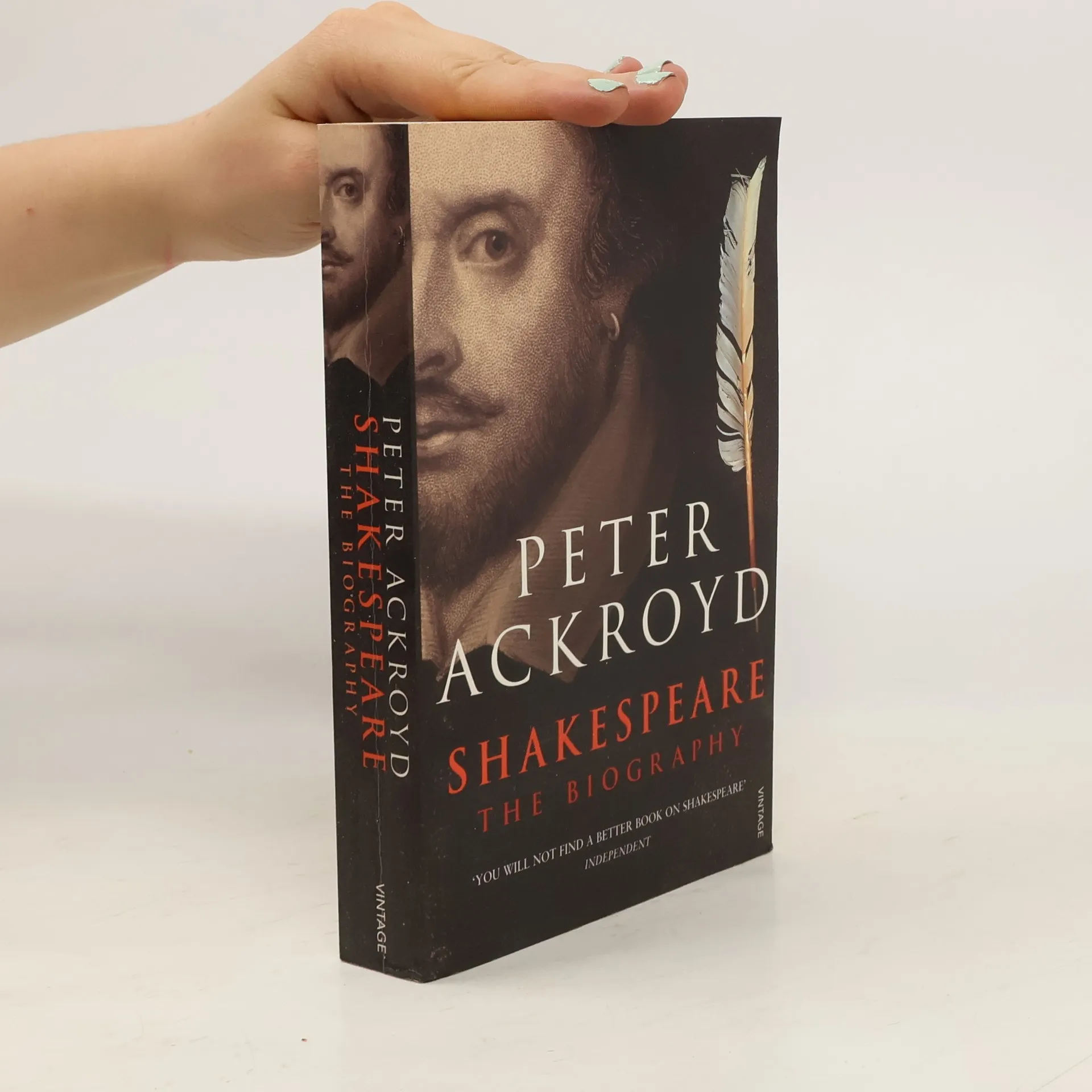
Offers a biography of Shakespeare, this book reads like the work of a contemporary meeting Shakespeare. It is a depiction of the world Shakespeare inhabited.
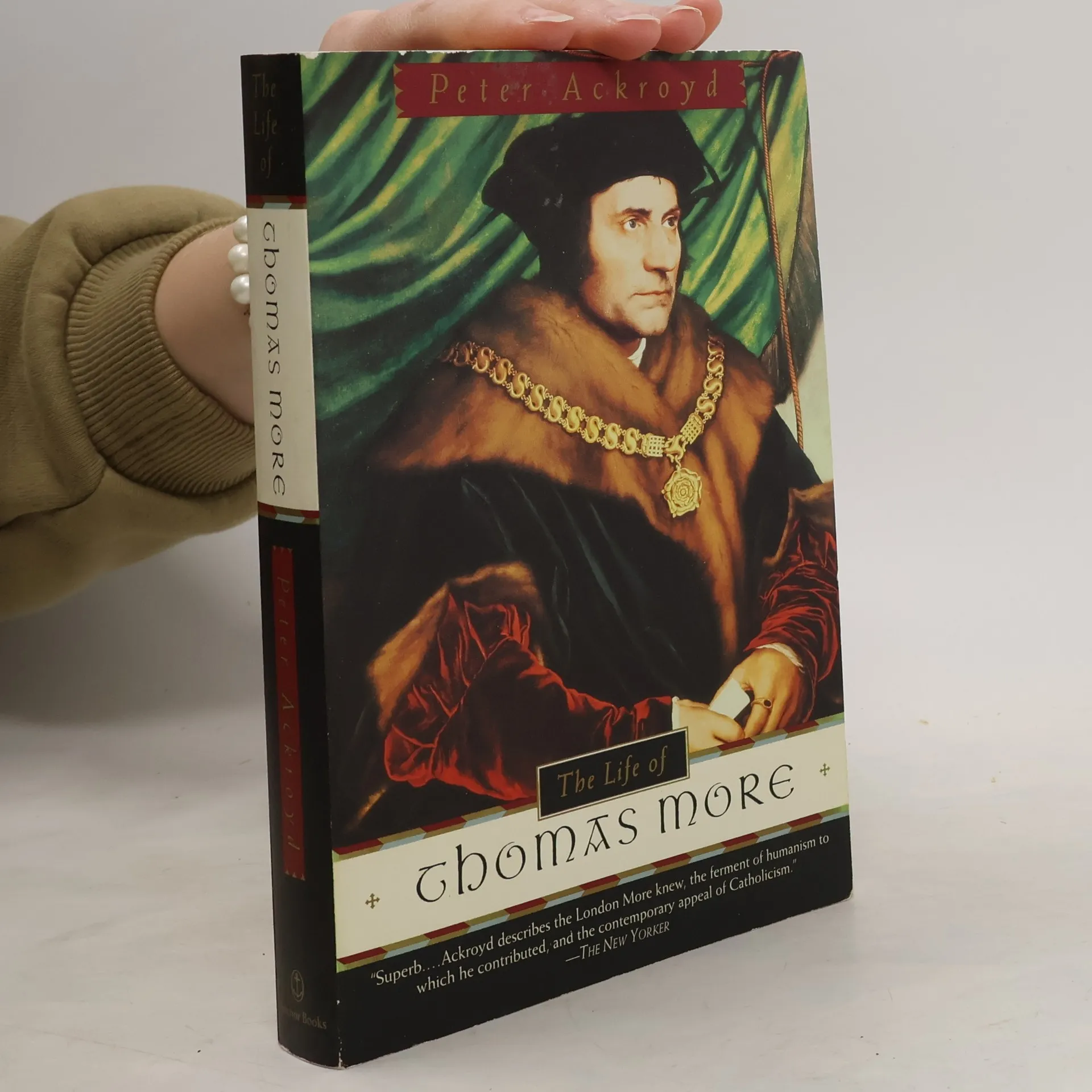
Focusing on the life and imagination of Thomas More, this biography explores the multifaceted legacy of a prominent statesman and author. Known for his groundbreaking work "Utopia," More shaped a literary genre and perspective on society. His journey also reflects his commitment to his faith, culminating in his recognition as a Catholic martyr and saint. Ackroyd's reconstruction delves into More's remarkable contributions to history and literature, offering insights into his enduring influence.
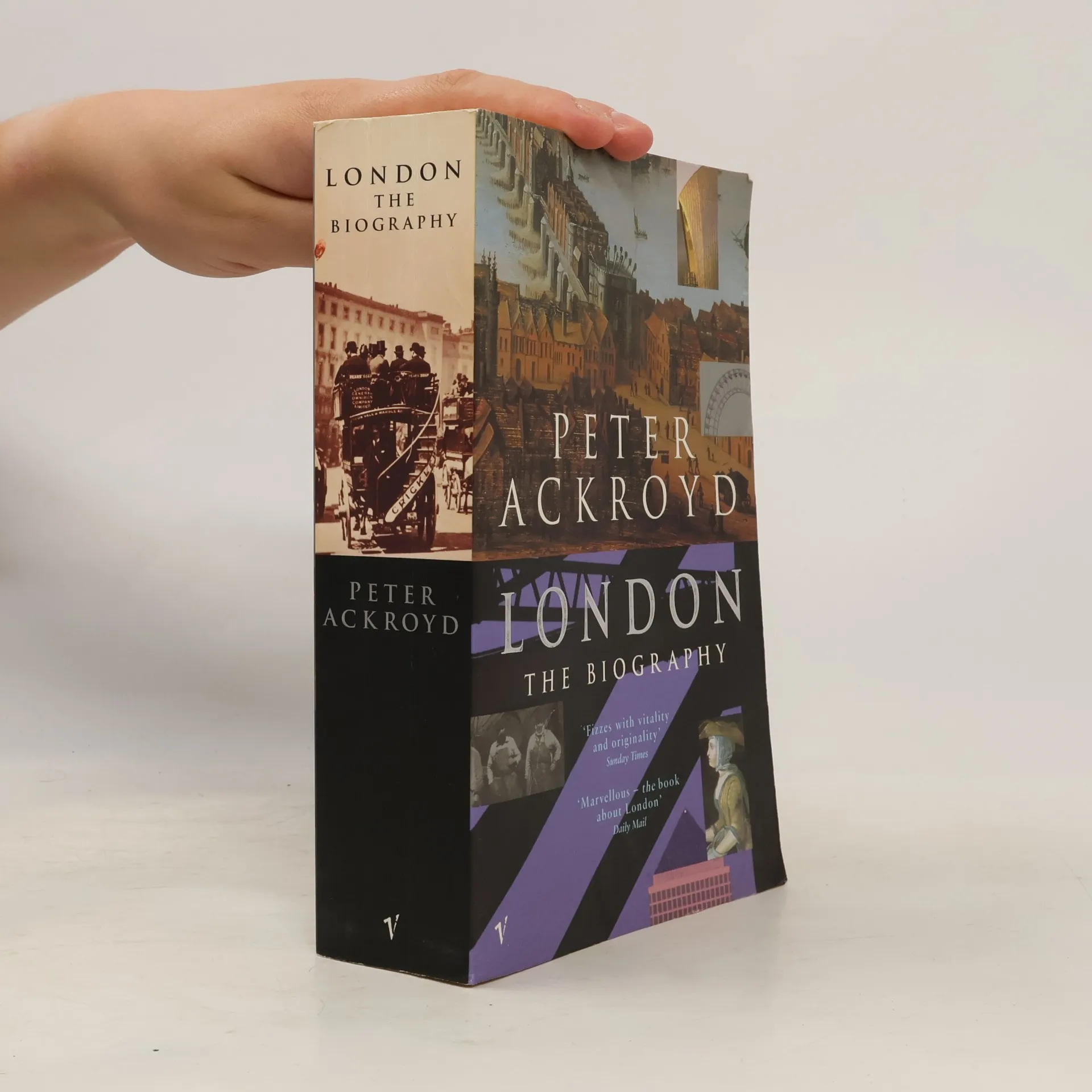
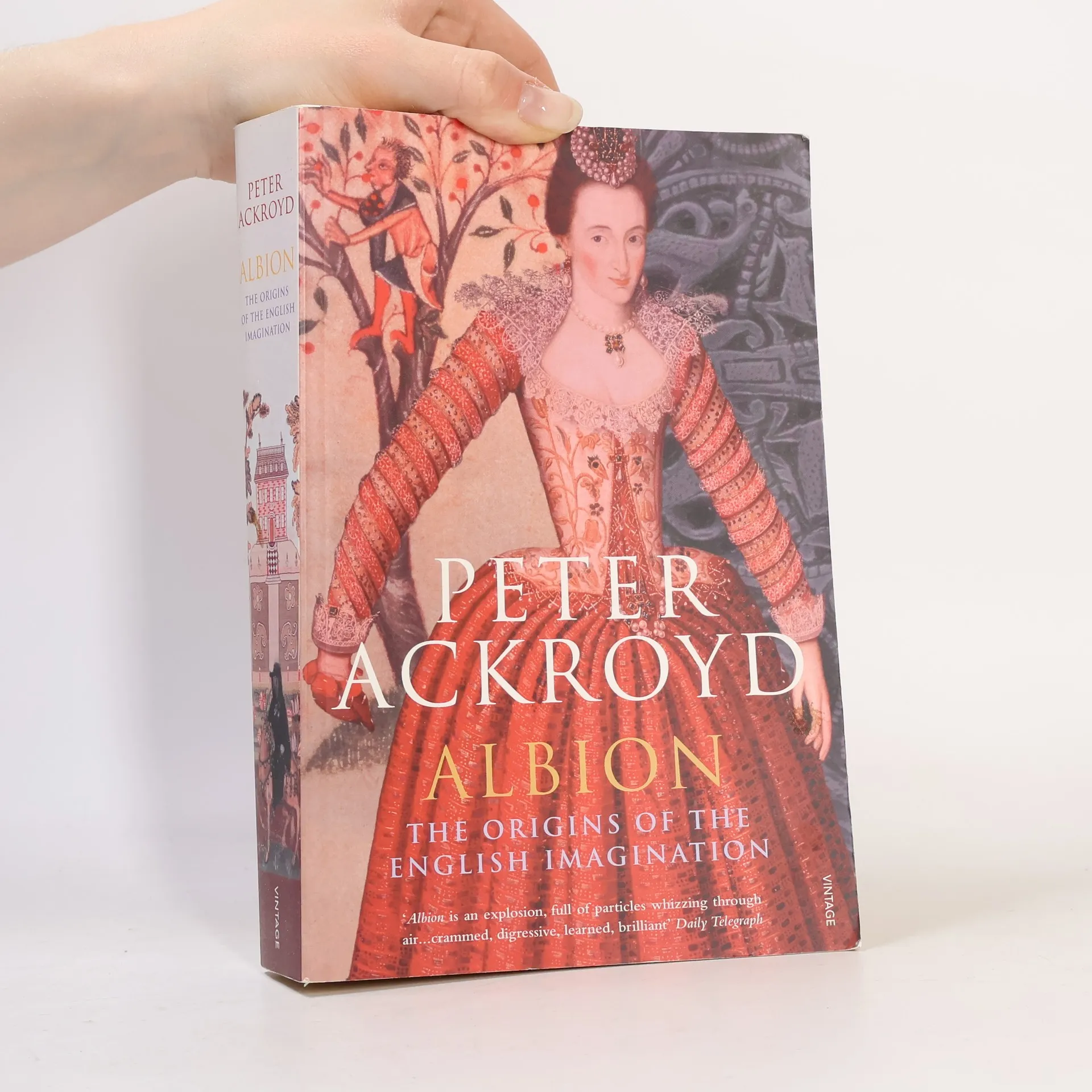
Describes London from the time of the Druids to the beginning of the twenty-first century, noting magnificence in both epochs. This title includes chapters on the history of silence and the history of light, the history of childhood and the history of suicide, the history of Cockney speech and the history of drink.
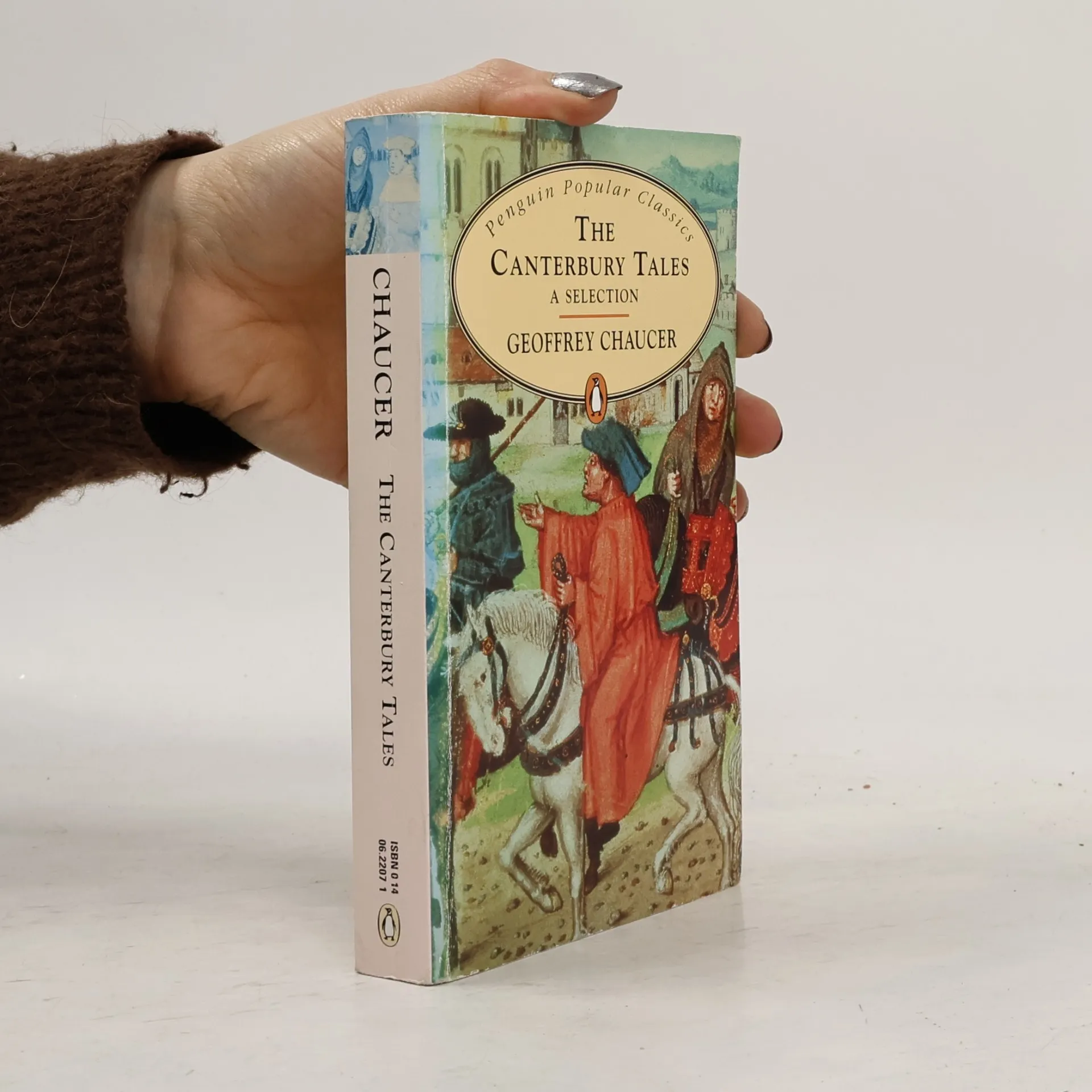
'The Canterbury Tales', compiled in the late fourteenth century, is an incisive portrait, infused with Chaucer's wry wit and vibrant, poetical language. He evokes a spestrum of colourful characters, from the bawdy Wife of Bath to the gallant Knight, the fastidious Prioress and the burly, drunken Miller. As they wend their way from Southwark to Canterbury, tales are told to pass the time, and the stories are as diverse as the narrators, encompassing themes such as adultery, revenge, courtly love, lechery, avarice and penitence. As humorous today as when it was written over six centuries ago, 'The Canterbury Tales' remains one of the most popular and enjoyable of the classic works of literature.
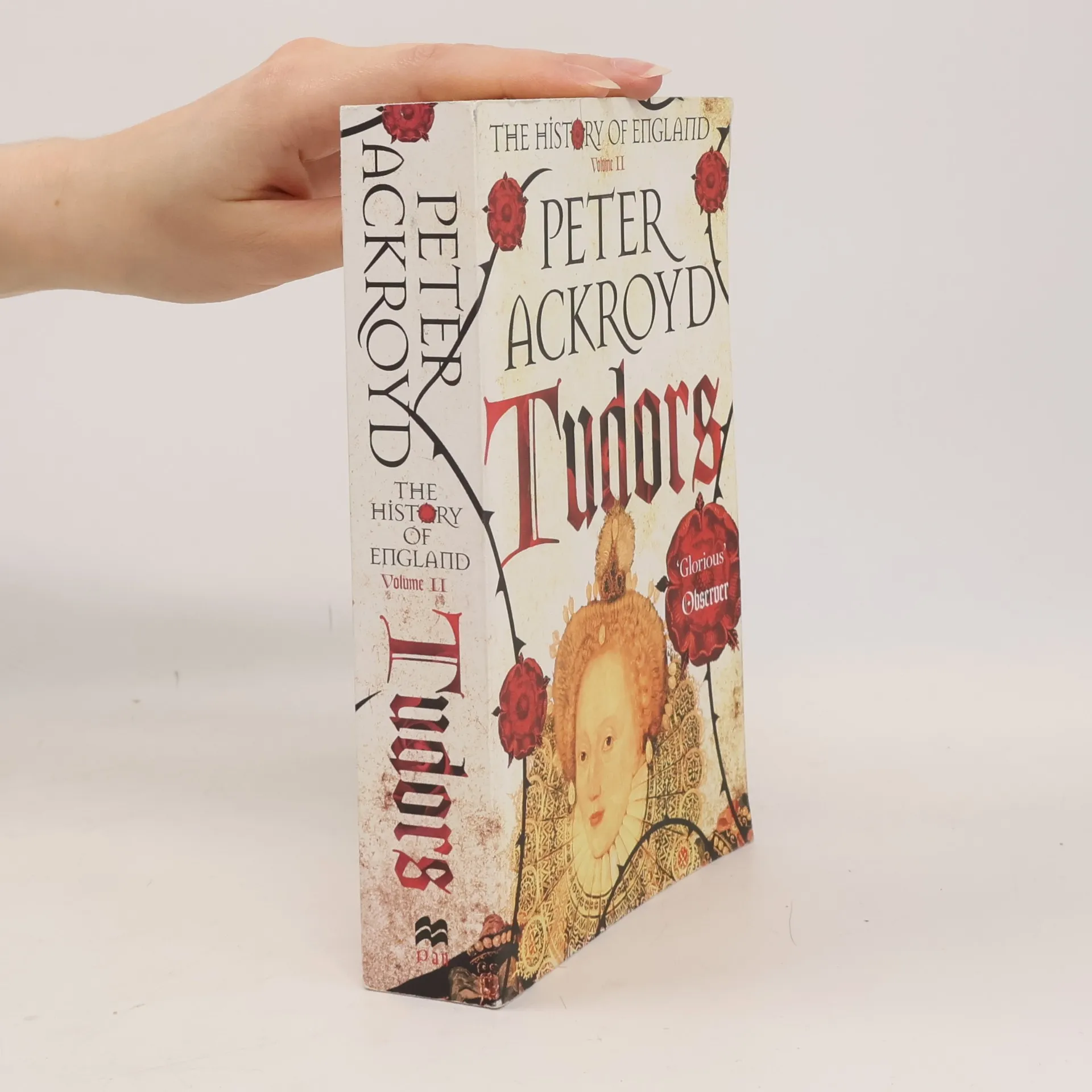
The second volume of Peter Ackroyd's masterful history of England: the Tudors
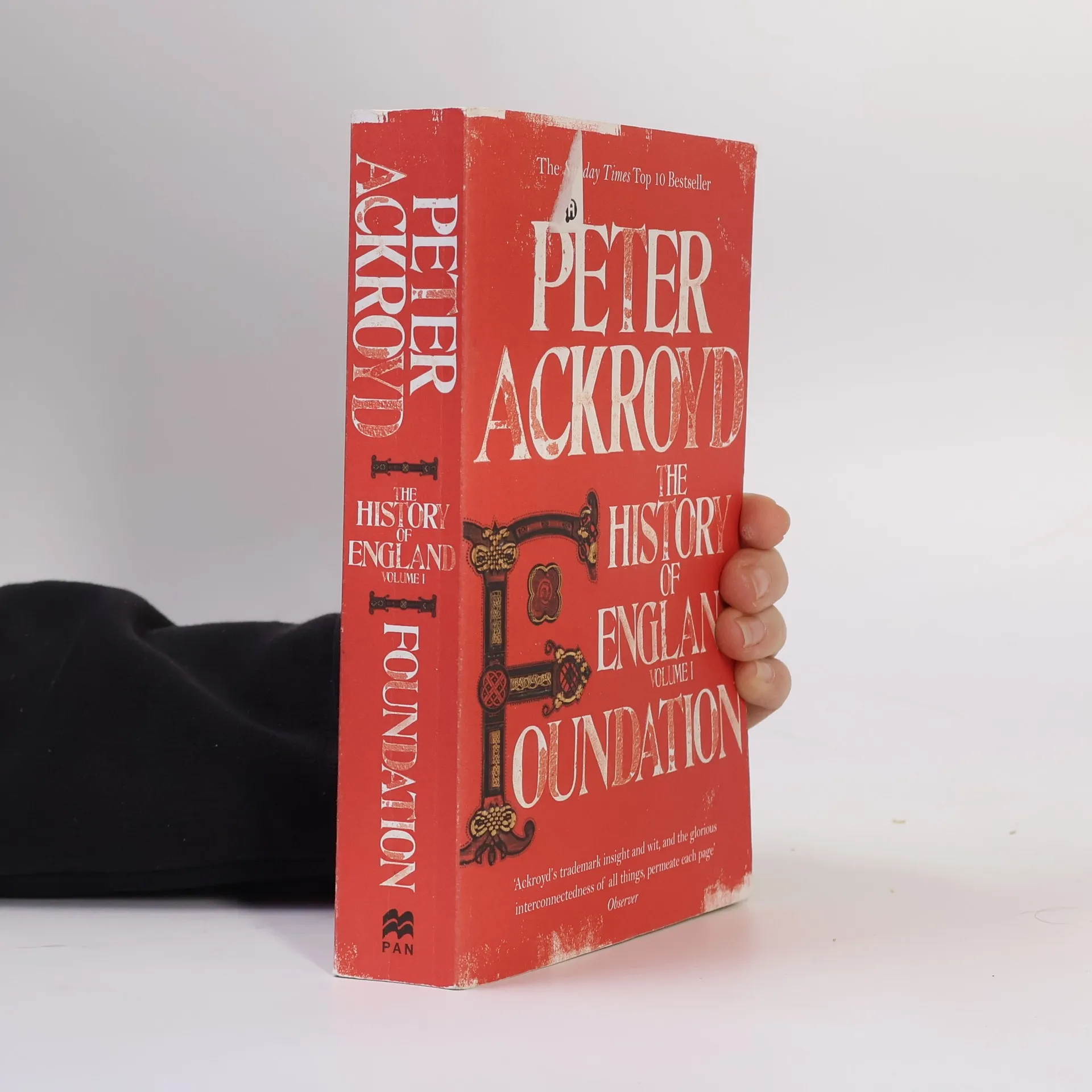
Having written enthralling biographies of London and of its great river, the Thames, Peter Ackroyd now turns to England itself. This first volume of six takes us from the time that England was first settled, more than 15,000 years ago, to the death in 1509 of the first Tudor monarch, Henry VII. In it, Ackroyd takes us from Neolithic England, which we can only see in the most tantalising glimpses - a stirrup found in a grave, some seeds at the bottom of a bowl - to the long period of Roman rule; from the Dark Ages when England was invaded by a ceaseless tide of Angles, Saxons and Jutes, to the twin glories of medieval England - its great churches and monasteries and its common law. With his extraordinary skill for evoking time and place, he tells the familiar story of king succeeding king in rich prose, with profound insight and some surprising details. The food we ate, the clothes we wore, the punishments we endured, even the jokes we told are all found here, too.
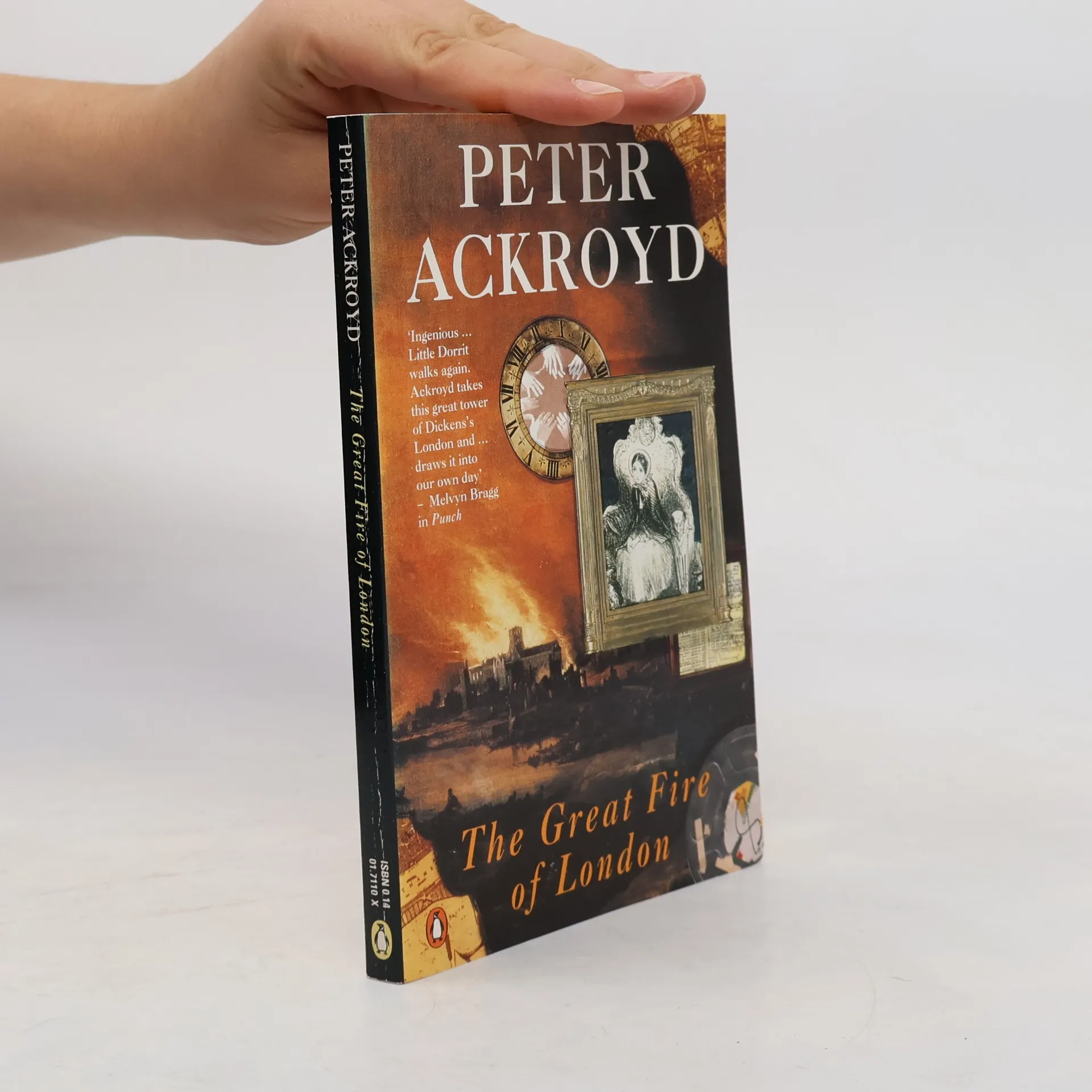
Spenser Spender wants to make a film of Dickens' "Little Dorrit" using a contemporary London prison as a set. But he is not the only person interested in Dickens. Unwittingly he becomes the catalyst for bizarre meetings, coincidences and events, culminating in an apocalyptic conflagration.
An original and superbly entertaining appraisal of the uniquely English approach to stagecraft.
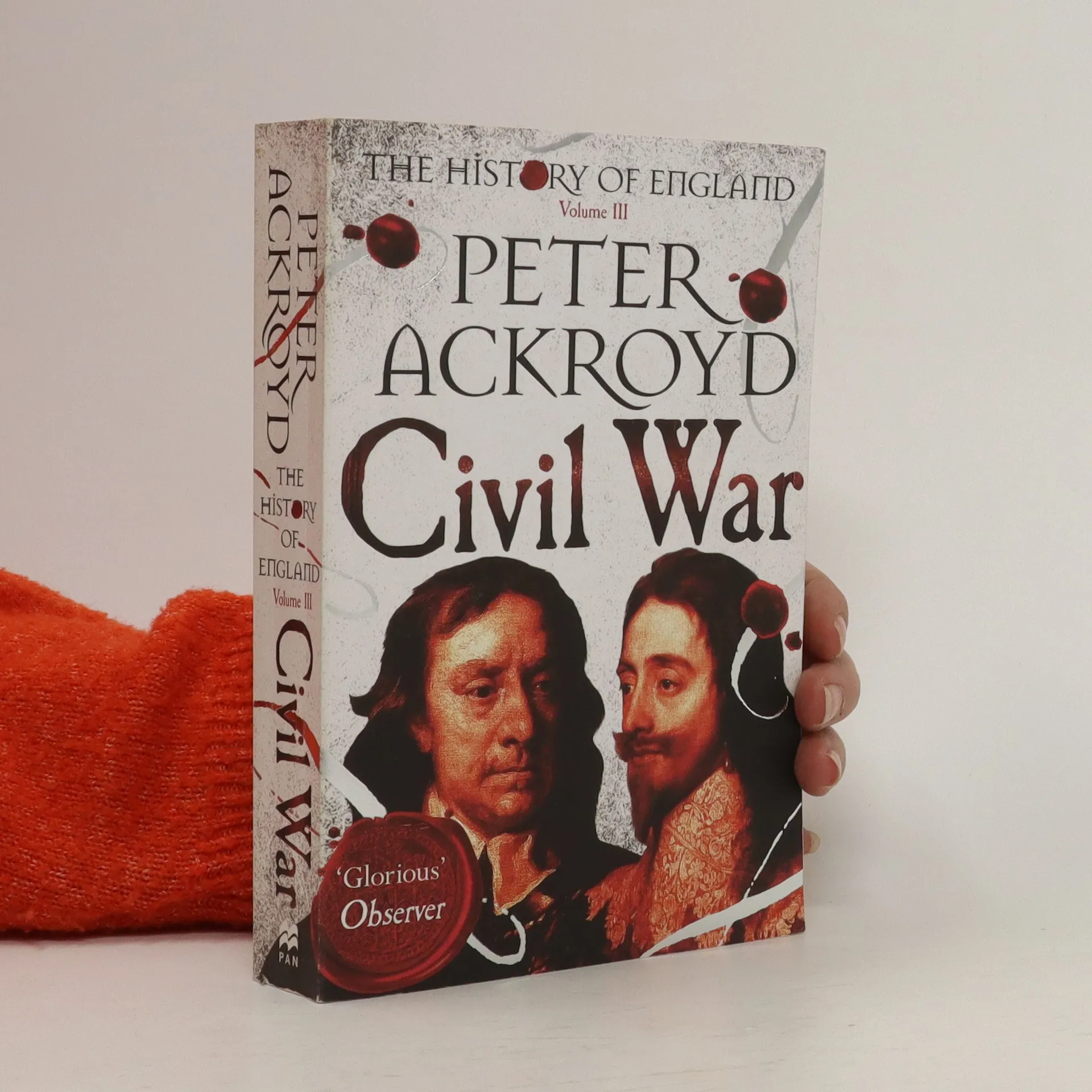
The third volume of Peter Ackroyd's magisterial six-part History of England, taking readers from the accession of the first Stuart king, James I, to the overthrow of his grandson, James II
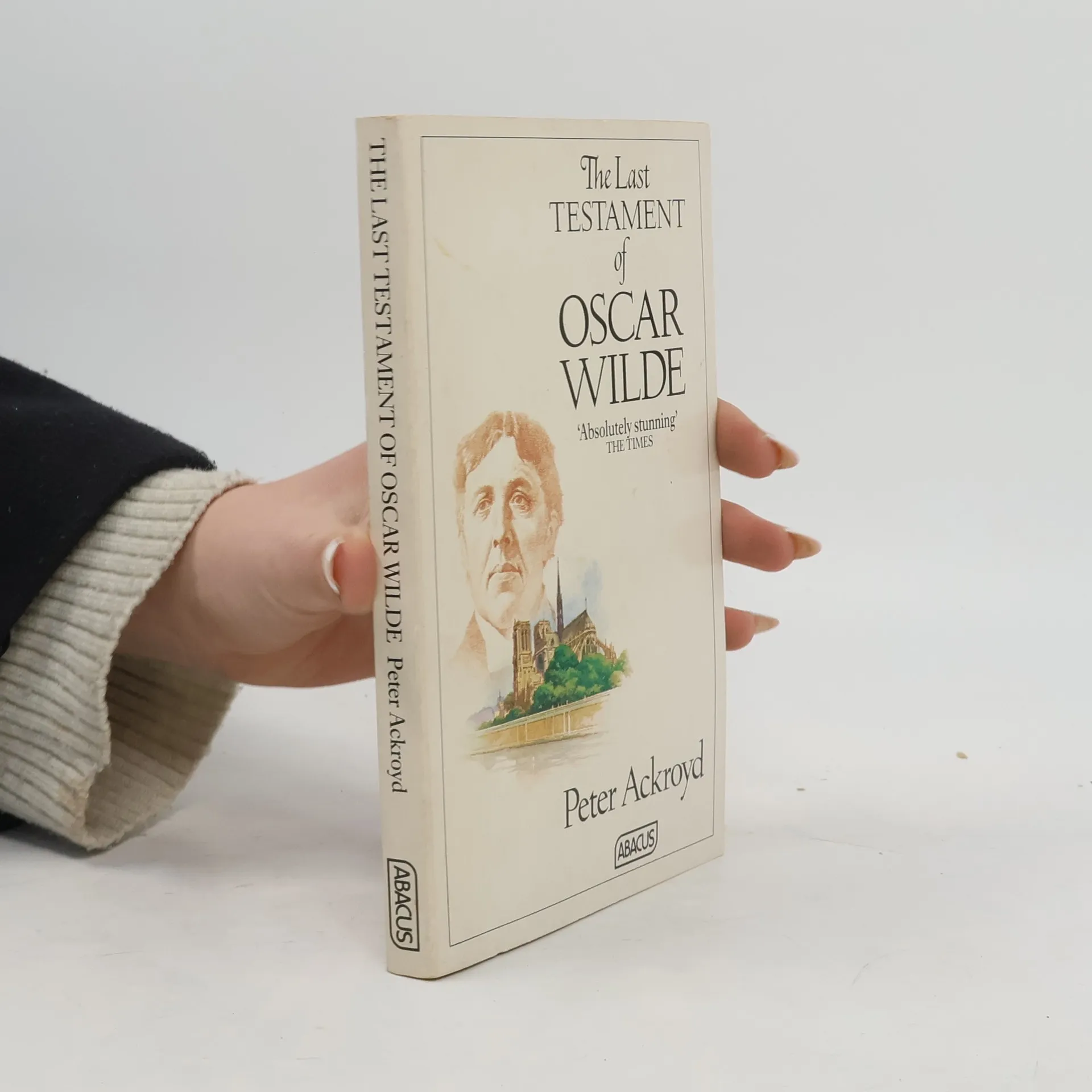
In a fictionalized autobiography, the controversial British writer considers the accomplishments and misfortunes of his life
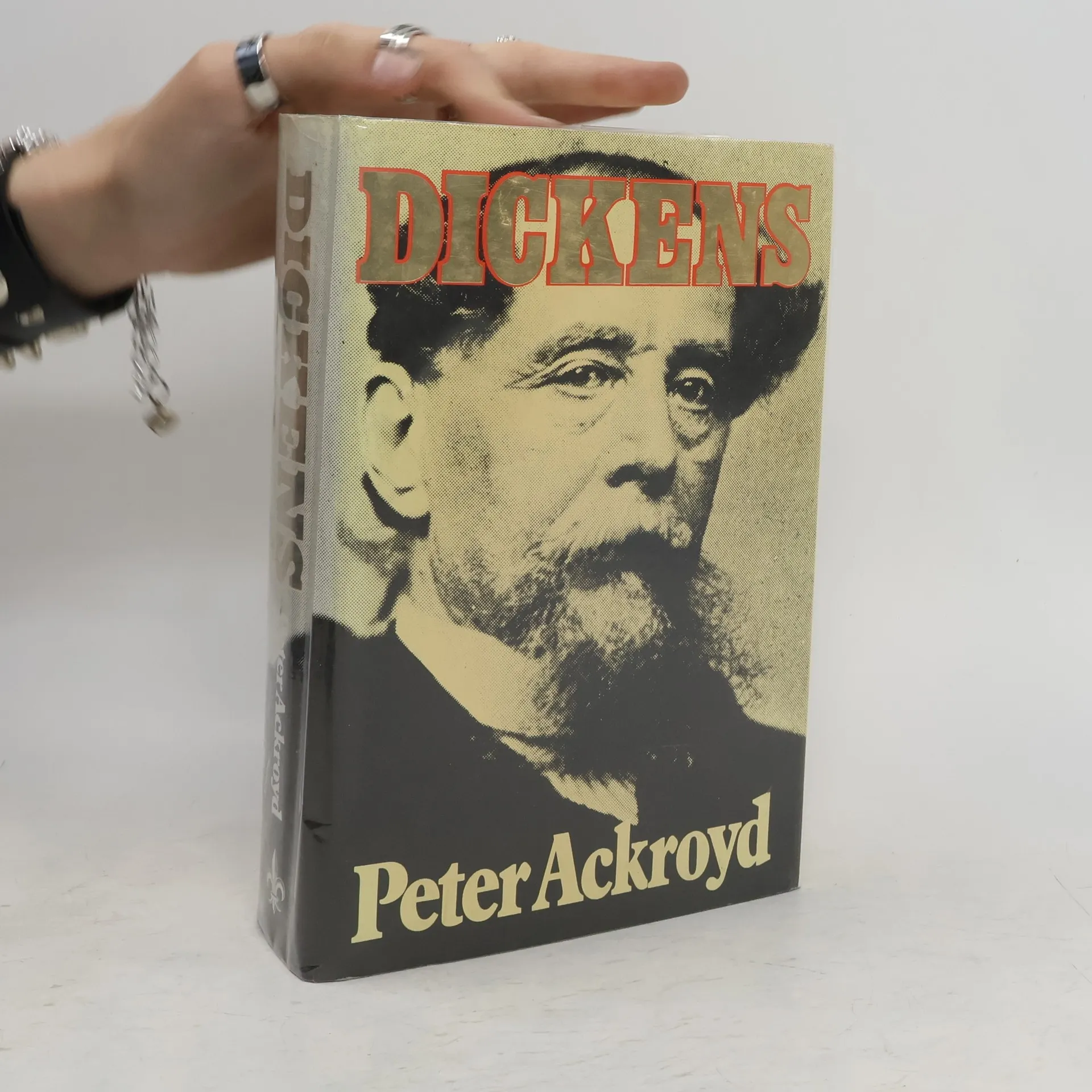
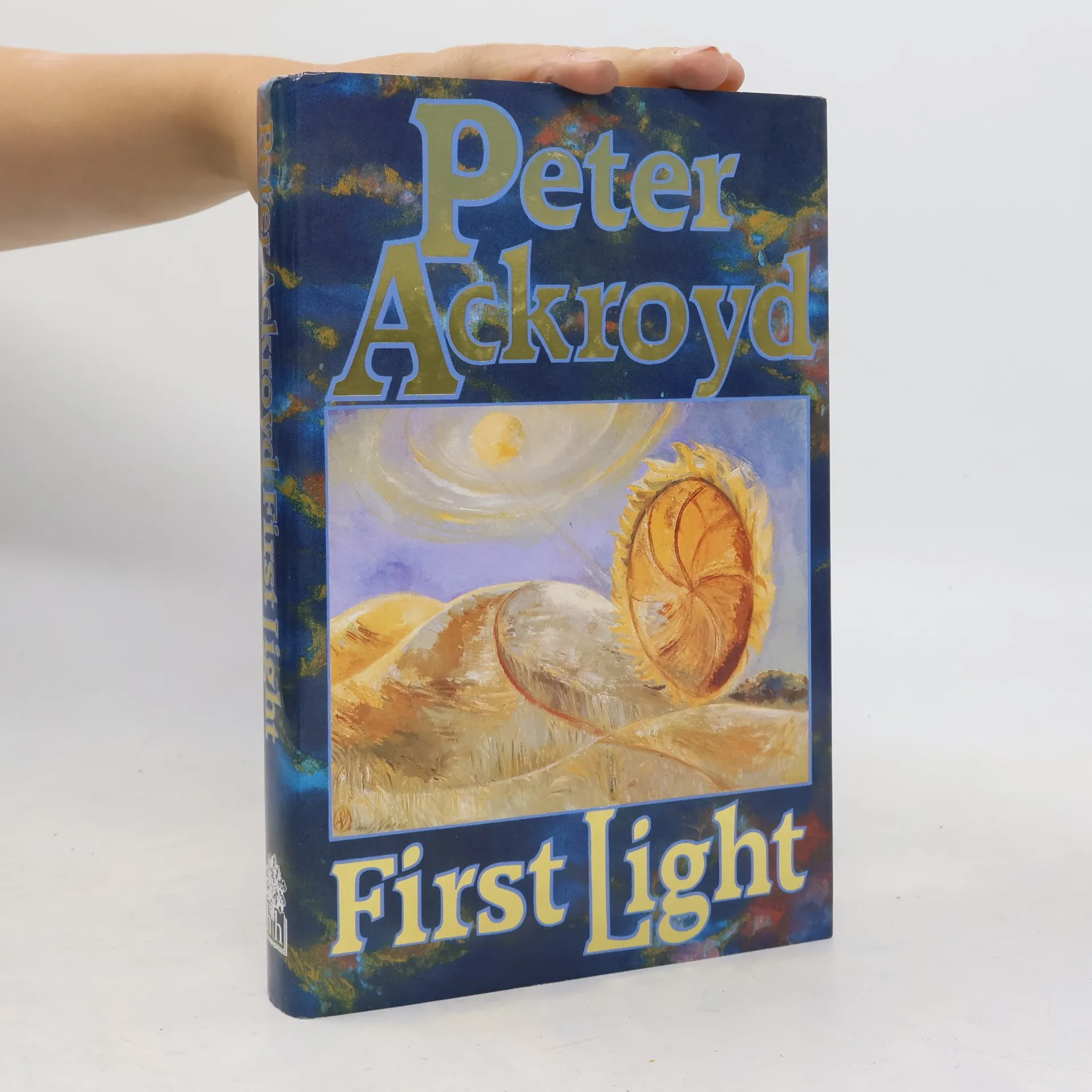
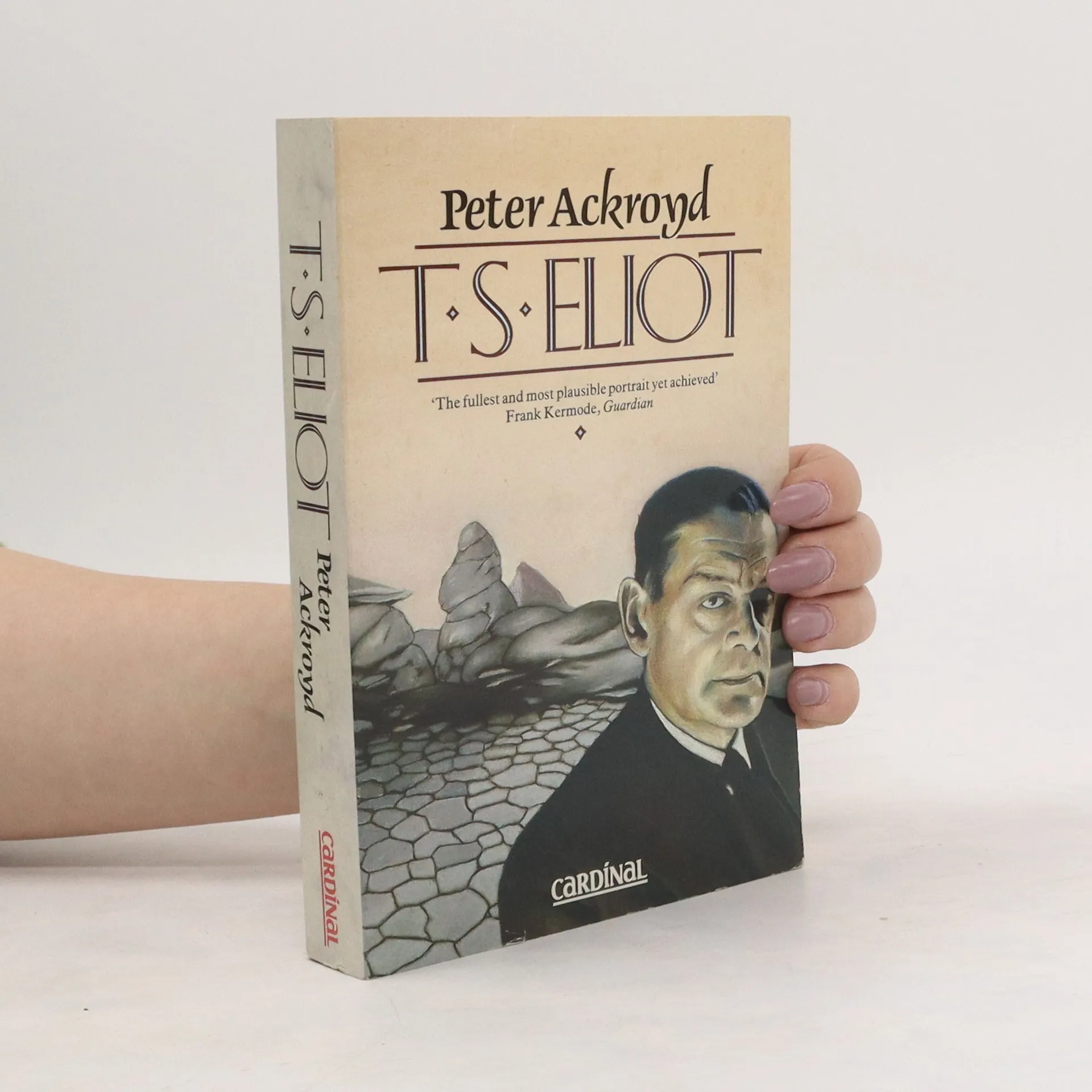
Based upon an examination of original sources, this is a biography in which the figure of Charles Dickens and the moving spirit of his age are combined. The author also wrote "The Last Testament of Oscar Wilde", "Hawksmoor", "Chatterton", "T.S.Eliot" and "First Light".
'Thames: Sacred River', by the bestselling author of 'London: The Biography', is about the river from source to sea. It covers history from prehistoric times to the present; the flora of the river; paintings and photographs inspired by the Thames; its geology, smells and colour; its literature, laws and landscapes; its magic and myths; its architecture, trade and weather.This book meanders gloriously, rather as the river does itself: here are Toad of Toad Hall and Julius Caesar, Henry VIII and Shelley, Turner and Three Men in a Boat. The reader learns about the fishes that swam in the river and the boats that plied on its surface; about floods and tides; hauntings and suicides; sewers, miasmas and malaria; locks, weirs and embankments; bridges, docks and palaces. All the towns and villages along the river's 215-mile length are described.Peter Ackroyd has a genius for digging out the most surprising and entertaining details, and for writing about them in the most magisterial prose.
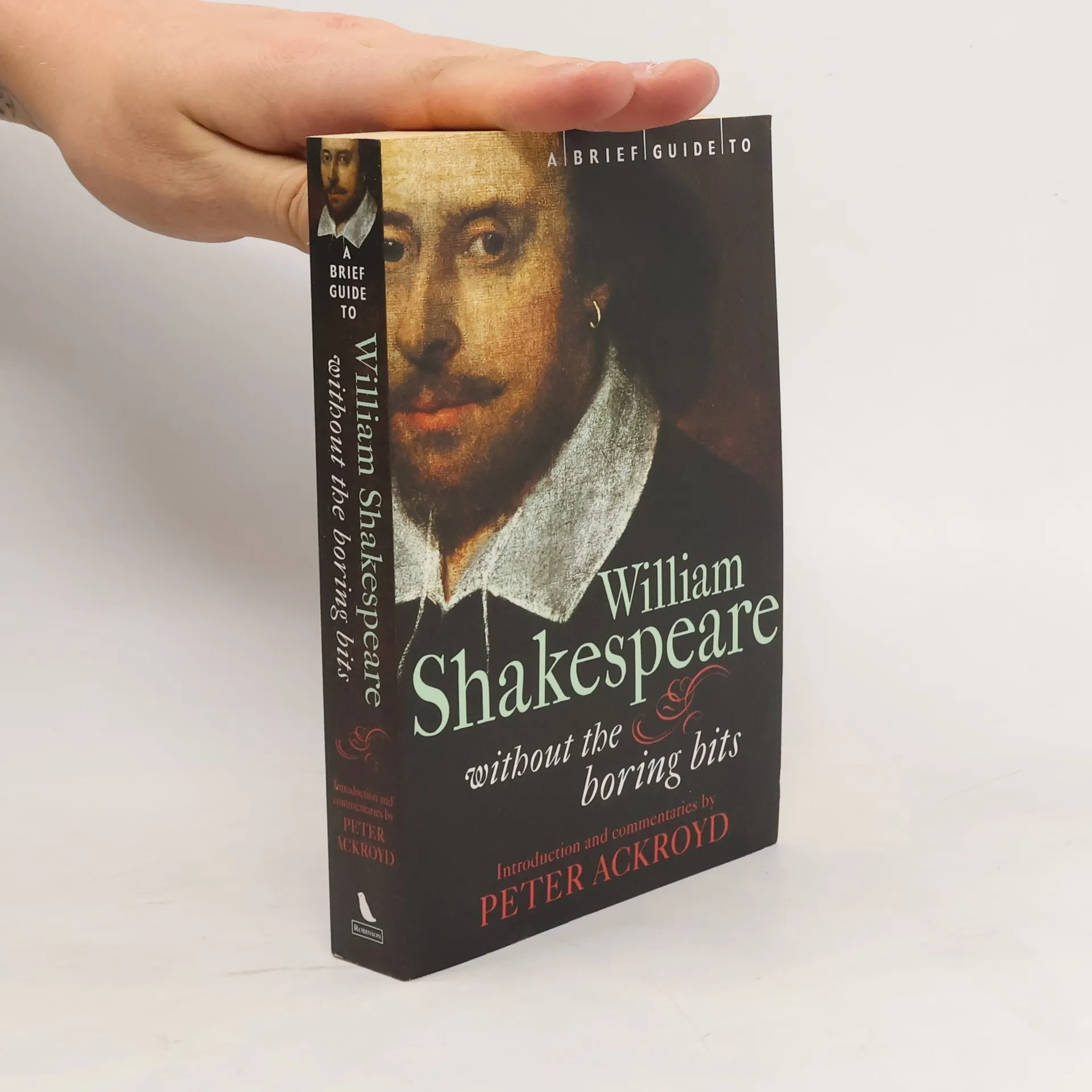
The man and the plays - without the boring bits - with commentary by Peter Ackroyd.
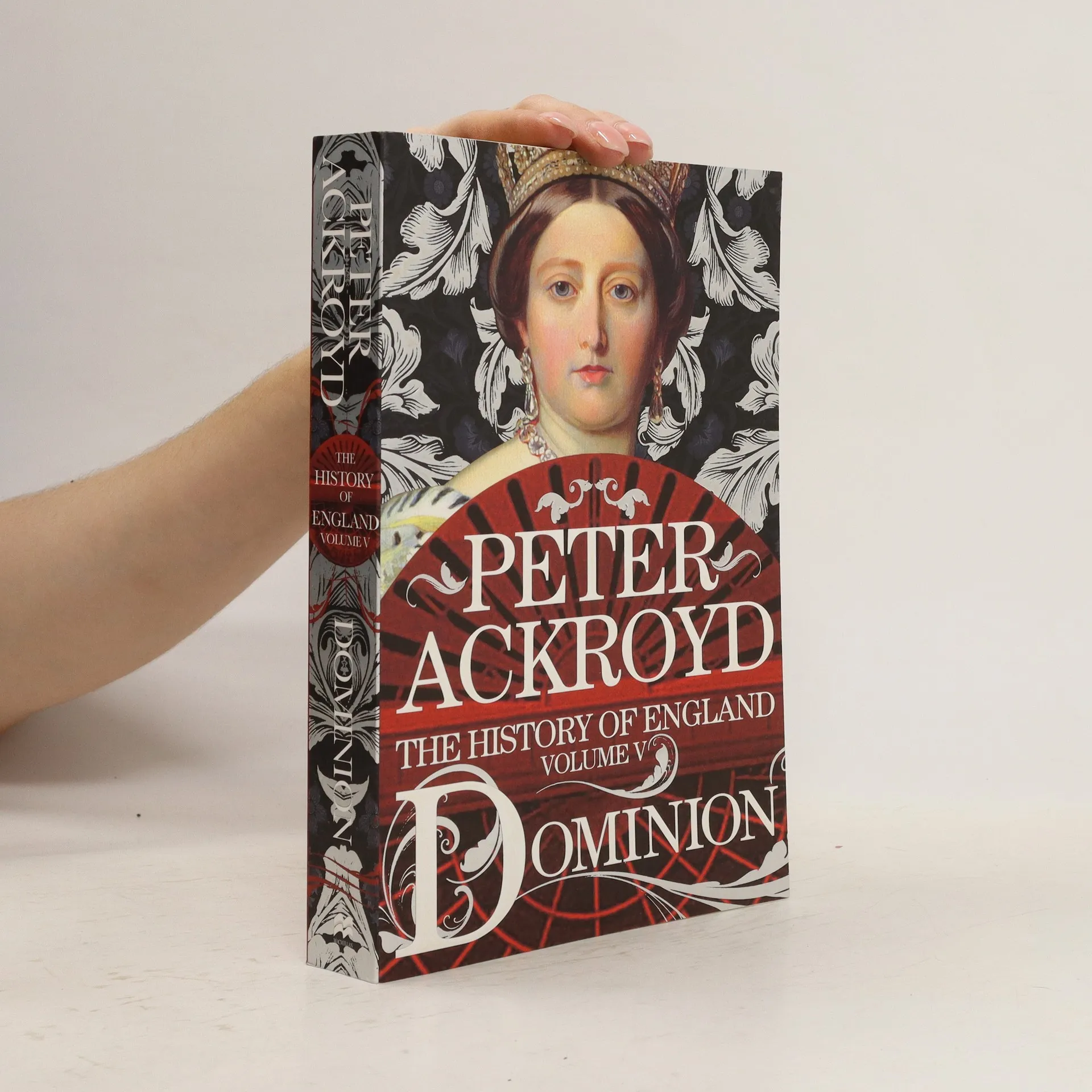
The fifth instalment in Peter Ackroyd's acclaimed and bestselling six-volume History of England.
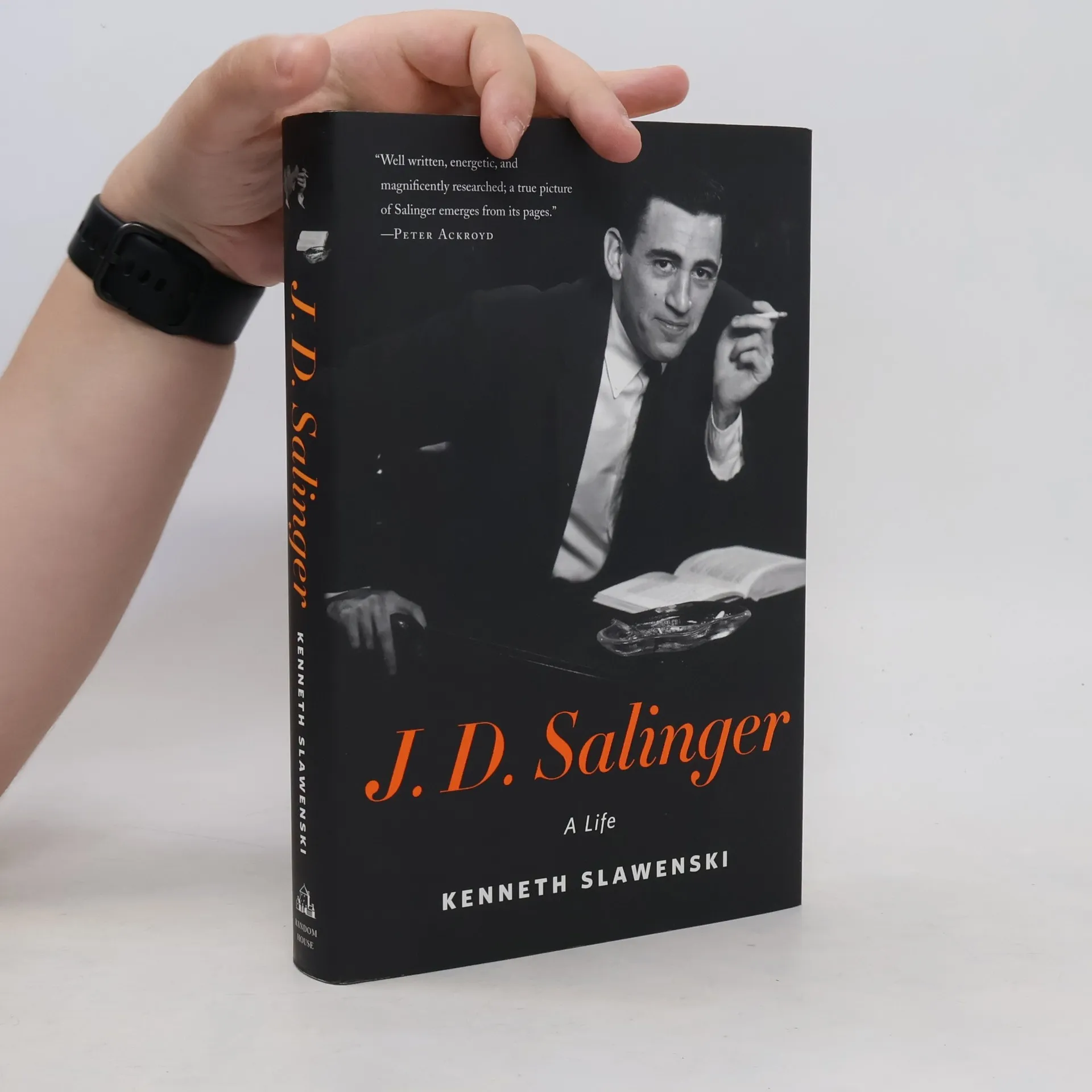
One of the most enigmatic figures in American literature, J. D. Salinger, author of the classic Catcher in the Rye, eluded fans and journalists throughout his life. This new biography, described by Peter Ackroyd in The Times of London as “energetic and magnificently researched,” offers a true picture of Salinger through new information gleaned from interviews, letters, and public records. Kenneth Slawenski delves into Salinger’s privileged yet troubled youth, revealing the brilliant and vulnerable son of a disapproving father and a loving mother, who entered a social world where he was dismissed as “a Jewish boy from New York” by Gloria Vanderbilt. The biography recounts Salinger’s first heartbreak when Oona O’Neill left him for Charlie Chaplin, as well as his harrowing World War II experiences that haunted him for life. It captures the brilliance of his early writing, his encounters with literary giants like Hemingway and Olivier, and the success of The Catcher in the Rye, which propelled him to fame and led to his retreat to New Hampshire. Covering his brief first marriage and lifelong commitment to Eastern religion, this biography presents an unforgettable story of a unique author that no literature lover should miss.
Nieuwe editie - Herzien en bijgewerkt
Verhalen vertellen is van alle tijden en culturen. Verhalen ontroeren, amuseren, dragen kennis over en geven ons inzicht in de wereld om ons heen. Dit boek biedt een overzicht van literaire hoogtepunten uit de wereldliteratuur. De roman wordt getoond in al zijn facetten, creativiteit en scherpzinnigheid, uiteenlopend van klassiekers als Don Quichot, Gullivers reizen, Dode zielen, Madame Bovary tot de hedendaagse fictie van Atwood, Houellebecq of Mulisch. Aan bod komen thema’s als liefde en oorlog, eenzaamheid en de zin van het bestaan. Dit uitgebreide naslagwerk over alle grote romans en schrijvers uit de wereldliteratuur spreekt iedere lezer tot de verbeelding. De eclectische lijst van literaire hoogtepunten uit de wereldliteratuur werd samengesteld door een internationaal team van schrijvers, critici, academici en journalisten. Voor Nederland heeft Ed van Eeden een bijdrage geleverd. Met meer dan zeshonderd foto’s van boekomslagen, titelpagina’s en portretten van auteurs is dit het ultieme boek voor iedereen die van lezen houdt. Deze herziene editie bevat nu ook de meest recente en spraakmakende romans van de 21e eeuw. Dit is een groots werk over titels die u gelezen moet hebben!
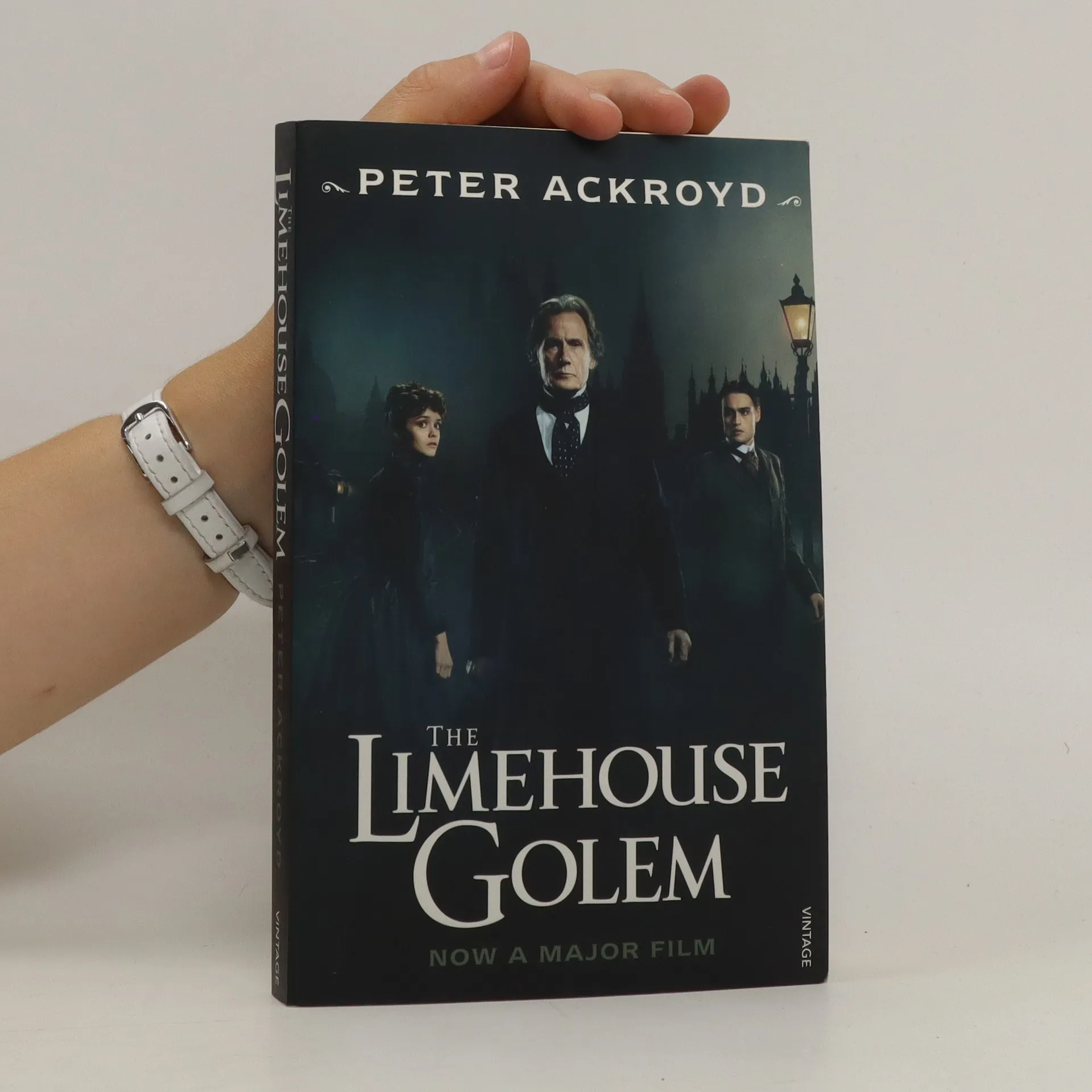
NOW AN UNMISSABLE FILM STARRING BILL NIGHY, DOUGLAS BOOTH AND OLIVIA COOKE. ‘Mesmerising, macabre and totally brilliant’ Daily Mail Before the Ripper, fear had another name. London, 1880. A series of gruesome murders attributed to the mysterious 'Limehouse Golem' strikes fear into the heart of the capital. Inspector John Kildare must track down this brutal serial killer in the damp, dark alleyways of riverside London. But how does Dan Leno, music hall star extraordinaire, find himself implicated in this crime spree, and what does Elizabeth Cree, on trial for the murder of her husband, have to hide? Peter Ackroyd brings Victorian London to life in all its guts and glory, as we travel from the glamour of the music hall to the slums of the East End, meeting George Gissing and Karl Marx along the way.
The Cricket on the Hearth, The Battle of Life, The Haunted Man
The Cricket on the Hearth , Dickens's third, eagerly awaited Christmas book, was the most popular of all. Set in a pantomime world of toys, it was acclaimed by an amused and delighted Thackeray as a fancy 'crammed with extra bonbons, French plums and sweetnesses...a Christmas pageant which you witness in the arm-chair -- your private box by the fireside'. The Battle of Life , subtitled 'A Love Story', has little in common with the other Christmas books, although it does share the theme of the morally beneficial effects of memory, which runs throughout the genre and is central to The Haunted Man. This last Christmas book contains one of Dickens's greatest comic families -- the Tetterbys -- and a horrifying, concentrated poignancy in its depiction of the Hungry Forties which foreshadowed the achievement of Bleak House. The Christmas Books , Volume 1, containing The Christmas Carol and The Chimes , is also published in Penguin Classics.
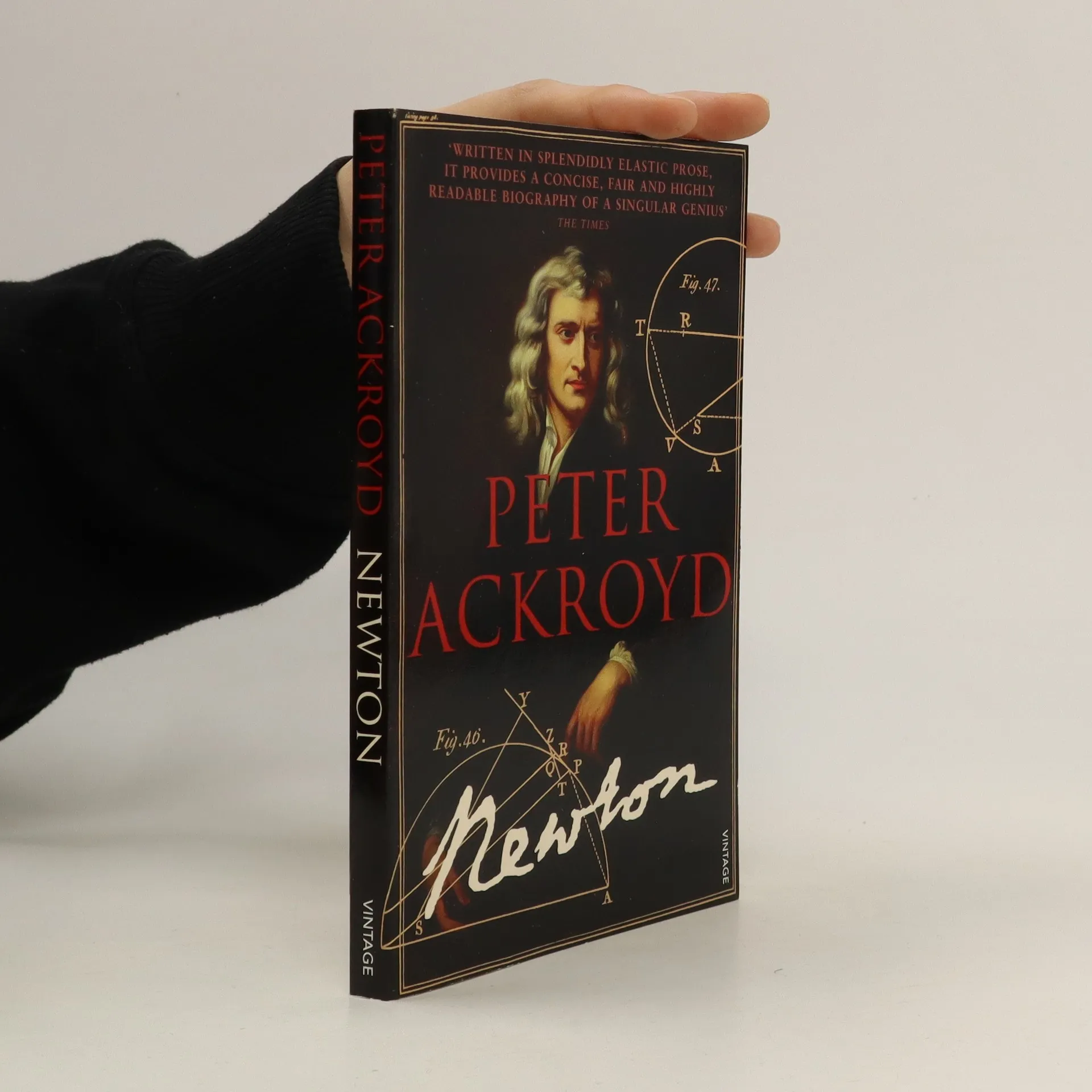
The third brilliant short biography in Peter Ackroyd’s Brief Lives series. Newton is a companion volume to Chaucer and Turner.Isaac Newton (1642-1727), the English genius, made his greatest contributions to original thought before the age of twenty-five while at home in Lincolnshire escaping the great plague of 1665, a period of which he “I was in the prime of age for invention.”Professor of Mathematics at Cambridge, an MP, Master of the Mind and President of the Royal Society, Newton, the author of Principia, one of the most important books in the history of science, was fascinated by calculus, the planets and the laws of motion, and, in keeping with his age, blurred the borders between natural philosophy and speculation. He was as passionate about astrology as astronomy, and dabbled in alchemy, while his religious faith was never undermined by his scientific efforts.
Short and oddly built, with a head too big for his body, extremely short- sighted, unable to stay still, dressed in colourful clothes, Wilkie Collins looked distinctly strange. But he was none the less a charmer, befriended by the great, loved by children, irresistibly attractive to women - and avidly read by generations of readers.
He was the very first icon of the silver screen, and is one of the most recognisable faces in Hollywood, even a hundred years on from his first film. This masterful brief life offers fresh revelations about one of the most familiar faces of the last century and brings the Little Tramp into vivid... číst celé
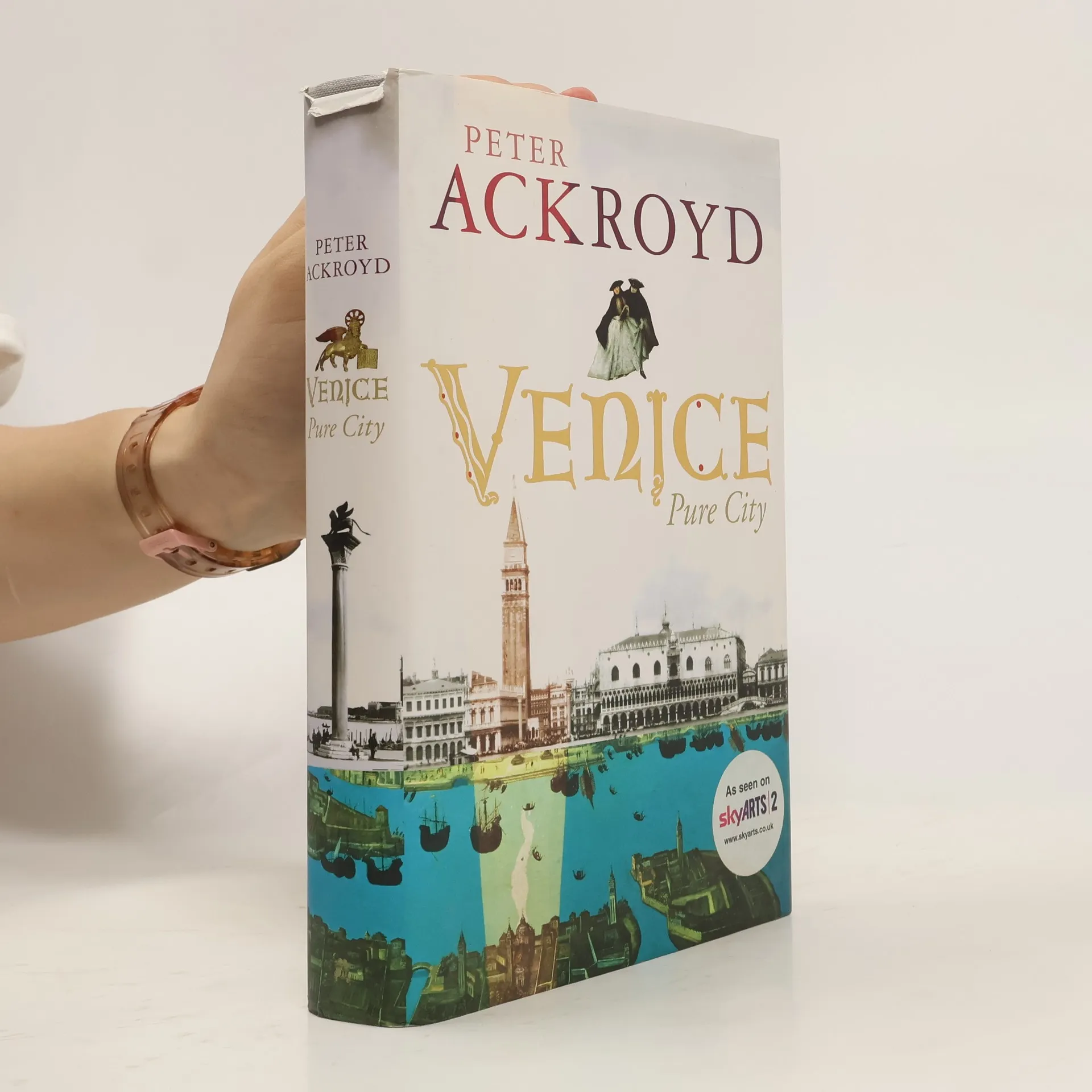
The language and way of thinking of the Venetians set them aside from the rest of Italy. They are an island people, linked to the sea and to the tides, rather than the land. The moon rules Venice, Ackroyd writes 'It is built on ocean shells and ocean ground; it has the aspect of infinity'.
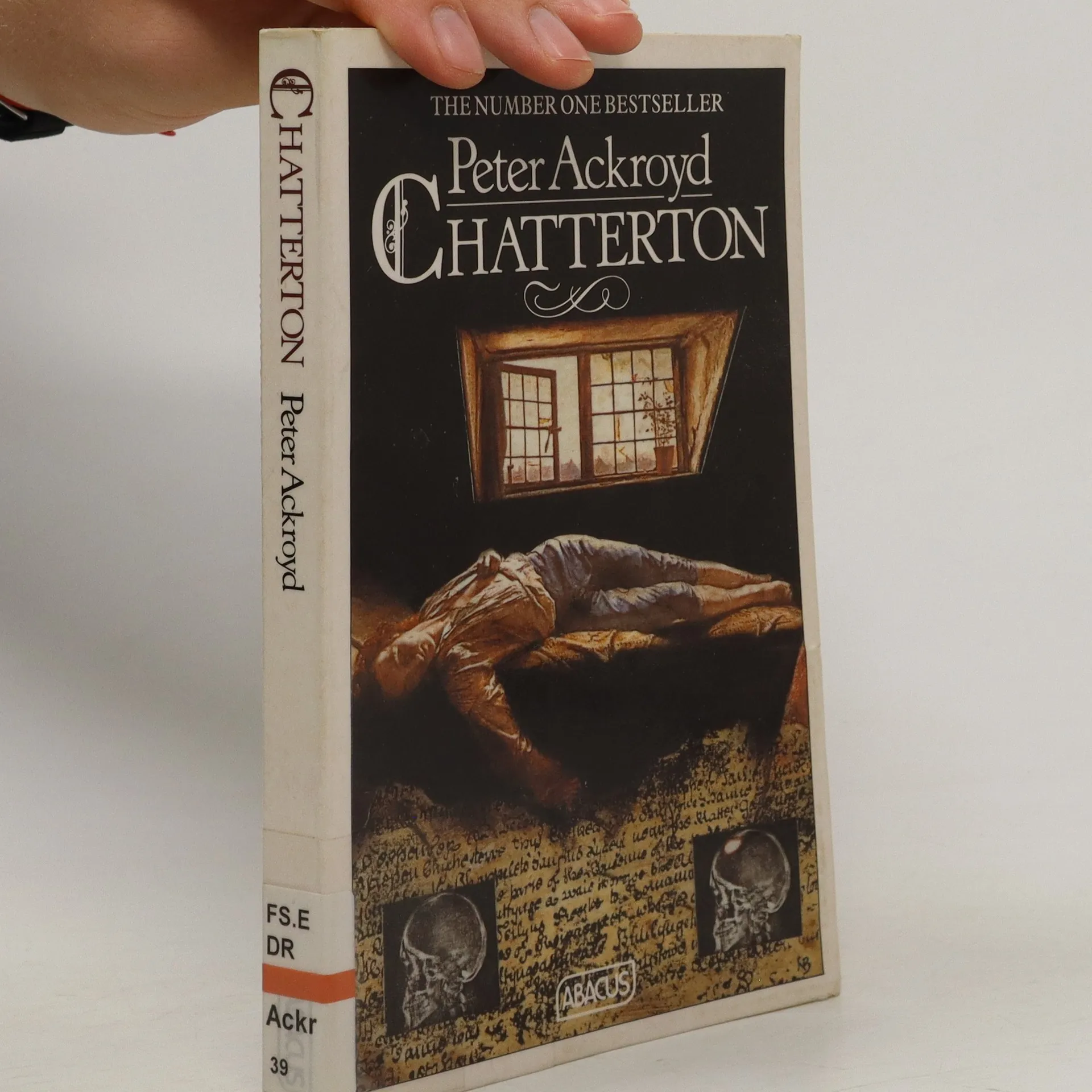
What is the mystery of thomas chatterton? a young poet and elderly female novelist try to decode the clues found within an eighteenth-century manuscript, only to discover that their investigation is disclosing other secrets for which there is no solution. But they are not alone in their quest: the mystery is being revivied in an earlier age, as in the mid- nineteenth century henry wallis paints his celebrated portrait of chatterton lying dead in an attic room. And chatterton himself, the young man who was described as the originator and inspiration of the romantic movement, steps forward with his own story of the events that happened in august 1770. 14/12/87-offset hh: b for om & uk: 240pp: 10000 at $3.99(om) & 50000 at $3.99> >(uk): max. UK LEAD TITLE
In the quiet seclusion of Pilgrin Valley, a neolithic passage grave is being excavated. Nearby, on Holblack Moor, an observatory is training its telescope on the giant star Aldebaran. The connection between these two events will affect the lives of the farmers and villagers who work in this territory on the borders of Devon and Dorset
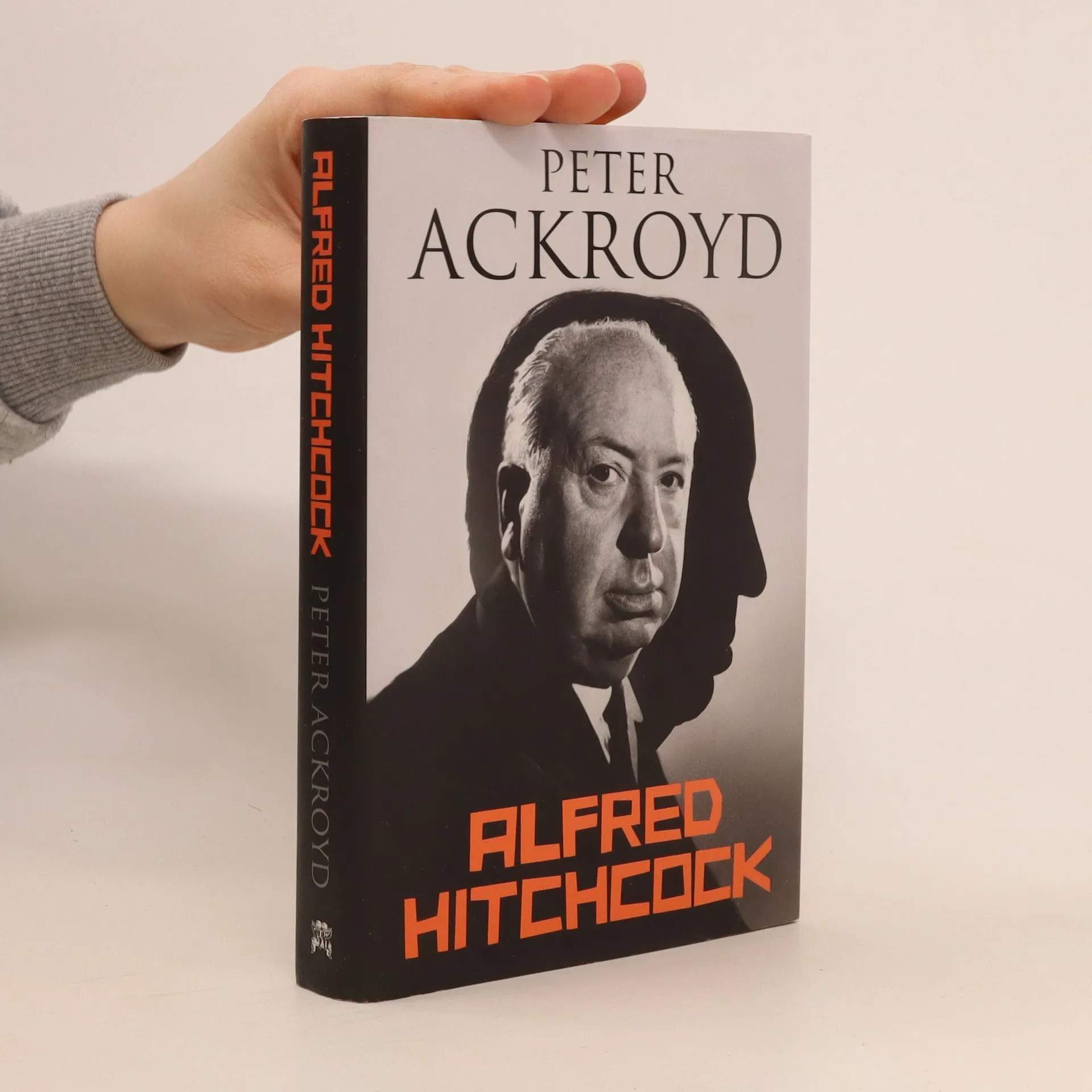
Alfred Hitchcock was a strange child. Fat, lonely, burning with fear and ambition, his childhood was an isolated one, scented with fish from his father's shop. Afraid to leave his bedroom, he would plan great voyages, using railway timetables to plot an exact imaginary route across Europe. So how did this fearful figure become the one of the most respected film directors of the twentieth century? As an adult, Hitch rigorously controlled the press's portrait of himself, drawing certain carefully selected childhood anecdotes into full focus and blurring all others out. In this quick-witted portrait, Ackroyd reveals something more: a lugubriously jolly man fond of practical jokes, who smashes a once-used tea cup every morning to remind himself of the frailty of life. Iconic film stars make cameo appearances, just as Hitch did in his own films. Grace Kelly, Carey Grant and James Stewart despair of his detached directing style, and, perhaps most famously of all, Tippi Hedren endures cuts and bruises from a real-life fearsome flock of birds. Alfred Hitchcock wrests the director's chair back from the master of control and discovers what lurks just out of sight, in the corner of the shot.
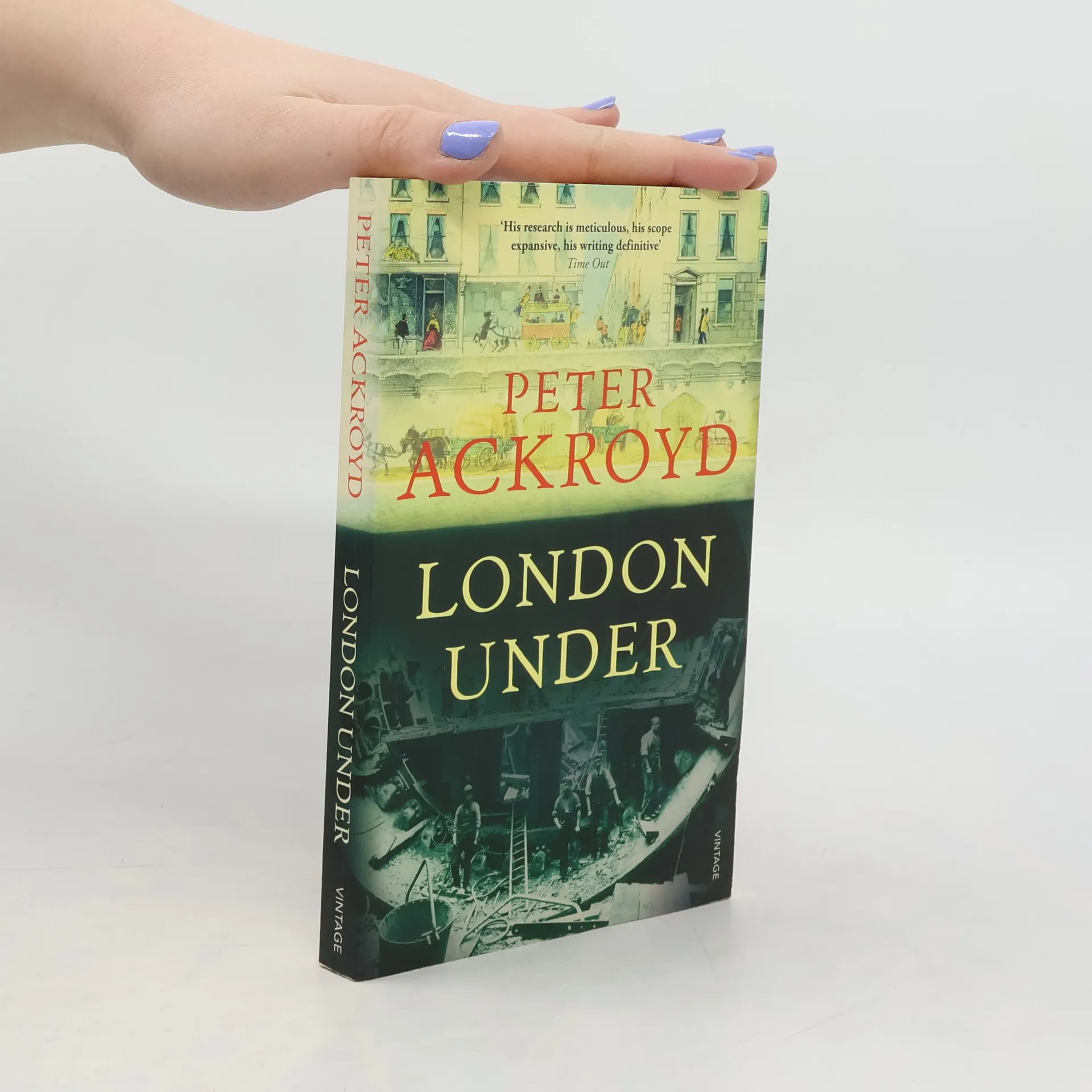
London Under is a wonderful, atmospheric, imaginative, oozing short study of everything that goes on under London, from original springs and streams and Roman amphitheatres to Victorian sewers, gang hideouts and modern Tube stations. The depth below is hot, warmer than the surface, and tunnels down through the geological layers, meeting the creatures that dwell in darkness, real and fictional - rats and eels, monsters and ghosts. There is a Bronze Age trackway under the Isle of Dogs, Anglo-Saxon graves were found under St Paul's, and the monastery of Whitefriars lies beneath Fleet Street. In Kensal Green cemetery a hydraulic device lowered bodies into the catacombs below - 'Welcome to the lower depths' - while a door in the plinth of the statue of Boadicea on Westminster Bridge leads to a huge tunnel, packed with cables for gas, water and telephone lines. When the Metropolitan Line was opened in 1864 the guards asked for permission to grow beards to protect themselves against the sulphurous fumes, and called their engines by the names of tyrants - Czar, Kaiser, Mogul - and even Pluto, god of the underworld. 'The vastness of the space, a second earth,' writes Peter Ackroyd, 'elicits sensations of wonder and of terror. It partakes of myth and dream in equal measure.' Going under London is to penetrate history, to enter a hidden world.
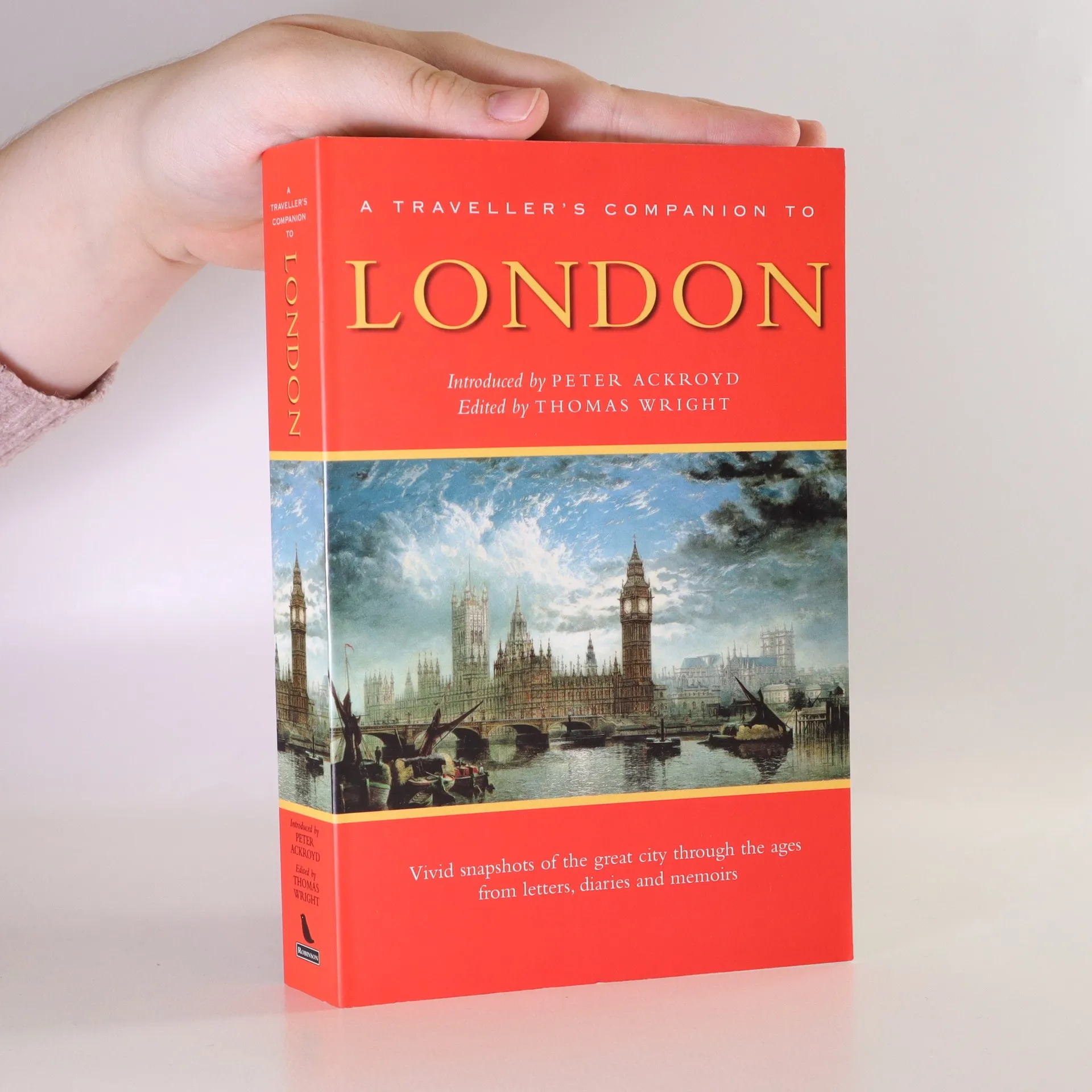
Drawing upon extracts from contemporary letters, diaries and memoirs of fascinating inhabitants and visitors, this anthology tells the story of London from its earliest years up to the present day.
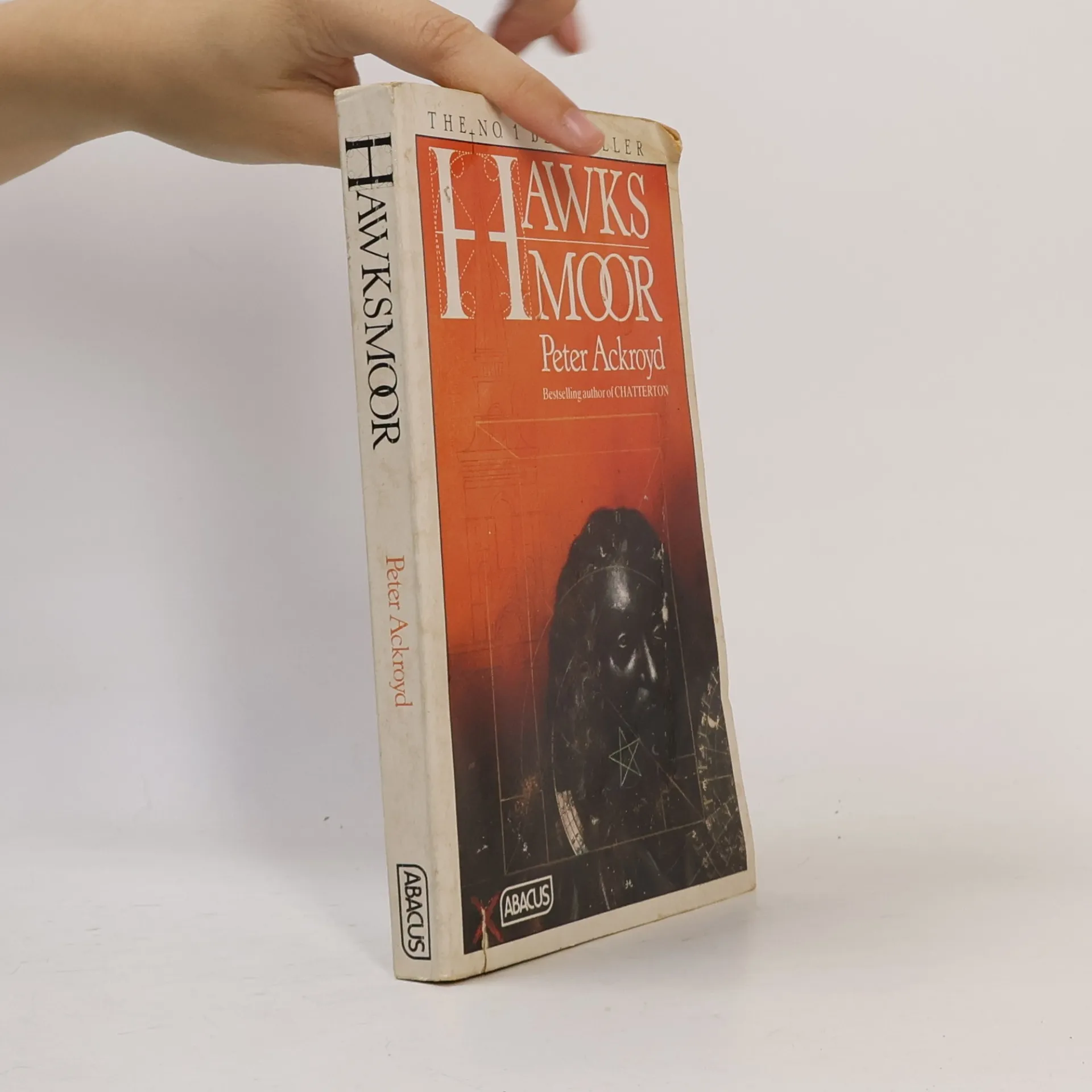
In the aftermath of the great fire, eighteenth-century London is a city of extremes. Squalor and superstition vie with elegance and reason as brilliant architect, Nicholas Dyer, is commissioned to build seven new churches. They are to stand as beacons of the Enlightenment - but Dyer plans to conceal a dark secret at the heart of each one. Two hundred and fifty years later, in the same vast metropolis, a series of murders occur on the sites of those same churches. Detective Nicholas Hawksmoor investigates, but the gruesome crimes make no sense to the modern mind...Combining thriller, ghost story and metaphysical tract, "Hawksmoor" won the Whitbread Book Award and "Guardian" Fiction Prize in 1985.
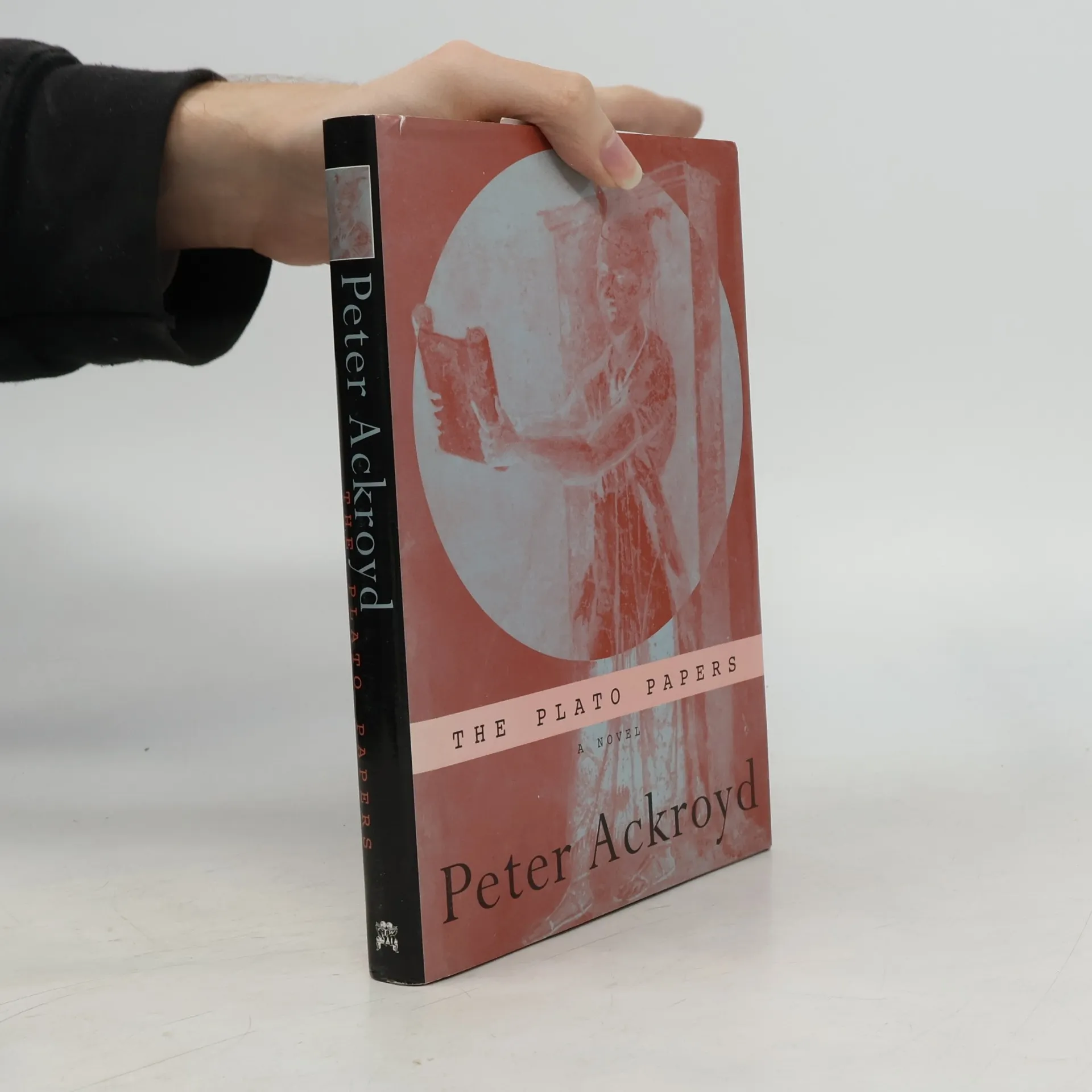
On ritual occasions, Plato, the orator, summons the citizens of London to impart the ancient history of their city, dwelling particularly on the unhappy era of Mouldwarp (AD 1500-2300). He lectures upon The Origin of Species by the nineteenth-century novelist Charles Dickens and on Sigmund Freud while providing a glossary of twentieth-century terms, and explaining such early myths of creation as "super-string theory'"and "relativity." But then he has a dream, or vision, or he goes on a real journey - opinions are divided - and enters a vast underground cavern, where citizens of Mouldwarp London still live. On his return, Plato shares his stories of this lost world, but his words spread consternation among his fellow citizens and they quickly put him on trial for corrupting the youth with his lies and fables. From the Trade Paperback edition.
This story of class conflict in Victorian England serves as a powerful critique of the social injustices that plagued the Industrial Revolution. THIS ENRICHED CLASSIC EDITION INCLUDES: - A concise introduction that gives the reader important background information - A chronology of the author's life and work - A timeline of significant events that provides the book's historical context - An outline of key themes and plot points to guide the reader's own interpretations - Detailed explanatory notes - Critical analysis, including contemporary and modern perspectives on the work - Discussion questions to promote lively classroom and book group interaction - A list of recommended related books and films to broaden the reader's experience
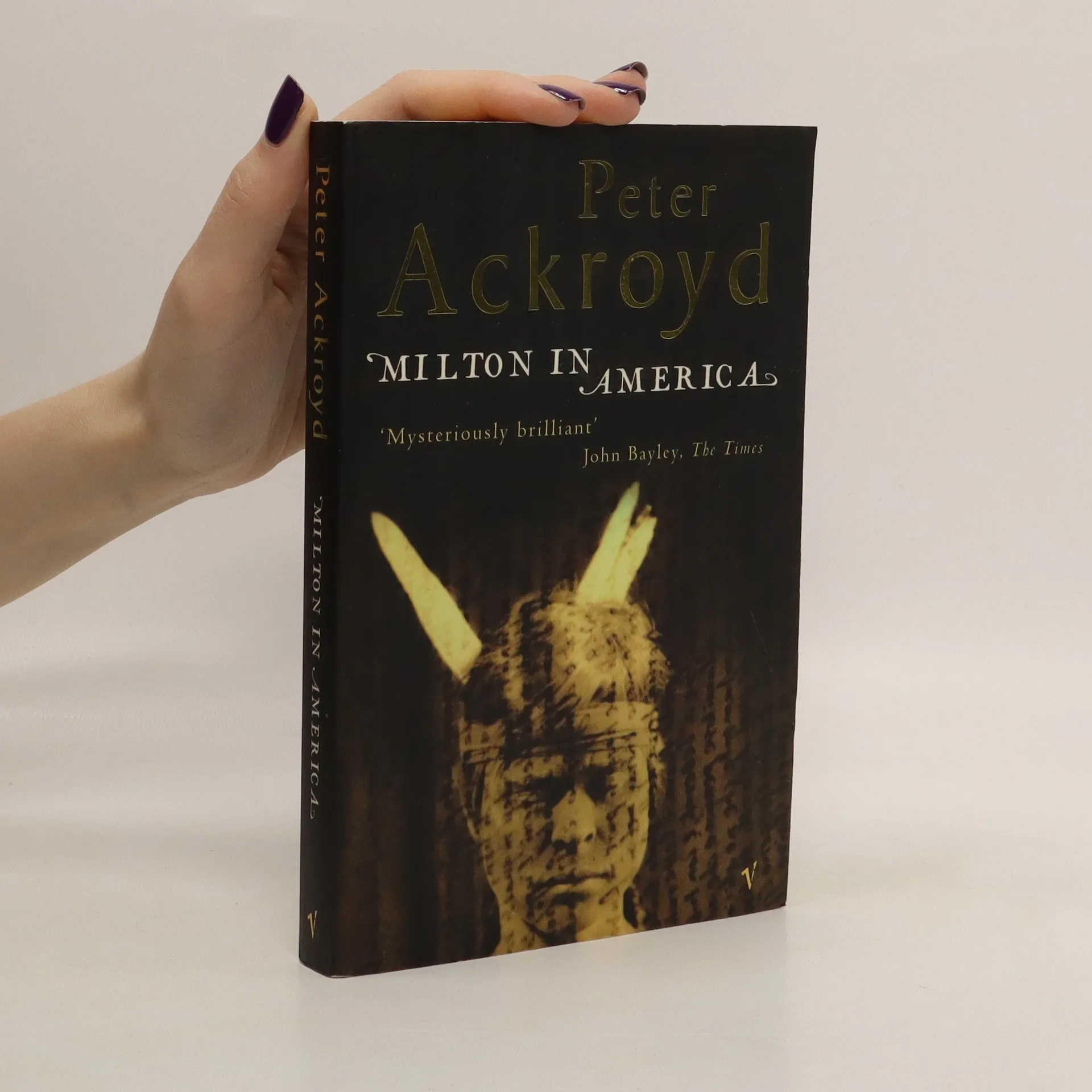
What if John Milton, Cromwell's secretary, anticipating the King's return to London, had decided to flee England in order to avoid imprisonment or death? What if he had crossed the ocean and joined the Puritans recently settled in New England? From this idea Peter Ackroyd creates an enthralling story of conflict, treachery, hypocrisy and greed.
Features the stories ranging from Beowulf to King Arthur and the Knights of the Round Table, via Chaucer and Shakespeare, to the Bronte sisters, 'Alice through the Looking Glass' and 'Lord of the Rings'. This work takes the reader from medieval mystery plays to music hall and pantomime; painting; and music, with Purcell and Vaughan Williams.
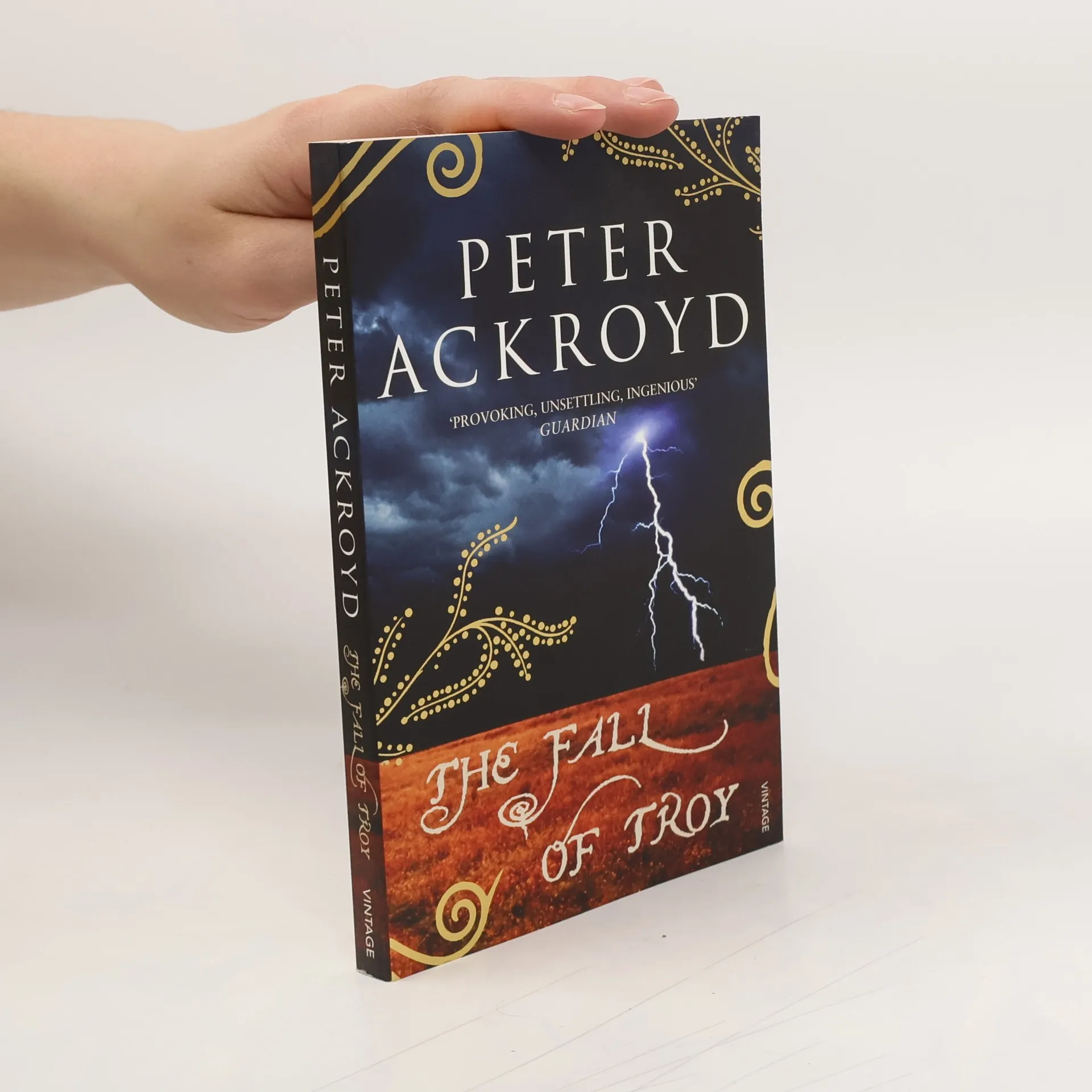
Sophia Chrysanthis is initially dazzled when the celebrated German archaeologist, Herr Obermann, comes in search of a Greek bride who can read the works of Homer and assist in his excavations of the city he believes is Ancient Troy.
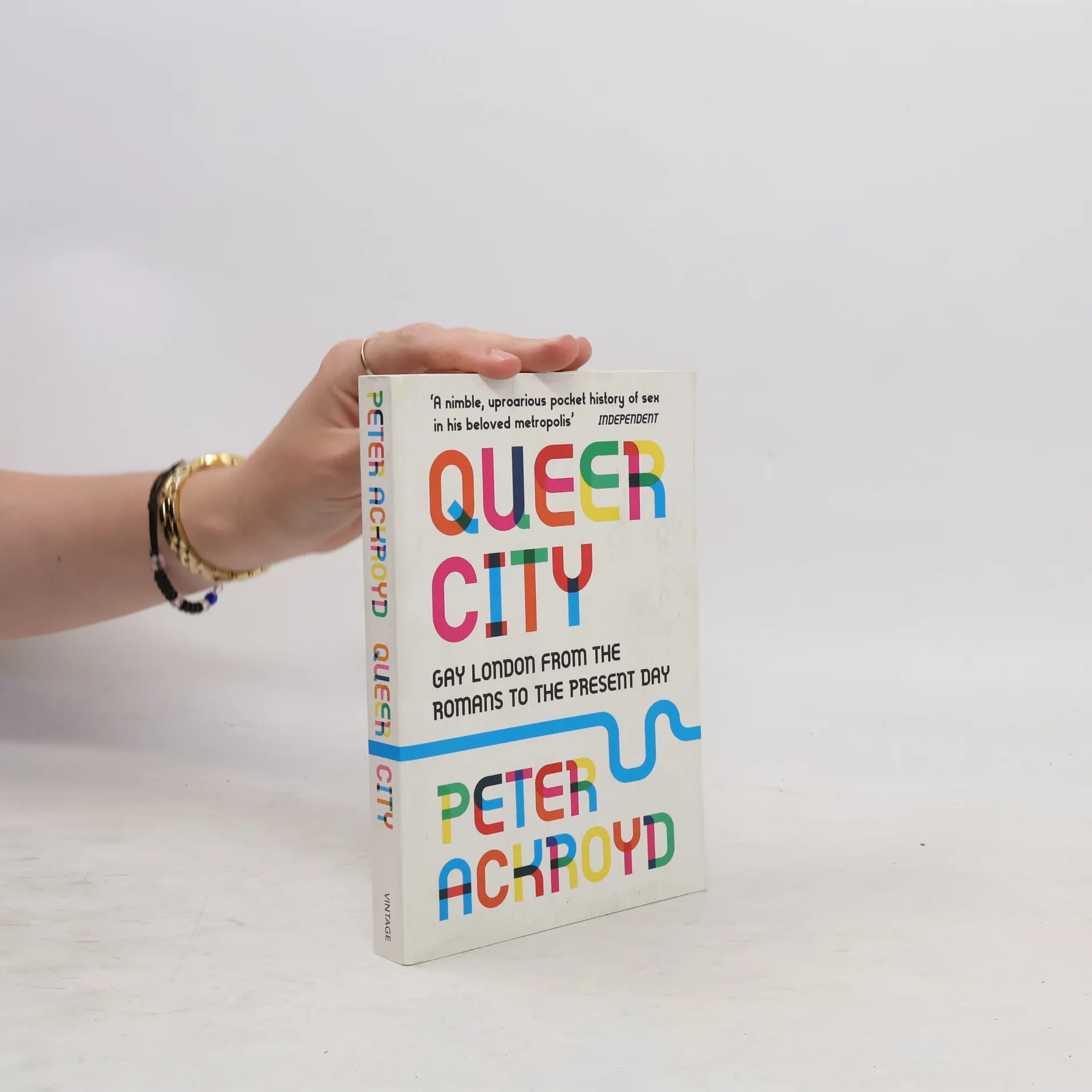
Exploring the rich tapestry of London's history, the book delves into the lives and experiences of its gay population, revealing how their contributions have shaped the city. Through a unique lens, it highlights significant events, cultural shifts, and the resilience of the LGBTQ+ community, offering a fresh perspective on the capital's evolution and diversity.
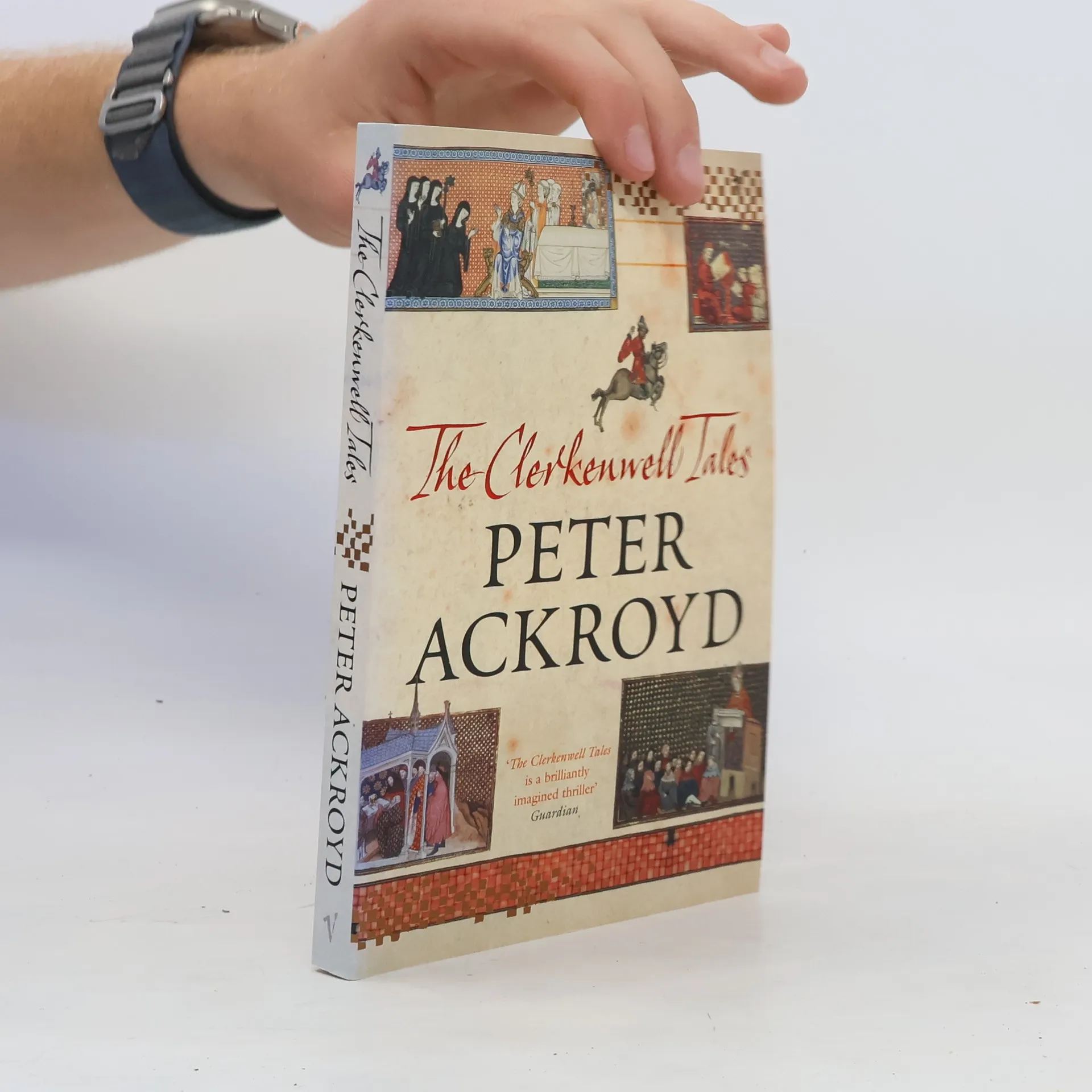
From a master historian -- a brilliantly original historical novel set in late-14th century London. ""I am sister to the day and night. I am sister to the woods." Sister Clarisse, a nun in the House of St. Mary at Clerkenwell, experiences visions. She dreams of the English King. Are her prophesies the babblings of the crazed? Or can she "see" a future in which Henry Bolingbroke overthrows Richard II? This clever and colourful novel begins with "The Nun's Tale, and continues with "The Friar's Tale, "The Merchant's Tale and "The Clerk's Tale. Thus, story by story, Peter Ackroyd builds his portrait of medieval London. The people are disenchanted with the Church, with its wealth and corruption, its Pope in Rome and its Pope in Avignon. But heresy is dangerous -- almost as dangerous as rebellion. This is a novel about spies and counterspies, radicals and idealists, murderers and arsonists, sects and secret societies. It is a tale richly atmospheric and satisfying in its historical detail. "From the Hardcover edition.
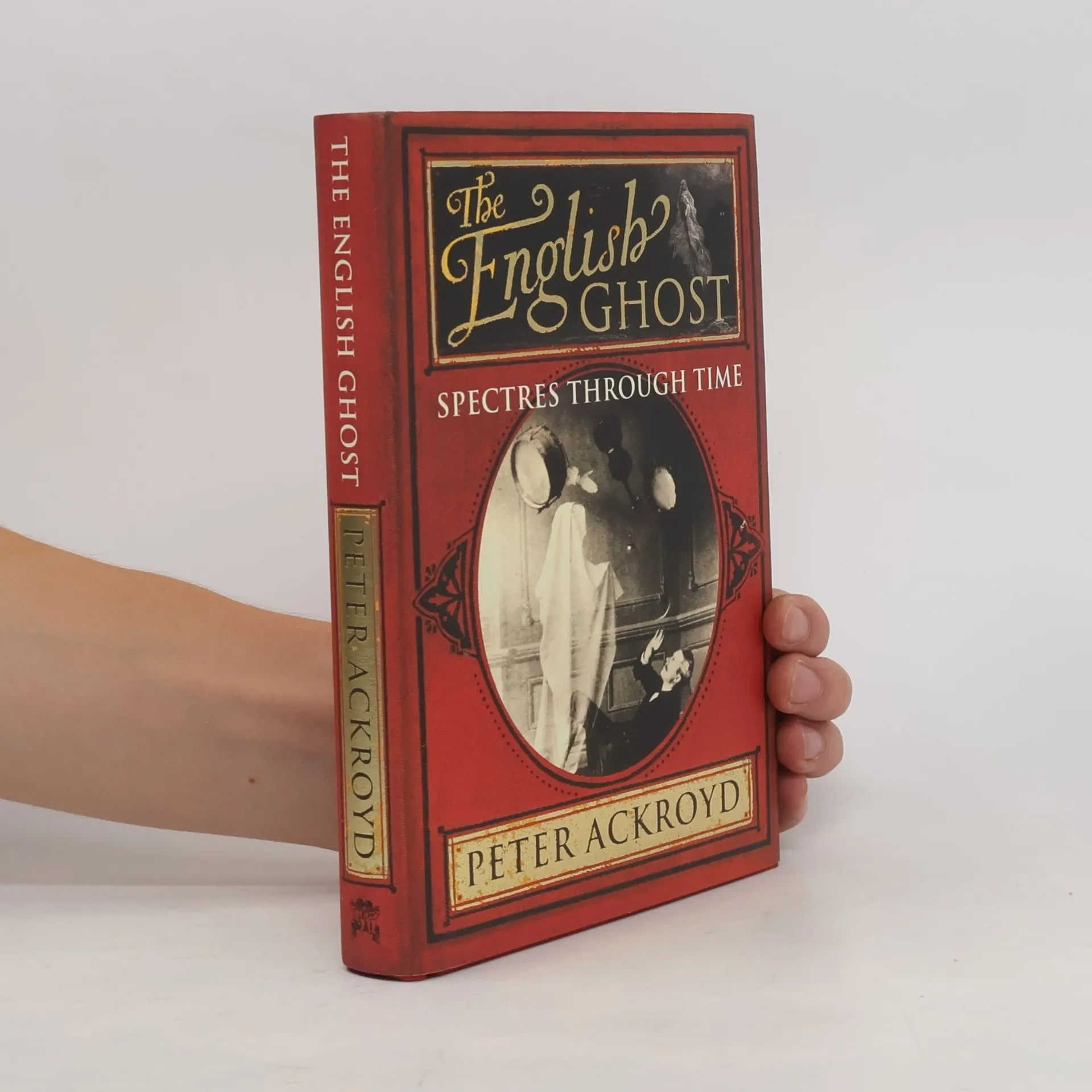
An enormously enjoyable spooky collection of ghost-sightings over the centuries, full of the spirit of place, in true Ackroyd style.The English, Peter Ackroyd tells us in this fascinating collection, see more ghosts than any other nation. Each region has its own particular spirits, from the Celtic ghosts of Cornwall to the dobies and boggarts of the north. Some speak and some are silent, some smell of old leather, others of fragrant thyme. From medieval times to today stories have been told and apparitions seen -- ghosts who avenge injustice, souls who long for peace, spooks who just want to have fun.The English Ghost is a treasury of such sightings which we can believe or not, as we will. The accounts, packed with eerie detail, range from the door-slamming, shrieking ghost of Hinton Manor in the 1760s and the moaning child that terrified Wordsworth's nephew at Cambridge, to the headless bear of Kidderminster, the violent daemon of Devon who tried to strangle a man with his cravat and the modern-day hitchhikers on Bluebell Hill. Comical and scary, like all good ghost stories, these curious incidents also plumb the depths of the English psyche in its yearnings for justice, freedom and love.
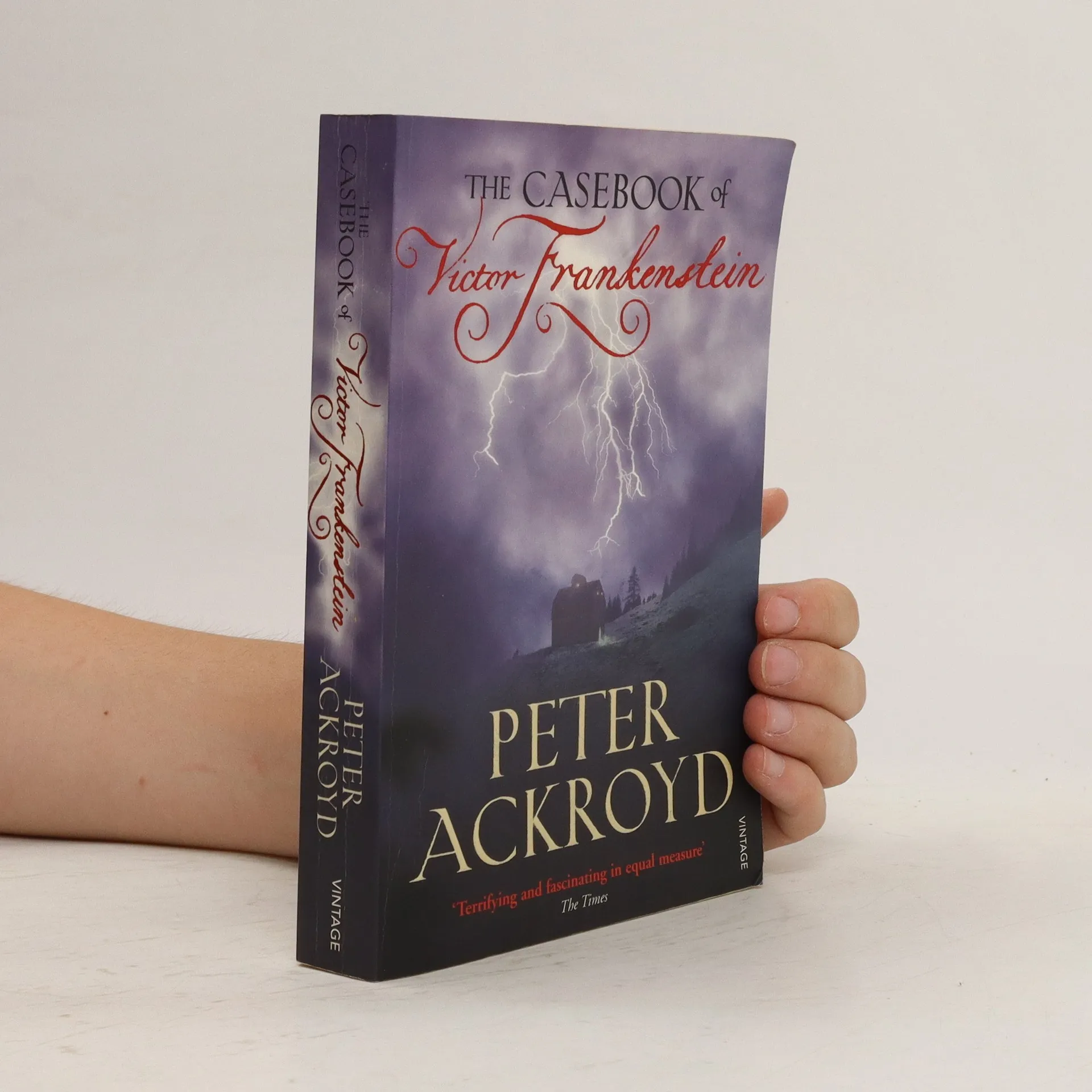
"It was at Oxford that I first met Bysshe. We arrived at our college on the same day; confusing to a mere foreigner, it is called University College. I had seen him from my window and had been struck by his auburn locks." The long-haired poet - 'Mad Shelley' - and the serious-minded student from Switzerland spark each other's animated interest in the new philosophy of science which is over-turning long-cherished beliefs. Perhaps there is no God. In which case, where is the divine spark, the soul? Can it be found in the human brain? The heart? The eyes? Victor Frankenstein begins his anatomy experiments in a barn in the secluded village of Headington, near Oxford. The coroner's office in Clarendon Street provides corpses - but they have often died of violence and drowning: they are damaged and putrifying. Victor moves his coils and jars and electrical fluids to a deserted pottery manufactury in Limehouse. And, from Limehouse, makes contact with the Doomesday Men - the resurrectionists. He pays better than any hospital for the bodies of the very recently dead. Even so, perfect specimens are hard to come by ... until that Thames-side dawn when Victor, waiting, wrapped in his greatcoat, on his wooden jetty, hears the splashing of oars and sees in the half-light that slung into the stern of the approaching boat is the corpse of a handsome young man, one hand trailing in the water....
This is an immortal story of chivalry, treachery and death brought to new life for our times. The legend of King Arthur has retained its appeal and popularity through the Mordred's treason, the knightly exploits of Tristan, Lancelot's fatally divided loyalties and his love for Guenevere, and the quest for the "Holy Grail". Now retold by Peter Ackroyd with his signature clarity, charm and relish for a good story, the result is not only one of the most readable accounts of the knights of the Round Table but also one of the most moving.
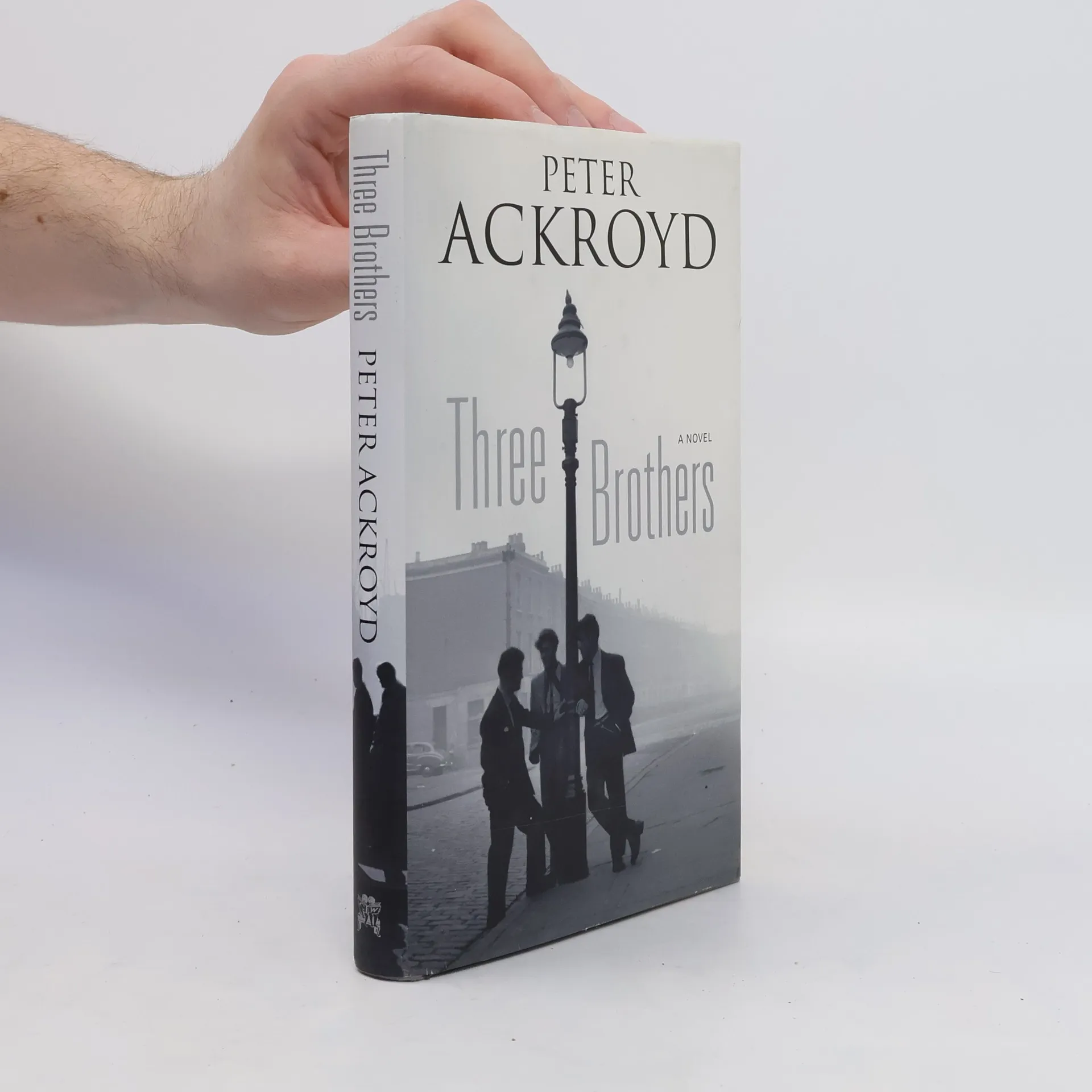
Three Brothers follows the lives and fortunes of Harry, Daniel and Sam Hanway, a trio of brothers born on the same day in the middle of last century, in a grim council estate in Camden. After their mother inexplicably abandons the family, each boy is forced to make his own way in the world. From the bustling cut-throat world of Fleet street, hallowed London publishing offices, and the wealth and comfort of Chelsea, to the smoky shadowy streets of Limehouse and Hackney, this is a trip around the city, down its streets, riding on the tubes, at a very particular moment of history, and unusually for Ackroyd's fiction, all within living memory. London is the backdrop and the connecting fabric of these three lives, reinforcing Ackroyd's grand theme that history and the city both makes and creates us, surrounds and engulfs us.
A darkly playful novel, filled with mystery, revenge, outlandish killings, greed and jealousy, from the multi-award-winning author
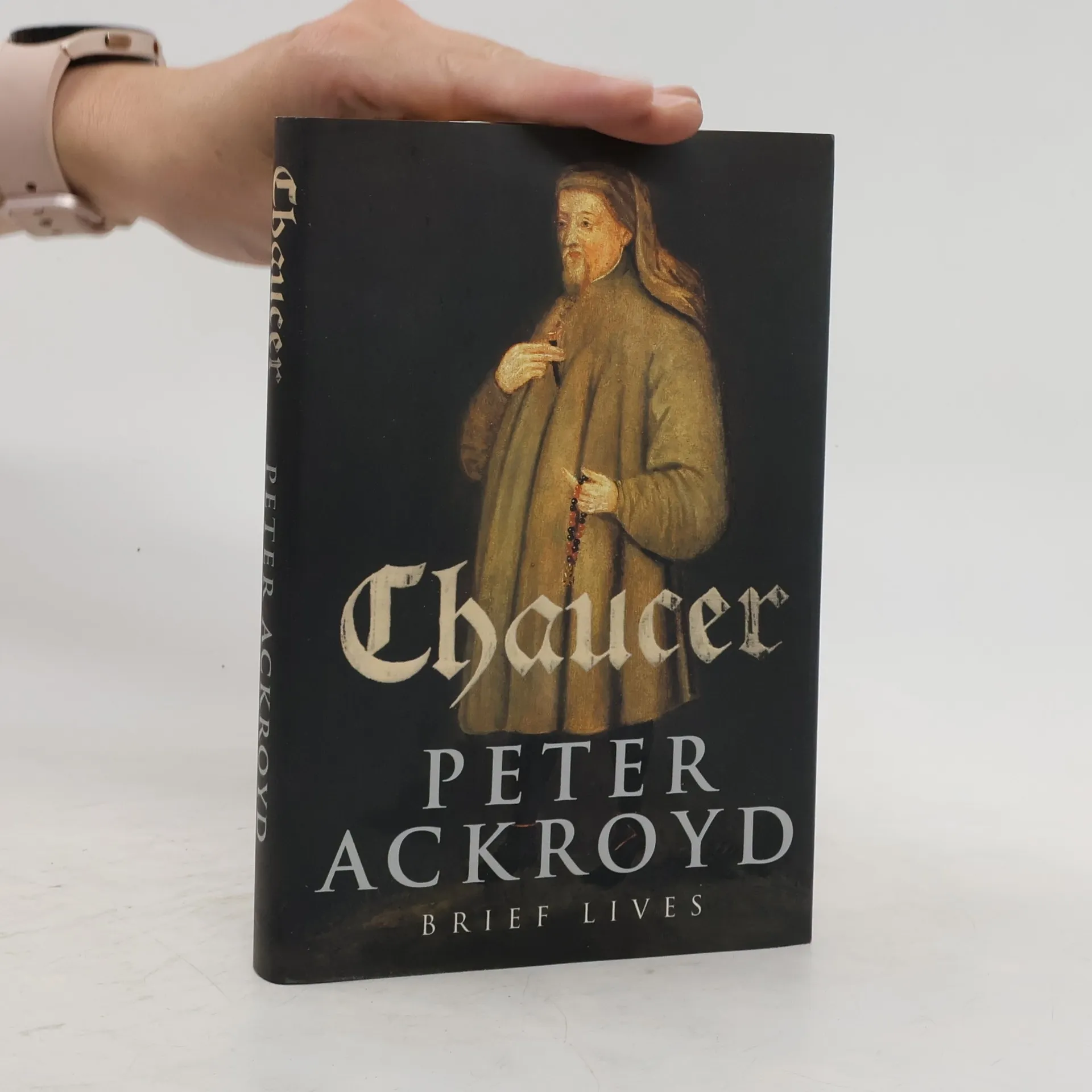
Geoffrey Chaucer, who died in 1400, enjoyed an eventful life. He served with the Duke of Clarence and with Edward III, and in 1359 was taken prisoner in France and ransomed. This short biography of Chaucer by Peter Ackroyd evokes the medieval world of London and Kent, and provides an entertaining introduction to Chaucer's poetry.
A magisterial portrayal of English Christianity over the last 1,400 years.
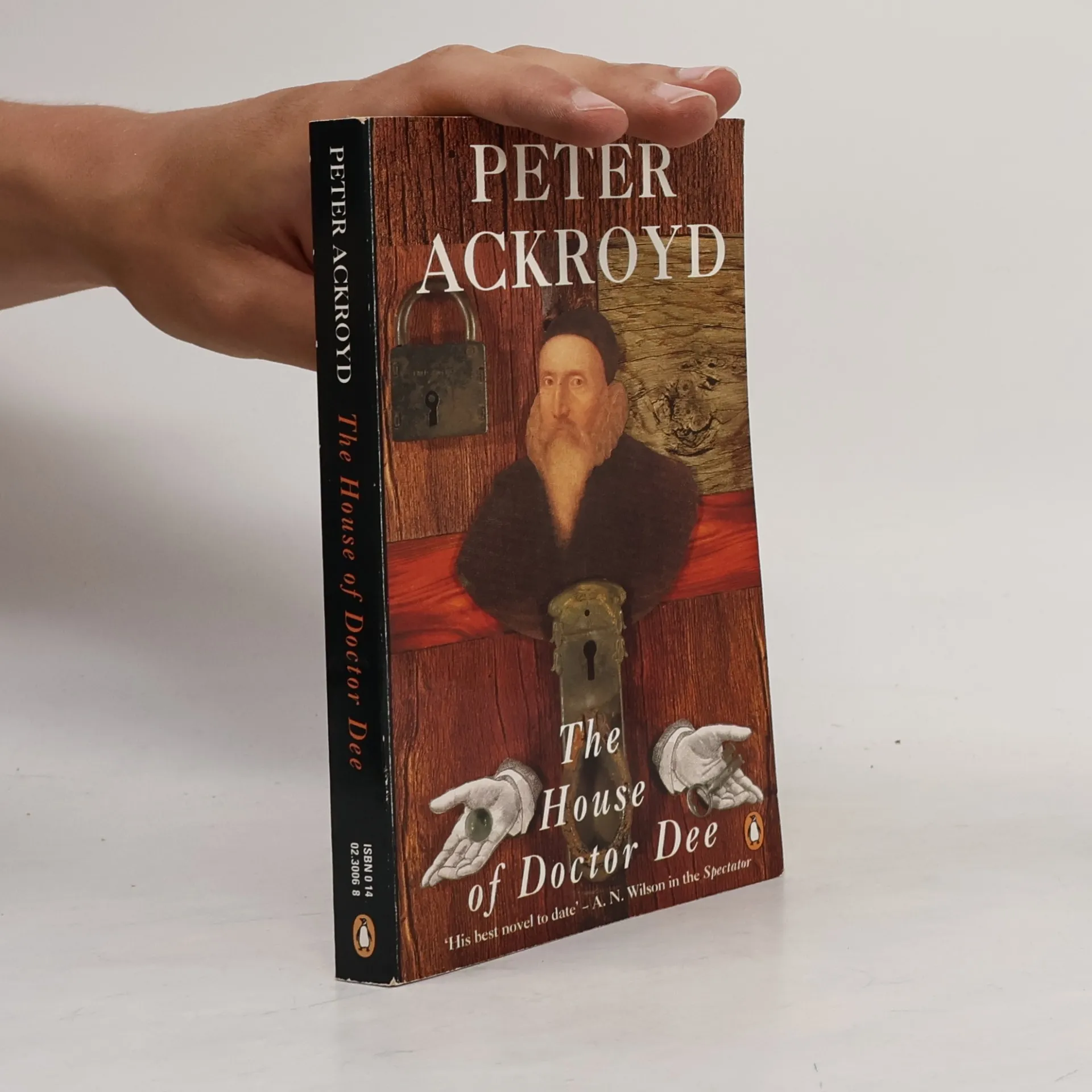
When Matthew Palmer inherits an old house in Clerkenwell he feels himself to have become a part of its past. Compelled to probe its mysteries, he discovers to his horror and curiosity that the previous owner was a practitioner of black magic. As he continues his research, Matthew learns of the famous sixteenth-century sorcerer and astrologer John Dee. A great philosopher and mathematician, Doctor Dee believes in the possibility of communication with spirits. Drawn into the mystery of his alchemical experiments, Matthew becomes aware of the forces awakening about him. As he learns of the possible existence of an ancient city buried beneath the ground and of the everlasting creature known as the homunculus, he is led to the fantastic truth about his father and about himself ...
Poems, Tales, Essays, and Reviews
A collection of Edgar Allan Poe's writings, including The Fall of the House of Usher—the inspiration for the Netflix series from Mike Flanagan, the director of The Haunting of Hill House and Midnight Mass! This selection of critical writings, short fiction and poetry demonstrates Poe’s intense interest in aesthetic issues and the astonishing power and imagination with which he probed the darkest corners of the human mind. “The Fall of the House of Usher” describes the final hours of a family tormented by tragedy and the legacy of the past. In “The Tell Tale Heart”, a murderer's insane delusions threaten to betray him, while stories such as “The Pit and the Pendulum” and “The Cask of Amontillado” explore extreme states of decadence, fear and hate. For more than seventy years, Penguin has been the leading publisher of classic literature in the English-speaking world. With more than 1,700 titles, Penguin Classics represents a global bookshelf of the best works throughout history and across genres and disciplines. Readers trust the series to provide authoritative texts enhanced by introductions and notes by distinguished scholars and contemporary authors, as well as up-to-date translations by award-winning translators.
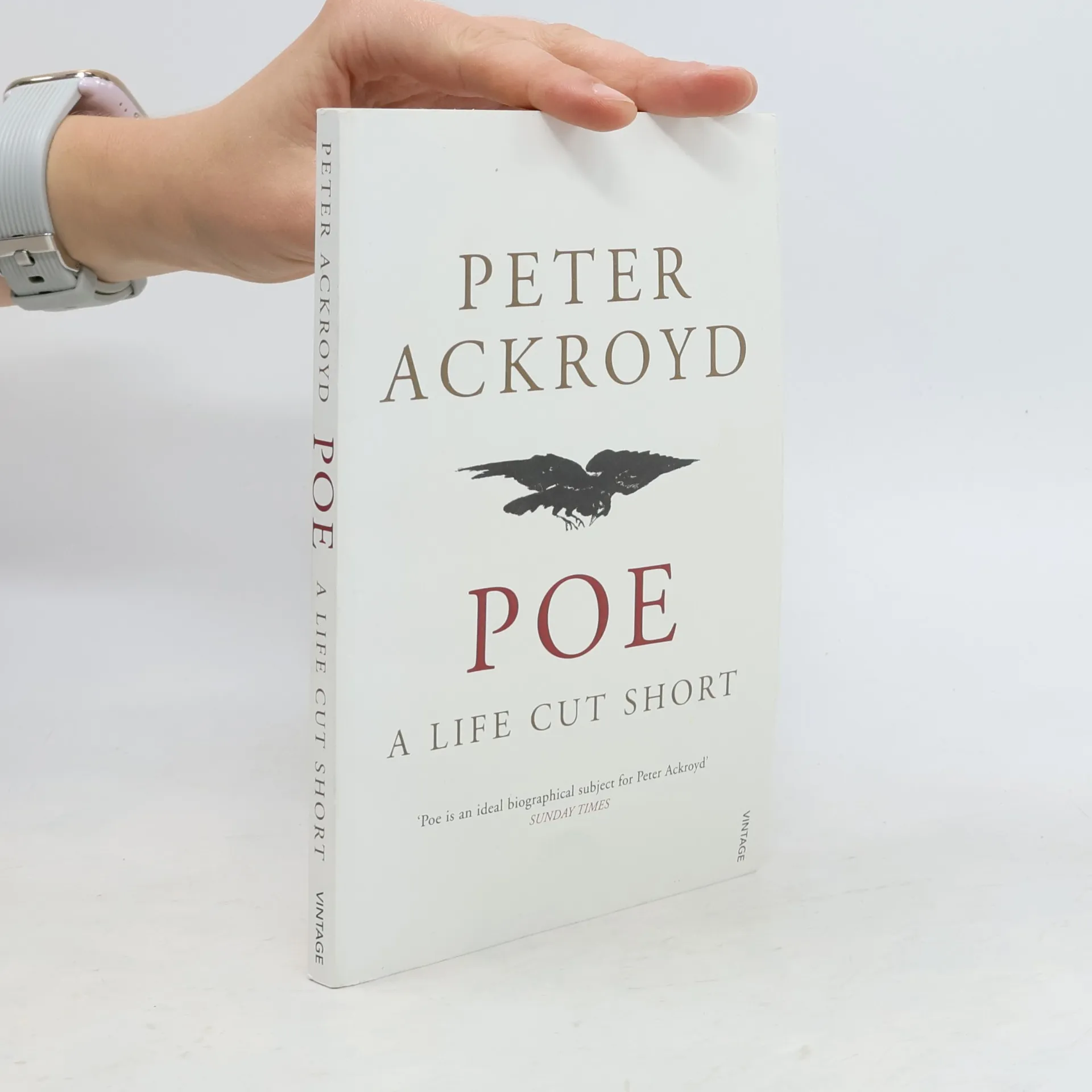
Heralded as a genius, the forerunner of modern fantasy and credited with the invention of the psychological drama, science fiction and the detective story , Edgar Allan Poe had a life as dramatic and tragic as his art.
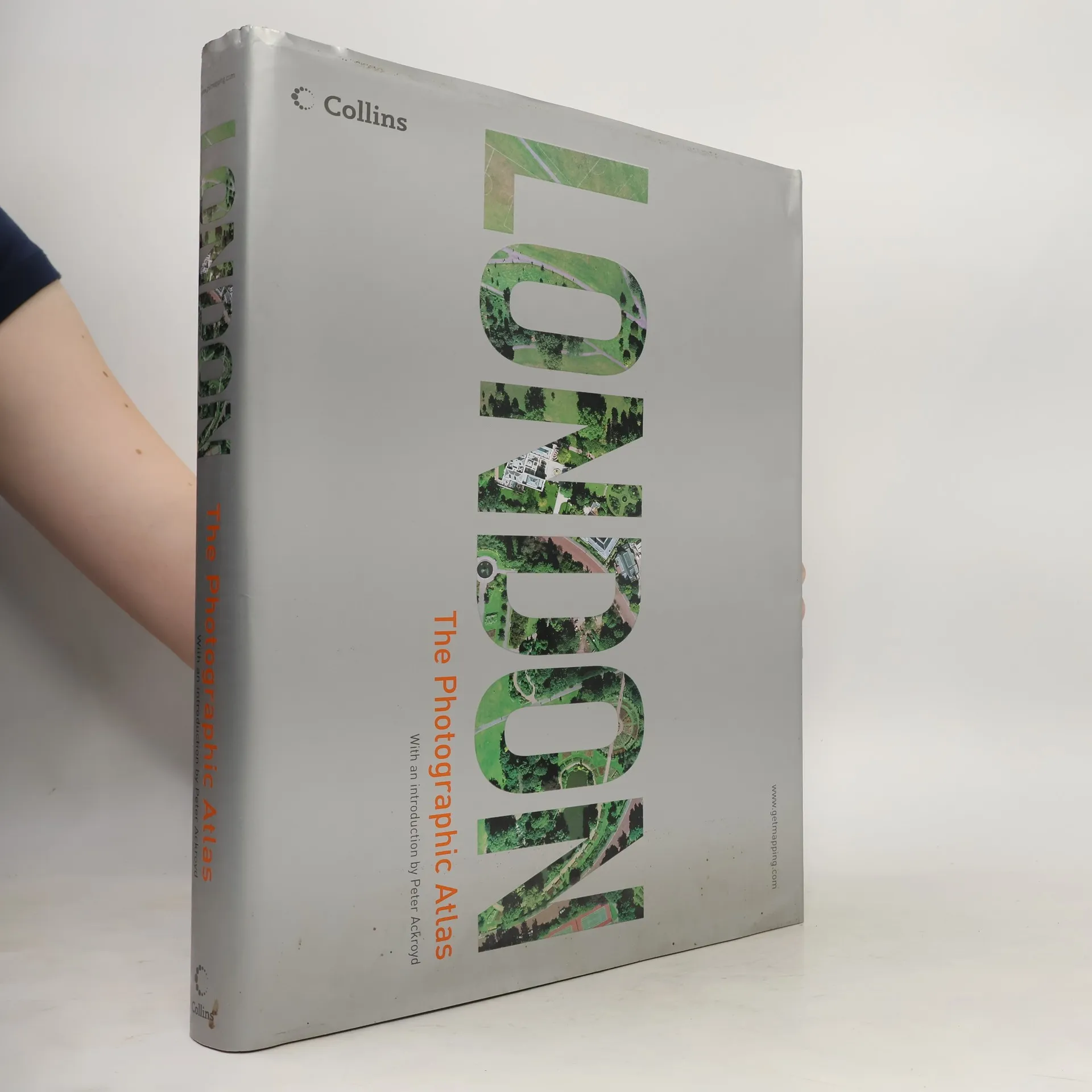
The Photographic Atlas combines stunning aerial photography with world-class cartography to create an unbeatable image of one of the world’s greatest cities. If you live in Greater London, you will be able to find your house—and perhaps even your car—and explore new neighborhoods with a clarity and immediacy that will astonish you. In this new edition, an all-new 16 page superscale section swoops even closer into major landmarks. Magnificent London sights and buildings, such as Buckingham Palace, the Tower of London, the Houses of Parliament, and Westminster Abbey are presented in a level of close-up coverage that is simply outstanding.
Eine großartige Geschichte der Weltstadt London »London ist so groß und wild, dass es alles in sich enthält«, schreibt Peter Ackroyd und erkundet diese Stadt wie ein menschliches Wesen, das uns betört, verwirrt, aber niemals gleichgültig lässt. Am sinnlichen Detail, am allgegenwärtigen Rot der Sandsteine, an den Gerüchen der vielen Märkte oder am Klangbild, das einst von Glockengeläut und »Balladenverkäufern« geprägt wurde, entschlüsselt er die Epochen, die London geprägt haben. Die Kritiker sind sich einig: Ackroyds Buch macht alle anderen Londonbücher überflüssig. Nie zuvor hat ein Schriftsteller so lebendig und beseelt die ganze Metropole porträtiert: vom Londoner Untergrund bis zu den Theatern des Westends, von der Großen Pest bis zu Jack the Ripper, von den prähistorischen Funden bis zu den Reklametafeln am Piccadilly. Ein Genuss für alle, die diese Stadt lieben. »Ein reiches Buch, voller Witz und Wissen, voller Elan und voller Leben, brillant geschrieben!« Die Zeit Ausstattung: durchgehend s/w-Abb. im Text
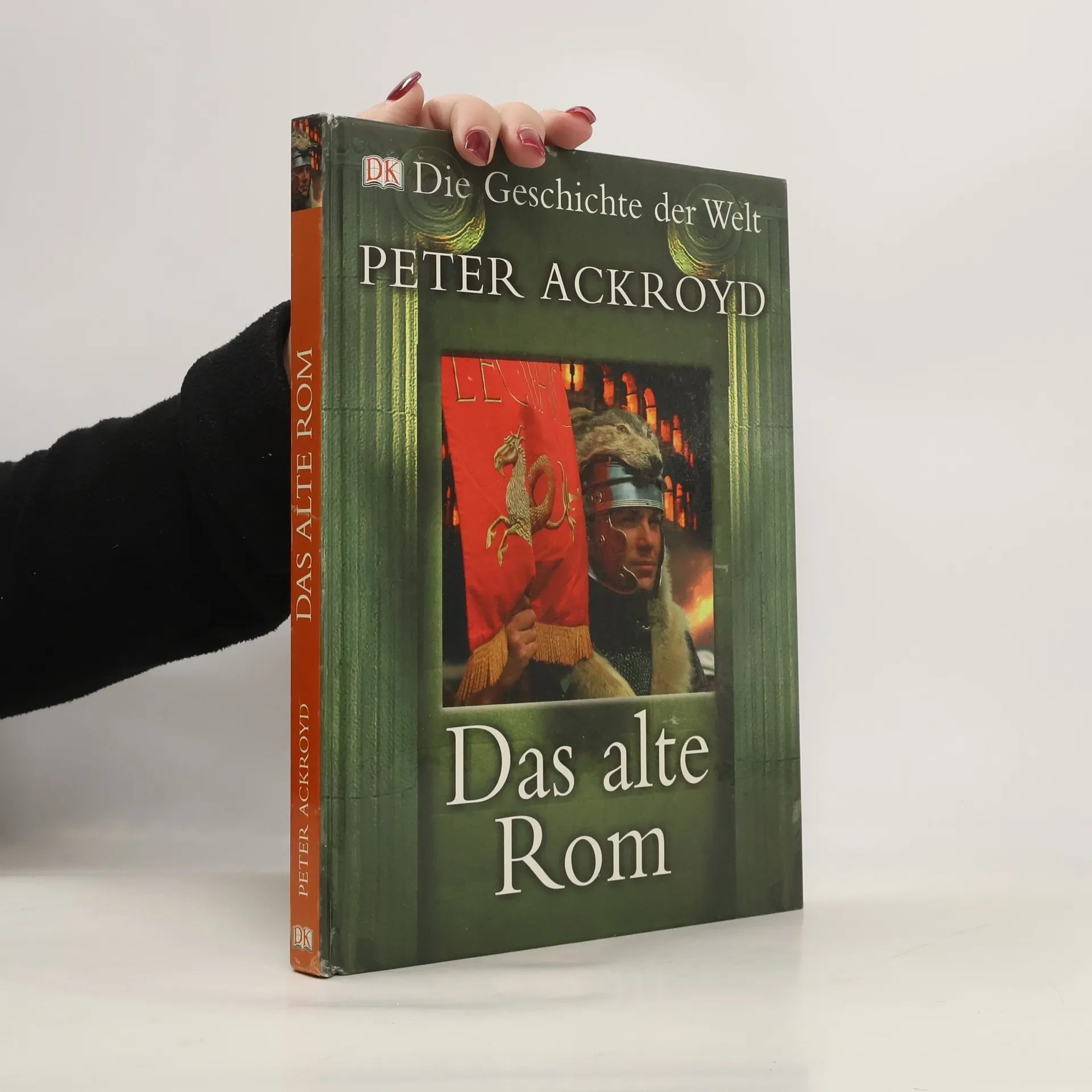
Mit der Reihe „Die Geschichte der Welt“ erleben Kinder Seite für Seite ein Abenteuer. In diesem Band geht es um die Zeit der Römer. Hier erwartet die jungen Leser eine enorme Bandbreite von Informationen und fantastischen Illustrationen. Wenn Peter Ackroyd, einer der „namhaftesten britischen Gegenwartsautoren“ (Neue Zürcher Zeitung), über Geschichte und Wissenschaft schreibt, liest es sich spannender als ein Krimi! Ab 10 Jahren.
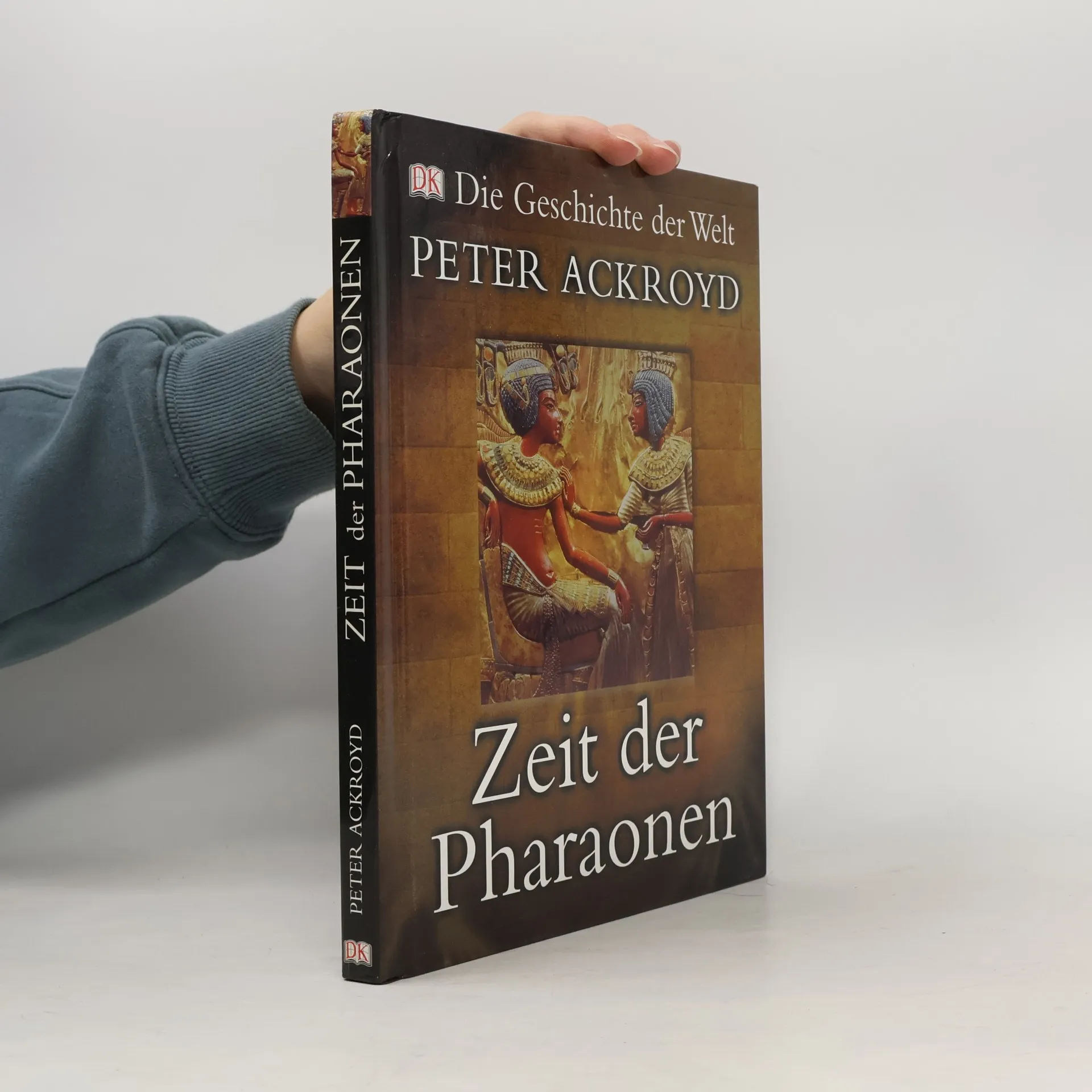
Von wegen verstaubte Geschichte! Bis heute hat das alte Ägypten nichts von seiner Faszination verloren. In dem neuen Band der Reihe „Die Geschichte der Welt“ führt die Reise zu den Pharaonen, zu geheimnisvollen Mumien und kostbaren Schätzen - und das alles von Peter Ackroyd für Jugendliche so fesselnd präsentiert, dass die Zeit beim Lesen wie im Flug vergeht. Ab 10 Jahren.
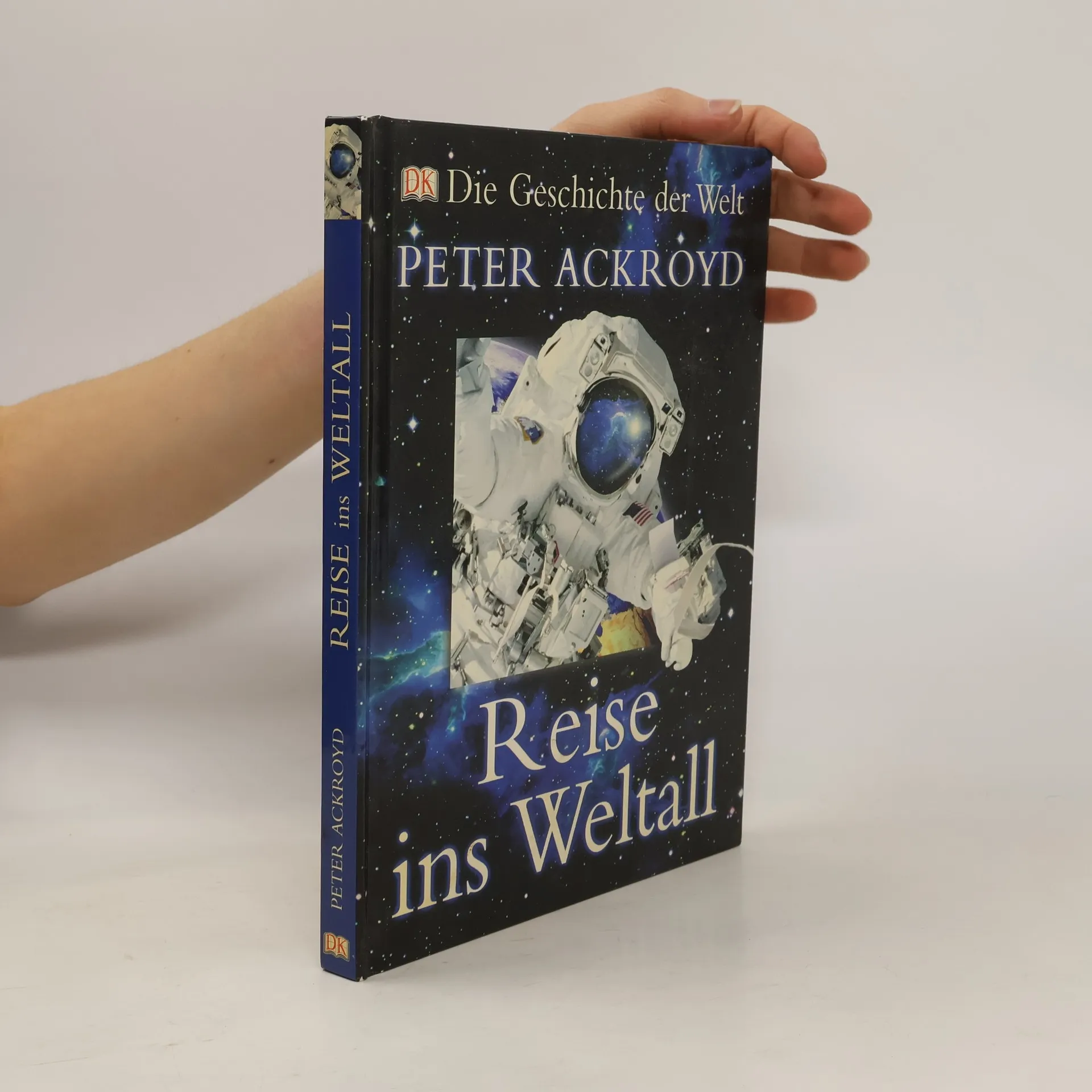
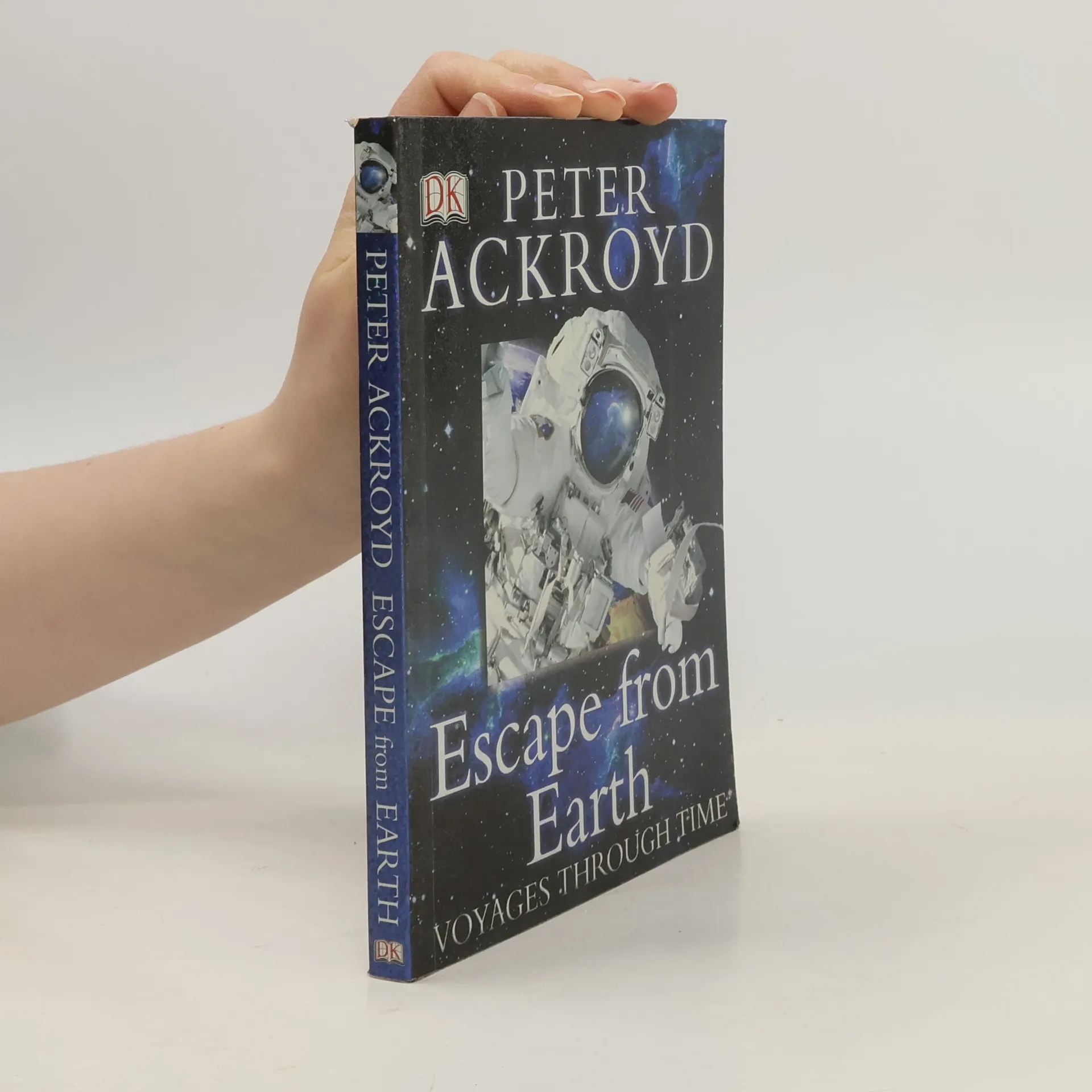
Mit der neuen Reihe „Die Geschichte der Welt“ erleben Kinder Seite für Seite ein Abenteuer. In diesem Buch geht es um die Entwicklung der Raumfahrt und den Aufbruch ins Weltall. Eine enorme Bandbreite von Informationen und fantastische Illustrationen erwartet hier die jungen Leser. Und im Anhang finden sich wichtige Daten, Schaubilder und ein Glossar. Wenn Peter Ackroyd, einer der „namhaftesten britischen Gegenwartsautoren“ (Neue Zürcher Zeitung), über Geschichte und Wissenschaft schreibt, liest es sich spannender als ein Krimi! Ab 10 Jahren.
Ab 10 Jahre