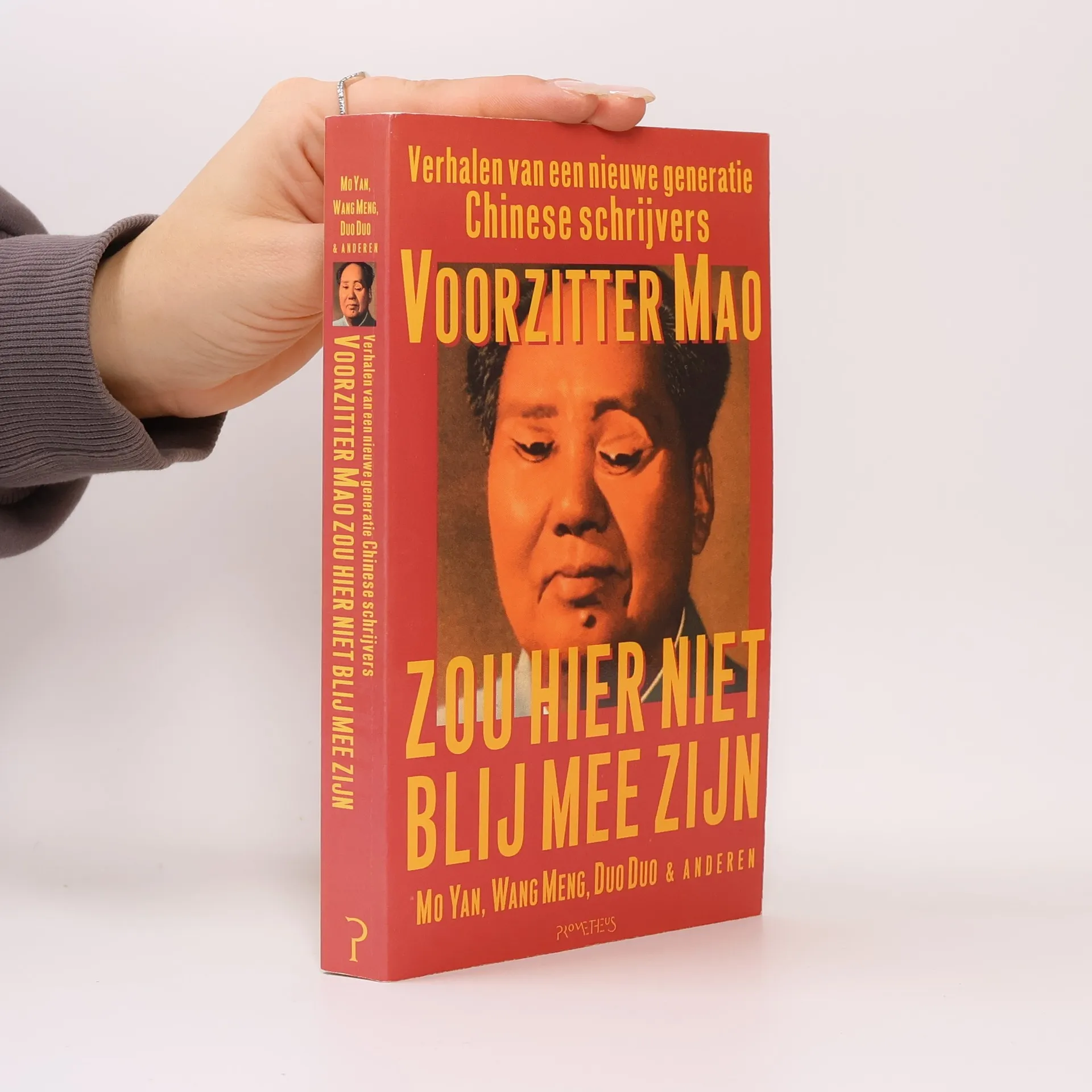
Deze Nobelprijswinnaar wordt geprezen om zijn hallucinerende realisme, dat volksverhalen, geschiedenis en het hedendaagse meesterlijk versmelt. Zijn werk trekt vaak vergelijkingen met Kafka of Heller, gekenmerkt door een onderscheidend vermogen om epische thema's te verweven met intieme menselijke ervaringen. De proza van de auteur is rijk en gelaagd, en biedt lezers een diepe onderdompeling in de Chinese cultuur en geschiedenis door middel van boeiende verhalen.
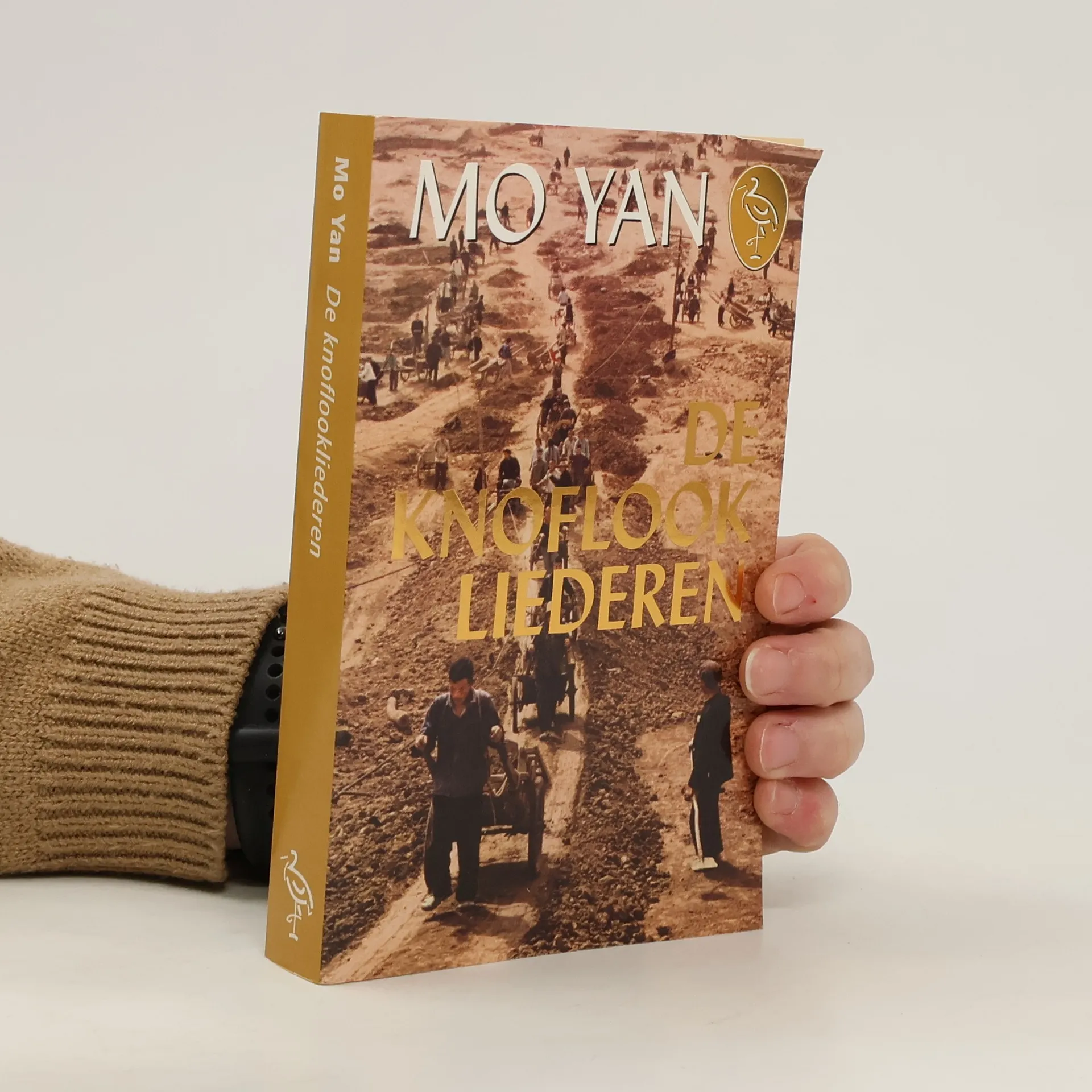
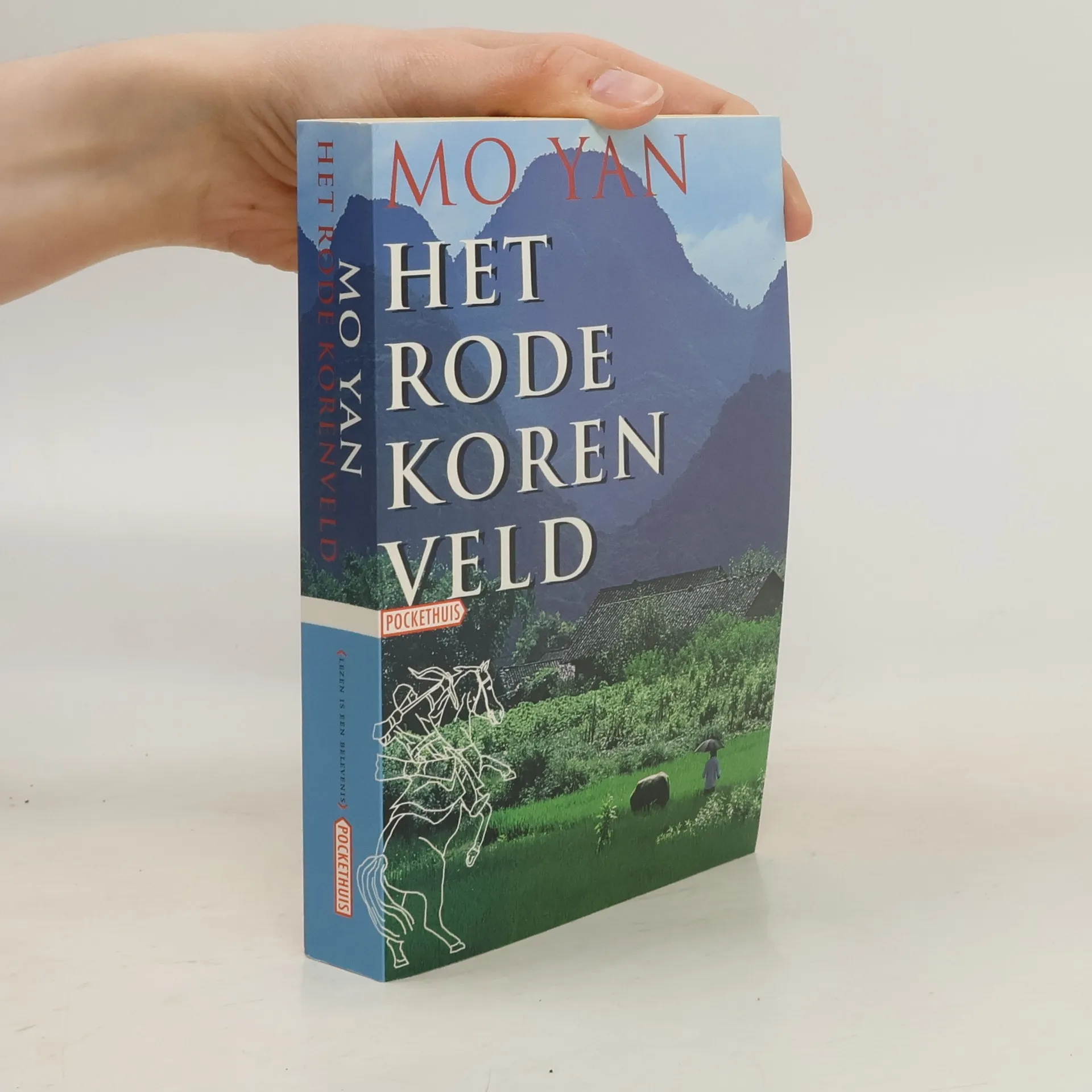
In een afgelegen streek in China leiden de boeren in de jaren dertig een hard bestaan. De Chinezen strijden niet alleen tegen de Japanse bezetter, maar ook tegen elkaar. De dieprode korenvelden - generaties lang symbool voor leven en geluk - danken hun kleur steeds minder aan de gloed die er in de oogsttijd overheen ligt, en steeds meer aan het bloed dat er vloeit.
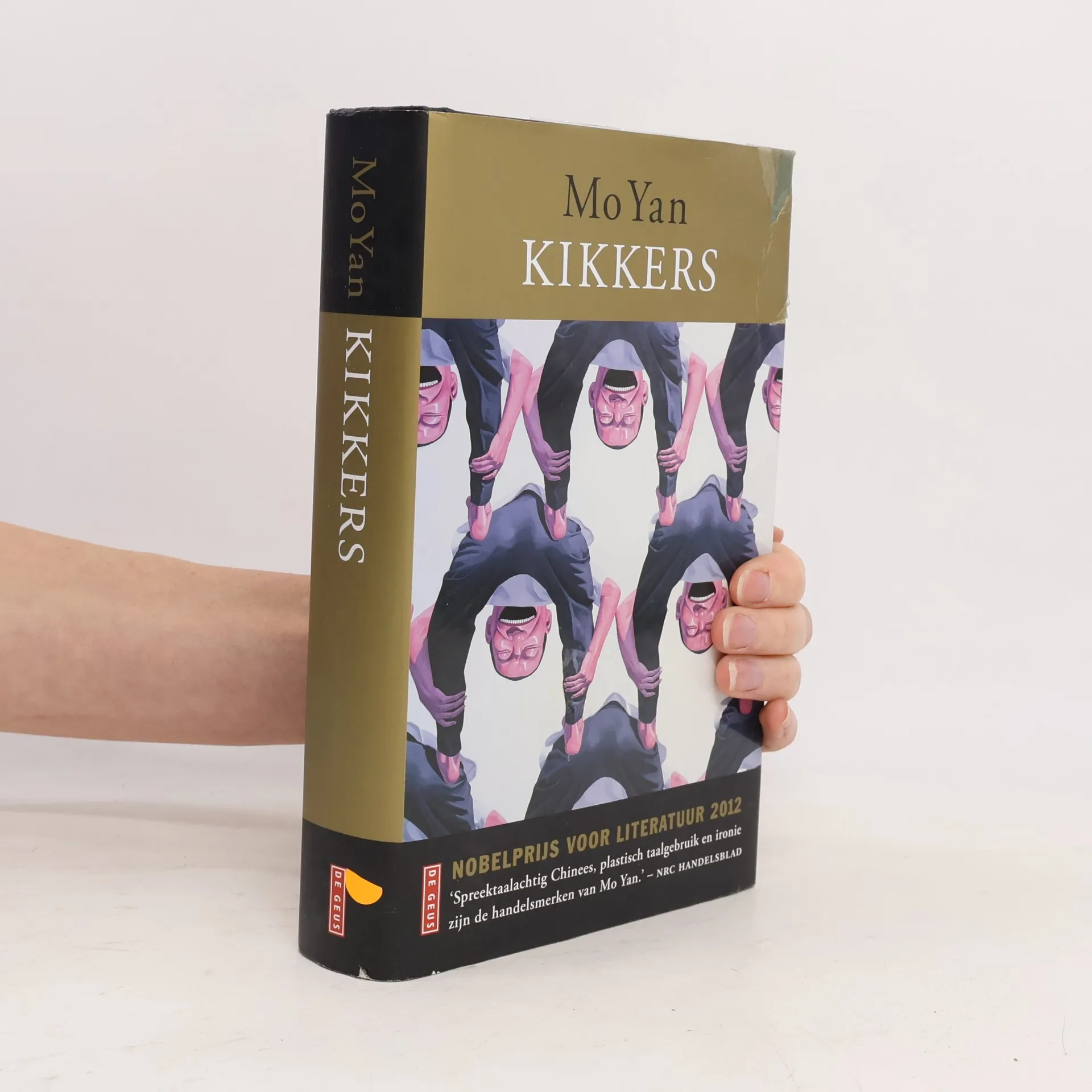
Een scherpe en humoristische kijk op het Chinese éénkindbeleid, vanuit het perspectief van een gynaecologe. Voet Wan, bijgenaamd Kikkervisje, schrijft een boek over zijn tante, een bekende gynaecologe. Ze is aanvankelijk de heldin van het dorp, maar wordt gezien als een duivelin wanneer ze actief gaat meewerken aan de éénkindpolitiek en regelmatig mannen steriliseert en zwangere vrouwen tegen hun zin aborteert. Rondom haar kleurrijke maar ook angstaanjagende persoon ontvouwt zich de geschiedenis van de familie en de vrouwen in het dorp. Om de tragedie van het leven en lot van tante duidelijk te maken schrijft Kikkervisje een grotesk toneelstuk. Mo Yan is China’s meest gelezen auteur. Hij begon met schrijven toen hij bij het Volksbevrijdingsleger zat. In het Westen verwierf Mo Yan bekendheid door de met een Gouden Beer bekroonde verfilming van zijn roman Het rode korenveld uit 1987. Verder heeft hij een aantal literaire prijzen op zijn naam staan en werd zijn roman Kikkers in 2011 bekroond met de prestigieuze Mao Dun-prijs. In 2012 ontving Mo Yan de Nobelprijs voor Literatuur.
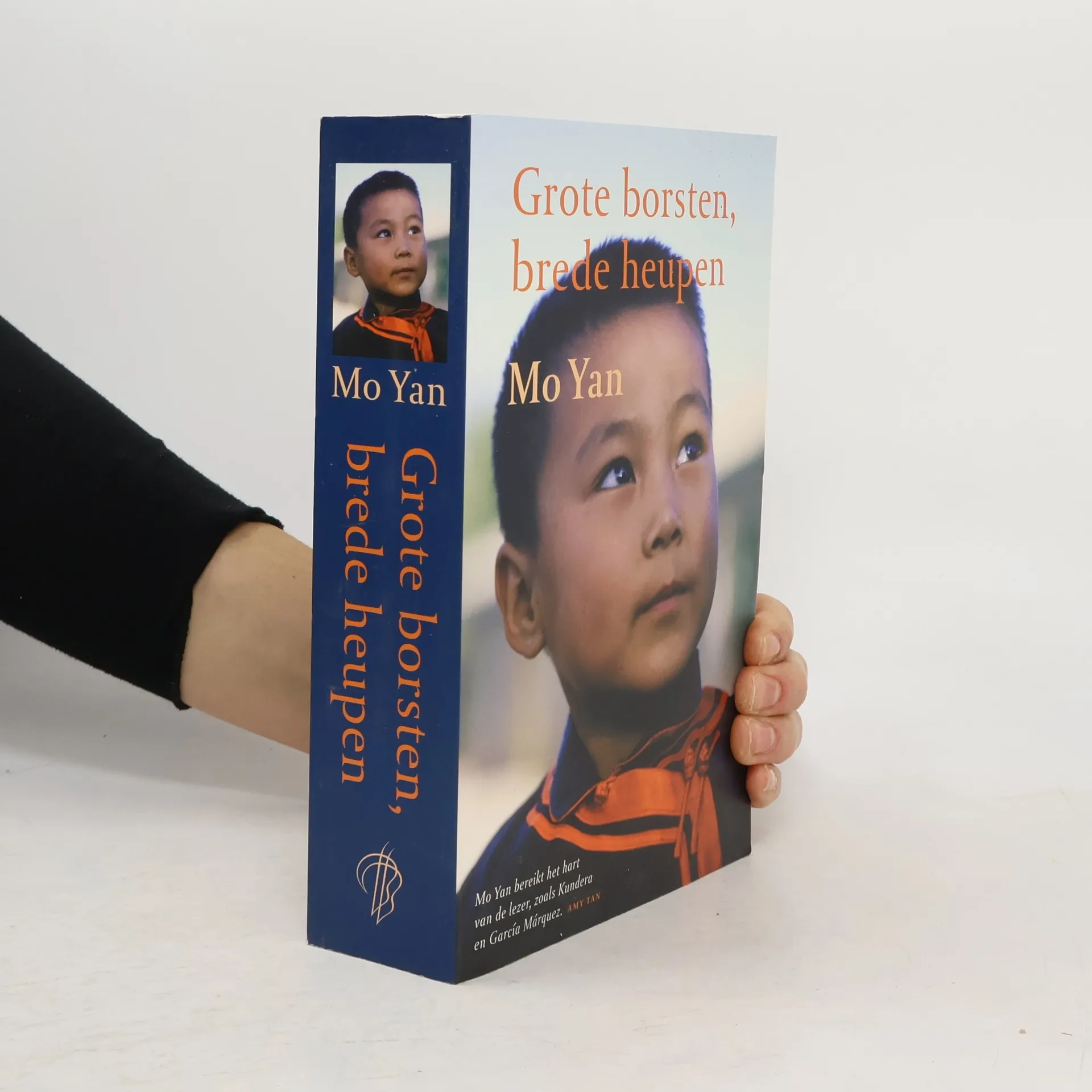
Shangguan Jintong is, na zeven ongewenste dochters, het achtste bastaardkind van de laatste Chinese vrouw met ingebonden voeten. Tot aan het begin van zijn puberteit drinkt hij uitsluitend moedermelk, waardoor hij gefixeerd raakt op borsten en heupen. Hij bezit niet het vermogen tot veinzen, liegen en bedriegen, die in zowel het maoïstische als het moderne China noodzakelijk zijn om te overleven; in zijn weerloze goedheid wordt zijn lot getekend door de krankzinnige Chinese geschiedenis.
Lectures and Speeches by the Nobel Laureate from China
314bladzijden
11 uur lezen
Mo Yan, a Nobel Laureate, is celebrated for his unique storytelling that blends folk tales, historical elements, and contemporary issues through a lens of hallucinatory realism. His notable works, translated into English by Professor Howard Goldblatt, include titles like The Garlic Ballads and Red Sorghum. His writing often reflects deep cultural insights and explores complex themes, making him a significant figure in modern literature.
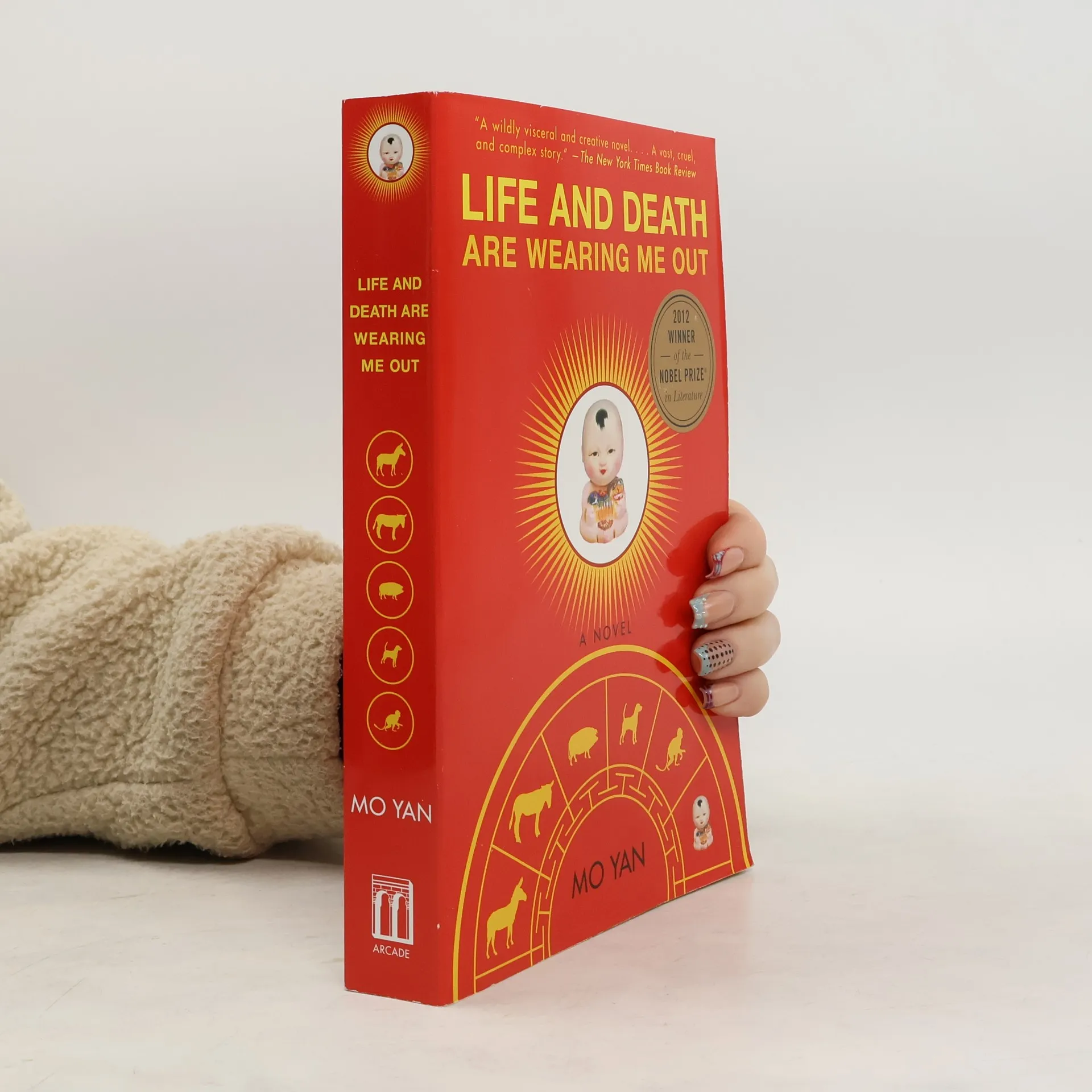
Stripped of his possessions and executed as a result of Mao's Land Reform Movement in 1948, benevolent landowner Ximen Nao finds himself endlessly tortured in Hell before he is systematically reborn on Earth as each of the animals in the Chinese zodiac.
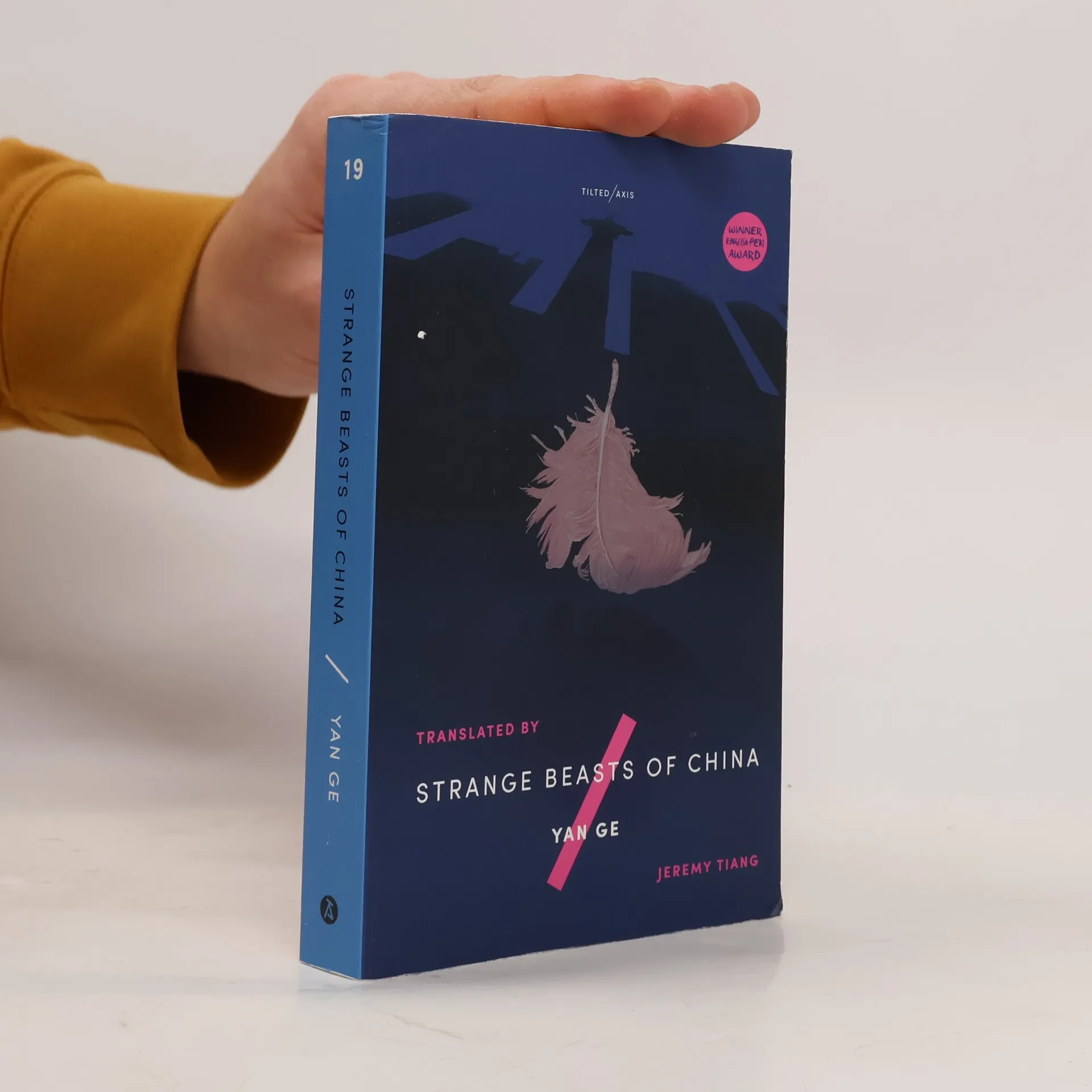
In the fictional Chinese city of Yong'an, an amateur cryptozoologist is commissioned to uncover the stories of its fabled beasts. These creatures live alongside humans in near-inconspicuousness--save their greenish skin, serrated earlobes, and strange birthmarks. Aided by her elusive former professor and his enigmatic assistant, our narrator sets off to document each beast, and is slowly drawn deeper into a mystery that threatens her very sense of self.
"This English-language debut from the award-winning Chinese author contains nine short stories in her trademark wit and style based around everyday people facing the challenges of loneliness, emotional and physical displacement and longing."--
[In this novel by the 2012 Nobel Laureate in Literature], "a benign old monk listens to a prospective novice's tale of depravity, violence, and carnivorous excess while a nice little family drama--in which nearly everyone dies--unfurls ... As his dual narratives merge and feather into one another, each informing and illuminating the other, Mo Yan probes the character and lifestyle of modern China"--Dust jacket flap.
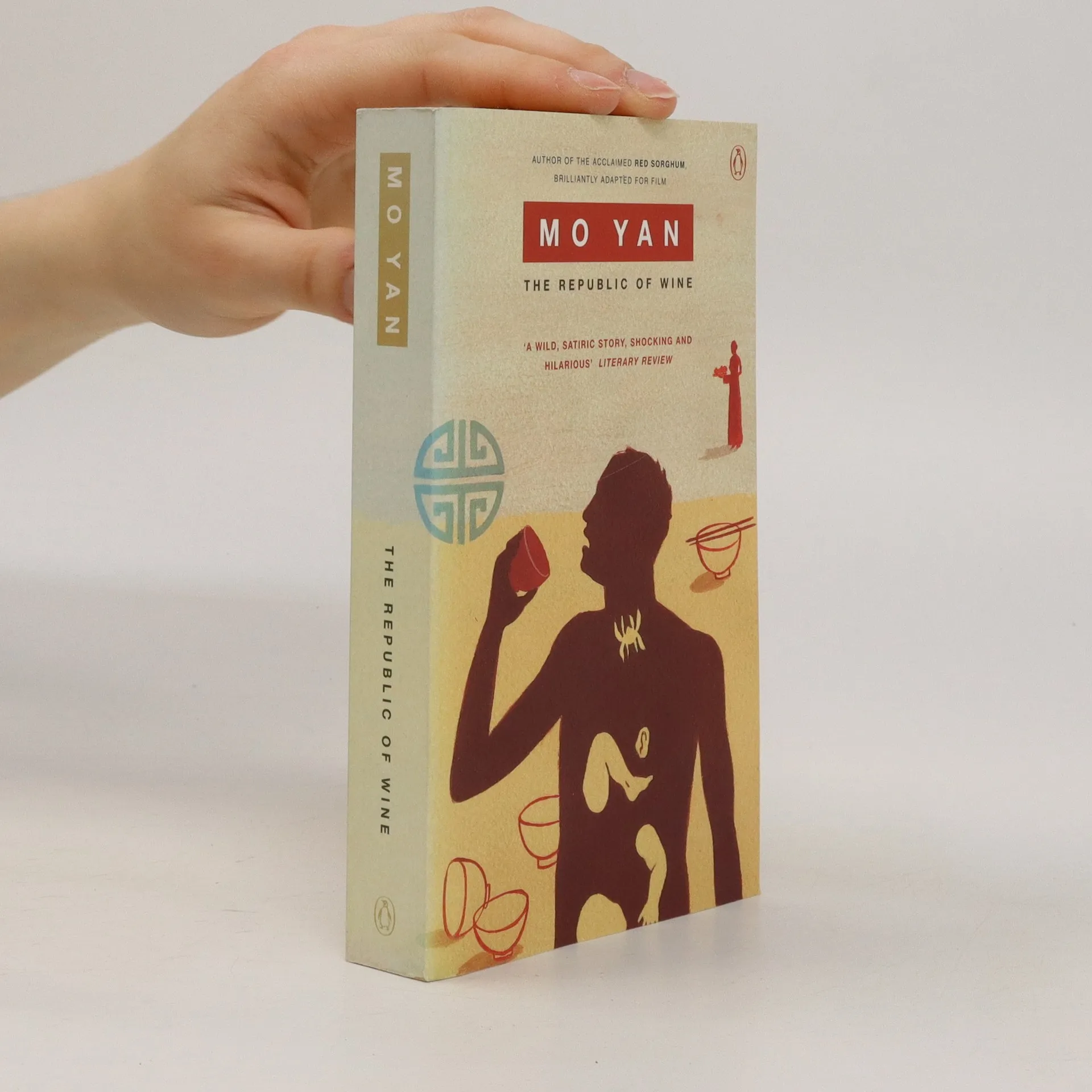
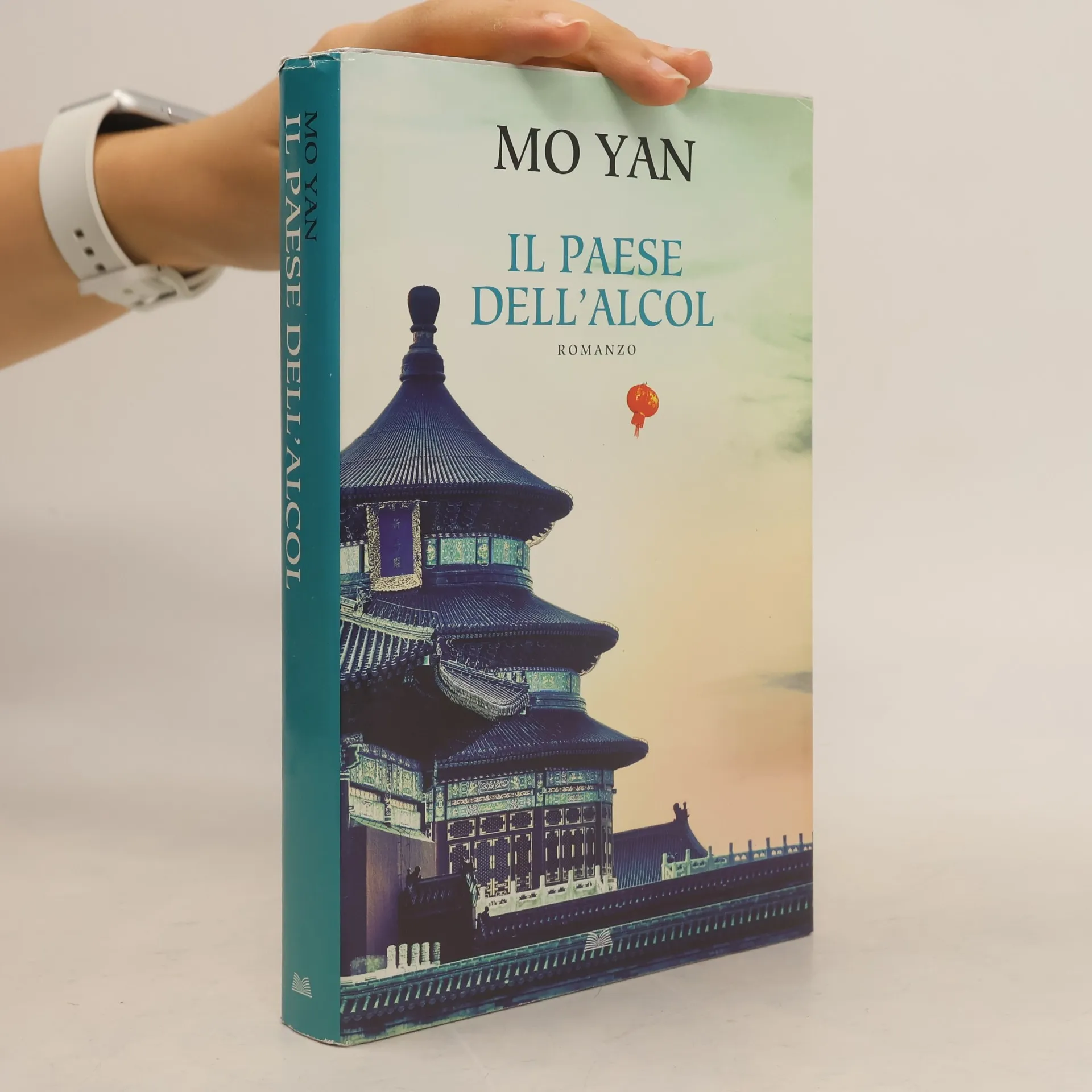
Special Investigator Ding Gou'er is dispatched to the Republic of Wine to investigate rumours of cannibalism. Beginning his mission at the mining company, he soon encounters Diamond Jin whose legendary capacity to hold liqour seems to hide a fondness for darker appetites. Then, at a banquet served in his honour, Ding Gou'er partakes of a dish - the memory of which is confused by an alcoholic fog - he will come to regret eating...In this hypnotic narrative, Mo Yan spins tales of terrible creatures - a dwarf, a scaly demon, a troupe of small boys raised for eating and a cookery teacher who primes her students with monstrous recipes.
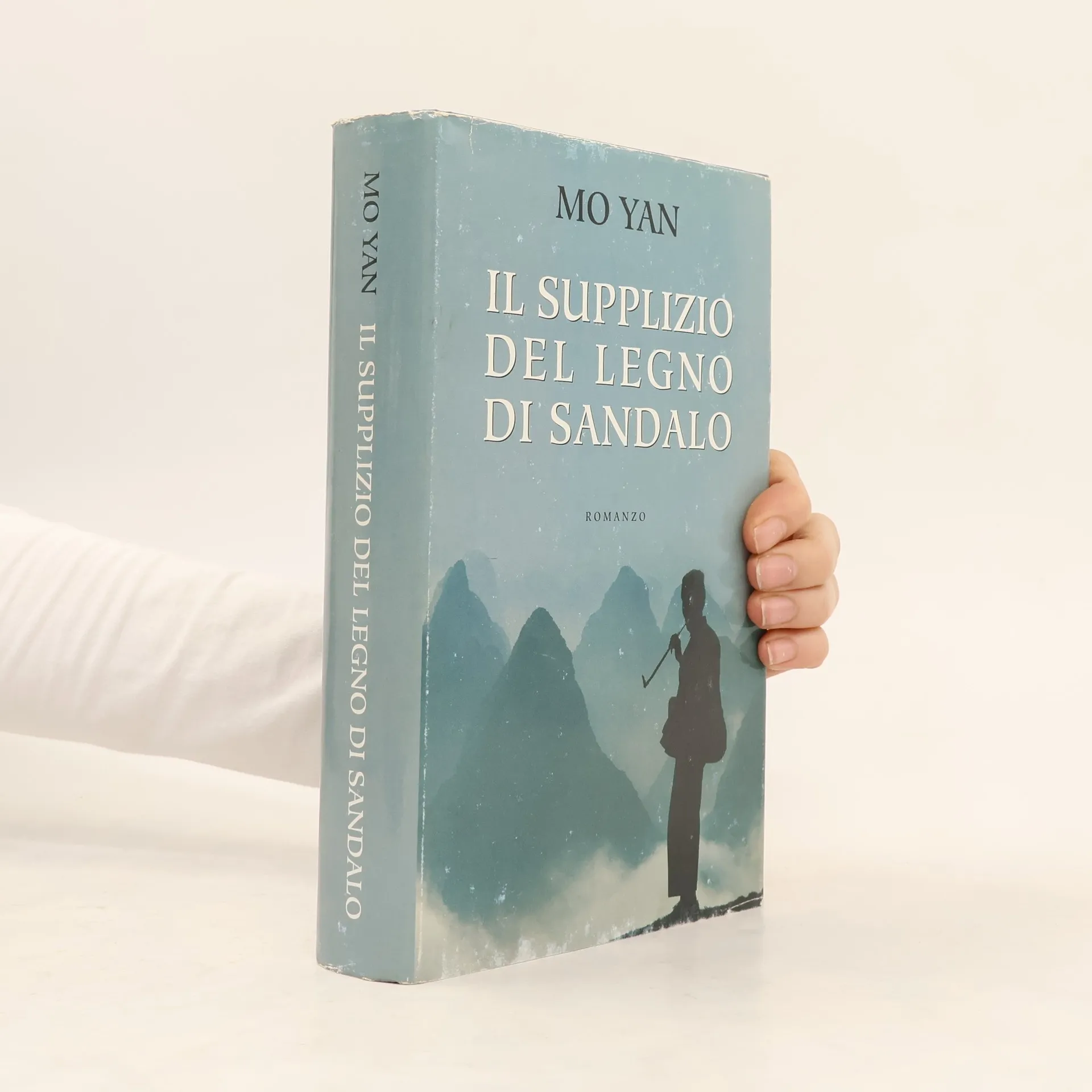
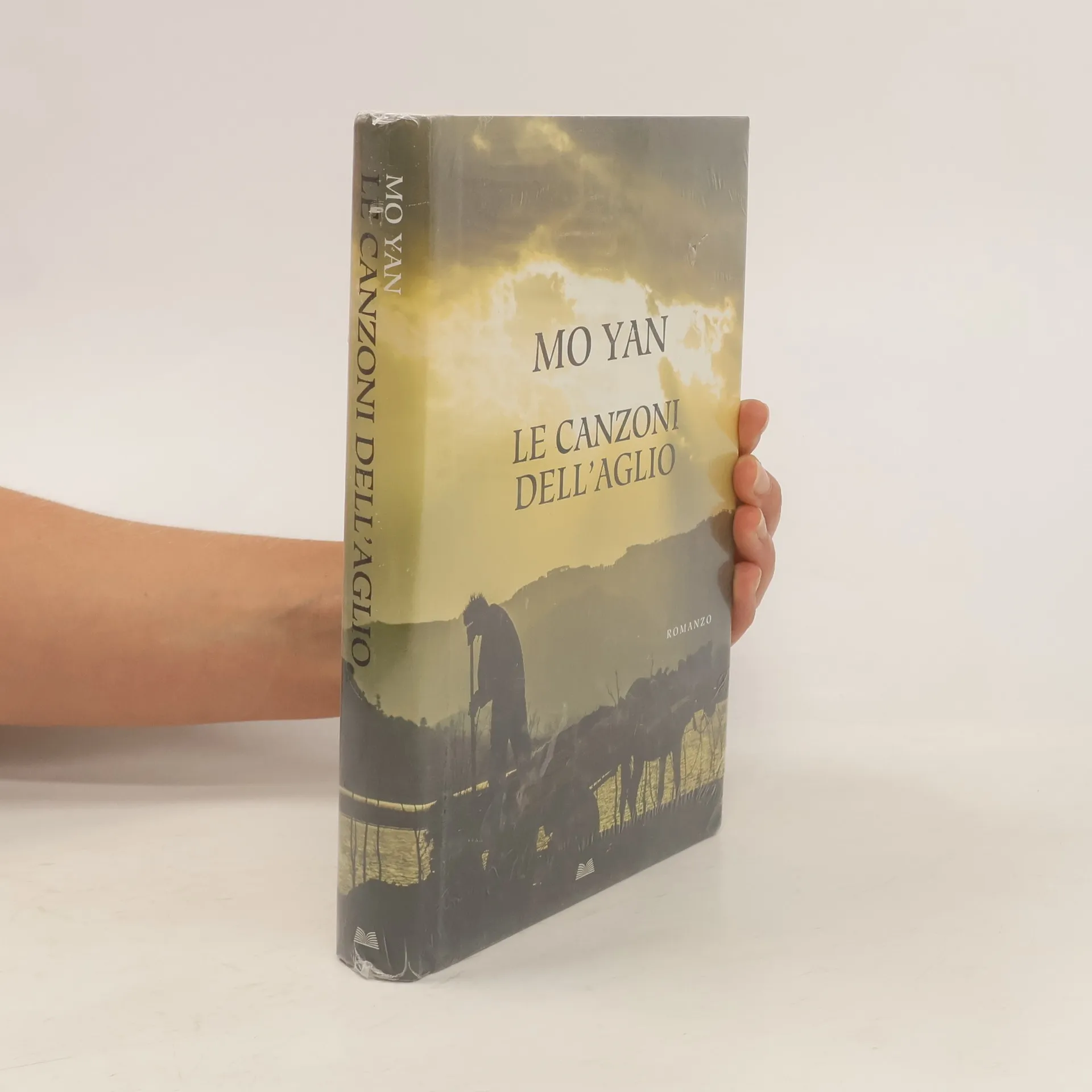
Cina 1900: Provincia di Shandong. Sun Bing è un casuale ribelle, che si trova alla testa di un'insurrezione contadina accanto ai Boxer, la società segreta cinese che combatte contro le potenze imperialiste straniere. Ma Sun Bing non è solo un contadino in guerra contro una potenza maggiore, per la quale viene brutalmente punito. È anche un artista, un uomo che vive per il canto e per il quale il canto è vita. Di fronte a lui c'è Zhao Jia, il vecchio boia, un grande esperto di tortura, che si trova alla fine della sua carriera. Come Sun Bing, anche Zhao Jia possiede una tecnica antica legata al canto. I due maestri si sfidano con la loro rispettiva arte e cercano, in condizioni estreme, di completare il capolavoro della loro vita e della loro morte.
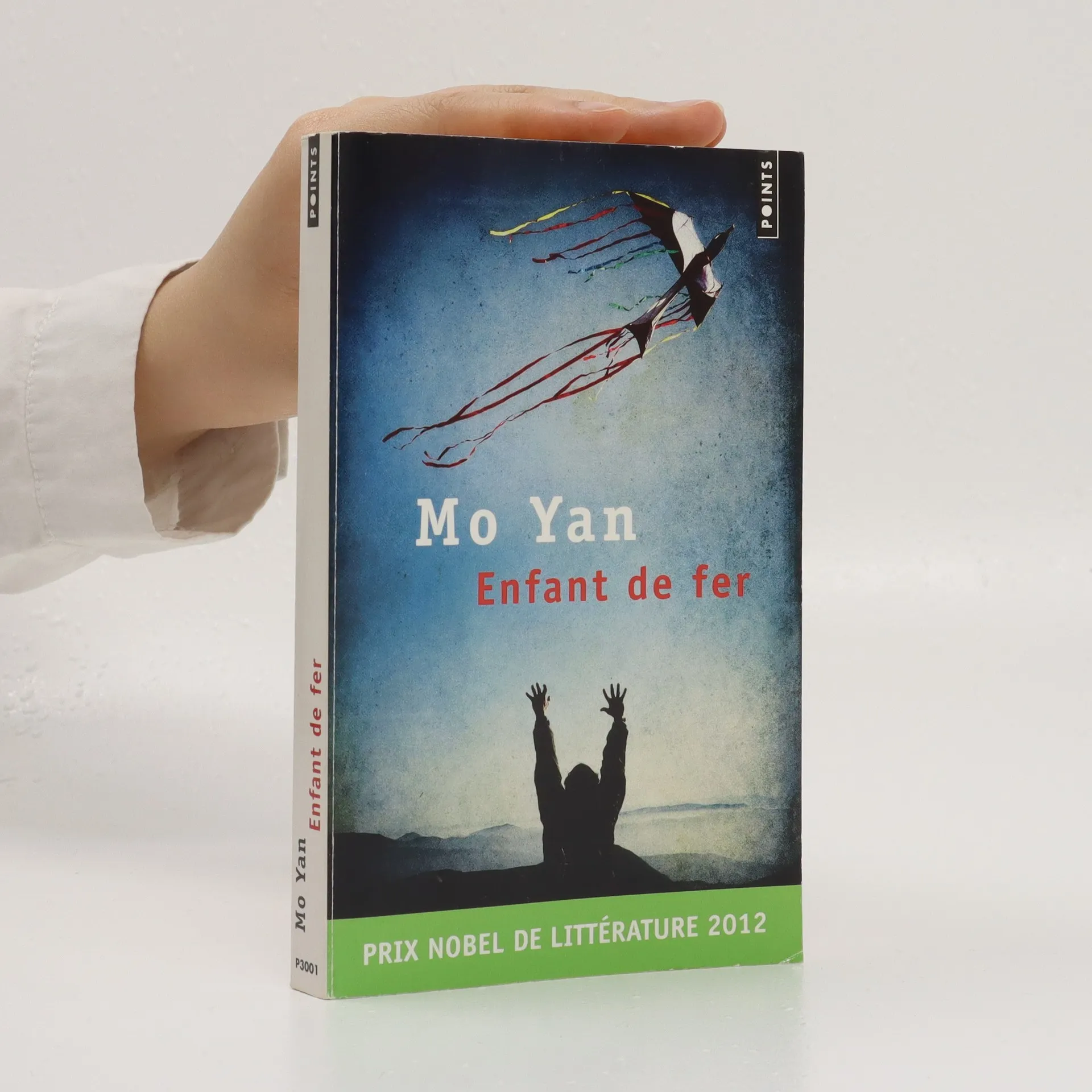
Mêlant souvenirs et imagination débordante, ces deux nouvelles que relient l’attachement de Mo Yan à l’enfance, à sa province natale et au monde animal, décrivent une Chine rurale où la débrouillardise permet d’affronter la dure réalité. Mo Yan lui-même s’y dévoile comme jamais, en adolescent turbulent et bavard aux prises avec la souffrance du veau, la misère, et la ruse infinie des hommes, ou en observateur de dix ans, candide et curieux, de la course de fond organisée par l’école. À chaque tour de piste, c’est la surprise, le suspense grandit tandis que l’enfant dresse un tableau truculent de la vie de son canton dans les années soixante. Mo Yan laisse exploser avec délices la malice et l’énergie de l’enfance, la bonhommie, le courage et l’humour vache du monde paysan soumis aux lois absurdes de l’époque maoïste.
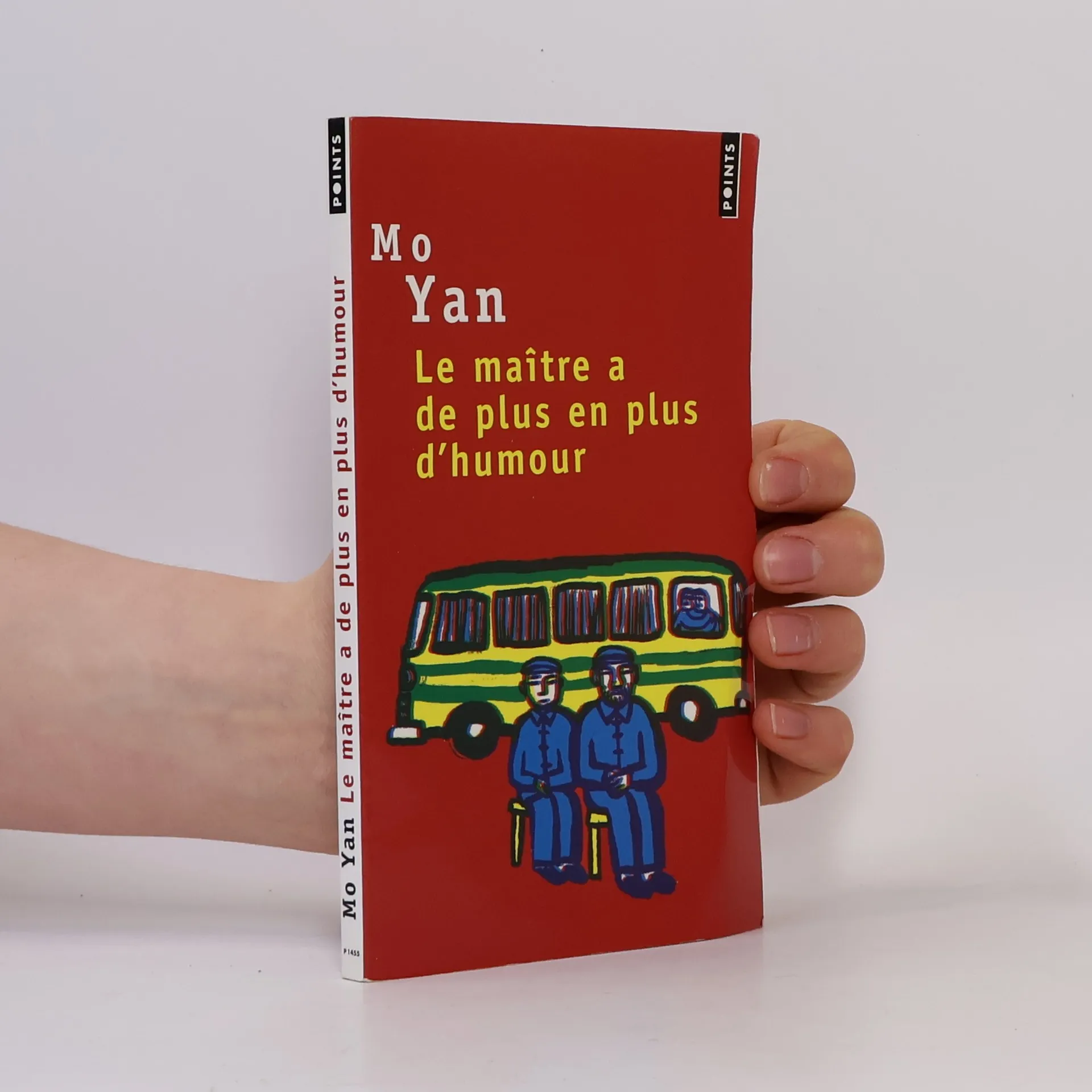
L'usine a fait faillite, maître Ding est licencié. À seulement un mois de la retraite, c'est tout un monde qui s'effondre. Mais il retrouve soudain sa joie de vivre grâce à une idée géniale. Oui, mais cette idée... ne serait-elle pas un peu criminelle ? Dans ce court roman empreint de tendresse et d'humour, Mo Yan exerce une fois de plus son regard décapant sur la société chinoise contemporaine.
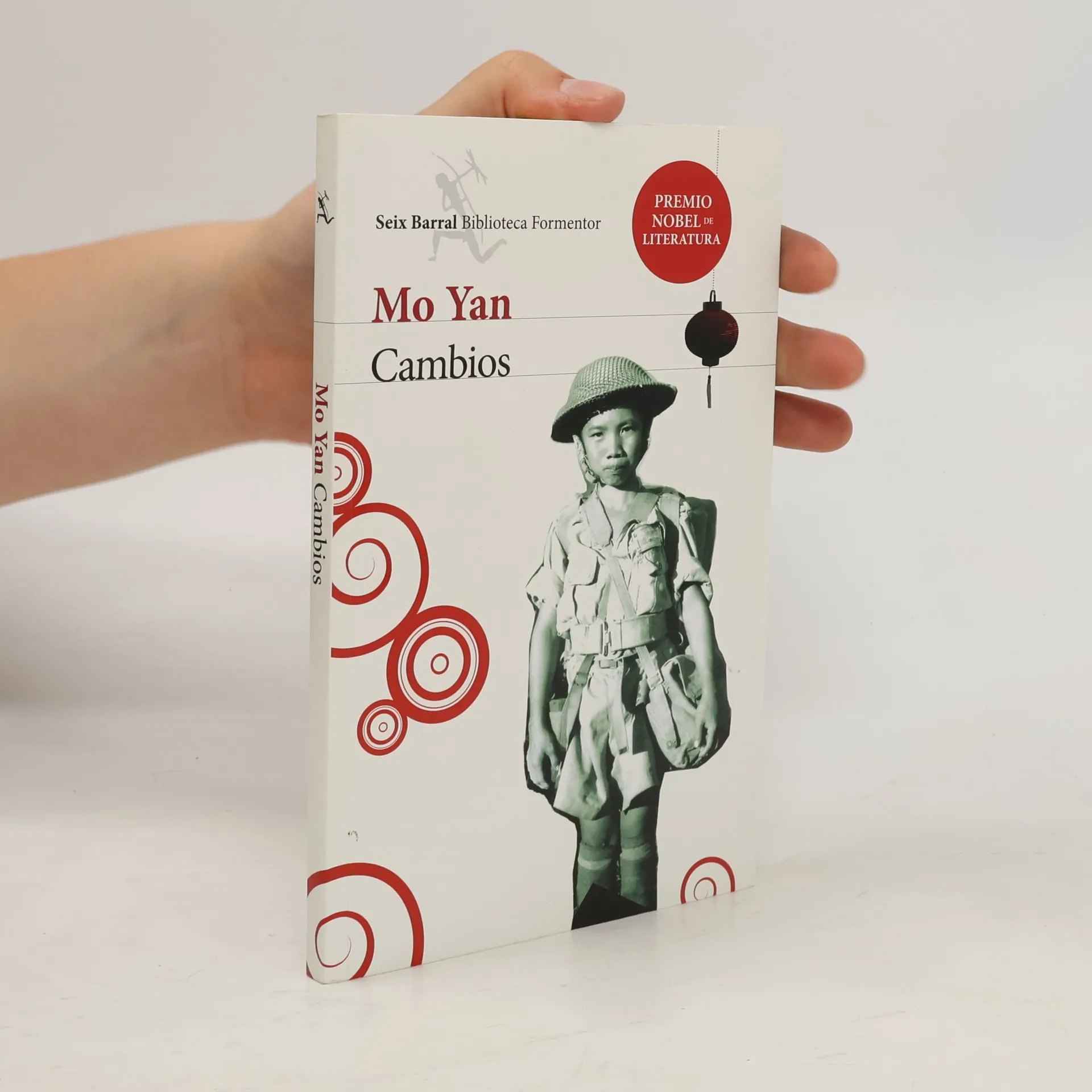
Cambios es la novela más personal del Premio Nobel de Literatura 2012, cuarenta años de historia de China vistos por un niño que se hace mayor en un mundo demasiado estrecho. Esta es en definitiva la vida de su autor, un hijo de campesinos que sueña con ser camionero, un obrero y un militar, un escritor que desde lo más alto recuerda su infancia. Con el tono abierto de una confesión entre amigos, Mo Yan teje la historia popular de un país en permanente transformación, el retrato de la gente común y los gestos cotidianos; como la rebeldía de su compañero de clase, He Zhiwu, quien no reconoce principio de autoridad alguno, o la tozudez de Lu Wenli, una chica acostumbrada a tomar siempre la decisión correcta pero que la lleva por el camino equivocado. Una rara joya literaria, una feliz confidencia y una ventana privilegiada que nos descubre quién es realmente el nuevo Premio Nobel de Literatura. Considerado por muchos el Kafka, Faulkner o García Márquez chino, Mo Yan es ante todo un autor de “sorprendente autenticidad” (Time), “uno de los grandes novelistas de hoy en día” (Le Monde).
Viel Neues geschieht im China des Jahres 1899: Von überall her drängen fremde Menschen in das zuvor verschlossene Reich. Sie bringen etwa die Eisenbahn, die bei der Provinzstadt Gaomi über die Gräber der Ahnen verlaufen soll. Vieles geht aber auch zu Ende in diesen letzten Tagen des Jahrhunderts: Das Kaiserreich liegt in Agonie, ebenso wie Sun Bing, der Opernsänger und Anführer des Aufstands gegen die Trasse und deren Erbauer. Um seinen Ungehorsam zu ahnden, bündelt die Staatsmacht all ihre Kräfte und verordnet ein letztes Mal die Sandelholzstrafe, die grausamste und zugleich kunstvollste der überkommenen Foltermethoden. Leib und Leben nicht allein des Opfers, sondern auch seiner Tochter, ihres Ehemanns, ja selbst des Henkers und des Richters stehen mit diesem Urteilsspruch auf dem Richtplatz der Geschichte. In einem der bedeutendsten chinesischen Romane der jüngsten Zeit spielt Mo Yan virtuos das Spiel der Masken, Perspektiven und Kontraste. Gewalt und Poesie, Empathie und schwarzer Humor, Derbheit und Feinsinn, die Fülle des westlichen Romans und die Eleganz der chinesischen Oper gehen in seiner bilderreichen und suggestiven Sprache Hand in Hand.
Né dans une famille de paysans, Mo Yan a dit un jour qu’une enfance malheureuse est une source d’inspiration infinie. C’est à travers les yeux d’un enfant qu’il décrit le monde dans les seize nouvelles de ce recueil. Tour à tour cruels, tendres, fantastiques ou érotiques, ces récits relatent la vie rude et douloureuse, parfois gouailleuse, mais toujours intense du petit peuple de Gaomi dans la Chine maoïste des années 1950 et 1960.