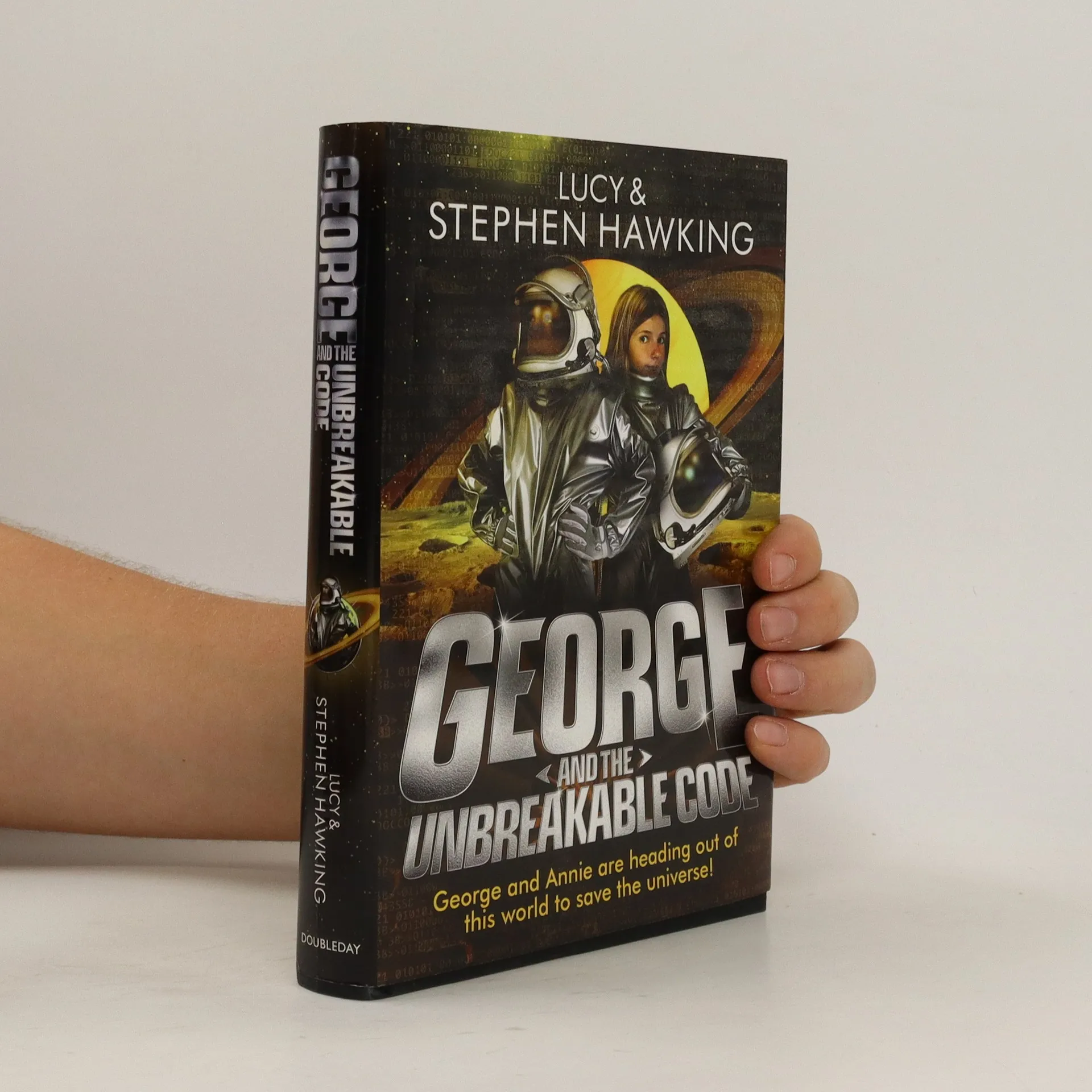
De knal in het heelal
- 287bladzijden
- 11 uur lezen
De vader van Annie doet onderzoek naar het ontstaan van het heelal. Een groep duistere wetenschappers probeert zijn onderzoek te saboteren. Vanaf ca. 10 jaar.


Stephen Hawking was een gerenommeerde theoretisch natuurkundige en kosmoloog wiens werk ons begrip van het universum fundamenteel veranderde. Hij verdiepte zich in de fundamentele wetten die de realiteit beheersen, en verbond Einsteins Algemene Relativiteitstheorie met kwantummechanica. Hawking's baanbrekende theorieën suggereren dat ruimte en tijd een begin hadden in de Big Bang, en dat zwarte gaten zouden kunnen verdampen. Zijn intellectuele nalatenschap ligt in het ontrafelen van de diepste mysteries van de kosmos en hoe deze beschreven kan worden door de wetten van de wetenschap.


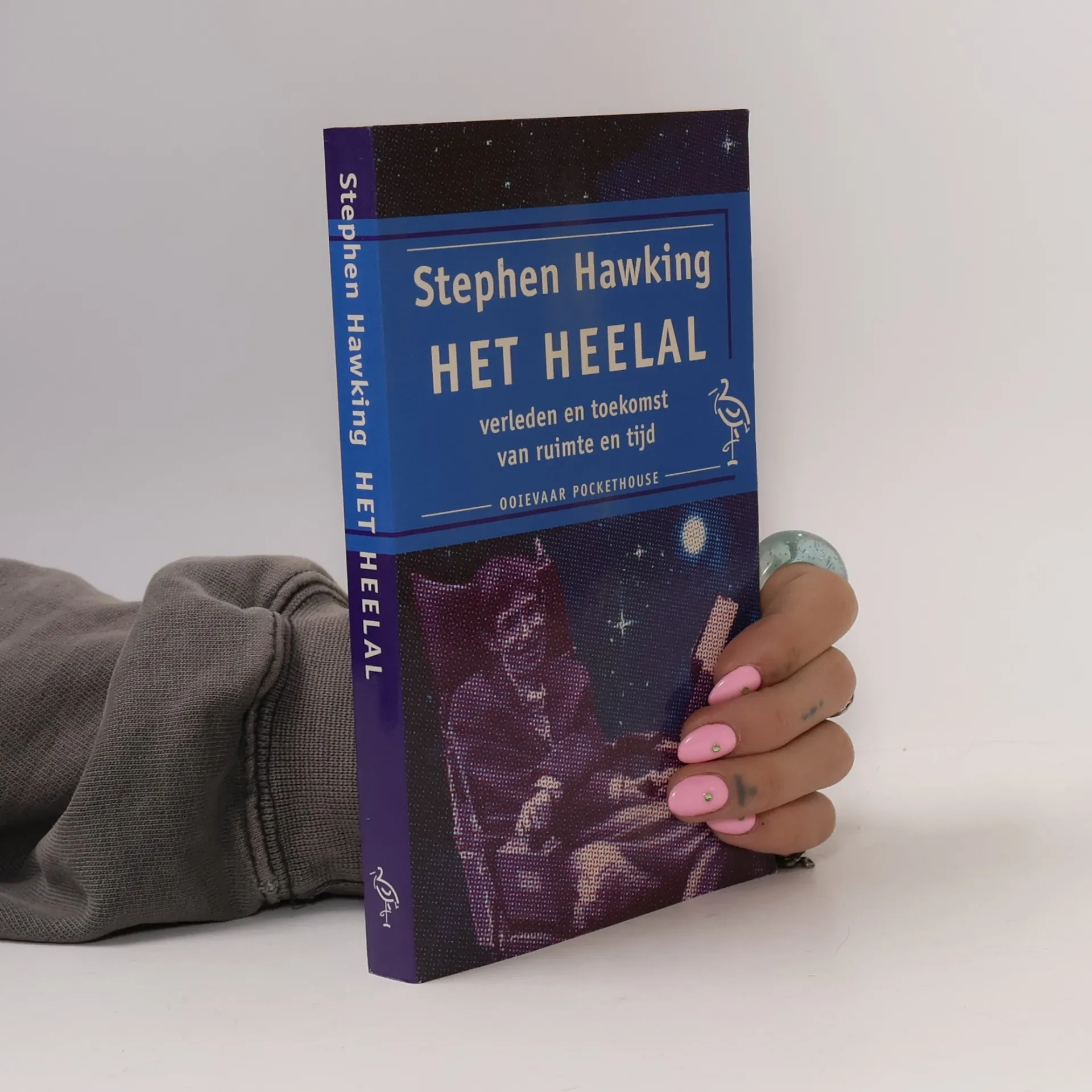
De vader van Annie doet onderzoek naar het ontstaan van het heelal. Een groep duistere wetenschappers probeert zijn onderzoek te saboteren. Vanaf ca. 10 jaar.
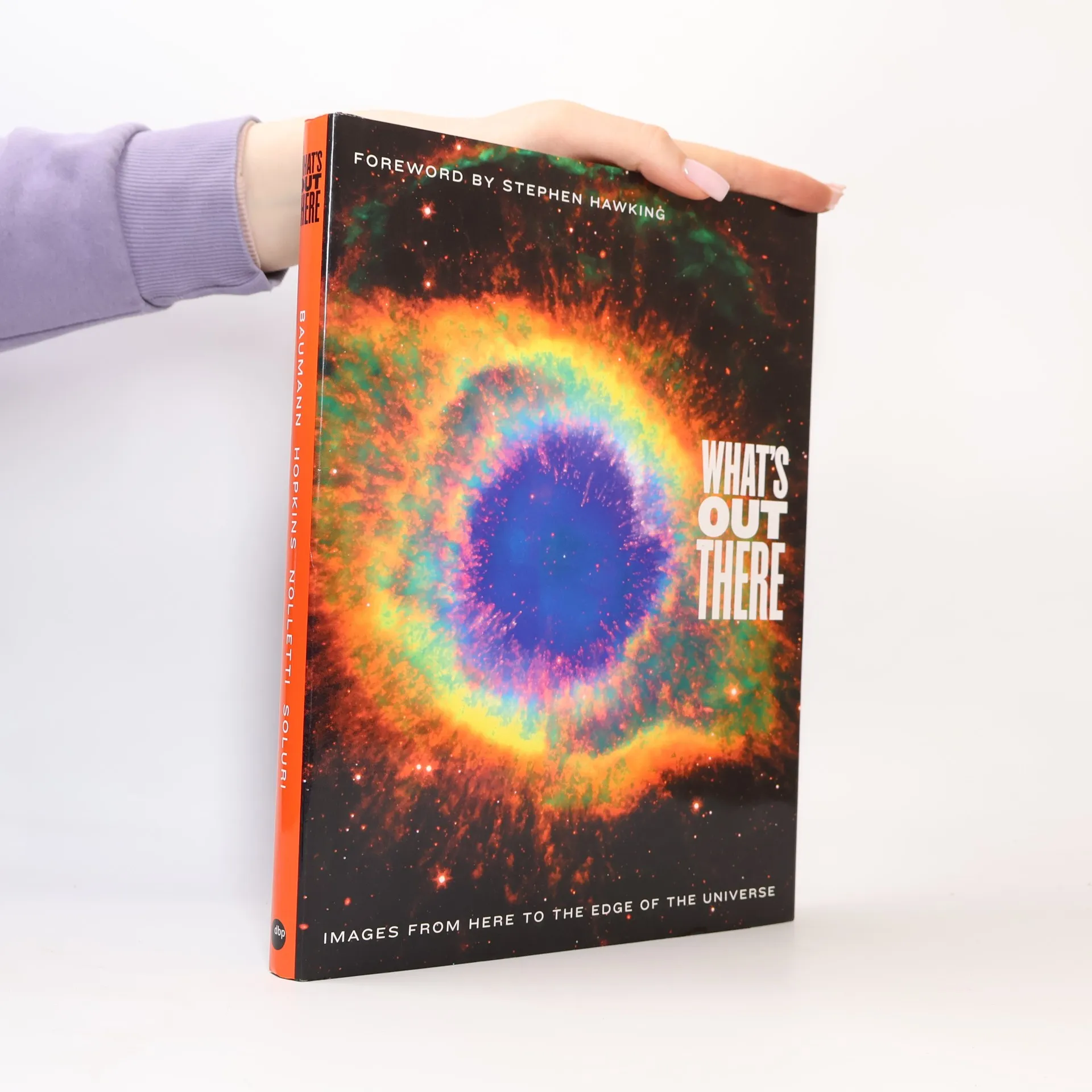
Foto's van objecten in heelal zoals planeten, manen en nevels.
Hoe is alles begonnen? Is er intelligent leven elders in het heelal? Kunnen we de toekomst voorspellen? Bestaat er een God? Wat zit er in een zwart gat? Zijn tijdreizen mogelijk? Zullen we overleven op aarde? Moeten we de ruimte koloniseren? Zal kunstmatige intelligentie slimmer worden dan wij? Hoe geven wij de toekomst vorm? De wereldberoemde wetenschapper en bestsellerauteur Stephen Hawking laat ons zijn laatste ideeën over de grootste vragen van het universum na in dit briljante, postuum uitgegeven werk.
Stephen Hawking’s phenomenal, multimillion-copy bestseller, A Brief History of Time, introduced the ideas of this brilliant theoretical physicist to readers all over the world. Now, in a major publishing event, Hawking returns with a lavishly illustrated sequel that unravels the mysteries of the major breakthroughs that have occurred in the years since the release of his acclaimed first book.
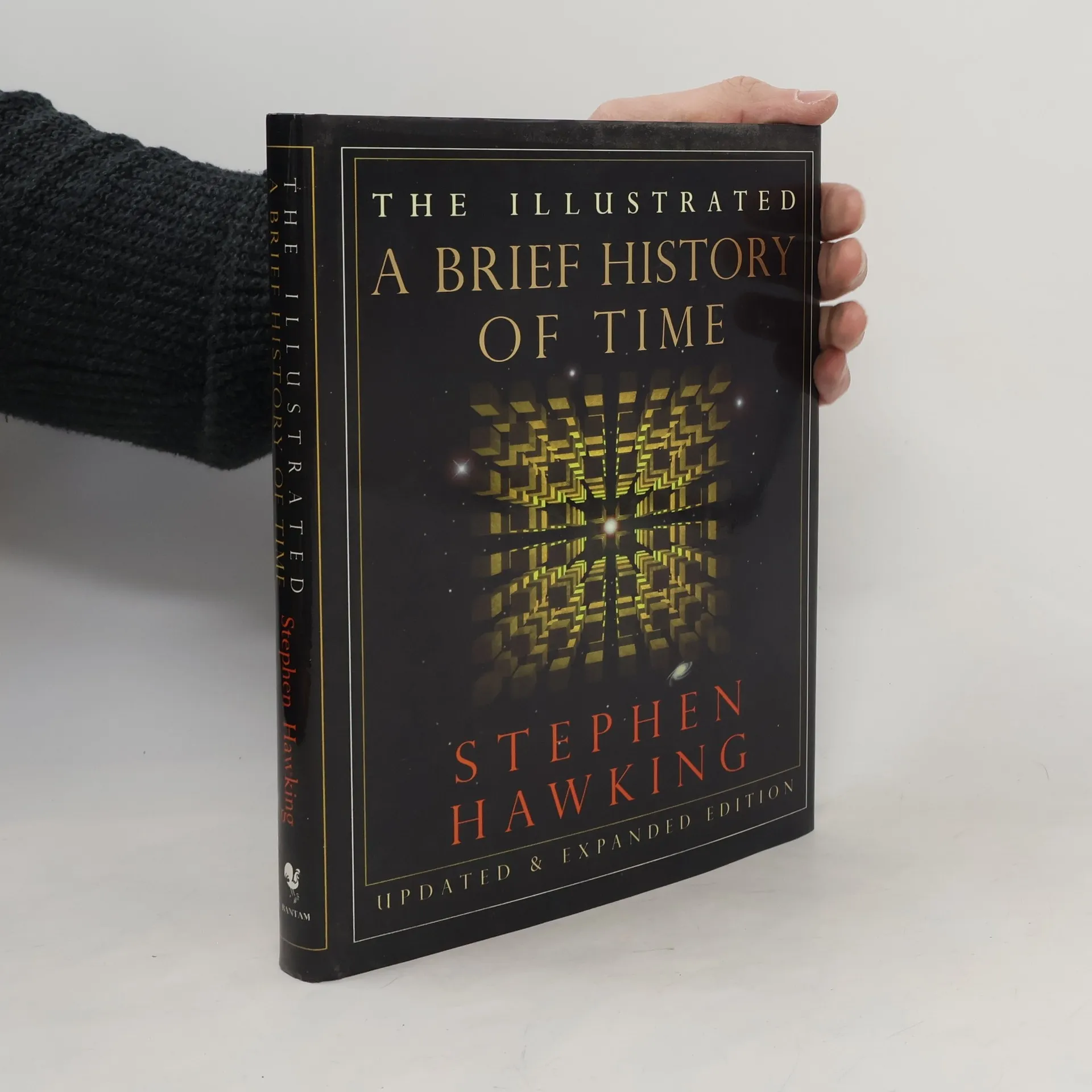
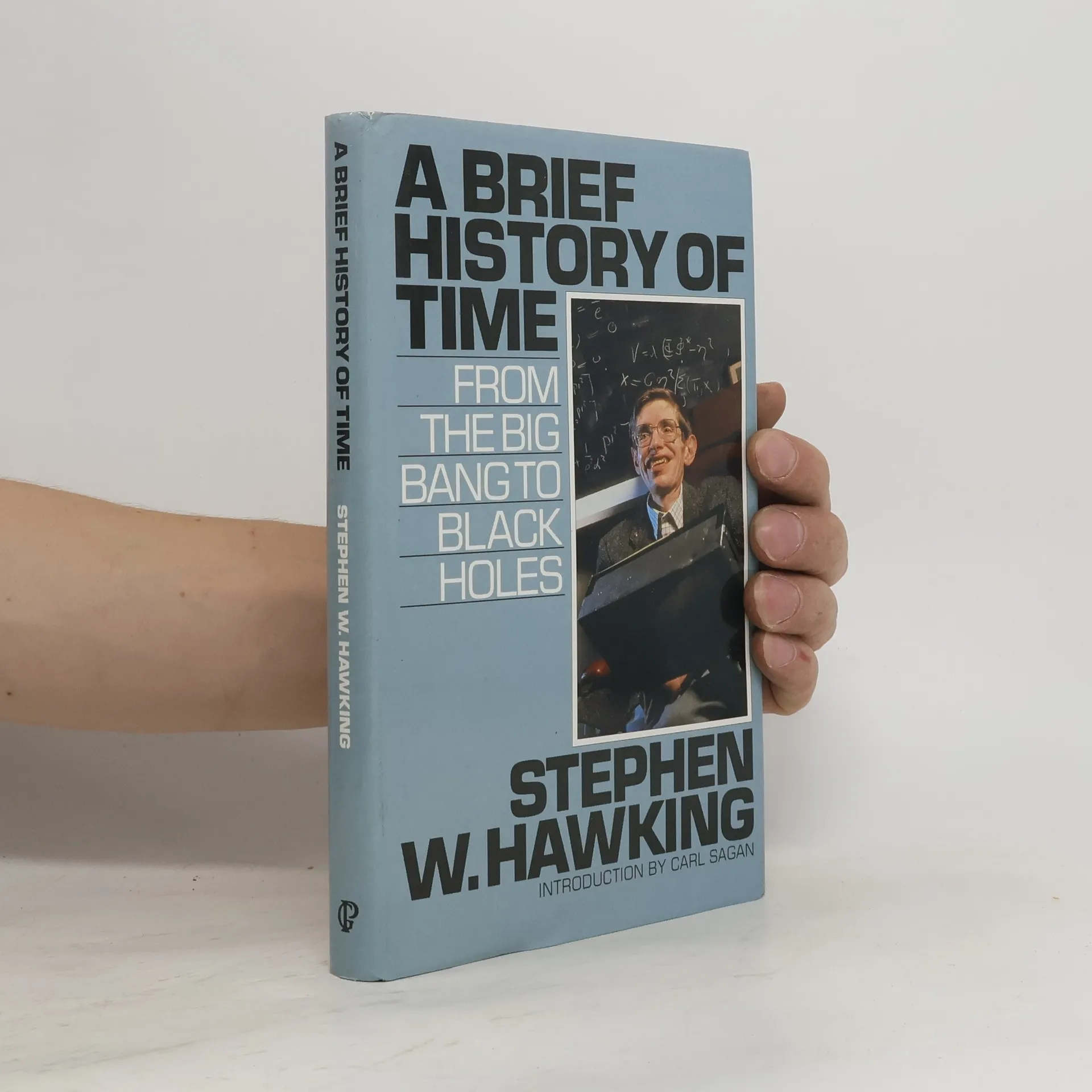
In the ten years since its publication in 1988, Stephen Hawking's classic work has become a landmark volume in scientific writing, with more than nine million copies in forty languages sold worldwide. That edition was on the cutting edge of what was then known about the origins and nature of the universe. But the intervening years have seen extraordinary advances in the technology of observing both the micro- and the macrocosmic worlds. These observations have confirmed many of Professor Hawking's theoretical predictions in the first edition of his book, including the recent discoveries of the Cosmic Background Explorer satellite (COBE), which probed back in time to within 300,000 years of the universe's beginning and revealed wrinkles in the fabric of space-time that he had projected. Eager to bring to his original text the new knowledge revealed by these observations, as well as his own recent research, Professor Hawking has prepared a new introduction to the book, written an entirely new chapter on wormholes and time travel, and updated the chapters throughout.
Annies vader Eric is wetenschapper. Hij doet onderzoek naar leven op Mars en stuurt een speciale robot de ruimte in. Annies beste vriend George vindt het allemaal reuzespannend. Maar de robot reageert erg raar: hij stuurt vreemde boodschappen terug naar aarde. Probeert een buitenaards wezen soms contact te maken? Is er dan toch leven in het heelal? Annie en George willen hier meer van weten en vliegen met behulp van Erics superslimme computer Kosmos de ruimte in. Maar hoe vind je iemand in het grote heelal? En wat moet je eigenlijk tegen een buitenaards wezen zeggen?
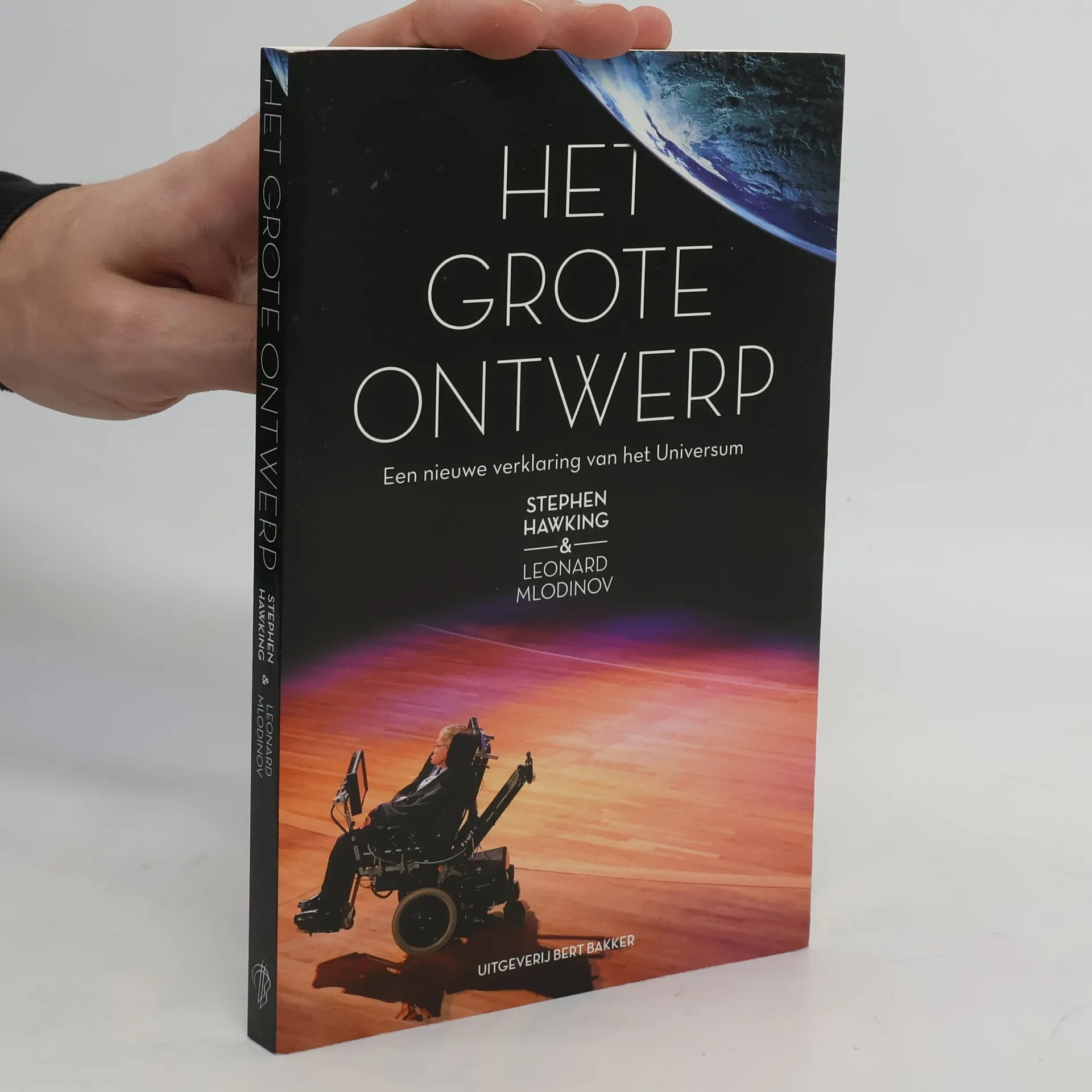
Sinds het verschijnen van Het heelal in 1988 is de exacte wetenschap in een stroomversnelling terechtgekomen. Stephen Hawking, een van de meest vooraanstaande wetenschappers en denkers van onze tijd, staat aan het hoofd van deze renaissance. In Het grote ontwerp gaan Stephen Hawking en Leonard Mlodinov verder waar Albert Einstein gebleven was. De in Het heelal aangekondigde 'theorie van alles' wordt in dit unieke boek verder uitgewerkt. De theorie is gebaseerd op ruim veertig jaar onderzoek van Hawking, aangevuld met de recentste exacte studies. Geschreven in de duidelijke en levendige stijl waar Hawking om bekendstaat, neemt dit boek de lezer mee op zijn wetenschappelijke queeste, op zoek naar de diepste geheimen van het universum. Hij onderzoekt de verschillen tussen verleden en toekomst, legt de aard van realiteit uit en stelt de belangrijke vraag: hoe ver kunnen we gaan in onze zoektocht naar begrip en kennis?
Stephen Hawking, author of the multi-million copy bestselling A Brief History of Time , and his daughter Lucy explain the universe to readers of all ages. George's parents, who have always been wary of technology, warn him about their new neighbors: Eric is a scientist and his daughter, Annie, seems to be following in his footsteps. But when George befriends them and Cosmos, their super-computer, he finds himself on a wildly fun adventure, while learning about physics, time, and the universe. With Cosmos's help, he can travel to other planets and a black hole. But what would happen if the wrong people got their hands on Cosmos? George, Annie, and Eric aren't about to find out, and what ensues is a funny adventure that clearly explains the mysteries of science. Garry Parsons' energetic illustrations add humor and interest, and his scientific drawings add clarity; there are also eight 4-page full-color inserts of scientific photos.
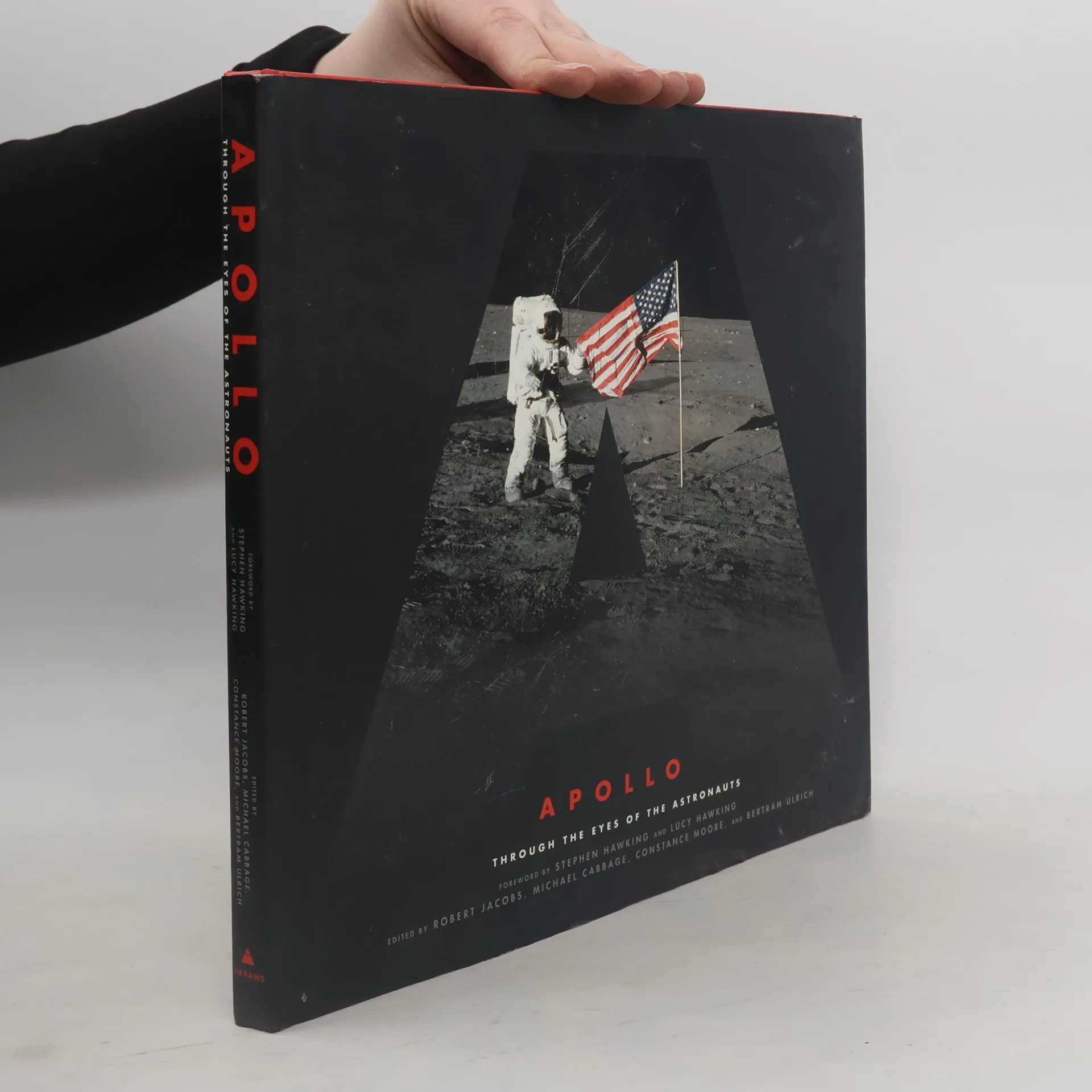
Apollo is a photographic commemoration of the Apollo lunar missions as seen through the eyes of the astronauts. Each of the surviving 21 astronauts from the Apollo missions has chosen a favorite photograph from his space flight especially for this book. These selections are accompanied by other iconic photographs from the Apollo missions. Bestselling astrophysicist Stephen Hawking and his daughter Lucy Hawking contribute a foreword on the meaning of the space exploration. July 20, 2009, marks the 40th anniversary of the first manned landing on the Moon by Neil Armstrong and Buzz Aldrin of Apollo 11 . Apollo is the only photographic book on the Apollo missions to be created by NASA, and is the perfect commemorative volume about this epochal program, where legendary achievement was recorded in powerful images.
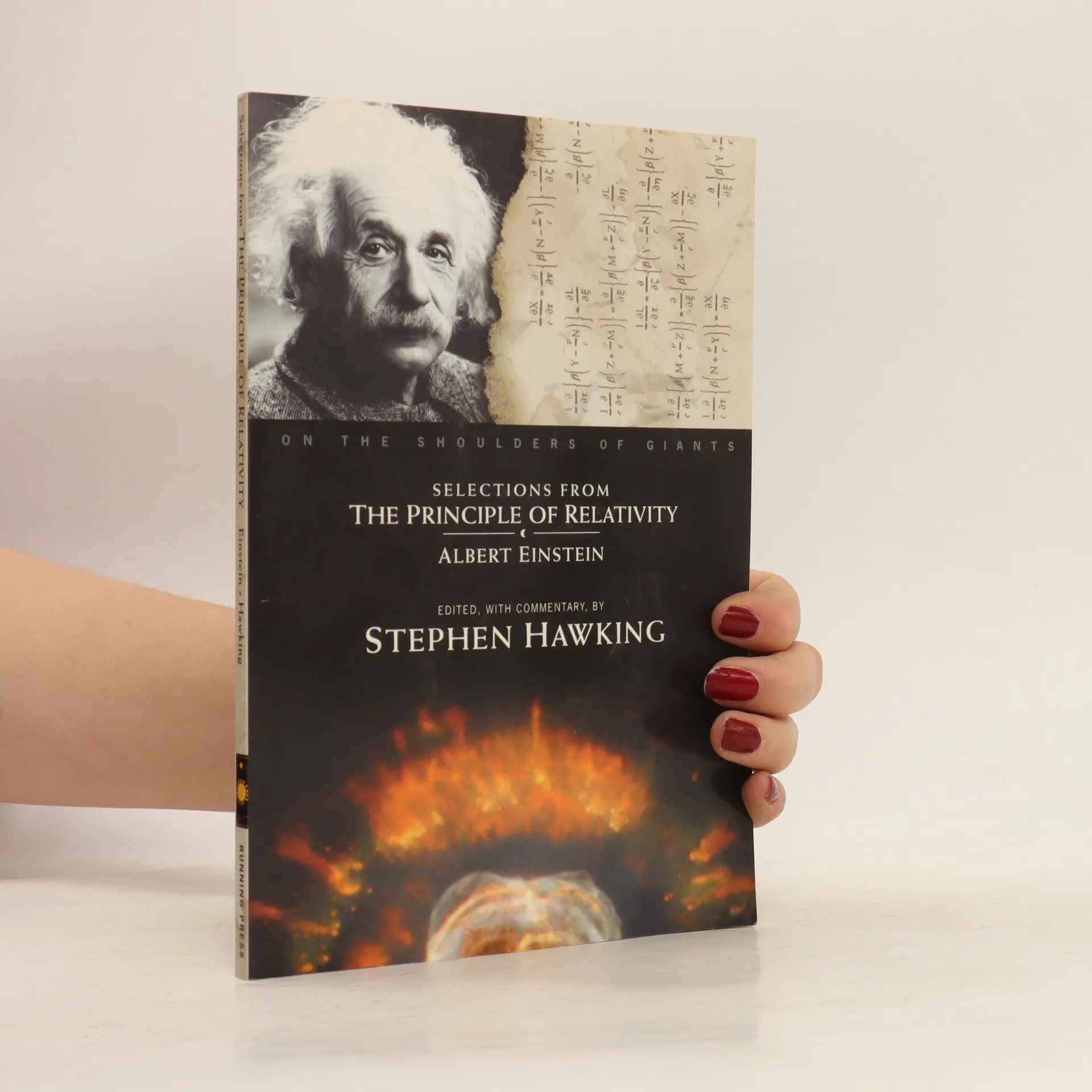
Einstein’s essay, On the Electrodynamics of Moving Bodies, introduces his famous “principle of relativity,” one of the twentieth century’s most revolutionary concepts. In his introduction to this seminal work, the renowned physicist Stephen Hawking cuts through Einstein’s mathematical complexities to explain this revolutionary concept in language that excites and informs the reader. This book features selections from a translation of the original essay, The Principle of Relativity, as well as an insightful biography of Einstein and Hawking’s informative summary.
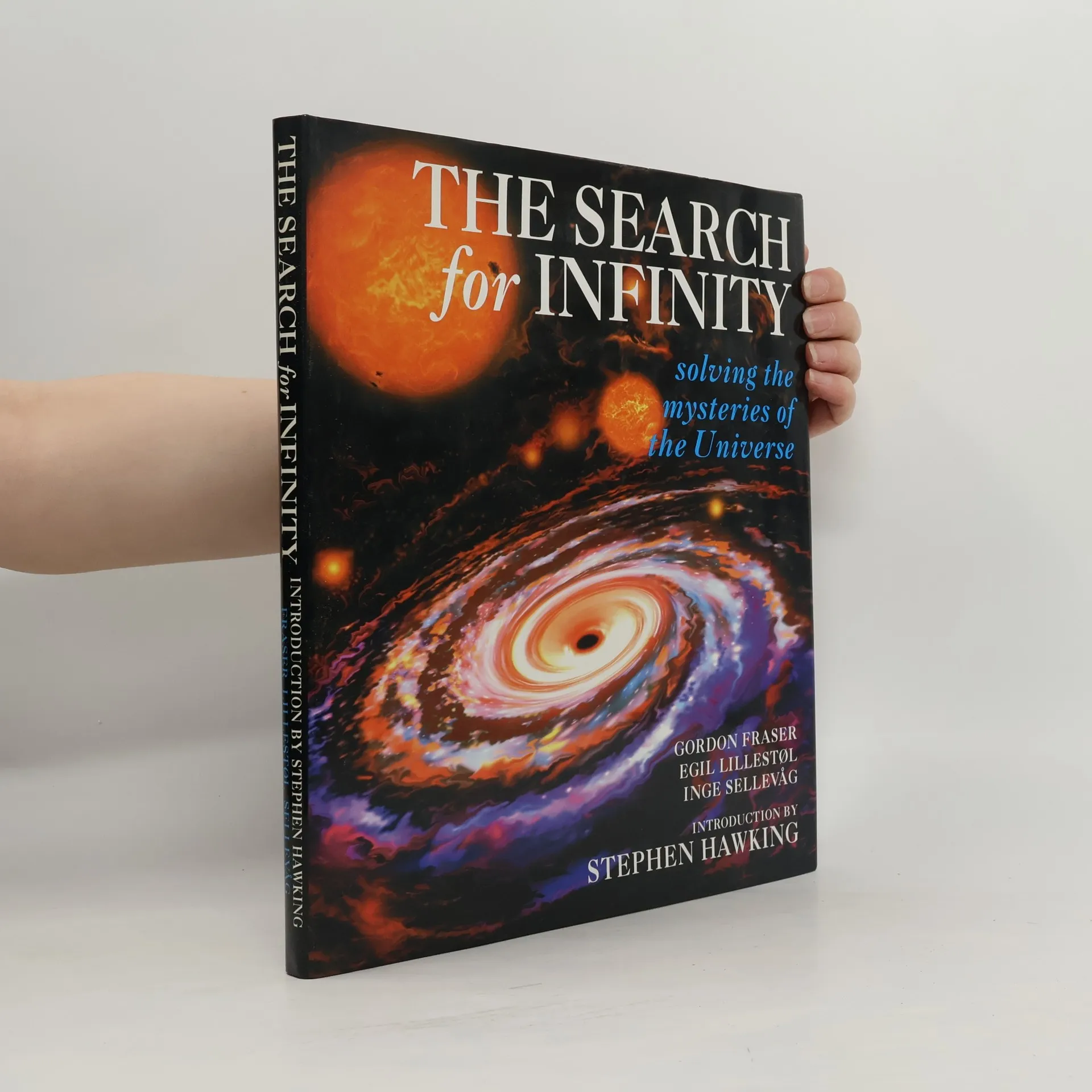
The Search for Infinity explains the great discoveries, from the structure of the Universe to the most fundamental particles. It looks at the vast power of the latest particle accelerators that has uncovered the inner world of atoms. It takes us on the search for the beginning of space and time, revealing the dramatic findings of black holes engulfing stars in whirlpools of collapsing matter, pulsars roaring out their signals at the edge of the visible Universe, and the faint echo of the Big Bang.The Search for Infinity gives insight into the greatest scientific questions of our time and the significance of the answers that have been found. It is a book for anyone who is curious about the nature of the world around them and fascinated by the great achievements of the human mind.
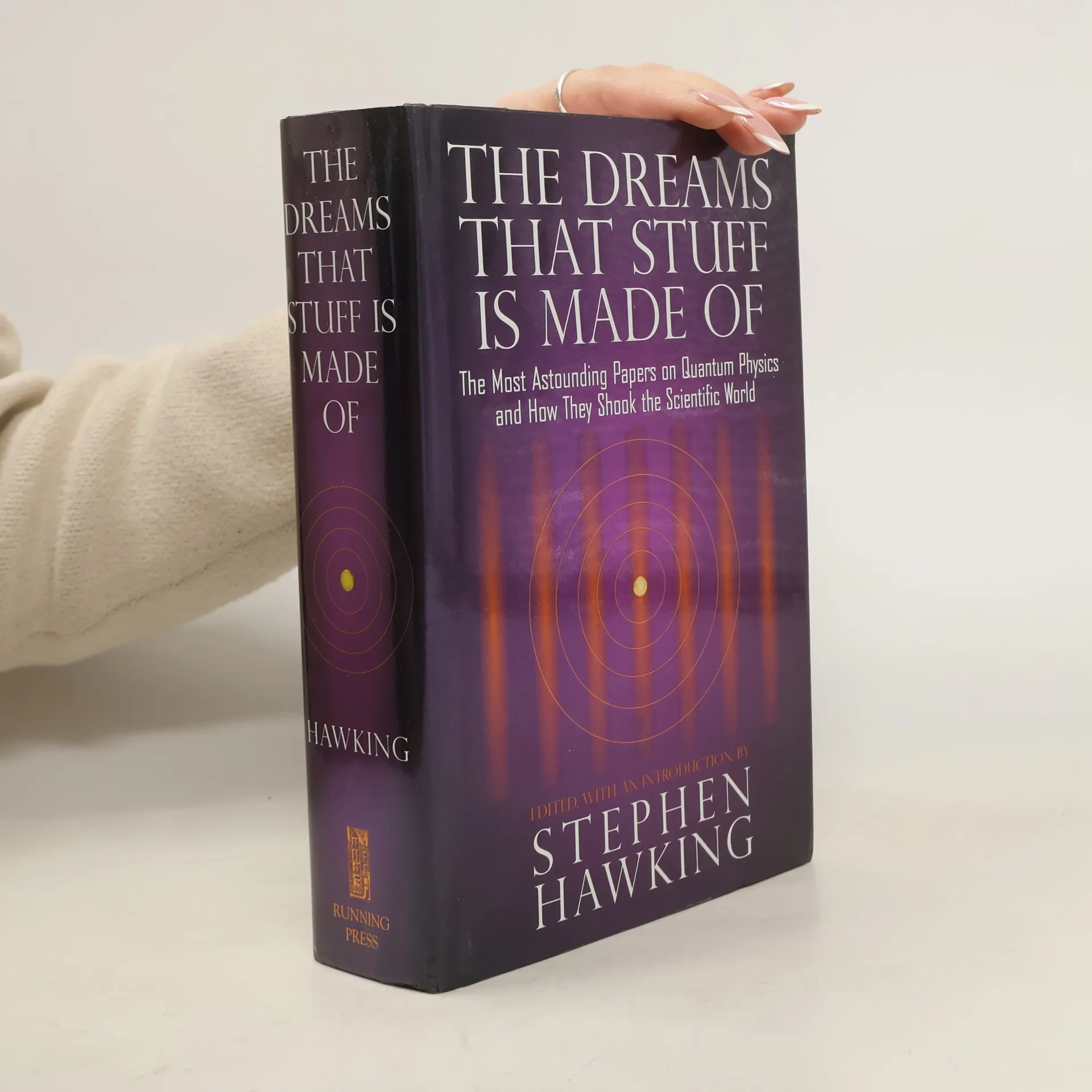
“God does not play dice with the universe.” So said Albert Einstein in response to the first discoveries that launched quantum physics, as they suggested a random universe that seemed to violate the laws of common sense. This 20th-century scientific revolution completely shattered Newtonian laws, inciting a crisis of thought that challenged scientists to think differently about matter and subatomic particles.The Dreams That Stuff Is Made Of compiles the essential works from the scientists who sparked the paradigm shift that changed the face of physics forever, pushing our understanding of the universe on to an entirely new level of comprehension. Gathered in this anthology is the scholarship that shocked and befuddled the scientific world, including works by Niels Bohr, Max Planck, Werner Heisenberg, Max Born, Erwin Schrodinger, J. Robert Oppenheimer, Richard Feynman, as well as an introduction by today’s most celebrated scientist, Stephen Hawking.
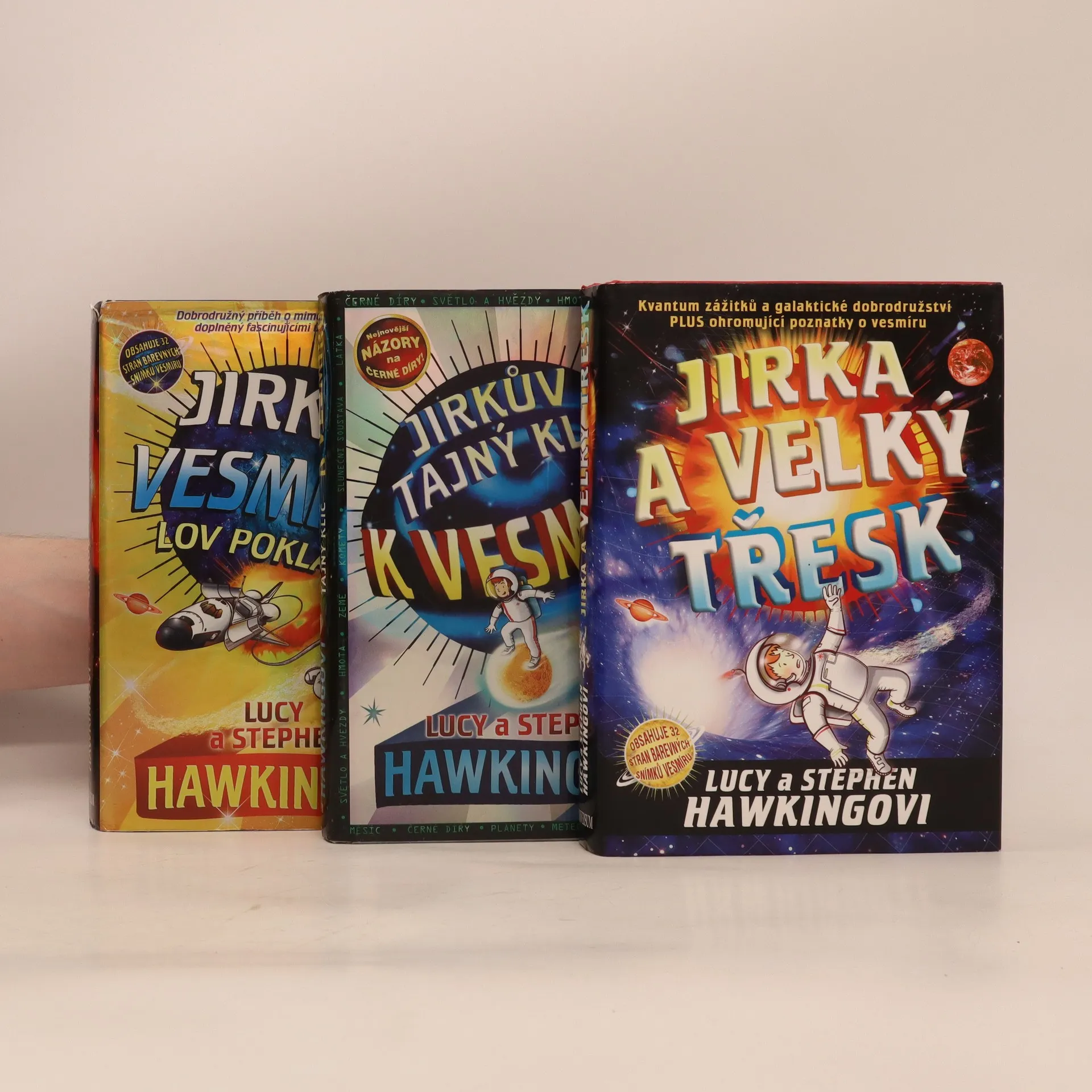
Embark on a cosmic adventure with George and Annie as they journey through the galaxy, guided by the imaginative storytelling of acclaimed scientist Stephen Hawking and his daughter, Lucy Hawking. This series combines scientific exploration with engaging narratives, making complex concepts accessible and exciting for readers of all ages. Through their travels, the characters encounter various celestial phenomena, fostering curiosity and a love for science.
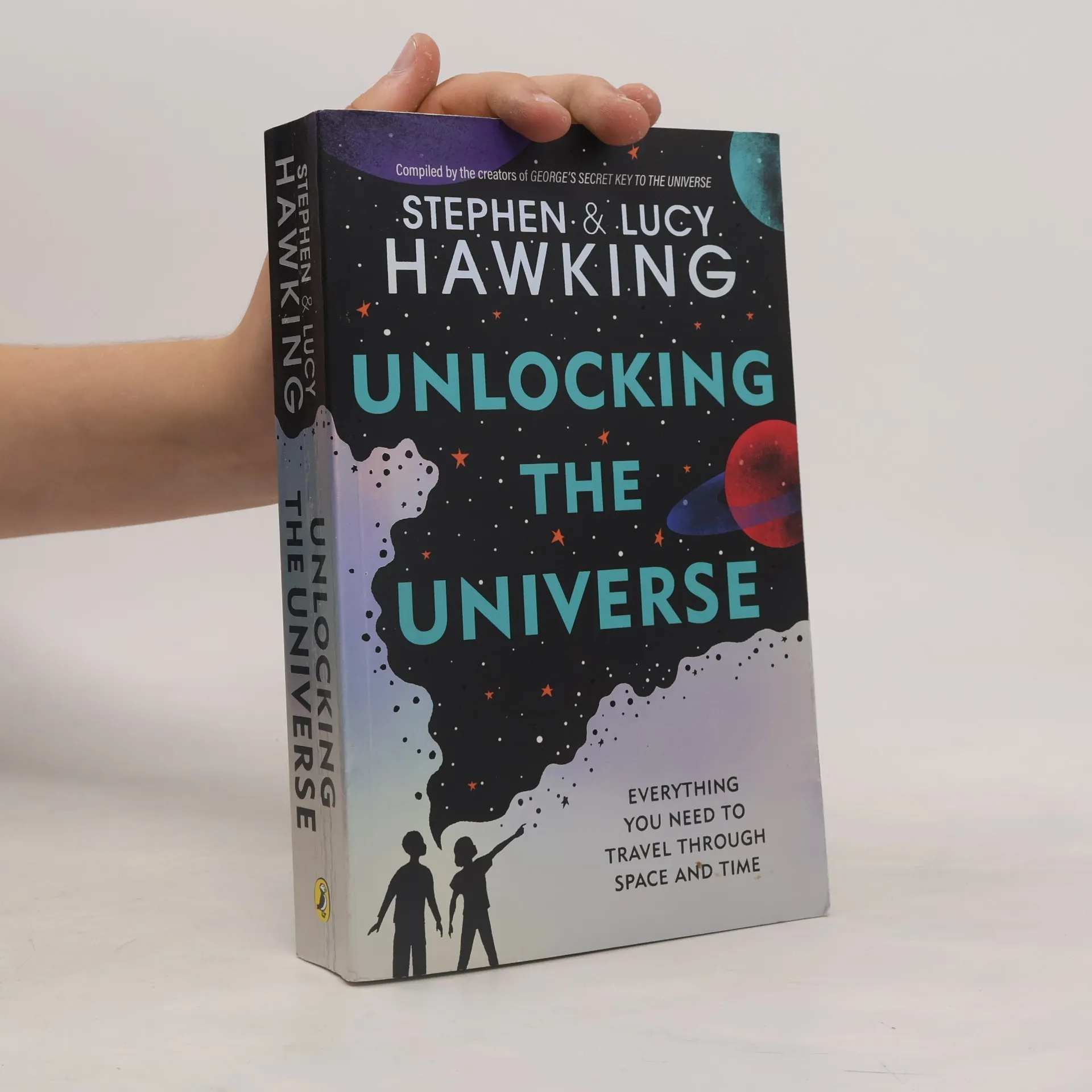
Have you ever wondered how the universe began? Or what it takes to put humans on the moon - or even on Mars? What would you do if you could travel through space and time?Embark on the adventure of a lifetime in this beautiful collection of up-to-the-minute essays by the world's leading scientists including Professor Stephen Hawking himself, plus mind-blowing facts and out-of-this-world colour photographs.
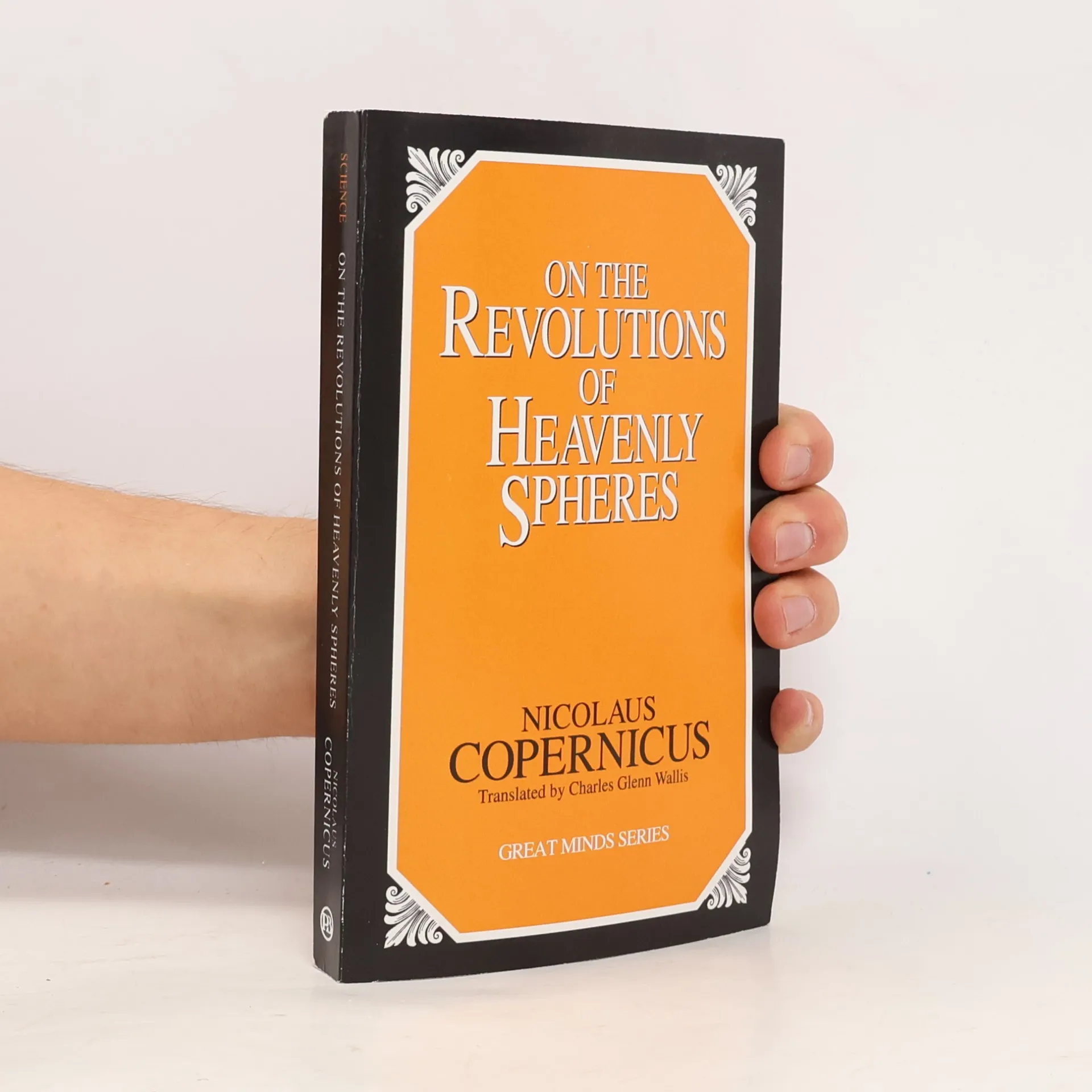
The Ptolemaic system of the universe, with the earth at the center, had held sway since antiquity as authoritative in philosophy, science, and church teaching. Following his observations of the heavenly bodies, Copernicus abandoned the geocentric system for a heliocentric model, with the sun at the center. This book stands as one of the supreme monuments of science. It led to one of the greatest intellectual revolutions of all time, and profoundly influenced, among others, Galileo and Sir Isaac Newton
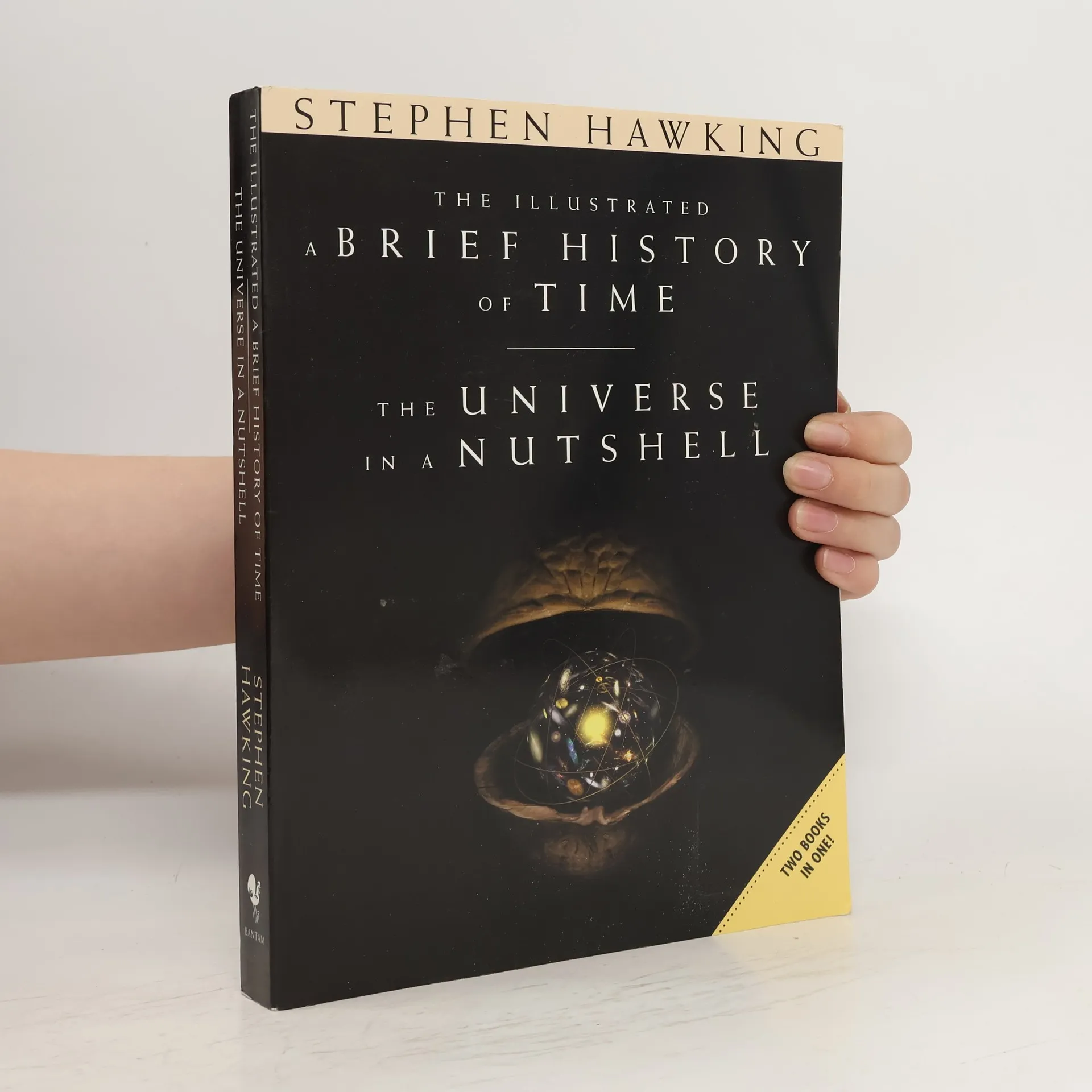
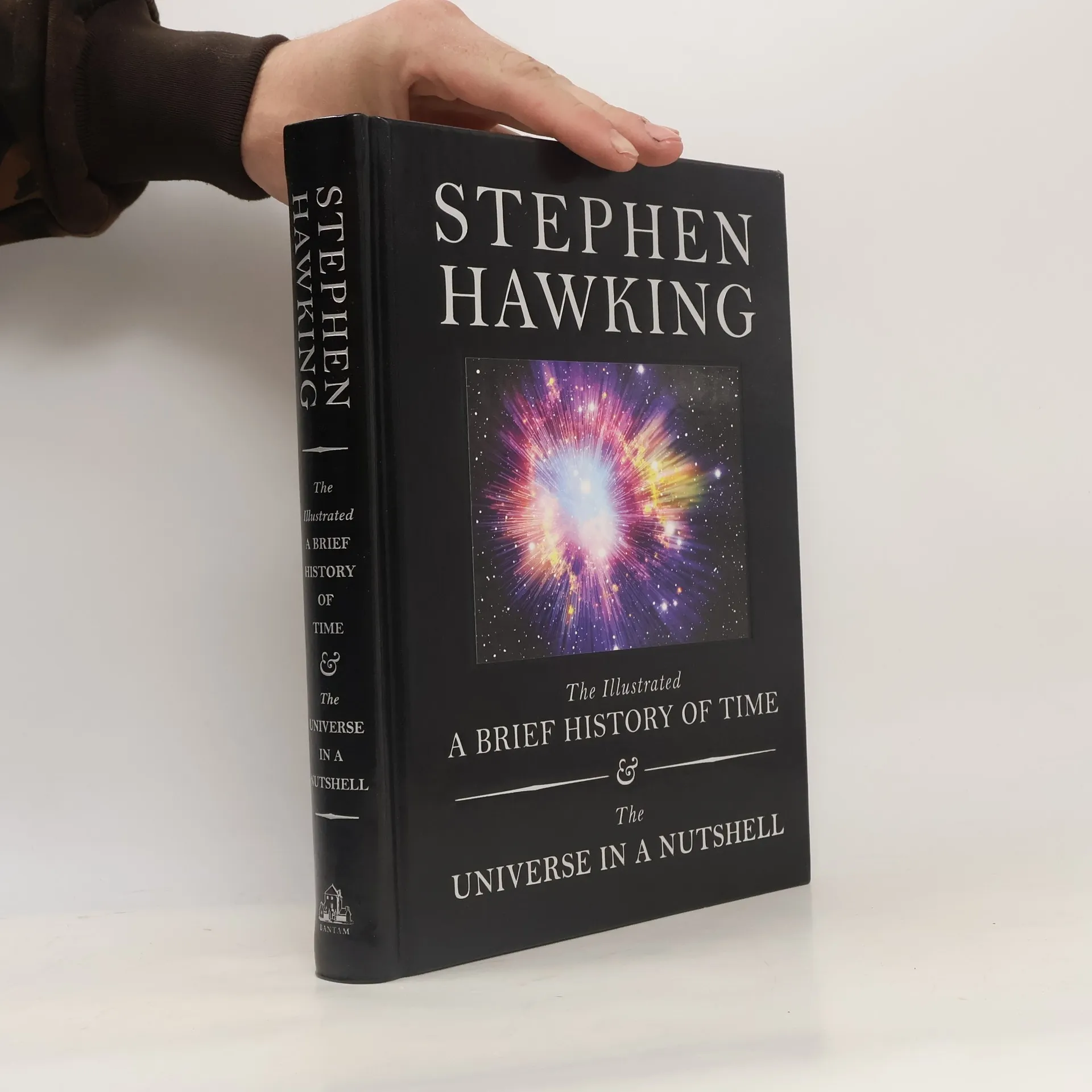
Stephen Hawking, regarded as one of the most brilliant theoretical physicists since Einstein, presents a classic study of cosmology in A Brief History of Time, featuring chapters on black holes, wormholes, time travel, the expanding universe, the uncertainty principle, Einstein's theories of relativity, elementary particles, and the origin and fate of the universe. Enhanced with satellite images and photographs made possible by the Hubble Space Telescope, this book provides the fascinating story of the ongoing search for the secrets at the heart of space and time. The Universe in a Nutshell offers a cutting-edge look at theoretical physics and the search for the elusive "Theory of Everything" that lies at the heart of the cosmos. In his accessible and often playful style, Hawking guides readers through topics such as supergravity, supersymmetry, quantum theory, M-theory, holography, and duality.
The book was on the cutting edge of what was then known about the nature of the universe, but since that time there have been extraordinary advances in the technology of observing both the micro- and the macrocosmic worlds. These observations have confirmed many of Professor Hawking's theoretical predictions in the first edition of his book, including the recent discoveries of the Cosmic Background Explorer satellite (COBE), which probed back in time to within 300,000 years of the universe's beginning and revealed wrinkles in the fabric of space-time that he had projected. Eager to bring his original text the new knowledge revealed by these many observations, as well as his most recent research, for this expanded edition Professor Hawking has prepared a new introduction to the book, written an entirely new chapter on the fascinating subject of wormholes and time travel, and updated the original chapters. This edition is enhanced throughout with more than 240 full-color illustrations, including satellite images, photographs made possible by spectacular technological advances such as the Hubble Space Telescope, and computer-generated images of three and four dimensional realities
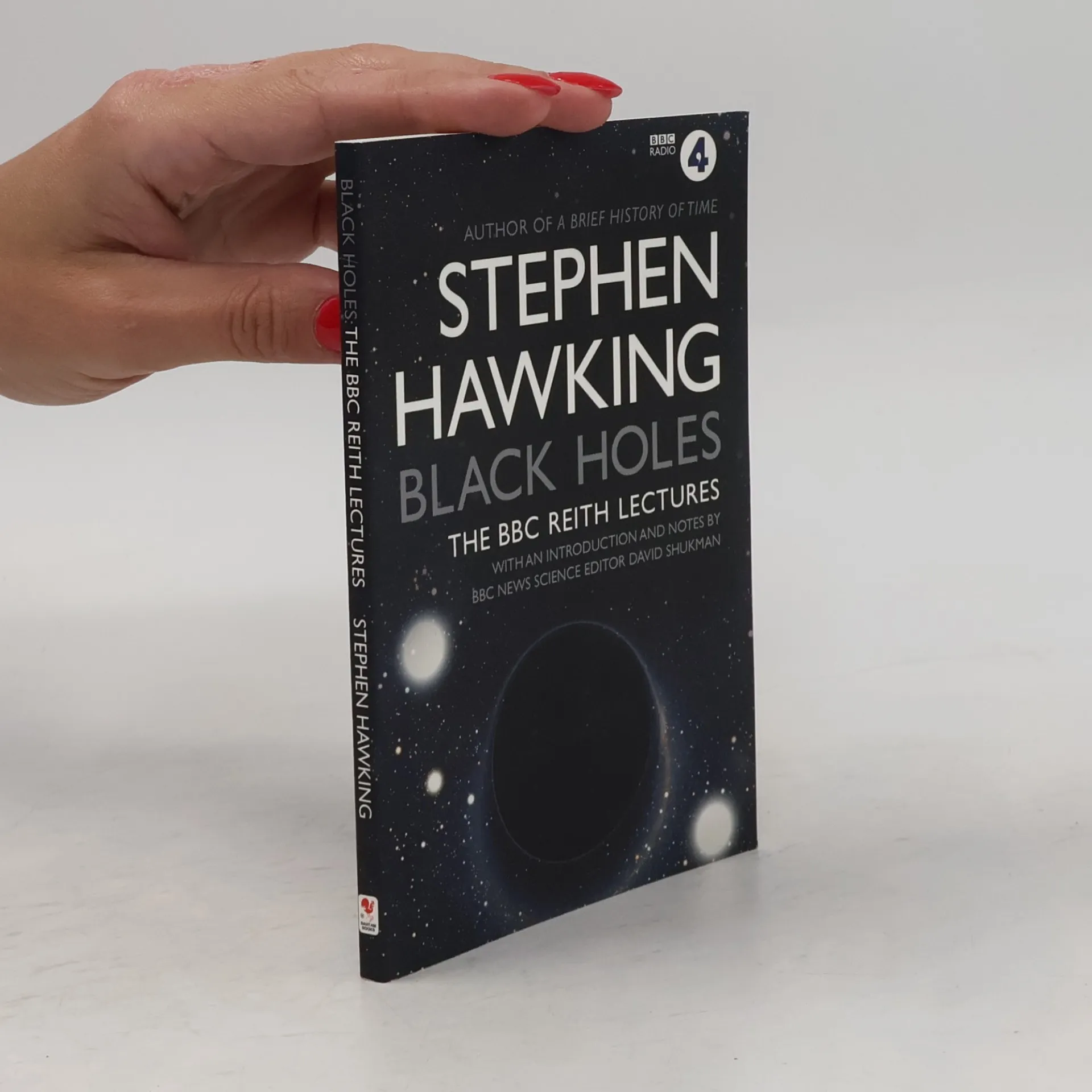
"It is said that fact is sometimes stranger than fiction, and nowhere is that more true than in the case of black holes. Black holes are stranger than anything dreamed up by science fiction writers." In 2016 Professor Stephen Hawking delivered the BBC Reith Lectures on a subject that has fascinated him for decades - black holes. In these flagship lectures the legendary physicist argues that if we could only understand black holes and how they challenge the very nature of space and time, we could unlock the secrets of the universe.
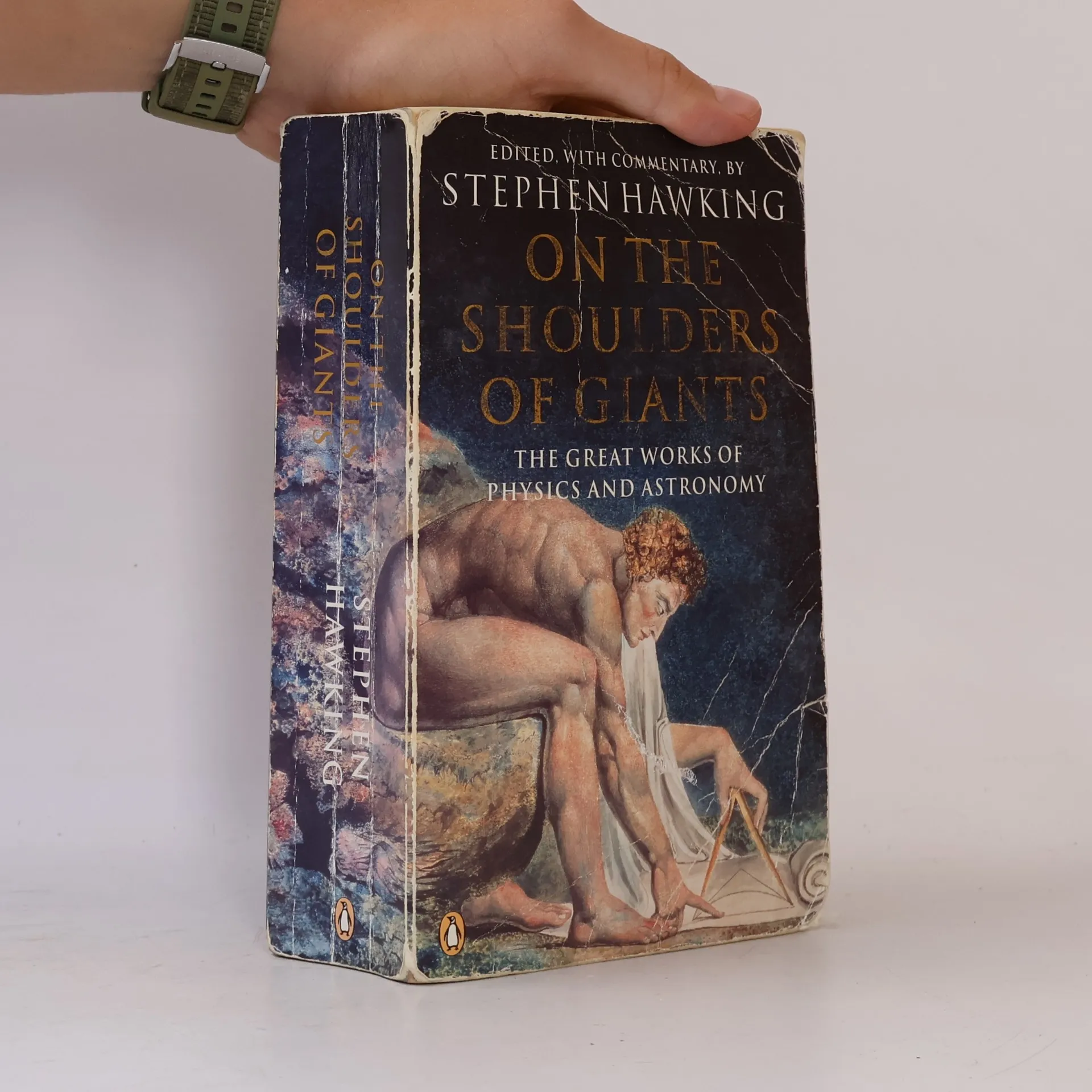
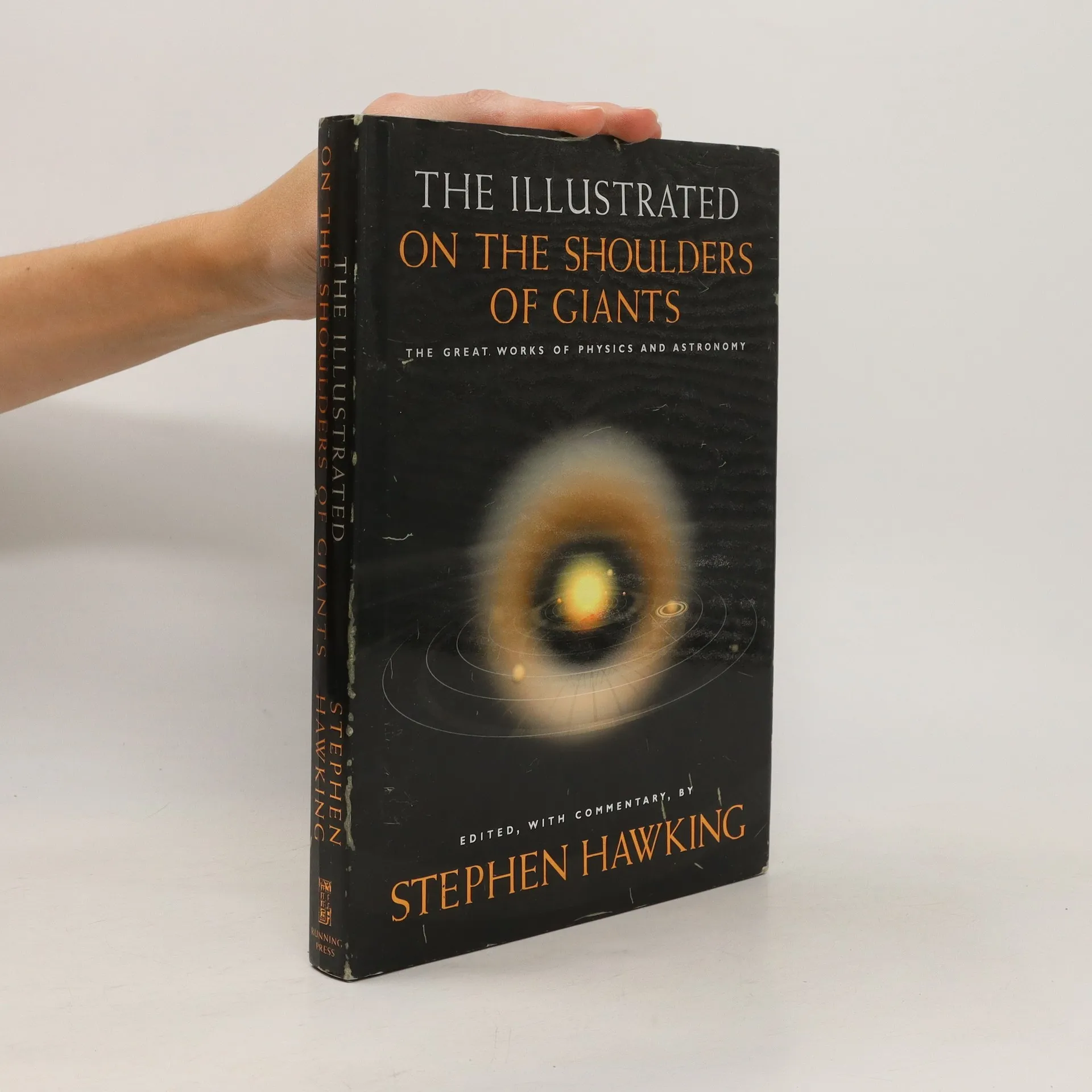
Stephen Hawking explains how such great men of science as Copernicus, Galileo, Kepler, Newton and Einstein built on the discoveries of those who came before them, and how these works changed the course of science, ushering astronomy and physics out of the Middle Ages and into the modern world.
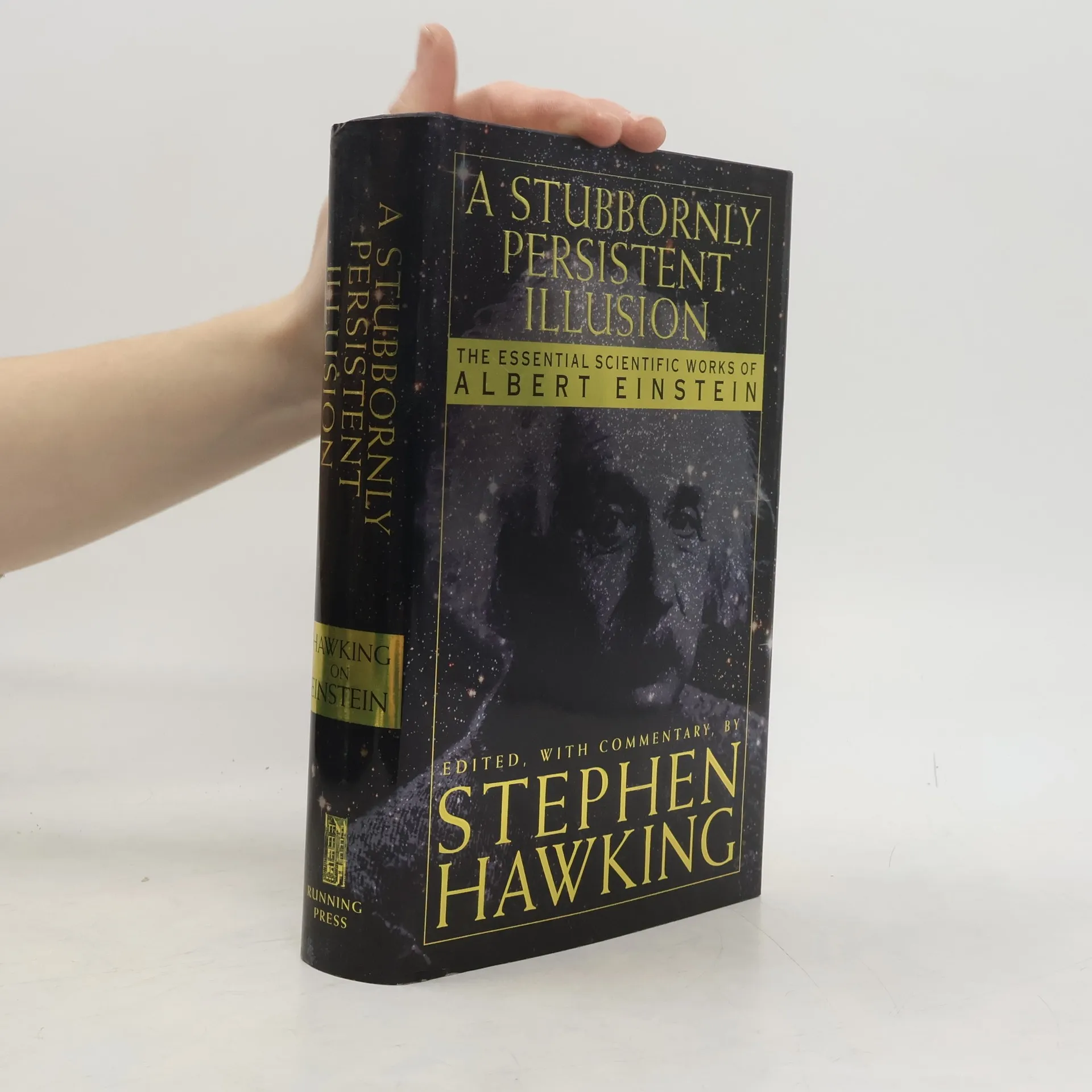
The Essential Scientific Works of Albert Einstein
Best-selling author and physicist Stephen Hawking assembles the most groundbreaking works by Albert Einstein together into one volume. From the text that revealed the famous “Theory of Relativity”-renowned as the most important scientific discovery of the 20th Century-to his significant works on quantum theory, statistical mechanics, and the photoelectric effect, here are the writings that changed physics, and subsequently, the way we view the world. Einstein also thought deeply on both political issues and religious thought, so many of Einstein’s philosophical essays are included. Hawking provides introductions to each work, which provides both historical and scientific perspective. From the papers that shaped modern scientific thought to Einstein’s later musings on his landmark findings, A Stubbornly Persistent Illusion is a collection of Einstein’s most important work, with commentary from our greatest living physicist.
Hawking's revolutionary look at the scientific discoveries that changed people's perceptions of the world now comes complete with color photographs and illustrations depicting theoretical models of the planets and their orbits.
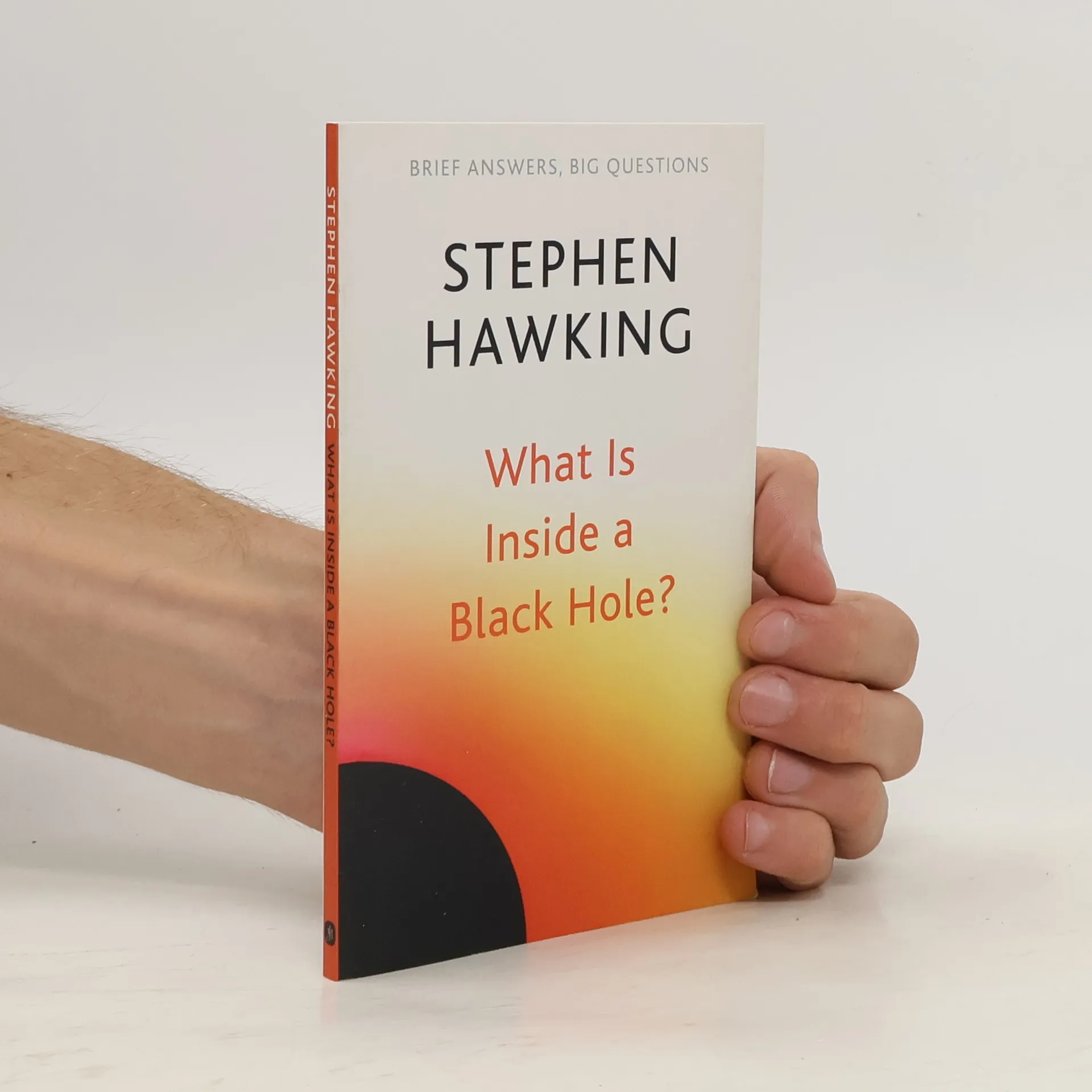
Brief Answers, Big Questions: four new books celebrating the genius of Stephen Hawking's brilliant posthumous work, Brief Answers to the Big Questions, with each one offering two electrifying essays from one of the greatest minds of our age.
Stephen Hawking, regarded as one of the most brilliant theoretical physicists since Einstein, presents a classic study of cosmology in A Brief History of Time, featuring chapters on black holes, wormholes, time travel, the expanding universe, the uncertainty principle, Einstein's theories of relativity, elementary particles, and the origin and fate of the universe. This book provides the fascinating story of the ongoing search for the secrets at the heart of space and time. The Universe in a Nutshell offers a cutting-edge look at theoretical physics and the search for the elusive "Theory of Everything" that lies at the heart of the cosmos. In his accessible and often playful style, Hawking guides readers through topics such as supergravity, supersymmetry, quantum theory, M-theory, holography, and duality.
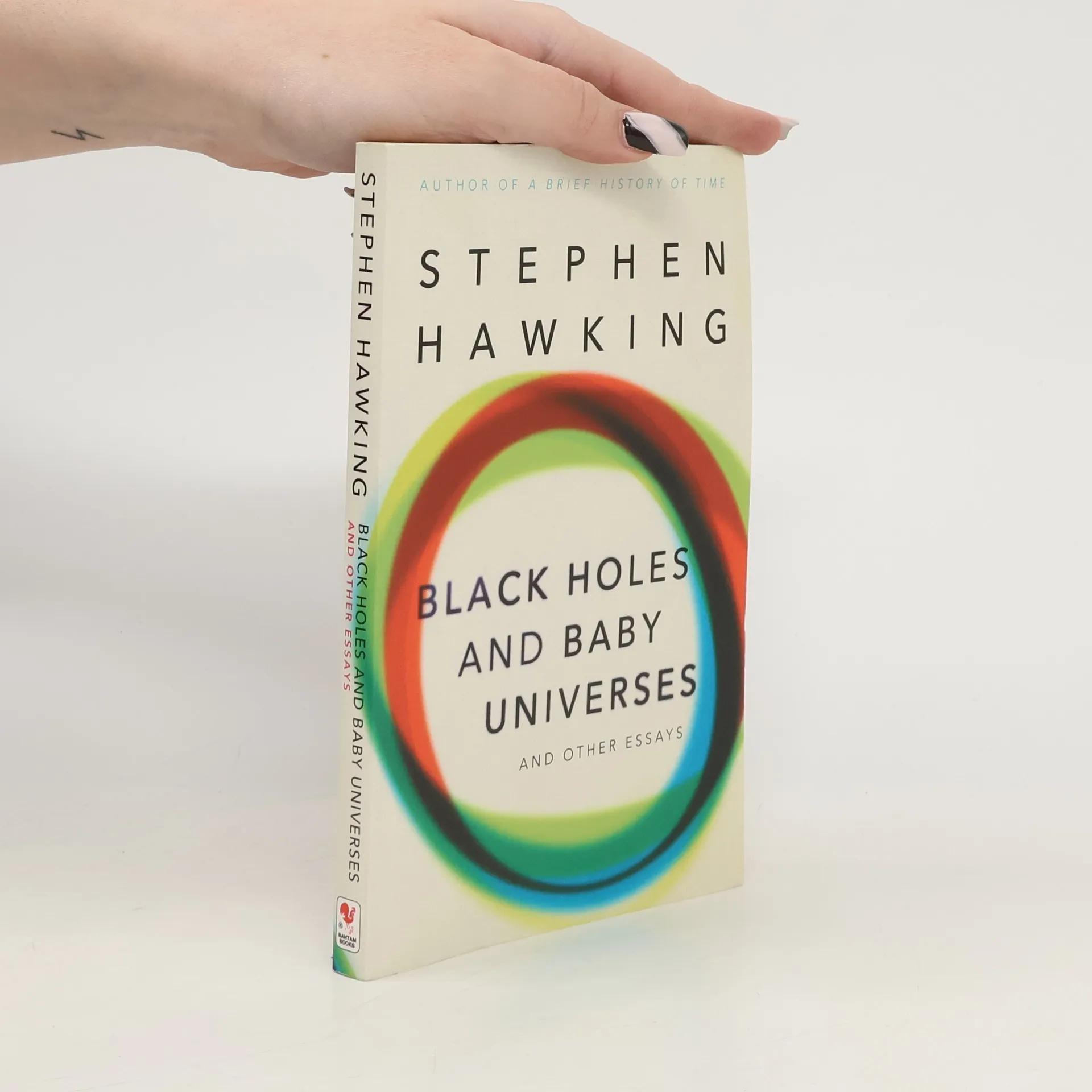
The bestselling follow-up to Hawking's phenomenal million-copy hardcover bestseller A Brief History of Time is now available in trade paperback. These 14 pieces reveal Hawking variously as the scientist, the man, the concerned world citizen, and--always--the rigorous and imaginative thinker.
George and his best friend Annie haven't had any space adventures for a while and they're missing the excitement. But not for long . . . Seriously strange things start happening. Banks are handing out free money; supermarkets can't charge for their produce so people are getting free food; and aircraft are refusing to fly. It looks like the world's biggest and best computers have all been hacked. George and Annie will travel further into space than ever before in order to find out who is behind it.
Brief Answers, Big Questions: four new books celebrating the genius of Stephen Hawking's brilliant posthumous work, Brief Answers to the Big Questions, with each one offering two electrifying essays from one of the greatest minds of our age.
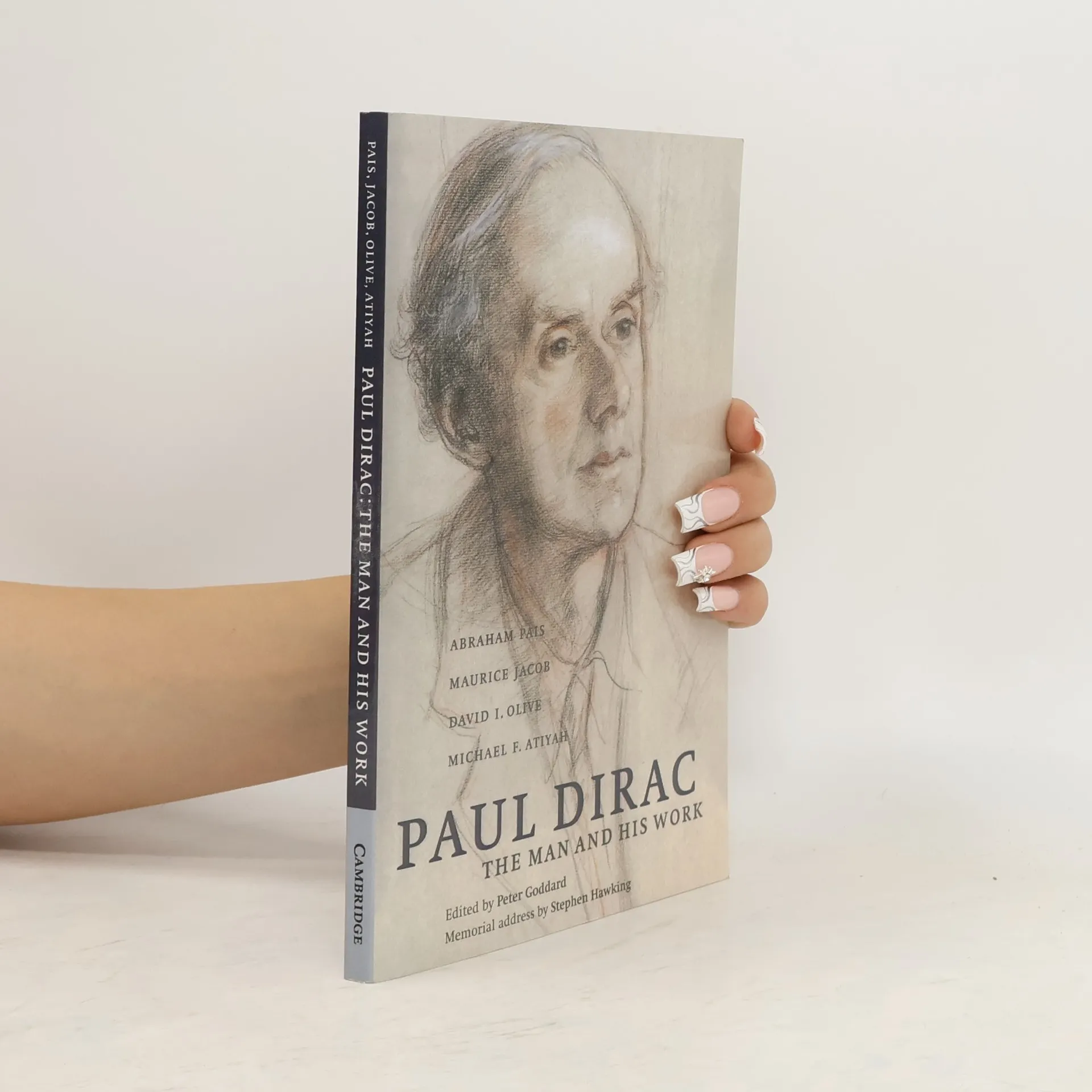
Paul Adrien Maurice Dirac was one of the founders of quantum theory. He is numbered alongside Newton, Maxwell and Einstein as one of the greatest physicists of all time. Together the lectures in this volume, originally presented on the occasion of the dedication ceremony for a plaque honoring Dirac in Westminster Abbey, give a unique insight into the relationship between Dirac's character and his scientific achievements. The text begins with the dedication address given by Stephen Hawking at the ceremony. Then Abraham Pais describes Dirac as a person and his approach to his work. Maurice Jacob explains how Dirac was led to introduce the concept of antimatter, and its central role in modern particle physics and cosmology. This is followed by David Olive's account of the origin and enduring influence of Dirac's work on magnetic monopoles. Finally, Sir Michael Atiyah explains the deep and widespread significance of the Dirac equation in mathematics.
'Be brave, be curious, be determined, overcome the odds. It can be done' Will we survive on Earth? Should we colonise space? Throughout his extraordinary career, Stephen Hawking expanded our understanding of the universe and unravelled some of its greatest mysteries. In Will We Survive on Earth? the world-famous cosmologist and bestselling author of A Brief History of Time turns his attention to one of the most urgent issues for humankind and explores our options for survival. 'Effortlessly instructive, absorbing and witty' Guardian Brief Answers, Big Questions: this stunning paperback series offers electrifying essays from one of the greatest minds of our age, taken from the original text of the No. 1 bestselling Brief Answers to the Big Questions.
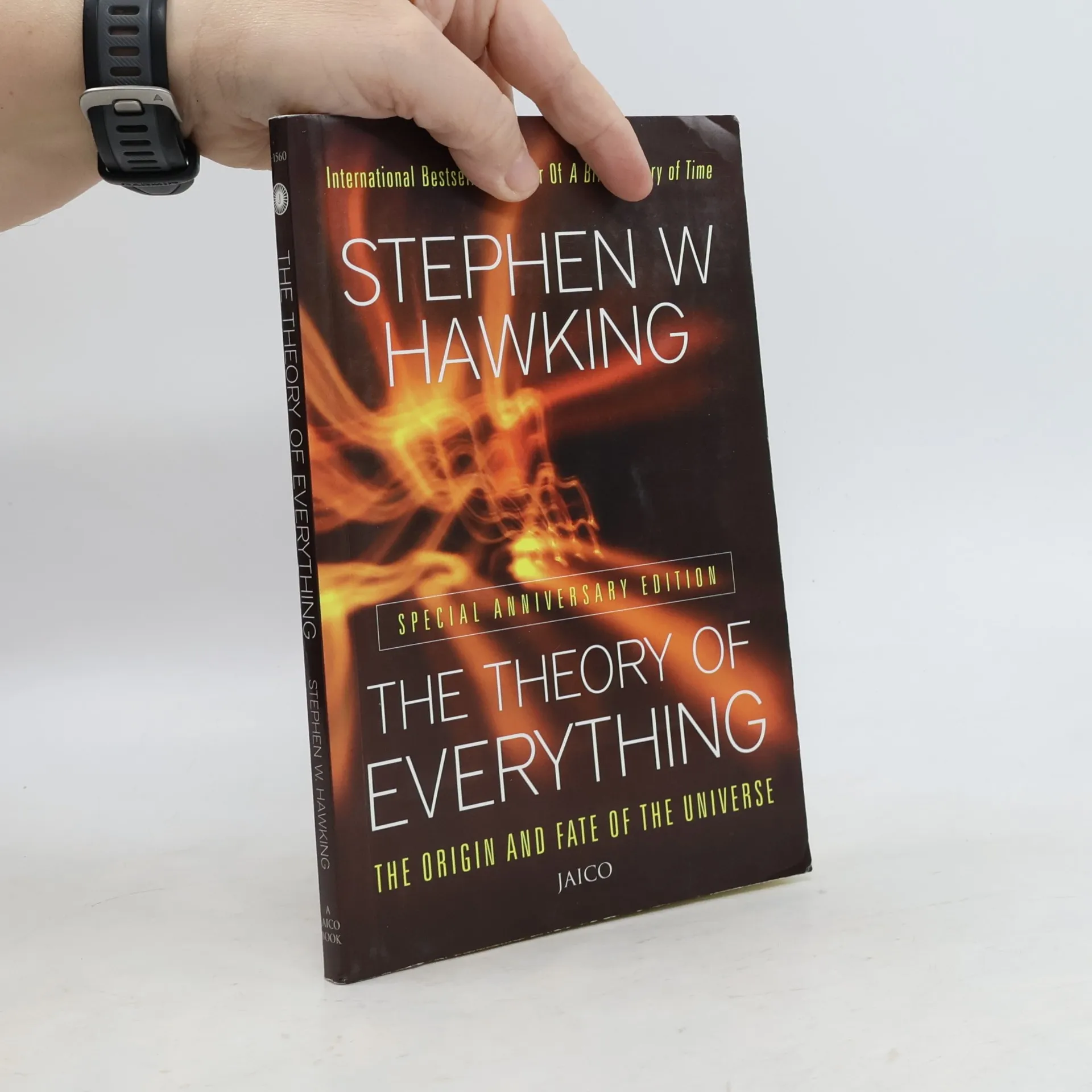
The Origin and Fate of the Universe - Special Anniversary Edition
Based on a series of lectures given at Cambridge University, Professor Hawking's work introduced "the history of ideas about the universe" as well as today's most important scientific theories about time, space, and the cosmos in a clear, easy-to-understand way. "The Theory of Everything" presents the most complex theories, both past and present, of physics; yet it remains clear and accessible. It will enlighten readers and expose them to the rich history of scientific thought and the comlixities of the universe in which we live.
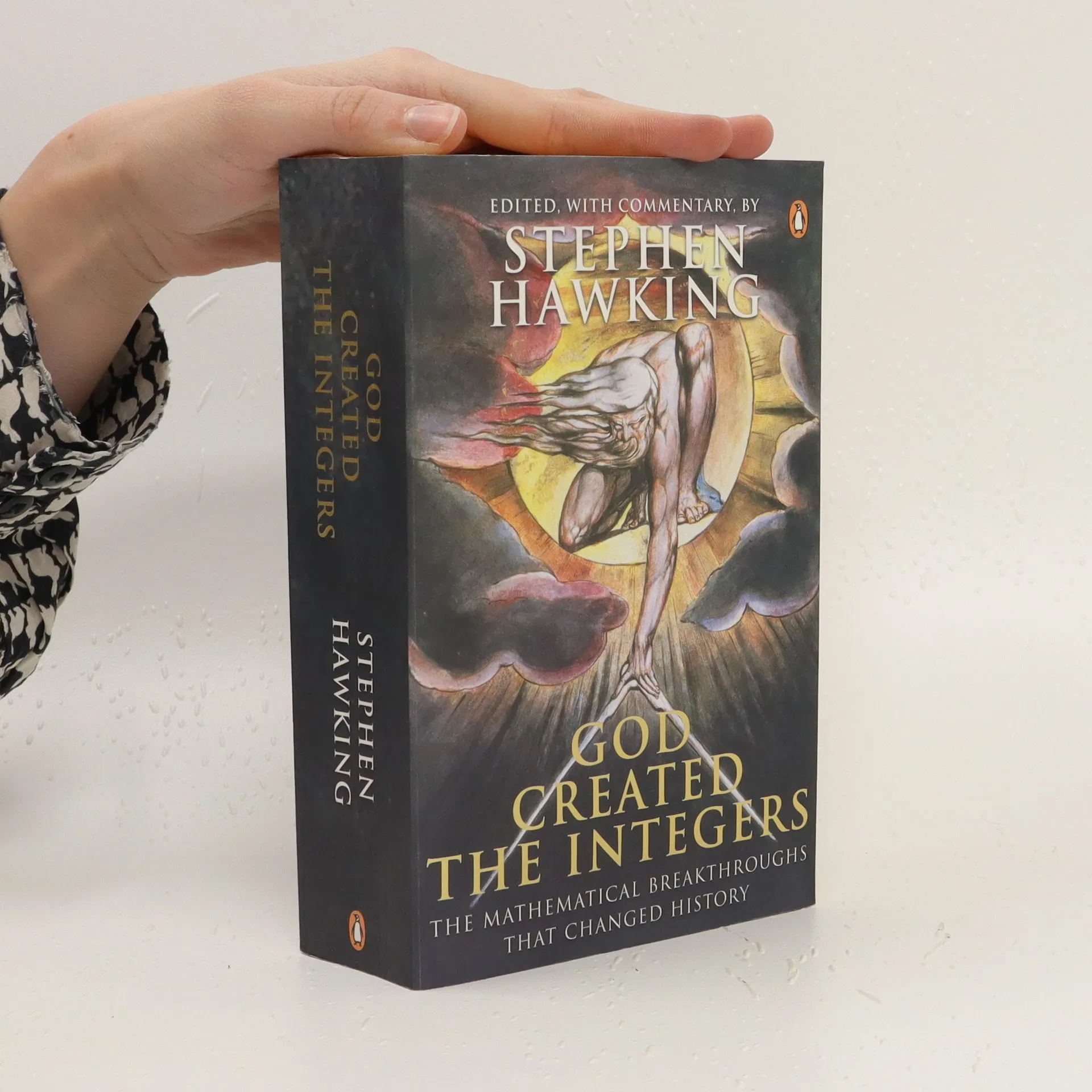
Helps the reader understand the progression of mathematical thought, and the very foundations of technologies. This book includes landmark discoveries spanning 2500 years and representing the work of mathematicians such as Euclid, Georg Cantor, Kurt Godel, Augustin Cauchy, Bernard Riemann and Alan Turing.
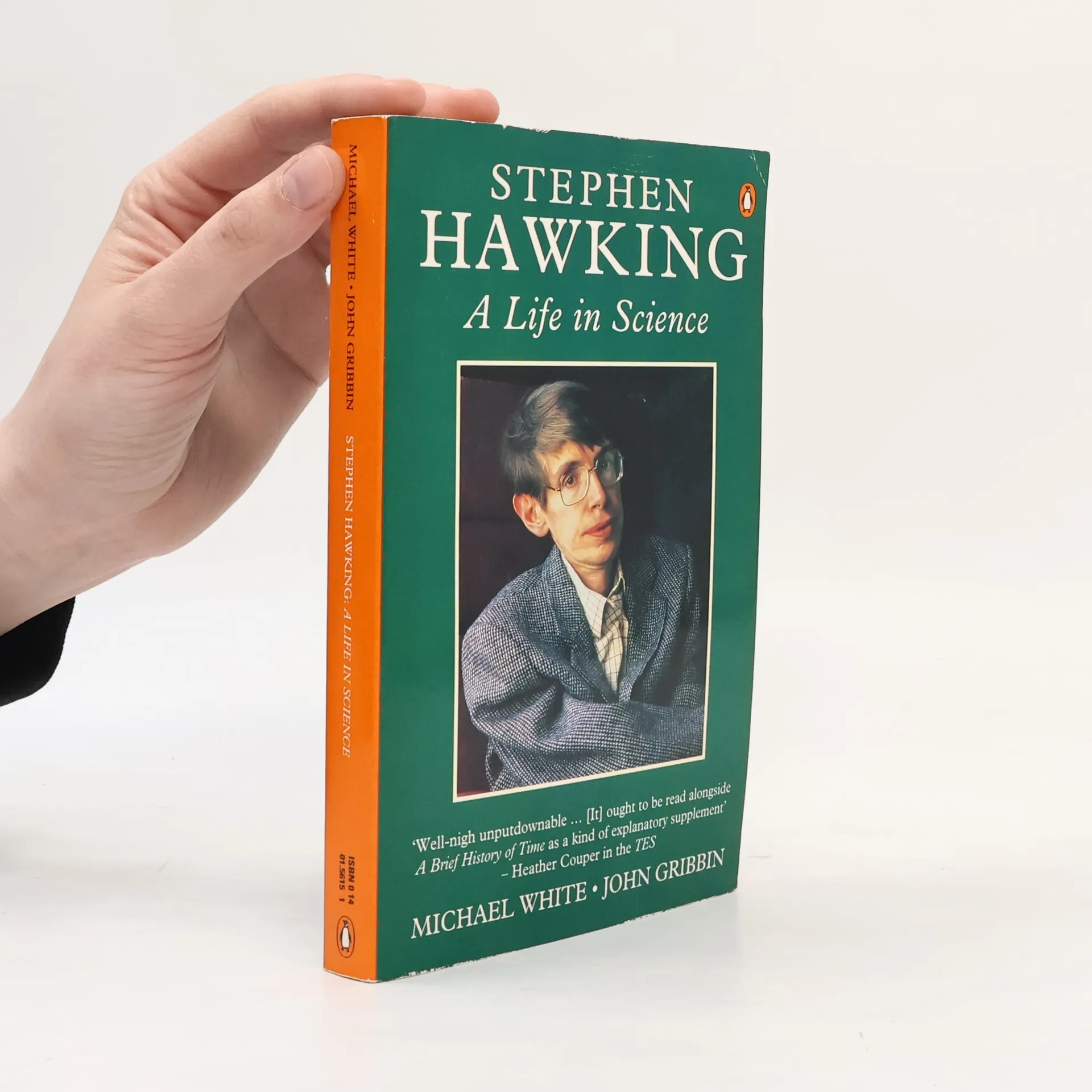
A life in science
This biography pays particular attention to Hawking's scientific achievement, as well as to the tragic progress of his illnesss and his extraordinary will to survive and to continue working despite major progressive handicap. Two additional chapters are included in this second edition.
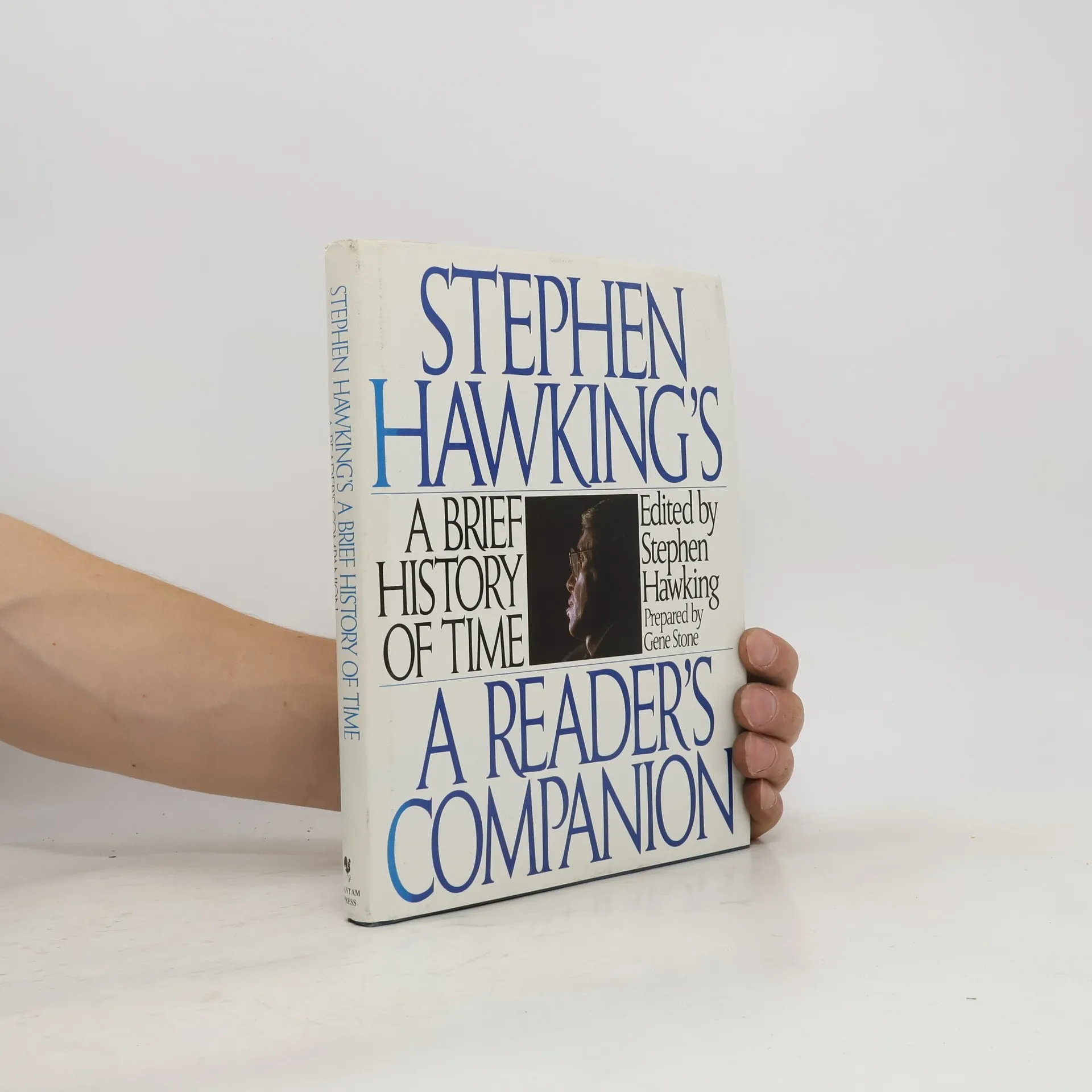
For the millions of readers of the international bestseller A Brief History of Time (with 3 million copies in print), this companion volume sheds more light on Stephen Hawking and his major scientific theories. Based on an exciting new documentary film. 100 photographs, diagrams and computerized graphics.
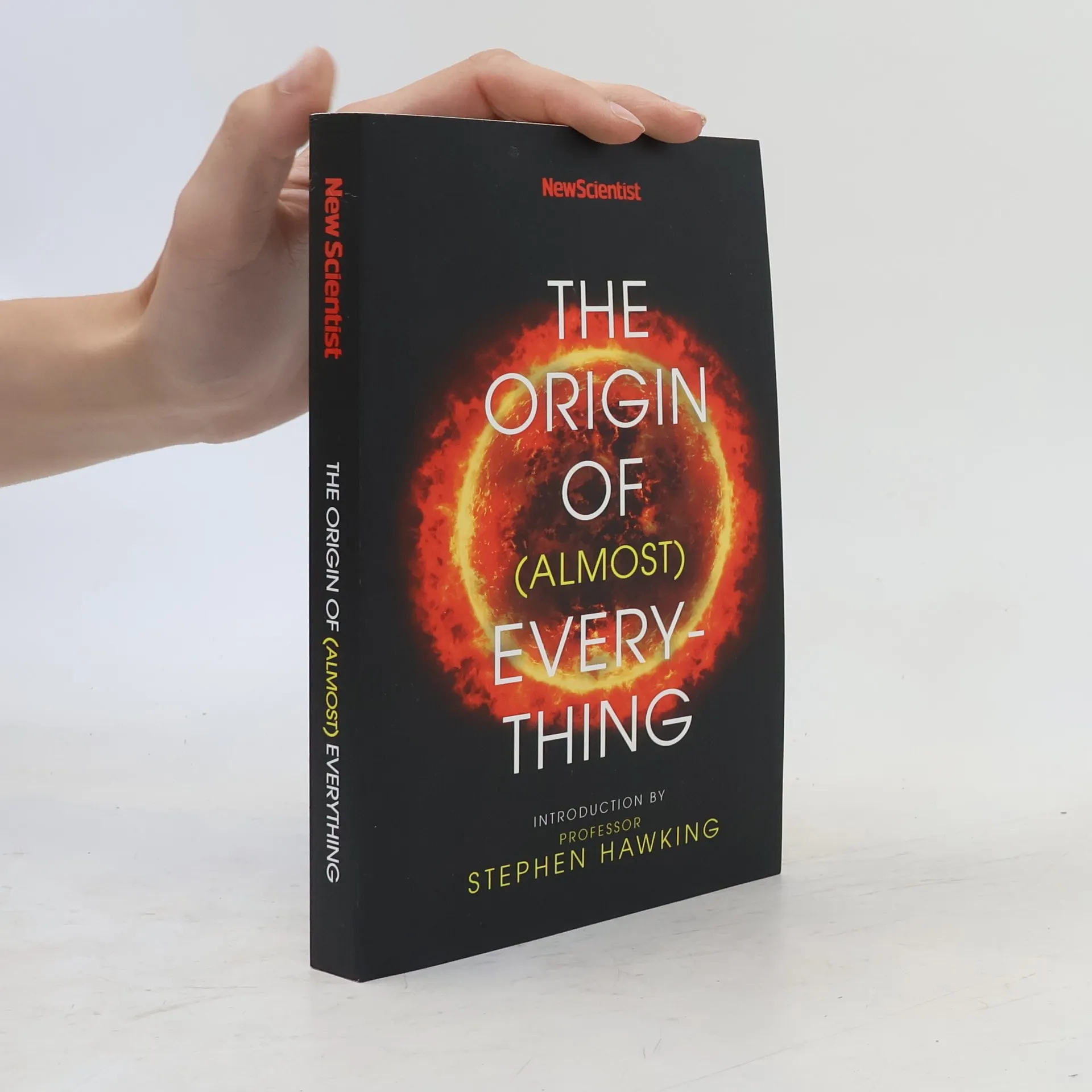
~i~>Introduction by Professor Stephen Hawking. When Edwin Hubble looked into his telescope in the 1920s, he was shocked to find that nearly all of the galaxies he could see through it were flying away from one another. If these galaxies had always been travelling, he reasoned, then they must, at some point, have been on top of one another. This discovery transformed the debate about one of the most fundamental questions of human existence - how did the universe begin? Every society has stories about the origin of the cosmos and its inhabitants, but now, with the power to peer into the early universe and deploy the knowledge gleaned from archaeology, geology, evolutionary biology and cosmology, we are closer than ever to understanding where it all came from. In The Origin of (almost) Everything, New Scientist explores the modern origin stories of everything from the Big Bang, meteorites and dark energy, to dinosaurs, civilisation, timekeeping, belly-button fluff and beyond. From how complex life evolved on Earth, to the first written language, to how humans conquered space, The Origin of (almost) Everything offers a unique history of the past, present and future of our universe. span
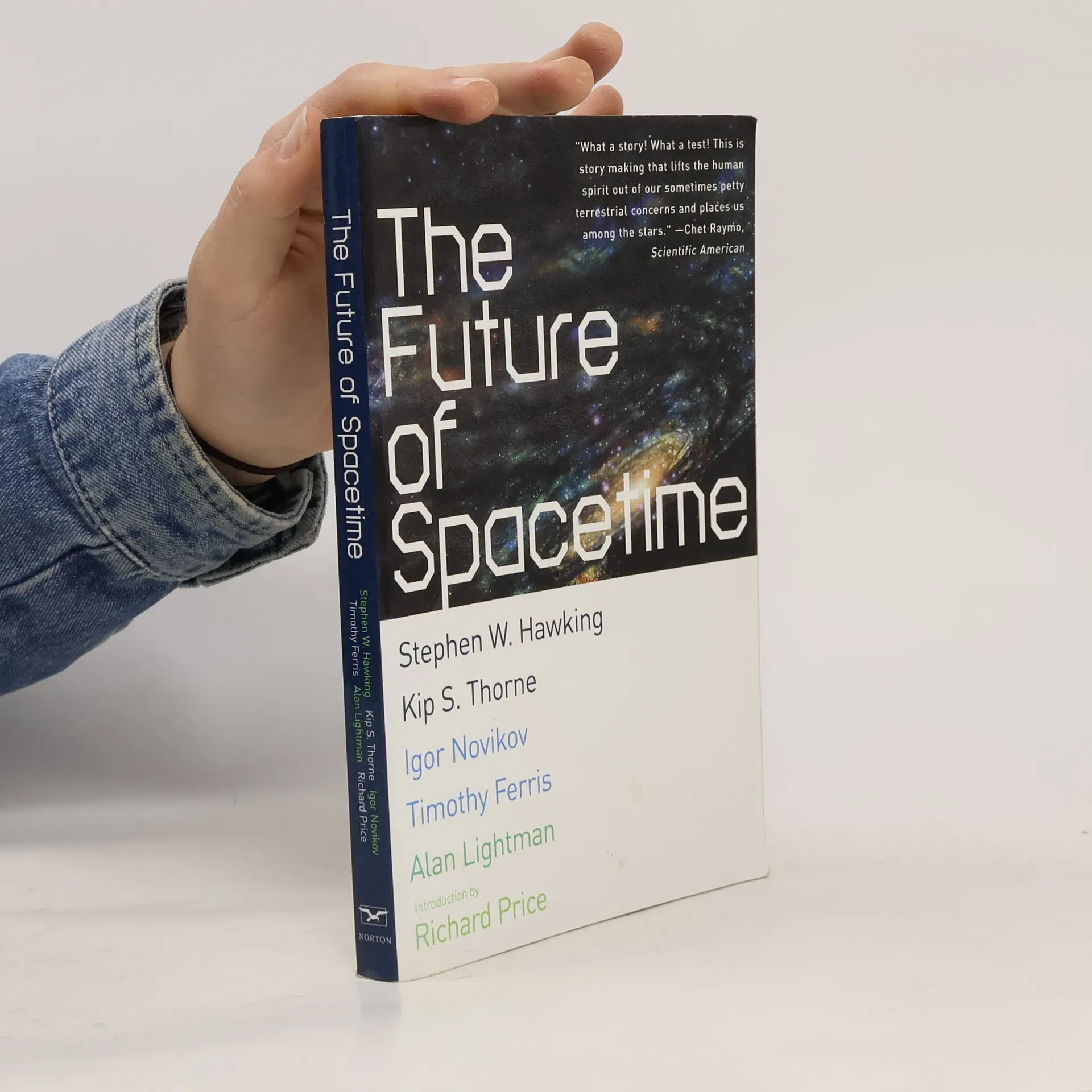
This collection features insights from renowned physicists on the nature of spacetime, time travel, and the future of science. Richard Price introduces spacetime physics, while Stephen Hawking discusses the concept of chronology protection. Igor Novikov explores the possibility of altering the past, and Kip S. Thorne speculates on future scientific advancements. Timothy Ferris addresses the challenges of making science accessible to the public, and Alan Lightman reflects on the intersection of physics and literature, highlighting the role of physicists as storytellers.
Inspire kids to ask the big questions about Earth and the cosmos with this stunningly illustrated version of Professor Stephen Hawking's final message to humankind. We are all time travelers journeying together into the future. But let us work together to make that future a place we want to visit. Scientist and educator Stephen Hawking spent his life trying to unravel the mysteries of the universe. But, he still had many questions—and he wanted every reader, every child, to come together to help answer them: How can we save the planet? How can we learn to be there for one another? Adapted from Professor Hawking’s posthumous 2020 Earth Day message, You and the Universe is his first picture book and is a tribute to the littlest citizens of Earth, highlighting the power of coming together and creating a better tomorrow.
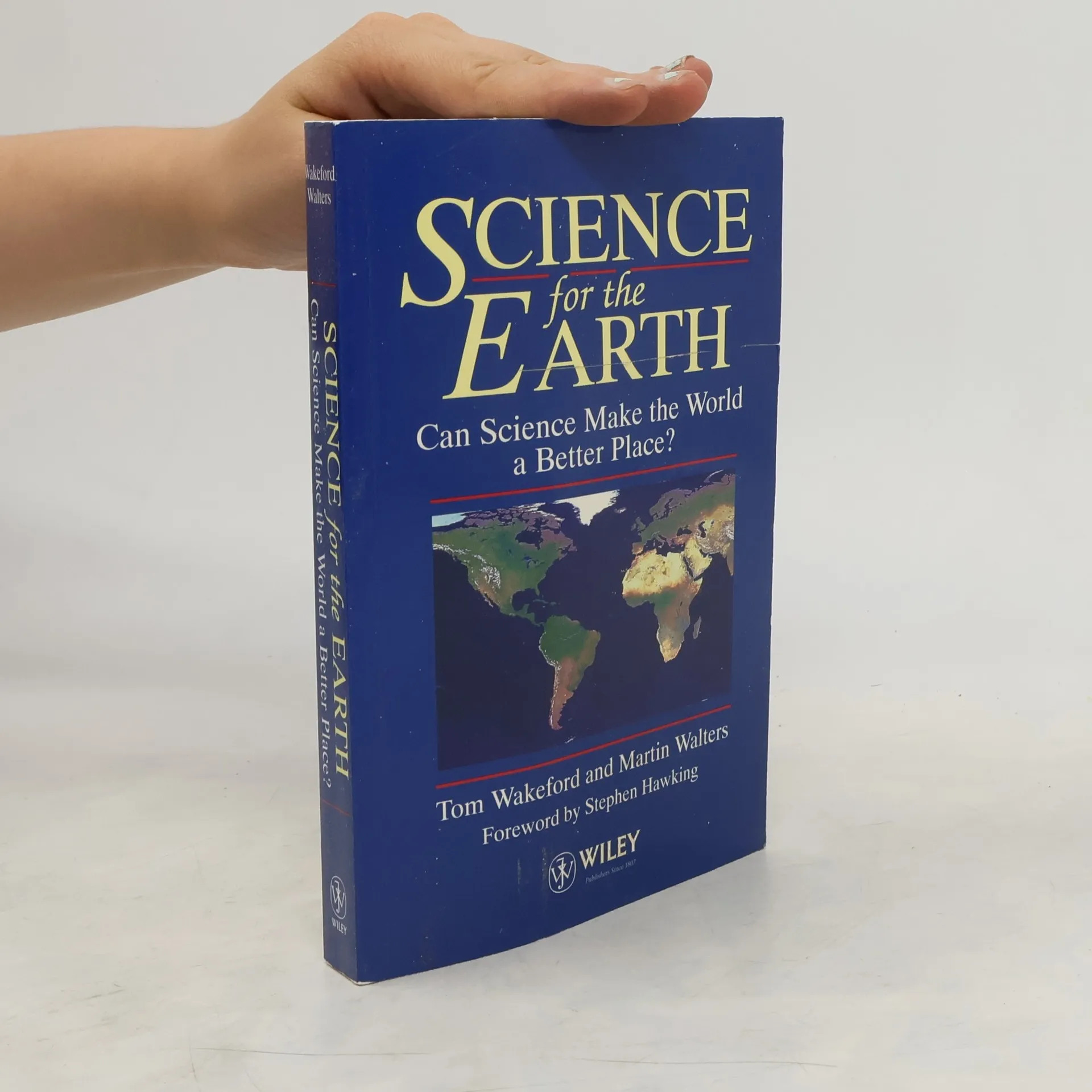
Arguing that scientists should be held accountable for their own actions, this study describes current scientific practices, the interaction of science, society and the environment, and the relevance of Western science in its relationship with the environment, society and all global issues.
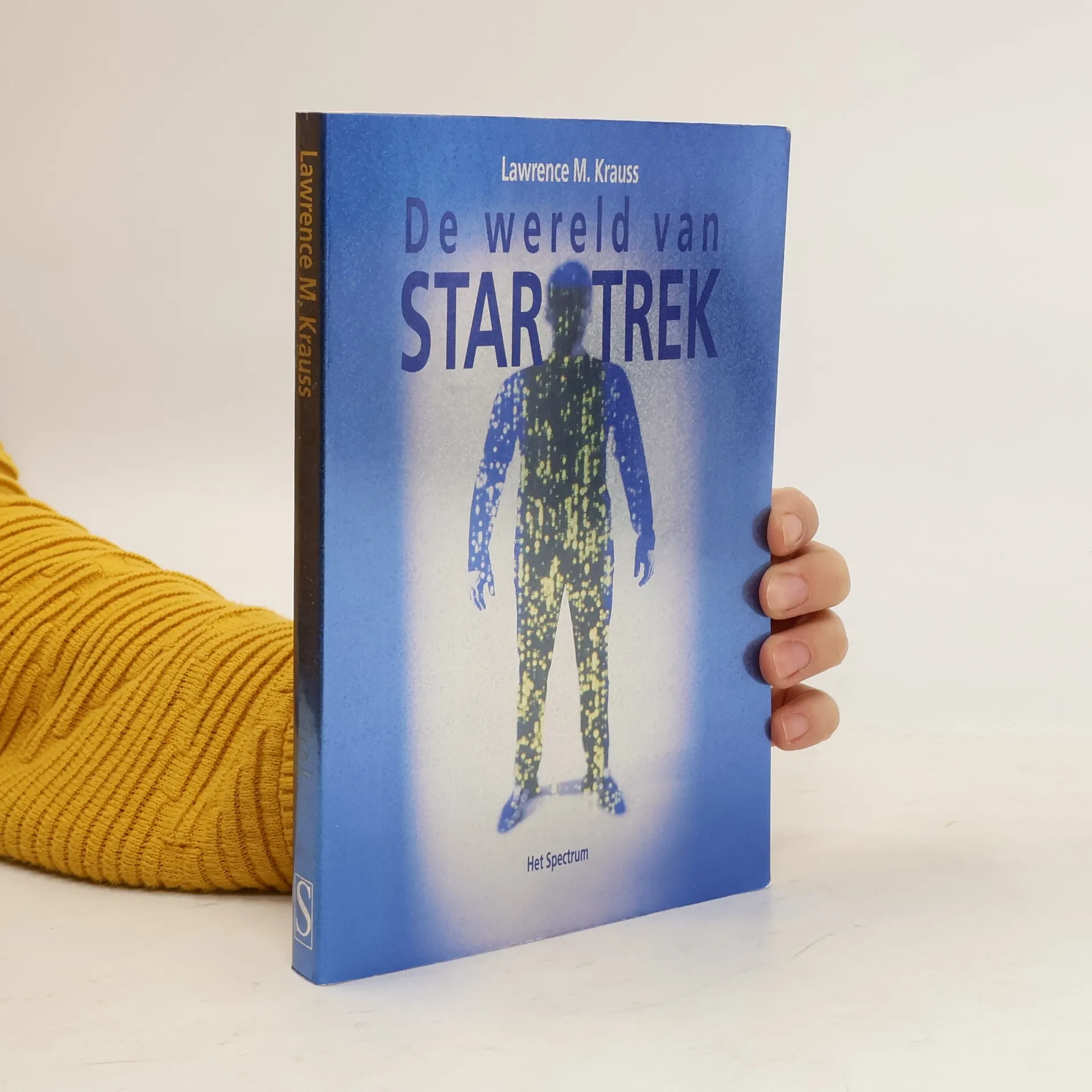
Hoe werkt een warp-drive precies? Wat is het verschil tussen een holodek en een hologram? Wat gebeurt er als je wordt 'opgestraald'? Wat is het verschil tussen een wormgat en een zwart gat? Wat is antimaterie en waarom heeft de Enterprise die nodig? Is het mogelijk om te reizen in de tijd, en kan ik mijn vader vermoorden nog voor ik geboren ben? Al deze vragen hebben betrekking op de natuurkundige aspecten van de wereld van Star Trek. Wat behoort in deze wereld tot de (theoretische) mogelijkheden en wat is pure fiction of zelfs volslagen onmogelijk? Op deze vragen wordt ingegaan door de bekende natuurkundige Lawrence M. Krauss en hij geeft een aantal fascinerende antwoorden. Lawrence M. Krauss is hoogleraar natuurkunde en astronomie; hij is hoofd van de Afdeling Fysica van de Case Western Reserve Universiteit.
George and his best friend, Annie have been selected as junior astronauts - part of a programme that trains up young people for a trip to Mars in the future. This is everything they've ever wanted - they get to be a part of up-to-the minute space discoveries and meet a bunch of new friends who are as fascinated by the universe as they are. But when they arrive at space camp, George and Annie quickly learn that strange things are happening - on Earth as well as up in our skies. Mysterious space missions are happening in secret, and the astronaut training they're undertaking gets scarier and scarier . . . The fifth adventure in this series by Lucy and Stephen Hawking - also containing up-to-the-minute scientific facts and information by the world's leading scientists.
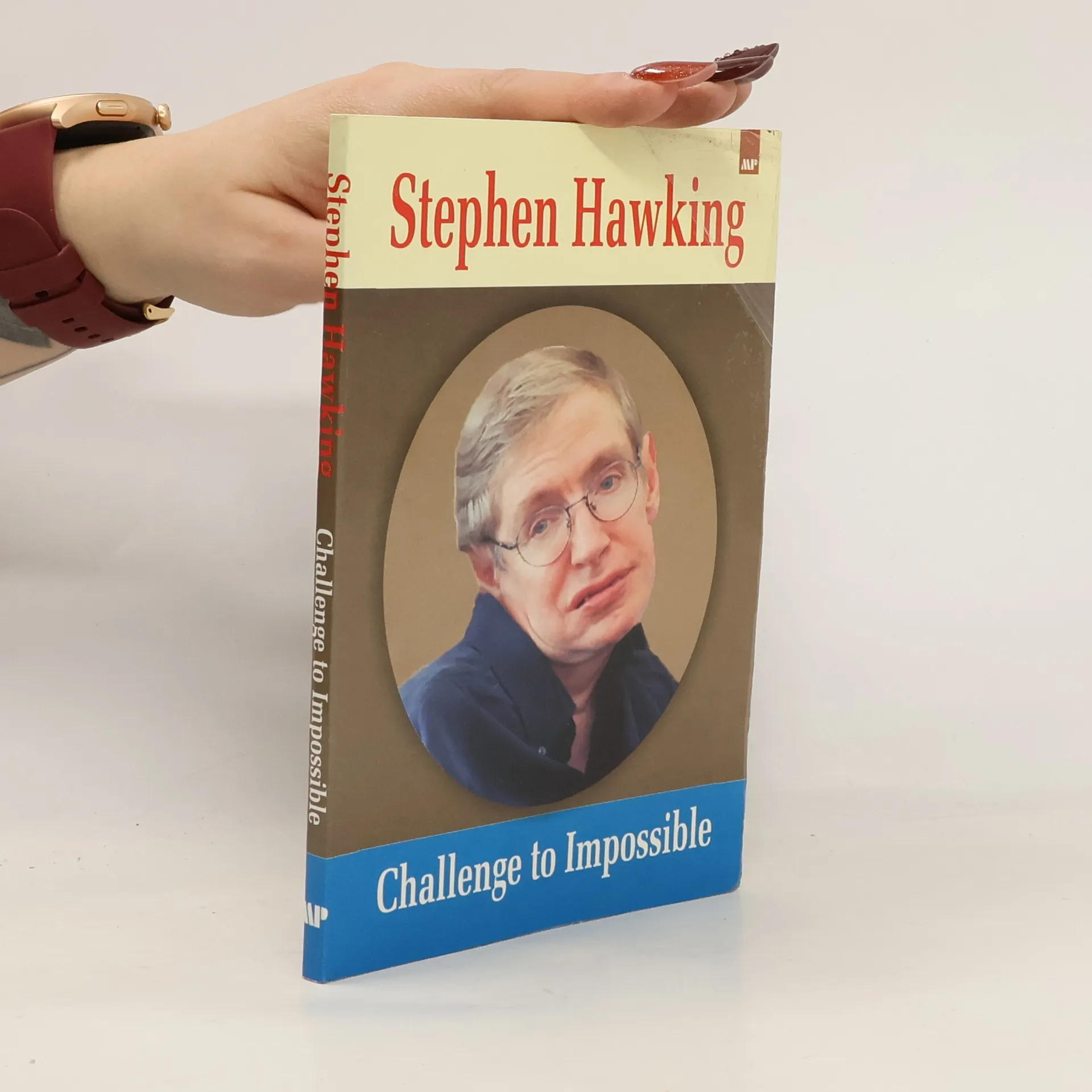
What if Stephen Hawking was physically challenged; he himself was a challenge to the word Impossible.It was only necessary for him to know that something could be done and he could do it without looking to see how other people did it. He did not have many books and also he did not take notes. Of course, his mind was completely different from his contemporary.Stephen Hawking's energy and capacity for hardwork were daunting and he had a gusto that made students and friends feel more alive. His reputation brought him the post of lecturer in mathematics of Exeter University in 1961 and there he built a wonderful network of students and teachers. He wanted to liberate the typical mathematical psyche, sometimes trapped in narrow by ways.His genius cannot easily be defined in a particular direction since he was related to various subjects having deep interest in different fields. And the compilation of this book is a magnificent effort to present Stephen Hawking in brief, his character, personality, achievement, contribution and so on despite having passed through a pitiable condition due to his physical disability throughout the life.
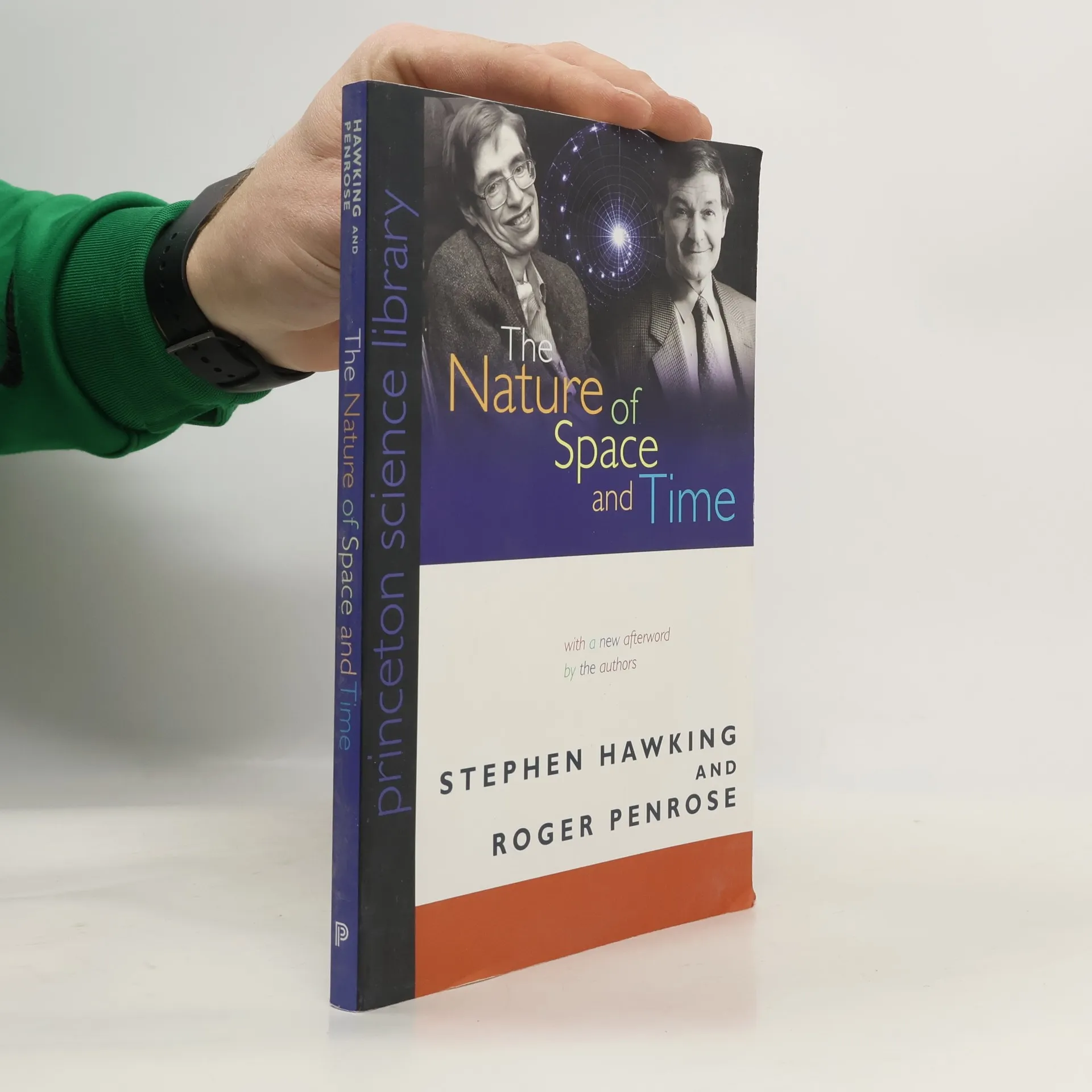
Einstein said that the most incomprehensible thing about the universe is that it is comprehensible. But was he right? Can the quantum theory of fields and Einstein's general theory of relativity, the two most accurate and successful theories in all of physics, be united into a single quantum theory of gravity? Can quantum and cosmos ever be combined? In "The Nature of Space and Time," two of the world's most famous physicists--Stephen Hawking ("A Brief History of Time") and Roger Penrose ("The Road to Reality")--debate these questions. The authors outline how their positions have further diverged on a number of key issues, including the spatial geometry of the universe, inflationary versus cyclic theories of the cosmos, and the black-hole information-loss paradox. Though much progress has been made, Hawking and Penrose stress that physicists still have further to go in their quest for a quantum theory of gravity.
His clarity, wit and determination are evident, his understand and good humour moving' New Scientist My Brief History recounts Stephen Hawking's improbable journey, from his post-war London boyhood to his years of international acclaim and celebrity. Lavishly illustrated with rarely seen photographs, this concise, witty and candid account introduces readers to a Hawking rarely glimpsed in previous books- the inquisitive schoolboy whose classmates nicknamed him 'Einstein'; the jokester who once placed a bet with a colleague over the existence of a black hole; and the young husband and father struggling to gain a foothold in the world of academia. Writing with characteristic humility and humour, Hawking opens up about the challenges that confronted him following his diagnosis of motor neurone disease aged twenty-one. Tracing his development as a thinker, he explains how the prospect of an early death urged him onwards through numerous intellectual breakthroughs, and talks about the genesis of his masterpiece A Brief History of Time - one of the iconic books of the twentieth century. Clear-eyed, intimate and wise, My Brief Historyopens a window for the rest of us into Hawking's personal cosmos. 'Read it for the personal nuggets . . . but above all, it's worth reading for its message of hope' Mail on Sunday
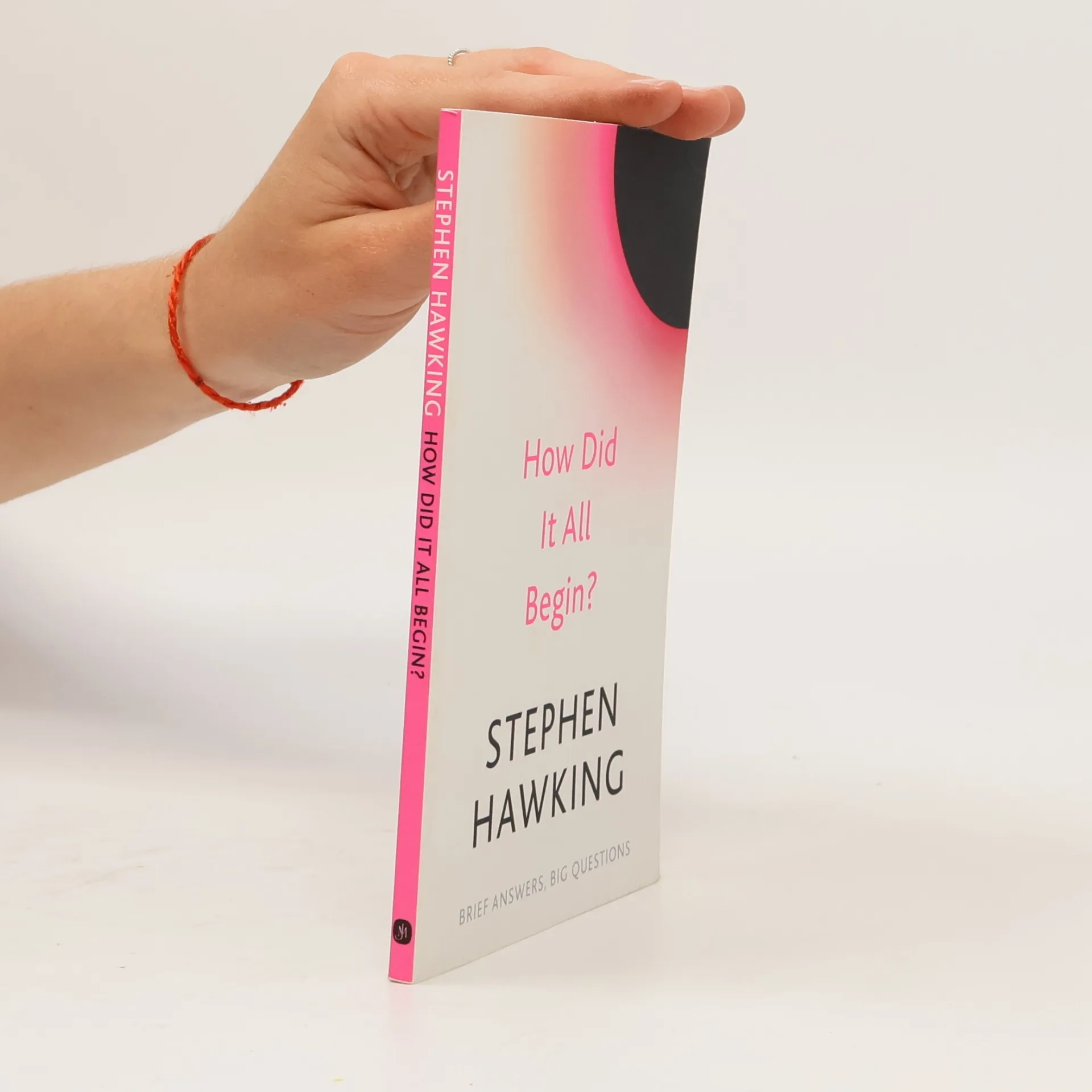
'Remember to look up at the stars and not down at your feet' How did it all begin? Is there a God? Throughout his extraordinary career, Stephen Hawking expanded our understanding of the universe and unravelled some of its greatest mysteries. In How Did It All Begin? the world famous cosmologist and bestselling author of A Brief History of Time explores the fundamental questions of our existence. 'A brilliant mind' Daily Telegraph Brief Answers, Big Questions: this stunning paperback series offers electrifying essays from one of the greatest minds of our age, taken from the original text of the No. 1 bestselling Brief Answers to the Big Questions.
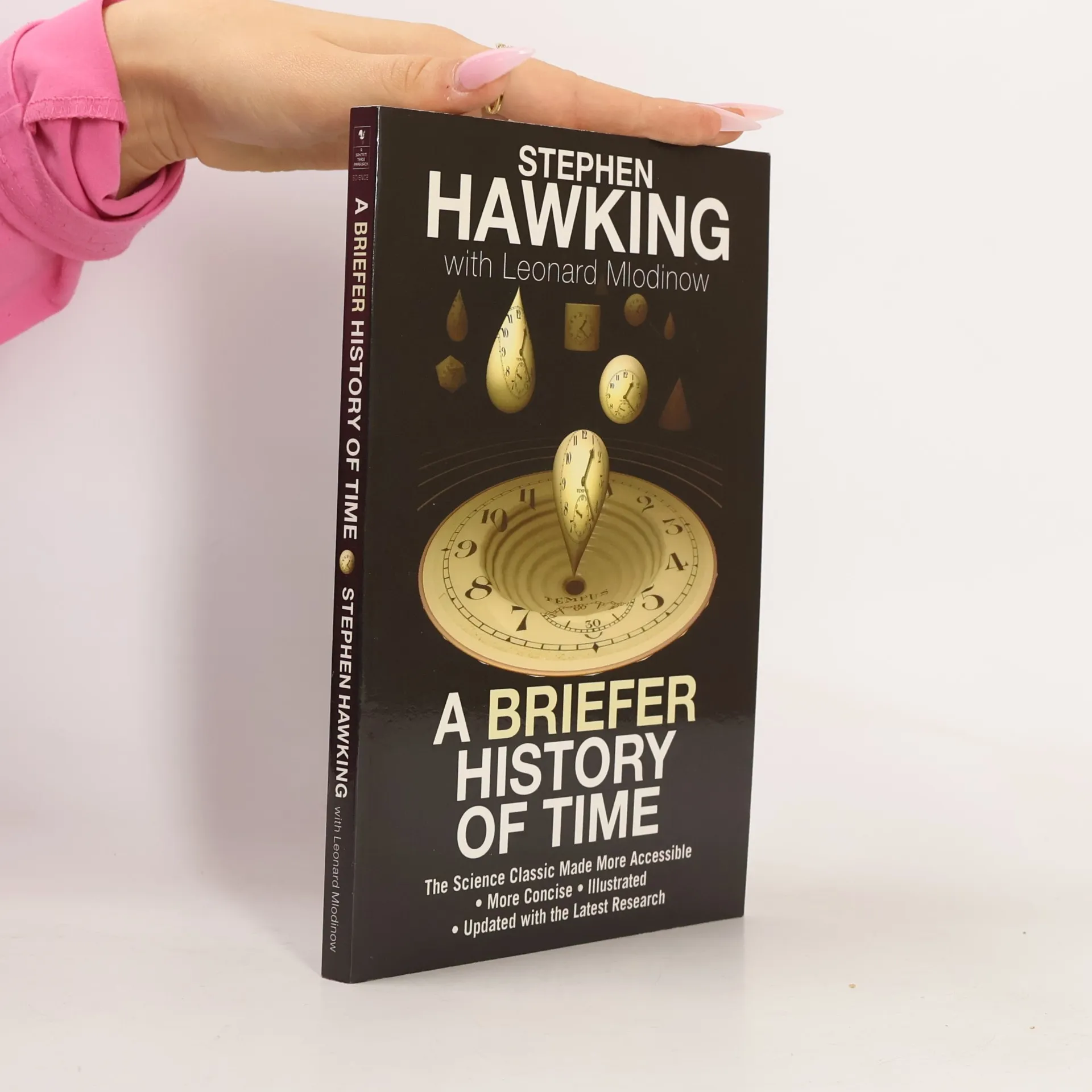
FROM ONE OF THE MOST BRILLIANT MINDS OF OUR TIME COMES A BOOK THAT CLARIFIES HIS MOST IMPORTANT IDEAS Stephen Hawking’s worldwide bestseller A Brief History of Time remains a landmark volume in scientific writing. But for years readers have asked for a more accessible formulation of its key concepts—the nature of space and time, the role of God in creation, and the history and future of the universe. A Briefer History of Time is Professor Hawking’s response. Although “briefer,” this book is much more than a mere explanation of Hawking’s earlier work. A Briefer History of Time both clarifies and expands on the great subjects of the original, and records the latest developments in the field—from string theory to the search for a unified theory of all the forces of physics. Thirty-seven full-color illustrations enhance the text and make A Briefer History of Time an exhilarating and must- have addition in its own right to the great literature of science and ideas
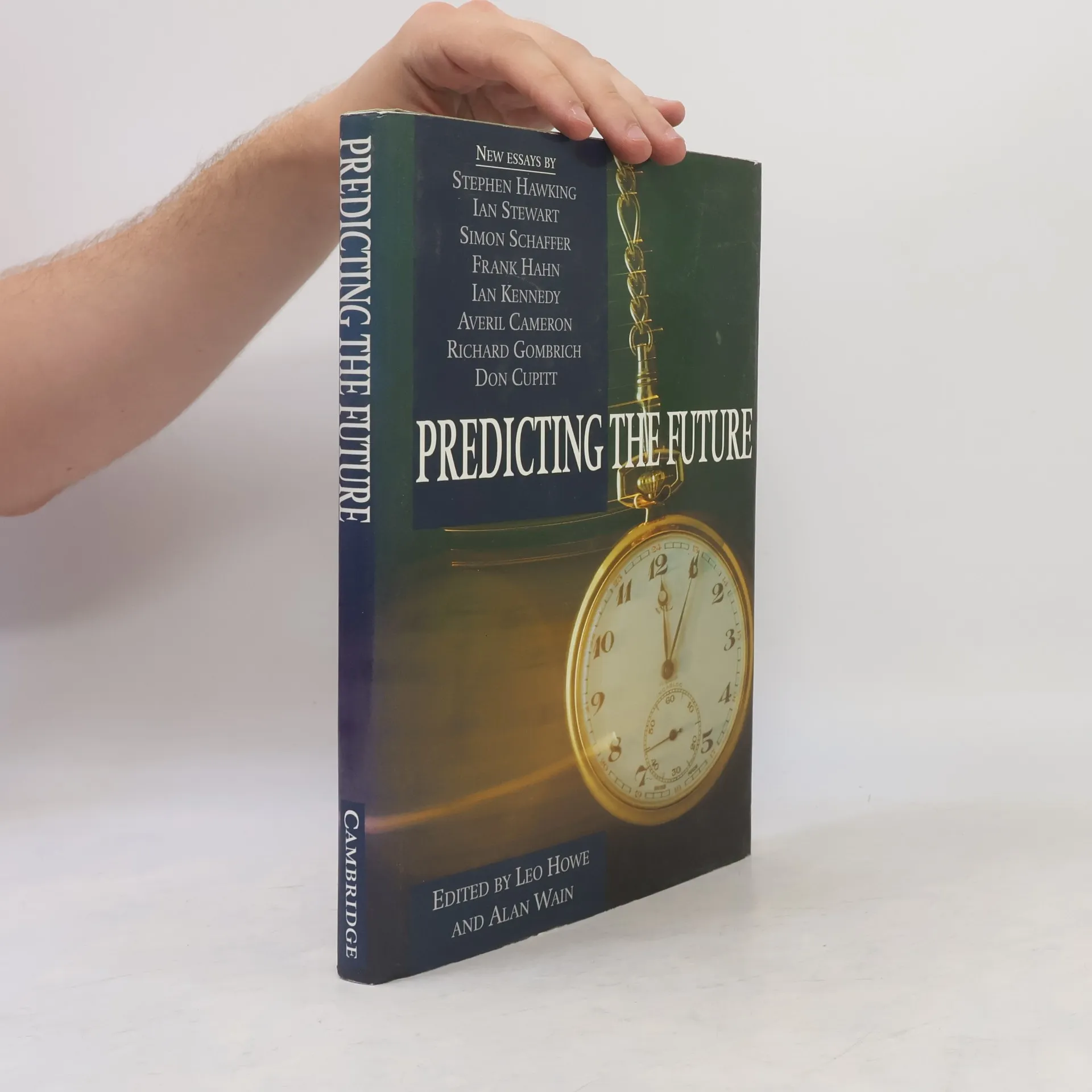
Auguries, oracles, omens...and software simulation. This exploration delves into humankind's enduring desire to foresee and influence future events. It opens with Stephen Hawking's predictions about the universe's billion-year future and concludes with Don Cupitt's reflections on the Last Judgement. The narrative traces the evolution of prediction, from ancient soothsayers and astrologers who relied on religious and traditional authority to today's experts who utilize empirical observation and scientific theory to forecast outcomes in various fields, including the economy and medicine. Despite advancements, contributors acknowledge that prediction remains fraught with uncertainty, navigating a delicate balance between alarmism and complacency, often disrupted by human unpredictability, unforeseen changes, or flawed data. Originating from the sixth annual series of Darwin College Lectures in Cambridge in 1991, the work features insights from various contributors, including Leo Howe, Ian Stewart, Simon Schaffer, Frank Hahn, Ian Kennedy, Averil Cameron, and Richard Gombrich, each offering unique perspectives on the complexities of predicting the future.
A Beautiful New Edition of the No. 1 Sunday Times Bestseller Featuring 200+ Illustrations
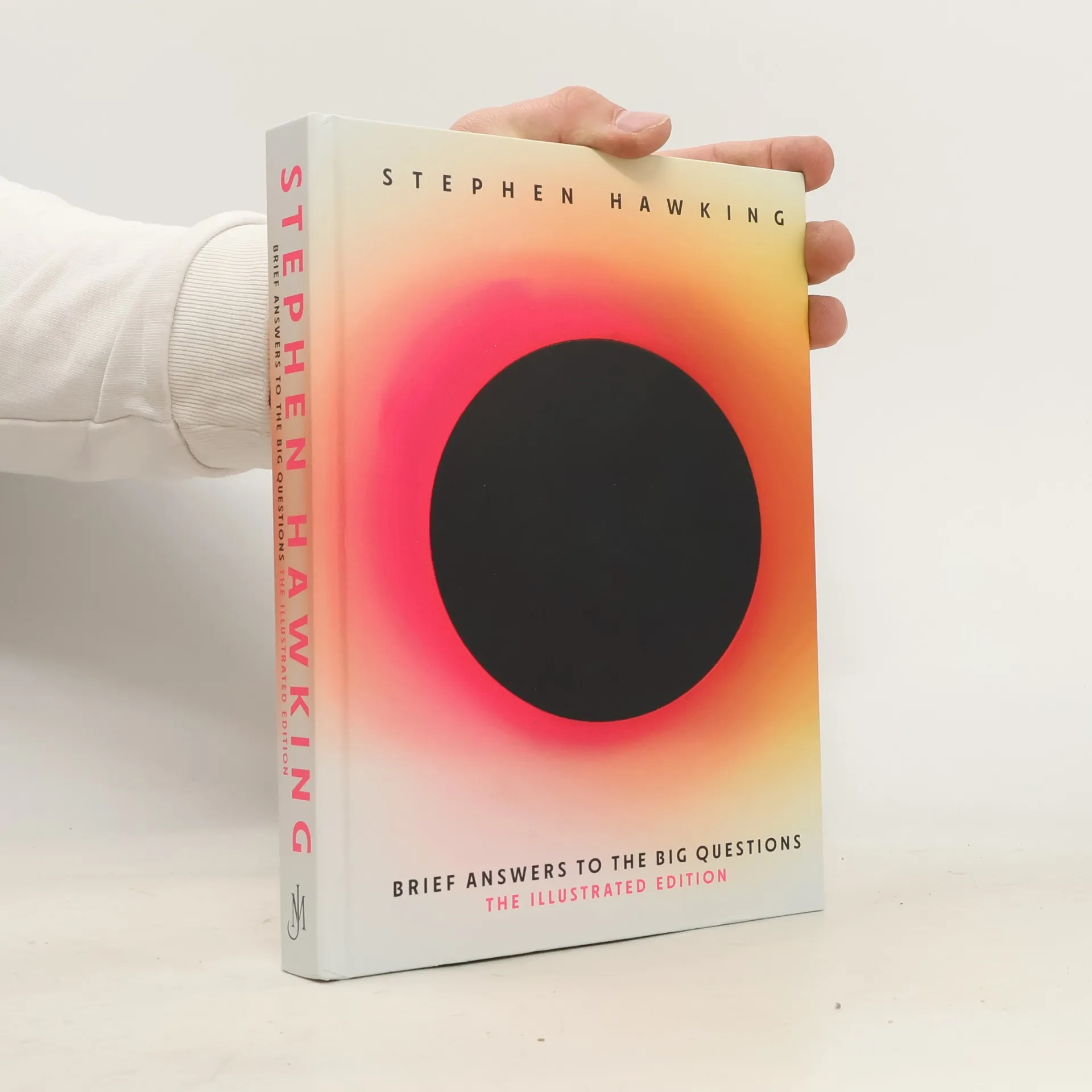
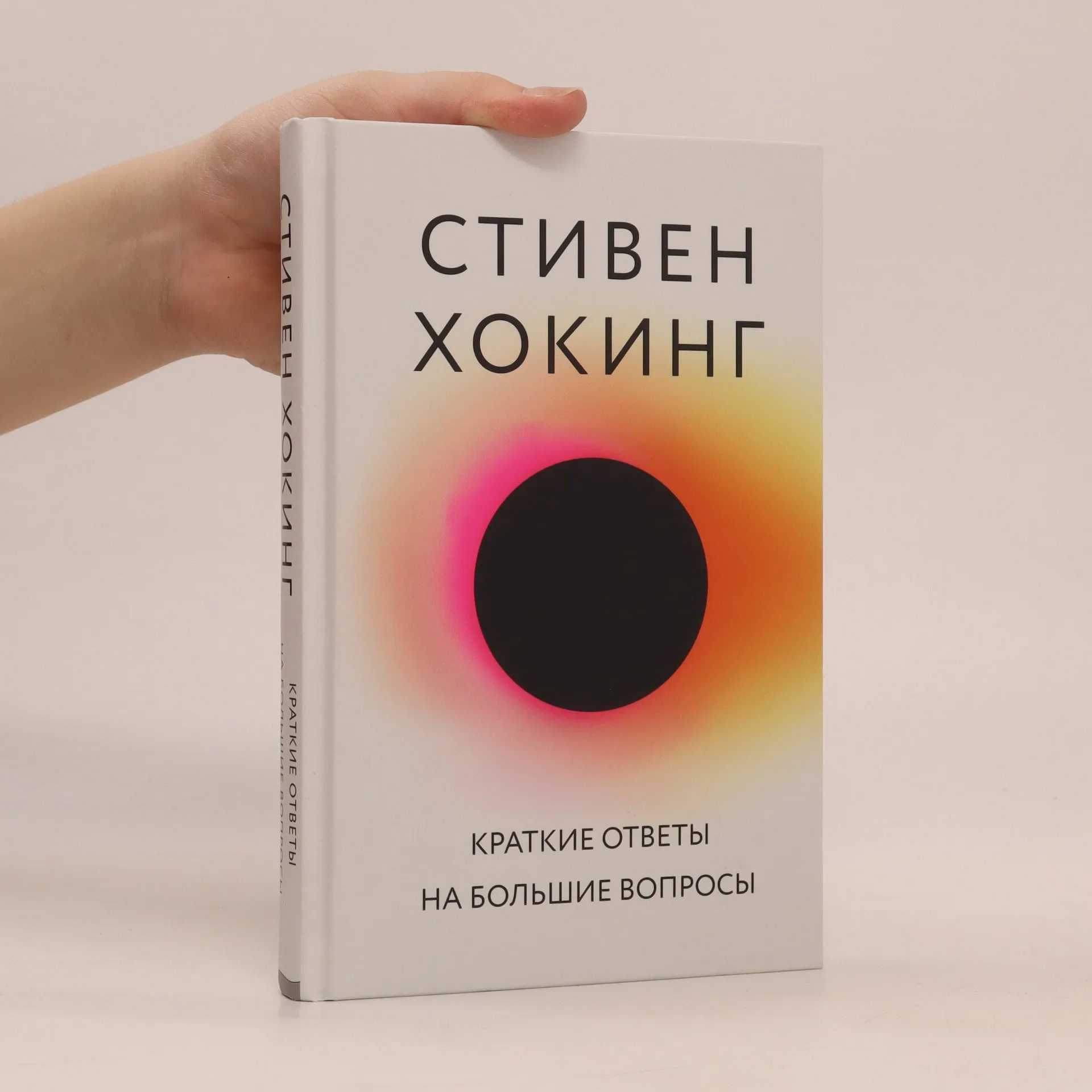
This million-copy bestseller is now enhanced with over 200 full-color images, illuminating the science of our universe in a captivating way. Celebrated cosmologist and bestselling author Stephen Hawking shares his final reflections on profound questions such as the existence of God, the origins of the universe, the nature of black holes, the possibility of intelligent extraterrestrial life, and the future of artificial intelligence. He also explores pressing issues like climate change, dwindling resources, and the potential for space colonization. Throughout his remarkable career, Hawking expanded our understanding of the cosmos while believing in the power of science to address earthly challenges. In this posthumous work, he combines intellectual rigor with wit, offering a wide-ranging and passionate examination of the most urgent dilemmas facing humanity. With characteristic humor and insight, this final book serves as a personal perspective on the future of our planet and the challenges we must confront as a species. Hawking's legacy continues to inspire curiosity and critical thinking about our place in the universe and the path ahead.
«Кратчайшая история времени» – больше, чем пространный комментарий к сложным понятиям и теориям, описанным в легендарной «Краткой истории». Авторы, Стивен Хокинг и Леонард Млодинов, спустя 17 лет, многое поменявших в астрофизике, новым взглядом смотрят на извечные вопросы: о природе пространства и времени, роли Бога в сотворении мира, о прошлом и будущем Вселенной. Данные, полученные астрономическими обсерваториями, космическими телескопами и физическими лабораториями, стали твердой опорой для теоретической физики, несколько десятилетий подряд сражающейся за стройную, единую теорию поля, должную объединить все известные виды взаимодействий. По убеждению многих, это теория струн, положения и следствия которой развернуто толкуют профессоры Хокинг и Млодинов. Черная материя и черная энергия, о которых мы знаем лишь благодаря гравитационным эффектам, путешествия во времени, на которые, как считаю авторы, «не стоит пока делать ставок» – всё это оказалось в фокусе их внимания. Издание содержит 37 цветных иллюстраций, дополняющих и украшающих текст.
In "Warum existieren wir?" untersucht Stephen Hawking fundamentale Fragen des Seins, wie die Existenz des Universums und die besonderen Gesetze, die es regieren. Das Buch bietet anregende und kühne Antworten auf die letzten Fragen des Lebens und des Universums.
Stephen Hawking ist der berühmteste Wissenschaftler unserer Zeit. Ein Meister der eleganten Vereinfachung, der Mann, der Astrophysik und Kosmologie weltweit populär gemacht hat. Dieses kleine Lesebuch, zusammengestellt aus Anlass des 75. Geburtstages, präsentiert in Selbstzeugnissen den privaten Stephen Hawking - Kindheit, Studium, Karrierebeginn und das Leben mit ALS -, und sein wissenschaftliches Credo in ausgewählten Texten. Es ist für alle gedacht, die sich wichtige Stationen in Leben und Werk des großen Physikers noch einmal vor Augen führen oder anhand von einigen seiner wichtigen Texte Zugang finden möchten zu Stephen Hawkings Universum. Woher kommen wir? Wer sind wir? Wohin gehen wir? - Menschheitsfragen, die uns alle beschäftigen, Fragen nach dem Sinn und dem Ziel des Lebens. Für die Welt der Physik, der Kosmologie, hat Stephen Hawking sein eigenes Bild dazu entworfen. Hawkings Aufsatz "Informationserhaltung und Wettervorhersage für Schwarze Löcher" und der Essay " Die Haare der Schwarzen Löcher" von Bernd Schuh werden hier zum ersten Mal in einer Printausgabe publiziert.
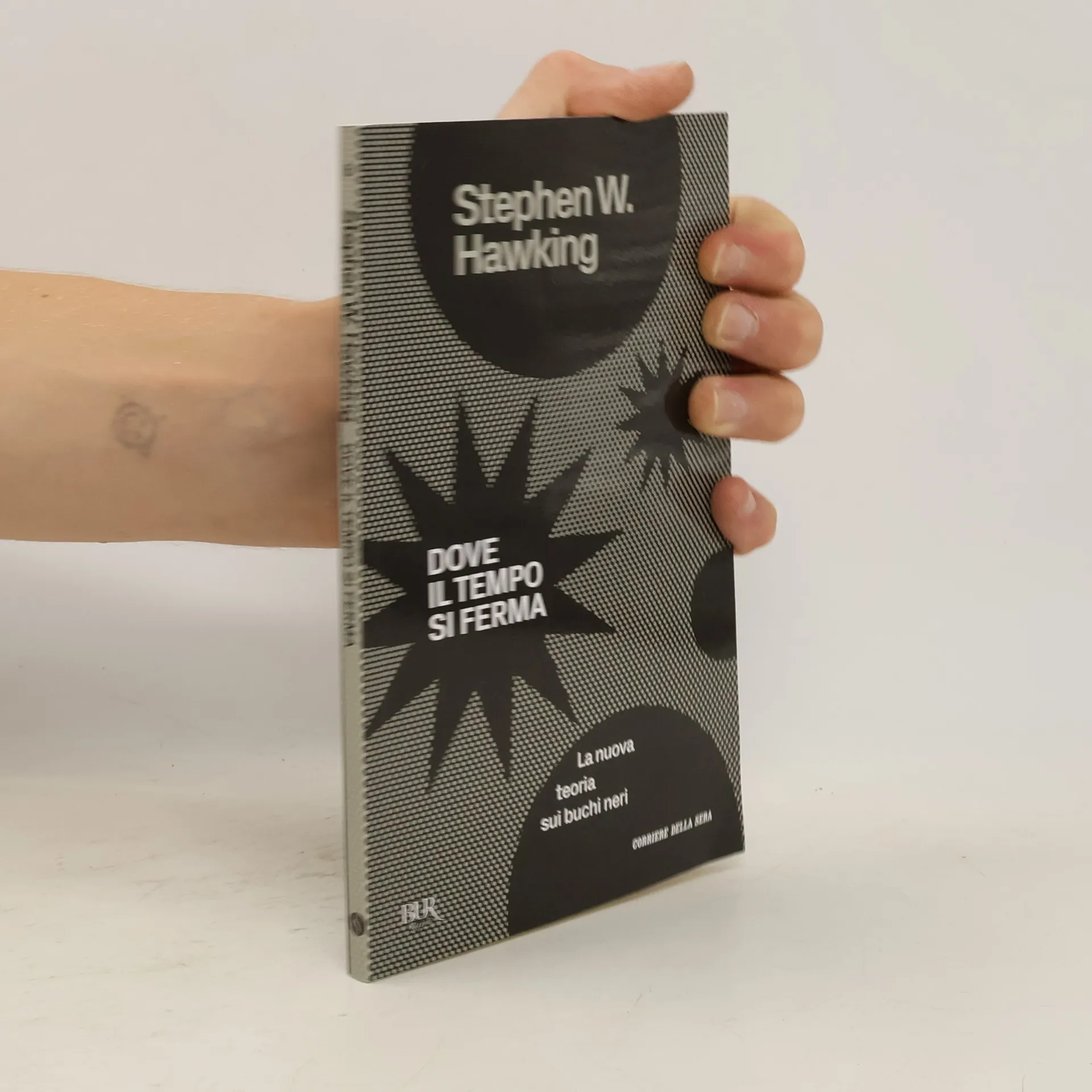
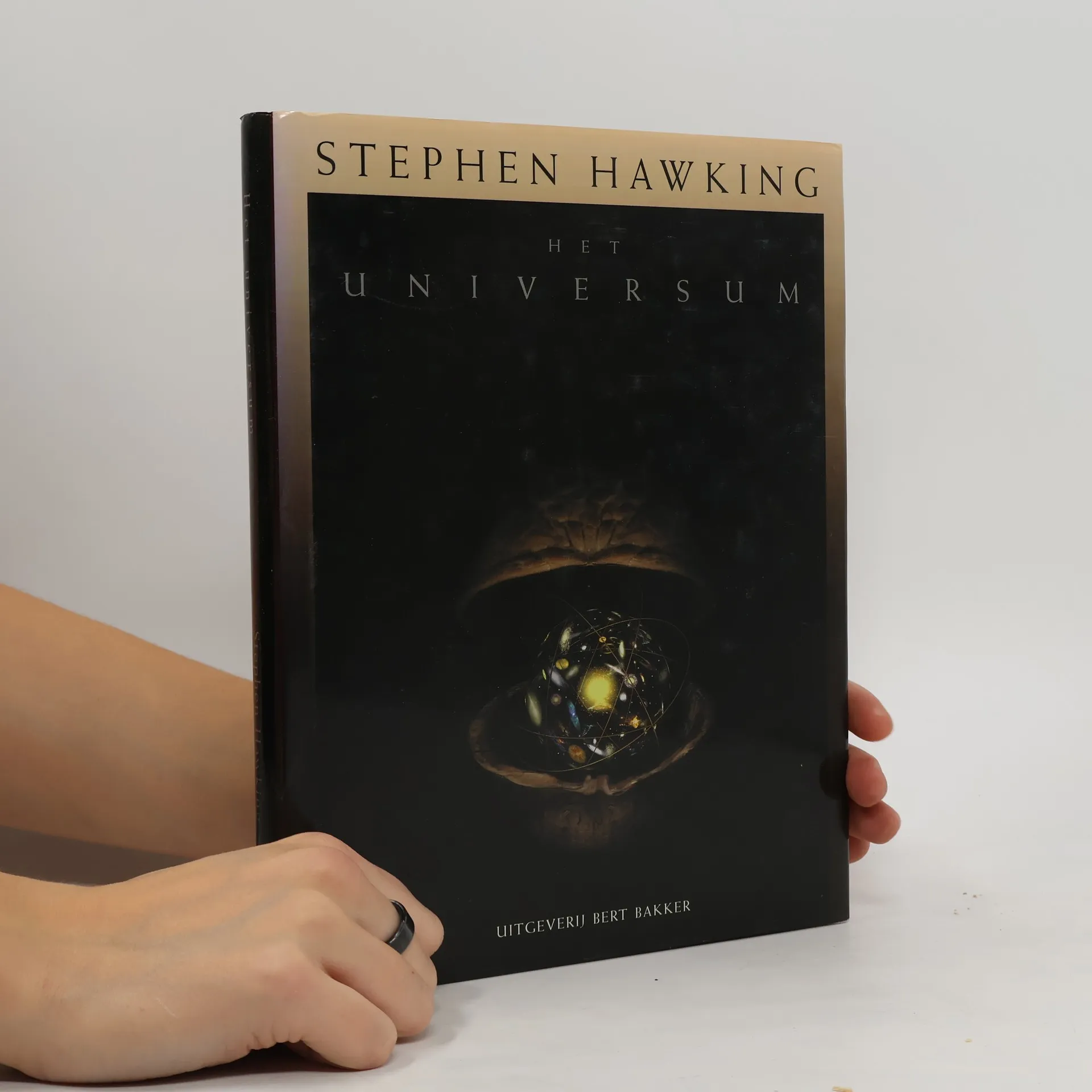
Keď kozmonológovia objavili, že galaxie sa od seba vzďaľujú závratnou rýchlosťou, zmenil sa aj náš pohľad na hviezdy. Pochopenie tejto skutočnosti umožnilo vedcom vypracovať a rozvinúť teóriu o zrode vesmíru – teóriu veľkého tresku. Pri skúmaní tejto teórie Stephen Hawking a iní fyzici cítili potrebu prísť s vedecky podloženým výkladom, ktorý by riešil základnú otázku: aké povahy je vesmír? Kniha Vesmír Stephena Hawkinga popisuje, ako táto práca prebiehala, a zároveň poskytuje jednoduché vysvetlenia javov, ktoré podnecujú našu zvedavosť. Existujú čierne diery? Prečo hviezdy svietia? Čo je supernova? Dozvieme sa tiež, ako málo chýba vedcom k tomu, aby úplne pochopili vesmír.
Die faszinierende Neuausgabe des illustrierten Weltbestsellers begeistert durch ihre Bildgewalt. Nie stand das Universum so unmittelbar und echt vor Augen. Diese Ausgabe macht Stephen Hawkings atemberaubende Reise durch Raum und Zeit einprägsamer denn je – Astrophysik als Breitwandkino. Wenn wir den Sternenhimmel betrachten, erleben wir etwas, das die Menschheit seit jeher fasziniert. Niemand hat unser Wissen über das Weltall, die Schwerkraft und Raum und Zeit so umfassend erweitert wie Stephen Hawking. Sein Leben war geprägt von der Suche nach der Lösung des Rätsels des Universums. Dieses Geheimnis hebt er mit seinem epochemachenden Werk auf. Das weltweit meistverkaufte Sachbuch der letzten Jahrzehnte macht komplexe physikalische und astronomische Zusammenhänge anschaulich und eröffnet ein neues Verständnis unseres Universums. Hawking nimmt uns mit an den Rand des Kosmos, in die unendlichen Weiten und zu den Ereignishorizonten der Schwarzen Löcher – ein unvergessliches Leseerlebnis. Die hochwertige Ausstattung umfasst einen großformatigen Band mit geprägtem Schutzumschlag, komplett vierfarbig bebildert, bedruckte Vorsätze und Fadenheftung.
Hainer Kober, geboren 1942 in Soltau, hat Werke von namhaften Autoren wie Stephen Hawking, Steven Pinker und Oliver Sacks übersetzt. Stephen Hawking, der am 8. Januar 1942 in Oxford geboren wurde und am 14. März 2018 in Cambridge starb, gilt als der berühmteste Wissenschaftler seiner Zeit. 1962 erhielt er die schockierende Diagnose einer unheilbaren Motoneuronen-Erkrankung und wurde nur noch wenige Monate zu leben prognostiziert. Trotz dieser Diagnose setzte er seine Studien an der Universität Cambridge fort, wo er bedeutende Forschungen, insbesondere über Schwarze Löcher, durchführte. Von 1979 bis 2009 war er Lucasischer Professor für Mathematik im Bereich angewandte Mathematik und theoretische Physik, ein Lehrstuhl, den auch Isaac Newton innehatte. Für seine wesentlichen Beiträge zur modernen Kosmologie erhielt er zahlreiche Auszeichnungen, darunter die US Presidential Medal of Freedom 2009 und den Special Fundamental Physics Prize 2013. Hawking war Mitglied der Royal Society und der US National Academy of Sciences, was seine herausragende Stellung in der Wissenschaftswelt unterstreicht.
Vita, ricerche, idee. Realizzato da Gene Stone. Traduzioni di Tullio Dobner. Numerose illustrazioni in nero e a colori 8vo pp. 230 broch
Sous le titre Commencement du Temps et Fin de la Physique ?, on trouvera rassemblés deux textes de Stephen Hawking d'époques différentes. Le premier, La Fin de la physique théorique est-elle en vue ?, est le texte de la Leçon inaugarale que Stephen Haxking prononça en avril 1980, à Cambridge, lorsqu'il prit possession de la chaire de Mathématiques, succédant à... Newton et à Dirac. Le second, Le Bord de l'espace-temps, a été publié en 1989, et est donc quasiment contemporain de Une brève histoire du Temps. Mais tous deux participent de la même fascination de la question des origines et du caractère inévitable des lois qui décrivent l'univers. Peut-on - et comment - parvenir à une théorie du monde au niveau le plus fondamental, la microphysique, et peut-on appliquer cette théorie à l'univers entier, au macrocosme ? La réflexion de Hawking nous conduit au cœur de la physique contemporaine.
Wer ist der wirkliche Stephen Hawking? Wie sieht sein Alltag aus? Wie haben sich seine Theorien entwickelt? Was denkt er heute? Was erzählen die Menschen, die ihn persönlich kennen, über ihn? Die Schilderungen von Mutter und Geschwistern, von Freunden und Kommilitonen, Lehrern und Kollegen, die Kommenatre namhafter Physiker und Kosmologen wie Roger Penrose, John Wheeler oder Fred Hoyle, dazu viele Hintergrundinformationen, Illustrationen und Fotos aus der Lebensgeschichte Hawkings fügen sich zu einem farbigen Muster, das Leben und Werk dieses großen Wissenschaftlers zu einer Einheit zusammenführt.
Hubert Mania, geboren 1954. Studium der Germanistik und Anglistik. Danach selbständiger Konzertveranstalter und Manager eines Kulturzentrums. 1987 erschien bei Rowohlt sein Roman «Scintilla Seelenfunke». Übersetzung populärwissenschaftlicher Bücher, Mitredakteur bei Stephen Hawkings Büchern «Eine kurze Geschichte der Zeit» und «Das Universum in der Nussschale». Hubert Mania lebt als Autor und Übersetzer in Braunschweig. Weitere Bücher bei Rowohlt: «Gauß. Eine Biographie» (2008), «Kettenreaktion. Die Geschichte der Atombombe»(2010). Hainer Kober, geboren 1942, lebt in Soltau. Er hat u. a. Werke von Stephen Hawking, Steven Pinker, Jonathan Littell, Georges Simenon und Oliver Sacks übersetzt.
In this book, Roger Penrose presents a masterly summary of those areas of physics in which he feels there are major unsolved problems. These ideas are then challenged by three distinguished experts from different backgrounds - Abner Shimony and Nancy Cartwright as Philosophers of science and Stephen Hawking as a theoretical physicist and cosmologist. Finally, Roger Penrose responds to their thought-provoking criticisms. This paperback edition has been updated to include a striking and easily accessible example of Gödel's theorem, and a ground-breaking proposal for a physical experiment designed to test some of Penrose's most novel ideas about quantum mechanics. Penrose's enthusiasm, insight and good humour shine through this accessible, illuminating, and brilliant account of 21st-century theoretical physics.
Spannender Wandkalender mit 53 faszinierenden Bildern und Zitaten. Terminkalender 2025 für die Wand. 25 x 35,5 cm
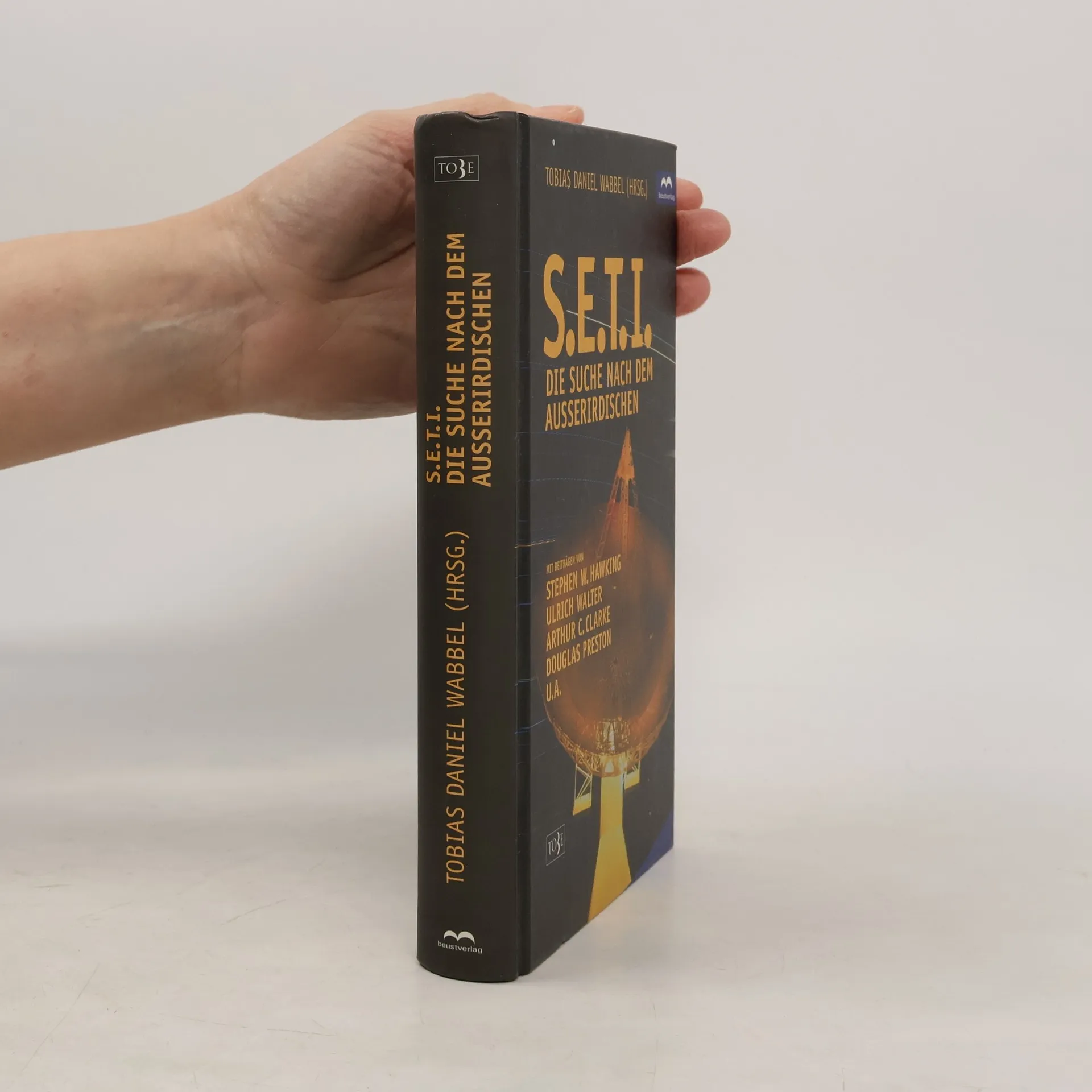
Sind wir allein? S. E. T. I. ist ein weltweites Programm, das mit Unterstützung der NASA nach Radiosignalen aus dem Weltall sucht, um die Existenz außerirdischer Intelligenzen zu beweisen. Diese Anthologie umfasst 21 Beiträge international anerkannter Wissenschaftler und Autoren, darunter Stephen Hawking, Ulrich Walter, Anthony Hewish, John D. Barrow, Arthur C. Clarke, Allen Steele und Ben Bova. Die Beiträge reflektieren die Suche nach außerirdischen Intelligenzen im Rahmen des S. E. T. I.-Programms und beleuchten die Wahrscheinlichkeit eines Kontakts sowie die möglichen Reaktionen darauf aus verschiedenen wissenschaftlichen und literarischen Perspektiven. Sie stellen zentrale Fragen: Welche Formen kann außerirdisches Leben annehmen? Wie wahrscheinlich ist es, dass wir mit den laufenden Projekten außerirdisches Leben identifizieren? Wie könnte ein Kontakt mit Außerirdischen verlaufen? Welche Auswirkungen hätte ein solcher Kontakt auf die Erde, insbesondere in Bezug auf Politik, Religion und das kollektive Bewusstsein? Der Herausgeber, Tobias Daniel Wabbel, Jahrgang 1963, ist Lektor und Übersetzer in Essen und organisiert zusammen mit Stelio Montebugnoli das erste europäische S. E. T. I.-Programm. Er ist auch Mitglied der S. E. T. I. League Inc. und der Planetary Society, die die Suche nach Leben im All unterstützt.
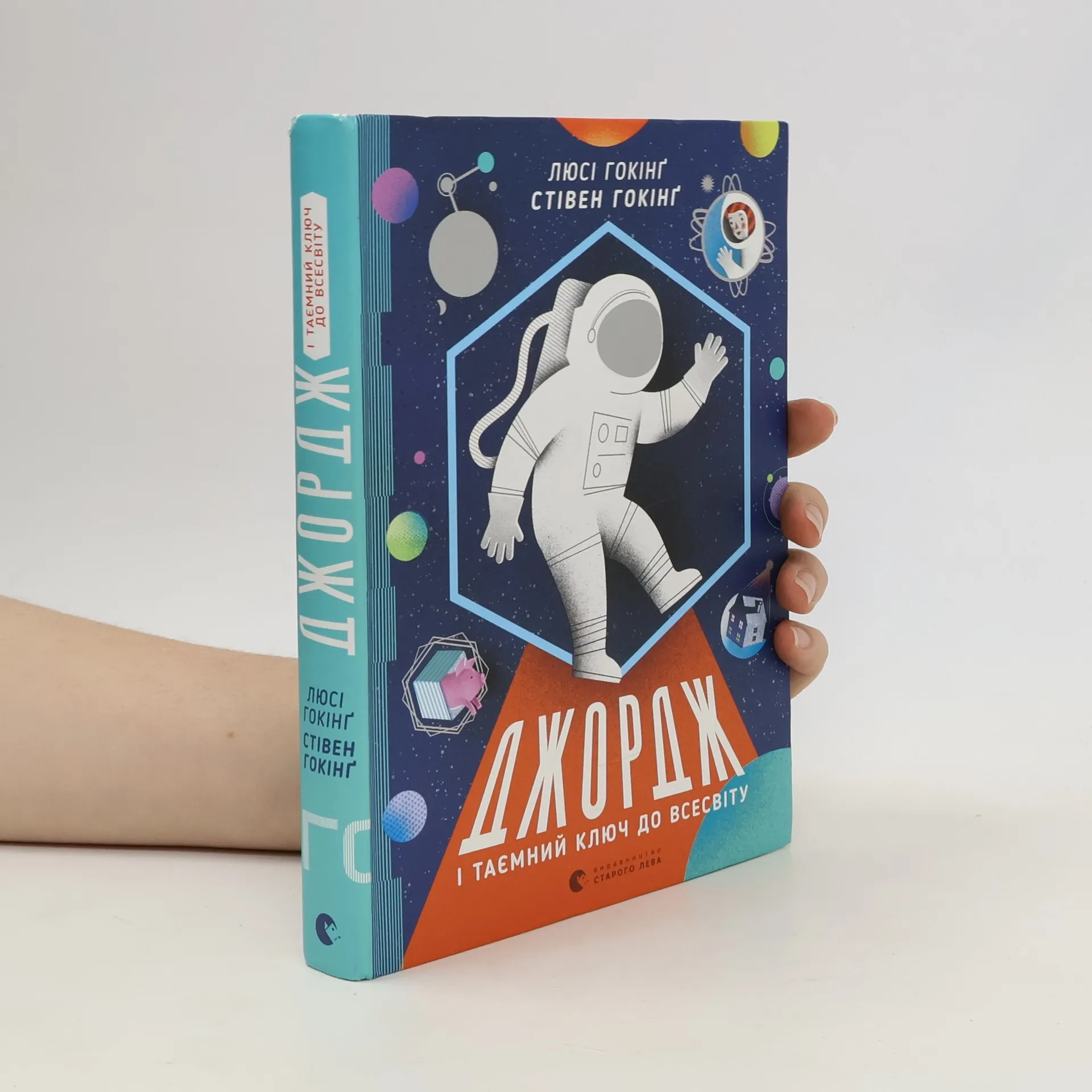
Геніальний фізик Стівен Гокінґ разом із донькою Люсі запрошують тебе, любий читачу, у неймовірну мандрівку Всесвітом… верхи на астероїді! Які таємниці приховує Сусідський Сад? Що це за суперкомп’ютер, який уміє розмовляти? Чому не варто стрибати на кометі, коли вона мчить крізь космічний простір? І чи вдасться головному героєві — допитливому сміливцеві Джорджу — визволити свого приятеля з чорної діри? На сторінках цієї книги, сповненої гумору й карколомних пригод, розкрито найцікавіші загадки Всесвіту, а важливі наукові факти переплетено з веселими і часом небезпечними витівками. Це не лише захоплива історія про дружбу, космічні мандри та шкільні перипетії, а й неймовірна оповідь про те, як влаштований світ, у якому ми живемо. Вперше у «Видавництві Старого Лева» книга вийде з особливою палітуркою: під скретч-покриттям ховається загадка для маленьких та дорослих дослідників. Хочете знати, що намальовано під сірими плямами, - просто зітріть скретч-покриття монеткою. Дизайн обкладинки – Творча майстерня «Аґрафка».
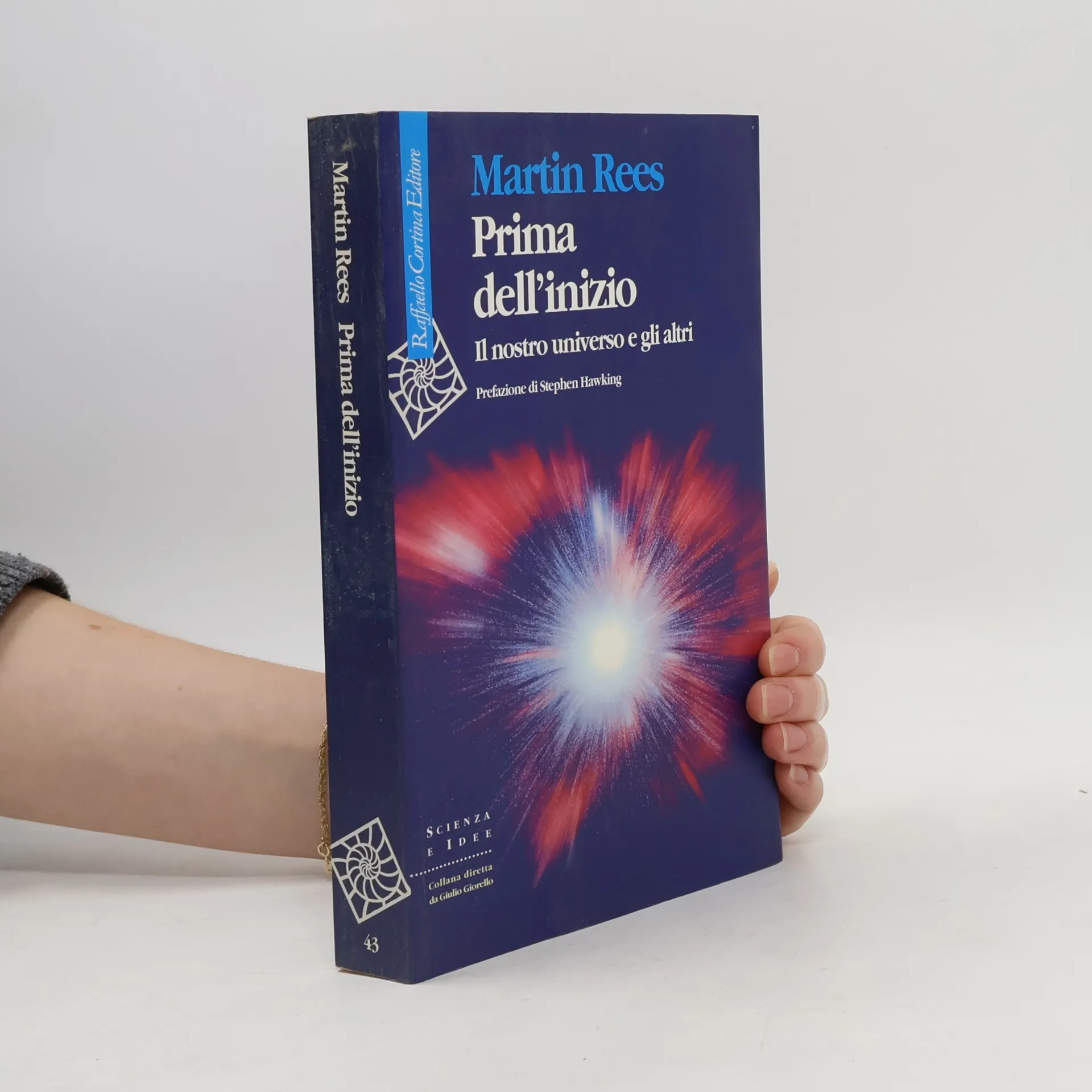
La scienza nasce dallo stupore di fronte all’insolito, all’inatteso, al bizzarro. Cosa c’è di più strano del fatto che l’universo esista, con la sua complessa architettura di galassie, stelle, sole e pianeti? Per millenni teologia e filosofia hanno cercato di spiegarci le meraviglie del cosmo. Dopo Copernico e Galileo, Newton e Einstein, la fisica ha finalmente ricostruito la storia dell’universo come l’evoluzione a partire dalla grande esplosione iniziale, il big bang. Siamo così davvero riusciti a penetrare nel mistero della creazione? Martin Rees, “autorità indiscussa nel campo dell’astronomia”, come dice di lui Stephen Hawking, ci spiega che il big bang da cui avrebbe tratto origine il nostro mondo non è altro che un evento locale in un multiuniverso di cui ci sfugge la configurazione globale. Rinasce così, sulle basi della fisica più avanzata, l’antica idea della pluralità dei mondi (e dei loro eventuali abitatori), quella stessa per la quale fu bruciato sul rogo nel 1600 il filosofo Giordano Bruno. Più la scienza avanza nella comprensione della natura, più il nostro stupore è destinato ad aumentare.
Спор о физическом мире и мире идей
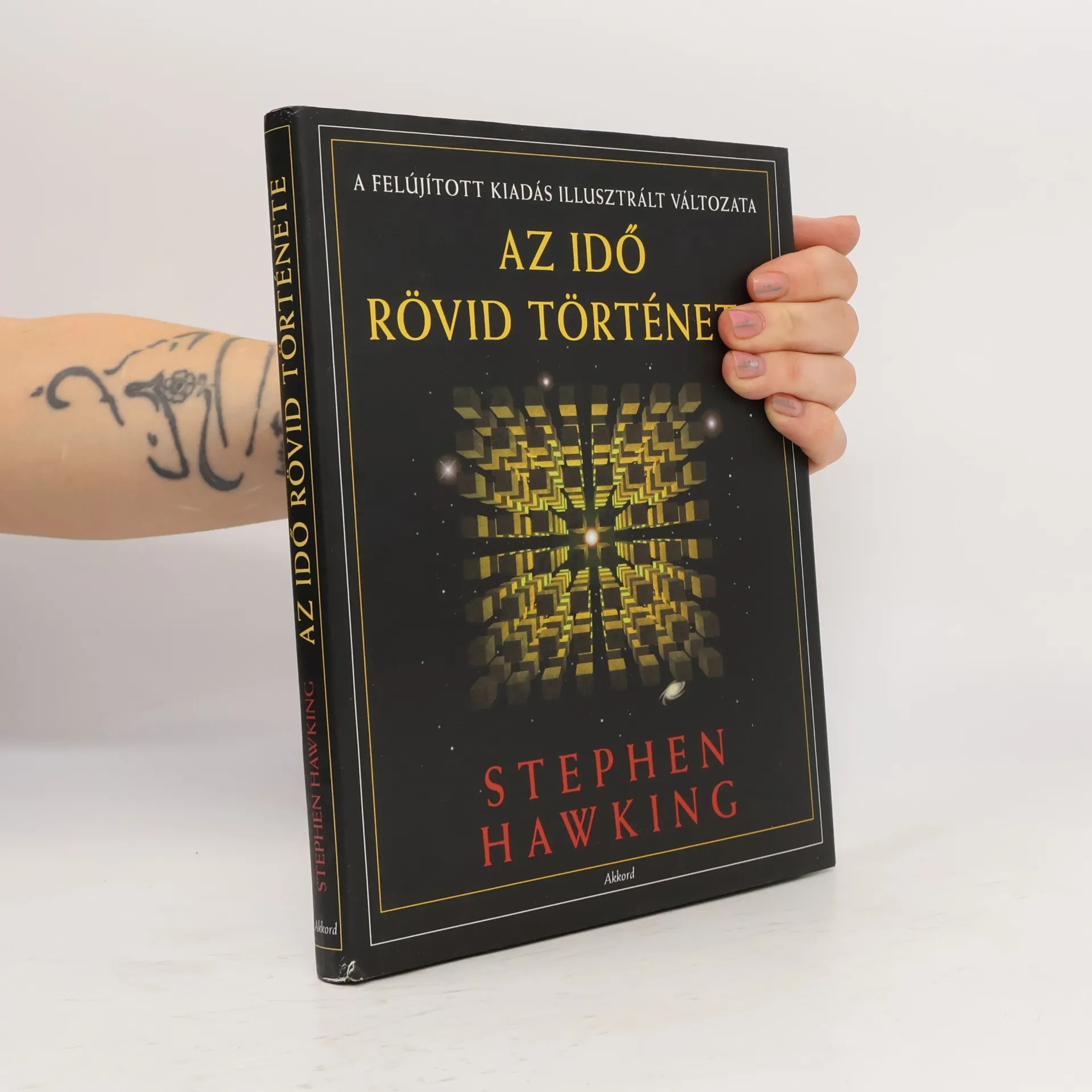
A Felújított Kiadás Illusztrált Változata
Stephen Hawking Az idő rövid története című könyvének 1988-as megjelenése új korszakot nyitott a tudományos ismeretterjesztő írások történetében: hatalmas nemzetközi szenzációt keltett, negyven nyelvre fordították le, és több mint kilencmillió példányban kelt el. Ez a könyv a XX. században klasszikussá vált, rengeteg meglepetéssel szolgáló tudományos ismeretterjesztő mű felújított és átdolgozott kiadásának illusztrált változata. Több mint 240 színes fotó, rajz és számítógépes grafika segíti az olvasót a szöveg még jobb megértéséhez. A kötet az ősrobbanástól az általános relativitáselméletig sok helyen próbára teszi a fantáziánkat, miközben kiszélesíti a világegyetemről alkotott elképzeléseinket. A végső elmélet keresésének történetéről, a tér és idő rejtelmeit feltáró kutatásokról olvashatunk Hawking tolmácsolásában, aki maga is rengeteget tett hozzá az emberiség tudásához. Az idő rövid története Hawking klasszikussá vált bevezetője a kozmosszal kapcsolatos legfontosabb kérdésekbe.
ein interaktives Abenteuer ; basiert auf dem Bestseller "Eine kurze Geschichte der Zeit" ; Windows- + Macintosh-CD-ROM
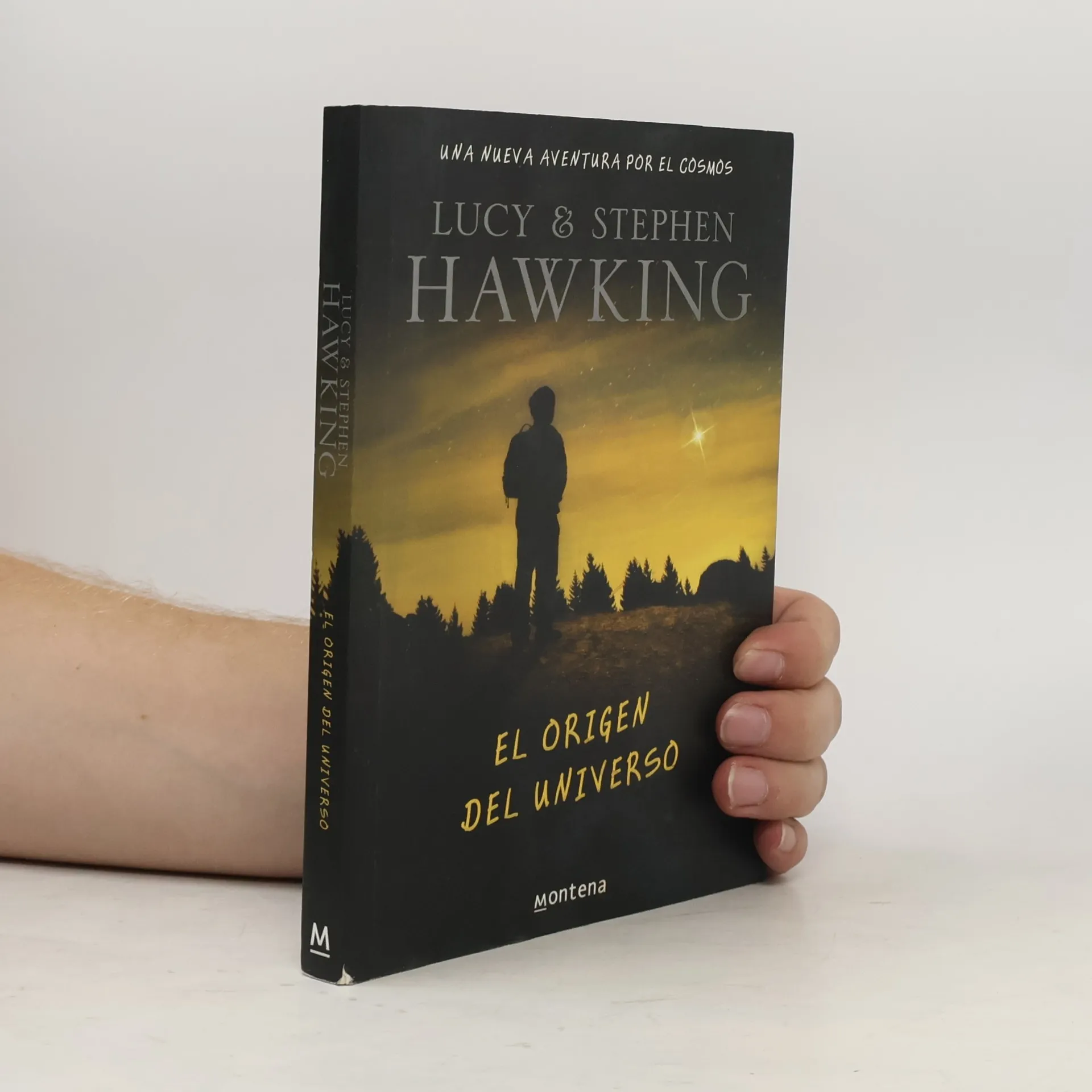
Una nueva aventura por el cosmos
EL MAYOR EXPERIMENTO CIENTÍFICO DE LA HISTORIA ESTÁ EN MARCHA... ¡Y GEORGE Y ANNIE LO VERÁN DESDE PRIMERA FILA! ACOMPAÑARÁN A ERIC, EL PADRE DE ANNIE, QUE ESTÁ TRABAJANDO EN EL CENTRO EUROPEO DE INVESTIGACIONES NUCLEARES, EN SUIZA. ALLÍ SE ENCUENTRA EL GRAN COLISIONADOR DE PARTÍCULAS, CAPAZ DE EXPLORAR LOS PRIMEROS INSTANTES DEL UNIVERSO: EL BIG BANG. CIENTÍFICOS DE TODO EL MUNDO LLEVAN AÑOS TRABAJANDO EN EL EXPERIMENTO Y NADA PUEDE SALIR MAL... IHASTA QUE GEORGE Y ANNIE DESCUBREN UN PLAN PARA SABOTEARLO! ¿LLEGARÁN A TIEMPO PARA IMPEDIRLO? CON LAS AVENTURAS DE GEORGE Y ANNIE, EL PRESTIGIOSO CIENTÍFICO STEPHEN HAWKING Y SU HIJA LUCY HAN CONSEGUIDO ACERCAR A LOS PEQUEÑOS, Y NO TAN PEQUEÑOS, LAS MARAVILLAS Y LOS SECRETOS DEL UNIVERSO, Y NOS HAN DEMOSTRADO QUE LA CIENCIA TAMBIÉN PUEDE SER DIVERTIDA Y APASIONANTE.
Wie man trotz allem nach den Sternen greift Die Autobiografie neu aufgelegt: Stephen Hawking erzählt, wie aus dem neugierigen Jungen, der Lokomotiven liebte und seine Modelle ständig auseinandernahm, einer der bedeutendsten Physiker unserer Zeit wurde. Reich illustriert mit selten gesehenen Fotos, lässt er sein privates und wissenschaftliches Leben in seinen eigenen Worten Revue passieren. Entdecken Sie den Menschen hinter dem Genie. Sein Leben lang erforschte und schrieb Stephen Hawking über die Geheimnisse unseres Universums. Weltweit begeisterte er ein Millionenpublikum, seine Person wurde sogar Teil der Popkultur. »Meine kurze Geschichte« lässt uns in seinen ganz privaten Kosmos eintauchen. Mit entwaffnendem Humor berichtet er von seiner Kindheit und Jugend in England, seinem Studium, vom Ausbruch seiner degenerativen Erkrankung ALS. Vom Leben mit der Krankheit und der ständigen Todesgefahr. Von Weltreisen, Leidenschaften und schrägen Wetten unter Kosmologen und davon, wie ihm seine Ehefrauen buchstäblich das Leben retteten. Zugleich stellt Stephen Hawking seine theoretischen Entdeckungen in ein neues Licht. Ein Zeugnis ungezügelter Neugier, ein Plädoyer für das Staunen und eine stille, kraftvolle Erinnerung daran, dass der menschliche Geist keine Grenzen kennt – auch dann nicht, wenn der Körper sie setzt.