Adam LeBor duikt in de ingewikkelde kruispunten van macht, financiën en geopolitiek en ontrafelt de verborgen mechanismen die wereldwijde gebeurtenissen vormgeven. Zijn werk belicht de impact van clandestiene transacties en financiële stromen op de wereldgeschiedenis, waarbij vaak de minder bekende waarheden achter invloedrijke spelers en hun strategieën worden onthuld. Met het scherpe oog van een correspondent en een diepgaande toewijding aan onderzoeksjournalistiek, verleent LeBor urgentie en autoriteit aan zijn analyses. Zijn schrijven biedt lezers een boeiende reis in de complexe stromingen van internationale betrekkingen, geworteld in zorgvuldig onderzoek en verslaggeving uit de eerste hand.
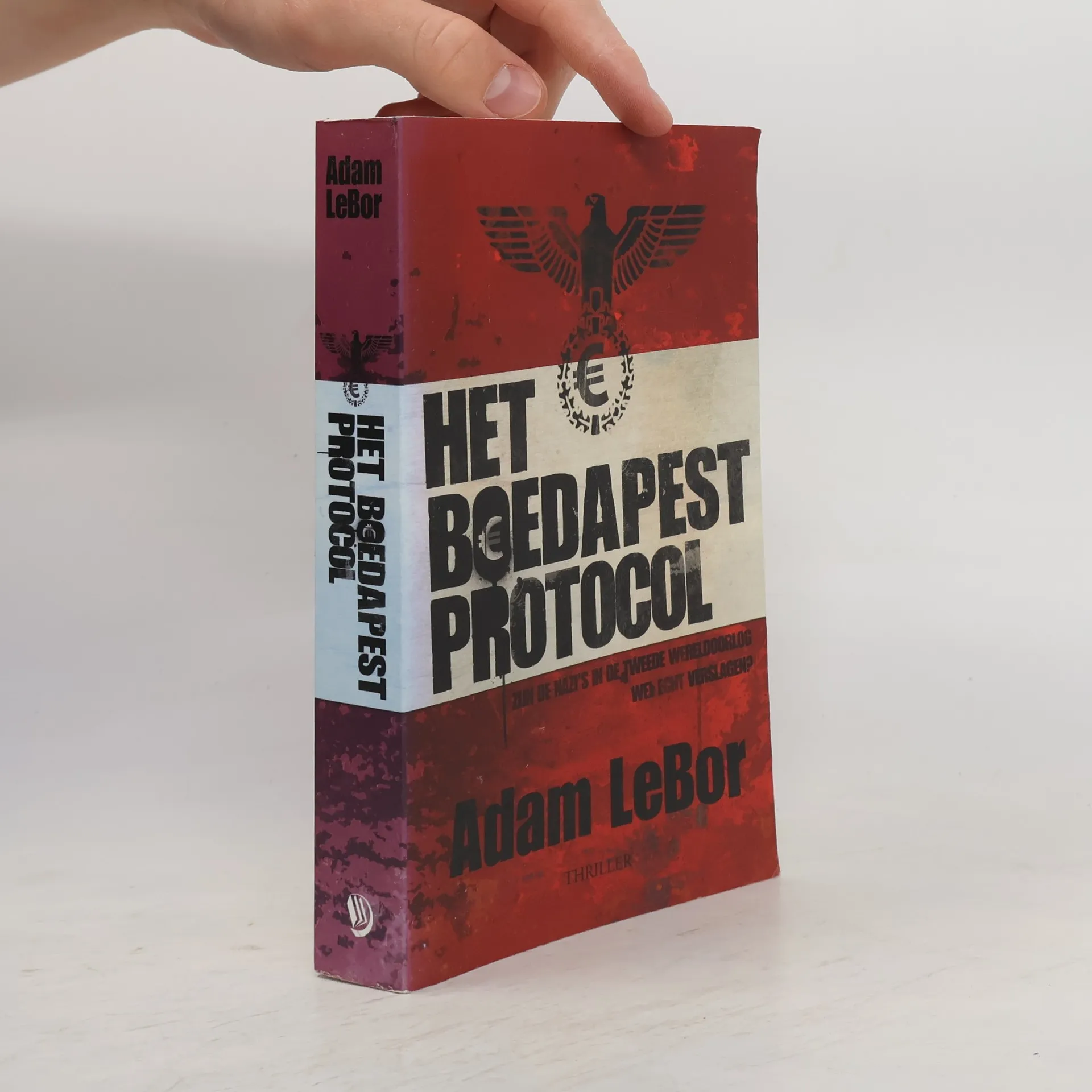
Zijn de Nazi's in de Tweede Wereldoorlog wel echt verslagen?
11bladzijden
1 uur lezen
Een Engelse journalist in Hongarije ontdekt dat een oud naziplan om na de Tweede Wereldoorlog middels industrie en grootkapitaal wederom de macht in Europa te grijpen, in gang is gezet.
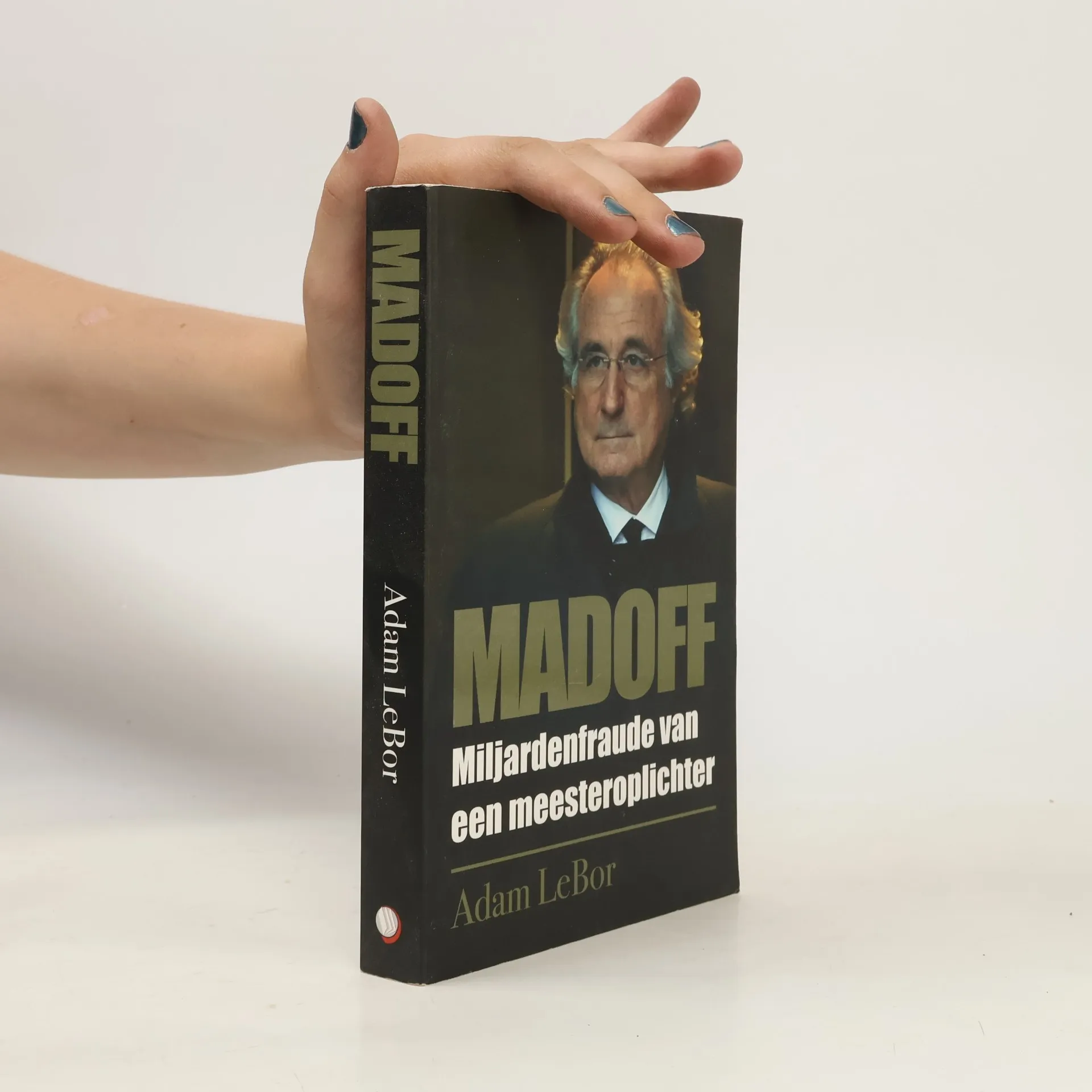
It was in luxurious Palm Beach, by the manicured lawns and Olympic-sized swimming pool, that financier Bernard Madoff ravaged the world of philanthropy and high society he strove so hard to join; vaporizing the assets of charities, foundations, and individuals that had trusted him with their funds. It seems nothing was sacrosanct to Madoff, possibly the greatest con-man in history—even Elie Wiesel's foundation lost tens of millions. How could Madoff, a pillar of the Jewish community, do this to a Nobel Laureate and Auschwitz survivor? How could some of the most sophisticated and worldly people in America fall victim to a collective delusion for years? To answer these unsettling questions, this book opens up the clubbish world where Madoff operated, tracing the links from Palm Beach and the Hamptons to the clubs of Manhattan society. It details the network of relationships across which flows hundreds of millions of dollars, and shows how despite material success and acclaim, some human impulses remain eternal. It reveals how an underlying sense of insecurity still shapes some of the richest and most successful individuals in America, making them crave ever more status and peer acclaim.
Choices, Corruption and Compromise in the Third Reich
304bladzijden
11 uur lezen
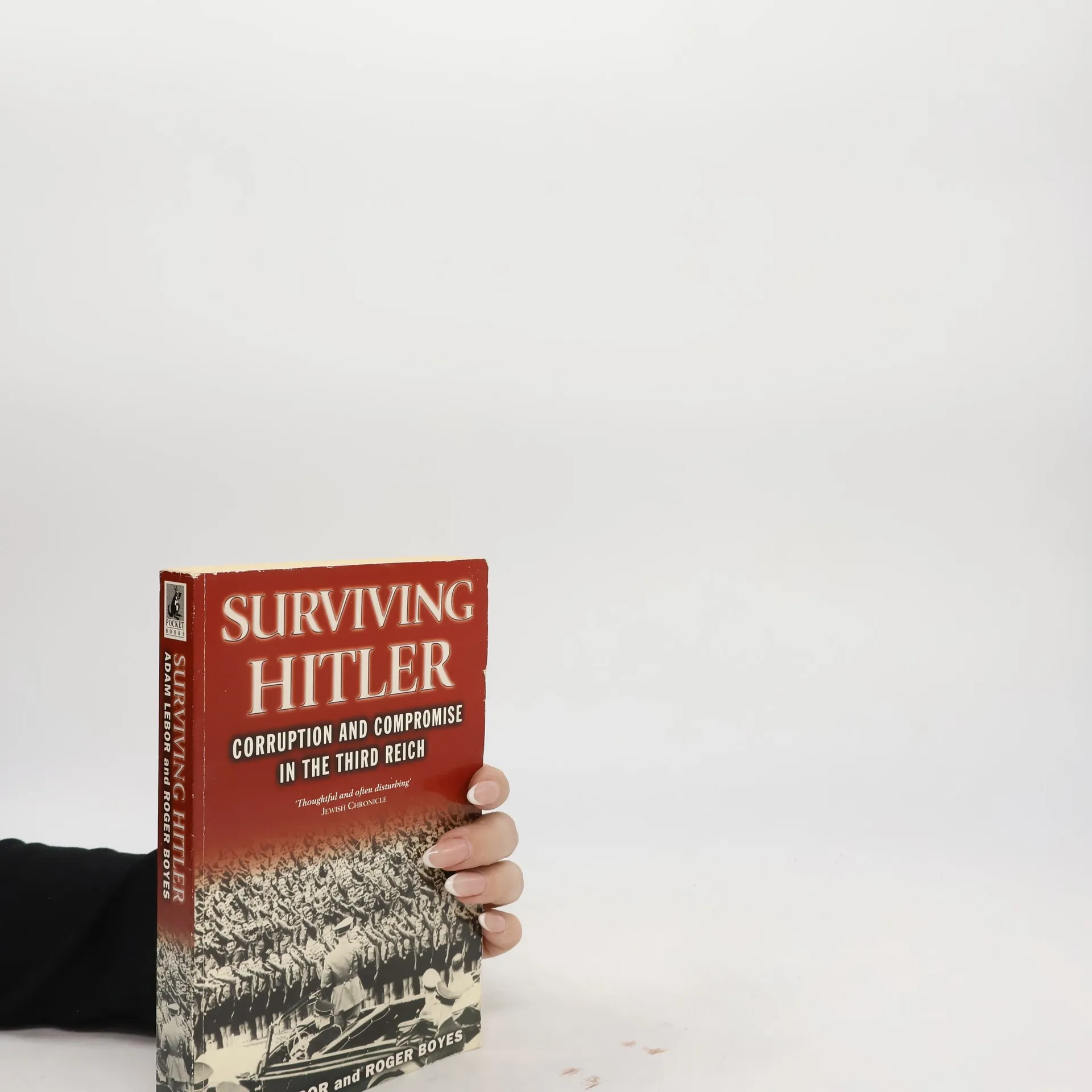
The authors here provide a radical examination of the relationship between the Nazi Party and those it sought to seduce and control. There are some historians who argue that the Gestapo regime was a reign of terror that forced German citizens and others to collaborate with the Nazi rulers. Other historians argue that the German people were programmed for genocide by centuries of anti-Semitism. The authors here believe neither view is correct. They argue that to understand how the Holocaust could have happened the reader and historian need to step back into the heart of daily life in the Third Reich. This book draws on new research and recently declassified documents to show life for the average citizen, and uncovers examples of protest as well as eager complicity. It examines how many really knew about the extermination camps and ask how ideologically driven was the Holocaust? The text illustrates life in Germany and its conquered territories under the Nazi regime, and gives an explanation of how mass murder could be accepted by a supposedly civilized nation.
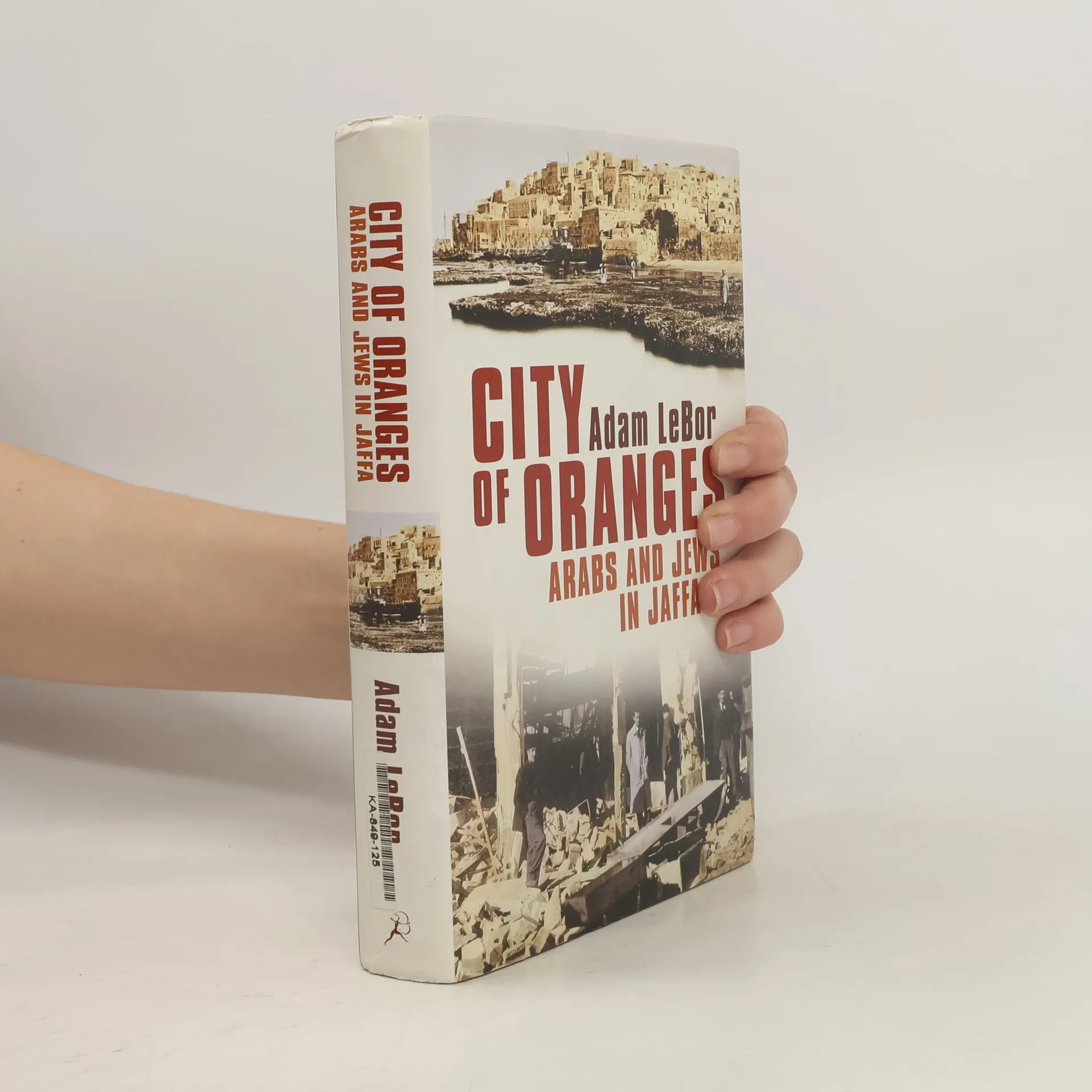
Through the eyes of these families from Jaffa, we understand how the founding of the state of Israel could be simultaneously a moment of jubilation for the Jews, and a disaster - the Naqba - for the 100,000 Arabs who fled Jaffa in 1948, most of them never to return. Jaffa was for centuries the main port of the eastern Mediterranean, home to Muslims, Christians and Jews, while the produce of its orange groves was famed throughout the world. From 1920, the British administered the city under the Mandate and it is in 1920 that Adam LeBor's ambitious and engaging new book begins to tell the history of Israel through the prism of Jaffa. Its inhabitants include the Jewish coffee and spice merchant, the Arab baker, who made bread for the whole community, the Palestinian exile who tried to bring modern business methods to the Arafat era and the Jewish schoolgirl, who befriended an Arab drug dealer.
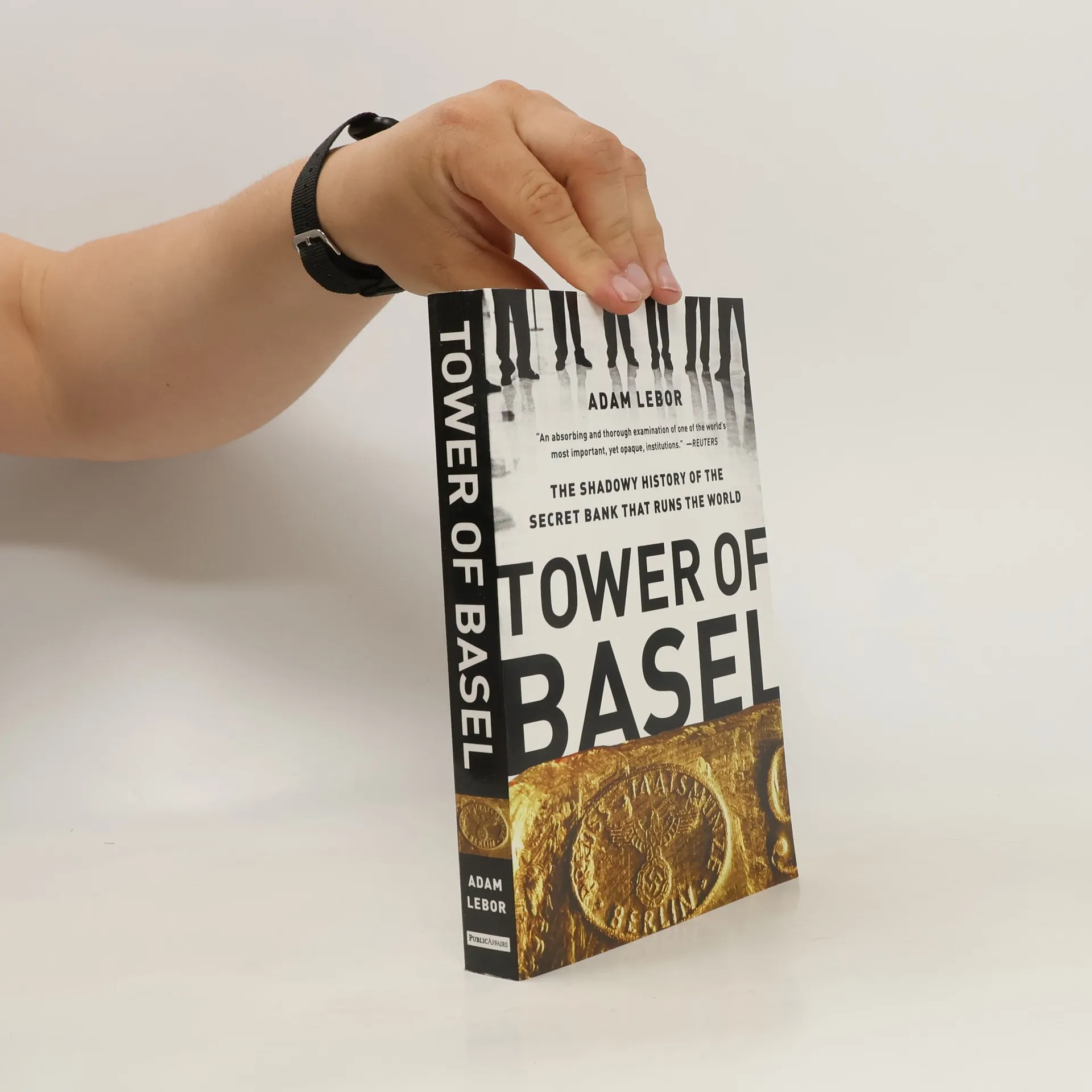
HITLER'S SECRET BANKERS reveals how the Swiss banks profited from Nazi genocide. Recent press stories showed that Swiss banks are sitting on millions deposited by Jews before the Second World War. Ever since, they have been stonewalling attempts by relatives of Holocaust victims to claim this money. But these are small amounts compared to the Nazi gold that flowed through Swiss banks - gold which was looted from occupied countries and even from the corpses of dead Jews. The Swiss banks played a vital role in financing the Nazi war machine. And while the Swiss were profiting from the results of Nazi genocide, the government was also refusing entry to Jewish refugees, effectively condemning them to death. With the recent declassification of US intelligence documents the whole shameful history of Swiss/Nazi collaboration has been uncovered, striking at the very heart of the Swiss ideal of neutrality.
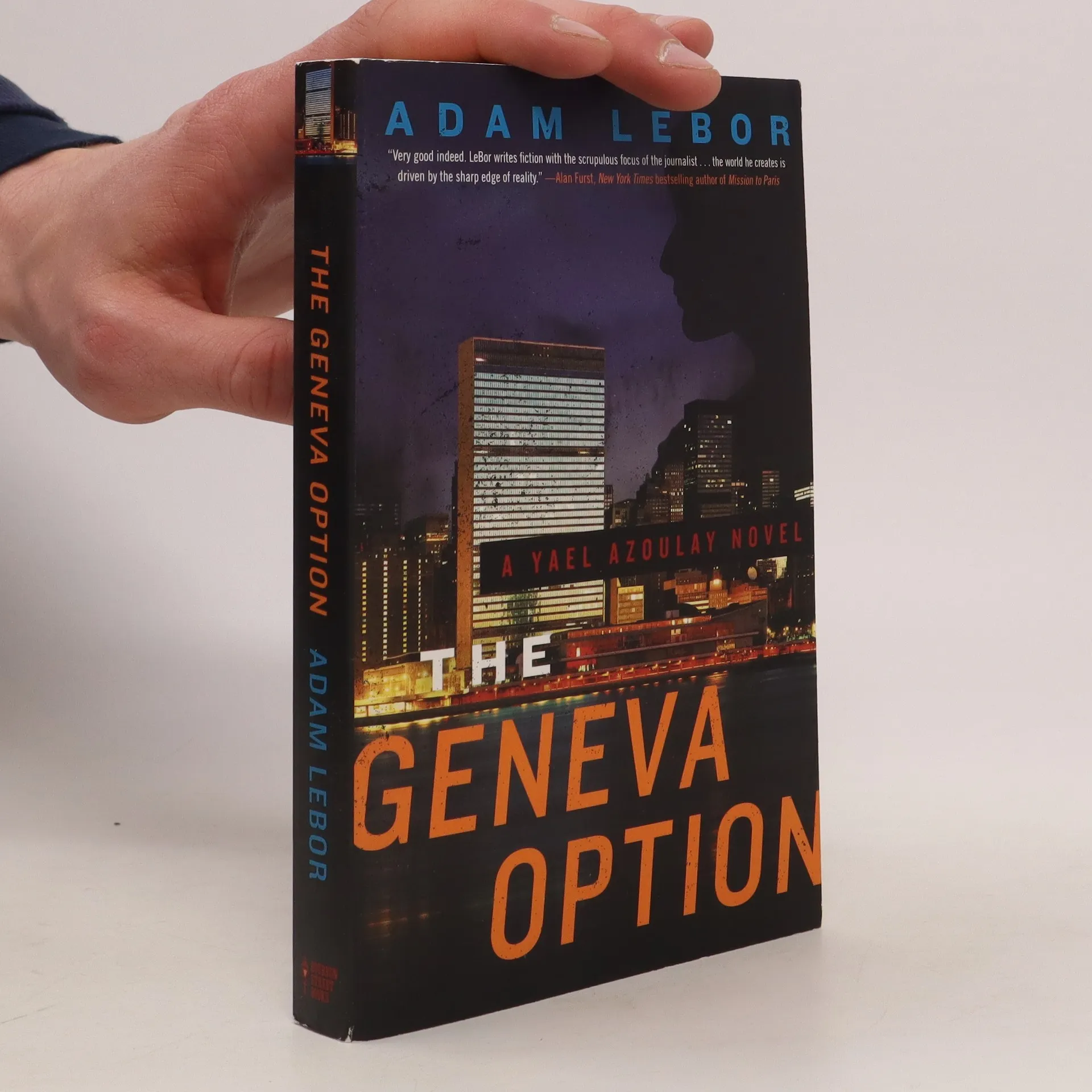
Yael Azoulay does the United Nations' dirty work by cutting deals that most of us never hear about. Equally at home in the caves of Afghanistan, the slums of Gaza, or corporate boardrooms all across the world, Yael believes the ends justify the means...until she's pushed way beyond her breaking point. When Yael is assigned to eastern Congo to negotiate with Jean-Pierre Hakizimani, a Hutu warlord wanted for genocide, she offers him a generous plea bargain. Thanks to Congo's abundance of a valuable mineral used in computer and cell phone production, her number one priority is maintaining regional stability. But when she discovers that Hakizimani is linked to the death of the person she loved the most—and that the UN is prepared to sanction mass murder—Yael soon realizes that salvation means not just saving others' lives but confronting her own inner demons. Spanning New York City, Africa, and Switzerland, The Geneva Option is the first in a series of gripping conspiracy thrillers, a tour de force of international espionage and intrigue.
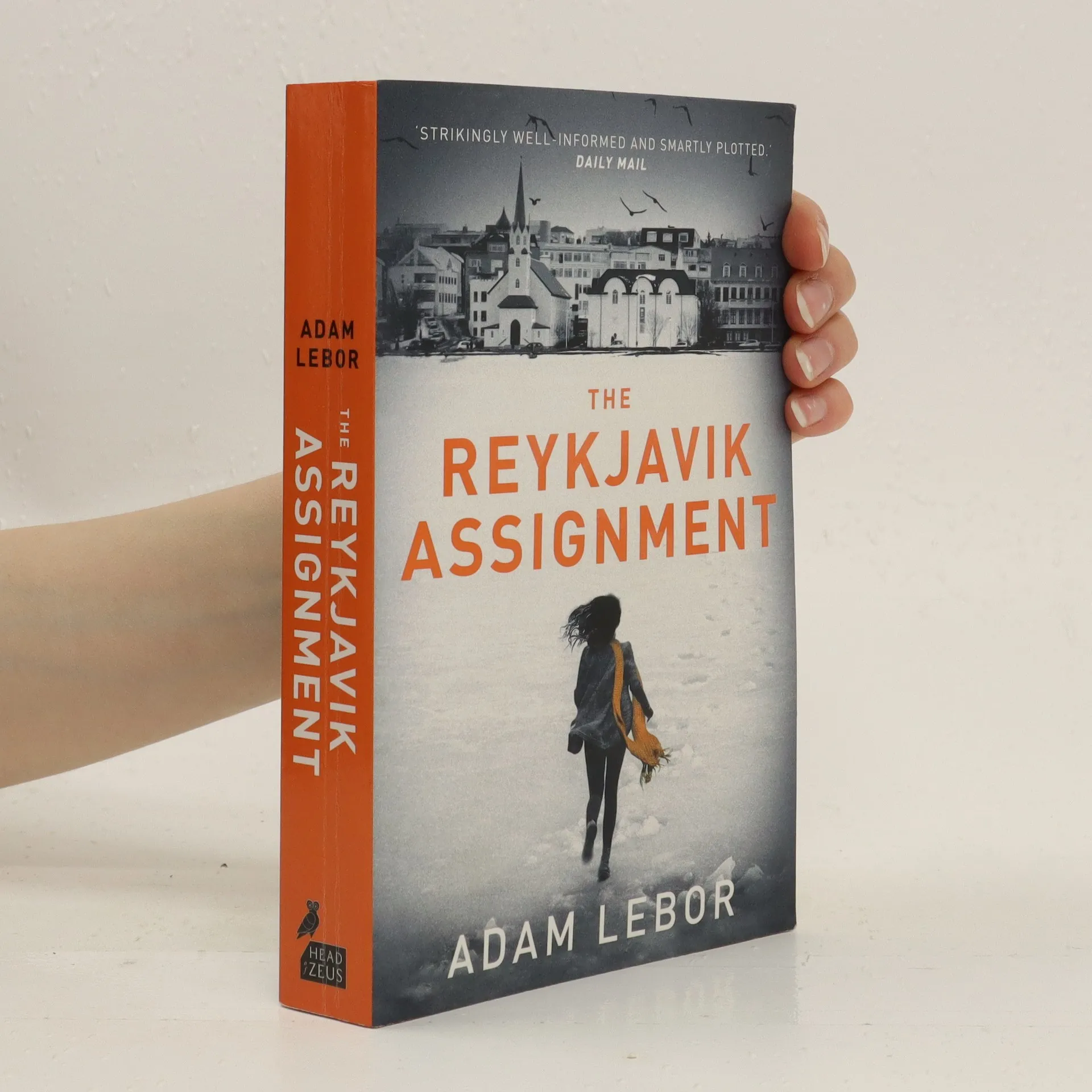
UN covert negotiator, Yael Azoulay, has been sent to Reykjavik to broker a secret meeting between the US President and her Iranian counterpart. Both parties want to reach agreement, but Yael soon realises that powerful enemies are preparing to sabotage the talks. Enemies for whom peace means an end to their lucrative profit streams. In this gripping, intelligent thriller, Adam LeBor draws on twenty-five years of frontline reporting to show us who calls the shots in the corridors of power.
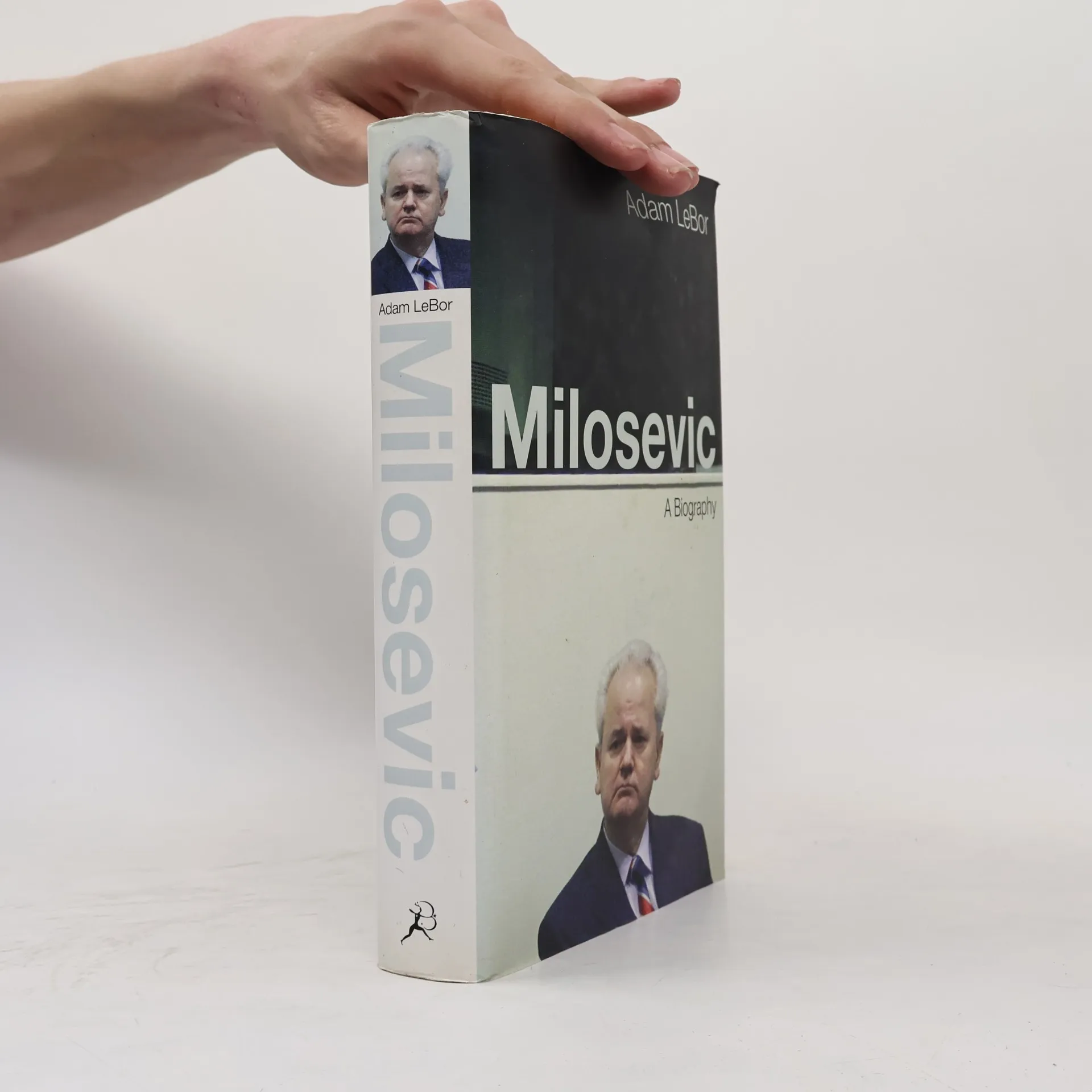
Documents the life of a man whose policies instigated four wars, who skilfully exploited the most modern techniques of media management to whip up a nationalist frenzy, and under whose rule bloody campaigns of ethnic cleansing systematically destroyed a once sophisticated multi-ethnic country. This is the biography of Slobodan Milosevic.
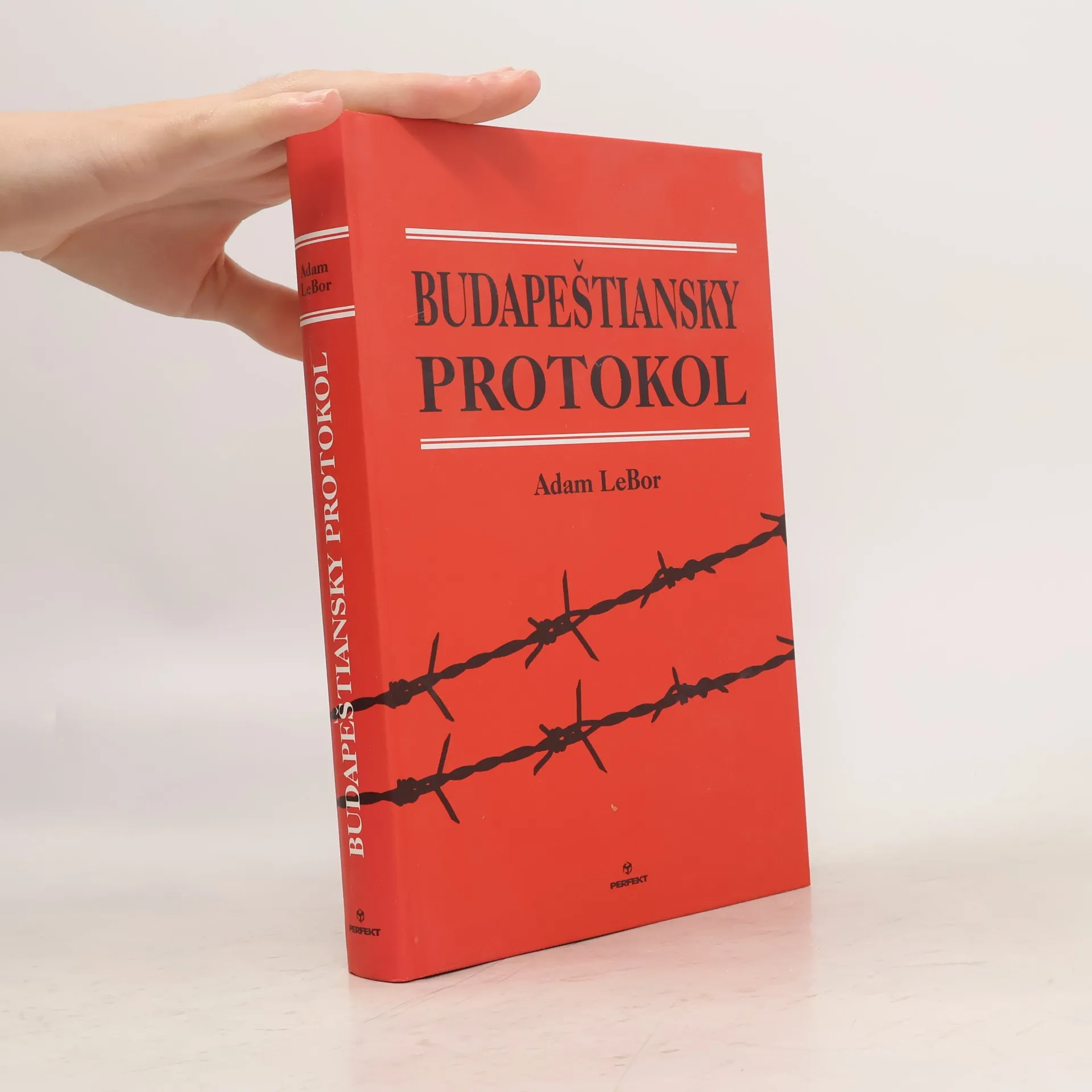
V čase, keď Európska únia spúšťa volebnú kampaň na prvého prezidenta Európy, v Budapešti brutálne zavraždia Miklósa Farkasa. Jeho vnuk Alex, ktorý je novinár, sa rozhodne záhadné úmrtie objasniť. Odhalí chladnokrvné nemecké sprisahanie naplánované ešte počas posledných dní druhej svetovej vojny, ktorého cieľom je vybudovať v Európe štvrtú ríšu, založenú na ekonomickej nadvláde prostredníctvom myšlienky európskej jednoty a spoločnej meny. A navyše – spustiť nový rómsky holokaust.
Budapeštiansky protokol je fascinujúci a provokačný eurotriler novinára Adama LeBora, momentálne žijúceho v Budapešti, ktorý píše pre také uznávané svetové denníky, ako je Times, Sunday Times, Economist či New York Times. Vo svojom konšpiračnom románe sa opiera o údajne reálne existujúci dokument jednej spravodajskej služby Spojených štátov amerických, pochádzajúci z obdobia krátko po druhej svetovej vojne, známy ako Správa z Červeného domu.
Prvé vydanie
ZWISCHEN DEN KORRIDOREN ist der zweite Teil der Danube-Reihe um den Roma-Kommissar Baltazár Kovács und setzt wenige Tage nach der Handlung von „District VIII“ ein. Am frühen Donnerstagmorgen wird Baltazár zu einem Bordell gerufen, das seinem Bruder gehört, wo es einen Zwischenfall im VIP-Raum gegeben hat. Dort erwartet ihn die Leiche eines katarischen Finanziers. Womöglich ein Herzinfarkt. Die Indizien hingegen scheinen manipuliert zu sein. Die Videoaufzeich- nungen des Bordells aus der Nacht wurden aus der Ferne gelöscht, und jemand überwacht Baltazár und das Etablissement mit Drohnen. Es stellt sich heraus, dass der Katarer zu einem Frühstückstreffen mit dem neuen Premierminister verabredet war, um eine Investition zu besprechen, die zur Umgestaltung Ungarns beitragen könnte. Unterdessen steht Baltazárs neue Geliebte, die berühmteste Journalistin des Landes, unter Druck. Ihre Enthüllungen haben den ehemaligen Premierminister Pal zu Fall gebracht, und der sinnt auf Rache. Auf den Korridoren der politischen Macht begegnen wir dem organisierten Verbrechen.