Charles GlassVolgorde van de boeken (chronologisch)
Charles Glass is een auteur, journalist en omroeper wiens werk zich richt op het Midden-Oosten. Hij duikt in de complexe politieke en sociale dynamiek van de regio en biedt diepgaand onderzochte en inzichtelijke perspectieven. Glass staat bekend om zijn vermogen om verborgen geschiedenissen te belichten en ingewikkelde geopolitieke netwerken te ontrafelen, waardoor lezers een genuanceerd begrip van de huidige gebeurtenissen krijgen. Zijn kenmerkende aanpak combineert nauwgezet verslag met meeslepende verhalen, waardoor zijn verkenningen van conflicten en culturen zowel informatief als boeiend zijn.
A Story of Brotherhood, Poetry, and Mental Illness During the First World War
352bladzijden
13 uur lezen
The narrative explores the profound friendship between war poets Siegfried Sassoon and Wilfred Owen, set against the backdrop of World War I's brutal realities. Both men, grappling with their roles as soldiers and their experiences of trauma, find solace and inspiration at Craiglockhart War Hospital. Their bond fosters artistic expression while illuminating the psychological toll of modern warfare, particularly the emergence of PTSD. Through their journeys and the era's literary response, the book reveals how creativity serves as a means to process and understand the horrors of conflict.
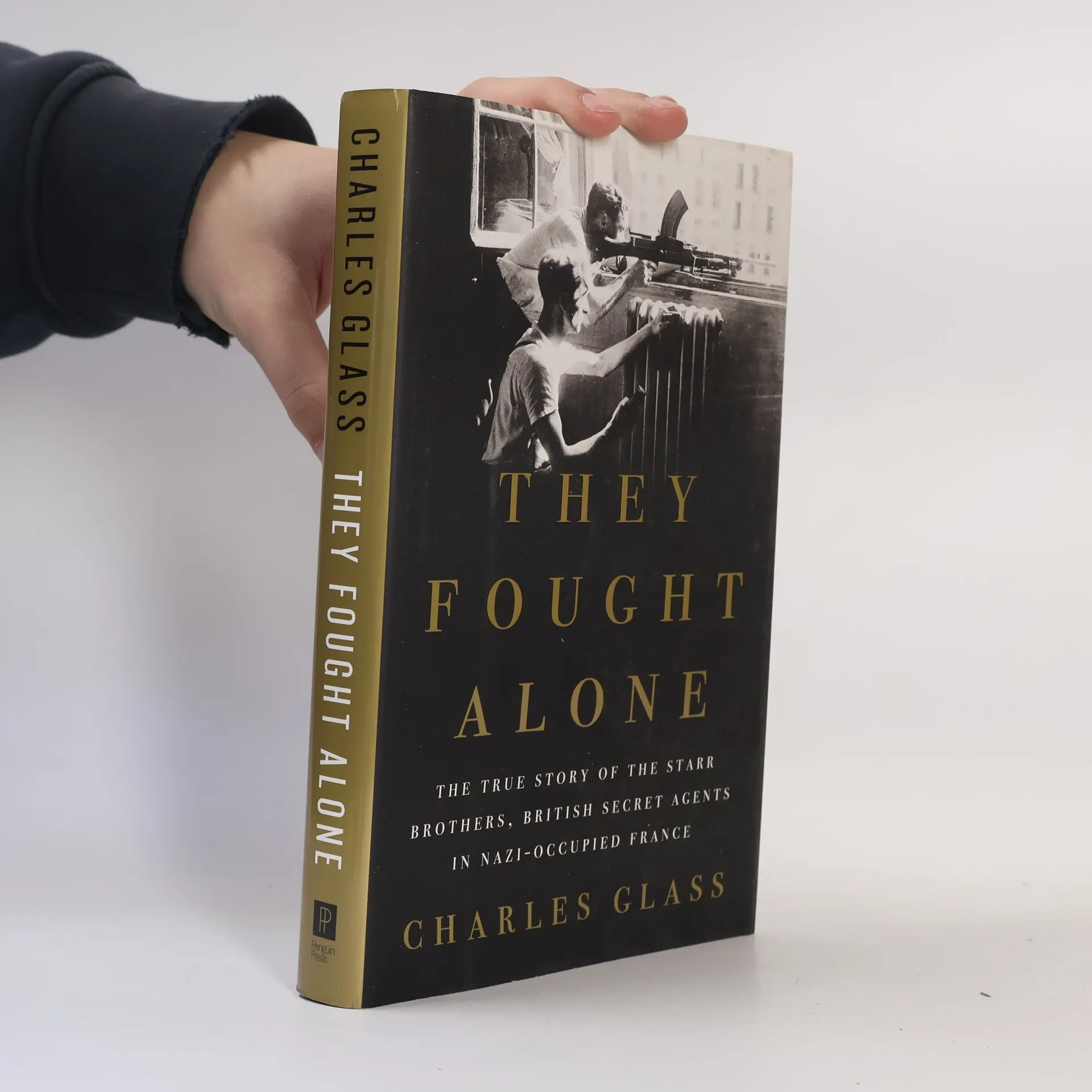
The True Story of the Starr Brothers, British Secret Agents in Nazi-Occupied France
322bladzijden
12 uur lezen
"After the defeat of the French Army and Britain's retreat from the Continent in June 1940, Prime Minister Winston Churchill created the [Special Operations Executive (SOE)] to 'set Europe ablaze.' The agents infiltrated Nazi-occupied territory, parachuting behind enemy lines and hiding in plain sight, quietly but forcefully recruiting, training, and arming local French résistants to attack the German war machine. SOE would not only change the course of the war, but the nature of combat itself. Of the many brave men and women conscripted, two Anglo-American recruits, the Starr brothers, stood out to become legendary figures to the guerillas, assassins, and saboteurs they led"--Publisher marketing.
What are the origins of the Syrian crisis, and why did no one do anything to stop it? Since the upsurge of the Arab Spring in 2011, the Syrian civil war has claimed in excess of 200,000 lives, with an estimated 8 million Syrians, more than a third of the country’s population, forced to flee their homes. Militant Sunni groups, such as ISIS, have taken control of large swathes of the nation. The impact of this catastrophe is now being felt on the streets of Europe and the United States. Veteran Middle East expert Charles Glass combines reportage, analysis, and history to provide an accessible overview of the origins and permutations defining the conflict. He also gives a powerful argument for why the West has failed to get to grips with the consequences of the crisis.
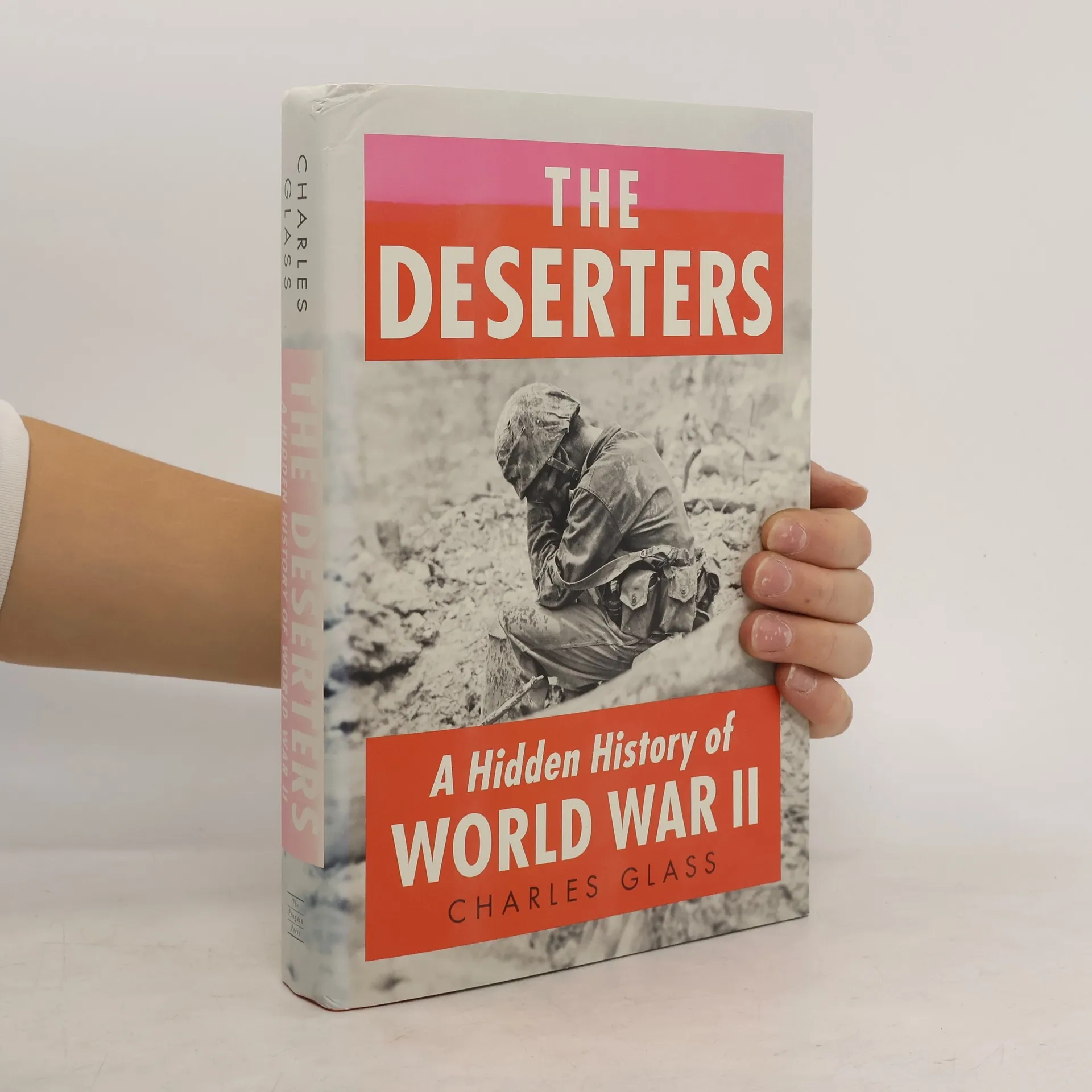
A fast-paced narrative history of World War II centered on the often-overlooked subject of deserters, this work redefines the ordinary soldier's experience. It reveals that many soldiers viewed “desertion” as a natural response to the chaos of conflict, as unpredictable as acts of bravery. Men who had once fought valiantly in Italy were reduced to fearful shells in France, while those who fled from tanks in the desert showed remarkable courage during D-Day. Front-line soldiers often saw no shame in these contradictions, finding ways to support their comrades.
With the narrative flow of a novel, this account transcends simplistic notions of courage and cowardice, illuminating the true experiences of Allied soldiers. It tells the stories of individuals like Private Alfred Whitehead, a Tennessee farm boy who earned military honors but later turned to crime in post-liberation Paris, and Private John Bain, who deserted multiple times yet fought bravely until he was severely injured. At its core is Private Stephen Weiss, a young idealist from Brooklyn who, through his experiences in combat and the French Resistance, came to terms with the harsh realities of war and the complexities of military life. Meticulously researched and deeply insightful, this work stands as an unforgettable war story about ordinary men grappling with immense and contradictory expectations.
Charles Glass resigned his position as Chief Middle East Correspondent of ABC News in February of 1987 to begin work on a book chronicling the land, people, and culture of the Levant. On June 18, 1987, he was kidnapped by pro-Iranian terrorists in a Shiite Moslem suburb of Beirut and held for 62 days. His daring escape on August 18, 1987, made headlines worldwide.