

A new book that explores the science of productivity, and why, in today’s world, managing how you think—rather than what you think—can transform your life.
Charles Duhigg Boeken
1 januari 1974


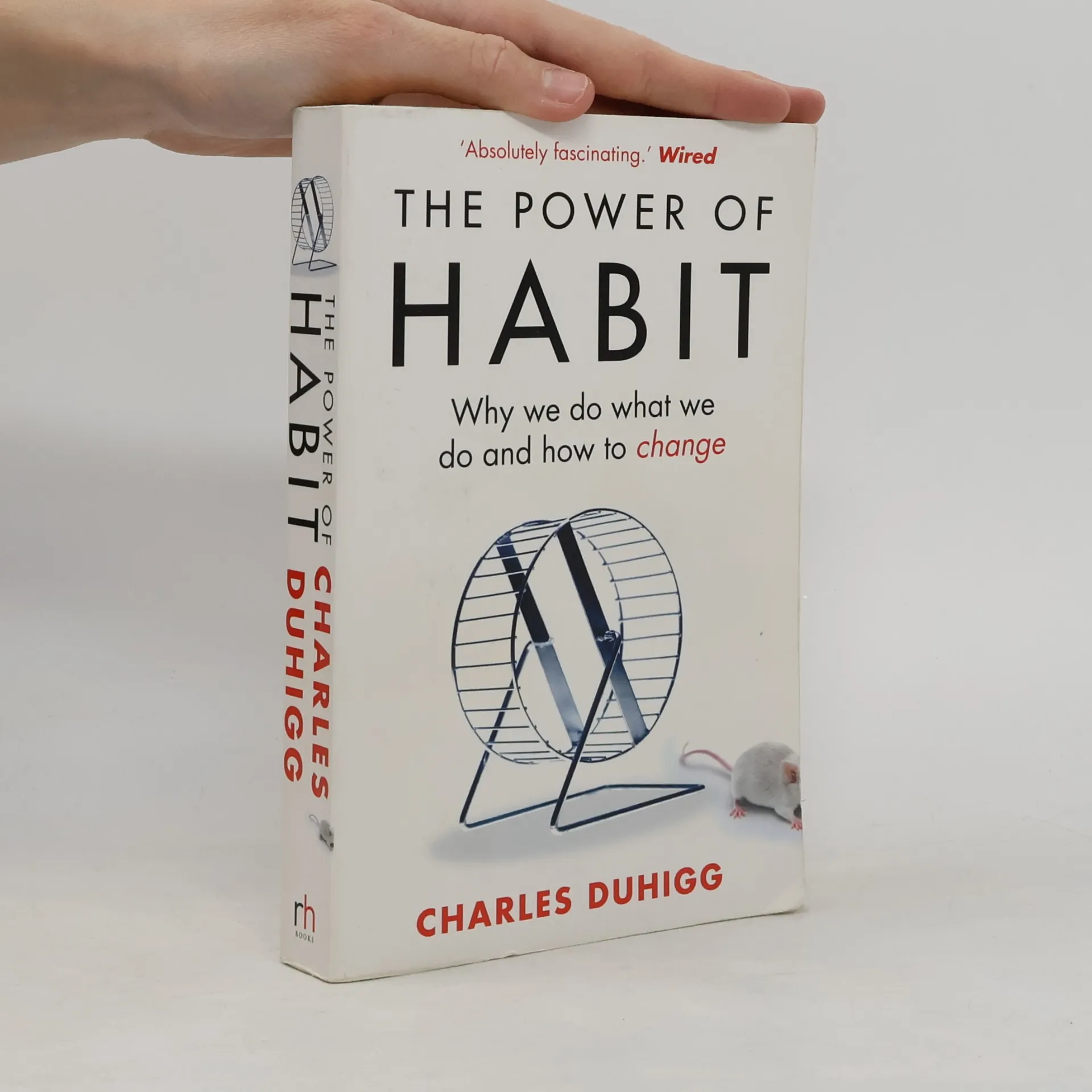

The Power of Habit. Why We Do What We Do and How to Change
- 400bladzijden
- 14 uur lezen
Takes you to the edge of scientific discoveries that explain why habits exist and how they can be changed. This book brings to life a whole new understanding of human nature and its potential for transformation. It shows, by harnessing this science, we can transform our businesses, our communities, and our lives.
Who and what are supercommunicators? They're the people who can steer a conversation to a successful conclusion. They are able to talk about difficult topics without giving offence. They know how to make others feel at ease and share what they think. They're brilliant faciliators and decision-guiders. How do they do it? In this groundbreaking new book, Charles Duhigg unravels the secrets of the supercommunicators to reveal the art – and the science – of successful communication. He unpicks the different types of everyday conversation and pinpoints why some go smoothly while others swiftly fall apart. He reveals the conversational questions and gambits that bring people together. And he shows how even the most tricky of encounters can be turned around. In the process, he shows why a CIA operative was able to win over a reluctant spy, how a member of a jury got his fellow jurors to view an open- and-shut case differently, and what a doctor found they needed to do to engage with a vaccine sceptic. Above all, he reveals the techniques we can all master to successfully connect with others, however tricky the circumstances. Packed with fascinating case studies and drawing on cutting-edge research, this book will change the way you think about what you say, and how you say it.
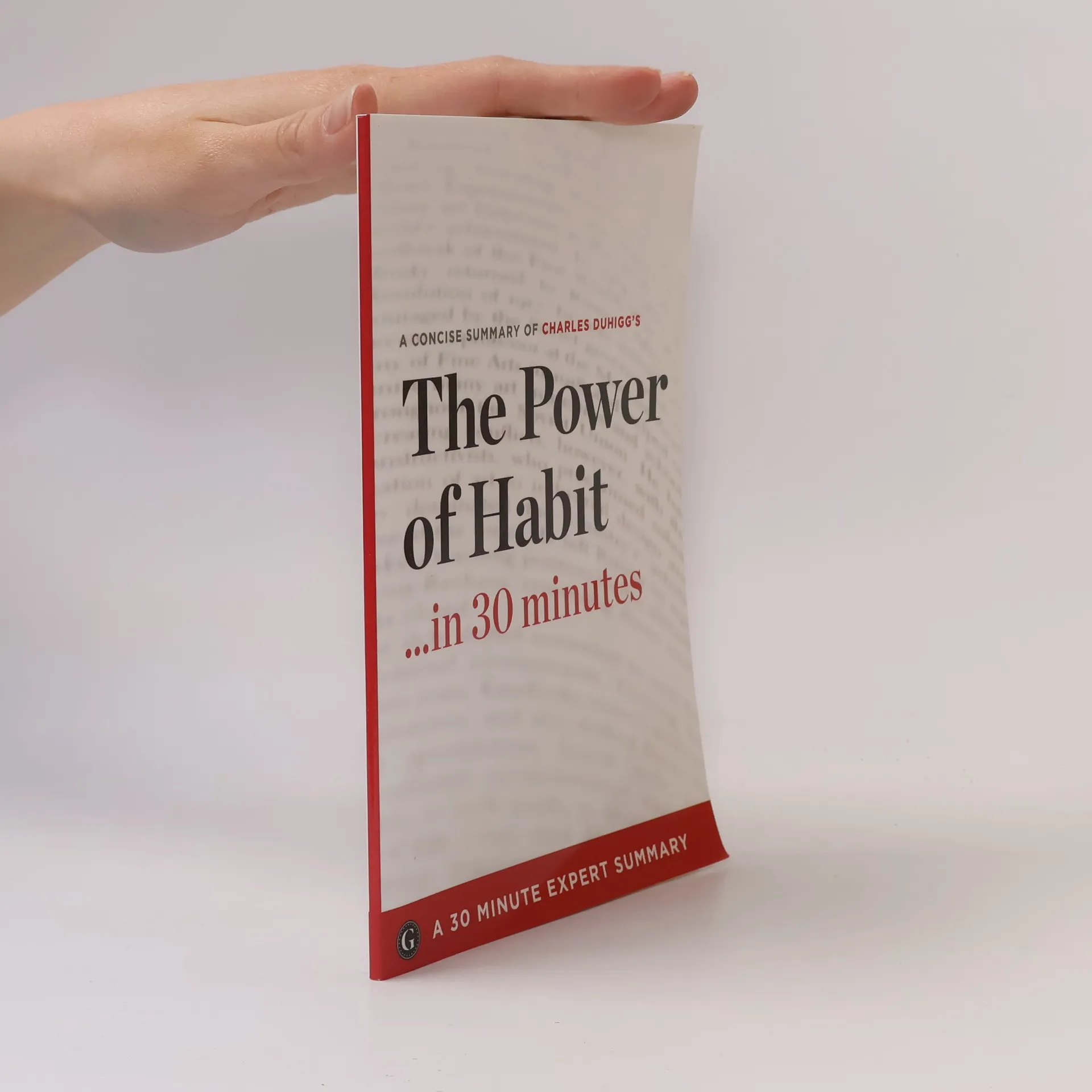
The Power of Habit ... in 30 Minutes
- 52bladzijden
- 2 uur lezen
Why does a company's shift in advertising transform a potential flop into a billion dollar industry? How does a CEO's decision to attack a single pattern among his employees turn one of the largest companies in America into a top performer in the Dow Jones? What was the path that led a small group of people to form the Civil Rights Movement? In his bestselling book The Power of Habit, Charles Duhigg, a business reporter for the New York Times, conveys his research in the fields of psychology and neuroscience to provide a scientific approach to understanding habits. The Power of Habit in 30 Minutes is the essential guide to creating change, breaking habits, understanding willpower, and comprehending the main ideas behind Charles Duhigg's bestseller. Drawing on illustrative case studies, the summary explains Duhigg's premise on how modification of the habit loop-a three-stage process of habit cues, routines, and rewards-can be a powerful force in effecting personal, organizational, and social change. Offering an overview of Duhigg's scientific investigations on the formation of habits, this concise executive summary highlights the essential points to breaking habits, and gives the reader the necessary tools for implementing successful change at both an individual and institutional level.