Bookbot

Mick O. Hare

    The Last Word
    Know it all. 132 Head-Scratching Questions About the Science All Around Us
    The Last Word 2
    Farts Aren't Invisible
    Will We Ever Speak Dolphin?
    Is er een beest dat wespen eet? 101 vragen over van alles en nog wat
    • Yawns Freeze Your Brain

      More Mind-Blowing Facts From Science, History, Life and The Universe

      • 256bladzijden
      • 9 uur lezen

      Exploring intriguing questions about life and the universe, this book delves into topics like yawning, the behavior of the sun, and the science behind everyday phenomena. It offers insightful answers to quirky queries such as the reason for cheese's odor and the seasonal height change of the Eiffel Tower. With a mix of humor and knowledge, readers can enhance their IQ and impress friends at trivia nights. This enlightening read is a delightful gift for curious minds eager to uncover the mysteries of existence.

      Yawns Freeze Your Brain2024
    • Farts Aren't Invisible

      • 224bladzijden
      • 8 uur lezen

      Want to challenge your brain, tickle your sides and turn your world upside down all at once? Then this is the book for you!

      Farts Aren't Invisible2023
      3,0
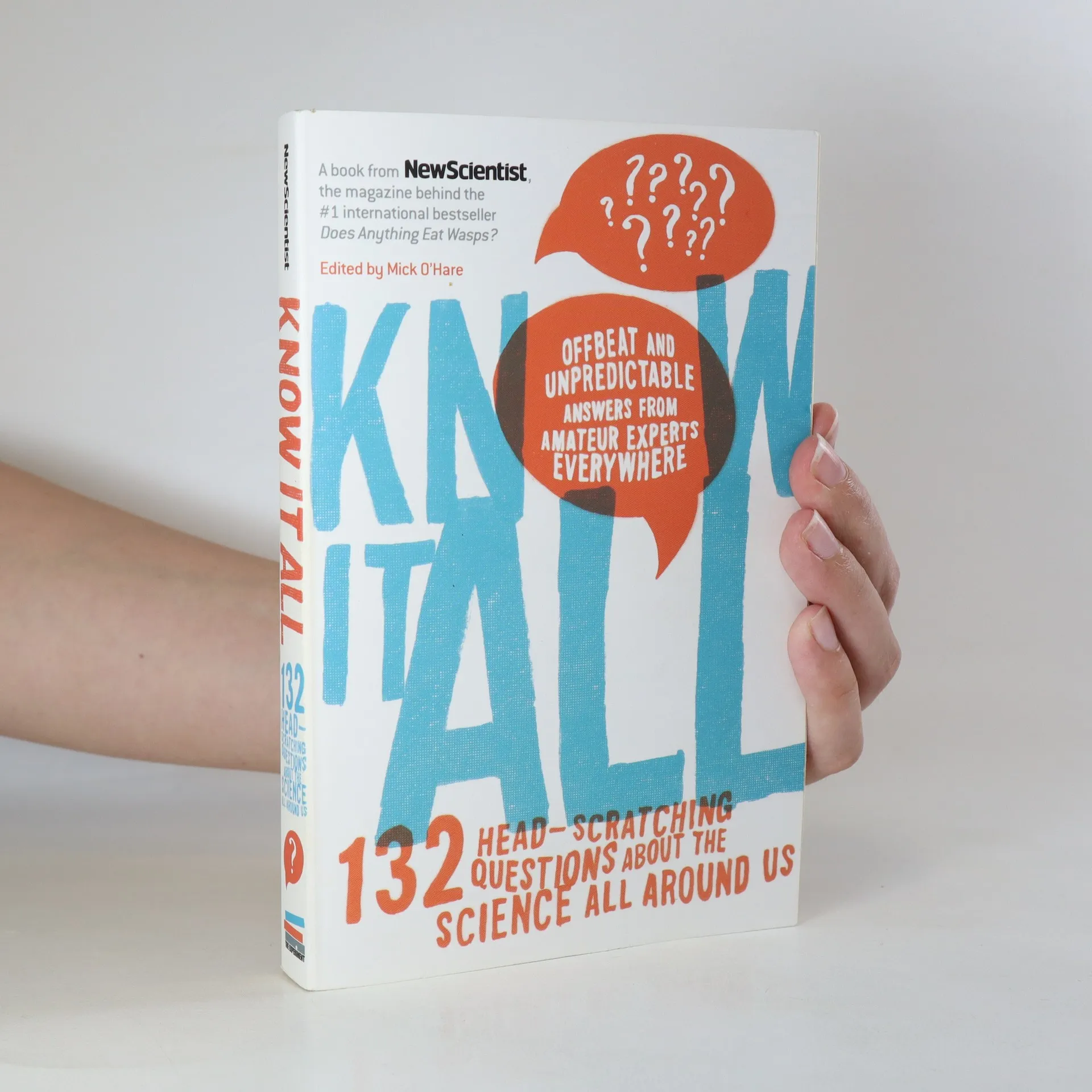
    • A joy for science lovers, Know It All is your ticket to a grand meeting of curious minds! New Scientist magazine’s beloved “Last Word” column is a rare forum for “un-Google-able” queries: Readers write in, and readers respond! Know It All collects 132 of the column’s very best Q&As. The often-wacky questions cover physics, chemistry, zoology and beyond: When will Mount Everest cease to be the tallest mountain on the planet?If a thermometer was in space, what would it read?Why do some oranges have seeds, and some not?Many people suffer some kind of back pain. Is it because humans haven’t yet perfected the art of walking upright? And the unpredictable answers showcase the brainpower of New Scientist’s readers, like the anatomist who chimes in about back pain (“Evolution is not in the business of perfecting anything.”) and the vet who responds, “Quadrupeds can get backache too!”
      Know it all. 132 Head-Scratching Questions About the Science All Around Us2015
      3,6
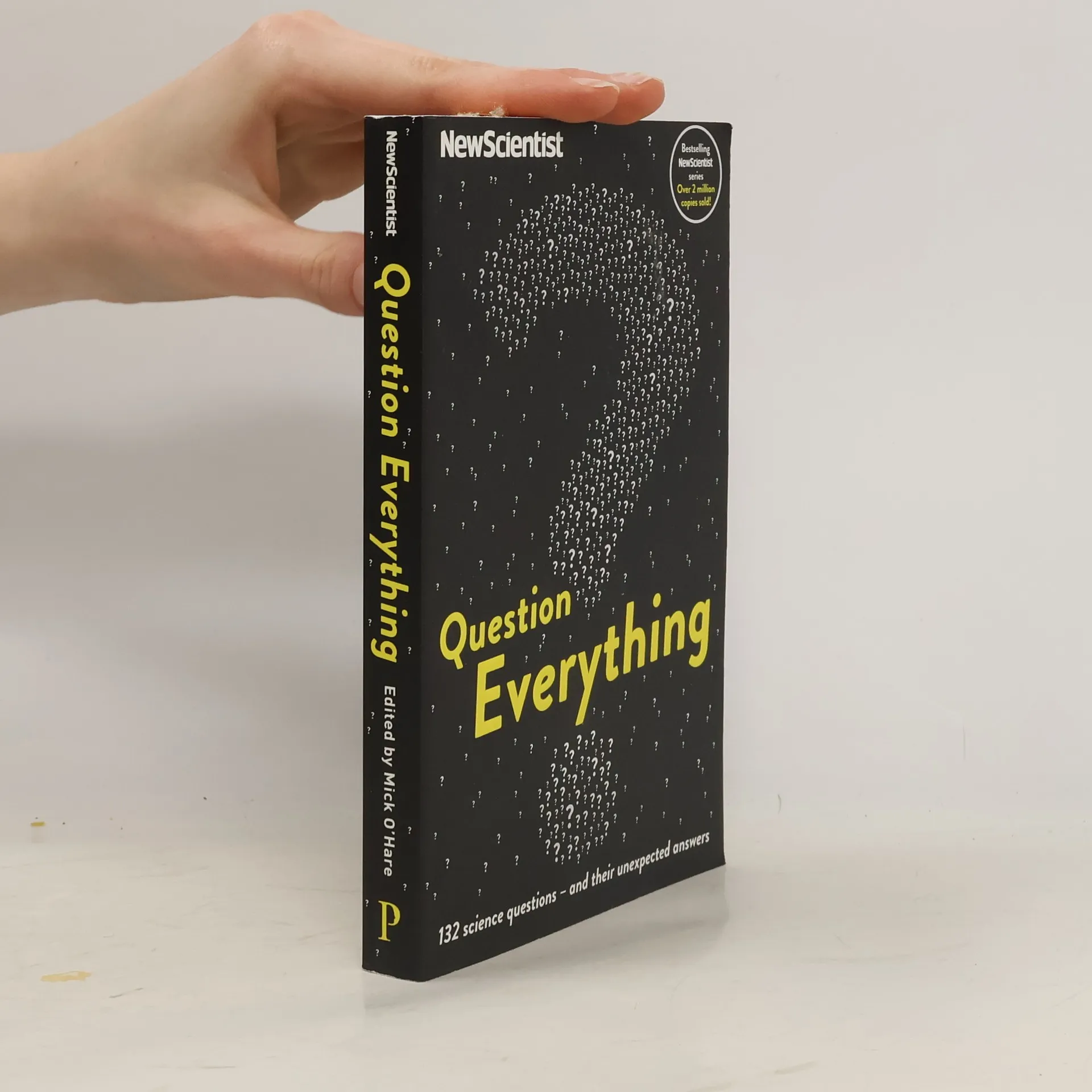
    • New Scientist: Question Everything

      • 256bladzijden
      • 9 uur lezen

      The latest in the bestselling New Scientist Last Word seriesAll science begins with questions...- Why is the night sky black, even though it's full of stars? - How do pebbles skim on water? - Why doesn't your own snoring wake you up? - And why is the Large Hadron Collider so ... er ... large? And as these intriguing, imaginative and occasionally bonkers questions and answers drawn from New Scientist magazine's archives show: question everything and you might find your way to amazing, unexpected insights into our minds, bodies and the universe, and the science behind the scenes that keeps them ticking. As you would expect from New Scientist, this is top-flight science at its most accessible, unpredictable and entertaining. This latest mind-bending addition to the No. 1 bestselling series will fascinate 'Last Word' fans and new readers alike.The New Scientist books from Profile have become sure-fire Christmas bestsellers, now selling over two million copies through bookshops. Last year's Nothing was in the bestseller lists for six weeks. This new book is sure to be at least as successful.

      New Scientist: Question Everything2014
      3,4
    • Will We Ever Speak Dolphin?

      And 130 More Science Questions Answers: More Questions and Answers from the Popular 'Last Word' Column

      • 225bladzijden
      • 8 uur lezen

      The latest title in the bestselling 'Last Word' series from New Scientist magazine.

      Will We Ever Speak Dolphin?2012
      3,0
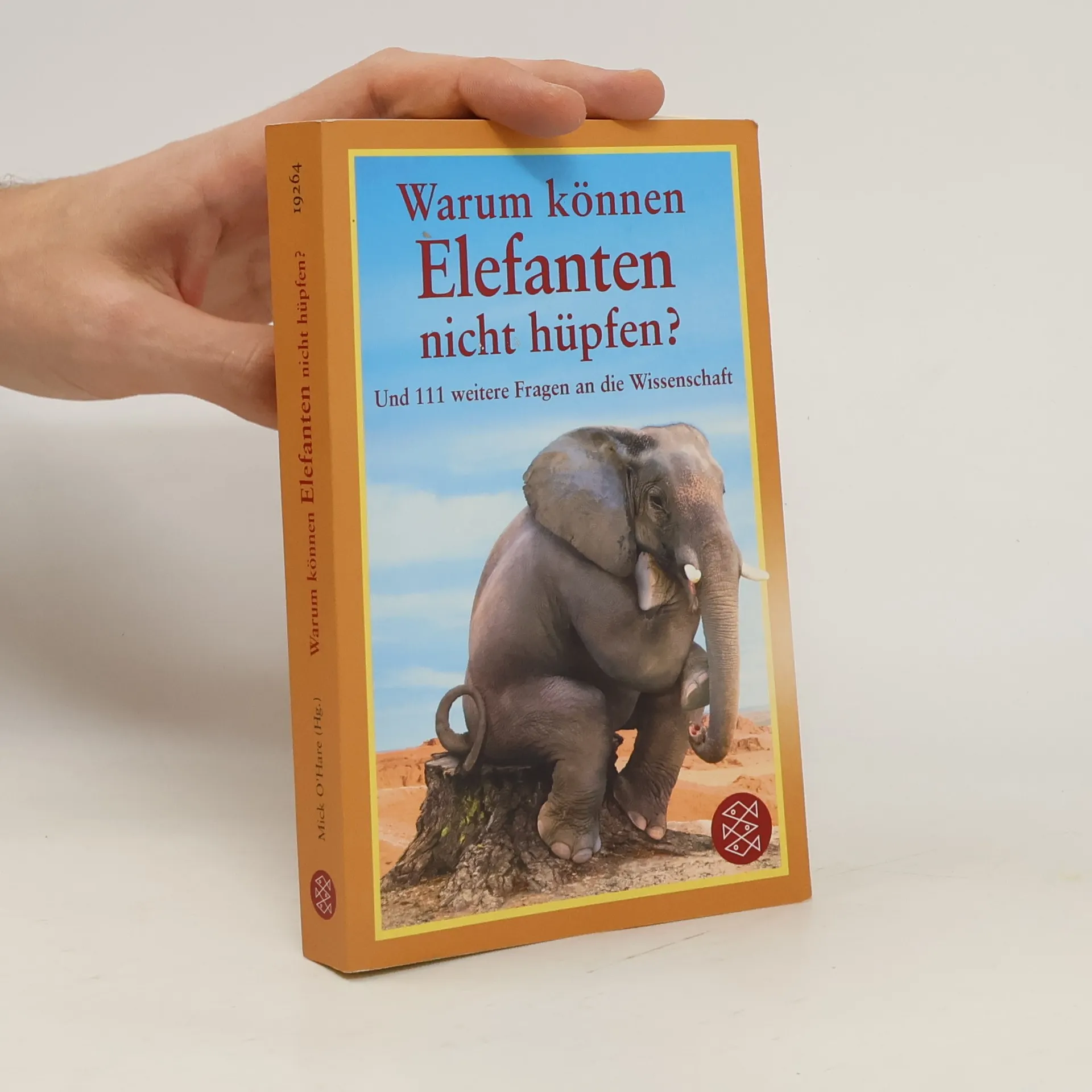
    • Warum können Elephanten nicht hüpfen? Weil sie zu groß und zu schwer sind? Oder liegt der Grund in der anatomischen Beschaffenheit ihrer Kniee? Oder warten sie mit ihrer Hüpferei immer nur solange bis keiner mehr guckt? Lesen Sie diese brillante neue Zusammenstellung ebenso faszinierender wie amüsanter Populärwissenschaft und finden Sie es selbst heraus!

      Warum können Elefanten nicht hüpfen? und 111 weitere Fragen an die Wissenschaft2012
      2,0
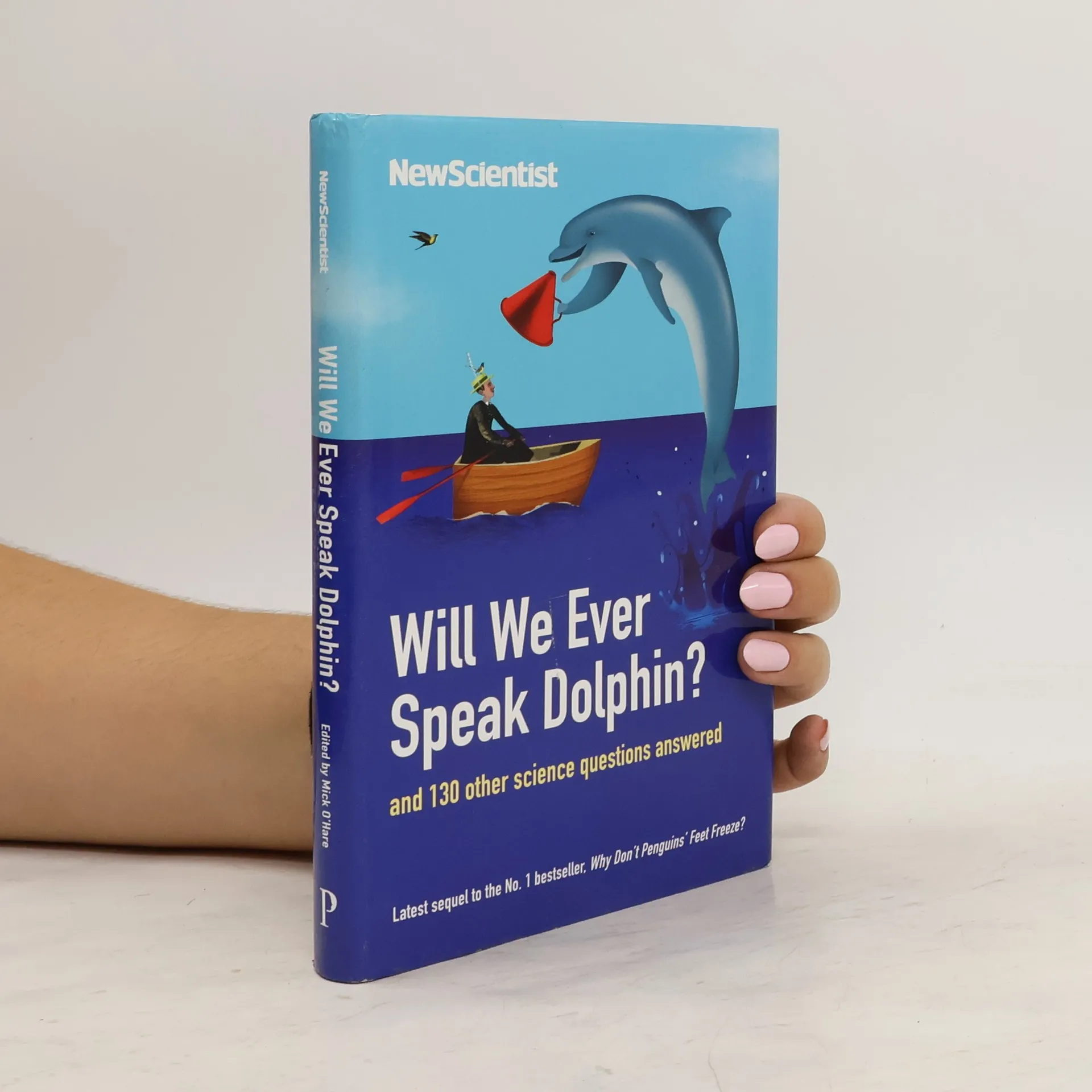
    • Why do birds sing at dawn? What's the slowest a plane can fly without stalling and falling out of the sky? And how long can you keep a tiger cub as a pet? Will We Ever Speak Dolphin?, the eagerly-awaited new 'Last Word' collection, has the answers to these questions and many more. Seven years on from Does Anything Eat Wasps?, the New Scientist series still rides high in the bestseller lists, with well over two million copies sold. Popular science has never been more stimulating or more enjoyable. Like Why Don't Penguins' Feet Freeze?, Do Polar Bears Get Lonely?, and Why Can't Elephants Jump?, this collection of wry and well-informed answers to a remarkable range of baffling questions is guaranteed to delight.

      Will We Ever Speak Dolphin And 130 More Science Questions Answered2012
      3,6
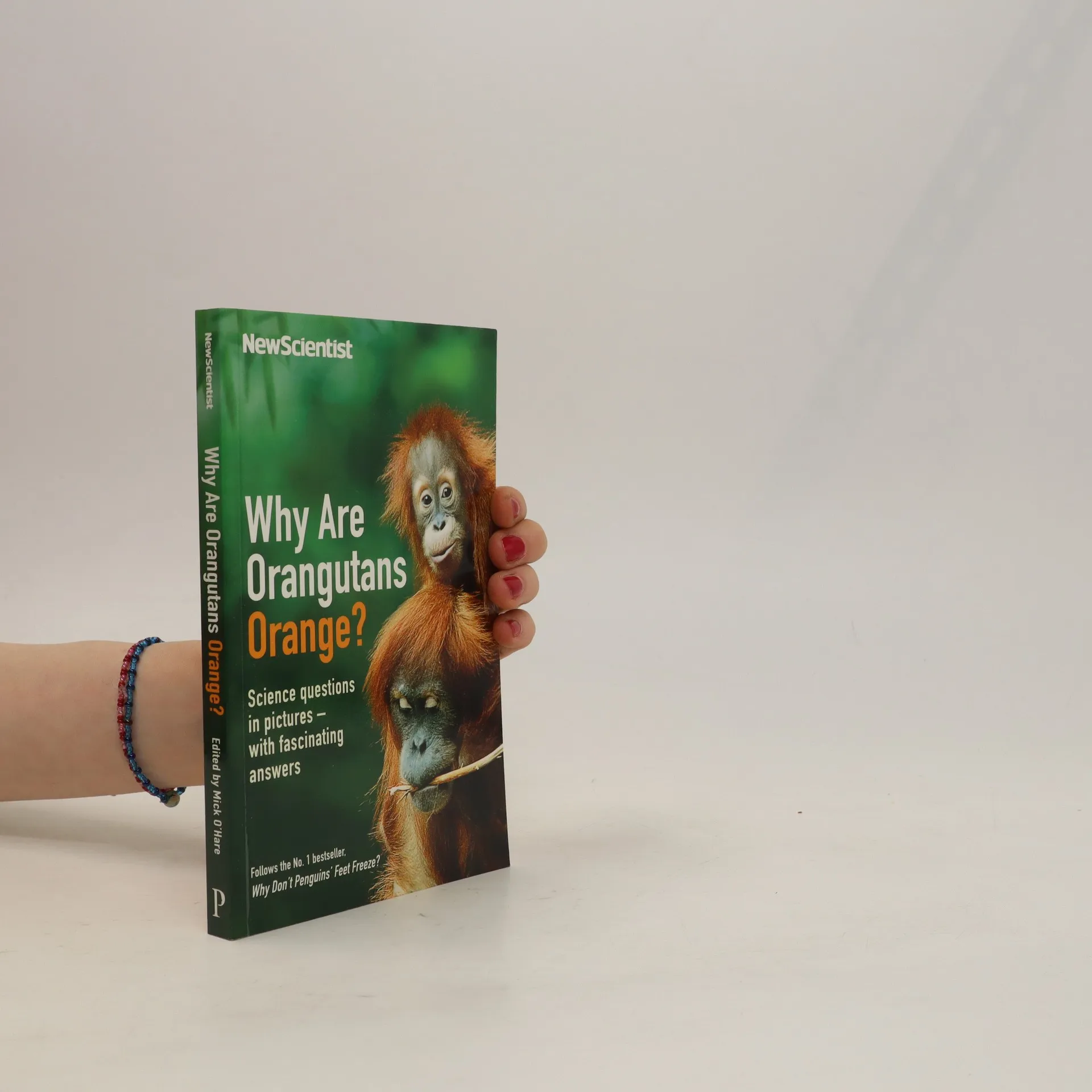
    • Why don't Penguins' feet freeze? Do Polar Bears get lonely? and Why can't elephants jump? (2010), this collection gives well-informed answers to a range of baffling science questions.

      Why are Orangutans Orange?2011
      3,6
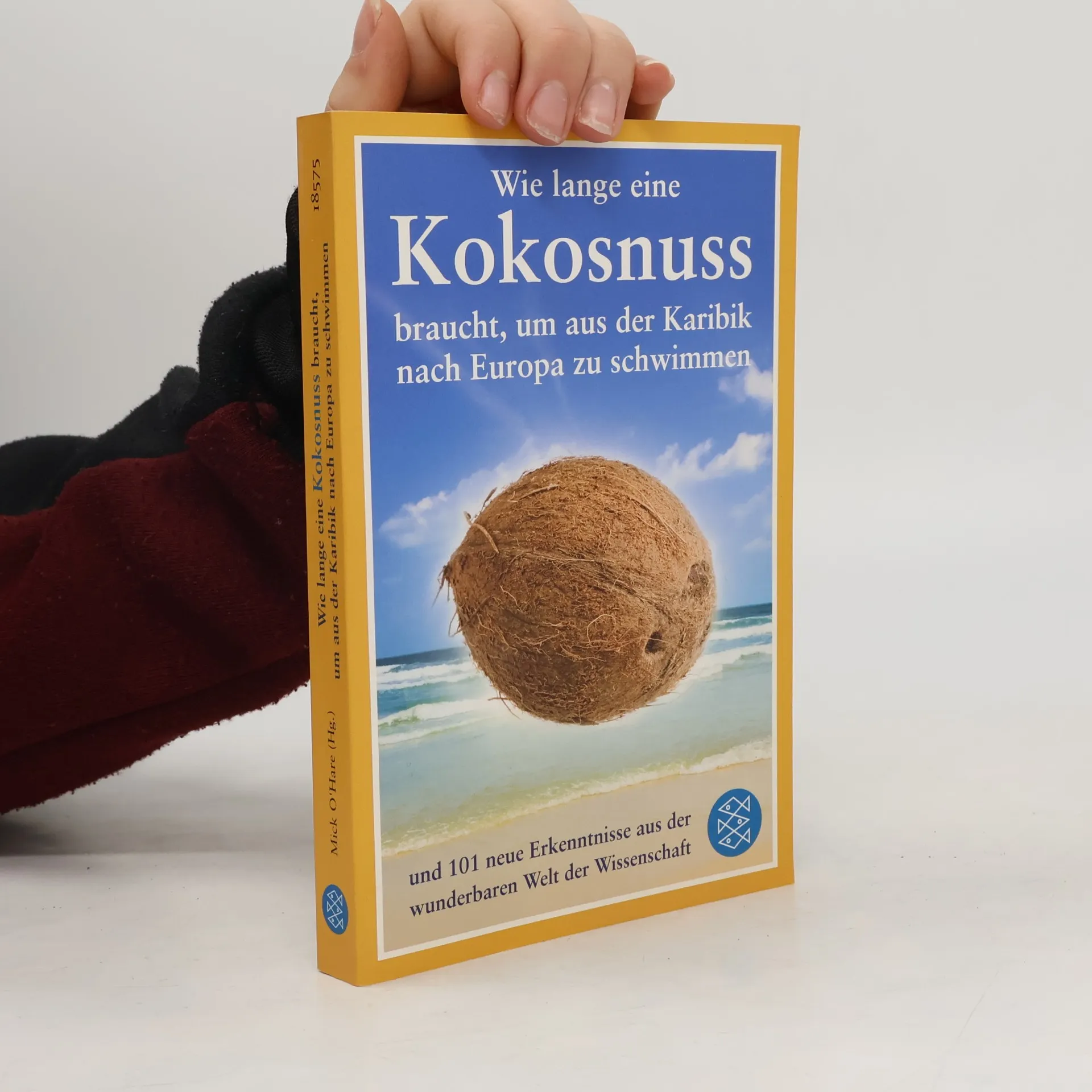
    • Haben Spinnen Durst? Wie lang braucht eine Kuh, um den Grand Canyon mit Milch zu füllen? Wie kommen die Streifen in die Zahnpasta? Warum sind manche Menschen Links- und andere Rechtshänder? Eine neue Sammlung ungewöhnlicher Fragen und verblüffender Antworten der Leser vom New Scientist Magazine, die uns ungeahnte Einsichten in unseren Alltag und in die Wissenschaft bietet. Denn die scheinbar simplen Fragen haben oft die überraschendsten Antworten, während die scheinbar verzwicktesten durch ihre einfachen Erklärungen erstaunen. Eine bezaubernde Mischung aus brillanter Wissenschaft und britischem Humor.

      Wie lange eine Kokosnuss braucht, um aus der Karibik nach Europa zu schwimmen und 101 neue Erkenntnisse aus der wunderbaren Welt der Wissenschaft2010
      3,5
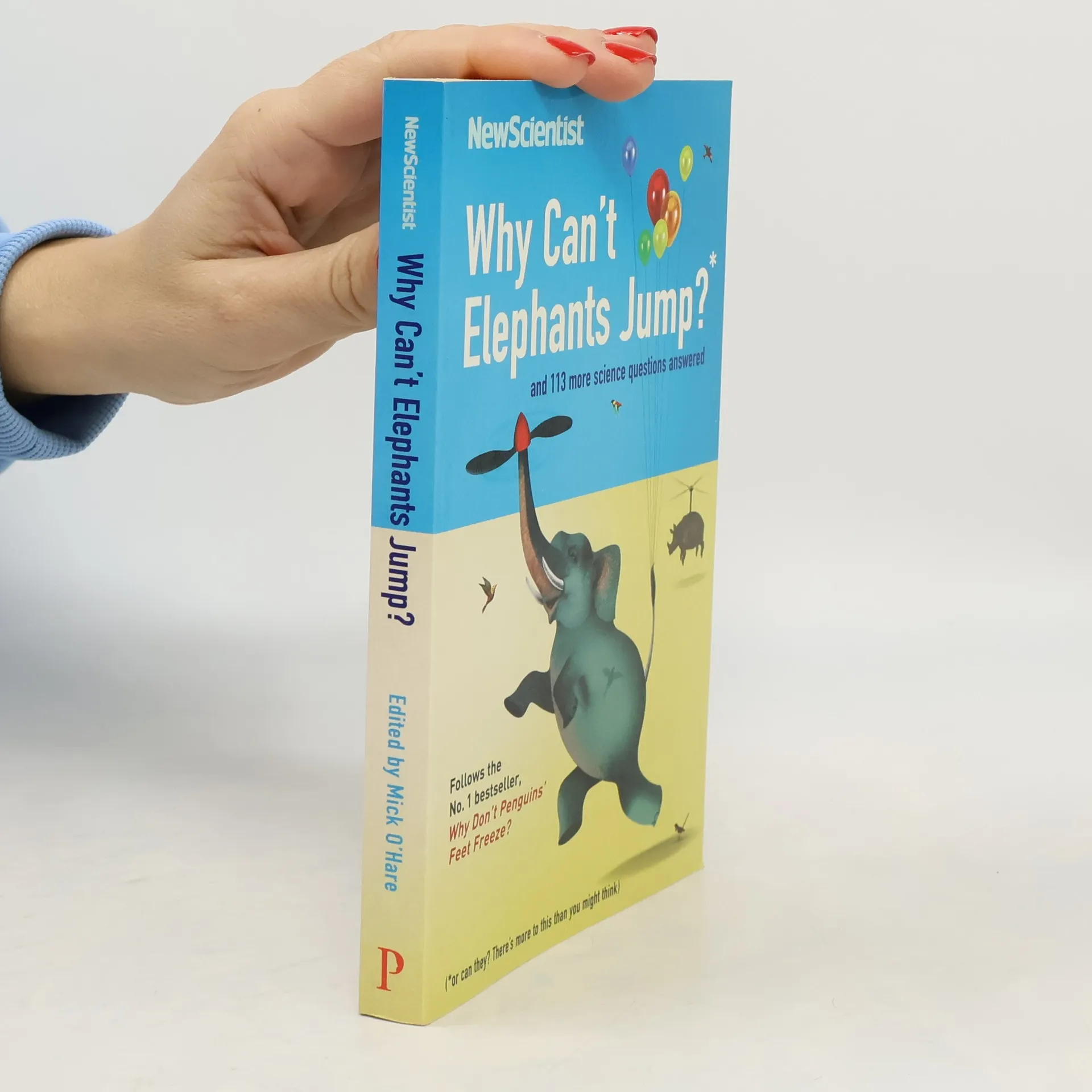
    • Why Can't Elephants Jump?

      • 233bladzijden
      • 9 uur lezen

      Well, why not? Is it because elephants are too large or heavy (after all, they say hippos and rhinos can play hopscotch)? Or is it because their knees face the wrong way? Or do they just wait until no one's looking? Read this brilliant new compilation to find out. This is popular science at its most absorbing and enjoyable. That is why the previous titles in the New Scientist series have been international bestsellers and sold over two million copies between them. Like Does Anything Eat Wasps? (2005), Why Don't Penguins' Feet Freeze? (2006) and Do Polar Bears Get Lonely? (2008), this is another wonderful collection of wise, witty and often surprising answers to a staggering range of science questions, from 'why is frozen milk yellow?' to 'what's the storage capacity of the human brain in gigabytes?'.

      Why Can't Elephants Jump?2010
      3,6
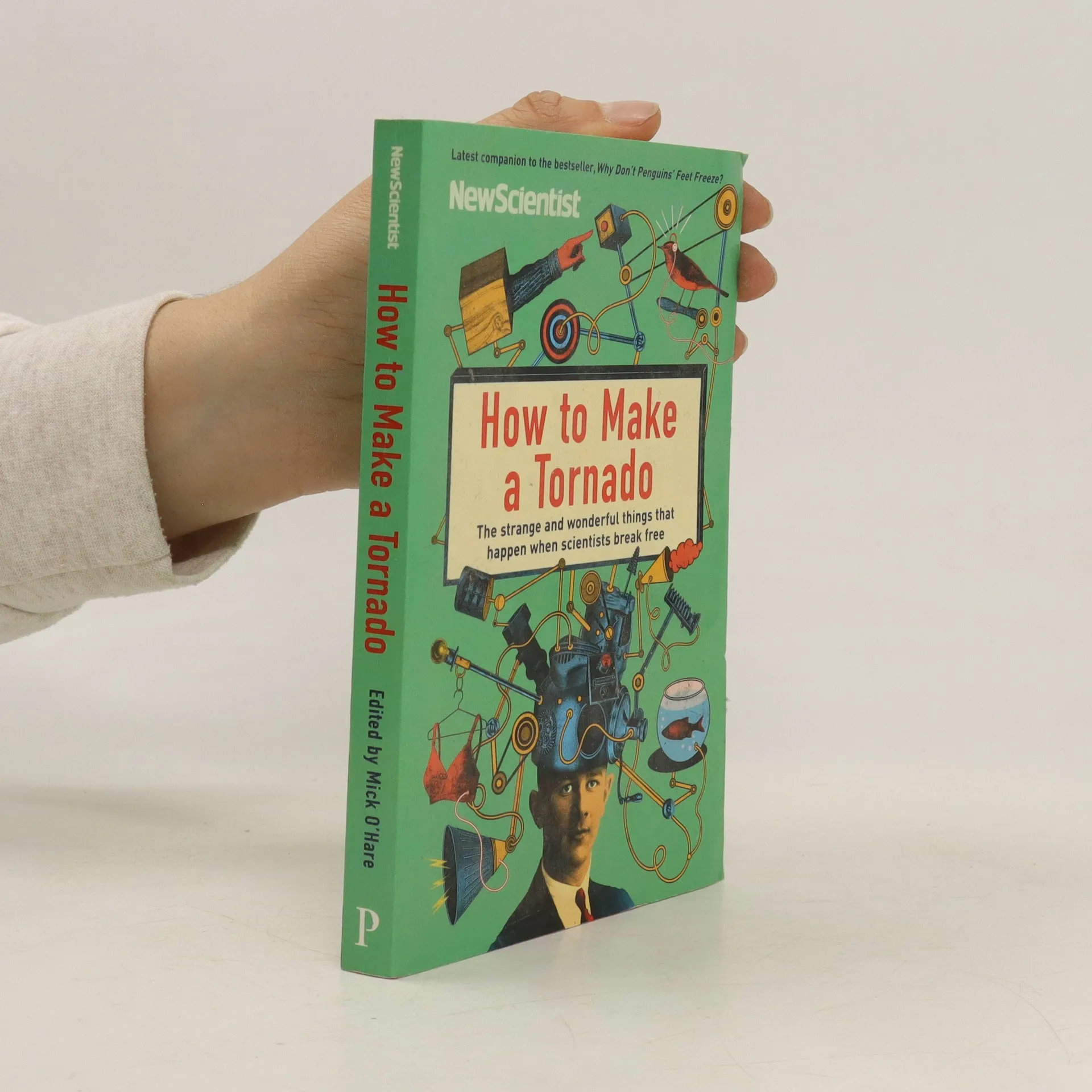
    • How to make a tornado

      • 219bladzijden
      • 8 uur lezen

      Science tells us grand things about the universe: how fast light travels, and why stones fall to earth. But scientific endeavour goes far beyond these obvious foundations. There are some fields we don't often hear about because they are so specialised, or turn out to be dead ends. Yet researchers have given hallucinogenic drugs to blind people (seriously), tried to weigh the soul as it departs the body and planned to blast a new Panama Canal with atomic weapons.Real scientific breakthroughs sometimes come out of the most surprising and unpromising work. How to Make a Tornado is about the margins of science - not the research down tried-and-tested routes, but some of its zanier and more brilliant by-ways. Investigating everything from what it's like to die, to exploding trousers and recycled urine, this book is a reminder that science is intensely creative and often very amusing - and when their minds run free, scientists can fire the imagination like nobody else.

      How to make a tornado2009
      3,4
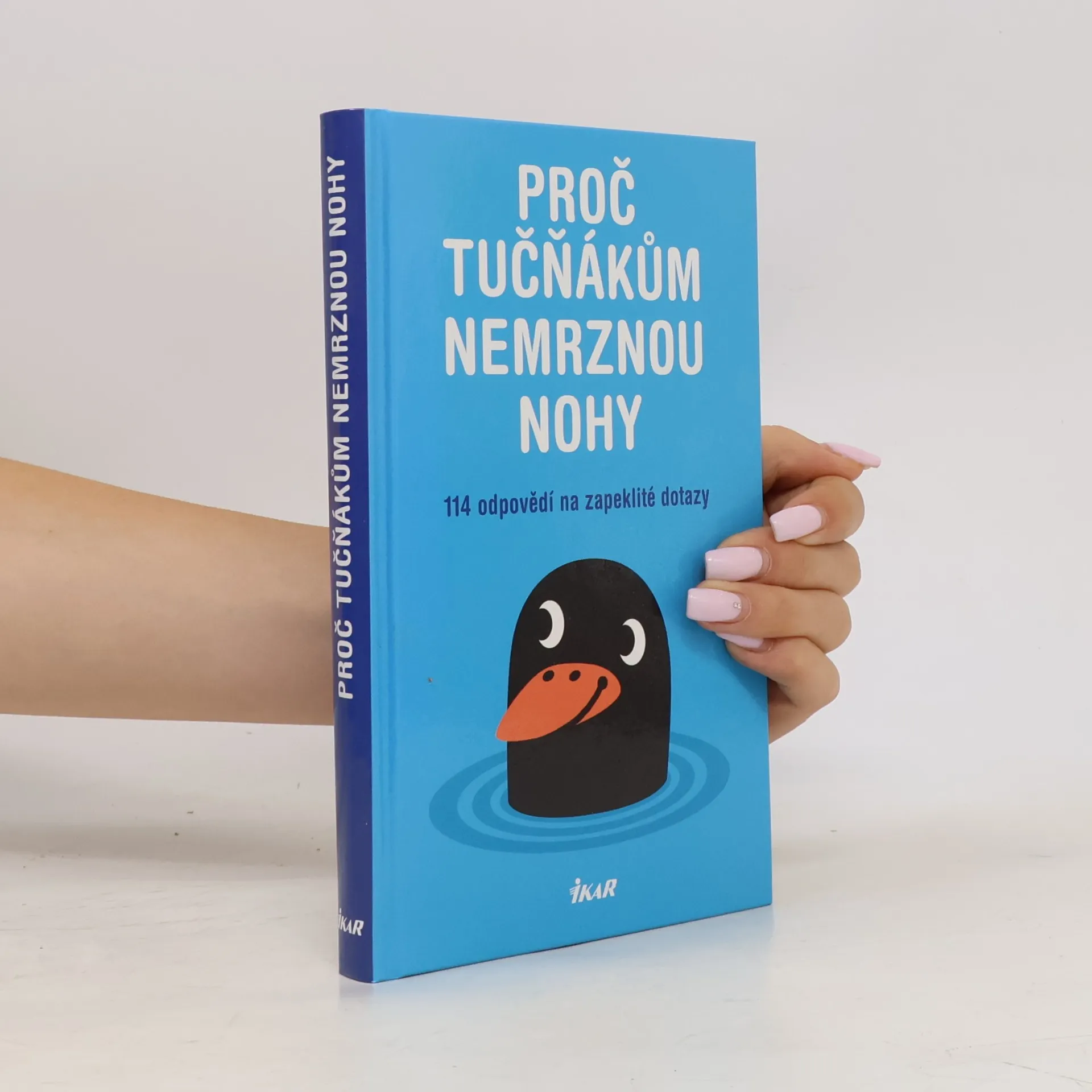
    • Bohatě ilustrovaná roztomilá kniha spisovatele Pavla Vrány čerpá z literární předlohy Boženy Němcové a její autor ji převyprávěl nejmenším čtenářům tentokrát v rýmované podobě. Poutavé barevné obrázky vytvořila známá česká ilustrátorka Vítězslava Klimtová. Ve svém krátkém úvodu ke knize hovoří režisér pohádek a filmů pro děti Zdeněk Troška: "Hezká pohádka je jako pohlazení, úsměv, voňavá náruč léta, ozvěna dětství. Čím je člověk starší, tím více se ta ozvěna ozývá. A to je moc dobré. Stačí tak málo: Otevřít knihu..."

      Proč tučňákům nemrznou nohy. 114 odpovědí na zapeklité dotazy2007
      3,1
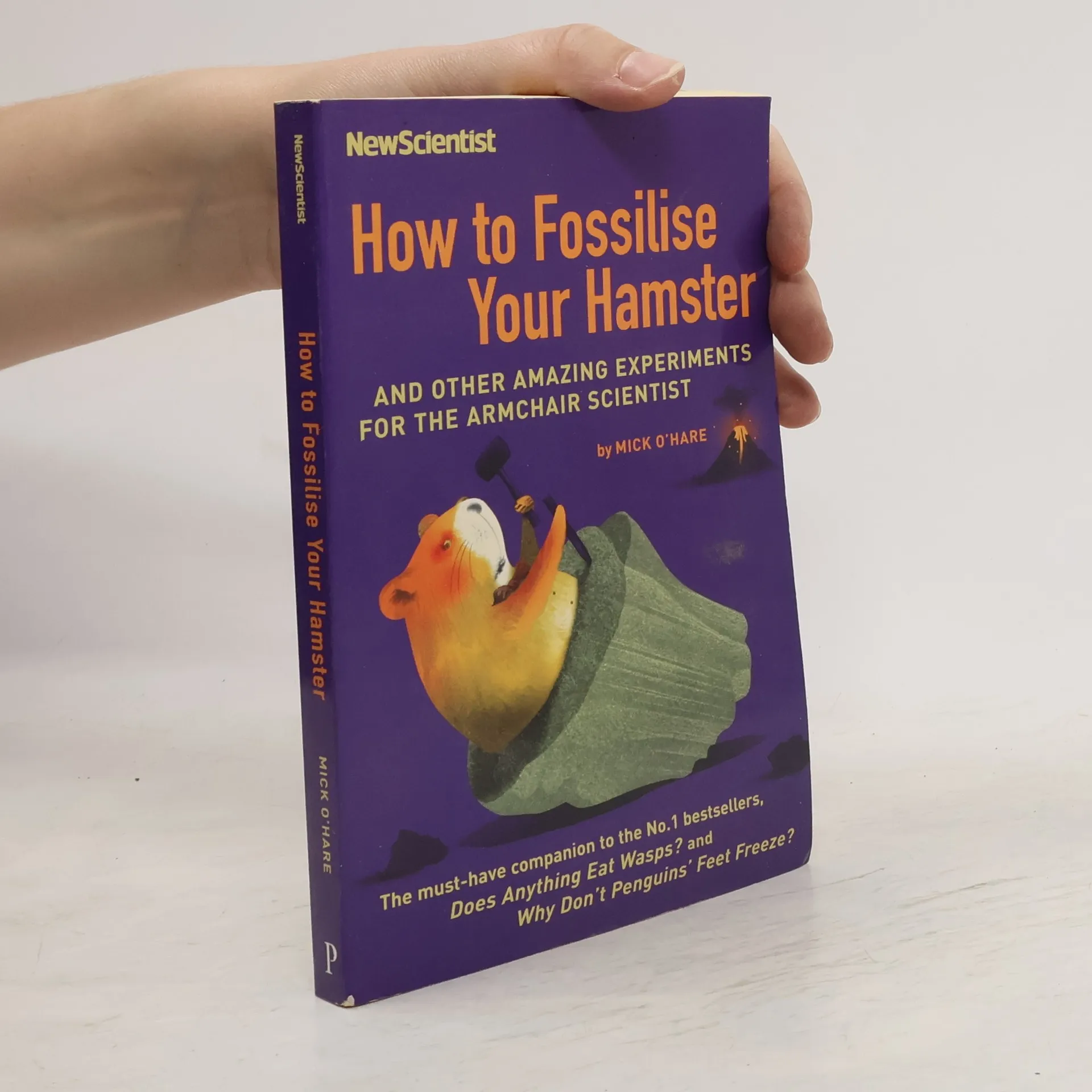
    • How to Fossilise Your Hamster

      • 224bladzijden
      • 8 uur lezen

      Mick O'Hare and the New Scientist team try to answer scientific conundrums that can be answered by simple experiments.

      How to Fossilise Your Hamster2007
      3,5
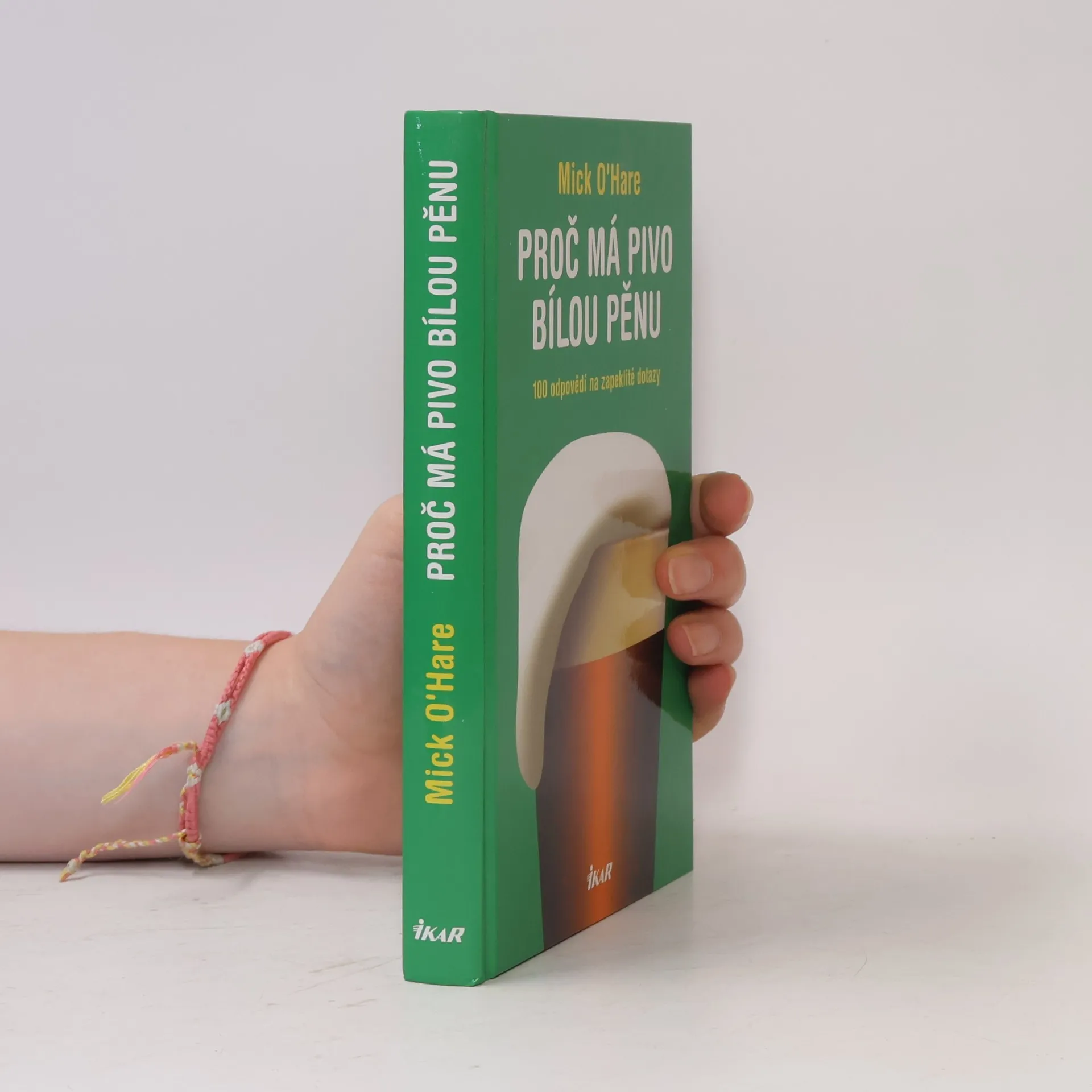
    • Chcete znát odpověď i na ty nejzáludnější otázky? Souvisí barva alkoholu s kocovinou? Je useknutá hlava při vědomí? K čemu je obočí? Je tuk neprůstřelný? Co by se změnilo, kdyby nebyl Měsíc? Je možné přežít jen na pivu? Zábavná publikace sestavená z otázek a odpovědí čtenářů renomovaného časopisu New Scientist. Vtipný a poučný text vysvětluje nejrůznější hádanky a přináší mnoho zajímavého o věcech, o nichž se jinde nedočtete.

      Proč má pivo bílou pěnu? : 100 odpovědí na zapeklité dotazy2007
      4,6
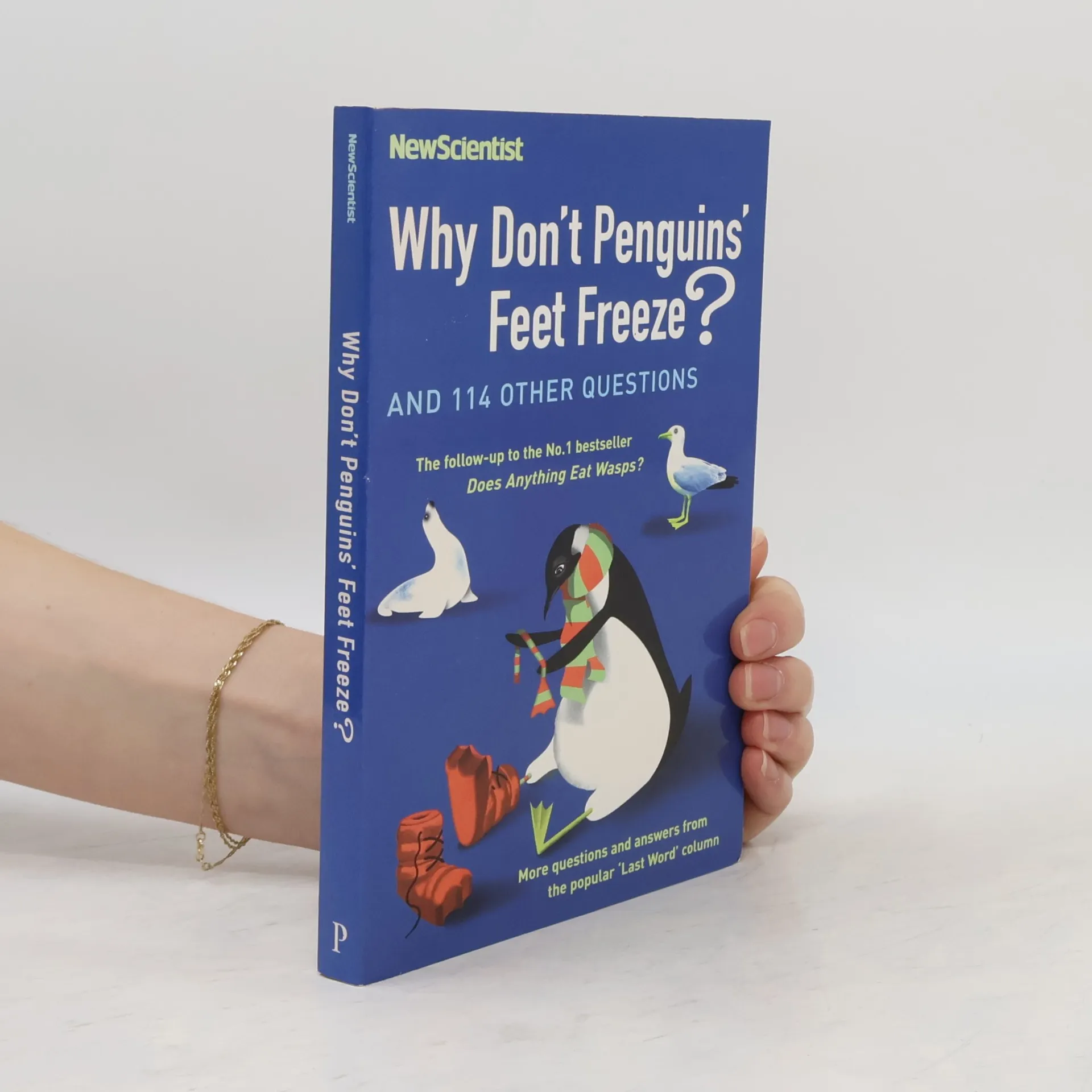
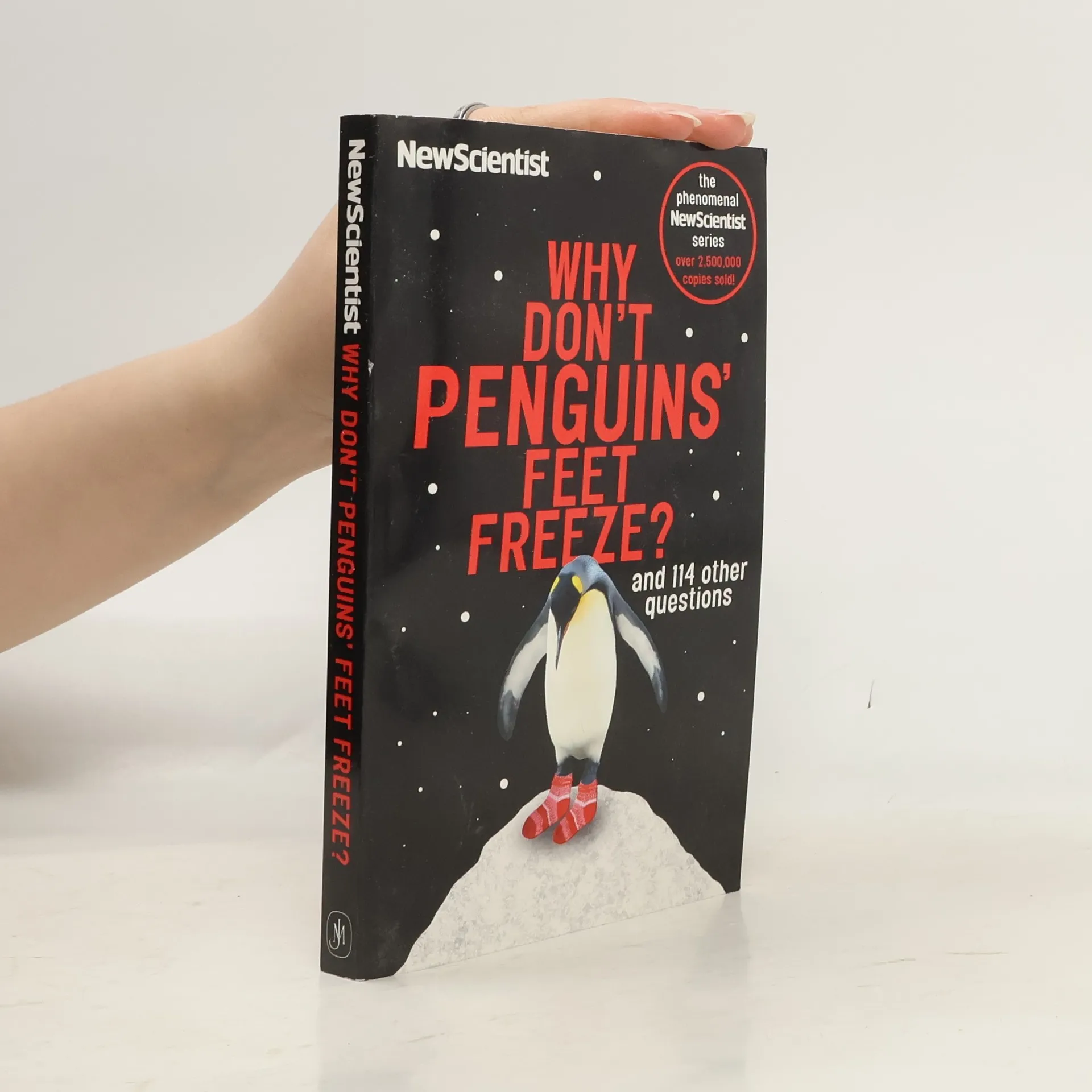
    • Why don't penguins' feet freeze?

      • 240bladzijden
      • 9 uur lezen

      Why Don't Penguins' Feet Freeze? is the latest compilation of readers' answers to the questions in the 'Last Word' column of New Scientist, the world's best-selling science weekly. Following the phenomenal success of Does Anything Eat Wasps? - the Christmas 2005 surprise bestseller - this new collection includes recent answers never before published in book form, and also old favourites from the column's early days.Yet again, many seemingly simple questions turn out to have complex answers. And some that seem difficult have a very simple explanation. New Scientist's 'Last Word' is regularly voted the magazine's most popular section as it celebrates all questions - the trivial, idiosyncratic, baffling and strange. This new selection of the best is popular science at its most entertaining and enlightening.

      Why don't penguins' feet freeze?2006
      3,5
    • Haben Sie etwa schon einmal einen schlafenden Vogel vom Baum fallen sehen? Und was macht eine Mücke bei einem wirklich schweren Wolkenbruch? Warum ist der Himmel blau? Und wieso sind Eier eiförmig? Für Neugierige und Interessierte hat die berühmte englische Zeitschrift 'New Scientist' eine Kolumne eingerichtet. Dort antworten Leser auf Leserfragen aus aller Welt. Die schönsten, skurrilsten und hintergründigsten Fragen und Antworten sind hier versammelt. Staunen und lernen Sie! 'Warum fallen schlafende Bäume nicht vom Baum?' und 'Was macht die Mücke bei Wolkenbruch?' in einem Band

      Wunderbare Alltagsrätsel2005
      3,0
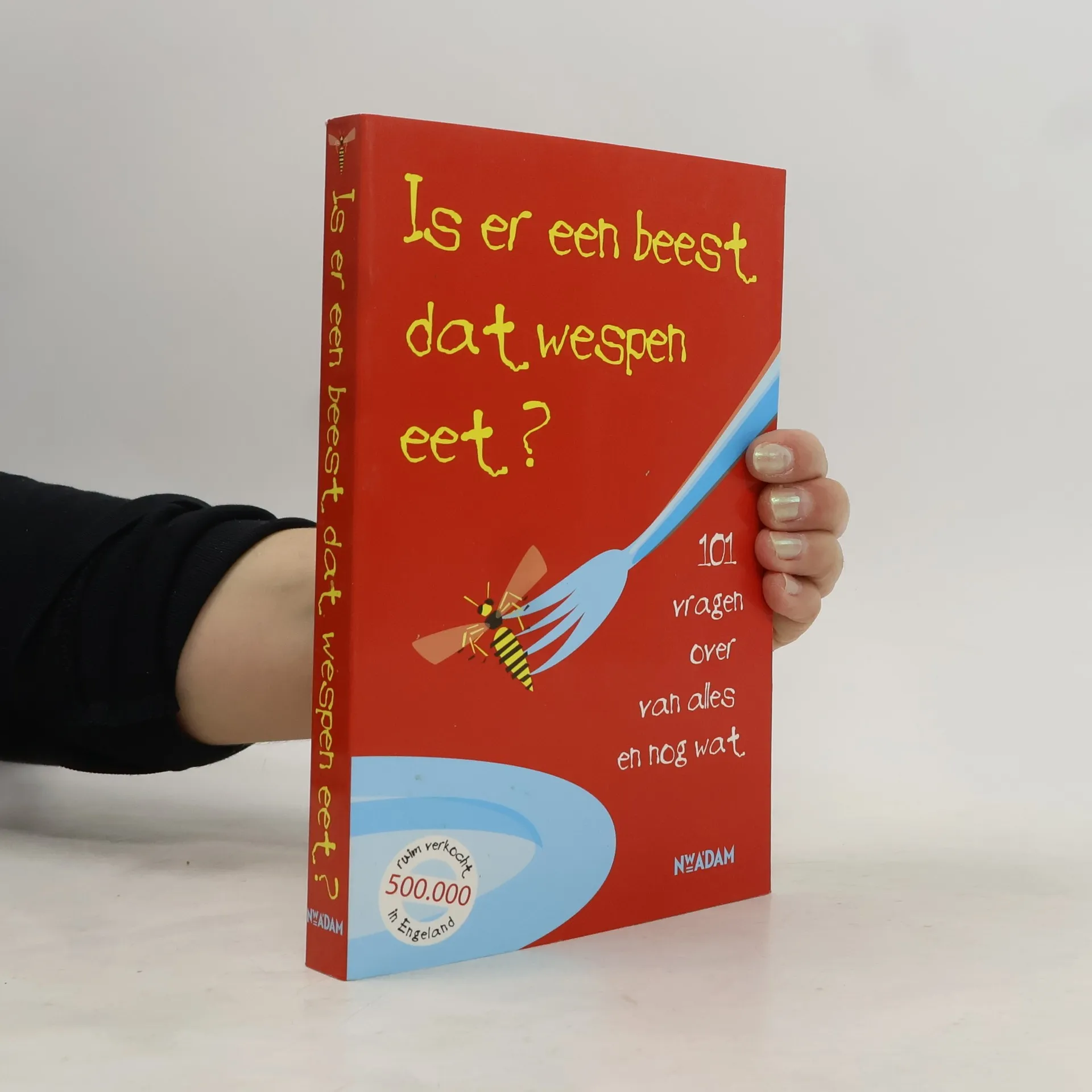
    • How fat do you have to be to become bulletproof? Why do people have eyebrows Why do pineapples have spines? How much does a head weigh? What affects the color of earwax? How quickly could I turn into a fossil? Have you ever thought up a question so completely off-the-wall, so seemingly ridiculous, that you couldn't even find the courage to ask it? Maybe at the sports bar you were transported by the beauty of your beer to wonder, "How long could I live on beer alone?" Or, cycling through the park, you mused, "Did nature invent any wheels?" Or looking up at the night sky, you had a moment of angst, "What would happen if the moon suddenly disappeared -- if it were vaporized or stolen by aliens?" Full of fun factlets, Does Anything Eat Wasps? is a runaway bestseller around the world. It celebrates the weird and wacky questions -- some trivial, some baffling, all unique -- and their multiple answers culled from "The Last Word," a long-running column in the internationally popular science magazine, New Scientist. Tackling the imponderables of everyday life, sparkling with humor, and bursting with delightful erudition, Does Anything Eat Wasps? is irresistibly entertaining and utterly engrossing. So, go on. Put away your lab coat and your pencil -- science is fun again.

      Is er een beest dat wespen eet? 101 vragen over van alles en nog wat2005
      3,5
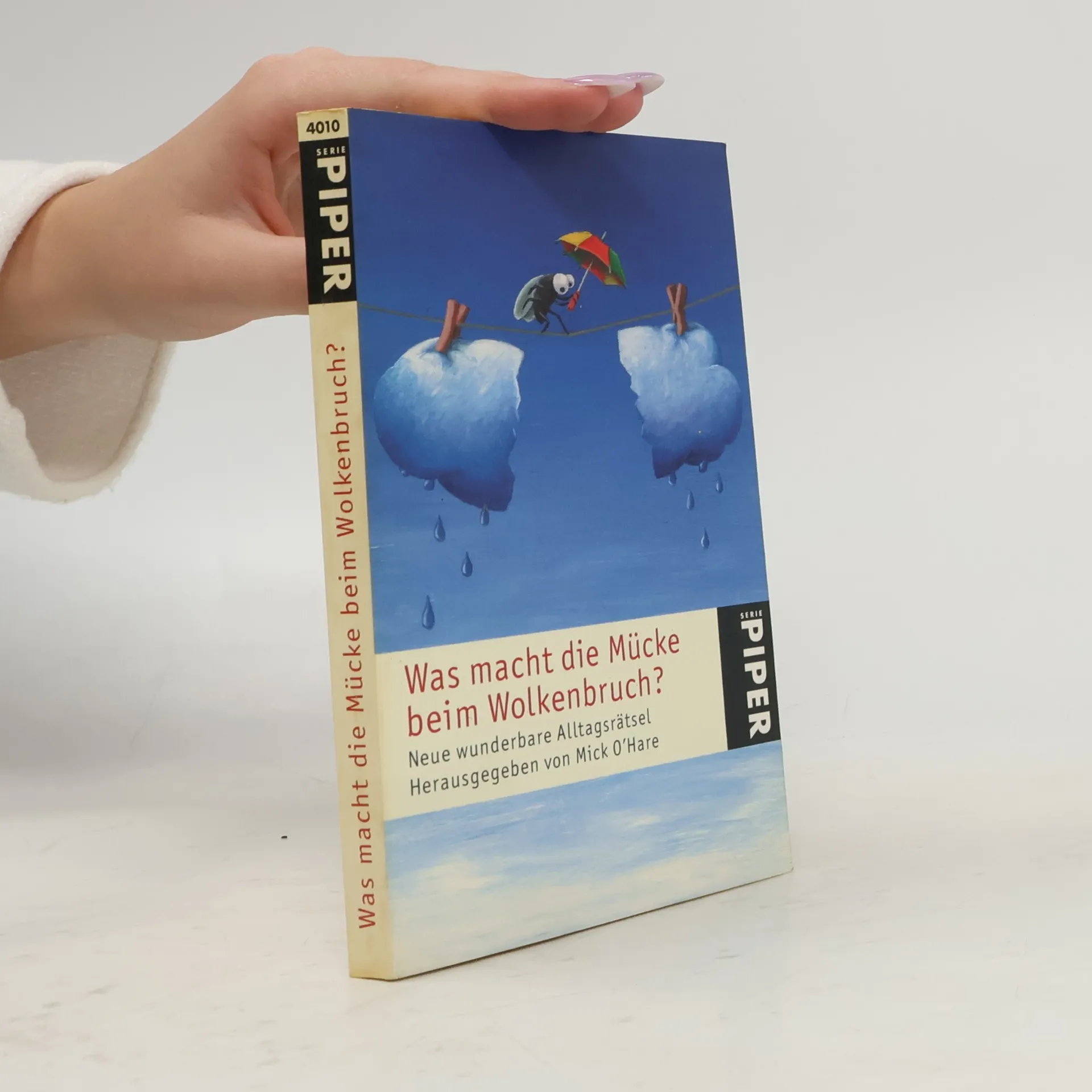
    • Was macht eine Mücke bei einem wirklich schweren Wolkenbruch? Warum krähen Hähne fast immer am Morgen? Und wieso sind Eier eiförmig? Unsere Welt ist voller kleiner Rätsel, über die die Menschen staunen. Für alle, die solche Fragen bewegen, hat die berühmte englische Zeitschrift "The Scientist" eine Seite eingerichtet. Dort antworten Leser auf Leserfragen aus aller Welt. Der Herausgeber hat die skurrilsten und hintergründigsten Fragen und Antworten herausgesucht. Es gibt jede Menge zu staunen und zu lernen!

      Was macht die Mücke beim Wolkenbruch?2002
      3,1
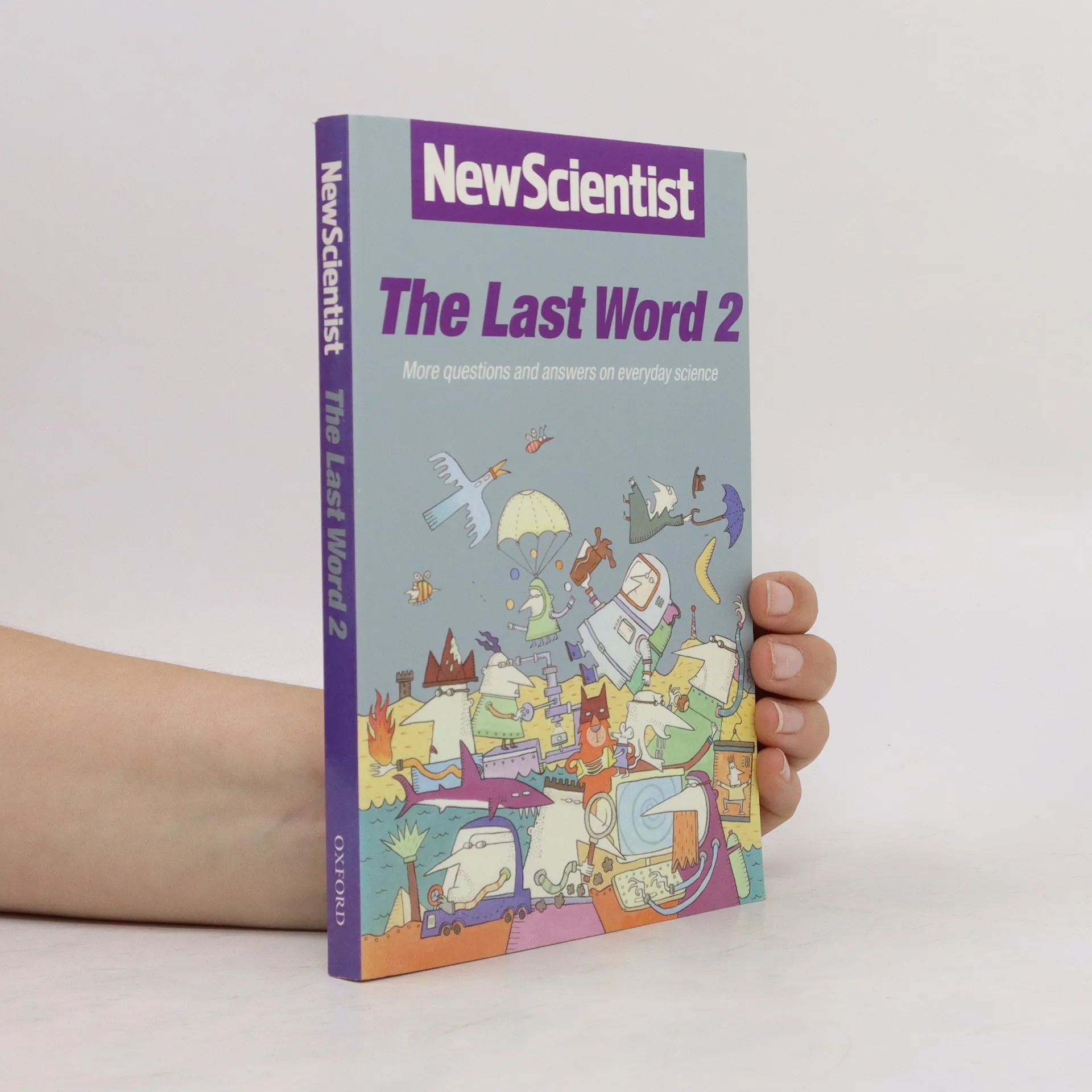
    • The Last Word 2

      • 224bladzijden
      • 8 uur lezen

      Why do boomerangs come back? Would parachutists be able to play a game of catch while falling? Why does grilled cheese go stringy? What would happen to a pint of beer in space? Why doesn't cling film cling to metal properly? Why does the wind blow in gusts? A follow-up to the highly successful The Last Word, this new paperback brings you more questions and answers from The New Scientist's popular column. Readers of the leading science weekly are invited to write in with enquiries about everyday scientific phenomena and other readers respond. Thisnew selection of the most interesting examples covers an enormous range of subjects from everyday household products, to plants, animals, the human body, gadgets, and our environment. This is a fun, fascinating, and enlightening read for anyone who asks themselves these questions.

      The Last Word 22000
      3,7
    • The Last Word

      • 238bladzijden
      • 9 uur lezen

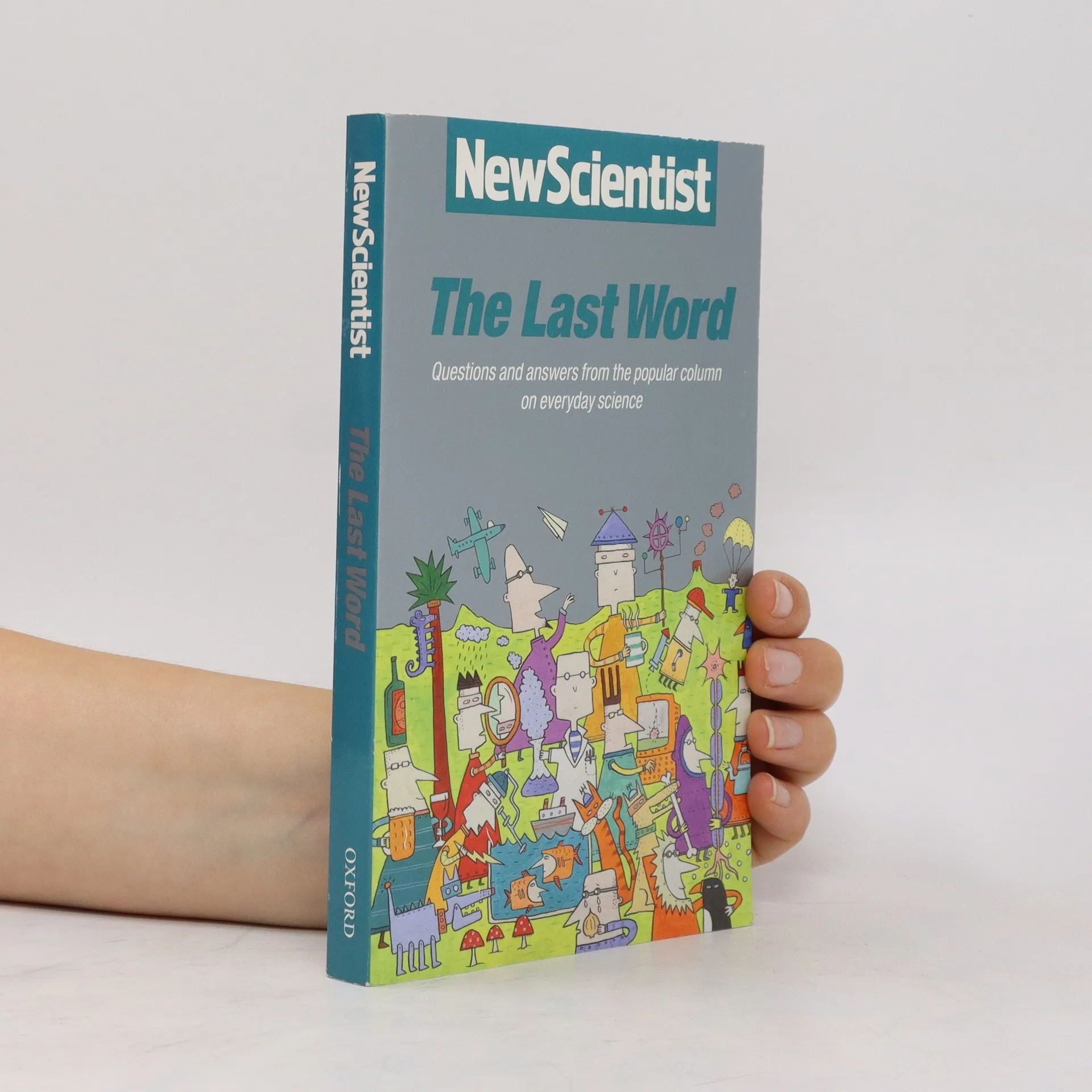
      A selection of the most interesting questions and answers from the Last word column in the magazine, New scientist.

      The Last Word1998
      3,6