

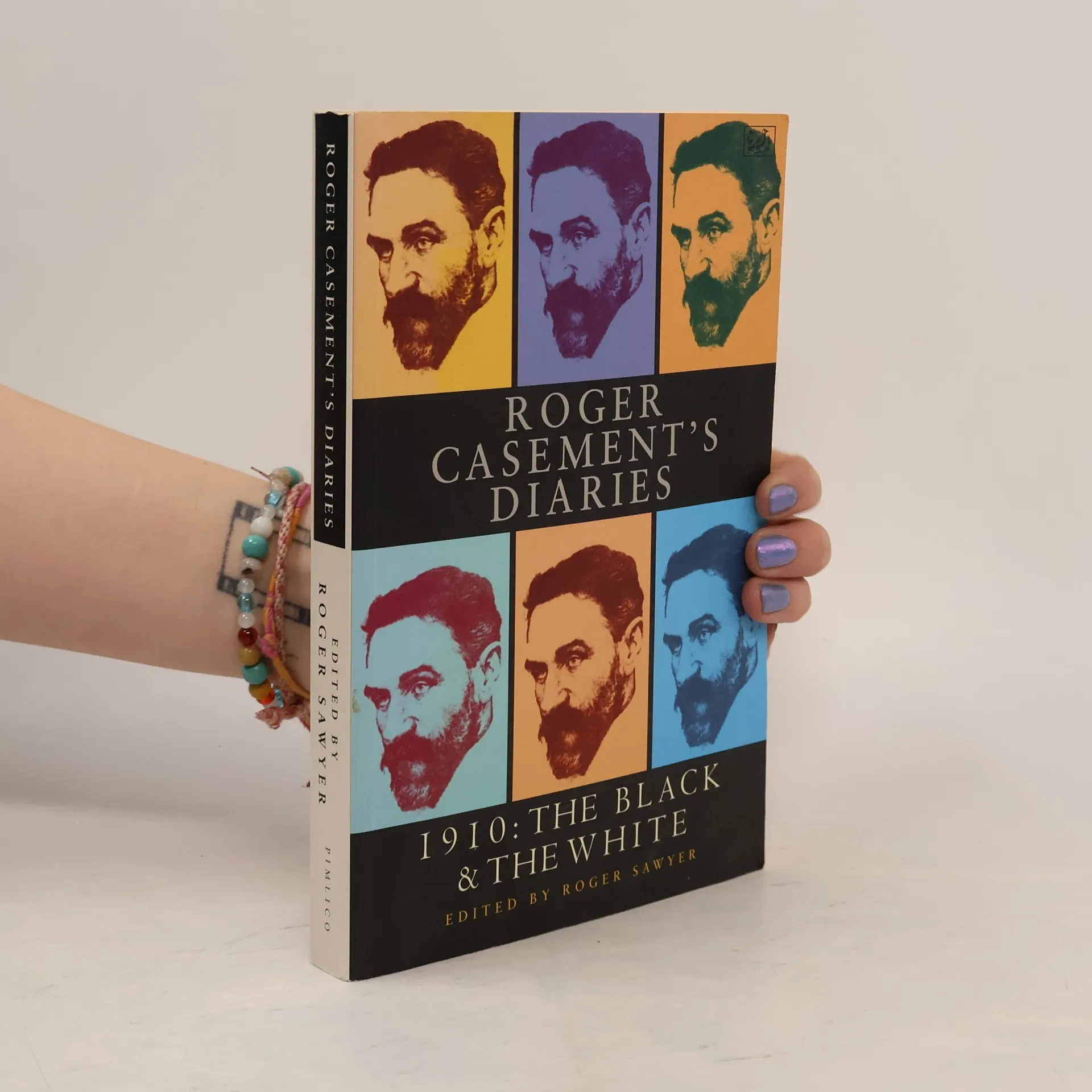
Born in Ireland in 1864, Roger Casement acted as British Consul in Africa and Brazil, where he denounced atrocities among Congolese and Putumayo rubber workers. He was knighted in 1911 and retired from the consular service two years later. In 1914, he attempted to enlist support, in America and Germany, for the Irish nationalist cause. Convicted of high treason, he was executed in London at the age of 51. A compulsive diarist, his so-called "Black" diaries were finally released into the public domain in 1994. At the time of his trial, these diaries--detailing his promiscuous homosexual activities in Brazil--were used to discredit and condemn him. Now an accurate transcript of the "Black" Diary , published here for the first time--as is his more public "White" Diary --offers the reader the opportunity to judge its authenticity--still a matter of heated debate. Together, they take us deep into the mind of the bravest, most selfless humanitarian of the Edwardian age.
Roger Casement Volgorde van de boeken (chronologisch)
Roger Casement was een humanitaire activist, Iers patriot, dichter, revolutionair en nationalist. Als Brits consul van beroep verwierf hij bekendheid door zijn rapporten over mensenrechtenschendingen in Congo en Peru, maar was nog bekender om zijn omgang met Duitsland voorafgaand aan de Paasopstand van 1916 in Ierland. Zijn ervaringen met kolonialisme, met name in Congo, leidden hem tot anti-imperialistische en Iers-separatistische overtuigingen. Casement zocht Duitse steun voor een Ierse opstand tegen Brits bewind, wat uiteindelijk leidde tot zijn arrestatie en executie wegens hoogverraad.
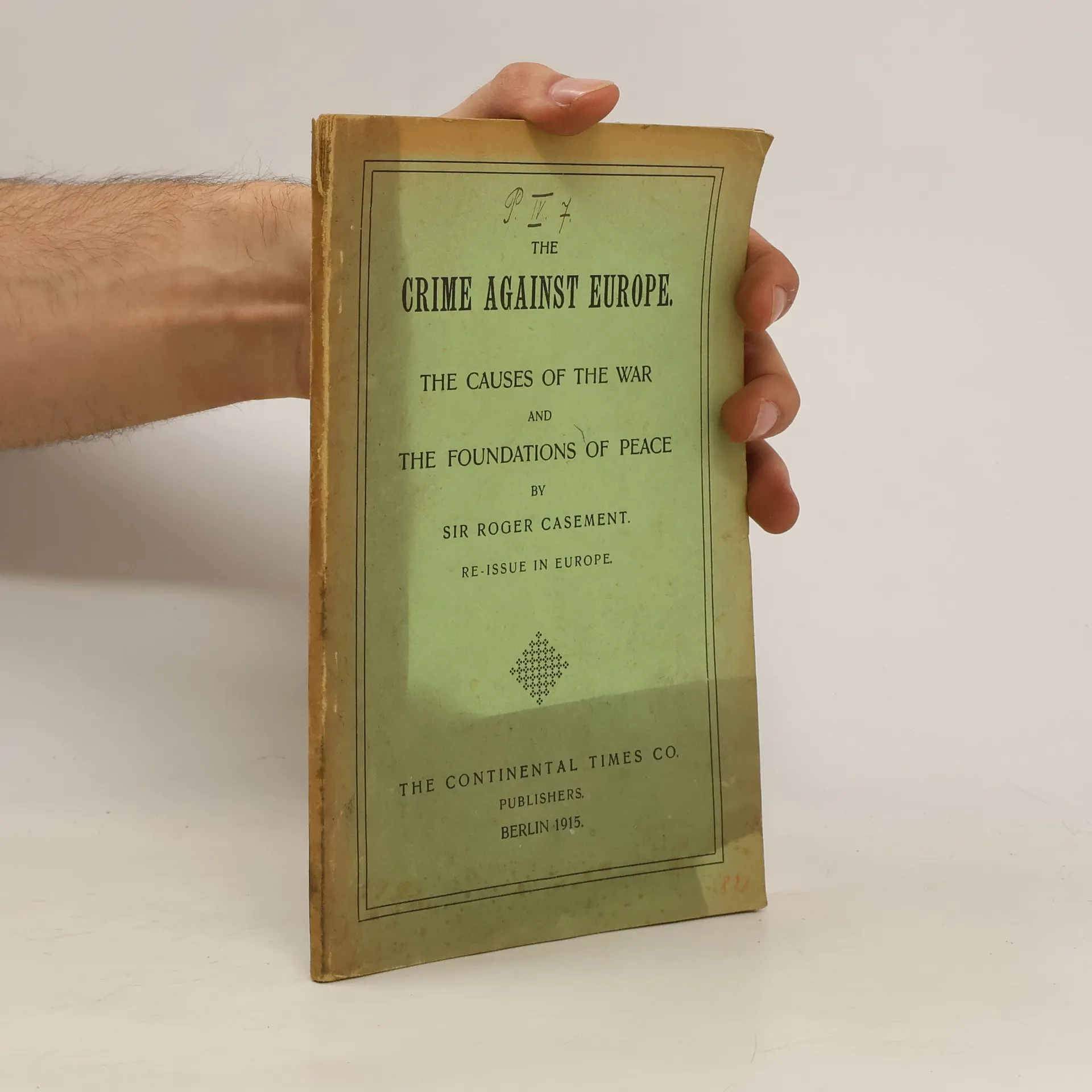
The Crime Against Europe
The Causes of the War and the Foundations of Peace