Bookbot

Arundhatí Roy

    24 november 1961

    Arundhati Roy is een Indiase schrijfster en activiste wiens werk krachtig ingaat op kwesties van sociale rechtvaardigheid en economische ongelijkheid. Haar literaire stem is onderscheidend en biedt diepgaande inzichten in de complexiteit van de menselijke conditie en maatschappelijke structuren. Roy's schrijven duikt in kritische thema's en gebruikt een unieke verhalende stijl die lezers boeit. Naast haar literaire prestaties is ze een toegewijde activiste die opkomt voor gemarginaliseerde gemeenschappen en systemische onrechtvaardigheden aanvecht.

    Arundhatí Roy
    Azadi - Updated Edition
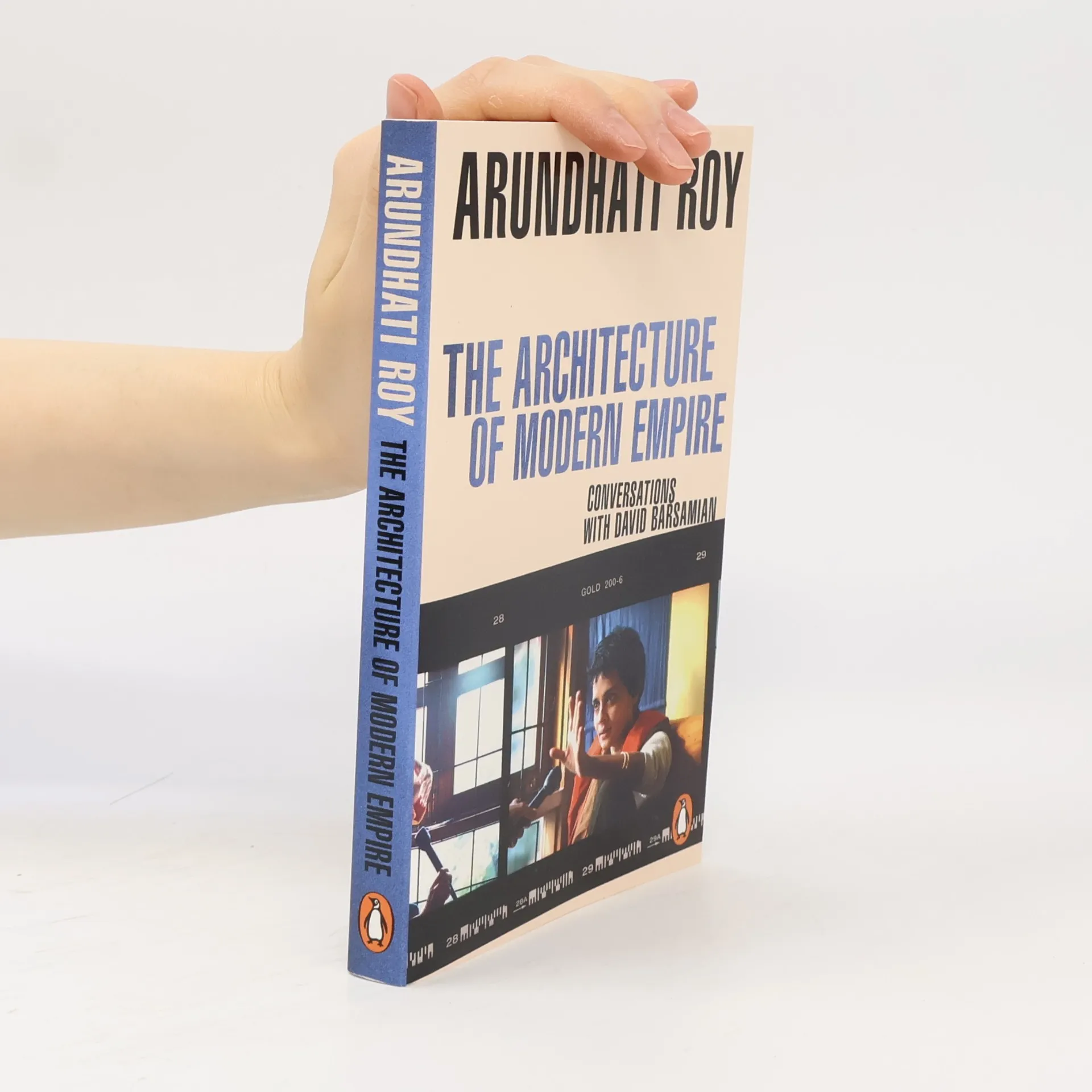
    The Architecture of Modern Empire
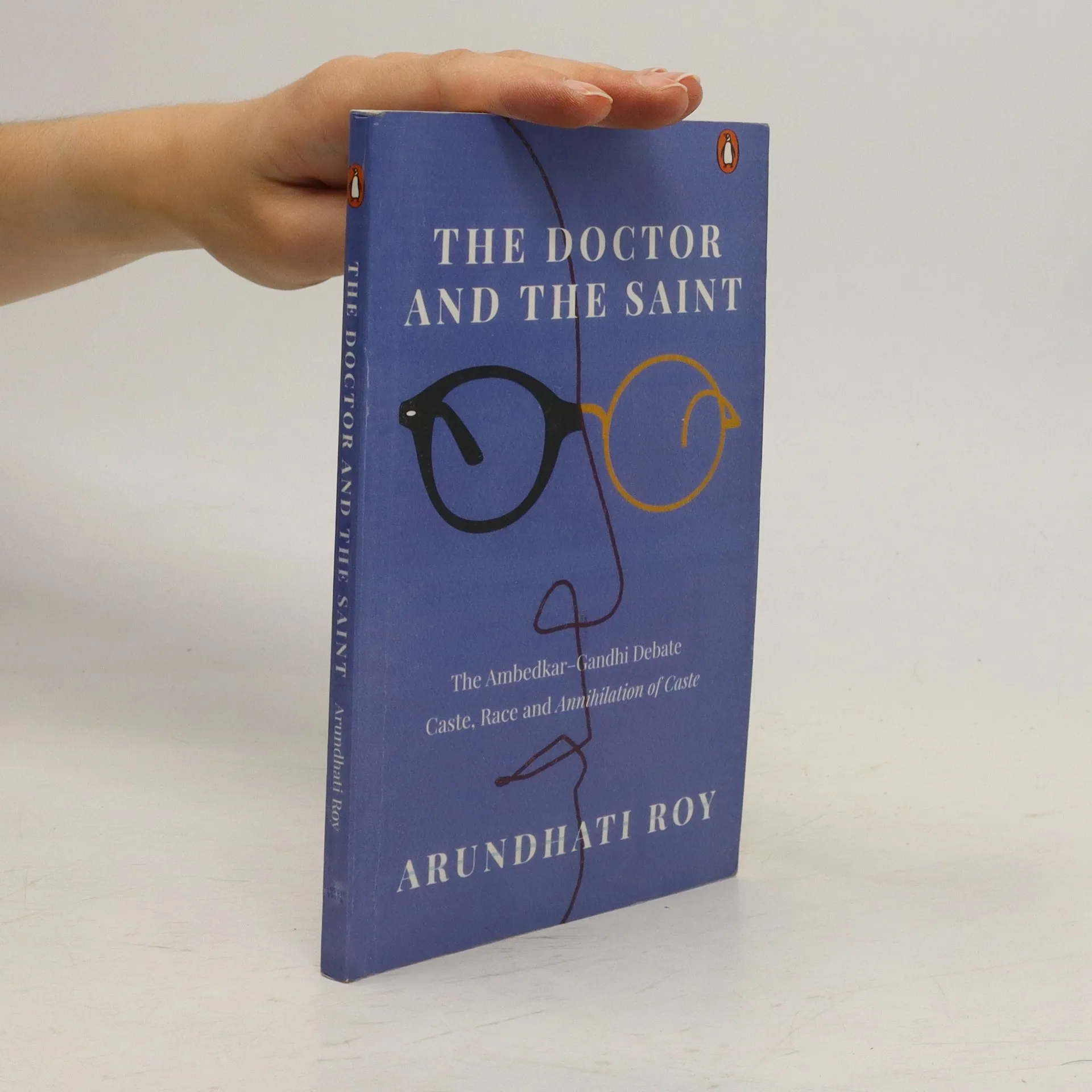
    The Doctor and the Saint
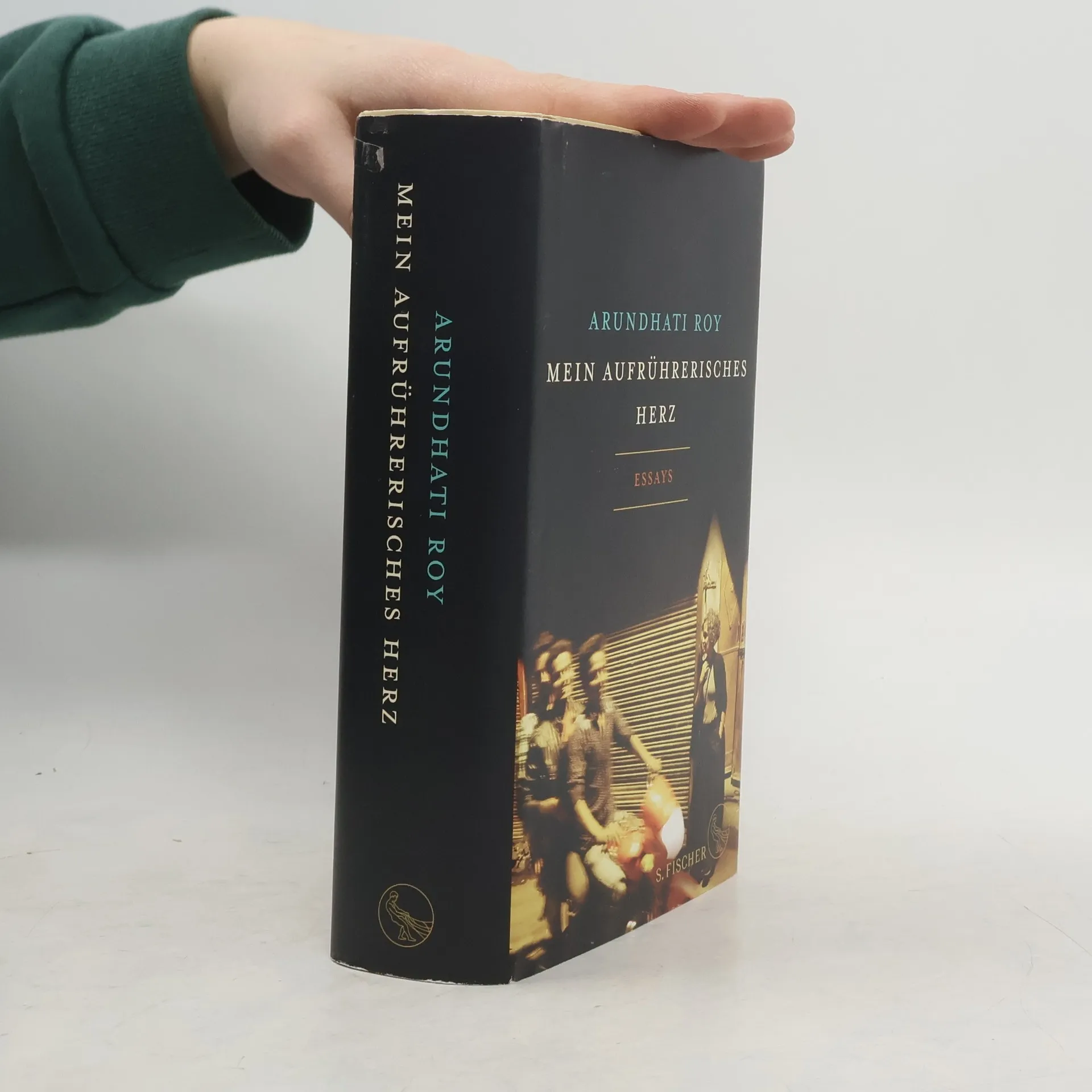
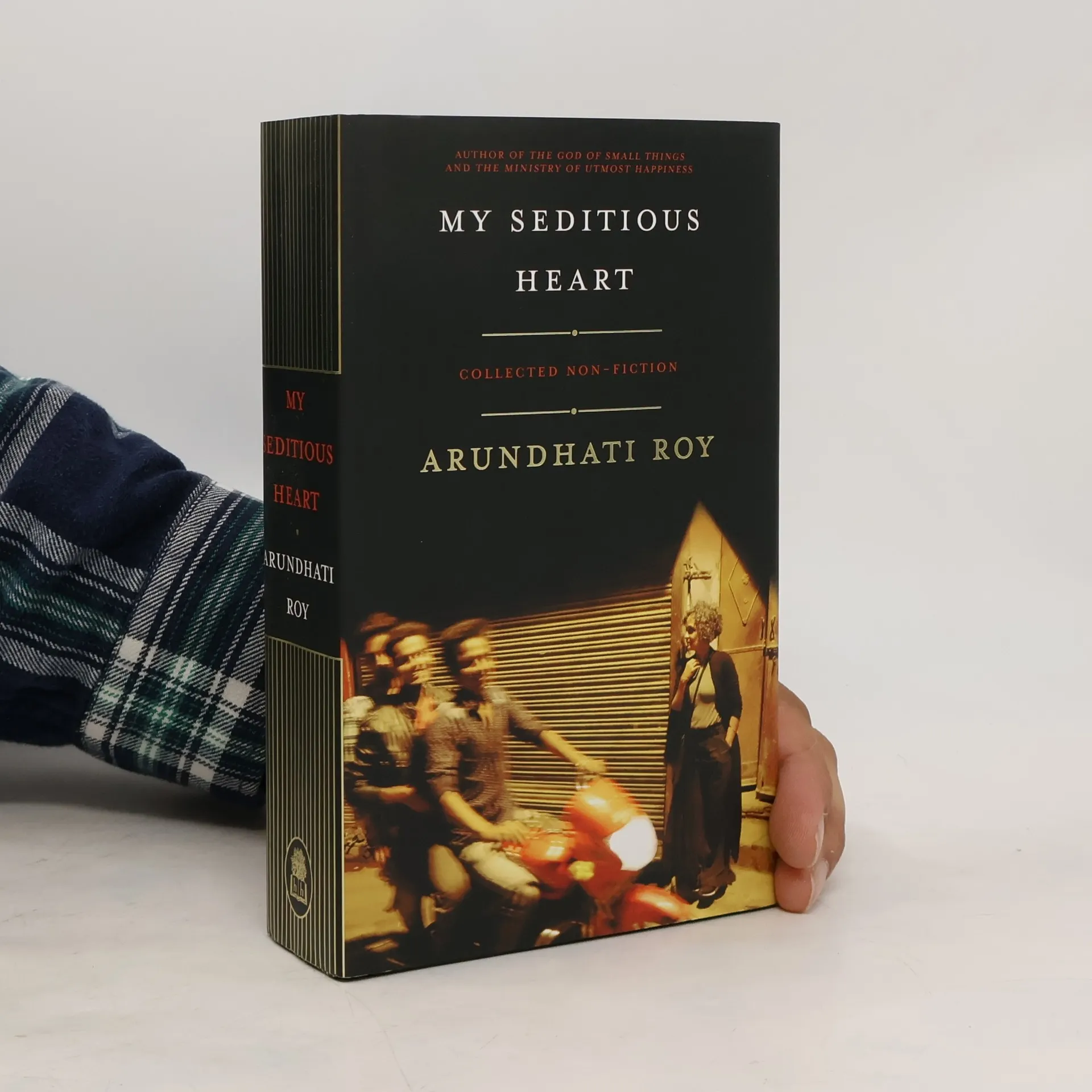
    My Seditious Heart
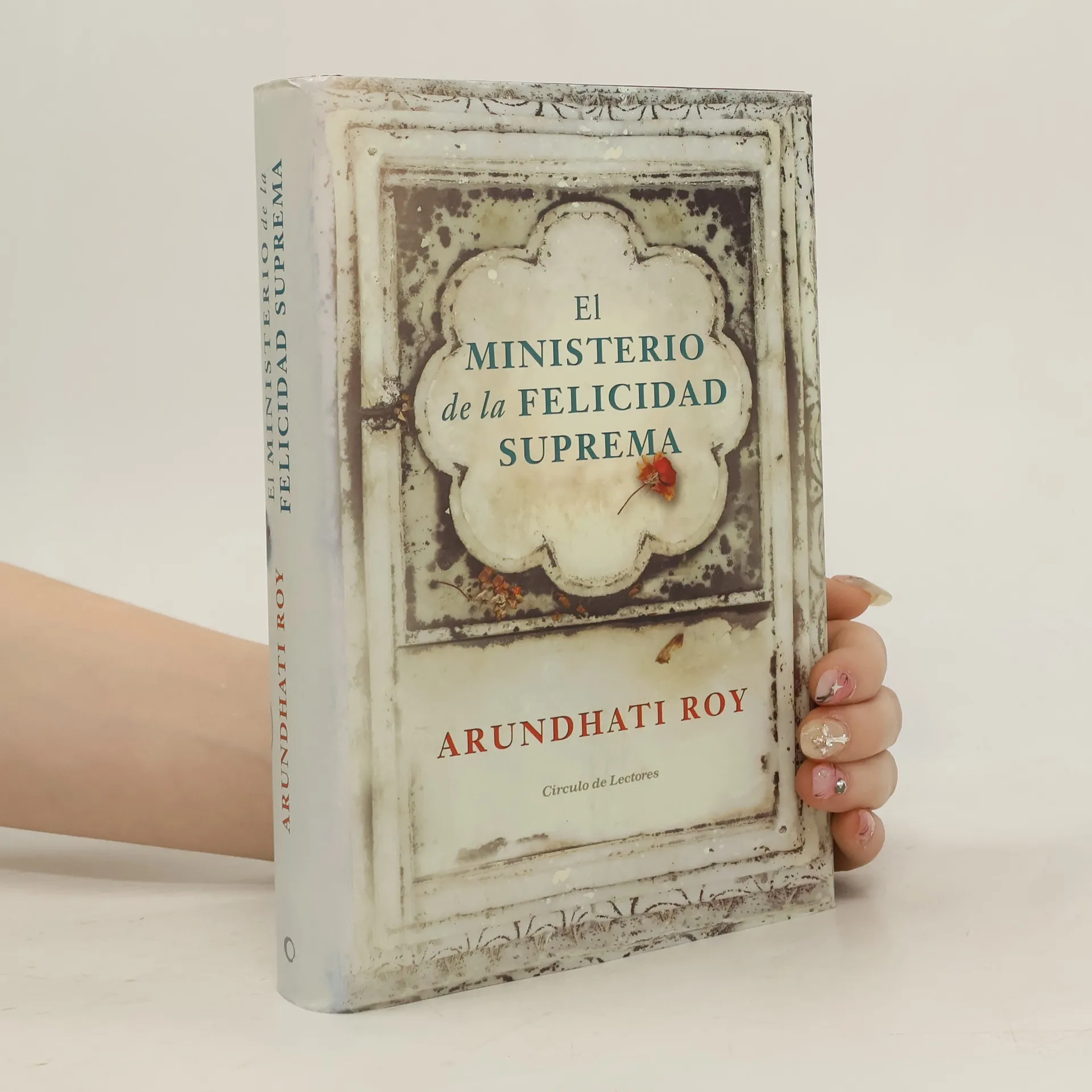
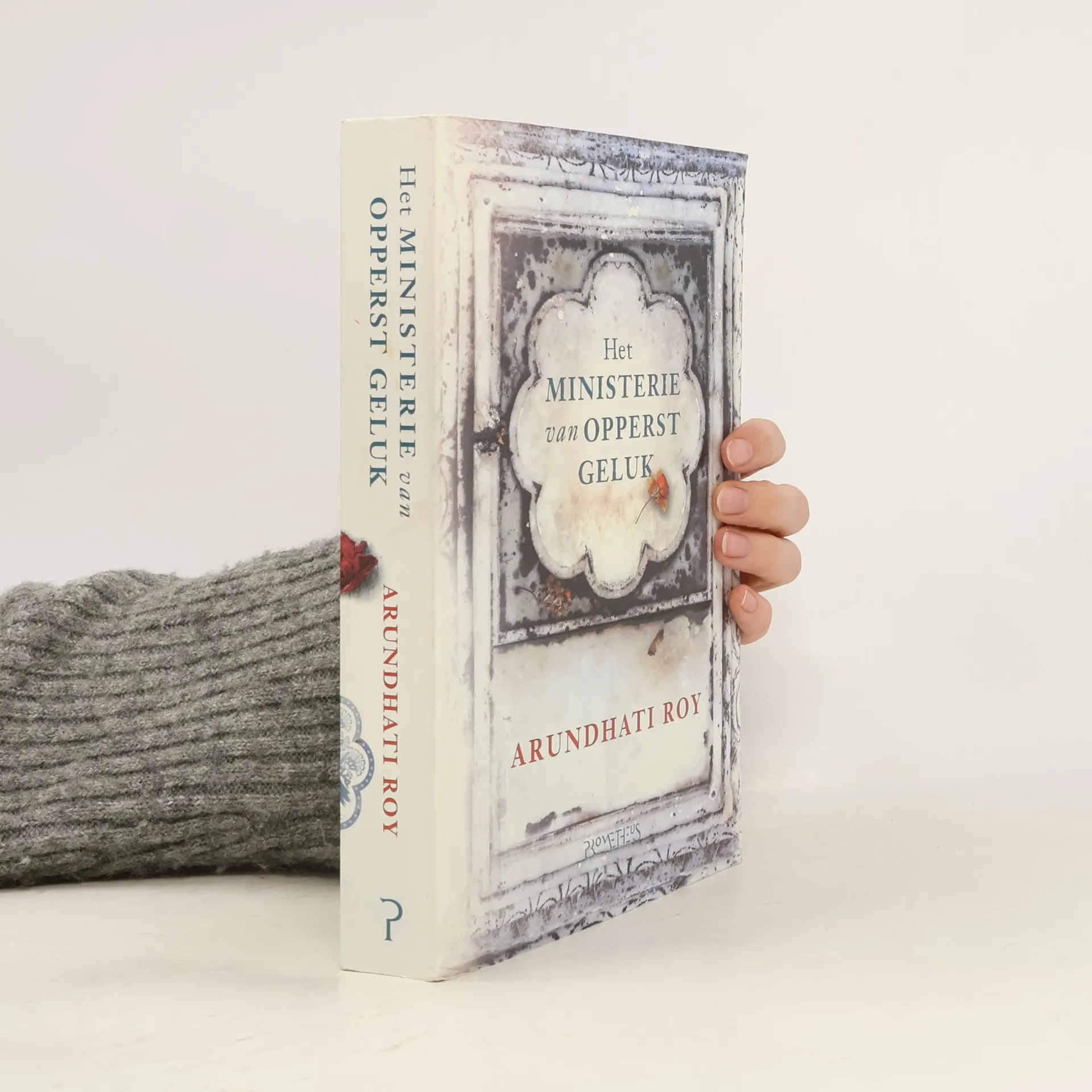
    Het ministerie van Opperst Geluk
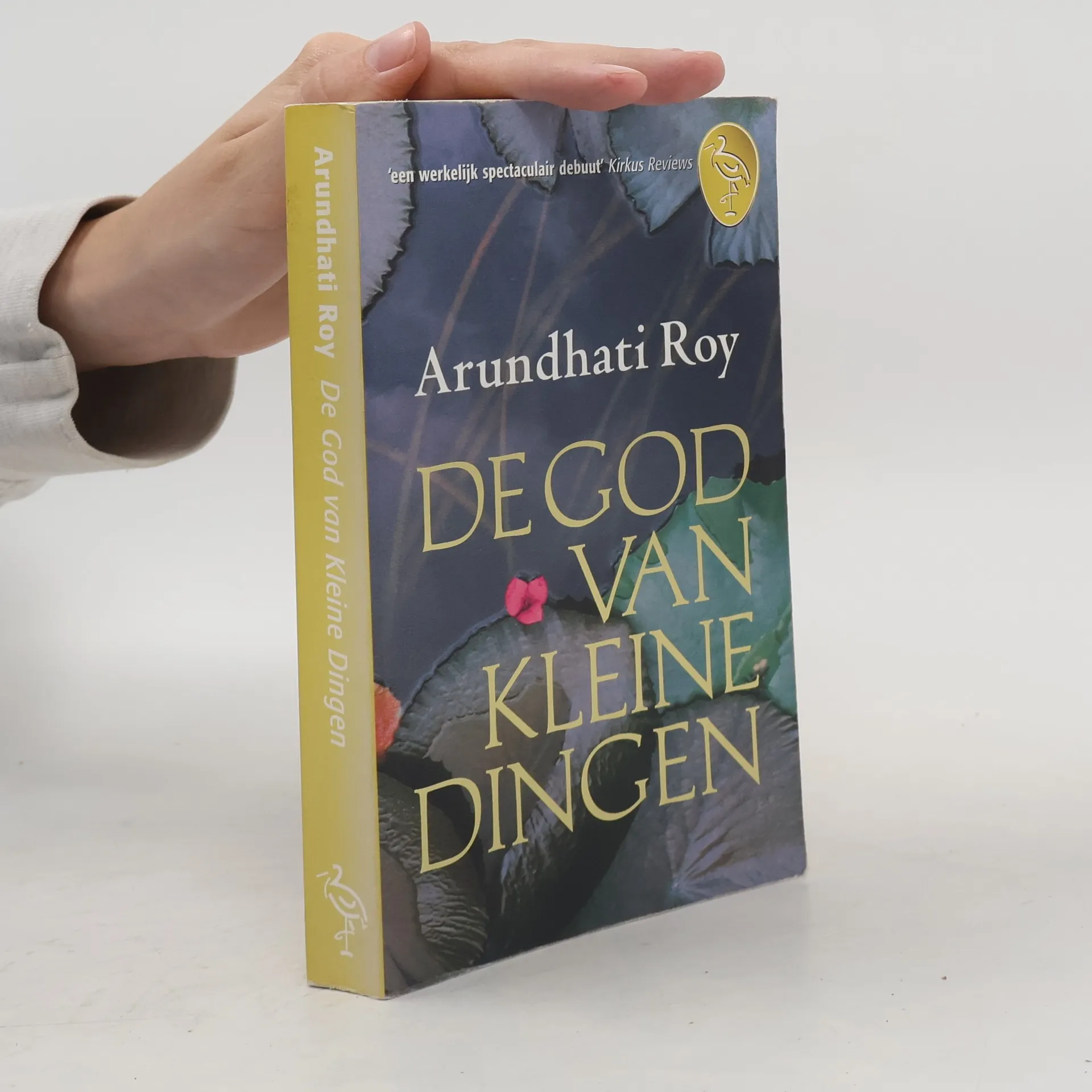
    De God van Kleine Dingen
    • De God van Kleine Dingen

      • 336bladzijden
      • 12 uur lezen

      Een Indiase tweeling wordt van elkaar gescheiden nadat een Engels nichtje in hun bijzijn om het leven is gekomen. Na 23 jaar worden ze weer herenigd en beleven opnieuw de gebeurtenissen van die tijd.

      De God van Kleine Dingen
      4,0
    • Het ministerie van Opperst Geluk

      • 464bladzijden
      • 17 uur lezen

      ‘Hoe vertel je een versplinterd verhaal? Door langzaam iedereen te worden. Nee. Door langzaam alles te worden.’ Het ministerie van Opperst Geluk neemt ons mee op een indringende reis door het Indiase subcontinent – van de nauwe straatjes in oud Delhi naar de besneeuwde bergen van Kasjmir, waar oorlog en vrede in elkaar overvloeien. Anjum, voorheen Aftab, rolt een versleten Perzisch tapijt uit op de gemeentebegraafplaats. We ontmoeten de onverbeterlijke Saddam Hussein, de onvergetelijke Tilo, en de drie mannen die van haar houden, waaronder Musa, met wie ze een diep verbonden lot deelt. Tilo’s huisbaas, een van haar minnaars, is als waarnemend hoofd van de Inlichtingendienst in Kaboel gestationeerd. Daarnaast zijn er de twee Miss Jebeens: de eerste, geboren in Srinagar, werd op vierjarige leeftijd begraven; de tweede werd als baby gevonden in New Delhi. Dit verhaal is een aangrijpende liefdesgeschiedenis en maatschappelijke aanklacht, verteld met een mix van fluisteringen en schreeuwen, soms met een lach, soms door de tranen heen. De hoofdpersonen, beschadigd door de wereld, hervinden hun kracht door de liefde en hoop die ze tegenkomen. Ondanks hun kwetsbaarheid verliezen ze nooit de moed. Hun kleurrijke levens vervlechten zich in deze meeslepende roman, die de grenzen van de vertelkunst opnieuw definieert.

      Het ministerie van Opperst Geluk
      3,6
    • My Seditious Heart

      • 1040bladzijden
      • 37 uur lezen

      Bookended by her two extraordinary novels, The God of Small Things (1997) and The Ministry of Utmost Happiness (2017), My Seditious Heart collects the work of a two-decade period when Arundhati Roy devoted herself to the political essay as a way of opening up space for justice, rights and freedoms in an increasingly hostile environment. Taken together, the essays speak in a voice of unique spirit, marked by compassion, clarity and courage. Radical and superbly readable, as they speak always in defense of the collective, of the individual and of the land, in the face of the destructive logic of financial, social, religious, military and governmental elites.

      My Seditious Heart
      4,6
    • The Doctor and the Saint

      • 165bladzijden
      • 6 uur lezen

      In The Doctor and the Saint, Roy reveals some uncomfortable, even controversial, truths about the political thought and career of India’s most famous, and most revered figure. At the same time, Roy makes clear that what millions of Indians need is not merely formal democracy, but liberation from the oppression, shame, and poverty imposed on them by India’s archaic caste system.

      The Doctor and the Saint
      4,4
    • The Architecture of Modern Empire

      • 272bladzijden
      • 10 uur lezen

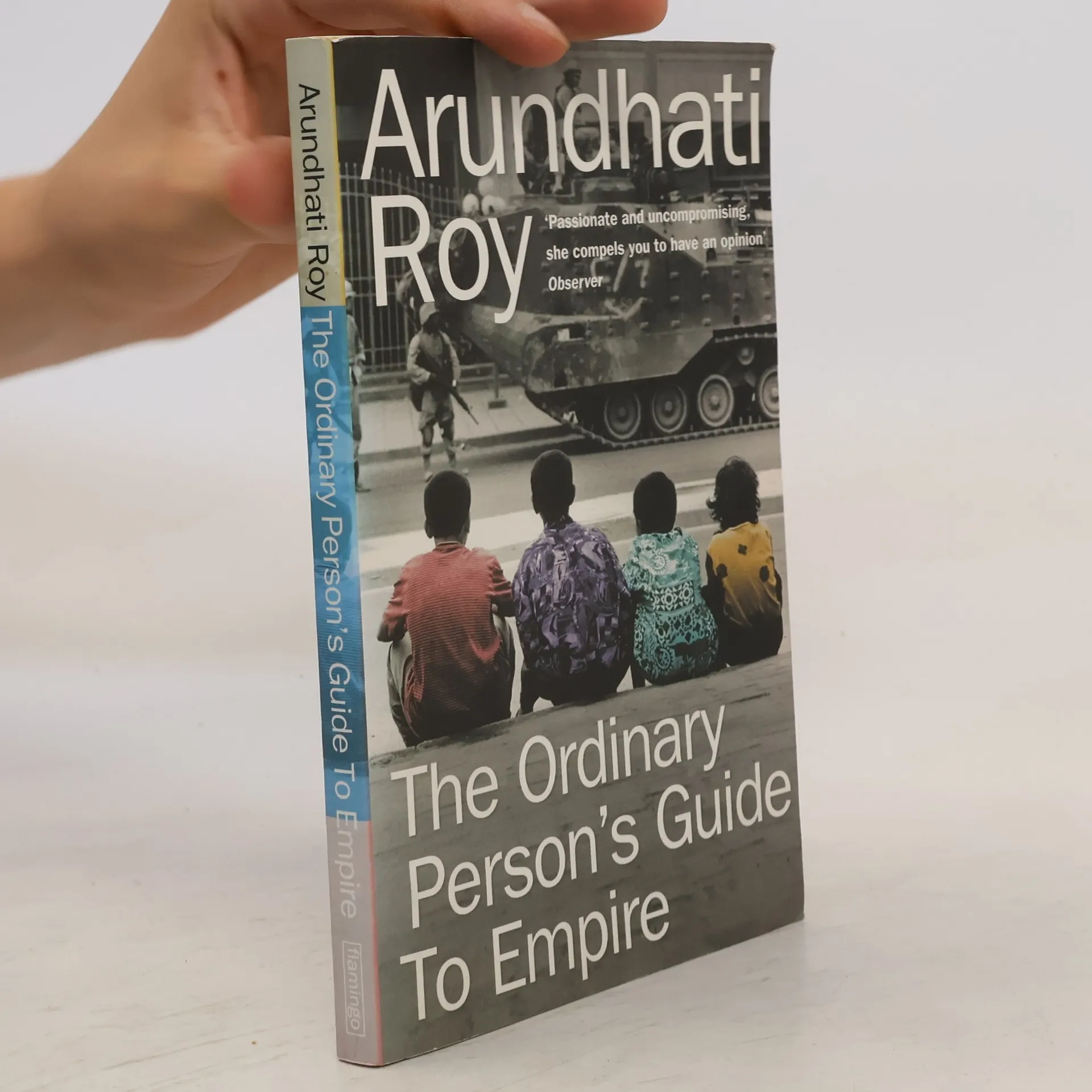
      From the bestselling author of Azadi and My Seditious Heart, a piercing exploration of modern empire, nationalism and rising fascism that gives us the tools to resist and fight back'I try to create links, to join the dots, to tell politics like a story, to make it real...'Over a lifetime spent at the frontline of solidarity and resistance, Arundhati Roy's words have lit a clear way through the darkness that surrounds us. Combining the skills of the architect she trained to be and the writer she became, she illuminates the hidden structures of modern empire like no one else, revealing their workings so that we can resist.Her subjects: war, nationalism, fundamentalism and rising fascism, turbocharged by neoliberalism and now technology. But also: truth, justice, freedom, resistance, solidarity and above all imagination - in particular the imagination to see what is in front of us, to envision another way, and to fight for it.Arundhati Roy's voice - as distinct and compelling in conversation as in her writing - explores these themes and more in this essential collection of interviews with David Barsamian, conducted over two decades, from 2001 to the present.WITH AN AFTERWORD FROM NAOMI KLEIN

      The Architecture of Modern Empire
      4,3
    • Azadi - Updated Edition

      Freedom. Fascism. Fiction

      • 256bladzijden
      • 9 uur lezen

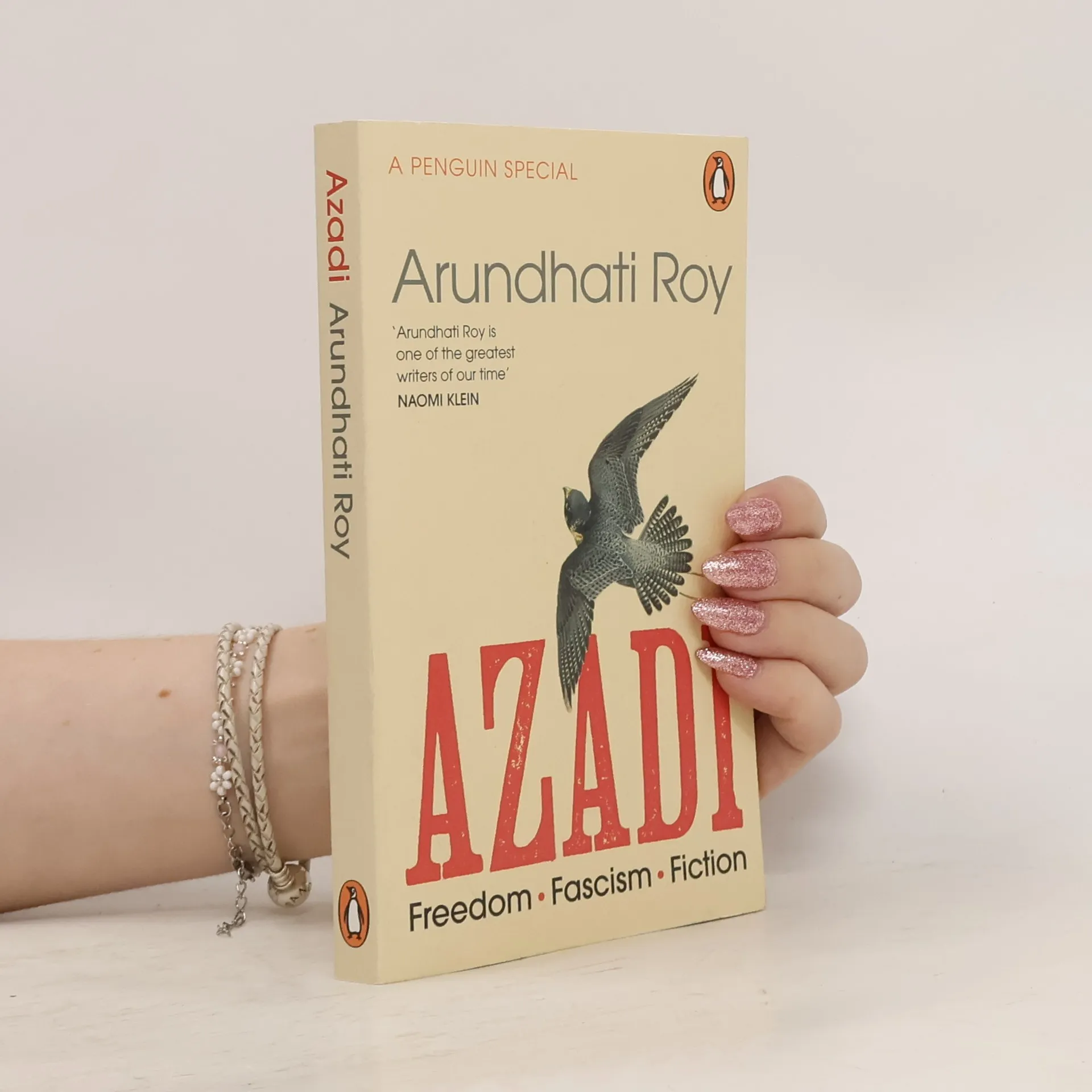
      The chant of Azadi! Urdu for Freedom -is the slogan of the freedom struggle in Kashmir against what the Kashmiris see as the Indian Occupation. Ironically, it also became the chant of millions on the streets of India against the project of Hindu nationalism. Even as Arundhati Roy began to ask what lay between these two calls for freedom-a chasm or a bridge?-the streets fell silent. Not only in India but all over the world. Covid-19 brought with it another, more terrible, understanding of Azadi, making a nonsense of international borders, incarcerating whole populations, and bringing the modern world to a halt like nothing else ever could. In this series of electrifying essays, Arundhati Roy challenges us to reflect on the meaning of freedom in a world of growing authoritarianism. The essays include meditations on language, public as well as private, and on the role of fiction and alternative imaginations in these disturbing times. The pandemic, Roy says, is a portal between one world and another. For all the illness and devastation it has left in its wake, it is an invitation to the human race, an opportunity, to imagine another world.

      Azadi - Updated Edition
      4,2
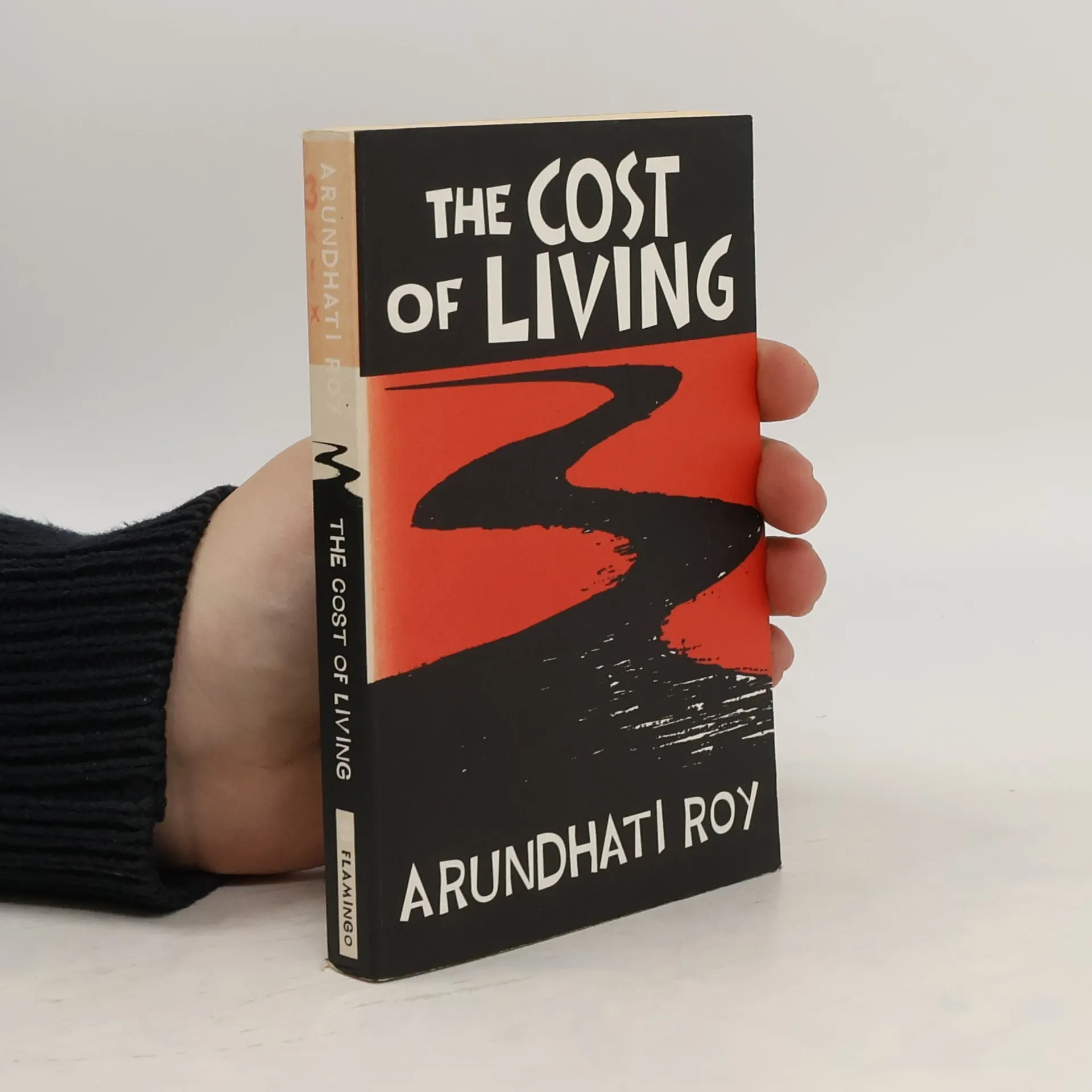
    • The Narmada Valley in north-western India is home to 25 million people, and since the 1970's successive federal and state governments have been intent on forcibly evicting these people. This text is a tale of governmental arrogance, high-handedness, corruption and idiocy.

      The Cost of Living
      4,1
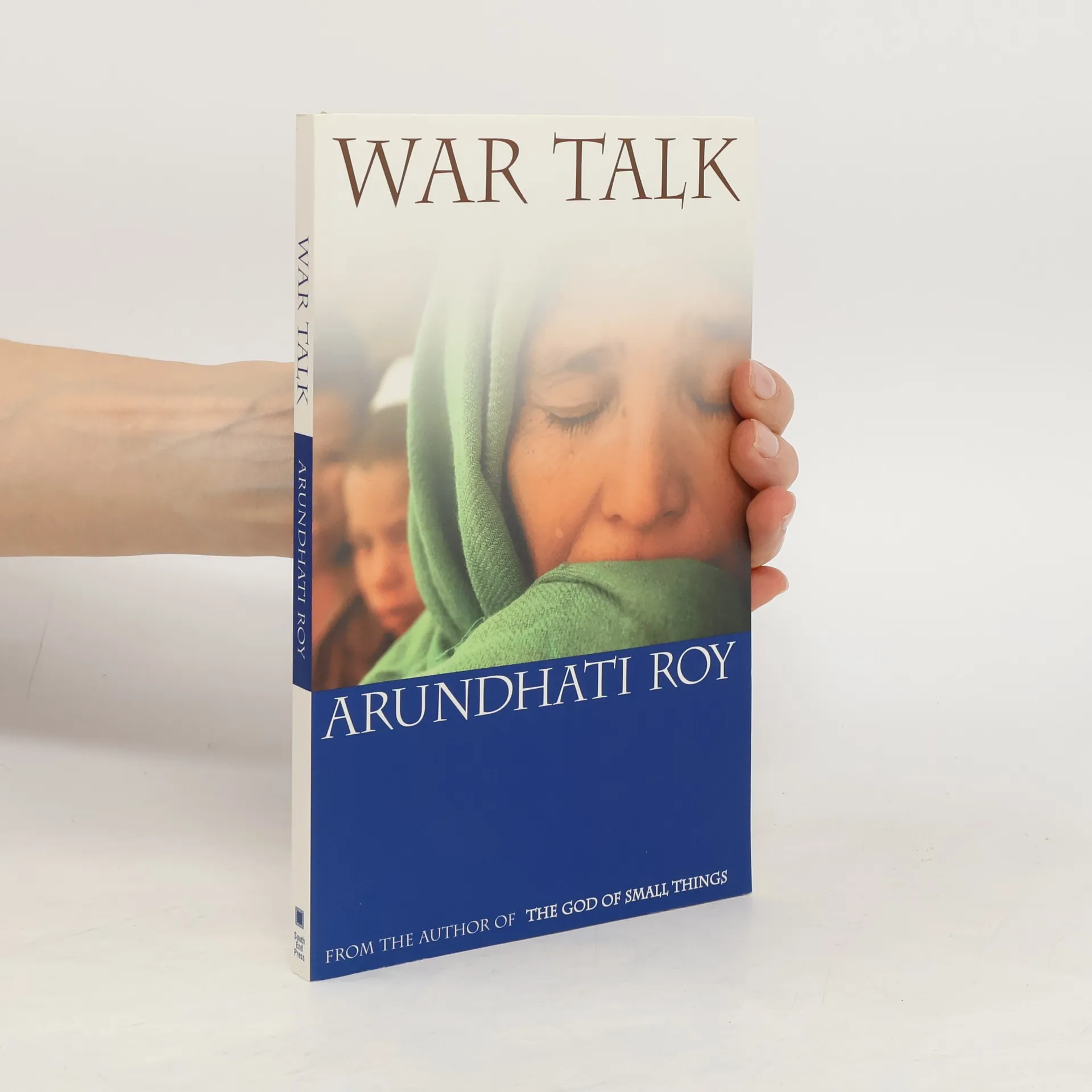
    • "Roy's new essay collection, War Talk, highlights the global rise of militarism and religious and racial violence. Against the backdrop of nuclear brinkmanship between India and Pakistan, the horrific massacre of Muslims in Gujarat, and U.S. demands for an ever-expanding war on terror, she calls into question the equation of nation and ethnicity."--BOOK JACKET.

      War Talk
      4,1
    • AZADI

      • 304bladzijden
      • 11 uur lezen

      FROM THE BEST-SELLING AUTHOR OF MY SEDITIOUS HEART AND THE MINISTRY OF UTMOST HAPPINESS, A NEW AND PRESSING DISPATCH FROM THE HEART OF THE CROWD AND THE SOLITUDE OF A WRITER'S DESK The chant of 'Azadi!' - Urdu for 'Freedom!' - is the slogan of the freedom struggle in Kashmir against what Kashmiris see as the Indian Occupation. Ironically, it also became the chant of millions on the streets of India against the project of Hindu Nationalism. Even as Arundhati Roy began to ask what lay between these two calls for Freedom - a chasm or a bridge? - the streets fell silent. Not only in India, but all over the world. The Coronavirus brought with it another, more terrible understanding of Azadi, making a nonsense of international borders, incarcerating whole populations, and bringing the modern world to a halt like nothing else ever could. In this series of electrifying essays, Arundhati Roy challenges us to reflect on the meaning of freedom in a world of growing authoritarianism. The essays include meditations on language, public as well as private, and on the role of fiction and alternative imaginations in these disturbing times. The pandemic, she says, is a portal between one world and another. For all the illness and devastation it has left in its wake, it is an invitation to the human race, an opportunity, to imagine another world.

      AZADI
      4,1
    • The Algebra of Infinite Justice

      • 351bladzijden
      • 13 uur lezen

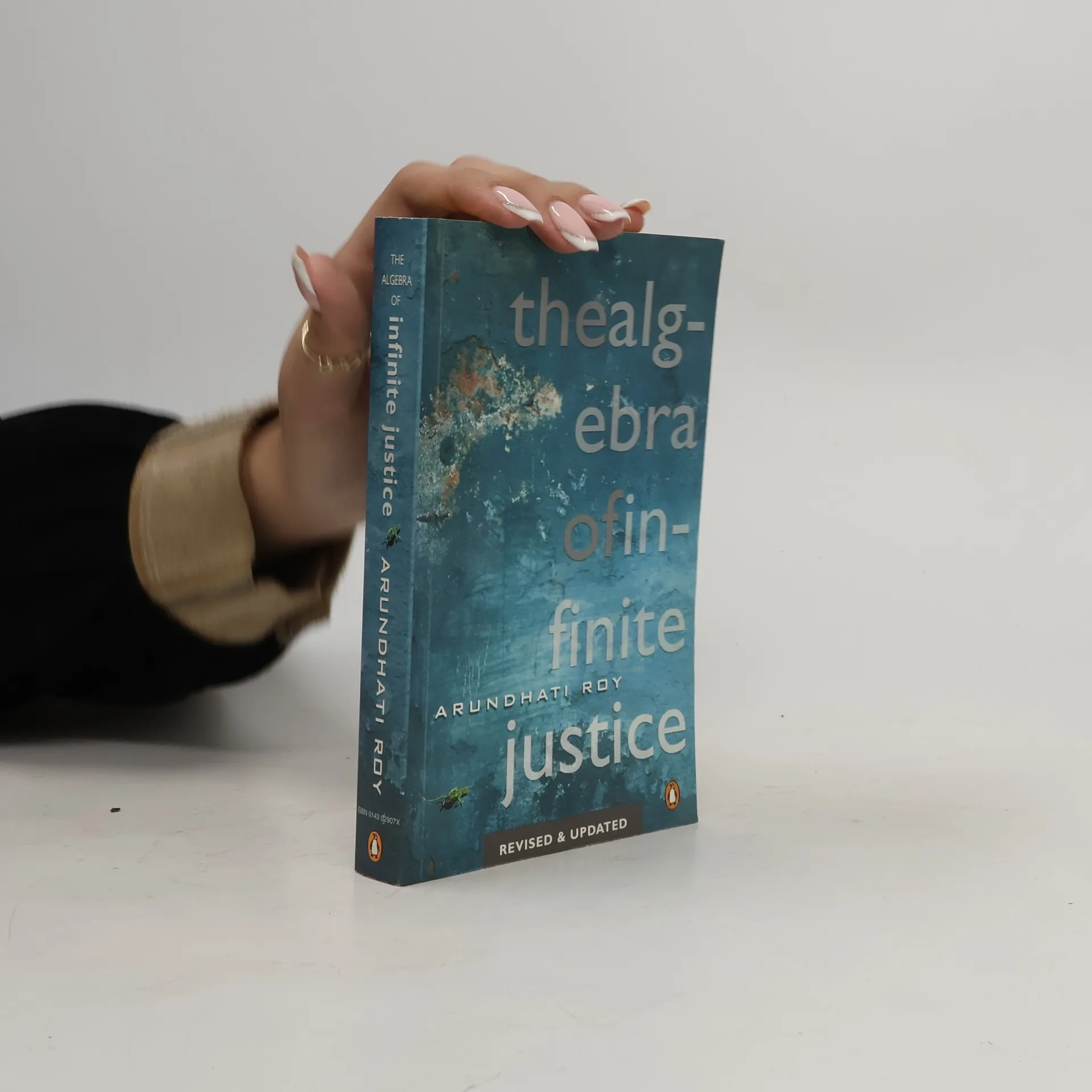
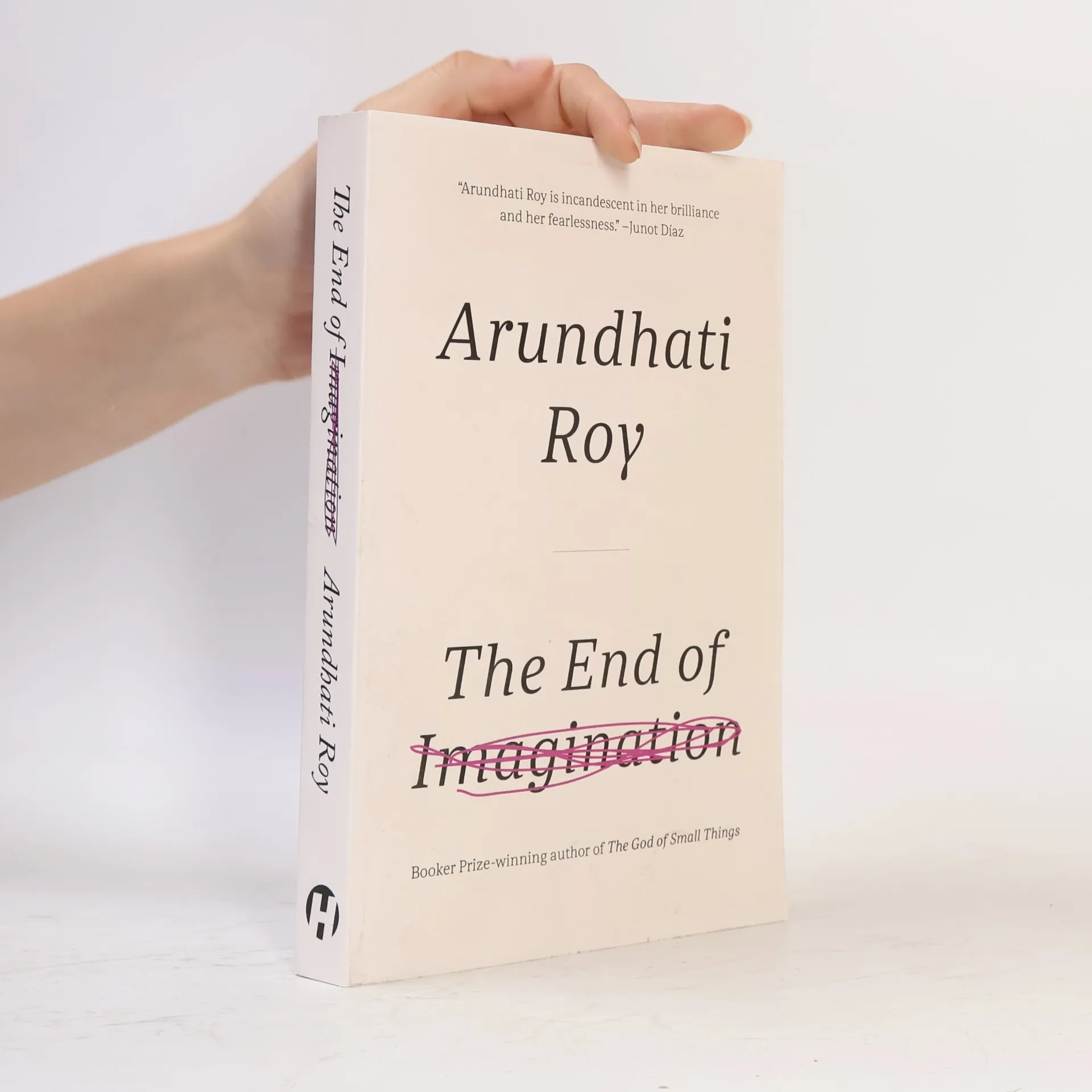
      A Few Weeks After India Detonated A Thermonuclear Device In 1998, Arundhati Roy Wrote The End Of Imagination . The Essay Attracted Worldwide Attention As The Voice Of A Brilliant Indian Writer Speaking Out With Clarity And Conscience Against Nuclear Weapons. Over The Next Three And A Half Years, She Wrote A Series Of Political Essays On A Diverse Range Of Momentous Subjects: From The Illusory Benefits Of Big Dams, To The Downside Of Corporate Globalization And The Us Government S War Against Terror. First Published In 2001, The Algebra Of Infinite Justice Brings Together All Of Arundhati Roy S Political Writings So Far. This Revised Paperback Edition Includes Two New Essays, Written In Early 2002: Democracy: Who S She When She S At Home , That Examines The Horrific Communal Violence In Gujarat, And War Talk: Summer Games With Nuclear Bombs , About The Threat Of Nuclear War In The Subcontinent.

      The Algebra of Infinite Justice
      4,1
    • The Greater Common Good

      • 76bladzijden
      • 3 uur lezen

      Non fiction piece on Sardar Sarovar (Narmada) Project published in 1999.

      The Greater Common Good
      4,0
    • "Gorgeously wrought . . . pitch-perfect prose. . . . In language of terrible beauty, she takes India's everyday tragedies and reminds us to be outraged all over again."written in response to new developments in India that have seen the government launch a full scale war, "Operation Green Hunt," against the tribal community of Naxals defending their land in central India), and a previously unpublished essay also dealing with the government's response to the tribals' demands for greater land rights. Arundhati Roy's writings on the Naxals and her public support for their cause have led to a government investigation and threats of imprisonment, engendering worldwide petitions and outcry in her defense.

      Listening to Grasshoppers
      4,0
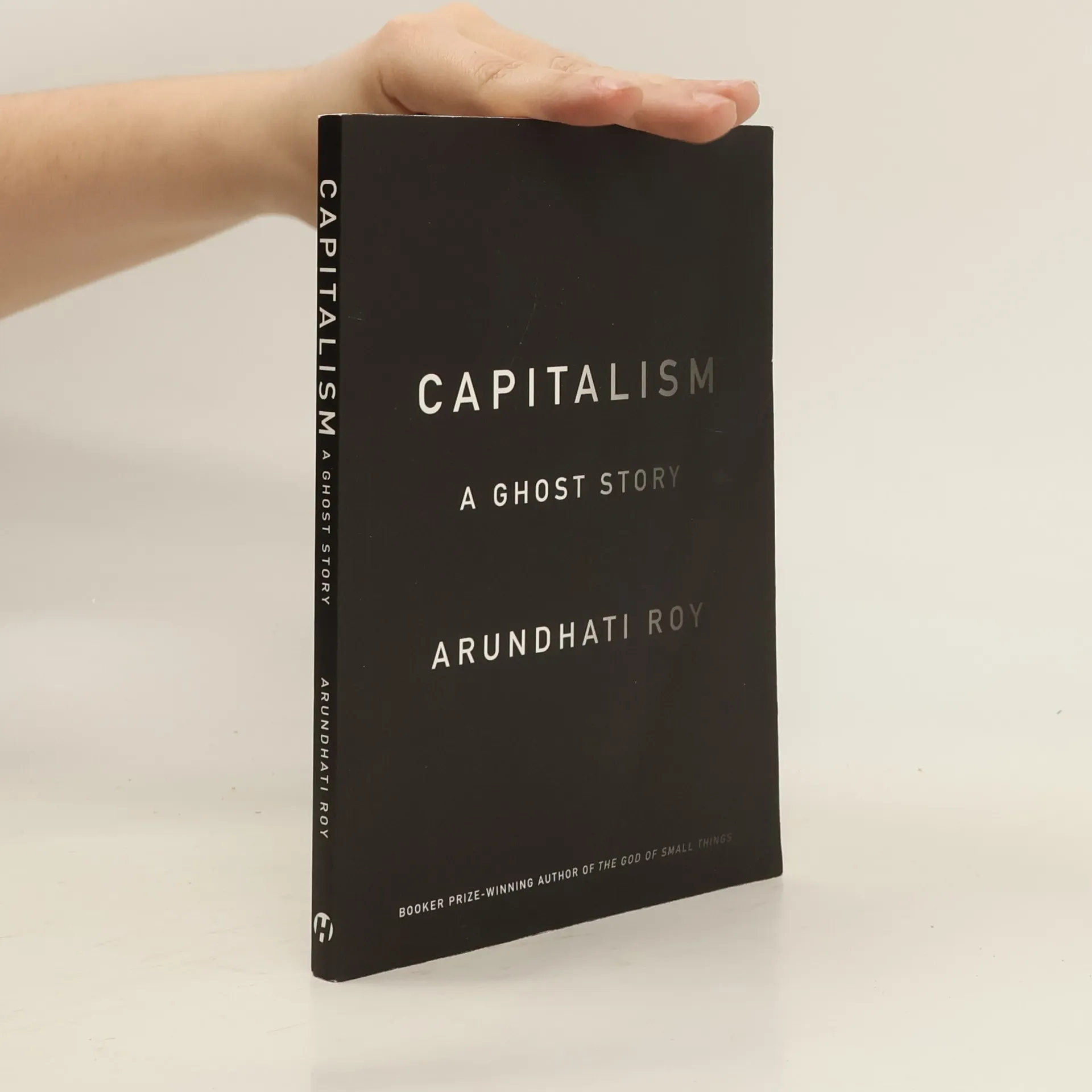
    • Capitalism

      A Ghost Story

      • 138bladzijden
      • 5 uur lezen

      With anger and compassion, Roy exposes the sordid underbelly and dark inhumanity of capitalism in India and around the globe.

      Capitalism
      4,0
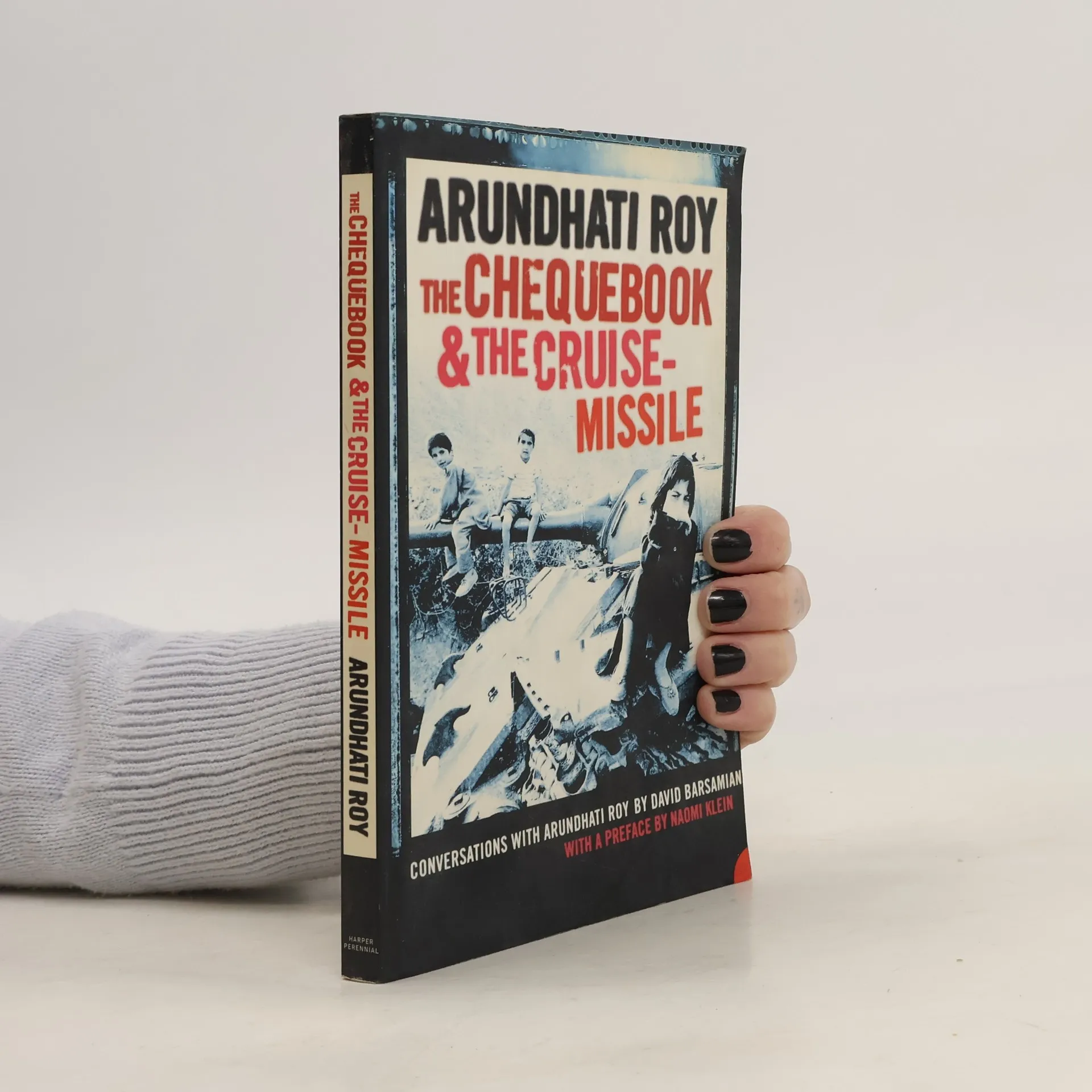
    • In these interviews, collected by David Barsamian between 2001 and 2003, Arundhati Roy speaks frankly and compellingly on subjects ranging from her unconventional childhood in India to the state of the world following September 11 and the US-led invasion of Iraq. This collection assures Arundhati Roy's prominence as a vital political essayist. In language that is at once lively and humorous, searching and fierce, she discusses her political activism, from her participation in demonstrations against the Indian dam programme to her ongoing legal battle against a charge for corrupting

      The Chequebook and the Cruise Missile
      3,8
    • Things That Can and Cannot be Said

      • 132bladzijden
      • 5 uur lezen

      In the winter of 2014, Arundhati Roy and actor John Cusack met Edward Snowden and Daniel Ellsberg, the Snowden of the 1960s. Their conversations touched on some of the great themes of our times Ð the nature of the state, surveillance in an era of perpetual war, and the meaning of patriotism

      Things That Can and Cannot be Said
      3,6
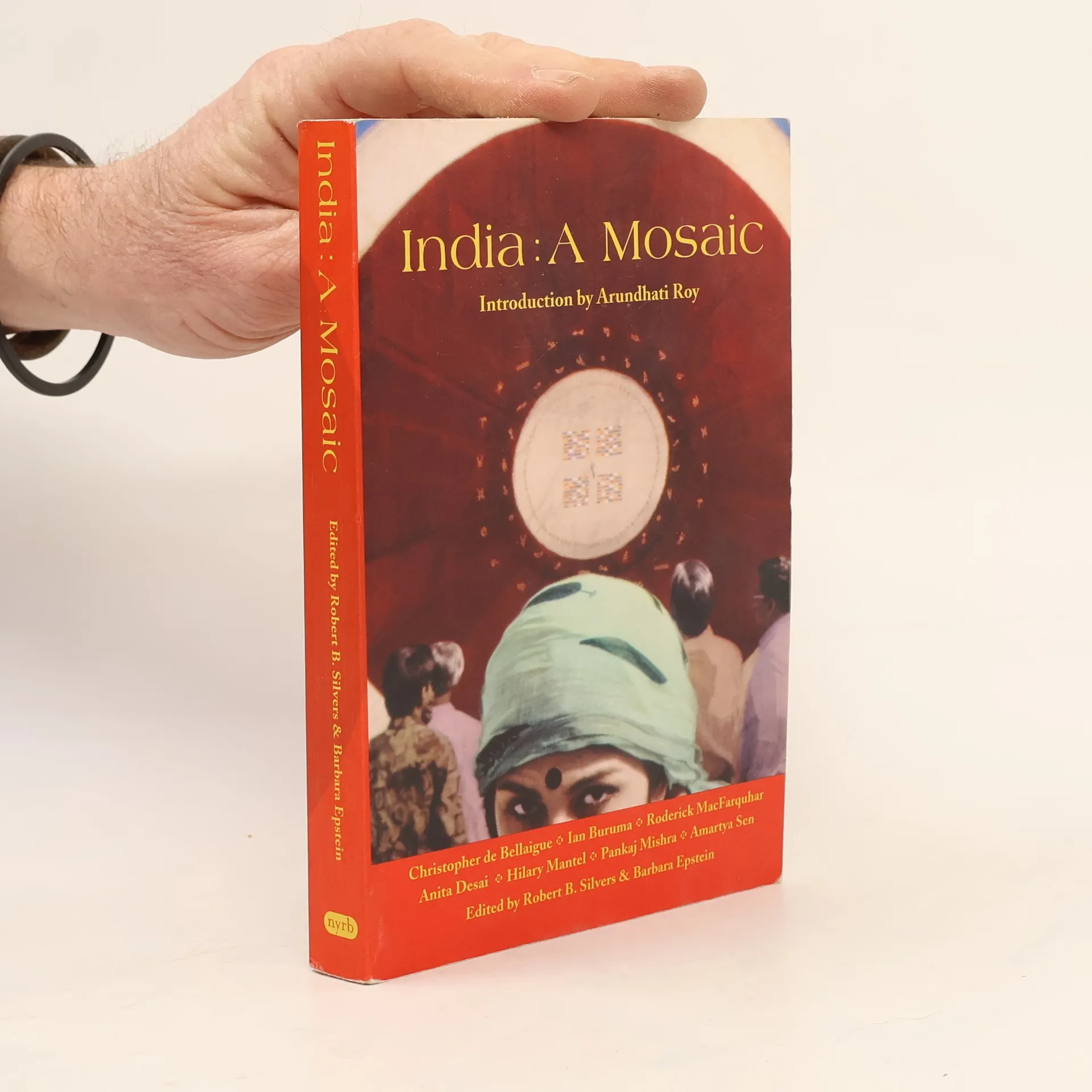
    • India

      A Mosaic

      • 288bladzijden
      • 11 uur lezen

      How can we understand India today, fifty years after Independence and only months after its nuclear tests outraged the world? The novelist Arundhati Roy has written, specially for this collection, a fierce denunciation of the Indian nuclear program, which serves as an introduction to nine essays on India, all originally published in The New York Review of Books . In this volume, seven distinguished writers offer penetrating insights into the complexities of the subcontinent. Roderick MacFarquhar reflects on the legacy of Empire and Partition, Ian Buruma considers secularism and Indian democracy, Pankaj Mishra remembers life in Benares, and Christopher de Bellaigue writes on a violent Bombay. But the volatile intersections of history, politics, and culture on which they focus haunt Indian literature too, as shown in essays by Nobel Prize-winner Amartya Sen on Rabindranath Tagore, Hilary Mantel on Rohinton Mistry, and Anita Desai on Indian women's writing.

      India
      2,7
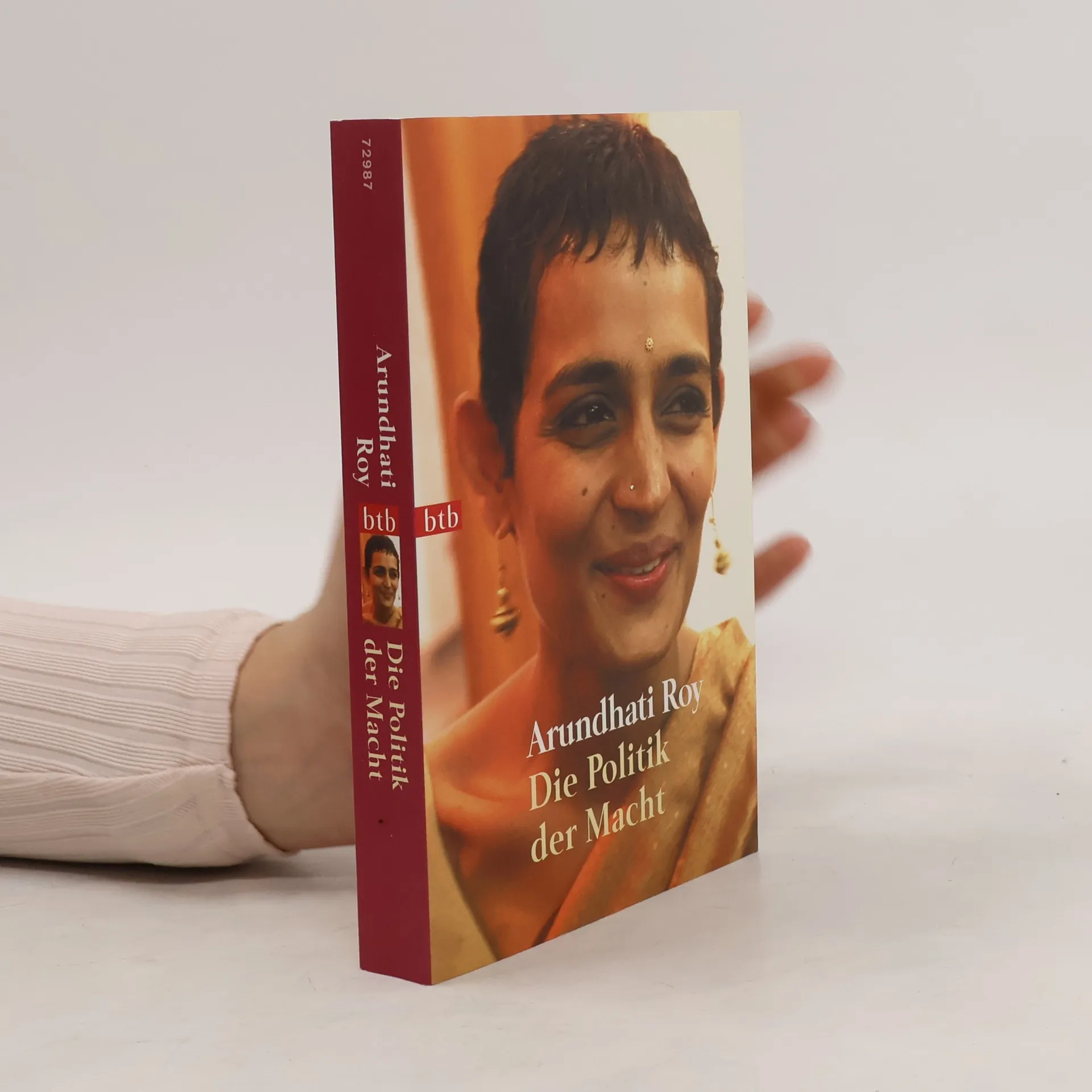
    • Die Politik der Macht

      • 312bladzijden
      • 11 uur lezen

      Nach dem Welterfolg ihres Romandebüts „Der Gott der kleinen Dinge“ widmet sich Arundhati Roy zwei Themen der Politik, die ihr als engagierter Autorin am Herzen liegen: dem umstrittenen Narmada-Staudamm im indischen Bundesstaat Gujarat, einem gigantischen Projekt mit verheerenden humanitären und ökologischen Folgen, und den indischen Atombombenversuchen, die zu einer neuen Eskalation des Grenzkonflikts mit Pakistan geführt haben. „Wer weiß, vielleicht ist es das, was das 21. Jahrhundert für uns auf Lager hat: die Demontage des Großen. Großer Bomben, großer Staudämme, großer Ideologien, großer Widersprüche, großer Länder, großer Kriege, großer Helden, großer Fehler. Vielleicht wird es das Jahrhundert der kleinen Dinge sein. Vielleicht macht sich gerade jetzt, in diesem Augenblick, droben im Himmel der kleine Gott für uns bereit.“ „Wer weiß, vielleicht ist es das, was das 21. Jahrhundert für uns auf Lager hat: die Demontage des Großen. Großer Bomben, großer Staudämme, großer Ideologien, großer Widersprüche, großer Länder, großer Kriege, großer Helden, großer Fehler. Vielleicht wird es das Jahrhundert der kleinen Dinge sein. Vielleicht macht sich gerade jetzt, in diesem Augenblick, droben im Himmel der kleine Gott für uns bereit.“

      Die Politik der Macht
      3,9
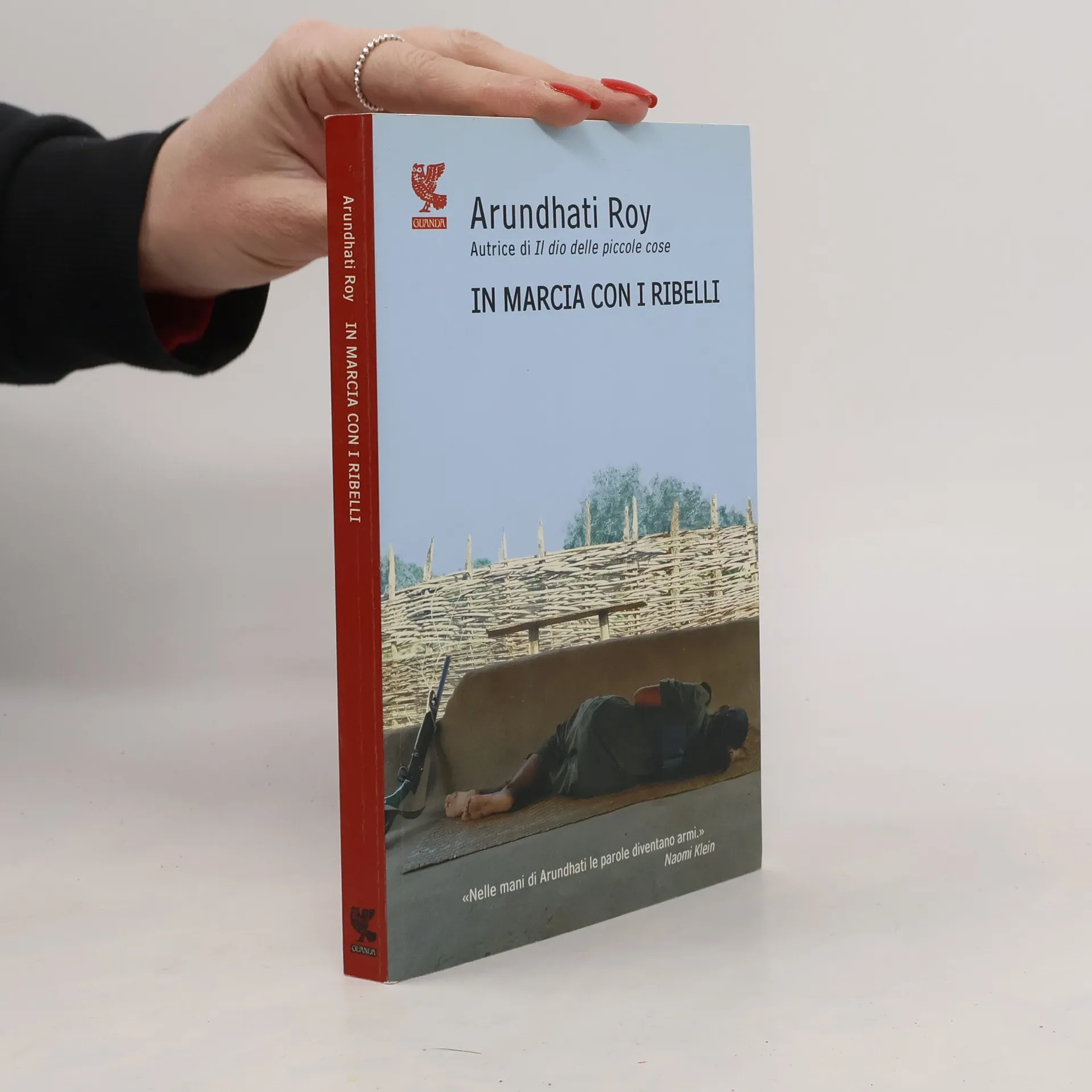
    • Nitido e scritto a macchina, il biglietto in busta sigillata infilato sotto la porta confermava l'appuntamento. Arundhati Roy aspettava questa notizia da mesi, pronta a recarsi al tempio di Ma Danteshwari con la macchina fotografica, il tika e una noce di cocco. Così, il pericoloso ribelle adivasi, anch'esso riconoscibile grazie a un cappellino e una rivista hindi «Outlook», avrebbe potuto identificarla. Tuttavia, ad accoglierla c'era un ragazzino dall'aria innocua, senza giornale né banane, un pasto veloce per ingannare l'attesa. Questo era poco professionale per chi era considerato «la più grande minaccia per la sicurezza interna» dell'India, come affermato dal primo ministro Chidambaram. Inizia così una coraggiosa esplorazione di un'India sconosciuta, dove il panorama fisico ed economico è stato radicalmente cambiato dalle multinazionali. Con la complicità del governo, le grandi aziende hanno espropriato terre, foreste e vite delle popolazioni locali in modo illegittimo e anticostituzionale. Tuttavia, i poveri di questi villaggi hanno deciso di unirsi alla ribellione maoista per guidare la più grande democrazia del mondo verso un futuro alternativo al capitalismo selvaggio e all’avidità dilagante.

      Narratori della Fenice: In marcia con i ribelli
      3,8
    • Azadi heißt Freiheit

      Essays

      • 256bladzijden
      • 9 uur lezen

      Ein mutiges Buch einer der engagiertesten Frauen der Welt: ein Manifest für die Zeit nach der Pandemie »Azadi heißt Freiheit.« Ob sie als Erzählerin in ihren Bestseller-Romanen wie »Der Gott der kleinen Dinge« andere Universen entwirft oder in ihren Essays unsere Welt schonungslos hinterfragt: Kompromisslos kritisiert die indische Autorin Arundhati Roy im Namen der Freiheit die Gesellschaften, die in Ost wie West immer nationalistischer agieren. Schonungslos untersucht sie Umweltzerstörung, Ausbeutung und Überwachung. Und doch muss die Pandemie nicht der Endpunkt dieses Weltvernichtungsprogramms sein: Denn was wäre, wenn Corona ein Portal wäre, an dem wir uns entscheiden müssen, was wir zurücklassen und was wir mit uns nehmen? Die Pandemie könnte eine Wende bedeuten. Der unnachgiebige Blick der Aktivistin Arundhati Roy kann uns Hoffnung schenken. »Arundhati Roy ist eine der überzeugendsten und originellsten Denkerinnen unserer Zeit.« Naomi Klein »Arundhati Roy ist eine der besten Schreiberinnen auf dem Subkontinent. Eine geniale Beobachterin Indiens, ironisch im Ton, herzhaft in der Sache.« Laura Höflinger, Der Spiegel

      Azadi heißt Freiheit
    • »Mein aufrührerisches Herz« zeigt die dunkle Kehrseite Indiens und ist ein Plädoyer für Freiheit und Gerechtigkeit. Ihr Mut wird bewundert, ihre Unbeirrtheit gefürchtet: Seit ihrem Bestseller »Der Gott der kleine Dinge« tritt Arundhati Roy für ein gerechteres Indien ein, für Freiheit, die nicht nur für die Wenigen gilt. Sie scheut kein Risiko. Sie kämpft nicht nur mit der Feder, sondern auch auf der Straße: gegen die von Modi angezettelten Pogrome, gegen die Besetzung Kaschmirs, gegen Abholzung und den Bau von Staudämmen, die ganze Landschaften zerstören. »Mein aufrührerisches Herz« zeichnet nicht nur diese Reisen einer engagierten Schriftstellerin und couragierten Bürgerin nach, sondern schließt den Bogen zwischen ihren beiden bewunderten Romanen »Der Gott der kleinen Dinge« und »Das Ministerium des äußersten Glücks«: Ihr Engagement ist ihr Leben.

      Mein aufrührerisches Herz
    • Wanderung mit den Genossen

      Mit den Guerillas im Dschungel Zentralindiens

      • 153bladzijden
      • 6 uur lezen

      Arundhati Roy verbrachte mehrere Monate im indischen Dschungel, um mit den Guerilleros der Adivasis gegen Landraub zu kämpfen. In ihrem Buch schildert sie ihre Erfahrungen und hebt hervor, dass über 80% der indischen Bevölkerung in absoluter Armut lebt. Der wirtschaftliche Aufschwung Indiens ist nur für eine kleine Minderheit spürbar, und Roy positioniert sich klar auf der Seite der Armen. Ihr Werk ist essenziell für alle, die sich nicht von ökonomischen Zahlen blenden lassen und das wahre Indien kennenlernen möchten. Roy, geboren 1961 in Kerala, ist Schriftstellerin, Gesellschaftskritikerin und Friedensaktivistin, die sich besonders für die Urbevölkerung Indiens engagiert. Sie kämpft für globale Gerechtigkeit, gegen Umweltzerstörung und für Alternativen zum Kapitalismus. Ihr Widerstand gegen die nukleare Aufrüstung Indiens und Pakistans sowie ihre Kritik an den von den USA geführten Kriegen und dem israelischen Terror gegen Palästinenser machten sie zur Zielscheibe internationaler Medienkampagnen. In den letzten Jahren hat sie sich zunehmend den Herausforderungen Indiens gewidmet, darunter dem Kashmir-Konflikt und dem wachsenden Hindu-Faschismus. Roy vertritt unbeirrt ihren oppositionellen Standpunkt, was ihr den Hass des indischen Establishments einbrachte. Sie ist auch für ihren Roman „Der Gott der kleinen Dinge“ bekannt, für den sie 1997 den Booker-Preis erhielt.

      Wanderung mit den Genossen
    • Que devons-nous aimer ?

      A la rencontre d'Edward Snowden : essais et conversations

      • 128bladzijden
      • 5 uur lezen

      Arundhati Roy et John Cusack se lancent dans un pari un peu fou : aller rendre visite à Edward Snowden à Moscou, où il est réfugié politique. De ce défi naît une passionnante série d'essais et de conversations, de l'émergence de cette idée jusqu'à la rencontre avec ce fameux lanceur d'alerte, ancien employé de la CIA et de la NSA. Accompagnés pour cette entrevue historique de Daniel Ellsberg, un autre lanceur d'alerte qui avait fourni en 1971 les "papiers du Pentagone" au New York Times, ils abordent au fil du texte la question de la guerre, de l'espionnage, du terrorisme, du patriotisme... et décortiquent de façon salutairement implacable le fonctionnement actuel du monde.

      Que devons-nous aimer ?