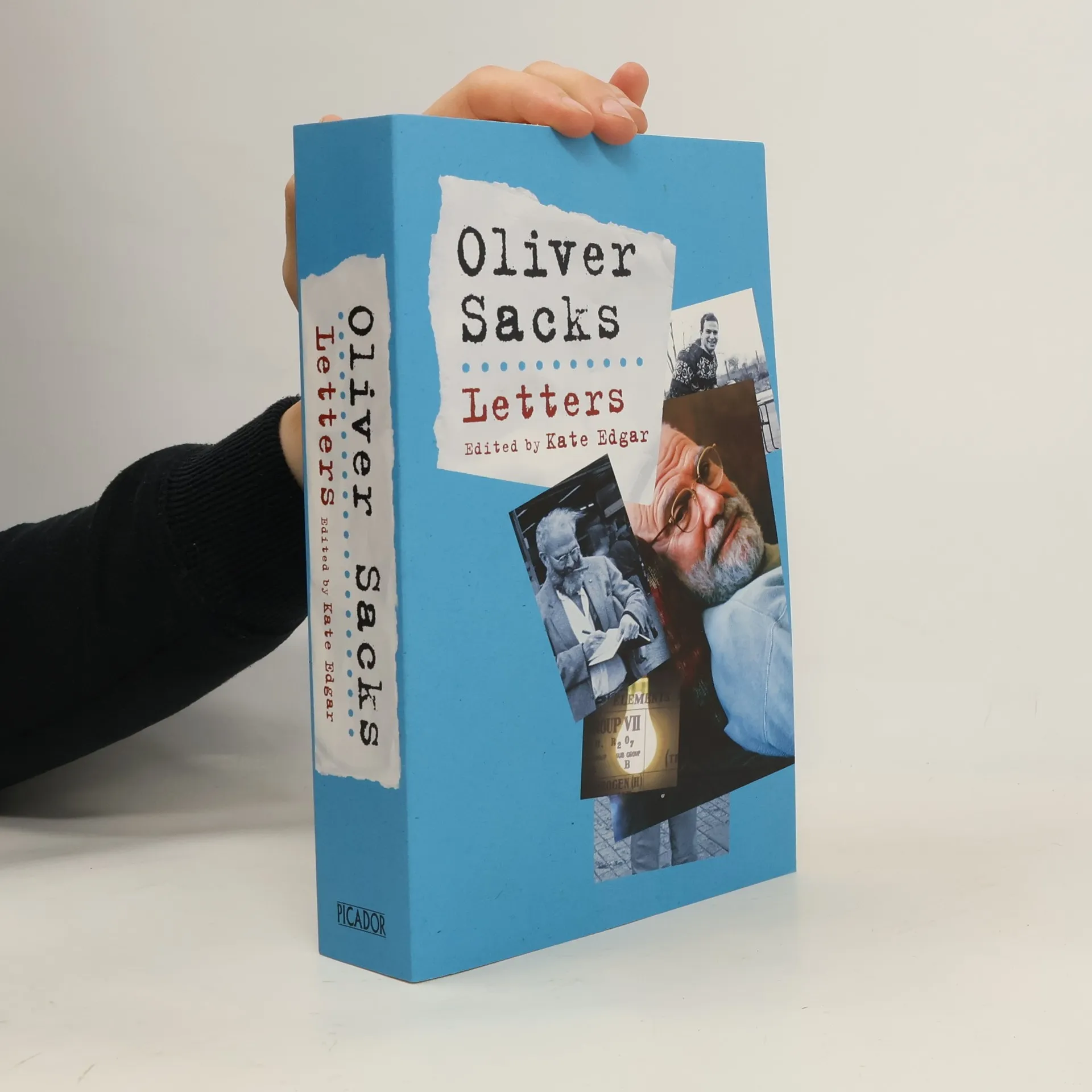
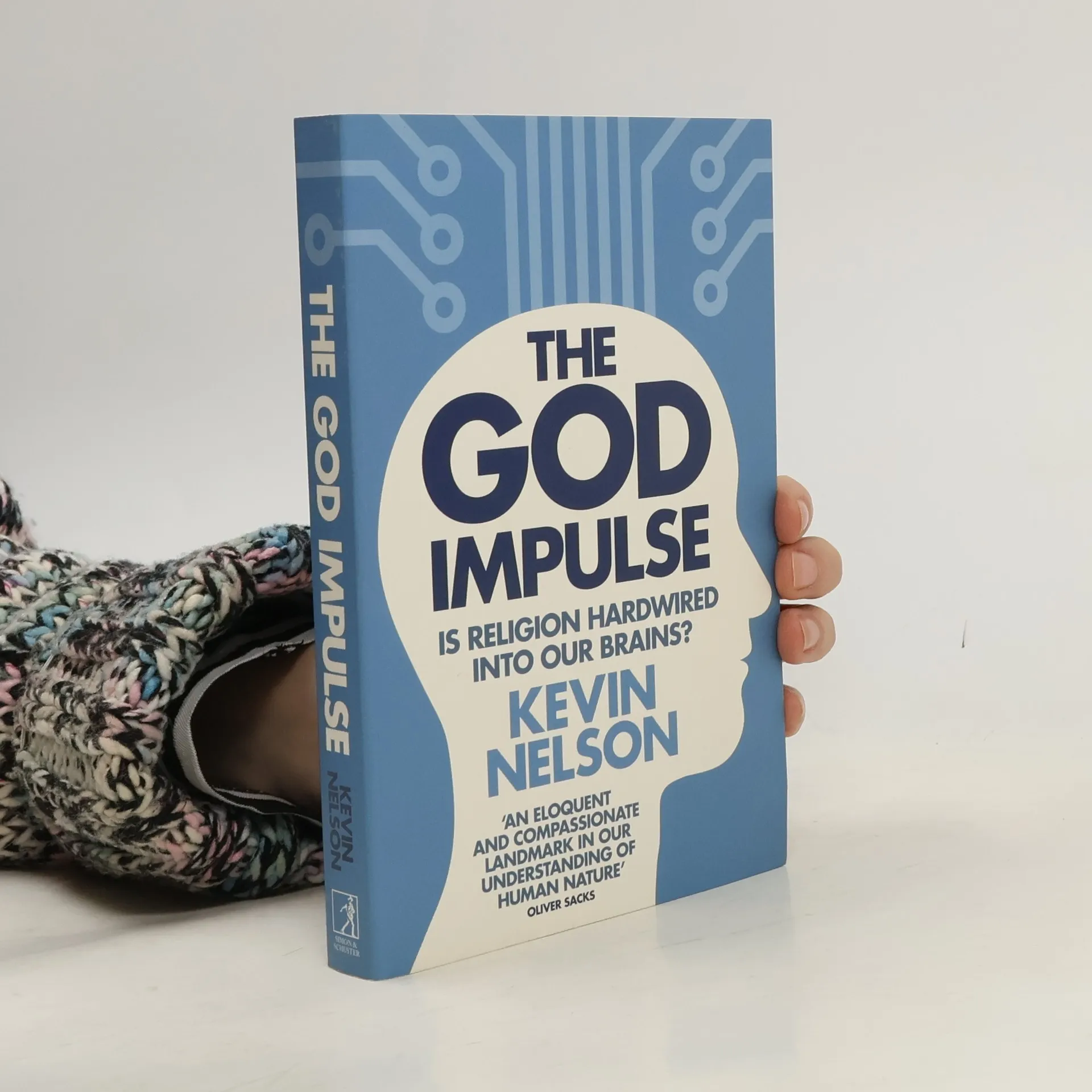
The letters of one of the greatest observers of the human species, revealing his passion for life and work, friendship and art, medicine and society, and the richness of his relationships with friends, family, and fellow intellectuals over the decades, collected here for the first time.
Oliver Sacks Volgorde van de boeken (chronologisch)
9 juli 1933 – 30 augustus 2015
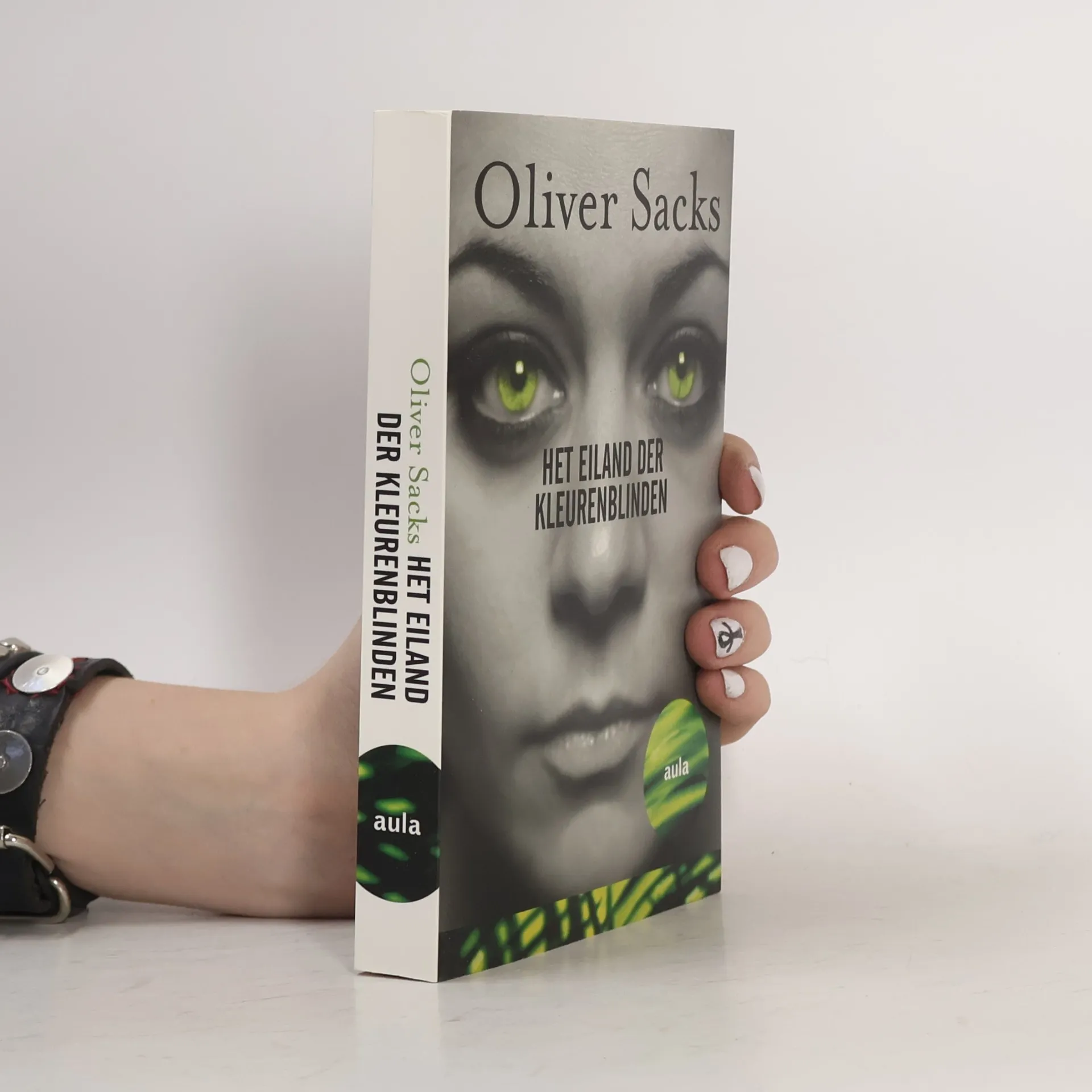
Oliver Sacks was een Britse neuroloog, bekend om zijn boeiende patiëntverhalen die ingaan op de complexiteit van de menselijke geest en hersenen. Zijn werk overbrugt vloeibaar wetenschappelijk onderzoek met diepgaande empathie, en onthult buitengewone verhalen van ziekte die de opmerkelijke veerkracht van de menselijke geest blootleggen. Sacks concentreerde zich op het onderzoeken van neurologische aandoeningen en hun impact op identiteit en perceptie. Zijn aanpak, consistent menselijk en onderzoekend, nodigde lezers uit om na te denken over de essentie van wat het betekent om mens te zijn.



Oliver Sacks: 3 Bände im Schuber
- 1088bladzijden
- 39 uur lezen
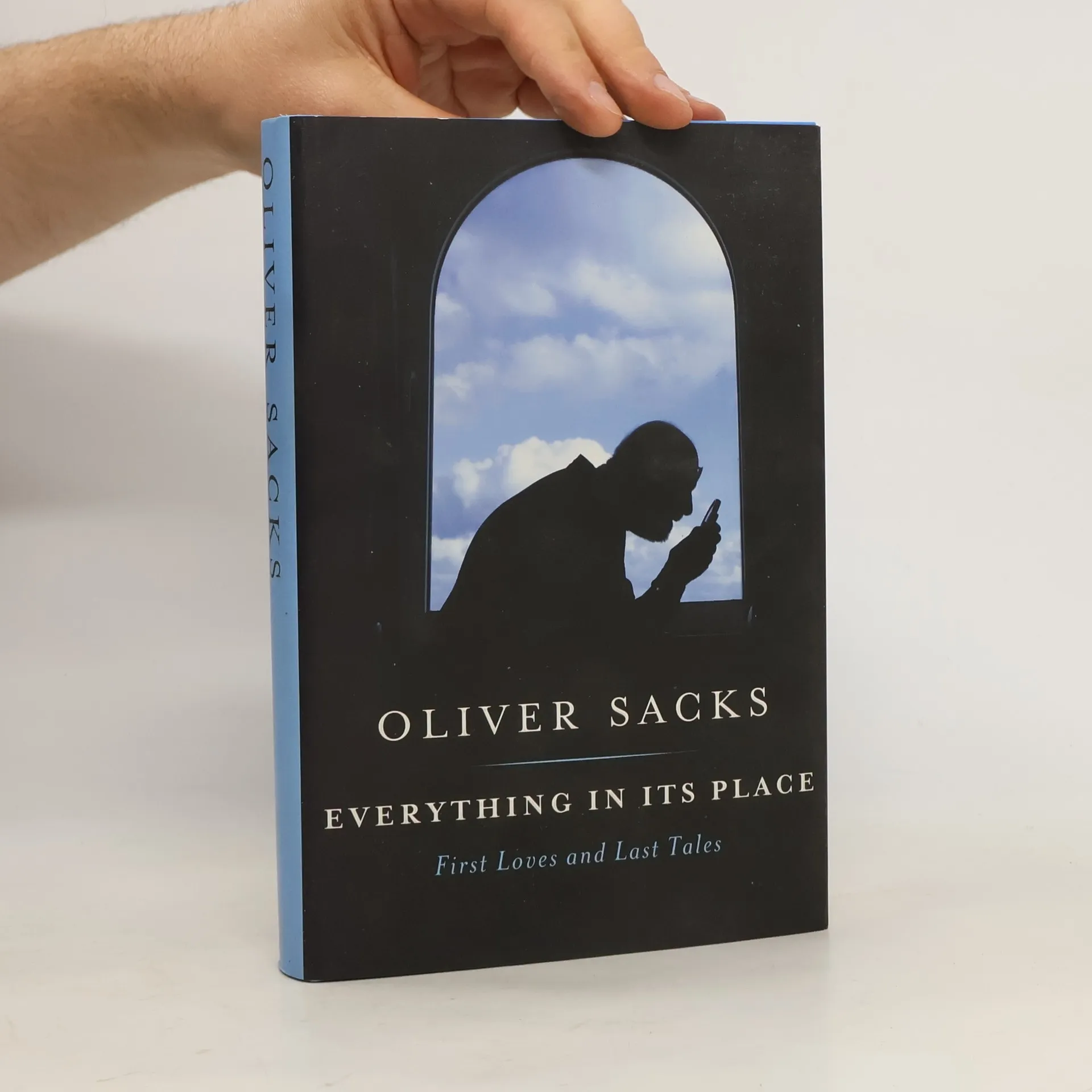
Everything in Its Place
- 288bladzijden
- 11 uur lezen
"In this final volume, Oliver Sacks examines the many passions of his own life, as a doctor engaged with the central questions of human existence, and as a polymath conversant in all the sciences. Everything in Its Place brings together writings--many never before published--on a rich variety of topics. Why do humans need gardens? How, and when, does a physician tell his patient she has Alzheimer's? What is social media doing to our brains? In several of the compassionate case histories included here, Sacks considers the enigmas of depression, psychosis, and schizophrenia for the first time, and in others he returns to conditions that have long fascinated him: Tourette's syndrome, aging, dementia, and hallucinations. In counterpoint to these elegant investigations of what makes us human, this volume also includes pieces that celebrate Sacks's love of the natural world--and his final meditations on life in the twenty-first-century. Everything in Its Place gives us an intimate portrait of a master writer and thinker at work."--Dust jacket.
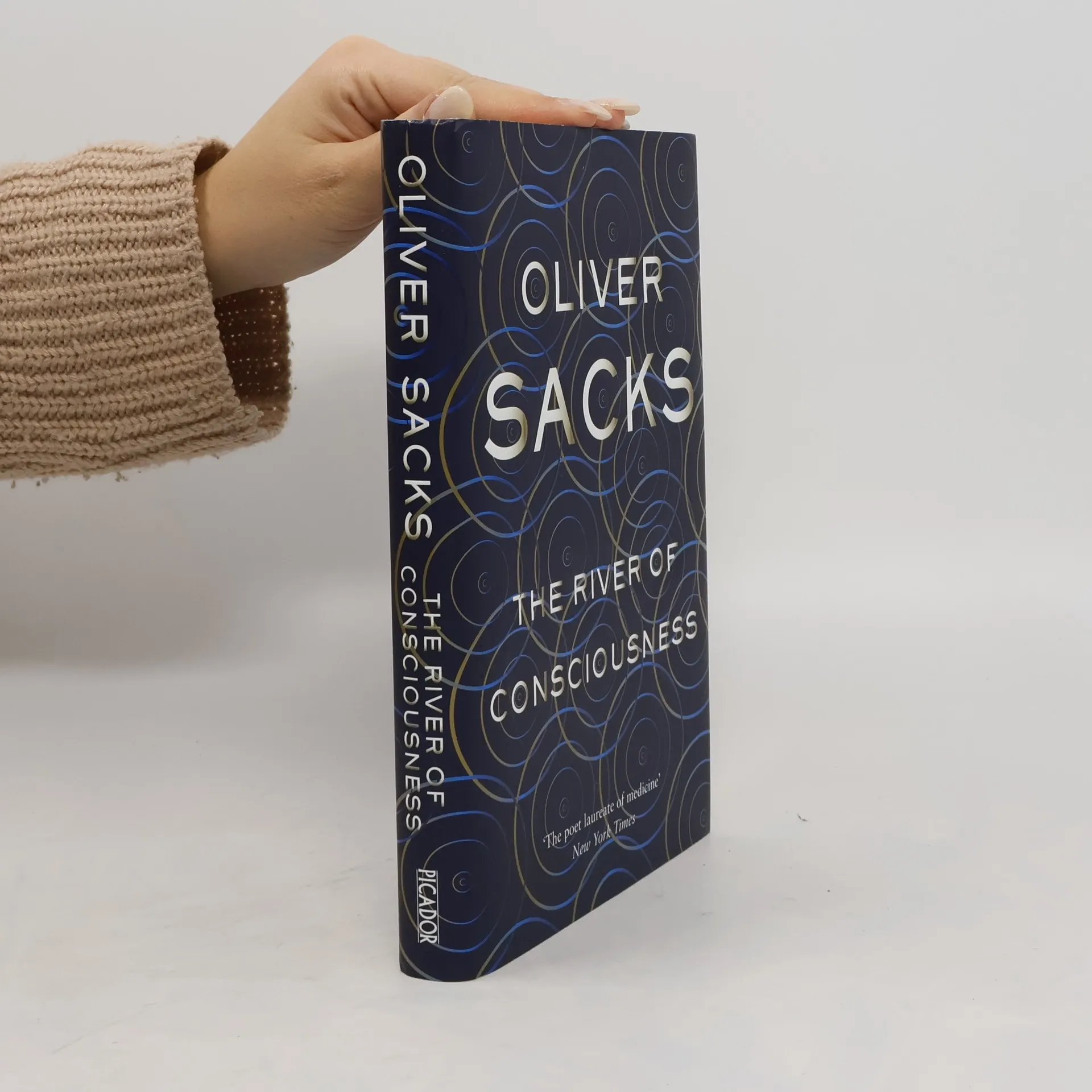
The River of Consciousness
- 256bladzijden
- 9 uur lezen
The River of Consciousness is a remarkable culmination of a lifetime's research into the way the brain works by the celebrated late neurologist Oliver Sacks.
Zijn tomeloze energie en ongeremde nieuwsgierigheid brachten de jonge Oliver Sacks regelmatig in netelige situaties, maar diezelfde gedrevenheid maakte dat hij jaren later zou uitgroeien tot de meest gelezen en geprezen neuroloog ter wereld. Hoewel de mens Sacks in zijn boeken nooit ver weg is, gaat hij in Onderweg dieper in op hoe hij zijn roeping als schrijver en arts vond. Openhartig en met humor schrijft Sacks over de romantische en intellectuele liefdes in zijn leven, zijn worsteling met een drugsverslaving en zijn dodelijke verlegenheid, de band met zijn schizofrene broer en zijn literaire en wetenschappelijke voorbeelden. Ook haalt hij herinneringen op aan zijn bezoeken aan Amsterdam, waar hij werd ingewijd in de liefde. Onderweg is het persoonlijke verhaal van een virtuoze, kleurrijke wetenschapper die ons met zijn indrukwekkende casestudy’s diepgaande inzichten heeft geschonken in zowel de mens als de werking van het brein.
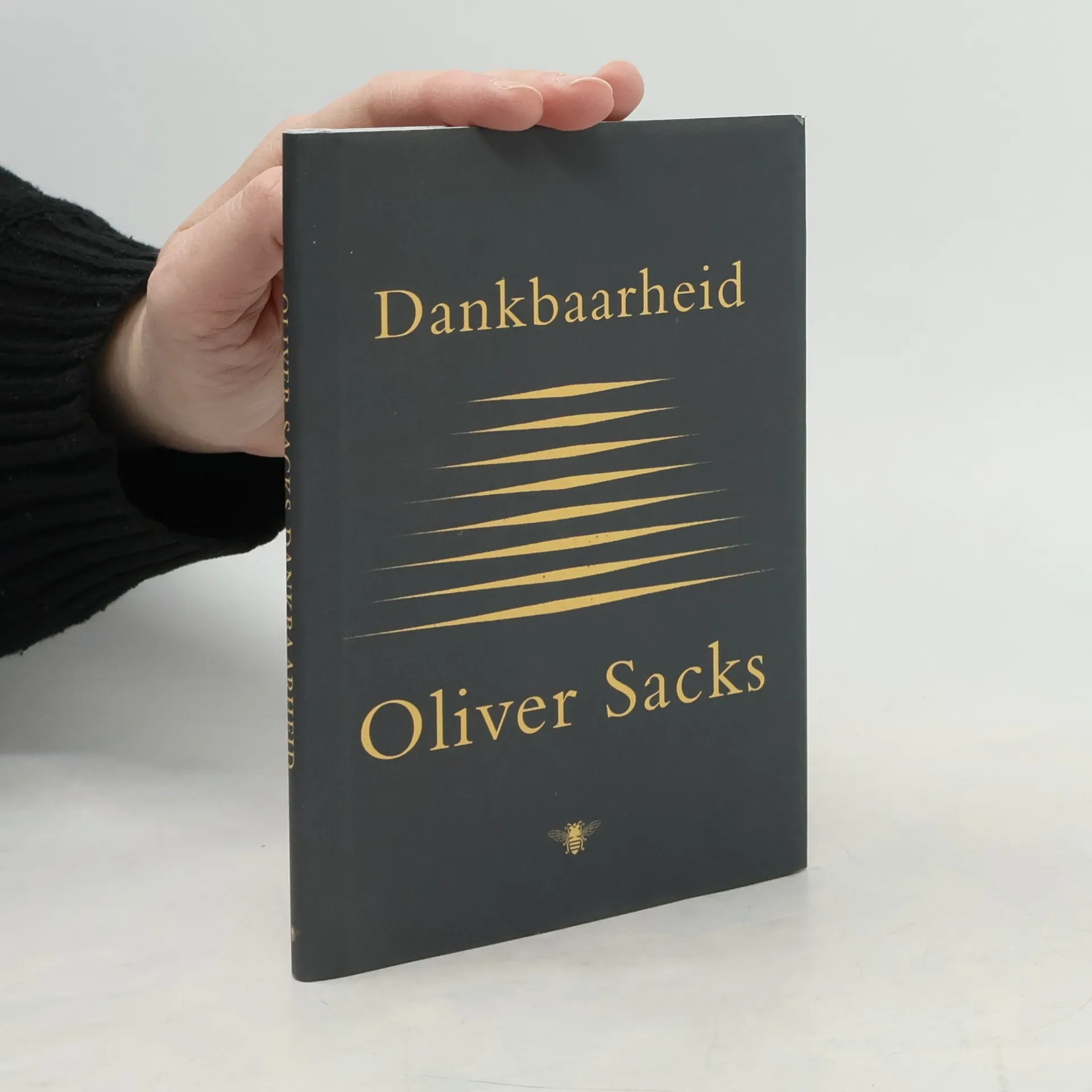
Dankbaarheid
- 58bladzijden
- 3 uur lezen
A deeply moving testimony and celebration of how to embrace life. In January 2015, Oliver Sacks was diagnosed with a recurrence of cancer, and he shared this news in a New York Times essay that inspired readers all over the world: "I cannot pretend I am without fear. But my predominant feeling is one of gratitude.... Above all, I have been a sentient being, a thinking animal, on this beautiful planet, and that in itself has been an enormous privilege and adventure." Gratitude consists of four essays that originally appeared in The New York Times , accompanied by a foreword that describes the occasion of each chapter. The foreword is written by Billy Hayes, Oliver Sacks's partner, and Kate Edgar, his long time collaborator.
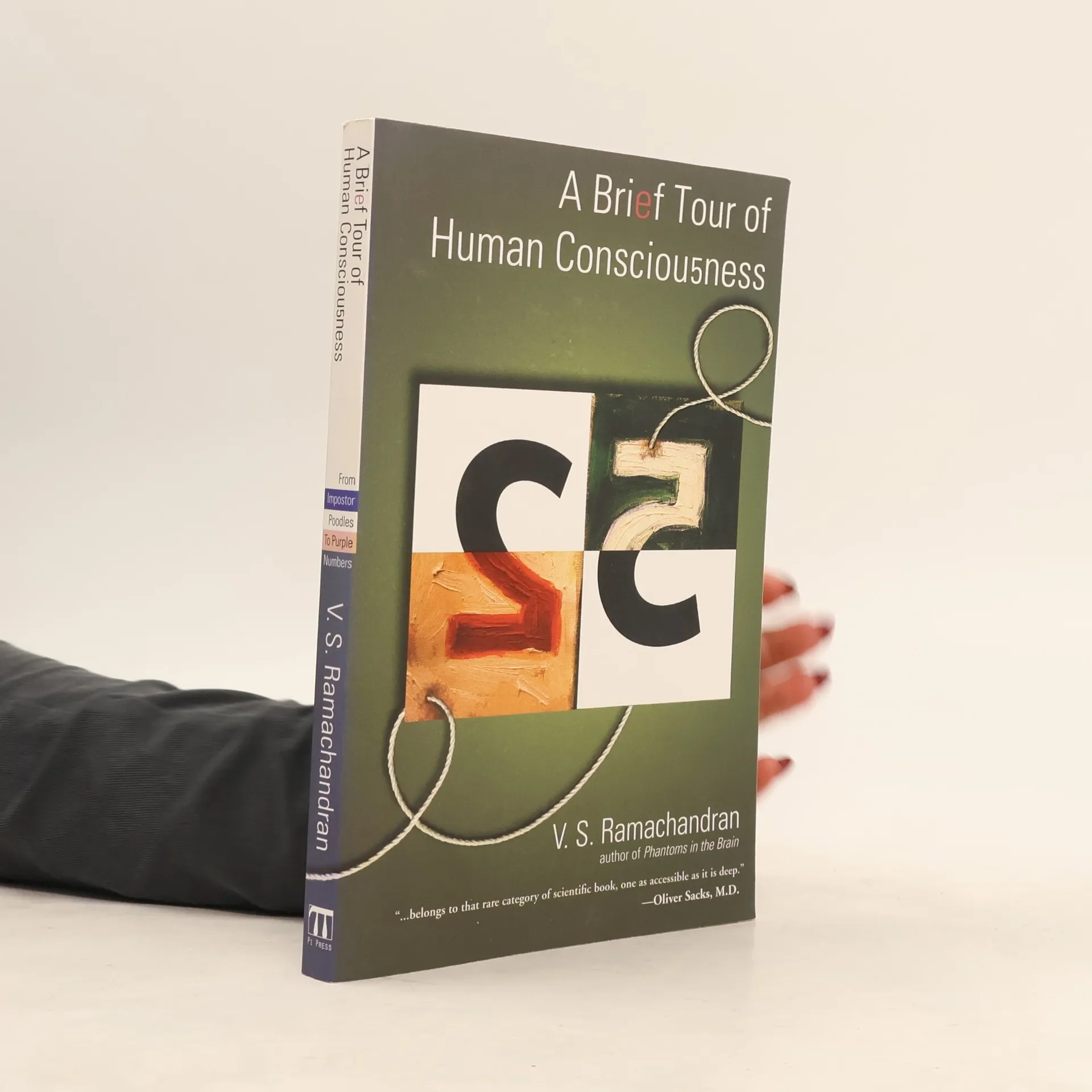
How can some people come to believe that their poodle is an impostor? Or see colors in numbers? Internationally acclaimed neuroscientist, V.S. Ramachandran, now shares his unique insight into human consciousness in an entertaining, inspiring, and intellectually dazzling brief tour of the ultimate frontier—the thoughts in our heads. A Brief Tour of Human Consciousness is made up of five investigations of the greatest mysteries of the brain. The first chapter shows how amputees feel pain in limbs they no longer have as it introduces the great revolution of our neuroscience. The second chapter walks through the way what we see determines our thoughts, and demonstrates the counterintuitive point that believing is in fact seeing. The third chapter takes a leap beyond cutting edge science to audaciously set out a general theory of beauty, explaining why, the world over, cultures have fundamentally similar notions of what is attractive. The fourth chapter explores the bizarre world of synesthetes, people who see colors in numbers, textures in smells, sounds in sights, and flavors in sounds. Finally, V. S. Ramachandran one of the foremost brain researchers in the world today, sums up the implications of the revolution in our understanding of consciousness, to make a fascinating argument about our essential sense of self and its distributed nature.
Why do people have near-death experiences? Are there physical explanations for out-of-body sensations and tunnels of light? What about moments of spiritual ecstasy? In this exploration, a neurologist with three decades of experience examines the biology behind human spirituality, deconstructing the spiritual self and uncovering its origins in primitive areas of the brain. Through revolutionary studies on near-death experiences, it is revealed that spiritual experiences are incidental products of various neurological processes acting independently. When we feel close to God or sense the presence of departed relatives, we may believe we are standing at the border of this world and the next. However, the reality is different: our brain function resembles a Cubist painting, and the experiences we consider the height of humanity are produced by primal reflexes. This journey into the borderlands of consciousness offers a comprehensive, empirically-tested, peer-reviewed examination of our capacity for near-death experiences, out-of-body experiences, and mystical states induced by hallucinogenic drugs.
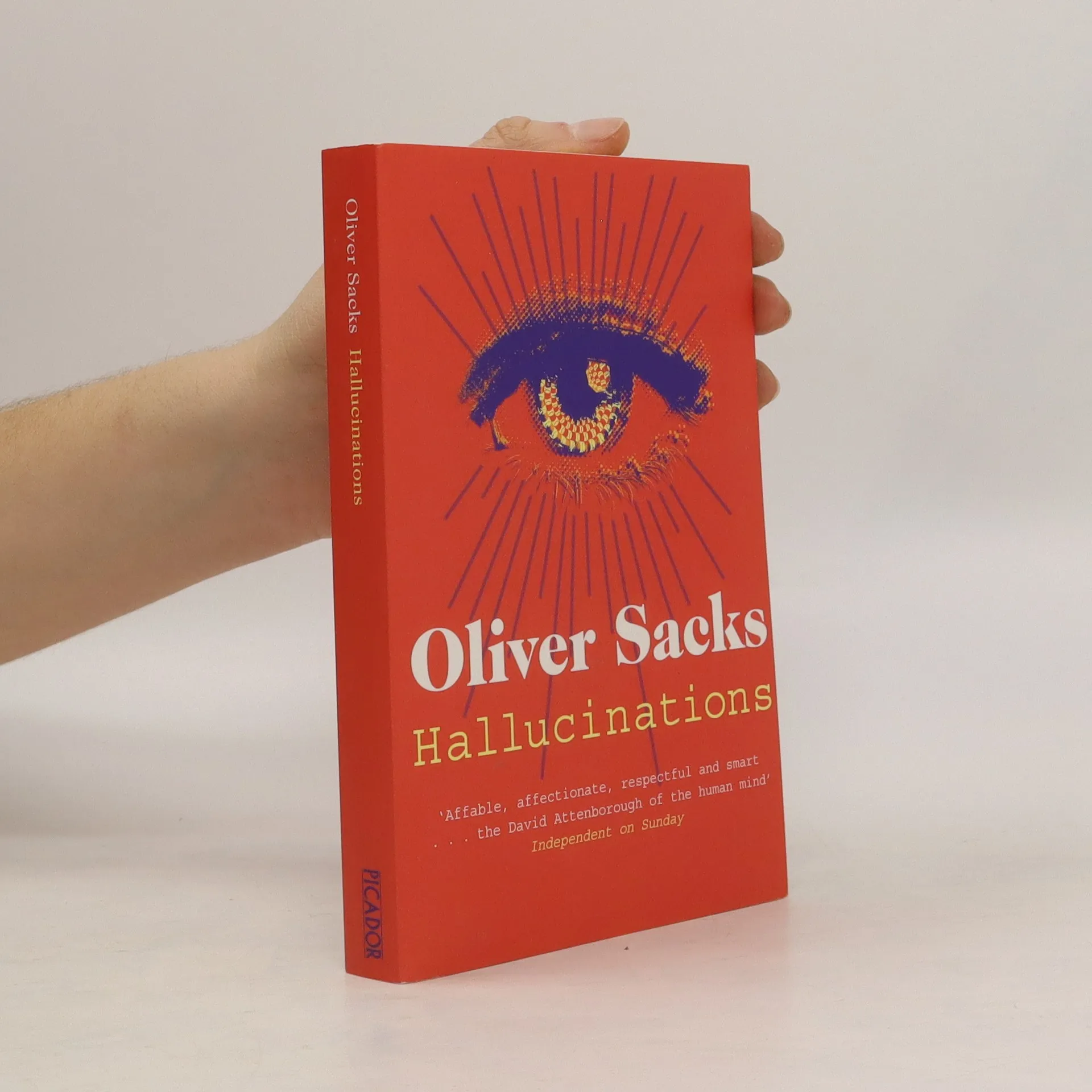
Drawing on a wealth of clinical examples from his own patients as well as historical and literary descriptions, Oliver Sacks investigates the fundamental differences and similarities of many sorts of hallucinations.
Автор известный британский невролог, нейропсихолог и правозащитник. Это сборник клинических рассказов, описывающих реальные истории его пациентов.
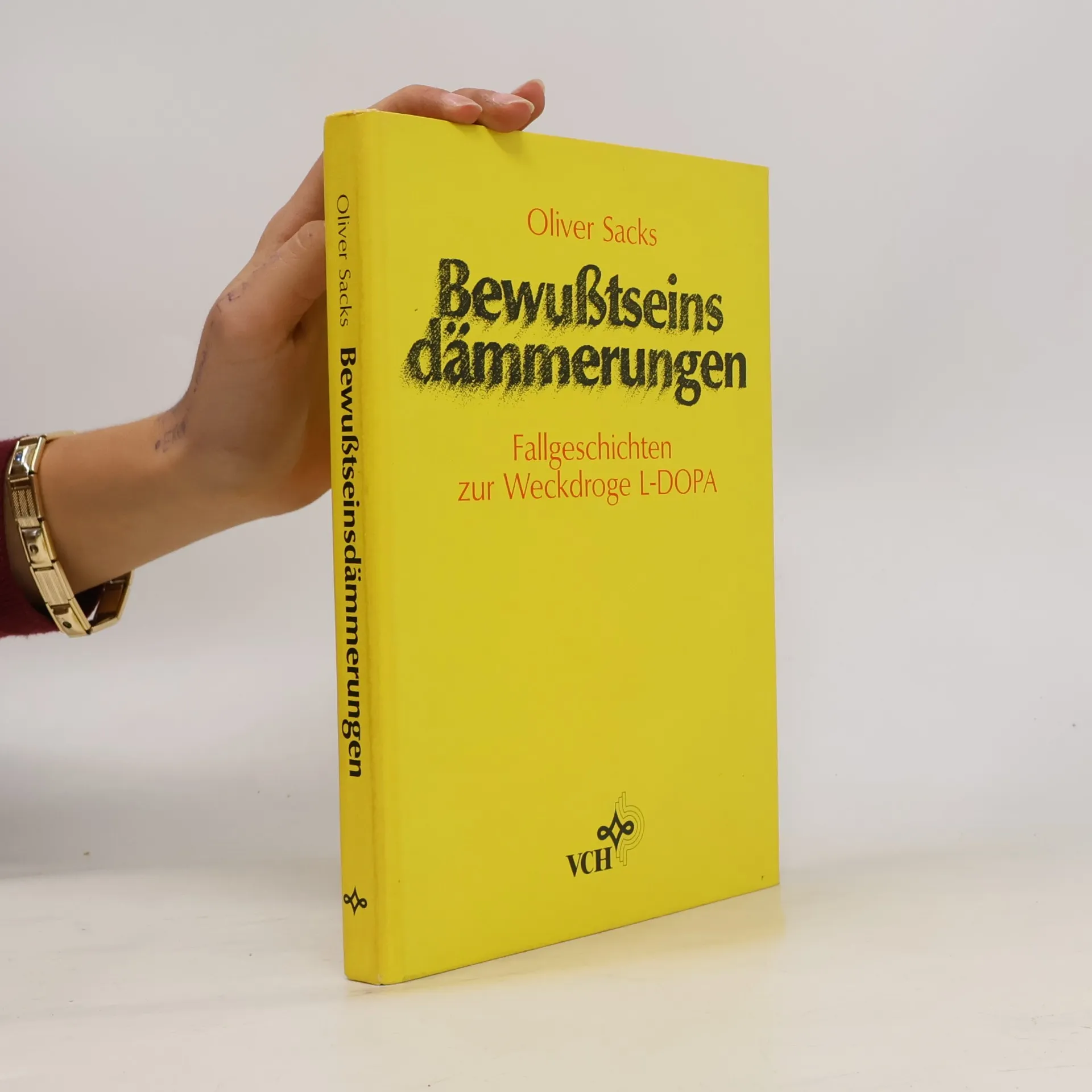
Ve své nejzásadnější knize neurolog Oliver Sacks přibližuje neobyčejné příběhy dvaceti pacientů dlouhodobě žijících v nemocnici pro chronicky nemocné. Tito lidé přežili pozapomenutou velkou epidemii spavé nemoci, jež ve dvacátých letech minulého století zasáhla celý svět. Podivuhodné explozivní probuzení ze somnambulního, často absolutně nehybného a na vnějším okolí zcela závislého stavu, ve kterém přežívali několik desetiletí, umožní až použití nového léku, L-DOPY. Dozvíme se tak podrobně a z první ruky (neboť autor vyznává osobní přístup a setkání s pacienty tváří v tvář), jaký byl jejich život předtím, jak absolutně "zpomalení" byli, a jak se postupně probouzeli, stávali aktivnějšími, doslova "zrychlenějšími", vraceli se do života, ve světě, který byl pro ně úplně nový a cizí, a jak se vypořádávali s leckdy druhým pólem: tiky, nutkáním, patologickou euforií. Osudy jednotlivých pacientů se liší, jak co se týče rodinné situace, věku, kdy je nemoc postihla, tak i anamnézou či reakcí na lék.
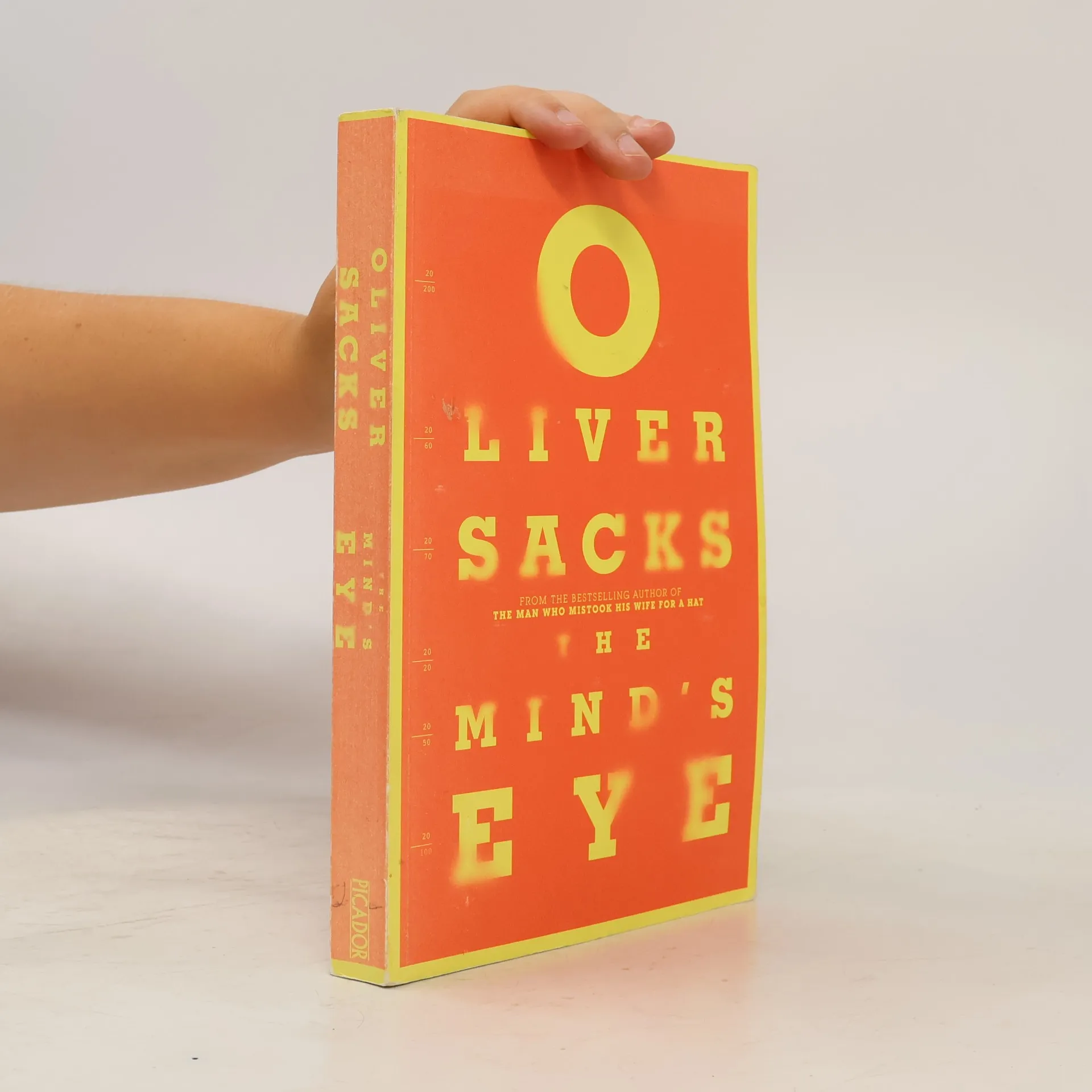
The Mind's Eye
- 260bladzijden
- 10 uur lezen
Describes how we experience the visual world. In this book, the author writes about the myriad ways in which we experience the visual world: how we see in three dimensions; how we recognize individual faces or places; how we use language to communicate verbally; and, how we translate marks on paper into words and paragraphs.
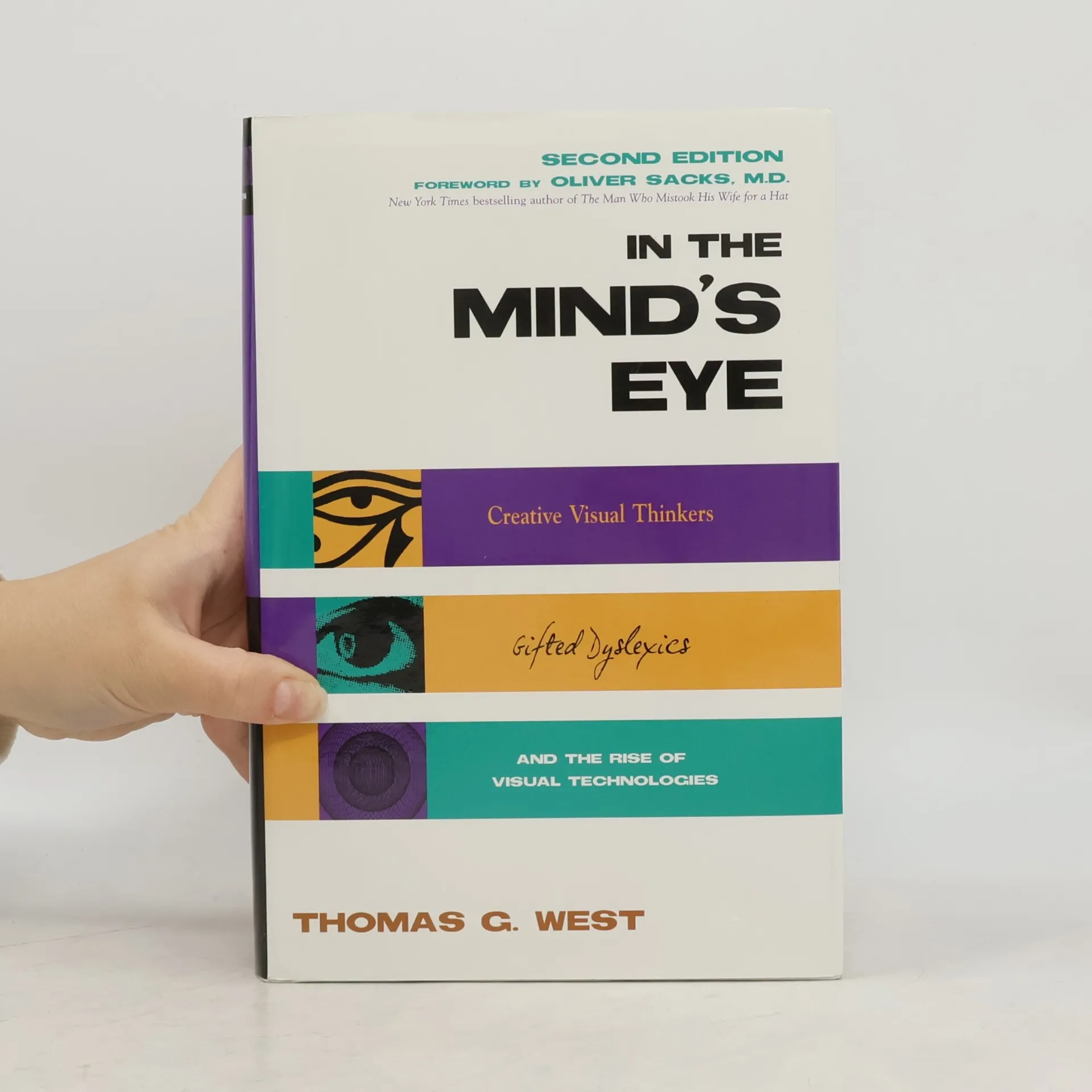
In the Mind's Eye
Creative Visual Thinkers, Gifted Dyslexics, and the Rise of Visual Technologies - Second Edition
- 516bladzijden
- 19 uur lezen
This book is recognized as a classic in its field. It still stands alone as a compelling argument against popular myths of conventional intelligence and for the importance of visual thinking and visual technologies as powerful tools to aid and amplify the creative potential of many individuals with dyslexia or other learning difficulties.
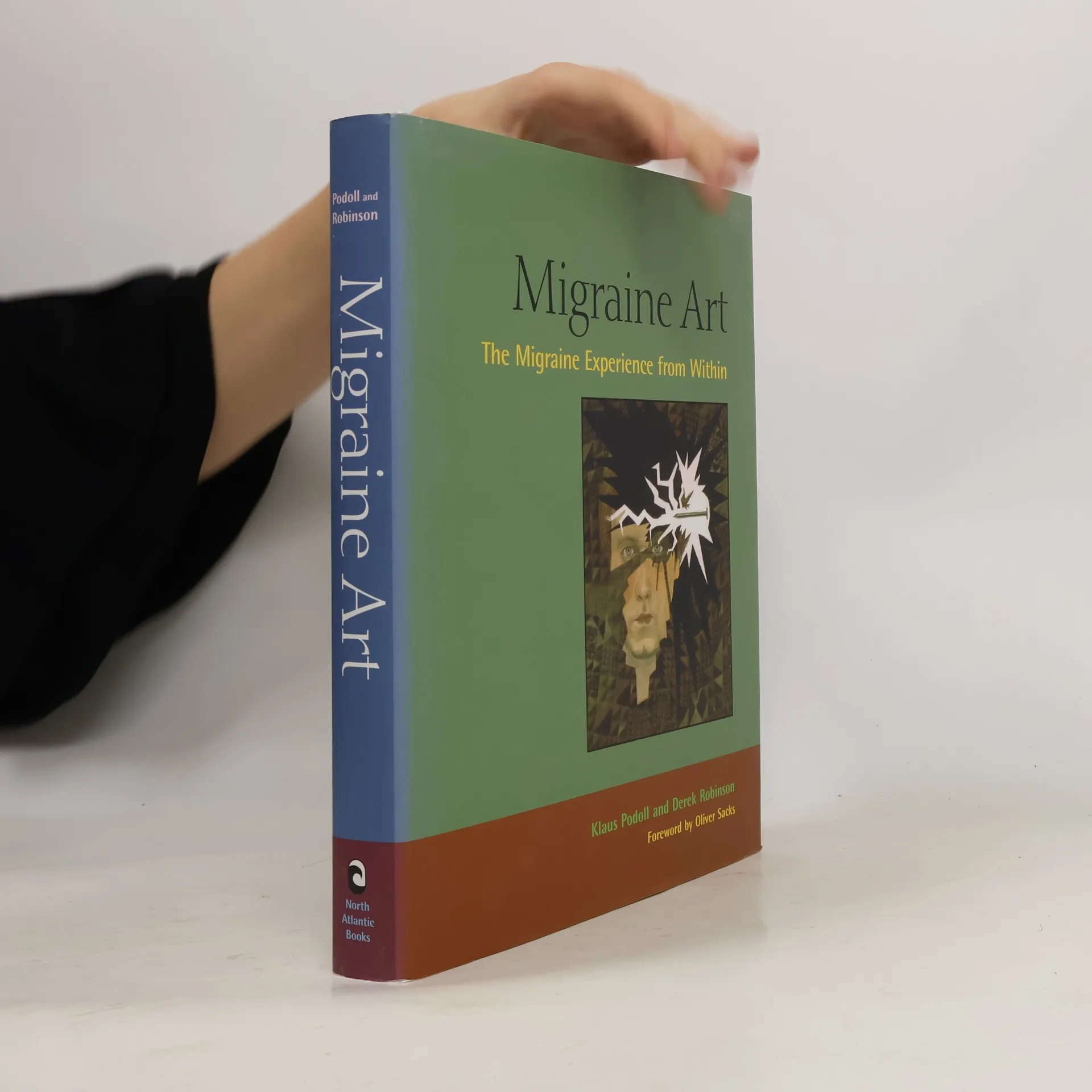
Migraine Art includes more than 300 powerful illustrations and paintings created by migraine sufferers from around the world. It provides a thoroughly unique window into the subjective world of the migraine sufferer. The idea of collecting migraine art started with a number of public competitions in the 1980s, which encouraged artists, both amateur and professional, to illustrate the pain, the visual disturbances, and the effect migraines had on their lives. The book includes hundreds of these submissions as well as detailed descriptions of different types of migraine visual phenomena.Covering such topics as migraine signs, triggers, and treatments, as well as types of visual hallucinations and somatic sensations and experiences, the book offers a comprehensive view of the migraine experience. Each category of visual disturbance is accompanied by related artwork. A description of migraine visual experiences of famous historical figures, such as Blaise Pascal and Lewis Carroll, provide historical background on the topic. The book also includes a history of four Migraine Art competitions and information about the Migraine Art collection.
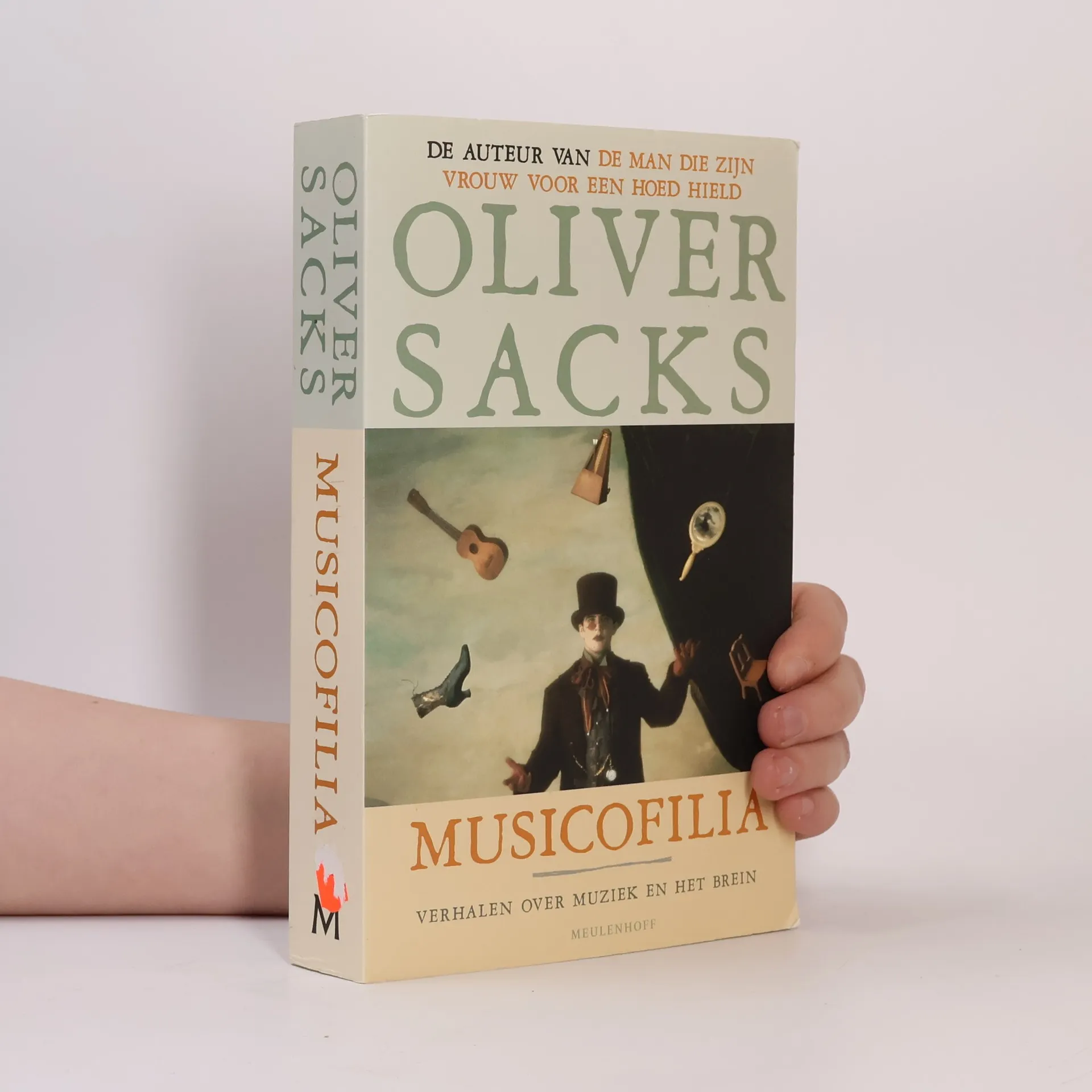
In Musicophilia laat Oliver Sacks ons kennismaken met mensen die hun muzikale vaardigheden zijn kwijtgeraakt en anderen die, paradoxaal genoeg, juist voor het eerst over muzikaliteit beschikken. We ontmoeten mensen met het Williams-syndroom (hypermuzikaliteit), mensen die kleuren en vormen zien wanneer ze naar muziek luisteren en mensen die aan zo'n ernstig geheugenverlies lijden dat ze niets van hun persoonlijke leven meer weten – behalve de muziek die er een rol in speelde. Oliver Sacks laat zien hoe muziek mensen kan drijven tot flauwtes, trances en beroertes. Maar muziek heeft ook de unieke kracht te kalmeren en ze wekt ideeën en gevoelens op. Muziek is een betere heelmeester en trooster dan wat ook: mensen met de ziekte van Parkinson, het syndroom van Gilles de la Tourette, afasie, Alzheimer en andere neurologische aandoeningen ondervinden de heilzame werking van muziek, zoals Sacks overtuigend laat zien in dit boek. Maar boven alles poneert Sacks in Musicophilia het denkbeeld dat de mens niet alleen door zijn taalvermogen maar even goed door zijn muzikaliteit uniek is.
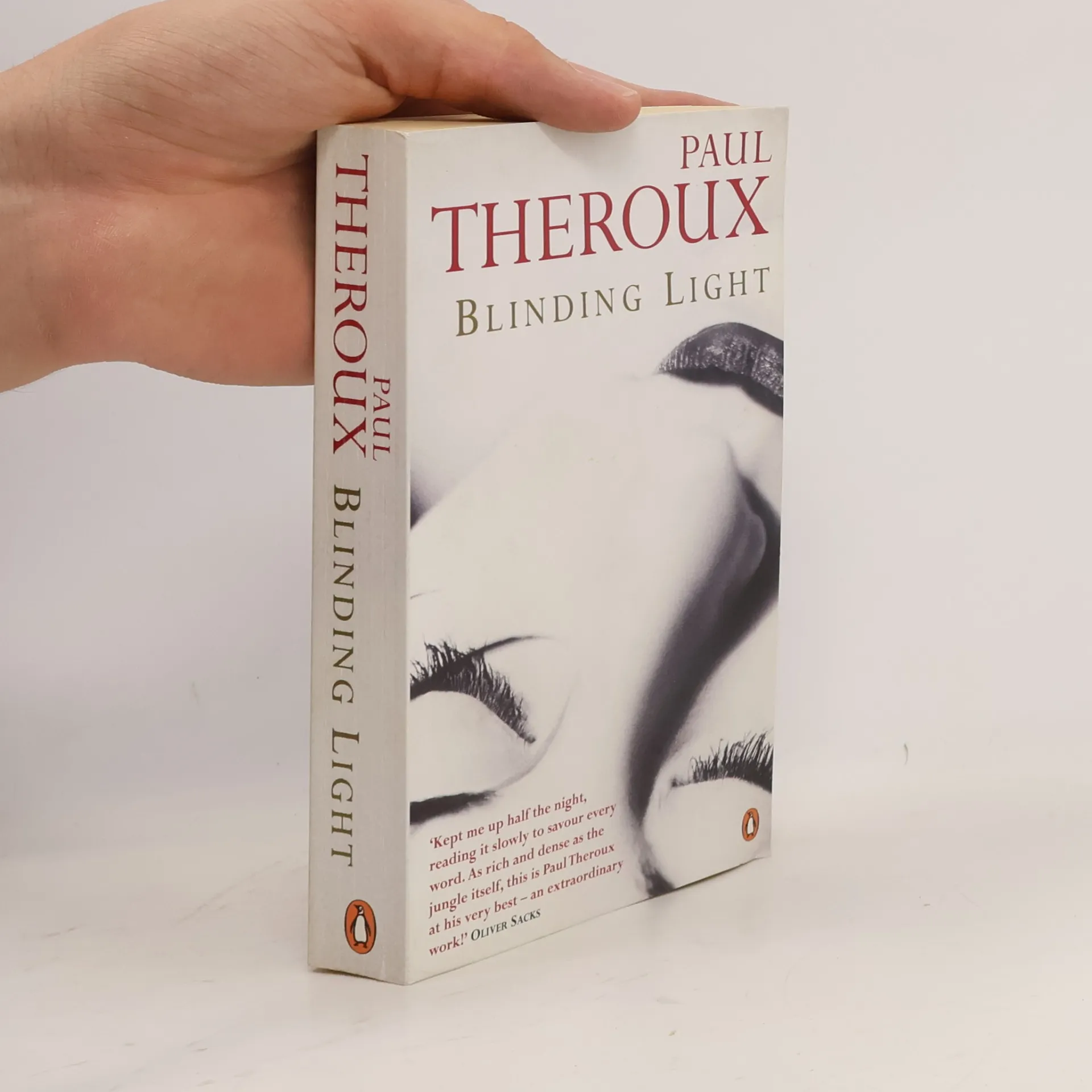
Blinding Light-O.M.
- 438bladzijden
- 16 uur lezen
The author embarks on a journey downriver in a remote province of Ecuador, where he discovers a miracle drug that causes temporary blindness. Upon returning to the USA, he feels rejuvenated, gaining the ability to write, remember, and experience an uncanny prescience.
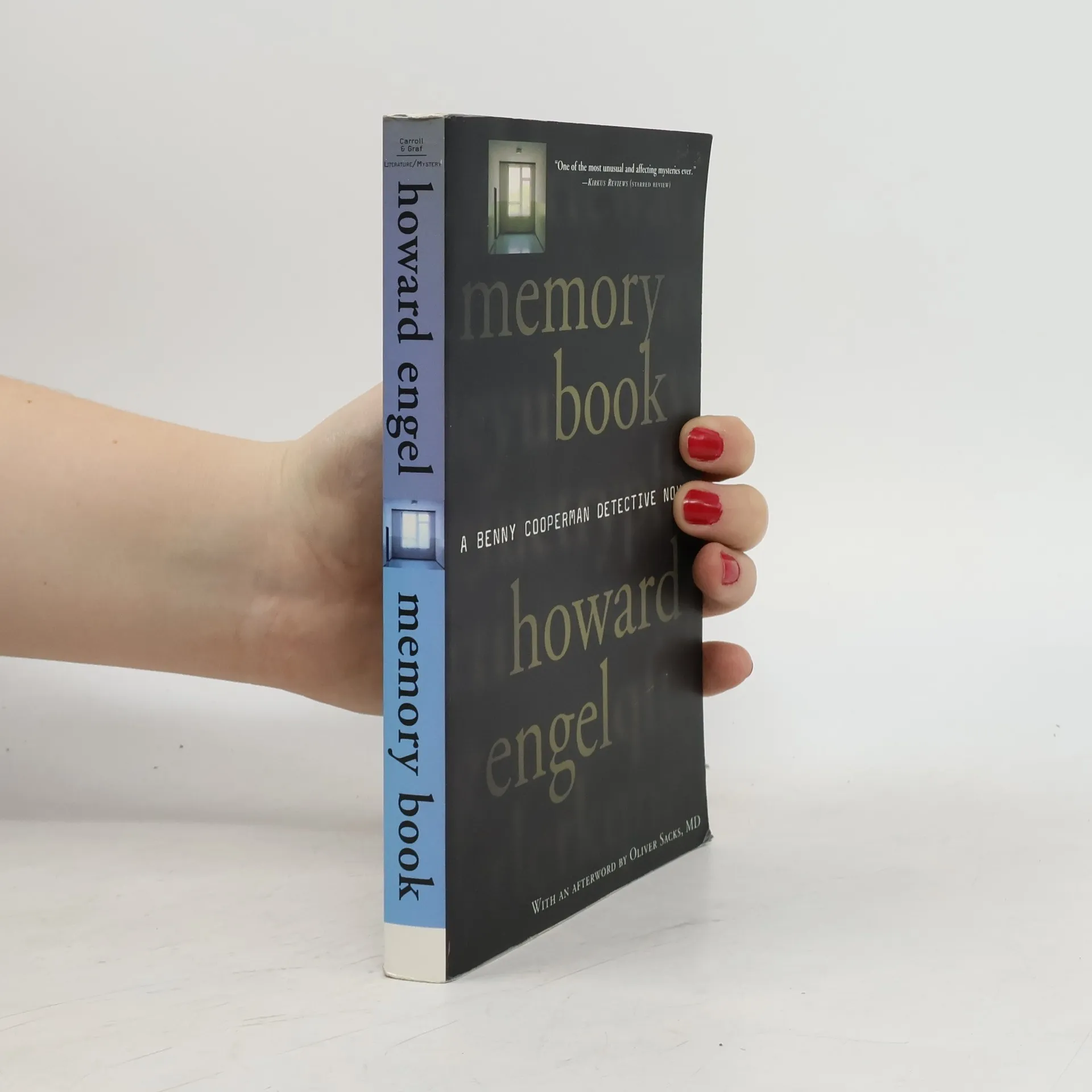
Left for dead in a dumpster, private investigator Benny Cooperman becomes his own client in his most puzzling mystery yet. Benny is recovering in a Toronto hospital from a serious blow to the head. He has a condition called alexia sine agraphia; in layman's terms, it means he can still write but cannot read. And his memory has been affected too: Although he can quote lines from his high-school production of Twelfth Night, he finds himself brushing his teeth with his shaving cream. Even his girlfriend's name—Anna Abraham—continues to elude him. When Benny learns that he was found unconscious beside a dead woman, he figures he must have been close to solving a case. With Anna working as field agent and two Toronto cops reluctantly sharing their discoveries, Benny pieces together the events that led to a murder—and his own injuries.
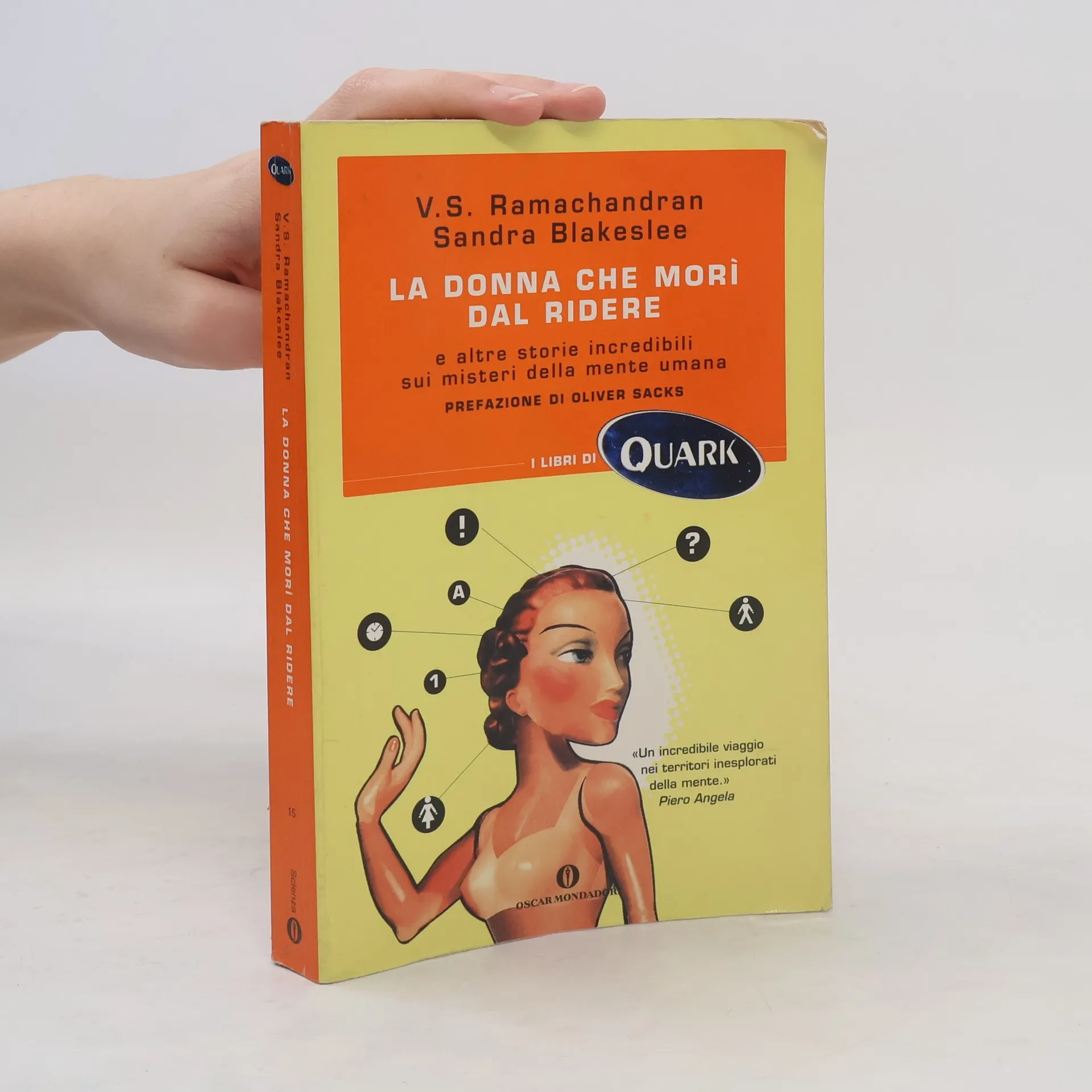
Una donna che sostiene di parlare con Dio, un atleta che ha perso il braccio ma non la sensazione di poterne disporre, un giovane coinvolto in un tragico incidente stradale convinto che i genitori siano stati sostituiti da replicanti, e ancora il caso del celebre umorista e vignettista James Thurber, colto da allucinazioni fantastiche e "sostitutive della realtà" in seguito alla progressiva perdita della vista. Ciascuno di questi disturbi patologici è il punto di partenza per indagare su quella macchina straordinaria e animata che è il cervello, nel tentativo di ricostruirne l'architettura e il funzionamento e di dare una spiegazione alle nostre predisposizioni intellettuali o pratiche, ai nostri comportamenti e stati d'animo.
Mexicaans dagboek
- 173bladzijden
- 7 uur lezen
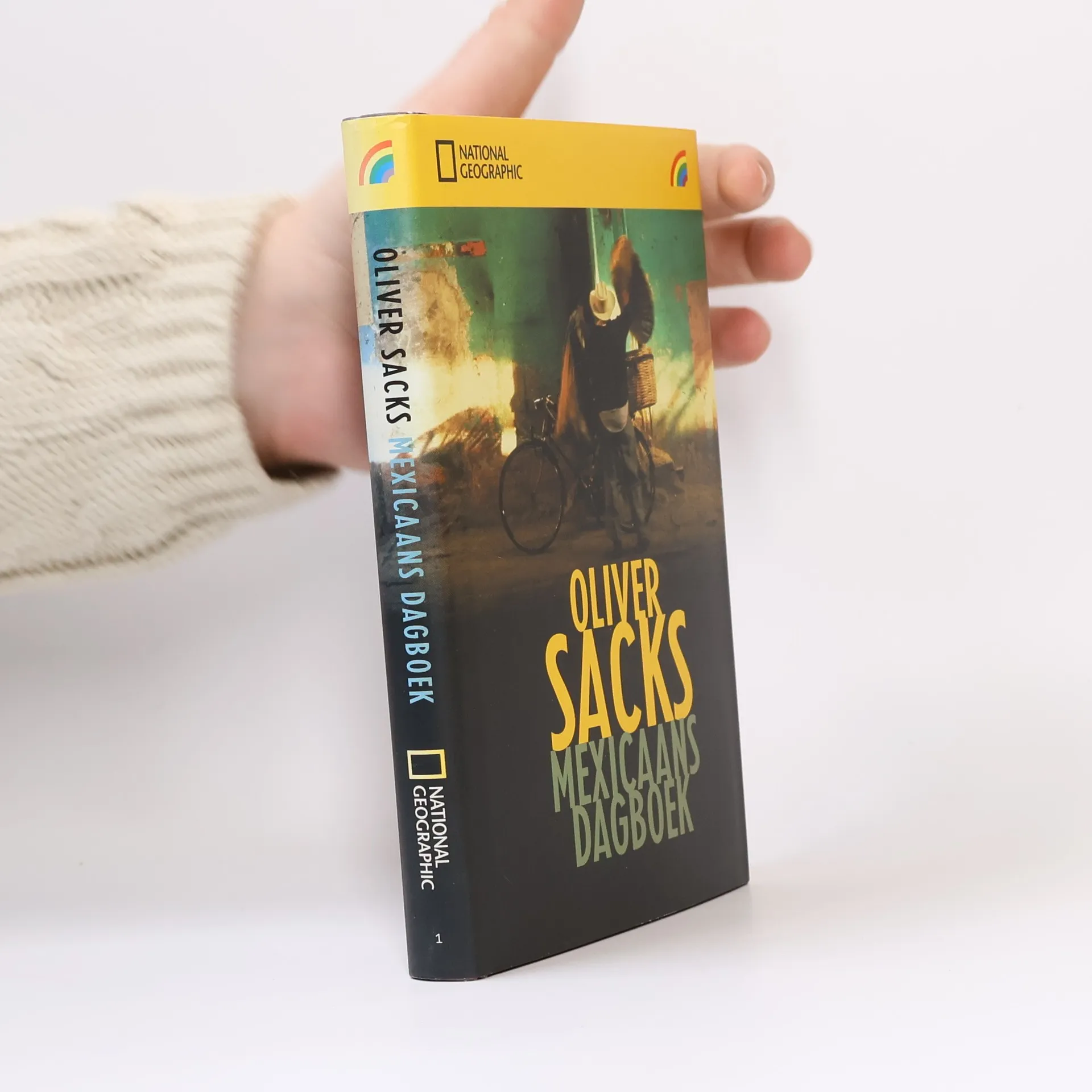
Oliver Sacks schrijft over een varenexpeditie naar Oaxaca, in het zuiden van Mexico. Maar Sacks zou Sacks niet zijn als hij zich daartoe beperkte. Hij vertelt uitgebreid over het dagelijks leven in Mexico, over de tragische geschiedenis van dit prachtige land, over chocola en rubber, Azteken en mescal en over heel veel meer. De eruditie en humor van Sacks maken Mexicaans dagboek tot een uiterst boeiend reisverhaal.
Uncle Tungsten
- 250bladzijden
- 9 uur lezen
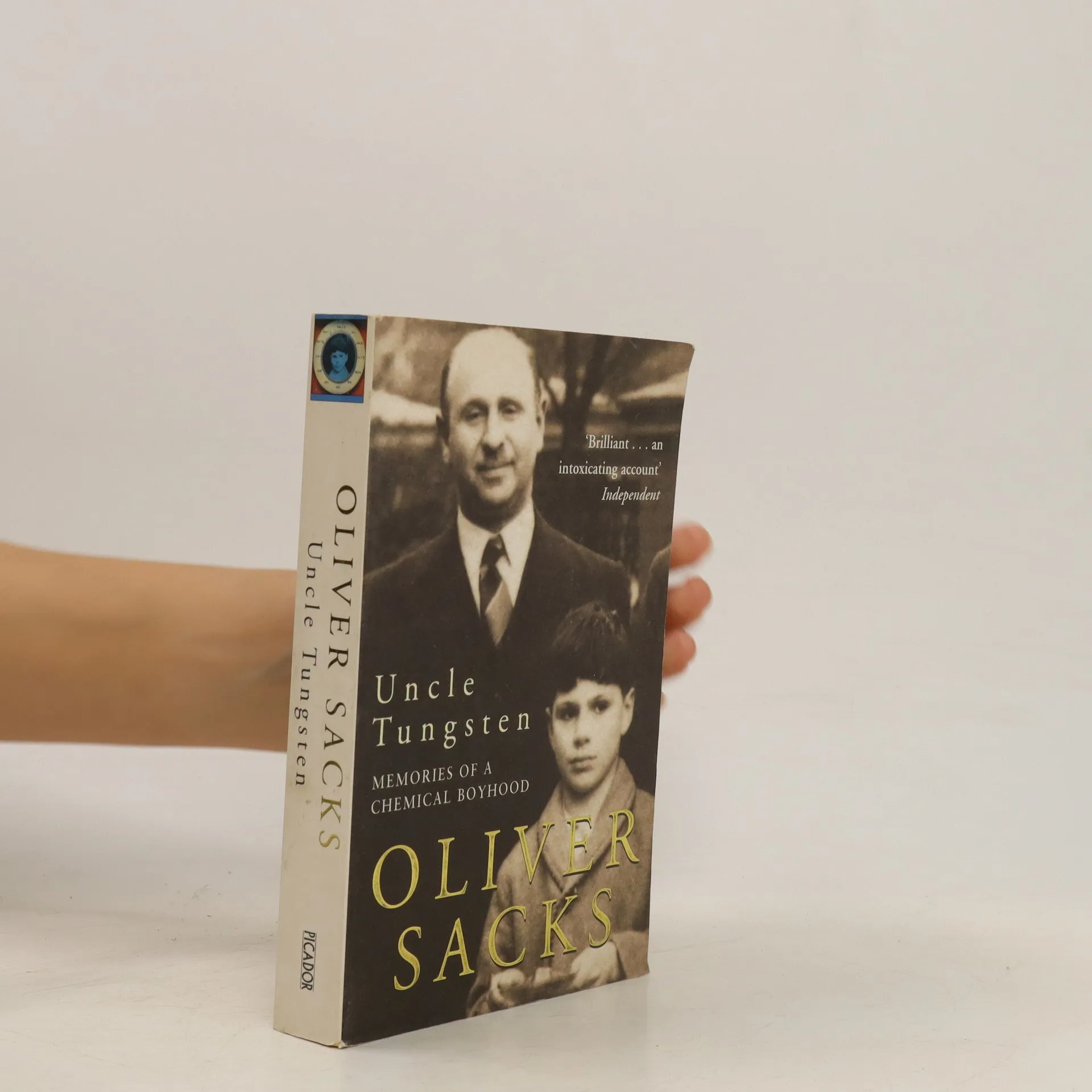
A memoir of the scientific wonder of youth by the distinguished neurologist and author describes his fascination with metals, gasses, and chemicals, especially "Uncle Tungsten," and with unravelling the complex mysteries of the world around him.
Oliver Sacks - Elemente einer Neuroanthropologie
- 172bladzijden
- 7 uur lezen
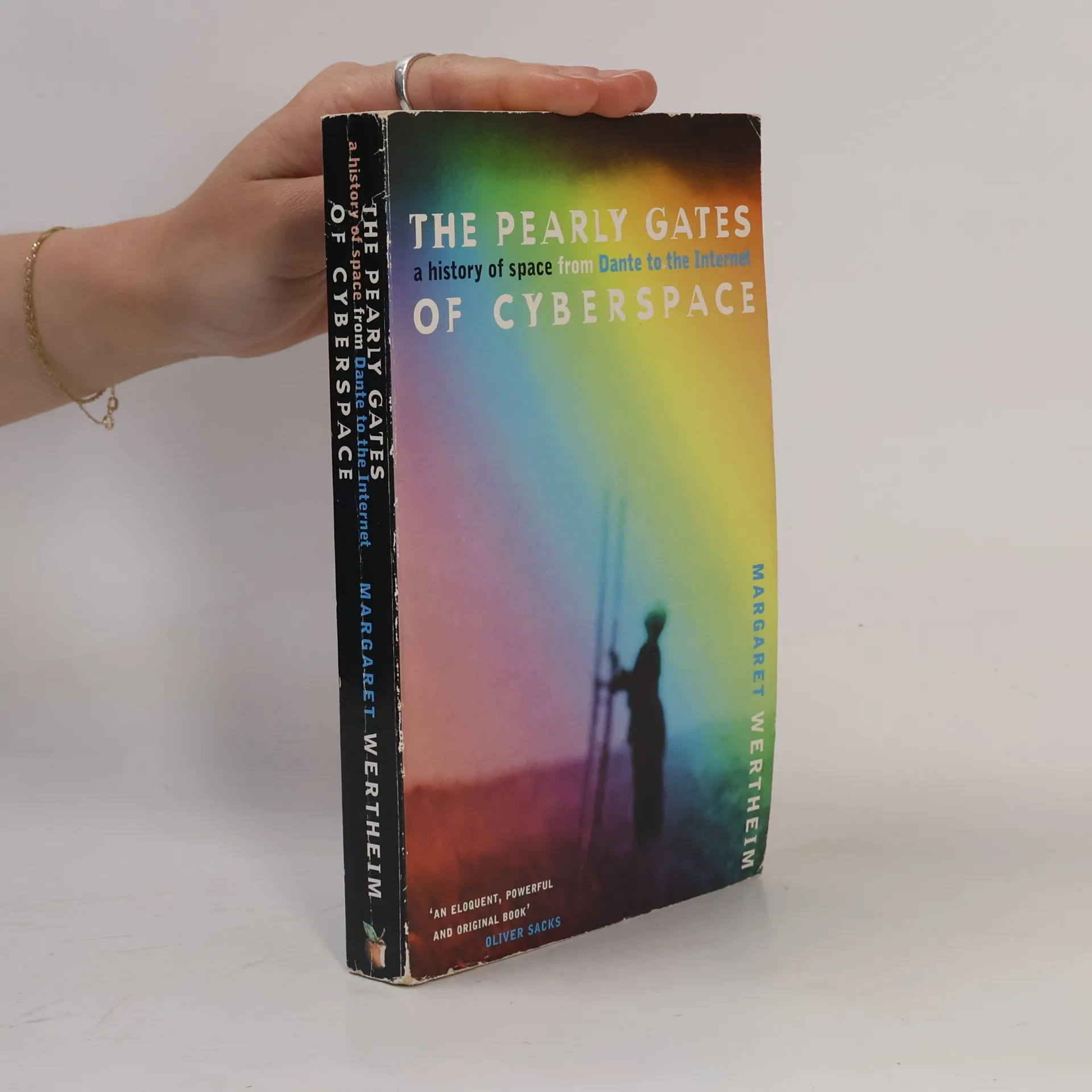
The Pearly Gates of Cyberspace
- 320bladzijden
- 12 uur lezen
Arguing that one way of understanding cyberspace is as an attempt to realize an electronic version of heaven, this book begins with the medieval definition of the world as spiritual space. The author traces the emergence of modern physics with its emphasis on physical space, and then presents her thesis: that cyberspace, an outgrowth of modern science, nevertheless represents a return to medieval, spiritual concerns.
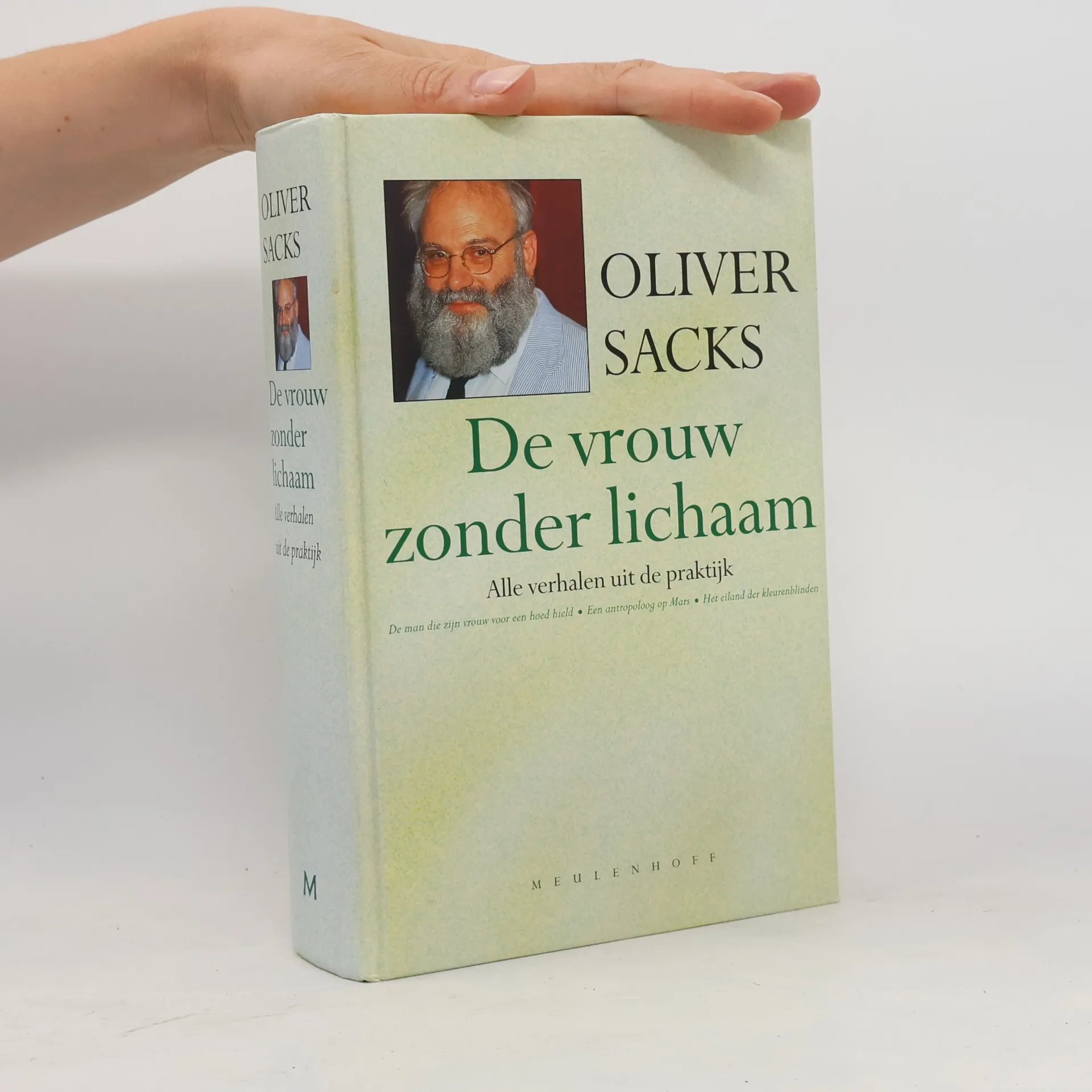
De vrouw zonder lichaam
Alle verhalen uit de praktijk
In een huis aan een straat in Calcutta, verlicht door het halflicht van een gele straatlamp, ligt een baby, één dag oud, gewikkeld in zijn ziekenhuisdoek. In de volgende kamer zit een man, helemaal alleen, te schrijven. Wie is deze man, zowel bang als vastberaden? Wat schrijft hij? Waar komt de baby vandaan en waar zal hij naartoe gaan? Vanavond zullen deze vragen beantwoord worden wanneer de man de donkere geheimen ontrafelt die hij zijn hele leven met zich meedraagt.
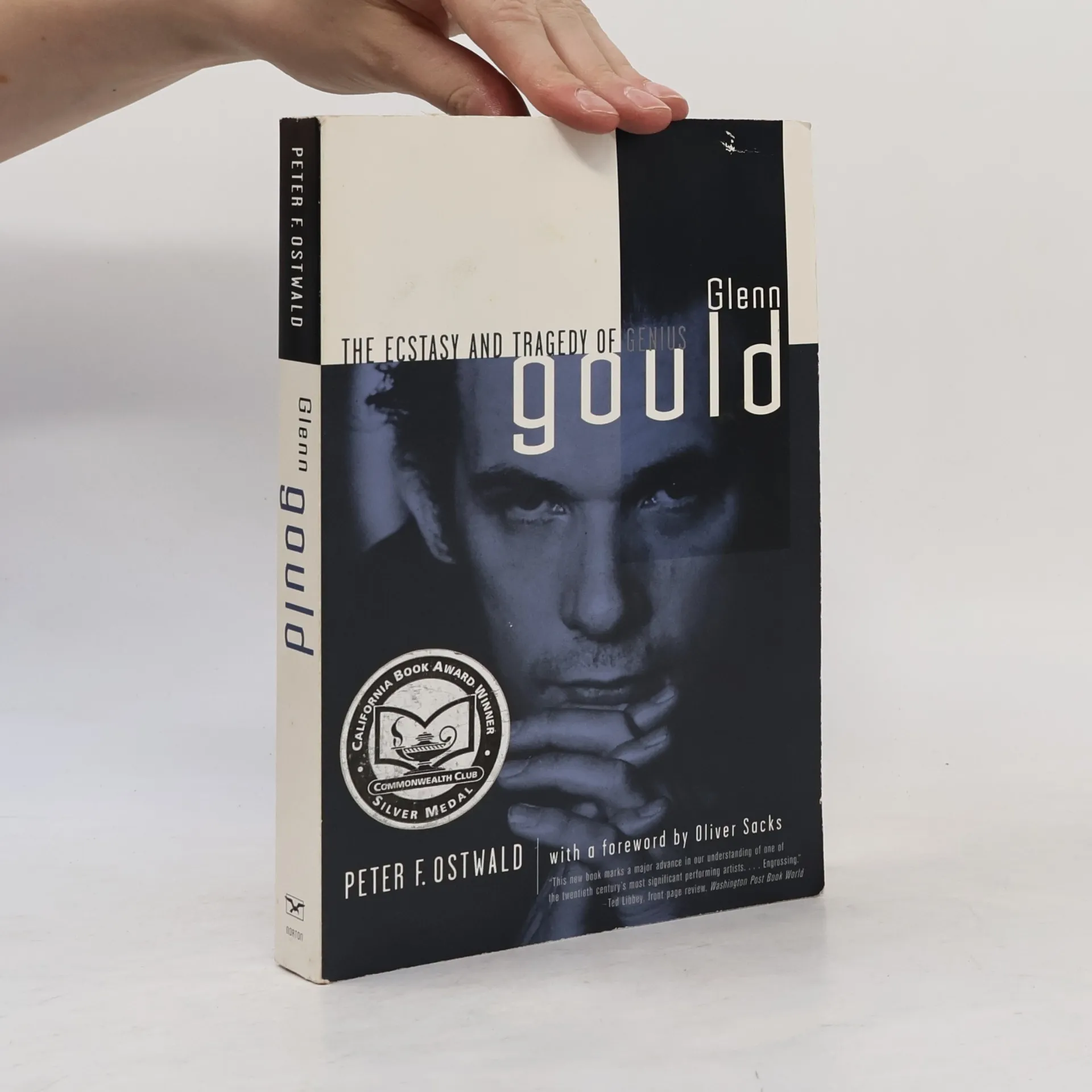
Exploring the life of Glenn Gould, this biography delves into the complexities of his musical genius and personal struggles, including his battle with depression and fear of live performance. Written by psychiatrist Peter Ostwald, a close friend of Gould, it raises profound questions about the relationship between eccentricity and genius. The narrative highlights the contradictions within Gould's brilliance, providing a nuanced portrait that resonates with both music lovers and those interested in the psychological aspects of creativity.
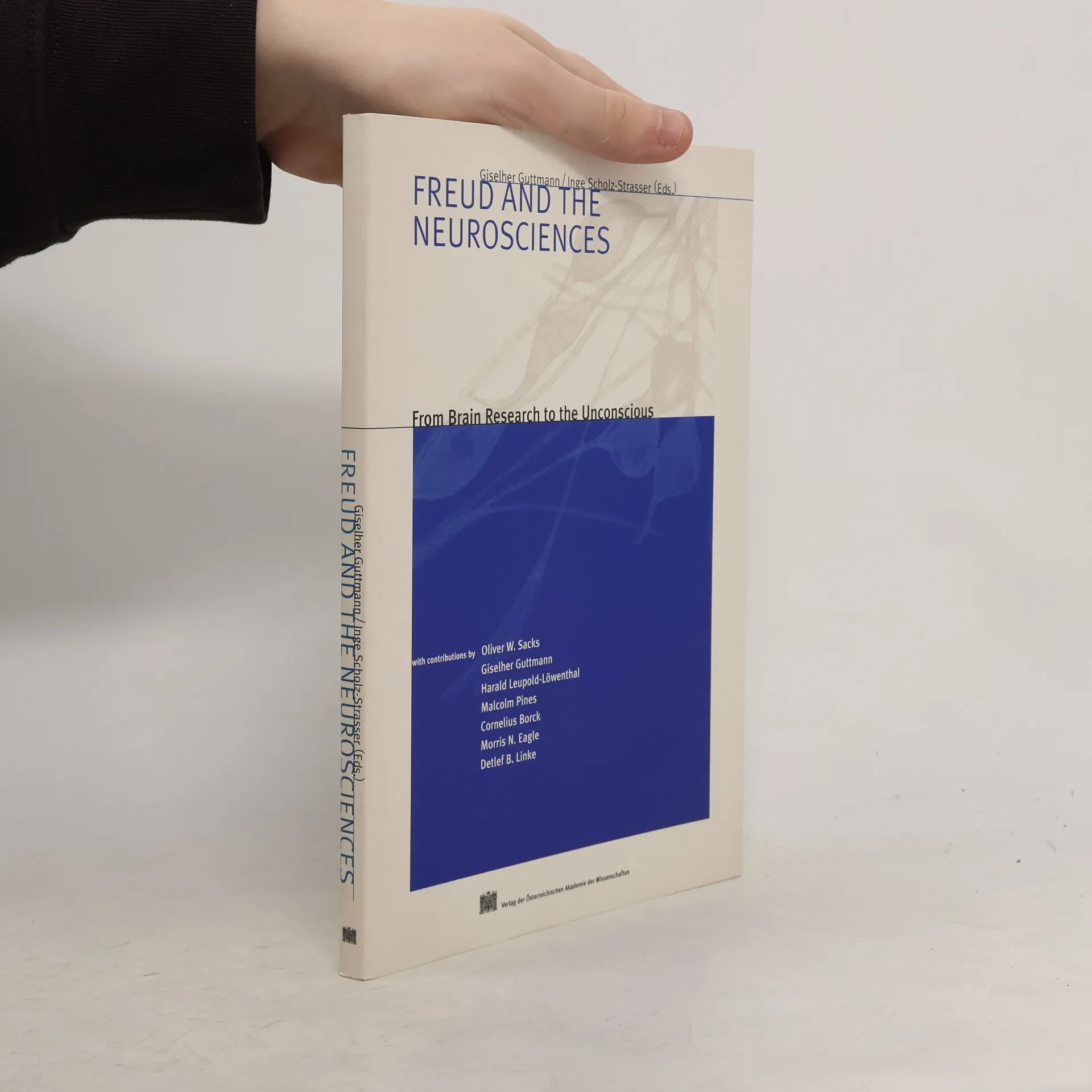
Freud and the Neurosciences
- 116bladzijden
- 5 uur lezen
While still a student, Freud published his first research papers on neurology, showcasing his early scientific career that began with physiological studies on eels and progressed to the nervous system of the river crayfish. Confronted by a physicalistic-scientific worldview from his teachers, Freud embraced it, leading to the development of his earliest psychological theory. Although he later rejected the model that sought to explain the psyche through brain physiology, his scientific curiosity remained focused on uncovering the precise structure of the psyche. The authors argue that the foundations of psychoanalysis are rooted in the same scientific principles that shaped Freud's early neuroscientific research, suggesting that he never fully abandoned this epistemological orientation, even in his later works. The book includes contributions from various scholars, discussing topics such as Freud's dual identity as a neurologist and psychoanalyst, the influence of neurological models on psychoanalysis, and the visual representation of nerve cells and psychical mechanisms. It also examines Freud's legacy in relation to defenses, somatic symptoms, and neurophysiology, as well as concepts like discharge, reflex, free energy, and encoding.
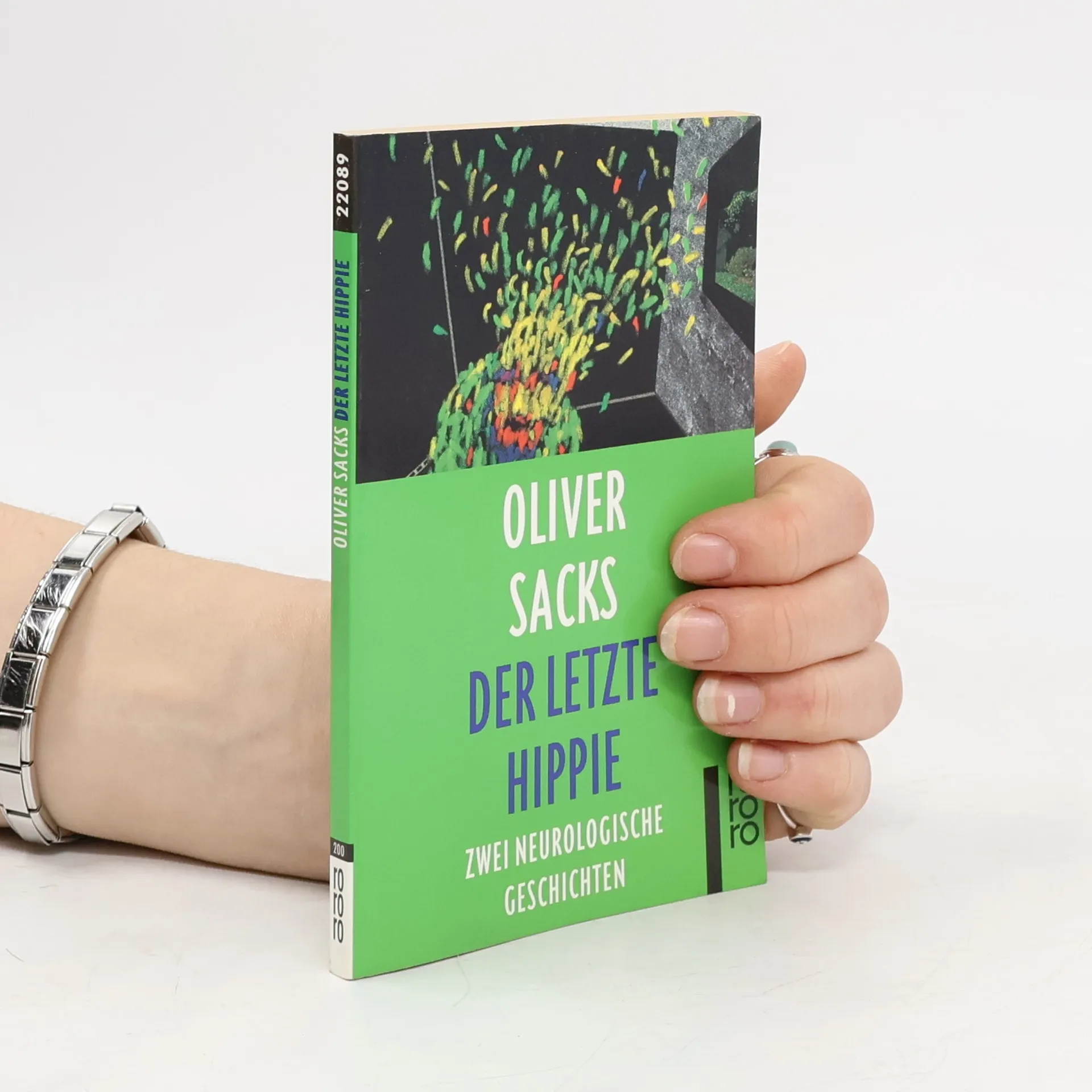
Der New Yorker Neurologe Oliver Sacks ist durch seine Fallgeschichten weltberühmt geworden. Voller Empathie und mit großer Fachkenntnis hat er immer wieder Menschen porträtiert, deren Leben durch eine schwere Krankheit oder Behinderung geprägt wurde – und hat seinen Lesern gezeigt, welche Chancen die Abweichungen vom sogenannten Normalen bieten und welche positiven Besonderheiten die betroffenen Menschen auszeichnen. Greg F. war ein begabter, musikbegeisterter junger Mann, der die amerikanische Studentenrebellion der sechziger Jahre miterlebte – mitsamt ihren Drogenexperimenten und Hare-Krishna-Eskapaden. Dann warf ihn ein Hirntumor aus der Bahn. Greg erblindete und galt fortan als neurologisch und psychisch schwer behindert – ein sogenannter hoffnungsloser Fall, an den Rollstuhl gefesselt. Oliver Sacks nahm sich des Patienten an und näherte sich ihm in einem langwierigen Prozess, den er in dieser Fallgeschichte einfühlsam beschreibt. Schließlich bringt er Greg zu einem Konzert von dessen einstiger Lieblingsband «Grateful Dead» in den Madison Square Garden – und die Sinne des Schwerkranken werden auf verblüffende Weise neu aktiviert. Eine Geschichte, die unter die Haut geht – und die überraschende Einsichten in die oft rätselhafte Funktionsweise unseres Gehirns bietet.
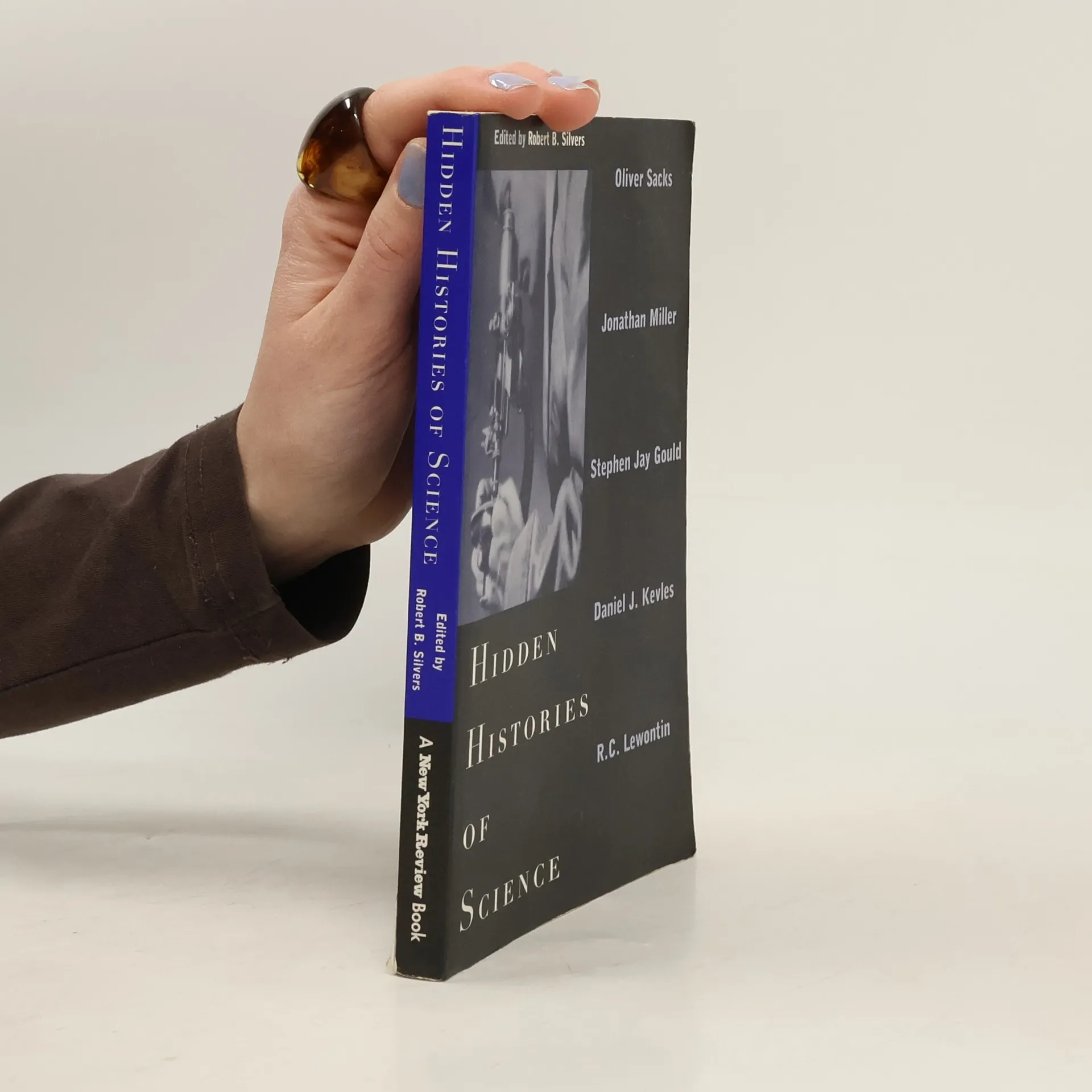
Hidden Histories of Science
- 210bladzijden
- 8 uur lezen
In these essays, Jonathan Miller, Oliver Sacks and Daniel Kevles show how and why some discoveries and insights in science emerge with great promise, only to be discarded or forgotten, then re-emerge years later as important. Richard Lewontin and Stephen Jay Gould suggest deep and largely unacknowledged distortions in the way scientists and popularizers alike conceive the sturcture of the world and its natural history. Illustrations.
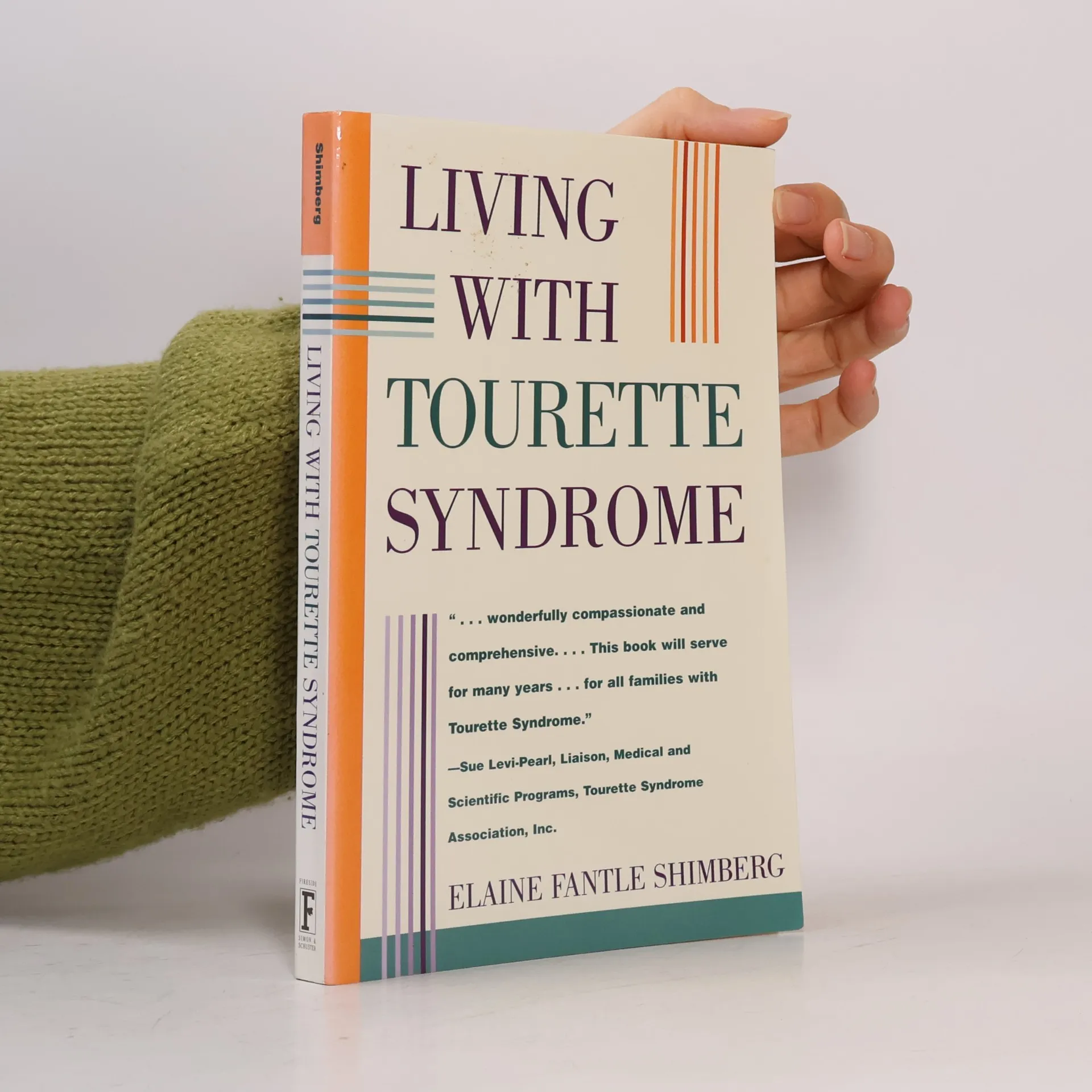
Living With Tourette Syndrome
- 256bladzijden
- 9 uur lezen
From Simon & Schuster, Living with Tourette Syndrome is Elaine Fantle Shimberg's guide to understanding Tourette syndrome, its effects, and how to handle it in various settings.With chapters dedicated to understanding the effects of Tourette syndrome, the impact it can have on families, and the role it can play in adulthood and the classroom, Living with Tourette Syndrome is an essential guide for any affected by the disease.
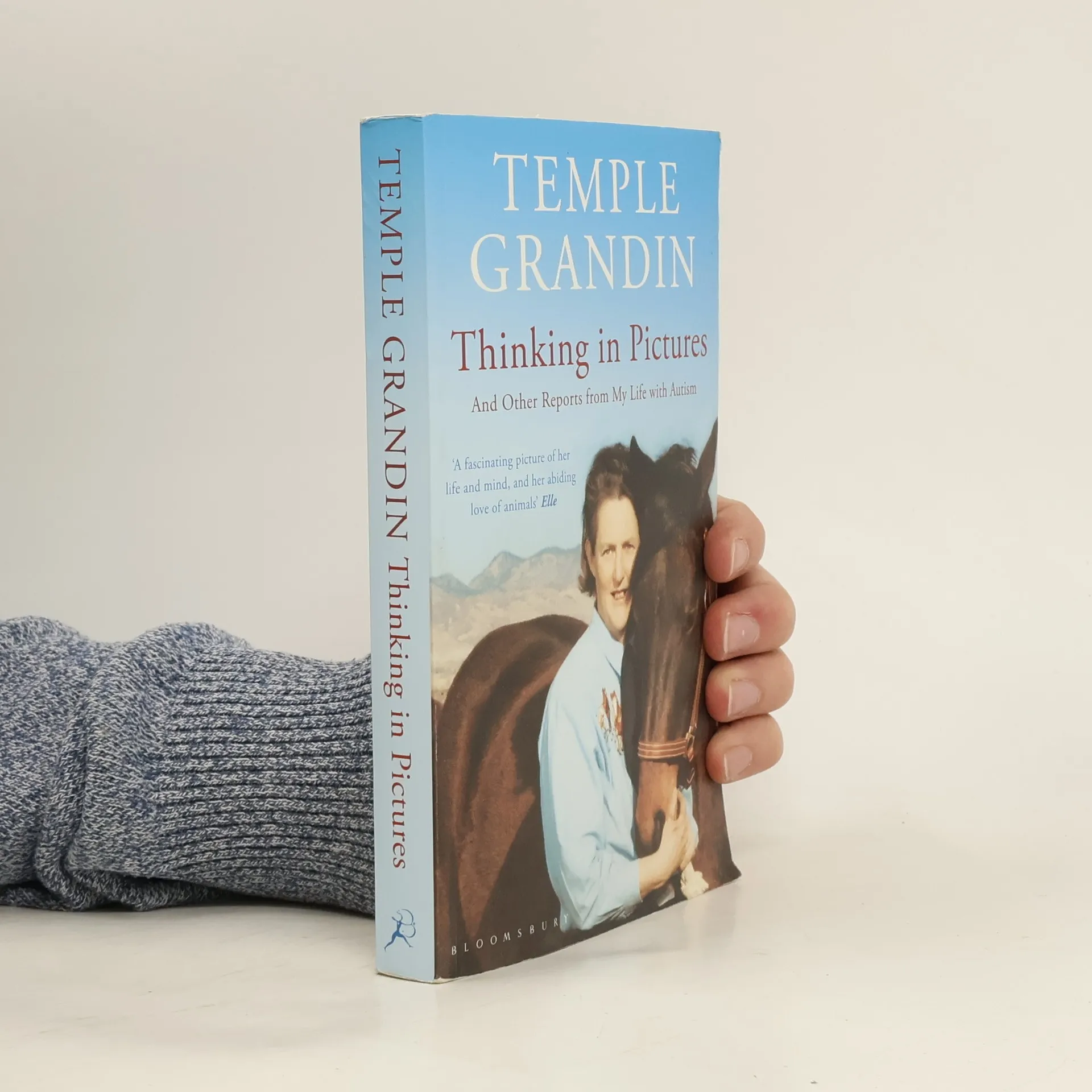
Thinking in Pictures
- 304bladzijden
- 11 uur lezen
The idea that some people think differently, though no less humanely, is explored in this inspiring book. Temple Grandin is a gifted and successful animal scientist, and she is autistic. Here she tells us what it was like to grow up perceiving the world in an entirely concrete and visual way - somewhat akin to how animals think, she believes - and how it feels now. Through her finely observed understanding of the workings of her mind she gives us an invaluable insight into autism and its challenges.
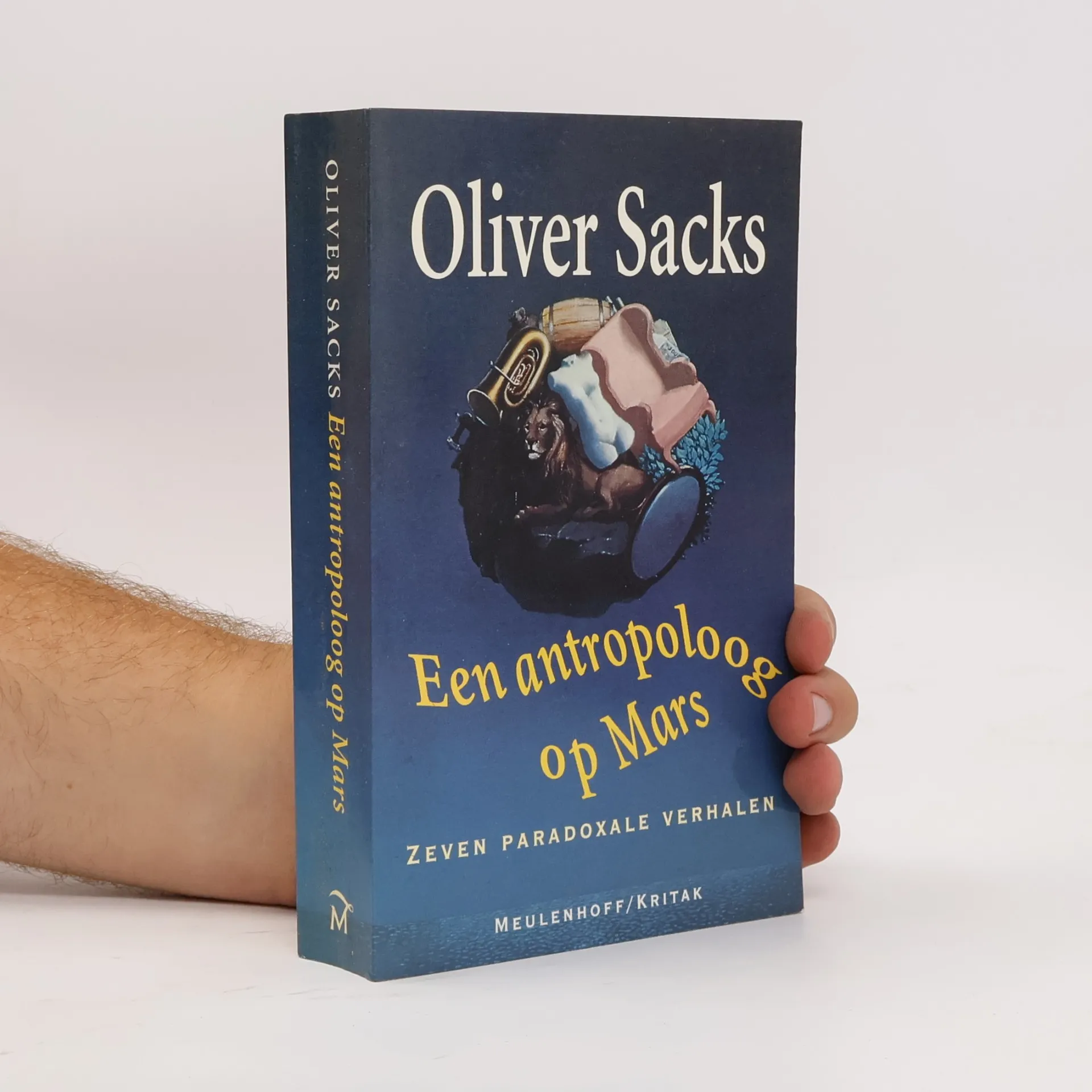
'Neurologische patiënten,' schreef Oliver Sacks eens, 'zijn reizigers naar onvoorstelbare gebieden.' Een antropoloog op Mars bevat zeven portretten van zulke reizigers - waaronder een portret van een chirurg die behalve op de momenten dat hij opereert aan het syndroom van Tourette lijdt; een kunstenaar die na een auto-ongeluk zijn vermogen om kleuren te zien verliest maar die daardoor een nieuw gevoel voor het werken in zwart-wit ontwikkelt; en een autistische professor die zich 'een antropoloog op Mars' voelt omdat ze terwijl ze de simpelste omgang tussen mensen onderling niet kan volgen een carrière heeft opgebouwd op grond van haar intuïtieve begrip van het gedrag van dieren. Oliver Sacks heeft zijn reizigers buiten de kliniek in hun eigen bestaan gevolgd. Terwijl hij met de patiënten meereist, biedt Sacks ons een nieuw perspectief op de wijze waarop onze hersenen een eigen, individuele wereld scheppen. In zijn heldere en boeiende reconstructies van de mentale processen die wij als vanzelfsprekend beschouwen - zicht, herinnering, kleurgevoel - doet Sacks ons opnieuw verbaasd staan over wie we eigenlijk zijn.
Een schitterend ongeluk
Wim Kayzer ontmoet Oliver Sacks, Stephan Jay Gould, Stephen Toulmin, Daniel C. Dennett, Rupert Sheldrake en Freeman Dyson / druk 13
- 471bladzijden
- 17 uur lezen
Wim Kayzer ontmoet Oliver Sacks, Stephen Jay Gould, Stephen Toulmin, Daniel C. Dennet, Rupert Sheldrake en Freeman Dyson.
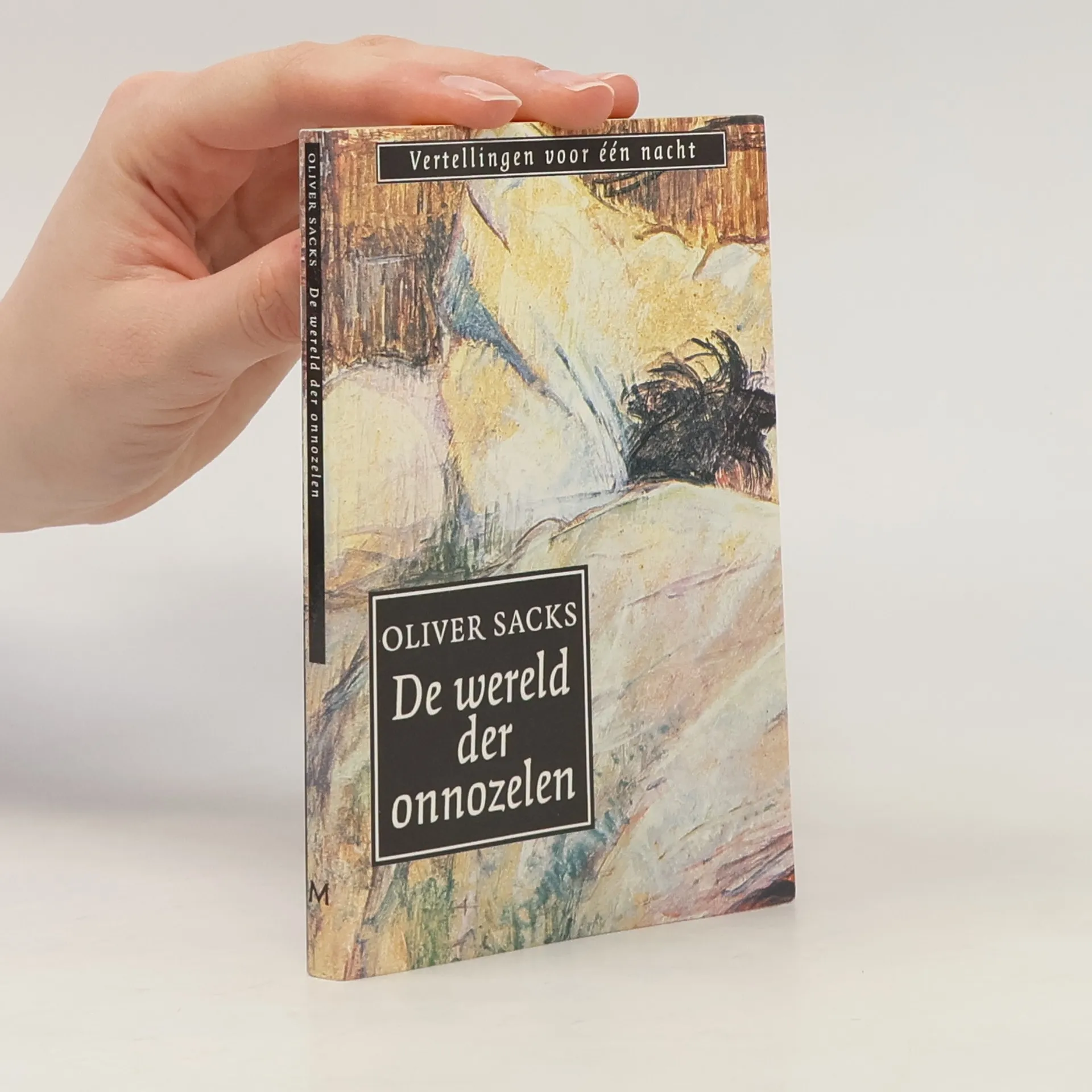
De wereld der onnozelen
- 92bladzijden
- 4 uur lezen
Onderdeel uit De man die zijn vrouw voor een hoed hield . Story taken from The Man Who Mistook His Wife for a Hat
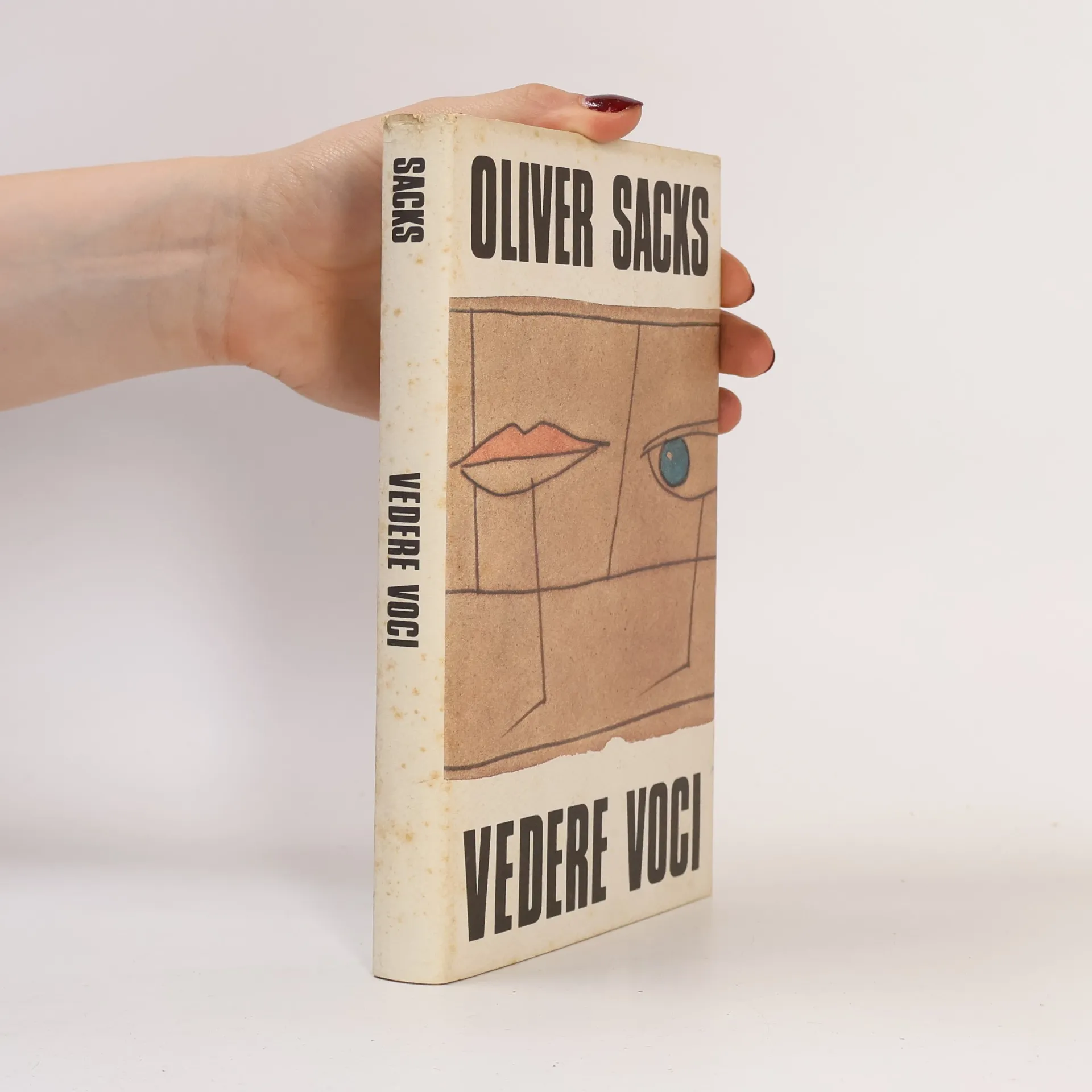
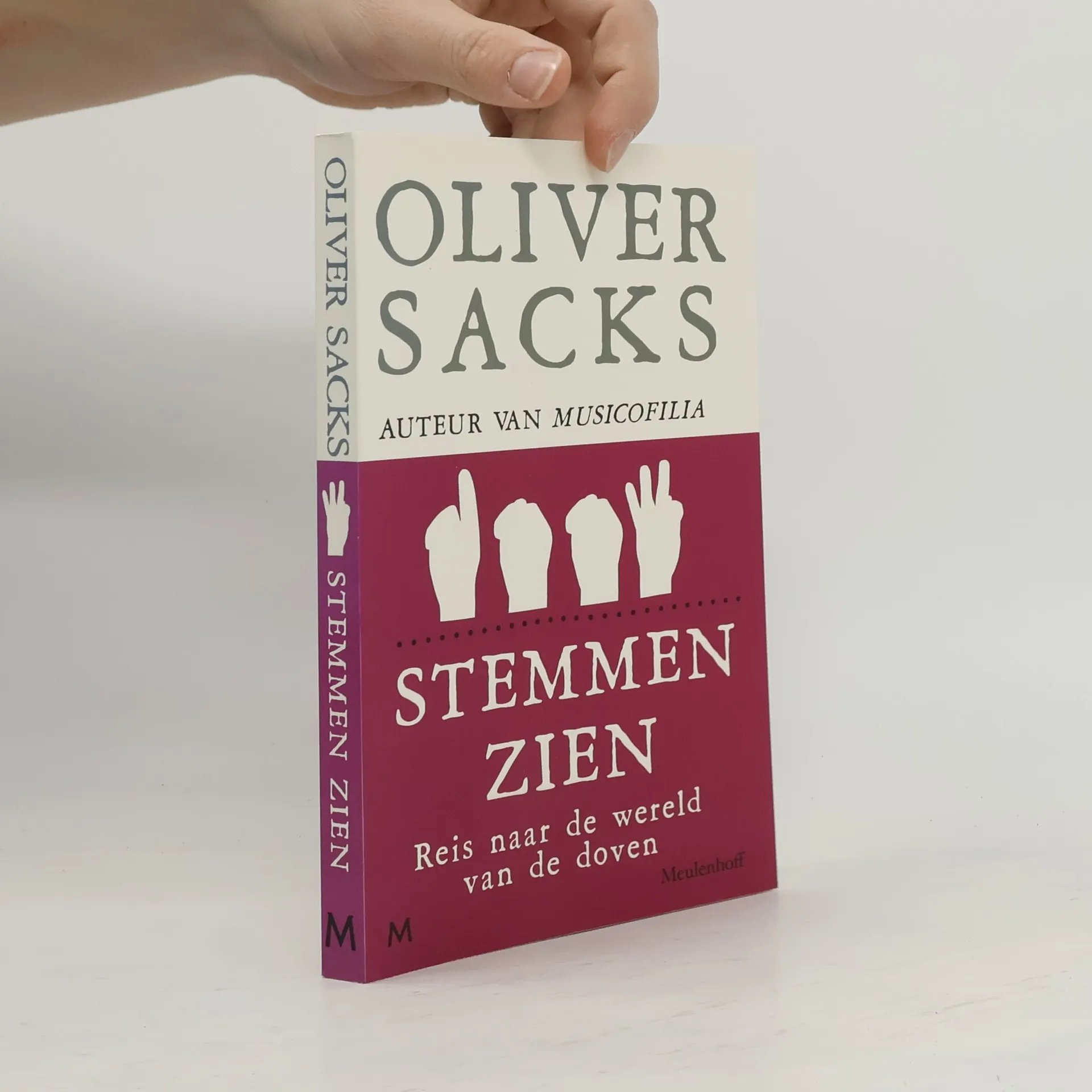
Toen Sacks voor het eerst met doven en hun gebarentaal in aanraking kwam, ging er een wereld voor hem open. Voor hem als neuroloog was het bijzonder interessant dat de hersenen van doven die met gebarentaal zjin opgegroeid een heel andere ontwikkeling doormaken dan die van horenden. Maar het meest werd hij geraakt door de individuele levensgedschiedenissen van doven: hun strijd om de muur van geluidloosheid en onbegrip die hen omringt te doorbreken. In Stemmen zien biedt Oliver Sacks de lezer een uniek inzicht in de wereld van doven.
Migraine
- 415bladzijden
- 15 uur lezen
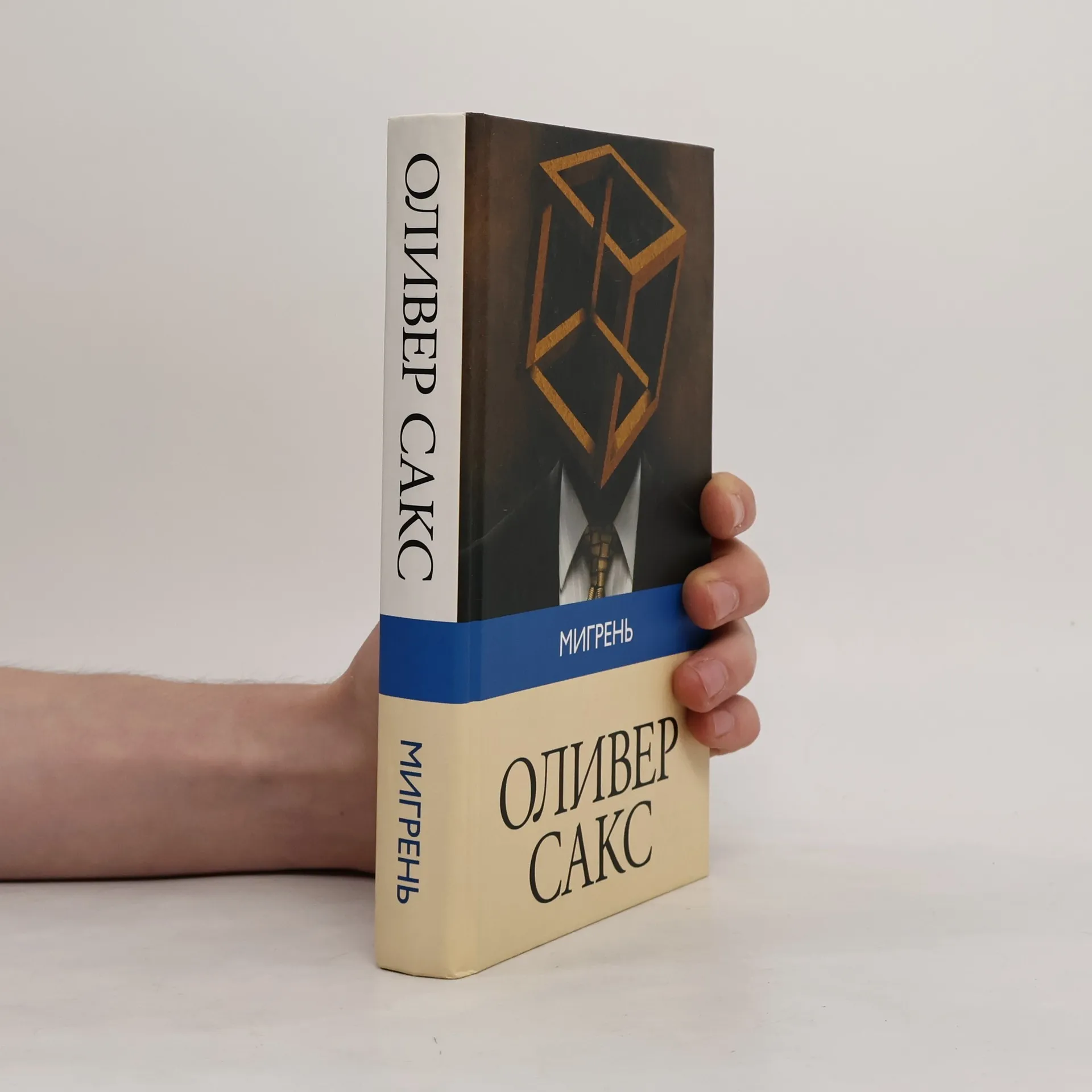
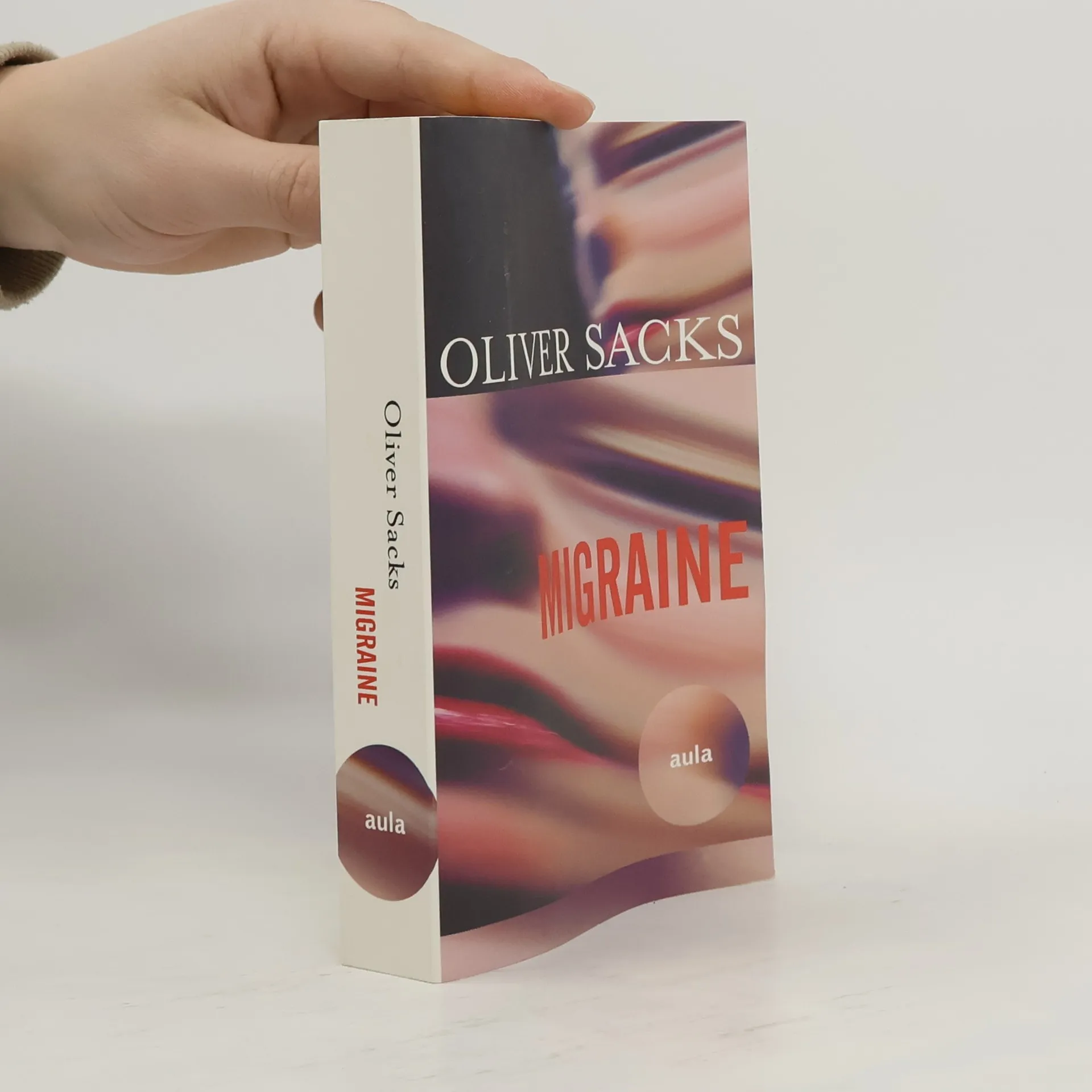
Migraine is een diepgaand onderzoek naar de vele verschijningsvormen van migraine, die dramatisch kunnen variëren van de ene patiënt naar de andere en zelfs binnen dezelfde patiënt op verschillende momenten. Onder de meest intrigerende en verwarrende symptomen bevinden zich de vreemde visuele hallucinaties en vervormingen van ruimte, tijd en lichaamsbeeld die migrainepatiënten soms ervaren. Deze ongewone toestanden zijn terug te vinden in talrijke kunstwerken, van de hemelse visioenen van Hildegard von Bingen tot Alice in Wonderland. Dr. Oliver Sacks stelt dat migraine niet eenvoudigweg als een ziekte kan worden begrepen, maar moet worden gezien als een complexe aandoening met een unieke rol in het leven van elk individu. Dit boek biedt niet alleen inzicht in de aard van onze mentale werking, maar ook een diepgaande discussie over de impact van migraine op het leven van mensen. Het is een fascinerende verkenning van de relatie tussen lichaam en geest.
De man die zijn vrouw voor een hoed hield
- 264bladzijden
- 10 uur lezen
In de wereldwijde bestseller De man die zijn vrouw voor een hoed hield onderzoekt Oliver Sacks een groot aantal case-histories uit zijn eigen praktijk van patiënten met vreemde intellectuele en perceptuele afwijkingen. Hij beschrijft met respect en liefde mensen die hun geheugen kwijt zijn en zo het grootste deel van hun verleden, die niet langer in staat zijn onderscheid te maken tussen personen en voorwerpen, die vreemde tics hebben of ongewild obsceniteiten roepen. Sacks raakt met zijn verhalen aan de vreemdste uitersten van het menselijke bestaan. Hij laat een krachtig licht schijnen op de werking van onze geest. Door het inlevingsvermogen van Sacks kan de lezer de wereld van de patiënten binnengaan en zich voorstellen .
Wat betekent het voor een arts om zelf patiënt te worden? Oliver Sacks schreef in Een been om op te staan over zijn herstel nadat hij tijdens een vakantie in de bergen viel en zijn been ernstig verwondde.
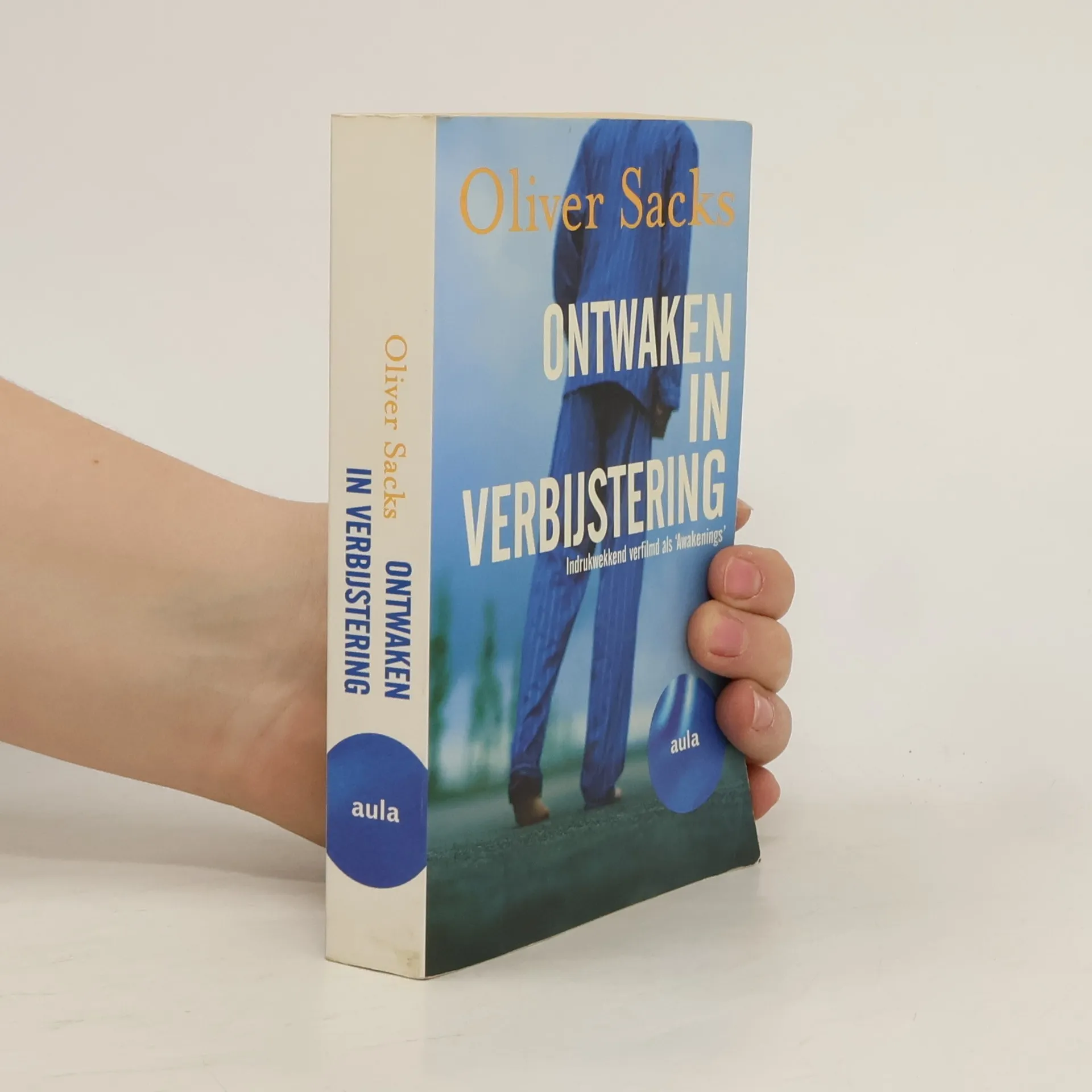
Ontwaken in verbijstering
- 367bladzijden
- 13 uur lezen
Beschrijving van de opleving van een aantal patiënten met chronische restverschijnselen van encephalitis lethargica ten gevolge van de behandeling met recent ontdekte geneesmiddelen.