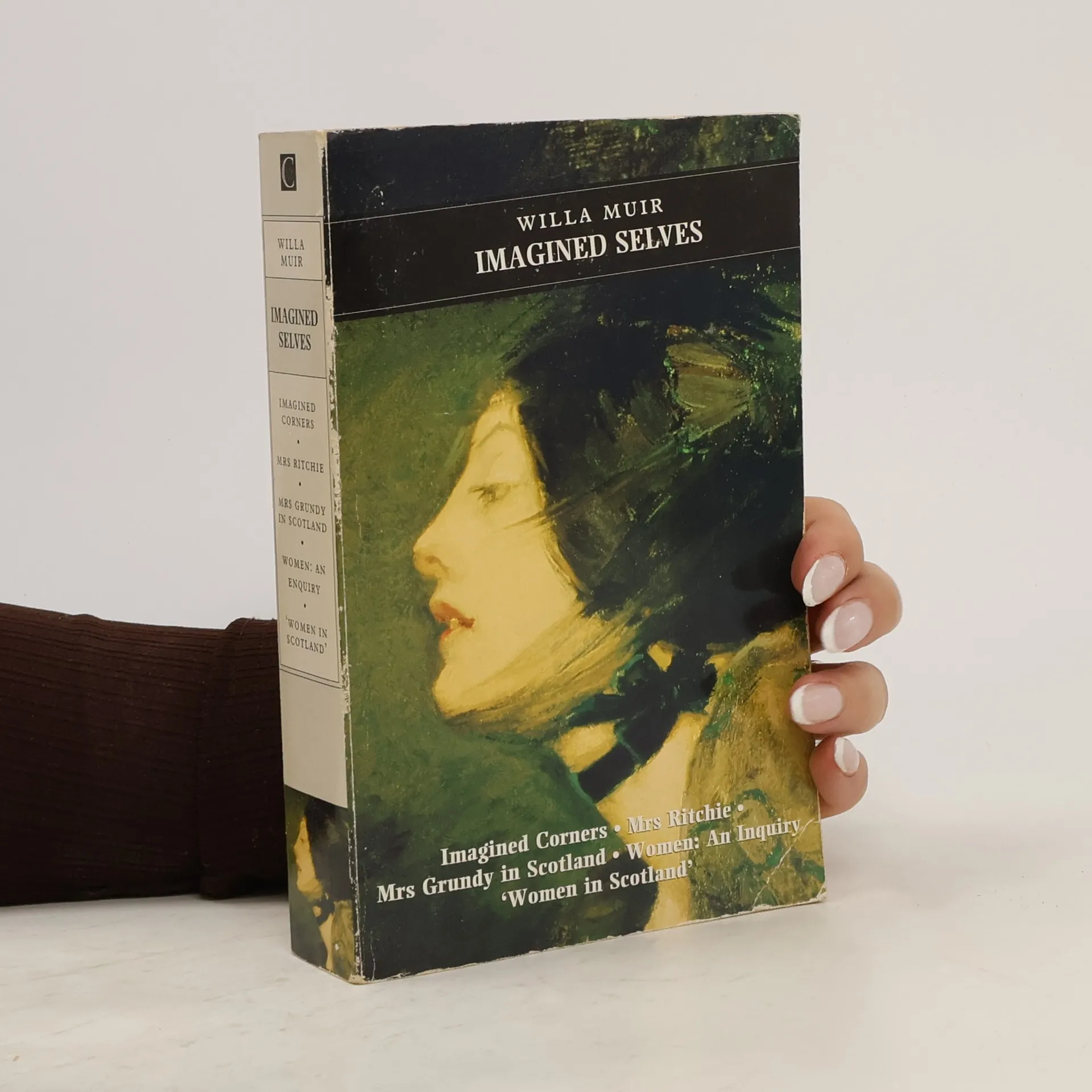
Imagined Selves
- 712bladzijden
- 25 uur lezen
This volume is a celebration of the life and work of Willa Muir.


Willa Muir was een Schotse romanschrijver, essayist en vertaler die feministische thema's verkende en belangrijke Duitse werken vertaalde. Haar essays bieden een diepgaand onderzoek naar de positie van vrouwen, gekenmerkt door intellectuele scherpte en inzicht. Naast haar eigen werk brachten Muir's vertalingen, waaronder die van Franz Kafka, belangrijke Europese literatuur onder de aandacht van nieuwe lezers. Haar nalatenschap ligt in deze krachtige combinatie van feministisch denken en toegewijde literaire vertaling.

This volume is a celebration of the life and work of Willa Muir.
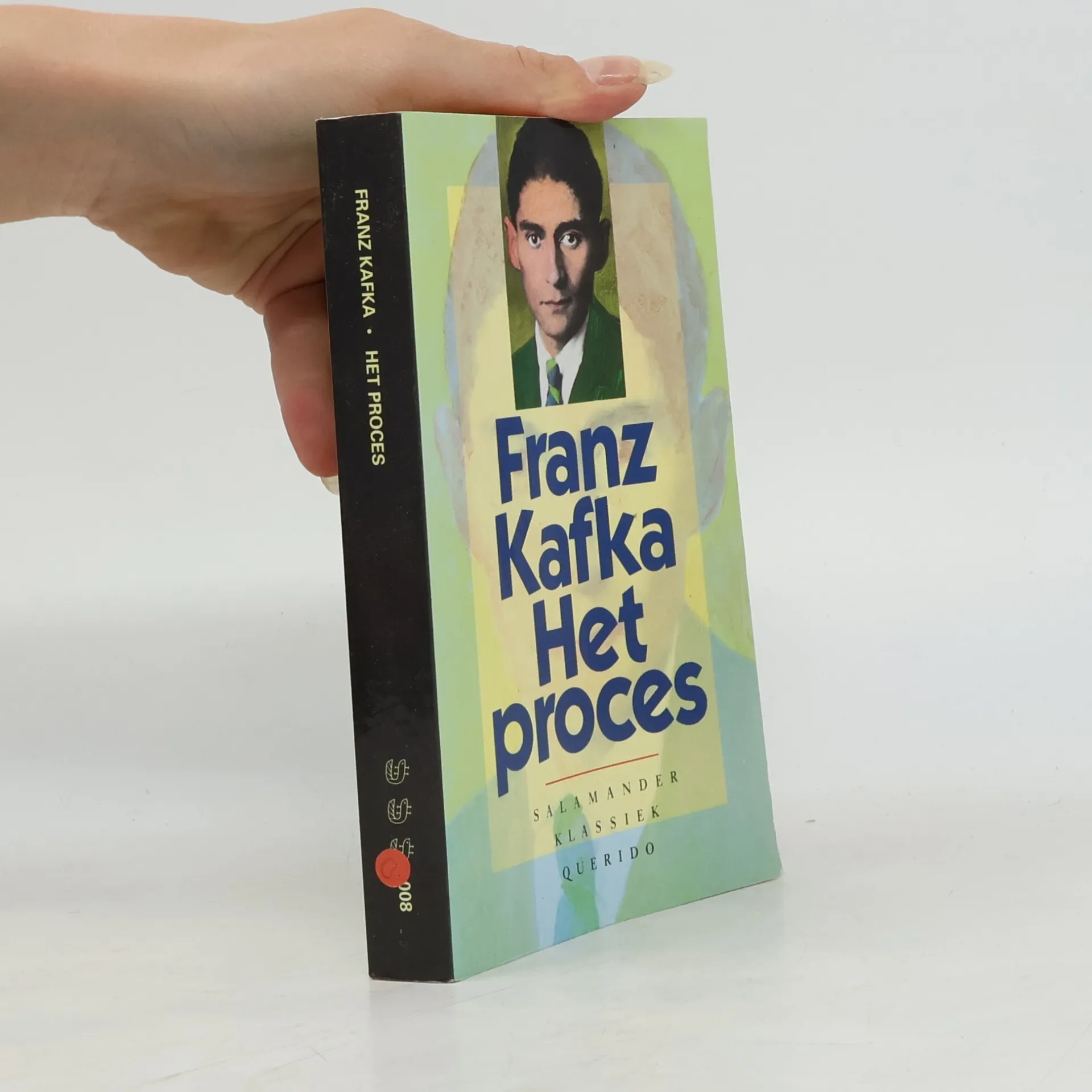
Een jongeman staat terecht zonder dat hem duidelijk wordt op welke beschuldiging.
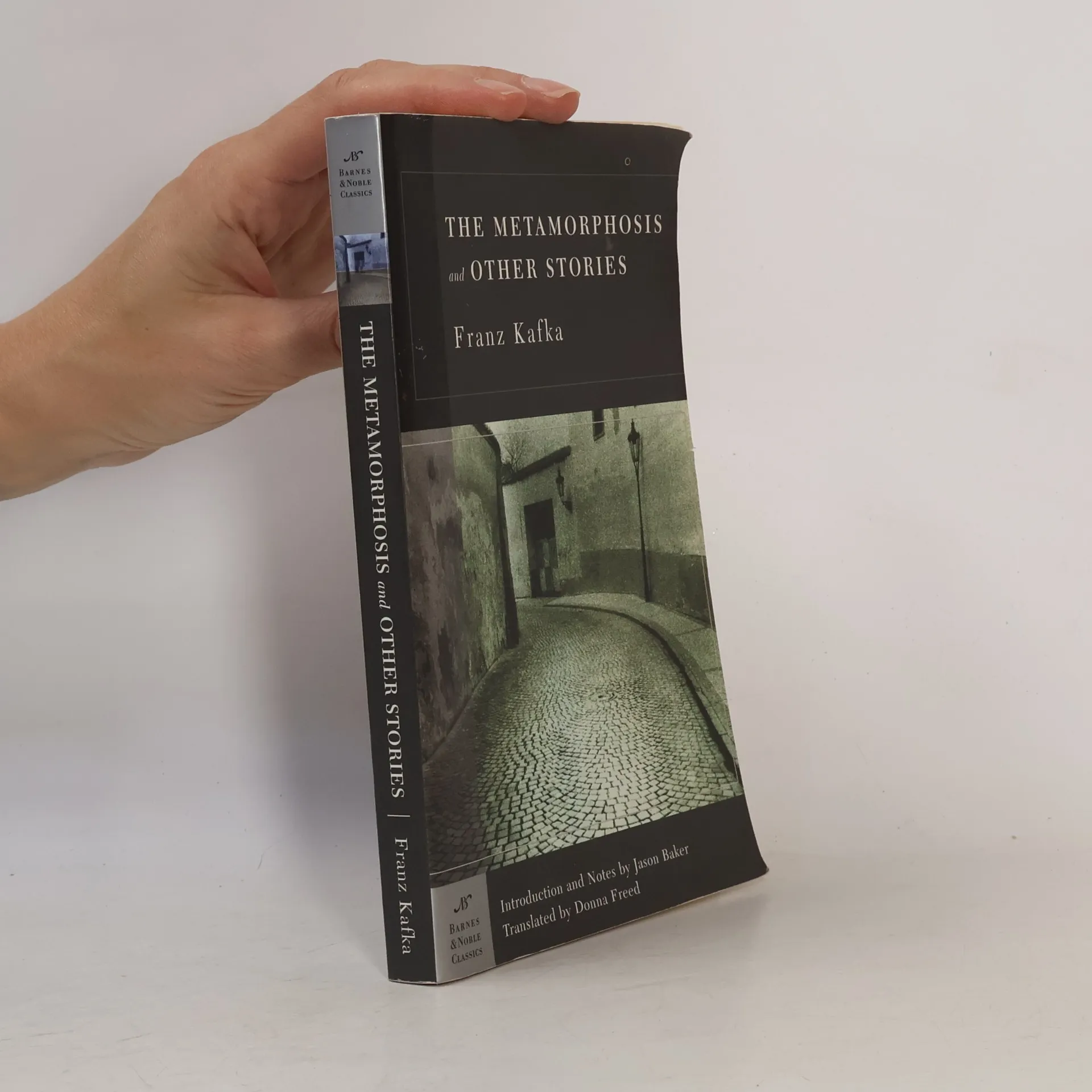
Franz Kafka's nightmarish novels and short stories have come to symbolize modern man's anxiety and alienation in a bizarre, hostile, and dehumanized world. This vision is most fully realized in Kafka's masterpiece, "The Metamorphosis," a story that is both harrowing and amusing, and a landmark of modern literature. Bringing together some of Kafka's finest work, this collection demonstrates the richness and variety of the author's artistry. "The Judgment," which Kafka considered to be his decisive breakthrough, and "The Stoker," which became the first chapter of his novel "Amerika, are here included. These two, along with "The Metamorphosis," form a suite of stories Kafka referred to as "The Sons," and they collectively present a devastating portrait of the modern family. Jason Baker is a writer of short stories living in Brooklyn, New York
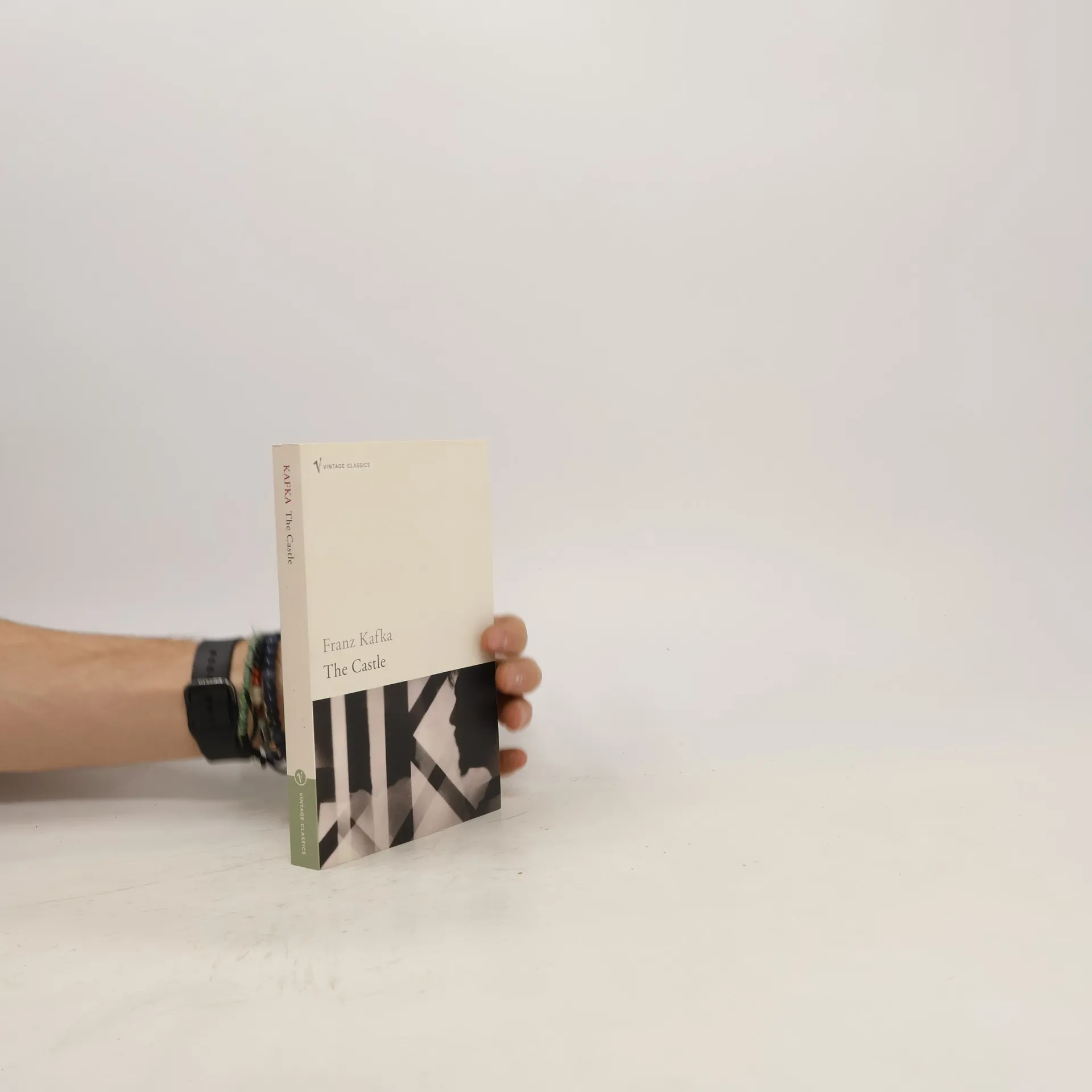
The story of K and his arrival in a village where he is never accepted, and his relentless, unavailing struggle with authority in order to gain entrance to the castle that seems to rule it. K's isolation and perplexity, his begging for the approval of elu
Franz Kafka's enigmatic, deadpan, and deeply pessimistic stories are central to literary modernism. In 'The Metamorphosis', the estrangement of everyday life becomes corporealized when Gregor Samsa wakes up as a giant bug and wonders how he is going to get to work on time. Kafka inverts the implied degradation of a man's transformation into an animal in 'A Report of the Academy', an ape's address to a group of scientists.