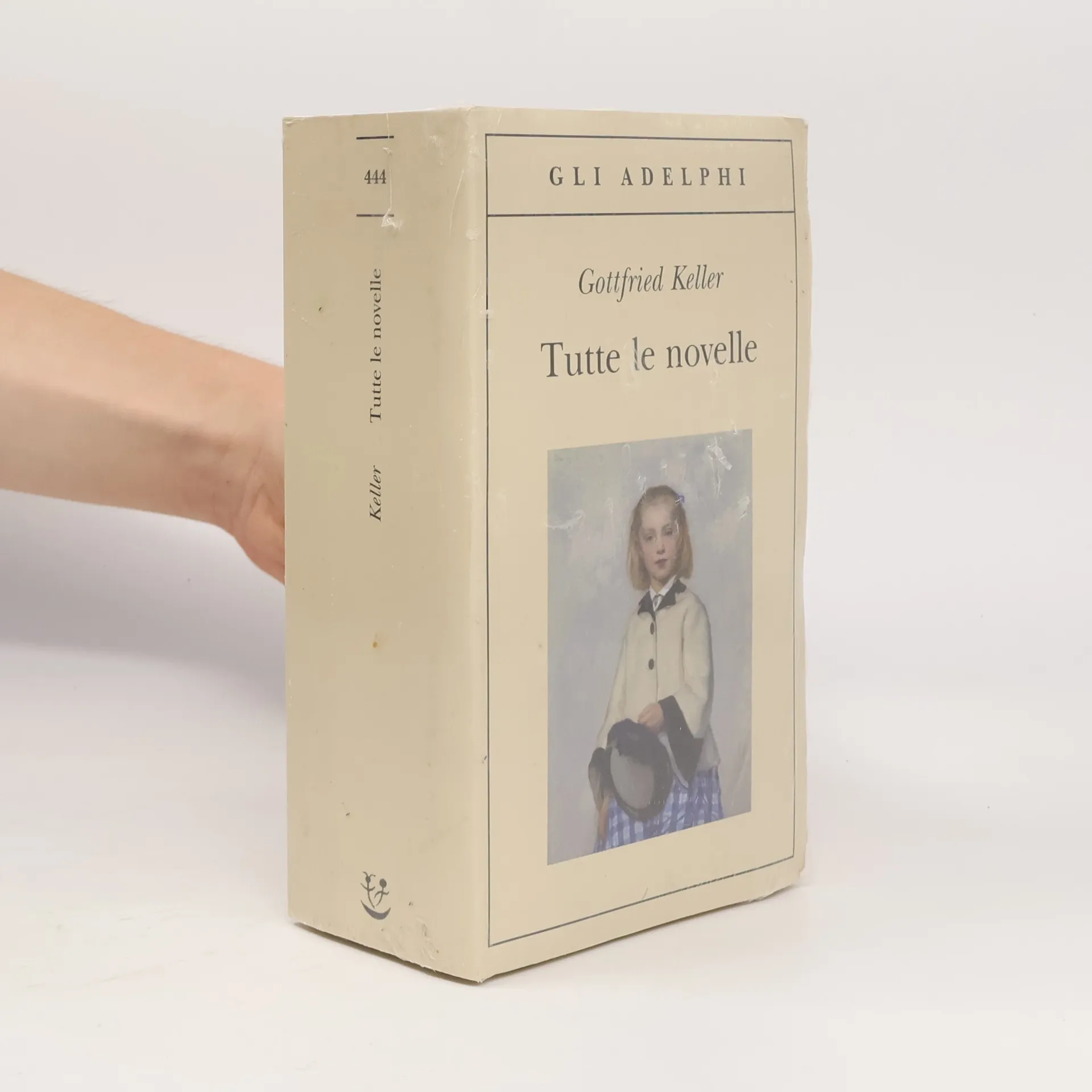
«Più ancora che nei romanzi, Keller si rivelò artista di prima grandezza nei racconti, che ora hanno visto la luce in Italia in una splendida e completa raccolta pubblicata dalla casa editrice Adelphi. Novelle ricche di humour, di invenzione fantastica, di grazia fiabesca e di acutezza realistica ... In queste novelle, magnificamente tradotte e presentate, palpita la dimensione più alta, più aperta della narrativa tedesca di quegli anni».Claudio Magris
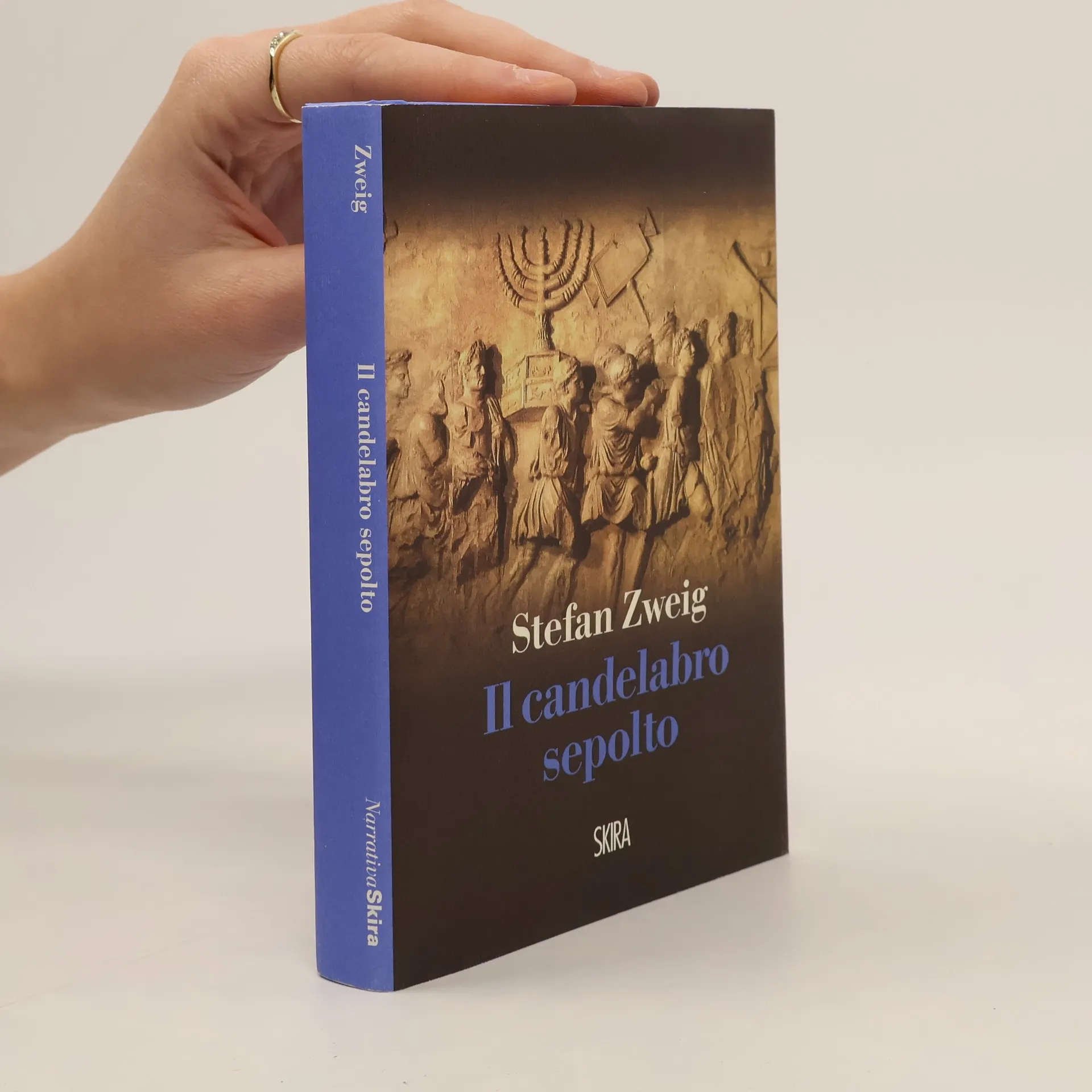
Roma, 455 d.C.: durante il saccheggio i Vandali trafugano come bottino di guerra la Menorah (l’antico candelabro a sette braccia) del Tempio di Gerusalemme, portata a Roma da Tito. Tra la comunità ebraica si diffonde un grande scoramento: il simbolo più antico, il fondamento stesso dell’identità del popolo ebraico è andato perduto e deve essere recuperato a ogni costo. Con il suo stile cristallino Stefan Zweig ricostruisce una vicenda che è per molti versi un vero e proprio mito fondativo del popolo ebraico, e poco importa se a volte il suo racconto ceda il passo alla leggenda. “Le leggende fiorite sulla scomparsa della Menorah sono quasi infinite” si legge nella postfazione di Fabio Isman. “E tutte, come anche il racconto di Stefan Zweig, hanno un unico obiettivo: mantenerla in vita.”
In De Buddenbrooks beschrijft Thomas Mann het verval van een familie en hoe psychologisch-culturele verfijning, die leidt tot fin-de-siècle decadentie, de kracht en levenswil van een welvarend koopmansgeslacht ondermijnt. De rechtschapen, plichtsgetrouwe notabele verdwijnt in twee à drie generaties, vervangen door de door Weltschmerz verteerde bonvivant en overgevoelige kunstenaarsziel. Aanvankelijk wordt de glans en het succes van een nobele Noordduitse familie warm beschreven, maar ironie en kritische noten krijgen steeds meer de overhand. De revolutionaire geest van de twintigste eeuw botst met de ooit onaantastbare normen van de negentiende-eeuwse bourgeoisie. De kunstenaarsziel worstelt om zich te ontworstelen aan de lege soliditeit van het geslacht dat haar heeft voortgebracht. Mann's naturalistische beschrijving van de familie vertoont sterke overeenkomsten met zijn eigen achtergrond. De familie Mann, gevestigd in Lübeck, was een aanzienlijk koopmansgeslacht en bracht in de twintigste eeuw bekende schrijvers voort, waaronder Heinrich en Klaus Mann. De Buddenbrooks, Mann's eerste roman uit 1901, werd meteen een groot succes en vestigde zijn reputatie, waardoor hij in één adem werd genoemd met Marcel Proust en James Joyce. In 1929 ontving hij de Nobelprijs voor literatuur.
"Musil belongs in the company of Joyce, Proust, Kafka, and Svevo. . . . (This translation) is a literay and intellectual event of singular importance."--New Republic.
Like his contemporary and rival Sigmund Freud, Robert Musil boldly explored the dark, irrational undercurrents of humanity. The Confusions of Young Törless , published in 1906 while he was a student, uncovers the bullying, snobbery, and vicious homoerotic violence at an elite boys academy. Unsparingly honest in its depiction of the author's tangled feelings about his mother, other women, and male bonding, it also vividly illustrates the crisis of a whole society, where the breakdown of traditional values and the cult of pitiless masculine strength were soon to lead to the cataclysm of the First World War and the rise of fascism. A century later, Musil's first novel still retains its shocking, prophetic power.
Henrik Ibsen nació el 20 de marzo de 1828 en Skien, al sur de Cristianía, llamada hoy con su nombre más antiguo: Oslo. Alternó sus residencias en Noruega -su patria-, Alemania, Italia, y desde 1892 ya no se movió de Cristianía, donde murió en 1906. Hasta el final de su vida Ibsen marcó las llagas morales de su pueblo y de la humanidad, sin hacer caso de las voces contrarias. Desenmascaró a sus adversarios en Un enemigo del pueblo (1883); planteó la lucha entre la verdad y la mentira en El pato silvestre (1884), y la de los valores ciertos o aparentes en Casa de muñecas (1879); determinó las causas del tormento fisiológico y espiritual en Espectros (1881); en Hedda Gabler (1890) buceó en el abismo del alma femenina como foco de un problema general; debatió en La dama del mar (1888) el determinismo y el libre albedrío, formulando sugestiones novísimas, y deslumbró con la imaginación envolvente de Peer Gynt (1867), donde resuenan los ecos de las fantásticas leyendas nórdicas.