Niall Ferguson is een vooraanstaand historicus wiens werk zich verdiept in de wereldgeschiedenis, met een bijzondere focus op economische en financiële krachten. Hij gebruikt zijn uitgebreide kennis om hedendaagse mondiale uitdagingen en trends te analyseren, en verbindt cruciale historische gebeurtenissen met hun langetermijngevolgen. Ferguson's schrijfstijl kenmerkt zich door de exploratie van belangrijke momenten en invloedrijke figuren die de moderne wereld hebben gevormd. Zijn verhalen bieden diepgaande inzichten in de complexe relaties tussen macht, financiën en maatschappelijke evolutie, waardoor lezers een nieuw perspectief op het heden krijgen door de lens van het verleden.
De twintigste eeuw is de bloedigste van de hele geschiedenis. Het is maar goed dat het Westen als overwinnaar uit de strijd is gekomen. Toch? Niall Ferguson ziet het anders: niet de macht van het westen maar de enorm sterke opkomst van Azië is voor hem een van de belangrijkste ontwikkelingen van de vorige eeuw. Ferguson begint bij de vraag hoe het komt dat toenemende rijkdom en welvaart niet met meer rust en tevredenheid gepaard gingen: hoe
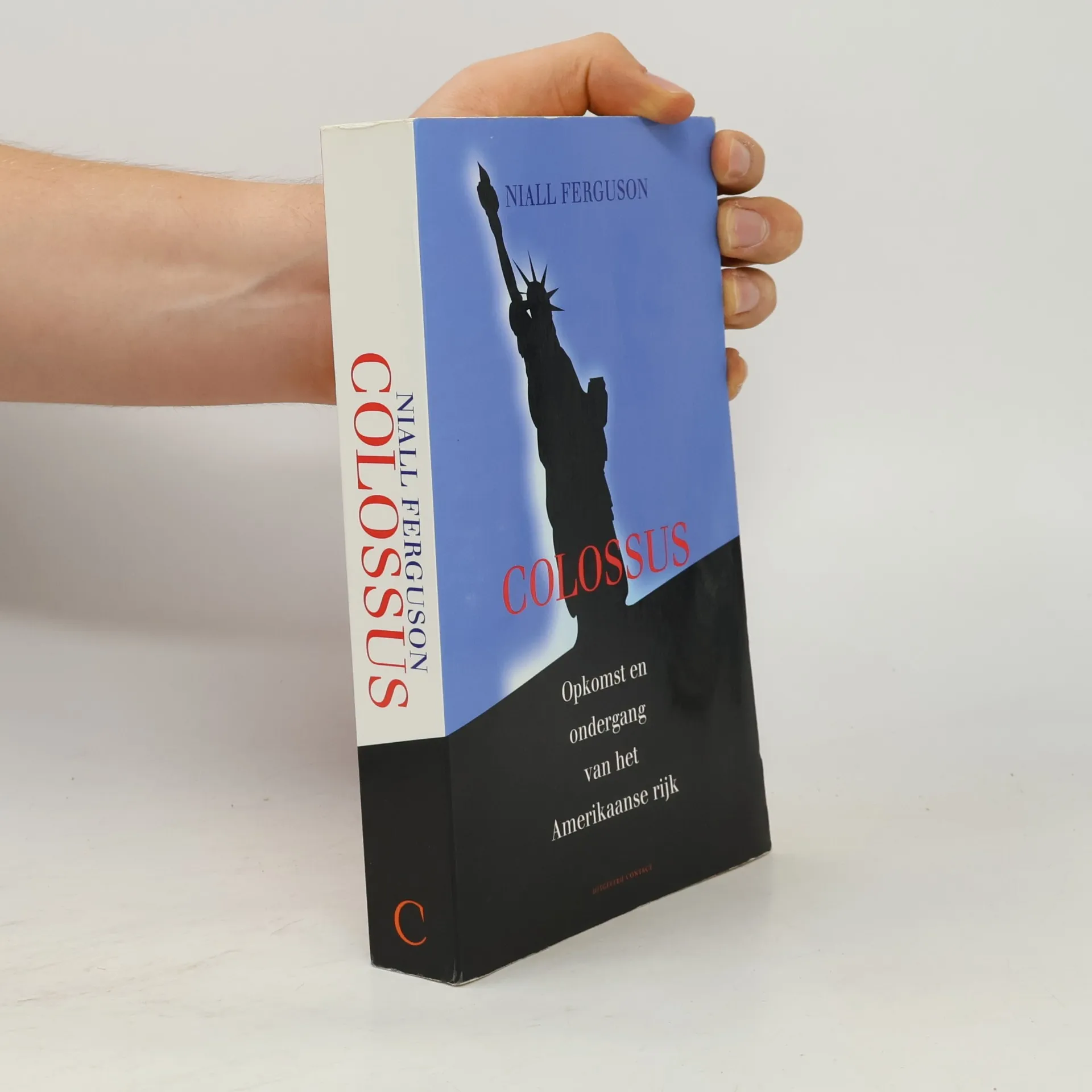
De Amerikaanse regering ontkent in alle talen dat Amerika een 'rijk' is. Maar in twee van de drie landen heeft Amerika militaire bases; de afgelopen twee jaar zijn er twee regeringen omvergeworpen door toedoen van de VS en het doel van George Bush is om vrijheid 'in elke hoek van de wereld' te verspreiden, maar toch: 'we zijn geen imperialisten'. Onzin, aldus Ferguson en in Colossus geeft hij de overtuigende onderbouwing van dat oordeel. In zowel economisch als militair opzicht is Amerika het machtigste wereldrijk uit de geschiedenis. Hoevwel Ferguson sympathiek staat tegenover de grondslag van het Amerikaanse 'imperium' - de vrije markt, onafhankelijke rechtspraak en democratie - is hij kritisch tegenover Amerika's neiging om zijn verantwoordelijkheid te verwaarlozen. Amerika's kortzichtigheid kan een groot risisco worden voor de wereld.
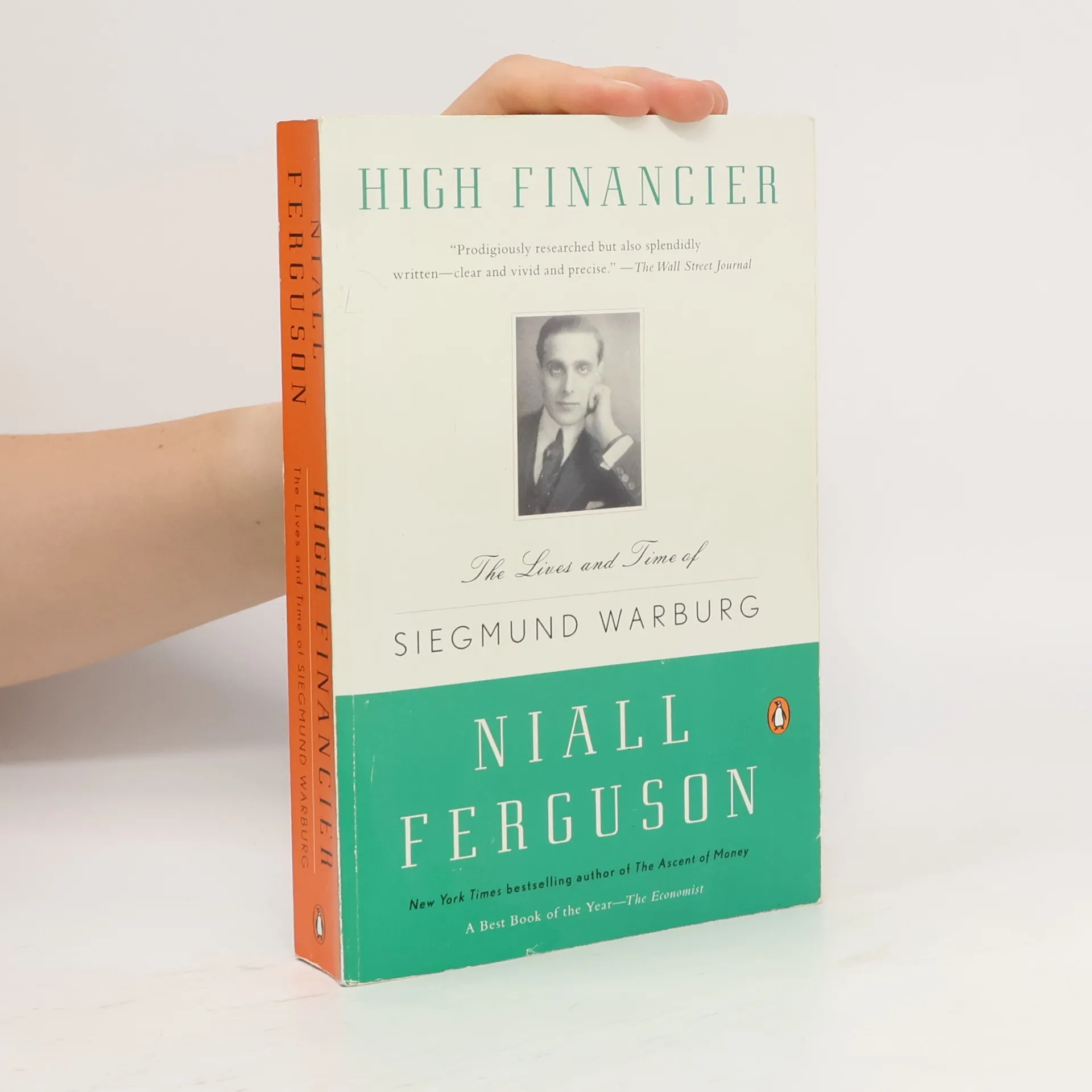
From the bestselling author of The Ascent of Money and The Square and the Tower "Prodigiously researched but also splendidly written-clear and vivid and precise." --The Wall Street Journal Drawing on more than ten thousand hitherto unavailable letters and diary entries, bestselling author Niall Ferguson tells the story of Siegmund Warburg, a complex man who was as much a psychologist, a politician, and an actor-manager as a banker. An obsessive perfectionist with an aversion to excessive risk, Warburg-and the S. G. Warburg firm-adopted a financial philosophy that was the antithesis of the debt-fueled, algorithm-driven banking of our time. In High Financier, Niall Ferguson recaptures the meticulous business methods and strict ethical code that set Warburg apart from the mere speculators and traders who inhabit today's financial world.
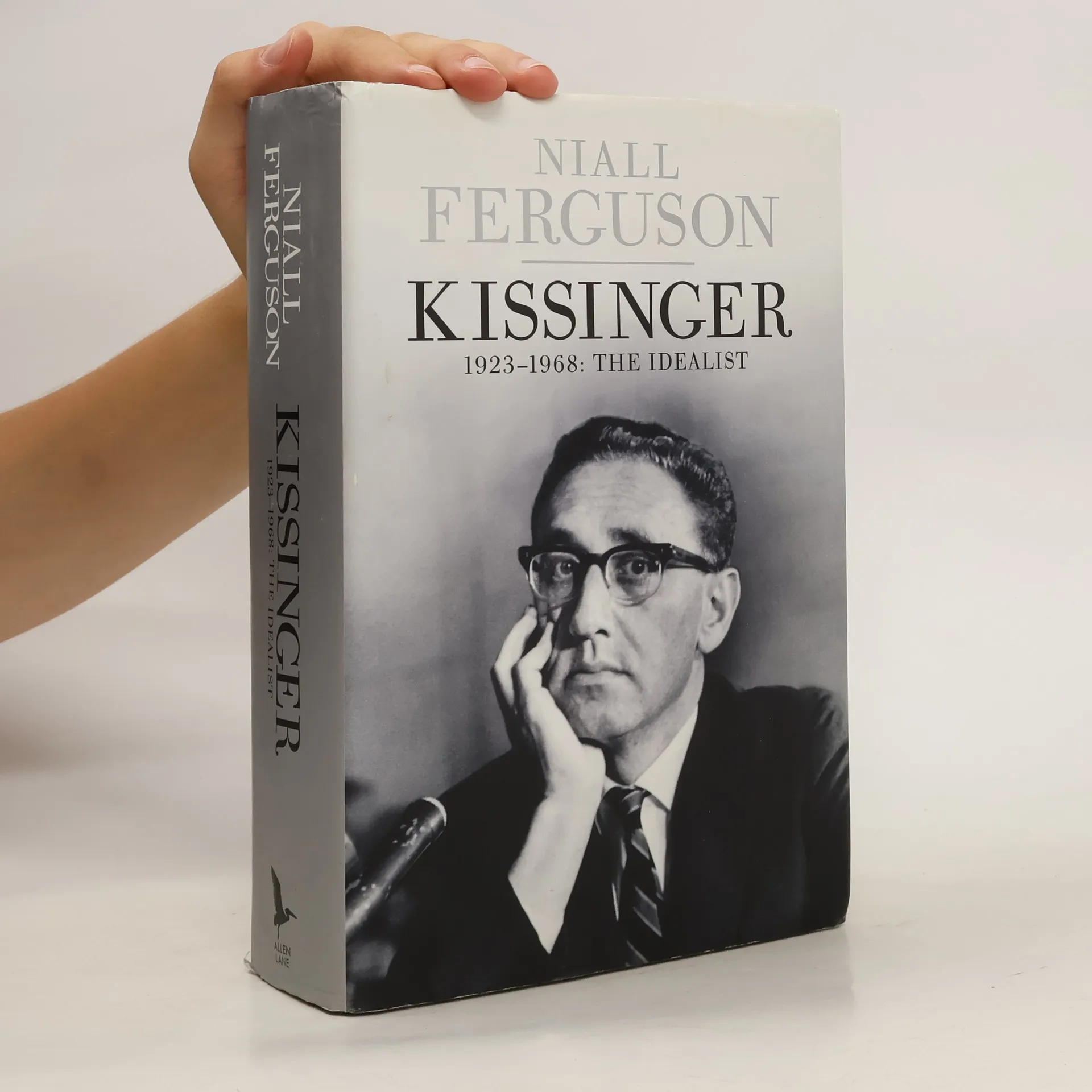
No American statesman has been as revered and as reviled as Henry Kissinger. Hailed by some as the 'indispensable man', whose advice has been sought by every president from Kennedy to Obama, Kissinger has also attracted immense hostility from critics who have cast him as an amoral Machiavellian - the ultimate cold-blooded 'realist'. Niall Ferguson has created an extraordinary panorama of Kissinger's world, and a paradigm-shifting reappraisal of the man. Only through knowledge of Kissinger's early life can we understand his debt to the philosophy of idealism. And only by tracing his rise, fall and revival as an adviser to John F. Kennedy, Nelson Rockefeller and, finally, Richard Nixon can we appreciate the magnitude of his contribution to the theory of diplomacy, grand strategy and nuclear deterrence
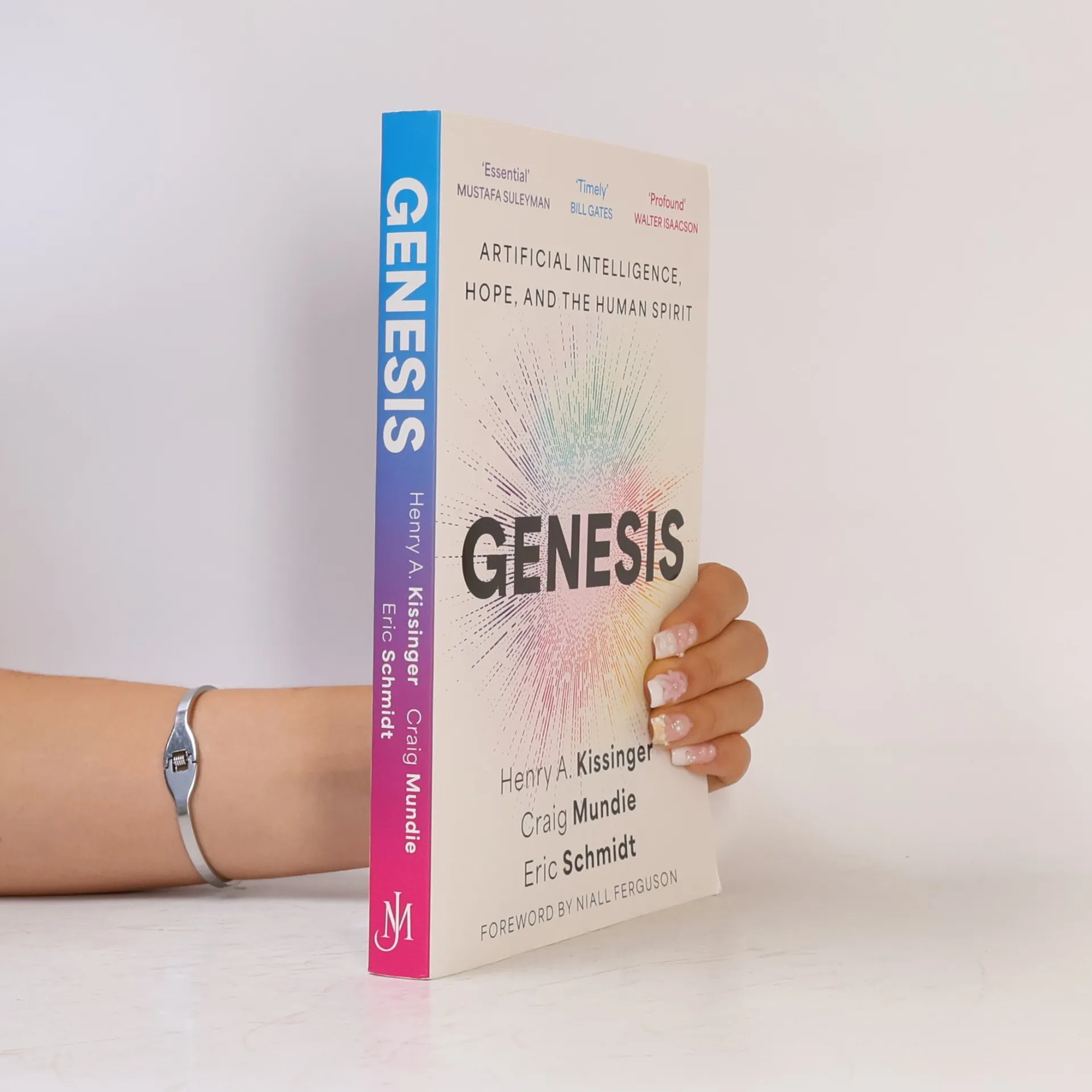
THE FOLLOW UP TO THE INTERNATIONAL BESTSELLER THE AGE OF AIThree pioneering thinkers offer a powerful guide to our future amid AI's rapid acceleration.Artificial intelligence is advancing at an alarming rate. Our responses to them could transform the nature of truth and our relationship to reality, the exploration of knowledge, the physical evolution of humanity, the conduct of diplomacy and war, and the international system. These are the crucial issues of the coming decades.Future Al will facilitate enormous advances in education, healthcare and basic sciences. They could discover new medicines, or new materials to produce cleaner energy. They could predict the occurrence of earthquakes and design evacuation strategies, or revolutionize the availability of education in every language. Powers we have not yet imagined are set to infuse our daily lives - and come with technical and human risks. Today's technologies function in ways that their inventors did not predict, and that pattern is likely to continue. Their future capabilities, running at inhuman speeds, will require a fundamentally new form of control.Al seems to compress human timescales. Objects in the future are closer than they appear.Genesis is a powerful and intelligent guide to the years of change ahead.
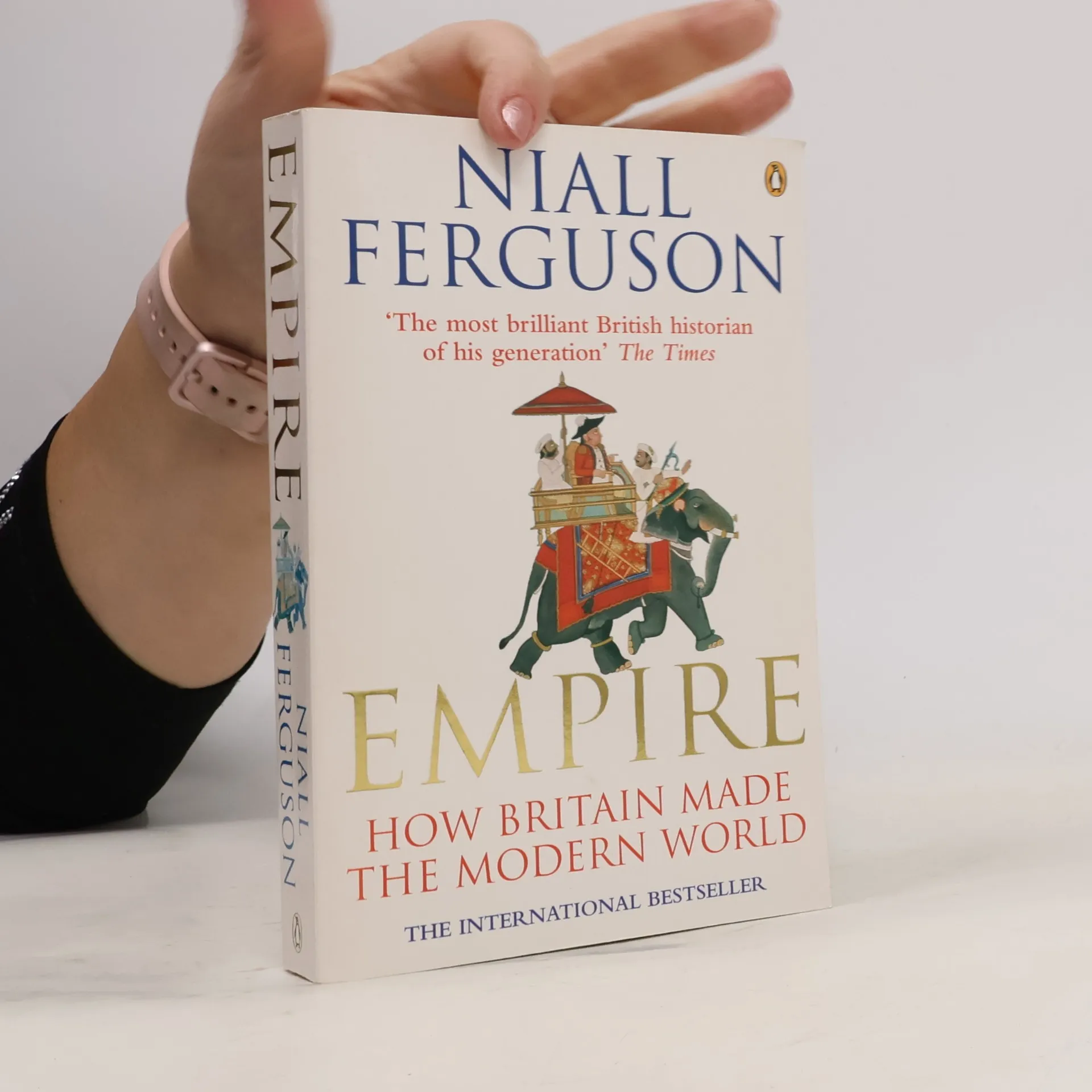
Niall Ferguson recreates the excitement, brutality and adventure of the British Empire, showing on a vast canvas how the British Empire in the 19th century spearheaded real globalization with steampower, telegraphs, guns, engineers, missionaries and millions of settlers.
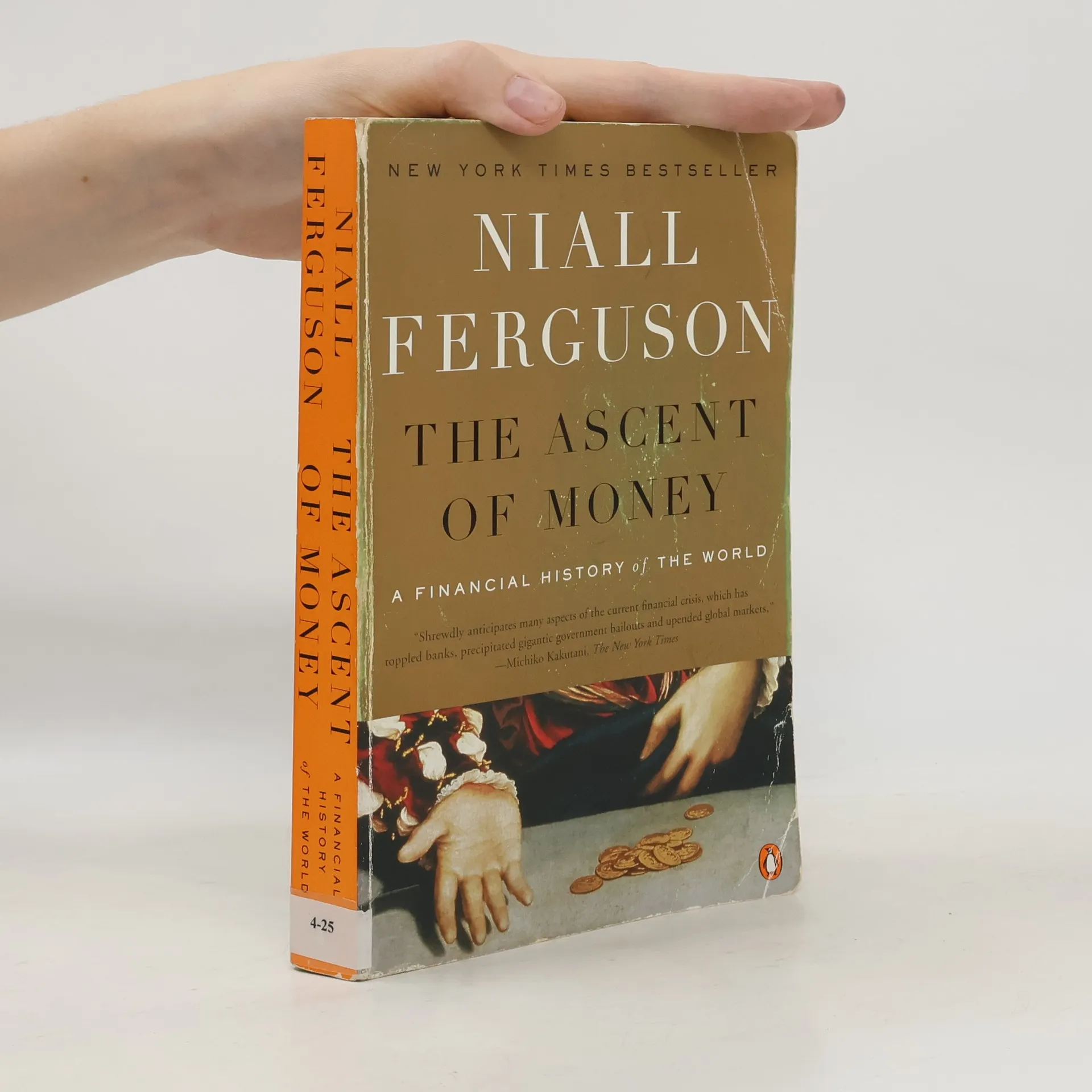
Chronicles the evolution of finance from its origins in Mesopotamia to the modern world's most recent upheavals, covering such topics as the stock market bubble that prompted the French Revolution and the theories behind common investment vehicles.
In the sweep of human history, the European Union stands out as one of humankind's most ambitious endeavors. It encompasses half a billion people, twenty-seven member states, twenty-three languages, and an economy valued at over $15 trillion. Modern Europe's stunning achievements aside, its sovereign debt crisis has shaken the world's largest political and economic union to its core. Can the federal institutions and shared values of Europeans meet the challenges of debt crisis that are as much political as economic? Or, are Europe's current woes indicative of a series of deep structural faults that will doom the European Union to breakup and failure? In this edition of the Munk Debates — Canada's premier international debate series — former EU commissioner Lord Peter Mandelson, French-German EU parliament leader of the Greens, Daniel Cohn-Bendit, German Euro skeptic and bestselling author Josef Joffe, and Scottish historian, Niall Ferguson debate one of the most pressing issues of our day: has the great European experiment failed? This electrifying debate featuring some of Europe's most outspoken parliamentary figures and academics is guaranteed to be an unforgettable and riveting verbal sparring match on the question that will determine the future of world's economy.
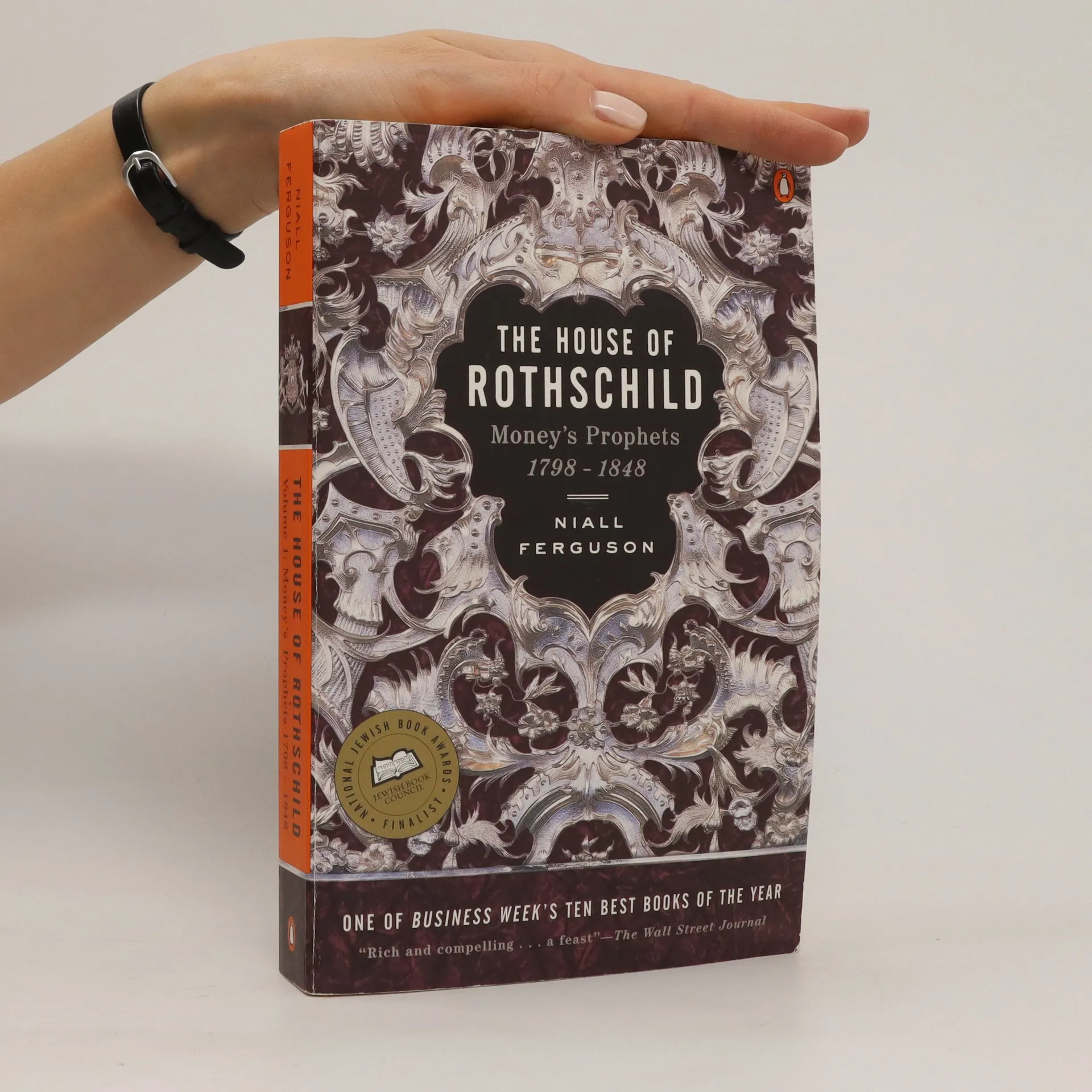
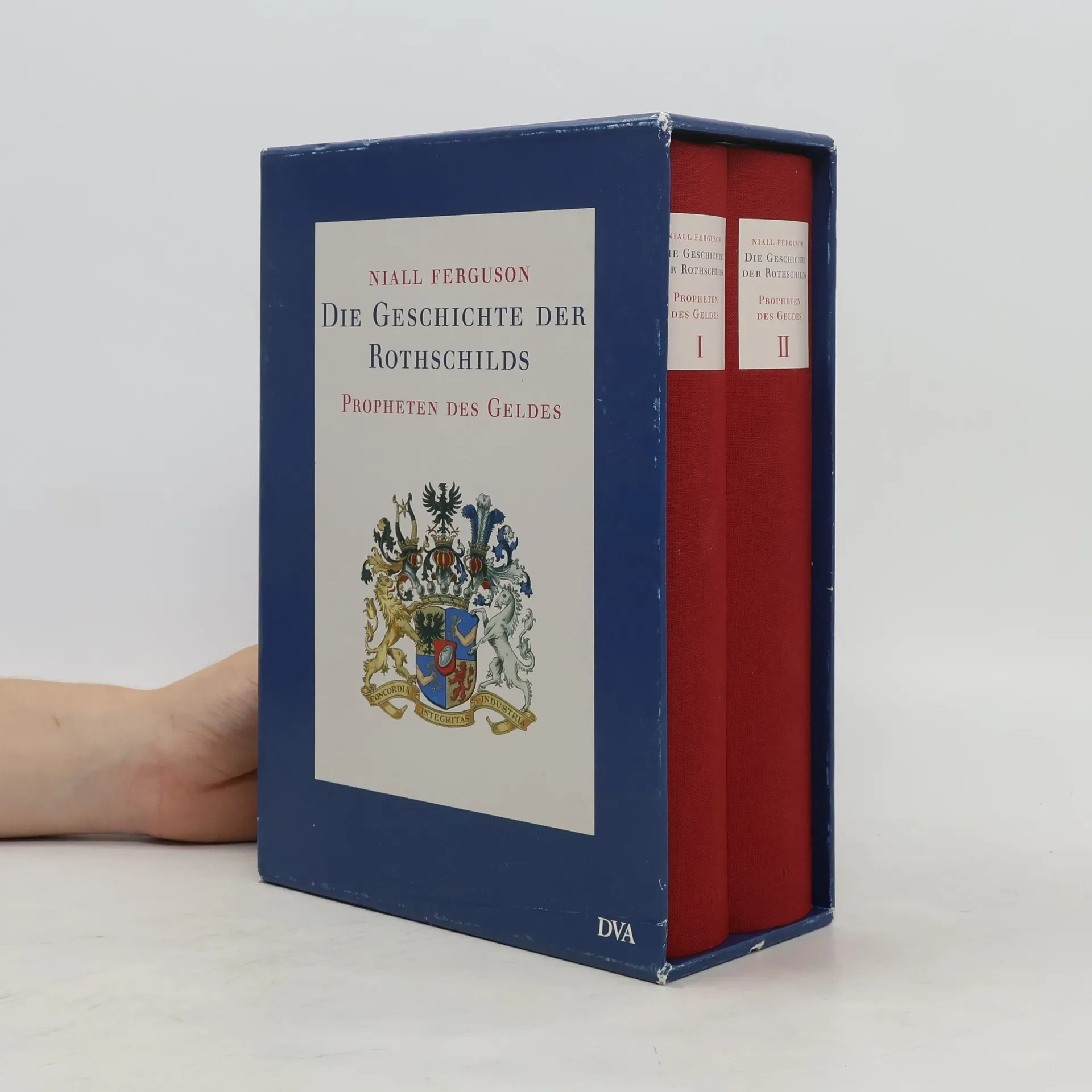
The Mythology surrounding the Rothschilds' wealth and power is two centuries old. Now the historical reality, long buried in the bank's archives, is revealed for the first time by Oxford historian and bestselling author Niall Ferguson in this definitive account of a legendary banking dynasty's rise to power.
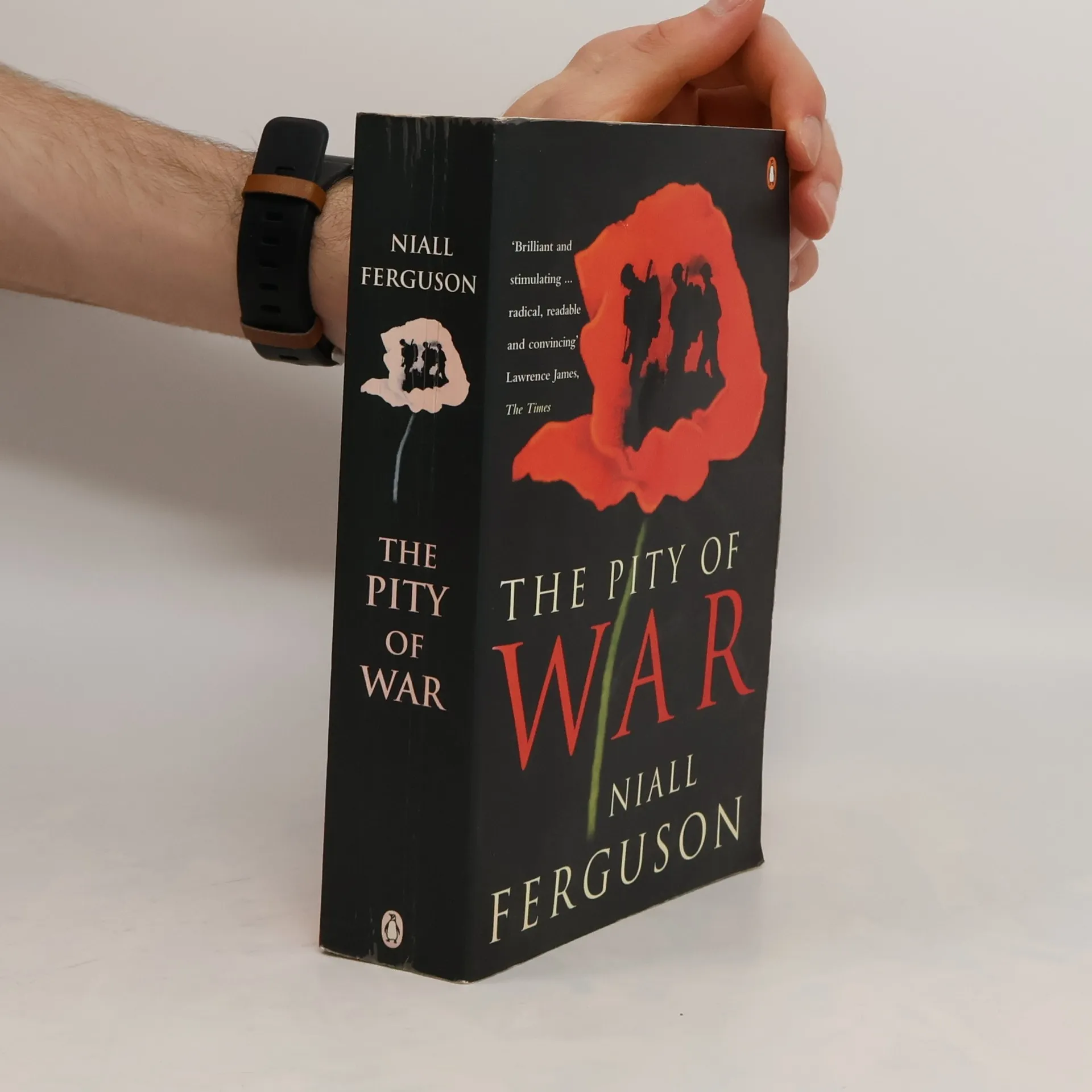
The First World War killed around eight million men and bled Europe dry. Was the sacrifice worth it? Was it all really an inevitable cataclysm and were the Germans a genuine threat? Was the war, as is often asserted, greeted with popular enthusiasm? Why did men keep on fighting when conditions were so wretched? This title deals with questions.
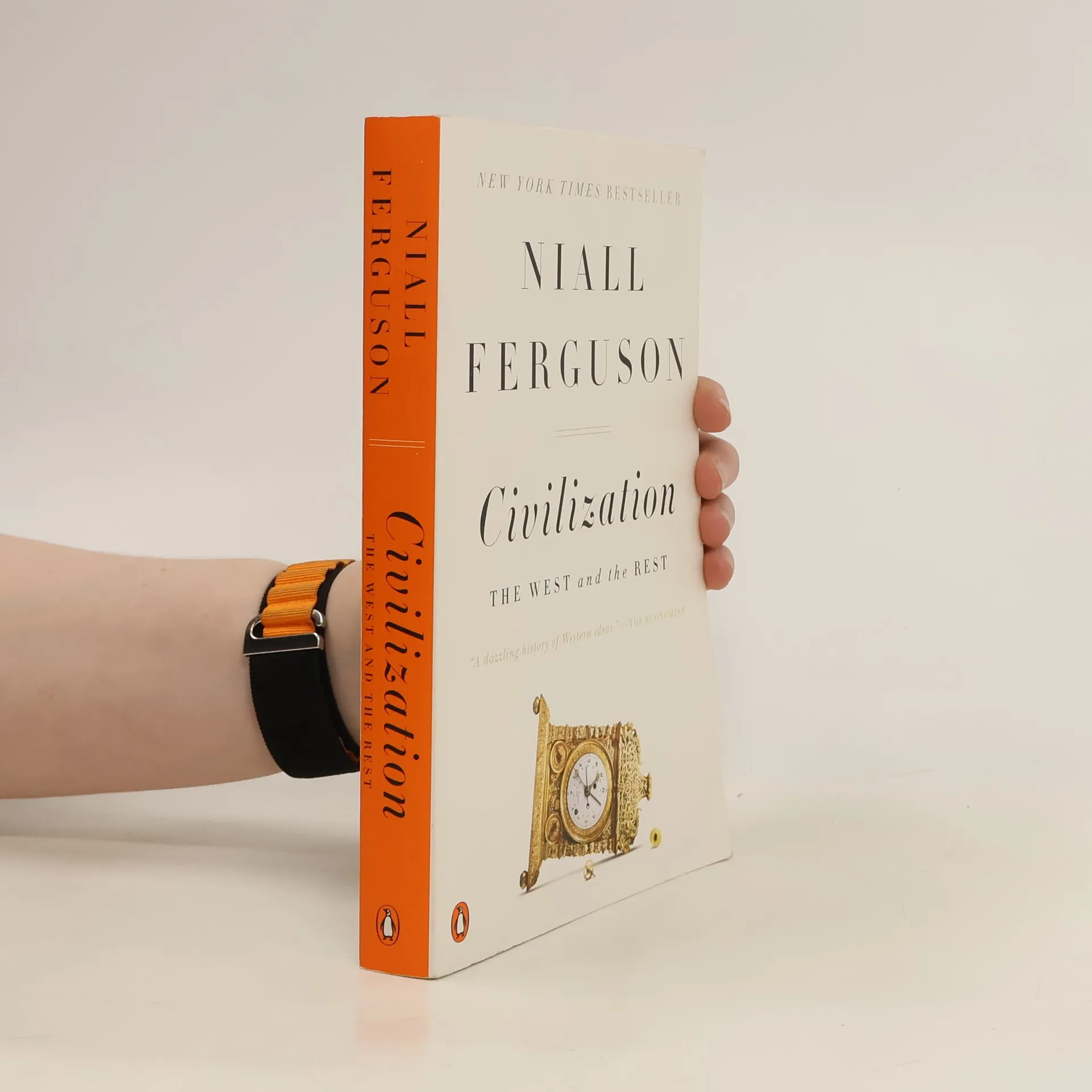
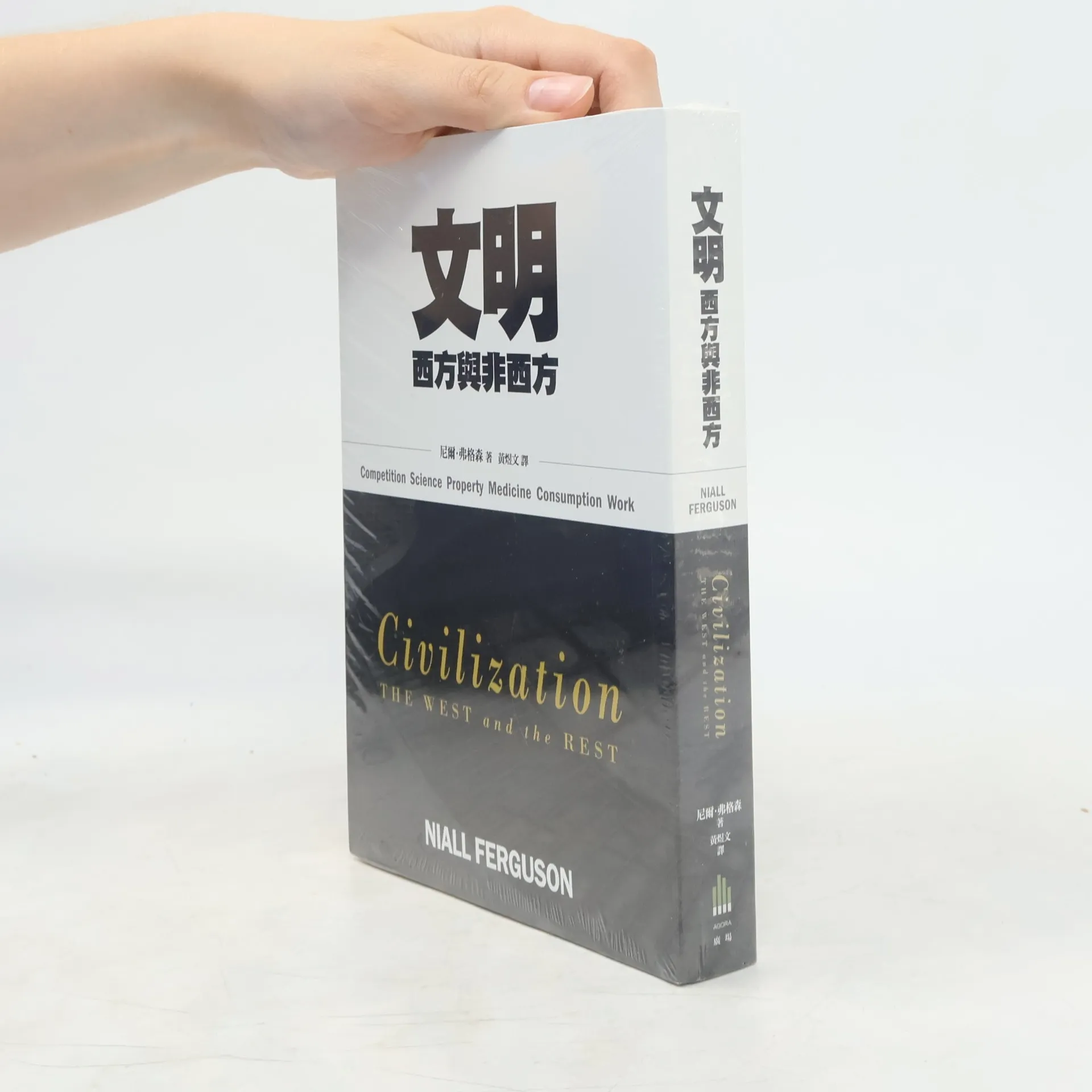
From the bestselling author of The Ascent of Money and The Square and the Tower “A dazzling history of Western ideas.” —The Economist “Mr. Ferguson tells his story with characteristic verve and an eye for the felicitous phrase.” —Wall Street Journal “[W]ritten with vitality and verve . . . a tour de force.” —Boston Globe Western civilization’s rise to global dominance is the single most important historical phenomenon of the past five centuries. How did the West overtake its Eastern rivals? And has the zenith of Western power now passed? Acclaimed historian Niall Ferguson argues that beginning in the fifteenth century, the West developed six powerful new concepts, or “killer applications”—competition, science, the rule of law, modern medicine, consumerism, and the work ethic—that the Rest lacked, allowing it to surge past all other competitors. Yet now, Ferguson shows how the Rest have downloaded the killer apps the West once monopolized, while the West has literally lost faith in itself. Chronicling the rise and fall of empires alongside clashes (and fusions) of civilizations, Civilization: The West and the Rest recasts world history with force and wit. Boldly argued and teeming with memorable characters, this is Ferguson at his very best.
Be it resolved, the liberal international order is over... Since the end of World War II, global affairs have been shaped by three broad trends: the increasing free movement of people and goods, international rules setting, and a broad appreciation of the mutual benefits of a more interconnected, interdependent world. Together these factors defined the liberal international order and sustained an era of rising global prosperity and declining international conflict. But is this order now being supplanted by a new global reality; one defined by the assertion of national borders, national interests and protectionist trade polices? More fundamentally, is liberal internationalism a historical aberration; the product of a unique set of forces that are now in retreat? Or, can it survive these challenges and remain the defining rules-based system of the future? The twentieth semi-annual Munk Debate, held on April 28th, 2017, pits prominent historian Niall Ferguson against CNN's Fareed Zakaria to debate the future of liberal internationalism.
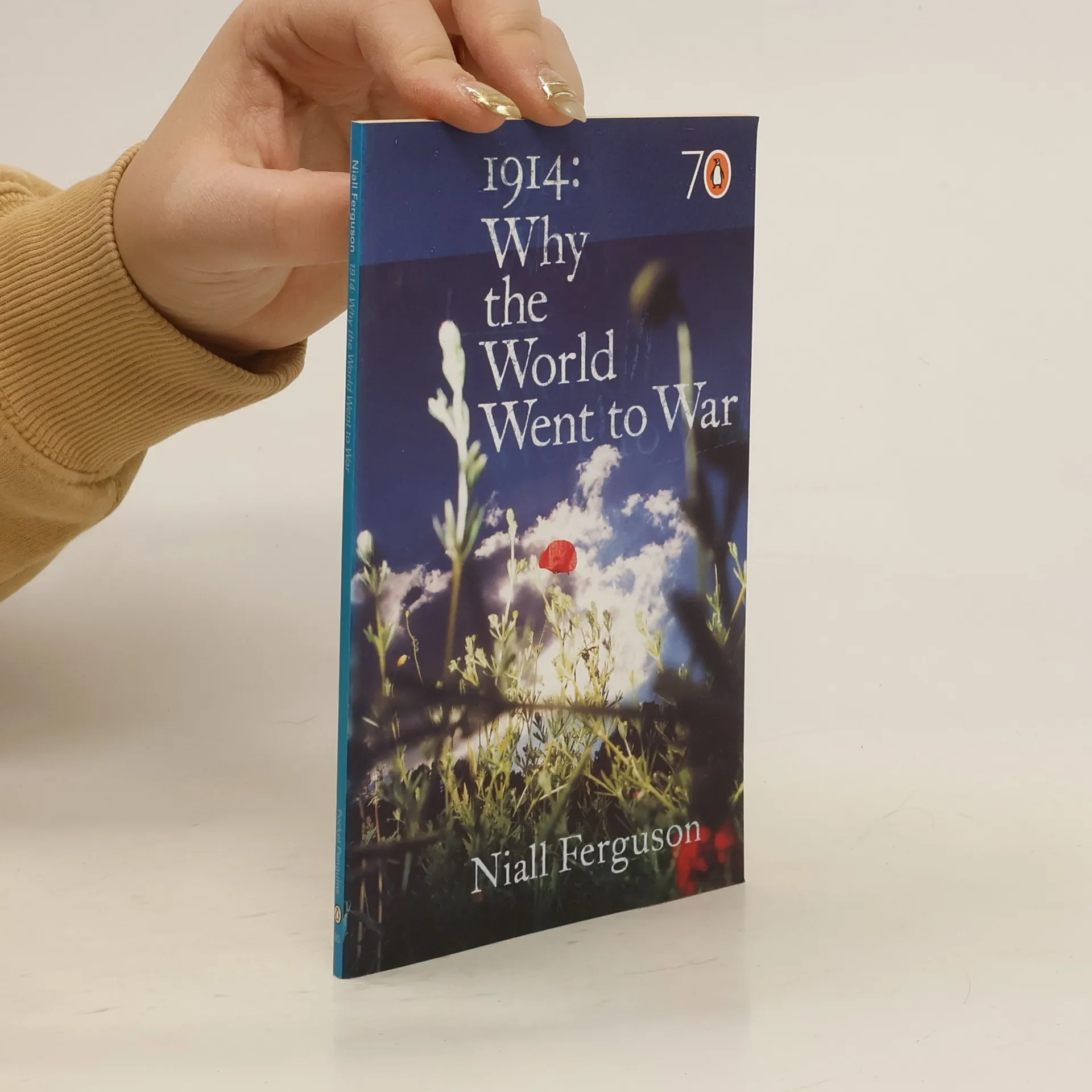
One of Penguin's bestselling non-fiction authors, Niall Ferguson has been hailed as the most brilliant historian of his generation for his fresh, provocative and controversial approach to subjects ranging from money to empires. This extract has been specially selected and adapted from Ferguson's bestselling The Pity of War (1998), a radical reassessment of the First World War that exploded many myths surrounding the conflict.
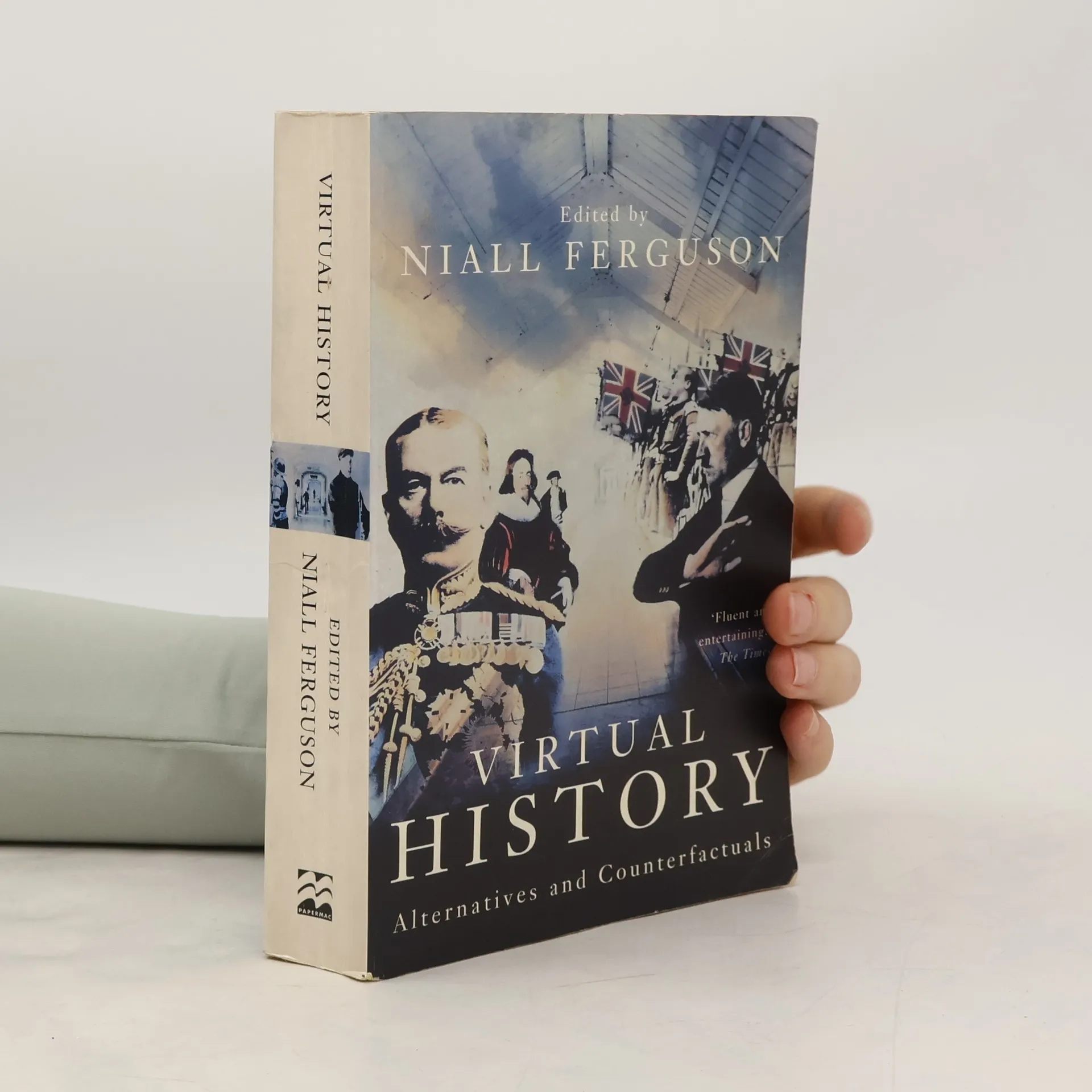
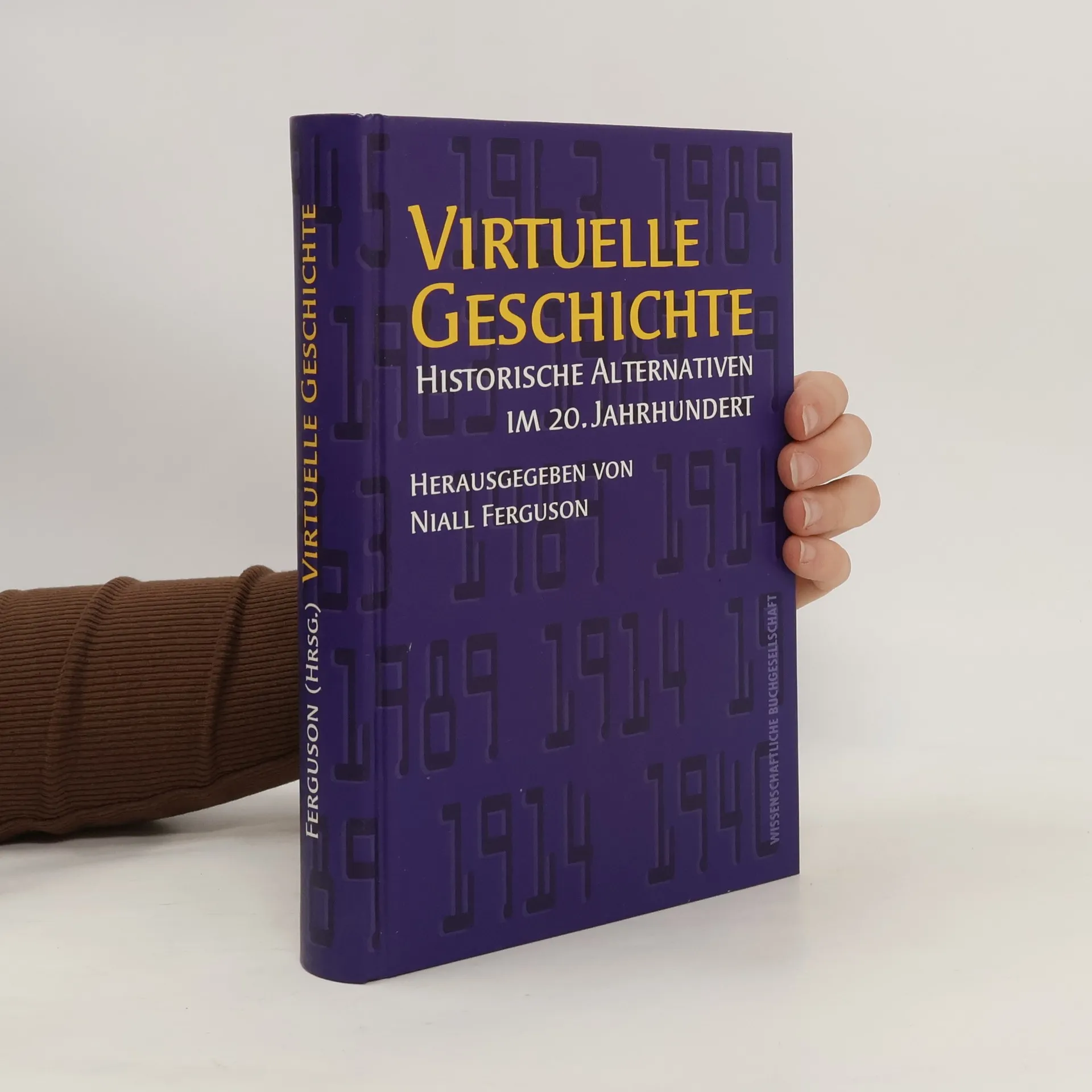
What if Britain had stayed out of the First World War? What if Germany had won the Second? Historians have traditionally refused to ask questions of the past, preferring to assume that whatever happened was inevitable. But Virtual History challenges this complacency as leading historians apply "counterfactual" arguments to decisive moments in modern history.
Disasters are inherently unpredictable, and pandemics, like other crises, do not follow historical patterns that could help us anticipate them. When disasters occur, we should be better prepared than past societies, thanks to advancements in science. However, the responses of many developed nations to a new pathogen from China were severely mishandled. While poor leadership is an easy scapegoat, the COVID-19 pandemic revealed deeper issues within the administrative state and economic elites, who had become shortsighted over many years. Questions arise about why warnings were ignored and why only a few nations learned from previous outbreaks like SARS and MERS. The appeal to "the science" often devolved into mere wishful thinking. Drawing on history, economics, public health, and network science, this analysis serves as a global examination of the pandemic's impact. The author, Niall Ferguson, explores the pathologies that have caused significant harm, including imperial hubris and bureaucratic inefficiency. COVID-19 exposed failures that must prompt countries to learn from history to avoid the risk of irreversible decline.
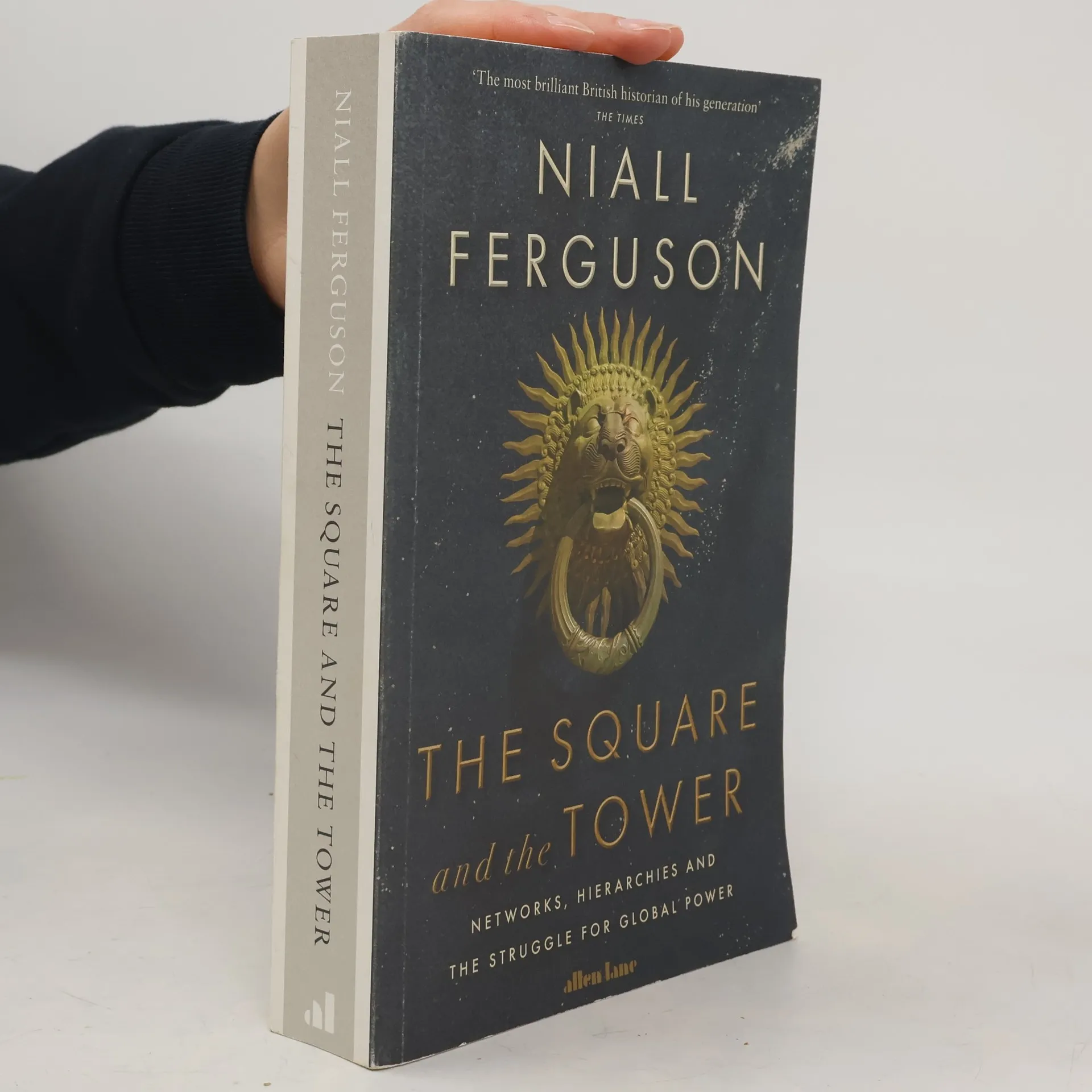
Throughout history our societies have worked through networks - of
information, friendship, professions, families - Ferguson's new book is a
history of this aspect of human existence, from the networks that first
allowed us to explore the oceans to today's hyper-linked world. He celebrates
the myriad ways in which the battle between rival networks makes history
happen.
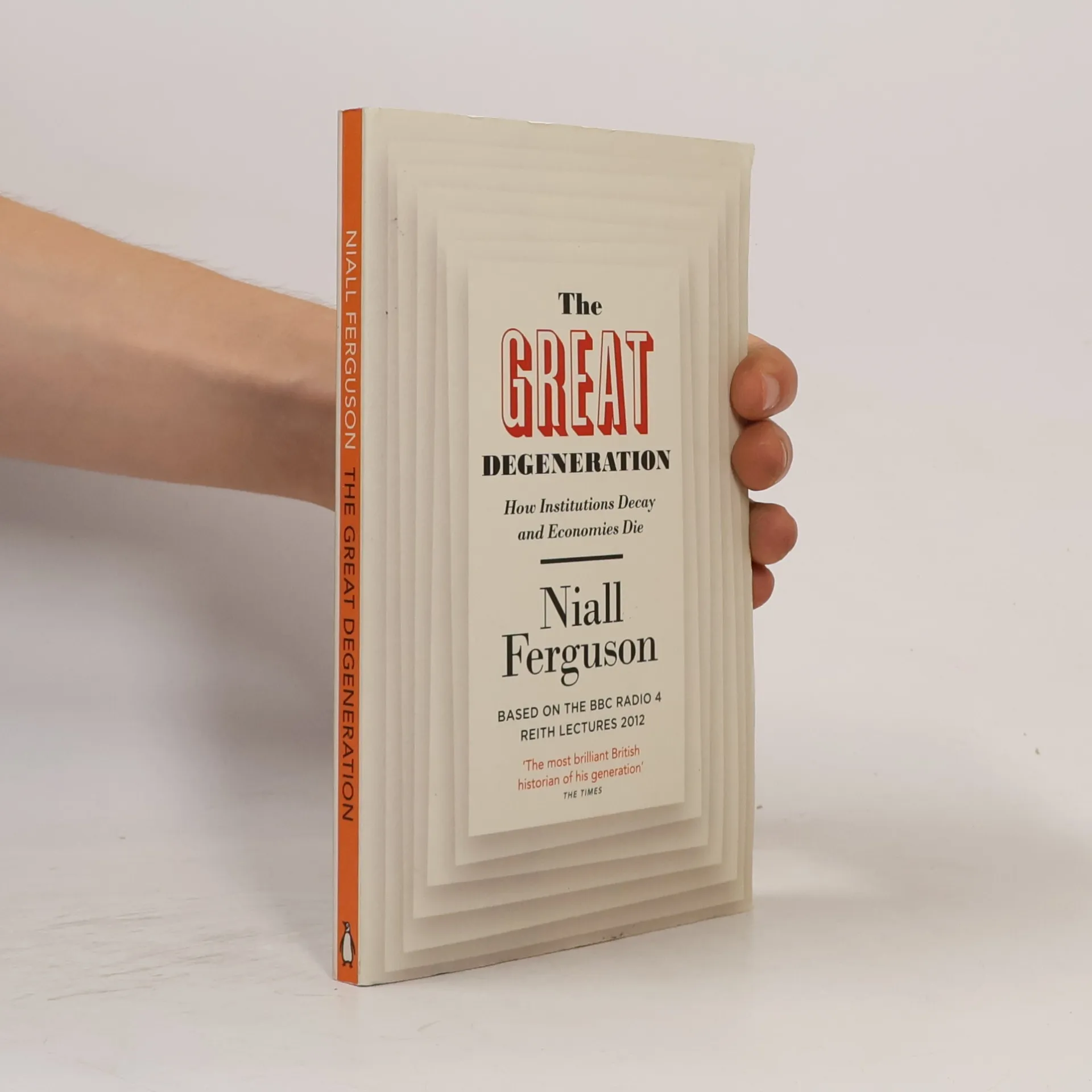
The decline of the West is something that has long been prophesied. Symptoms
of decline are all around us today: slowing growth, crushing debts, ageing
populations. But what exactly is amiss with Western civilization? The author
argues that the institutions that were once the four pillars of Western
society - representative government, and more. schovat popis
Pojednání přibližuje příčiny i samotný průběh 1. světové války a naznačuje její důsledky. Autor zpochybňuje tradiční výklad a vžité představy o válce.
Tento globální válečný konflikt hodnotí autor především z hlediska britských mocenských zájmů a cílů. Hlavní podíl na vzniku 1.světové války měla, podle něj, Velká Británie, která podcenila německý potenciál. Z kontinentálního konfliktu se stala válka světová, neboť Velká Británie si počínala velice nekvalifikovaně, což si vyžádalo zásah Spojených států amerických. K válce tak došlo na základě chybných rozhodnutí vedoucích činitelů! Celý tento válečný konflikt se zrodil z osobní pošetilosti, jež měla katastrofální následky!
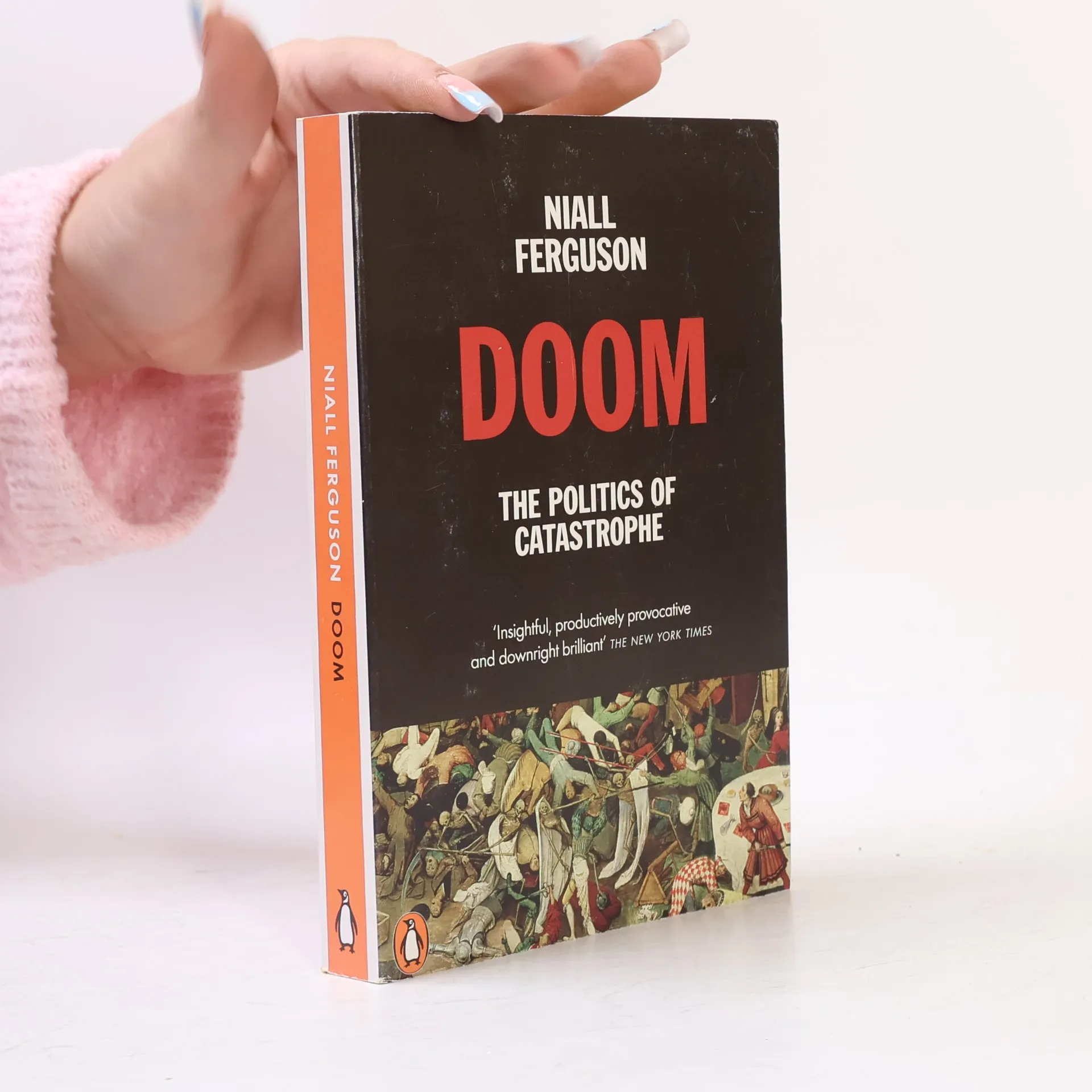
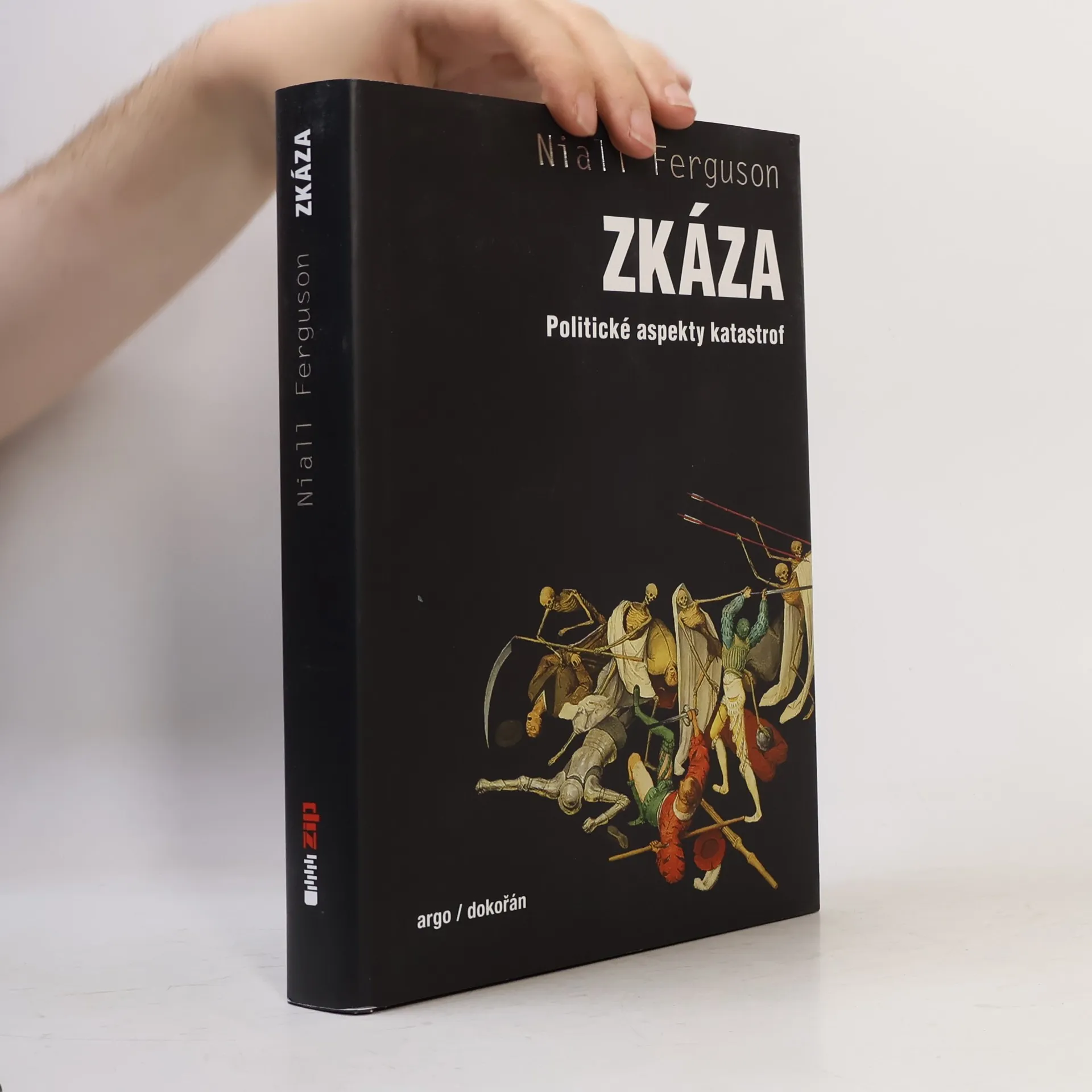
Katastrofy jsou ze své podstaty těžko předvídatelné. Neexistuje žádný historický cyklus, který by nám pomohl předvídat příští pandemie, zemětřesení, požáry, finanční krize nebo války. Když však katastrofa udeří, měli bychom být připraveni lépe než Římané, když vybuchl Vesuv,nebo středověcí Italové, když udeřila černá smrt. Koneckonců máme na své straně vědu. Přesto byla v roce 2020 reakce mnoha vyspělých zemí na nový virus z Číny špatně zvládnutá. Proč? Proč se jen několik asijských zemí poučilo ze SARS a MERS? Autor tvrdí, že pandemie odhalila hlubší patologie – patologie, které byly patrné již v našich reakcích na dřívější katastrofy. Kniha čerpá z mnoha oborů, včetně ekonomie, kliodynamiky a vědy o sítích, a nabízí nejen historii, ale i obecnou teorii katastrof a ukazuje, proč se naše stále byrokratičtější a složitější systémy s nimi vyrovnávají čím dál hůře.
Niall Ferguson hat als erster Historiker die verschlüsselte Privatkorrespondenz der Rothschilds im 19. Jahrhundert ausgewertet. Er erweckt ihre Welt mit meisterhafter Geschichtsschreibung zum Leben, einschließlich ihrer Visionen, Pläne, Freundschaften, Feindschaften und Erfolge.
Seit dem Ende des Zweiten Weltkriegs prägte eine zunehmend freiheitliche Weltordnung das politische Geschehen und ermöglichte eine Ära wachsenden globalen Wohlstands und abnehmender internationaler Konflikte. Zum ersten Mal seit dieser letzten Kriegsgeneration erschüttert uns eine neue globale Realität, die nicht mehr durch feste Grenzen, klare nationale Interessen und gesicherte Handelspolitik definiert ist. Der renommierte Geschichtsprofessor Niall Ferguson und der einflussreiche Politikberater Fareed Zakaria loten aus, wer die eigentlichen Nutznießer der Globalisierung sind und zeichnen zwei grundverschiedene Szenarien – eine aufschlussreiche und zukunftsweisende Debatte.
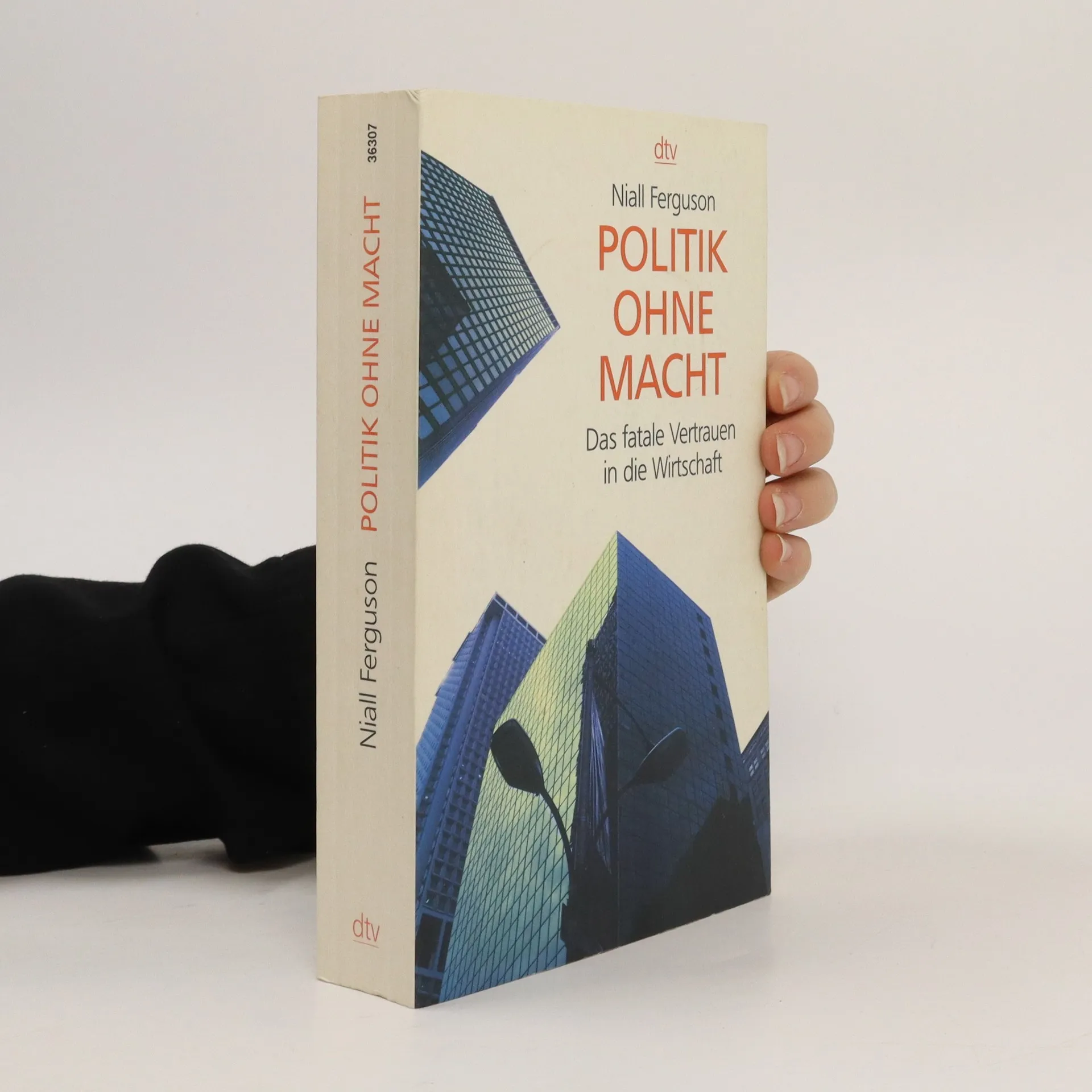
Die erste große historisch-politische Gesamtdeutung nach der Epochenzäsur 1989 beschreibt die künftige Rollenverteilung von Politik und Wirtschaft in der Demokratie. Der freie Markt gilt vielfach als die einzige Möglichkeit, politische und soziale Spannungen abzubauen, Wohlstand für alle zu fördern und demokratische Stabilität zu erreichen. Regiert also tatsächlich das Geld die Welt? Analytisch und scharfsinnig packt Niall Ferguson nach seiner provokanten Studie über den Ersten Weltkrieg erneut ein heißes Eisen an. Vor dem Hintergrund der Geschichte der letzten beiden Jahrhunderte kommt er zu einem überraschenden und provozierenden Urteil: Weder garantiert eine blühende Wirtschaft ein konfliktfreies Zusammenleben noch waren ökonomische Faktoren wirklich entscheidend für den Gang der Ereignisse. Wichtiger denn je ist die Politik, die ihren Einfluss zurückerobern muss, um zukünftige Gefahren für die Demokratie abzuwehren.