Modern Classics: Suspicion
- 112bladzijden
- 4 uur lezen


Seicho Matsumoto smeedde een nieuwe traditie in de Japanse misdaadliteratuur, waarbij hij afstapte van formuleachtige plots om elementen van menselijke psychologie en het dagelijks leven te verweven. Zijn verhalen weerspiegelen vaak bredere sociale contexten en het naoorlogse nihilisme, waardoor hij de reikwijdte van het genre uitbreidde en de sfeer ervan verdiepte. Hij introduceerde een nieuwe dimensie door corruptie aan het licht te brengen bij zowel ambtenaren als criminelen, en concentreerde zijn onderzoeken niet alleen op de misdaad zelf, maar ook op de maatschappij waarin deze plaatsvond.


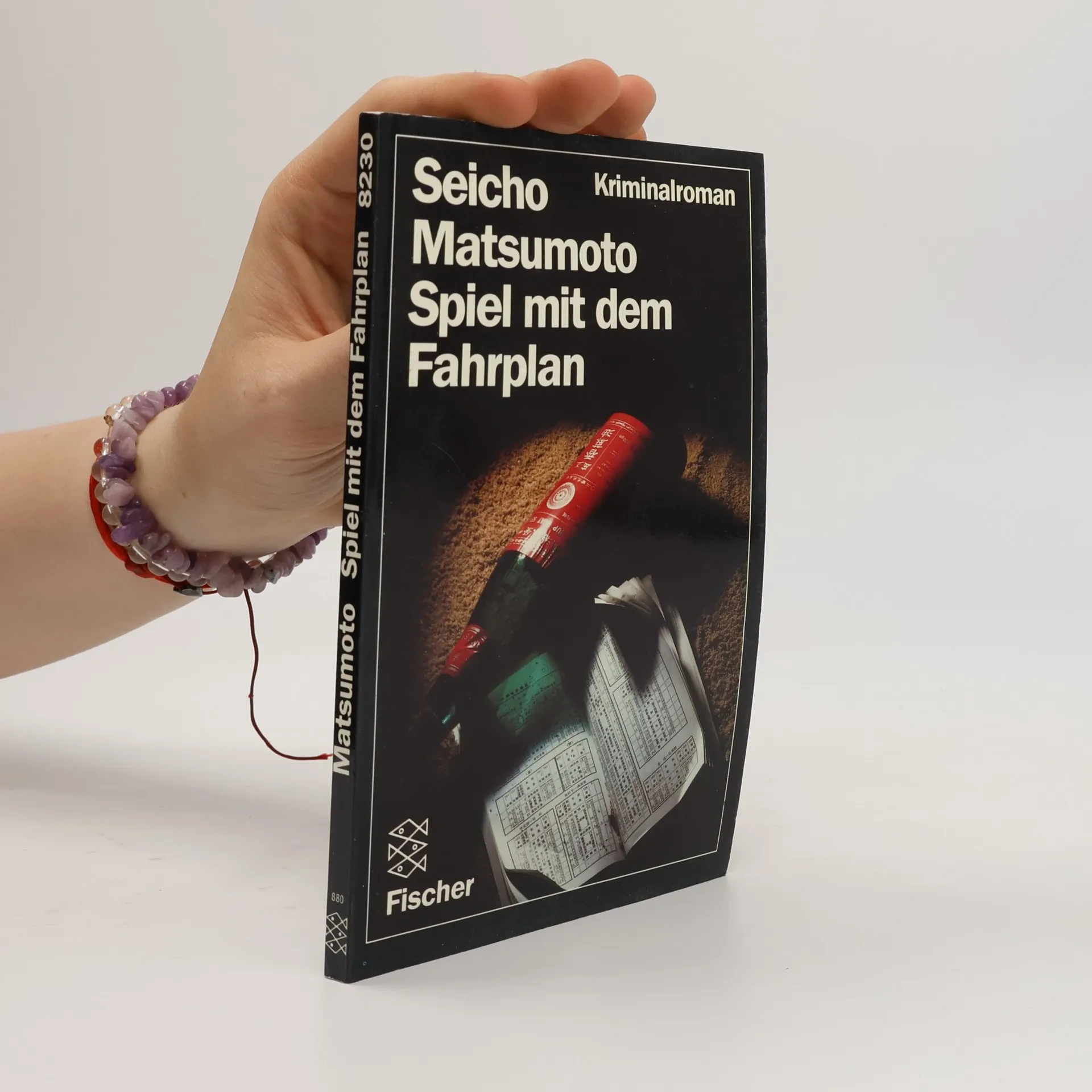
Mitten in der Nacht stürzt an einer Fähranlagestelle ein Auto ins Meer. Der ältere Mann darin ertrinkt, seine frisch vermählte Ehefrau kann sich retten. Sie ist einiges jünger als er; eine bildschöne, selbstbewusste Frau mit düsterer Vergangenheit – wovon ihr Gatte nichts ahnte. Als sich ein Lokalreporter auf den mysteriösen Todesfall stürzt und die junge Witwe zu einer Femme fatale mit krimineller Energie hochschreibt, steht Onizuka Kumako plötzlich in aller Öffentlichkeit unter Mordverdacht. Der Hass auf sie ist so groß, dass selbst ihre Anwälte um ihren Ruf fürchten, bis ein besonders ehrgeiziger Verteidiger alle Sicherheiten ins Wanken bringt.
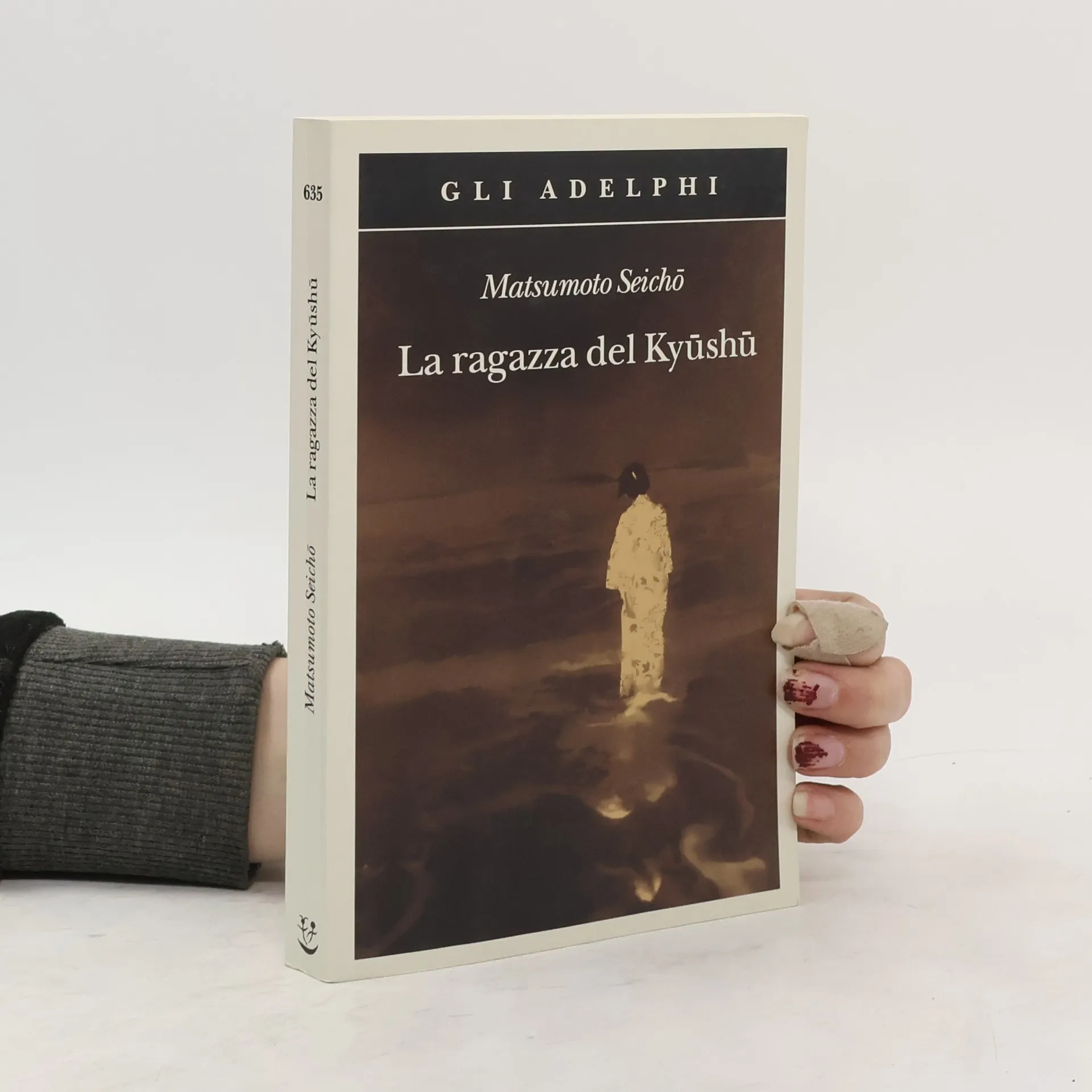
Ucciso con l'accusa di omicidio e condannato a morte, il fratello di Kiriko Yanagida è innocente, secondo la sua convinzione. Kiriko si reca a Tokyo dal Kyūshū per chiedere aiuto al famoso avvocato Kinzo Ōtsuka, ma viene bruscamente respinta. Il fratello muore in carcere con l'onta dell'accusa, e inizia per Kiriko una vendetta ossessiva contro l'avvocato Ōtsuka. L'opera interroga il significato della legge e del sistema giudiziario per gli uomini moderni, ognuno con le proprie ombre e in situazioni di isolamento, evidenziando le loro limitazioni.
While on a business trip to Kobe, Tsuneo Asai receives the news that his wife Eiko has died of a heart attack. Eiko had a heart condition so the news of her death wasn't totally unexpected. But the circumstances of her demise left Tsuneo, a softly-spoken government bureaucrat, perplexed. How did it come about that his wife who was shy and withdrawn, and only left their house twice a week to go to haiku meetings ended up dead in a small shop in a shady Tokyo neighborhood? When Tsuneo goes to apologize to the boutique owner for the trouble caused by his wife's death he discovers the villa Tachibana near by, a house known to be a meeting place for secret lovers. As he digs deeper into his wife's recent past, he must eventually conclude that she led a double life...
'An absolute classic, and a whole new world to explore ... irresistible' Lee Child 'Beautiful and melancholic, Inspector Imanishi Investigates is not just an ingenious and elegant mystery, but a fascinating window into 1960s Japan' Paula Hawkins A thrilling crime classic, from the bestselling author of Tokyo Express Tokyo, 1960. As the first rays of morning light hit the rails at Kamata Station, a man's body is found on the tracks. With only two leads - a distinctive accent and a single word, 'kameda' - senior inspector Imanishi Eitaro is called in to solve the puzzle. Setting aside his beloved bonsai and haikus, he must cross Japan in search of answers, from Osaka to Akita, accompanied by junior detective Yoshimura. At each new town, they encounter traces of the avant-garde Nouveau Group - young Tokyo artists who are bringing new ideas from the West. What to make of this modern collective? And how to stop another mysterious death occurring? Inspector Imanishi investigates... A fascinating glimpse into Japanese society at a time of great change, this is one of Seicho Matsumoto's best-loved novels - a riveting mystery from the master of Japanese crime.
A jewel by Seicho Matsumoto (1909-1992), the master of Japanese mystery writing. A beautifully written crime novel set in a coastal city in Northern Japan that takes on the taboo of Japanese prostitution during the American occupation.
"A senior official in a ministry trained with scandal. A dining car receipt. A name missing from a passenger list. And a young man and woman dead on a beach in an apparent suicide. Disconnected points, but not to a determined detective who keeps searching for the lines that link the living and the dead."--Page 4 Cover
Detektivní povídka japonského autora, v níž se rozvíjí příběh o záhadné vraždě muže a ženy, jejichž mrtvoly byly nalezeny na opuštěném mořském pobřeží v zálivu Kašii. Případ vyšetřuje místní policie z blízkého městečka Hakaty, která ze zjištěných okolností usoudí na sebevraždu milenců a celou záležitost jednoduše uzavře. S tímto rozhodnutím není však spokojen starý policejní veterán Džútaró Torigaj. Pátrá na vlastní pěst a vnese do teorie o sebevraždě milenců pochyby.