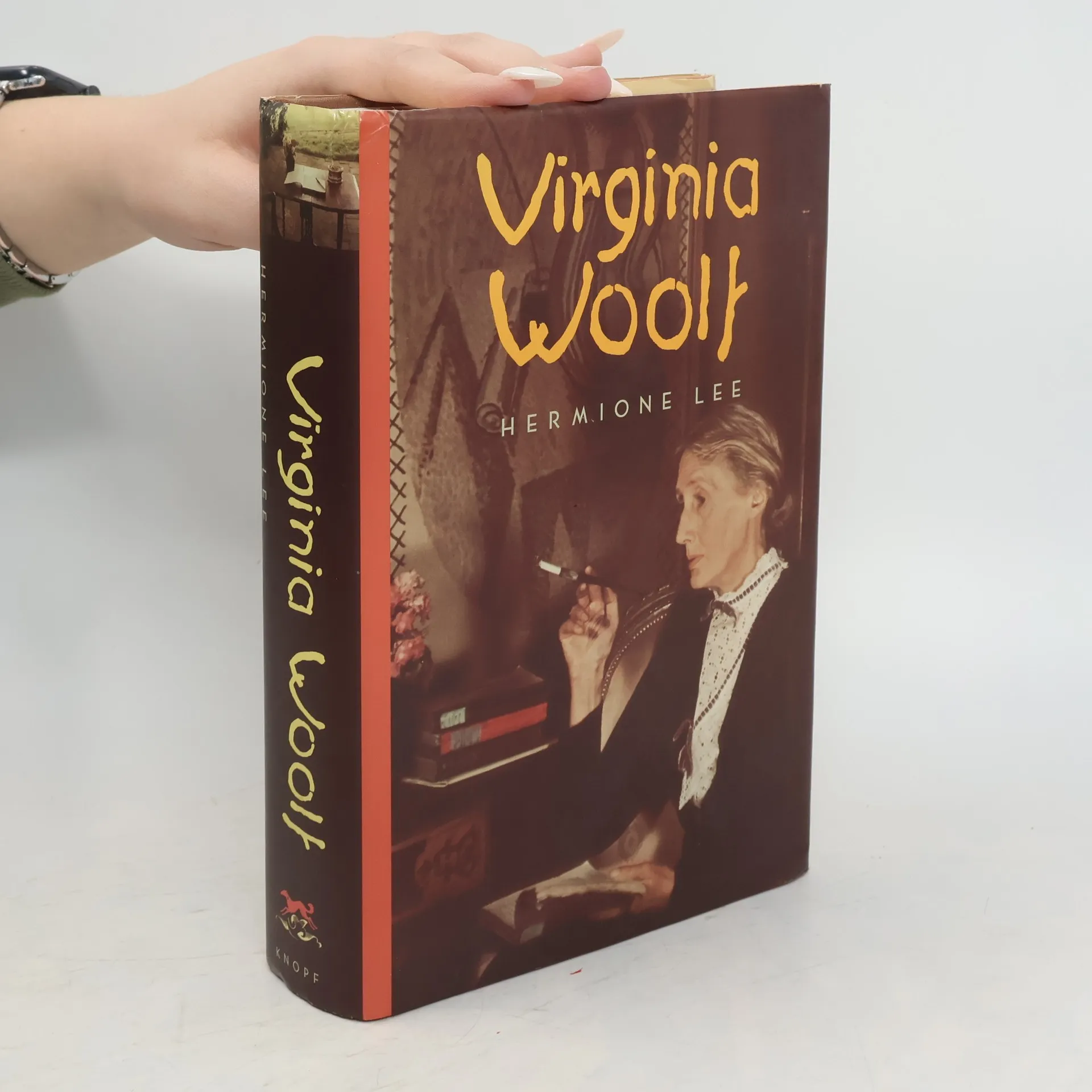
While Virginia Woolf--one of our century's most brilliant and mercurial writers--has had no shortage of biographers, none has seemed as naturally suited to the task as Hermione Lee. Subscribing to Virginia Woolf's own belief in the fluidity and elusiveness of identity, Lee comes at her subject from a multitude of perspectives, producing a richly layered portrait of the writer and the woman that leaves all of her complexities and contradictions intact. Such issues as sexual abuse, mental illness, and suicide are brought into balance with the immensity of her literary achievement, her heroic commitment to her work, her generosity and wit, and her sanity and strength. It is not often that biography offers the satisfactions of great fiction--but this is clearly what Hermione Lee has achieved. Accessible, intelligent, and deeply pleasurable to read, her Virginia Woolf will undoubtedly take its place as the standard biography for years to come.
Hermione Lee Boeken
Hermione Lee is een vooraanstaand literatuurhistorica en biografe. Haar werk richt zich op diepgaande verkenningen van de levens en geschriften van belangrijke Britse auteurs, met de nadruk op hun literaire bijdragen en persoonlijke motivaties. Lee's teksten kenmerken zich door nauwgezet onderzoek en scherpzinnige analyses, die de complexiteit van het creatieve proces en de historische context ervan blootleggen. Haar benadering verrijkt het begrip van de lezer voor het literaire erfgoed.

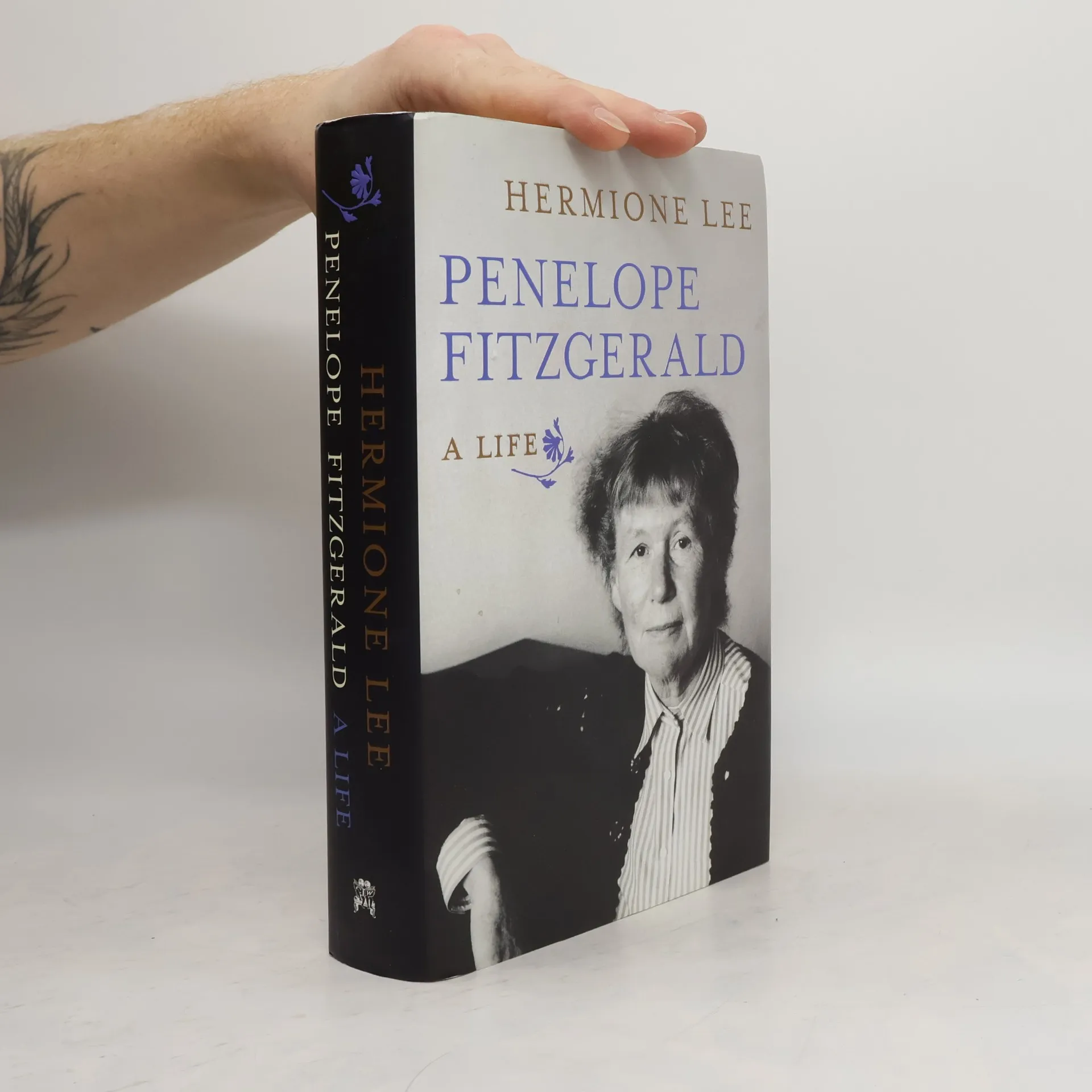
Penelope Fitzgerald (1916–2000) was an exceptional English writer who would never have claimed such accolades for herself. Her novels, characterized by their brevity and subtlety, earned her the Booker Prize for Offshore in 1979, while her final work, The Blue Flower, was hailed as genius. Her early novels drew from personal experiences, including life on a Thames boat in the 1960s, the BBC during wartime, a struggling bookshop in Suffolk, and an eccentric stage school. In contrast, her later works explored historical settings, such as pre-Revolution Russia, post-war Italy, and Romantic-era Germany, showcasing her remarkable ability to inhabit these worlds. Fitzgerald's life mirrored the complexity of her fiction, spanning much of the twentieth century and encompassing a range of experiences—from living in a Bishop's Palace to enduring poverty on a sinking barge. She transitioned from teaching to literary acclaim, first being published at sixty and gaining fame at eighty. Her story is one of perseverance and quiet heroism. Despite her popularity and recognition as a leading novelist, she remained enigmatic, often presenting herself as an absent-minded old lady while possessing a keen intellect and expansive imagination. This insightful biography, penned by a writer Fitzgerald admired, delves into her life, work, and hidden depths with compelling fascination.
A Passionate Apprentice
The Early Journals 1897-1909 - With Seven New Journal Entries Published in Paperback for the First Time
- 462bladzijden
- 17 uur lezen
A Passionate Apprentice comprises the first years of Virginia Woolf's Journal - from 1879 to 1909. Beginning in early January, when Woolf was almost fifteen, the pages open at a time when she was slowly recovering from a period of madness following her mother's death in May 1895. Between this January and the autumn of 1904, Woolf would suffer the deaths of her half-sister and of her father, and survive a summer of madness and suicidal depression. Behind the loss and confusion, however, and always near the surface of her writing is a constructive force at work - a powerful impulse towards health. It was an urge, through writing, to bring order and continuity out of chaos. Putting things into words and giving them deliberate expression had the effect of restoring reality to much that might otherwise have remained insubstantial. This early chronicle represents the beginning of the future Virginia Woolf's apprenticeship as a novelist. These pages show that rare instance when a writer of great importance leaves behind not only the actual documents of an apprenticeship, but also a biographical record of that momentous period as well. In Woolf's words, 'Here is a volume of fairly acute life (the first really lived year of my life).'
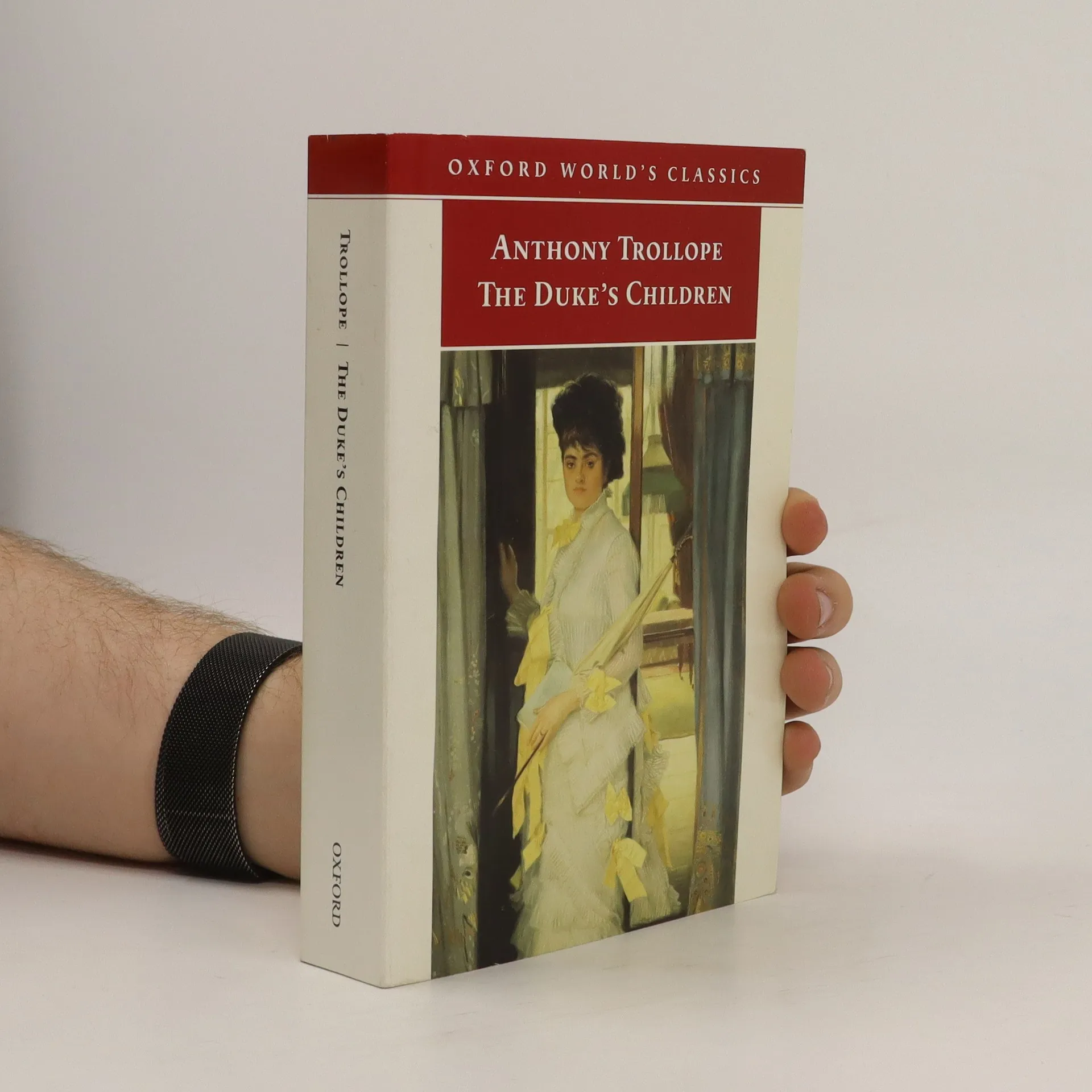
The Duke's children
- 694bladzijden
- 25 uur lezen
Designed for both general readers and students of English literature at all levels, this edition of Trollope's novel contains an introduction, notes and comments on the text.
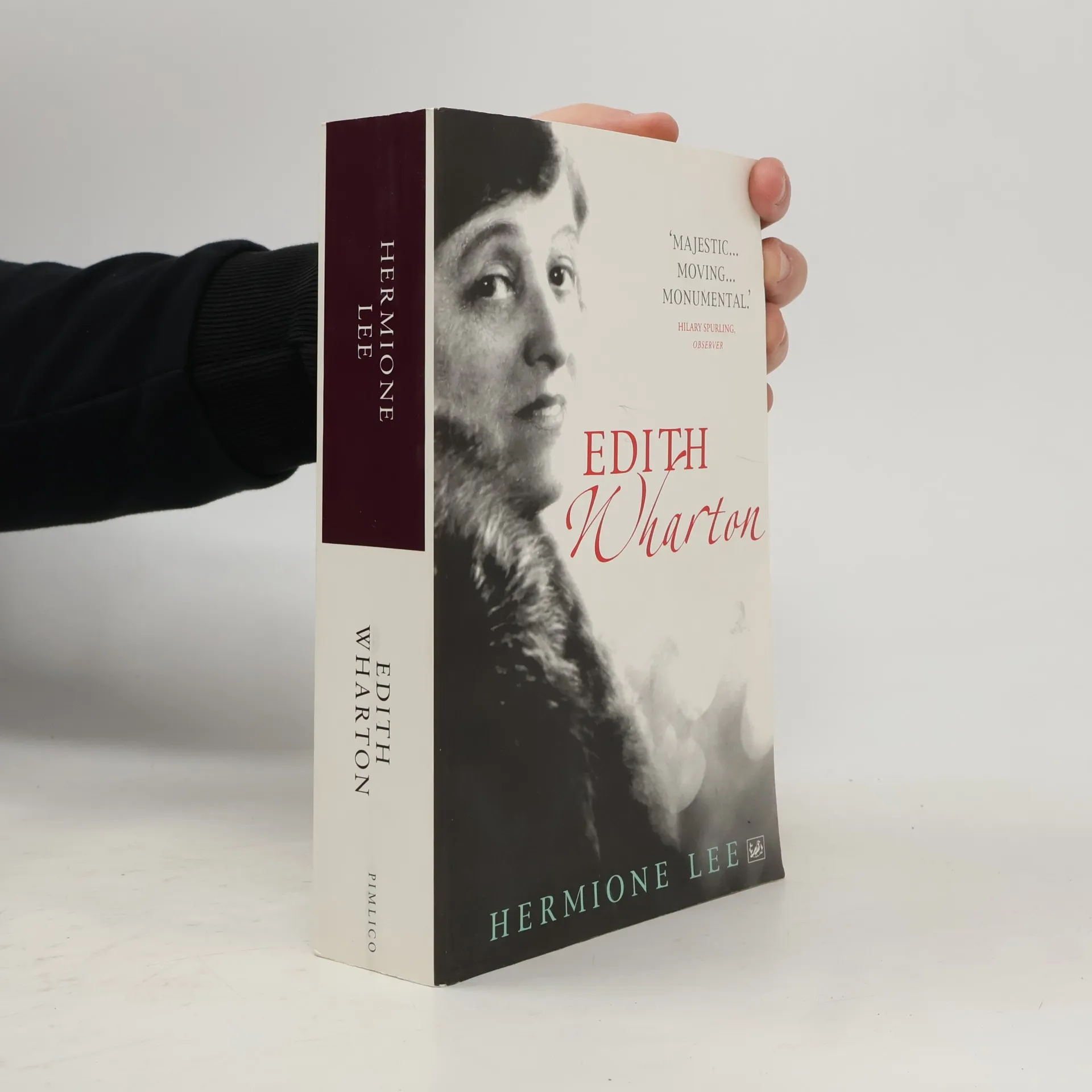
Edith Wharton
- 864bladzijden
- 31 uur lezen
The name 'Edith Wharton' conjures up 'Gilded Age' New York, in all its snobbery and ruthlessness - the world of The Age of Innocence and The House of Mirth. She created fabulous homes in New England and in France, and her life was filled with remarkable friends, including Henry James, Bernard Berenson, Aldous Huxley and Kenneth Clark.
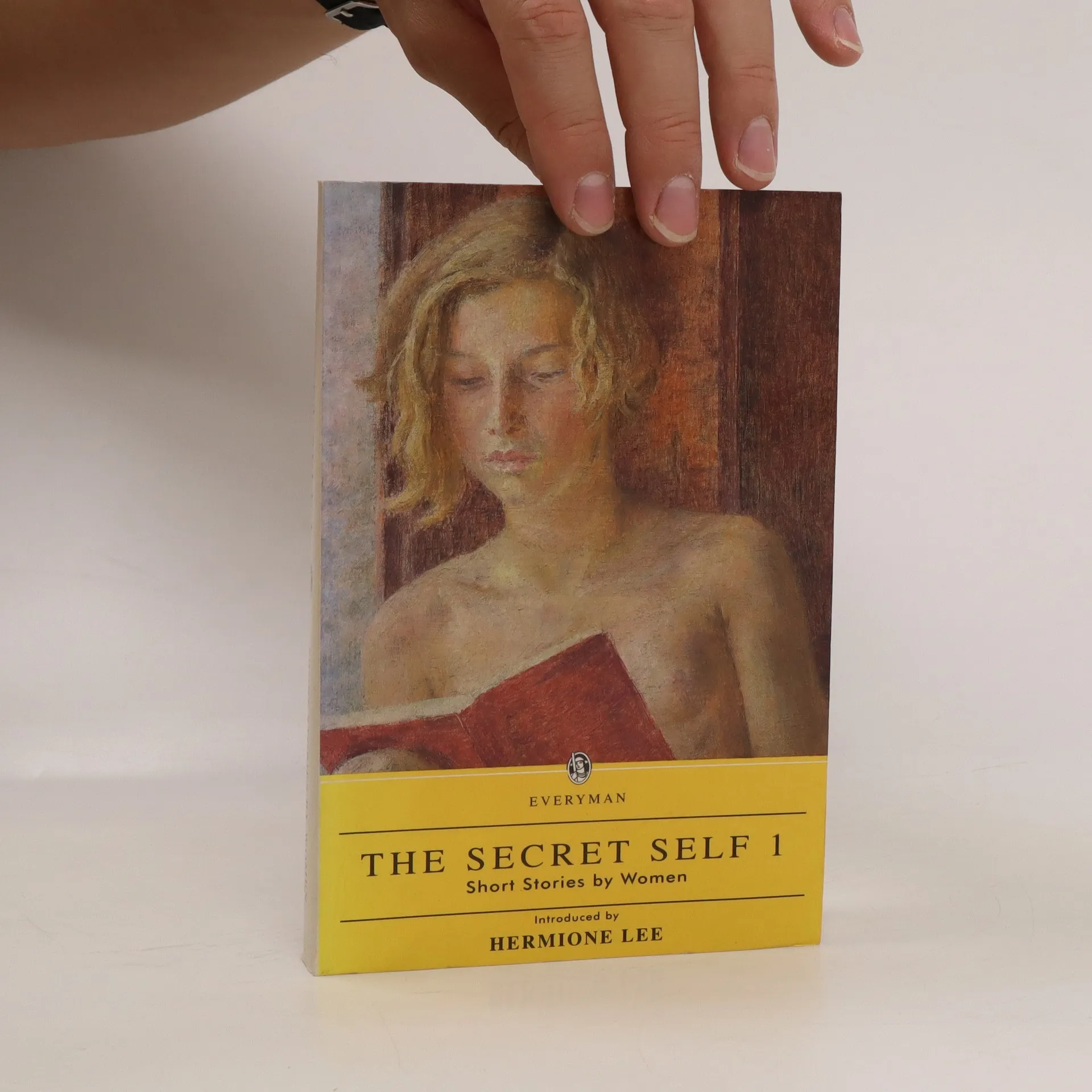
The secret self I : short stories by women
- 384bladzijden
- 14 uur lezen
A selection from the GOLDEN TREASURY, which has remained the most famous poetry anthology since publication in 1861
Biography : A Very Short Introduction
- 170bladzijden
- 6 uur lezen
Hermione Lee is one of the leading literary biographers in the English-speaking world, the author of widely acclaimed lives of Edith Wharton and Virginia Woolf. Now, in this Very Short Introduction, Lee provides a magnificent look at the genre in which she is an undisputed master--the art of biography. Here Lee considers the cultural and historical background of different types of biographies, looks at the factors that affect biographers, and asks whether there are different strategies, ethics, and principles required for writing about one person compared to another. She also discusses contemporary biographical publications and considers what kind of "lives" are the most popular and in demand. And along the way, she answers such questions as why do certain people and historical events arouse so much interest? How can biographies be compared with history and works of fiction? Does a biography need to be true? Is it acceptable to omit or conceal things? Does the biographer need topersonally know the subject? Must a biographer be subjective?About the Combining authority with wit, accessibility, and style, Very Short Introductions offer an introduction to some of life's most interesting topics. Written by experts for the newcomer, they demonstrate the finest contemporary thinking about the central problems and issues in hundreds of key topics, from philosophy to Freud, quantum theory to Islam.
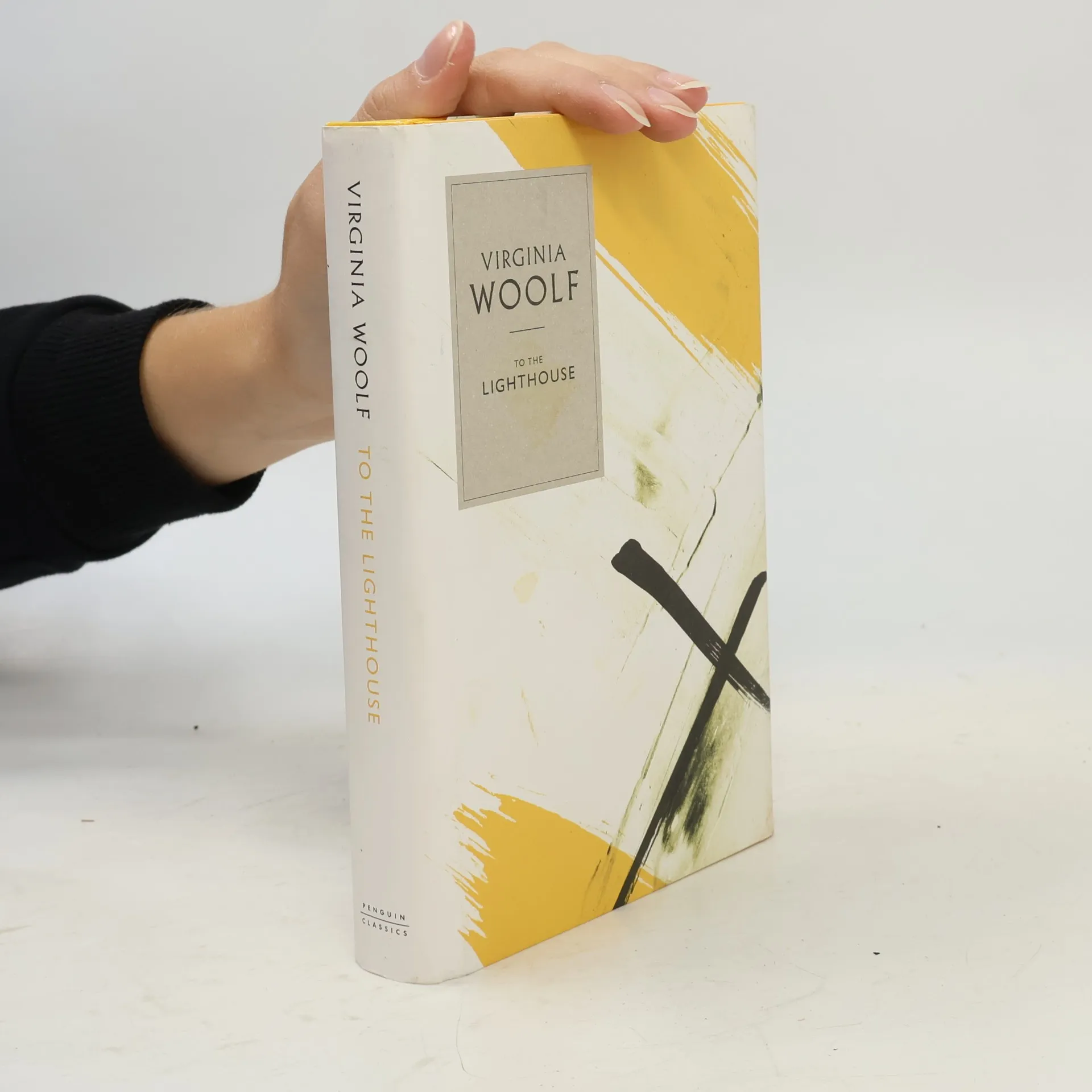
With an Introduction and Notes by Dr Nicola Bradbury, University of Reading. This simple and haunting story captures the transcience of life and its surrounding emotions. To the Lighthouse is the most autobiographical of Virginia Woolf's novels. It is based on her own early experiences, and while it touches on childhood and children's perceptions and desires, it is at its most trenchant when exploring adult relationships, marriage and the changing class-structure in the period spanning the Great War.
Penguin Classics: To the Lighthouse
- 320bladzijden
- 12 uur lezen
'To the Lighthouse' is Virginia Woolf's fifth novel, and was the first book to win her a large public. The story of an English middle class family in the years leading up to the First World War, it has remained the most popular of all her works.
As children, Virginia Woolf, elder sister Vanessa Bell, and brother Thoby Stephen collaborated on their very own family newspaper. Published here, Hyde Park Gate News includes the original drawings as well as previously unpublished photographs from the family albums. Ingeniously mimicking the style of the leading newspapers of their day, the Stephen children present a charming and candid portrayal of the day-to-day events at their family home in London and at their holiday home in St Ives. Gossipy, playful, and at times irreverent, they record the comings and goings of a host of figures, George Meredith and Henry James among them, while also proffering their own fictional, poetic, and artistic creations. Acclaimed for her innovative style, Virginia Woolf (1882–1941) is one of the most important figures of the Modernist movement; her sister Vanessa Bell (1879–1961) was a painter and a central figure of the Bloomsbury Group.
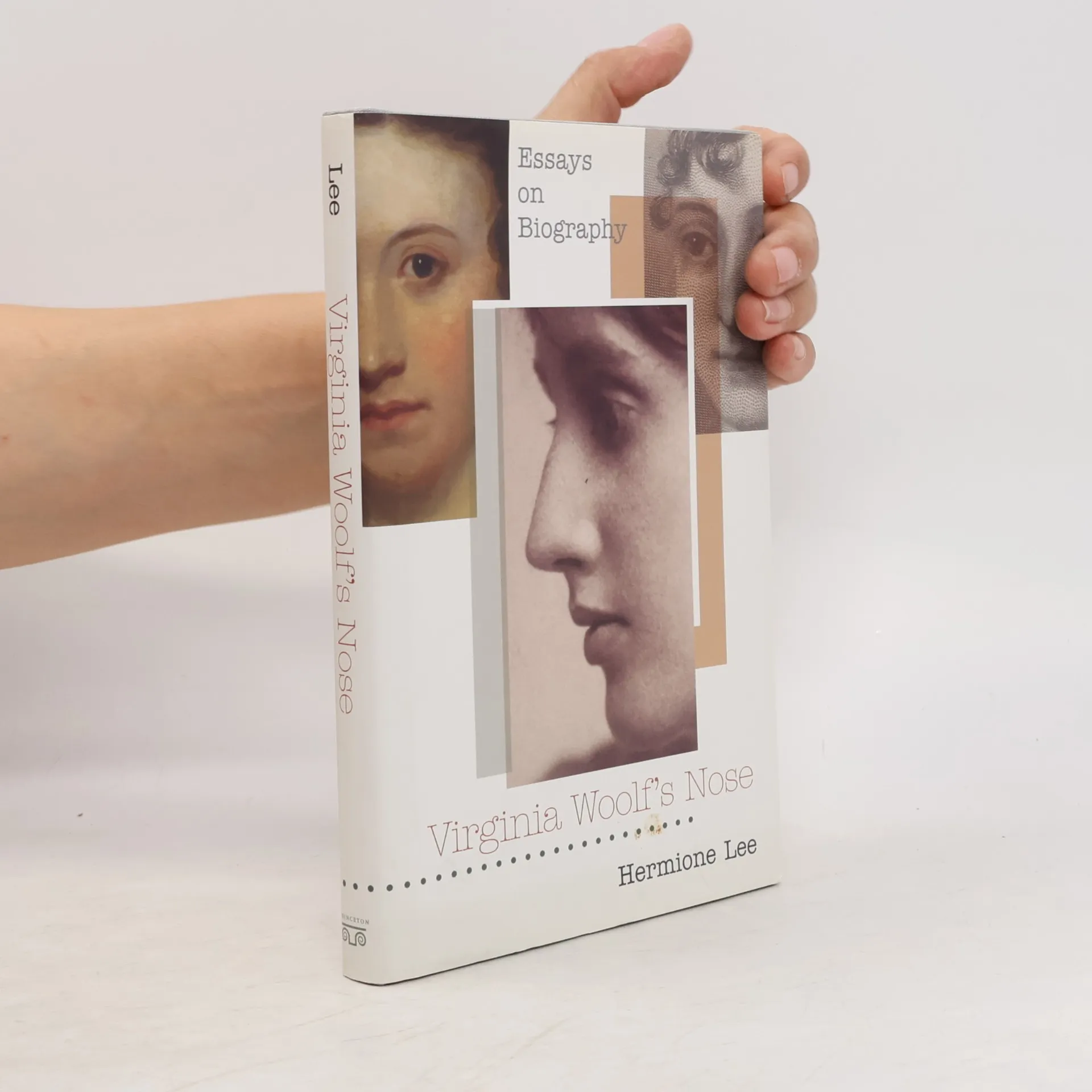
What choices must a biographer make when stitching together a life into a coherent narrative? This intriguing and witty collection of essays by an acclaimed biographer explores how biography navigates myths, legends, and the inevitable gaps in a subject's story. Through various case studies, the author examines the challenges posed by absences and unprovable tales surrounding figures like Percy Bysshe Shelley, Jane Austen, Samuel Pepys, and Virginia Woolf. Notable essays include one that discusses Shelley's heart found in a book and another that analyzes five competing accounts of a dramatic moment in Austen's life, highlighting how biography engages with the private lives of famous women. The exploration of Woolf's life reveals the transformations her story has undergone through biography, fiction, and film, suggesting that no definitive version exists. Additionally, an essay on deathbed scenes reflects on how biographical conventions have evolved and why endings are imbued with special significance. Through these essays, the author sheds light on how biographers bring their subjects to life and offers captivating insights into the art of life-writing, articulating and redefining the parameters of this craft with wit and eloquence.
Good Fiction Guide
- 520bladzijden
- 19 uur lezen
Offers subject essays and more than one thousand author entries and four thousand fiction titles, covering a wide variety of genres and styles for literary, contemporary, and popular fiction, along with reading suggestions, lists of authors' favorite books, international selections, and other helpful sections. Reprint.
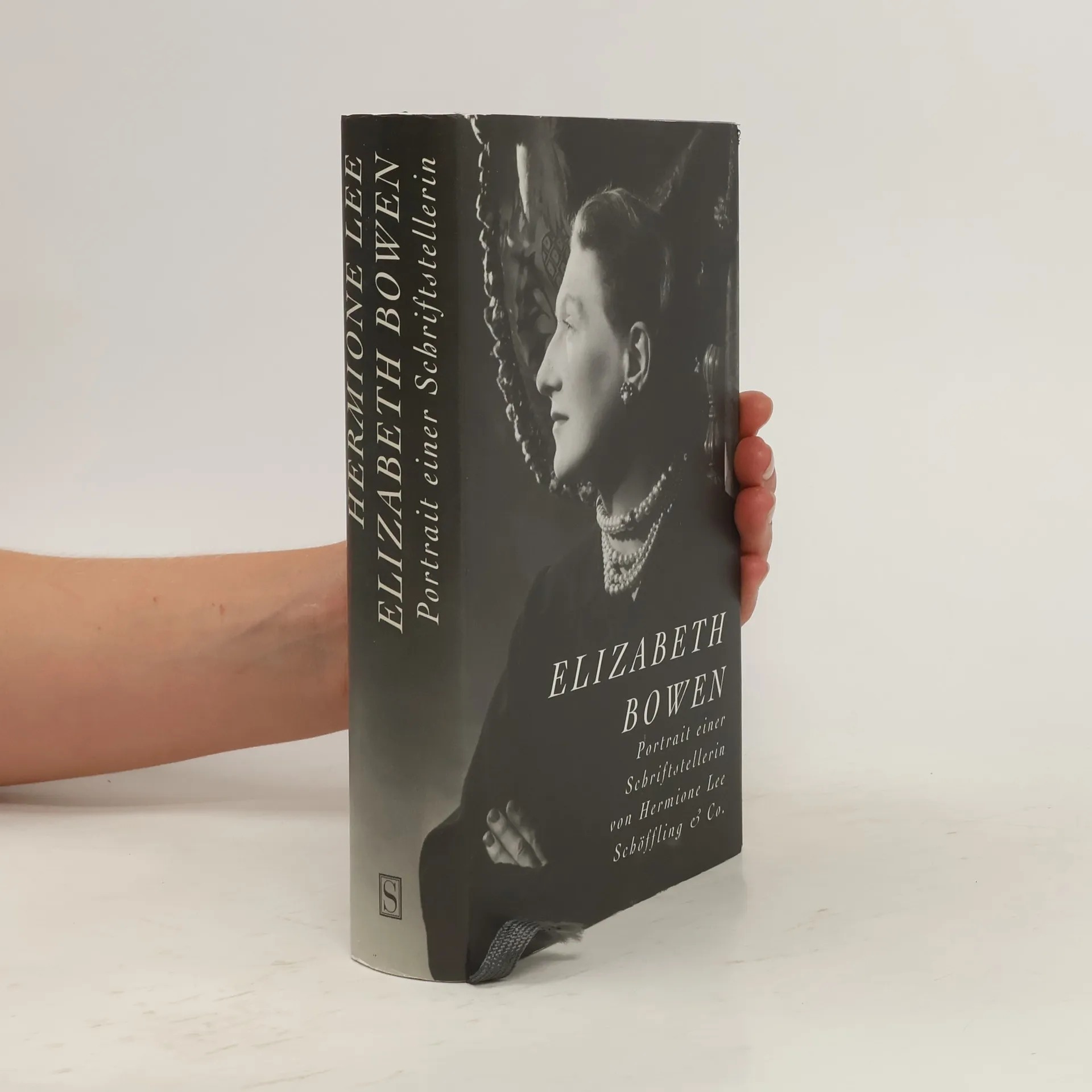
Elizabeth Bowen
- 421bladzijden
- 15 uur lezen
Der gesundheitliche Zusammenbruch des Vaters beendet die kindliche Idylle, als Elizabeth Bowen sieben Jahre alt ist. Mit ihrer Mutter geht sie nach England, wo die weitverzweigte Familie lebt, und sie von einer Villa zur anderen gereicht werden. Dieser vagabundierende Lebensstil ist die Basis vieler unsicherer Kindheiten, die Bowen in ihren Romanen beschreiben wird.§Nach Jahren im Internat, dem Schulabschluss und zwei Semestern Kunststudium entscheidet sich Elizabeth Bowen anders: sie will das literarische Leben in London "einfangen", wie sie es nennt, und beginnt mit dem Schreiben. Der literarische Erfolg kommt früh: der 1923 veröffentlichte Erzählungsband "Encounters" ist der Auftakt zu einer großen literarischen Karriere. Ihr Haus in London wird zum Treffpunkt der damaligen Schriftsteller-Szene.§Hermione Lee beschreibt das Leben Elizabeth Bowens und führt durch ihre Romane und Erzählungen: entstanden ist das umfassende Portrait einer großen Autorin des 20. Jahrhunderts, die es für Deutschland zu entdecken.