The Heart of Things
- 176bladzijden
- 7 uur lezen
A moving and personal anthology from the Sunday Times bestseller, encompassing melancholy, morality, mortality and more


Richard F. Holloway is een Schotse schrijver en omroepman wiens carrière evolueerde van zijn rol als bisschop van Edinburgh tot een van de meest uitgesproken en controversiële figuren van de Kerk. Met een atheïstische wereldbeschouwing staat hij bekend om zijn kritische commentaar op religieus geloof in het moderne tijdperk, waarbij hij zichzelf omschrijft als een "na-religieus". Holloway is een uitgesproken voorstander van liberale doelen, met name de mensenrechten voor homoseksuelen, en onderzoekt uitgebreid complexe ethische kwesties rondom seksualiteit, drugs en bio-ethiek. Zijn betrokkenheid bij deze onderwerpen komt tot uiting in zijn productieve geschriften, waarin hij hun ingewikkelde relatie met de hedendaagse religie onderzoekt.



A moving and personal anthology from the Sunday Times bestseller, encompassing melancholy, morality, mortality and more
Adventures in the Aid Trade takes us on a fascinating journey through 40 years of work at the coal face of international development. Drawing on his experiences from long periods in the field, the author reflects on what has worked, what has not and why, and considers how these experiences relate to students and practitioners today. Looking beyond high-level policy matters and international relations, this book focuses instead on the author's actual experiences in the field and the inspired local people he encountered. The narrative traces how these people, working through their own organisations, make a difference to the lives of their contemporaries, and learn how they generate the income to do it. Chapters draw on the author's experiences of working with local practitioners from 40 countries across Sub-Saharan Africa, the Caribbean, South, South East, and Central Asia, and the South Pacific. Peppered with lively stories and anecdotes, Adventures in the Aid Trade provides valuable lessons from the shifting aid landscape and reflects on where the industry is likely to go next. Whether you are a current development practitioner, or a student just starting out in your understanding of the development and humanitarian sectors, this book provides an invaluable snapshot of the world of civil society organisations, governance, the voluntary sector, and the lived lives of ordinary people in extraordinary times.
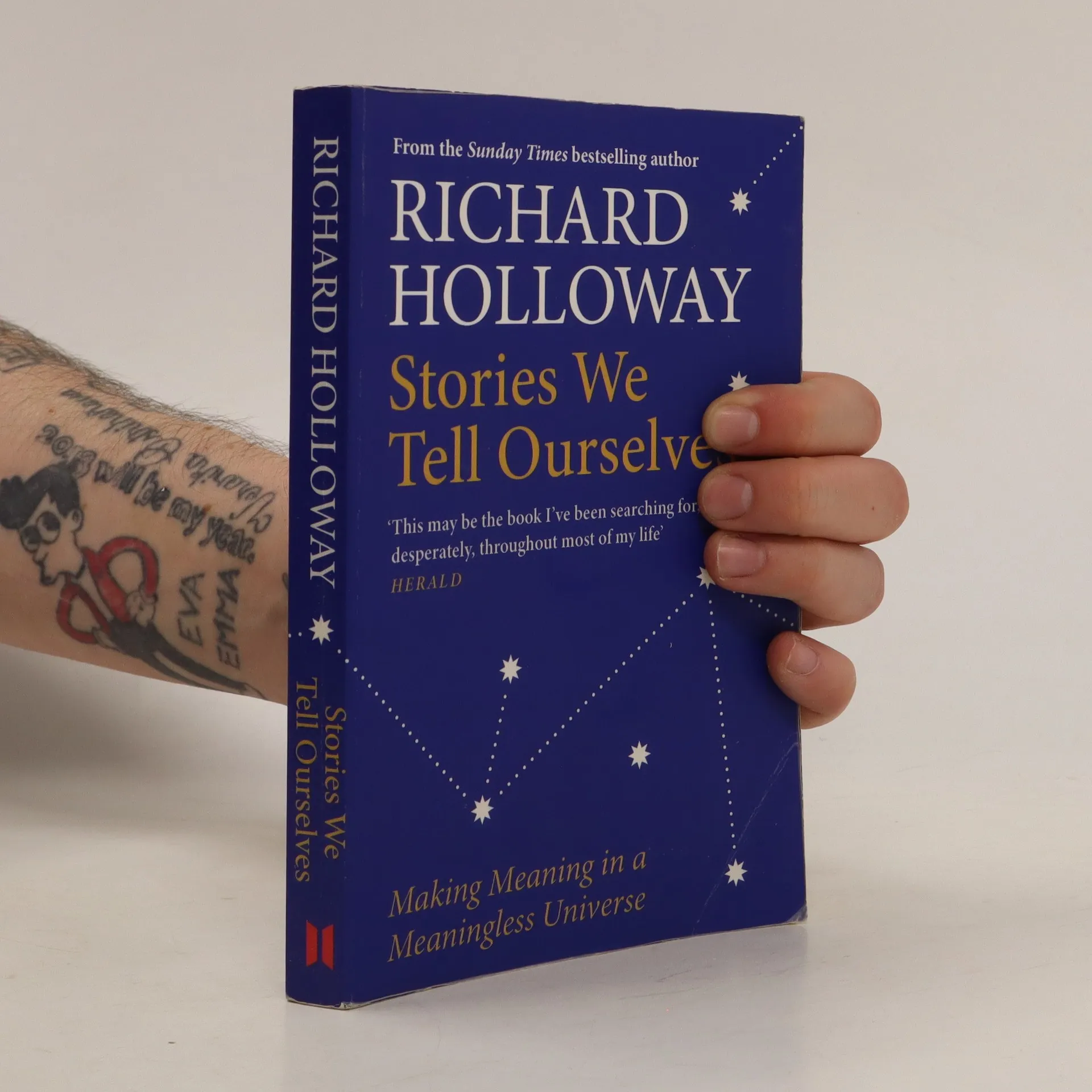
A thought-provoking and playful examination of how we make sense of the world, from the Sunday Times bestselling author
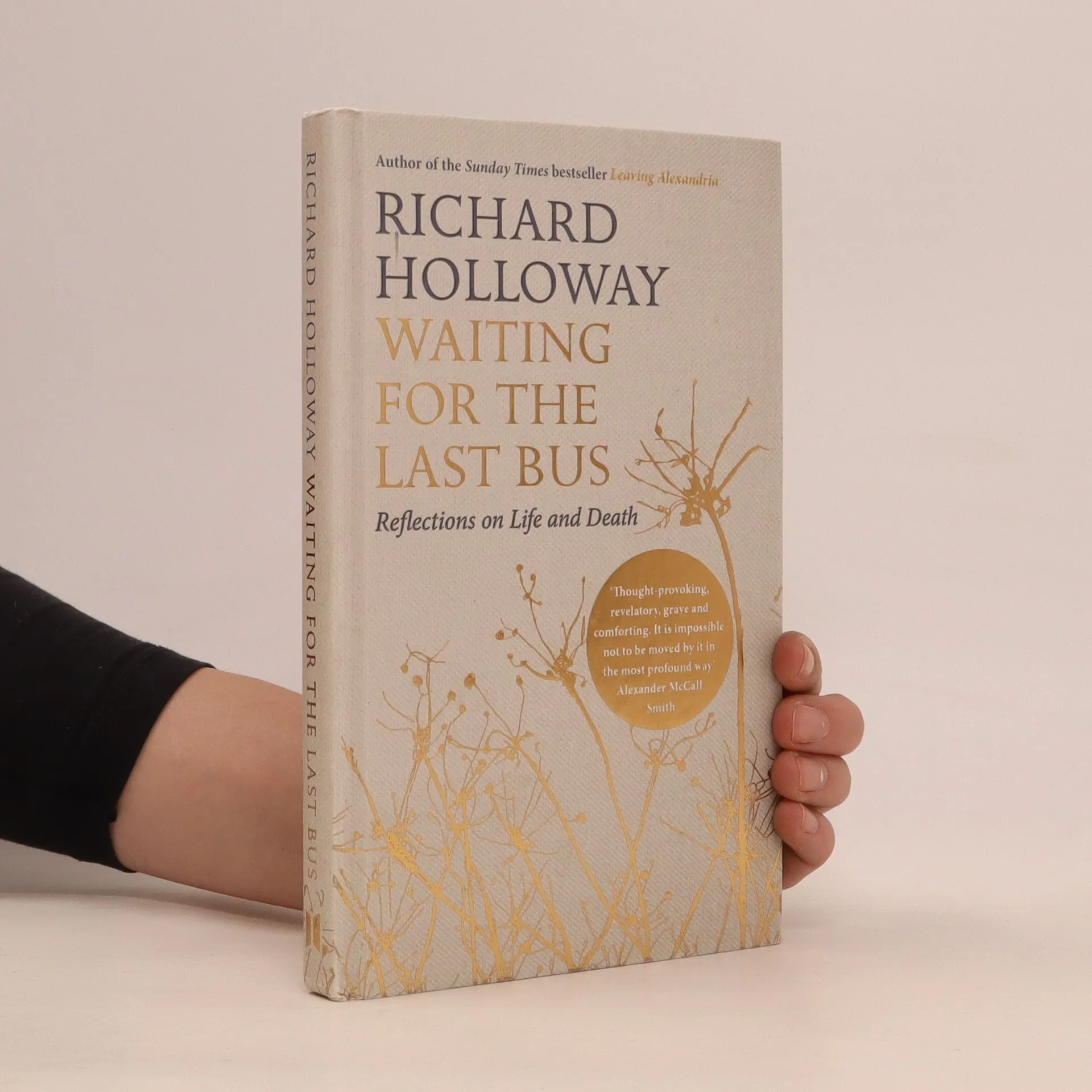
Where do we go when we die? Or is there nowhere to go? Is death something we can do or is it just something that happens to us? Now in his ninth decade, former Bishop of Edinburgh Richard Holloway has spent a lifetime at the bedsides of the dying, guiding countless men and women towards peaceful deaths. In Waiting for the Last Bus, he presents a positive, meditative and profound exploration of the many important lessons we canlearn from death: facing up to the limitations of our bodies as they falter, reflecting on our failings, and forgiving ourselves and others. But in a modern world increasingly wary of acknowledging mortality, this is also a stirring plea to reacquaint ourselves with death. Facing and welcoming death gives us the chance to think about not only the meaning of our own life, but of life itself; and can mean the difference between ordinary sorrow and unbearable regret at the end. Radical, joyful and moving, Waiting for the Last Bus is an invitation to reconsider life's greatest mystery by one of the most important and beloved religious leaders of our time.
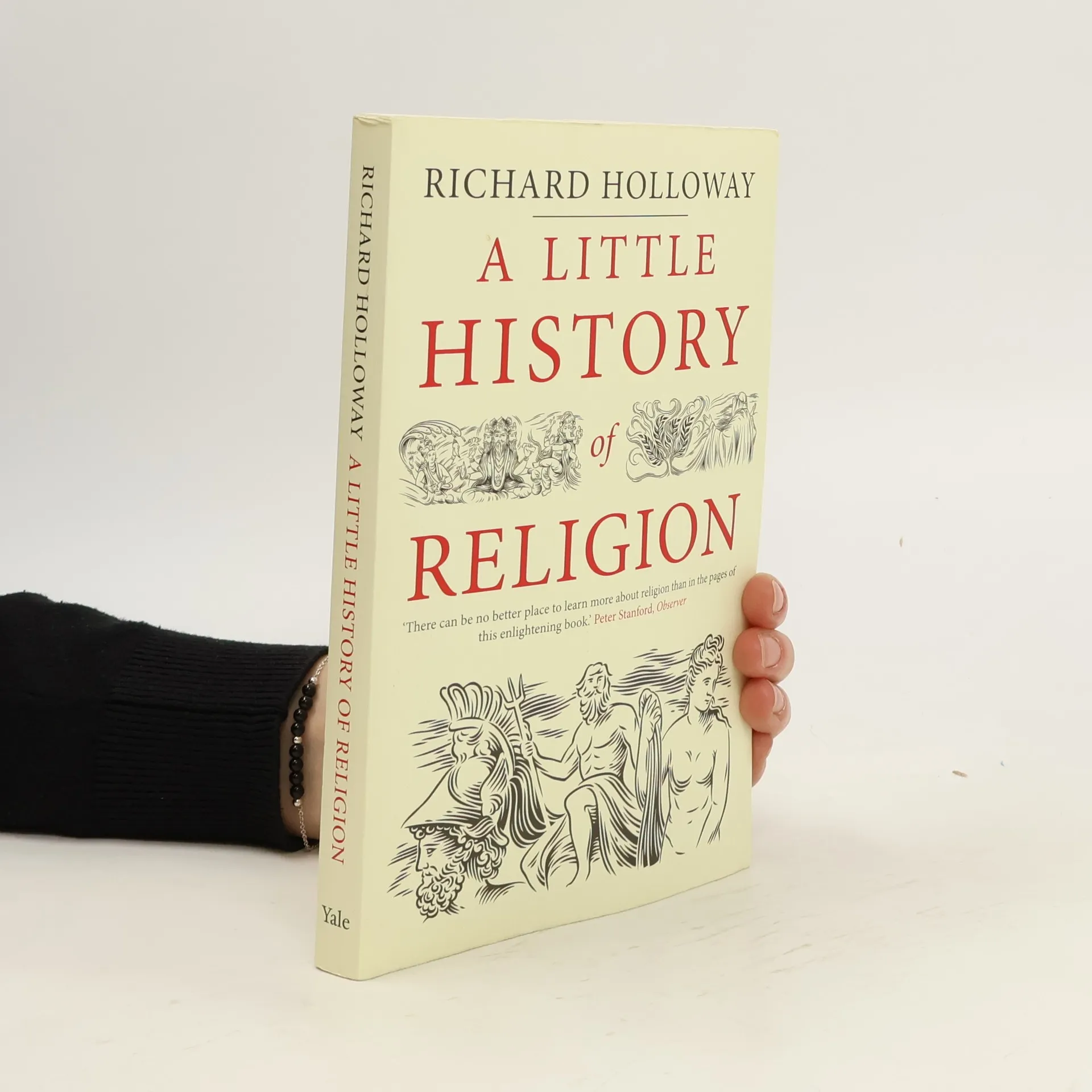
For curious readers young and old, a rich and colorful history of religion from humanity's earliest days to our own contentious times
Richard left his home in Alexandria at fourteen to train for the priesthood. Through the forty years that followed, he touched the lives of many people in the Church and in the wider community. But behind his confidant public face lay a restless, unquiet heart and a constantly searching mind. How can anyone claim a complete understanding of the mystery of existence? Why is the Church, which claims to be the instrument of God's love, so prone to cruelty and condemnation? And how can a man live with the tension between public faith and private doubt? In this memoir, Richard seeks to answer these questions and to explain how, after many crises of faith, he finally and painfully left the Church.--From back cover.
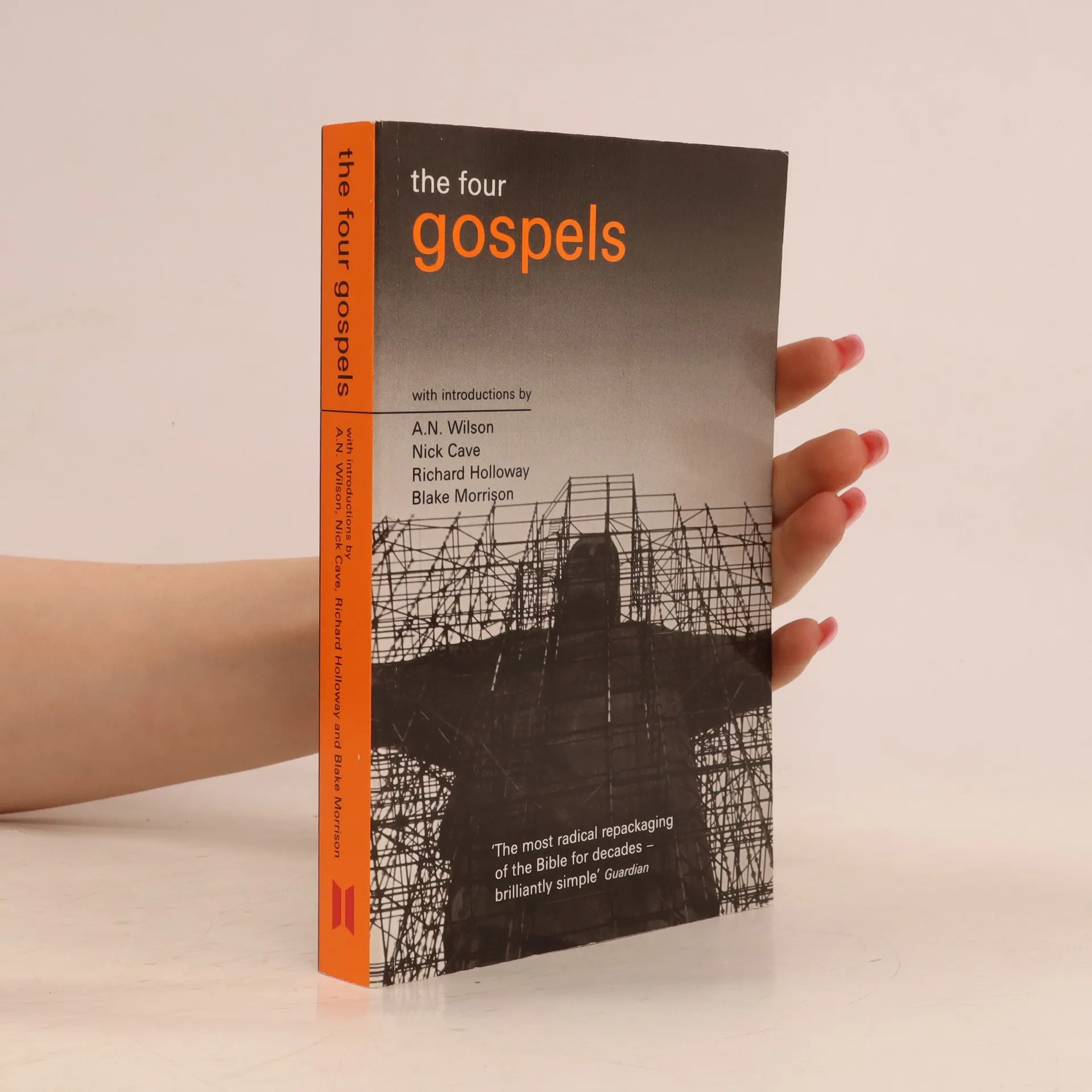
This work includes A.N. Wilson on 'The Gospel According to Matthew', Nick Cave on 'The Gospel According to Mark', Richard Holloway on 'The Gospel According to Luke', Blake Morrison on 'The Gospel According to John' and the King James Bible text of all four Gospels.
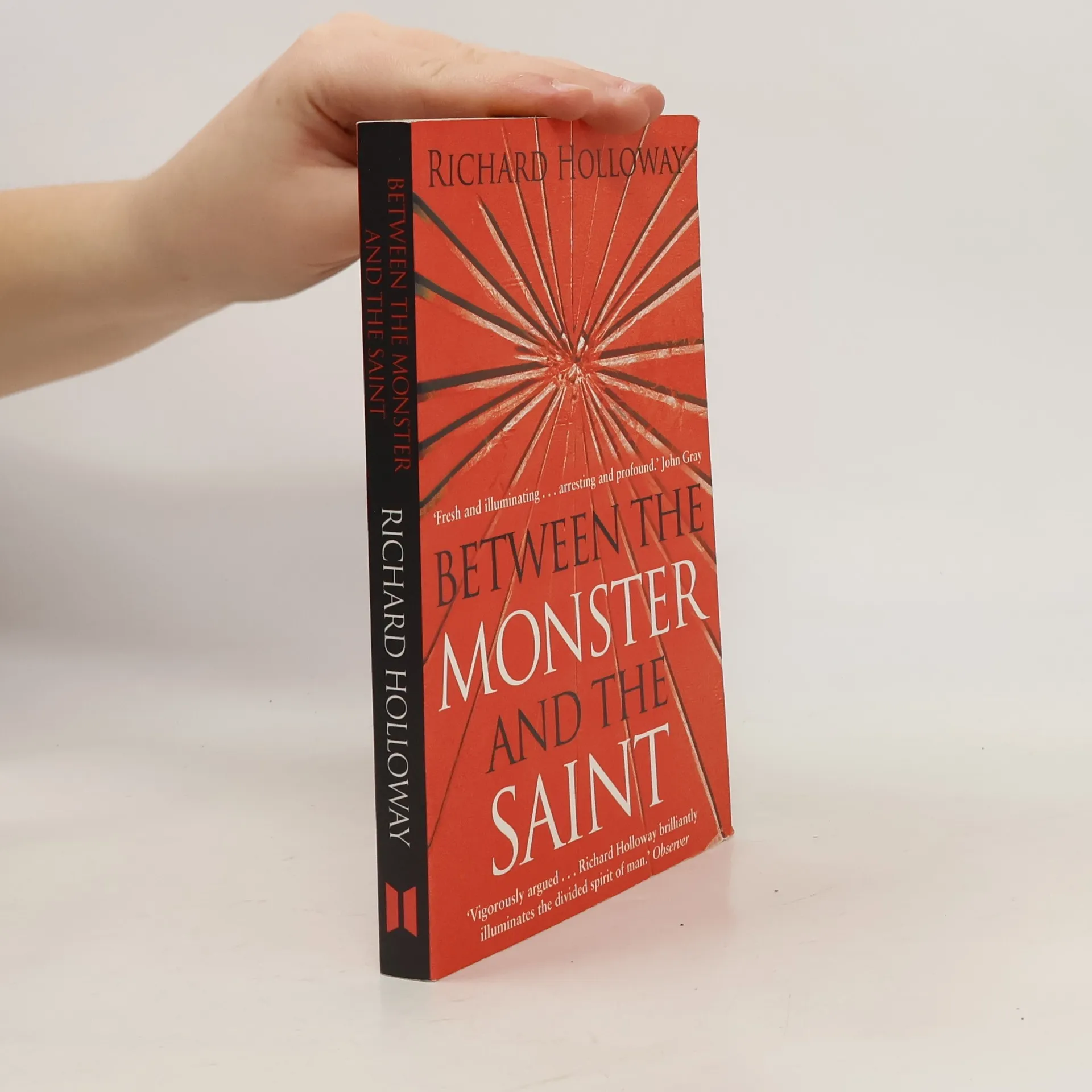
A challenging and heartfelt study of the human capacity for good and evil.
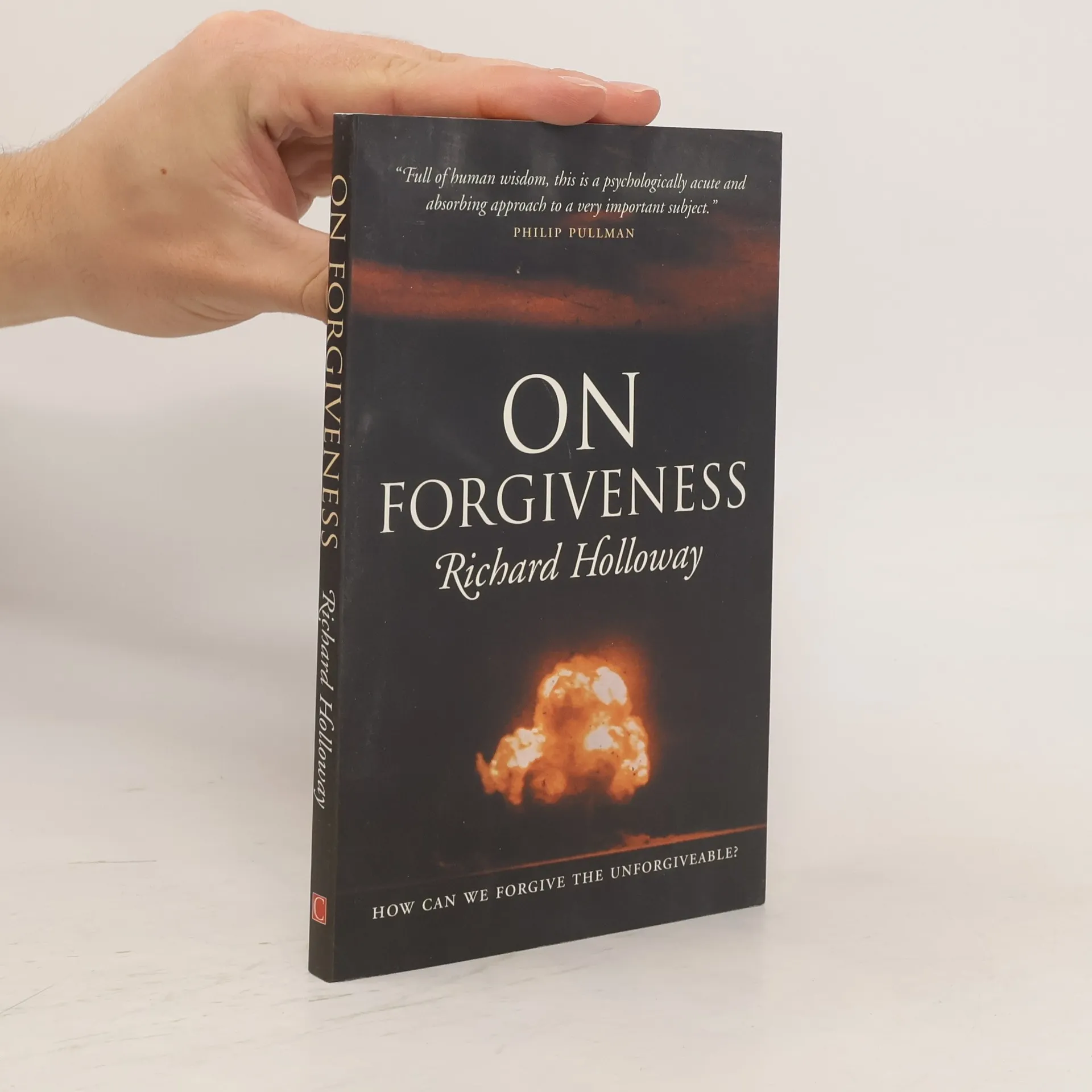
"There is only forgiveness, if there is any, where there is the unforgivable." [Jacques Derrida] Using Derrida's provocative paradox as the epigraph and starting point for his new book, Richard Holloway tackles the complex theme of forgiveness. It is a subject that he explores from both a personal and a political perspective, but underpinning this examination is his belief that religion has given us many of the best stories and metaphors for understanding the act. He proceeds to relate forgiveness to such events as September 11 and the ongoing conflicts in Palestine and Israel, Northern Ireland, and Serbia. On Forgiveness is a discourse on how forgiveness works, where it came from, and how the need to embrace it is greater than ever if we are to free ourselves from the binds of the past. Drawing on philosophers and writers of the caliber of George Steiner, Friedrich Nietzsche, Jacques Derrida, Hannah Arendt, and Nelson Mandela, Holloway has written another fascinating and timely book. "Holloway's language and style are engaging, his research conscientious and his conclusions thoughtful and frequently wise." -- Sunday Times (London)
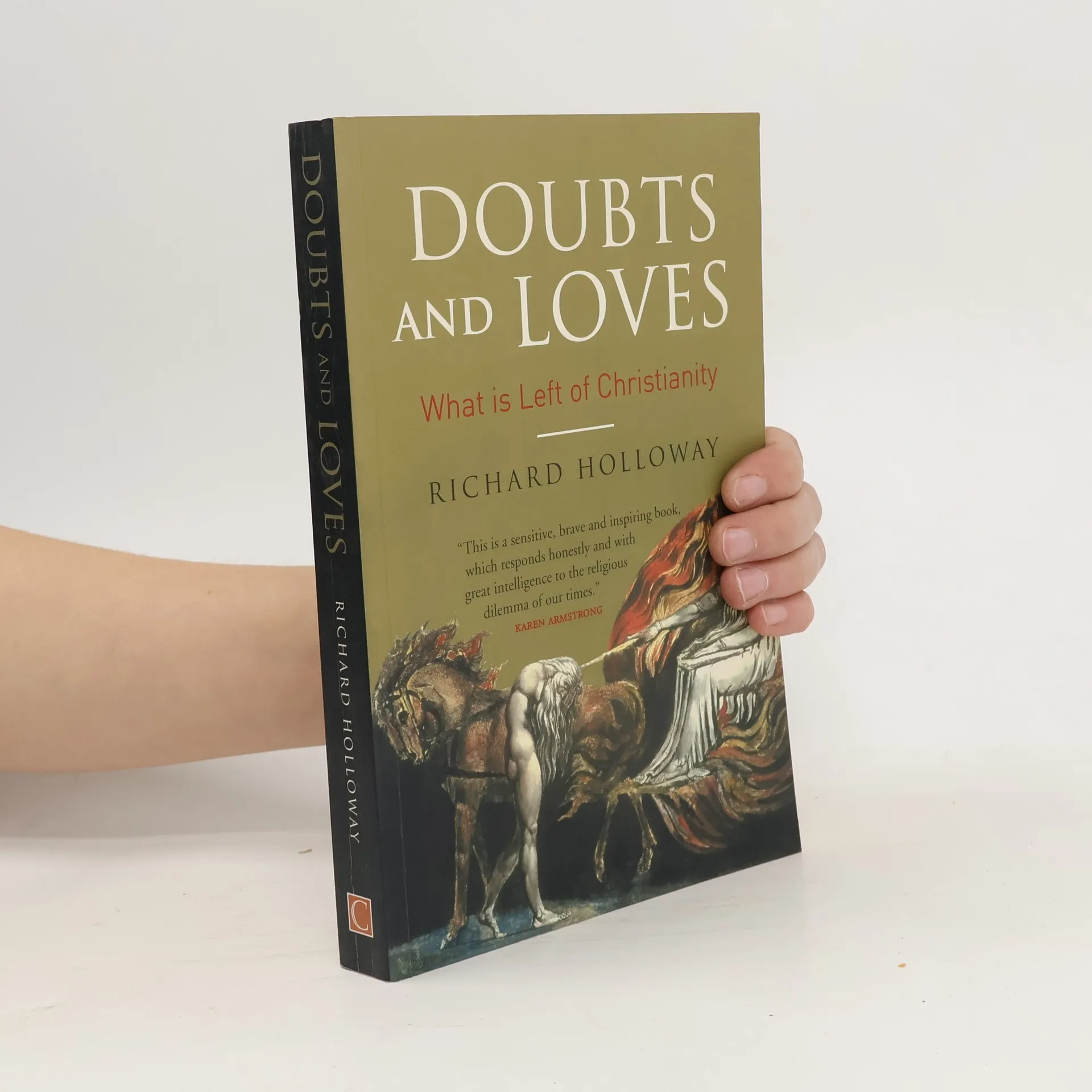
When it first appeared in the U.K. in 1999, Richard Holloway's Godless Morality struck a chord with readers and generated extraordinary media coverage. His new book is guaranteed to cause similar debate. Doubts and Loves argues that it is better to use Christianity as good poetry than as bad science, and although the author sets out to deconstruct its doctrines, he says, "My intention is positive; it is to craft from the Christian past a usable ethic for our own time." Holloway's radical book is a rescue attempt, a heartfelt and passionately argued case for salvaging the challenge of Jesus by revealing the essence of his teachings and showing why they remain revolutionary, humane, and of massive spiritual importance. Holloway has produced a compassionate and accessible work of scholarship, a blueprint for belief that debunks traditional ways of understanding the Bible and Jesus. He revels in pluralism, making cultural, political, sociological, and philosophical connections, and offering spiritual hope to the millions in this country who feel that the Church has lost its way. Doubts and Loves is a timely, important, and relevant book. ."..a sensitive, brave, and inspiring book that responds honestly and with great intelligence to the religious dilemma of our times." --Karen Armstrong