


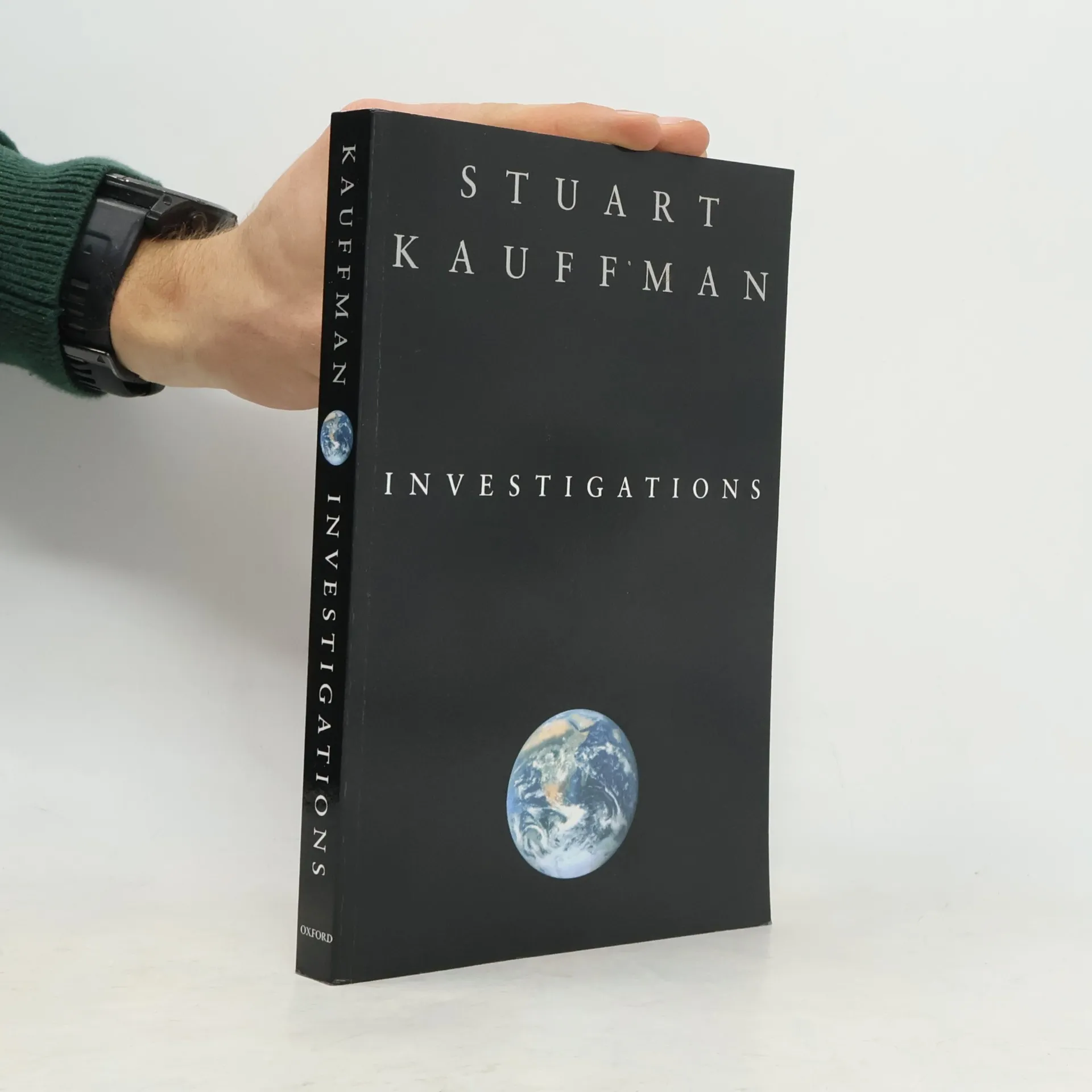
Investigations
- 308bladzijden
- 11 uur lezen
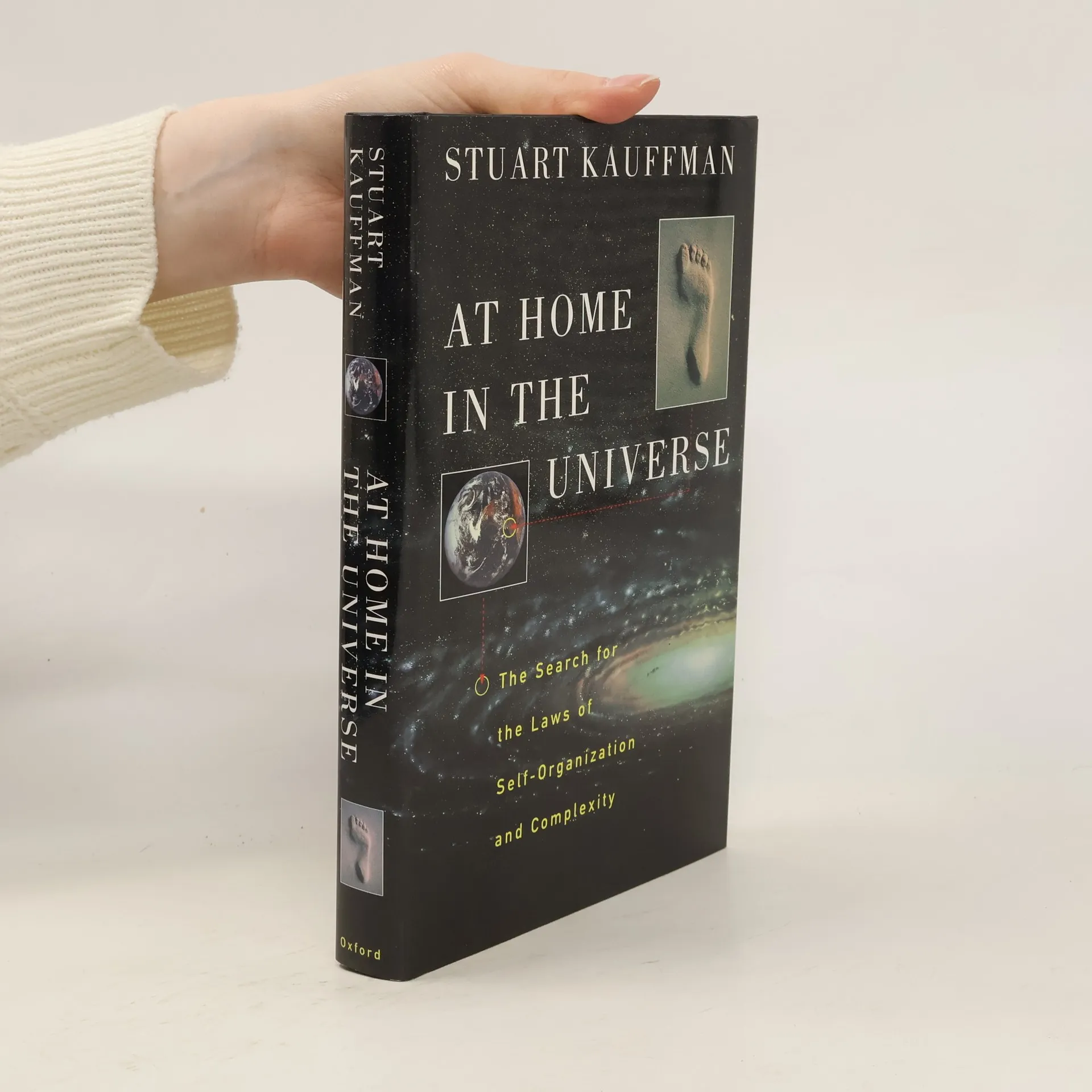
In the tradition of Schrödinger's classic, this book offers a profound investigation into the essence of life, challenging the foundational scientific approaches of Newton, Boltzmann, Bohr, and Einstein. Building on ideas introduced in Kauffman's At Home in the Universe, which was praised for its passionate and courageous insights, the author explores the interaction between physical systems—like humans and their environments. He argues that these systems act as autonomous agents, prompting the question: what truly defines life? By delving into concepts of autonomous agents within the frameworks of thermodynamics and information theory, Kauffman provides a novel perspective that transcends traditional scientific thought. The work unpacks the implications of his definition, laying the groundwork for a new understanding of organization and the emergence of a general biology that could apply to biospheres beyond Earth. Additionally, he proposes four candidate laws to explain how these autonomous agents co-create their biosphere, introducing the intriguing notion of a "co-creating" cosmos. This book encapsulates Kauffman's most significant ideas, presenting a transformative approach to understanding life itself, both on our planet and throughout the universe.