Karel Appel
- 96bladzijden
- 4 uur lezen
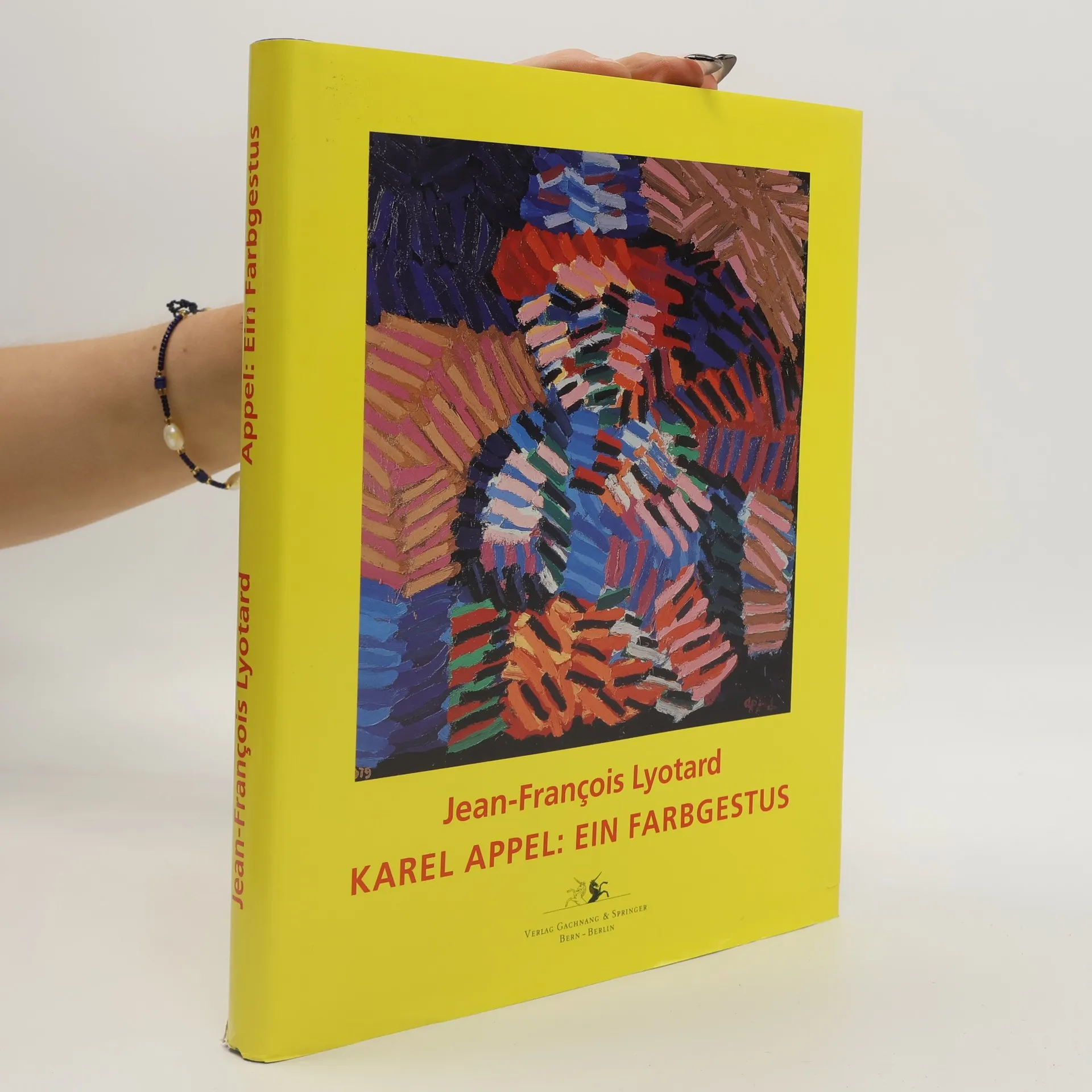
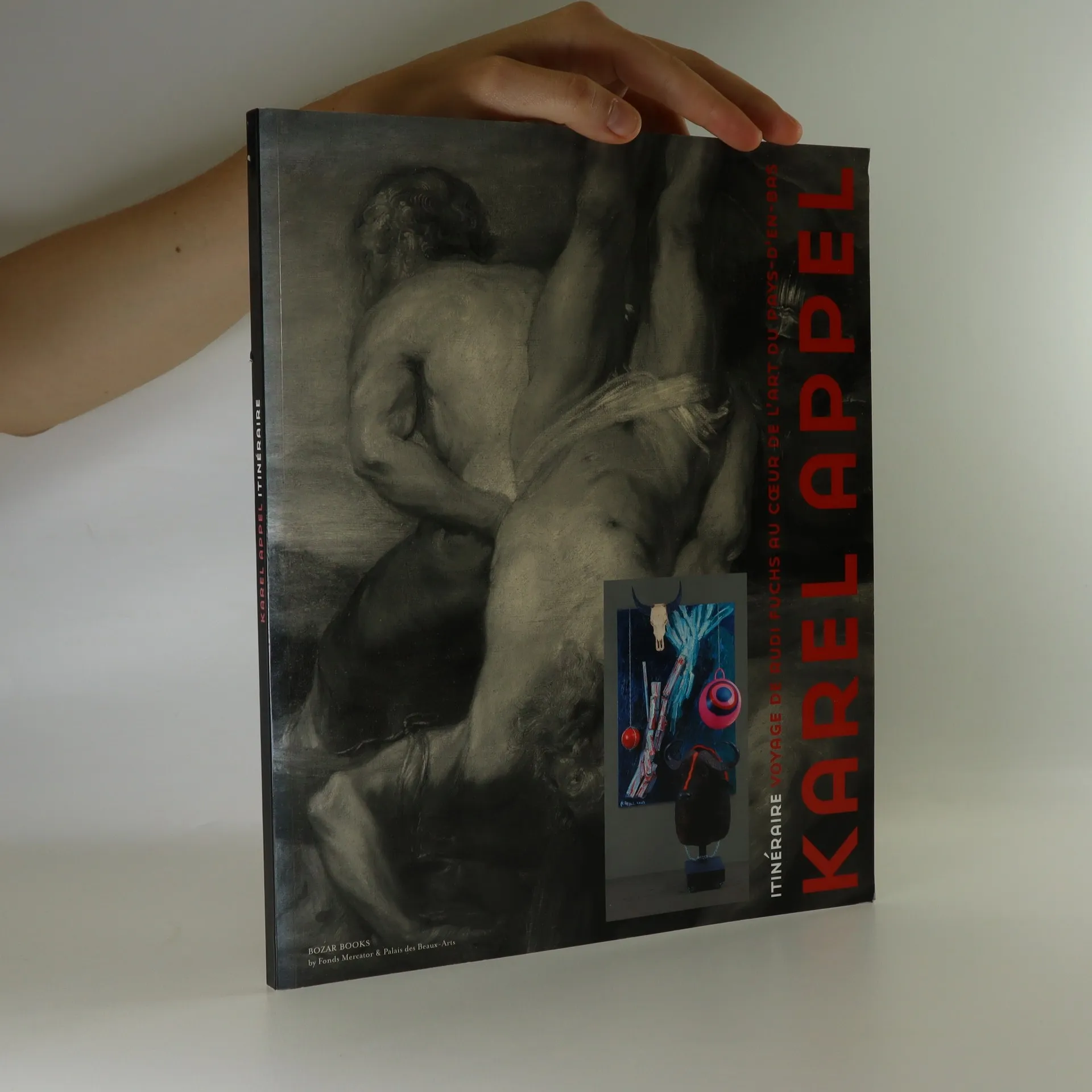
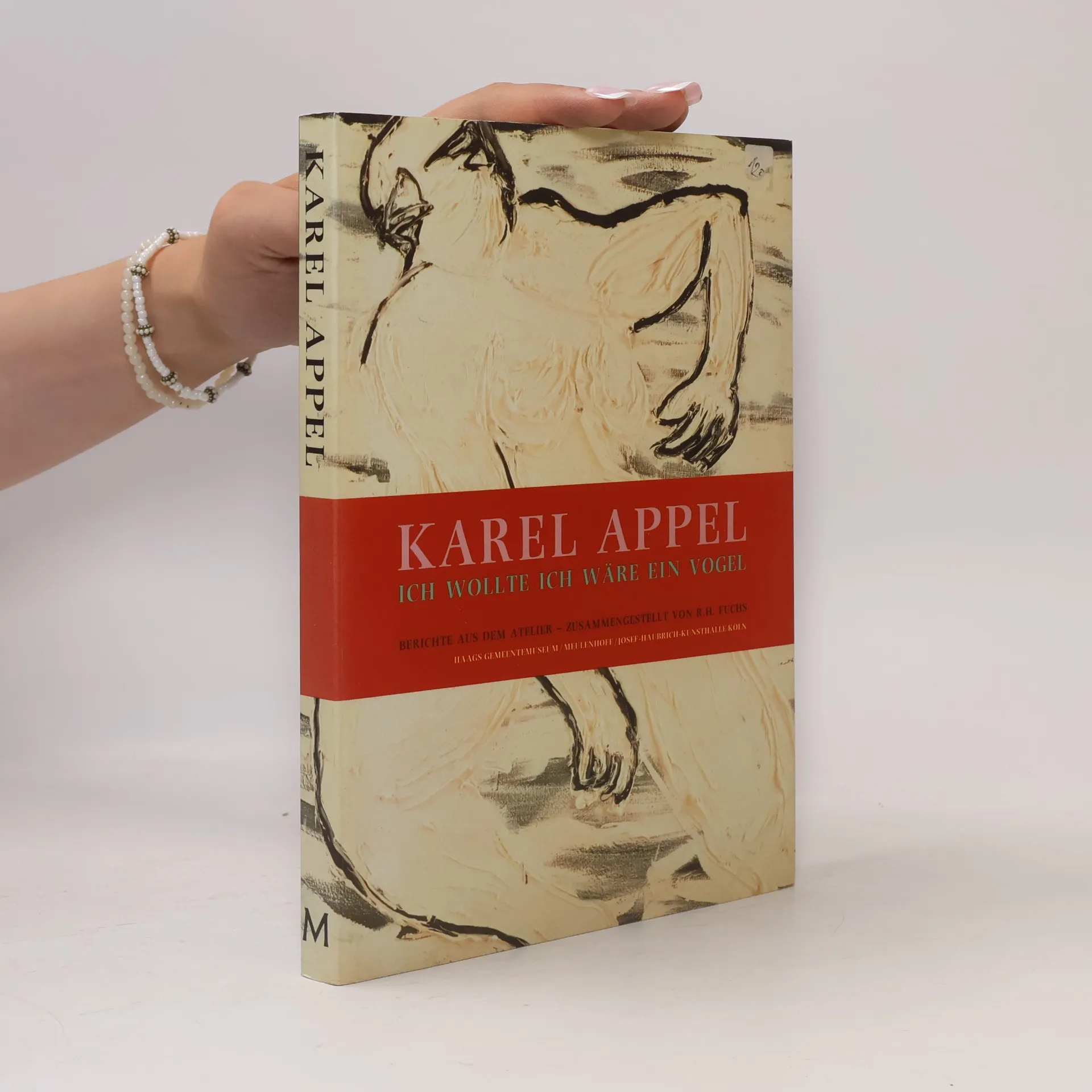
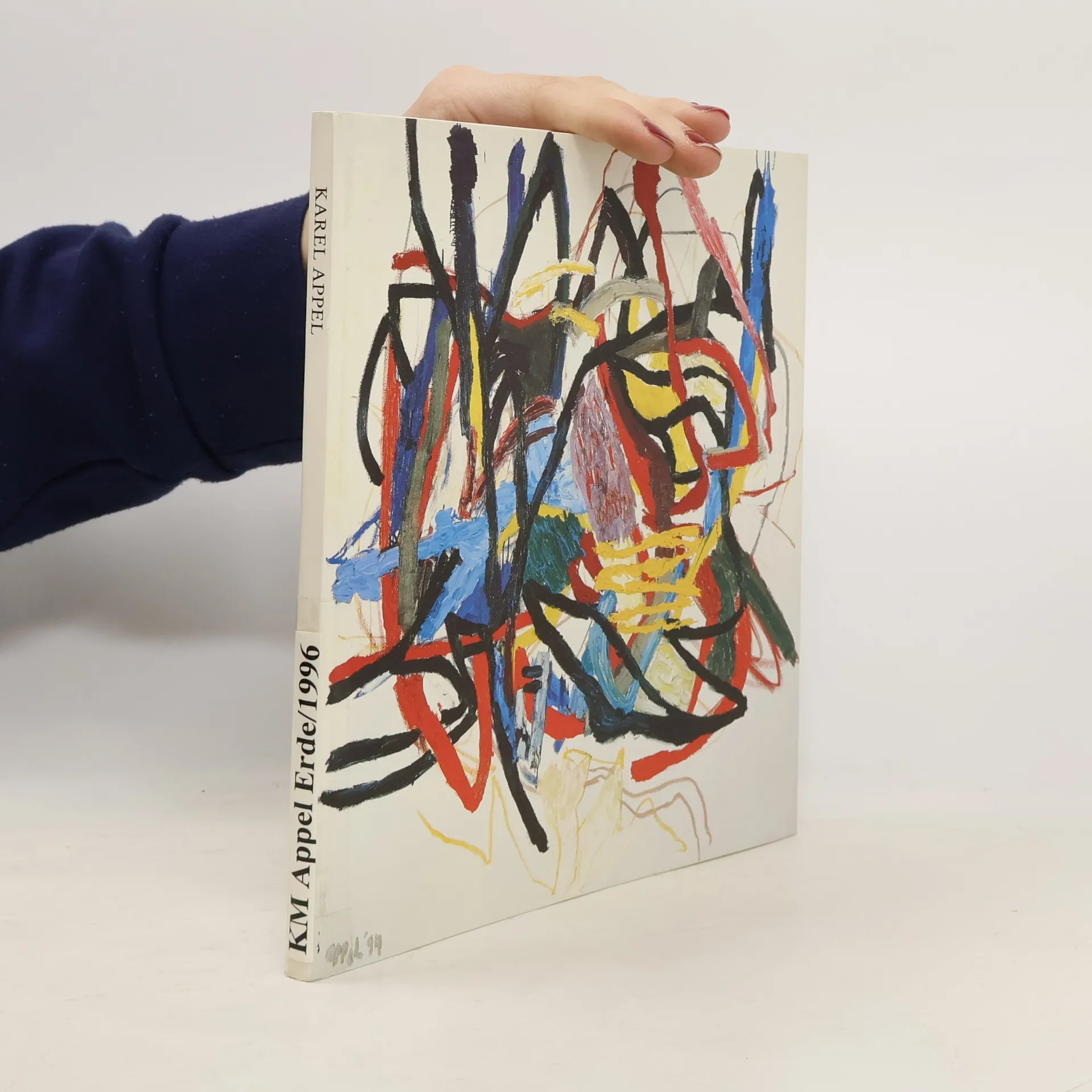
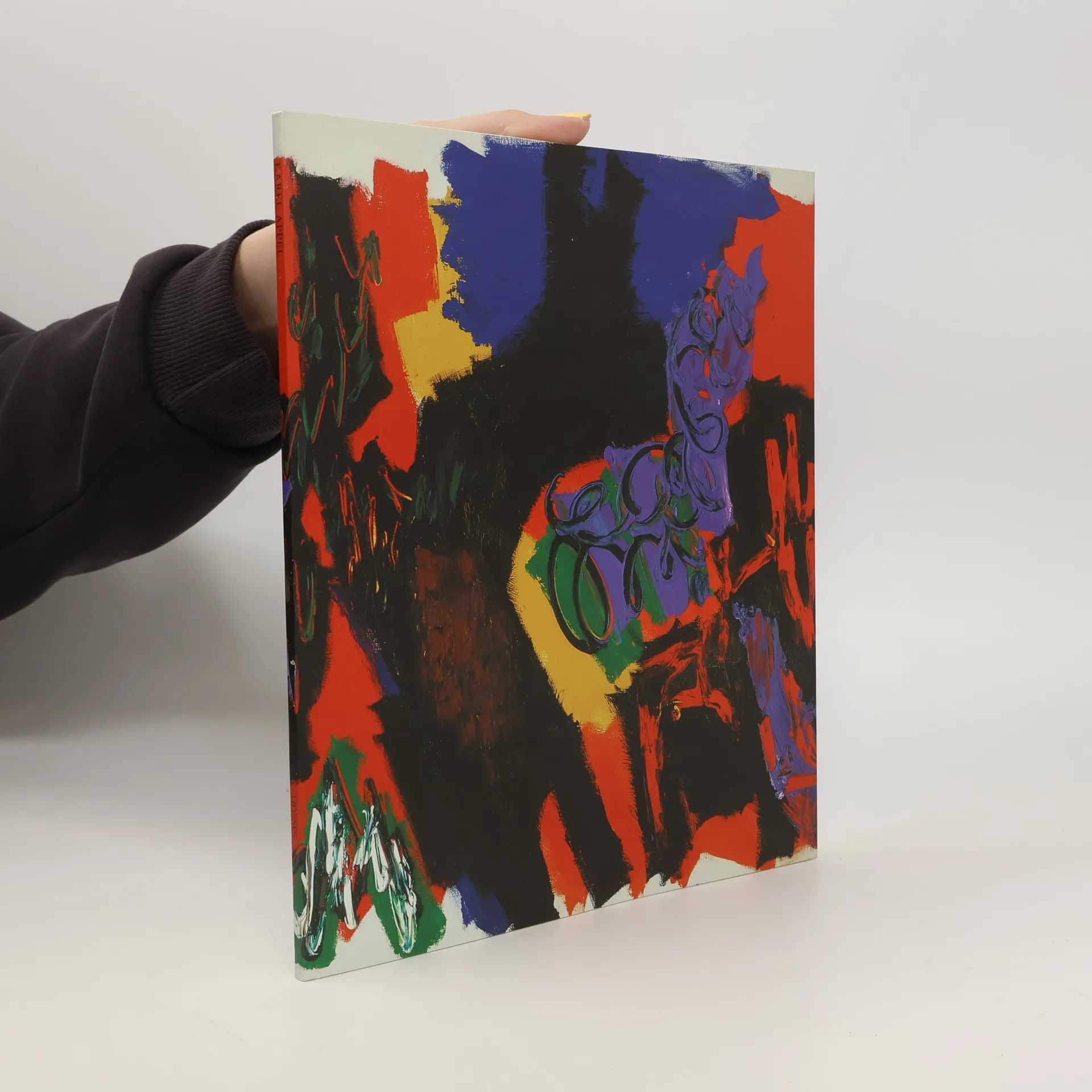
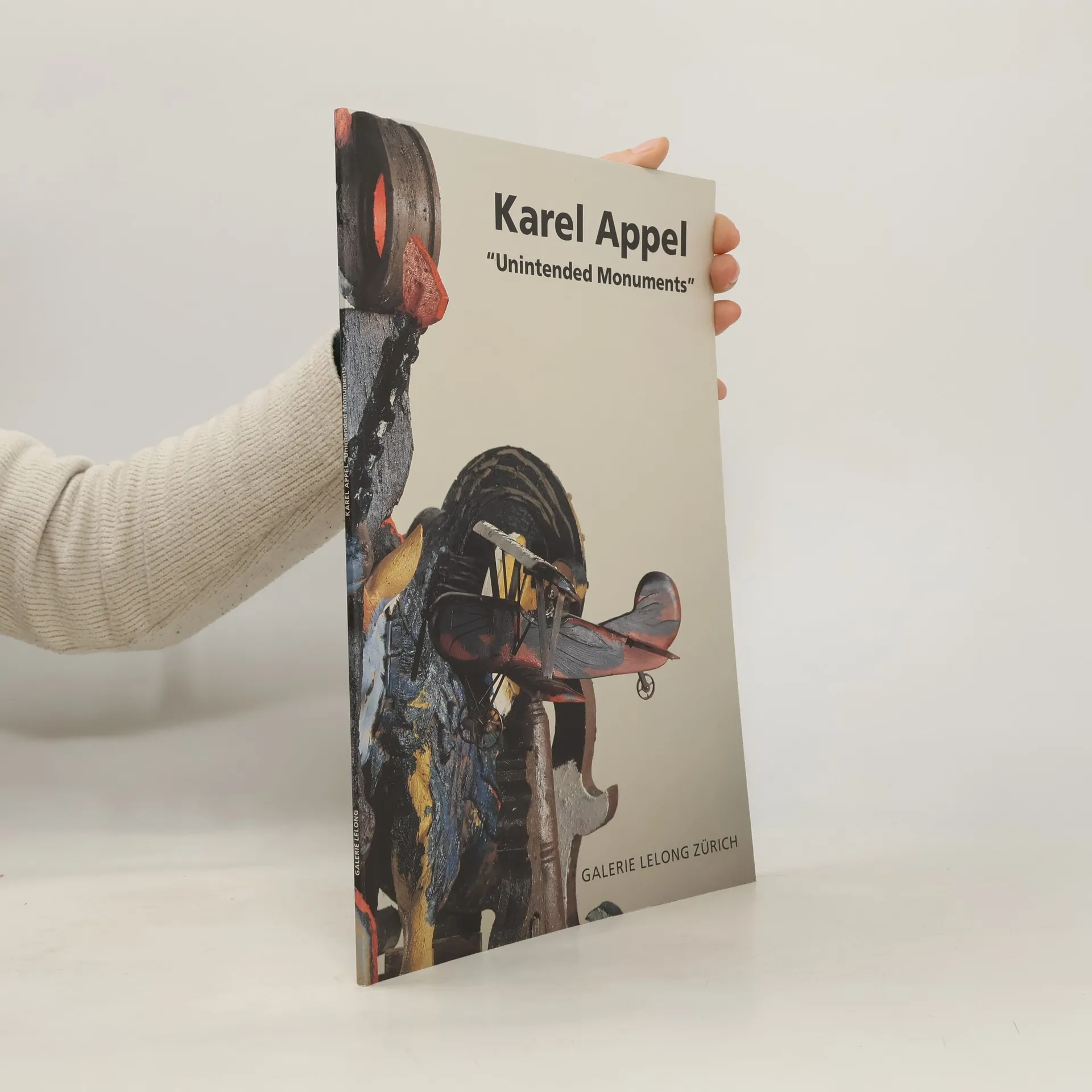
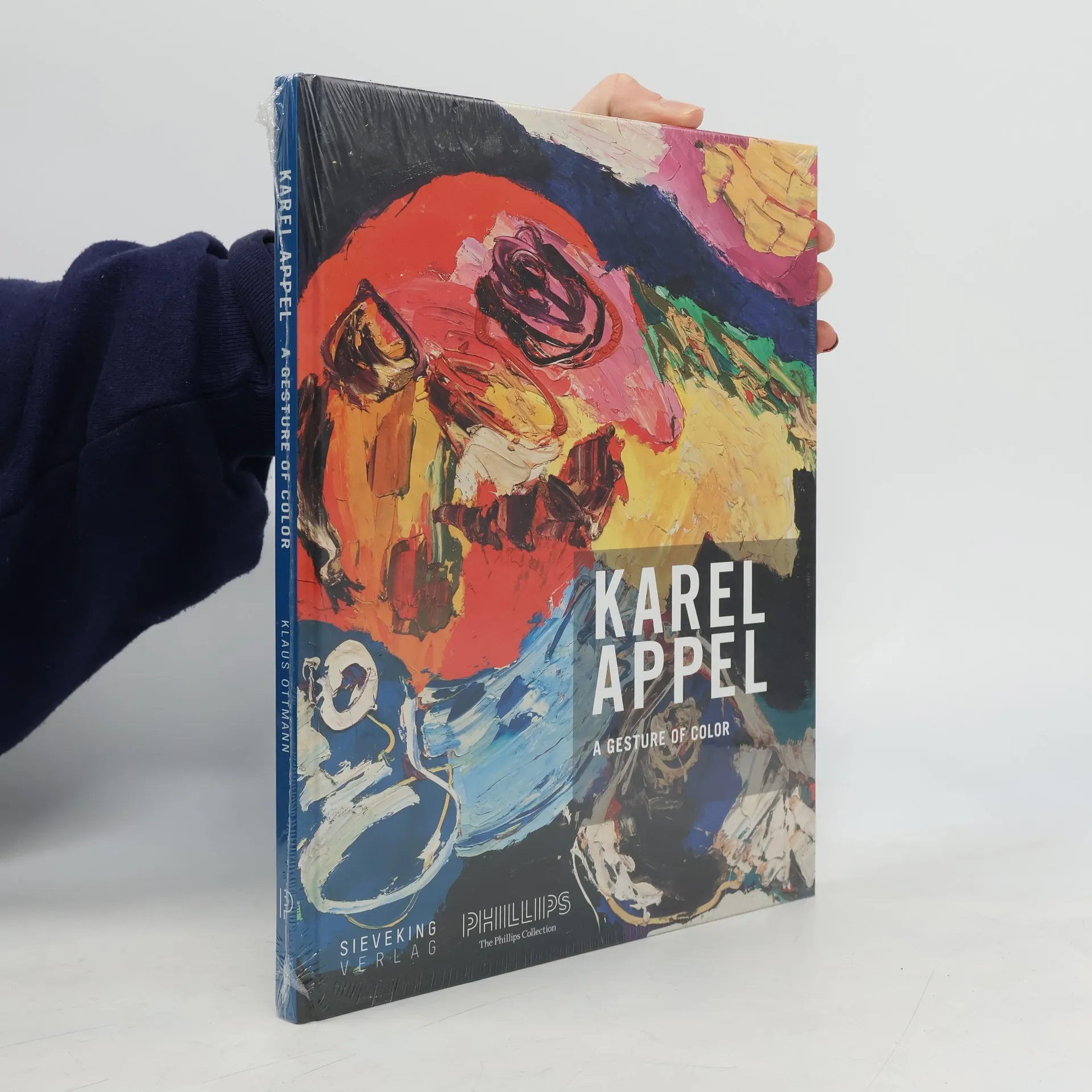
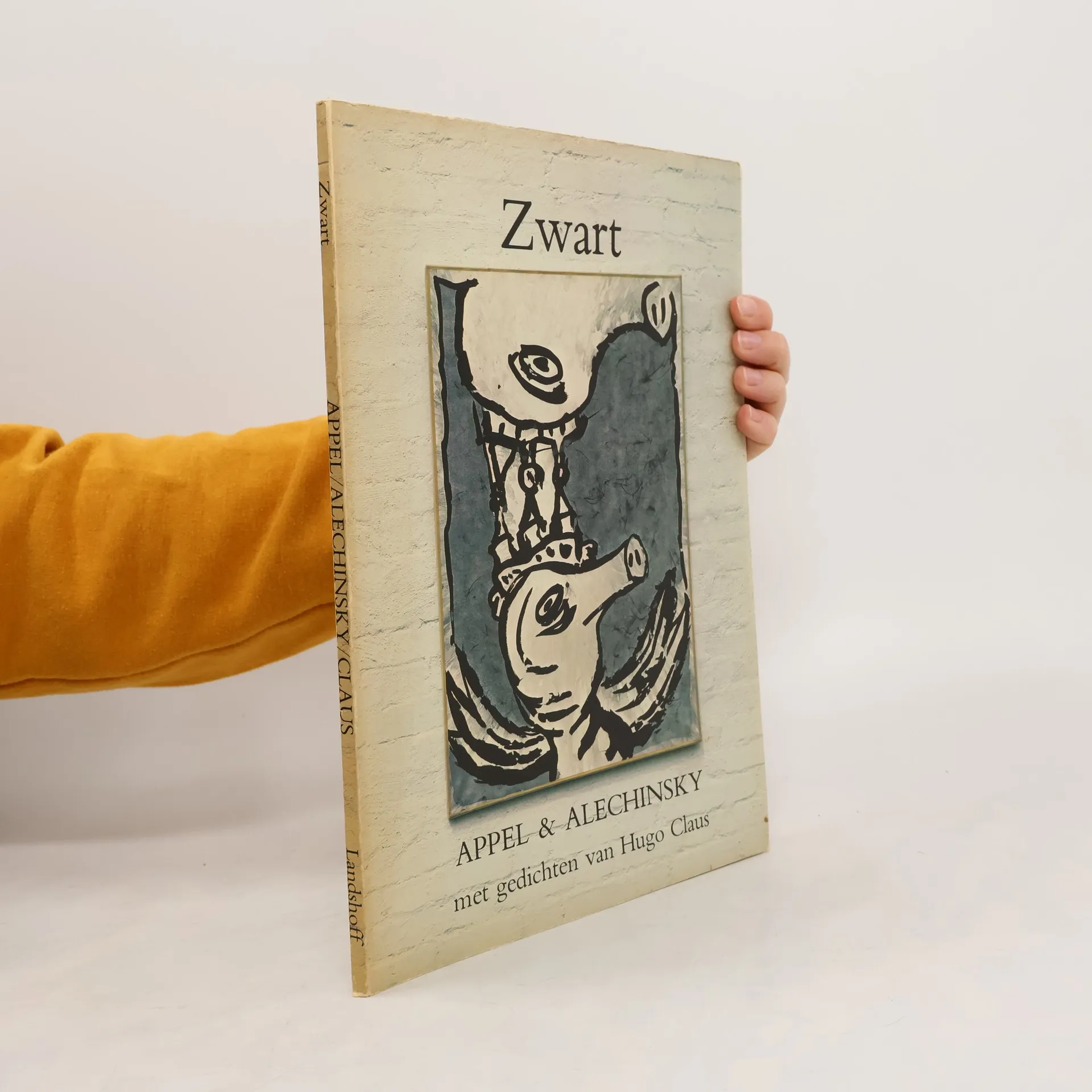
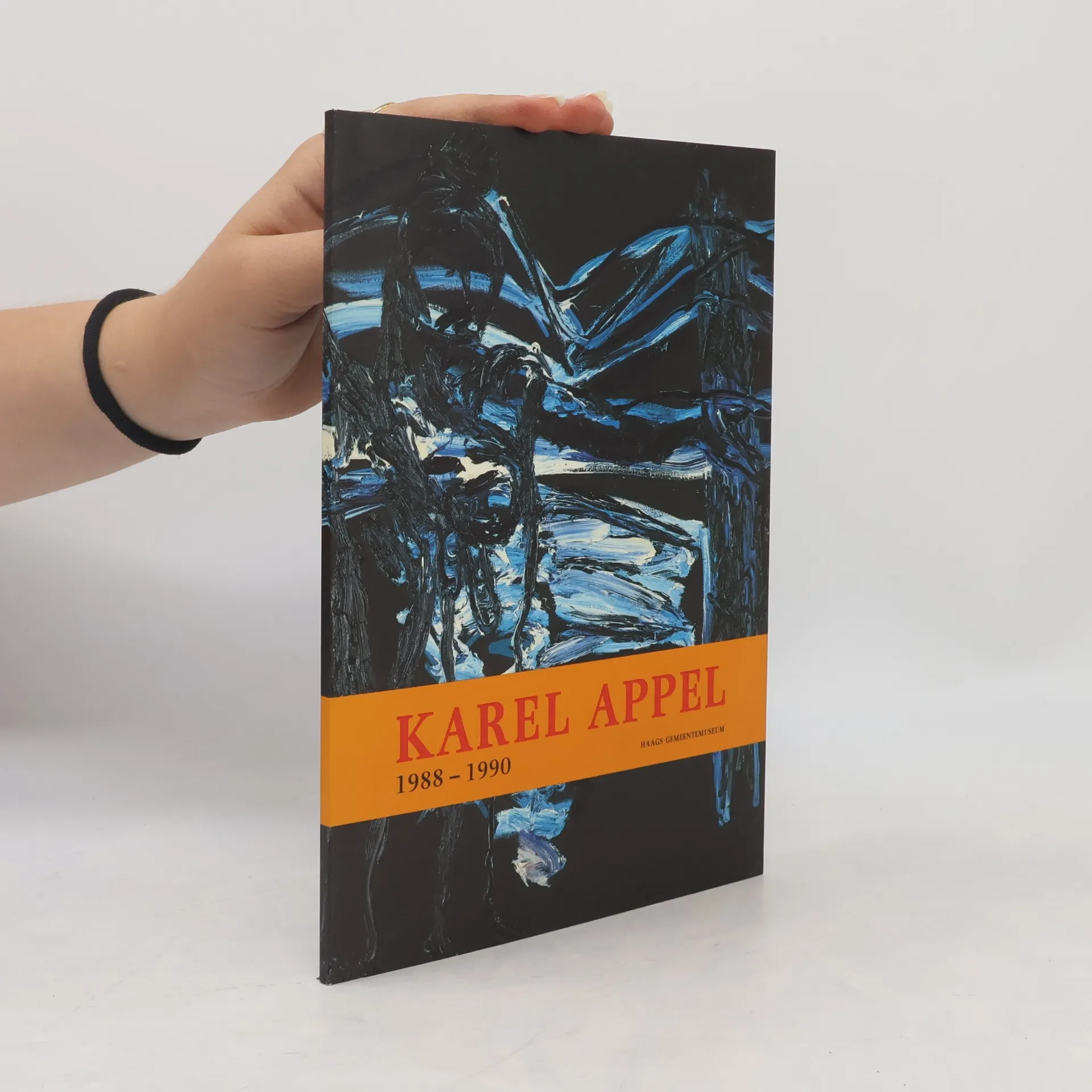
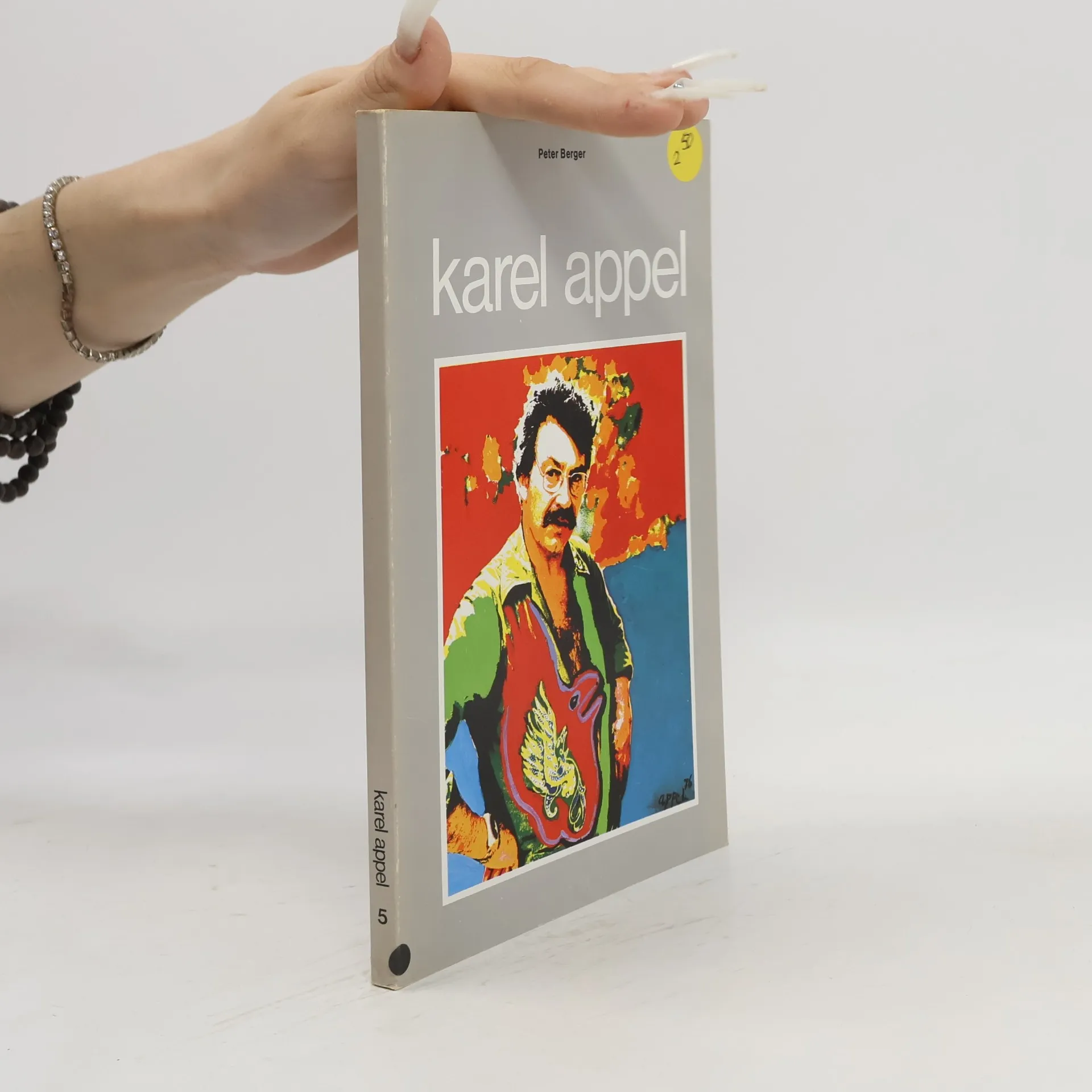
Als Gründungsmitglied der CoBrA-groep behoorde Karel Appel tot een van de belangrijkste Europese naoorlogse avant-gardes. Als schilder van de Nouvelle École de Paris vierde hij in de jaren vijftig zijn eerste successen. Tussen New York en Parijs pendelend, zocht hij zijn leven lang de artistieke confrontatie met het onbekende: een ongebruikelijke stijl, een bijzonder motief, de wisselwerking tussen sculptuur en schilderkunst. Het boek documenteert vier tentoonstellingen die in de galerijen Max Hetzler in Berlijn en Londen te zien waren. De jongste twee toonden de invloed van Appels eerste bezoek aan New York: hier vond hij enerzijds de weg naar de actie-schilderkunst, waarvan zijn wandvullende, ter plaatse in één nacht geschilderde werk voor de Documenta 1964 het hoogtepunt vormde, anderzijds nam hij het academische onderwerp van de naaktkunst op een geheel onacademische manier op. In het midden van het boek staat een retrospectieve selectie van het driedimensionale werk, van bronzen en terracotta werken tot objectschilderijen en absurd-poëtische assemblages van carnavalachtige vondsten. Tot slot keerde Appel in grootformaat tekeningen en expressionistische schilderijen uit de jaren tachtig en negentig terug naar het naakt-thema. Zo volgt het boek verschillende lijnen met veel vertakkingen door een oeuvre van zestig jaar, waarin nog veel te ontdekken valt.