Bookbot

Marcus Du Sautoy

    26 augustus 1965

    Deze auteur verkent de wereld van getallen en wiskunde met een boeiende passie die abstracte concepten tot leven brengt voor de alledaagse lezer. Zijn werk duikt in de fundamentele vragen van het bestaan en onze plaats in het universum, waarbij hij zich vaak richt op de elegantie en schoonheid van wiskundige principes. Hij maakt complexe ideeën toegankelijk op een duidelijke en boeiende manier, en nodigt lezers uit op een ontdekkingsreis waarbij wiskunde een sleutel wordt tot het begrijpen van de wereld om ons heen. Zijn schrijven is een viering van menselijke nieuwsgierigheid en de oneindige mogelijkheden van wetenschappelijk begrip.

    Marcus Du Sautoy
    Around the World in 80 Games: A mathematician unlocks the secrets of the greatest games
    The Number Mysteries: A Mathematical Odyssey through Everyday Life
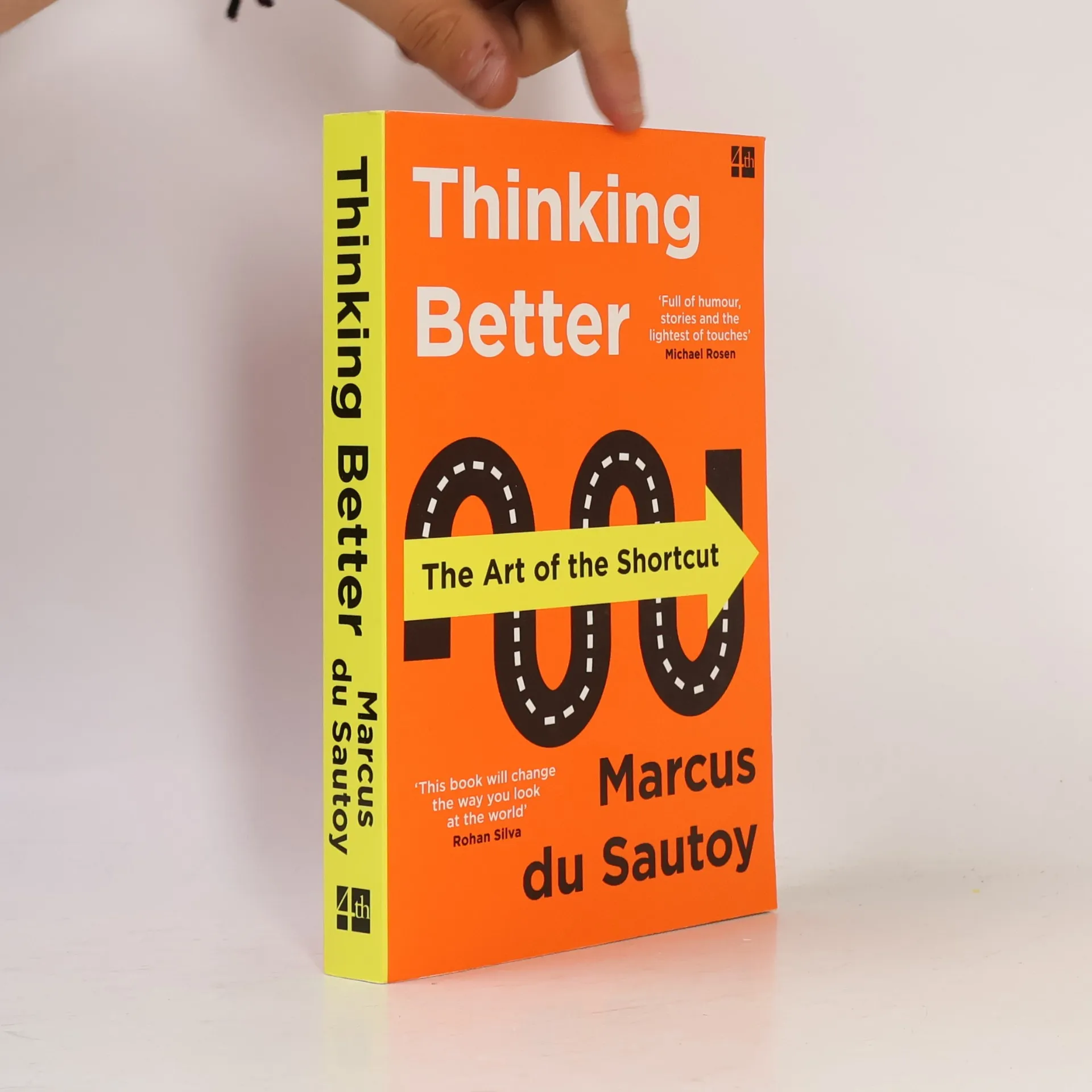
    Thinking Better
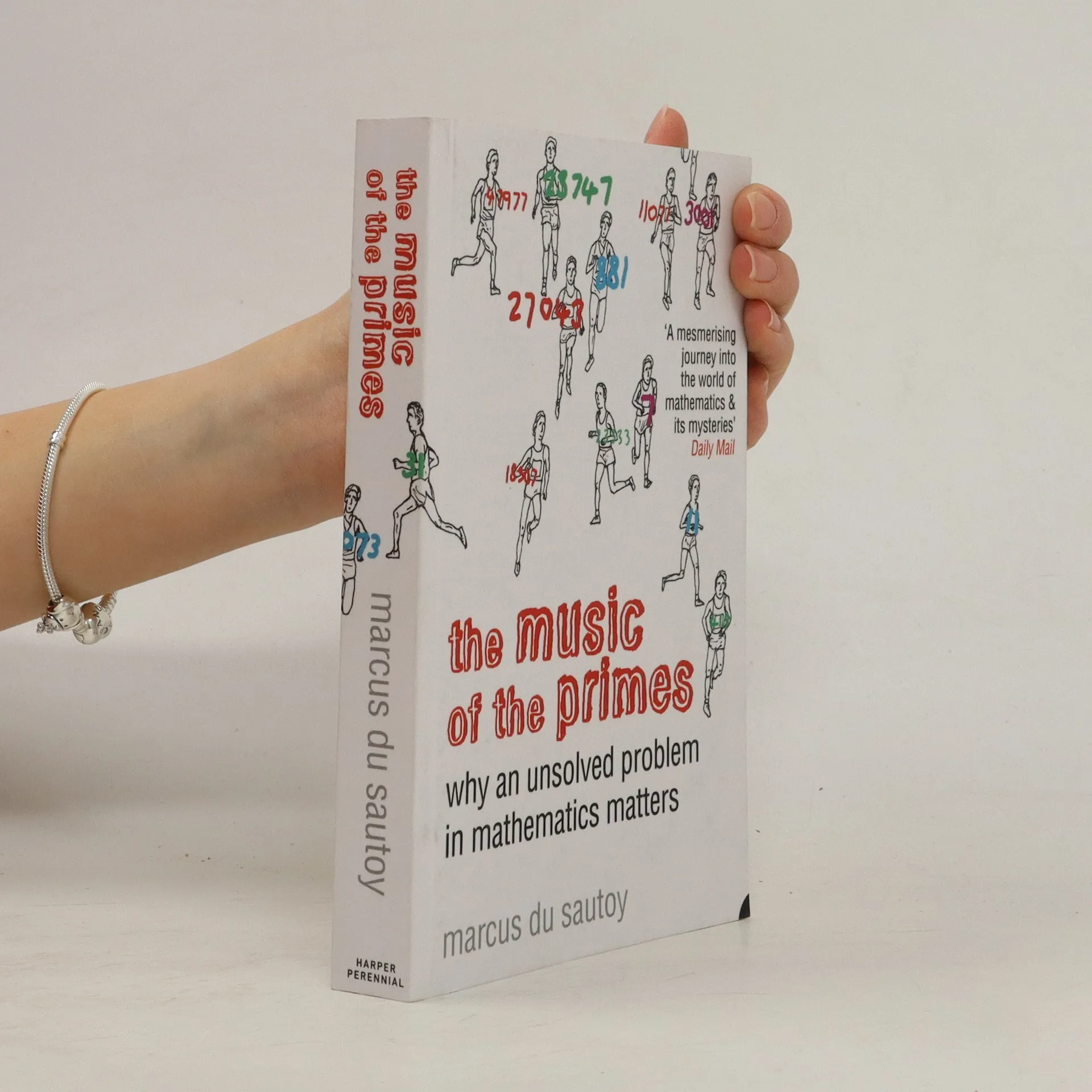
    The Music of the Primes
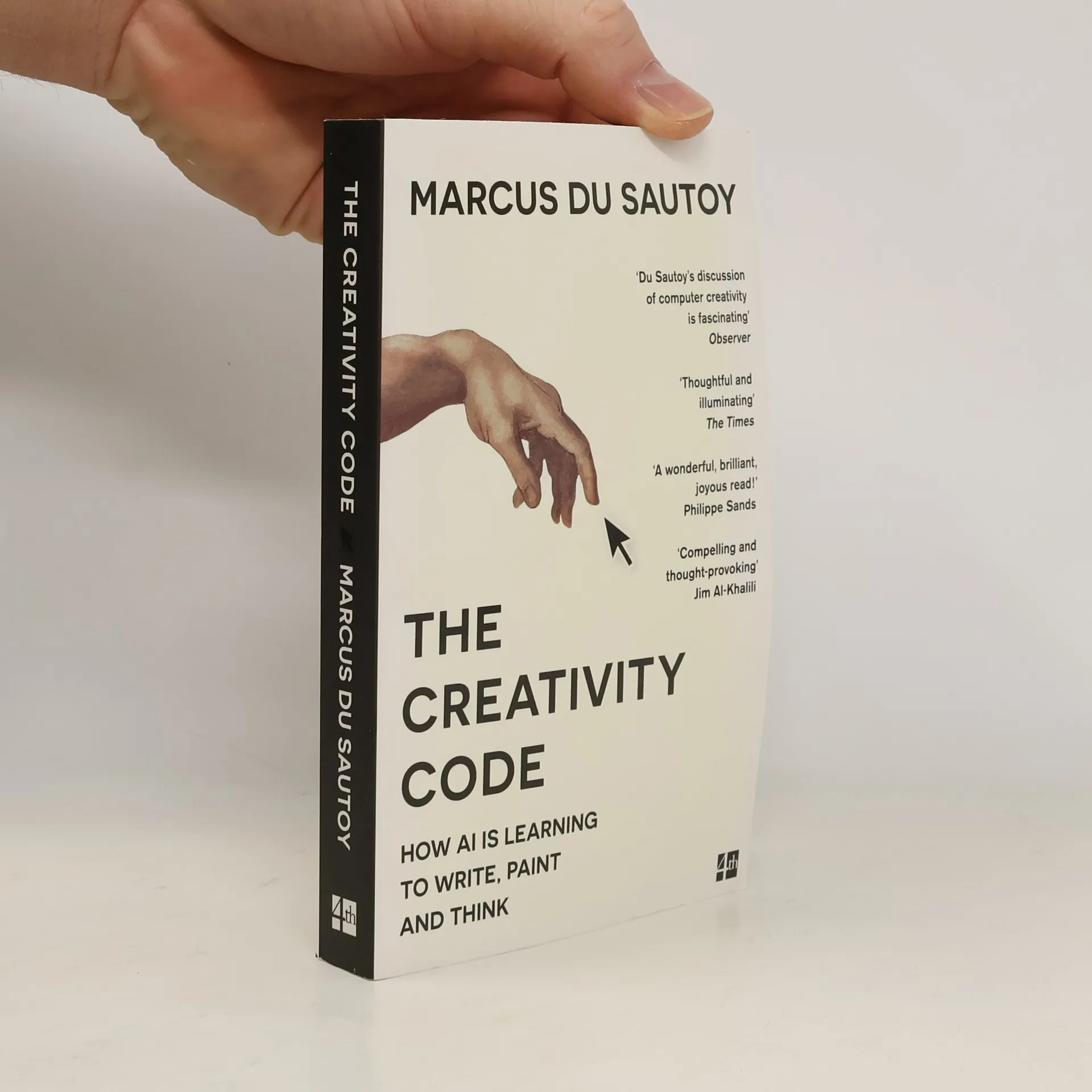
    The creativity code : how AI is learning to write, paint and think
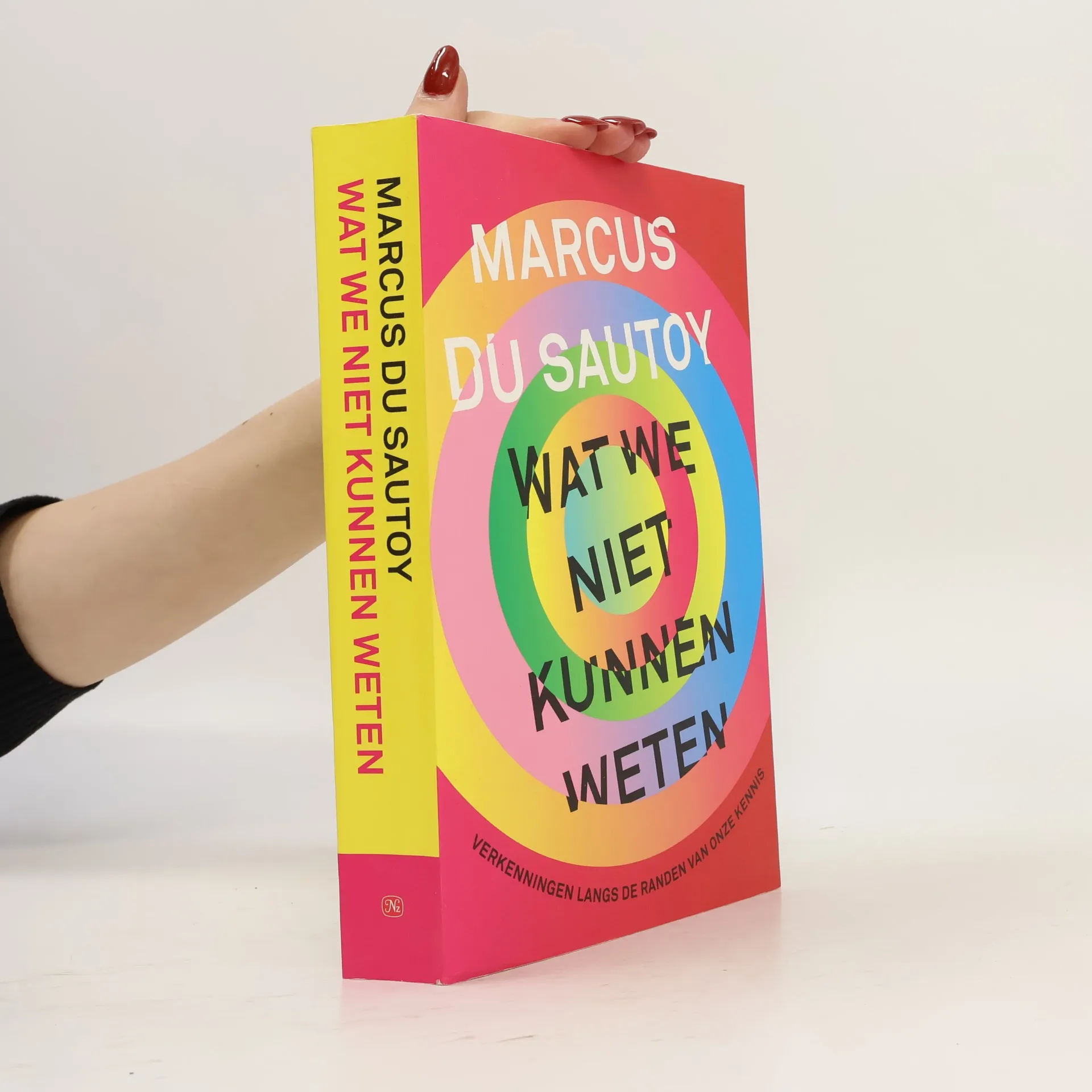
    Wat we niet kunnen weten
    • Blueprints

      • 304bladzijden
      • 11 uur lezen

      An award-winning mathematician and Oxford professor looks to the arts to uncover the key mathematical structures that underpin both nature and human creativity. Many of the artists that we encounter are completely unaware of the mathematics that bubble beneath their craft, while some consciously use it for inspiration. Our instincts might tell us that these two subjects are incompatible forces with nothing in common - mathematics being the realm of precise logic and art being the realm of emotion and aesthetics - but what if we're wrong? Blueprints asks us to consider that mathematics and art may not be polar opposites after all. Their complementary relationship spans a vast historical and geographic landscape, from the earliest stone circles to Mozart's obsession with numbers and the radically modern architecture of Zaha Hadid. Whether we are searching for meaning in an abstract painting or finding patterns in poetry, there are blueprints everywhere: symmetry, prime numbers, the golden ratio and more. In this bold and philosophical exploration of human creativity, Marcus du Sautoy unpacks how we make art, why a creative mindset is vital for discovering new mathematics, and how a fundamental connection to the natural world intrinsically links these two subjects.

      Blueprints2025
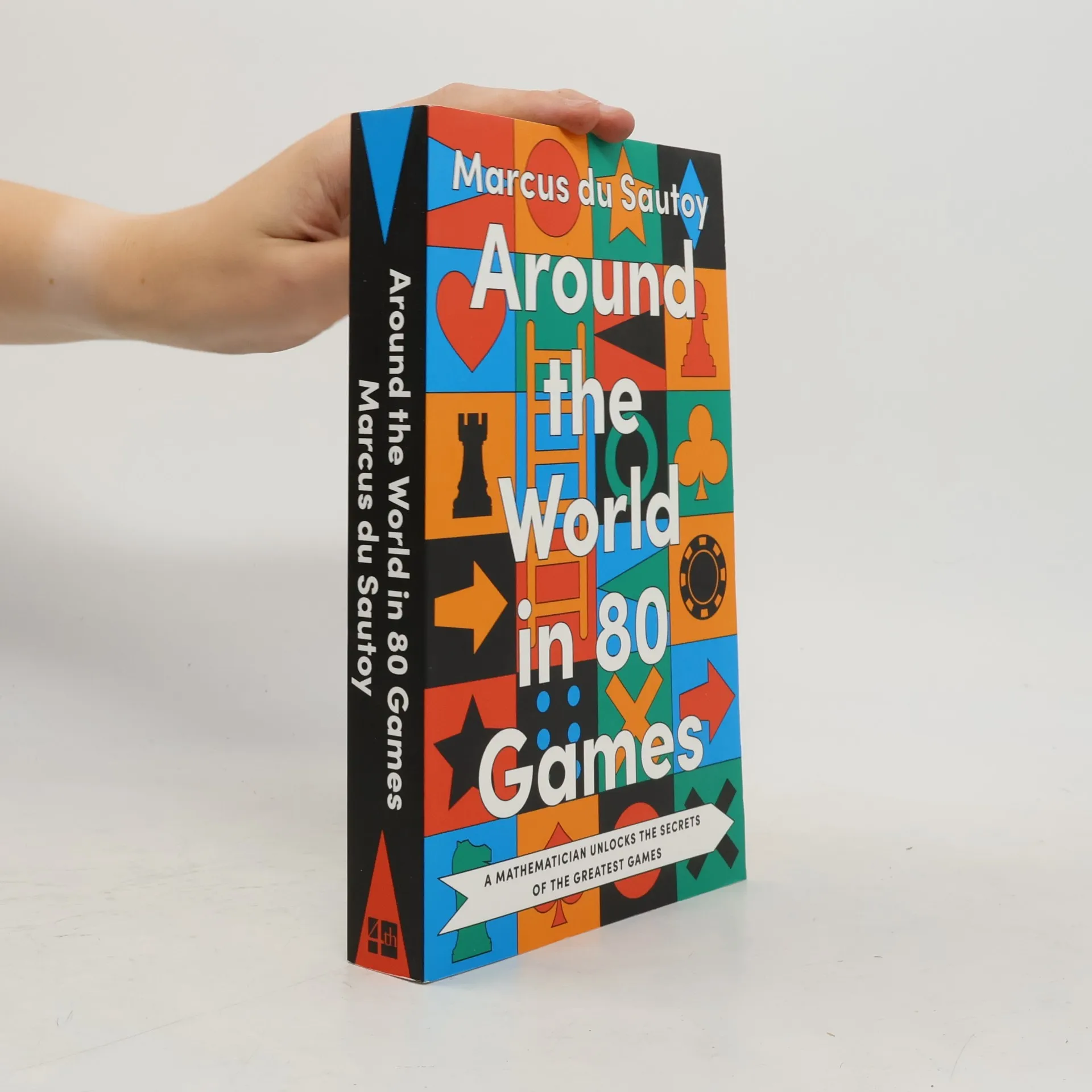
    • Why do some games seem to be universal while others have a particular connection to the culture of the people playing them? Around the World in 80 Games is about the mathematics of chance, game theory, gamification, gaming strategies and computer games. Traversing the globe, Marcus du Sautoy looks at the genesis of games new and old, explores how to invent a good game and explains the fascination of a popular lockdown game. The most simple games endure: board games, card games and dice games have captivated us for centuries and the acclaimed mathematician and author of The Creativity Code (among many others) will once again bring mathematics to the fore with insight and aplomb in Around the World in 80 Games.

      Around the World in 80 Games: A mathematician unlocks the secrets of the greatest games2023
      3,6
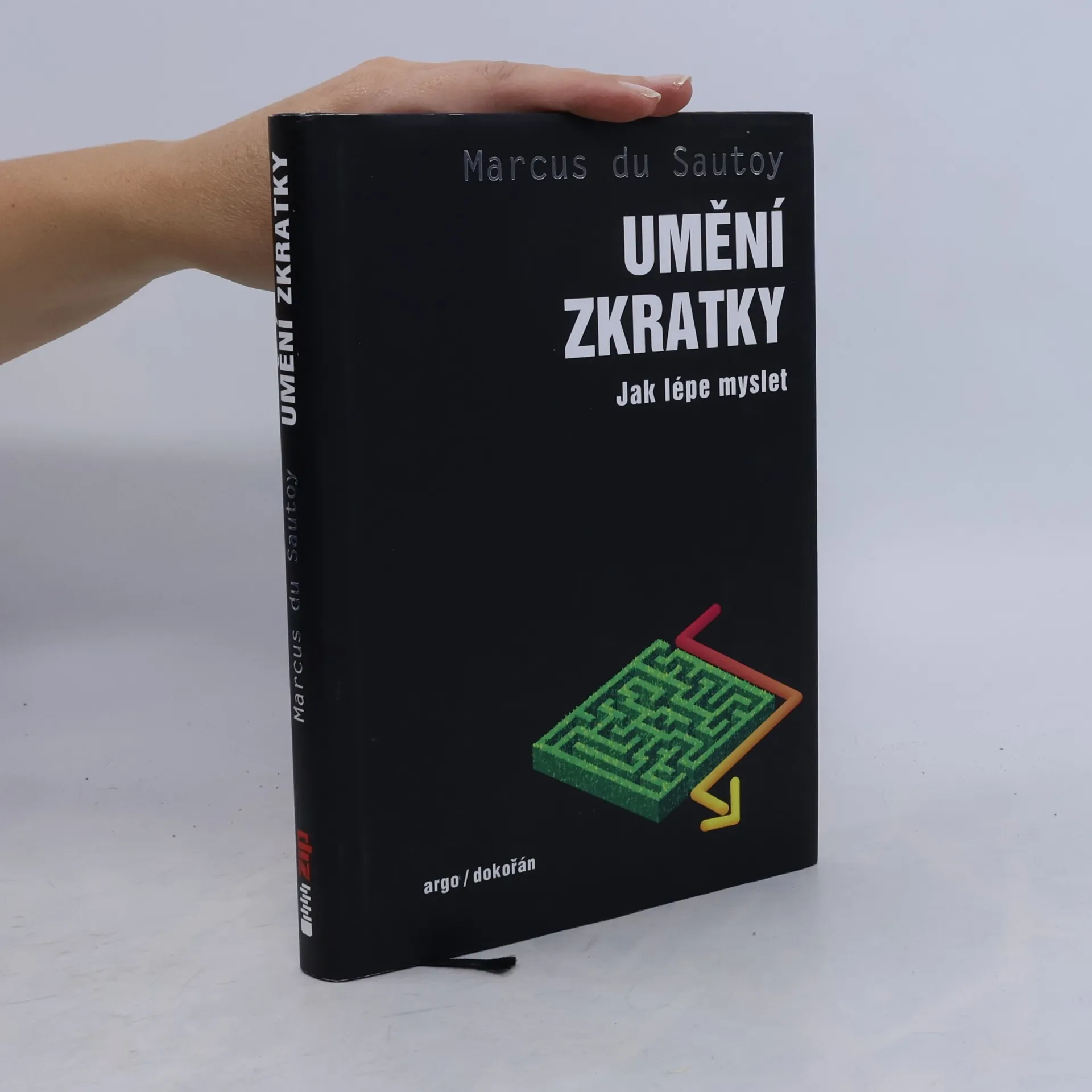
    • Umění zkratky. Jak lépe myslet

      • 320bladzijden
      • 12 uur lezen

      Říká se, že cestou k úspěchu je tvrdá práce. K úspěchu však často může vést i mnohem rychlejší a snadnější cesta – zkratka. A ve vytváření zkratek, které nám usnadňují život tím, že nám šetří čas a námahu, vyniká zvláště matematika – ta je v podstatě uměním vymýšlet zkratky. Přední britský matematik Marcus du Sautoy svou novou knihou Umění zkratky ukazuje, jak nám díky využívání důvtipných zkratek matematika dovoluje řešit problémy rychle a efektivně. Autor nás provede světem matematických zkratek – od vzorce a diagramu po kalkulus a teorii pravděpodobnosti. Dozvíme se, proč jeden diagram vedl k zásadním změnám ve zdravotní péči, proč je kalkulus největší zkratkou, která kdy byla vynalezena, nebo proč máme díky zkratkám výhodu i před nejvýkonnějšími počítači

      Umění zkratky. Jak lépe myslet2023
      4,1
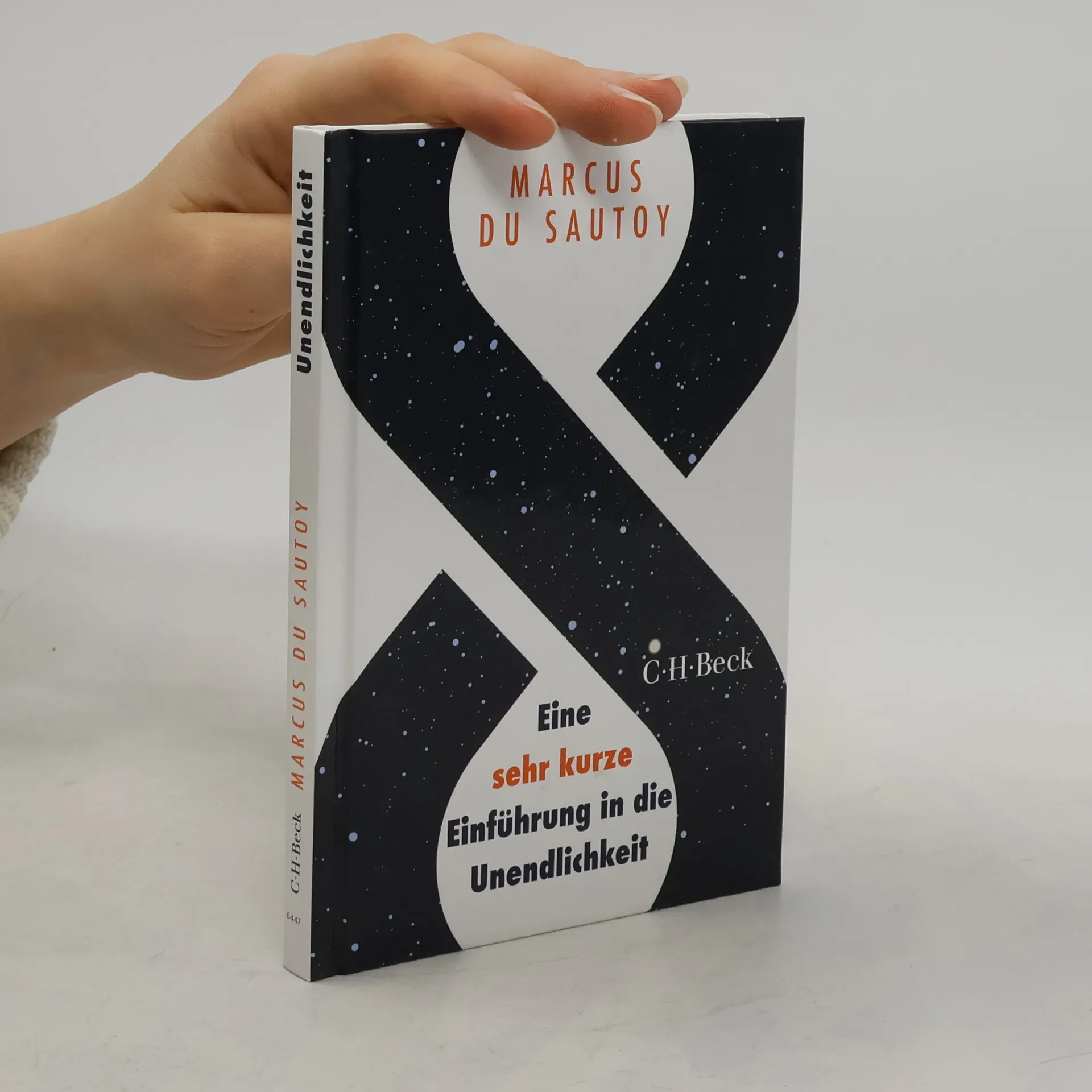
    • EINE SEHR KURZE EINFÜHRUNG IN DIE UNENDLICHKEIT Willkommen im Hotel Unendlichkeit. Es verfügt über eine unendliche Zahl von Zimmern, und in jedem der ankommenden Reisebusse sitzt eine unendliche Zahl von Menschen, die dort übernachten wollen. Wie sie unterbringen? Marcus du Sautoy, bekannt für die Zugänglichkeit und den Witz, mit denen er die Welt der Mathematik verständlich macht, entschlüsselt das Geheimnis der Unendlichkeit.

      oo - Eine sehr kurze Einführung in die Unendlichkeit2022
      3,8
    • Thinking Better

      • 352bladzijden
      • 13 uur lezen

      How do you remember more and forget less? How can you earn more and become more creative just by moving house? And how do you pack a car boot most efficiently? This is your shortcut to the art of the shortcut.

      Thinking Better2021
      3,8
    • Will a computer ever compose a symphony, write a prize-winning novel, or create a masterpiece? As humans, we possess a remarkable ability to produce art that elevates and transforms our existence. However, advancements in AI are challenging traditional notions, revealing that many tasks can be performed as well, if not better, by machines. This raises the question: can machines truly be creative? Can they learn from the art that resonates with us and discern the difference between the extraordinary and the ordinary? In this exploration of creativity, the author delves into the nature of artistic expression while providing insights into how algorithms function and the mathematical principles that guide them. He investigates the emotional responses we have to art, considering how much of it stems from our brains responding to patterns and structures. The discussion extends to creativity in mathematics, art, language, and music, probing how soon machines might produce original creative works and whether this could inspire greater imagination in humans. The outcome is a thought-provoking examination of both AI and the fundamental essence of humanity.

      The creativity code : how AI is learning to write, paint and think2019
      4,0
    • Wat we niet kunnen weten

      Verkenningen langs de randen van onze kennis

      • 408bladzijden
      • 15 uur lezen

      Britain’s most famous mathematician takes us to the edge of knowledge to show us what we cannot know. Is the universe infinite? Do we know what happened before the Big Bang? Where is human consciousness located in the brain? And are there more undiscovered particles out there, beyond the Higgs boson? In the modern world, science is king: weekly headlines proclaim the latest scientific breakthroughs and numerous mathematical problems, once indecipherable, have now been solved. But are there limits to what we can discover about our physical universe? In this very personal journey to the edges of knowledge, Marcus du Sautoy investigates how leading experts in fields from quantum physics and cosmology, to sensory perception and neuroscience, have articulated the current lie of the land. In doing so, he travels to the very boundaries of understanding, questioning contradictory stories and consulting cutting edge data. Is it possible that we will one day know everything? Or are there fields of research that will always lie beyond the bounds of human comprehension? And if so, how do we cope with living in a universe where there are things that will forever transcend our understanding? In What We Cannot Know, Marcus du Sautoy leads us on a thought-provoking expedition to the furthest reaches of modern science. Prepare to be taken to the edge of knowledge to find out if there’s anything we truly cannot know.

      Wat we niet kunnen weten2016
      4,1
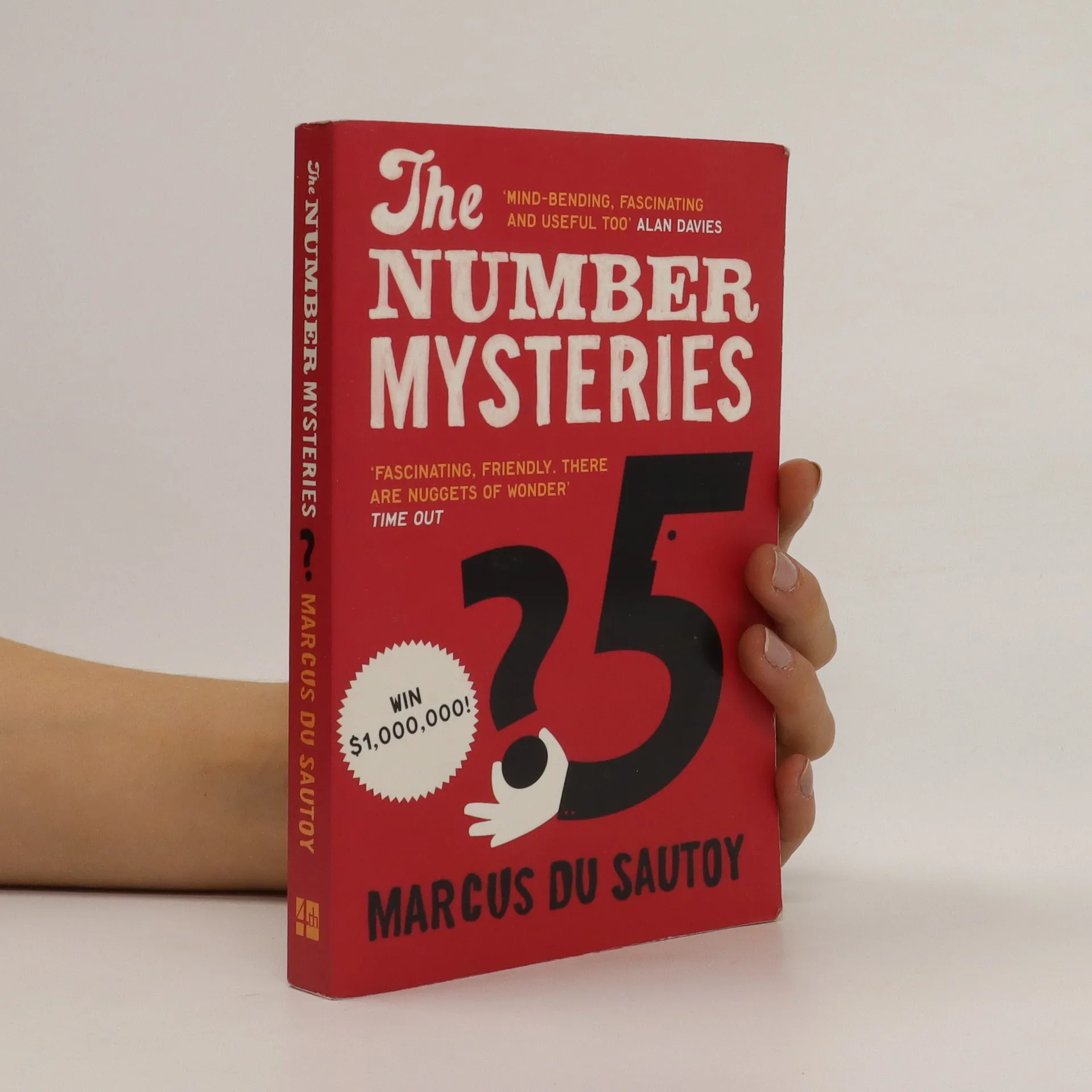
    • Every time we download a song from i-tunes, take a flight across the Atlantic or talk on our mobile phones, we are relying on great mathematical inventions. Maths may fail to provide answers to various of its own problems, but it can provide answers to problems that don't seem to be its own -- how prime numbers are the key to Real Madrid's success, to secrets on the Internet and to the survival of insects in the forests of North America. In The Num8er My5teries, Marcus du Sautoy explains how to fake a Jackson Pollock; how to work out whether or not the universe has a hole in the middle of it; how to make the world's roundest football. He shows us how to see shapes in four dimensions -- and how maths makes you a better gambler. He tells us about the quest to predict the future -- from the flight of asteroids to an impending storm, from bending a ball like Beckham to predicting population growth.It's a book to dip in to; a book to challenge and puzzle -- and a book that gives us answers.

      The Number Mysteries: A Mathematical Odyssey through Everyday Life2010
      3,7
    • Die Mondscheinsucher

      Mathematiker entschlüsseln das Geheimnis der Symmetrie

      • 429bladzijden
      • 16 uur lezen

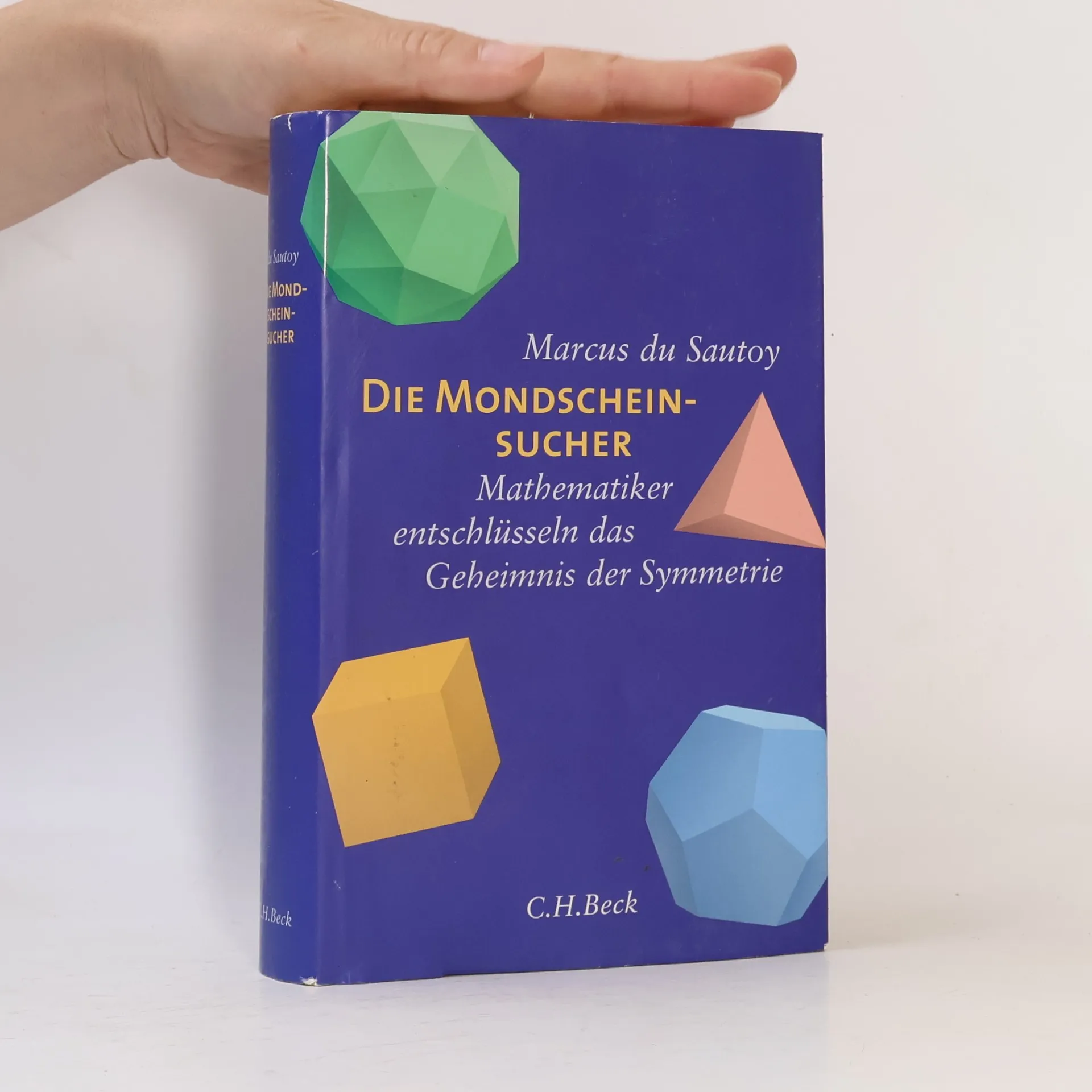
      Marcus du Sautoy hat die wunderbare Gabe, die Abenteuer des mathematischen Denkens einem breiten Publikum nahezubringen. In Die Mondscheinsucher erzählt er von seiner persönlichen Suche nach dem Geheimnis der Symmetrie, von dem schon die Naturforscher der Antike mutmaßten, daß mit seiner Enthüllung auch das Rätsel der Natur gelöst sei. Du Sautoy beginnt seine Suche an seinem 40. Geburtstag; sie wird ihn zwölf Monate lang rund um die Welt führen: durch die Wüste Sinai ebenso wie ans Mathematische Institut der Universität Princeton, in die Gärten der Alhambra ebenso wie ins Paris der Französischen Revolution. Der Leser begegnet auf den Reisen des Autors zahlreichen ebenso brillanten wie skurrilen mathematischen Köpfen, etwa dem weltberühmten Zahlentheoretiker John Horton Conway. Die größte Herausforderung aber ist „monstrous moonshine“, monströser Mondschein, so der Name einer der aufregendsten mathematischen Entdeckungen der letzten Jahrzehnte. Damit könnte der entscheidende Schritt zur Entschlüsselung des Geheimnisses der Symmetrie gemacht sein. „Ein brillanter Geschichtenerzähler der Mathematik.“ The Independent

      Die Mondscheinsucher2008
    • Il disordine perfetto

      L'avventura di un matematico nei segreti della simmetria

      • 494bladzijden
      • 18 uur lezen

      Nel 1770, il quattordicenne Mozart, in Italia con suo padre, assistette alla funzione nella Cappella Sistina per ascoltare il Miserere di Allegri, un pezzo corale eseguibile solo a Roma durante la Settimana Santa. Colpito dall'opera, tornato nel suo alloggio, scrisse di getto l'intero spartito a nove voci, basandosi sulla sua memoria. Tuttavia, Marcus du Sautoy, in "Il disordine perfetto", suggerisce che non fu solo la memoria a permettere questa impresa, ma la straordinaria capacità di Mozart di comprendere la struttura logica della composizione, catturandone la simmetria per ricostruirla. Questo episodio rappresenta solo uno dei tanti esempi della potenza della simmetria, un elemento che permea ogni aspetto del mondo naturale e umano: dalle molecole di carbonio alle pietre di Stonehenge, dai mosaici dell'Alhambra ai codici informatici, dai virus alla musica, fino al funzionamento della mente umana. Du Sautoy ci guida in un viaggio nell'universo della simmetria e delle sue sfaccettature, esplorando il lavoro della matematica per comprenderla, interpretarla e classificarla.

      Il disordine perfetto2007
      3,4
    • The Music of the Primes

      • 368bladzijden
      • 13 uur lezen

      Recounts the history of prime numbers, (numbers divisible only by one and themselves), which has implications beyond pure mathematics. Euclid, Ramanujan, Odlyzko, and the formation of RSA encryption are discussed, as well as the state of contemporary research on the topic. Originally published: London: Fourth Estate, 2003.

      The Music of the Primes2004
      4,0