
Bookbot

Peter N. Pero

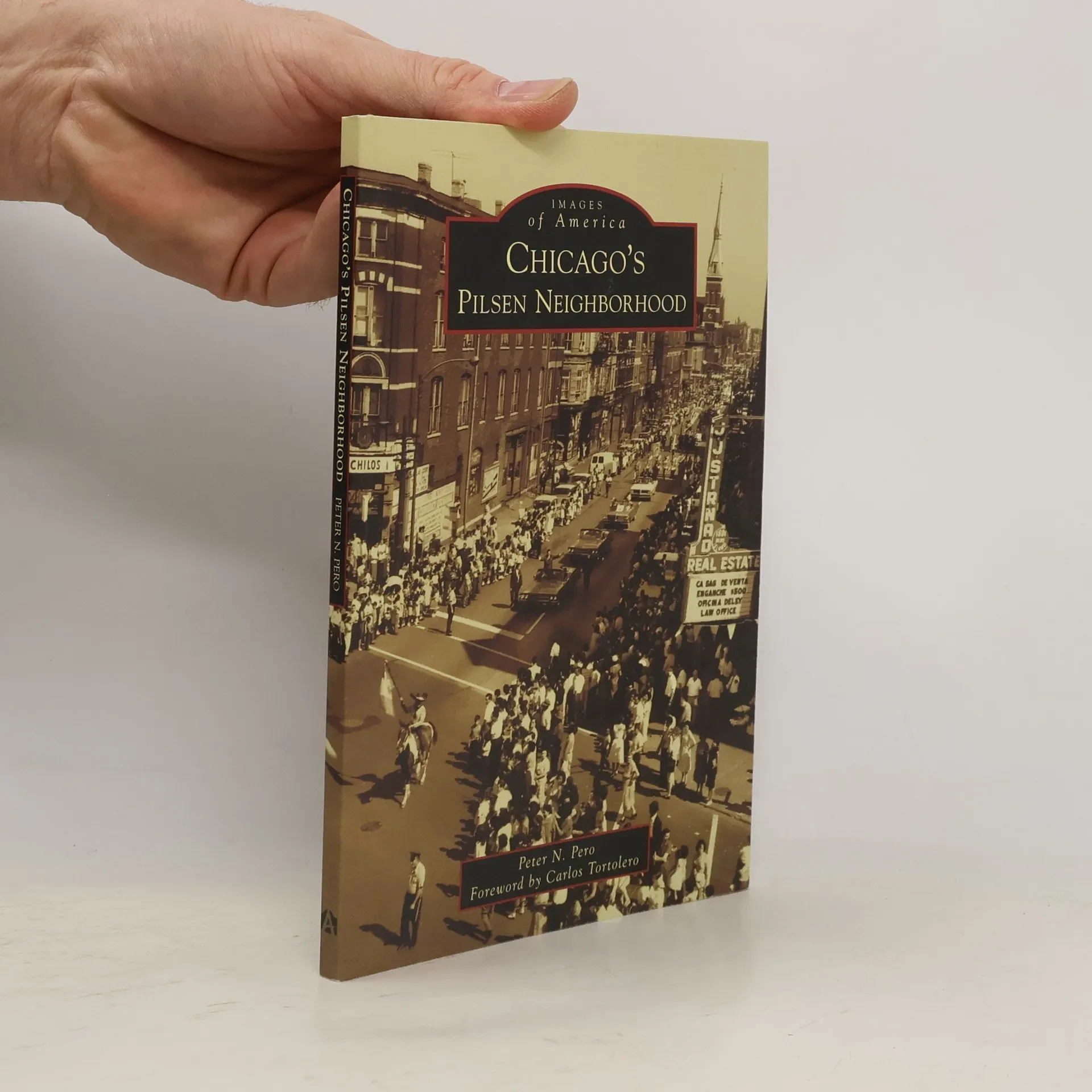
    Images of America: Chicago's Pilsen Neighborhood
    Chicago: America's Workshop
    • Chicago: America's Workshop

      • 96bladzijden
      • 4 uur lezen

      For more than a century, Chicago has been a workshop to the world. The city nurtured thousands of companies that supplied a hungry market with industrial products. Successful firms that survived nearly 100 years are Mars Candy, Motorola Inc., Abbot Labs, Radio Flyer, Rand McNally, and others. Aged companies that sold off their brands or were bought-out entirely include Schwinn Bikes, Sears Stores, Pullman Rail Cars, Bell & Howell Cameras, and more. The large manufacturers listed in this history book are arranged in a "then-and-now" photo format that is easy to follow across decades. This book is a survey of economic growth. Trace a large city firm that was once a mom-and-pop store like Brach's Candy or follow the growth of an industrial giant like Western Electric as it morphed into AT&T. Through world wars, economic recessions, and boom times, the companies in this book offer lessons on perseverance, abundant energy, and innovative labor. Today, Chicago has lost its lead in the meat packing, farm equipment, and clothing industries, but significant gains have been made in computerization, medical services, social media, and finance. This book traces Chicago's economic legacy.

      Chicago: America's Workshop2021
      3,0
    • For nearly 150 years, Pilsen has been a port of entry for thousands of immigrants. Mexicans, Czechs, Poles, Lithuanians, Croatians, and Germans are some of the ethnic groups who passed through this "Ellis Island" on Chicago's Near Westside. Early generations came searching for work and found plenty of jobs in the lumber mills, breweries, family-run shops and large factories that took root here. Today most jobs exist outside of Pilsen, but the neighborhood is still home to a loyal population. Pilsen is compact but abounds with close-knit families, elaborate churches, mom-and-pop stores, and sturdy brick homes. Nearly 200 photographs from libraries, personal scrapbooks, and museums provide the evidence. Some notable people who walked the streets of Pilsen include Anton Cermak, Amalia Mendoza, George Hallas, Cesar Chavez, Judy Barr Topinka, and Stuart Dybek. Today the Pilsen schools are nurturing another generation of artists, athletes, and activists. Many Chicagoans and tourists from outside the city are rediscovering this colorful and historic neighborhood. Let this history book serve as their guide.

      Images of America: Chicago's Pilsen Neighborhood2011