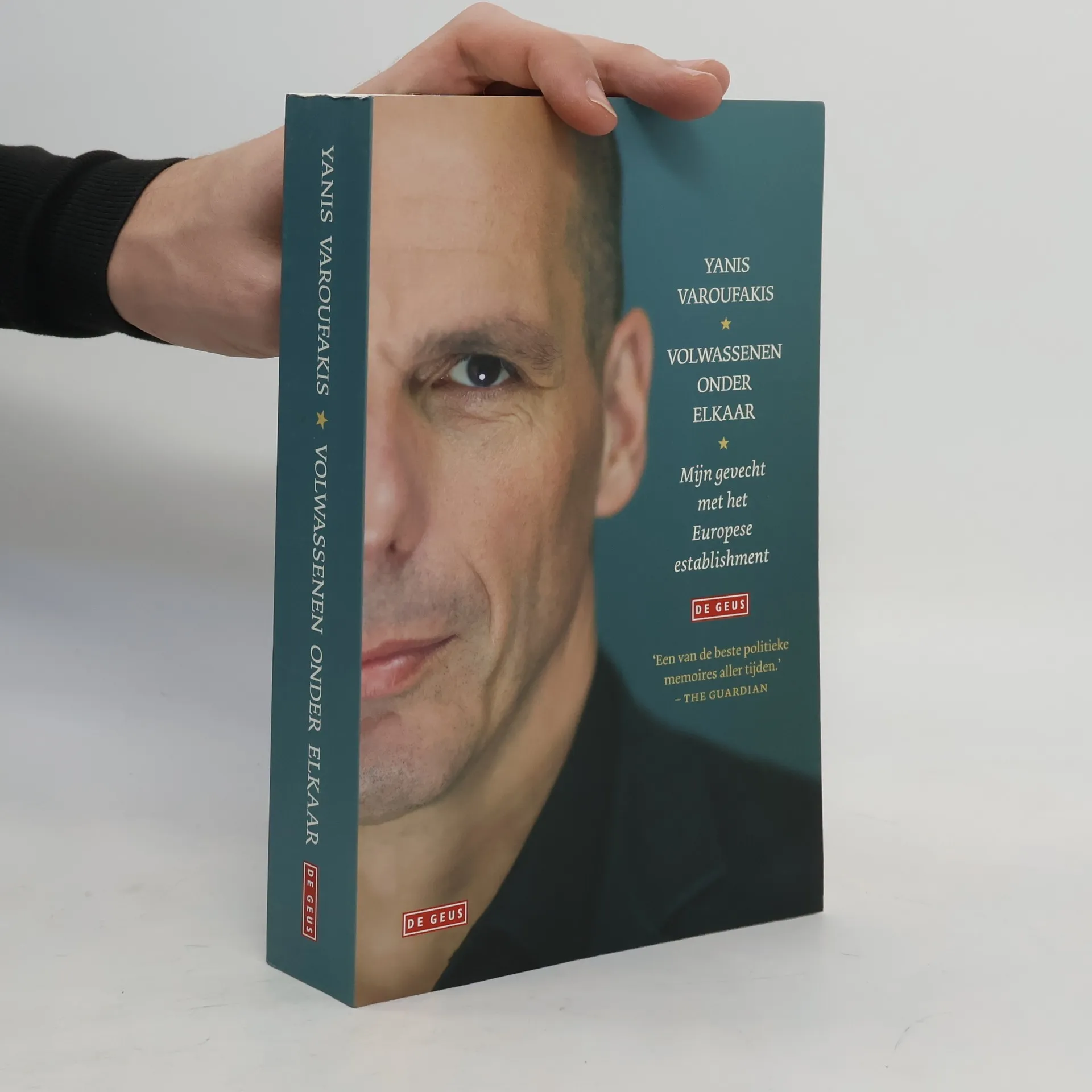
Yanis Varoufakis was 162 onvergetelijke dagen minister van Financiën van Griekenland. Wat we zagen van zijn onderhandelingen over de Griekse schuldencrisis met de Europese Commissie, het IMF en de Europese Bank was al intens. Wat we niet te zien kregen waren de dreigementen, verborgen agenda’s, chantage en verraad. In Volwassenen onder elkaar onthult Varoufakis álles. Een bloedstollende, waargebeurde thriller over hoe de macht werkelijk wordt uitgespeeld in Europa. Weergaloos schrijft Varoufakis over wat hij persoonlijk moest ondervinden: dat de kern van het Europese systeem door en door verrot is.
Gianēs Varoufakēs Boeken
24 maart 1961


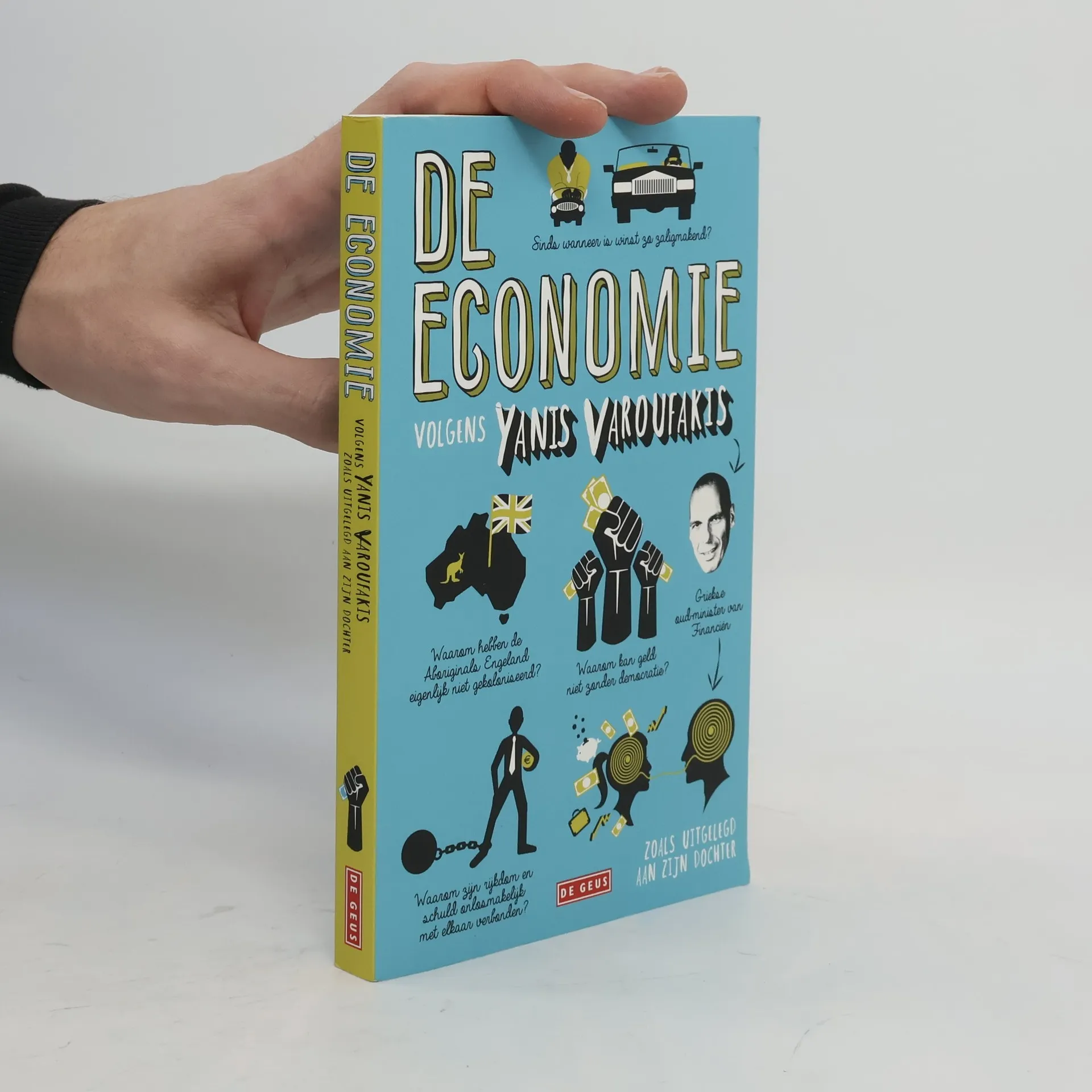
De economie zoals uitgelegd aan zijn dochter
- 192bladzijden
- 7 uur lezen
'Dit boek is niet bedoeld als hetze tegen Europa of Griekenland, noch als iets anders wat mijn dochter zou kunnen vervelen. Ik heb het geschreven om te kijken of ik een recalcitrante tiener ervan kon overtuigen dat economie te belangrijk is om alleen aan economen over te laten – en te leuk om veronachtzaamd te worden door mensen die zich doorgaans niet met geld en financiën bezighouden. Dat er, als je goed kijkt, achter elke economische theorie een fascinerend debat schuilgaat: een debat over menselijke angsten waaraan tot nog toe alleen dichters, toneelschrijvers en musici een zinnige bijdrage hebben geleverd.'
The global minotaur : America, Europe and the future of the global economy
- 280bladzijden
- 10 uur lezen
'The emerging rock-star of Europe's anti-austerity uprising.' Daily Telegraph 'A spirited book.' New Yorker In this remarkable and provocative book, Yanis Varoufakis, former finance minister of Greece, explodes the myth that financialisation, ineffectual regulation of banks, greed and globalisation were the root causes of both the Eurozone crisis and the global economic crisis. Rather, they are symptoms of a much deeper malaise which can be traced all the way back to the Great Crash of 1929, then on through to the 1970s: the time when a Global Minotaur was born. Today's deepening crisis in Europe is just one of the inevitable symptoms of the weakening Minotaur; of a global system which is now as unsustainable as it is imbalanced. Going beyond this, Varoufakis reveals how we might reintroduce a modicum of reason into what has become a perniciously irrational economic order. An essential account of the socio-economic events and hidden histories that have shaped the world as we now know it.
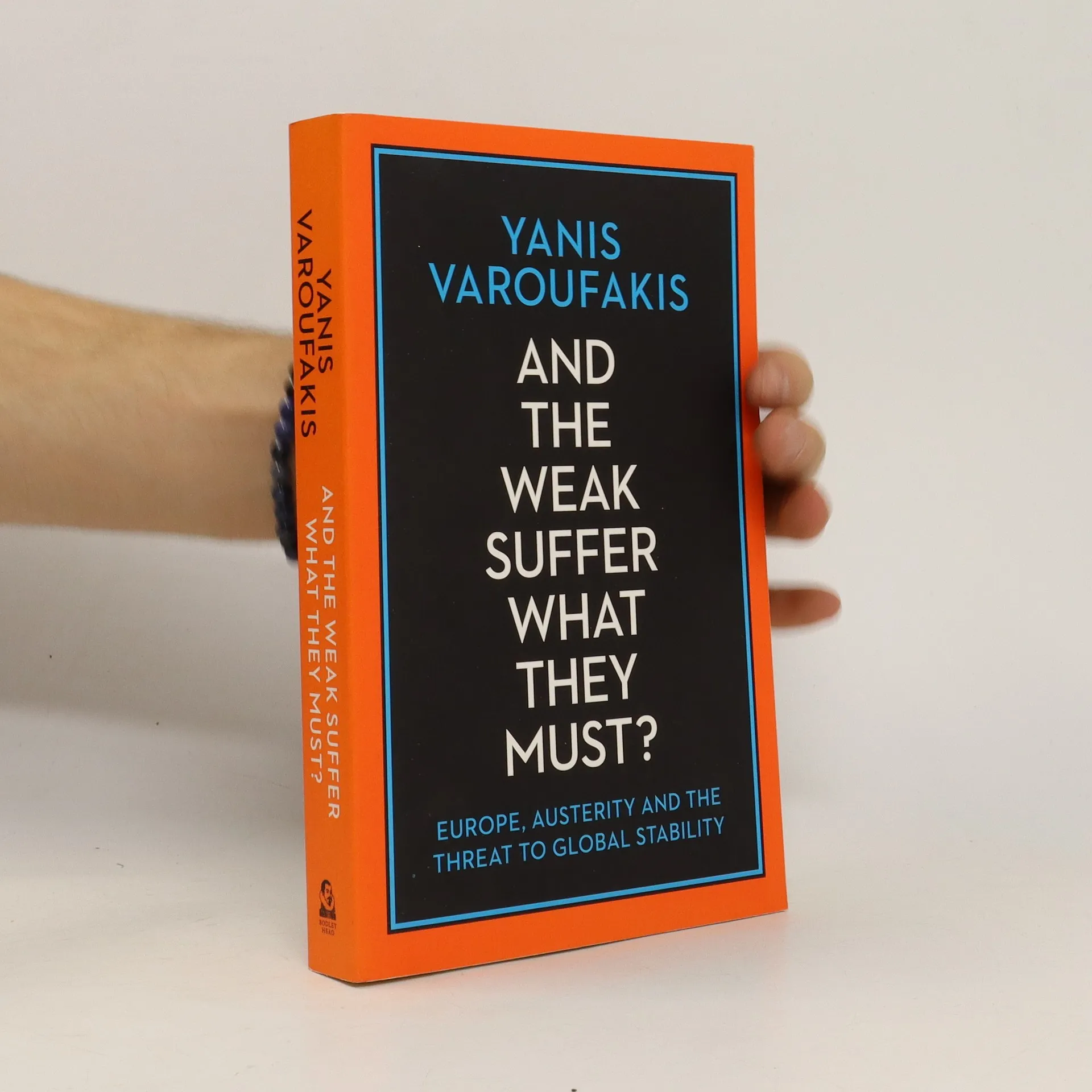
And the weak suffer what they must?
- 318bladzijden
- 12 uur lezen
The crisis in Europe is not over - it's getting worse. In this narrative of Europe's economic rise and spectacular fall, the author, former finance minister of Greece, shows that the origins of the recent collapse go far deeper than our leaders are prepared to admit - and that we have done nothing so far to fix them.
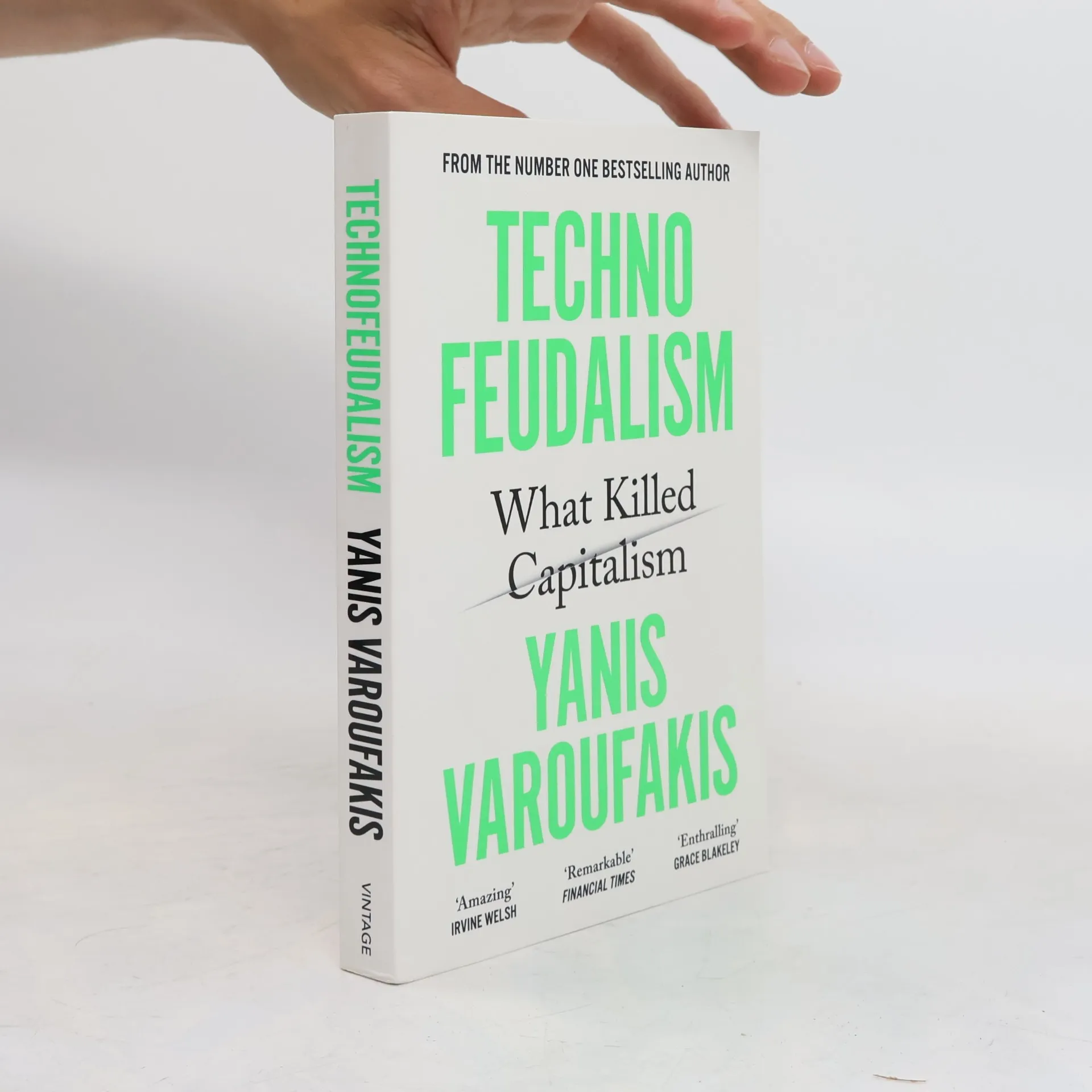
Technofeudalism: What Killed Capitalism
- 304bladzijden
- 11 uur lezen
'What an amazing piece of work this is. Ground-breaking, thought-provoking and highly accessible. Everyone should read it. The dark, scary, exciting song of our age. 100 out of 100' IRVINE WELSHCapitalism is dead. Welcome to technofeudalism.In his boldest and most far-reaching book, the visionary economist and number-one bestselling author Yanis Varoufakis shows how the owners of big tech became the world's feudal overlords - replacing capitalism with a fundamentally new system that enslaves our minds, defies democracy and rewrite the rules of global power.But as Varoufakis also reveals, technofeudalism contains new opportunities to thwart and overturn it, bringing into focus more clearly than ever the revolution we need to escape our digital prison.'An epochal, once-in-a-millennium shift . . . this isn't just new technology. This is the world grappling with an entirely new economic system and therefore political power' Observer'An urgent demand to seize the means of computation' CORY DOCTOROWA FINANCIAL TIMES BEST BOOK OF THE YEAR
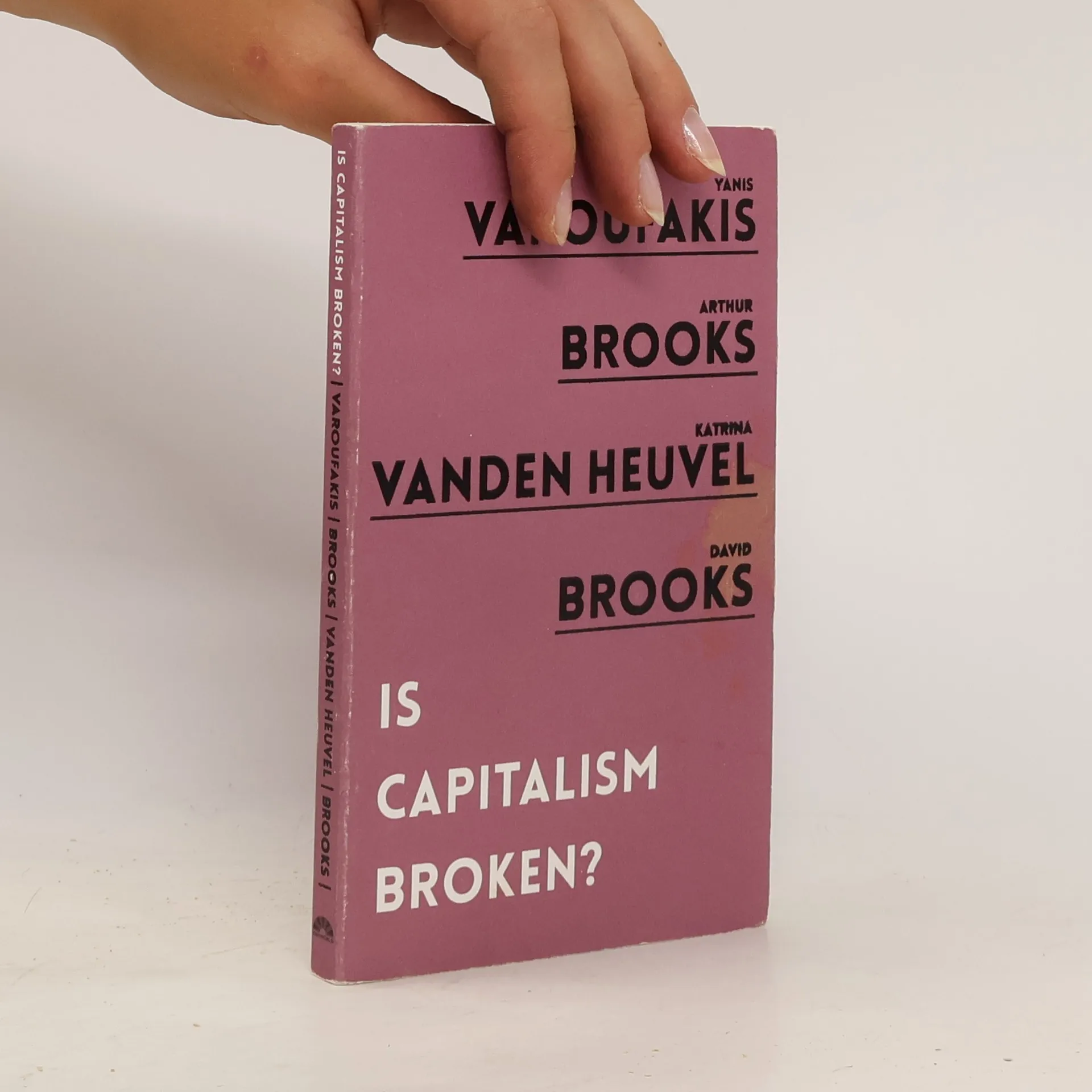
Is Capitalism Broken?
- 144bladzijden
- 6 uur lezen
"'We need to organise politically to defend the weak, empower the many and prepare the ground for reversing the absurdities of capitalism.' - Yanis Varoufakis. 'Capitalism over the past twenty-five years has been an incredible moral good.' - David Brooks. The Munk debate on capitalism: There is a growing belief that the capitalist system no longer works. Inequality is rampant. The environment is being destroyed for profits. In some western nations, life expectancy is even falling. Political power is wielded by wealthy elites and big business, not the people. But for proponents of capitalism, it is the engine of progress, not just making all of us materially better off, but helping to address everything from women's rights to political freedoms. We seem to stand at a crossroads: do we need to fix the system as a matter of urgency, or would it be better to hold our nerve?'"-- Provided by publisher
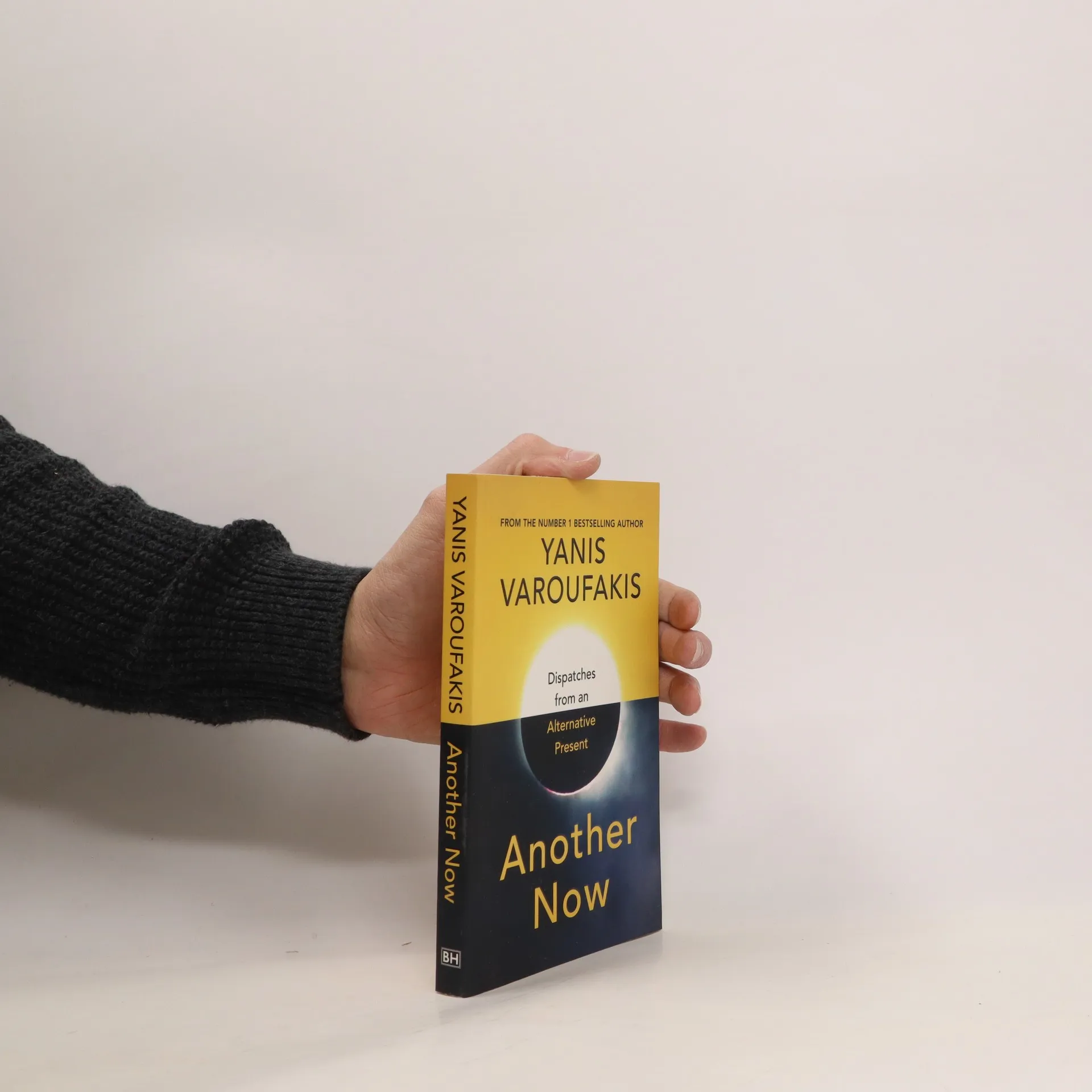
Another Now
- 224bladzijden
- 8 uur lezen
What would a fair and equal society look like? The world-renowned economist and bestselling author Yanis Varoufakis presents his radical and subversive answer. Imagine it is now 2025 and that years earlier, in the wake of the world financial crisis of 2008, a new post-Capitalist society had been born. In this ingenious book, Yanis Varoufakis draws on the greatest thinkers in European culture from Plato to Marx, as well as the great thought-experiments of science fiction, to offer us a dramatic and tantalising glimpse of a brave new world where the principles of democracy, equality and justice are truly embedded in our economy. Through the eyes of three characters - a liberal economist, a radical feminist and a left-wing technologist - we come to see what would be needed to forge such a world but also at what cost. This transformative vision forces each of us to confront the profound questions and trade-offs that underpin all societies- how do we balance freedom with fairness? How do we unleash the best that humanity has to offer without opening the door to the worst? Another Now offers answers to some of the most pressing questions of today. It also challenges us to consider how far we are willing to go in pursuit of our ideals.
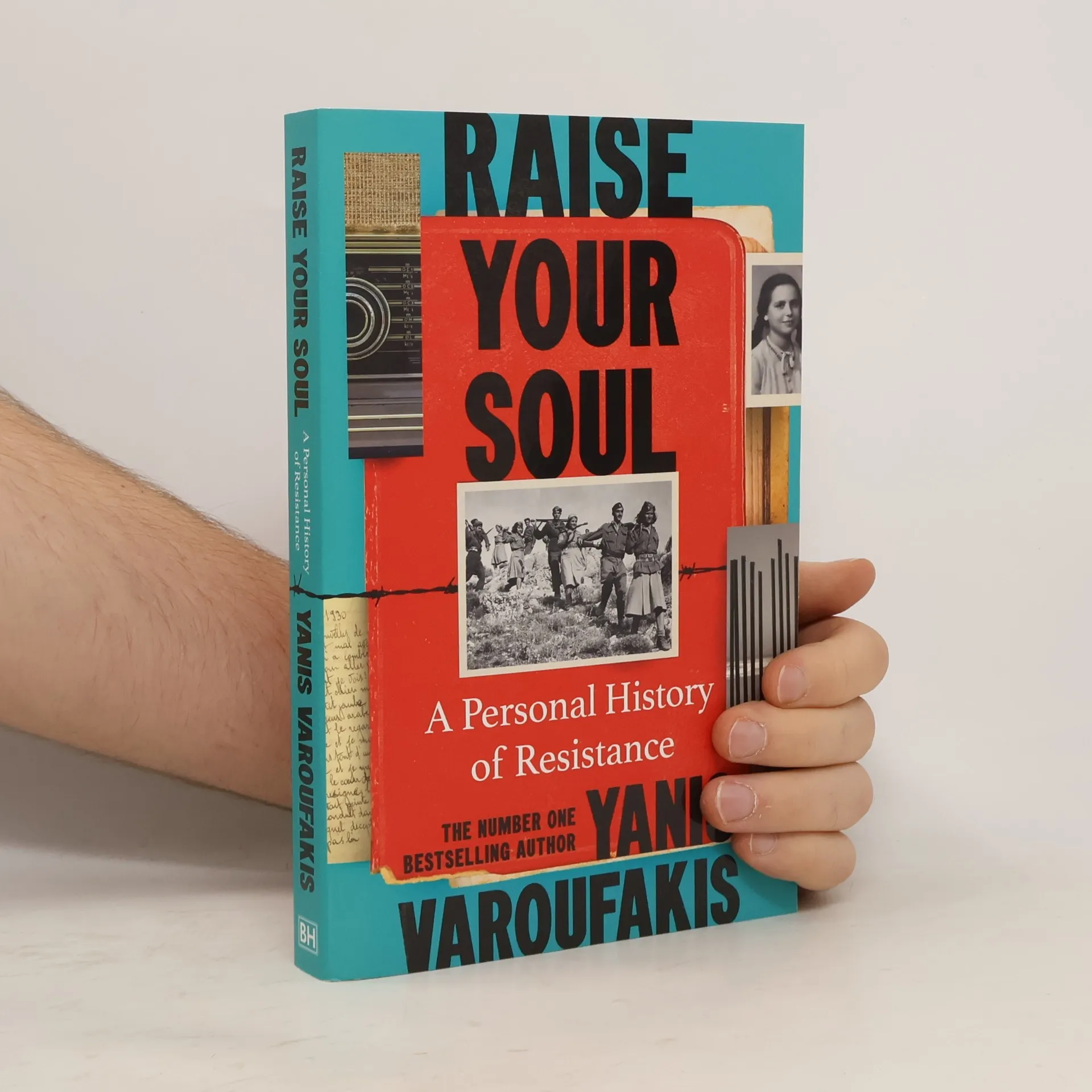
Raise Your Soul
A Family History of Resistance
Eleni put an arm around him and said: "Come, come, life is ahead of us. Raise your soul now. We have much to do." This is a book about how the great forces of history shape us - and how world-famous political activist Yanis Varoufakis was inspired by the resilience and the courage of his family, from his mother Eleni and grandmothers Anna and Trisevgeni, to his partner Danae. It is both an intimate portrait of a political awakening and a dramatic sweep through Greece's history of post-colonial independence, Nazi occupation, communist partisan resistance, Cold War fracture, civil war, fascist dictatorship, socialist revival and tumultuous present-day economic collapse. Raise Your Soul is a powerful tale of resistance and endurance - a beacon of hope for dark times.
Technofeudalismus. Was den Kapitalismus tötete
- 320bladzijden
- 12 uur lezen
Yanis Varoufakis argumentiert in seinem neuen Buch, dass der Kapitalismus durch den Technofeudalismus ersetzt wurde. Er beschreibt, wie die Geldpolitik nach der Finanzkrise 2008 und die Privatisierung des Internets durch große Tech-Unternehmen zu einem neuen, ausbeuterischen System geführt haben. Varoufakis erklärt diesen Wandel anhand von Geschichten aus der Mythologie und Popkultur.
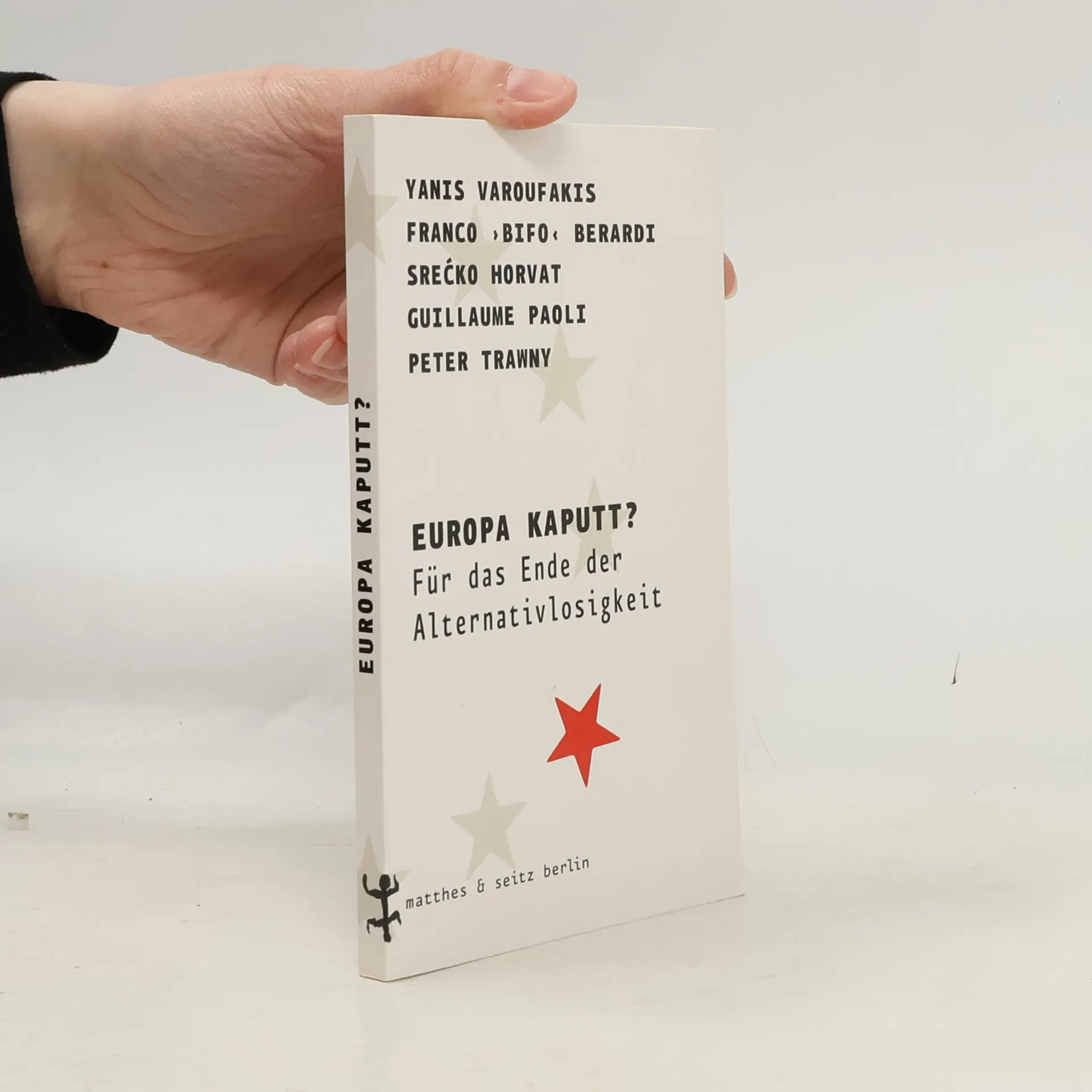
Der Euro ist weiter instabil, die Ökonomien der Südländer der EU befinden sich am Boden und überall bekommen rechtsextreme Parteien Zulauf. Trotz alledem gilt der eingeschlagene Kurs immer noch als alternativlos. Um dieses Dogma zu überwinden, diskutieren in diesem Band die prononciertesten politischen Philosophen und Ökonomen Europas über die Ursache, den Zustand und die Lösung der Eurokrise. So wirft Varoufakis einen Blick zurück und berichtet anschaulich von seinen Erfahrungen als Finanzminister, wie die Entscheidungen auf höchster Ebene getroffen werden und welche gravierenden Demokratiedefizite die EU prägen, entwirft aber auch einen Reformplan für ein neues Europa. Doch ist eine politische Kehrtwende nach Jahrzehnten siegreichen Neoliberalismus noch einfach so möglich oder hat nicht die Demokratie grundlegenderen Schaden genommen? Der Debattenband versammelt Vorschläge und Einsprüche zur Zukunft Europas und bietet einen Ausgangspunkt für alle, die sich dem falschen Zwang der Alternativlosigkeit nicht ergeben wollen.
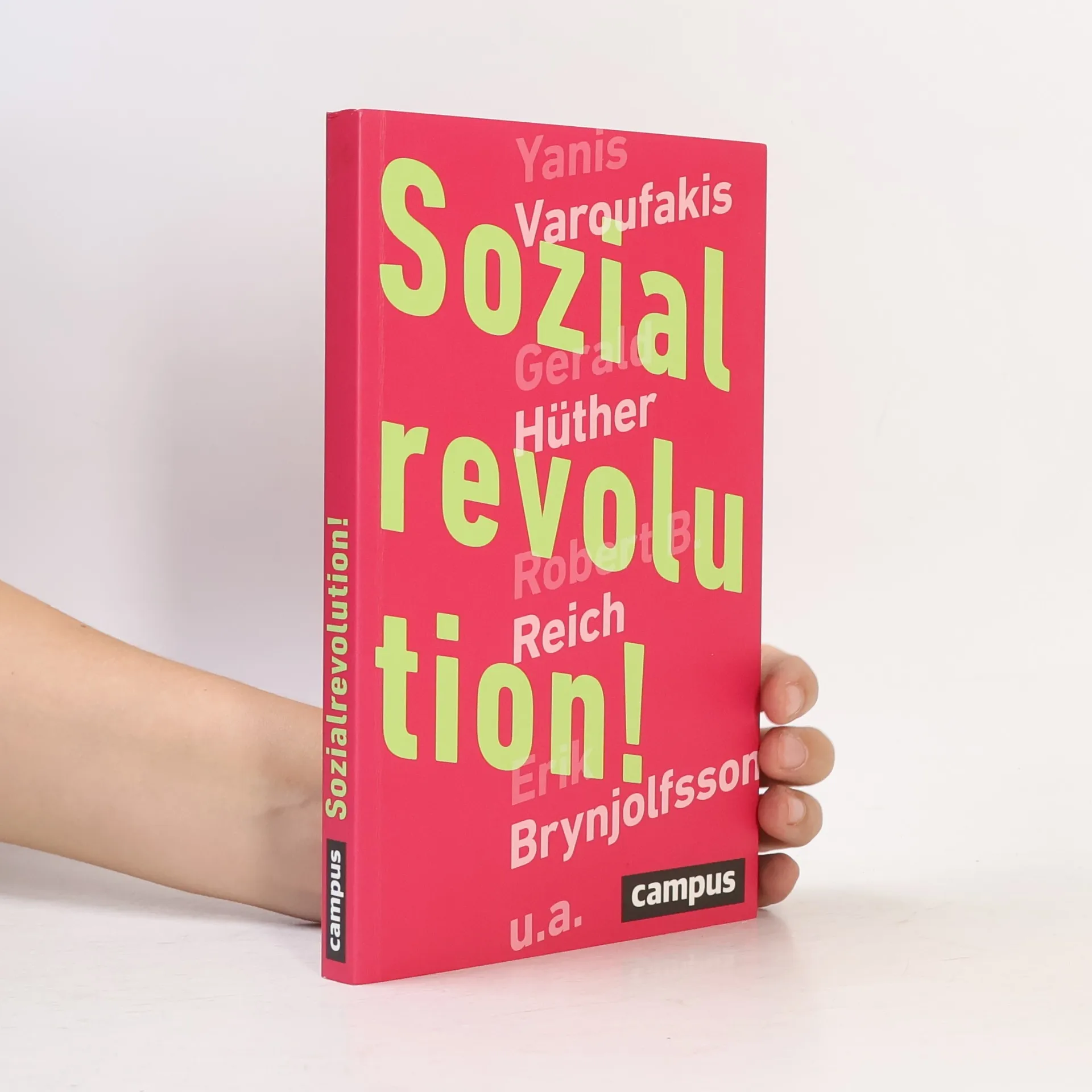
Sozialrevolution
- 209bladzijden
- 8 uur lezen
Collection of thirteen essays of leading politicians, entrepreneurs, sociologists, investors etc. examining the need of a new social system as a result of the digital revolution.
Jiné teď
- 241bladzijden
- 9 uur lezen
Varufakisovo Jiné teď vtáhne čtenáře a čtenářky do paralelního světa, v němž se společnost po finanční krizi v roce 2008 odklonila od kapitalismu. Tento politicko-vědecký román vykresluje realistickou utopii, kde kapitalismus nahradil demokraticky řízený, technologicky založený systém připomínající anarchosyndikalismus. Přestože se kniha snaží odpovědět na otázku, jak by měl vypadat demokratický socialismus v dnešních podmínkách, nejde o žádný manifest. Alternativní vize je podrobena různým pohledům tří hlavních postav, kteří ji umisťují do aktuální společenské diskuse. Jiné teď je myšlenkový experiment, který čtenáře a čtenářky vybízí k novému promyšlení základních principů našeho světa a nabízí inspiraci spravedlivější alternativou.
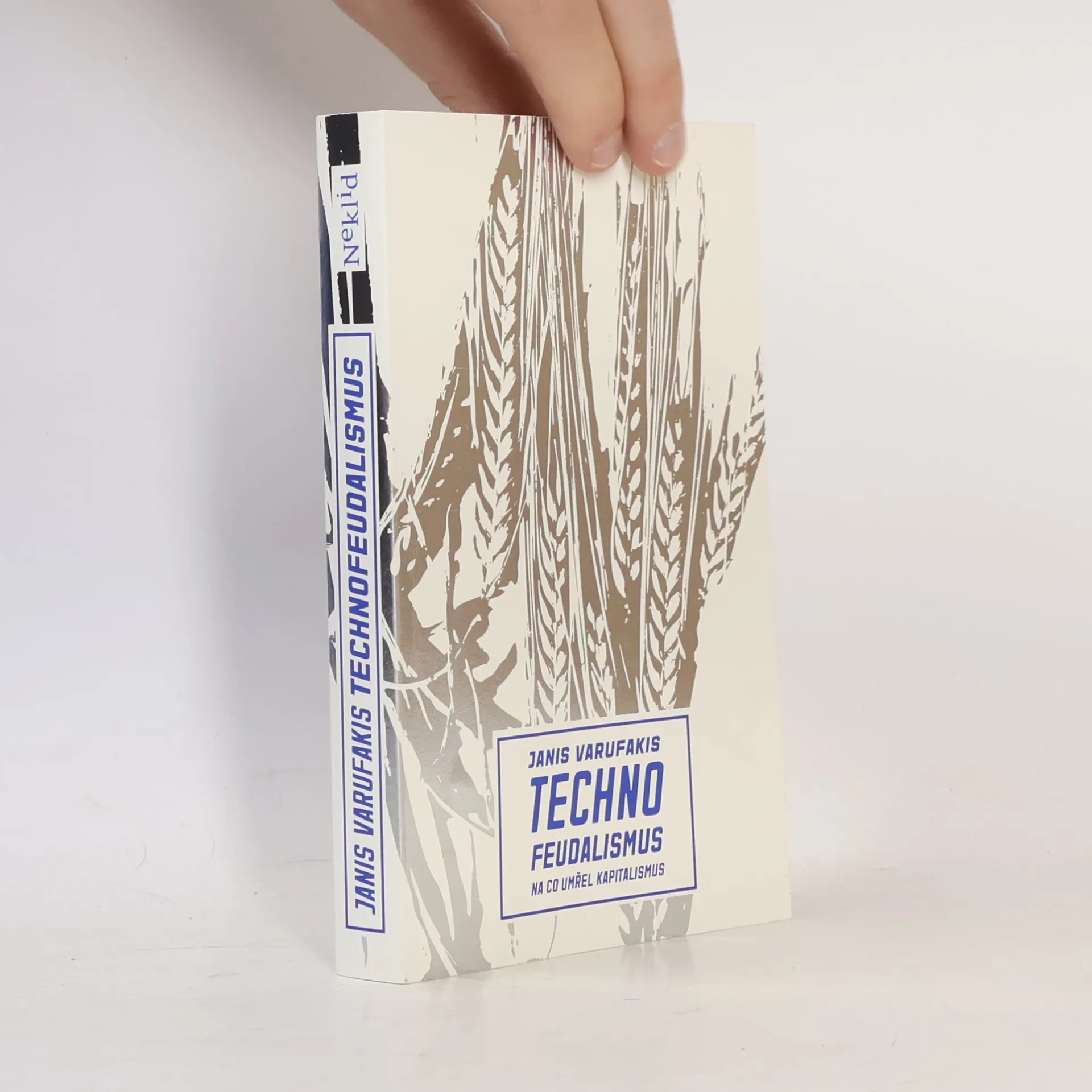
Technofeudalismus: Na co umřel kapitalismus
- 337bladzijden
- 12 uur lezen
Kapitalismus je mrtvý. Vítejte v technofeudalismu. Zatímco jsme byli příliš rozptýleni pandemií, nekonečnými finančními krizemi nebo vzestupem sociálních sítí, prosadil se nový, ještě více vykořisťující systém. Miliardy, které měly pomoci postavit ekonomiku na nohy, skončily u velkých technologických firem. Ve své nejodvážnější a nejzávažnější knize odhaluje vizionářský ekonom a autor mnoha bestsellerů Janis Varufakis, jak noví feudální vládci nahradili kapitalismus s jeho dvěma pilíři, trhem a ziskem, systémem, který si podrobuje naši mysl, znemožňuje demokracii a přepisuje pravidla globální moci. Pomocí příběhů z řeckých mýtů a popkultury, od Homéra po Mad Men, vysvětluje Varufakis tuto revoluční transformaci, ale také odhaluje, že technofeudalismus obsahuje nové možnosti, jak jej zvrátit a nahradit. Jasněji než kdy dřív vyzdvihuje potřebu revoluce, která nás osvobodí z digitálního vězení. Technofeudalismus je četba pro novou dějinnou éru.