Lucy Lethbridge is de auteur van talrijke boeken en schrijft ook voor vooraanstaande Britse kranten en literaire tijdschriften. Haar schrijven kenmerkt zich door scherp inzicht in kunst en cultuur. Ze onderzoekt de ingewikkelde relaties tussen kunstwerken en hun sociale context. Haar werk nodigt lezers uit tot diepere beschouwing van de kunstwereld.
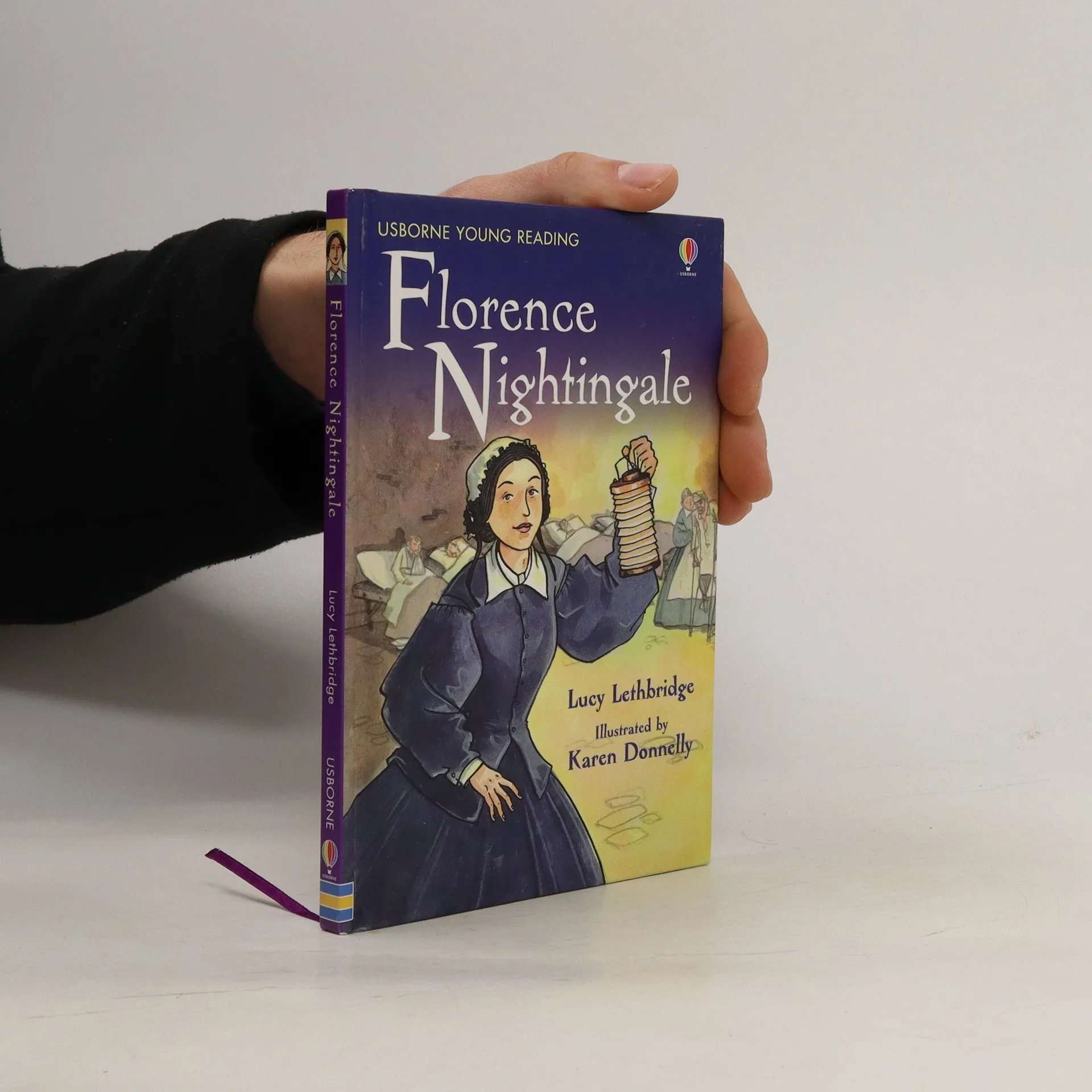
Born into a wealthy family, Florence Nightingale could have lived a life of leisure and luxury. Instead she longed to be a nurse. In 1830, that was the last thing a rich girl could do - but Florence was no ordinary girl. Ages 7-11.
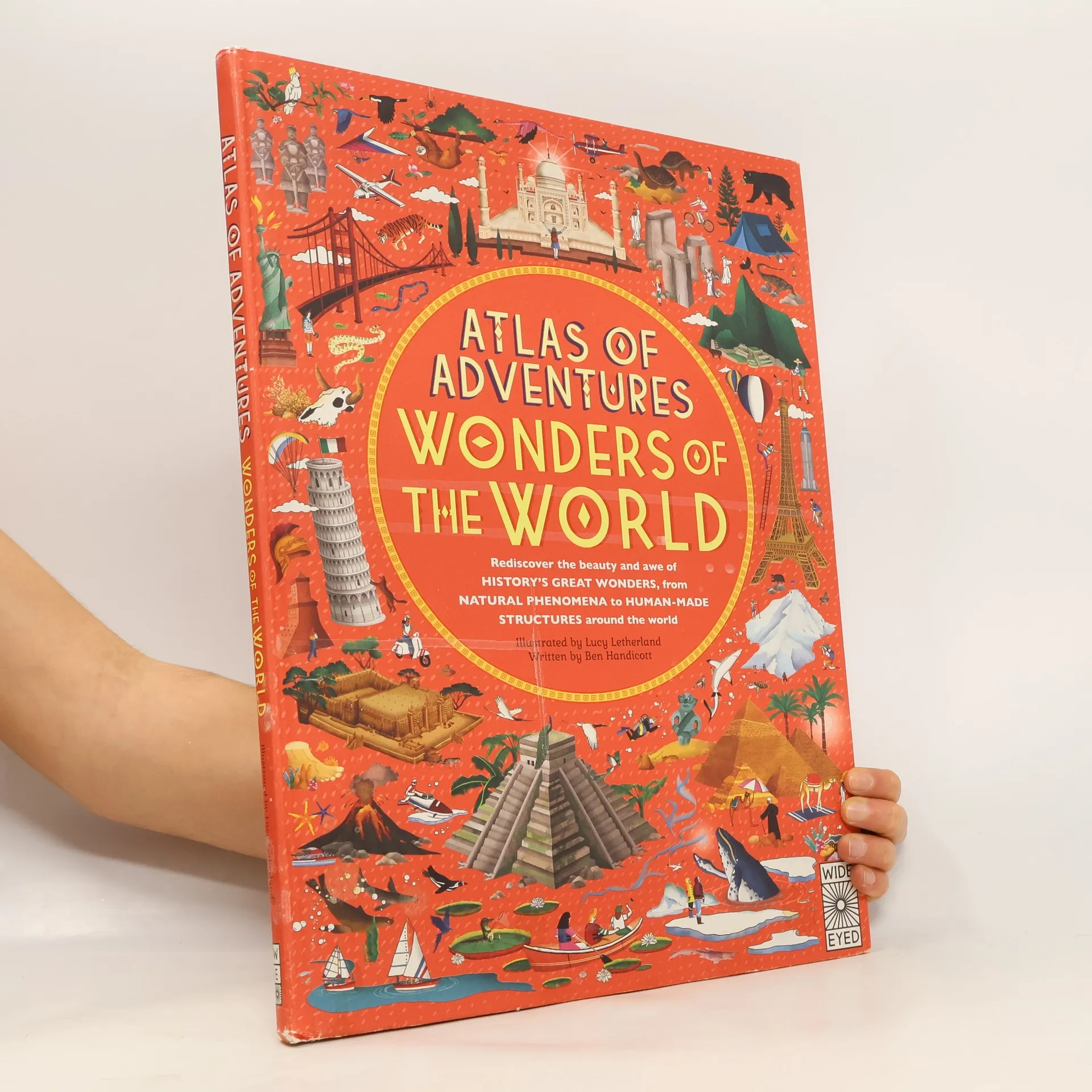
From the team behind the best-selling *Atlas of Adventures* comes an awe-inspiring journey showcasing the globe's most impressive landscapes, iconic buildings, and evocative antiquities from both modern and ancient worlds. Travel around the world to scale the Eiffel Tower, trek the Great Wall of China, and raft through Yosemite Valley. Each page reveals another breathtaking sight, from the deepest point on Earth to the highest peak, ancient cities carved into rock, and skyscrapers soaring above the clouds. Each section begins with an infographic map of the region, followed by richly detailed two-page spreads featuring its most jaw-dropping natural and manmade wonders. Explore the sprawling Angkor Wat, survive the extreme heat of Death Valley, and gaze at the majestic ruins of Machu Picchu. Lucy Letherland’s stunning artwork brings these wonders to life, capturing their scale and history. Interesting facts pepper the scenes, such as Hawaii’s Kilauea volcano being home to a fire goddess, or that Mount Everest is so high helicopters can’t reach its summit. A "Can you find?" page at the back challenges readers to locate pictured scenes. Children and adults alike will be astounded by the world’s most unbelievable sights in this compendium of wonders.
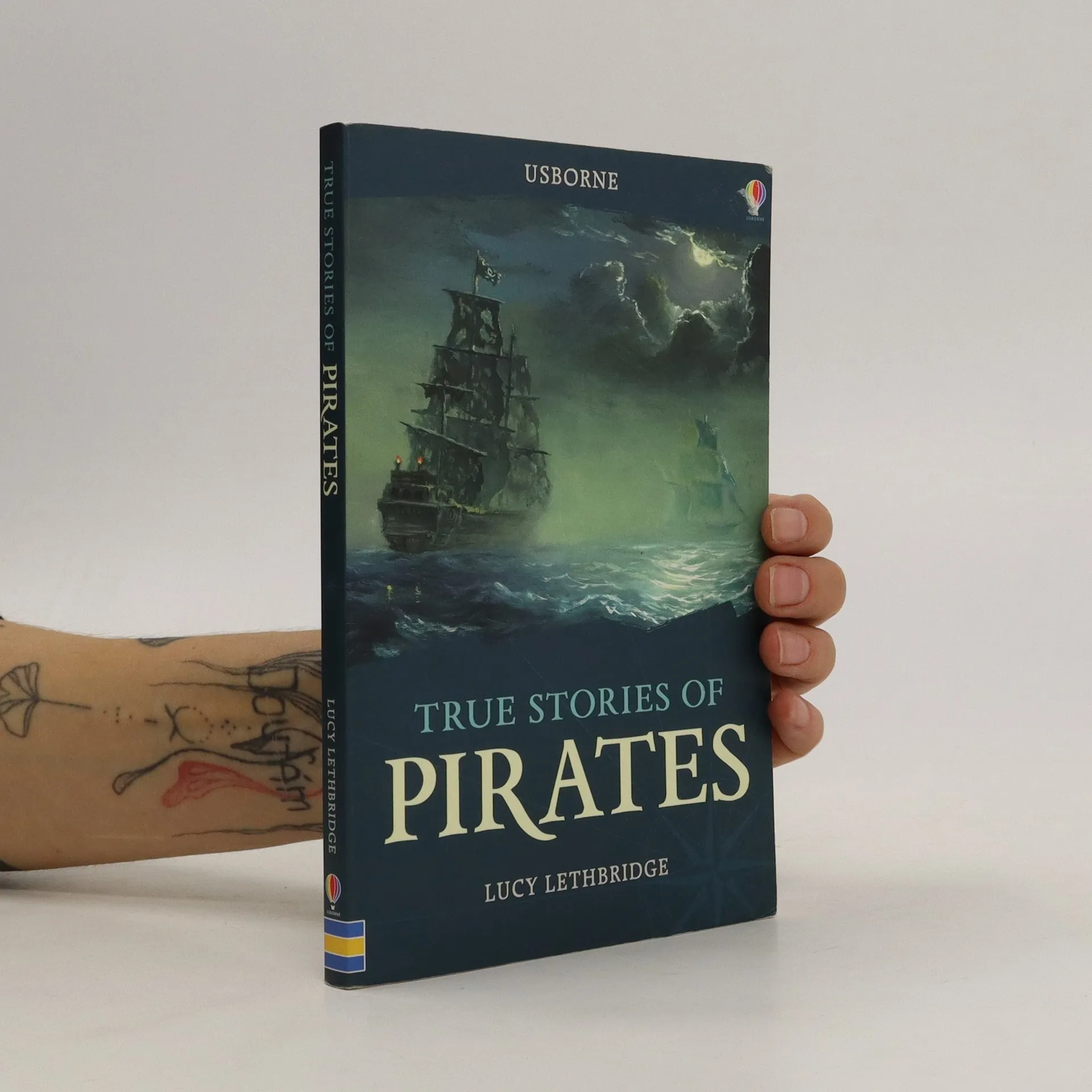
A collection of true stories of piracy, from the first pirates of the Ancient World to the Golden Age of Piracy in the seventeenth and eighteenth centuries. Contains true life stories of hardship and brutality, bringing to life the flamboyant characters of the most famous captains and the men who set out to capture them. Black and white line drawings.
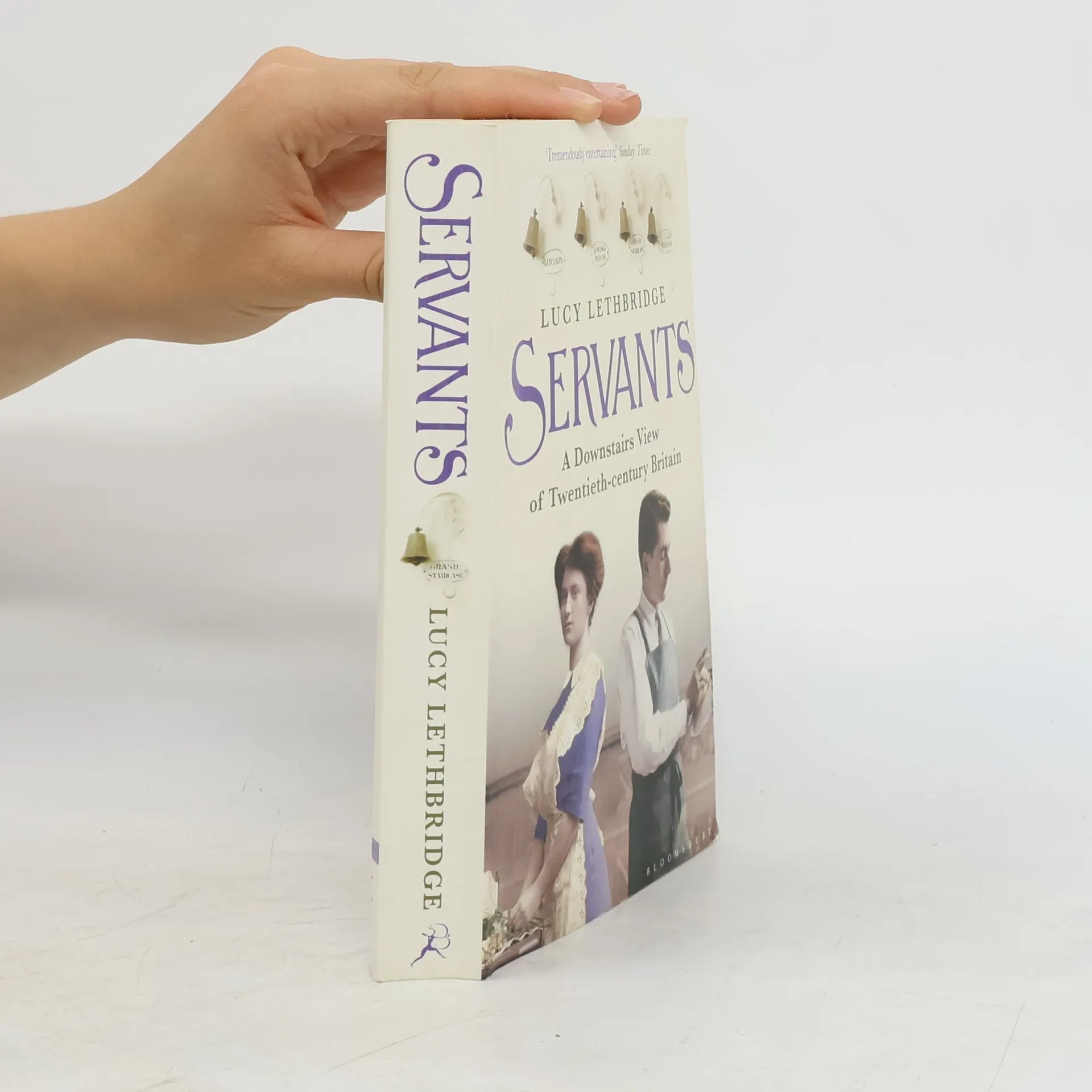
Servants: A Downstairs View of Twentieth-century Britain is the social history of the last century through the eyes of those who served. From the butler, the footman, the maid and the cook of 1900 to the au pairs, cleaners and childminders who took their place seventy years later, a previously unheard class offers a fresh perspective on a dramatic century. Here, the voices of servants and domestic staff, largely ignored by history, are at last brought to life: their daily household routines, attitudes towards their employers, and to each other, throw into sharp and intimate relief the period of feverish social change through which they lived. Sweeping in its scope, extensively researched and brilliantly observed,Servants is an original and fascinating portrait of twentieth-century Britain; an authoritative history that will change and challenge the way we look at society.
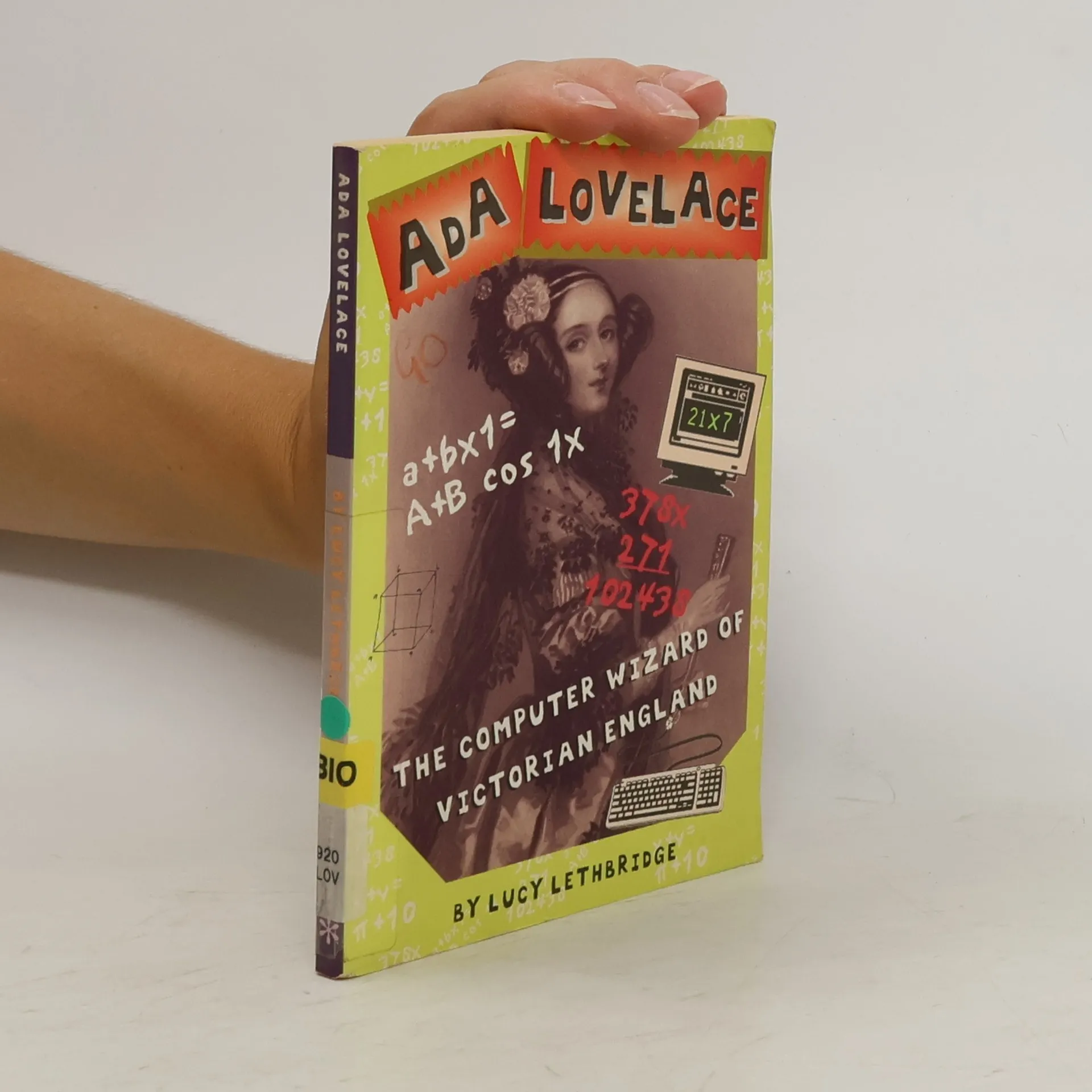
"Daughter of the famous poet Lord Byron, Ada Lovelace was a child prodigy. Brilliant at maths, she read numbers like most people read words. In 1834 she came to the attention of Charles Babbage, a scientist and techno-whizz who had just built an amazing new 'Thinking Machine'. Ada and Mr Babbage made a perfect partnership, which produced the most important invention of the modern world - the computer!"--Back cover. Suggested level: primary, intermediate
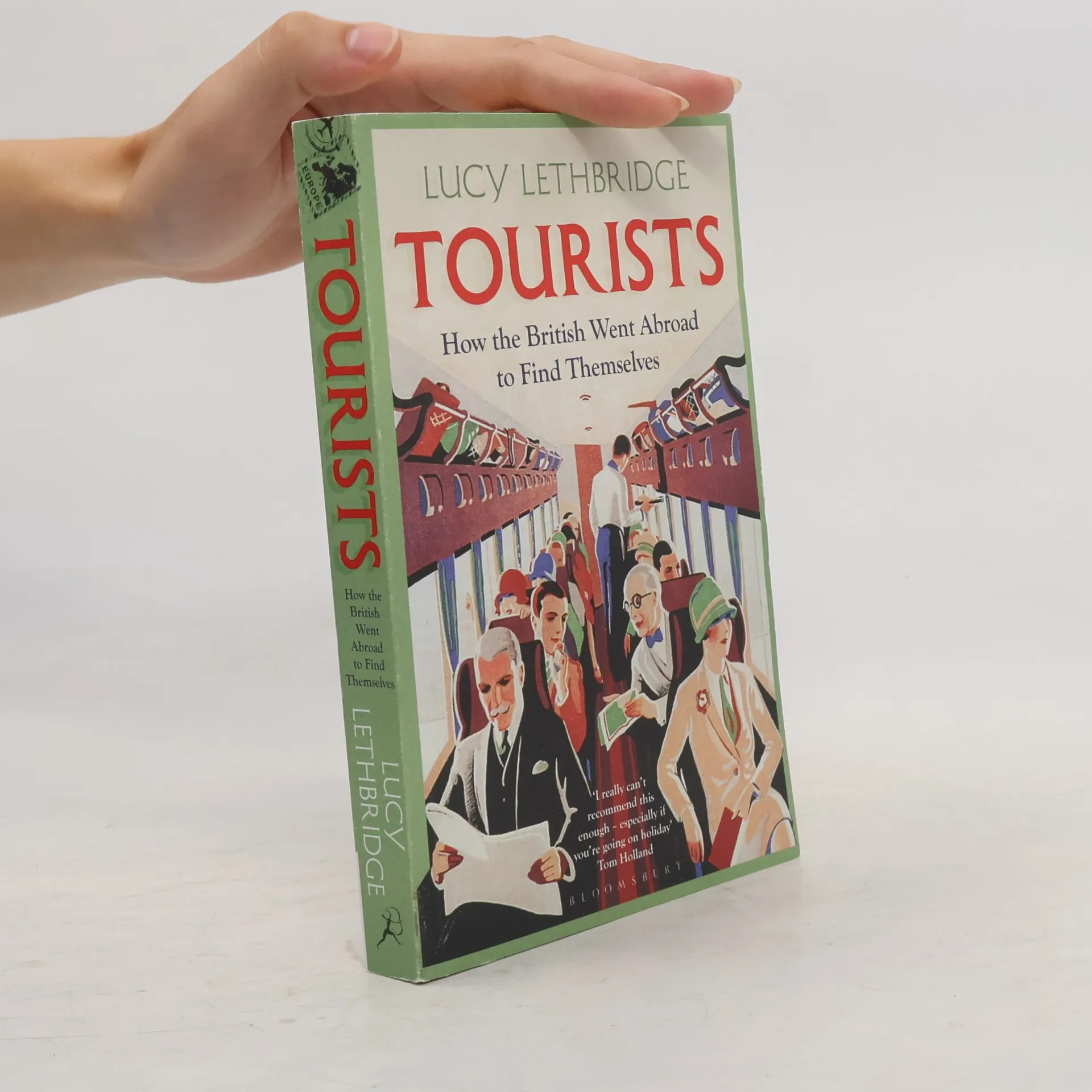
In 1815, following the Battle of Waterloo, the European continent reopened to British tourists, marking the beginning of a new era driven by steam technology and mass industrialization. The nineteenth century saw the British middle classes flocking to Europe, eager to experience its sights. This work vividly brings to life the voices of these travelers, capturing their puzzlement, shock, delight, and amazement. Lucy Lethbridge examines two centuries of tourist experiences, from the discomfort of stagecoaches to the luxurious beach resorts. Key figures include Victorian tourism pioneers like Albert Smith, Henry Gaze, and Thomas Cook, alongside Vladimir Raitz, who revolutionized the modern beach holiday. The rise of popular tourism created new markets for guidebooks, souvenirs, cuisine, and health cures, bridging class differences while also intensifying them. It both destroyed and preserved traditional cultures. Covering innovations from portable cameras to postcards and suntans, this exploration reveals how tourism reflects evolving attitudes toward modernity. The foreign holiday serves as a lens through which deep fears, hopes, and longings for home are exposed, from grand hotels to campsites.