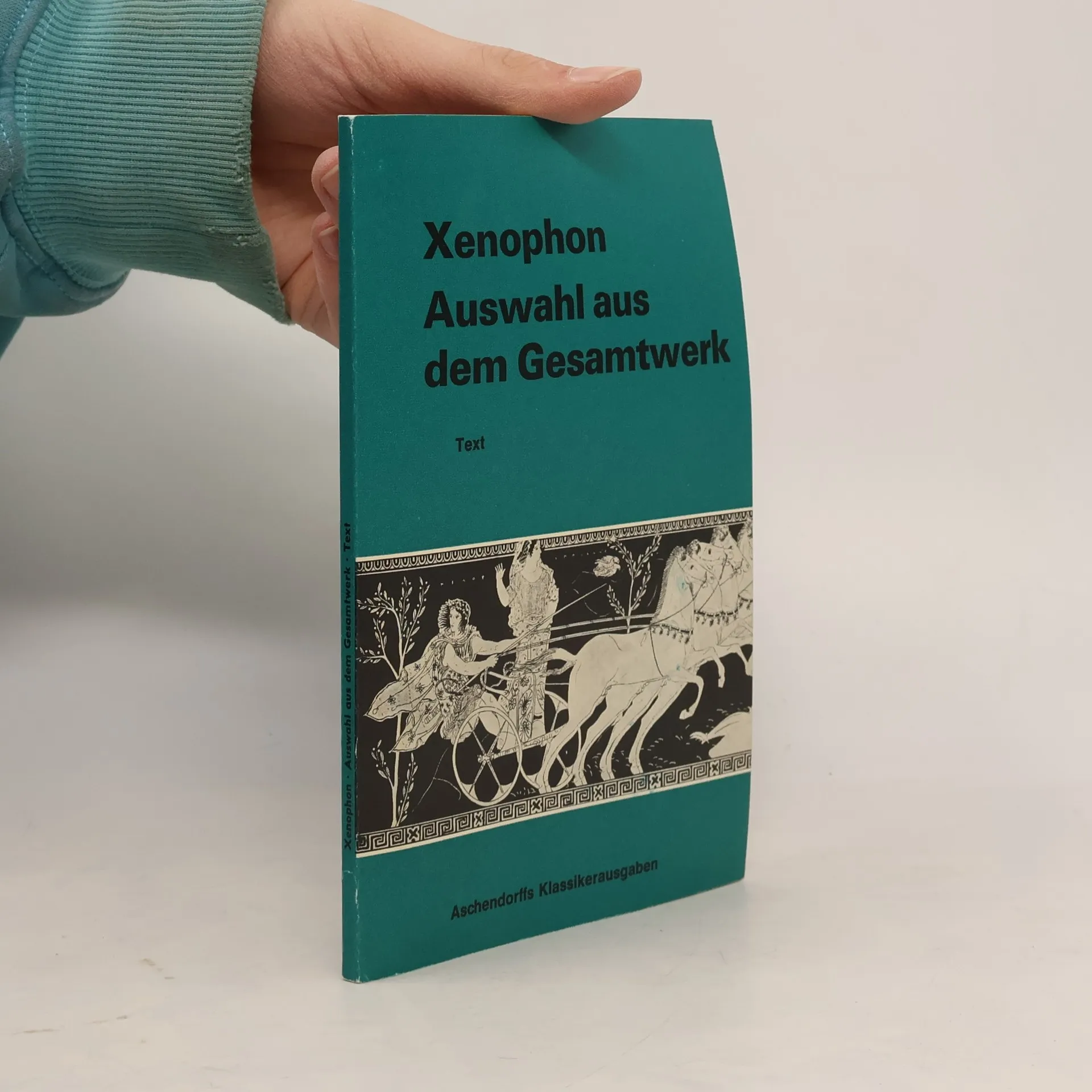
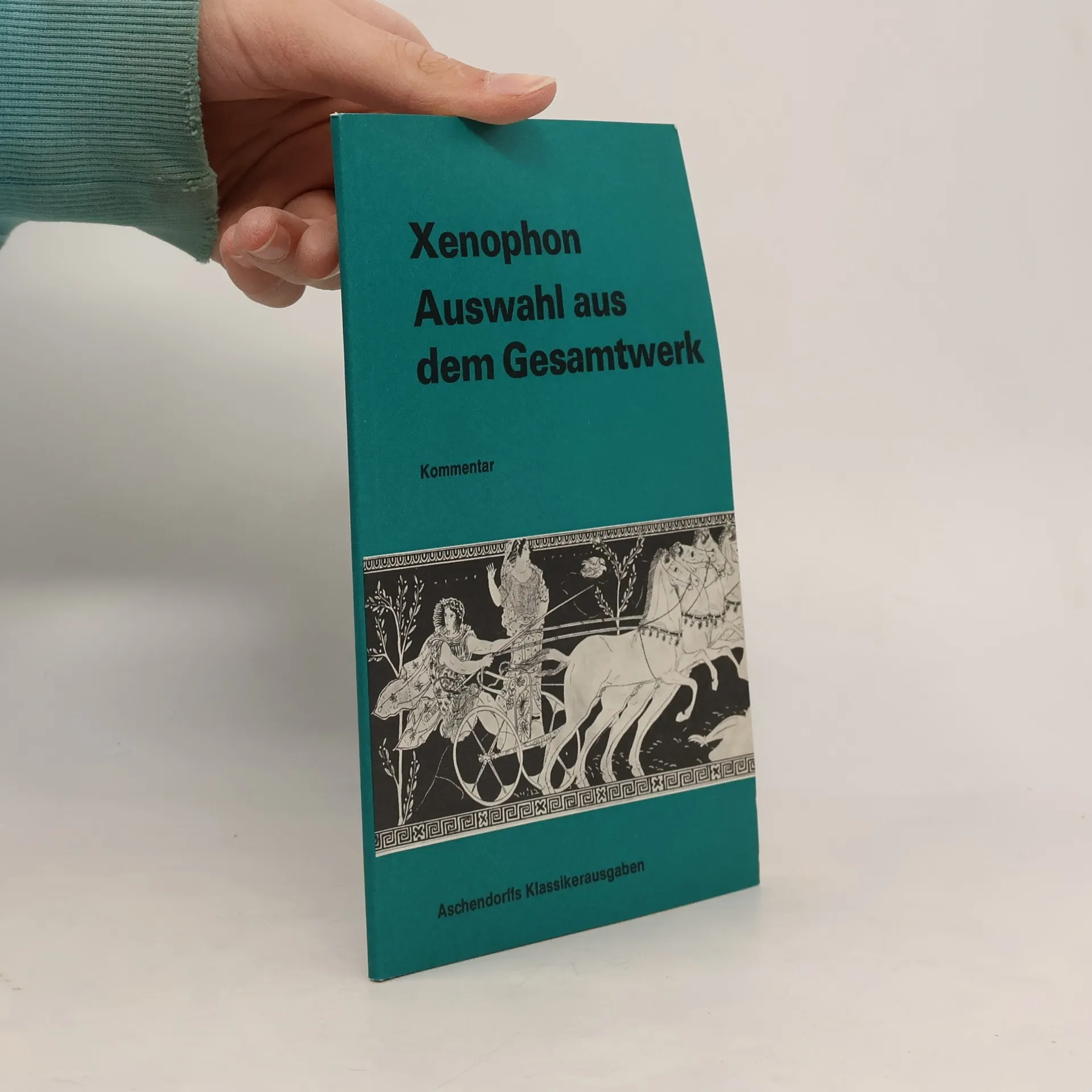
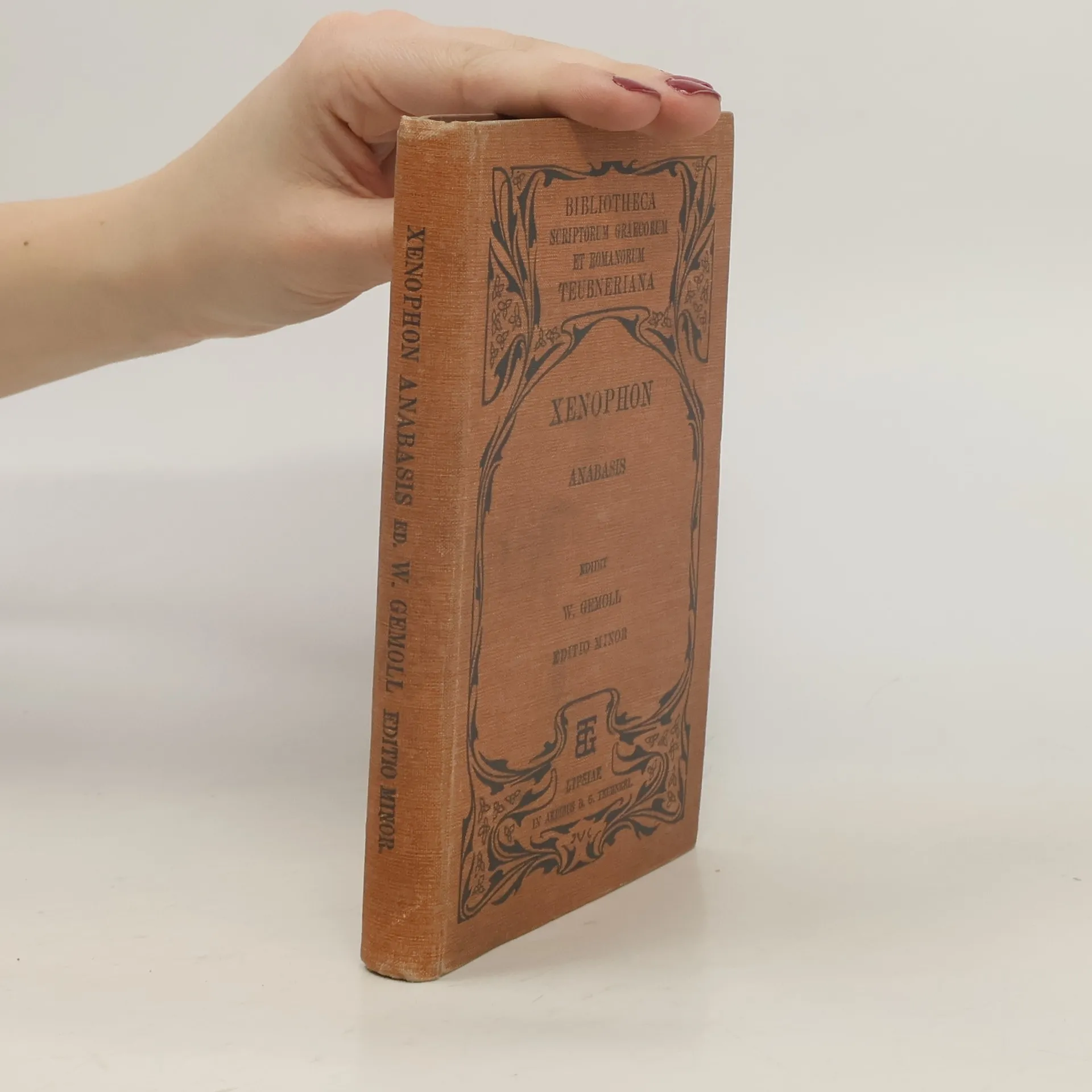
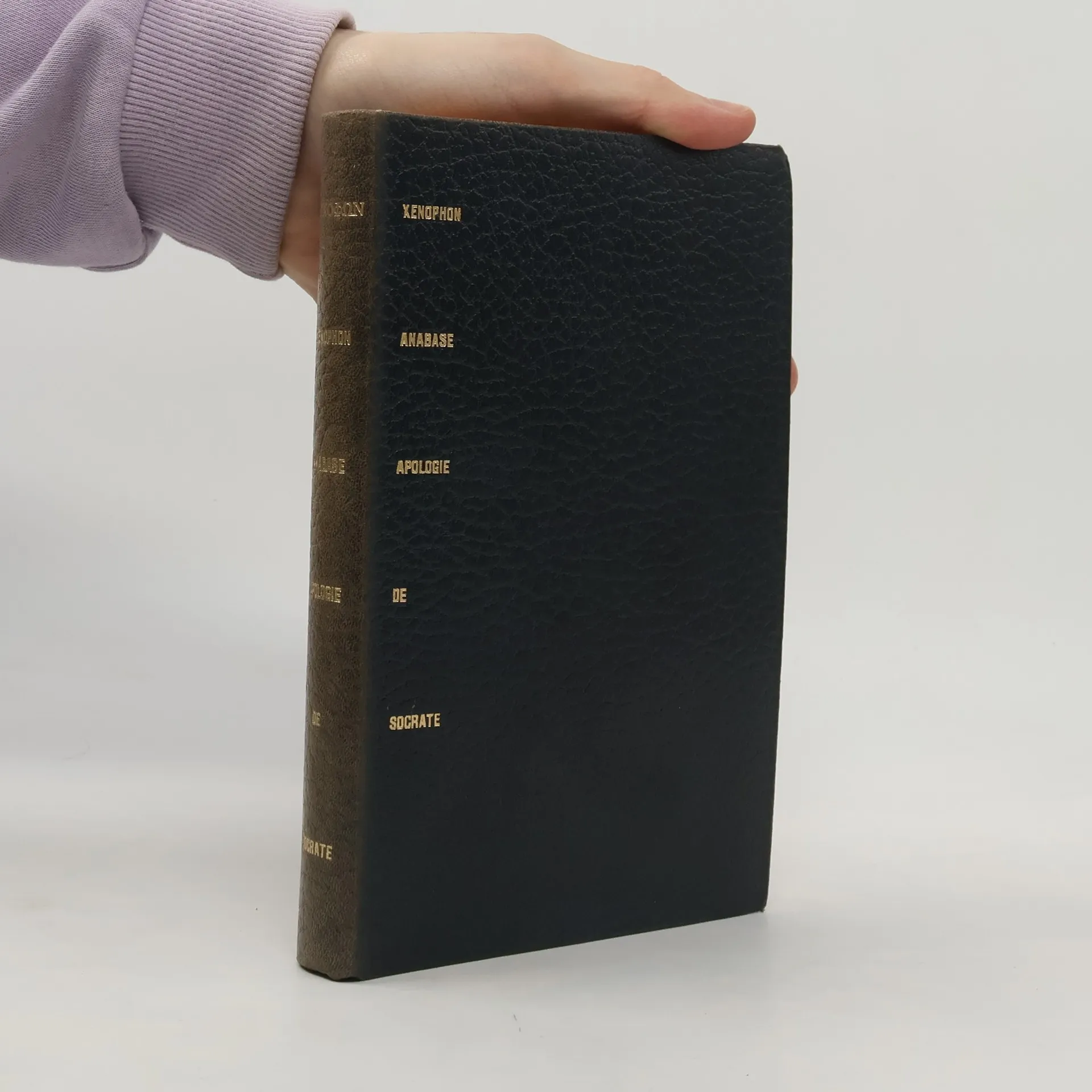
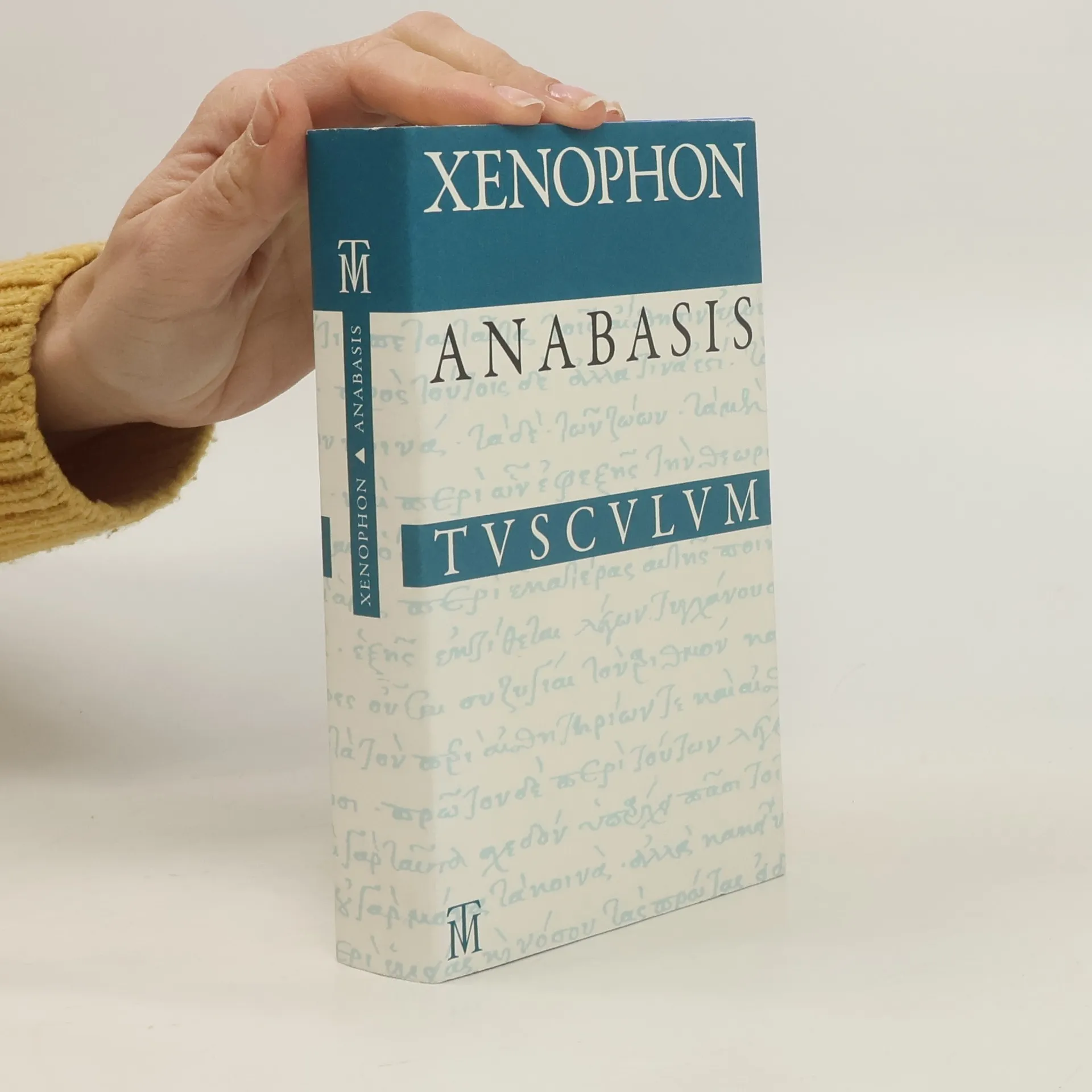
Xenophon, een tijdgenoot en bewonderaar van Socrates, was een vooraanstaand auteur uit de oudheid. Zijn geschriften bestrijken een breed spectrum aan onderwerpen, van nauwkeurige historische verslagen van zijn tijd tot het bewaren van de inzichten van Socrates en het beschrijven van het leven in het oude Griekenland. Xenophon staat bekend om zijn heldere en toegankelijke proza, dat de politieke, militaire en filosofische landschappen van zijn tijd belichtte. Lezers vinden in zijn blijvende werken waardevolle inzichten in het klassieke Griekse denken en de cultuur.
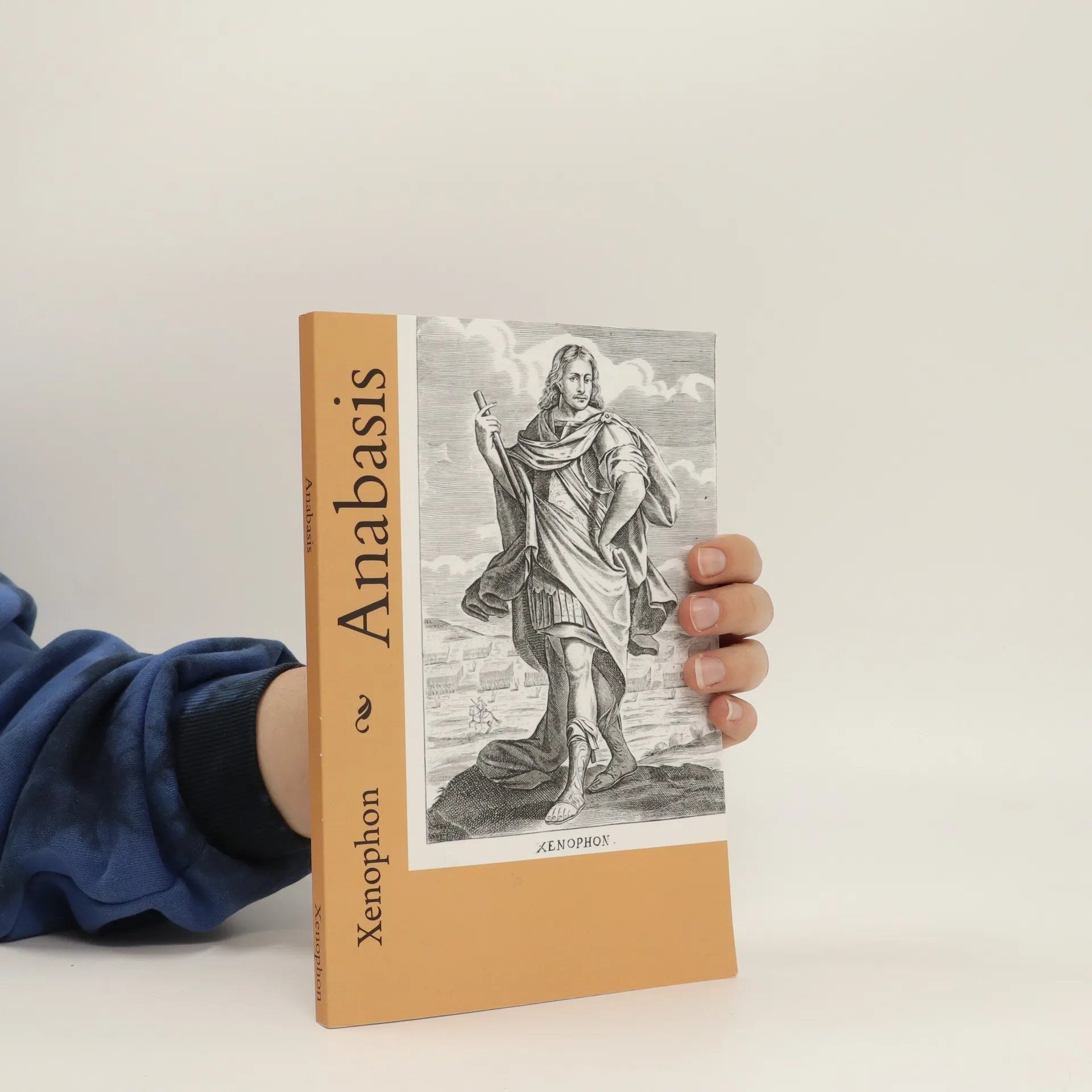
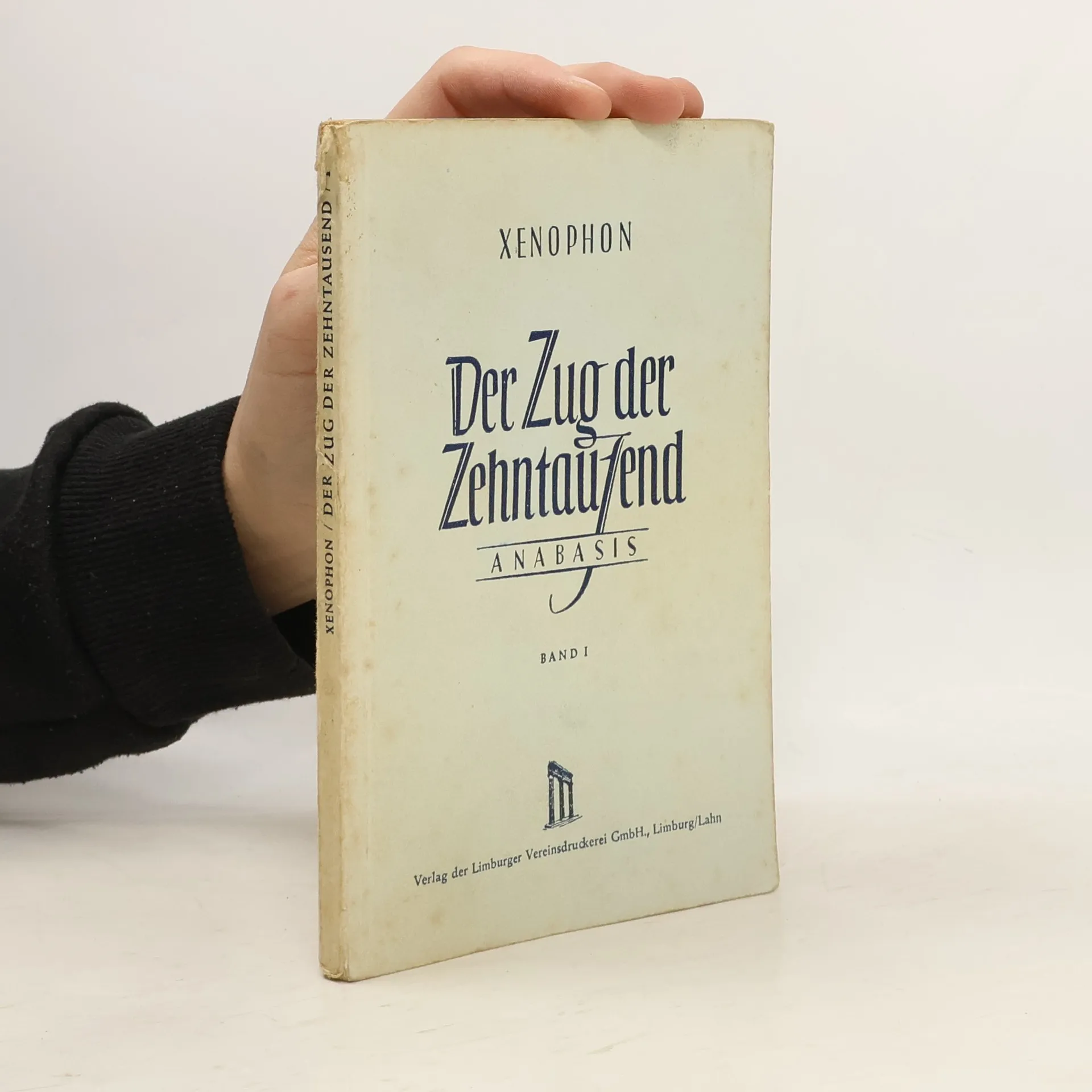
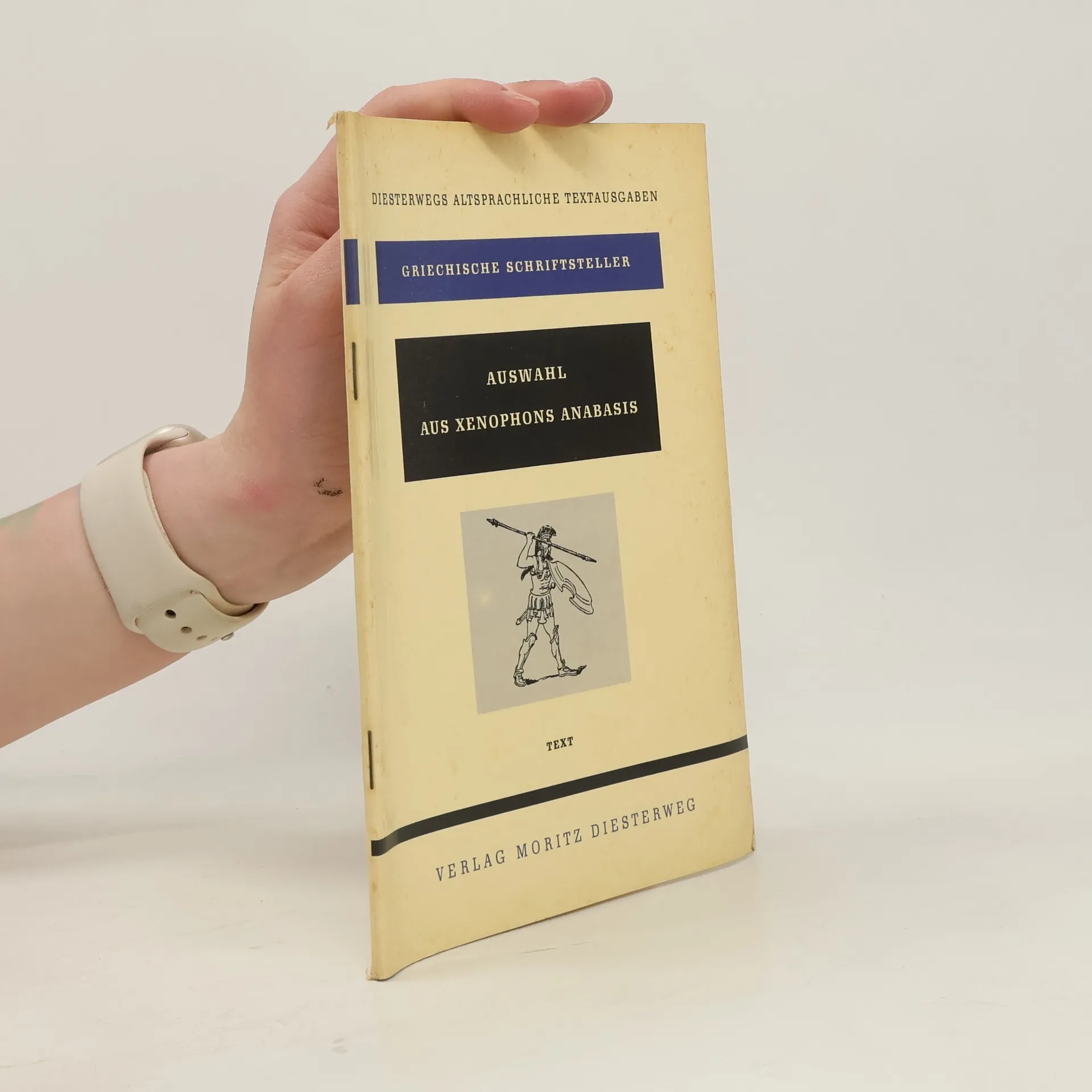
De tocht van het Griekse huurlingencontingent in dienst van de Perzische prins Cyrus naar Perzië en de moeilijke terugtocht naar Griekenland onder leiding van o.a. Xenophon die als verslaggever meereisde.
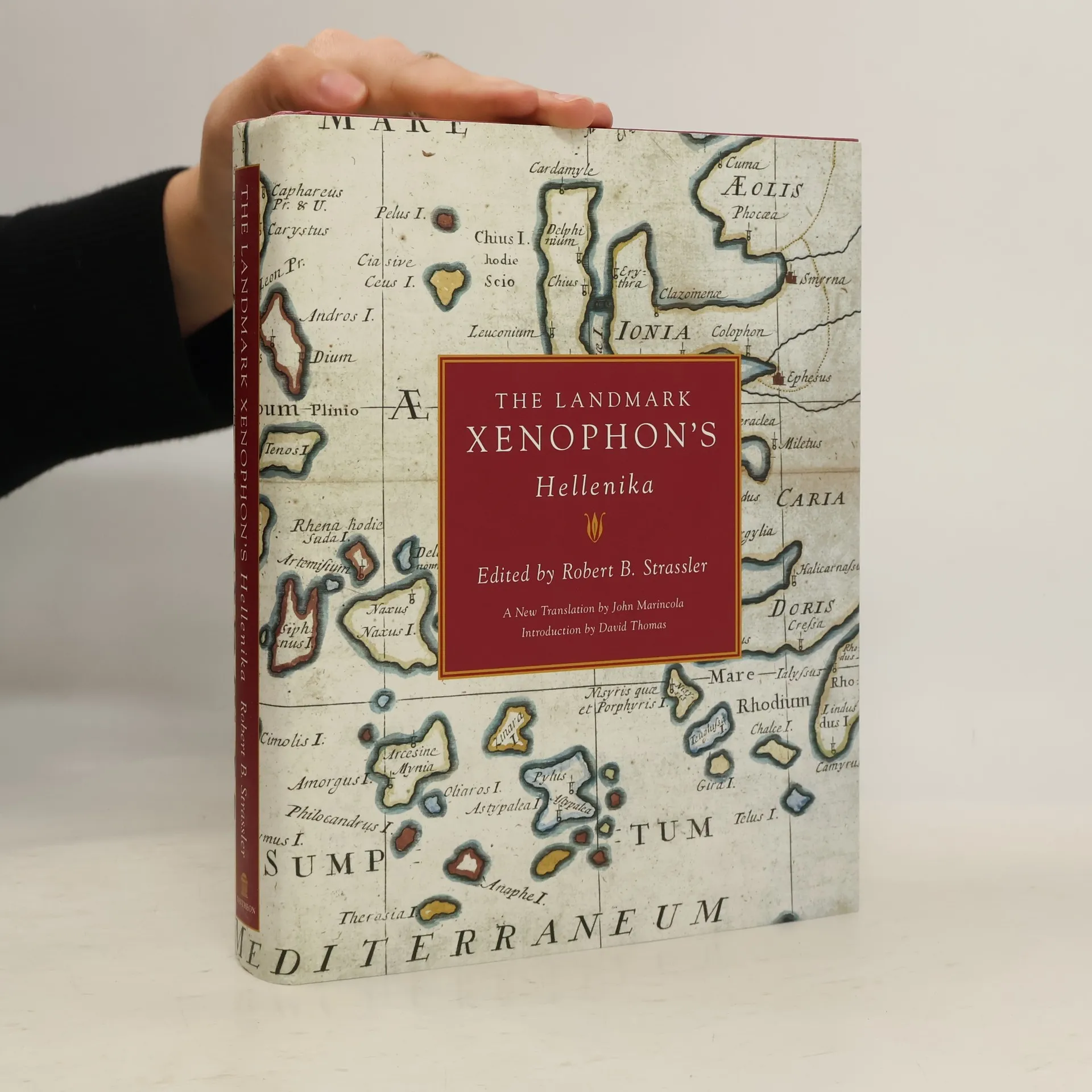
From the editor of The Landmark Thucydides and The Landmark Herodotus comes a new edition of Xenophon's Hellenika, detailing the final seven years and aftermath of the Peloponnesian War. Covering 411 to 362 B.C.E., this work highlights the shifting alliances among Athens, Sparta, Thebes, and Persia during a tumultuous period. Alongside Herodotus and Thucydides, it completes the ancient narrative of classical Greece's military and political history. Xenophon, an Athenian who participated in Cyrus the Younger's expedition and later joined the Spartan army, provides a unique perspective on these events. This edition features a new, authoritative translation by John Marincola, a comprehensive introduction by David Thomas, and sixteen appendices by leading classics scholars. It also includes an extensive timeline to clarify this complex period. Uniquely, it incorporates relevant texts from Diodorus Siculus and the Oxyrhynchus Historian, with explanatory footnotes and a correlation table, enhancing the assessment of Xenophon's reliability as a historian. Like its predecessors, this edition is the most readable and comprehensive available, making it an essential resource for understanding this pivotal history.
Xenophon (431-355 BC), son of Gryllus, of the deme Erchia of Athens, was a soldier, mercenary and an admirer of Socrates. He is known for his writings on the history of his own times, the sayings of Socrates, and the life of Greece. He participated in the expedition led by Cyrus the Younger against his older brother, the emperor Artaxerxes II of Persia, in 401 BC. His record of the entire expedition against the Persians and the journey home was titled Anabasis (The Expedition or The March Up Country). He was later exiled from Athens, most likely because he fought under the Spartan king Agesilaus against Athens at Coronea. The Spartans gave him property at Scillus, near Olympia in Elis, where he composed the Anabasis. His writings are often read by beginning students of the Greek language. His Hellenica is a major primary source for events in Greece from 411 to 362 BC, and his Socratic writings, preserved complete, are the only surviving representatives of the genre of Sokratikoi logoi other than the dialogues of Plato.
Anabasis is the most famous work, in seven books, of the Greek professional soldier and writer Xenophon. The journey it narrates is his best known accomplishment and "one of the great adventures in human history," as Will Durant expressed the common assessment.
After the execution of Socrates in 399 BC, a number of his followers wrote
dialogues featuring him as the protagonist and, in so doing, transformed the
great philosopher into a legendary figure. This title offers insights into the
Socratic world and into the intellectual atmosphere and life of ancient
Greece. It reveals much about this man.
2When Aidan MacKetryck finds a flaxen-haired maid caught in the crosshairs of battle, he quickly saves her from certain death. But while Aiden expects gratitude, he is sorely disappointed - for the fiery lass makes it clear she wants nothing to do with him. Juliana D'Aubenville is in hiding from those who want her entire family to perish. Despite her attraction to the strikingly handsome Aiden, Juliana knows she must escape before her identity is revealed. The trouble is, Aiden refuses to let her go. With each moment Aiden and Juliana are together, their desire becomes more enticing - and harder to resist. But just as Aiden tries to lay claim to Juliana once and for all, their darkest secrets are finally revealed - putting both their love and their lives in terrible danger.
The narrative centers on Xenophon, a soldier and Socratic admirer, who chronicled his experiences during the 401 BC expedition against Persia led by Cyrus the Younger. His work, Anabasis, details both the military campaign and the perilous journey home. Exiled from Athens for his allegiance to Sparta, he settled in Scillus, where he penned this significant historical account. The text not only reflects his personal journey but also offers insights into the sociopolitical landscape of ancient Greece.
This reproduction focuses on making historical works accessible through large print, catering specifically to individuals with impaired vision. The publishing house Megali is dedicated to preserving and enhancing the readability of classic texts, ensuring that important literature remains available to a wider audience.
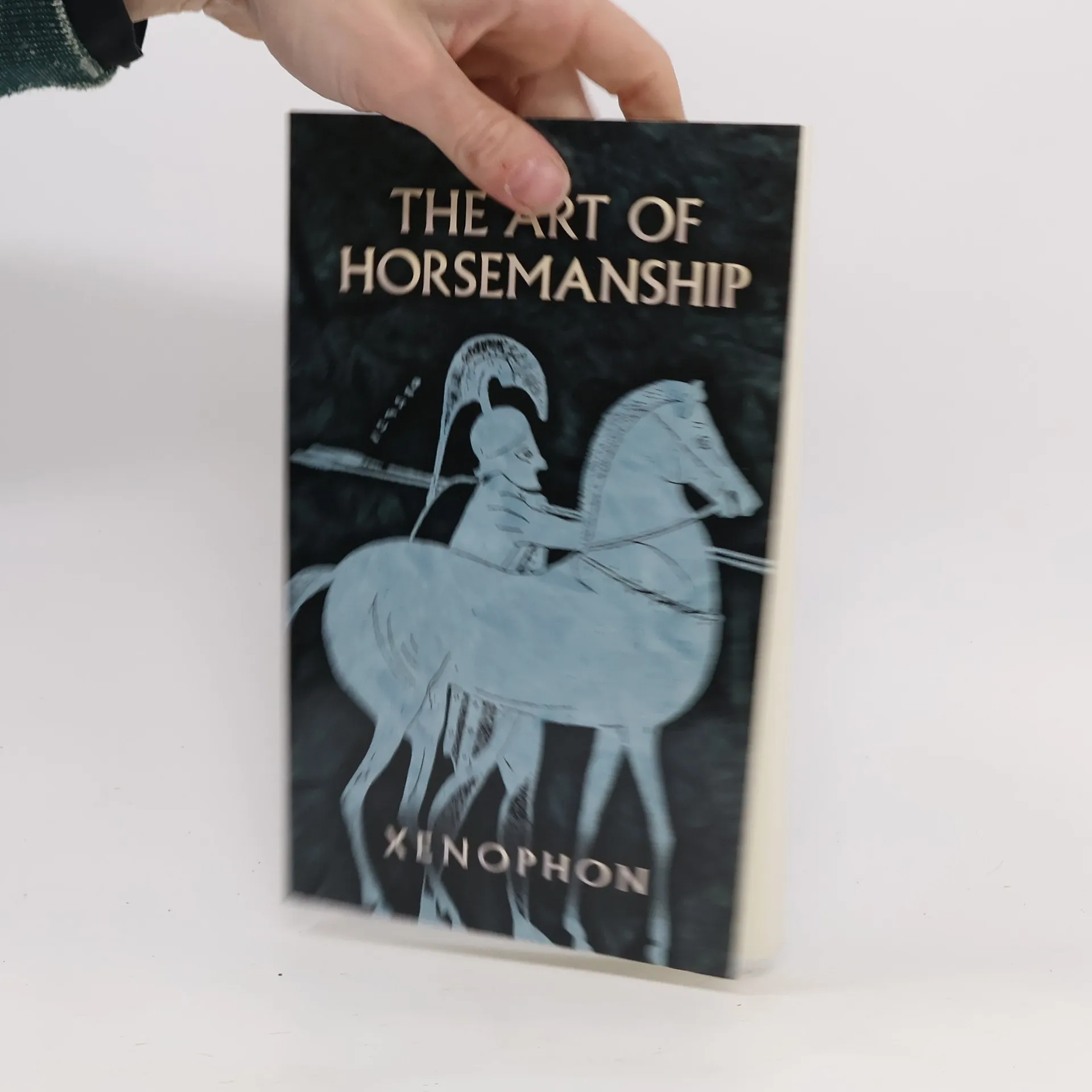
Focusing on the defense of Socrates, the book presents enlightening examples of his conversations and actions. Through these narratives, Xenophon contends that Socrates was unjustly accused, illustrating his positive impact on society and highlighting his philosophical contributions.
This book is a reproduction of a historical work, published in large print to enhance accessibility for readers with impaired vision. The publishing house Megali focuses on making classic texts more readable, ensuring that important literature remains available to a wider audience.
This book is a reproduction of a historical work, published by Megali, a house dedicated to producing large print editions. The focus on accessibility aims to assist readers with impaired vision, ensuring that important historical texts remain available and easy to read for all audiences.
This edition focuses on enhancing accessibility by providing a large print reproduction of a historical work. The publishing house Megali aims to support individuals with impaired vision, ensuring that classic literature remains available and readable. The emphasis on readability and historical significance makes this a valuable resource for both visually impaired readers and those interested in historical texts.
Focusing on accessibility, this book is a reproduction of a historical work presented in large print format. The publishing house Megali aims to enhance the reading experience for individuals with impaired vision, ensuring that classic literature is available to a wider audience.
The book chronicles Xenophon's experiences as a soldier and mercenary during the expedition against Persia led by Cyrus the Younger. It details the challenges faced during the campaign and the arduous journey home, showcasing his insights into leadership and survival. Additionally, it reflects on his admiration for Socrates and his later life in exile, where he settled in Elis. Through vivid storytelling, Xenophon provides a unique perspective on Greek history, military strategy, and the philosophical influences that shaped his views.
Focusing on accessibility, this book is a reproduction of a historical work presented in large print format. The publishing house Megali aims to enhance the reading experience for individuals with impaired vision, ensuring that classic literature remains available and enjoyable for all.
Focusing on accessibility, this book is a large print reproduction of an original historical work, designed specifically for readers with impaired vision. Published by Megali, a house dedicated to making historical texts more accessible, it emphasizes the importance of inclusivity in literature.
Focusing on accessibility, this book is a reproduction of a historical work presented in large print format. Published by Megali, a house dedicated to making literature more accessible for individuals with impaired vision, it aims to enhance the reading experience for those who might struggle with standard text sizes.
The book is a reproduction of a historical work, presented in large print to enhance accessibility for readers with impaired vision. Published by Megali, a house dedicated to making historical texts more readable, this edition aims to preserve the original content while ensuring it is easier for those who need larger text to engage with the material.
Focusing on accessibility, this publishing house specializes in creating large print reproductions of historical works. By enhancing readability for individuals with impaired vision, it aims to preserve and share important texts while ensuring they are accessible to a wider audience.
The publishing house Megali focuses on making historical works accessible by producing large print reproductions, specifically designed for individuals with impaired vision. This initiative aims to enhance readability and ensure that classic texts are available to a wider audience.
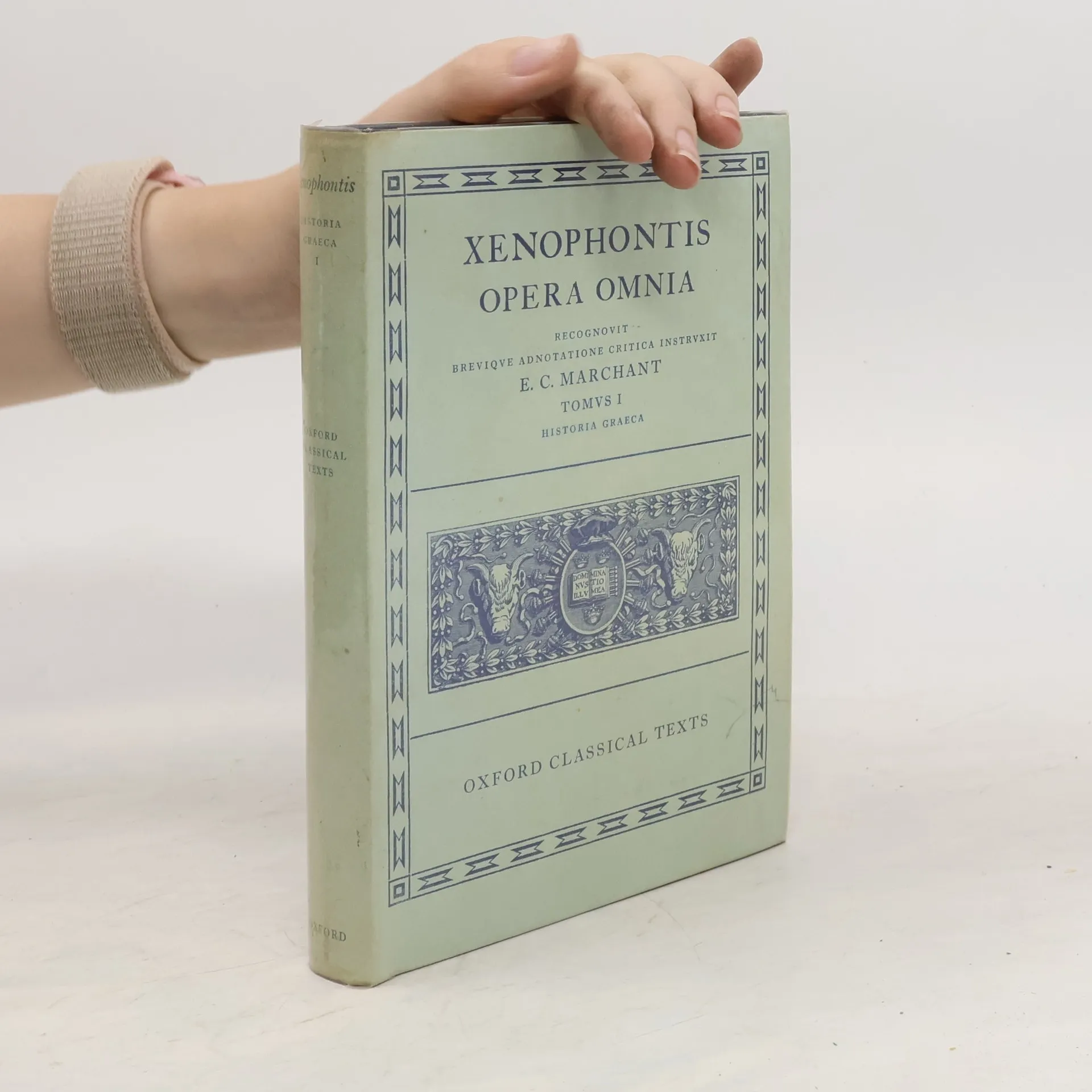
"The History of the Peloponnesian War" by Thucydides is a classic historical account of the conflict between Sparta and Athens. It is one of the earliest scholarly works of history. "Hellenica," a continuation by Xenophon, details the last seven years of the war and its aftermath, reflecting a personal narrative for a familiar audience.
ONLY ONE MAN CAN LEAD THE GREEK ARMY HOME...Trying to help a prince overthrow the king of Persia, the Greek army has been betrayed. Now the surviving soldiers are trapped in a hostile country as unforgiving enemies attack from all sides.Enter Xenophon, a tough and brilliant leader who must guide the retreating Greeks across the treacherous mountains and rivers that stand in their way. But can he lead them to freedom - and to the great sea that will take them home?
Contributed three new ideas to the development of philosophy: that goodness consists not in helping friends and harming enemies, but in not harming anybody at all; that goodness and knowledge are one and the same thing; and that for progress to be made in argument, there must be step-by-step agreement between those arguing.
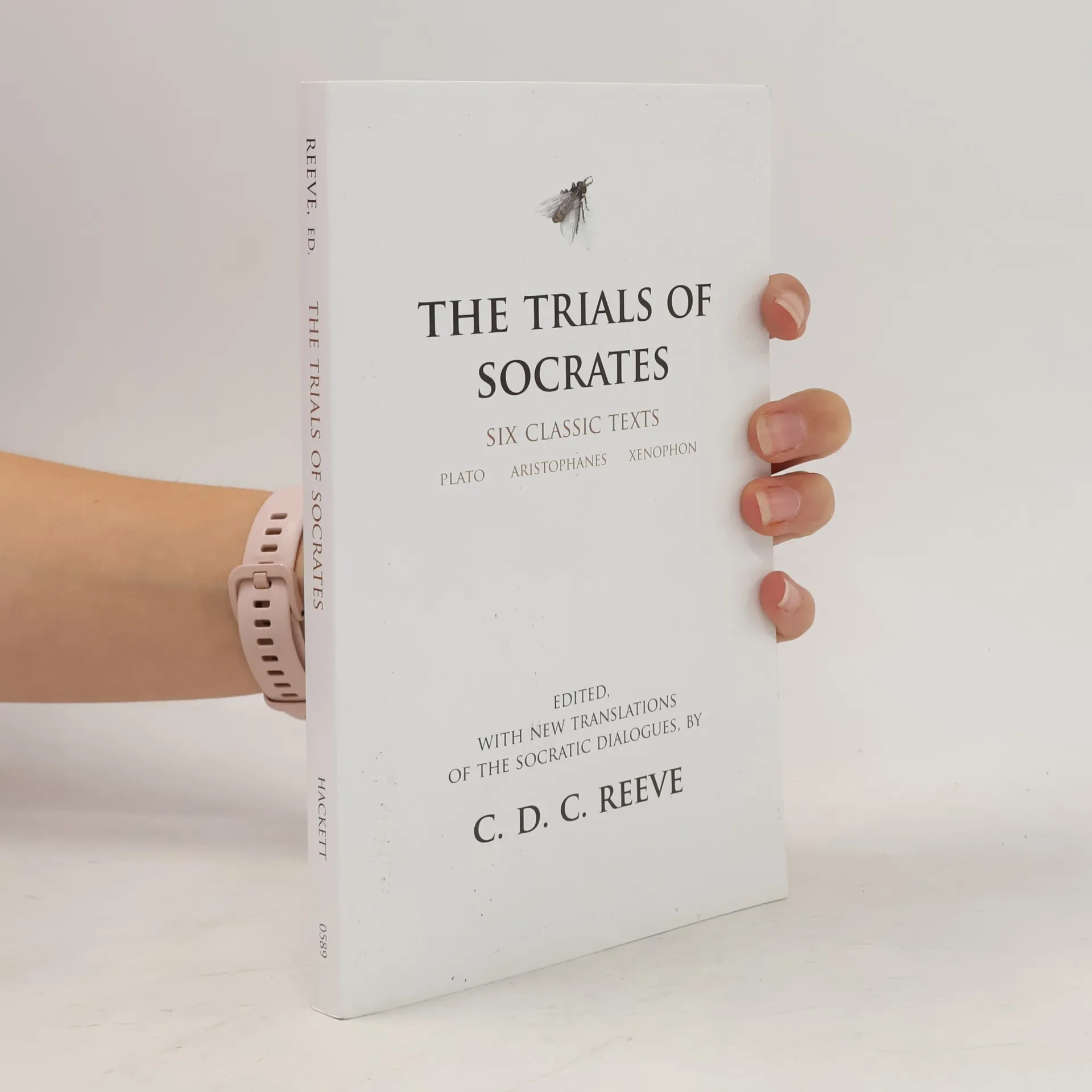
Six Classic Texts - Edited, With New Translations of the Socratic Dialogues
192bladzijden
7 uur lezen
Although present-day (like ancient Greek) opinion on the real Socrates diverges widely, six classic texts that any informed judgment of him must take into account appear together, for the first time, in this volume.
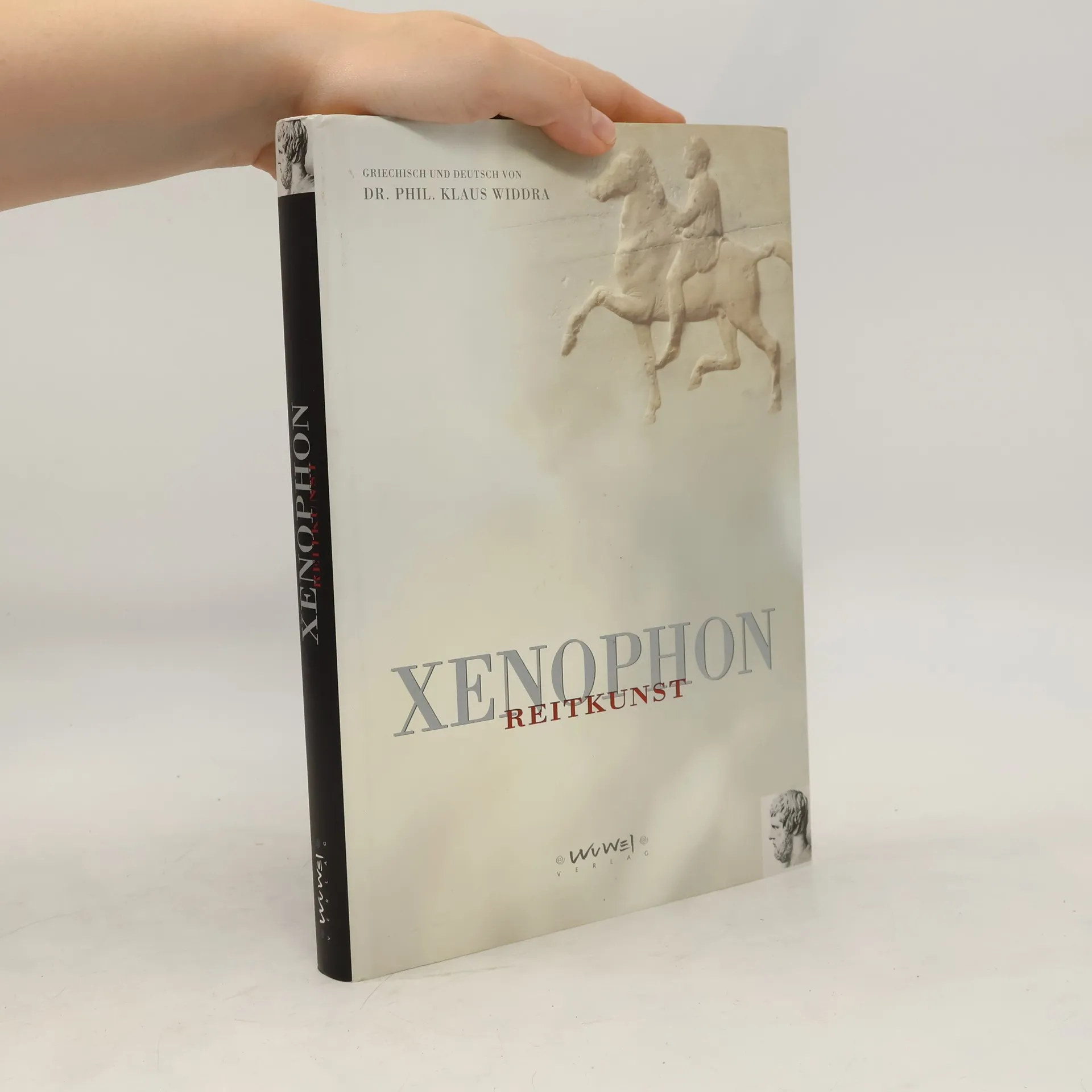
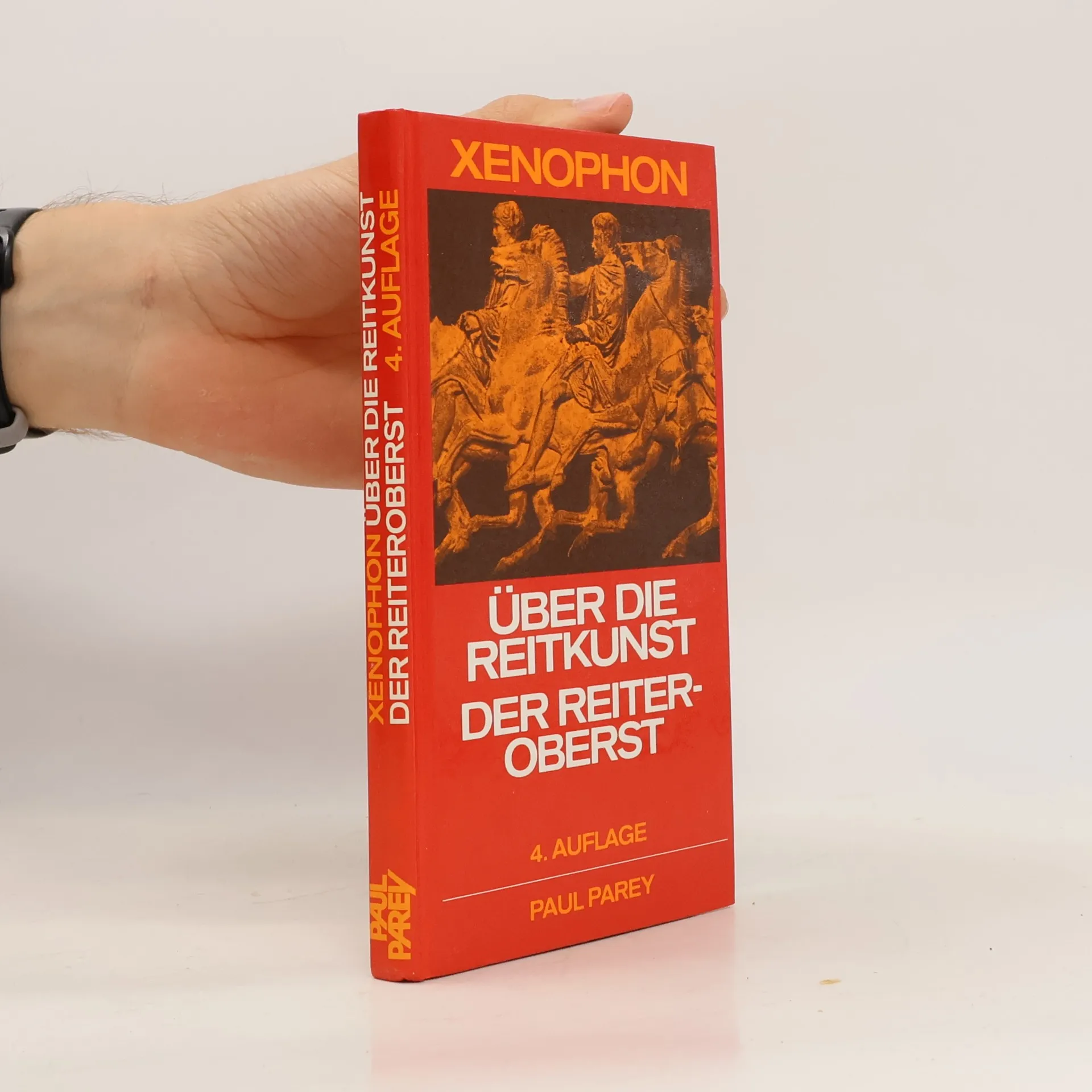
In seinem Werk „Über die Reitkunst“, fasste Xenophon sein Wissen über die reiterliche Ausbildung und höhere Dressur zusammen. Seine Ausbildungsgrundsätze sind von hoher Verantwortung gegenüber dem Partner Pferd geprägt. Klaus Widdra bildete seine eigenen Pferde nach den Lehren Xenophons aus. Mit Verständnis und Einfühlungsvermögen übersetzte er Xenophons Werk neu und ergänzte es mit weiteren antiken Quellen. Veterinärmedizinische Informationen und moderne Erkenntnisse runden dieses Buch ab, das sich in allen Kapiteln der Pferdehaltung und –ausbildung widmet.
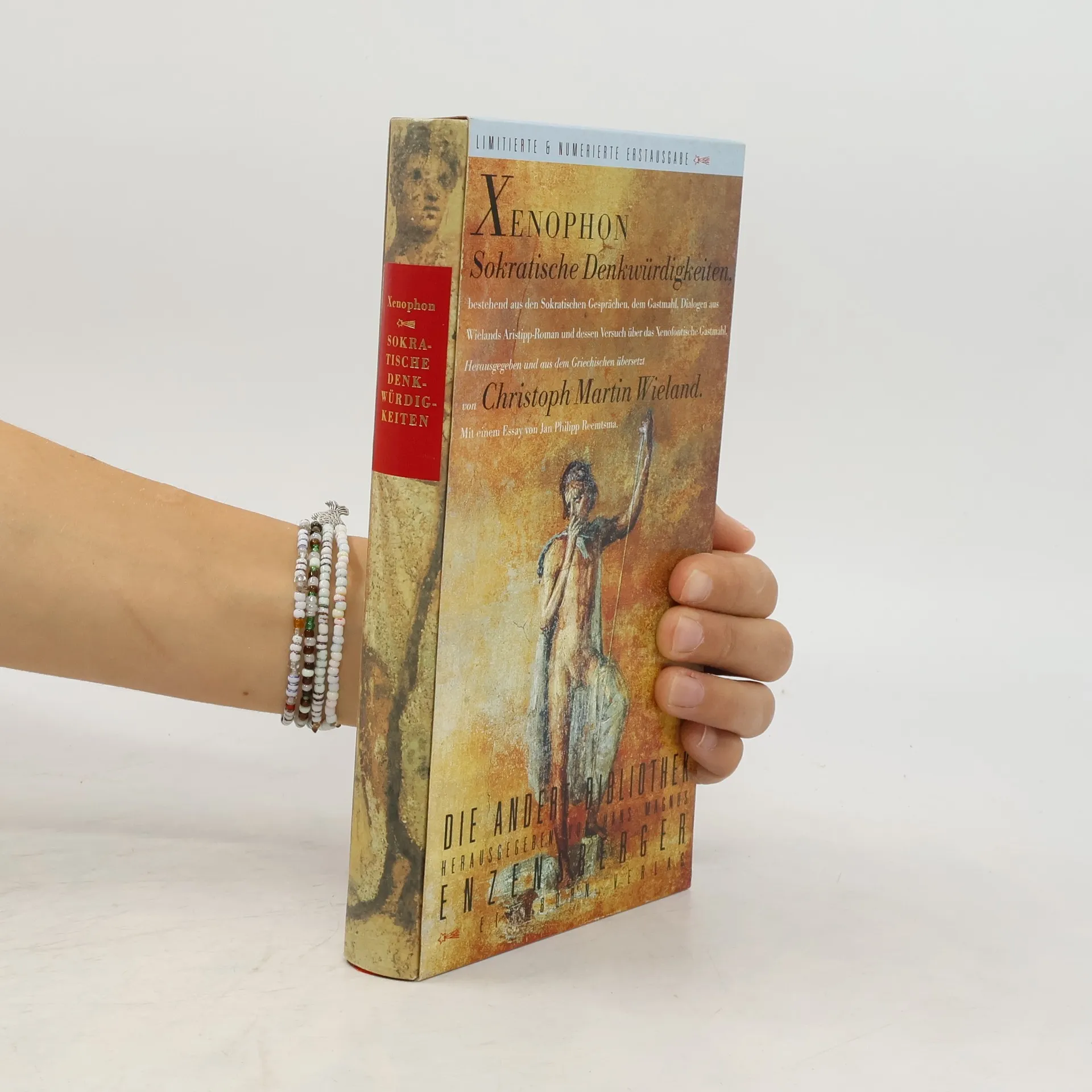
Nach der Hinrichtung von Sokrates im Jahr 399 v. Chr. schrieben einige seiner Anhänger Dialoge, in denen er als Protagonist auftritt, und verwandelten den großen Philosophen in eine legendäre Figur. Xenophons Porträt ist das einzige, das neben Platons überliefert ist, und während es eine sehr persönliche Interpretation des sokratischen Denkens bietet, offenbart es auch viel über den Mann und seine philosophischen Ansichten. In 'Sokrates' Verteidigung' verteidigt Xenophon seinen Mentor gegen Vorwürfe der Arroganz, die während seines Prozesses erhoben wurden, während die 'Denkwürdigkeiten des Sokrates' ebenfalls mit einem leidenschaftlichen Appell für die Rehabilitation eines zu Unrecht geschädigten Rufes beginnt. Neben 'Der Hausverwalter', einem praktischen wirtschaftlichen Traktat, und 'Das Symposion', einer spritzigen Erkundung der Liebe, bieten Xenophons Dialoge faszinierende Einblicke in die sokratische Welt sowie in die intellektuelle Atmosphäre und das tägliche Leben im antiken Griechenland.
Xenophon (431-355 BC), son of Gryllus, of the deme Erchia of Athens, was a soldier, mercenary and an admirer of Socrates. He is known for his writings on the history of his own times, the sayings of Socrates, and the life of Greece. He participated in the expedition led by Cyrus the Younger against his older brother, the emperor Artaxerxes II of Persia, in 401 BC. His record of the entire expedition against the Persians and the journey home was titled Anabasis (The Expedition or The March Up Country). He was later exiled from Athens, most likely because he fought under the Spartan king Agesilaus against Athens at Coronea. The Spartans gave him property at Scillus, near Olympia in Elis, where he composed the Anabasis. His writings are often read by beginning students of the Greek language. His Hellenica is a major primary source for events in Greece from 411 to 362 BC, and his Socratic writings, preserved complete, are the only surviving representatives of the genre of Sokratikoi logoi other than the dialogues of Plato.
Die Hardcover-Ausgabe gehört zur Reihe TREDITION CLASSICS, die sich der Wiederveröffentlichung klassischer Literatur aus über zwei Jahrtausenden widmet. Der Verlag tredition aus Hamburg hat es sich zur Aufgabe gemacht, vergriffene Werke und solche, die nur antiquarisch erhältlich sind, wieder zugänglich zu machen. Diese Initiative fördert nicht nur die Bewahrung bedeutender literarischer Werke, sondern auch die kulturelle Vielfalt, indem sie zahlreiche Klassiker aus verschiedenen Sprachen in gedruckter Form präsentiert.
"Xenophon: Erinnerungen an Sokrates" bietet eine lesefreundliche Ausgabe in Großdruck, die auf dem Erstdruck von 1883 basiert. Die Berliner Ausgabe von 2020 enthält eine sorgfältige Überarbeitung. Die Umschlaggestaltung zeigt Jacques-Louis Davids berühmtes Bild "Der Tod des Sokrates".
Since 1923 the Sammlung Tusculum has published authoritative editions of Greek
and Latin works together with a German translation. The original texts are
comprehensively annotated, and feature an introductory chapter. In the new
volumes, additional essays delve into specific aspects of the works,
illuminating their historical context and reception to the present day. The
high academic quality of the new editions together with clearly written essays
and annotations make the Sammlung Tusculum essential reading for students who
are discovering an ancient author for the first time as well as professional
scholars who would like to gain a deeper understanding of specific aspects of
a given work. Moreover, the series is ideal for lay readers who would like to
engage with antiquity through a reliable German translation. The series
contains over 270 titles, available in print and eBook editions, making
previously out-of-print titles and rarities available again for the first
time. In order to celebrate the 90th anniversary of the series, De Gruyter is
proud to present Tusculum Online, an eBook package which contains all titles
that appeared between 1923 and 2013 - a fitting tribute to an important part
of German publishing history. For more information, please see
Sokratův žák zachycuje svého mistra jako člověka, který v přátelském posezení u vína po skončené hostině je iniciátorem vtipných hovorů a diskusí o mezilidských vztazích, přičemž nikdy nezkazí zábavu.