Susan Abulhawa creëert krachtige en aangrijpende verhalen die de Palestijnse ervaring belichten, met een focus op veerkracht, hoop en blijvende menselijkheid te midden van diep verlies. Haar romans zijn doordrenkt van diepe empathie en scherpe sociale kritiek, en bieden een vitale stem aan verhalen die op het wereldtoneel vaak gemarginaliseerd worden. Door haar onderscheidende literaire stijl brengt Abulhawa essentiële perspectieven naar voren over menselijke waardigheid en de strijd voor gerechtigheid. Haar veelgelezen werk dient als een belangrijk getuigenis van de blijvende geest van een volk.
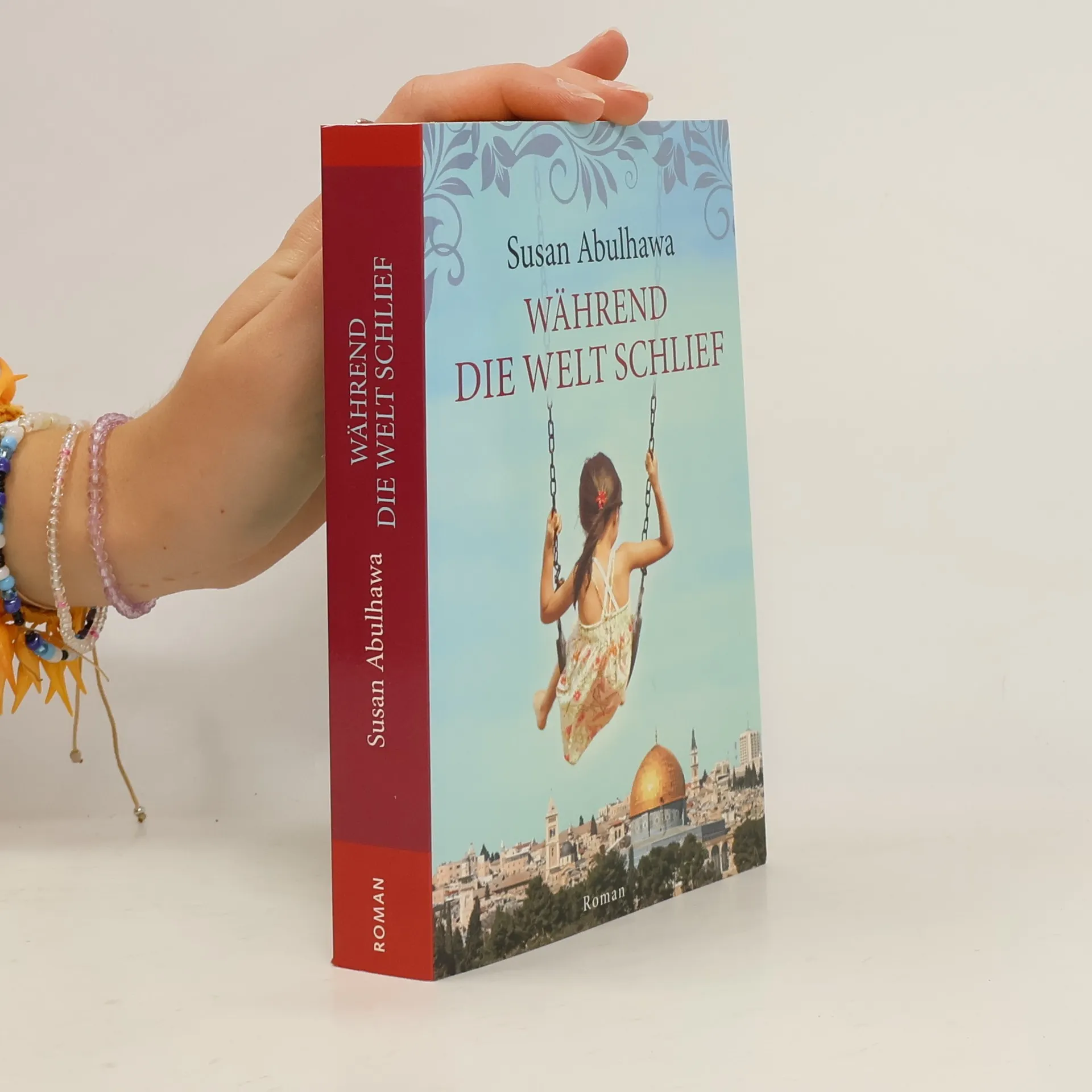
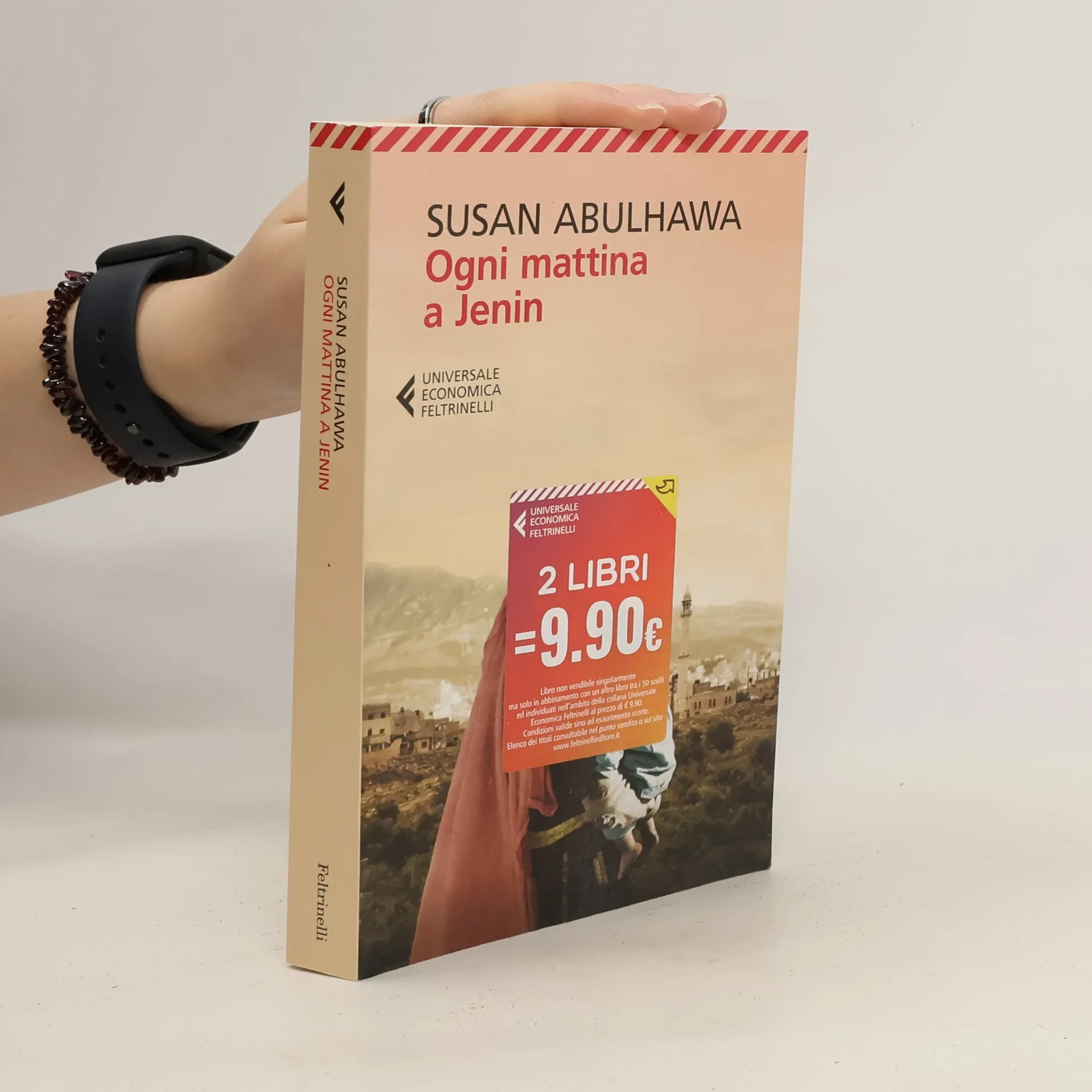
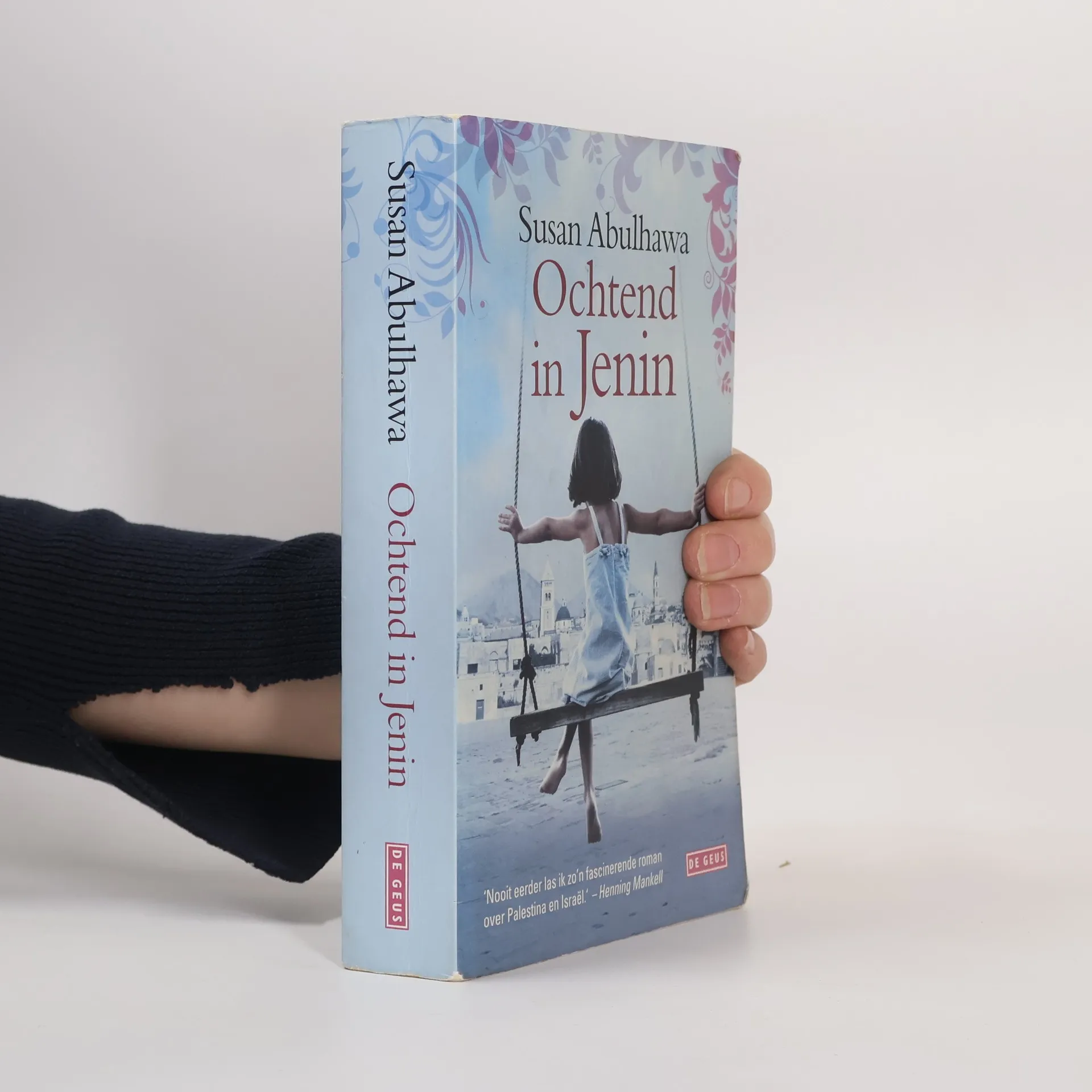
In deze roman vertelt Abulhawa het verhaal van de Palestijnse vluchtelingen die in 1948, na de stichting van de staat Israel, uit hun land verbannen werden. De familie Abulheja wordt gedwongen het dorp Ein Hod te verlaten en naar een vluchtelingenkamp in Jenin te gaan. In de chaotische vlucht raakt de jonge Isma'iel vermist. Hij wordt meegenomen door een Israelische soldaat. Gedreven door een alomvattende haat jegens de bezetters kiest Isma'iels tweelingbroer Joessoef de radicale kant van de PLO. Door de ogen van Amaal, hun jonge zusje, maken we drie decennia van geweld en oorlog mee.
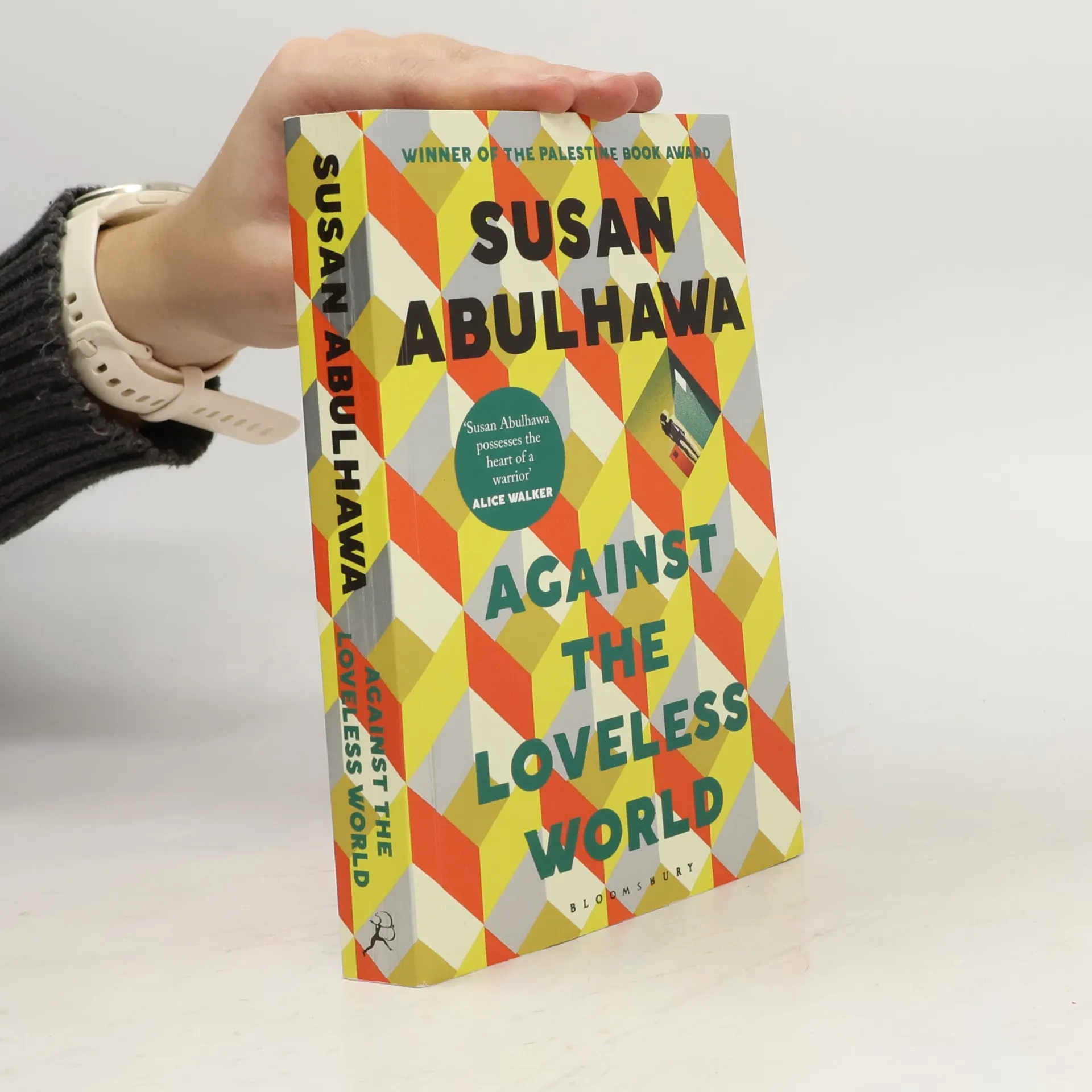
'A thrilling, defiant novel' FATIMA BHUTTO 'A masterpiece' MARC LAMONT HILL 'Wonderful ... Shines a ray of hope into some very dark places' MICHAEL PALIN 'A fearless work of imagination' AHDAF SOUEIF Winner of the Palestine Book Award Nahr has been confined to the Cube: nine square metres of glossy grey cinderblock, devoid of time, its patterns of light and dark nothing to do with day and night. Journalists visit her, but get nowhere; because Nahr is not going to share her story with them. The world outside calls Nahr a terrorist, and a whore; some might call her a revolutionary, or a hero. But the truth is, Nahr has always been many things, and had many names. She was a girl who learned, early and painfully, that when you are a second class citizen love is a kind of desperation; she learned, above all else, to survive. She was a girl who went to Palestine in the wrong shoes, and without looking for it found what she had always lacked in the basement of a battered beauty parlour: purpose, politics, friends. She found a dark-eyed man called Bilal, who taught her to resist; who tried to save her when it was already too late. Nahr sits in the Cube, and tells her story to Bilal. Bilal, who isn't there; Bilal, who may not even be alive, but who is her only reason to get out.
Als die Sonne im Meer verschwand, englische Ausgabe
293bladzijden
11 uur lezen
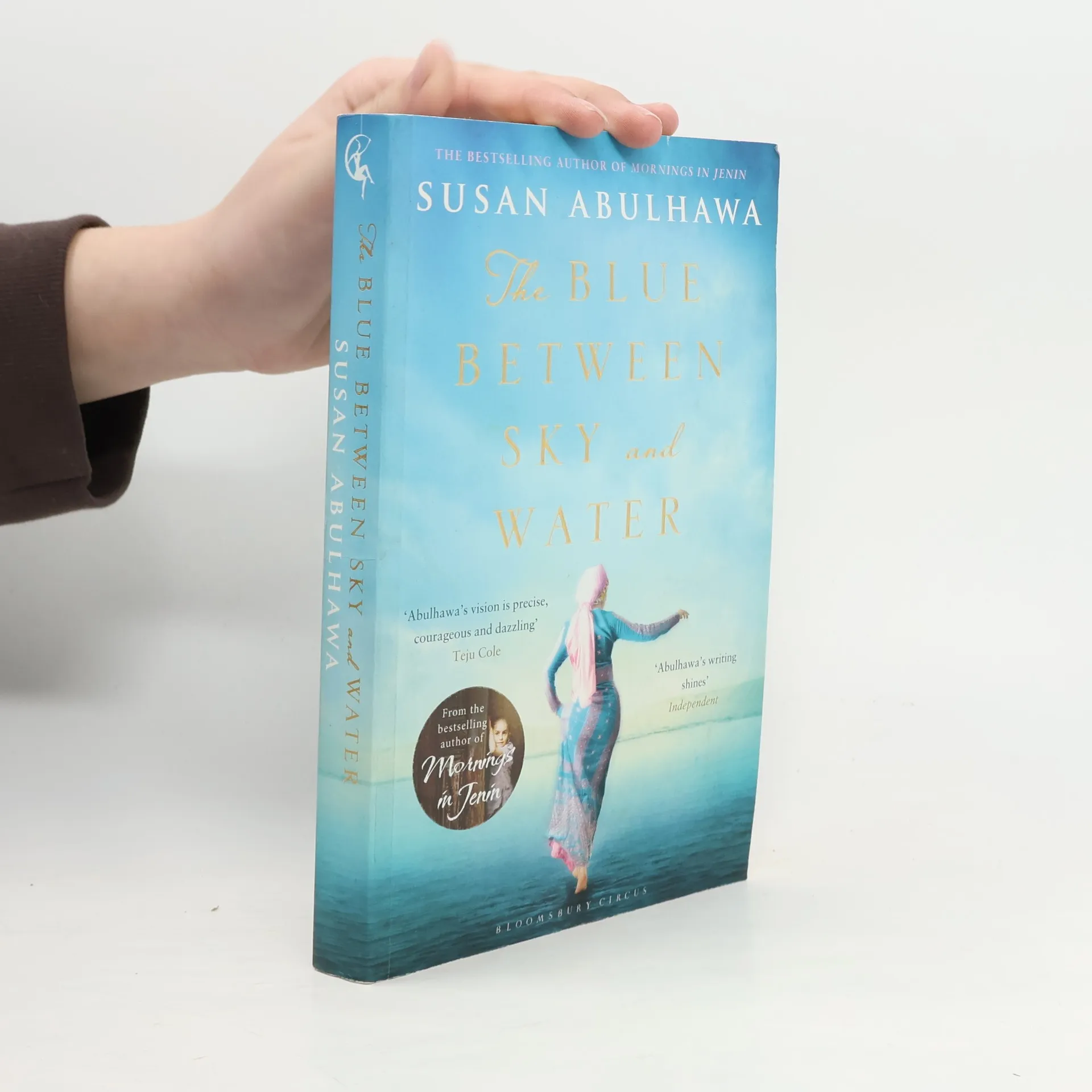
It is 1947, and Beit Daras, a quiet village in Palestine surrounded by olive groves, is home to the Baraka family. Eldest daughter Nazmiyeh looks after her widowed mother, prone to wandering and strange outbursts, while her brother Mamdouh tends to the village bees. Their younger sister, Mariam, with her striking mismatched eyes, spends her days talking to imaginary friends and writing. When Israeli forces gather outside the town's borders, nobody suspects the terror that is about to descend. Soon the village is burning and, amidst smoke and ash, the family must take the long road to Gaza, in a walk that will test them to their limits. Sixty years later, Mamdouh's granddaughter Nur is living in America. She falls in love with a married man, a doctor who works in Palestine, and follows him to Gaza. There she meets Alwan, the mother of Khaled - a boy trapped in his own body, unable to wake up from a deep blue dream. It is through her that Nur will at last discover the ties of kinship that transcend distance - and even death. The Blue Between Sky and Water is a story of powerful, flawed women; of relocation, separation and heartache; of renewal, family, endurance, and love. Susan Abulhawa brings a raw humanity and delicate authority to the story of Palestine in this devastatingly beautiful tale.
Nahr, eine Palästinenserin, wird im Exil in Kuwait geboren und wächst zu einer starken Frau heran, die den Tanz als Ausdruck ihrer Freiheit sieht. Nach einer gescheiterten Ehe landet sie in einem Bordell, was sie prägt und stärkt. Ihre Reise nach Palästina führt sie zu Bilal, der ihr die Liebe und das Land ihrer Vorfahren näherbringt. Doch als sie sich Bilals Mission zur Befreiung seines Volkes anschließt, steht sie vor folgenschweren Entscheidungen, die ihr Leben nachhaltig beeinflussen.