Edward Gorey the New Poster Book A171
- 30bladzijden
- 2 uur lezen
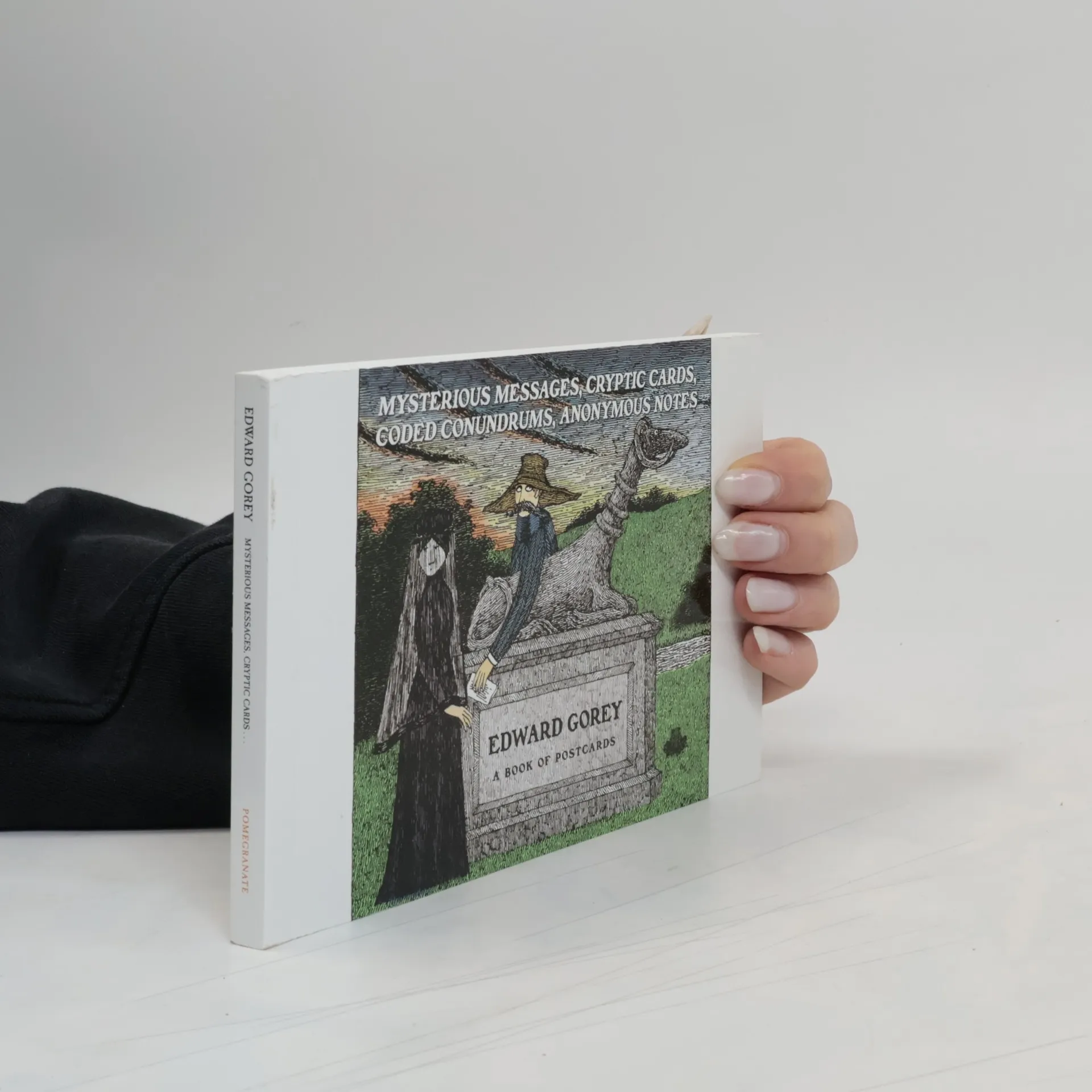
Collection of illustrations from Gorey's famous books and lesser-known ephemera.


Edward Gorey was een kunstenaar en illustrator, gevierd om zijn kenmerkende en duister humoristische stijl. Zijn werken duiken vaak in de absurditeiten van het bestaan en de aantrekkingskracht van tegenspoed, met macabere humor en scherpe ironie. Gorey's illustraties, gekenmerkt door ingewikkeld penwerk en een sombere esthetiek, verleenden zijn verhalen een onmiskenbare sfeer. Zijn creaties dagen conventionele verwachtingen uit en bieden lezers een tot nadenken stemmend en gedenkwaardig perspectief op de wereld.



Collection of illustrations from Gorey's famous books and lesser-known ephemera.
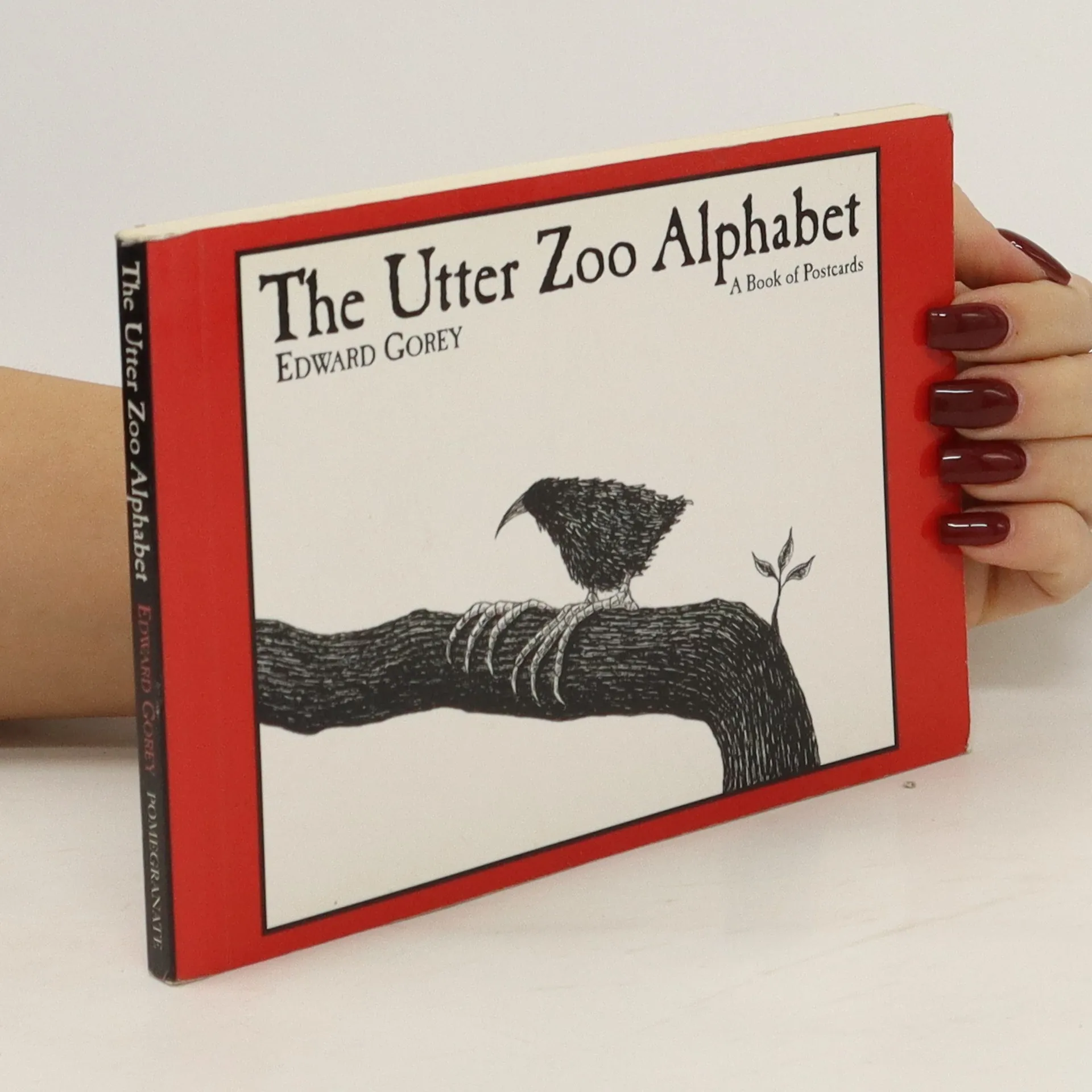
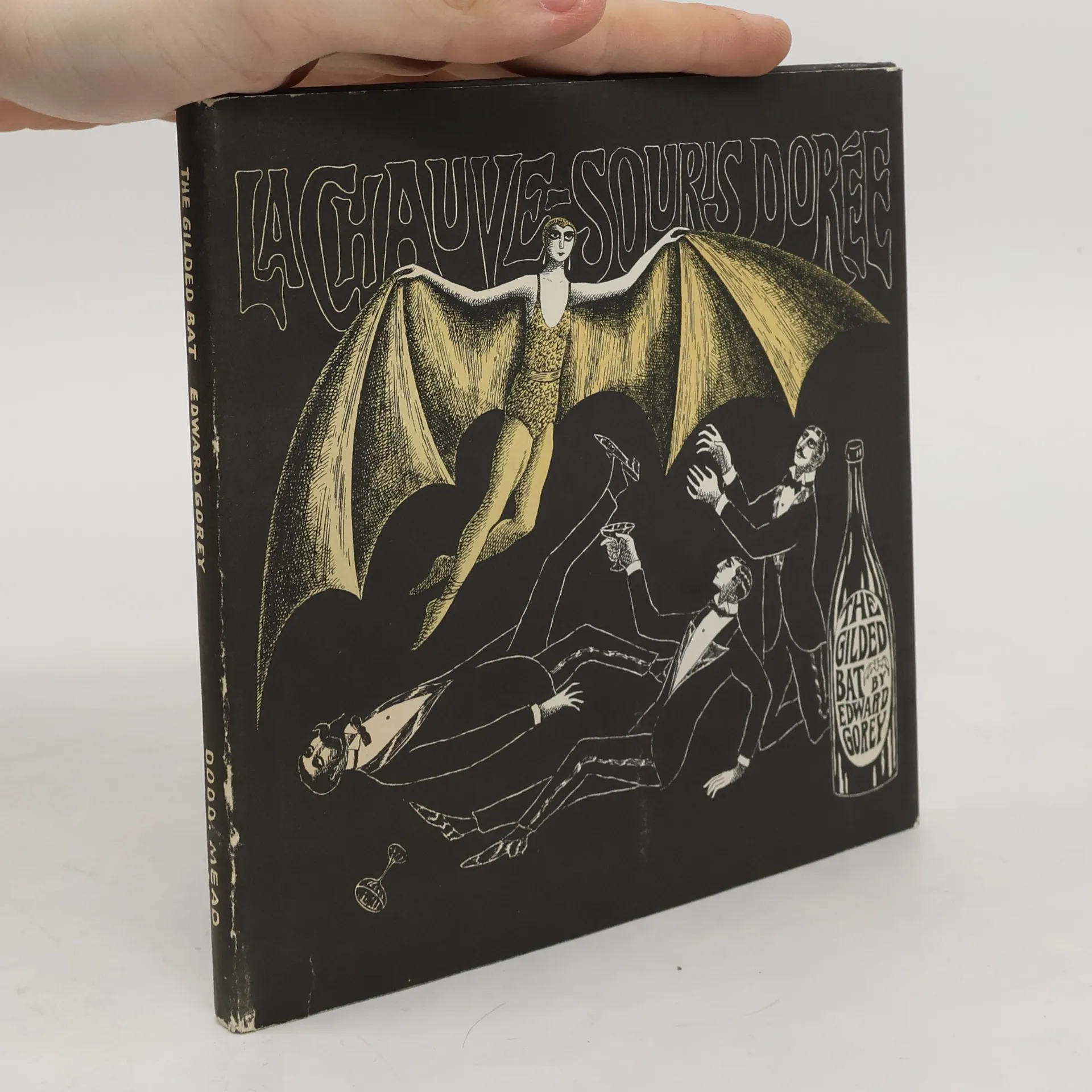
An alphabet illustrated with Edward Gorey's inimitable sense of the weird and the macabre.
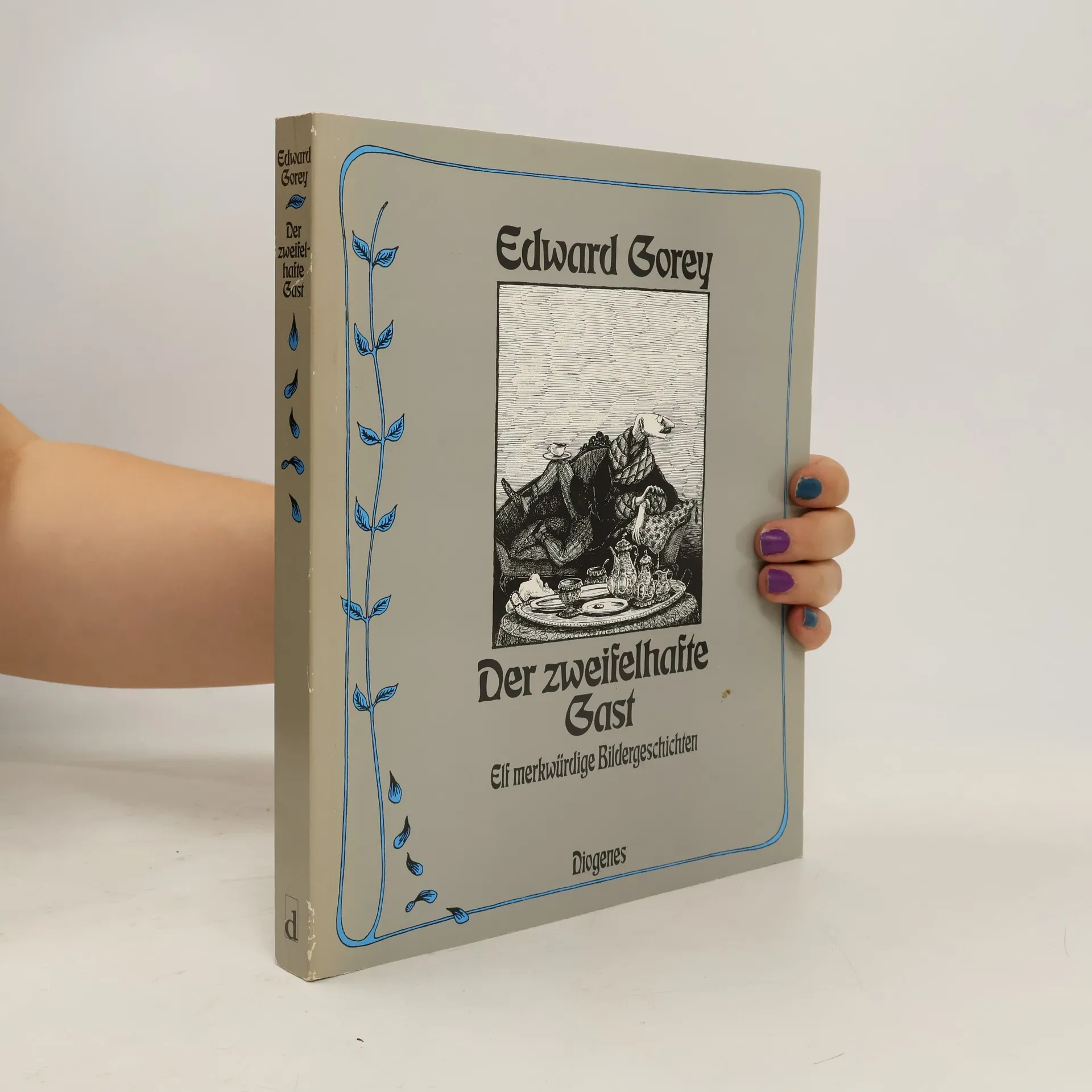
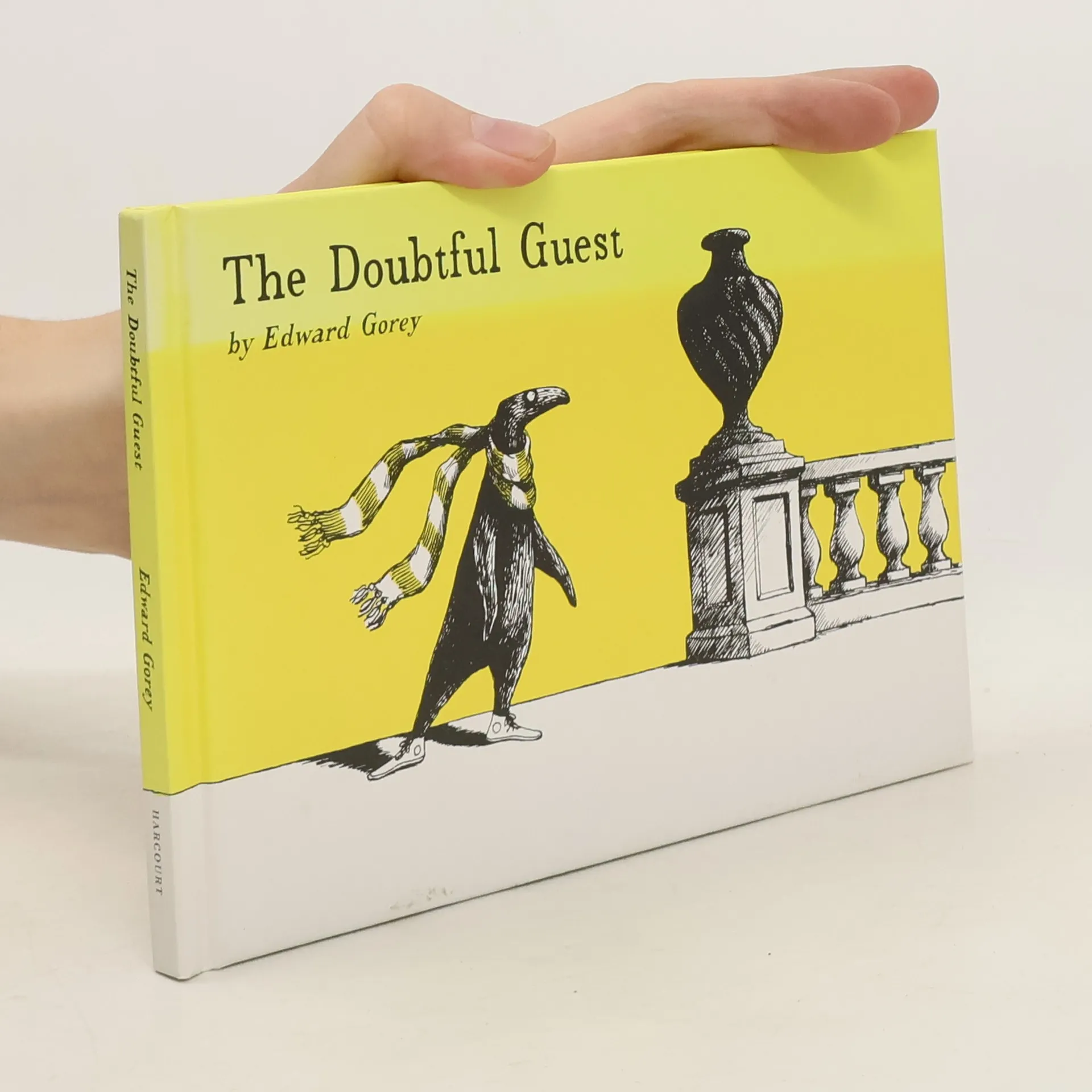
Being a tale--perhaps an allegory--of deceptive simplicity, with universal meaning for all civilized men and women, Gorey's "The Doubtful Guest" is republished here in a deluxe hardcover edition at an eerily low price.
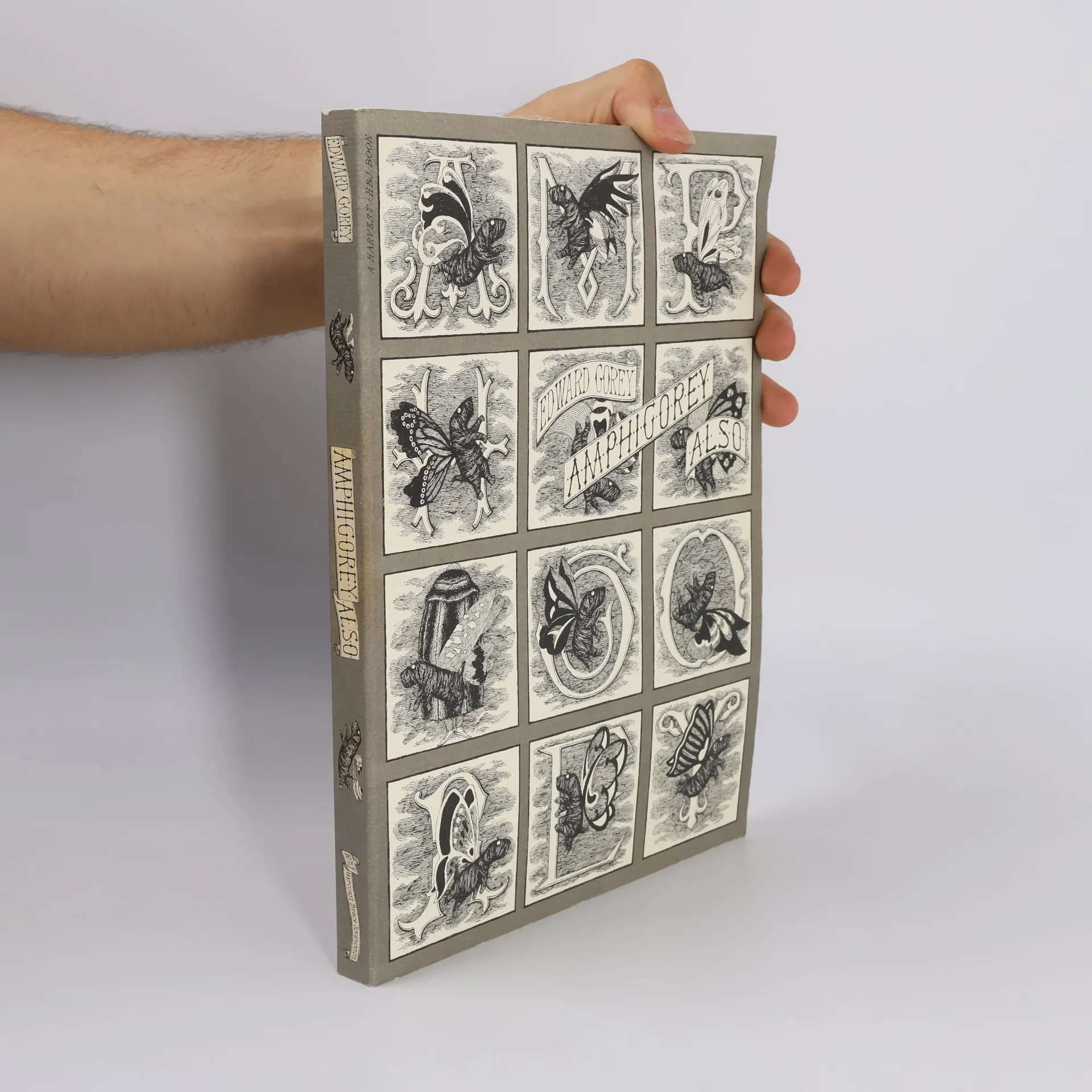
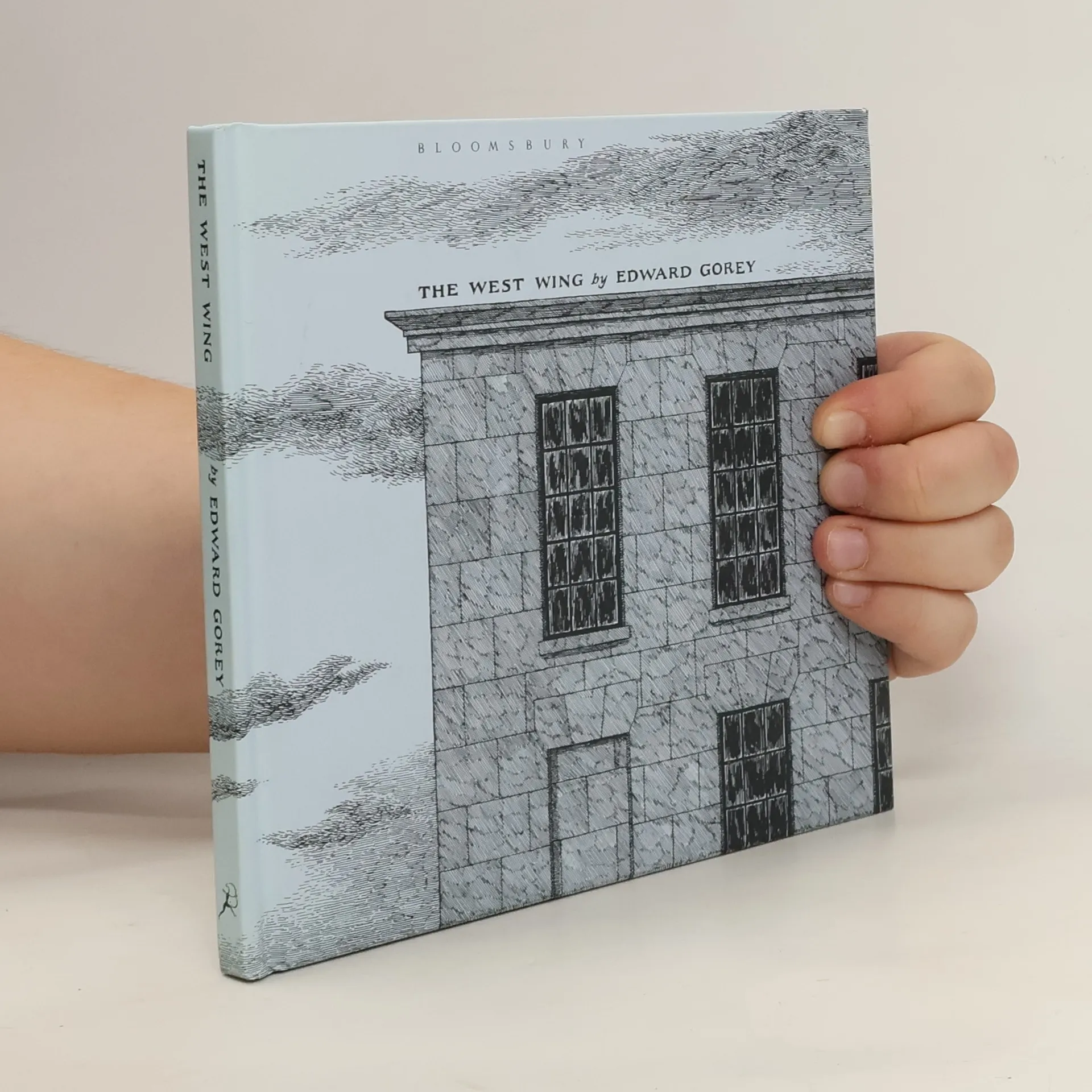
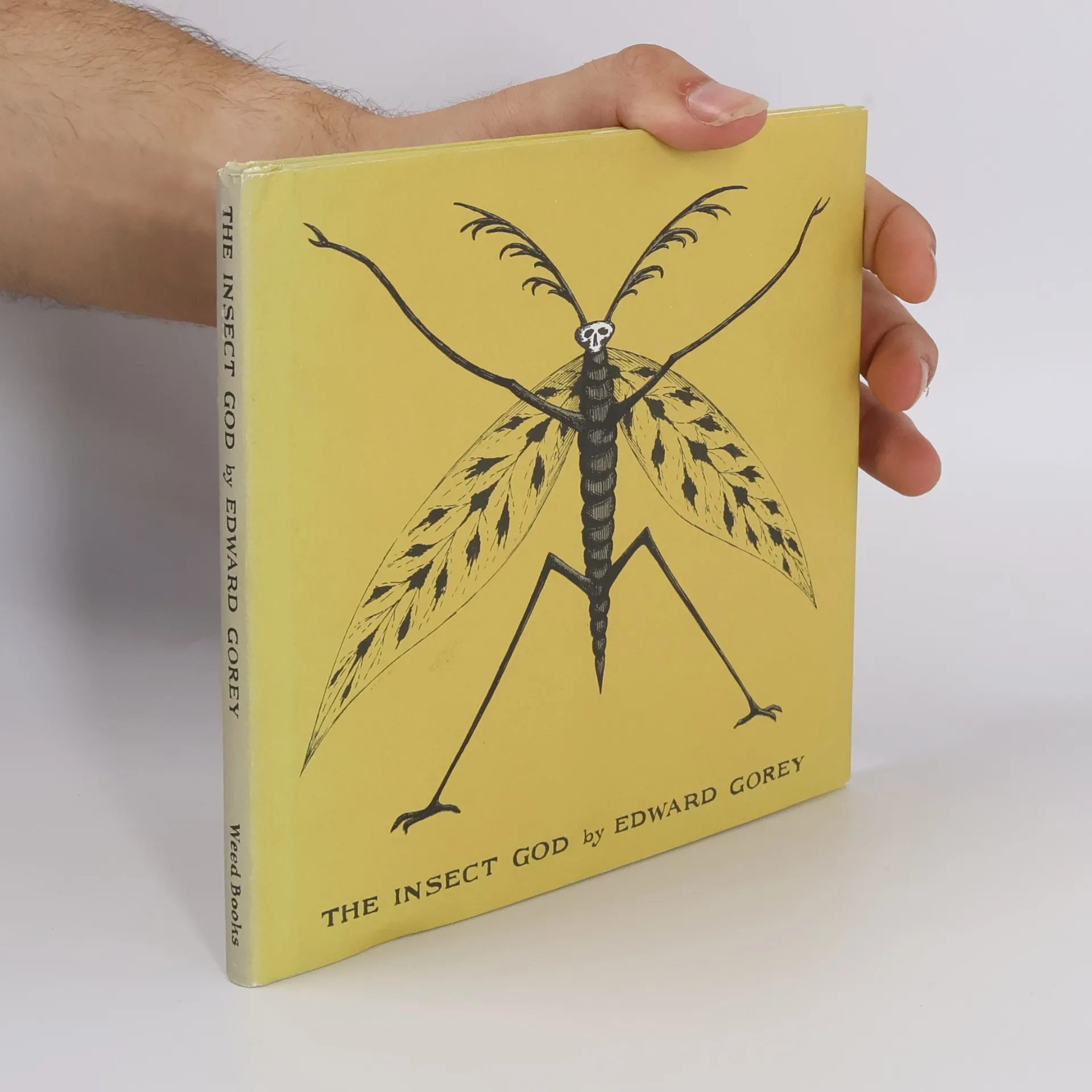
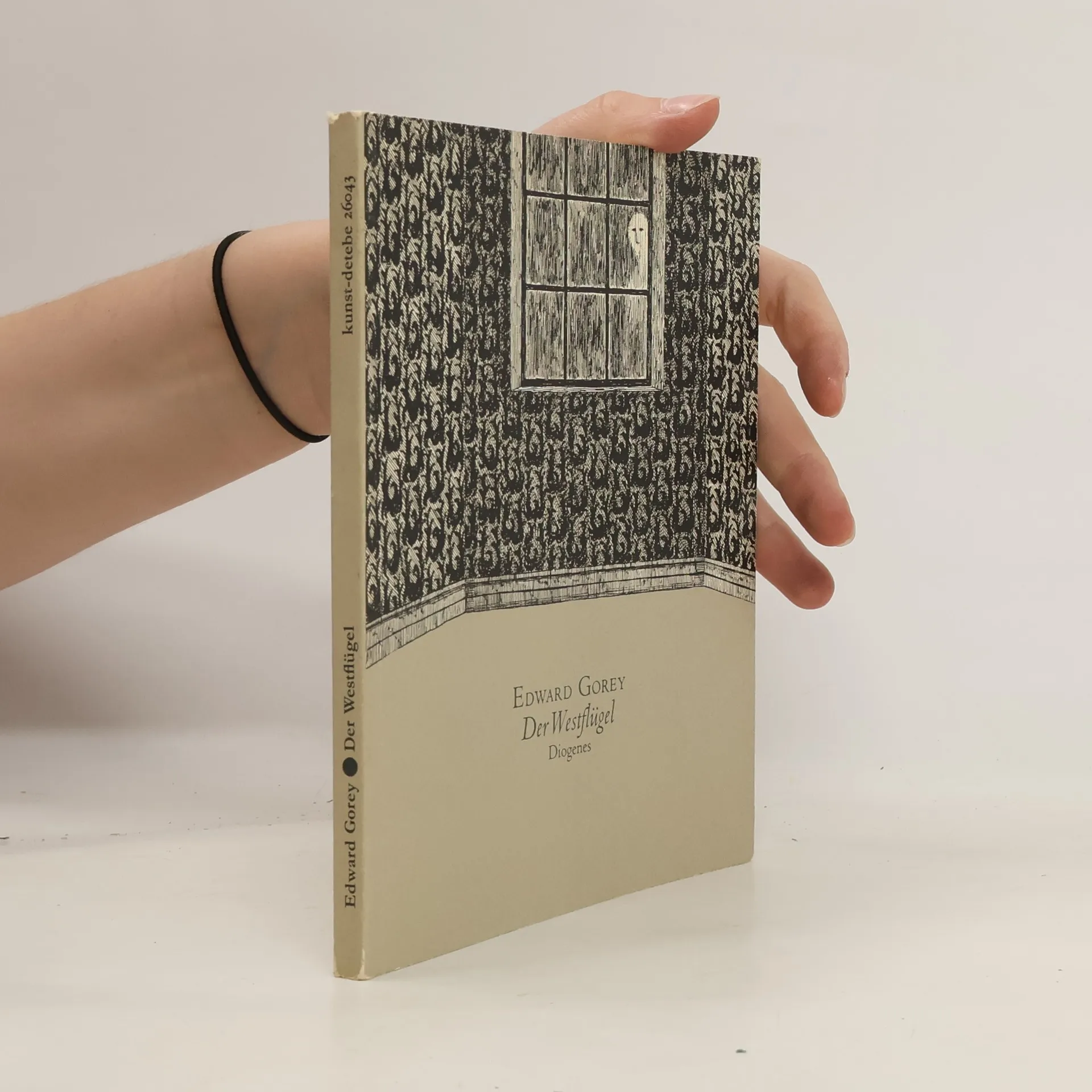
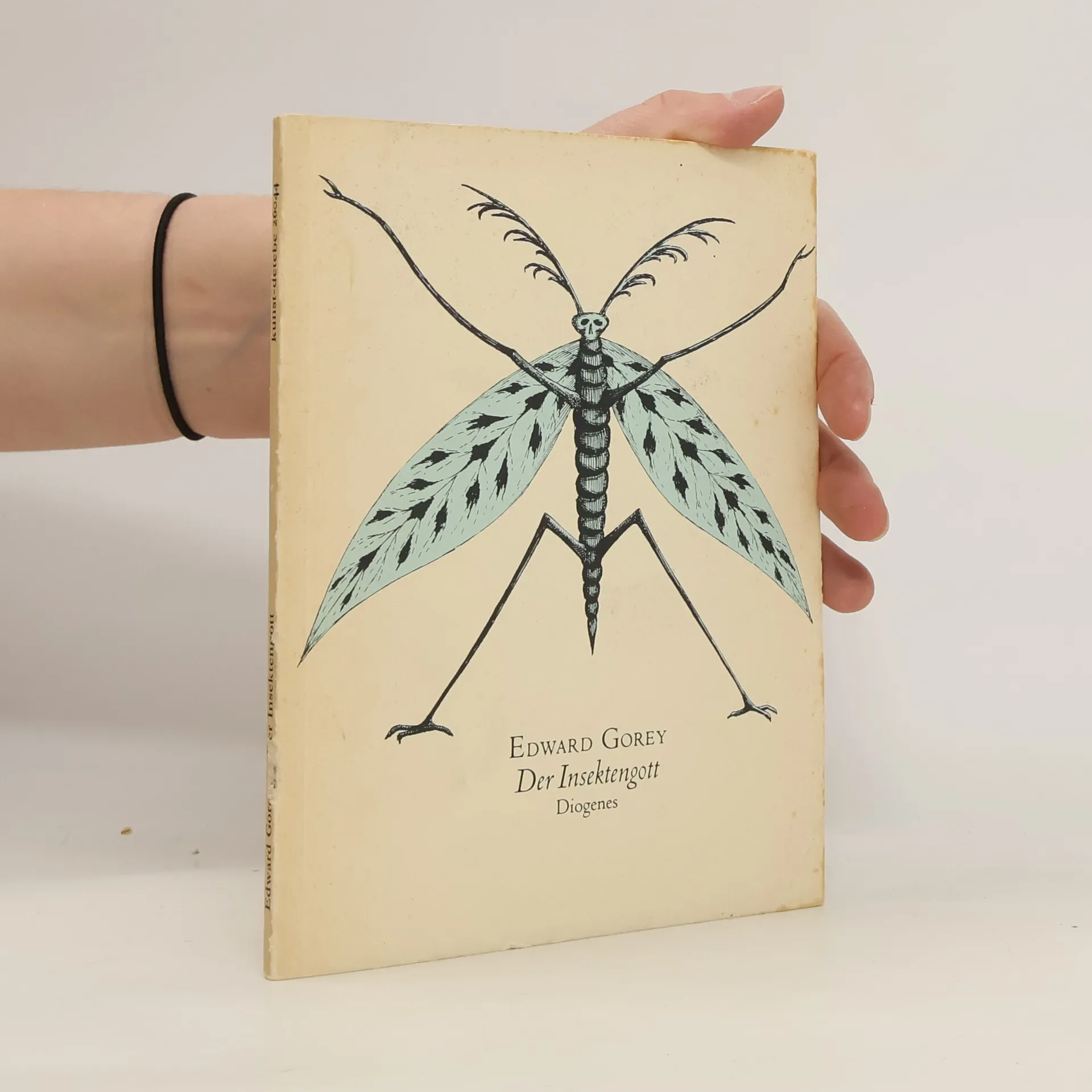
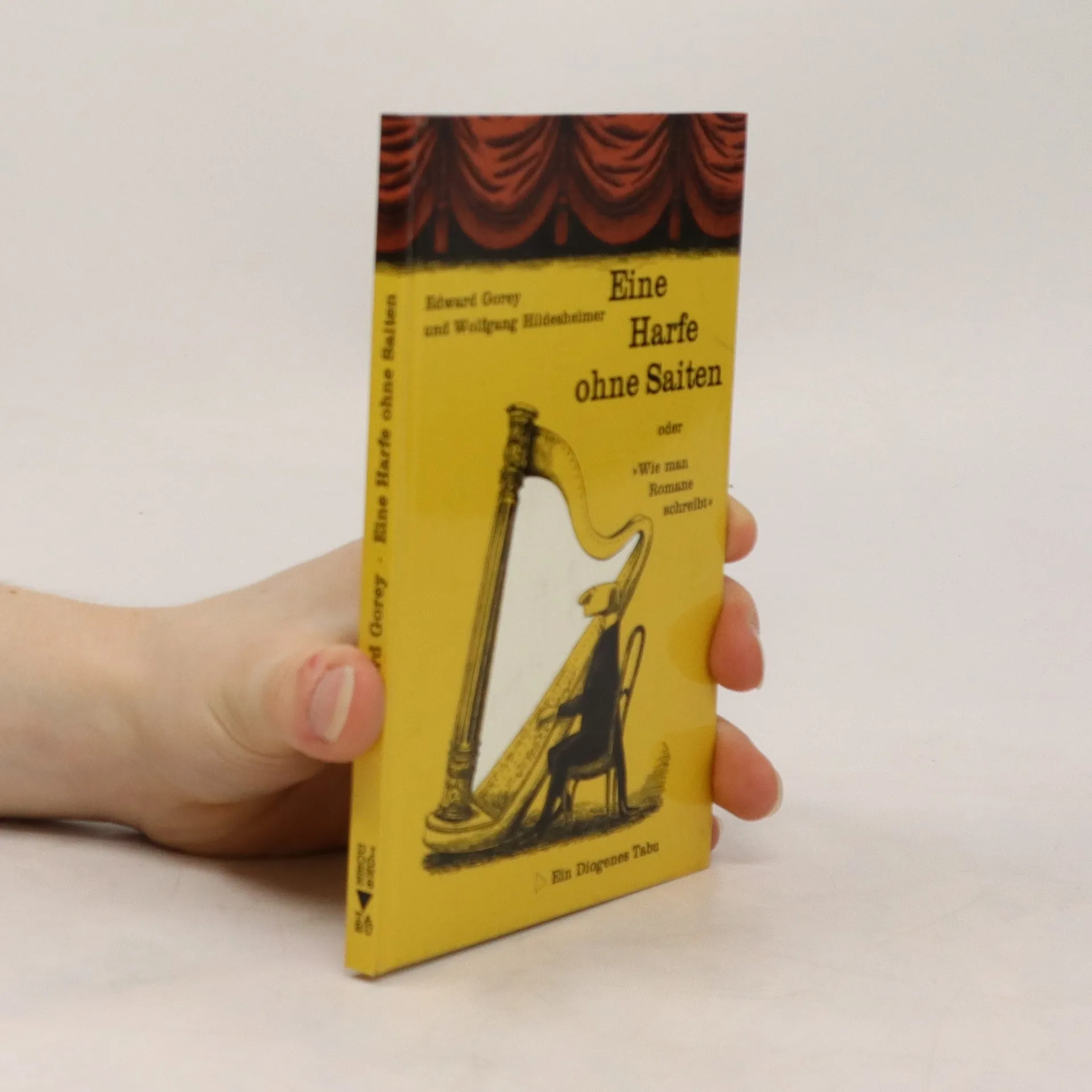
The title of this deliciously creepy collection of Gorey's work stems from the word amphigory, meaning a nonsense verse or composition. As always, Gorey's painstakingly cross-hatched pen and ink drawings are perfectly suited to his oddball verse and prose. The first book of 15, "The Unstrung Harp," describes the writing process of novelist Mr. Clavius Frederick Earbrass: "He must be mad to go on enduring the unexquisite agony of writing when it all turns out drivel." In "The Listing Attic," you'll find a set of quirky limericks such as "A certain young man, it was noted, / Went about in the heat thickly coated; / He said, 'You may scoff, / But I shan't take it off; / Underneath I am horribly bloated.' "Many of Gorey's tales involve untimely deaths and dreadful mishaps, but much like tragic Irish ballads with their perky rhythms and melodies, they come off as strangely lighthearted. "The Gashlycrumb Tinies," for example, begins like this: "A is for AMY who fell down the stairs, B is for BASIL assaulted by bears," and so on. An eccentric, funny book for either the uninitiated or diehard Gorey fans.Contains: The Unstrung Harp, The Listing Attic, The Doubtful Guest, The Object Lesson, The Bug Book, The Fatal Lozenge, The Hapless Child, The Curious Sofa, The Willowdale Handcar, The Gashlycrumb Tinies, The Insect God, The West Wing, The Wuggly Ump, The Sinking Spell, and The Remembered Visit.
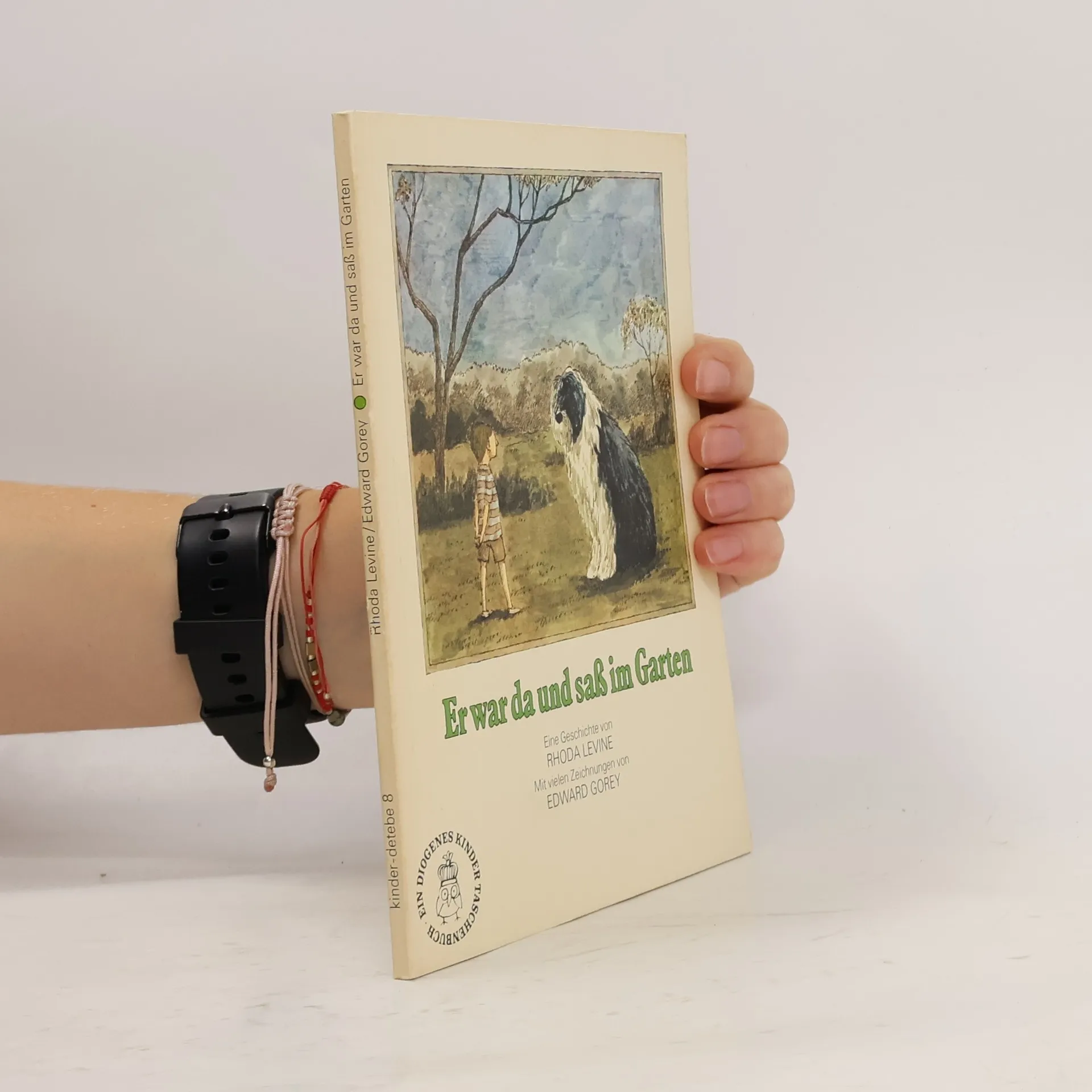
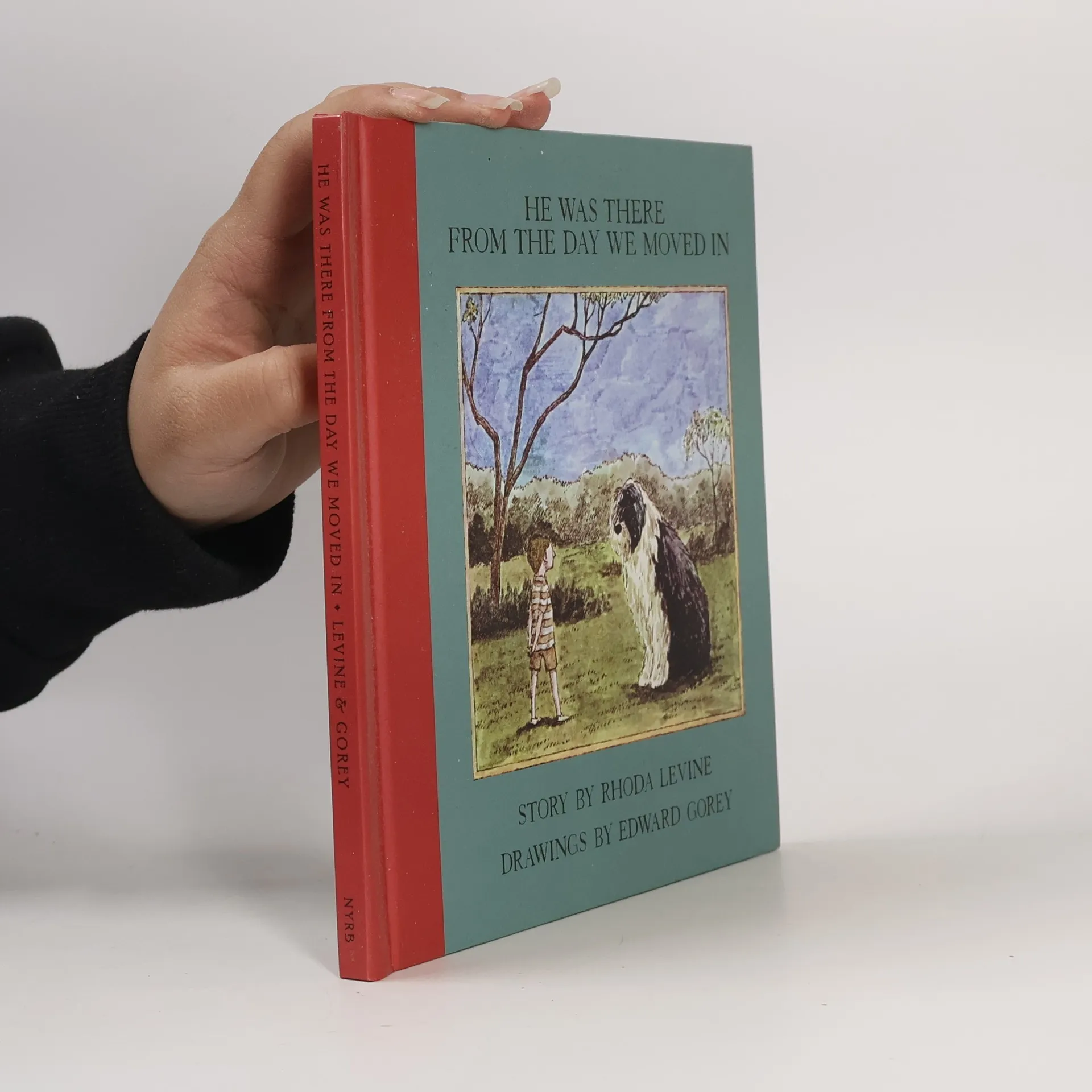
The naming of dogs can be a tricky business, as Ogdon and his big brother discover in this charming collaboration between Rhoda Levine and Edward Gorey. You see, before Ogdon and his family moved to a new house, no one mentioned the big shaggy sheep dog in the back yard, but there he was, just sitting and waiting, imperturbable as can be. Waiting for what? Ogdon wonders. Dinner? A lollipop? A stray cat? Someone to talk to? No, what the dog wants is a name. And not just any name, but the right name. And with a little patience, and a lot of persistence, Ogdon and his brother will figure it out.
The narrative features a whimsical and adventurous journey, showcasing Edward Gorey's signature charm and sophistication. Celebrated for its stylish and inventive storytelling, this burlesque tale captivates with its unique blend of humor and creativity. The special gift edition enhances its appeal, making it a perfect choice for fans of Gorey's distinctive artistic voice.
Another Goery masterpiece unfolds in this dark tale of surreal morality. Illustrations.
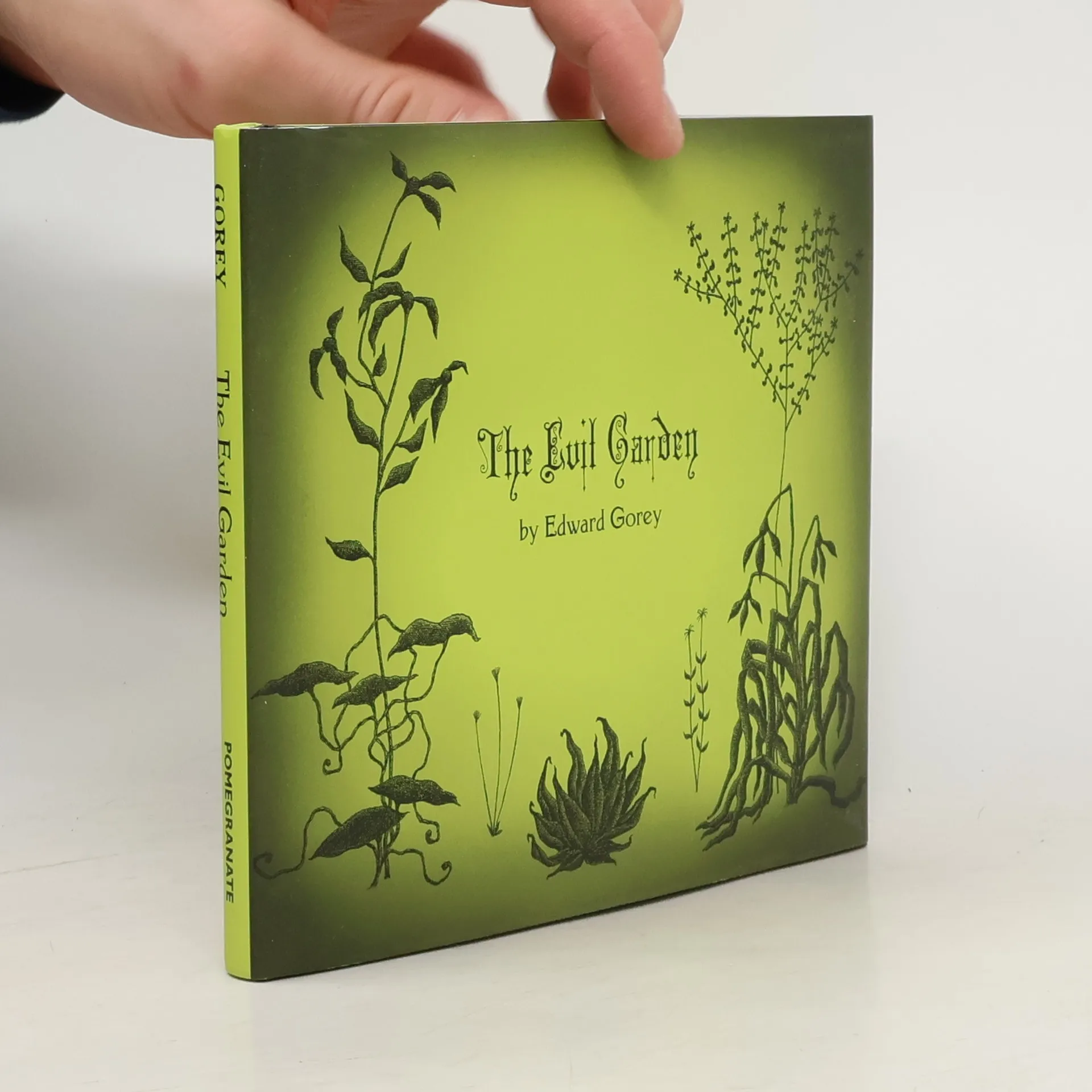
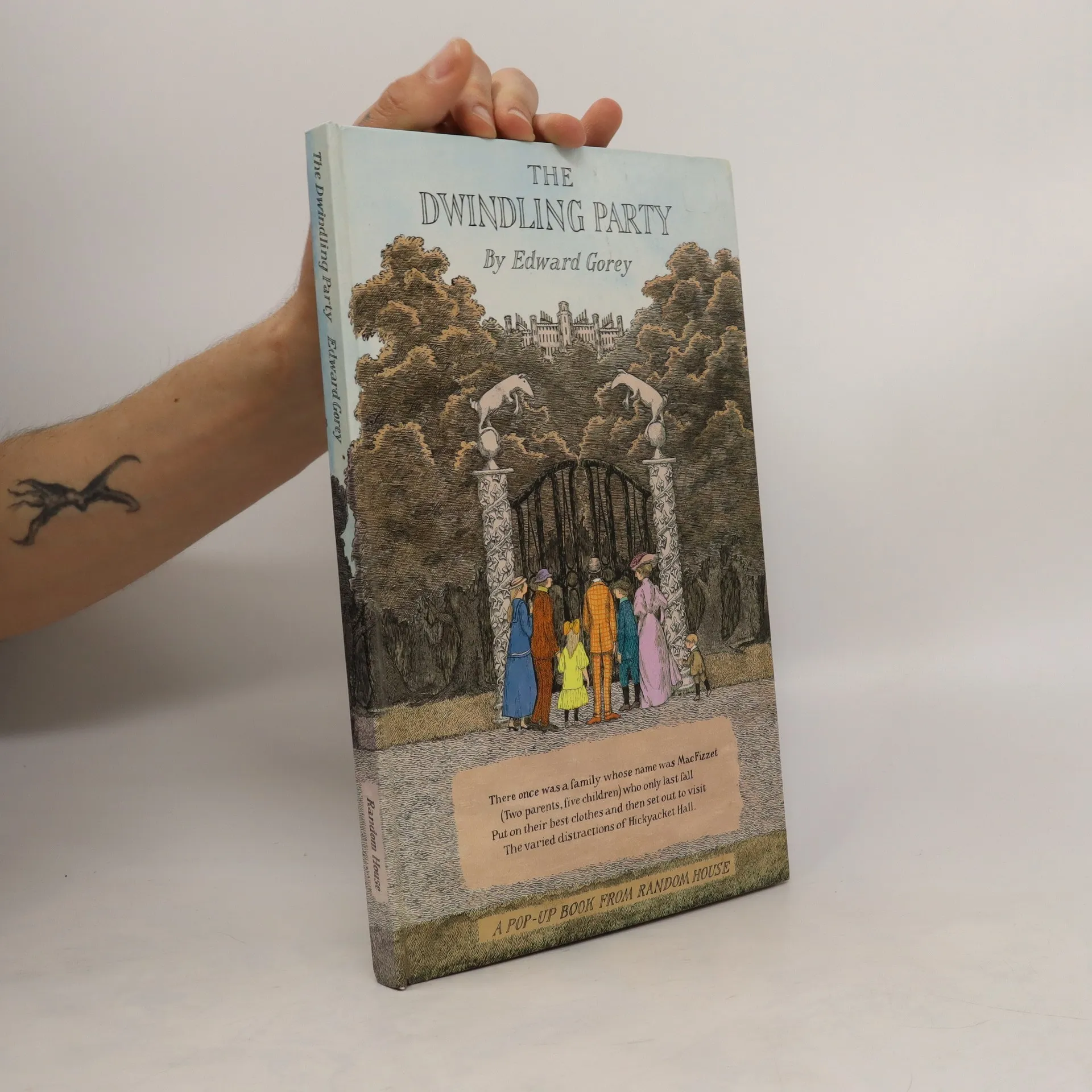
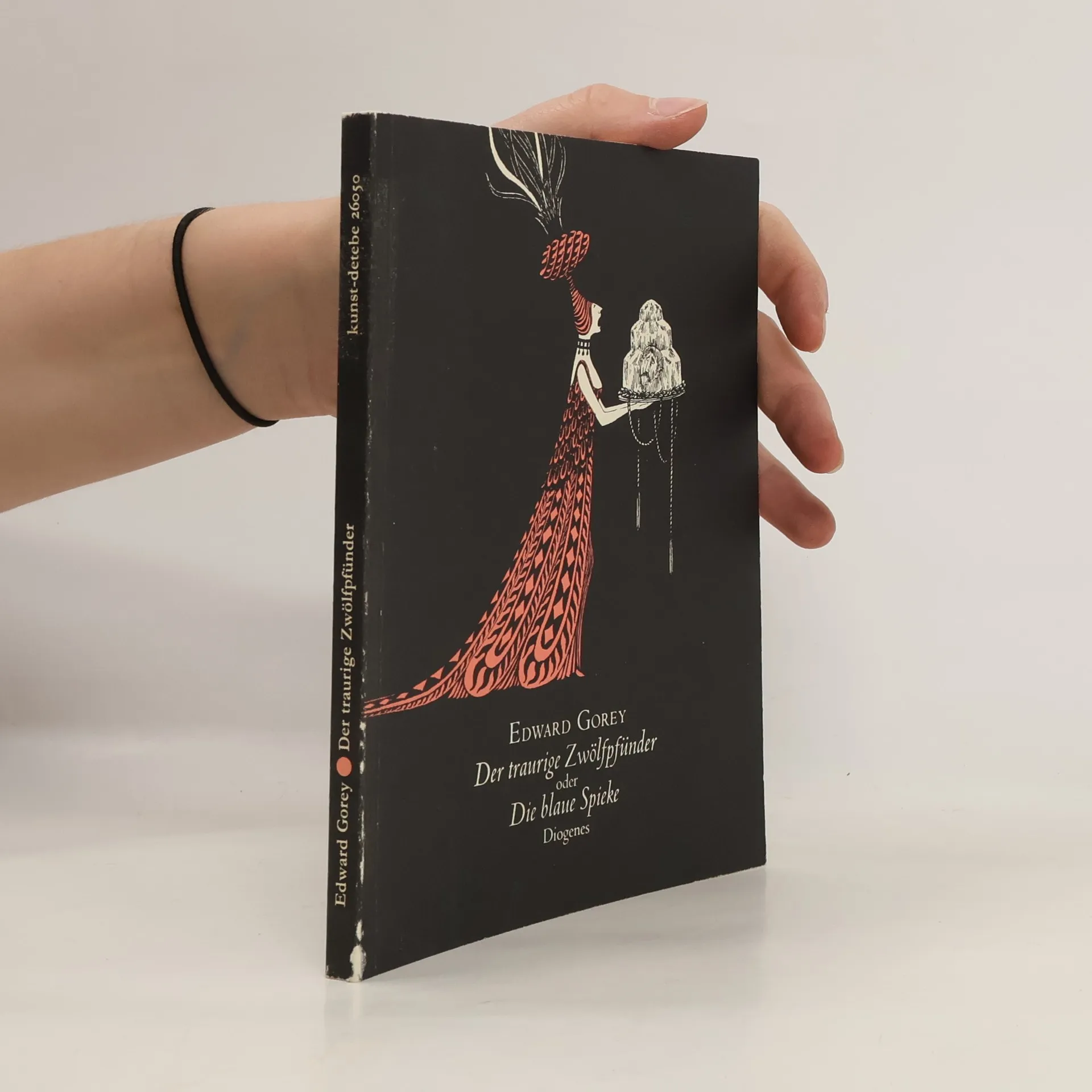
A happy, naive family enters the Evil Garden (free admission!) to spend a sunny afternoon in its inviting landscape, lush with exotic trees and flowers. They soon realize their mistake, as harrowing sounds and evidence of foul play emerge. When humongous hairy bugs, famished carnivorous plants, ferocious fruit-guarding bears, and a sinister strangling snake take charge, the family's ominous feelings turn to full-on panic but where's the exit? Edward Gorey leads us through this nefarious garden with a light step. His unmistakable drawings paired with engaging couplets produce giggles, not gasps. Perhaps "The Evil Garden" is a morality tale; perhaps it's simply an enigmatic entertainment. Whatever the interpretation, it's a prime example of the iconic storytelling genius that is Edward Gorey.
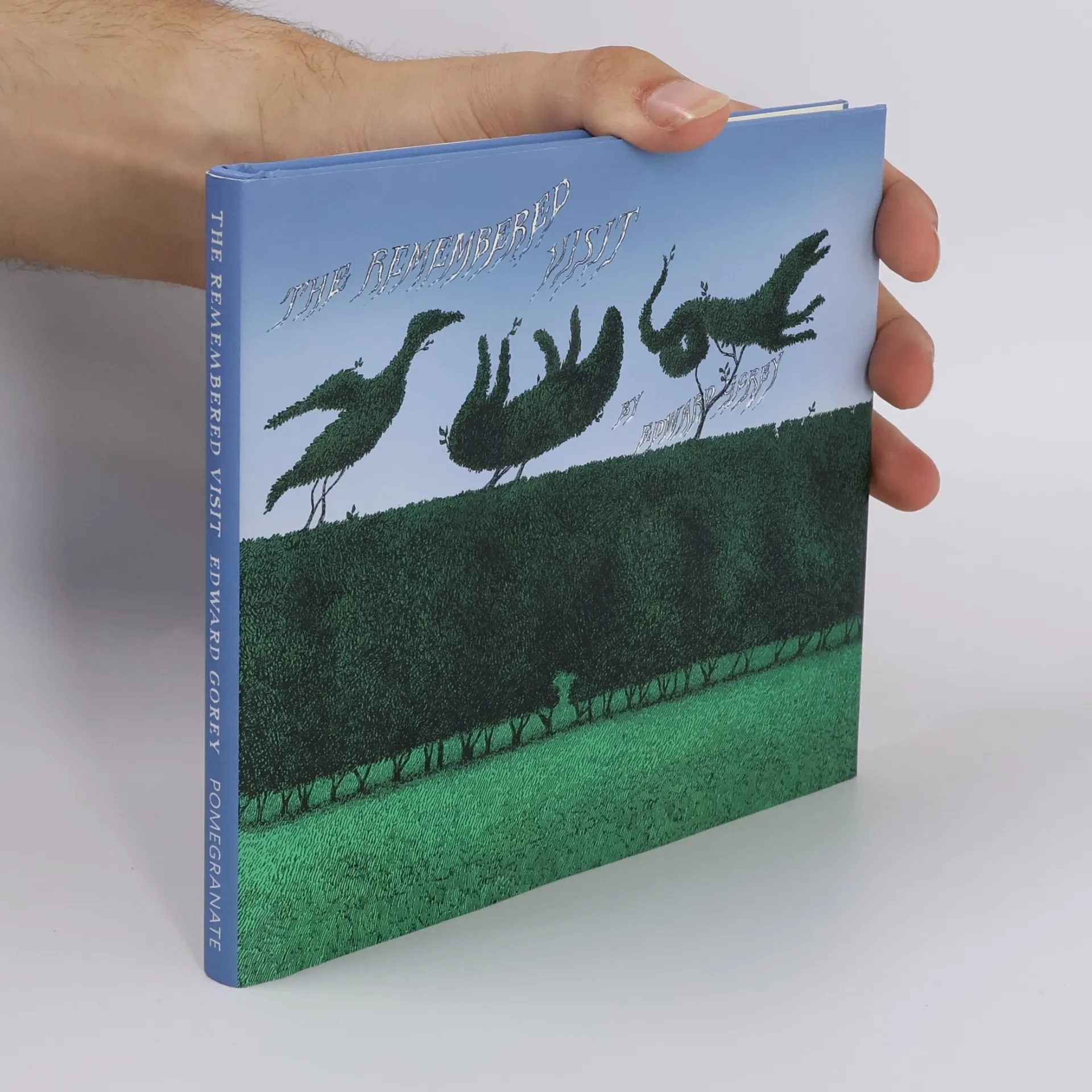
On a long trip abroad, Gorey's young Drusilla is introduced to high art and gourmet meals. She gamely tries to appreciate the museums, rich food, and architectural wonders that delight her parents, only to find herself drifting along in a puzzling world. But then Miss Skrim-Pshaw takes her for tea with Mr Crague, a sockless, elderly man with a notable past, and their brief encounter is what will haunt Drusilla years later. Her casual promise to the old man has led to sudden recollection, then sad regret. curious coming-of-age tale, Edward Gorey employs his signature dark humor and exquisite illustrations to deftly portray the precociousness of a child on the brink of adulthood. One of the most enigmatic of Gorey's many books, The Remembered Visit has been a favorite of Gorey fans, young and old, since its original release in 1965.
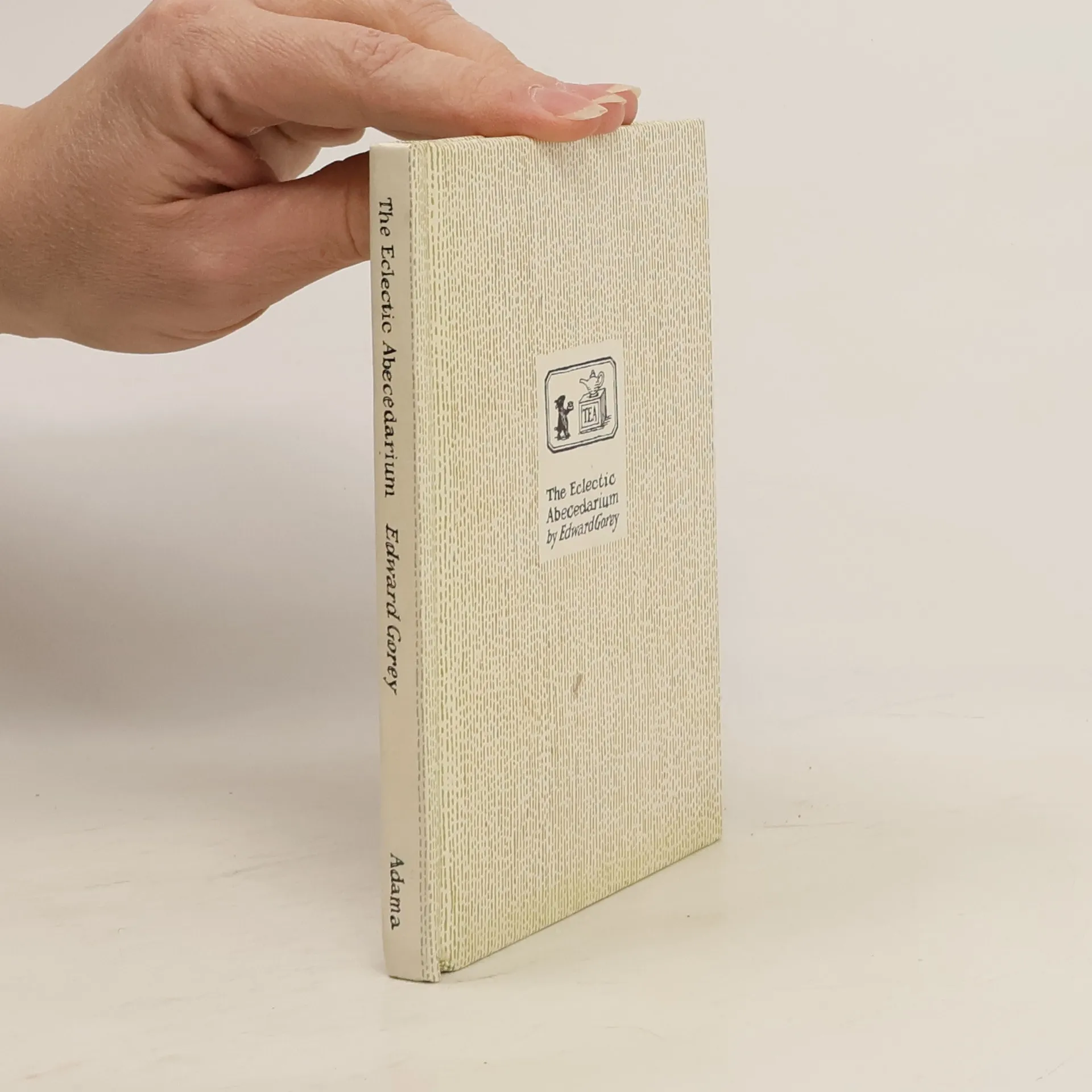
Edward Gorey's first miniature book, The Eclectic Abecedarium is an illustrated adventure through the English alphabet, accompanied by rhyming couplets penned by Gorey, who described his creations as "literary nonsense." Inspired by popular moral primers for children, Gorey created an updated version of Isaac Watts's alphabetic aphorisms. Part sweet songs of unseen birds and part cautionary tales, this abecedarium fully lives up to the epithet "eclectic."
"A collection of twenty illustrations by artist Edward Gorey"--
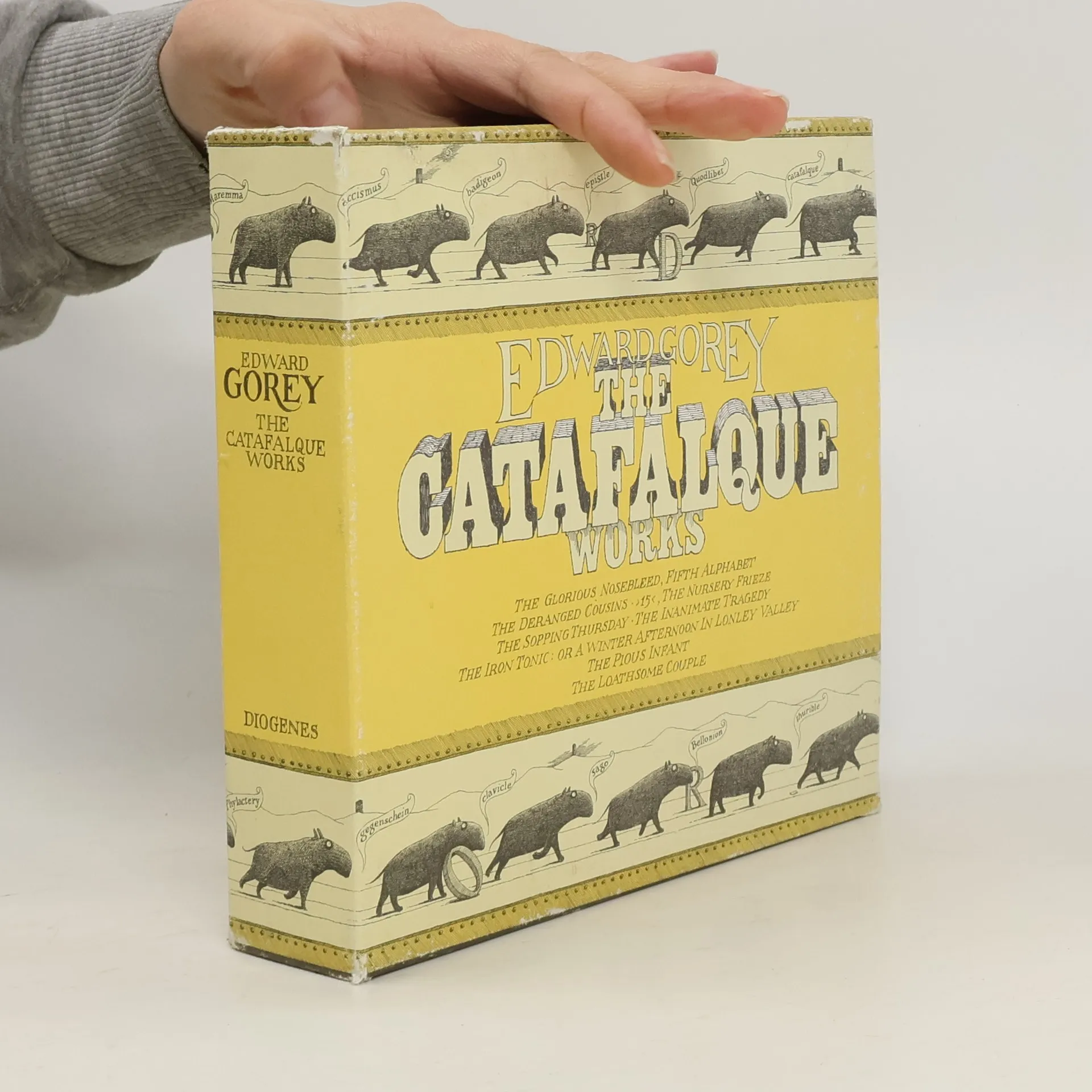
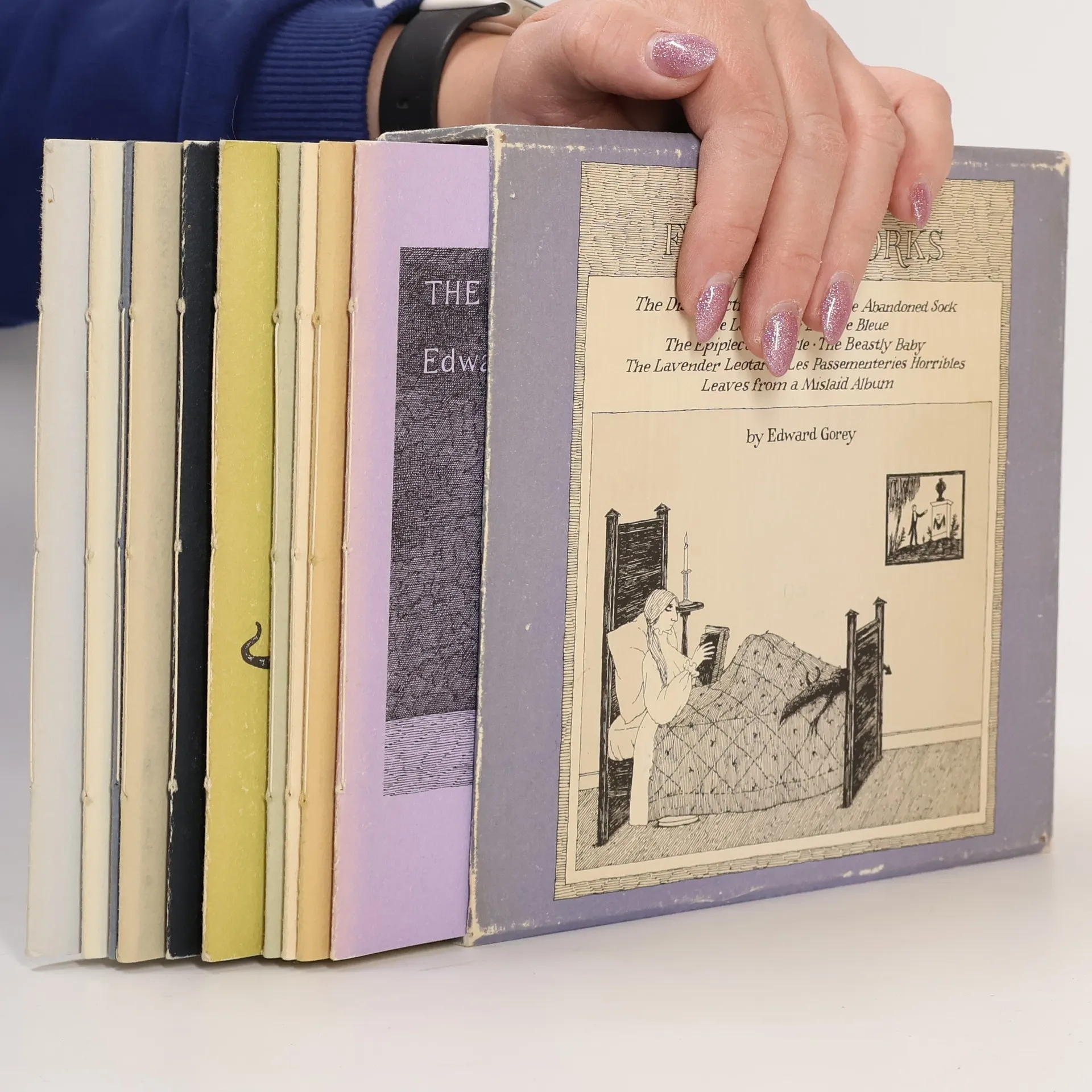
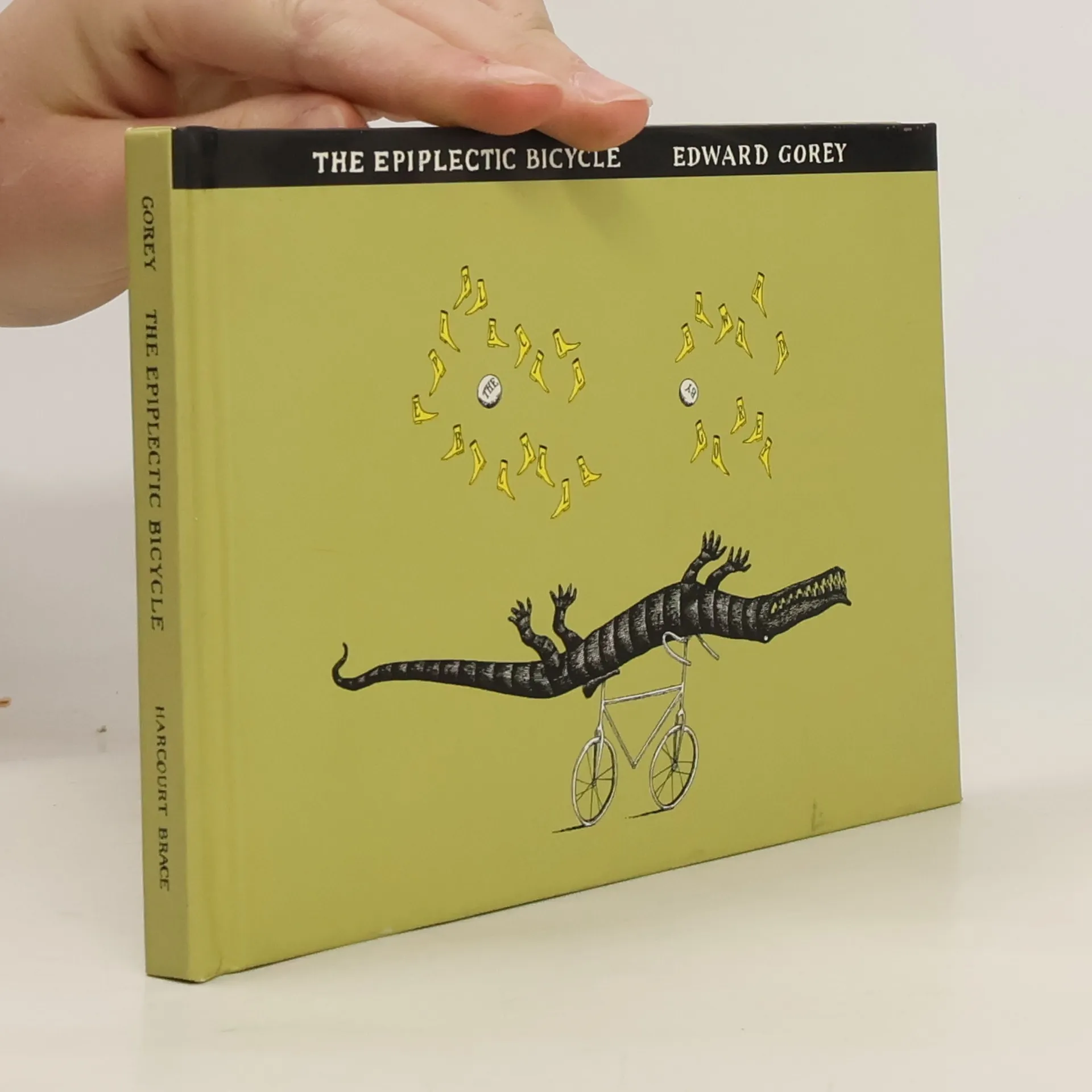
Drawings (including thirty-two pages in color), captions, and verse showcasing Gorey's unique talents and humor. "The Glorious Nosebleed," "The Utter Zoo," "The Epiplectic Bicycle," and fourteen other selections.
The Unstrung Harp is a look at the literary life and its "attendant woes: isolation, writer's block, professional jealousy, and plain boredom." But, as with all of Edward Gorey's books, TUH is also about life in general, with its anguish, turnips, conjunctions, illness, defeat, string, parties, no parties, urns, desuetude, disaffection, claws, loss, trebizond, napkins, shame, stones, distance, fever, antipodes, mush, glaciers, incoherence, labels, miasma, amputation, tides, deceit, mourning, elsewards.Finally, TUH is about Edward Gorey the writer, about Edward Gorey writing The Unstrung Harp. It's a small masterpiece.
The short, tragic life of Charlotte Sophia is told in this satire of sentimental Victorian orphan tales.
One of Mr. Gorey's wordless masterworks. --New York Times
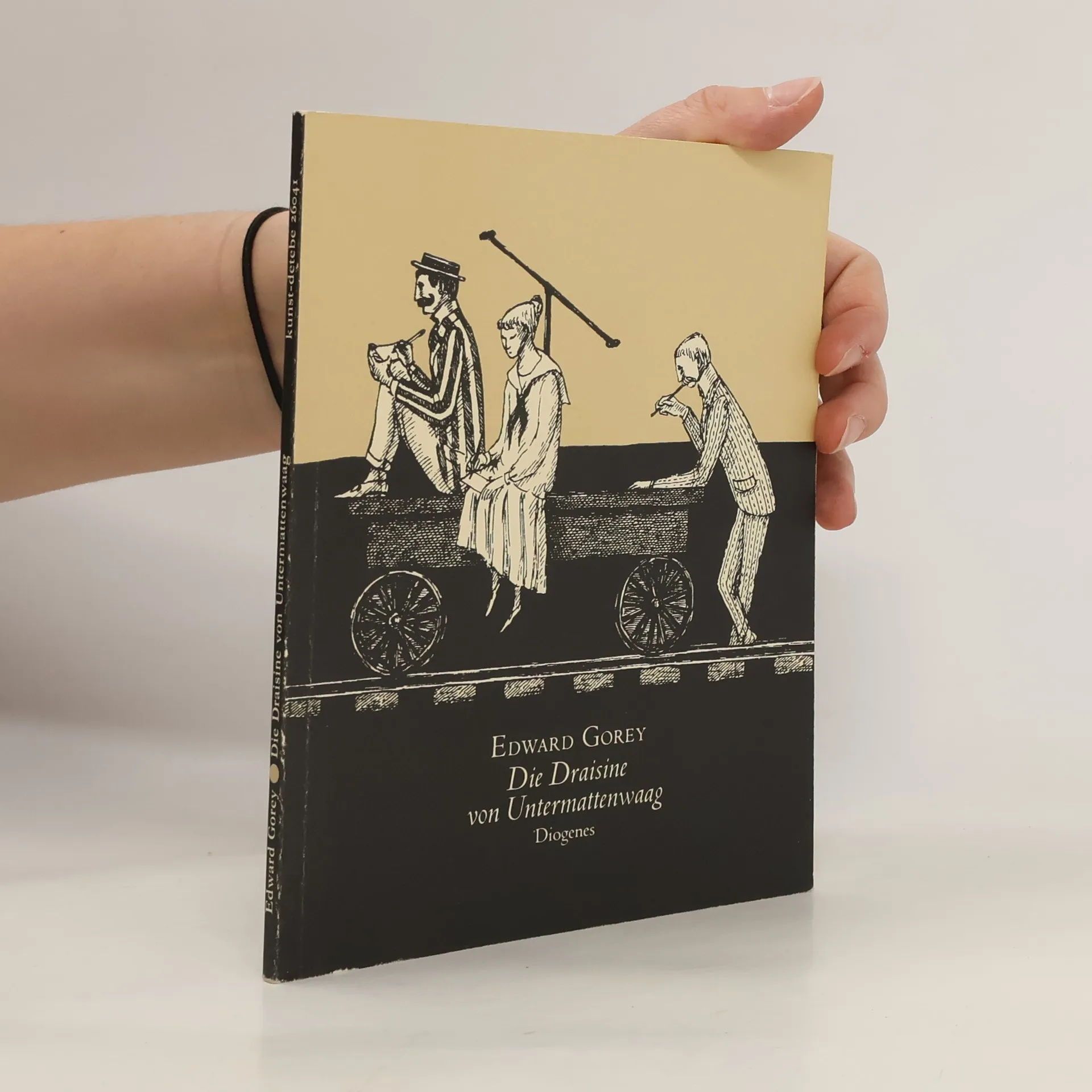
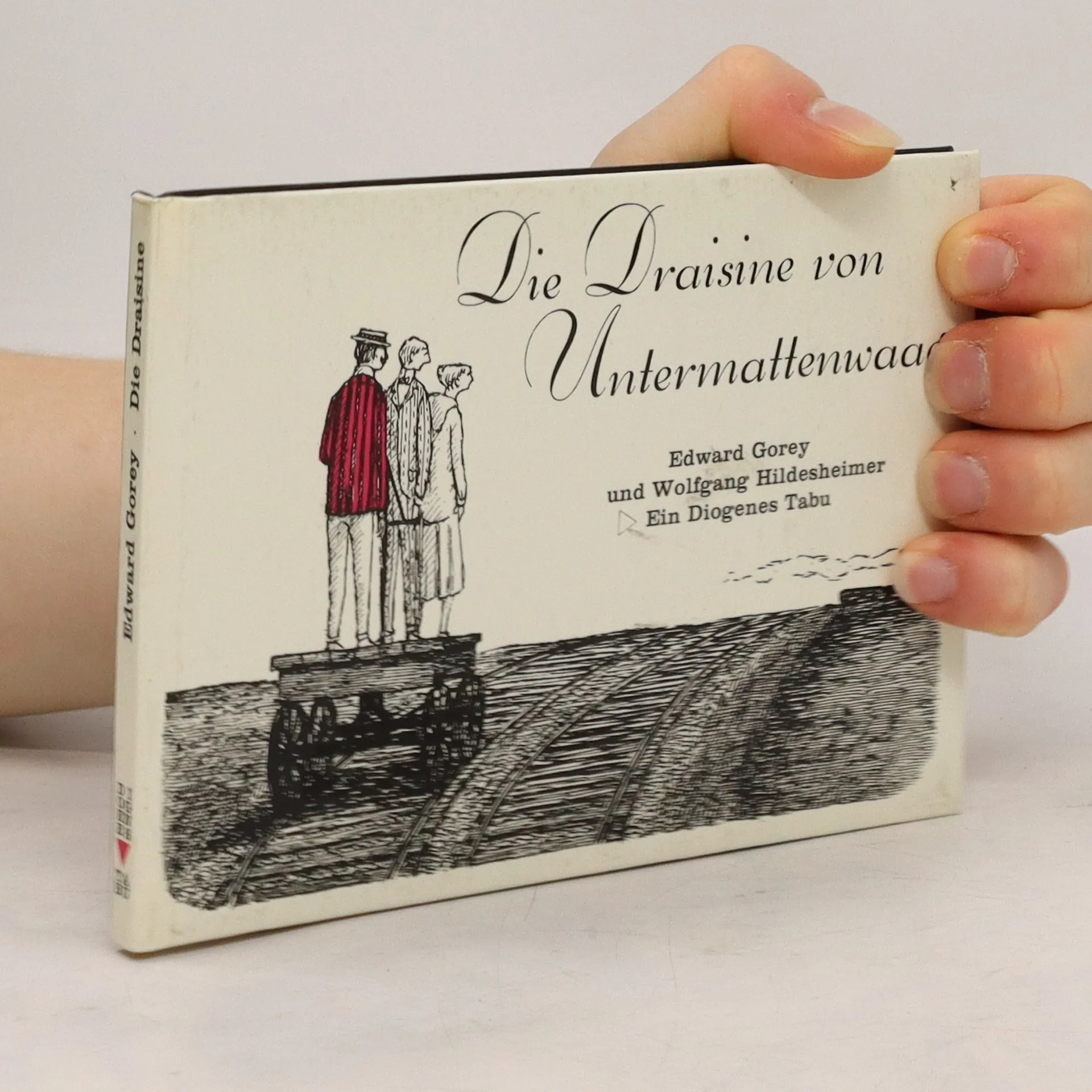
Three mysterious figures set out from Willowdale, travelling by handcar. On the way to nowhere in particular they pass a number of odd characters and observe a series of baffling phenomena, from a house burning down in a field to a palatial mansion perched precariously on a bluff.
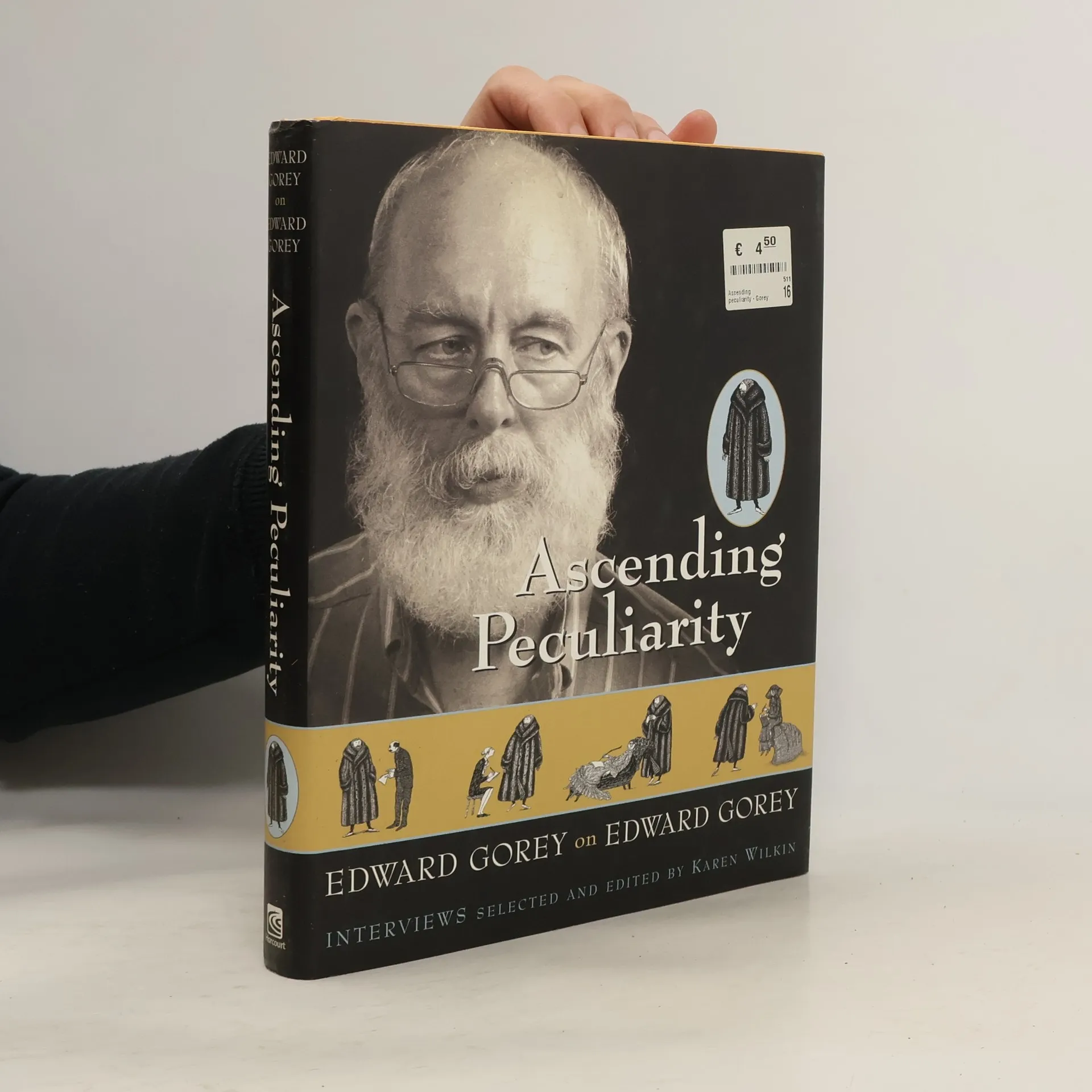
Culled from dozens of interviews, this unique autobiography of the famous artist showcases Gorey's ideas about French symbolist poetry, soap operas, George Balanchine, ballet, and Victorian snuff photography, among other topics. 50,000 first printing.
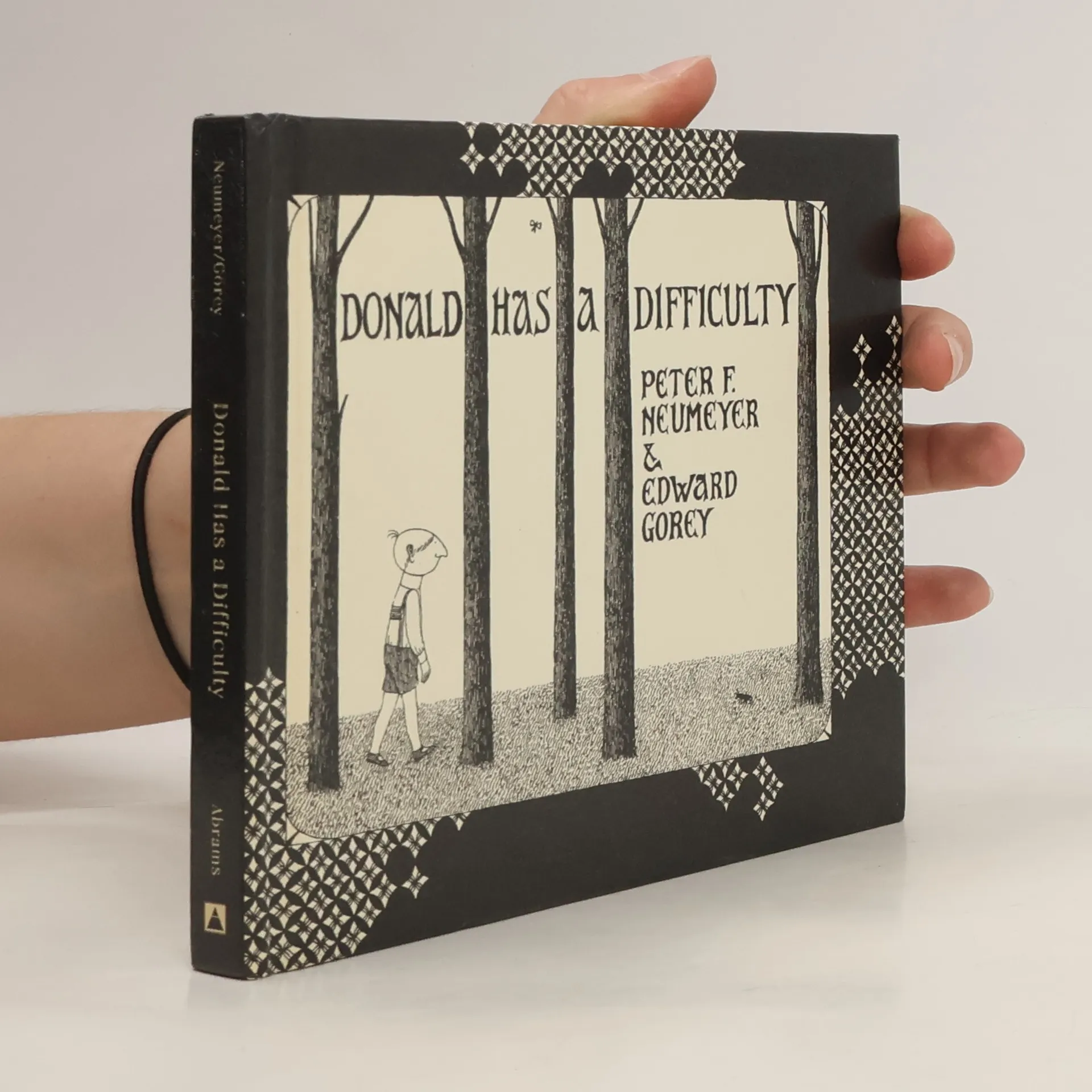
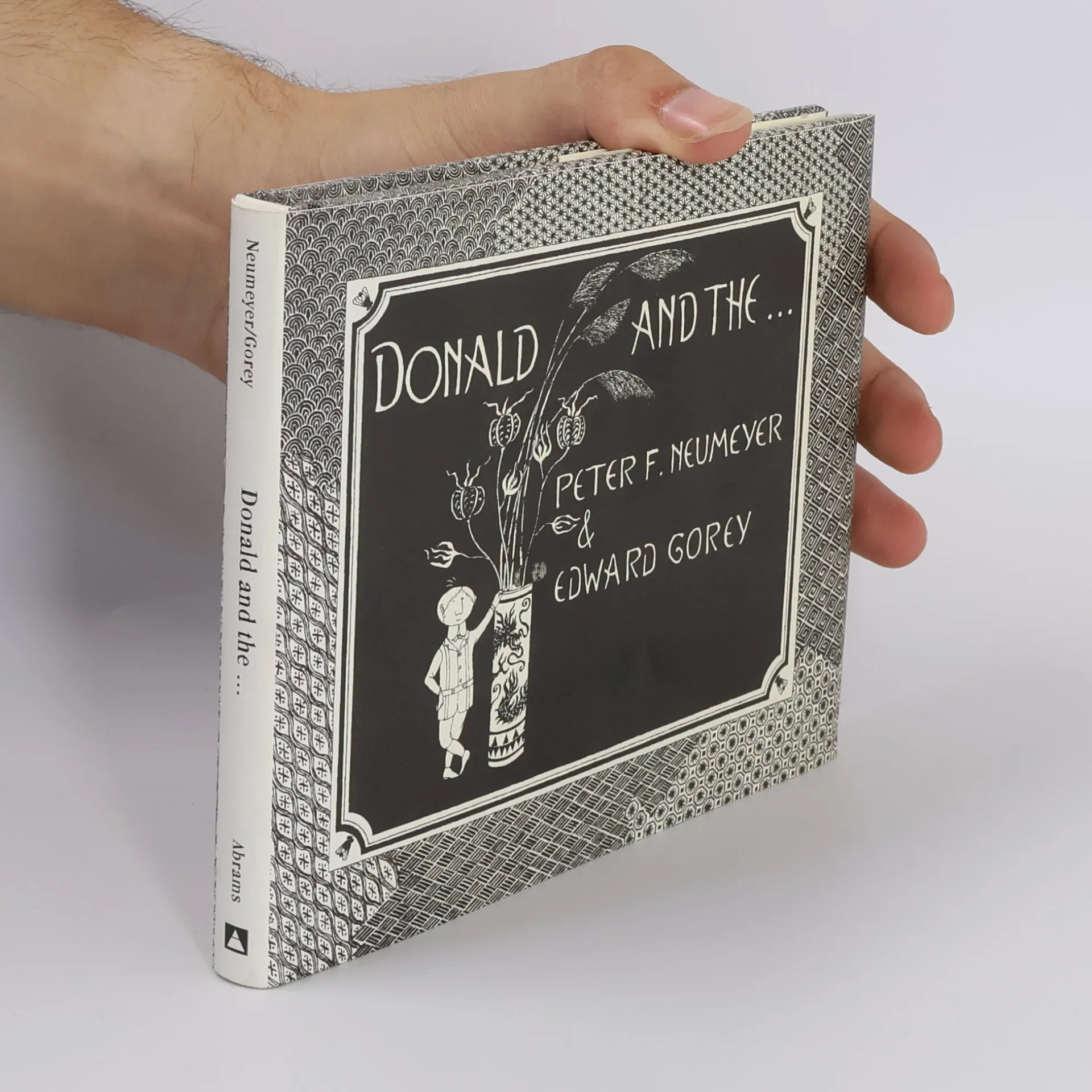
Donald encounters a difficulty when a splinter enters the calf of his leg.
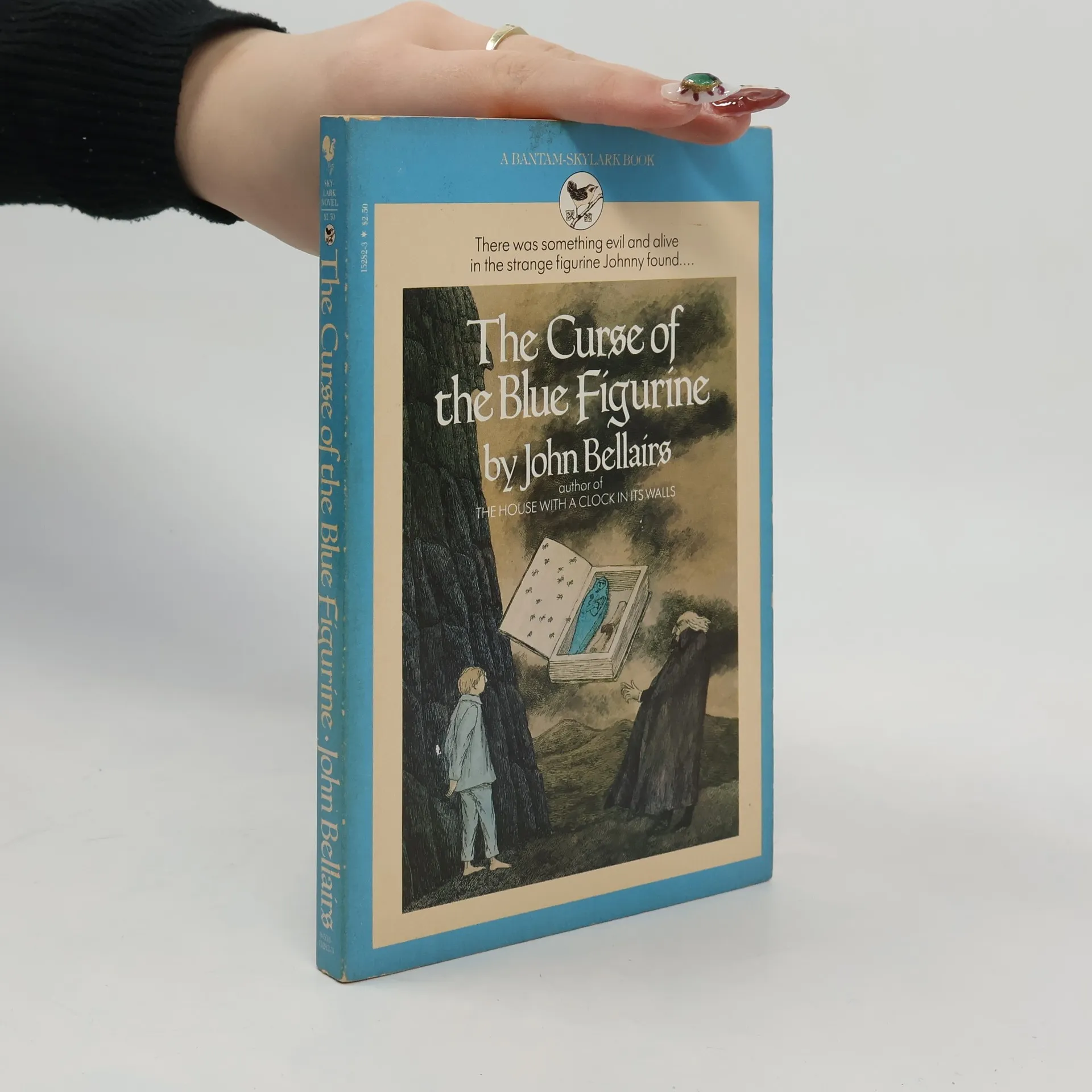
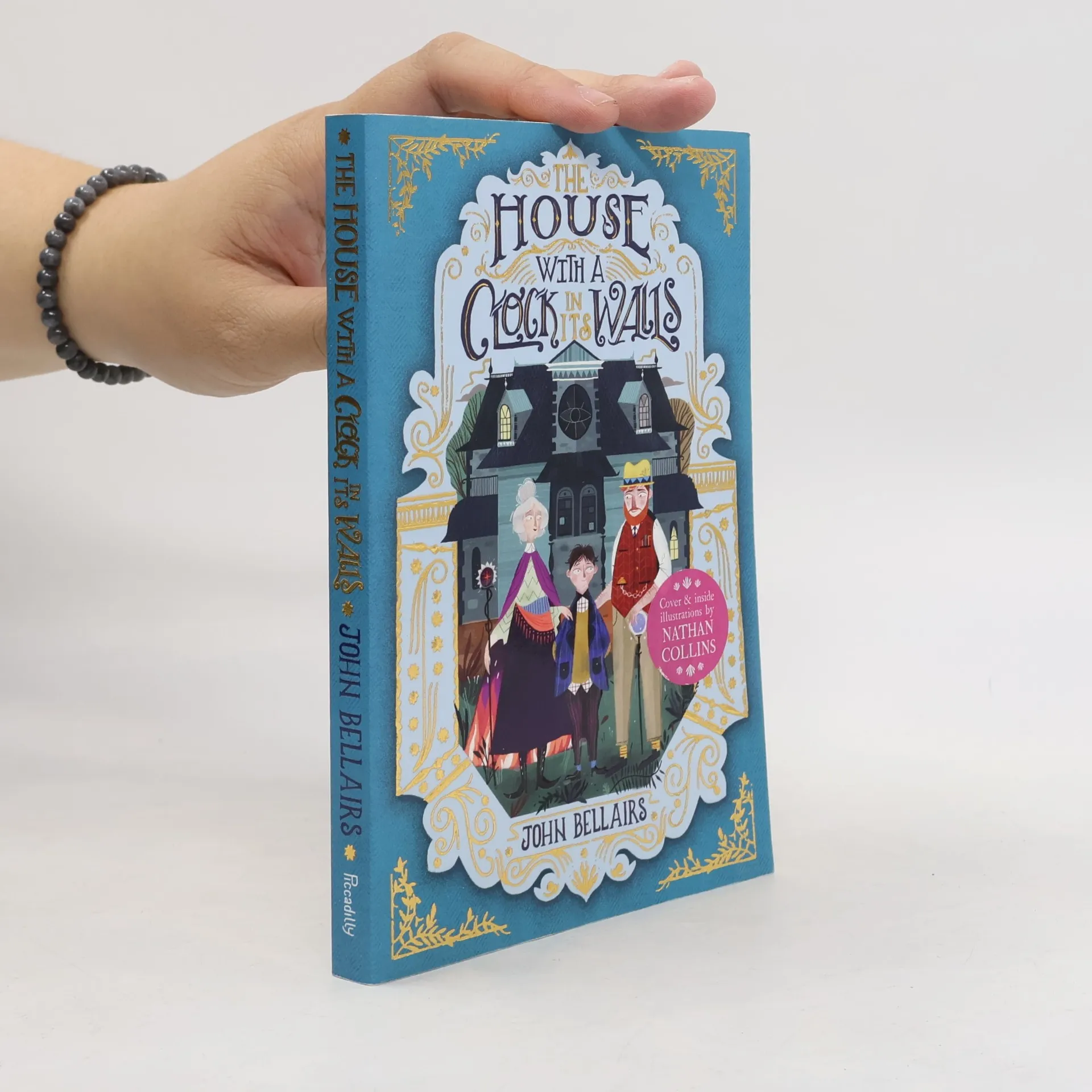
JOhnny Dixon doesn't believe that the ghost of mad Father Baart haunts the town church. But then he takes an old scroll and a seemingly harmless figurine from the church basement, accepts a magic ring from a mysterious stranger--and is plunged into a terrifying adventure that may cost him his life.
A humorous exploration of one of the most absurd hairstyles in history.
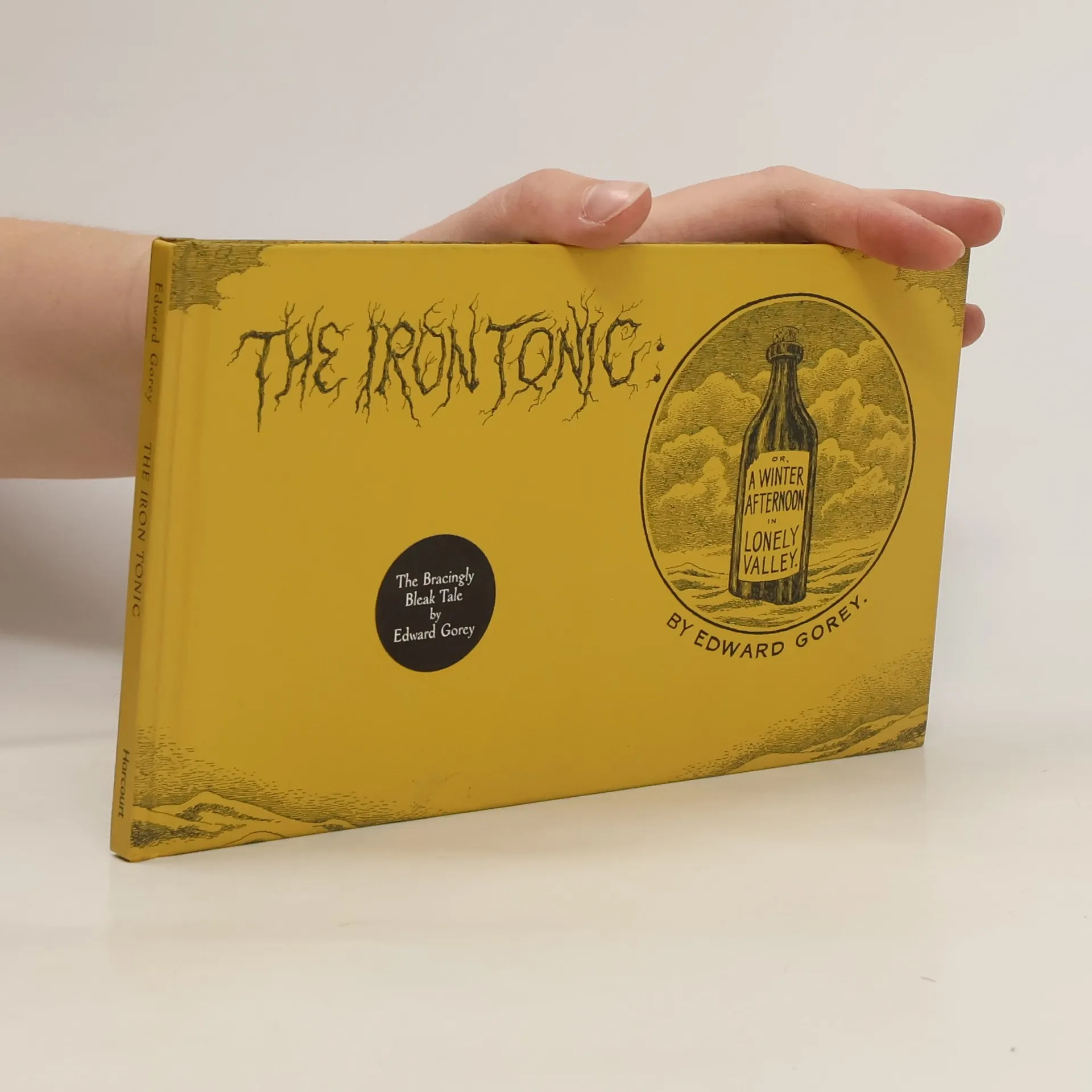
Or, a Winter Afternoon in Lonely Valley
The narrative unfolds in a mysterious setting where a skating pond hides a family of enormous eels, creating an atmosphere of intrigue and foreboding. As daylight wanes, darkness and dismay envelop the scene. This work can be interpreted as Edward Gorey's unique take on a winter afternoon reminiscent of the themes and tones found in classic nineteenth-century Russian literature. The blend of whimsy and melancholy invites readers to explore deeper meanings within its enigmatic landscape.
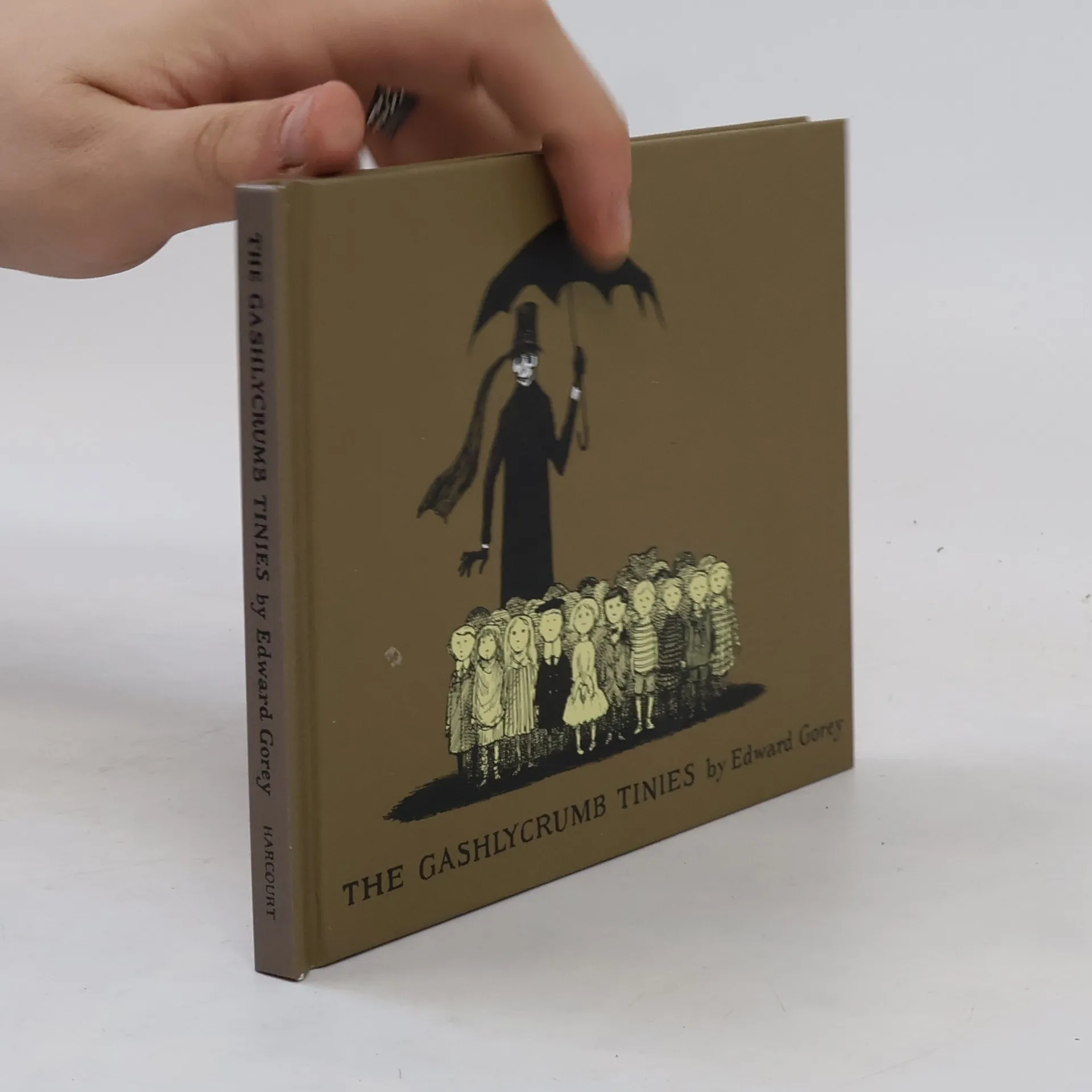
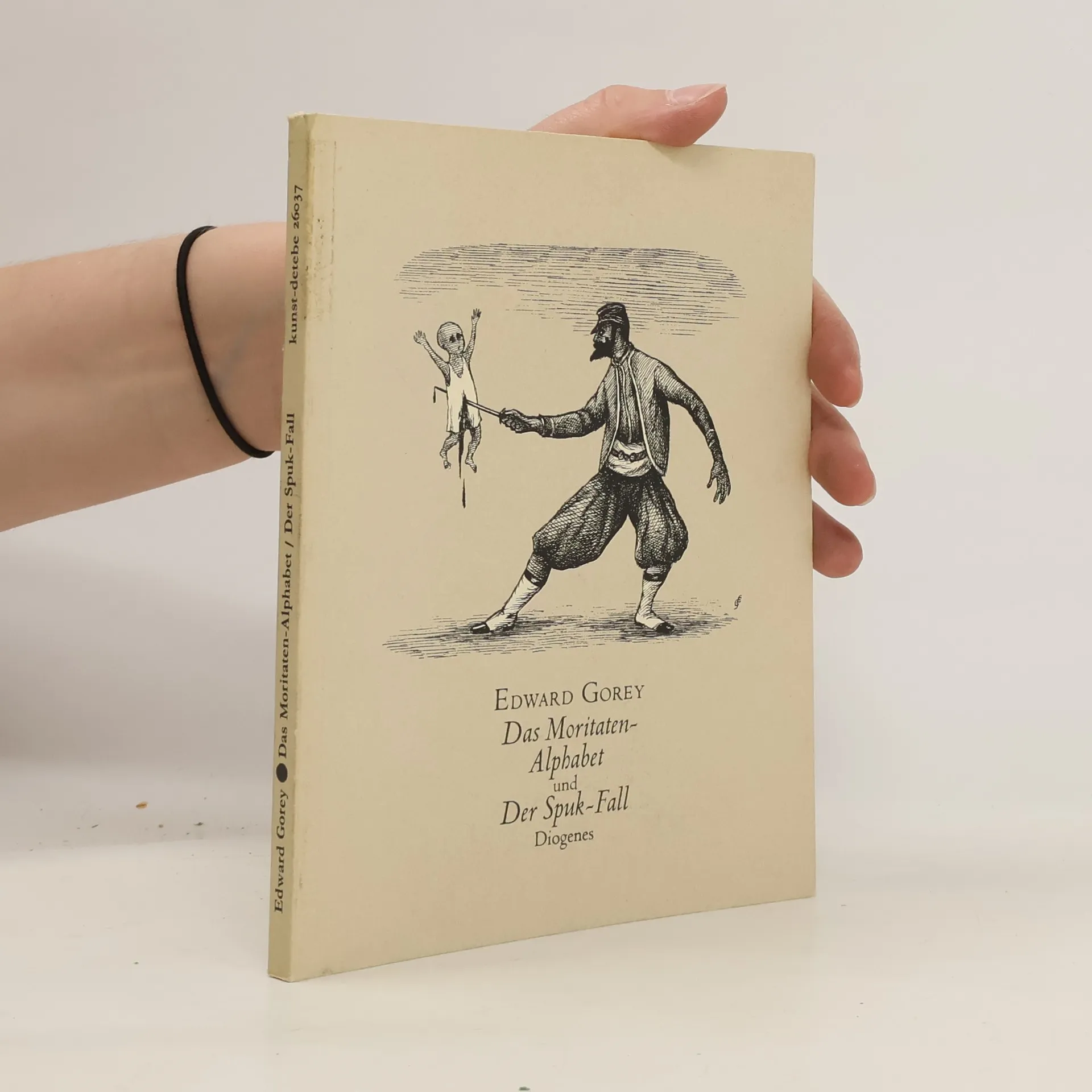
Drawings show an alphabet of young victims and how they died.
The book explores the extraordinary friendship between Edward Gorey and Peter Neumeyer, beginning with a humorous first encounter in 1968. Their correspondence, filled with intellectual discourse and artistic collaboration, reveals the depth of their bond. Gorey's letters showcase his gentleness and distinctive humor, countering the common perception of him as macabre. Neumeyer’s thoughtful responses reflect his compassion and intellect, making their exchanges a celebration of creativity. This collection not only highlights their artistic synergy but also offers an intimate glimpse into their lives and thoughts.
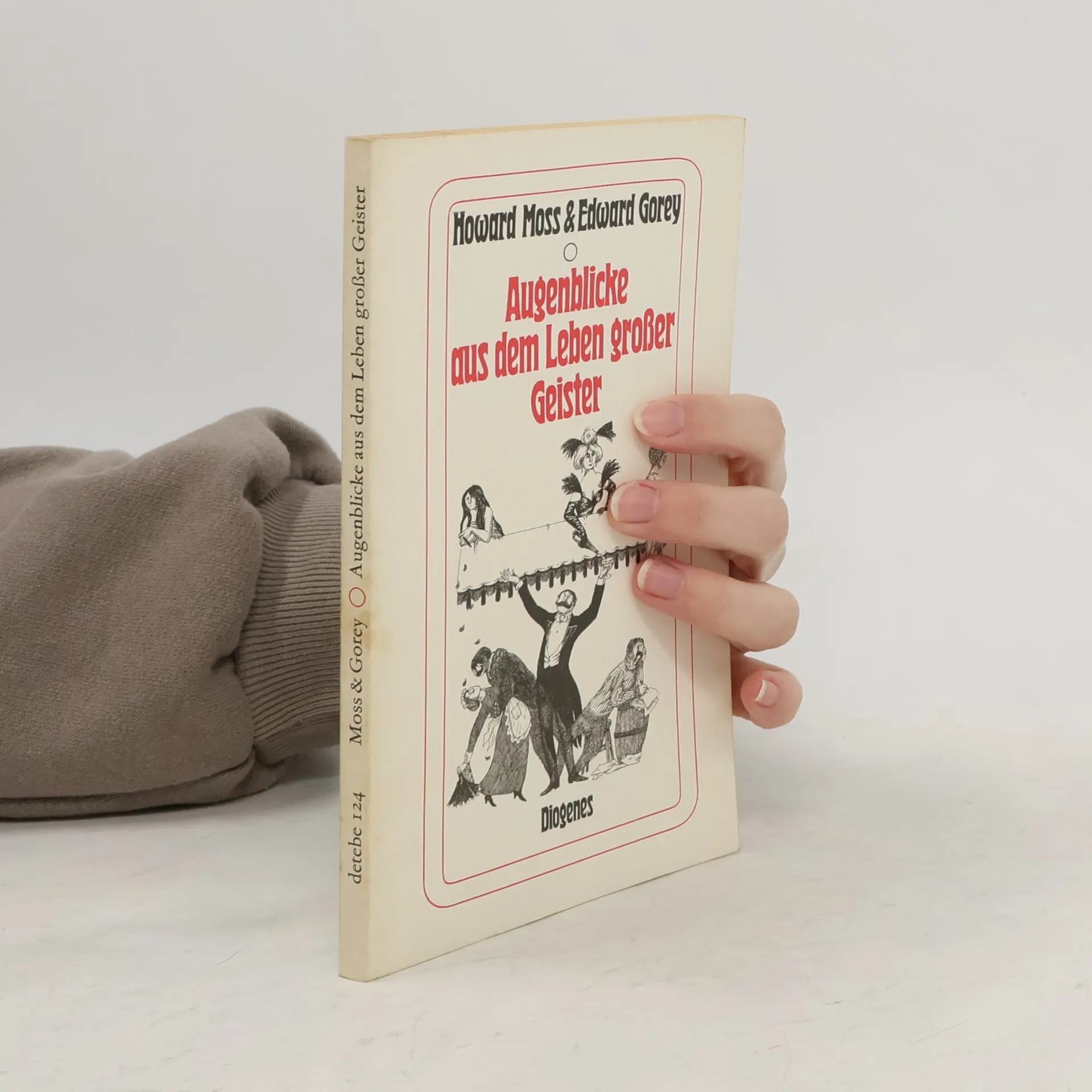
Featuring a curated collection of spine-chilling tales, this anthology showcases the works of renowned authors such as Charles Dickens and M. R. James, known for their mastery in the supernatural genre. Each story is complemented by Edward Gorey's distinctive illustrations, enhancing the eerie atmosphere of ghostly encounters and unsettling events. This selection celebrates the art of horror storytelling, making it a captivating read for fans of the macabre.
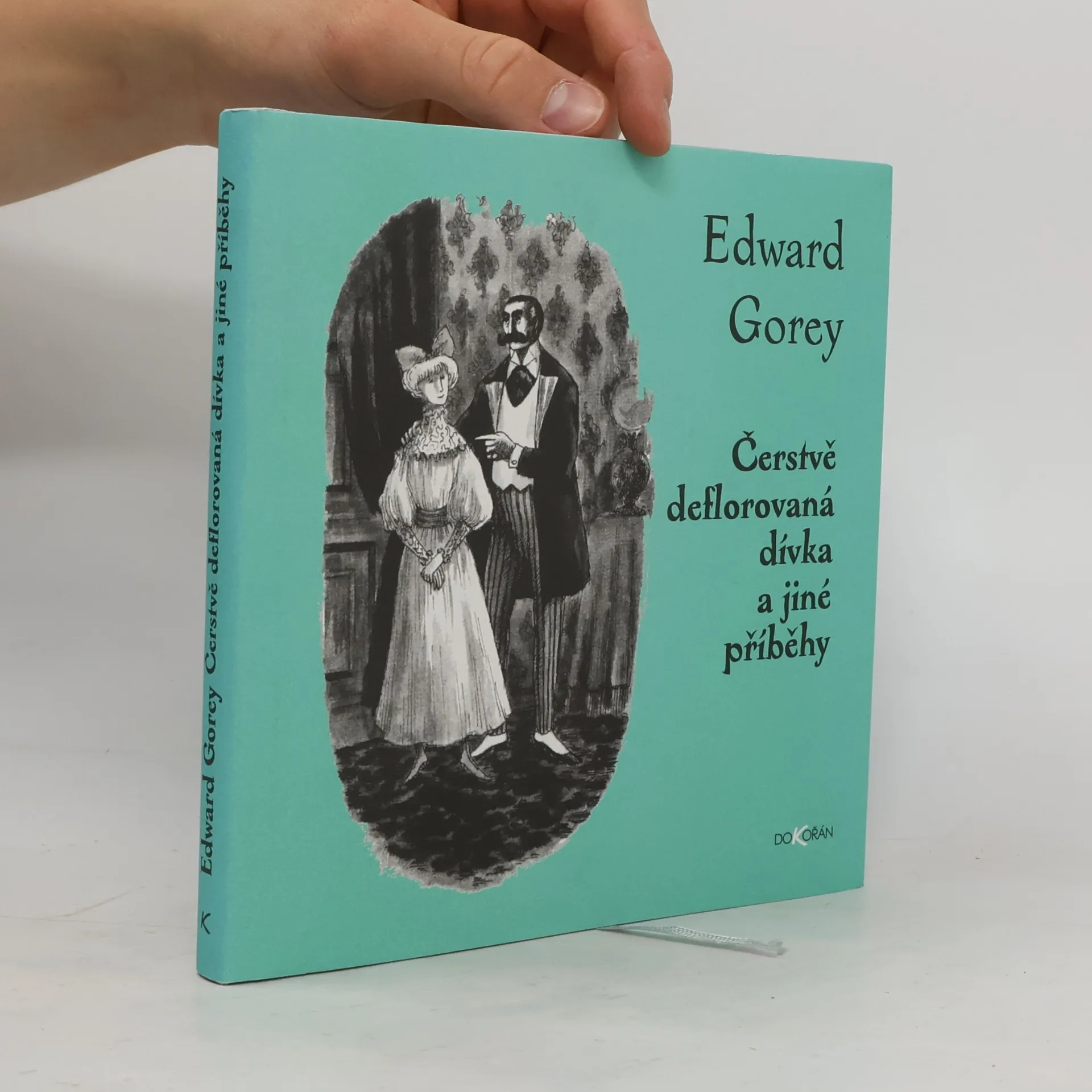
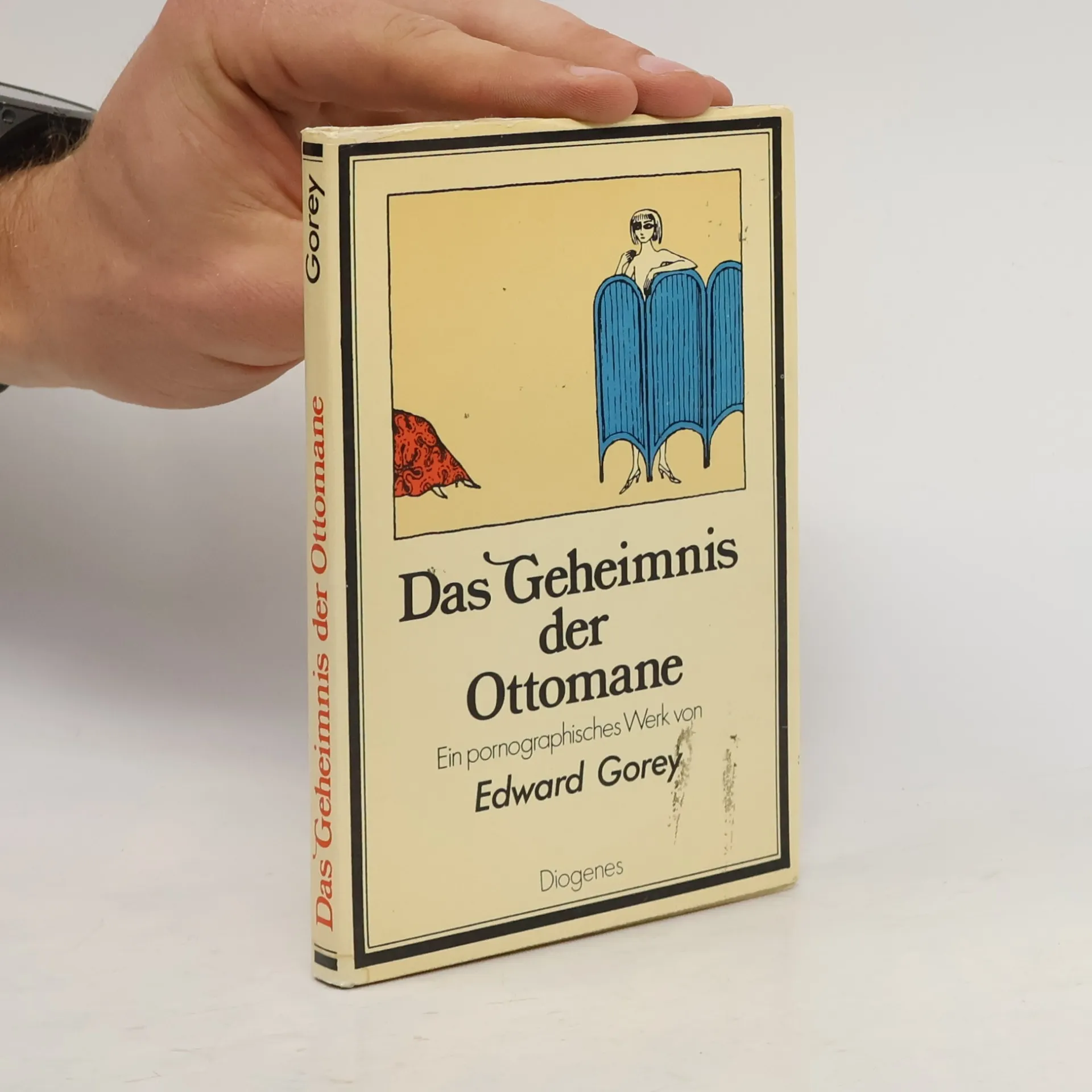
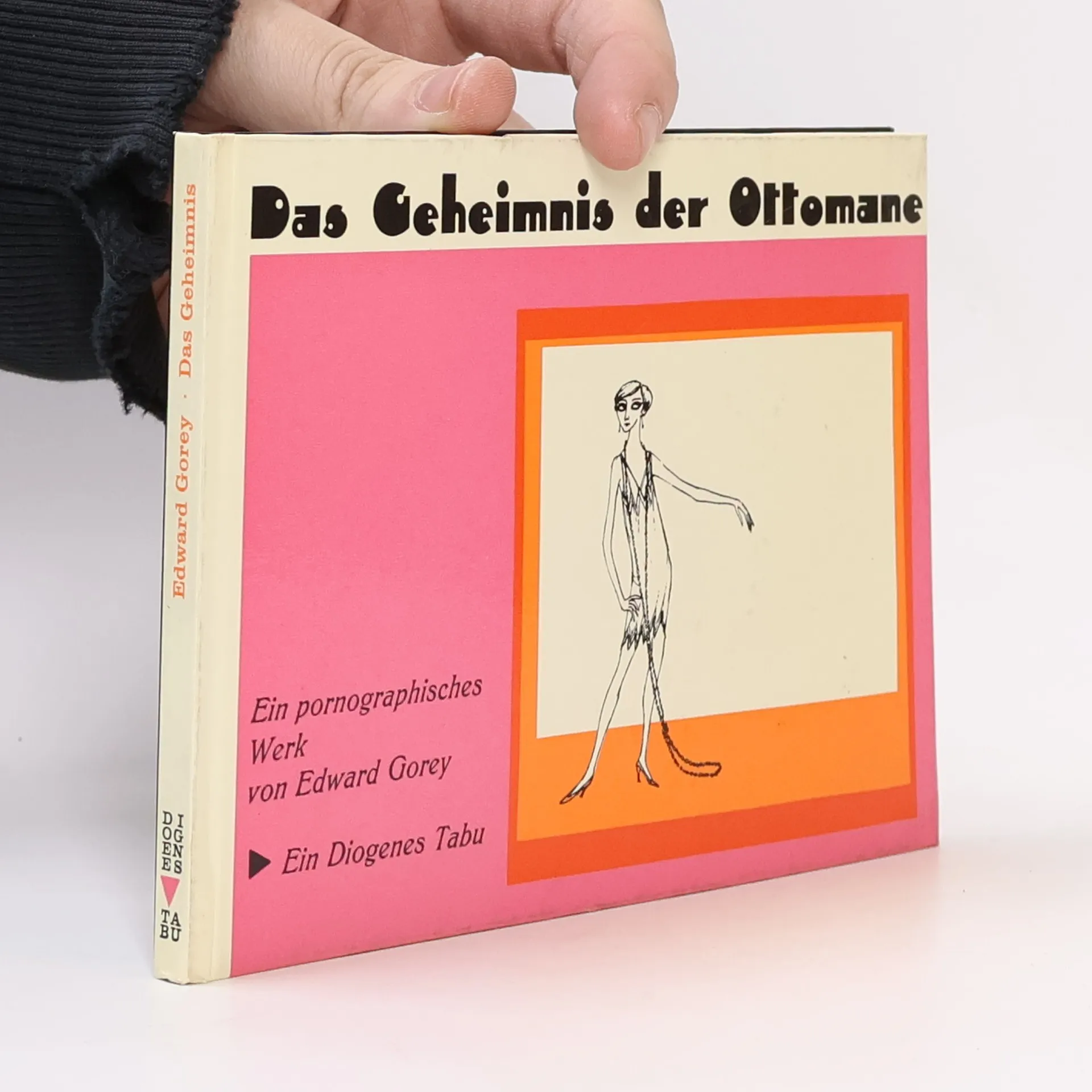
Miss Hyacinthe Phypps presents a cheeky guide to post-deflowerment decorum.
Cats! Some are sane, some are mad and some are good and some are bad. Meet magical Mr Mistoffelees, sleepy Old Deuteronomy and curious Rum Tum Tugger. But you'll be lucky to meet Macavity because Macavity's not there! In 1925 T.S. Eliot became co-director of Faber & Faber, who remain his publishers to this day. Throughout the 1930s he composed the now famous poems about Macavity, Old Deuteronomy, Mr Mistoffelees and many other cats, under the name of 'Old Possum'. In 1981 Eliot's poems were set to music by Andrew Lloyd Webber as Cats which went on to become the longest-running Broadway musical in history. This charming new edition contains original colour illustrations by the award-winning illustrator of The Gruffalo, Axel Scheffler.
Featuring a whimsical and darkly humorous twist, this retelling of a classic tale showcases Gorey's unique artistic style and wit. Readers will encounter familiar characters in an unexpected light, blending the essence of Dickens's story with Gorey's signature peculiarities. The narrative promises a delightful mix of charm and absurdity, making it an irresistible addition to the holiday season.
The inhabitants of the ever-so-popular Haunted-Tea Cosy return in a new holiday tale. As we wander off with Edward Gorey into the new millenium our reasons for being here are far from clear. Nevertheless, here is the master craftsman at his best!
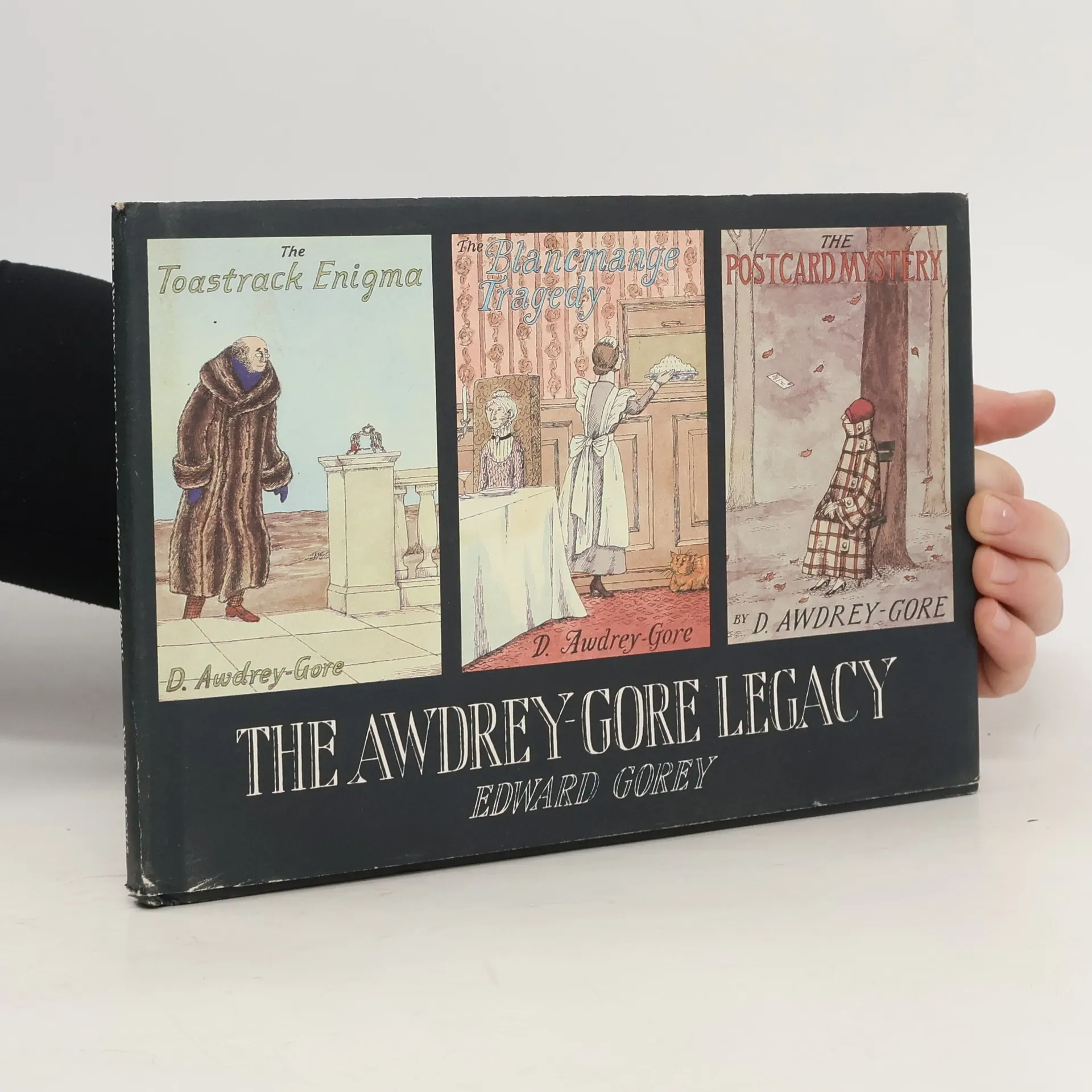
Miss D. Awdrey-Gore, renowned 97-year-old writer of detective stories, is found murdered; then a mysterious hidden packet is discovered. Addressed to her publisher, it contains what appear to be notes and drawings related to a literary work in progress. The contents "in their entirety--though certain things are patently missing" comprise clues about the who, what, when, where and how of Awdrey-Gore's demise. Or do they? Edward Gorey takes us on a rollicking ride in this merry murder mystery, but whether or not the killer is revealed is open to speculation. As one scrap of paper in the packet states, "The smallest clue may be (or not) / The one to give away the plot."
The Quingawaga and Mork, Fidknop and Ampoo are among the fantastical imaginings of Edward Gorey's Utter Zoo Alphabet. The twenty-six postcards (one for each letter of the alphabet) feature Gorey's illustrations of unusual and biologically questionable creatures, each one described by a typically witty Gorey couplet.
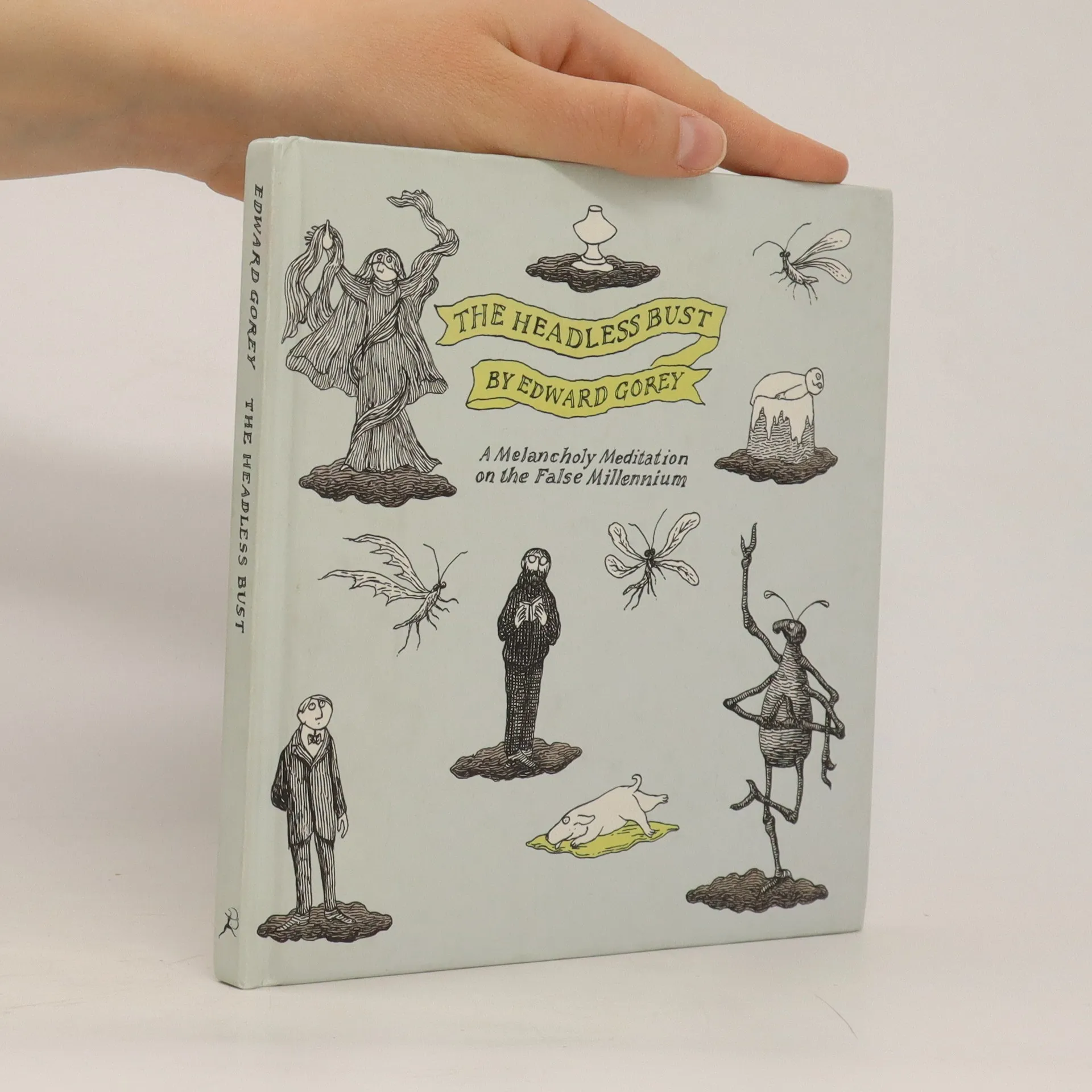
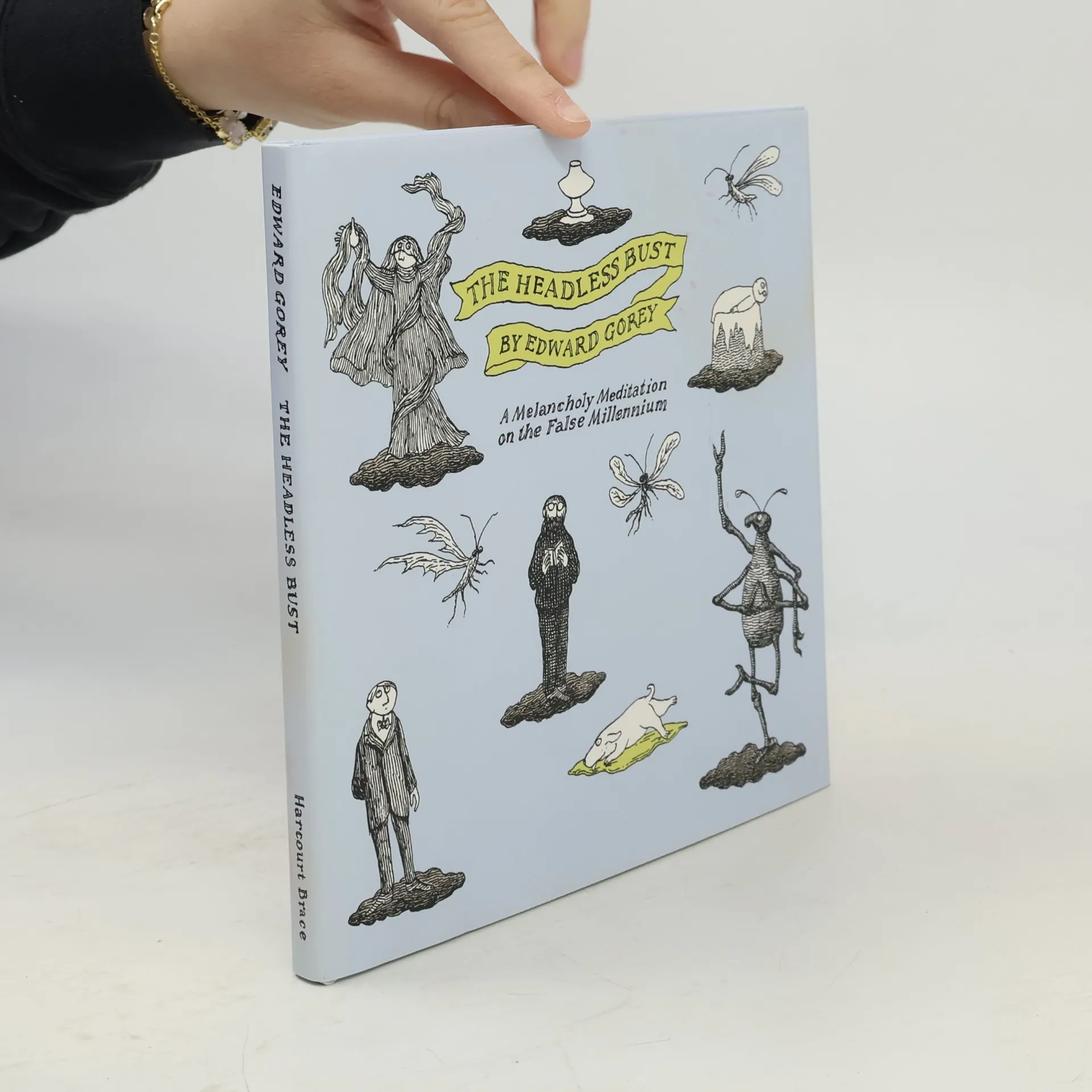
As we wander off with Edward Gorey into the next millennium our reasons for being here are far from clear. Nevertheless, the master craftsmen is at his best . . Ere the last guest was fin'lly gone.Ça va, hélas, from bad to worse: Adieu to prose, alló to verse. The Bahhumbug with lack of tact. Now called attention to the fact, Which made it feel to Edmund Gravel. He was already to unravel
With his typical dark, droll humor, Edward Gorey tells how Maudie, a girl given to staring at dead birds, is transformed into Mirella, a chic and mysterious prima ballerina. This woeful tale chronicles her ascent to the peak of fame, followed by her unexpected and dreadful demise. Gorey's exquisitely crafted illustrations of magical ballets, dubious barons, and stark apartments set the stage for this lonely drama of a slightly peculiar heroine.
The sacrifice of poor Millicent Frastley.
This story features a sickly boy named Donald, whose little pet white worm becomes a housefly. The anti-climatic ending to this story pokes gentle fun at the childhood encounter with butterfly metamorphosis.
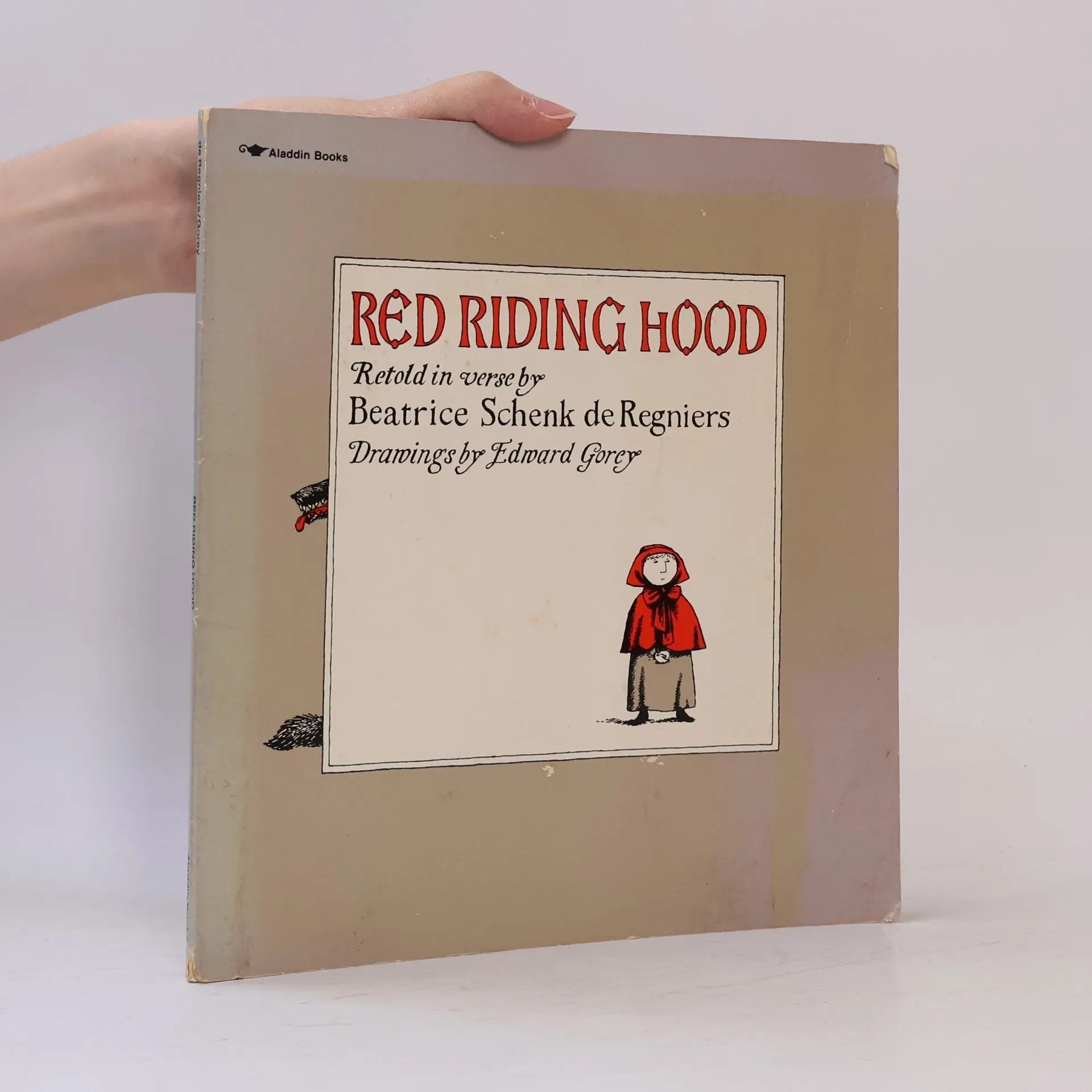
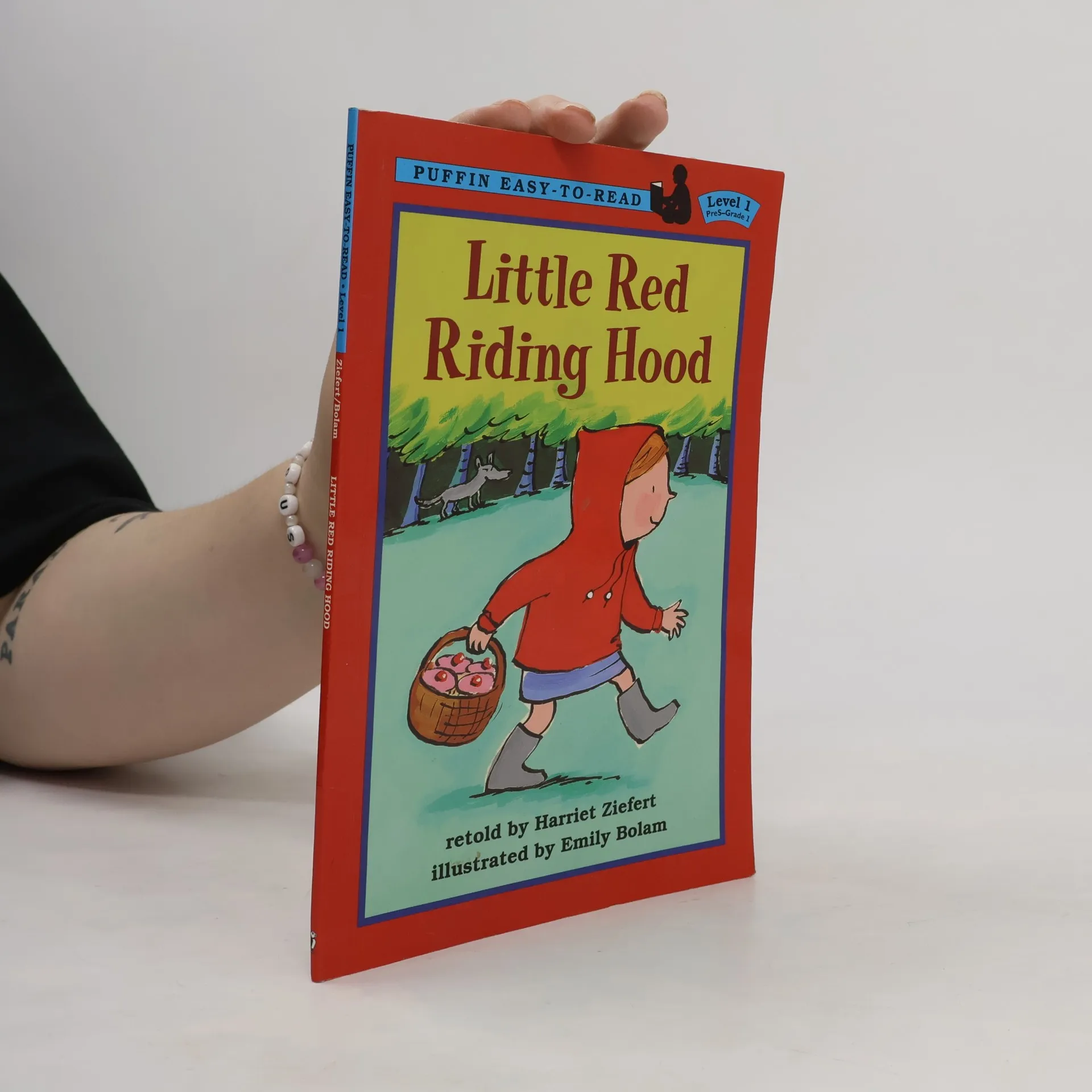
Retells in verse the adventures of a little girl who meets a wolf in the forest on her way to visit her grandmother
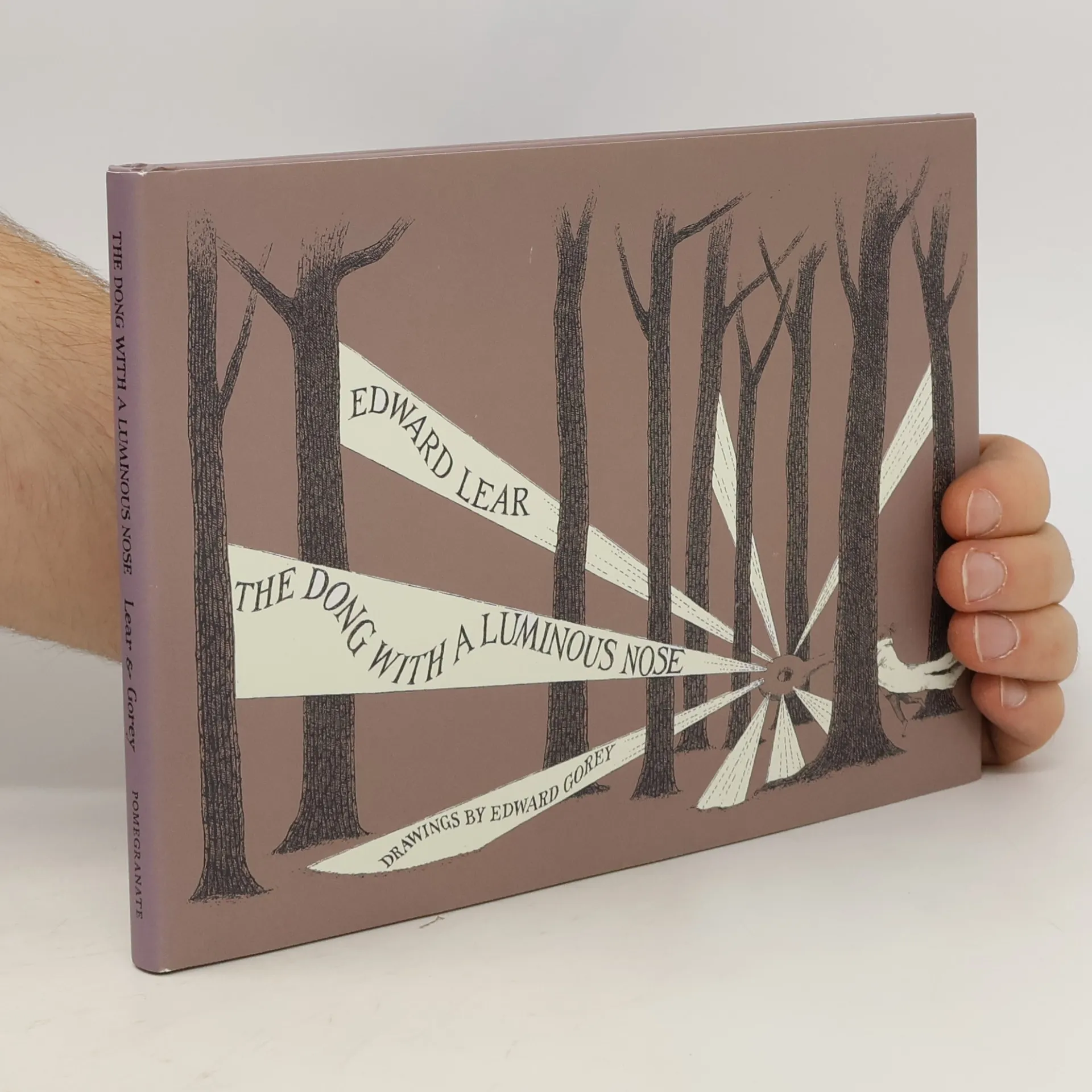
If you know the story of the Jumblies, that happy-go-lucky clan of sailors in a sieve, then you'll be eager to learn more of their saga in this charming love story poem, penned by the master of nonsense verse, Edward Lear (English, 1812-1888), and illustrated by the master of brilliant, offbeat images, Edward Gorey (American, 1925 2000). As it turns out, the Jumblies made at least one stop during their long journey, and there, on the Hills of the Chankly Bore, a passionate relationship was born--between a Jumbly girl and the Dong. The end of the story is sad but sweet, and it stars a nose that can light up a forest, light up the sky! The Dong is some kind of hero, certainly, and he can't help but win our hearts with that protuberant proboscis of his. The Dong with a Luminous Nose and The Jumblies (also published by Pomegranate Communications) present two of the most finely rendered suites of drawings ever created by Edward Gorey. With Edward Lear's irresistible verses, the books are timeless classics to be enjoyed through generations, by children of all ages, four to eighty-four. Text by Edward Lear; illustrated by Edward Gorey. 48 pages with 22 black-and-white illustrations. Smyth-sewn casebound book with jacket. Size: 8.5 x 6 inches.
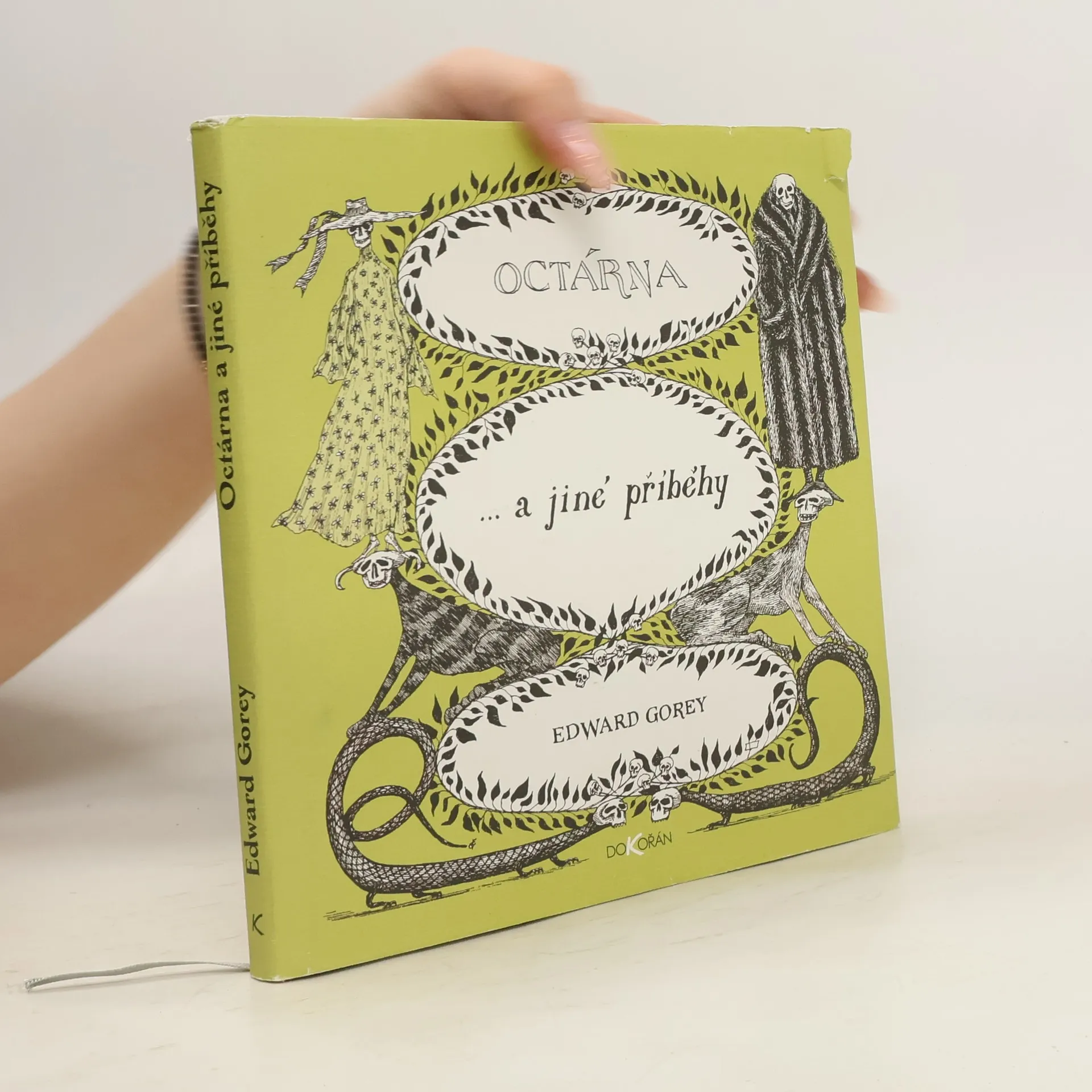
Dílo Edwarda Goreye je vskutku bizarní a vzpírá se zařazení. Na komiks pracuje málo s obrazem, na literaturu zase příliš málo s textem. Podobně kolísají i nálady. Jeho příběhy plné absurdity jsou někdy lehce morbidní, aby vzápětí skočily do úsměvné roviny. Goreyův humor však postrádá radikální ironii, naopak, pod slupkou absurdnosti se skrývá humor dandyovsky blazeovaný - nechybí mu osten, ale ani elegance. Téměř všudypřítomná je nedořečenost - příběhům někdy chybí začátek, scény na sebe navazují dle surrealistických asociací, jejichž význam je často nepochopitelný, vyústění děje také není podmínkou. Díky tomu všemu je Goreyovo dílo velmi bohaté a čtenář musí být neustále ve střehu.
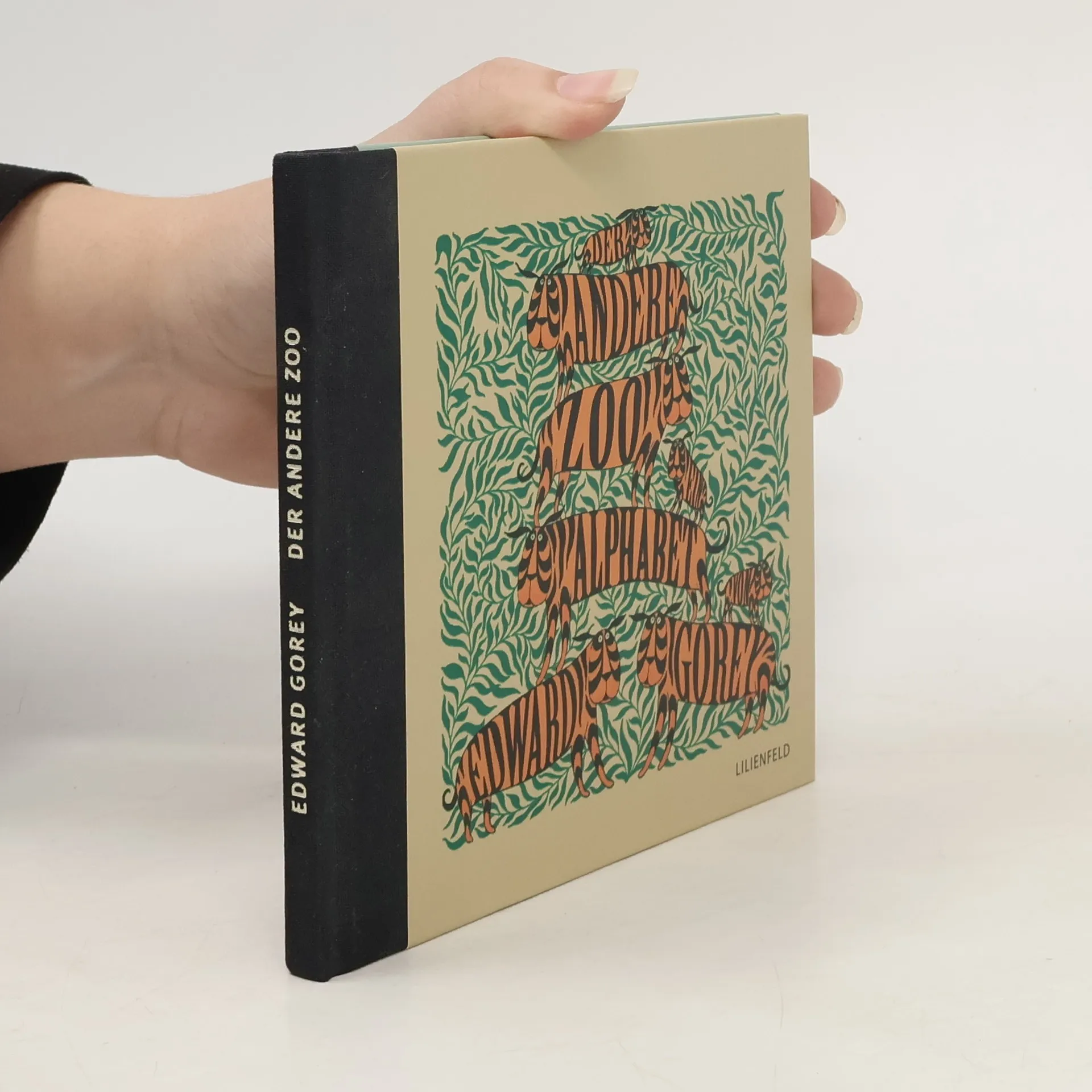
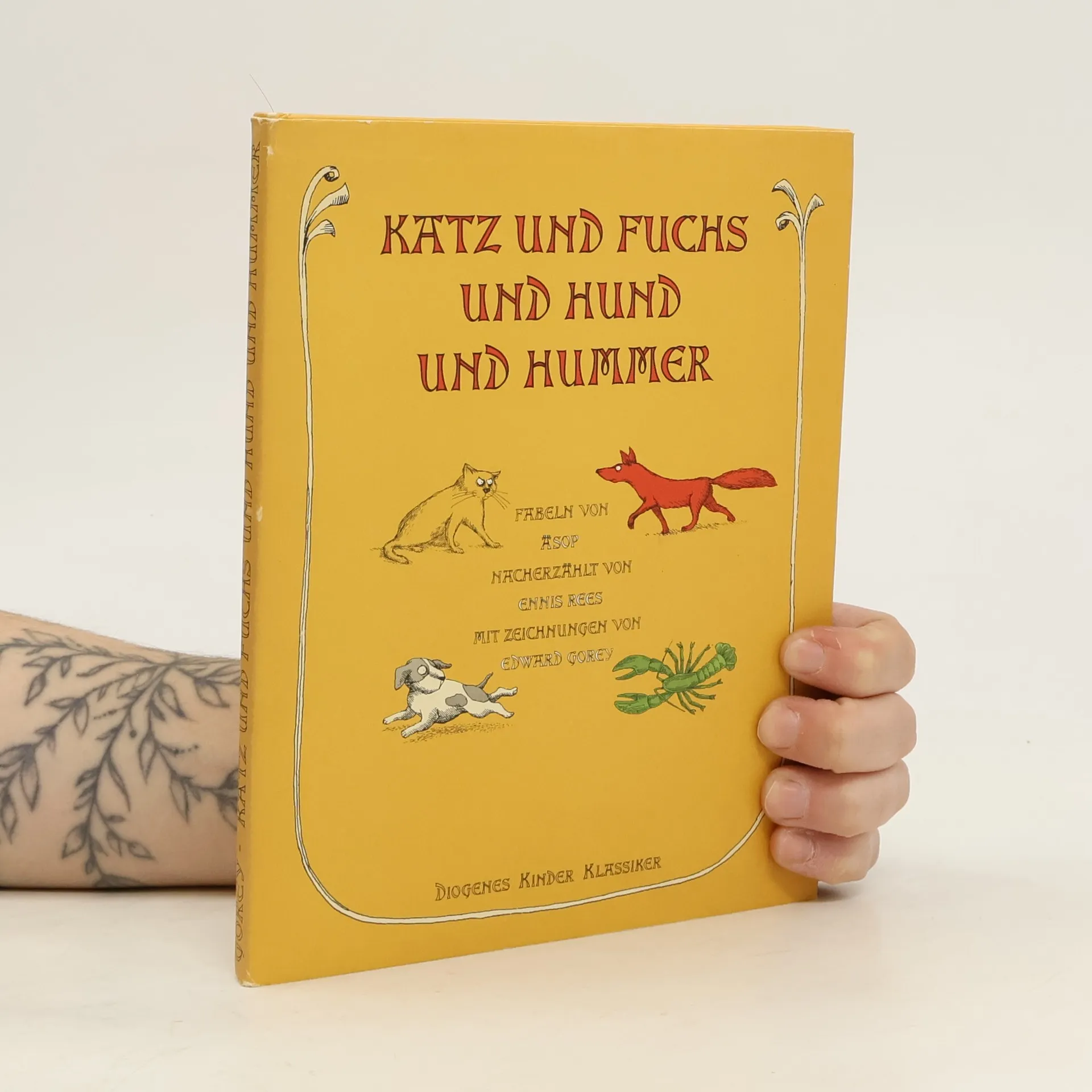
Von Ampu und Boggerslosch bis Yaffel und Zot listet dieses zoologische Alphabet außergewöhnlichen Getiers sämtliche Geschöpfe auf, die aus dem einen oder anderen Grund nur selten in normalen Tierschauen und -heimen zu finden sind. Damit bietet der berühmte Zeichner Edward Gorey den jungen und alten Freunden unserer irdischen Fauna einen einzigartigen Blick in eine Welt der besonderen, der gänzlich anderen Art. Ins Deutsche hinübergedichtet hat dieses ABC der Schriftsteller und große Gorey-Kenner Clemens J. Setz.
Having read and dreamed too many fairy tales, the grocer sets off to live one, but finds the world not at all conducive to his fantasies.
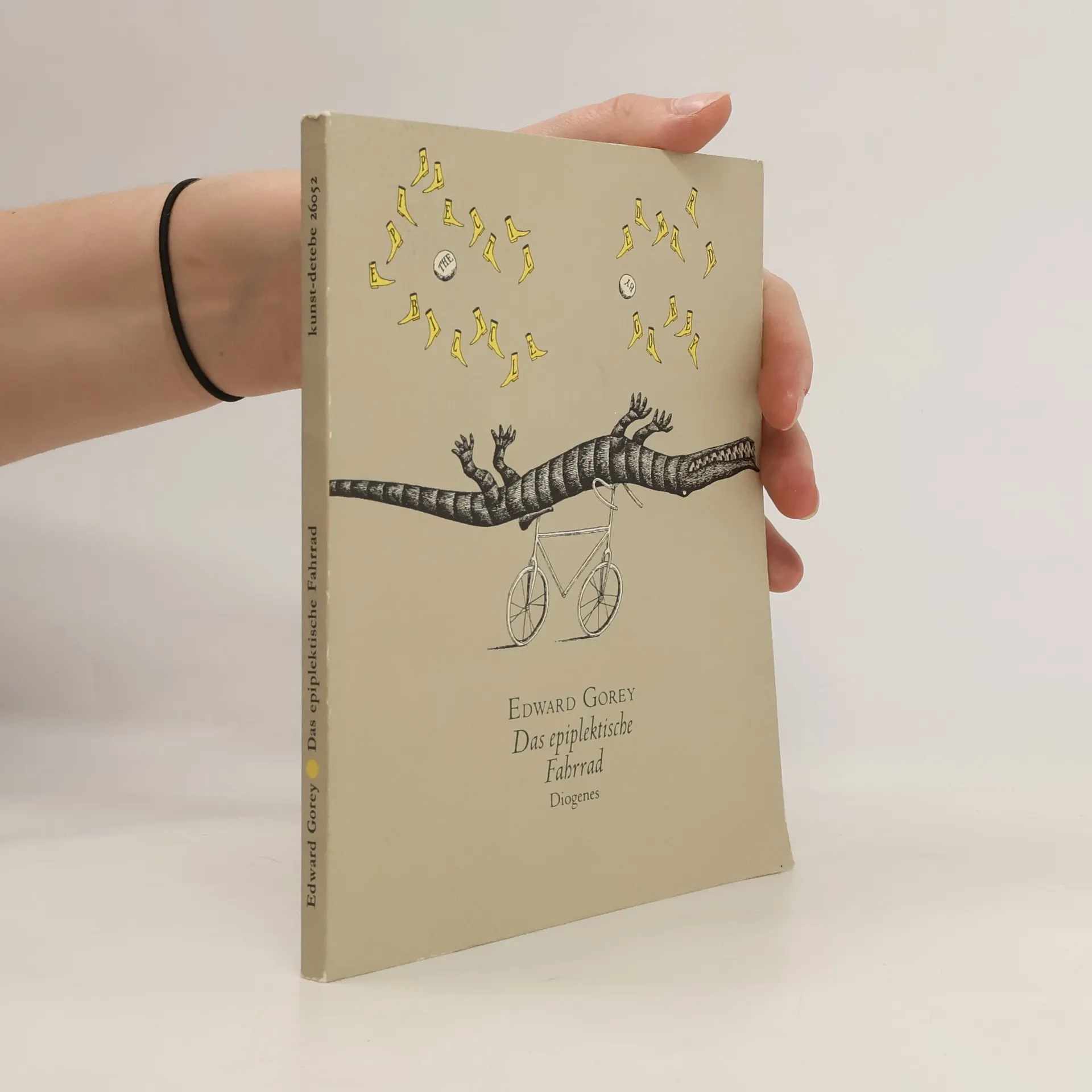
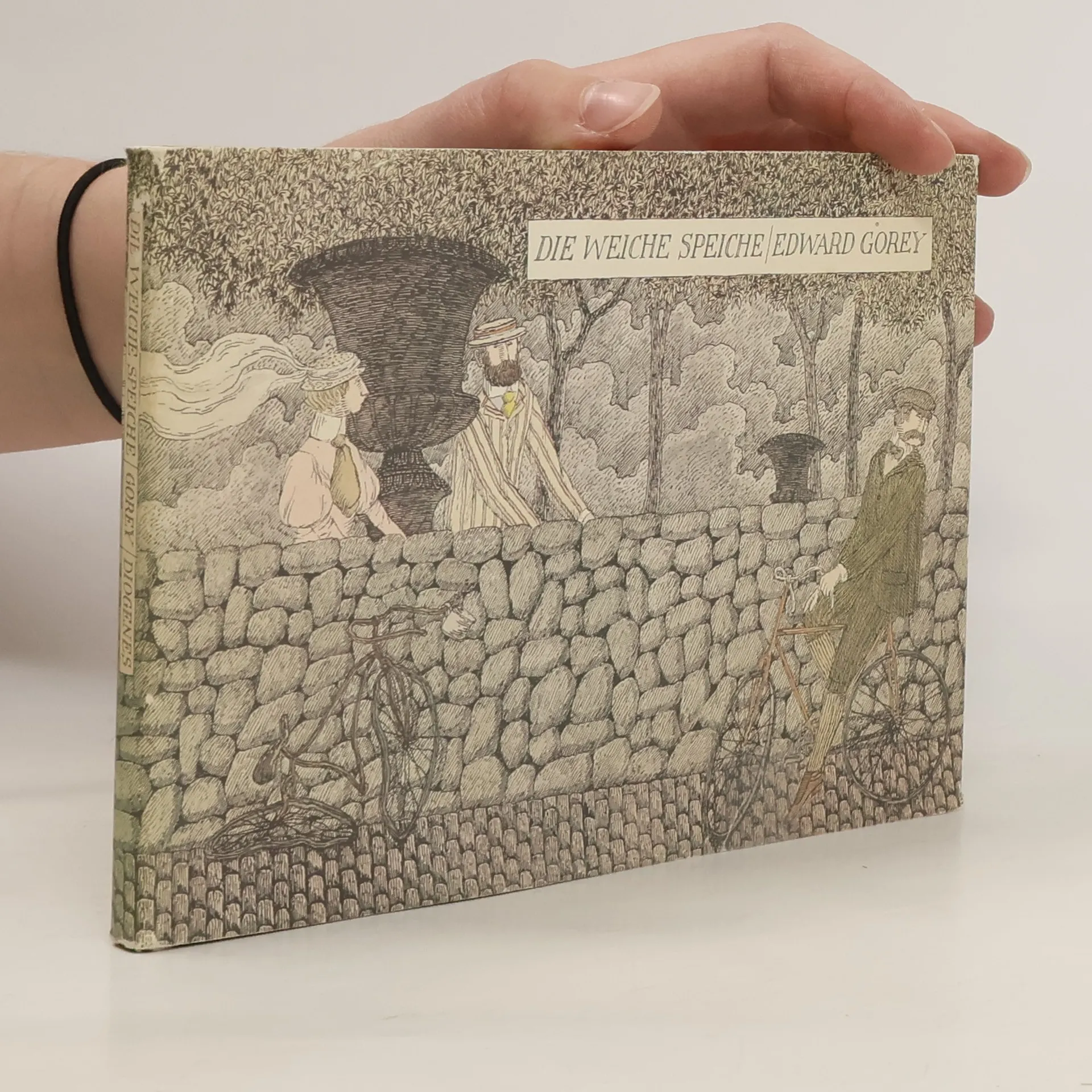
Embley und Yewbert sind zwei sehr aufgeweckte Kinder (früher wären sie als "Rabauken" bezeichnet worden). Als ihnen ein geheimnisvolles Fahrrad in die Hände fällt, beginnt eine Reise, die höchst merkwürdig verläuft und endet. Die Warnungen eines Vogels, das Verschwinden gelber Schuhe, der Kampf mit einem Alligator und viele weitere Ereignisse werfen Fragen auf, deren Antworten Embley und Yewbert nicht kennen (so wie wir auch nicht). Ihre Geschichte ist ein weiteres Kunststück von Edward Gorey in neuer Übersetzung. Für alle Kinder von 6 bis 180.
Auch mit diesem Werk zeigt Edward Gorey sich wieder als Meister der absurd-bösen Bildergeschichte in seiner ganz eigenen viktorianisch schlichten Manier: Weil der Schnee so dicht fällt, daß nicht eingekauft werden kann, muß Jane auf das zurückgreifen, was sich noch in der Küche finden läßt. Eine helle Soße soll zur Verfeinerung des wenigen beitragen, allerdings ist diese dann nicht so leicht zu jedermanns Zufriedenheit in der richtigen Konsistenz herzustellen. Und natürlich rechnet bei so etwas niemand mit einem tödlichen Ausgang. Schon gar nicht zu Weihnachten.
Čtvrtý výběr z Goreyovy rozsáhlé a rozmanité tvorby je opět pečlivě sestaven tak, aby bylo zastoupeno co nejvíce jejích forem: nezbytná goreyovská abeceda, bezeslovný komiks, veršovaný morytát, kafkovské nevysvětlitelno i prozaický mikropříběh se šťastným koncem. Autorova záliba v morbidních situacích a nejrůznějších deviacích v dnešní době sice možná ztratila svou provokativnost, o to víc však okouzlí detailní zpracování, rafinovanost a skutečně jemná ironie. Pětice půvabných dílek, v nichž text ilustruje ilustrace a ne naopak, opět potěší milovníky dekadence, estéty a obdivovatele delikátních výtvorů. A jistě na háček svého surrealistického vtipu chytí i vás…
On the way to visit her grandmother, Little Red Riding Hood meets a very hungry wolf. Will he eat Little Red Riding Hood and her grandmother too? This classic fairy tale is retold in simple lively language with bright colorful illustrations, just right for beginning readers.
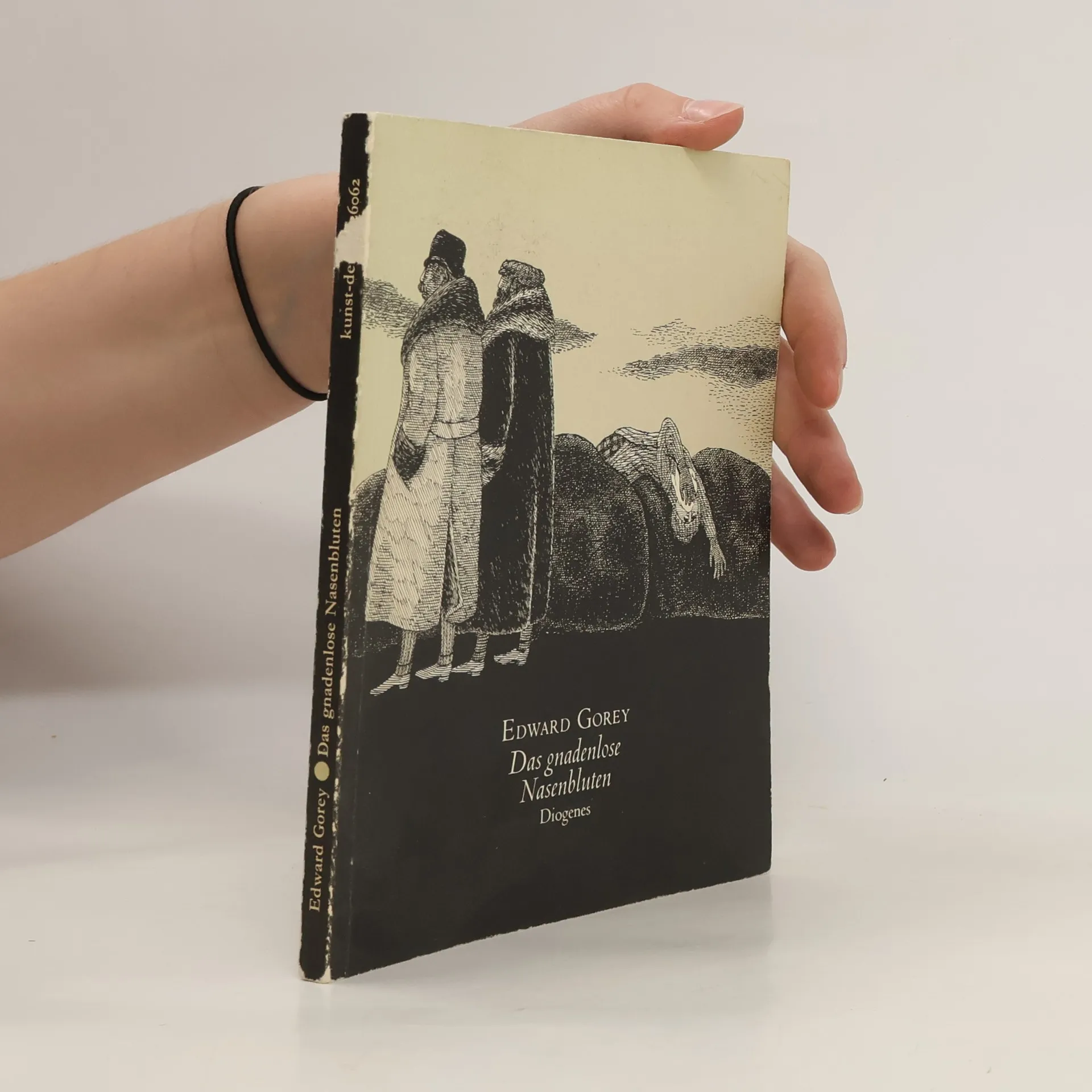
Jádrem třetího výběru z rozmanité tvorby Edwarda Goreye je jedinečný a pro autora poněkud nezvykle "mnohomluvný" soubor mravokárných ponaučení Čerstvě deflorovaná dívka, aneb co říci vhodného v prekérních situacích. Je doplněn dvěma klasickými "mikropříběhy" - Nebohé dítě a Velkolepé krvácení z nosu. Ve všech těchto delikátních dílech autor dovedl k dokonalosti složku obrazovou i jazykovou, přičemž u obou tkví základní napětí mezi artistní, vysoce estetizovanou formou a obskurním, dryáčnickým obsahem s všudypřítomnou ironií a sebeironií. Lahůdka pro milovníky dekadentní zábavy i pro decentní čtenáře s vybraným vkusem. //Zdroj Dokořán//
Ein faszinierendes, düsteres Werk mit skurrilen Bildern und Geschichten, das Liebhaber schwarzen Humors anspricht. Es umfasst elf bizarre Geschichten wie "Die Harfe ohne Saiten" und "Das unglückselige Kind", die groteske Darstellungen bieten.
"If you want to pretend you're shrinking, that's all right," said Treehorn's mother, "as long as you don't do it at the table." No one around seems to appreciate what Treehorn's going through, when he starts shrinking after playing a strange board game. His parents are busy, his friends laugh at him, and he even gets sent to the Principal's office for shrinking. Or was it shirking? Clearly, the adults in his life have no clue and can't help. In the end, Treehorn figures it out on his own, and all is well. . . . At least until he turns green. This oddly offbeat, surreal, and funny story is illustrated with Edward Gorey's signature pen and ink drawings. It will appeal to any kid who feels they're not truly seen or heard by the grown-ups in their life. Works for adults, too. This 50th Anniversary edition includes an appreciation from Caldecott Honoree Lane Smith, illustrator of The Stinky Cheese Man. An ALA Notable Children's Book A New York Times Best Illustrated Book of the Year
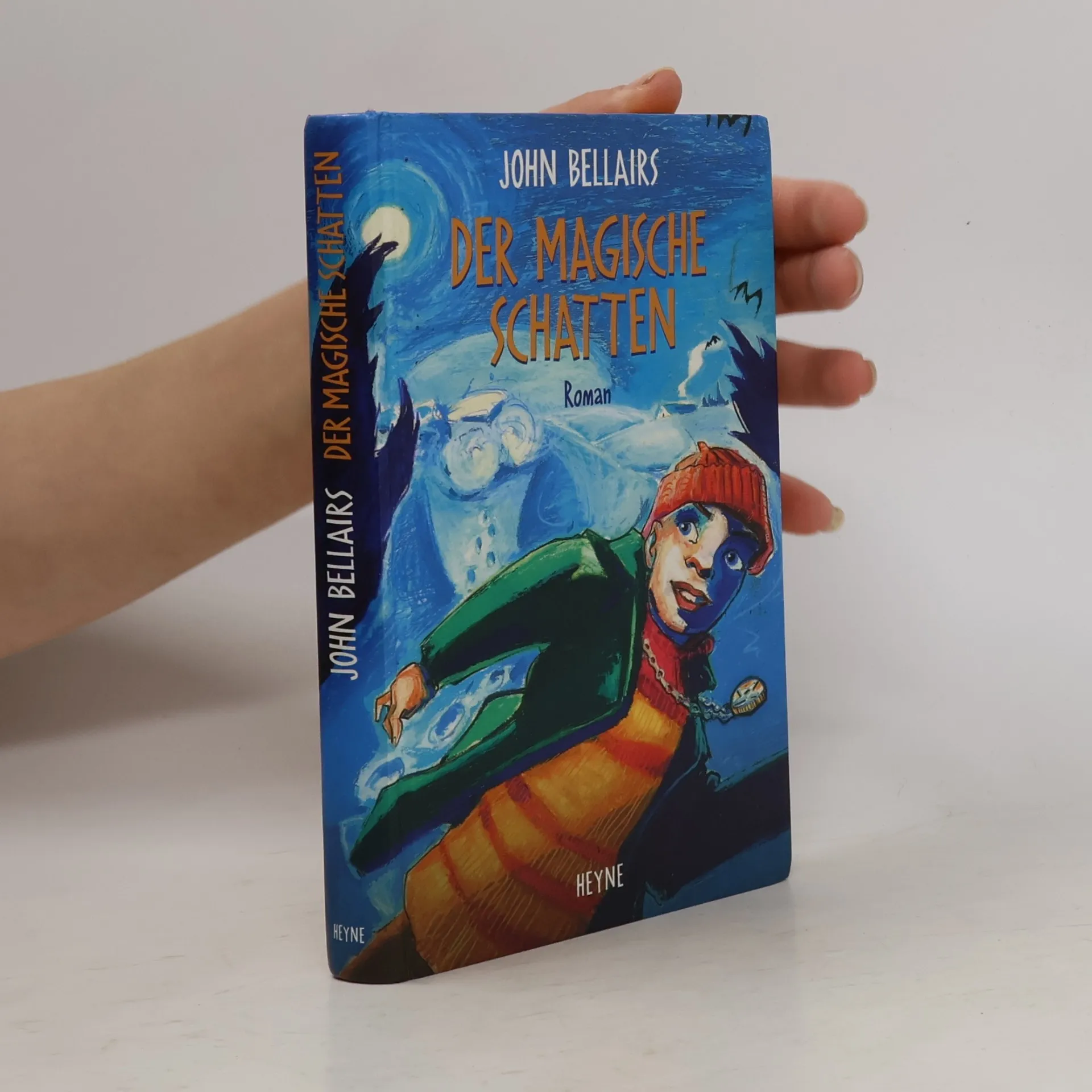
Lewis ist sich sicher, dass objevený šťastný peníz dědečka Barnavelta z roku 1859 kouzelný je, a rozhodne se to vyzkoušet - odříká jedno z kouzel paní Zimmermannové, aby probudil jeho magii. Jenže to není dobrá magie. Zatímco minci nosí zavěšenou kolem krku, začínají se dít zlověstné věci. Lewisovi o půlnoci chodí podivné dopisy, po městě ho sleduje temný stín a něco v jeho těle, jako by kontrolovalo každý jeho krok. Postava ve stínech se objevuje čím dál tím častěji; nakonec Lewise zcela ovládne, a ten se není schopen osvobodit. Probudil snad sílu, kterou nedokáže zvládnout? Stihnou strýček Jonathan, paní Zimmermannová a Rose Rita Lewise zachránit?
As the clock can be heard ticking away in the house all the time, sometimes louder, sometimes quieter, sometimes faster, sometimes slower, it is up to the Barnavelts to find where it is hidden in the walls - and stop it.
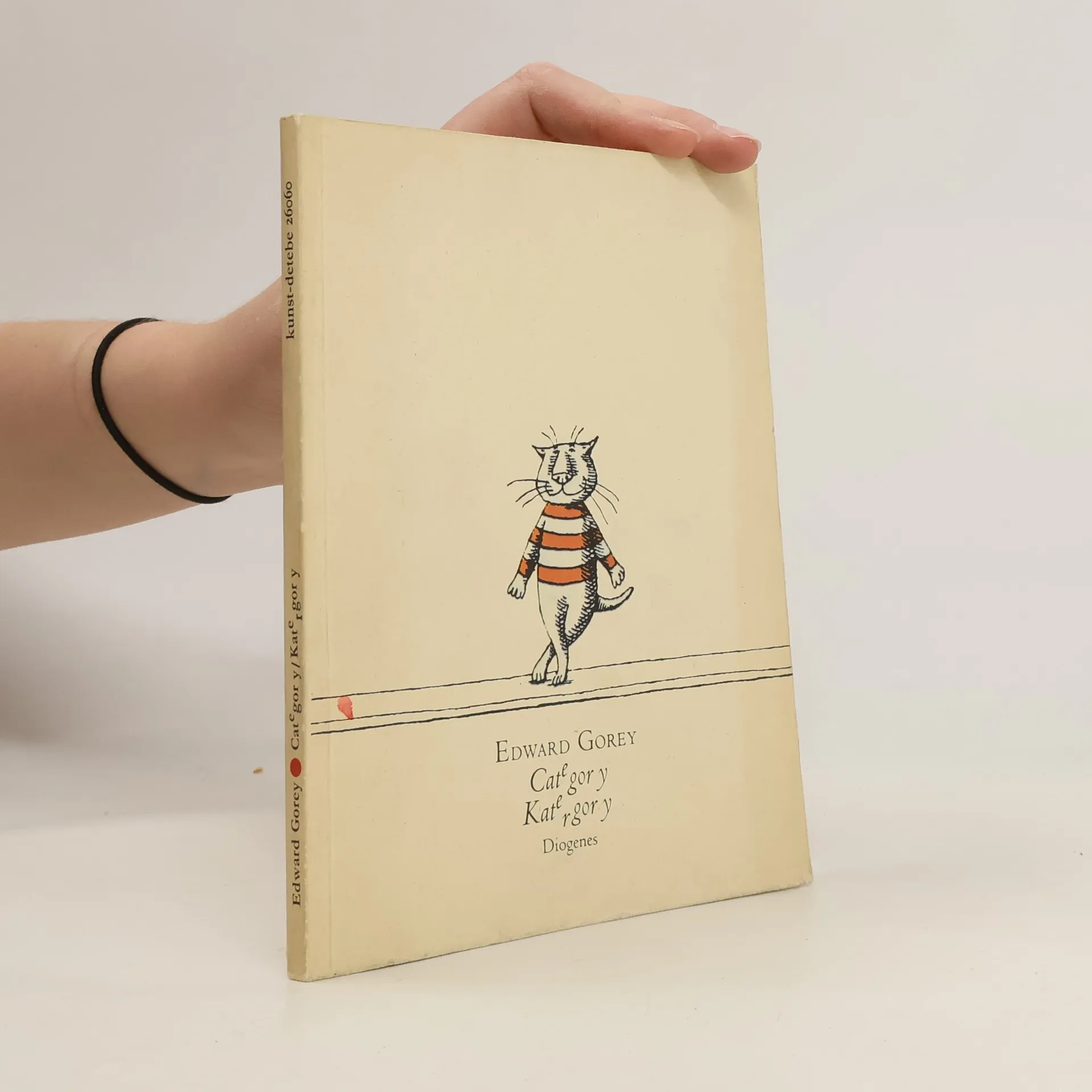
Ein cleveres Buch, das Katzen und Zahlen integriert.
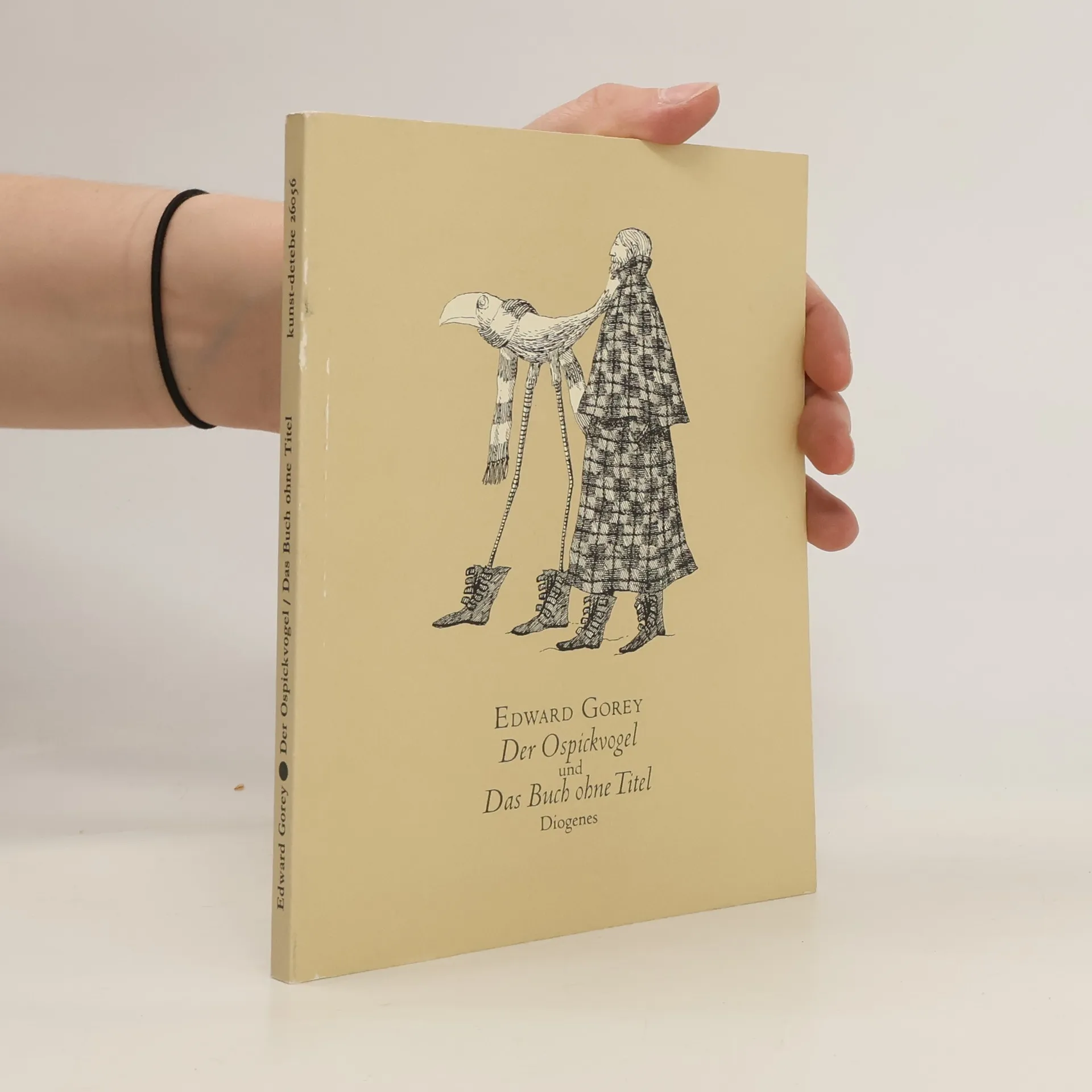
Ein Mann und sein Vogel. Eine der großen Freundschaften in der Geschichte der Zeichenkunst. Erzählt von Edward Gorey, übersetzt von Clemens J. Setz