
Noah Charney is een academicus wiens academische achtergrond in kunstgeschiedenis van prestigieuze instellingen zijn onderscheidende literaire stem vormt. Zijn werk duikt in de ingewikkelde relatie tussen kunst, cultuur en de donkerdere aspecten van menselijk gedrag, waarbij thema's als authenticiteit, misleiding en de waarde die we aan objecten hechten worden onderzocht. Door zijn schrijven nodigt Charney lezers uit om hun perceptie van schoonheid en bezit opnieuw te overwegen, en biedt hij een uniek perspectief dat geworteld is in een diep begrip van de kunstwereld en zijn verborgen stromingen. Zijn unieke benadering combineert wetenschappelijke inzichten met meeslepende verhalen.
'S werelds meest begeerde meesterwerk. Het Gents altaarstuk van Van Eyck
366bladzijden
13 uur lezen
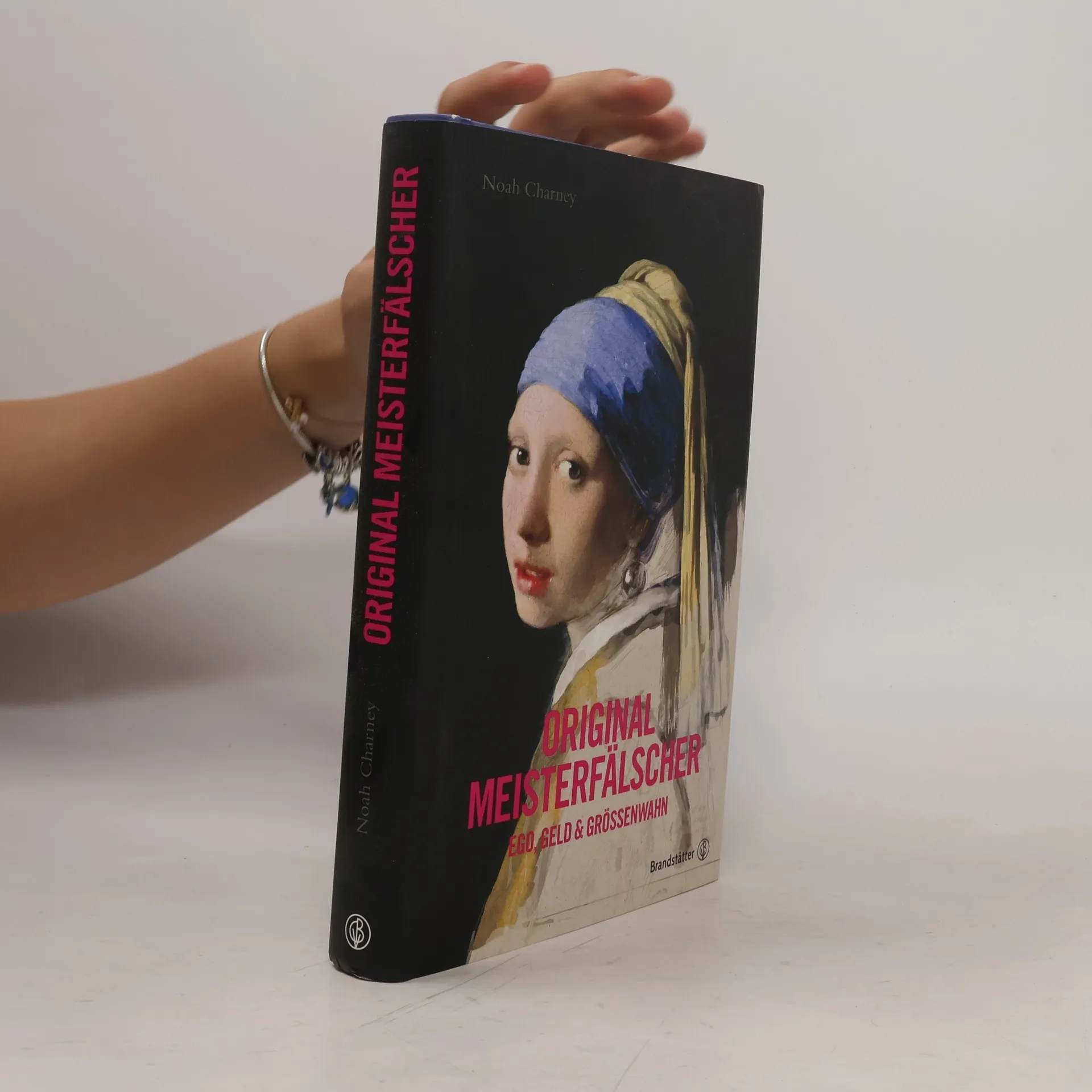
Geschiedenis van het Gents altaarstuk 'Het lam Gods'. Verdwenen, buitgemaakt in drie verschillende oorlogen, door brand bedreigd, uit elkaar gehaald, gekopieerd, vervalst, gesmokkeld, illegaal verkocht, gecensureerd, aangevallen door beeldenstormers, verborgen, vrijgekocht, gered en keer op keer gestolen... sinds het Gentse altaarstuk in 1432 door Van Eyck werd voltooid, is geen kunstwerk zo belaagd en begeerd als Het Lam Gods. Volgens sommige bewonderaars scholen in het werk schatten van tastbare aard, anderen zagen er filosofische en theologische waarheden in over de menselijke staat en de aard van het Opperwezen. Enkelen schreven het een concrete macht toe en dachten dat ontcijfering van het schilderij de loop van de Tweede Wereldoorlog kon veranderen. Weer anderen vonden juist dat de symbolische macht van het werk zo'n groot gevaar vormde dat het maar beter verwoest kon worden. En als u vandaag de dag voor het schilderij staat en het in al zijn pracht bewondert, weet u dan zeker dat u naar het origineel kijkt?
Winner of the Gourmand Award for Best Chef Book; a love-letter to the region, by internationally-renowned chef and father of modern Slovenian cuisine. First published in Slovenian in 2018, this long-awaited, award-winning book has finally been translated to English. With beautifully written introductory essays for each new stop and robust narrative elements, it follows a road trip around Slovenia in search of the finest ingredients in the country, and the best producers of them. Each chapter profiles an ingredient key to the culture, and the passionate producer or farmer who supplies it, before delving into two select recipes for each--one interpretation of a traditional Slovenian dish and one modern presentation--which highlight the product and showcase its versatility. The reason for this format is simple. For JB, the ingredient is paramount--the source of inspiration. Every dish in his restaurant is created from completely fresh ingredients, which he always hand selects and likes to trace back to their source. So it is only natural that his cookbook would be organized in the same way. It's very much a reflection of the chef himself: an innovator rooted in local tradition and ingredients. Featuring carefully-chosen ingredients like Adriatic fish, beef, game, fleur de sel, olive oil, prosciutto, wild herbs, goat cheese, and cabbage, you'll find recipes such as: Soft red polenta with chanterelle sauce and sour cream Creamed Jerusalem artichoke soup with truffles, fried Jerusalem artichoke peels, olive oil, and red peppercorns Red deer fillet with juniper berry sauce, tarragon roll, red Swiss chard stems, celeriac, and cranberry jam Hazelnut ice cream with olive oil, dark chocolate, and fleur de sel Fried and cooked beef tendons with honey in wild garlic sauce, with cold-pressed sunflower oil, vinegar, and wild herbs Chicken in white wine with root vegetables and new potatoes Prosciutto-wrapped monkfish with celeriac puree, peach cream, and olive oil jelly Fellow Slovenian Ana Ros (named the best female chef in the world in 2017) told CNN: Every country has 'The Chef.' In Slovenia, this is him. Chef Janez Bratovz is the father of modern Slovenian cuisine. With the country being awarded the title of European Region of Gastronomy in 2021, it's clear that Slovenia and its beautiful and diverse cuisine is fast becoming the next major culinary destination, and its time in the spotlight is overdue
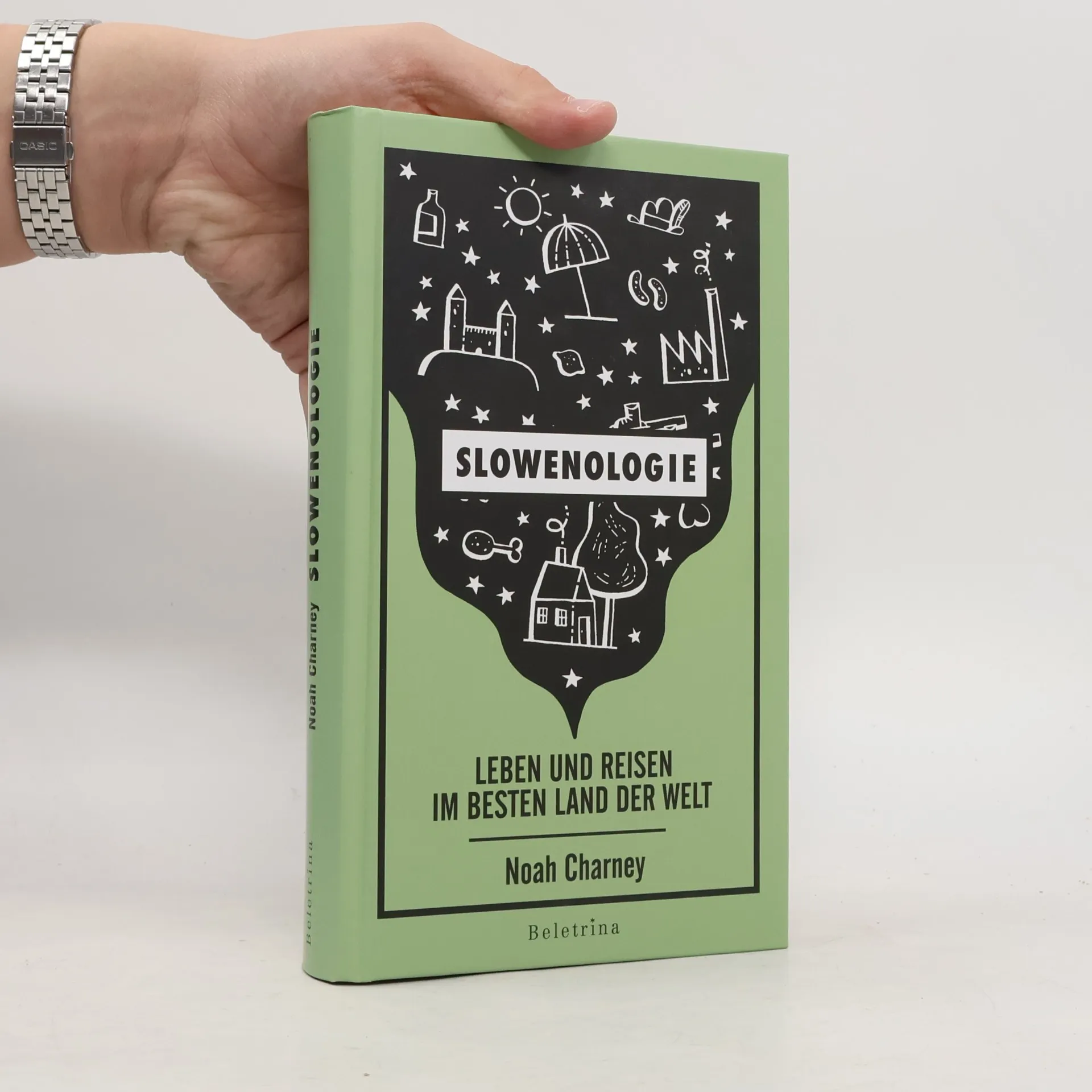
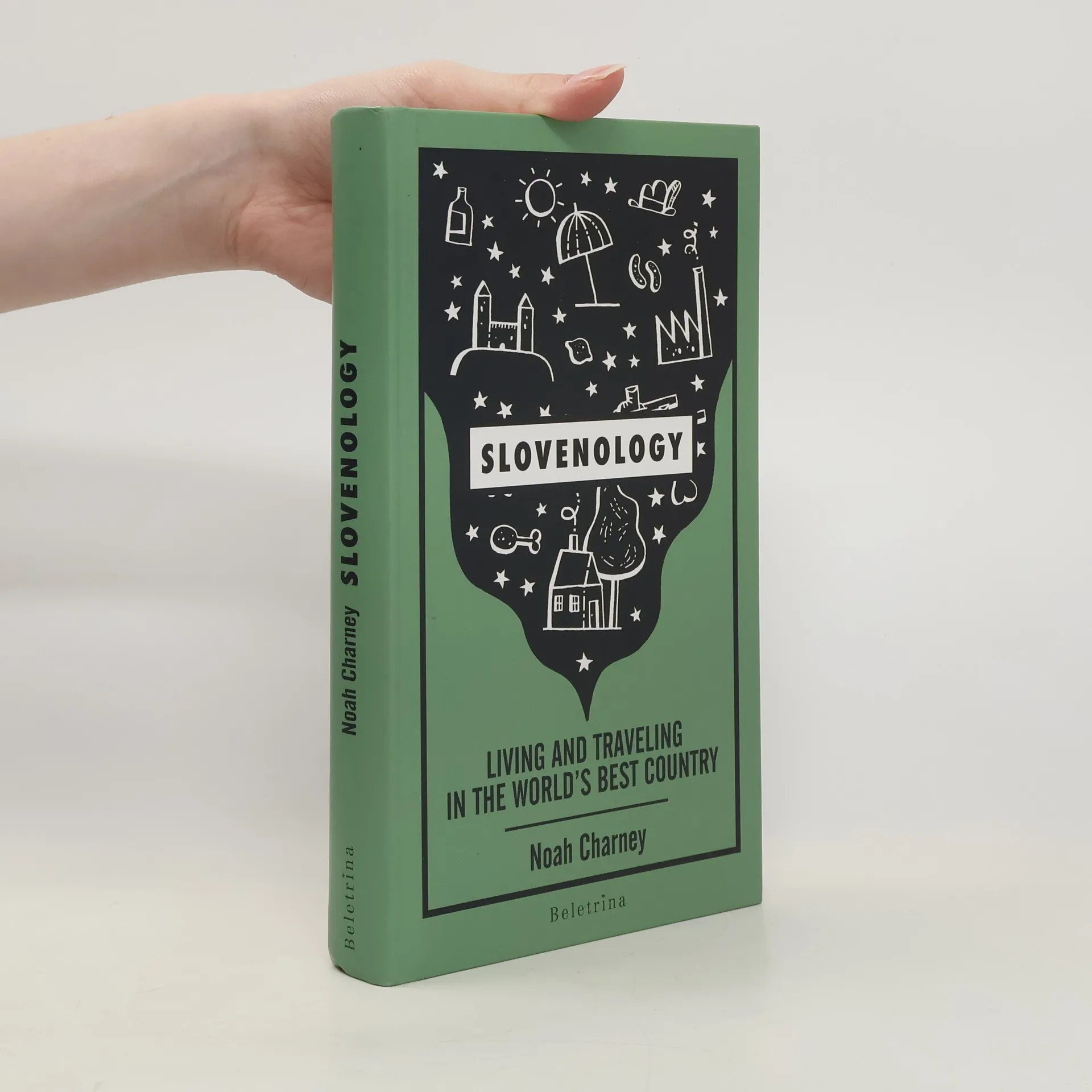
Slovenology is part memoir, part essay collection, part travel writing, and part guidebook. It is meant to act as a guide-in-hand while visiting Slovenia, but it can be read just as well from the comfort of your own home to give you a deeper and more colorful sense of what it’s like to live in this remarkable, little-known country.
"His novel, The Art Thief, was a bestseller in five countries and is translated into 17 languages. His The Art of Forgery, Stealing the Mystic Lamb and Slovenology were international bestsellers. His book Collector of Lives: Giorgio Vasari and the Invention of Art was nominated for the Pulitzer Prize. Charney is now a professor at University of Ljubljana in Slovenia, where Charney has lived for many years"--
The Devil in the Gallery is a guided tour of the history of art through it
scandals, rivalries, and shocking acts. Award-winning art historian shares
dozens of stories, lavishly illustrated in full color, of such dramatic
moments and arguing how they not only affected the history of art but affected
it for the better.
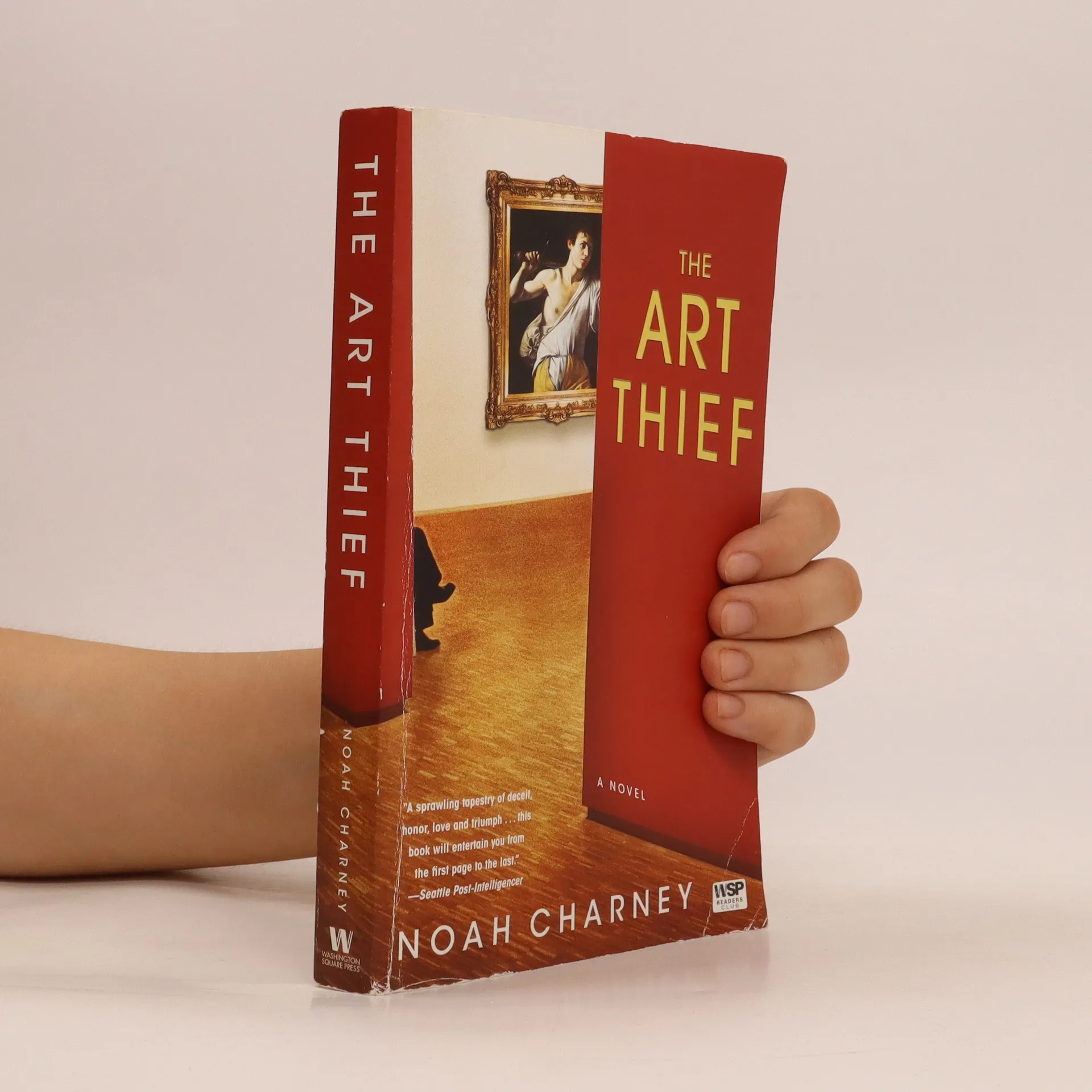
Charney crafts an intellectual masterpiece--the mystery of three missing masterpieces that sends criminals and curators alike on a rollicking chase through the art galleries and auction houses of Europe.
This book will be of interest to anyone who wants to know what it's like to
have an artist's-eye-view of the art world, asking the tough and questions
that rising artists inevitably have, not only about the creative process, but
about navigating the turbulent waters of the social, professional, critical,
and museum elements of a career as an artist
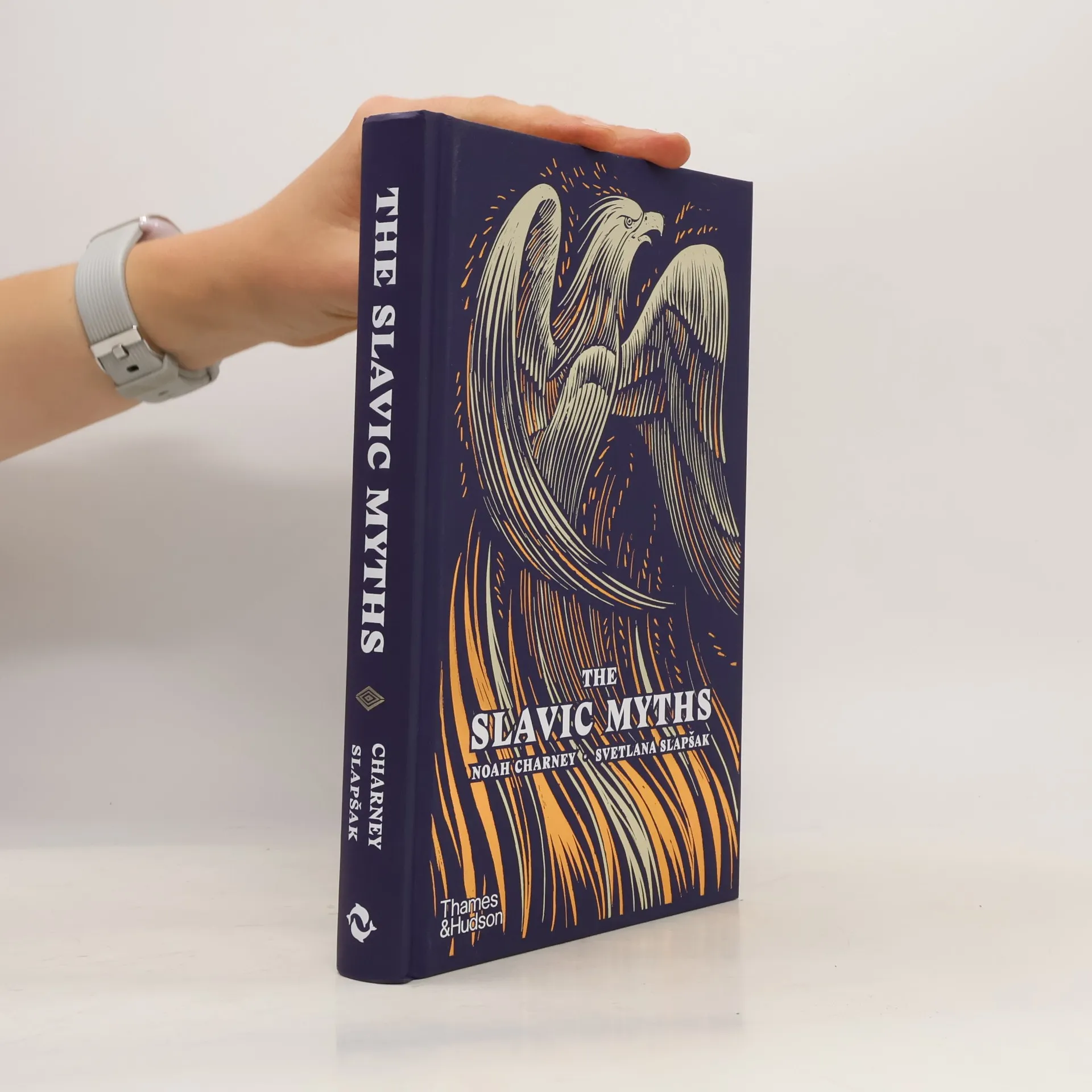
A Pulitzer-nominated author and one of the great public intellectuals of
Slavic culture bring to life the unfamiliar myths and legends of the Slavic
world. Slavic cultures are far-ranging, comprising of East Slavs (Russia,
Ukraine, Belarus), West Slavs (Czech Republic, Slovakia, Poland) and South
Slavs (the countries of former Yugoslavia plus Bulgaria), yet they are
connected by tales of adventure and magic with deep roots in a common lore. In
this first collection of Slavic myths for an international readership, Noah
Charney and Svetlana Slapsak expertly weave together a retelling of the
ancient stories with nuanced analysis that illuminates their place at the
heart of Slavic tradition. Though less familiar to us than the legends of
ancient Egypt, Greece and Scandinavia, in the world of Slavic mythology we
find much that we can recognize: petulant deities, demons and faeries;
witches, the sinister vestica, whose magic may harm or heal; a supreme god who
can summon storms and hurl thunderbolts. Gods gather under the World Tree,
reminiscent of Norse mythology's Yggdrasill; or, after the coming of
Christianity, congregate among the clouds. The vampire - usually the only
Serbo-Croatian word in any foreign-language dictionary - and the werewolf
emerge from the shallow graves of Slavic belief. In their careful analysis and
sensitive reconstructions of the origin stories, Charney and Slapsak unearth
the Slavic beliefs before their distortion first by Christian chroniclers and
then by 19th-century scholars seeking origin stories for their new-born nation
states. They reveal links not only to the neighbouring pantheons of Greece,
Rome, Egypt and Scandinavia but also the belief systems of indigenous peoples
of Australia, the Americas, Africa and Asia. In so doing, they draw out the
universalities that cut across cultures in the stories we tell ourselves.