Owen Flanagan offers a comprehensive exploration of addiction, merging personal experience with an analysis of the social, cultural, psychological, and physiological influences that shape it. He critiques traditional addiction theories and addresses vital issues surrounding public policy, harm reduction, and recovery. Flanagan's empathetic perspective seeks to deepen understanding of the complexities of addiction, making it a significant contribution to the discourse on this pressing societal issue.
Owen Flanagan Volgorde van de boeken (chronologisch)
Owen Flanagan is een filosoof die zich richt op de aard van bewustzijn en de geest. Hij benadert het bewustzijnsprobleem als een wetenschappelijke en filosofische uitdaging met realistisch optimisme. Flanagan stelt een 'natuurlijke methode' voor om bewustzijn te begrijpen, die subjectieve verslagen van bewuste ervaringen, inzichten uit de psychologie en cognitieve wetenschap, en bevindingen uit de neurowetenschappen integreert. Zijn werk interpreteert ook wetenschappelijk onderzoek naar de wortels van medeleven, altruïsme en vreedzame menselijke relaties.


How to Do Things with Emotions
- 328bladzijden
- 12 uur lezen
The world today is rife with anger, particularly in the US and UK, where it often appears aimless, possibly fueled by social media. While anger can motivate positive social change—driving movements for civil rights and socio-economic equality—it also plays a role in personal defense. Conversely, shame is increasingly dismissed, with political leaders neglecting integrity and truth. Shame is viewed as a primitive emotion linked to various psychological issues and societal problems. In "How to Do Things with Emotions," philosopher Owen Flanagan challenges this perspective, advocating for a shift from anger to a more constructive form of shame. He explores cross-cultural insights, illustrating how certain types of anger are harmful, while a mature sense of shame can promote social values like kindness and truth. Drawing on Stoic, Buddhist, and other traditions, Flanagan critiques the Western psychoanalytic view of shame as misguided. By integrating cross-cultural philosophy, psychology, and anthropology, he reveals how cultural norms shape our emotions and argues that cultivating our emotional responses can lead to significant moral progress.
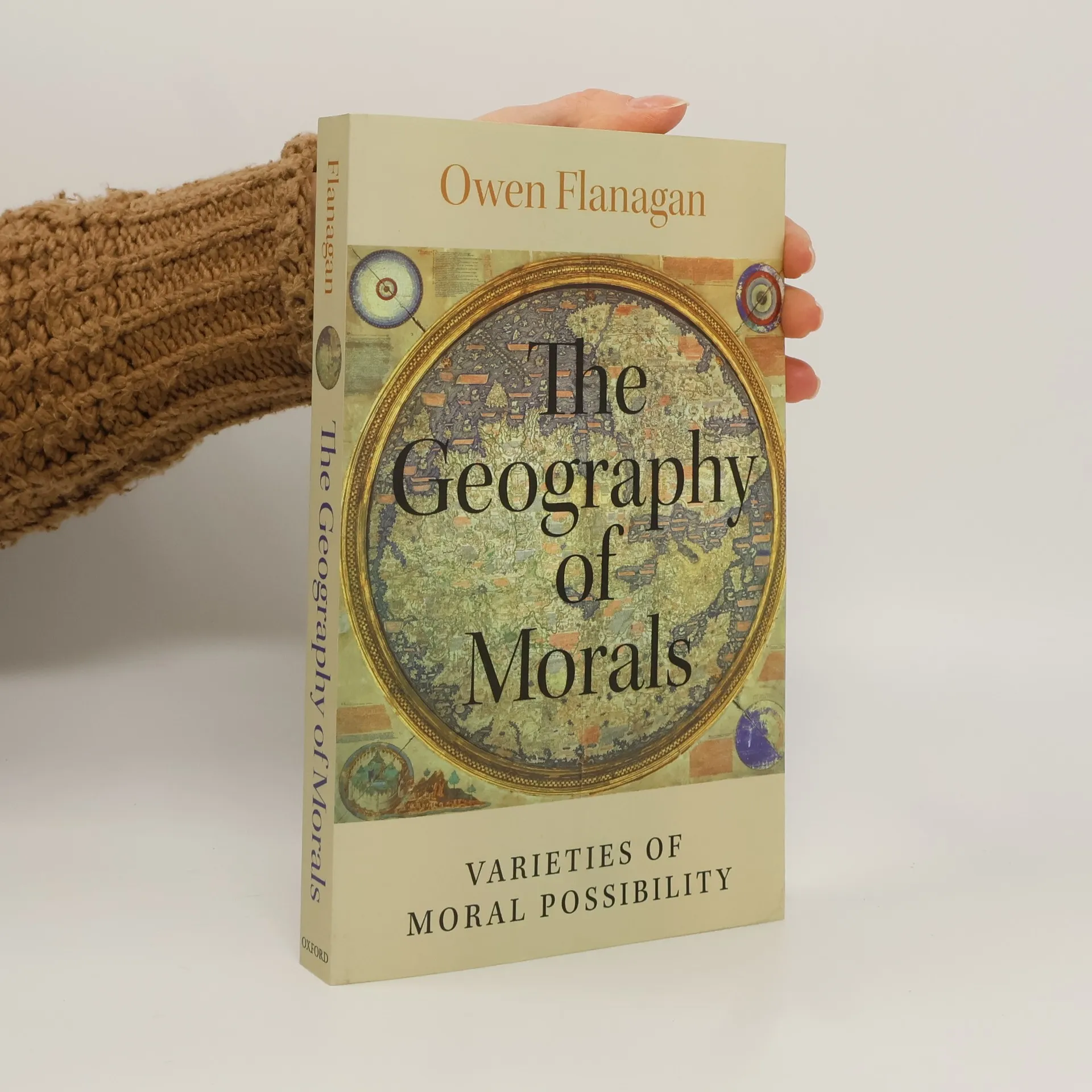
The Geography of Morals
- 376bladzijden
- 14 uur lezen
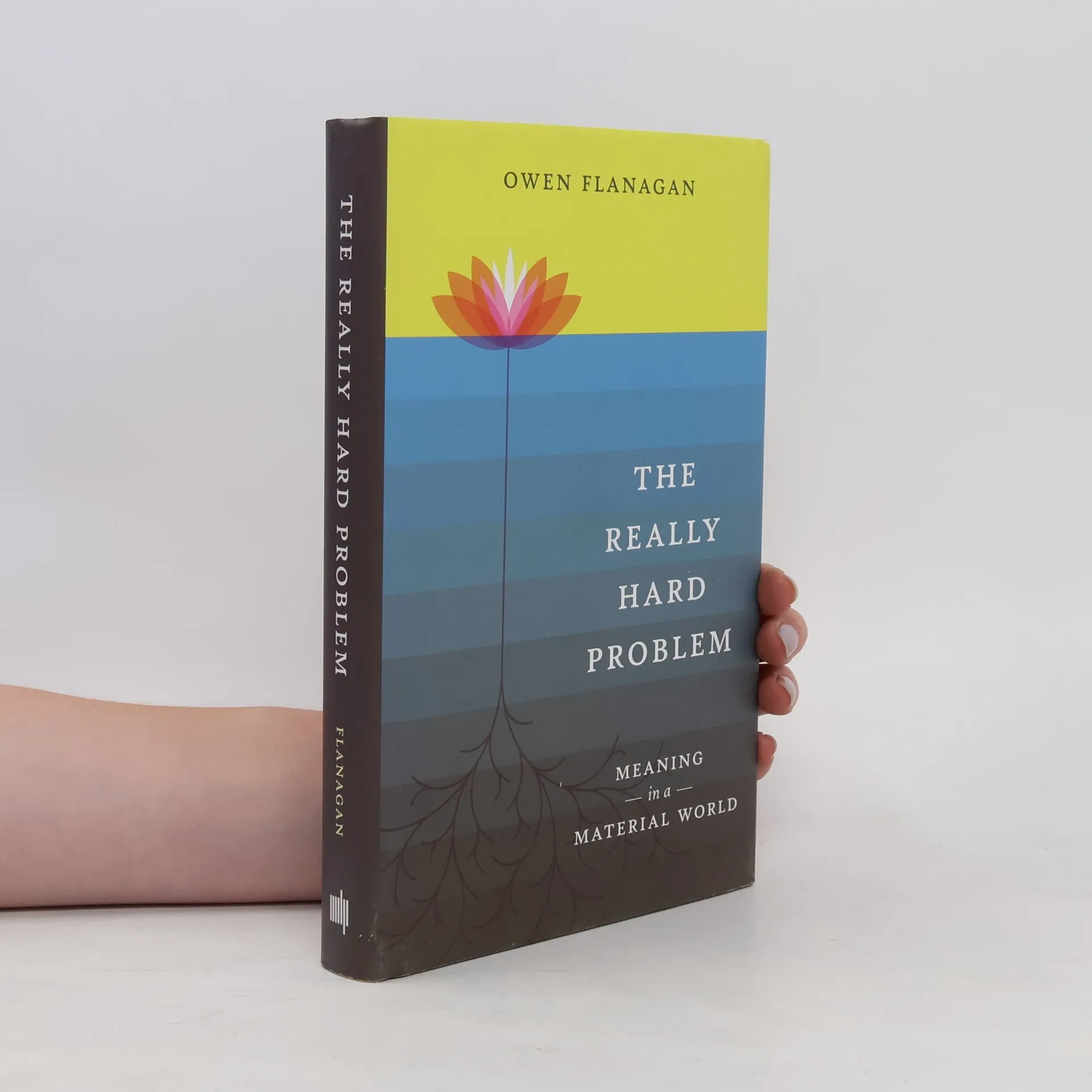
A noted philosopher proposes a naturalistic (rather than supernaturalistic) way to solve the "really hard problem" how to live in a meaningful way--how to live a life that really matters--even as a finite material being living in a material world.
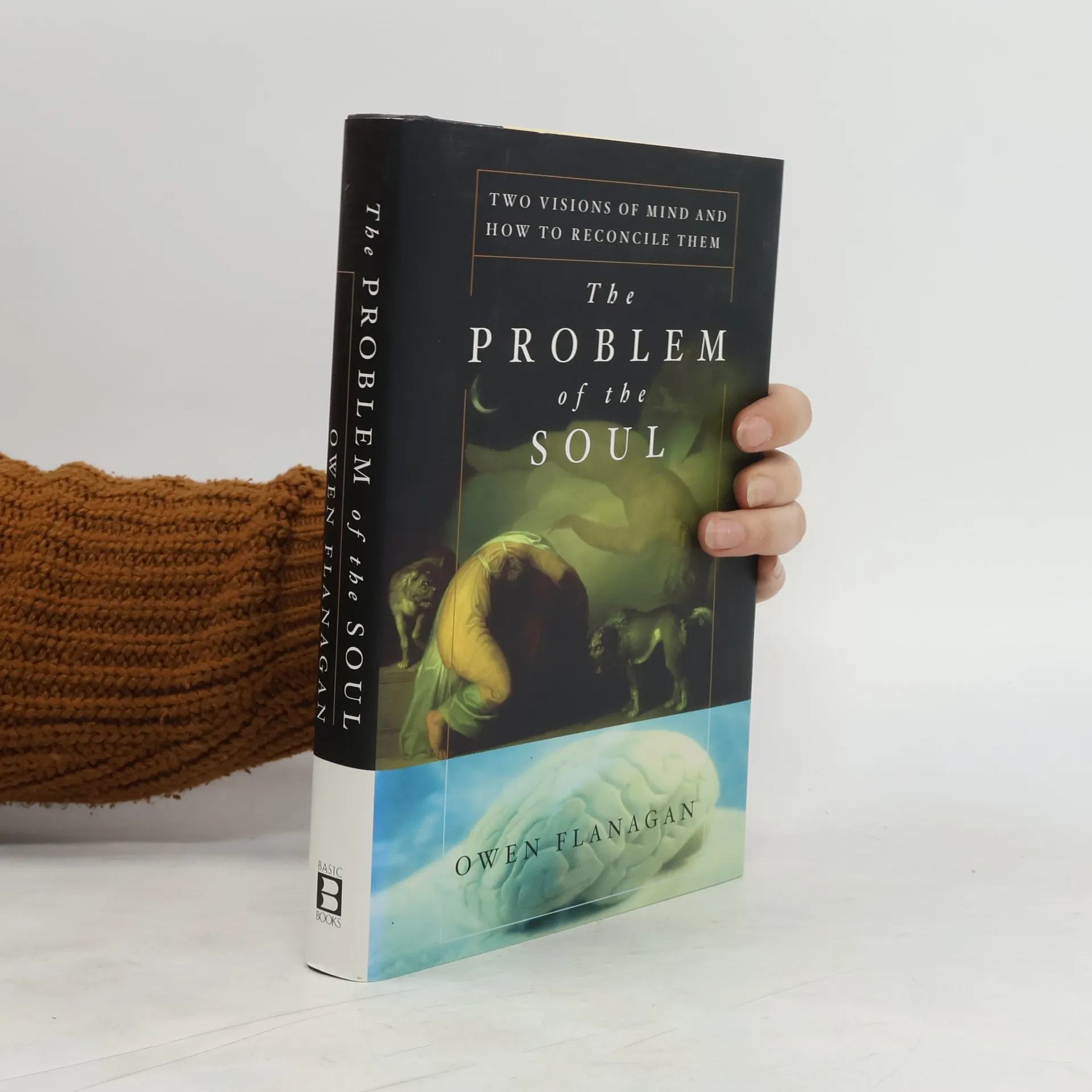
Traditional ideas about the basic nature of humanity are under attack as never before. The very attributes that make us human--free will, the permanence of personal identity, the existence of the soul--are being undermined and threatened by the current revolution in the science of the mind. If the mind is the brain, and therefore a physical object subject to deterministic laws, how can we have free will? If most of our thoughts and impulses are unconscious, how can we be morally responsible for what we do? The Problem of the Soul shows the way out of these seemingly intractable paradoxes. Framing the conflict in terms of two dominant visions of the mind--the "manifest image" of humanistic philosophy and theology, and the scientific image--renowned philosopher Owen Flanagan demonstrates that there is, in fact, common ground, and that we need not give up our ideas of moral responsibility and personal freedom in order to have an empirically sound view of the human mind.
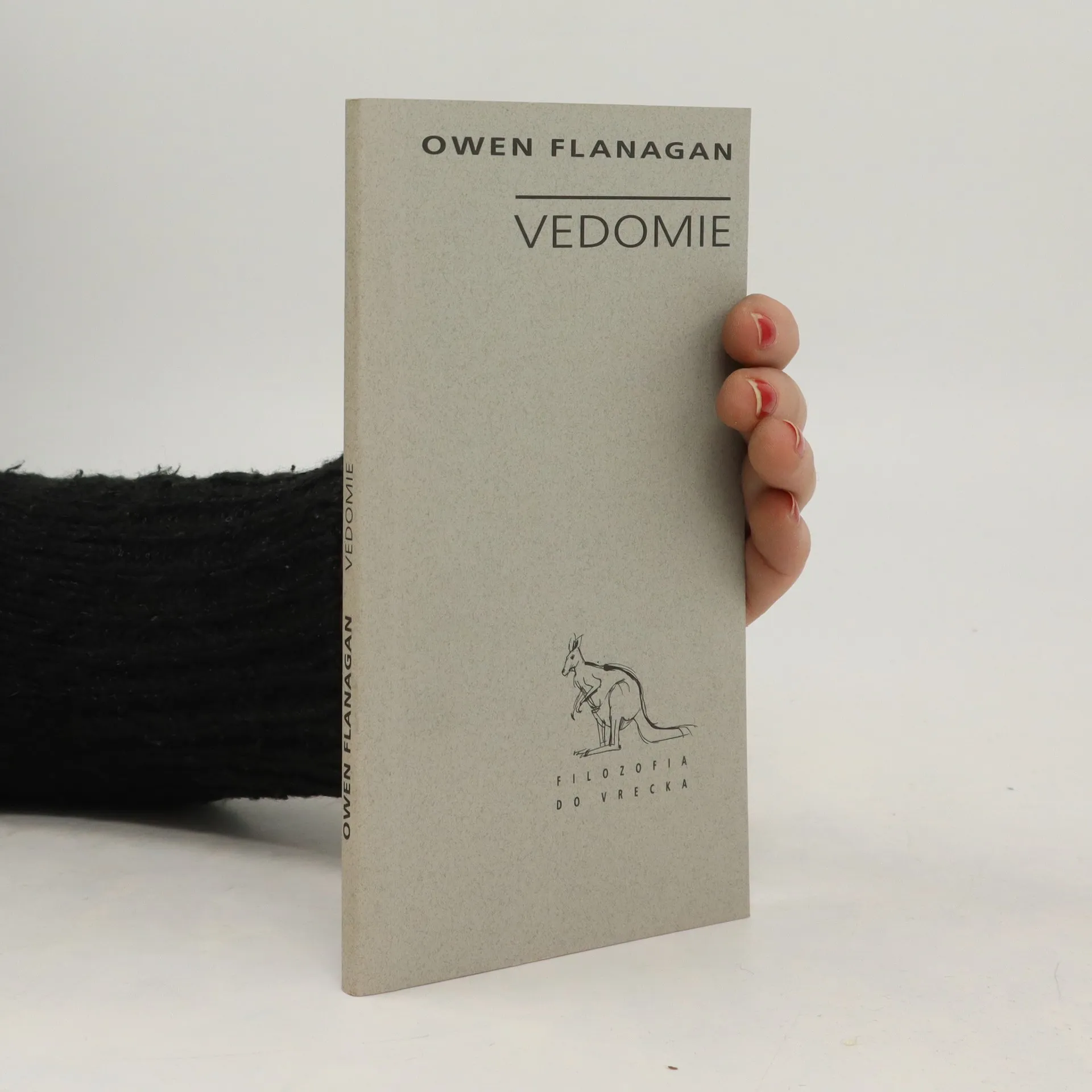
Vedomie
- 103bladzijden
- 4 uur lezen
Napriek mimoriadnym ťažkostiam začína výskum vedomia prinášať svoje plody. Nezbadáme ich, ak pre les nevidíme stromy alebo ak - ako príslovečný pštros - strkáme hlavu do piesku. Ak sa však pozrieme na naturalisticky orientované práce z filozofie mysle, na neurológiu a neuropsychológiu, ako aj na určité oblasti kognitívnych vied, potom pochopíme to, čo som sa tu snažil popísať, a budeme menej rezervovaný voči projektu, ktorý sa snaží odhaľovať tajomstvá vedomia. Pochopenie vedomia je úžasná, ohromujúca idea, a predsa zároveň reálna možnosť. Dajme sa teda veselo do toho.
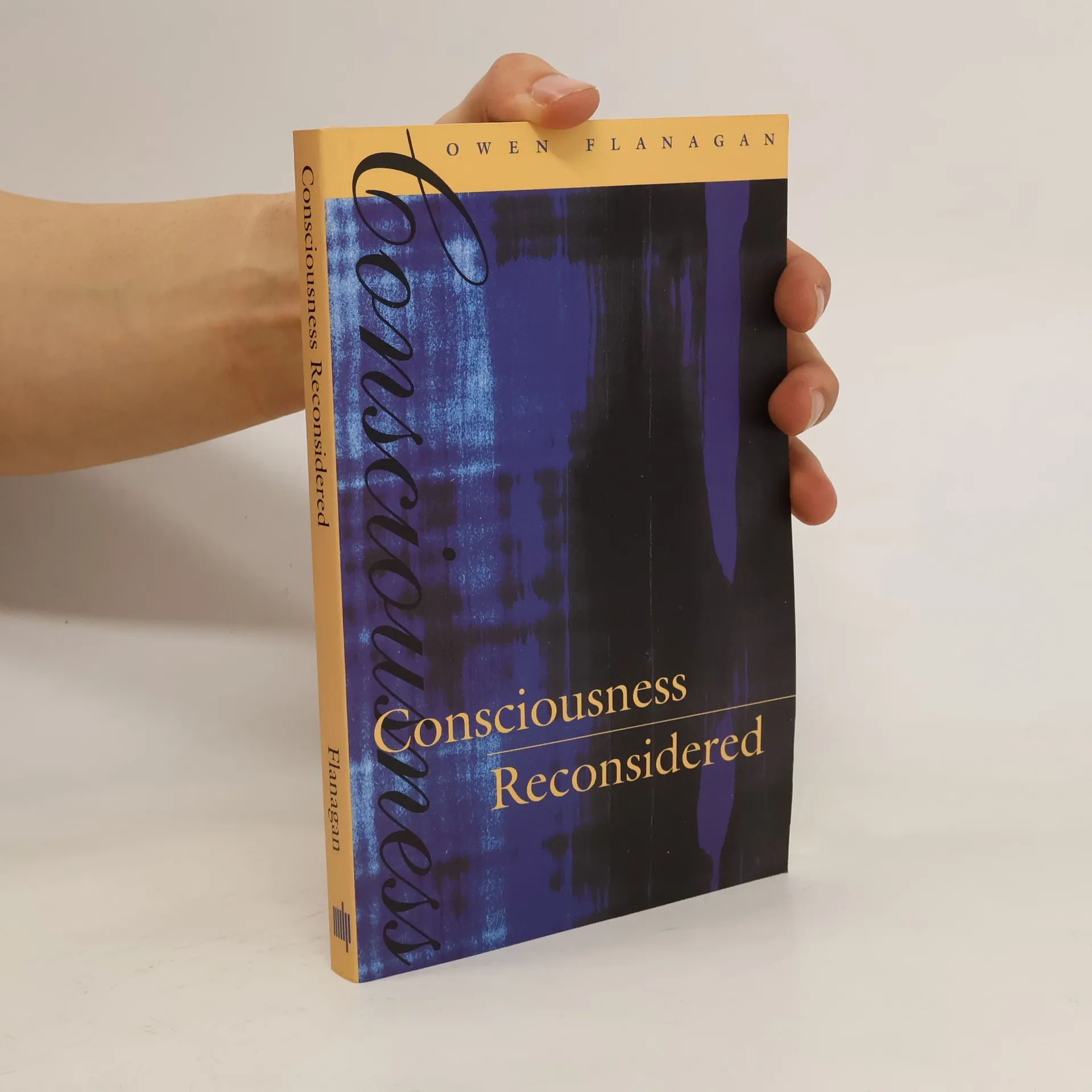
Consciousness Reconsidered
- 234bladzijden
- 9 uur lezen
Owen Flanagan argues that we are on the way to understanding consciousness and its place in the natural order.
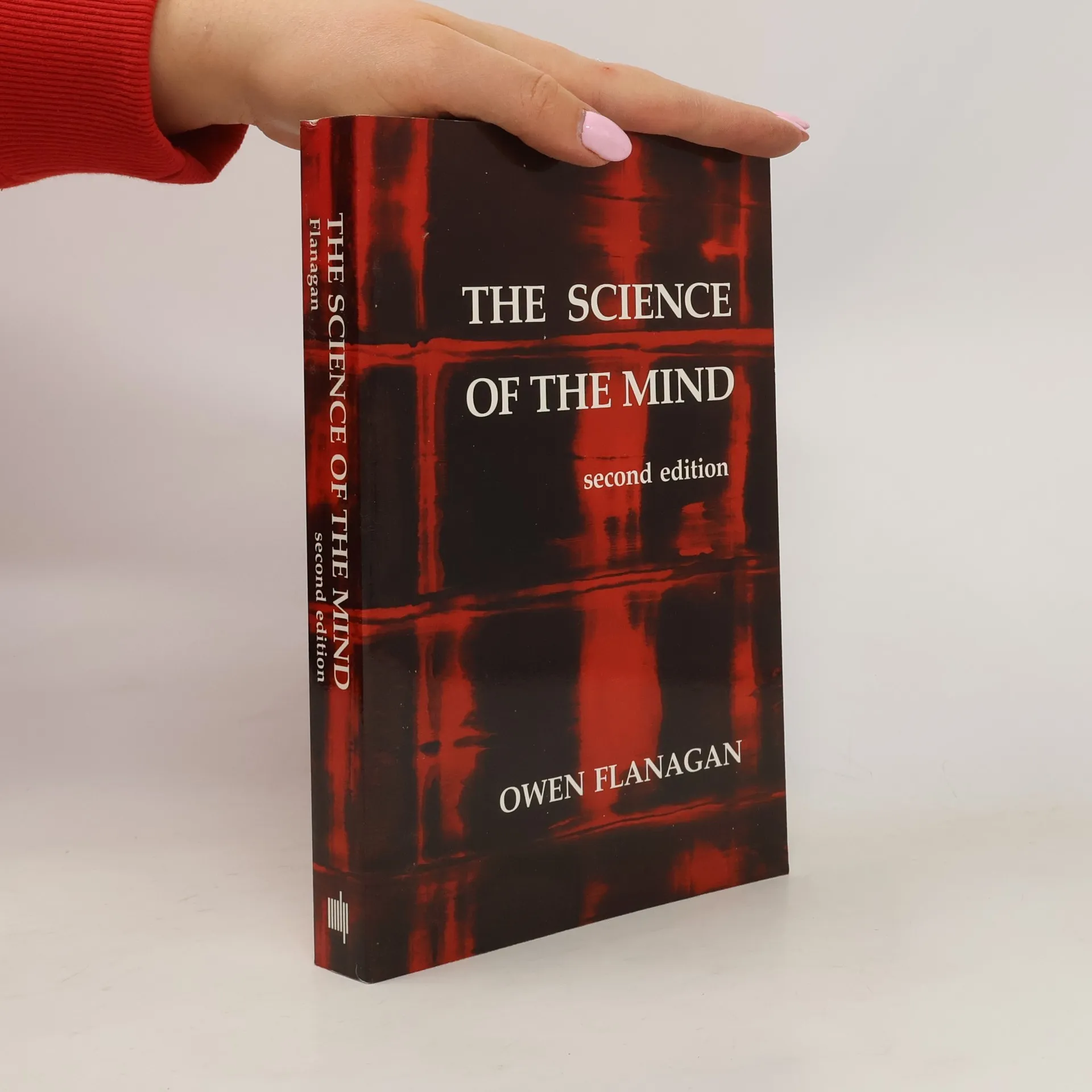
Consciousness emerges as the key topic in this second edition of Owen Flanagan's popular introduction to cognitive science and the philosophy of psychology. in a new chapter Flanagan develops a neurophilosophical theory of subjective mental life. He brings recent developments in the theory of neuronal group selection and connectionism to bear on the problems of the evolution of consciousness, qualia, the unique first-personal aspects of consciousness, the causal role of consciousness, and the function and development of the sense of personal identity. He has also substantially revised the chapter on cognitive psychology and artificial intelligence to incorporate recent discussions of connectionism and parallel distributed processing.