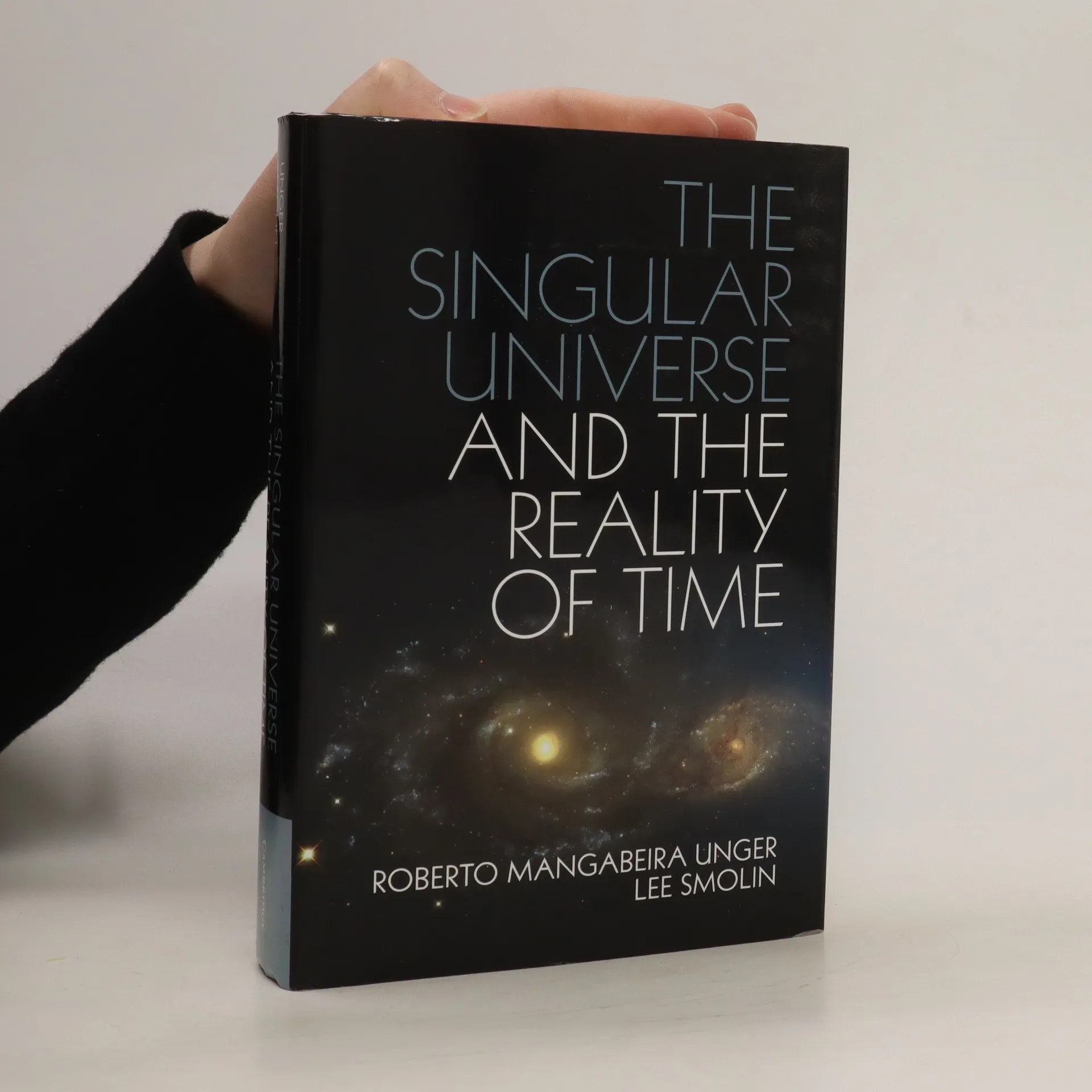
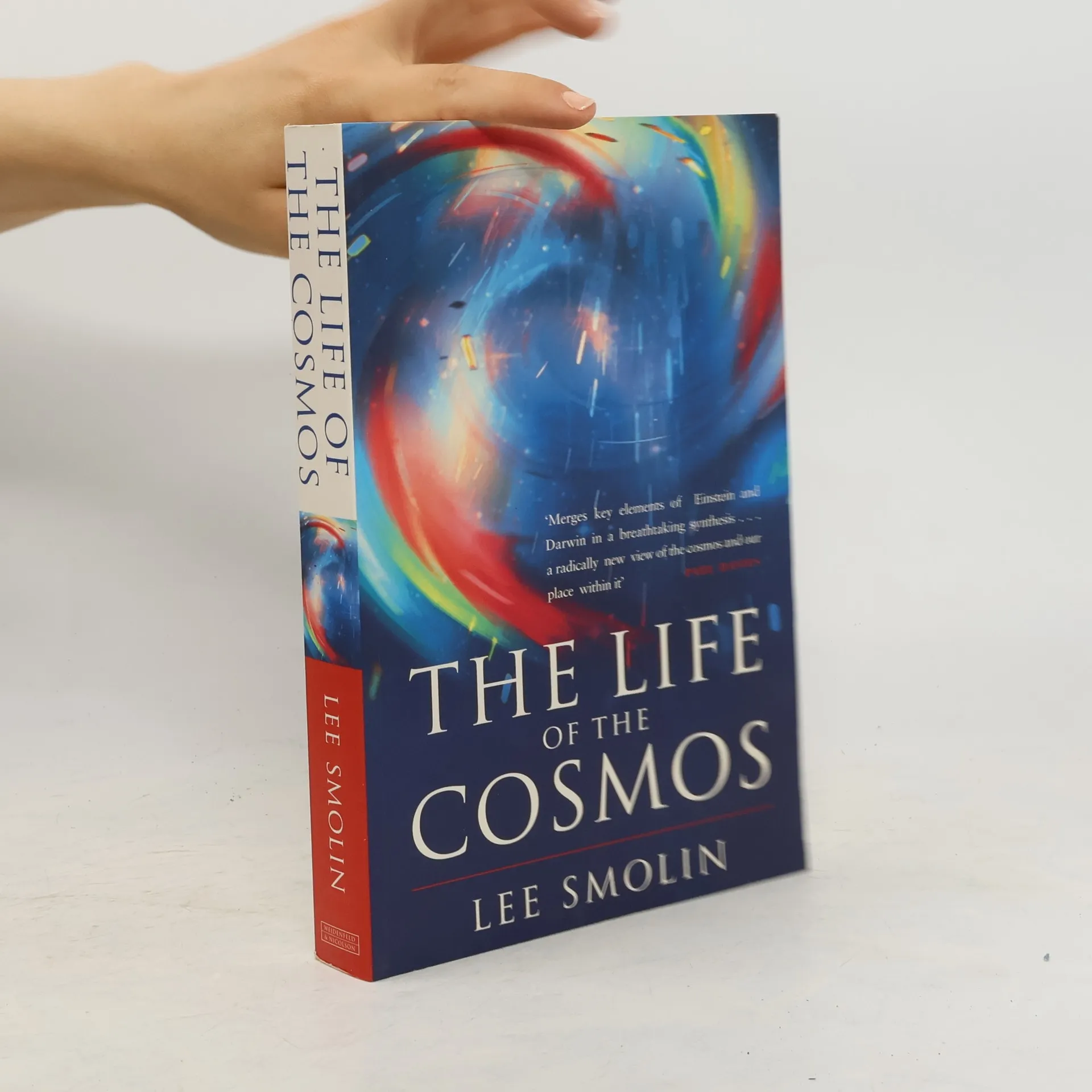
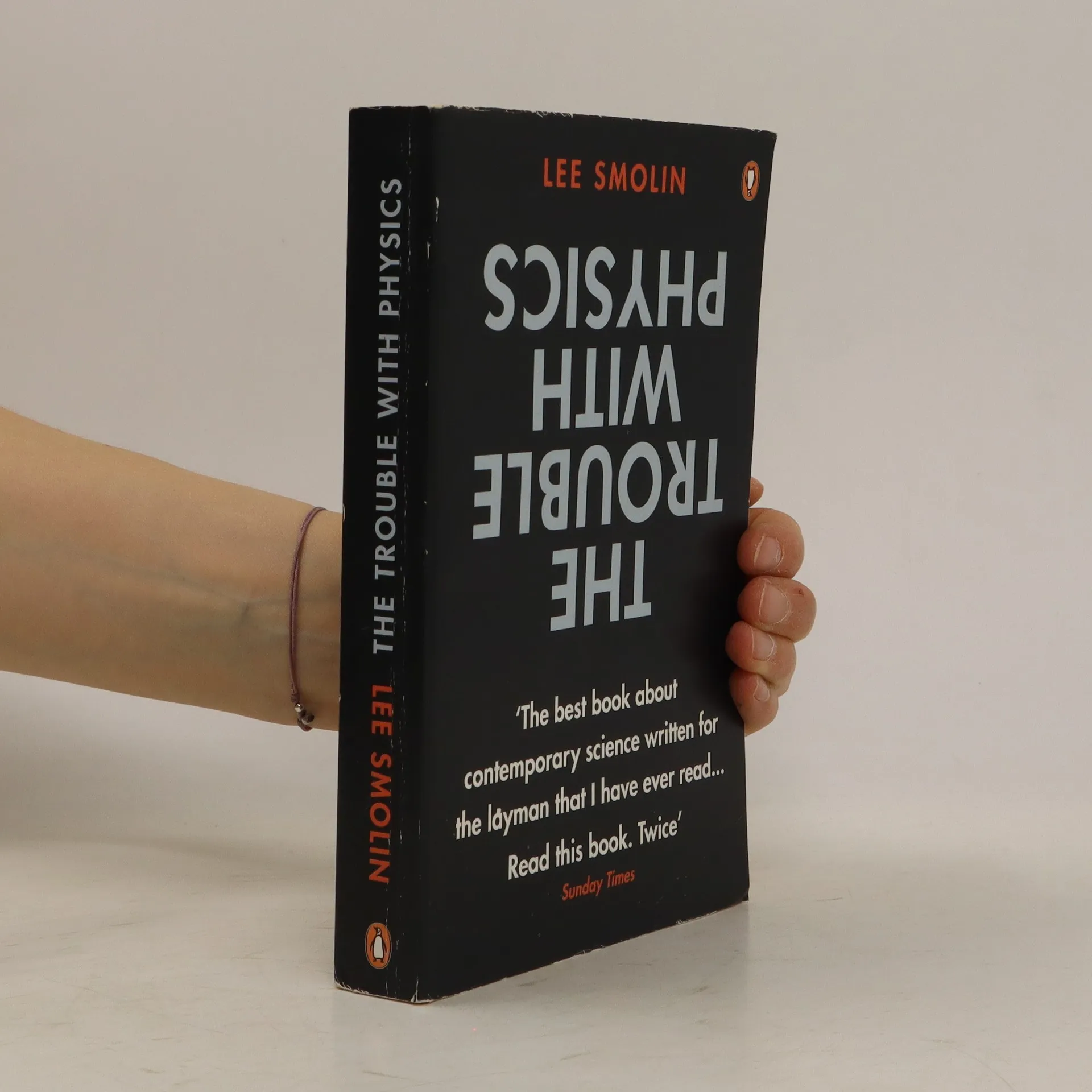
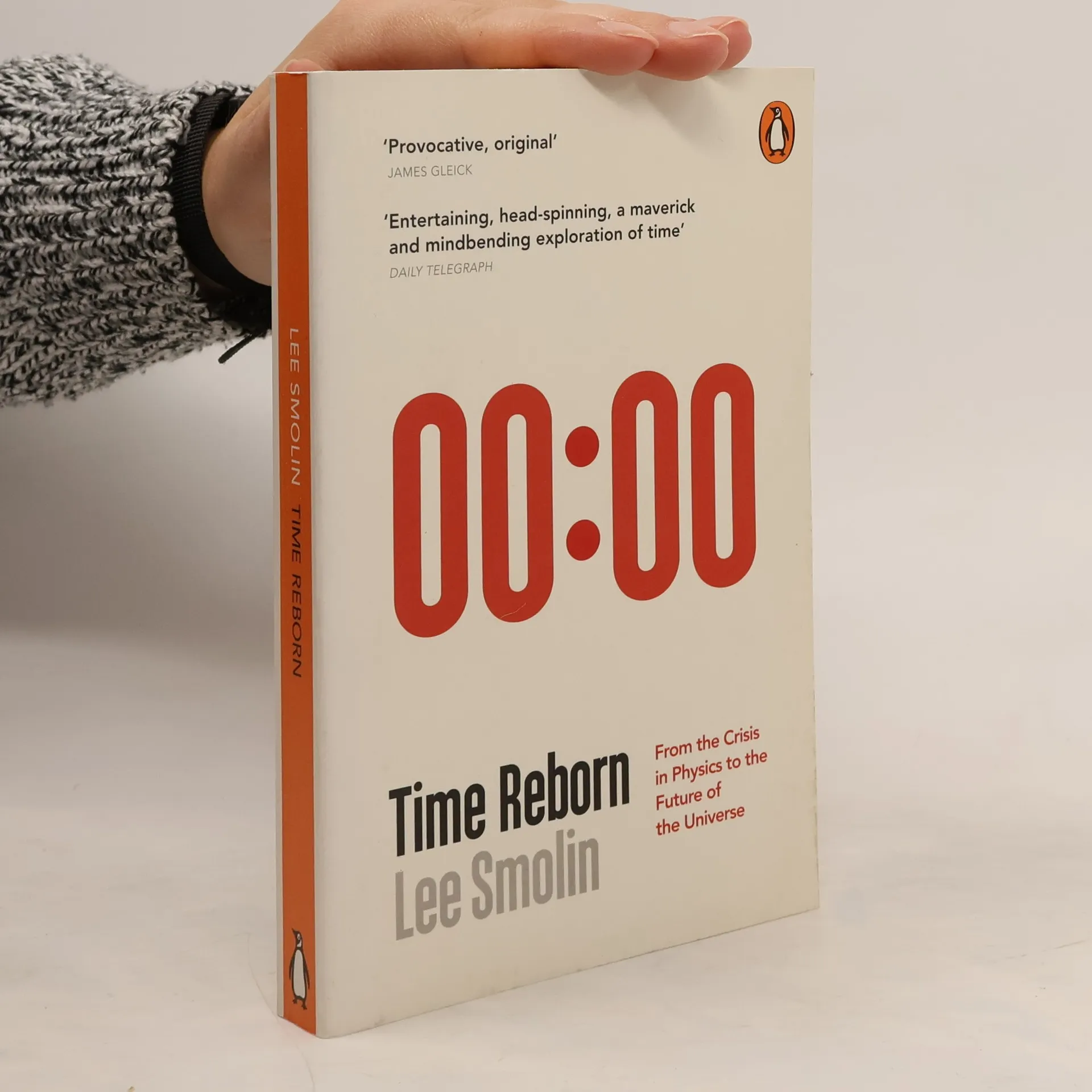
Lee Smolin is een theoretisch fysicus wiens werk diep ingaat op fundamentele vragen over de aard van tijd en de kosmos. Hij onderzoekt manieren om de fundamentele krachten van de natuur te verenigen en biedt nieuwe perspectieven op wat een allesomvattende theorie zou kunnen inhouden. Smolins geschriften maken complexe wetenschappelijke concepten toegankelijk voor een breder publiek, wat kritisch denken over het huidige landschap van de theoretische fysica stimuleert. Zijn boeken gaan vaak in op de filosofische implicaties van wetenschappelijke ontdekkingen en zetten lezers aan tot nadenken over onze plaats in het universum.
Quantum physics is the golden child of modern science. It is the basis of our understanding of atoms, radiation, and so much else, from elementary particles and basic forces to the behavior of materials
Nothing seems more real than time passing. We experience life as a succession of moments. But just as some of us see God as eternal, so physicists understand the truths of mathematics and the laws of nature as constant, transcending time. These laws dictate how the future will evolve: there is no freedom, no uncertainty about the future at all. Yet, argues Lee Smolin, this denial of time is holding back both physics, and our understanding of the universe. We need a major revolution in scientific thought: one that embraces the reality of time and places it at the centre of our thinking. Time, he concludes, is not an illusion: indeed, it is the best clue that we have to fundamental reality. Time Reborn explains how the true nature of time impacts on us, our world, and our universe.
156 denkers over de meest elegante inzichten aller tijden - Druk 3
443bladzijden
16 uur lezen
‘Als je het niet simpel kunt uitleggen, dan begrijp je het niet goed genoeg.’ – Einstein wist als geen ander hoe wetenschap kan zijn. Wetenschap is op zijn mooist als ingewikkelde problemen op elegante wijze verklaard kunnen worden. De 156 verklaringen in dit boek zijn zo mooi dat je hart er sneller van gaat kloppen. John Brockman, oprichter van de website edge.org, stelt jaarlijks één vraag aan een selectie van de meest interessante wetenschappers en kunstenaars ter wereld. Dit jaar was de vraag: ‘Wat is je favoriete diepe, elegante of mooie verklaring?’ In Dit verklaart alles delen 156 Nederlandse en internationale toonaangevende denkers hun antwoord op deze vraag. De wetenschappers die aan het woord komen zijn dagelijks bezig met de theorieën en oplossingen van deze tijd, vanuit de filosofie, wiskunde, economie, geschiedenis, linguïstiek en gedragswetenschappen. De bijdragen zijn van Susan Blackmore, Mihaly Csikszentmihalyi, Richard Dawkins, Brian Eno (muzikant en producer van U2), Stine Jensen, Steven Pinker en nog 150 anderen. Op filosofische, intellectuele, humoristische, confronterende en innovatieve wijze worden de meest elegante wetenschappelijke verklaringen uitgelegd. In dit boek staan de antwoorden der antwoorden op de vragen der vragen.
With clarity, passion, and authority, renowned theoretical physicist Smolin charts the rise and fall of string theory and takes a fascinating look at what will replace it.
"It would be hard to imagine a better guide to this difficult subject."--Scientific American In Three Roads to Quantum Gravity, Lee Smolin provides an accessible overview of the attempts to build a final "theory of everything." He explains in simple terms what scientists are talking about when they say the world is made from exotic entities such as loops, strings, and black holes and tells the fascinating stories behind these discoveries: the rivalries, epiphanies, and intrigues he witnessed firsthand. "Provocative, original, and unsettling." --New York Review of Books "An excellent writer, a creative thinker."--Nature
A radically new view of the nature of the universe that suggests that the cosmosas a whole is best understood not as mechanical and clockwork, but as complete and evolving, more akin to a living entity than a machine. Comparable in its acope and ambition to Roger Penrose and Stephen Hawking, and readable than either.