
Koop 10 boeken voor 10 € hier!
Bookbot

William Kentridge

    28 april 1955
    Words - A Collation
    Constable's White Horse (Frick Diptych)
    Catalogue Raisonné Volume 1
    Carlton Centre Games Arcade
    I Am Not Me, the Horse is Not Mine
    Accounts and Drawings from Underground
    • Accounts and Drawings from Underground

      The East Rand Proprietary Mines Cash Book

      • 224bladzijden
      • 8 uur lezen
      5,0(2)Tarief

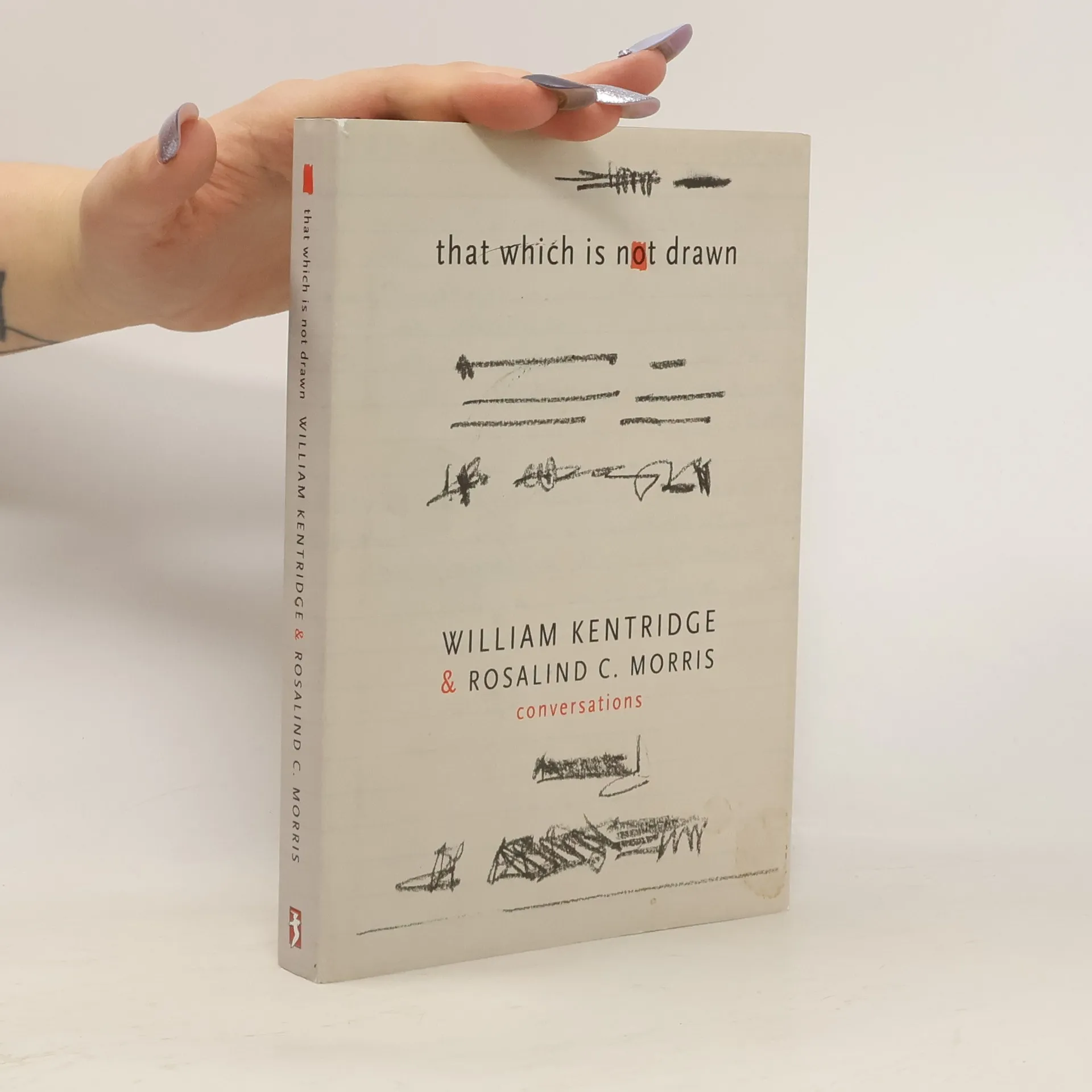
      In Accounts and Drawings from Underground, published in 2015, renowned artist William Kentridge and scholar Rosalind C. Morris brought us an unprecedented collaboration, taking pages of the 1906 Cash Book of the East Rand Proprietary Mines Corporation in South Africa and transforming them into something entirely new. While Kentridge contributed breathtaking landscape drawings in response to the transient terrain mining created, Morris plumbed the text of the cash book to generate a unique narrative account.   Now, they revisit those ruined mines, with a visual and verbal addendum that provides an account of the ongoing metamorphosis of the world that gold mines created. Kentridge works on the threshold between the visible and the invisible, while Morris mines the unsaid in order to make it understandable. Together they’ve created a landmark book that chronicles the exploitation of African communities and sheds further light on global Black history. With fifteen stunning new color drawings by Kentridge and an additional coda, this revised edition of Accounts and Drawings from Underground continues its remarkable documentation of the stories of migrant laborers and the flows of capital and desire, providing us with a palpable sense of a vanished world.  
      Accounts and Drawings from Underground
    • I Am Not Me, the Horse is Not Mine

      • 79bladzijden
      • 3 uur lezen

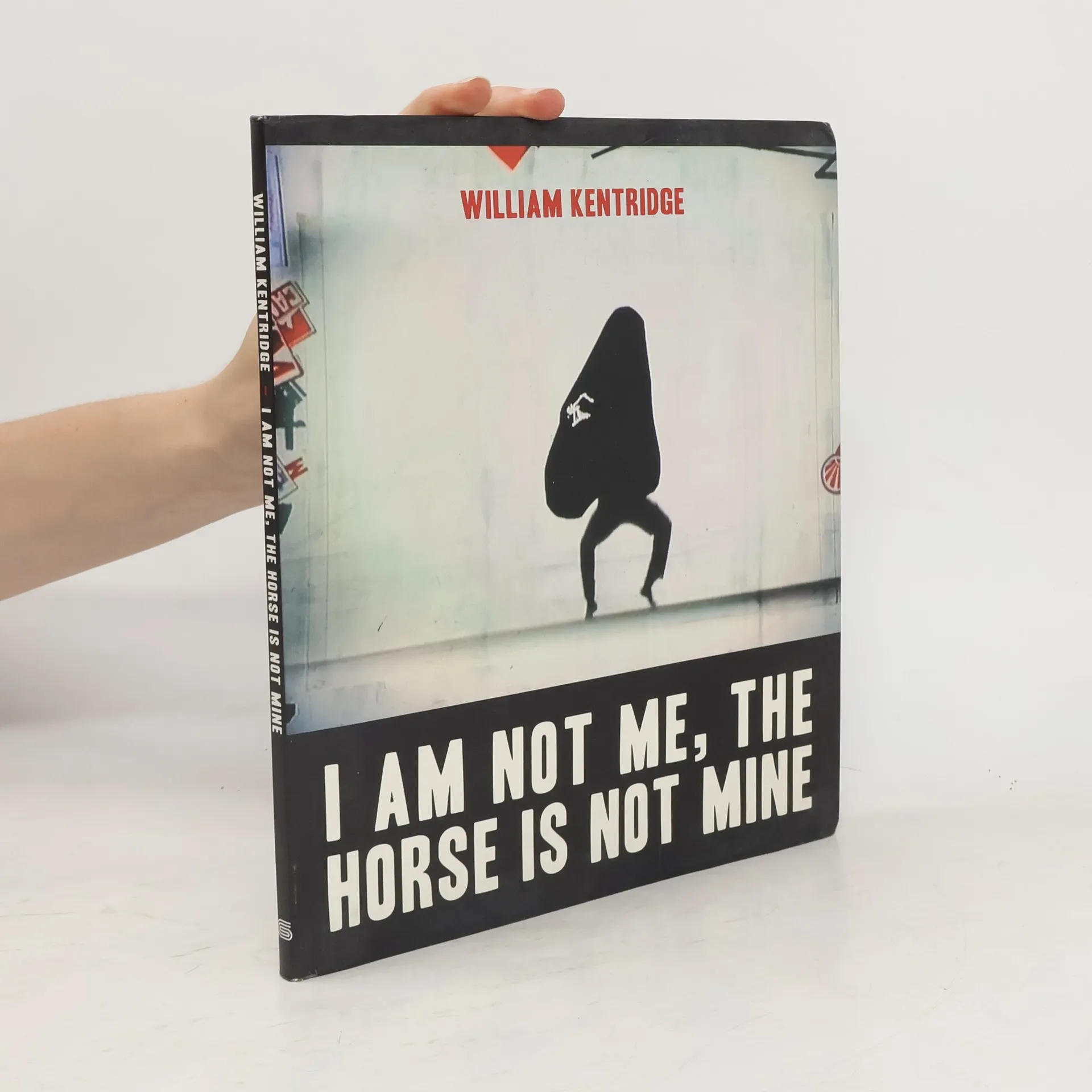
      William Kentridge's multi-channel projection installation of eight film fragments, entitled I am not me, the horse is not mine, was first presented to international acclaim at the Sydney Biennale in June 2008. The work is based on the absurdist short story, The Nose (1837), by Nikolai Gogol, in which the pompous government official, Kovalyov, wakes up one day to find that his nose has taken on a life of its own and gone for a walk around the city of St Petersburg. In a sequence of comical scenes, the main character attempts - with increasingly ridiculous efforts - to chase after his nose, recapture it and stick it back on his face. I am not me, the horse is not mine stems from the artist's ongoing interest in the roots and development of modernism: a mixture of the absurd, the self-reflective (and the 'self-divided') and its many forms of fragmentation. It also deals particularly with Russia's response to modernism in the 1930s and the histories and terrors of oppression. This exhibition was made possible by the Goodman Gallery.

      I Am Not Me, the Horse is Not Mine
    • Carlton Centre Games Arcade

      • 120bladzijden
      • 5 uur lezen

      Focusing on the "Carlton Centre Games Arcade" series from 1977, this book offers an intimate exploration of William Kentridge's early etchings, which have rarely been exhibited. The Carlton Centre, a significant landmark in Johannesburg, inspired Kentridge's observational drawing and marked his initial foray into intaglio printing. This work not only showcases 14 unique etchings but also serves as a continuation of Kentridge's comprehensive catalogue raisonné, appealing to both enthusiasts and art historians alike.

      Carlton Centre Games Arcade
    • Catalogue Raisonné Volume 1

      Prints and Posters 1974 to 1990

      • 688bladzijden
      • 25 uur lezen

      Focusing on the artist's printmaking and poster design, this book delves into William Kentridge's early works from 1974 to 1990, showcasing his pioneering techniques in linocut, etching, and monotype printing. Compiled by art authority Warren Siebrits, it emphasizes Kentridge's unique approach, where printmaking serves as a foundation rather than a secondary medium. The detailed chronology reveals overlooked aspects of Kentridge's creative journey, providing essential insights into his influential body of work and enriching the understanding of his artistic evolution.

      Catalogue Raisonné Volume 1
    • An essay by Aimee Ng, Frick Curator, paired with a contribution by artist William Kentridge bring to life one of Constable's most serene depictions of rural life, the artist's personal favorite.

      Constable's White Horse (Frick Diptych)
    • An exploration of phrases and excerpts that inspire a major contemporary artist. Over the past several years, renowned South African artist William Kentridge has made a collection of particular phrases and sentences that have called out to him from the pages of whatever he has been reading. And these phrases, which he has written into a studio notebook titled Words, have been put to work in many of his artistic projects. Kentridge has often begun a project by paging through the notebook, waiting for a phrase to claim its place in the new work. The text excerpts come from many sources: Aimé Césaire, Yehuda Amichai, Sigmund Freud, James Joyce, Setswana proverbs, the Book of Ecclesiastes, Tristan Tzara's Dada Manifesto, and a range of eastern European poets. This volume presents a selection made from the notebook, with phrases arranged neither randomly nor with a clear agenda but finding a space in between. Cleverly designed by the artist and beautifully produced, Words is a thought-provoking collection that provides a window to the mind of a contemporary creative genius.

      Words - A Collation
    • A luxuriously produced clothbound presentation of Kentridge's formative print series, with previously unseen images This book documents, for the first time, the entire 54 images--as well as an additional 65 plate progressions not previously known to exist--in William Kentridge's important early series of etchings and aquatints, Domestic Scenes(1980). One of today's most respected contemporary artists, Kentridge (born 1955) was only 25 years old and relatively unknown when he made these images, which are pivotal in how they shaped his thinking, studio practice and conceptual approach. Presenting a range of human interactions in domestic environments and revealing influences from Matisse to Francis Bacon, from Giacomo Balla to Niki de Saint Phalle, the prints receive in this book fascinating new commentary from Kentridge, who shares his working methods as well as personal memories of the prints' subjects and creation. Framed by detailed research by Warren Siebrits, the compiler of Kentridge's upcoming catalogue raisonné of prints and posters, Domestic Scenesprovides some of the earliest evidence of the artist "stalking the drawing": returning to the etching plate time and again to make additions and alterations. The book features a tipped-in image and a pull-out poster.

      Domestic Scenes
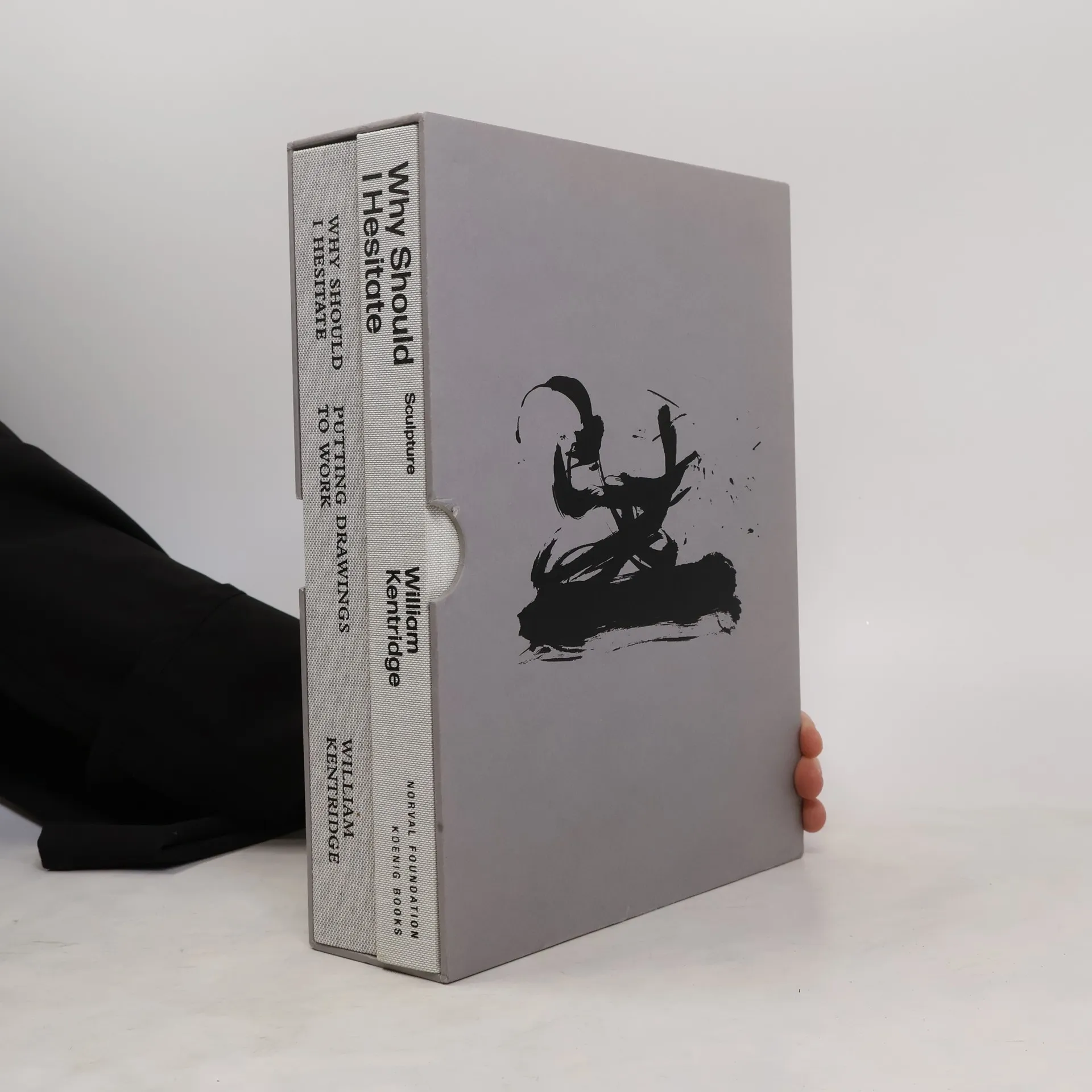
    • South African artist William Kentridge's practice spans an impressive range of medias and disciplines, including drawing, animation, film, sculpture, performance, music, theatre, opera, and collaborative, cross-disciplinary projects. His works are grounded in politics, history, and science, and yet maintain a space for contradiction and play. The two publications found within this boxset showcase two complimentary exhibitions, which together form the largest, most comprehensive presentation of Kentridge's work, anywhere, ever. The first volume includes essays, conversations, a lecture, and a meticulous timeline of the history of twentieth-century South Africa, interwoven with a chronology of the artist's life, work, and thinking over the decades. The second volume includes a visual index of William Kentridge's sculptural practice; a photo essay charting the development of his large Lexicon sculptures; and a comprehensive essay by Columbia University's Dr. David Freedberg, which locates Kentridge's work within several key artistic movements. Enclosed in every publication is one unique silkscreen print with Lapislazuli on found book page. In total 18 different motives exist, which are each stamped by William Kentridge

      Sculpture