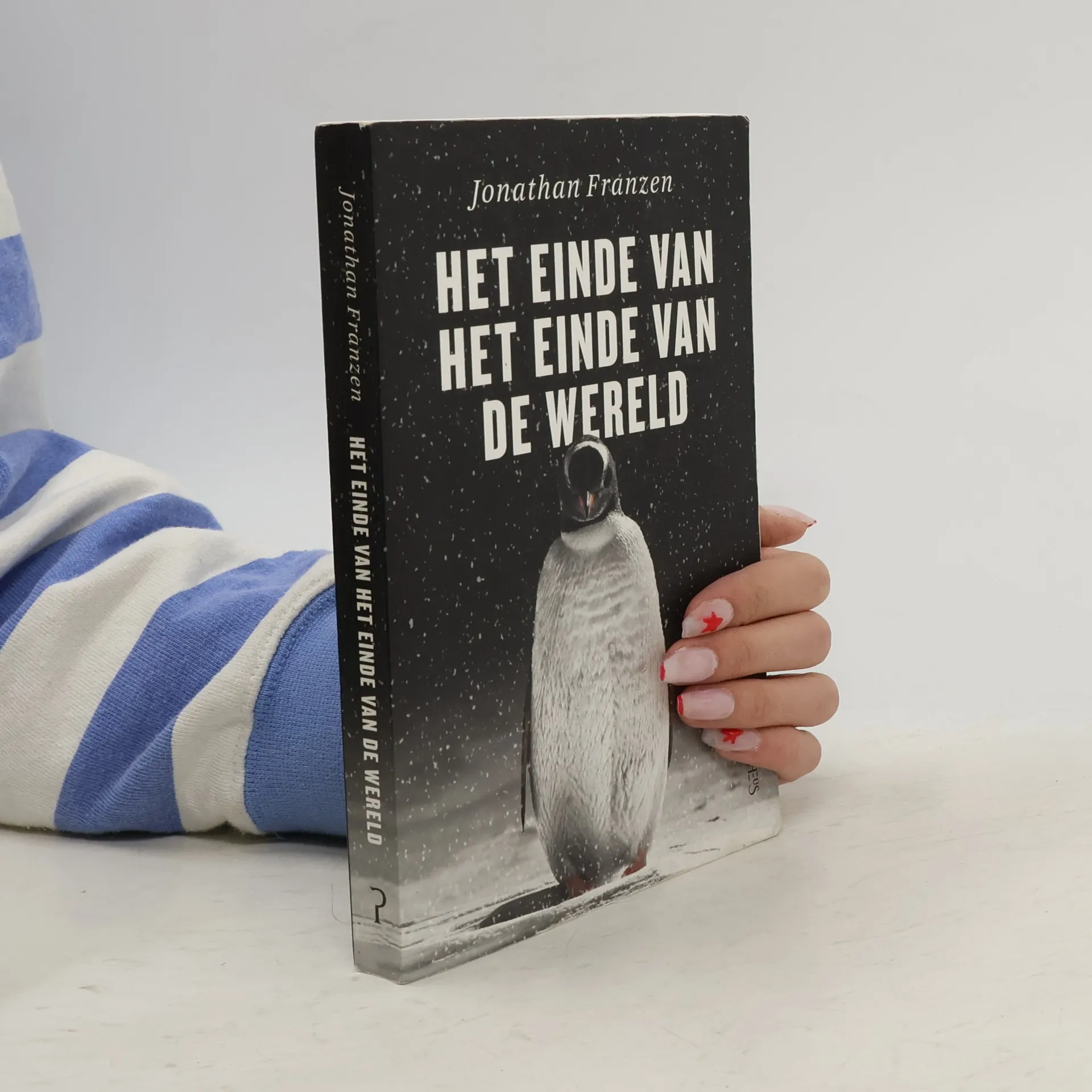
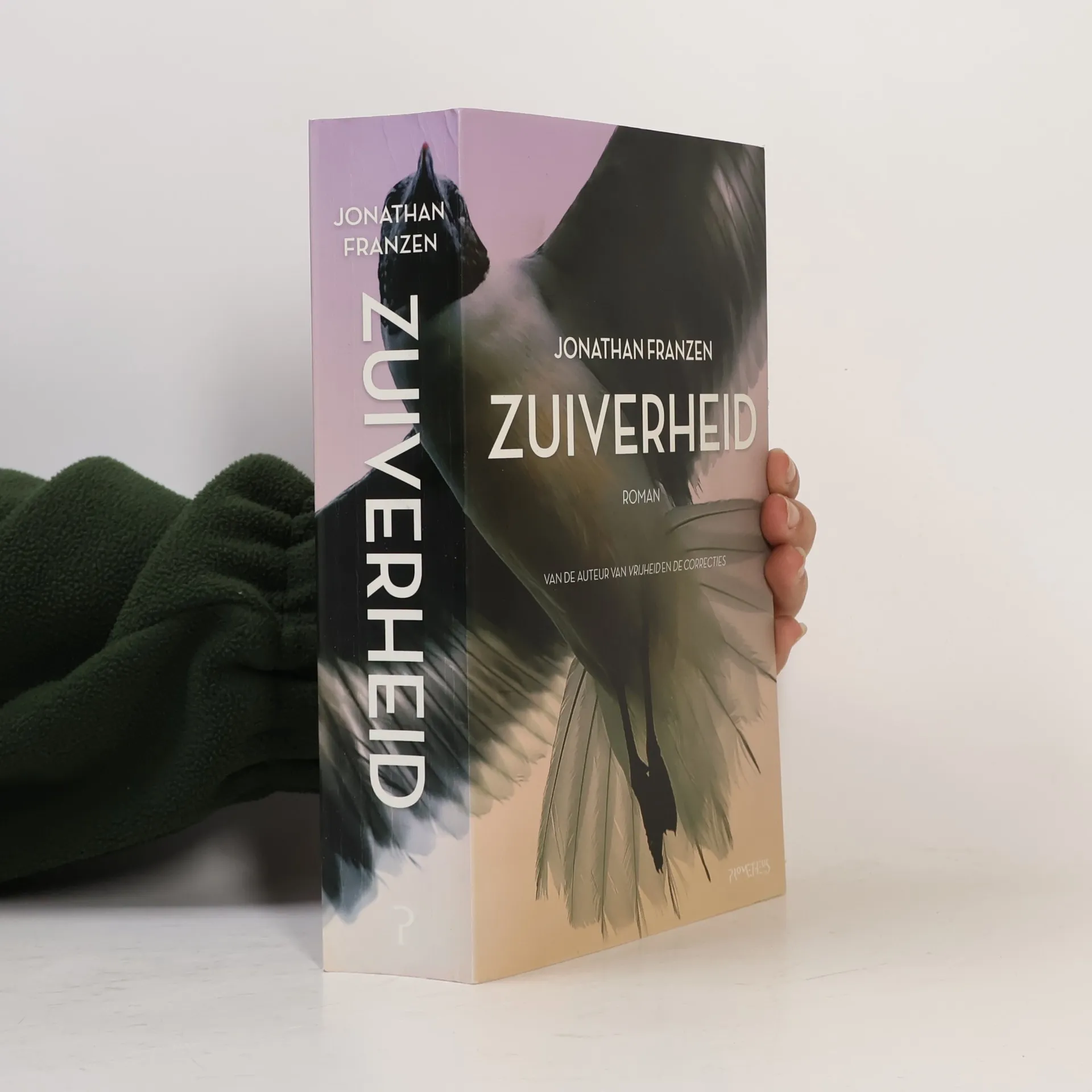
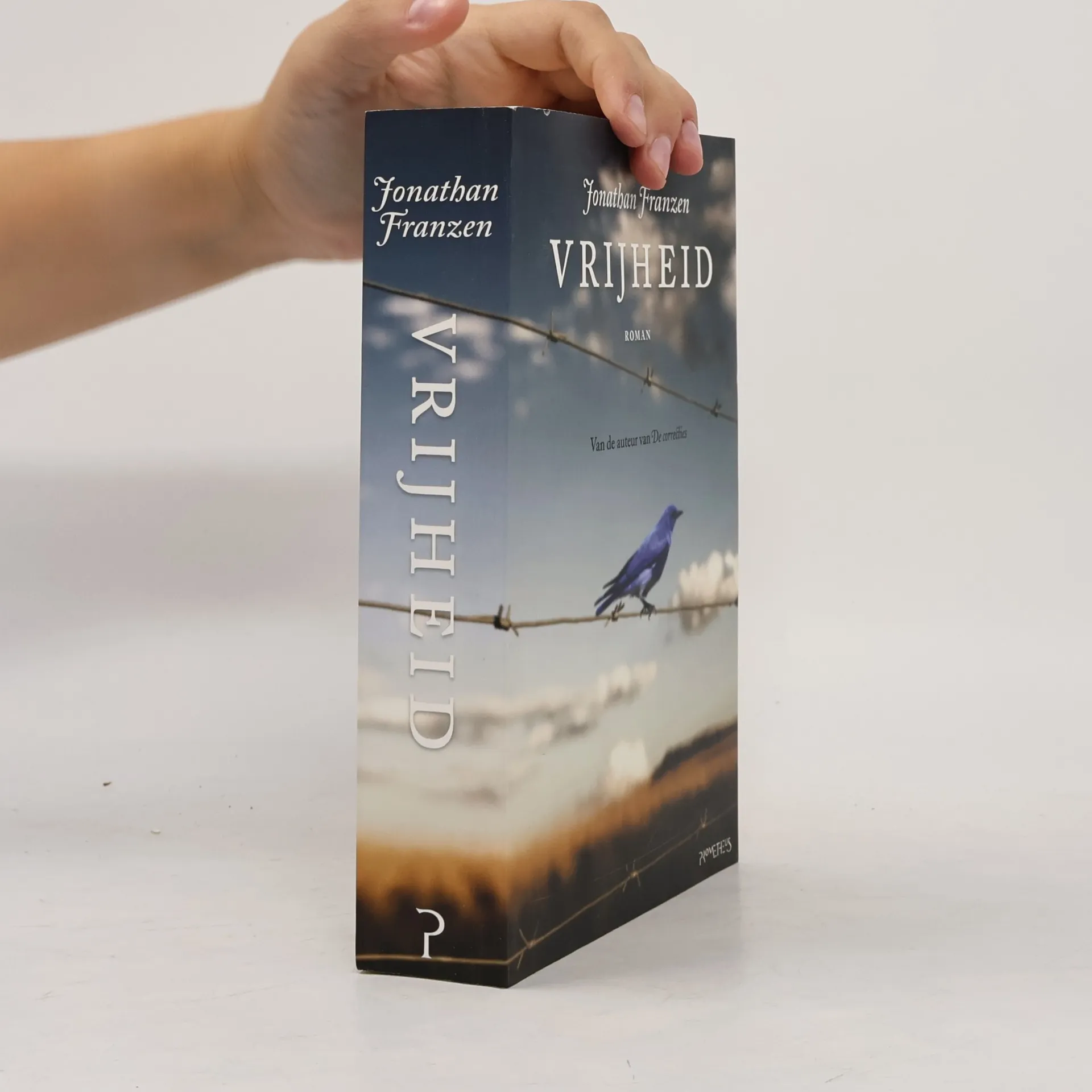
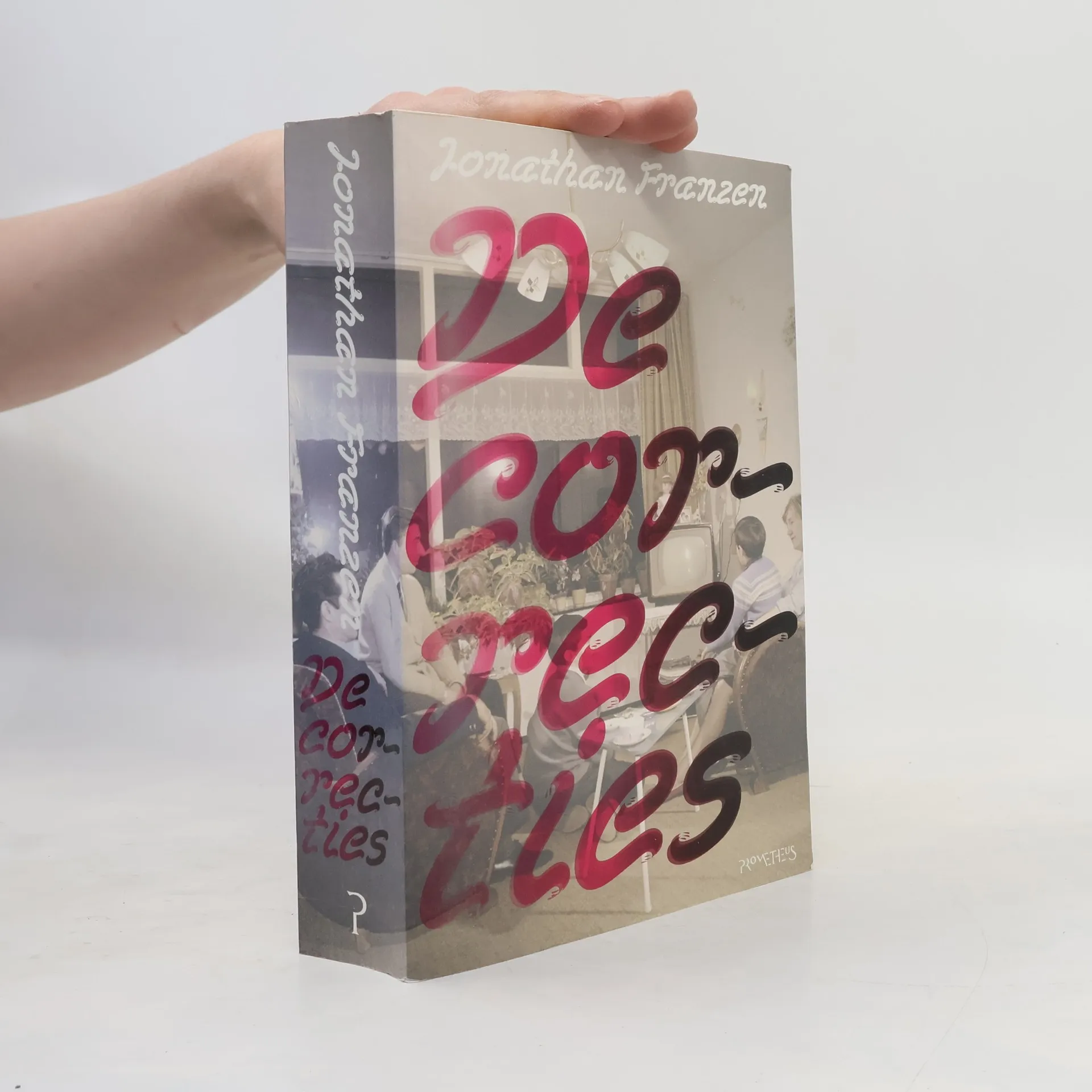
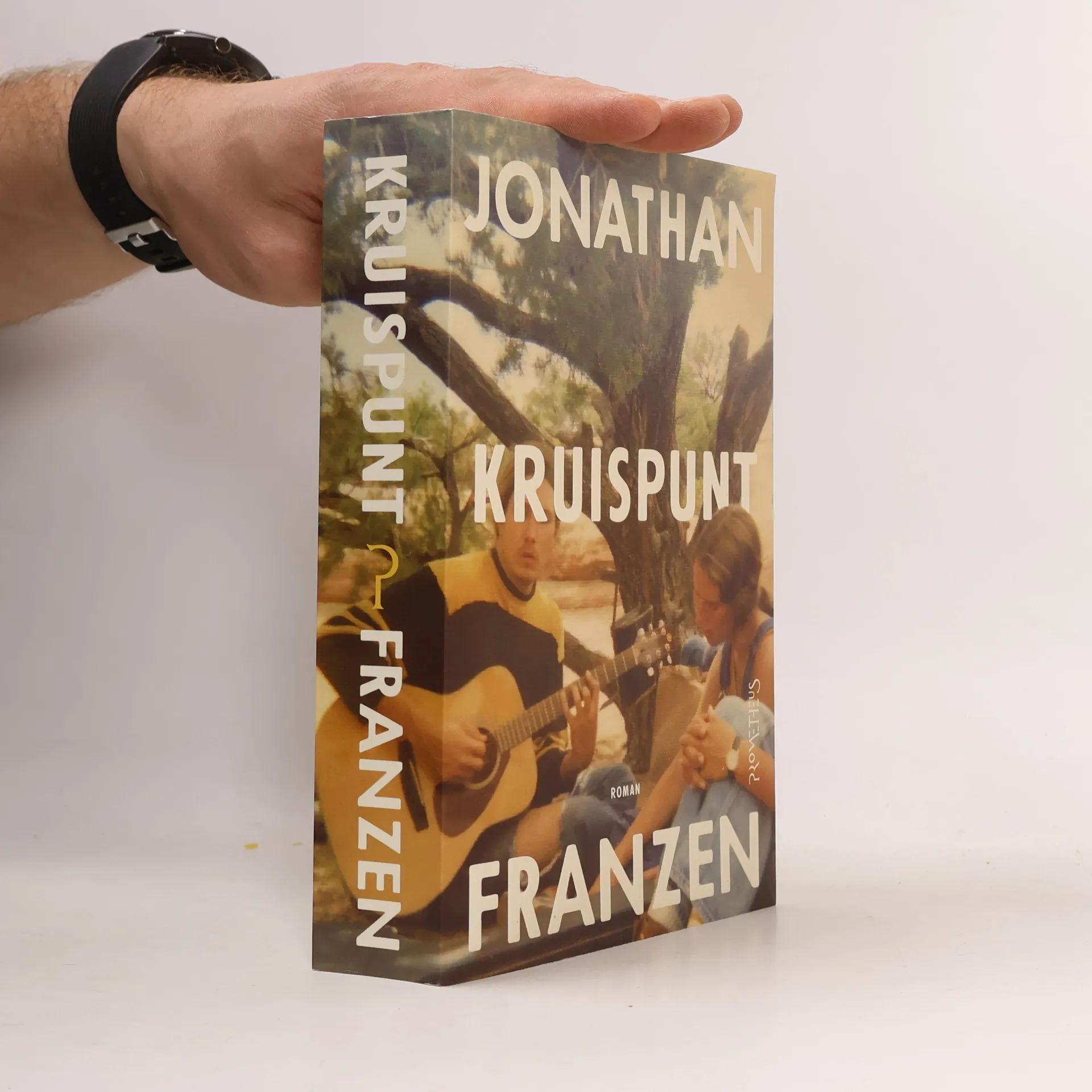
Kruispunt
- 576bladzijden
- 21 uur lezen
Jonathan Franzen is een auteur wiens romans zich verdiepen in de complexiteit van het moderne leven. Zijn werken verkennen regelmatig familieverhoudingen, maatschappelijke trends en de zoektocht naar betekenis in de huidige tijd. Franzen's proza staat bekend om zijn scherpe inzicht en zijn vermogen om de psychologische diepgang van zijn personages te vangen. Hij schrijft over de ervaring van het mens-zijn in het huidige tijdperk, waarbij zijn boeken vaak sterke emotionele reacties oproepen en aanzetten tot diepe reflectie.


De correcties gaat over de oude Enid en Alfred Lambert en hun drie kinderen Denise, Gary en Chip, die moeite hebben zich te ontworstelen aan de invloed van hun ouders. Denise is als eigenaar van een bekroond restaurant weliswaar maatschappelijk geslaagd, maar gescheiden en ongelukkig in de liefde. Gary, getrouwd en vader van drie kinderen, lijkt een succesvolle suburb-bewoner, maar hij lijdt aan de ziekte van de geslaagde man: hij vindt niets van wat hem vroeger plezier bracht nog de moeite waard. Het slechtst is Chip eraan toe. Aan zijn ooit veelbelovende universitaire loopbaan is door een seksschandaal een einde gekomen, en nu probeert hij zijn net afgeronde scenario aan een filmproducent te verkopen. Als hij bij toeval de echtgenoot van zijn minnares ontmoet komt hij terecht in een maalstroom van hilarische en volstrekt onvoorspelbare gebeurtenissen. Intussen probeert Gary het familiekapitaal van zijn dementerende vader te behoeden voor totaal verval en gaan de oude Enid en Alfred hun noodlot tegemoet op een cruiseschip.
Ein Leben mit der Sonne statt nach der Uhr, faire partnerschaftliche Beziehungen, Gewaltverzicht und klimaneutrale Mobilität – was können wir von Vögeln lernen? "Nestwärme" ist ein überraschendes Buch über das Sozialverhalten unserer gefiederten Nachbarn, ein Plädoyer für einen nachhaltigen Umgang mit der Natur – und eine augenzwinkernde Aufforderung, das eigene Leben hin und wieder aus einer neuen Perspektive zu betrachten. Der vielfach ausgezeichnete Naturschützer Ernst Paul Dörfler hat ein berührendes Buch über das geheime Leben der Vögel geschrieben, die oft friedvoller und achtsamer miteinander umgehen als wir Menschen.
In his first novel since The Corrections, Jonathan Franzen has given us an epic of contemporary love and marriage. Freedom comically and tragically captures the temptations and burdens of liberty: the thrills of teenage lust, the shaken compromises of middle age, the wages of suburban sprawl, the heavy weight of empire. In charting the mistakes and joys of Walter and Patty Berglund as they struggle to learn how to live in an ever more confusing world, Franzen has produced an indelible and deeply moving portrait of our time. (from the back cover)
Zuiverheid, de nieuwe, grote roman van Jonathan Franzen, is het verhaal van de Amerikaanse Purity Tyler, die bij vrijwel iedereen slechts bekend is als Pip - zij schaamt zich voor haar voornaam. Haar moeder heeft nooit willen vertellen wie haar vader is, en als Pip een traumatische ervaring heeft in haar Californische jongerenhuis, besluit ze naar hem op zoek te gaan. Haar zoektocht leidt haar door Noord-Amerika en Latijns-Amerika, waar ze in contact komt met een charismatische, wereldberoemde internethacker, Andreas Wolf. Maar Pip weet niet dat Wolf zelf een geheim met zich meedraagt, uit een ver verleden, toen hij in Oost-Duitsland woonde en de Berlijnse Muur nog niet gevallen was. Zuiverheid is een grootse, ontzagwekkende roman over identiteit, afstamming, liefde en seksualiteit, maar vooral over geheimen: van de intieme geheimen binnen een familie tot de levensgevaarlijke geheimen van kapitalistische multinationals en de hele westerse maatschappij. Franzens fabelachtige pen en de mythische structuur van zijn nieuwe roman maken Zuiverheid tot de belangrijkste Amerikaanse roman van 2015, die de lezer vele schitterende uren zal bezorgen.
Set in East Berlin, this satirical novel blends humor and poignancy, capturing the absurdities of life in a divided city. Its vivid characters navigate a landscape filled with challenges, evoking both laughter and deep emotion. Critics praise its brilliance, highlighting the author's ability to tackle serious themes while maintaining a light-hearted tone. The narrative promises a unique exploration of resilience and the human spirit against the backdrop of a significant historical context.
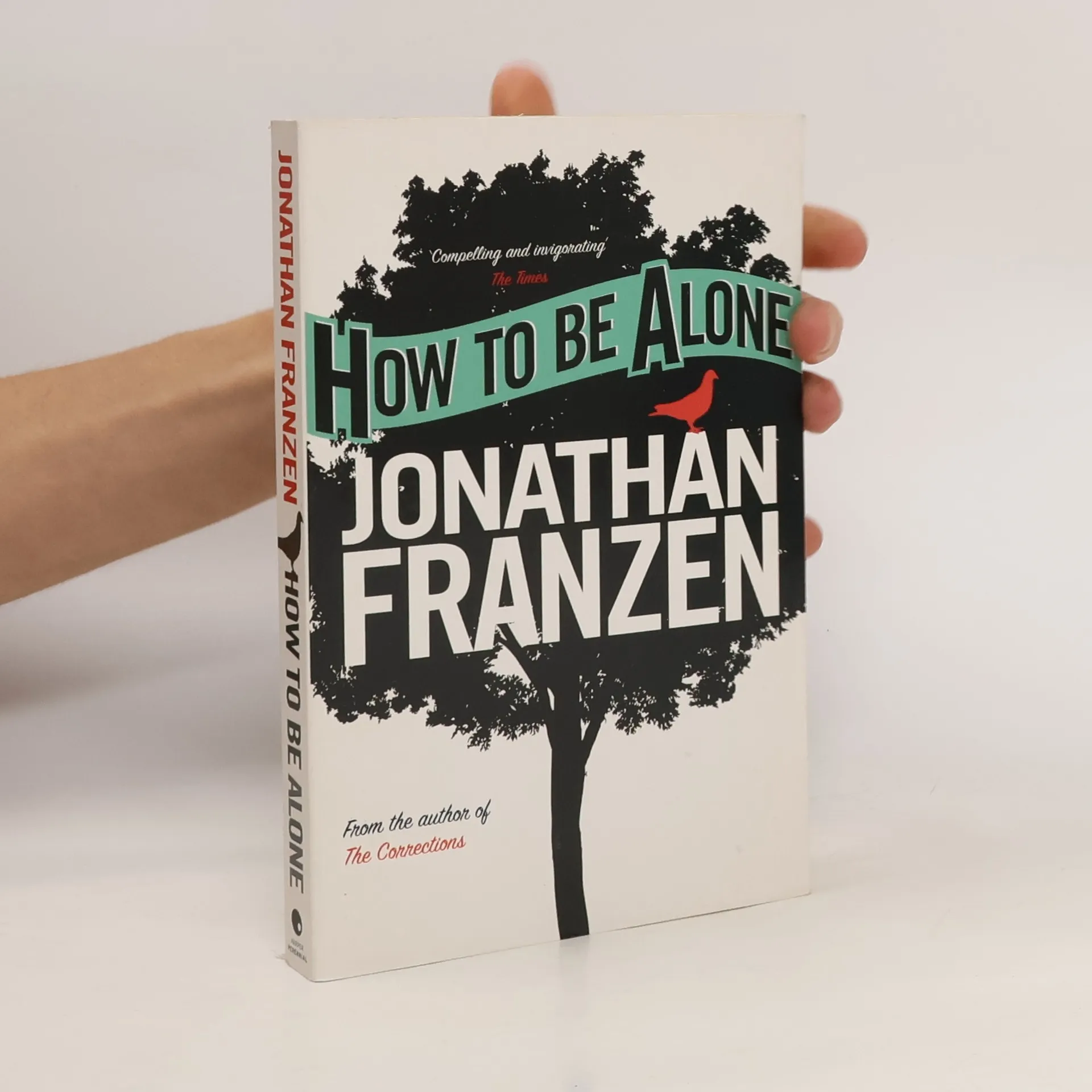
Passionate, strong-minded nonfiction from the National Book Award-winning author of "The Corrections." Jonathan Franzen's acclaimed novel was widely discussed, particularly regarding "The Harper's Essay," his controversial 1996 exploration of the American novel's fate. This essay appears for the first time in How to be Alone, alongside personal essays and insightful reportage that garnered Franzen a broad readership prior to his novel's success. His subjects, ranging from the sex-advice industry to the workings of a supermax prison, delve into recurring themes: the erosion of civic life, private dignity, and the persistent loneliness in postmodern America. Recent essays include a poignant piece on his father's struggle with Alzheimer's and a candid account of his brief experience as an Oprah Winfrey author. Collectively, these essays illustrate Franzen's journey "away from an angry and frightened isolation toward an acceptance— even a celebration—of being a reader and a writer." They reflect his skepticism toward technology and psychology, a complex relationship with consumerism, and a belief in the tragic nature of individual lives, establishing Franzen as one of our most incisive and entertaining social critics.
At once a searing indictment of corporate culture, a story of a young man confronting his past and future with honesty, and a testament to the enduring power of family, The Man in the Gray Flannel Suit is a deeply rewarding novel about the importance of taking responsibility for one's own life."--BOOK JACKET.
"Young Pip Tyler doesn't know who she is. She knows that her real name is Purity, that she's saddled with $130,000 in student debt, that she's squatting with anarchists in Oakland, and that her relationship with her mother -- her only family -- is hazardous. But she doesn't have a clue who her father is, why her mother chose to live as a recluse with an invented name, or how she'll ever have a normal life. Enter the Germans. A glancing encounter with a German peace activist leads Pip to an internship in South America with The Sunlight Project, an organization that traffics in all the secrets of the world -- including, Pip hopes, the secret of her origins. TSP is the brainchild of Andreas Wolf, a charismatic provocateur who rose to fame in the chaos following the fall of the Berlin Wall. Now on the lam in Bolivia, Andreas is drawn to Pip for reasons she doesn't understand, and the intensity of her response to him upends her conventional ideas of right and wrong."--Jacket
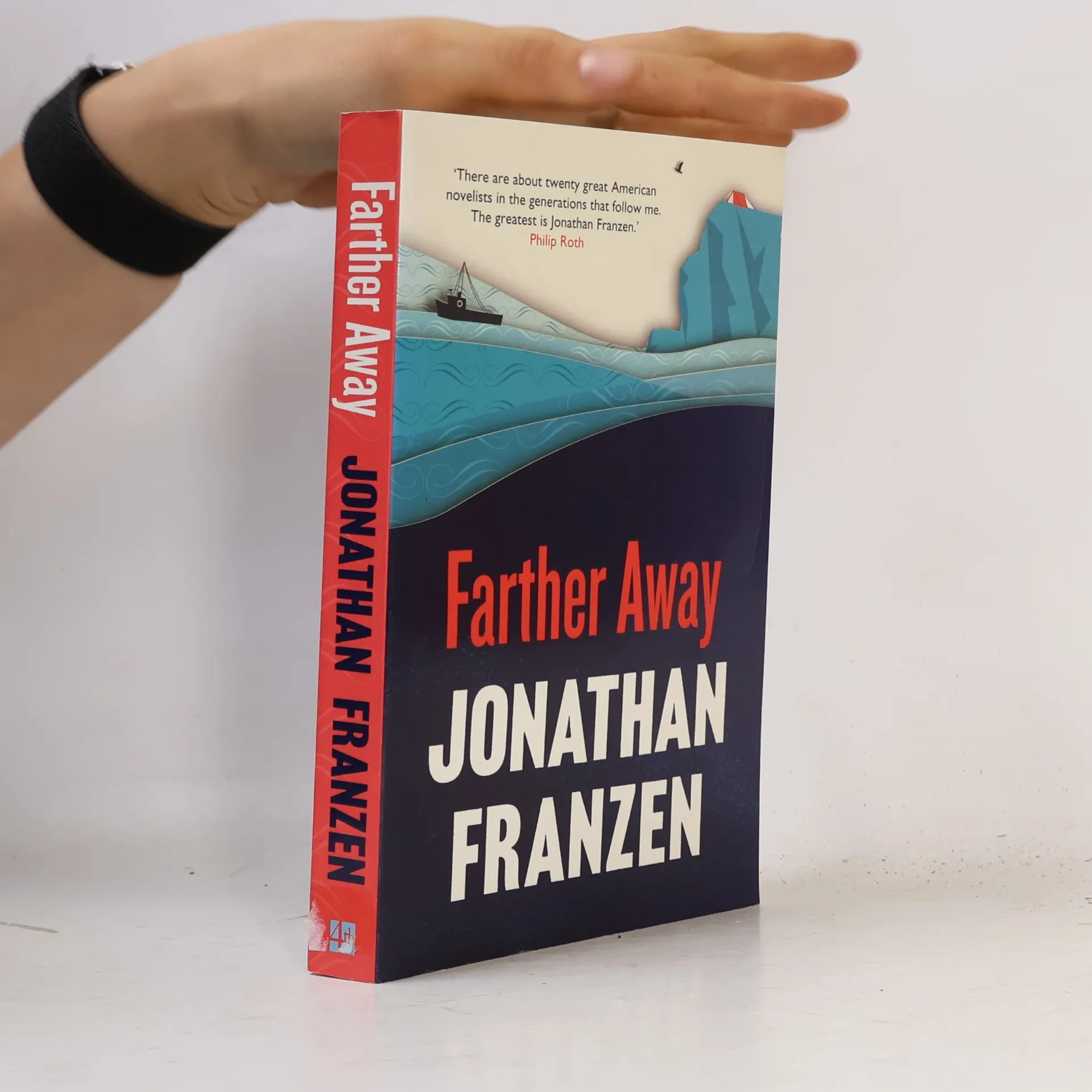
Jonathan Franzen's Freedom was the runaway most-discussed novel of 2010, an ambitious and searching engagement with life in America in the twenty-first century. In The New York Times Book Review, Sam Tanenhaus proclaimed it "a masterpiece of American fiction" and lauded its illumination, "through the steady radiance of its author's profound moral intelligence, [of] the world we thought we knew." In Farther Away , which gathers together essays and speeches written mostly in the past five years, Franzen returns with renewed vigor to the themes, both human and literary, that have long preoccupied him. Whether recounting his violent encounter with bird poachers in Cyprus, examining his mixed feelings about the suicide of his friend and rival David Foster Wallace, or offering a moving and witty take on the ways that technology has changed how people express their love, these pieces deliver on Franzen's implicit promise to conceal nothing. On a trip to China to see first-hand the environmental devastation there, he doesn't omit mention of his excitement and awe at the pace of China's economic development; the trip becomes a journey out of his own prejudice and moral condemnation. Taken together, these essays trace the progress of unique and mature mind wrestling with itself, with literature, and with some of the most important issues of our day. Farther Away is remarkable, provocative, and necessary.