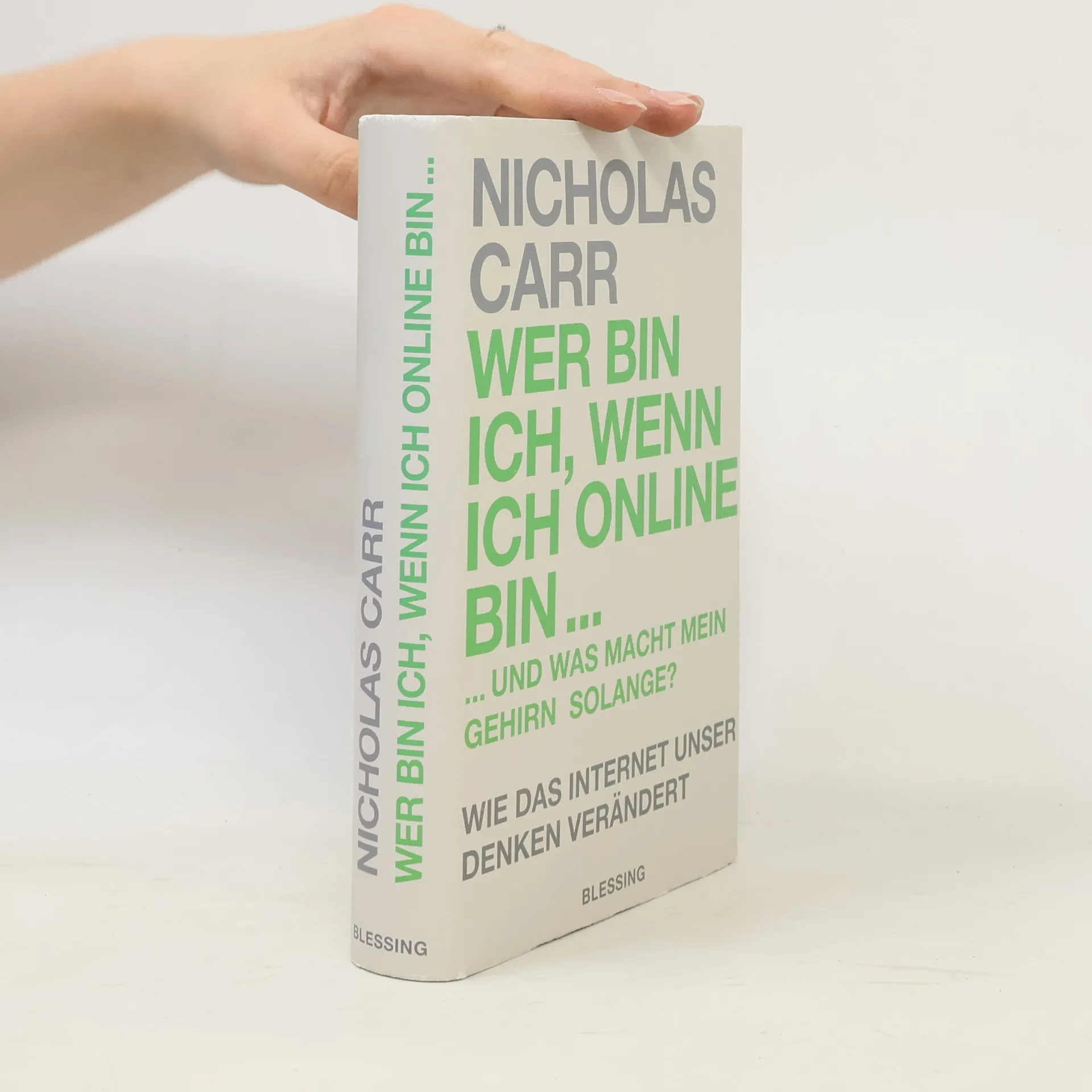
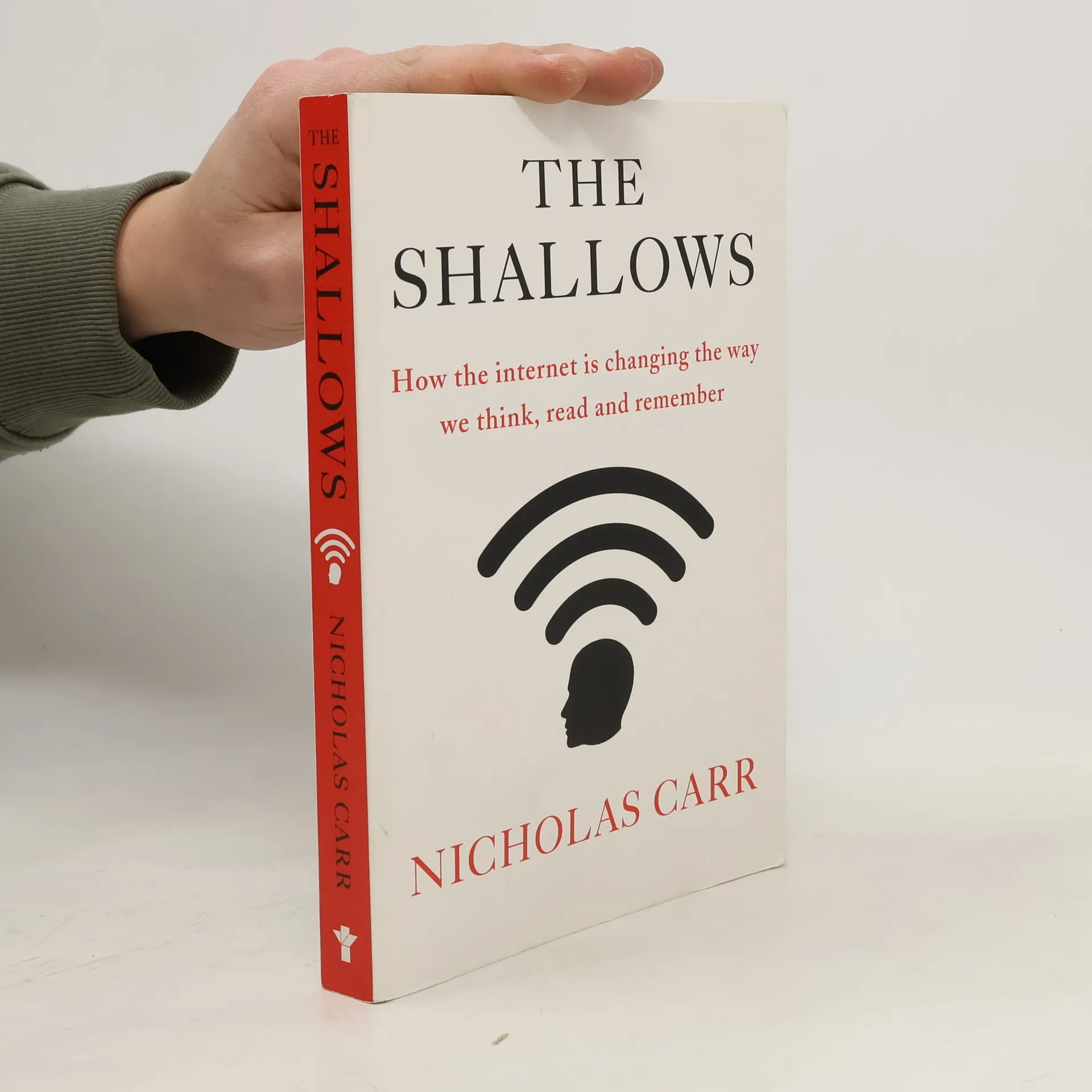
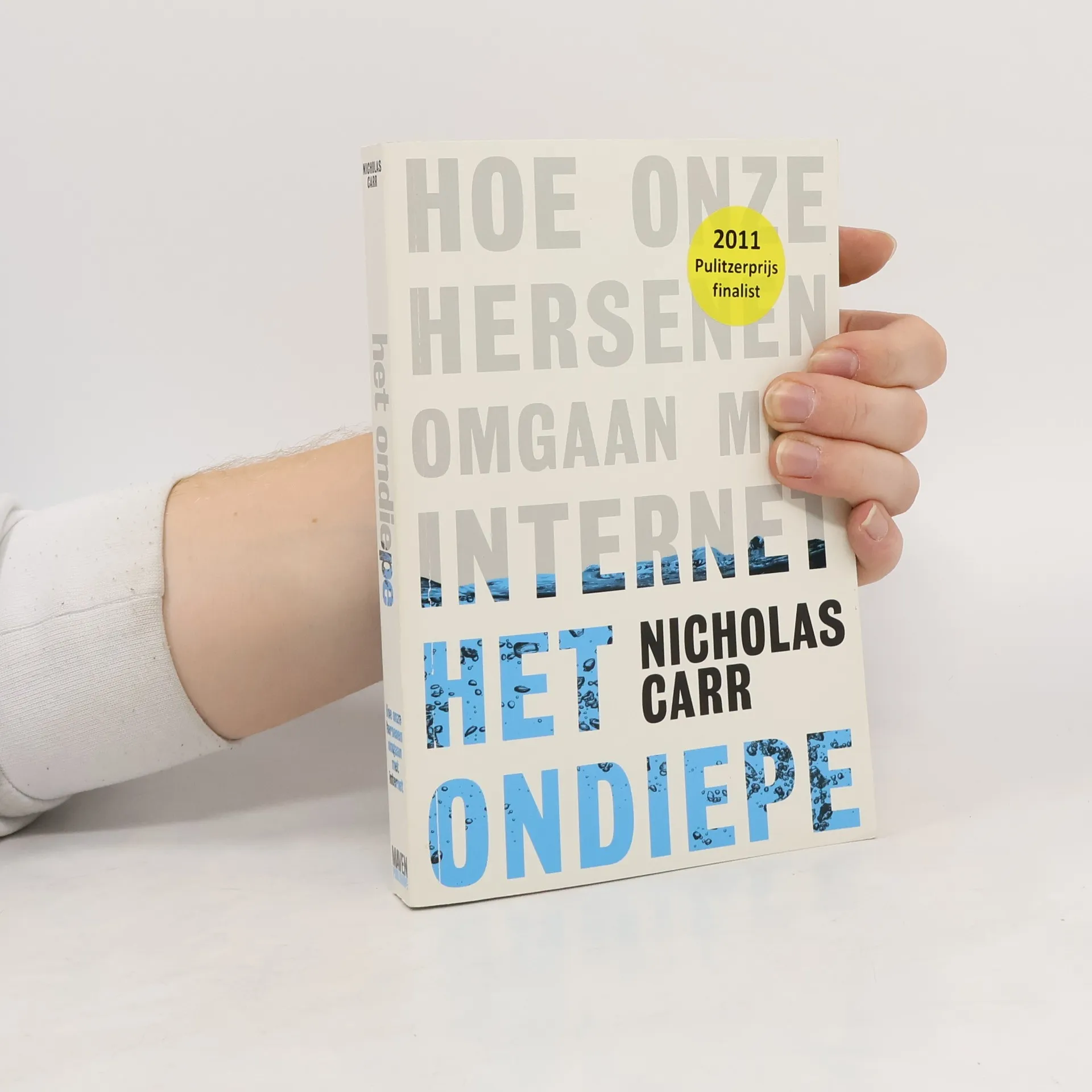

The best-selling author of The Big Switch returns with an explosive look at technology’s effect on the mind. “Is Google making us stupid?” When Nicholas Carr posed that question in a celebrated Atlantic Monthly cover story, he tapped into a well of anxiety about how the Internet is changing us. He also crystallized one of the most important debates of our time: As we enjoy the Net’s bounties, are we sacrificing our ability to read and think deeply? Now Carr expands his argument into the most compelling exploration of the Internet’s intellectual and cultural consequences yet published. Weaving insights from philosophy, neuroscience, and history into a rich narrative, The Shallows explains how the Net is rerouting our neural pathways, replacing the subtle mind of the book reader with the distracted mind of the screen watcher. A gripping story of human transformation played out against a backdrop of technological upheaval, The Shallows will forever alter the way we think about media and our minds.
Nicholas Carr Boeken
Nicholas Carr is een auteur wiens werk zich verdiept in de diepgaande effecten van onze toenemende afhankelijkheid van technologie. Hij onderzoekt kritisch hoe constante connectiviteit en automatisering ons vormen en veranderen, vaak op onvoorziene manieren. Zijn schrijven kenmerkt zich door inzichtelijke analyses die lezers dwingen diep na te denken over de impact van het digitale tijdperk op onze geest en samenleving. Met zijn verkenningen provoceert Carr essentiële gesprekken over de toekomst van de menselijke ervaring in een door software gedreven wereld.


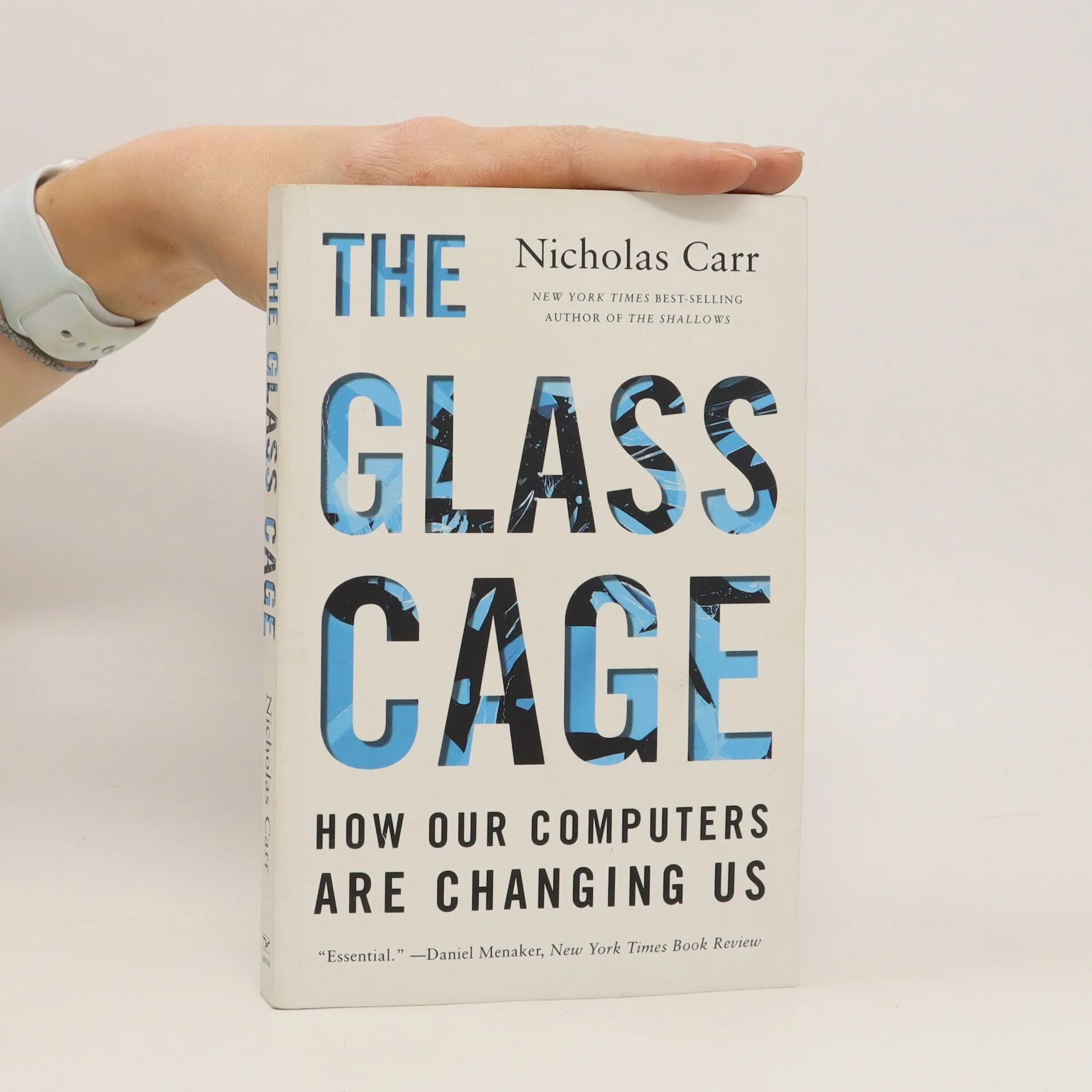
From the best-selling author of The Shallows, an urgent examination of the human consequences of automation.
The Glass Cage
- 288bladzijden
- 11 uur lezen
"In The Glass Cage, best-selling author Nicholas Carr digs behind the headlines about factory robots and self-driving cars, wearable computers and digitized medicine, as he explores the hidden costs of granting software dominion over our work and our leisure and reveals something we already suspect: shifting our attention to computer screens can leave us disengaged and discontented."
Is Google making us stupid? In this extraordinary new book, as incendiary as it's important, Nicholas Carr argues that the internet is changing dramatically how we think, remember and interact. The Internet is eroding our capacity for concentration and co
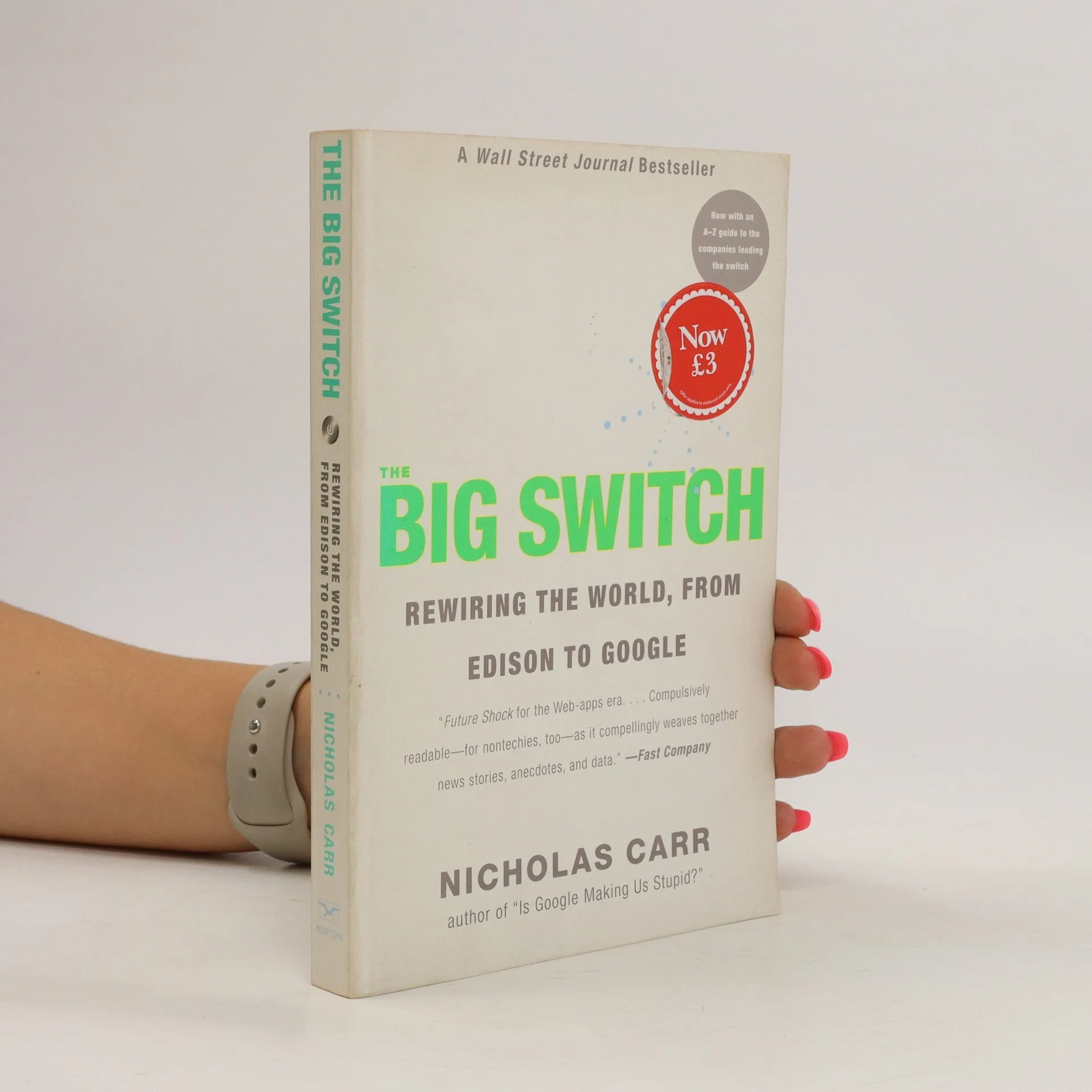
The Big Switch
- 304bladzijden
- 11 uur lezen
"Future Shock for the Web-apps era.... Compulsively readable—for nontechies, too."—Fast Company Building on the success of his industry-shaking Does IT Matter? Nicholas Carr returns with The Big Switch, a sweeping look at how a new computer revolution is reshaping business, society, and culture. Just as companies stopped generating their own power and plugged into the newly built electric grid some hundred years ago, today it's computing that's turning into a utility. The effects of this transition will ultimately change society as profoundly as cheap electricity did. The Big Switch provides a panoramic view of the new world being conjured from the circuits of the "World Wide Computer." New for the paperback edition, the book now includes an A–Z guide to the companies leading this transformation.
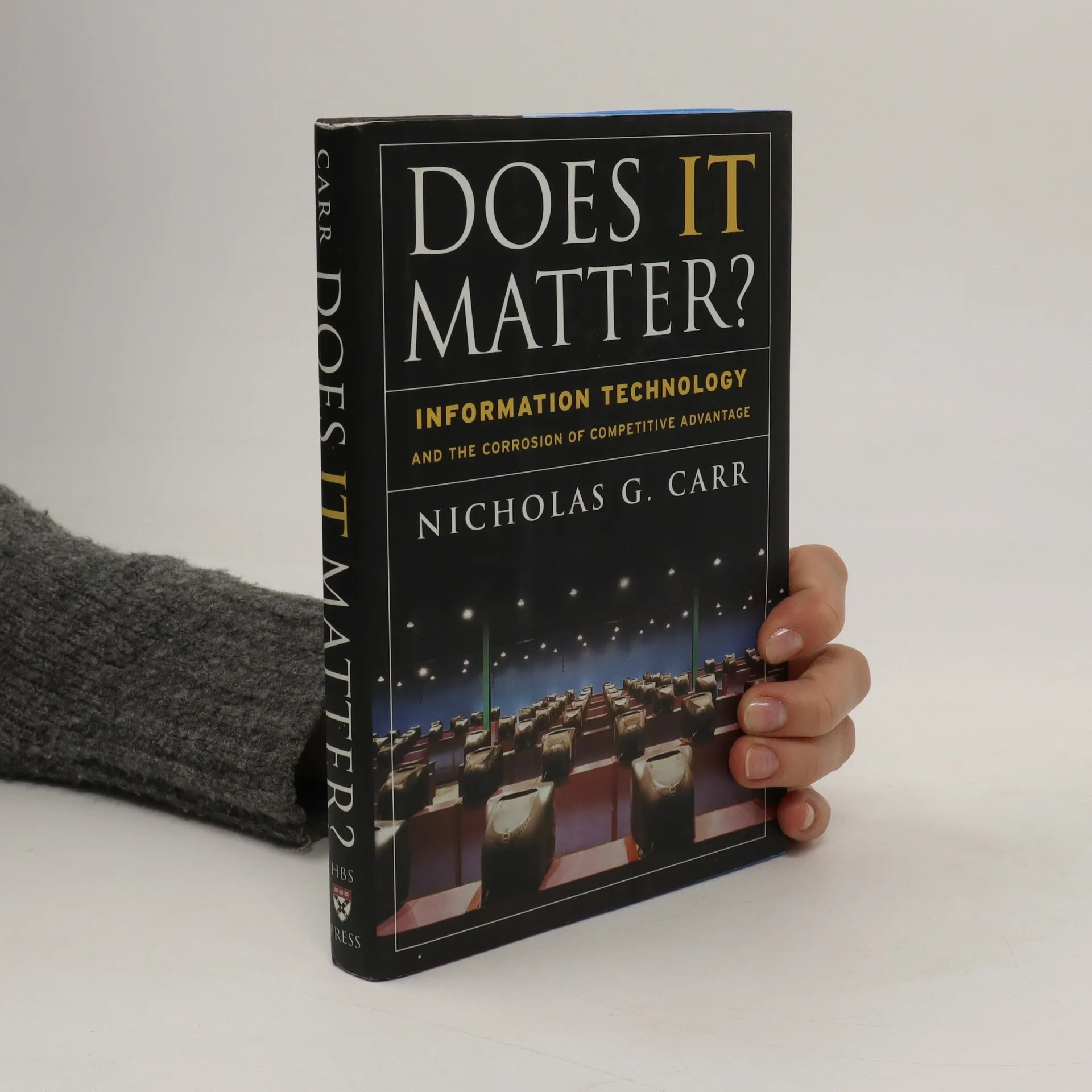
Does IT matter? : information technology and the corrosion of competitive advantage
- 208bladzijden
- 8 uur lezen
A bold and controversial manifesto on where information technology is headed, how its role in business strategy will dramatically change, and what this all means for business managers and IT suppliers Does IT Matter provides the first cogent explanation of IT’s dramatically changing business role, its levelling influence on competition, and the practical implications for business managers and IT suppliers. A convincing manifesto on one of the most important business phenomena of our time, “Does IT Matter?” will play a central role in our ongoing debate about the future of IT.
The glass cage. How our computers are changing us
- 288bladzijden
- 11 uur lezen
In The Glass Cage, best-selling author Nicholas Carr digs behind the headlines about factory robots and self-driving cars, wearable computers and digitized medicine, as he explores the hidden costs of granting software dominion over our work and our leisure and reveals something we already suspect: shifting our attention to computer screens can leave us disengaged and discontented
Utopia is Creepy
- 360bladzijden
- 13 uur lezen
"A freewheeling, sharp-shooting indictment of our tech-besotted culture by the Pulitzer Prize finalist. Over the past dozen years, Nicholas Carr has made his name as an agenda-setting writer on our complicated relationship with technology. Gathering posts from his blog Rough Type as well as seminal pieces published in The Atlantic, the MIT Technology Review, and the Wall Street Journal, he now provides an alternative history of the digital age, chronicling its roller-coaster crazes and crashes (remember MySpace or Second Life?). Ground-breaking essays such as 'Is Google Making Us Stupid?' and 'Life, Liberty, and the Pursuit of Privacy' dissect the logic behind Silicon Valley's 'liberation mythology, ' laying bare how technology has both enriched and imprisoned us--sometimes at the same time. A forward-looking new essay rounds out the collection. With searching assessments of topics from the future of work and play to free choice and the fate of reading, Carr once again challenges us to see our world anew"--Provided by publisher
Wie beeinflusst sie Körper und Geist? Heute schon gegoogelt? Im Durchschnitt sind die Deutschen etwa zweieinhalb Stunden täglich online. Neuesten Studien zufolge, so zeigt Bestsellerautor und IT-Experte Nicholas Carr, bewirkt bereits eine Onlinestunde am Tag erstaunliche neurologische Prägungen in unserem Gehirn. Wer das Internet nach Informationen, sozialen Kontakten oder Unterhaltung durchforstet, verwendet, anders als beim Buch- oder Zeitunglesen, einen Großteil seiner geistigen Energie auf die Beherrschung des Mediums selbst. Und macht sich um die Inhalte, buchstäblich, keinen Kopf. Die Folge: Im Internetzeitalter lesen wir oberflächlicher, lernen wir schlechter, erinnern wir uns schwächer denn je. Von den Anpassungsleistungen unseres Gehirns profitieren nicht wir, sondern die Konzerne, die mit Klickzahlen Kasse machen. In seinem neuen Buch verbindet Carr, zwanzig Jahre nach Entstehung des World Wide Web, seine medienkritische Bilanz mit einer erhellenden Zeitreise durch Philosophie-, Technologie- und Wissenschaftsgeschichte – von Sokrates’ Skepsis gegenüber der Schrift, dem Menschen als Uhrwerk und Nietzsches Schreibmaschine bis zum User als Gegenstand aktueller Debatten und Studien. Und er vermittelt – jenseits von vagem Kulturpessimismus – anhand greifbarer Untersuchungen und Experimente, wie das Internet unser Denken verändert.
Nominacja do nagrody Pulitzera 2011 Nominacja do nagrody literackiej PEN Center USA 2011 Międzynarodowy bestseller przetłumaczony na ponad dwadzieścia języków. To książka o pielęgnowaniu mądrości i zdolności do refleksji w epoce, w której obie wydają się coraz bardziej zagrożone. Nicholas Carr przedstawia dający do myślenia, odważny intelektualnie wywód o tym, jak internet - jako medium - zmienia nasz sposób myślenia oraz wpływa na to, jak będą (lub nie będą) myślały kolejne pokolenia. Niewiele książek można uznać za równie istotne. Maryanne Wolf, autorka Proust and the Squid. The Story and Science of the Reading Brain Po co myśleć? Przecież masz internet! Doświadczamy właśnie odwrócenia intelektualnej ewolucji naszego gatunku. Z czcicieli wiedzy i mądrości jako przymiotu ściśle związanego z osobowością znów stajemy się myśliwymi i zbieraczami, tym razem w elektronicznym lesie pełnym informacji. Internet wkroczył w nasze życie i bezpowrotnie je przewartościował. Przekształcił sposób, w jaki myślimy i działamy. Nasze problemy z koncentracją, coraz krótsze i uboższe wypowiedzi oraz problemy z przyswajaniem długich tekstów nie są dziełem przypadku. Czyżbyśmy stawali się coraz bardziej płytcy? Czyżby narzędzie, które powstało po to, by nam służyć, przejęło nad nami władzę? Nicholas Carr pokazuje, jak nowe media zmieniają nas samych i otaczającą nas rzeczywistość. Wyrasta przy tym na współczesnego Marshalla McLuhana. Jego książka wywołała w USA zażartą dyskusję, w którą zaangażowało się wielu publicystów i prestiżowych wydawców. Carr serwuje nam coś więcej niż tylko dogłębną i zaskakującą analizę socjologiczną: jego wywód to przede wszystkim wspaniała intelektualna uczta, pełna nieszablonowych przemyśleń i frapujących anegdot. Bez względu na to, czy jesteś zafascynowany możliwościami globalnej sieci, czy też raczej podejrzewasz, że konsekwencją jej rozwoju będzie zagłada rodzaju ludzkiego, warto dowiedzieć się, jak internet oddziałuje na Twój mózg i jak zmieni to Twoją przyszłość.